Hotels by Trip.com
Flights by Trip.com
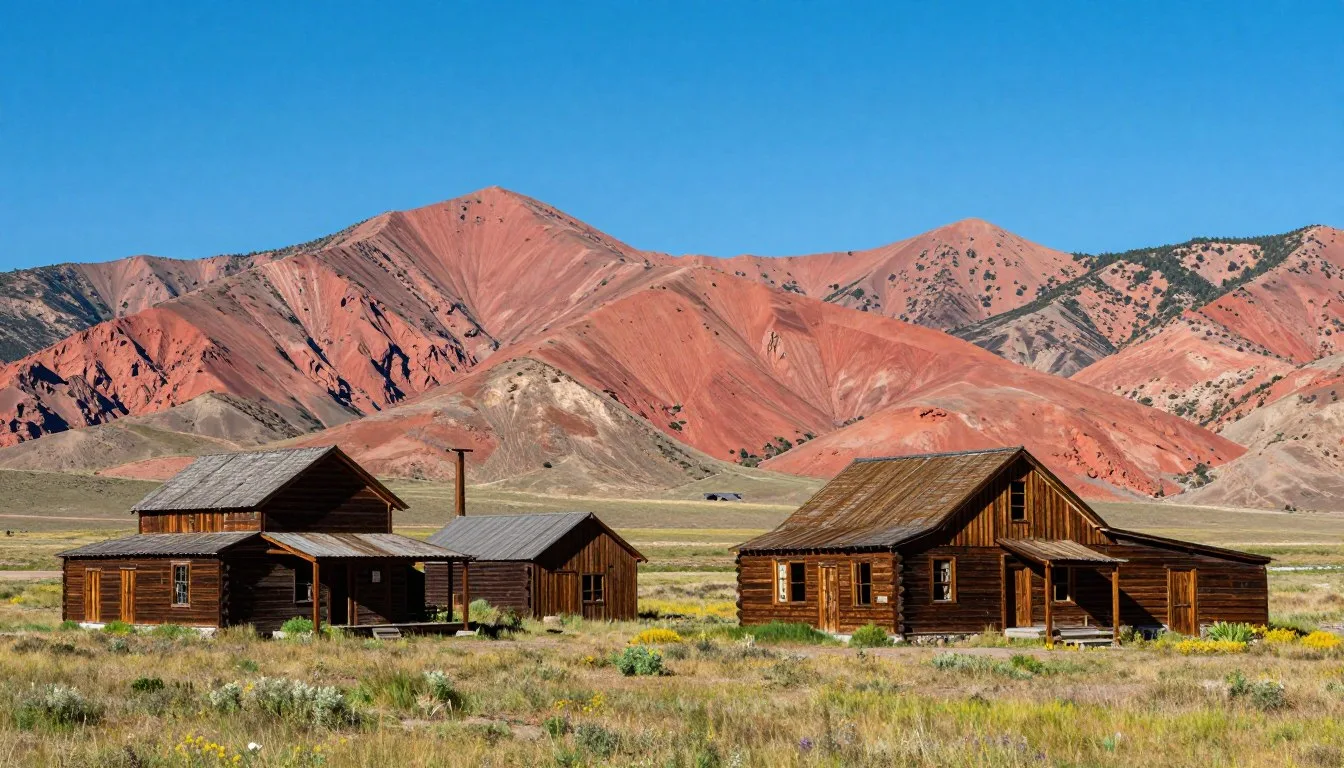
Perched at 3,414 m (11,200′) elevation in Colorado’s rugged San Juan Mountains, Red Mountain Town once housed over 800 miners during its 1880s boom. Today, fewer than a dozen weathered structures remain, creating one of the state’s most atmospheric ghost towns. This remarkable settlement earned its name from the iron-rich red peaks surrounding the area, which still glow crimson at sunset.
The abandoned town sits along the spectacular Million Dollar Highway between Silverton and Ouray. Wind whistles through collapsed mine buildings. Snow blankets the ruins for eight months yearly. Visitors discover a haunting window into Colorado’s wild mining past.
Getting There and Planning Your Journey
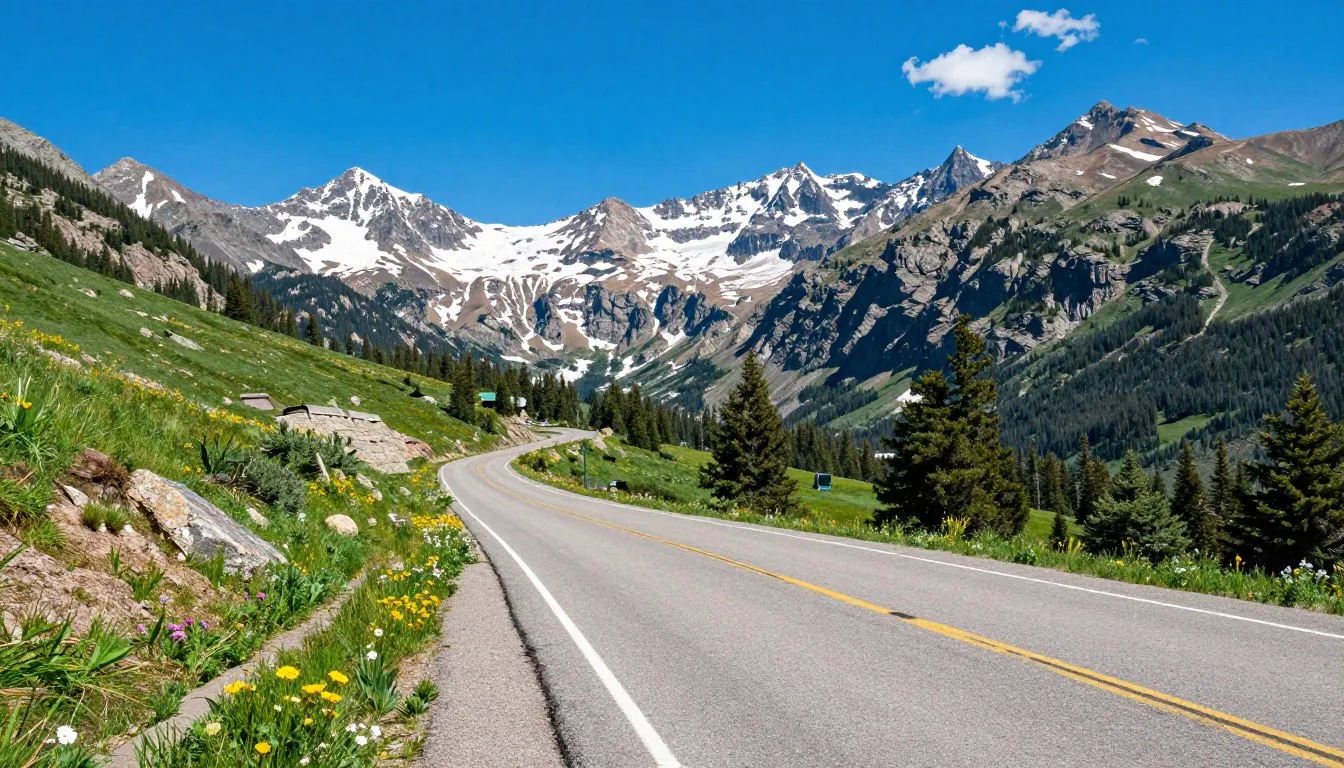
Red Mountain Town Ruins sits on U.S. Highway 550, locally known as the Million Dollar Highway. This dramatic route connects Silverton and Ouray through some of Colorado’s most spectacular mountain scenery.
The nearest major airports serve travelers heading to this remote ghost town. Montrose Regional Airport sits 97 km (60 miles) north and offers the closest commercial flights. Denver International Airport lies 531 km (330 miles) northeast, providing more flight options but requiring a longer drive. Durango-La Plata County Airport, located 113 km (70 miles) south, serves as another convenient entry point.
The drive from Montrose takes approximately ninety minutes through mountain passes. From Denver, plan for seven hours of driving through stunning Rocky Mountain landscapes. The Durango route requires about two hours of travel time.
Highway 550 remains one of America’s most thrilling drives. The road twists through narrow passes without guardrails in many sections. Sharp switchbacks and steep dropoffs demand careful attention. Check weather conditions before departing, especially during winter months when snow and ice create hazardous conditions.
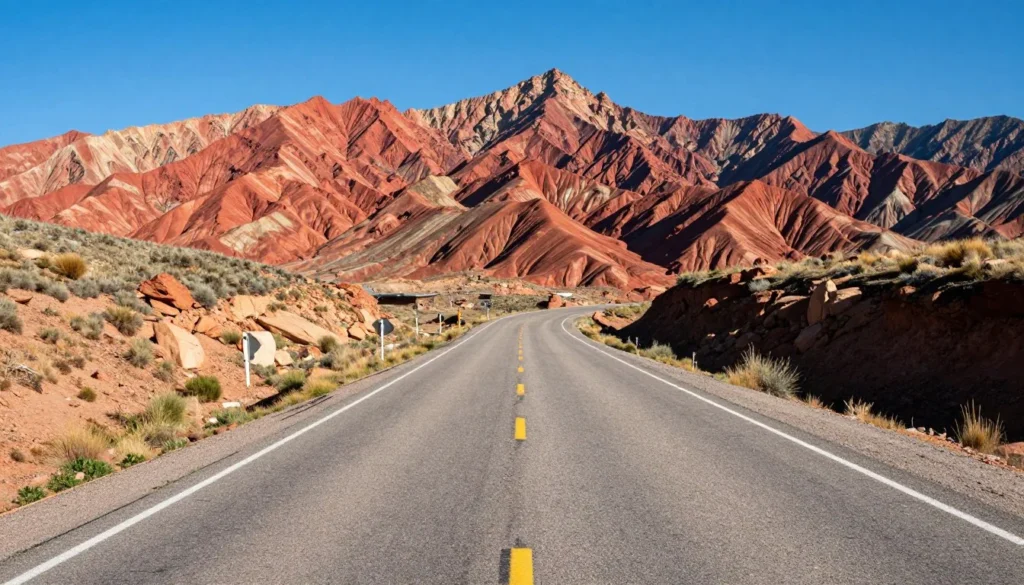
Vehicle rental services operate at all three airports. Reserve a reliable car with good brakes for mountain driving. Four-wheel drive becomes essential during winter months when snow covers the mountain road.
The ruins themselves require no entrance fees. Visitors can stop along the highway to explore the remaining structures. Limited pullouts provide parking spaces along the route. Summer months see heavy traffic, so arrive early morning or late afternoon for better parking availability.
Best Time to Visit Red Mountain Town Ruins
Summer months from June through September offer the most accessible conditions for exploring Red Mountain Town. Clear skies and mild temperatures make this peak season for visitors. Daytime temperatures reach 18°C to 24°C (65°F to 75°F) at lower elevations, though the high-altitude ghost town stays cooler.
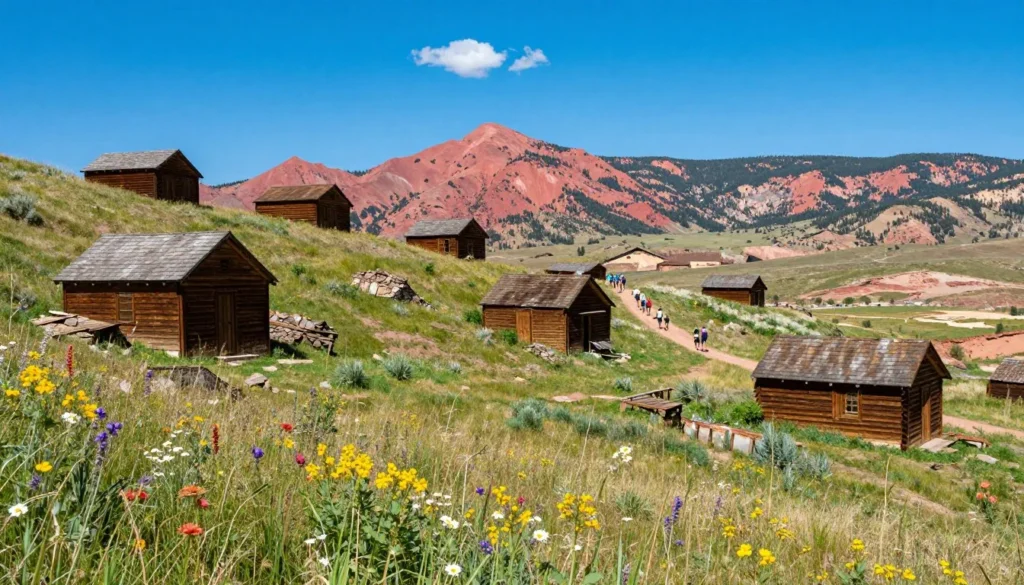
Late June brings vibrant wildflowers to alpine meadows surrounding the ruins. Purple lupine, yellow sunflowers, and red Indian paintbrush carpet the mountainsides. This spectacular display typically peaks in July.
Fall foliage transforms the landscape from mid-September through early October. Golden aspens contrast brilliantly against red mountain peaks. Cooler temperatures ranging from 4°C to 16°C (40°F to 60°F) make hiking comfortable. Fewer tourists visit during autumn, creating peaceful exploration opportunities.
Winter transforms Red Mountain into an inhospitable environment. Heavy snowfall blankets the area from November through May. The Million Dollar Highway often closes due to avalanche danger. Temperatures plummet to -18°C to -7°C (0°F to 20°F). Only experienced winter travelers should attempt visits during these months.
Check 30,000+ Local Sightseeing Tours Worldwide
✓ Numerous languages and currencies are available
Spring arrives late in this high-altitude region. Snowmelt continues through May and early June. Road conditions remain unpredictable with lingering snow patches and muddy sections. The mountain pass typically opens for reliable travel by mid-June.
Best Months to Visit
- July and August for warmest weather and full accessibility
- September for fall colors and smaller crowds
- Late June for wildflower displays
- Early October for crisp autumn conditions
Months to Avoid
- November through April due to heavy snow and road closures
- May for unpredictable conditions and lingering snow
- Late October when early winter storms begin
Weather Tips for Visitors
Mountain weather changes rapidly at Red Mountain Pass. Morning sunshine can give way to afternoon thunderstorms within hours. Pack layers including a warm jacket, even during summer months. Temperatures drop significantly with elevation gain.
Lightning poses serious danger during afternoon thunderstorms, particularly from July through August. Thunder typically builds between 2 PM and 5 PM. Plan morning visits to avoid these dangerous conditions. Seek shelter in your vehicle if storms approach.
Strong winds sweep across exposed areas near the ruins. Secure hats and lightweight items. Wind chill makes temperatures feel much colder than actual readings, especially during spring and fall.
UV radiation intensifies at high elevations. Apply sunscreen frequently, even on cloudy days. Wear sunglasses and a wide-brimmed hat for protection. The thin atmosphere provides less filtering of harmful rays.
Notable Annual Festivals
The remote location of Red Mountain Town means few organized festivals occur at the ruins themselves. However, nearby towns host several annual events celebrating mining heritage and mountain culture.
Silverton’s Hardrockers Holidays take place throughout August, featuring mining competitions, mucking contests, and historical reenactments. Contact Silverton Chamber of Commerce at +1 970-387-5654 for specific dates and details.
Ouray’s Ice Festival draws climbers from around the world each January. This celebration of ice climbing takes place when Red Mountain Pass often remains closed, but the festival showcases the region’s winter adventure culture. Reach organizers at +1 970-325-4288.
The Silverton Jubilee Folk Festival occurs over Labor Day weekend in late August or early September. This music celebration fills the historic mining town with performances, workshops, and mountain culture. Information is available by calling +1 970-387-5337.
Getting Around Locally
Personal vehicles provide the only practical transportation for visiting Red Mountain Town Ruins. No public transit services reach this remote mountain area. The ghost town sits directly on Highway 550, making it easily accessible by car.
Walking between structures at the ruins requires sturdy footwear. Uneven terrain, loose rocks, and debris surround the buildings. A typical exploration of the site takes thirty to sixty minutes on foot.
Several hiking trails branch from the area, leading to old mine sites and mountain overlooks. These paths range from easy walks to challenging climbs. Trail maps are available at visitor centers in Silverton and Ouray.
Bicycling the Million Dollar Highway attracts adventurous cyclists. The route offers spectacular views but demands excellent physical condition and experience with mountain riding. Traffic moves quickly and road shoulders remain narrow.
The distance between Red Mountain and Silverton spans 19 km (12 miles) south. Ouray lies 16 km (10 miles) north. Both towns offer additional services, lodging, and attractions. Drive times average fifteen to twenty minutes in good weather.
Where to Stay
No lodging exists at Red Mountain Town itself. Visitors base themselves in nearby Silverton or Ouray, both offering diverse accommodation options within short driving distance of the ruins.
Silverton Accommodations
This historic mining town provides lodging ranging from basic motels to Victorian-era hotels. The Grand Imperial Hotel preserves its 1882 heritage with period furnishings and mountain views. Several bed and breakfast establishments occupy restored miners’ homes.
Budget travelers find affordable options at motor lodges along Greene Street. These properties offer clean rooms and convenient parking. Prices typically range from 80 to 150 dollars per night during summer season.
Vacation rentals provide another option for families and groups. Historic homes and modern cabins accommodate various party sizes. Book early for peak summer months when Silverton fills with tourists.
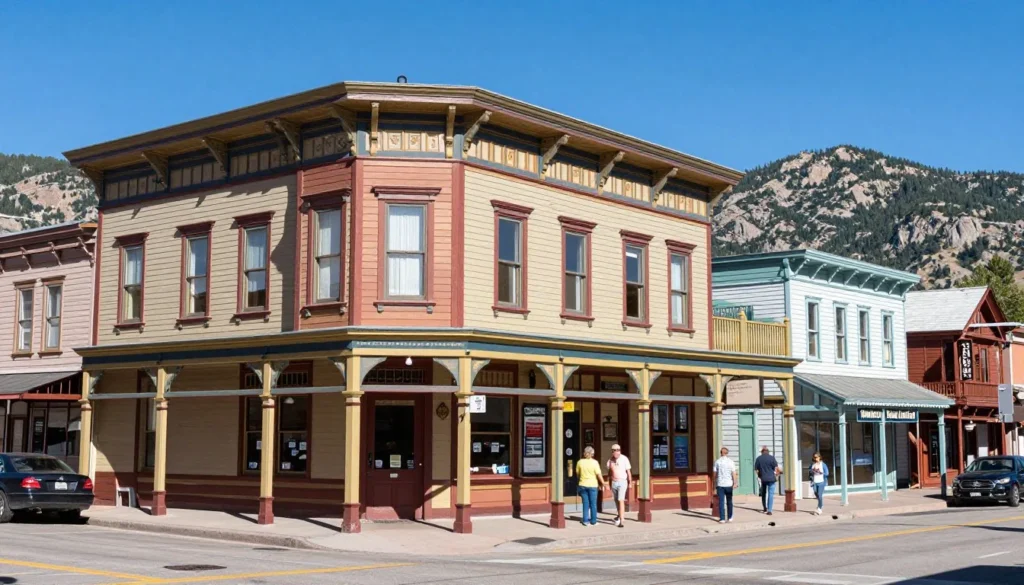
Ouray Lodging Options
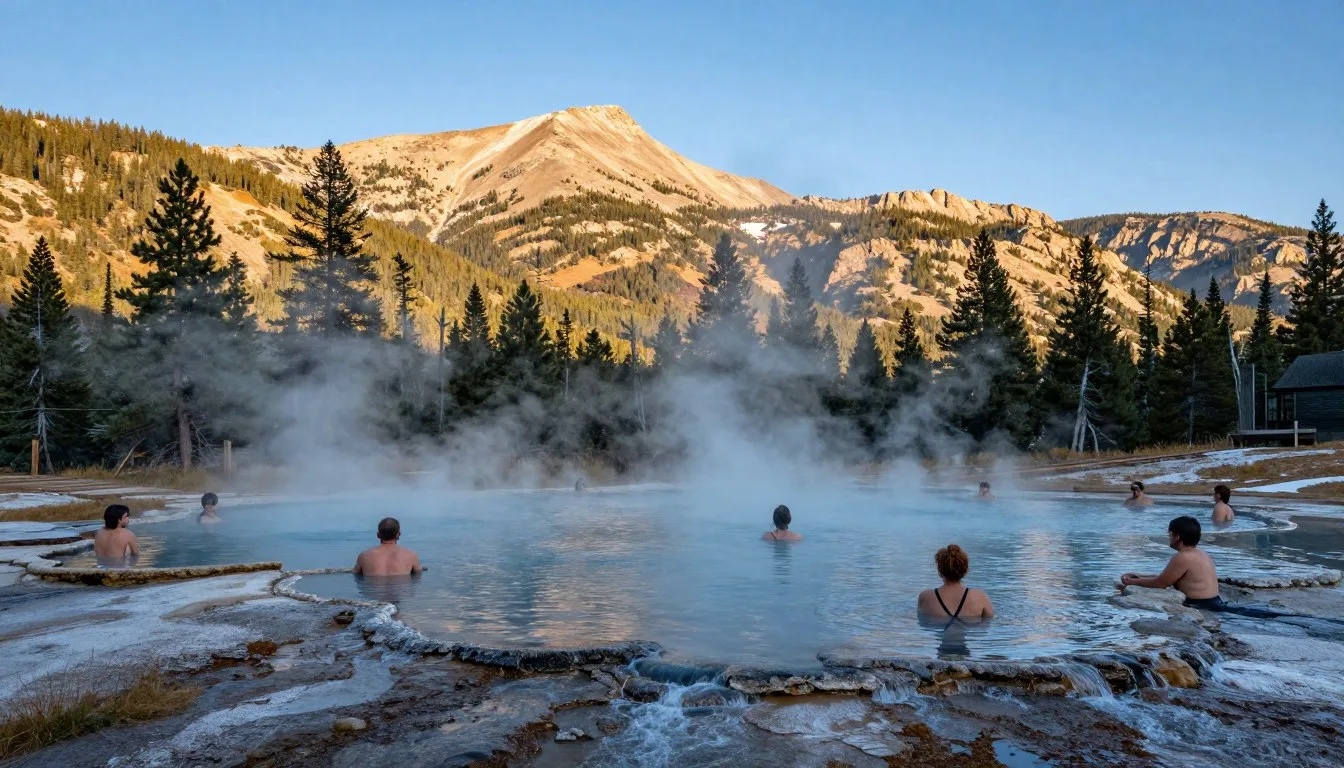
Known as the Switzerland of America, Ouray offers upscale accommodations and natural hot springs. Many hotels feature hot spring pools fed by natural geothermal waters. These relaxing facilities soothe muscles after hiking adventures.
The Beaumont Hotel anchors downtown with luxury rooms and fine dining. Historic charm combines with modern amenities throughout this restored landmark. Rates start around 200 dollars nightly during peak season.
Smaller motels and lodges line Main Street and side roads. These properties provide comfortable rooms at moderate prices. Many include breakfast and hot spring access. Summer reservations should be made months in advance.
Camping Near Red Mountain
Several campgrounds operate in the surrounding San Juan National Forest. These sites offer basic facilities including fire rings, picnic tables, and vault toilets. Electrical hookups and water connections remain unavailable at most locations.
Dispersed camping is permitted in national forest areas away from developed sites. Campers must follow Leave No Trace principles and camp at least 61 m (200′) from water sources. Check current regulations and fire restrictions before departing.
Campgrounds fill quickly during July and August. Arrive early afternoon to secure spots at popular locations. Nights remain cool even in summer, with temperatures dropping near freezing at high elevations.
Dining and Local Cuisine
Red Mountain Town contains no dining facilities. Visitors must travel to Silverton or Ouray for meals and supplies. Both towns offer restaurants serving hearty mountain fare and regional specialties.
Silverton Restaurants
Handlebars Food and Saloon serves classic American comfort food in a historic setting. Their burgers and steaks satisfy appetites after mountain exploration. The building preserves its Old West character with original wood floors and tin ceilings.
Brown Bear Cafe specializes in breakfast and lunch options. Homemade soups, sandwiches, and baked goods fuel day trips. Arrive early on summer mornings when locals and tourists fill the small space.
Several pizza places and casual eateries line Greene Street. These establishments provide quick, affordable meals. Many restaurants close or reduce hours during winter months when tourist traffic decreases.
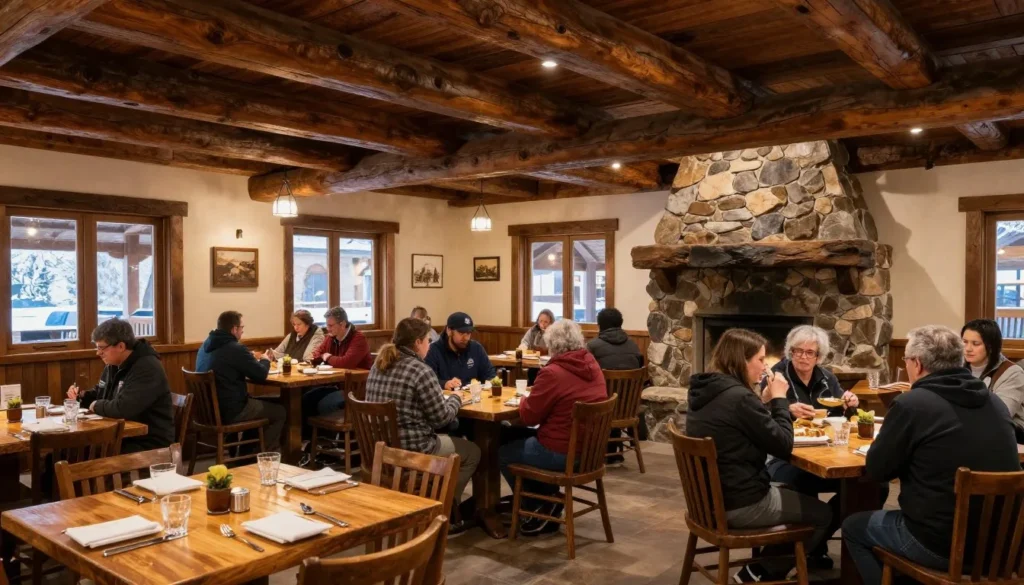
Ouray Dining Scene
Ouray’s restaurant selection exceeds Silverton’s offerings. The town caters to tourists year-round with diverse dining options. Prices generally run higher than Silverton due to the upscale tourist market.
Brickhouse 737 operates in a converted power plant serving Colorado cuisine with creative touches. Local ingredients and craft beers complement mountain views from the patio. Reservations are recommended during peak season.
Several Mexican restaurants provide flavorful meals at reasonable prices. These casual spots serve generous portions of burritos, tacos, and combination plates. Most welcome families and tired hikers.
Coffee shops and bakeries open early for breakfast seekers. Fresh pastries, espresso drinks, and breakfast sandwiches prepare visitors for morning adventures. These spots also provide packed lunch options for day trips.
Local Specialties and Supplies
Both towns feature small grocery stores stocking basic supplies and camping provisions. Prices exceed urban supermarket rates due to remote location and limited competition. Stock up before arriving if planning extended camping.
Colorado craft beers appear on most restaurant menus. Local breweries operate in Ouray and Durango, producing ales reflecting mountain heritage. Many restaurants feature rotating taps showcasing regional brewers.
Elk and bison occasionally appear on upscale restaurant menus. These game meats provide authentic Rocky Mountain dining experiences. Trout from local streams also features on several menus during summer months.
Attractions, Sightseeing, and Activities
Red Mountain Town Ruins stands as the primary attraction in this remote mountain area. The ghost town showcases Colorado’s mining heritage through weathered structures and abandoned equipment. Visitors explore freely among the buildings, discovering remnants of daily life from the 1880s boom period.
Exploring the Ghost Town
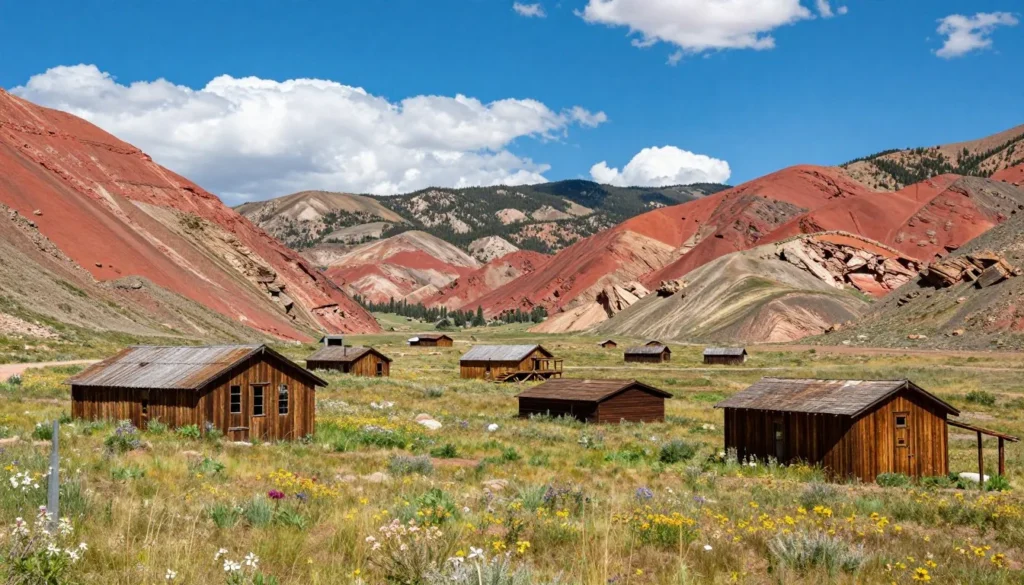
Approximately eight to twelve structures remain standing at various stages of decay. The largest building served as the town’s boarding house, where miners rented beds in crowded bunkrooms. Collapsed walls reveal interior spaces frozen in time.
Mining equipment rusts beside old shaft openings. Ore cars sit tilted on degraded tracks. Warning signs mark dangerous mine entrances that visitors must avoid. Never enter old mines due to unstable structures and toxic gases.
Photography opportunities abound throughout the site. Morning and evening light enhances the red mountain backdrop. The contrast between weathered gray wood and crimson peaks creates striking compositions.
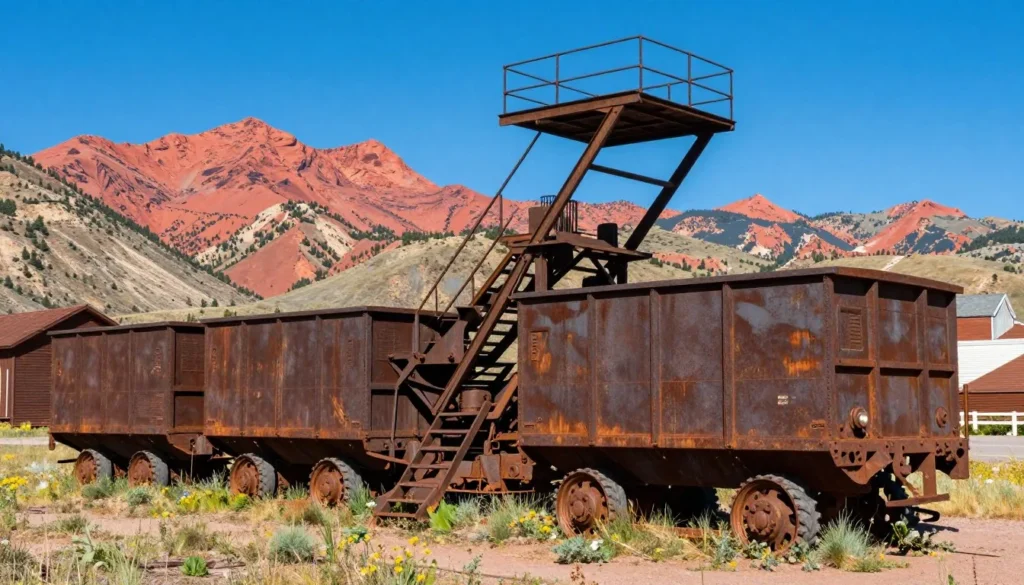
Yankee Girl Mine
The Yankee Girl Mine sits above Red Mountain Town as one of the district’s most productive operations. This mine produced millions of dollars in silver and gold during its peak years. The headframe remains visible from Highway 550, perched dramatically on the mountainside.
Viewing the Yankee Girl requires stopping at designated pullouts along the highway. No public access exists to the mine structures themselves due to private ownership and safety concerns. The distant view still impresses with its mountain setting.
Historical records indicate the Yankee Girl operated from 1882 through the 1920s. Over 100 miners worked underground during peak production years. The mine’s name came from a claim jumper’s daughter, according to local legend.
Red Mountain Pass Summit
The pass summit reaches 3,414 m (11,018′) elevation just north of the town ruins. Several pullouts provide stunning views of surrounding peaks and valleys. The Continental Divide rises to the east, marking the boundary between Pacific and Atlantic watersheds.
Interpretive signs at the summit explain geological features and mining history. The information helps visitors understand how mineral-rich veins formed in these red mountains. The distinctive coloring comes from iron oxide in the rock.
Winter avalanches regularly sweep across the pass, explaining why the highway closes seasonally. Towering slide paths scar the mountainsides, visible even in summer. These natural hazards shaped the brief, intense mining era.
Red Mountain Mining District
The broader mining district encompassed several towns and numerous mines. Red Mountain Town, sometimes called Red Mountain City, was the smallest of three settlements. Neighboring Guston and Ironton also thrived briefly before economic collapse.
Foundations and debris mark former building sites throughout the district. Interpretive signs along Highway 550 identify historic locations. The entire area functioned as an interconnected mining community during the 1880s boom.
Mine waste and tailings still scar some mountainsides, showing the environmental impact of historical operations. Modern cleanup efforts have addressed the worst contamination, but mining remnants remain visible everywhere.
Museums, Cultural Spots, and Festivals
The remote location means no museums operate at Red Mountain Town itself. However, nearby communities preserve mining heritage through excellent historical facilities and cultural programs.
Silverton Museums
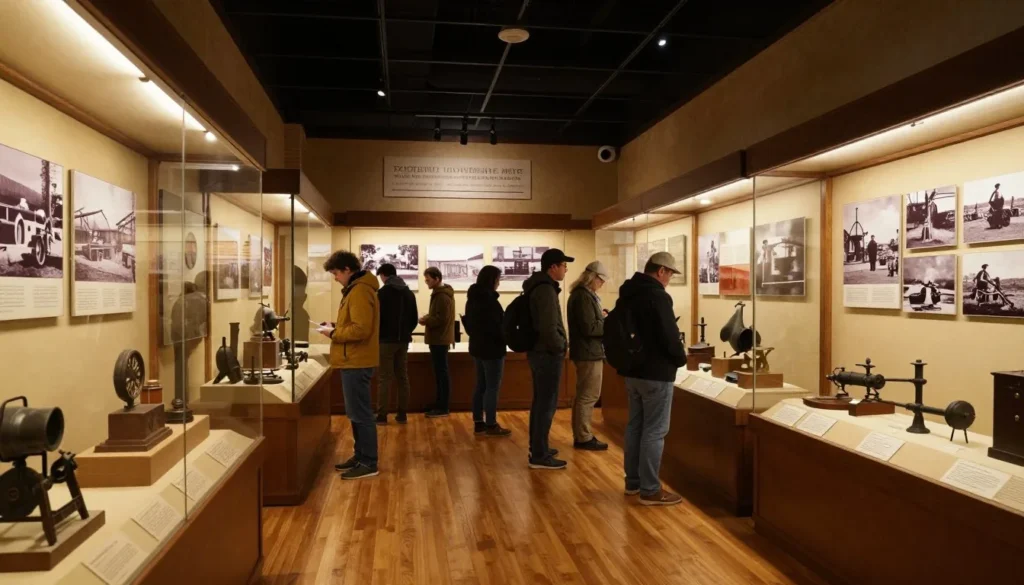
The San Juan County Historical Society operates the Mining Heritage Center in downtown Silverton. This museum showcases equipment, photographs, and artifacts from the area’s mining past. Interactive exhibits explain ore processing and underground working conditions.
Admission costs 10 dollars for adults with discounts for children and seniors. The museum opens daily during summer months from 9 AM to 5 PM. Call +1 970-387-5838 for off-season hours and special programs.
The Old Hundred Gold Mine Tour takes visitors 457 m (1,500′) into a real mine tunnel. Guides explain mining techniques while demonstrating historical equipment. The underground temperature remains 7°C (45°F) year-round, requiring warm clothing.
Tours run daily from mid-May through mid-October, departing every thirty minutes. Reservations are recommended during peak summer weeks. The experience lasts approximately one hour. Contact the mine at +1 970-387-5444.
Ouray County Museum
Housed in the former St. Joseph Miners Hospital, this museum presents artifacts and displays about the Ouray region. Exhibits cover mining, railroads, and early settlement. A research library preserves historical documents and photographs.
The museum charges 8 dollars for adult admission. Hours vary seasonally, typically running from 10 AM to 4 PM during summer. Contact them at +1 970-325-4576 for current schedules and special exhibitions.
Cultural Events and Heritage Programs
The Silverton Heritage Society sponsors walking tours of the historic district during summer months. These guided experiences highlight Victorian architecture and mining-era buildings. Tours typically depart at 10 AM and 2 PM from the visitor center.
Evening programs feature historians discussing mining life, mountain hazards, and boom-town culture. These talks take place at local venues throughout summer. Check with the Silverton Visitor Center at +1 970-387-5654 for schedules.
Ouray hosts Victorian Christmas celebrations each December with period costumes and decorations. The festival includes caroling, theatrical performances, and historical presentations. This event transforms the town into a 19th-century holiday scene.
Nature and Outdoor Experiences
The San Juan Mountains surrounding Red Mountain Town offer spectacular outdoor recreation. Rugged peaks, alpine lakes, and wildflower meadows create a paradise for nature enthusiasts and adventure seekers.
Hiking Trails and Mountain Exploration
The Red Mountain Mining Overlook Trail provides close access to the mining district. This moderate path climbs 2.4 km (1.5 miles) from the highway to viewpoints above the ruins. Elevation gain totals 152 m (500′), requiring good physical condition.
Trail conditions vary significantly by season. Snow covers the path from October through June. Summer brings muddy sections during afternoon thunderstorms. Start early morning for best conditions and lighting.
Wildflowers blanket the trail corridor during July and August. Indian paintbrush, columbine, and alpine sunflowers create colorful displays. Wildlife sightings might include marmots, pikas, and occasionally bighorn sheep.
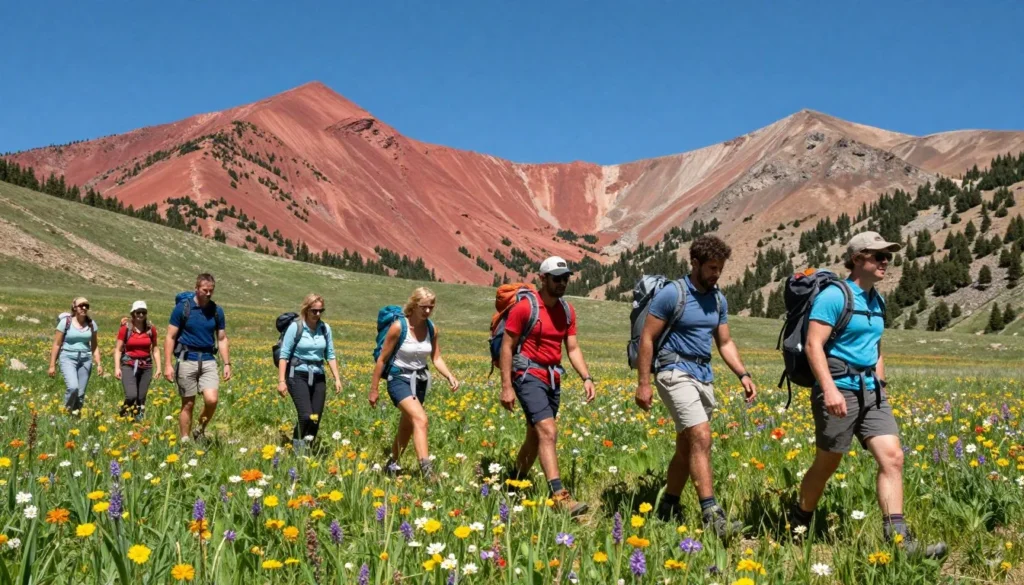
Longer backcountry routes branch from the Red Mountain area into the surrounding wilderness. The Continental Divide Trail passes nearby, offering extended hiking opportunities. These remote paths require navigation skills and wilderness camping gear.
Photography and Scenic Viewpoints
Highway 550 provides numerous pullouts for photography and sightseeing. Each viewpoint reveals different perspectives on the red mountains and ghost town structures. Sunrise and sunset produce the most dramatic lighting conditions.
The contrast between red mountain peaks and green alpine vegetation creates stunning color combinations. Storm clouds add drama to mountain landscapes. Patient photographers capture unique light conditions throughout the day.
Check 30,000+ Local Sightseeing Tours Worldwide
✓ Numerous languages and currencies are available
Fall foliage photography peaks from late September through early October. Golden aspens set against red mountains provide spectacular color contrasts. This brief season attracts photographers from throughout Colorado and beyond.
Wildlife Watching
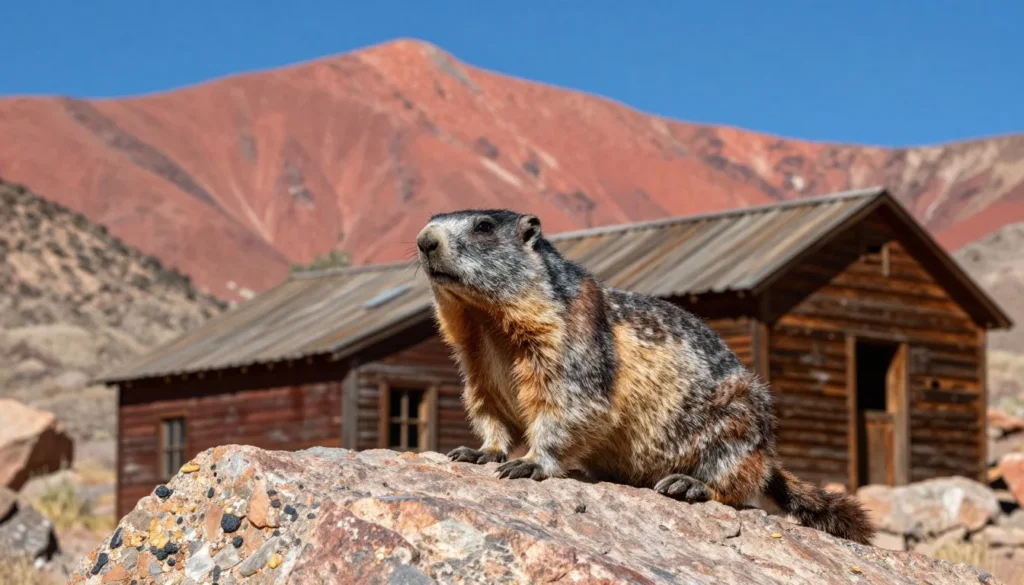
The high alpine environment supports diverse wildlife adapted to harsh mountain conditions. Marmots and pikas inhabit rocky areas near the ruins. These small mammals prepare for winter by gathering vegetation and storing it in rock crevices.
Elk frequent lower elevation forests during summer months. Early morning and evening hours offer the best viewing opportunities. Listen for distinctive bugling calls during September’s mating season.
Birds of prey including golden eagles and red-tailed hawks soar above the peaks. These raptors hunt for rodents and small mammals in open meadows. Binoculars enhance wildlife viewing from safe distances.
Winter Activities
Snowshoeing and cross-country skiing become possible when the Million Dollar Highway remains open. Deep snow covers the ruins, creating otherworldly winter landscapes. Extreme cold and avalanche danger require expert-level winter skills.
Ice climbing attracts experienced mountaineers to frozen waterfalls in nearby canyons. These technical activities demand specialized equipment and training. Several guide services in Ouray offer instruction and guided climbs.
Money Saving Tips
Visiting Red Mountain Town Ruins costs nothing, but surrounding expenses can accumulate quickly. Smart planning helps travelers experience this mountain region without exceeding budgets.
Free Attractions
The ghost town itself requires no entrance fees or permits. Visitors explore freely during daylight hours. Parking along Highway 550 costs nothing at designated pullouts.
Numerous hiking trails throughout the San Juan National Forest remain free to access. These paths provide endless outdoor recreation without charges. Carry the Ten Essentials for safety on mountain trails.
Self-guided driving tours along the Million Dollar Highway offer spectacular scenery at no cost beyond fuel. Interpretive signs provide historical context without guide fees. This approach suits budget-conscious travelers perfectly.
Accommodation Strategies
Camping dramatically reduces lodging costs compared to hotels. National Forest campgrounds charge 15 to 25 dollars per night. Dispersed camping on public lands costs nothing when following regulations.
Book accommodations well ahead of summer season for better rates. Last-minute bookings during peak weeks command premium prices. Shoulder season visits in June or September offer lower rates with good weather chances.
Consider staying in Silverton rather than Ouray for generally lower prices. The short drive to Red Mountain adds minimal time while potentially saving 50 dollars or more per night.
Budget-Friendly Choices
- Pack picnic lunches from grocery stores instead of restaurant meals
- Fill water bottles at public facilities rather than buying bottled water
- Visit during weekdays when lodging rates drop
- Share accommodations with other travelers to split costs
Expensive Options to Avoid
- Peak summer weekend hotel rates in Ouray
- Last-minute accommodation bookings
- Dining at upscale restaurants for every meal
- Guided tours when self-guided options exist
Transportation Savings
Combine Red Mountain visits with other San Juan Mountain destinations to maximize fuel efficiency. The loop route through Silverton, Ouray, and Durango allows multiple sights in one trip.
Carpooling with other travelers splits fuel costs and parking hassles. Online travel forums connect budget-minded adventurers heading to the same destinations.
Rental car companies in Montrose often offer better rates than Denver or Durango. The shorter driving distance also saves fuel costs. Compare total trip expenses when selecting airports and rental locations.
Safety, Etiquette, and Local Customs
Mountain environments present unique hazards requiring preparation and awareness. Following safety guidelines and respecting local customs ensures positive experiences for all visitors.
Safety Considerations
Altitude sickness affects many visitors at Red Mountain’s 3,414 m (11,200′) elevation. Symptoms include headaches, nausea, and fatigue. Ascend gradually and drink extra water to minimize effects. Descend immediately if symptoms worsen.
Old mines contain deadly hazards including unstable structures, toxic gases, and vertical shafts. Never enter abandoned mines under any circumstances. Deaths occur regularly when curious visitors ignore warnings.
Afternoon thunderstorms bring lightning danger from July through August. Lightning strikes kill several people in Colorado mountains annually. Descend from exposed areas when thunder rumbles. Avoid lone trees and metal structures during storms.
Cell phone coverage remains unreliable throughout the Red Mountain area. Emergency communications may be impossible. Inform someone of your plans before exploring remote locations. Carry emergency supplies including first aid kits.
Mountain Driving Safety
The Million Dollar Highway demands complete attention. Narrow sections lack guardrails above steep cliffs. Drive slowly and pull over at designated spots to allow faster traffic to pass.
Check brakes before descending mountain passes. Overheated brakes cause numerous accidents on steep grades. Use low gears rather than riding brakes continuously.
Watch for wildlife crossing the highway, especially during dawn and dusk hours. Elk and deer appear suddenly around curves. Hitting large animals damages vehicles and injures occupants.
Leave No Trace Principles
Pack out all trash including small items like cigarette butts and orange peels. Garbage degrades slowly at high elevations. Wildlife suffers when eating human food and waste.
Stay on established trails to prevent erosion and vegetation damage. Alpine plants grow extremely slowly in harsh conditions. Footprints across meadows create lasting scars.
Leave historical artifacts in place for future visitors to discover. Removing items from ghost towns violates federal antiquities laws. Take only photographs and memories.
Local Customs and Etiquette
Mountain communities value self-reliance and preparedness. Visitors should arrive with adequate supplies rather than expecting rescues. Search and rescue teams volunteer their time and risk their lives.
Respect private property boundaries around old mines and structures. Some ruins sit on private land despite appearing abandoned. Trespassing charges apply even at ghost towns.
Speak quietly and minimize noise pollution in wilderness areas. Other visitors seek peaceful mountain experiences. Loud music and shouting disrupt wildlife and detract from natural settings.
Visitor Comments About Red Mountain Town Ruins
“The drive up to Red Mountain tested my nerves but the ghost town made it worthwhile. Those weathered buildings against red peaks created incredible photos. We spent an hour exploring the structures and imagining miner life in such harsh conditions. Just watch your step around the ruins because boards and nails lurk everywhere.”
H.R., Chattanooga
“Red Mountain exceeded my expectations after visiting several Colorado ghost towns. The mountain setting feels more dramatic than other sites. I appreciated how accessible everything was right from the highway. Started early morning and had the place to ourselves for photography. The surrounding peaks glowed orange in sunrise light.”
P.G., Ballarat
“Combining Red Mountain with Silverton and Ouray made a perfect day trip. The ruins tell stories about boom and bust cycles in mining country. My family learned about Colorado history while enjoying spectacular scenery. Weather changed fast though, so bringing layers was smart. That Million Dollar Highway earns its reputation.”
I.A., Kalookan
Additional Nearby Destinations
The Red Mountain area anchors a region packed with historic towns, natural wonders, and outdoor adventures. Visitors typically explore multiple destinations during San Juan Mountain trips.
Silverton
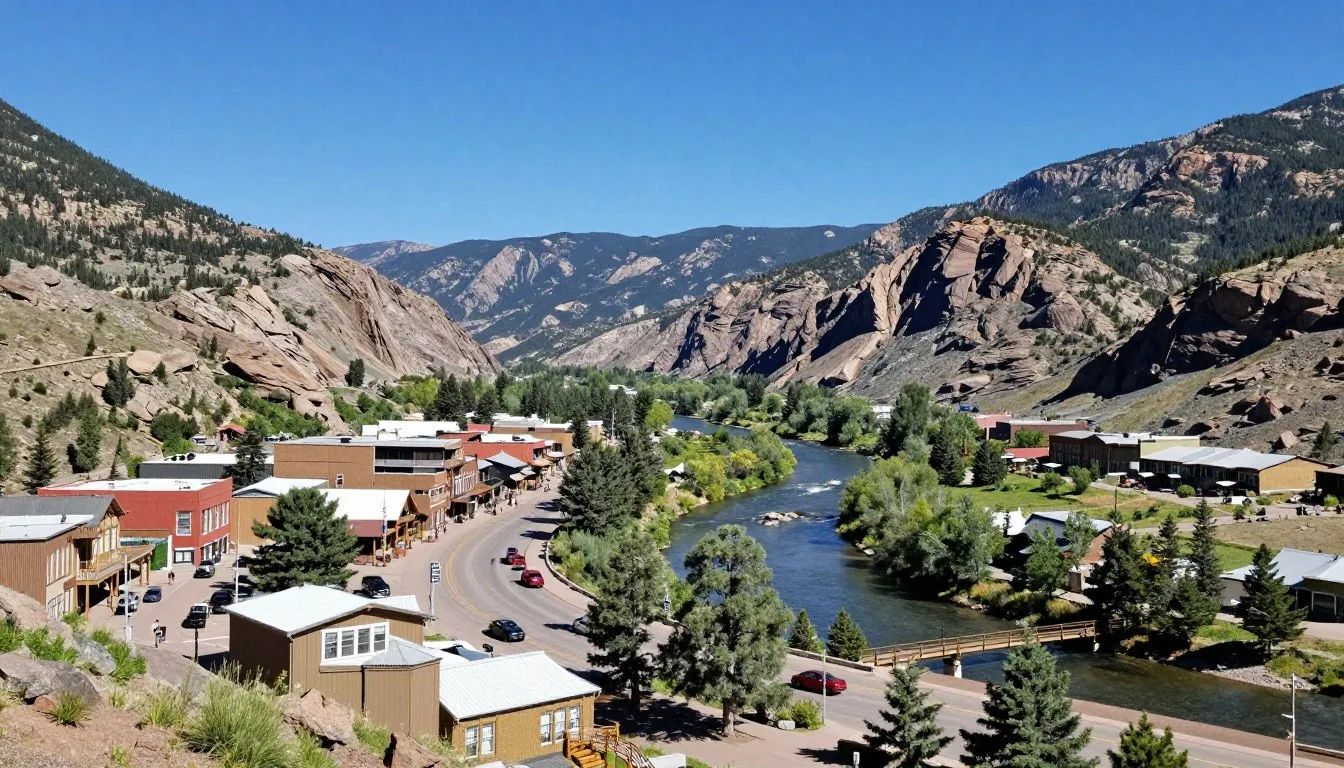
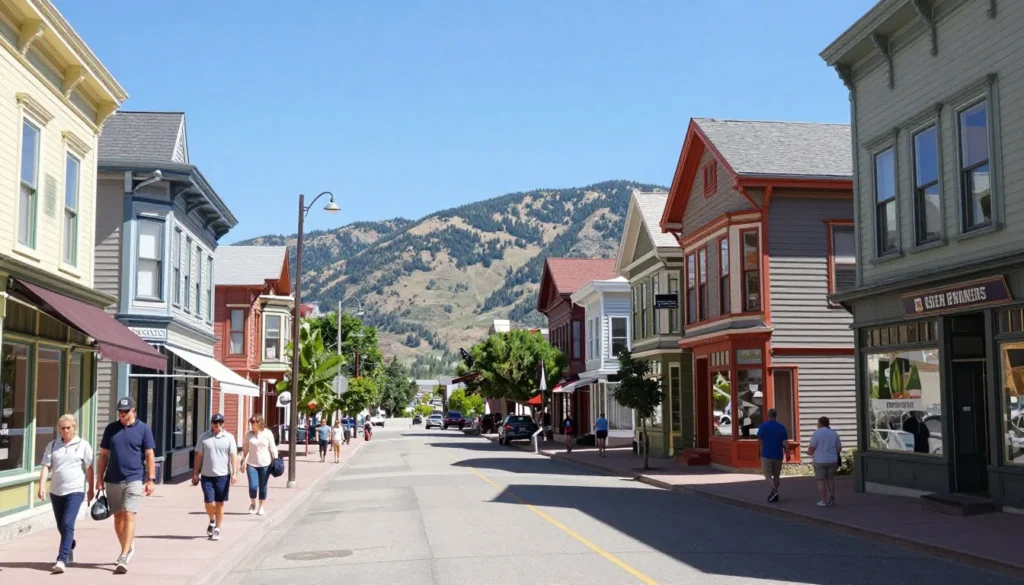
This well-preserved mining town lies 19 km (12 miles) south of Red Mountain. The entire downtown holds National Historic Landmark status. Victorian-era buildings line Greene Street, housing shops, restaurants, and museums.
The Durango and Silverton Narrow Gauge Railroad terminates here after a spectacular journey through mountain canyons. The steam train operates daily during summer, bringing hundreds of tourists. Winter ski trains also run on weekends.
Silverton Mountain ski area offers extreme terrain for expert skiers. This ungroomed mountain caters to adventurous powder seekers rather than casual recreationists. The ski season typically runs from December through April.
Ouray
Located 16 km (10 miles) north of Red Mountain, Ouray nestles in a natural amphitheater surrounded by towering peaks. The Switzerland of America nickname reflects the dramatic mountain setting. Natural hot springs feed pools throughout town.
The Ouray Ice Park transforms Box Canyon into the world’s first public ice climbing venue each winter. Artificial waterfalls freeze into spectacular ice formations. Climbers of all skill levels practice on maintained routes.
The Box Canyon Falls drops 85 m (285′) into a narrow gorge accessible via short trails. The waterfall’s thundering power impresses visitors year-round. Admission costs 5 dollars for adults.
Mesa Verde National Park
Ancient cliff dwellings built by Ancestral Pueblo people lie 145 km (90 miles) southwest. This UNESCO World Heritage Site preserves 600 stone structures built into canyon alcoves. Guided tours explore the most famous dwellings.
The park requires at least half a day to visit properly. Rangers lead tours into Cliff Palace and Balcony House for small fees. Self-guided trails reach other ruins. The park entrance costs 30 dollars per vehicle.
Black Canyon of the Gunnison
This dramatic gorge carved by the Gunnison River sits 113 km (70 miles) north. Sheer walls plunge over 610 m (2,000′) from rim to river. The narrow canyon creates some of Colorado’s most impressive geological features.
South Rim Road provides numerous overlooks with stunning views. Several hiking trails descend partway into the canyon, though reaching the river requires technical climbing skills. The national park charges 30 dollars per vehicle for seven-day access.
Practical Travel Tips
Successful Red Mountain visits require specific preparation for high-altitude mountain environments. These practical tips help travelers avoid common problems and maximize their experiences.
What to Pack
Layer systems work best for variable mountain weather. Start with moisture-wicking base layers. Add insulating mid-layers like fleece or down. Top with waterproof, windproof shells. Temperatures fluctuate dramatically from morning to afternoon.
Sturdy hiking boots protect ankles on uneven terrain around the ruins. Running shoes lack sufficient support for rocky ground. Break in new boots before the trip to prevent blisters.
Sun protection becomes critical at high elevations. Pack sunscreen rated SPF 50 or higher. Bring sunglasses with UV protection and wide-brimmed hats. Lips burn easily, so include lip balm with SPF.
Essential Gear
High-altitude conditions demand specific equipment for safety and comfort.
- Reusable water bottles holding at least 2 liters
- First aid kit with altitude sickness medication
- Headlamps or flashlights with extra batteries
- Paper maps as cell coverage fails frequently
Photography Equipment
Capture stunning mountain landscapes with proper camera gear and accessories.
- Wide-angle lenses for mountain vistas
- Tripods for low-light sunrise and sunset shots
- Extra batteries as cold drains power quickly
- Polarizing filters to enhance sky and reduce glare
Health and Altitude
Hydration becomes crucial at elevation where dry air accelerates fluid loss. Drink twice your normal water intake. Urine color indicates hydration levels—aim for pale yellow.
Avoid alcohol for the first 24 hours at altitude. Alcohol worsens altitude sickness symptoms and dehydration. Caffeine also acts as a diuretic, increasing fluid loss.
Allow time for acclimatization before strenuous activities. Spend a night at intermediate elevations like Durango before ascending to Red Mountain. This gradual approach reduces altitude sickness risk.
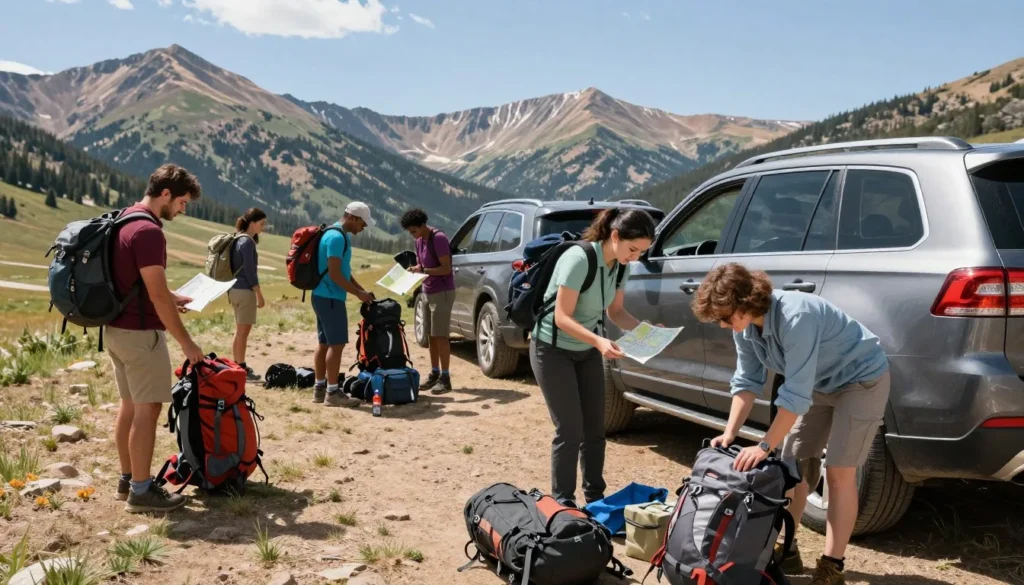
Best Practices
Arrive early at popular sites during peak summer months. Parking fills quickly at Red Mountain pullouts by mid-morning. Early starts also provide better photography light and calmer winds.
Check weather forecasts before departing each morning. Mountain conditions change rapidly and unpredictably. Postpone hikes when thunderstorms are forecast for afternoon hours.
Download offline maps before leaving cellular coverage areas. GPS functions work without data connections. Several apps provide detailed topographic maps for Colorado mountains.
Carry cash for small purchases and emergencies. Some mountain businesses don’t accept credit cards. ATMs are scarce in remote areas, and fees run high.
Environmental Responsibility
Human waste requires proper disposal in areas without facilities. Pack biodegradable toilet paper and sealable bags. Bury waste at least 15 cm (6″) deep and 61 m (200′) from water sources, trails, and campsites.
Avoid disturbing wildlife by maintaining safe distances. Never feed animals as human food harms their health and disrupts natural behaviors. Use telephoto lenses rather than approaching closely.
Check 30,000+ Local Sightseeing Tours Worldwide
✓ Numerous languages and currencies are available
Campfires should only occur in established fire rings where permitted. Check current fire restrictions as bans are common during dry periods. Always extinguish fires completely before leaving.
Your Red Mountain Adventure Awaits
Red Mountain Town Ruins offers a unique window into Colorado’s wild mining heritage. Weathered structures stand against crimson peaks where hundreds of miners once pursued fortune in harsh mountain conditions. The ghost town combines history, dramatic scenery, and outdoor adventure in one accessible location.
Summer months provide the most reliable access along the spectacular Million Dollar Highway. Winter transforms the area into an extreme environment best left to experienced mountaineers. Plan ahead, pack properly, and respect the mountain environment for safe, memorable experiences.
Whether photographing abandoned buildings, hiking alpine trails, or simply absorbing the powerful landscape, Red Mountain delivers authentic Rocky Mountain experiences. The ruins remind us that even in remote, difficult places, humans once built communities and chased dreams. Today’s visitors discover those stories while creating their own mountain memories.