Hotels by Trip.com
Flights by Trip.com
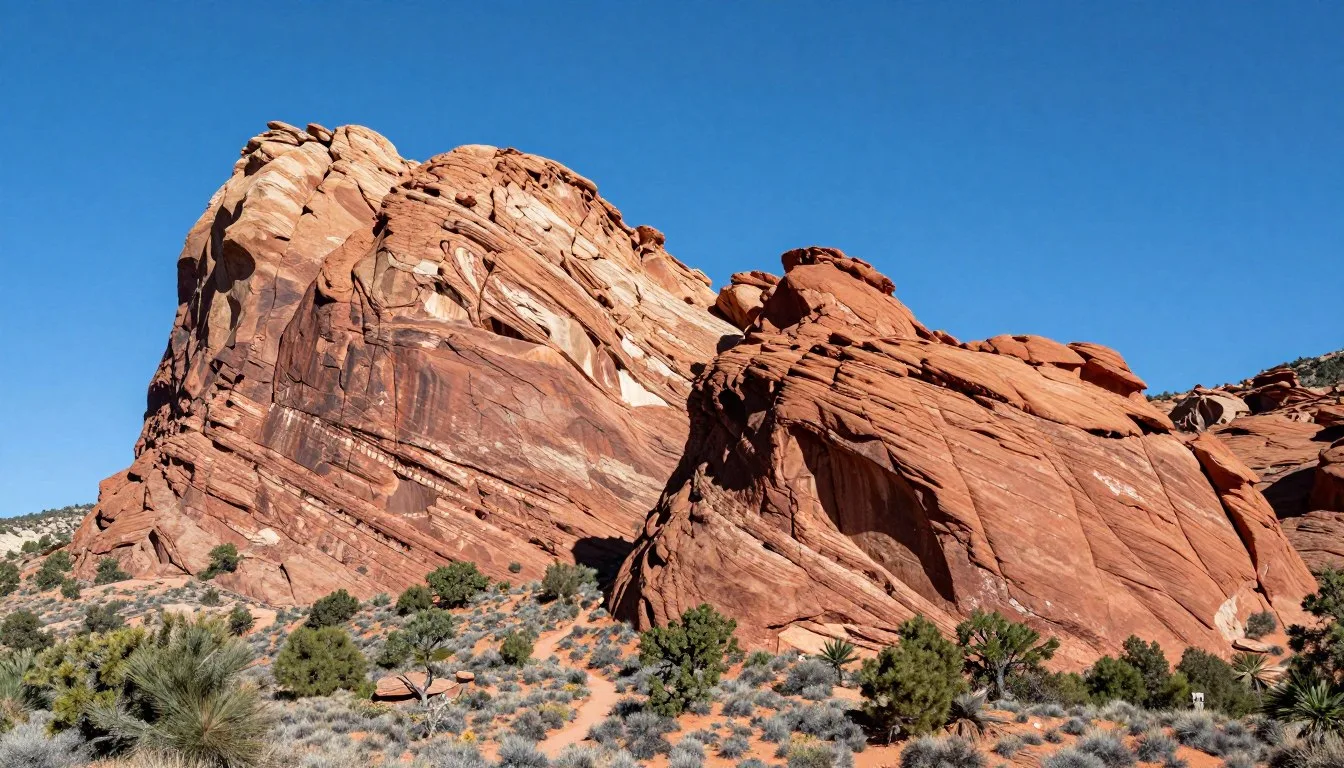
Hidden within the shadow of Pikes Peak lies a stunning geological wonder that predates the famous Garden of the Gods by millions of years. Red Rock Canyon Open Space showcases formations that began forming approximately 300 million years ago, making these crimson sandstone cliffs among the oldest exposed rock layers in the entire Colorado Springs area. This remarkable 1,474-acre open space welcomes over 200,000 visitors annually, yet many travelers overlook it in favor of its more famous neighbor.
What makes this place truly special is its unique combination of world-class rock climbing, diverse hiking terrain, and opportunities to explore a historic quarry that once supplied the red sandstone used to build several iconic Colorado structures. The towering red rock formations rise dramatically from the desert landscape, creating a natural amphitheater that has captivated outdoor enthusiasts, geologists, and photographers for generations.
Whether you’re planning a quick afternoon hike with your dog, seeking challenging rock climbing routes, or looking for a peaceful spot to connect with nature, Red Rock Canyon offers an authentic Colorado outdoor experience without the crowds. This comprehensive guide will help you discover everything this incredible destination has to offer.
Getting There and Planning Your Journey
Red Rock Canyon Open Space sits on the western edge of Colorado Springs, making it easily accessible for both local visitors and travelers from across the country. The park’s convenient location means you can be exploring stunning red rock formations within minutes of arriving in the area.
Closest Airports
The nearest major airport is Colorado Springs Airport (COS), located approximately 24 kilometers (15 miles) southeast of Red Rock Canyon. This regional airport offers direct flights from major cities including Denver, Dallas, Phoenix, and Las Vegas. The drive from COS to the canyon takes about 25 minutes via Highway 24.
Denver International Airport (DEN) serves as the primary gateway for international and many domestic travelers. Located 121 kilometers (75 miles) north of Colorado Springs, DEN offers significantly more flight options and often better prices. The drive south to Red Rock Canyon takes approximately 90 minutes via Interstate 25, passing through beautiful Colorado landscape along the way.
Driving Directions
From downtown Colorado Springs, head west on US Highway 24 toward Manitou Springs. The main parking lot entrance is located at 3550 West High Street. Look for the well-marked signs indicating Red Rock Canyon Open Space. The drive from central Colorado Springs takes approximately 15 minutes.
Visitors coming from Denver should take Interstate 25 south to Exit 141 (US 24 West). Follow Highway 24 west through Colorado Springs toward Manitou Springs. The parking area appears on your right side before you reach the town of Manitou Springs.
Important Planning Note: The main parking lot holds approximately 60 vehicles and fills quickly on weekends and holidays, especially during spring and fall. Arriving before 8:00 AM or after 4:00 PM increases your chances of finding a parking spot. Overflow parking is not available, and street parking in residential areas is prohibited.
Park Hours and Access
Red Rock Canyon Open Space is open daily from 5:00 AM to 11:00 PM year-round. The area remains accessible during all seasons, though winter conditions may affect certain trails. No entrance fee is required, making this one of the most budget-friendly outdoor destinations in Colorado Springs.
For current trail conditions and any temporary closures, contact the visitor center:
Best Time to Visit and Weather Tips
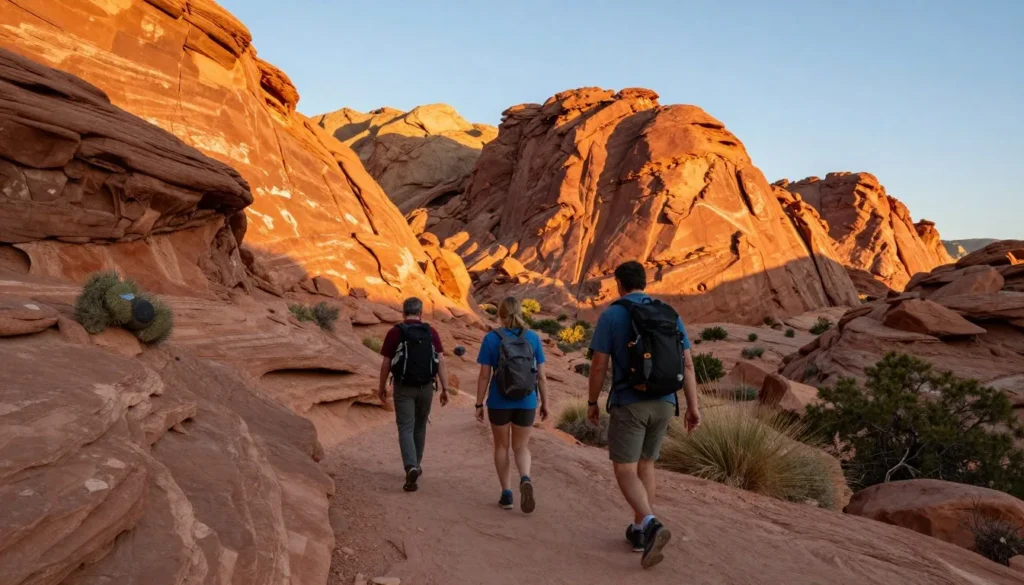
Understanding the seasonal variations at Red Rock Canyon helps you plan the perfect visit. Each season offers unique advantages and considerations for outdoor activities in this remarkable open space.
Best Months to Visit
Late April through early June represents the ideal time for most visitors. Spring brings moderate temperatures averaging 18-24°C (65-75°F), blooming wildflowers across the landscape, and comfortable conditions for hiking and rock climbing. The red rock formations look particularly vibrant against the fresh green vegetation.
✓ Check 30,000+ Local Sightseeing Tours Worldwide
September through October offers another excellent window. Fall delivers crisp mornings, warm afternoons around 21°C (70°F), stunning blue skies, and fewer crowds than summer months. The cottonwood trees in nearby areas turn golden, creating beautiful photography opportunities.
Seasons to Approach with Caution
Summer months from July through August bring intense heat, with temperatures often exceeding 32°C (90°F). Afternoon thunderstorms develop rapidly, creating dangerous conditions on exposed trails and rock faces. If visiting during summer, plan activities for early morning hours and always monitor weather forecasts.
Winter visits require preparation for variable conditions. While many days offer pleasant hiking weather with temperatures around 10°C (50°F), sudden snowstorms can create icy trails and limited visibility. The parking lot receives less frequent snow removal than main city streets.
Weather Patterns and Daily Considerations
Colorado Springs experiences approximately 300 days of sunshine annually, and Red Rock Canyon benefits from this favorable climate. Morning hours typically offer calm conditions, while afternoon winds can gust to 40-48 kilometers per hour (25-30 mph), particularly in spring.
Temperature Ranges by Season
- Spring: 7-21°C (45-70°F)
- Summer: 16-32°C (60-90°F)
- Fall: 4-21°C (40-70°F)
- Winter: -7-10°C (20-50°F)
What to Pack
- Layered clothing for temperature changes
- Sun protection including hat and sunscreen
- Minimum 2 liters of water per person
- Sturdy hiking boots with ankle support
- Weather-appropriate rain or wind jacket
The high desert climate means low humidity and intense sun exposure year-round. Even on cool days, the combination of elevation at 1,890 meters (6,200 feet) and reflected sunlight from red rocks increases UV exposure significantly.
Notable Annual Festivals
While Red Rock Canyon itself does not host festivals, the nearby Colorado Springs area offers several annual events that complement a visit to this natural area.
The Colorado Springs Labor Day Lift Off takes place each September, featuring hot air balloons launching from Memorial Park. This three-day event typically occurs during the first weekend of September and draws thousands of spectators. For current dates and information, contact the organizers:
Territory Days happens annually in late May at the Rock Ledge Ranch Historic Site, located just minutes from Red Rock Canyon. This living history event celebrates Colorado’s pioneer heritage with period demonstrations, crafts, and activities. The festival typically runs Memorial Day weekend.
The Pikes Peak Ascent and Marathon occurs each August, bringing elite runners and recreational athletes to challenge America’s Mountain. While the race itself doesn’t pass through Red Rock Canyon, the event creates an exciting atmosphere throughout the Colorado Springs area. Race weekend falls in mid-August.
Getting Around Locally
Navigating Red Rock Canyon and the surrounding Colorado Springs area requires minimal planning. The compact nature of this open space makes exploration straightforward for visitors of all experience levels.
Transportation Within the Park
Red Rock Canyon Open Space is exclusively accessible on foot. No vehicles, bicycles, or motorized equipment are permitted on trails. This policy preserves the natural environment and ensures a peaceful experience for all hikers. The main parking lot serves as the primary trailhead for all routes into the canyon.
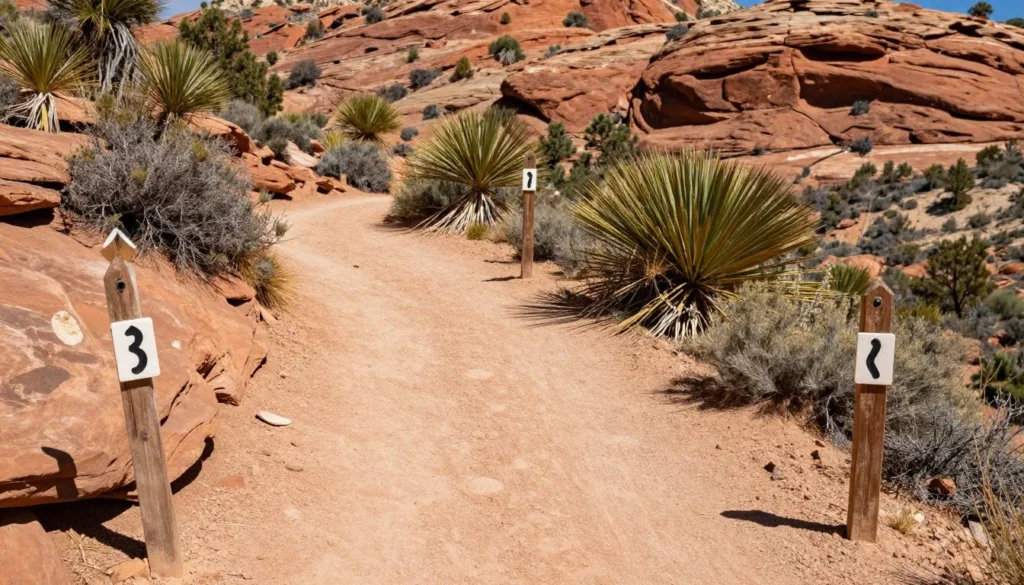
From the parking area, a well-maintained network of interconnected trails allows you to create loops of varying distances. Clear signage at major trail intersections helps prevent navigation confusion. The relatively compact 1,474-acre space means you cannot wander too far from the parking lot, providing peace of mind for families with children.
Public Transportation Options
Mountain Metropolitan Transit operates bus service throughout Colorado Springs, but routes do not extend directly to Red Rock Canyon Open Space. The nearest bus stop sits approximately 1.6 kilometers (1 mile) from the parking lot entrance, making public transit impractical for most visitors.
Ride-sharing services including Uber and Lyft operate throughout Colorado Springs and provide reliable transportation to Red Rock Canyon. Request pickup at the main parking lot address: 3550 West High Street, Colorado Springs. Be aware that cellular service can be spotty within the canyon itself, so arrange return transportation in advance.
Rental Car Recommendations
Renting a vehicle provides the most flexibility for exploring Red Rock Canyon and nearby attractions. All major rental companies operate locations at both Colorado Springs Airport and Denver International Airport. A standard passenger car handles the paved access roads without difficulty.
If you plan to explore multiple outdoor areas during your visit, particularly those requiring high-clearance vehicles for unpaved forest roads, consider upgrading to an SUV. However, for Red Rock Canyon specifically, any vehicle type suffices.
Local Area Navigation
Colorado Springs uses a straightforward grid system that makes navigation simple. US Highway 24 serves as the main east-west corridor connecting downtown to Manitou Springs and Red Rock Canyon. Interstate 25 runs north-south through the city, providing quick access to Denver and southern Colorado destinations.
GPS navigation works reliably throughout the area, though signals may weaken within the canyon itself. Download offline maps before your visit if you prefer using smartphone navigation apps. Physical trail maps are available at the information kiosk near the parking lot.
Where to Stay
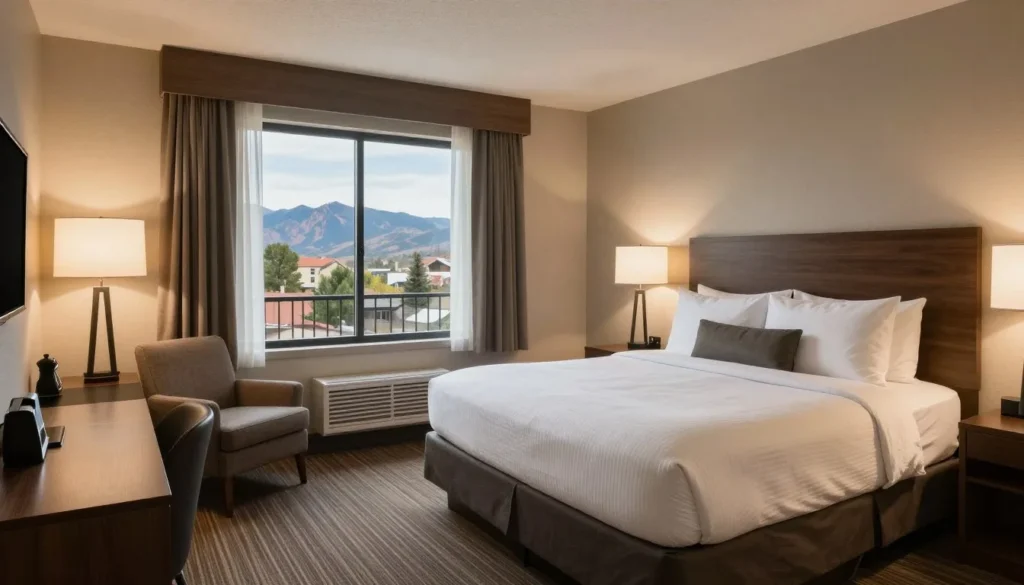
Choosing the right accommodation enhances your Red Rock Canyon experience. Colorado Springs offers diverse lodging options ranging from budget-friendly motels to luxury resorts, with something suitable for every traveler’s preferences and budget.
Hotels Near Red Rock Canyon
The Cliff House at Pikes Peak sits just 3.2 kilometers (2 miles) from Red Rock Canyon in historic Manitou Springs. This Victorian-era luxury hotel features elegant rooms, fine dining, and a full-service spa. The property maintains its historical character while offering modern amenities. Rates typically range from $250-$450 per night depending on season and room type.
Several mid-range chain hotels line US Highway 24 between Colorado Springs and Manitou Springs, providing convenient access to the canyon. Hampton Inn and Suites Colorado Springs West offers clean, comfortable rooms approximately 6.4 kilometers (4 miles) from the trailhead. Expect rates around $120-$180 per night with complimentary breakfast included.
Budget-conscious travelers find good value at properties like Motel 6 Colorado Springs West, located 8 kilometers (5 miles) from Red Rock Canyon. Basic but clean rooms start around $65-$85 per night, providing affordable access to the area’s outdoor attractions.
Alternative Lodging Options
Garden of the Gods Resort and Club represents the premium lodging choice in the area. While located 11 kilometers (7 miles) from Red Rock Canyon, this AAA Four Diamond property offers exceptional amenities including multiple restaurants, a championship golf course, and stunning views of both Garden of the Gods and Pikes Peak. Rates begin around $300 per night.
Vacation rental properties through platforms like Airbnb and Vrbo provide excellent options for families or groups. Historic neighborhoods in Old Colorado City and Manitou Springs feature charming houses and apartments within a short drive of Red Rock Canyon. Expect to pay $150-$300 per night for well-appointed properties that sleep four to six people.
Camping Near the Canyon
While camping is not permitted within Red Rock Canyon Open Space itself, nearby campgrounds offer outdoor accommodation options. Garden of the Gods RV Resort, despite its name, welcomes tent campers alongside RV guests. Located 9.6 kilometers (6 miles) from Red Rock Canyon, the facility provides full amenities including showers, laundry, and a camp store. Tent sites start around $45 per night.
For a more rustic experience, Pike National Forest campgrounds sit within 32 kilometers (20 miles) of Colorado Springs. These first-come, first-served sites offer basic facilities in beautiful mountain settings. Popular options include Painted Rocks Campground and Trail Creek Campground, with fees around $20-$25 per night.
Booking Tip: Colorado Springs experiences peak tourism from June through August. Reserve accommodations at least 4-6 weeks in advance for summer visits. Spring and fall shoulder seasons often provide better rates and availability while still offering excellent weather for outdoor activities.
Dining and Local Cuisine
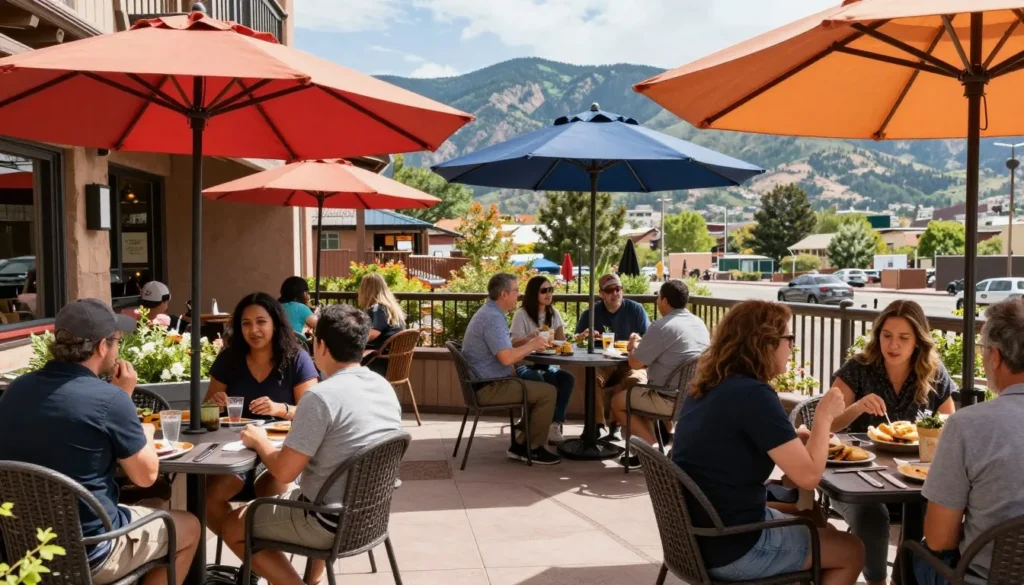
The area surrounding Red Rock Canyon offers diverse dining experiences, from casual cafes perfect for refueling after a hike to upscale restaurants showcasing Colorado cuisine. Most dining options cluster in nearby Manitou Springs and Old Colorado City, both within a short drive of the canyon.
Restaurants Near the Trailhead
Adam’s Mountain Cafe in Manitou Springs serves breakfast and lunch with a focus on organic, locally sourced ingredients. Located just 4.8 kilometers (3 miles) from Red Rock Canyon, this cozy spot specializes in creative omelets, hearty breakfast burritos, and fresh-pressed juices. The cafe opens at 7:00 AM, making it ideal for an early meal before hitting the trails. Expect to spend $12-$18 per person.
The Keg Lounge sits directly along US Highway 24, approximately 2.4 kilometers (1.5 miles) from the parking lot. This no-frills local favorite serves generous portions of American comfort food including burgers, sandwiches, and daily specials. The casual atmosphere welcomes hikers in trail clothes, and prices remain budget-friendly at $10-$15 for most meals.
Manitou Springs Dining Scene
The historic town of Manitou Springs, just minutes from Red Rock Canyon, features numerous dining options along its charming main street. The Cliff House Dining Room offers the area’s most upscale experience, with Colorado-inspired fine dining in an elegant Victorian setting. Reservations are strongly recommended, especially for dinner. Plan to spend $40-$70 per person for a multi-course meal.
For more casual fare, Manitou Brewing Company combines craft beer with elevated pub food. Their patio provides mountain views and a relaxed atmosphere perfect for post-hike refreshment. Try their signature green chili, a Colorado staple. Meals average $15-$25 per person, with excellent beer selections brewed on-site.
PourBoys Espresso Bar and Sandwich Shop caters to quick lunch needs with creative sandwiches, wraps, and excellent coffee. This local spot gets busy during peak hours, but service moves efficiently. Sandwiches cost $8-$12, and you can grab provisions for a trail lunch.
Old Colorado City Options
The historic Old Colorado City neighborhood, located between downtown Colorado Springs and Red Rock Canyon, offers additional dining choices. This artsy district features independent restaurants showcasing diverse cuisines.
TheSwitchback serves modern American cuisine with Rocky Mountain influences in a contemporary setting. Their seasonal menu highlights Colorado ingredients, and the bar program features local craft spirits and wines. Dinner entrees range from $22-$38.
For authentic Mexican food, Taco Express delivers fresh, flavorful dishes at reasonable prices. This family-owned spot serves street-style tacos, burritos, and homemade salsas. Most meals cost $8-$14, and portions are generous.
Local Specialties to Try
Colorado cuisine features several regional specialties worth sampling during your visit. Green chili appears on menus throughout the area, topping everything from burgers to breakfast burritos. This spicy, pork-based stew showcases roasted green Hatch chilis and carries significant local pride.
Rocky Mountain oysters, despite the name, are not seafood but rather a Western delicacy made from bull testicles. Adventurous eaters find them on some traditional steakhouse menus. The dish typically appears breaded and fried, served with cocktail sauce.
Local craft beer represents another Colorado specialty. The state boasts more breweries per capita than anywhere else in the United States, and Colorado Springs supports a thriving brewing scene. Try samples from Bristol Brewing Company or Red Leg Brewing Company to experience local flavors.
Hydration Reminder: The high desert climate and elevation demand extra attention to hydration. Most restaurants provide complimentary water, but carry additional water when hiking. The combination of dry air and intense sun can cause dehydration faster than many visitors expect.
Attractions, Sightseeing, and Activities
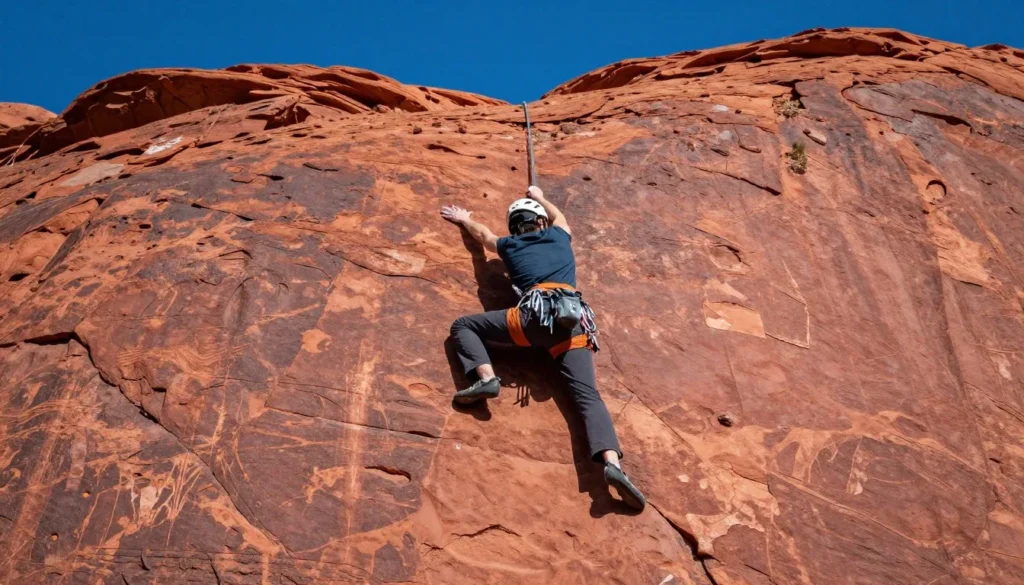
Red Rock Canyon Open Space offers remarkable variety for an area of its size. The combination of hiking trails, rock climbing routes, historical sites, and wildlife viewing opportunities creates an outdoor destination that rewards multiple visits.
Hiking Trail Network
The trail system at Red Rock Canyon connects multiple loops allowing you to customize your experience based on time, fitness level, and interests. All trails begin from the main parking lot, where you will find an information kiosk with current maps and conditions.
The Red Rock Canyon Trail serves as the main artery through the open space. This moderate route stretches 3.2 kilometers (2 miles) one-way, gaining approximately 107 meters (350 feet) of elevation as it winds between towering sandstone formations. The trail surface consists of packed dirt and occasional rocky sections requiring sturdy footwear. Most hikers complete the out-and-back journey in 90 minutes to two hours.
For a shorter introduction to the area, the Contemplative Trail offers a gentle 1.6-kilometer (1-mile) loop suitable for families with children. This easy path features interpretive signs explaining the geology and ecology of the red rock formations. The relatively flat terrain makes it accessible for most fitness levels, though the lack of shade means hot afternoon sun can be challenging in summer.
The Sand Canyon Trail
Sand Canyon Trail provides access to the northern section of the open space, climbing steadily through dramatic rock formations. This 2.4-kilometer (1.5-mile) one-way trail connects to the Mesa Trail, allowing for extended loop hikes. The route passes through diverse terrain including sandy washes, rocky outcrops, and open meadows.
Experienced hikers can combine Sand Canyon Trail with connecting routes to create a challenging 8-11 kilometer (5-7 mile) loop. These longer combinations provide solitude and stunning viewpoints overlooking Colorado Springs and Pikes Peak. Carry detailed maps and plenty of water for extended hikes.
Rock Climbing Opportunities
Red Rock Canyon Open Space has earned national recognition within the climbing community for its exceptional sandstone routes. The park features over 100 established climbing routes ranging from beginner-friendly top-ropes to advanced multi-pitch climbs.
The Main Wall, visible from the parking lot, showcases the most popular climbing area. Routes here range from 5.6 to 5.12 in difficulty, with most falling in the 5.8 to 5.10 range. The quality Lyons sandstone provides excellent friction and features, though the soft nature of the rock demands careful consideration of protection placement.
North Wall and Illusion Crags offer additional climbing terrain with varying exposure and difficulty levels. These areas see less traffic than the Main Wall, providing a more secluded experience for intermediate to advanced climbers.
Climbing Regulations: All climbers must follow Leave No Trace principles and use existing anchor systems where available. Bolting new routes requires approval from Colorado Springs Parks and Recreation. Certain areas close seasonally to protect nesting raptors, typically from February through July. Check current closures before planning climbing trips.
The Historic Quarry
Red Rock Canyon contains a significant piece of Colorado history in the form of an abandoned stone quarry. From the 1870s through the early 1900s, workers extracted red sandstone from this site to construct buildings throughout Colorado Springs and beyond. The stone’s beautiful color and durability made it highly prized for construction.
Today, you can explore the quarry site via the Quarry Pass Trail. Remnants of the operation including cut stone blocks, drill marks, and old machinery parts remain visible. Interpretive signs explain the quarrying process and the challenging working conditions laborers faced. The quarry area sits approximately 1.6 kilometers (1 mile) from the parking lot via the Red Rock Canyon Trail.
Wildlife Watching
The open space supports diverse wildlife adapted to the high desert environment. Mule deer frequently browse the vegetation, especially during early morning and evening hours. These large mammals show little fear of humans but should always be observed from a safe distance.
Birdwatchers find excellent opportunities throughout the year. Common species include canyon wrens, rock wrens, white-throated swifts, and various raptors. Golden eagles and prairie falcons nest in the cliff faces, making Red Rock Canyon an important raptor habitat. The seasonal closures of certain climbing areas specifically protect these nesting birds.
Smaller mammals including cottontail rabbits, rock squirrels, and chipmunks populate the area. Occasional sightings of coyotes, bobcats, and mountain lions occur, though these shy predators typically avoid human contact. Always remain alert and keep dogs under control to minimize wildlife conflicts.
Photography Opportunities
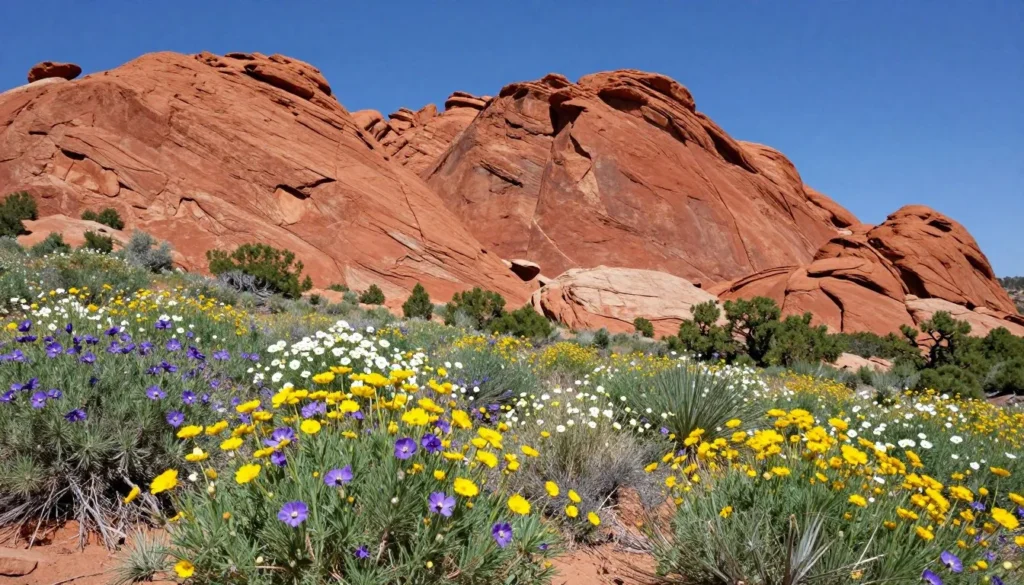
Red Rock Canyon Open Space ranks among Colorado’s most photogenic locations. The combination of dramatic geology, varied lighting conditions, and diverse compositions creates endless opportunities for photography enthusiasts.
Morning light illuminates the east-facing formations, creating warm glows that intensify the red and orange hues in the sandstone. The first two hours after sunrise provide particularly stunning conditions. Afternoon and evening light shifts to the west-facing walls, offering different but equally compelling compositions.
Popular photography subjects include the towering formations visible from the parking lot, intimate details of weathered rock textures, wildflower displays in spring, and sweeping landscape views from higher elevations. Winter occasionally dusts the red rocks with snow, creating dramatic contrasts that last only hours before melting.
Museums, Cultural Spots, and Festivals

While Red Rock Canyon itself focuses on natural experiences, the surrounding Colorado Springs area offers rich cultural attractions that complement an outdoor-focused visit. These sites provide context for the region’s geology, history, and diverse communities.
Rock Ledge Ranch Historic Site
Located adjacent to Garden of the Gods and just minutes from Red Rock Canyon, Rock Ledge Ranch preserves Colorado’s pioneering past through living history demonstrations. This working historical farm features buildings and costumed interpreters representing different eras from Native American heritage through the early 1900s ranch period.
Visitors can explore the Galloway Homestead, Orchard House, and Chambers Estate while learning about daily life in territorial and early statehood Colorado. The site typically opens Wednesday through Saturday from June through August, with limited hours in shoulder seasons. Admission costs around $8 for adults and $5 for children.
Western Museum of Mining and Industry
This specialized museum sits northeast of Colorado Springs and explores the mining heritage that shaped Colorado’s development. Interactive exhibits allow visitors to operate scaled mining equipment, examine mineral specimens, and understand the technology that made extracting resources possible in the Rocky Mountains.
The connection to Red Rock Canyon becomes clear when learning about stone quarrying techniques similar to those used at the canyon’s historic quarry site. Guided tours run regularly, and the museum opens Tuesday through Saturday. Adult admission is approximately $11, with discounts for seniors and children.
Colorado Springs Pioneers Museum
Housed in the former El Paso County Courthouse, this free museum chronicles the Pikes Peak region’s history from prehistoric times through the 20th century. Exhibits cover Native American cultures, pioneer settlement, the mining boom, and Colorado Springs’ development as a resort destination.
The museum’s collection includes historic photographs showing Red Rock Canyon’s quarry in operation and the construction of local buildings using the extracted sandstone. Located in downtown Colorado Springs, the museum welcomes visitors Tuesday through Saturday with no admission charge.
Ghost Town Museum
This unique attraction recreates an authentic Old West town using buildings and artifacts from actual Colorado ghost towns. Visitors can explore a saloon, general store, blacksmith shop, and numerous other structures while examining period artifacts and equipment.
The outdoor portion includes vintage machinery and vehicles. While primarily entertaining, the museum provides legitimate insight into Colorado’s frontier era. Admission costs around $7.50 for adults. The museum opens daily during summer months, with reduced hours in winter.
Local Art Scene
Old Colorado City, the historic district between downtown and Red Rock Canyon, hosts numerous art galleries featuring work by local and regional artists. Many galleries participate in the monthly First Friday Art Walk, when studios stay open late and streets fill with visitors, music, and special events.
The Modbo boutique showcases contemporary art and design objects in a stylishly curated space. Commonwheel Artists Co-op represents dozens of local artists working in various media. Strolling the Old Colorado City galleries makes an excellent complement to outdoor activities at Red Rock Canyon.
Cultural Events in the Region
Colorado Springs supports a vibrant performing arts scene centered around the Pikes Peak Center downtown. This 2,000-seat venue hosts touring Broadway productions, concerts, and the Colorado Springs Philharmonic.
✓ Check 30,000+ Local Sightseeing Tours Worldwide
The Colorado Springs Fine Arts Center at Colorado College combines an art museum, theater, and educational programs under one roof. Exhibitions feature contemporary art alongside historical collections, while the theater presents innovative performances year-round.
Summer brings free outdoor concerts to various parks throughout Colorado Springs. The Colorado Springs Philharmonic presents several free concerts at Memorial Park, drawing thousands of attendees for evenings of classical music under the stars.
Nature and Outdoor Experiences
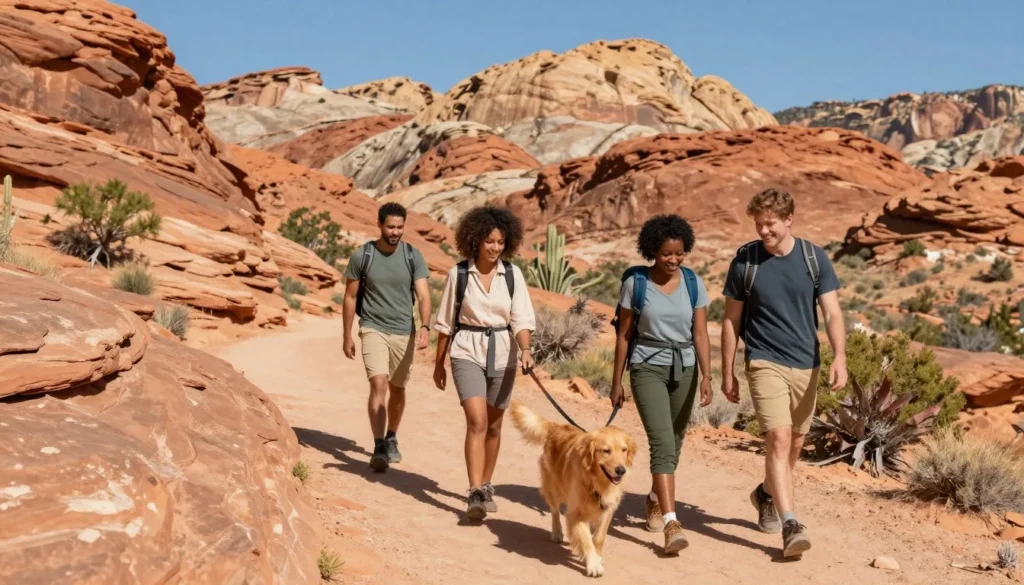
Red Rock Canyon Open Space represents just one jewel in the remarkable collection of natural areas surrounding Colorado Springs. The region’s diverse landscapes offer countless opportunities for outdoor recreation, from dramatic mountain peaks to hidden canyons and everything in between.
Dog-Friendly Recreation
One of Red Rock Canyon’s most appealing features is its dog-friendly policy. The open space allows dogs on all trails, and two designated areas permit off-leash recreation under voice control. This makes the park exceptionally popular with local dog owners and traveling pet parents.
The Lower Dog Loop provides a designated off-leash area where dogs can explore freely while owners hike the 1.2-kilometer (0.75-mile) circuit. This trail features varied terrain including sandy sections, rocky areas, and gentle slopes. Dogs must remain under voice control and owners must clean up after their pets.
An additional off-leash area exists in the northern section of the park, though accessing it requires hiking through on-leash sections first. Throughout the rest of Red Rock Canyon Open Space, dogs must remain on leash no longer than 1.8 meters (6 feet). Always carry water for your dog, as natural water sources do not exist within the canyon.
Dog Safety Considerations: The rocky terrain can cut paw pads, hot sand burns feet in summer, and native wildlife including rattlesnakes poses risks to curious dogs. Many hikers use protective dog boots during summer months. Always keep dogs under control near cliff edges and rock formations.
Garden of the Gods
Located just 4.8 kilometers (3 miles) from Red Rock Canyon, Garden of the Gods ranks as Colorado Springs’ most famous natural attraction. This National Natural Landmark features towering red sandstone formations even more dramatic than those at Red Rock Canyon, along with paved trails accessible to wheelchairs and strollers.
The park’s Visitor and Nature Center provides excellent exhibits explaining the area’s geology and ecology. Ranger programs, guided walks, and educational activities run year-round. Garden of the Gods receives significantly more visitors than Red Rock Canyon, often feeling crowded during peak seasons. Admission remains free, though some parking areas charge fees.
North Cheyenne Canyon Park
This mountain park sits southeast of downtown Colorado Springs and offers a completely different landscape than the red rock areas. The canyon features rushing streams, waterfalls, and pine forests in a dramatic mountain setting.
Helen Hunt Falls, accessible via a short paved trail, cascades dramatically over granite cliffs. The park’s trail network includes options ranging from easy waterside walks to strenuous mountain ascents. The scenic drive through the canyon rivals the hiking for spectacular views. No entrance fee applies, and the park welcomes dogs on leash.
Pikes Peak
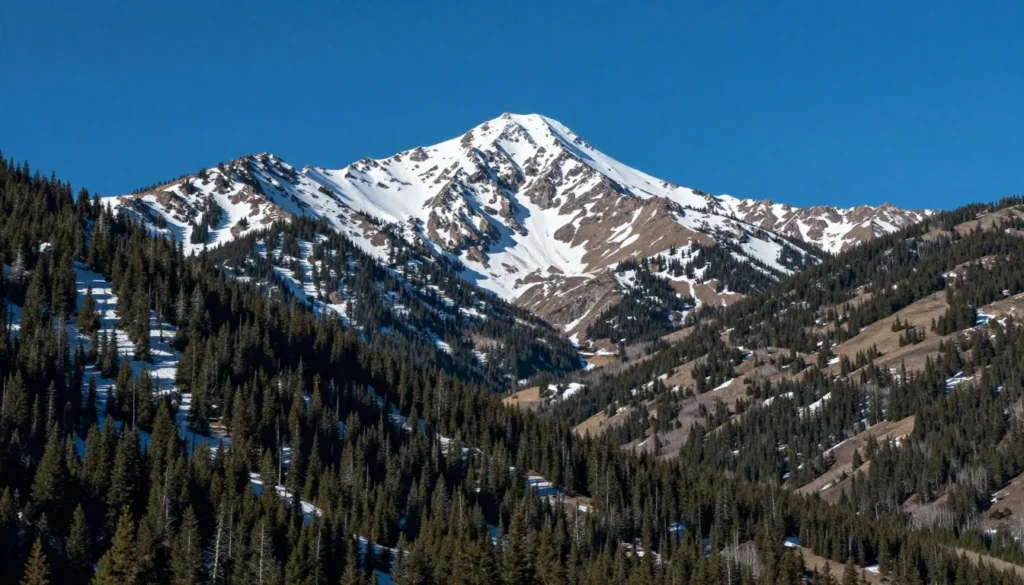
America’s Mountain dominates the skyline from Red Rock Canyon and everywhere else in the Colorado Springs area. Rising to 4,302 meters (14,115 feet), Pikes Peak inspired the song “America the Beautiful” and has drawn visitors for generations.
Three ways to reach the summit exist: the Pikes Peak Highway (toll road), the Broadmoor Manitou and Pikes Peak Cog Railway, or hiking the Barr Trail. The highway charges $15 per adult, while the cog railway costs significantly more but provides a relaxing journey with interpretation. The 20.9-kilometer (13-mile) Barr Trail challenges even fit hikers with extreme elevation gain and changing weather conditions.
Regardless of how you reach the summit, the 360-degree views span hundreds of miles across the Great Plains and into the Rocky Mountains. The summit features a visitor center, cafe, and gift shop. Weather at the top differs drastically from Colorado Springs, often including snow and freezing temperatures even in summer.
Palmer Park
This 730-acre park in northeast Colorado Springs offers red rock formations similar to Red Rock Canyon but with different trail configurations and less crowding. The park features approximately 25 miles of multi-use trails popular with hikers, trail runners, mountain bikers, and equestrians.
The Templeton Trail provides excellent views of Colorado Springs and surrounding mountains. Rock formations include interesting features like Balanced Rock and various climbing areas. Palmer Park sees heavy local use but remains relatively unknown to tourists, offering a more local experience.
Castlewood Canyon State Park
Located about 48 kilometers (30 miles) southeast of Colorado Springs, this state park protects a dramatic prairie canyon cut by Cherry Creek. The park’s trails explore diverse terrain including canyon rims, riparian areas, and grasslands.
Ruins of the failed Castlewood Canyon Dam, which collapsed catastrophically in 1933, add historical interest to the natural beauty. The park entrance fee is $9 per vehicle. Trails range from easy to moderate, with excellent opportunities for spotting wildlife including deer, wild turkeys, and numerous bird species.
Outdoor Recreation Beyond Hiking
While hiking dominates outdoor recreation at Red Rock Canyon itself, the surrounding region offers diverse activities. Mountain biking trails crisscross nearby areas including Section 16 and Palmer Park. The Pikes Peak region features excellent road cycling with challenging climbs and scenic routes.
Rock climbing extends beyond Red Rock Canyon to numerous other areas including the aforementioned Garden of the Gods and Cheyenne Canyon. Sport climbing, traditional climbing, and bouldering all find representation in the region’s diverse climbing areas.
Horseback riding opportunities exist at several local stables offering guided trail rides through mountain terrain. These excursions provide access to backcountry areas and perspectives impossible to achieve on foot. Academy Riding Stables near the Air Force Academy offers various ride options from one-hour introductions to half-day adventures.
Money Saving Tips
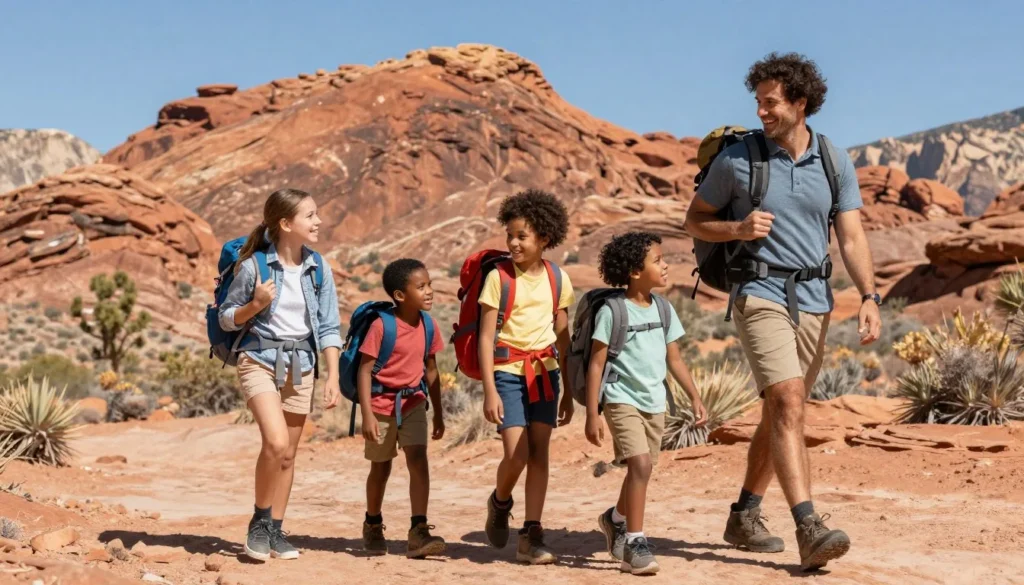
Experiencing Red Rock Canyon and the Colorado Springs area does not require unlimited funds. Strategic planning and local knowledge help stretch your budget while still enjoying everything this remarkable destination offers.
Free Attractions and Activities
Red Rock Canyon Open Space charges no entrance fee, saving you the $10-$30 per vehicle fees common at many national and state parks. Unlimited visits cost nothing beyond transportation. Similarly, Garden of the Gods remains free to enter, though guided tours and rock climbing school carry charges.
The Colorado Springs Pioneers Museum downtown never charges admission, providing hours of historical exploration at no cost. Hiking trails throughout Pike National Forest similarly remain free, as do many city parks with trail networks.
Self-guided exploration costs nothing but provides exceptional experiences. Download trail maps before your visit to avoid paying for printed versions. Many local websites and apps offer free trail guides with detailed information and photos.
Accommodation Savings
Visiting during shoulder seasons (April-May and September-October) typically yields hotel rates 20-40% lower than peak summer prices. These periods still offer excellent weather and outdoor conditions while avoiding crowds and premium pricing.
Consider staying in Colorado Springs proper rather than Manitou Springs or near Garden of the Gods. Properties even 15-20 minutes from major attractions often cost significantly less while remaining easily accessible by car. The drive time remains minimal, and savings can be substantial.
For extended stays, vacation rentals often beat hotel rates when traveling with groups or families. A house sleeping six typically costs less than three hotel rooms, plus provides kitchen facilities for preparing meals.
Dining Budget Strategies
Colorado Springs features numerous quality grocery stores where you can stock up on trail snacks, picnic supplies, and breakfast items. Natural Grocers and Sprouts Farmers Market offer organic options at competitive prices. Preparing your own trail lunches saves $10-$15 per person daily compared to restaurant meals.
Many local restaurants offer happy hour specials on food in addition to drink discounts. Eating your main meal during these windows (typically 3:00-6:00 PM) can reduce costs by 30-50%. The Rabbit Hole, Axe and the Oak, and numerous other spots feature excellent happy hour deals.
Food trucks and casual eateries throughout Colorado Springs serve quality meals at lower prices than sit-down restaurants. The food truck gathering at the Storybook Festival Park in Manitou Springs on summer weekends offers diverse, affordable options in a festive atmosphere.
Transportation Economics
Renting a car for your entire visit may cost less than using ride-sharing services multiple times daily. Compare week-long rental rates against anticipated Uber or Lyft expenses. Having your own vehicle also provides flexibility to seek out budget dining and shopping options.
If flying into Denver International Airport, consider one-way car rental fees versus the cost and convenience of different arrival points. Sometimes flying into DEN and out of Colorado Springs Airport (or vice versa) reduces total trip costs despite one-way rental charges.
Gas prices in Colorado Springs typically run $0.10-$0.20 per gallon cheaper than in mountain resort towns. Fill your tank in the city before heading into higher-elevation areas.
Gear and Equipment
Rather than purchasing outdoor gear you may rarely use again, consider renting from local shops. Mountain Chalet and REI in Colorado Springs rent camping equipment, hiking gear, and other outdoor necessities at daily or weekly rates much lower than purchase prices.
If you need specific items like hiking boots or technical clothing, wait for end-of-season sales at local outdoor retailers. September and early October bring significant discounts on summer gear, while March and April feature winter equipment clearances.
The Colorado Springs area features several quality consignment and thrift stores where outdoor gear appears regularly. Arc Thrift Stores and Goodwill locations often stock perfectly functional hiking boots, backpacks, and clothing at fraction of retail prices.
Colorado State Parks Pass: If you plan to visit multiple state parks during your Colorado trip, the annual pass costs $80 and pays for itself after just nine day-use visits. The pass covers vehicle entry fees at all Colorado state parks, including nearby Castlewood Canyon and Mueller State Park.
Safety, Etiquette, and Local Customs
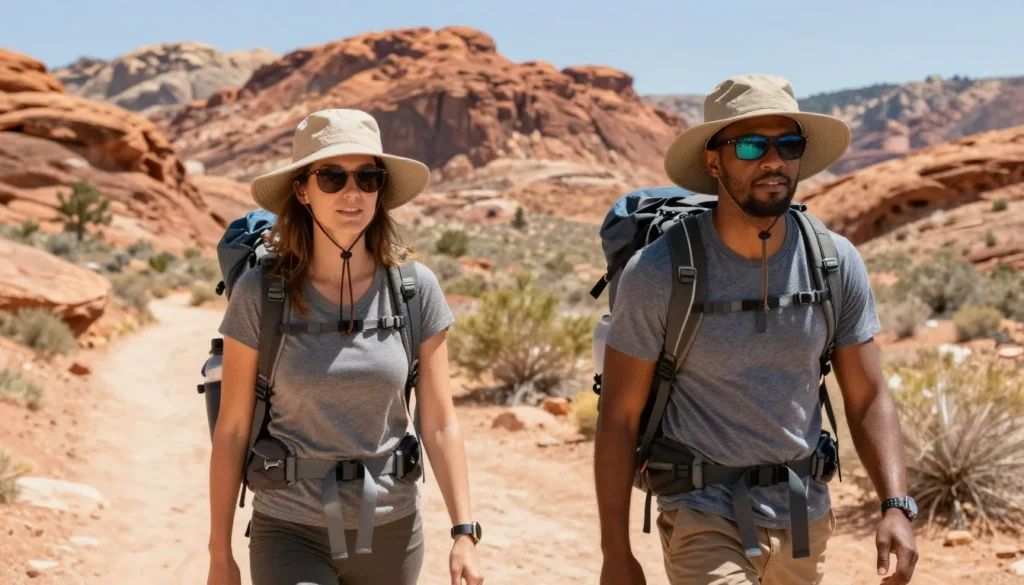
Staying safe and respecting both the natural environment and other visitors enhances everyone’s experience at Red Rock Canyon. Understanding potential hazards and following established guidelines protects you while preserving this remarkable area for future generations.
Environmental Hazards
Altitude affects many visitors unaccustomed to elevations above 1,800 meters (6,000 feet). Red Rock Canyon sits at approximately 1,890 meters (6,200 feet), high enough to cause symptoms including headaches, fatigue, and shortness of breath. Drink extra water, pace yourself, and allow time to acclimate before attempting strenuous activities.
The high desert sun delivers intense UV radiation year-round. Sunburn can occur even on cloudy days or during winter. Apply broad-spectrum sunscreen with SPF 30 or higher, wear a wide-brimmed hat, and use UV-blocking sunglasses. Reapply sunscreen every two hours during extended outdoor time.
Dehydration develops rapidly in the dry climate. Carry at least 2 liters of water per person for moderate hikes, more for extended or strenuous activities. Symptoms include dizziness, headache, and dark urine. No water sources exist within Red Rock Canyon, so bring everything you need.
Wildlife Safety
Rattlesnakes inhabit the red rock terrain, particularly in warmer months. These venomous snakes typically avoid confrontation and bite only when threatened. Watch where you place hands and feet, especially around rock piles and ledges. If you encounter a rattlesnake, calmly back away and give it space to retreat.
Mountain lions, while rarely seen, do inhabit the area. If you encounter a mountain lion, never run. Instead, face the animal, make yourself appear large, and back away slowly. Speak firmly and throw rocks or sticks if the lion acts aggressively. Keep children close and do not hike alone at dawn or dusk when lions are most active.
Never feed or approach wildlife, regardless of how tame animals may appear. Feeding wild animals creates dangerous dependencies and can lead to aggressive behavior. Maintain at least 23 meters (75 feet) from large mammals like deer and elk.
Trail Safety and Navigation
Stay on established trails to prevent erosion and protect fragile desert vegetation. Social trails (unauthorized paths) create lasting environmental damage and often lead to dead ends or dangerous terrain. If you lose the trail, retrace your steps to the last known marker rather than pushing forward.
Inform someone of your hiking plans including intended route and expected return time. Cell phone service remains spotty within parts of Red Rock Canyon, so do not rely on phones for emergency communication. Carry a basic first aid kit and know how to use it.
Weather can change rapidly, particularly in spring and summer when afternoon thunderstorms develop quickly. Lightning poses serious danger on exposed ridges and near tall rock formations. If you hear thunder, immediately descend to lower ground and avoid lone trees or tall rocks. Crouch low with minimal ground contact if caught in an exposed area.
Leave No Trace Principles
Pack out everything you pack in, including all trash, orange peels, and biodegradable items. Use designated trash receptacles in the parking lot. If receptacles are full, take trash with you rather than leaving it.
Human waste disposal requires care in popular areas like Red Rock Canyon. No restrooms exist within the trail system. Use facilities at the parking lot before hiking. If nature calls on the trail, move at least 61 meters (200 feet) from trails and water sources, dig a hole 15-20 centimeters (6-8 inches) deep, and pack out toilet paper in a sealed bag.
Respect sensitive habitats by staying on durable surfaces like rock, gravel, or established trails. Avoid stepping on cryptobiotic soil crust, the black, bumpy soil covering that takes decades to develop and provides critical ecosystem functions in desert environments.
Rock Climbing Safety
Climbers must use established anchors and avoid creating new bolted routes without permission from Colorado Springs Parks and Recreation. The soft sandstone requires special consideration for protection placement, and some traditional protection may not hold in this rock type.
Check current area closures before climbing. Seasonal restrictions protect nesting raptors and ensure climber safety. Violating closures can result in citations and damages critical wildlife habitat.
Clean climbing practices include minimizing chalk use (the red rock shows chalk marks prominently), removing all trash including tape, and respecting other climbers’ space. Popular routes may have queues during peak times, requiring patience and cooperation.
Dog Etiquette
Even in off-leash areas, maintain voice control of your dog at all times. Not all visitors appreciate interactions with unfamiliar dogs. If your dog does not reliably respond to voice commands, keep them leashed throughout your visit.
Always pick up and pack out dog waste. Bags are available at the trailhead, but bring your own as dispensers sometimes run empty. Leaving dog waste on trails creates health hazards and unpleasant experiences for other visitors.
Keep dogs away from wildlife, other hikers, and climbers. Many people fear dogs or have allergies, and wildlife encounters can end badly for both animals. If approaching other trail users, call your dog to your side and maintain control until passing.
Cultural Respect and Local Customs
Colorado Springs maintains a friendly, casual culture where outdoor recreation is a way of life. Locals welcome visitors who show respect for natural areas and follow established guidelines. Greeting fellow trail users with a simple hello or nod represents standard etiquette.
The region’s history includes Native American heritage, pioneering settlement, and military presence from nearby Fort Carson and the Air Force Academy. Show respect for historical and cultural sites, never removing artifacts or disturbing ruins.
When parking in residential areas near trailheads, avoid blocking driveways or mailboxes. Keep noise levels reasonable, especially during early morning hours when arriving for sunrise hikes. Local residents support trail access but expect visitors to respect neighborhood character.
Visitor Comments About Red Rock Canyon
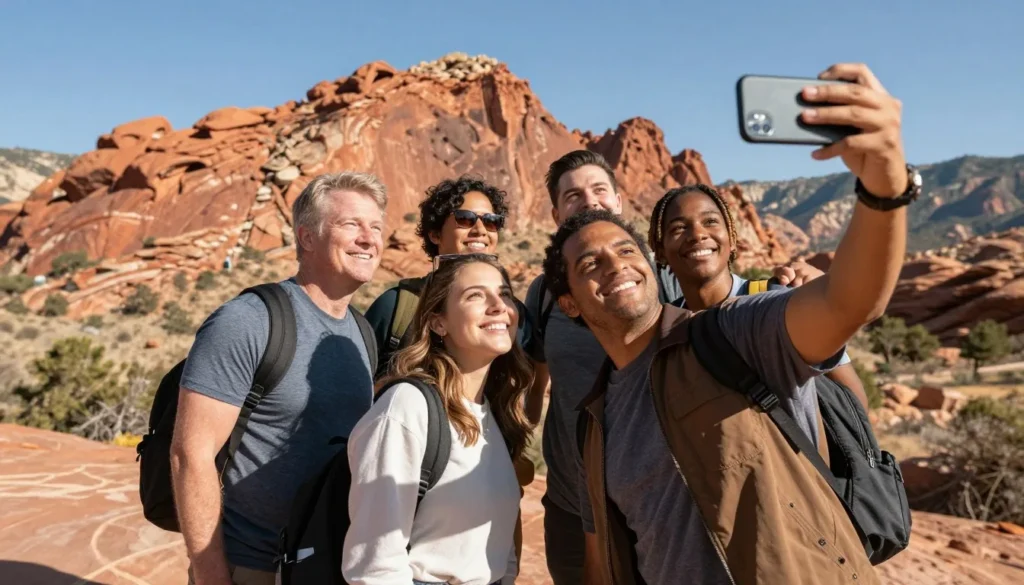
“We visited Red Rock Canyon as an alternative to the crowded Garden of the Gods and were absolutely thrilled with our decision. The trails offered perfect variety for our family, with options for both our teenage athletes and our less ambitious younger children. The rock formations rival anything we saw at the more famous parks, and we practically had the place to ourselves on a Saturday morning. Our dog loved the off-leash area, and we appreciated that the entire park welcomed him on all trails. We spent three hours exploring and could have easily stayed longer. This hidden gem definitely deserves more recognition.”
“As serious rock climbers, we specifically planned our Colorado Springs trip around Red Rock Canyon. The sandstone climbing here presents unique challenges compared to the granite we typically encounter in Canada. The variety of routes accommodated our group’s different skill levels, from our newest climber tackling 5.7 routes to our expert friends working on challenging 5.11 projects. The rock quality impressed us, though we quickly learned that protection placement requires more thought than we expected. Beyond the climbing, the scenic beauty of the red formations against blue Colorado skies created an unforgettable backdrop. We will definitely return on future trips south.”
“Red Rock Canyon provided exactly the outdoor experience we hoped to find near Colorado Springs. The Contemplative Trail worked perfectly for our morning walk, offering stunning views without requiring serious athletic ability. We appreciated the well-maintained trails and clear signage that prevented navigation confusion. The historic quarry site added unexpected educational value to our visit, helping us understand the area’s role in Colorado’s development. Parking proved challenging when we arrived at 10 AM, but we found a spot after waiting about 15 minutes. Next time we will arrive earlier or visit on a weekday. Despite the parking situation, we thoroughly enjoyed our time and would absolutely recommend this park to friends planning Colorado trips.”
Additional Nearby Destinations
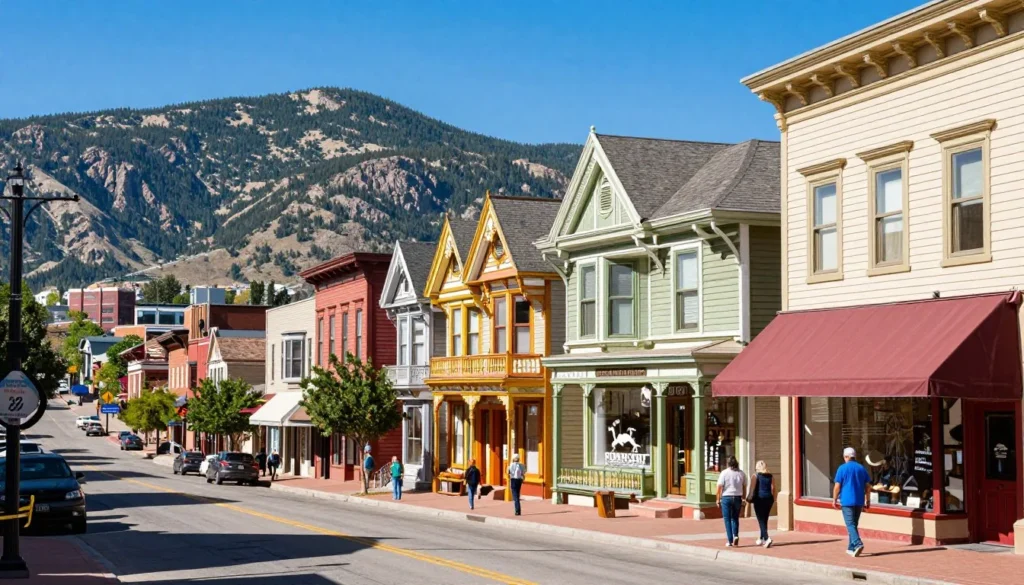
Red Rock Canyon’s location in the Pikes Peak region provides easy access to numerous other attractions. Extending your stay allows you to explore the diversity this remarkable area offers beyond a single open space.
Manitou Springs
This quirky mountain town sits immediately adjacent to Red Rock Canyon and offers a stark contrast to the natural surroundings. The historic downtown features art galleries, unique shops, and restaurants housed in Victorian-era buildings. Manitou Springs built its reputation on natural mineral springs that still flow throughout town, available for public sampling at ornate fountains.
✓ Check 30,000+ Local Sightseeing Tours Worldwide
The Manitou Incline challenges fit hikers with 2,744 steps climbing 609 vertical meters (2,000 feet) in less than 1.6 kilometers (one mile). This extreme workout follows an old cable car route up the side of Mount Manitou. Free to use but requiring reservations during peak season, the Incline attracts athletes training for mountain events alongside tourists seeking bragging rights.
Cave of the Winds Mountain Park offers guided tours through spectacular limestone caverns decorated with impressive formations. Multiple tour options accommodate different interests and fitness levels, from the easy 45-minute Discovery Tour to the adventurous Lantern Tour exploring undeveloped passages. The cave maintains a constant 13°C (55°F) temperature year-round.
Cheyenne Mountain Zoo
America’s only mountain zoo clings to the slopes of Cheyenne Mountain southwest of Colorado Springs. The facility houses over 750 animals representing 170 species in naturalistic habitats taking advantage of the mountainside terrain. The zoo’s giraffe feeding experience consistently ranks as a visitor favorite.
The Rocky Mountain Carousel and the Mountaineer Sky Ride provide unique perspectives of both the zoo and surrounding landscape. On clear days, views extend across Colorado Springs to the eastern plains. The zoo opens daily year-round with varying hours by season. General admission costs approximately $24 for adults and $20 for children.
United States Air Force Academy
Located north of Colorado Springs, the Air Force Academy welcomes visitors to explore portions of its stunning campus. The Cadet Chapel, with its distinctive 17 spires reaching skyward, represents one of Colorado’s most photographed buildings. The modernist architecture creates a striking contrast against the natural mountain backdrop.
The Barry Goldwater Air Force Academy Visitor Center provides exhibits about cadet life, academy history, and Air Force heritage. Visitors can watch cadet training activities from designated viewpoints, though access to most of the campus remains restricted. The Nature Center offers trails through academy grounds with excellent birding opportunities. No admission fee applies, though photo identification is required for entry.
Old Colorado City
This historic district predates Colorado Springs itself, having served as the territorial capital in the 1860s. Today, Old Colorado City functions as the arts district, with dozens of galleries, studios, and eclectic shops lining Colorado Avenue. The neighborhood’s bohemian vibe contrasts sharply with Colorado Springs’ more conservative character.
The monthly First Friday Art Walk transforms the district into a street festival with galleries hosting receptions, musicians performing on corners, and food vendors offering samples. Even outside First Friday, browsing the galleries and unique boutiques provides an engaging afternoon. Numerous restaurants and cafes offer dining options ranging from casual to upscale.
Cripple Creek
This historic mining town sits about 72 kilometers (45 miles) west of Colorado Springs in the mountains beyond Pikes Peak. Once one of the world’s greatest gold mining districts, Cripple Creek now combines casino gambling with Old West atmosphere and mining heritage.
The Cripple Creek and Victor Narrow Gauge Railroad offers scenic rides through former mining areas with interpretation of the region’s rich history. Several small museums chronicle the boom times when Cripple Creek rivaled Denver in size and wealth. The Mollie Kathleen Gold Mine provides underground tours into an actual gold mine, descending 305 meters (1,000 feet) below the surface.
The drive to Cripple Creek via the Gold Camp Road or Phantom Canyon Road (when open) rivals the destination for scenic beauty. These mountain routes require careful driving but reward with spectacular views and glimpses of Colorado’s mining past.
Royal Gorge Bridge and Park
Located about 89 kilometers (55 miles) southwest of Colorado Springs near Canon City, the Royal Gorge features one of America’s highest suspension bridges spanning a dramatic canyon carved by the Arkansas River. The bridge deck sits 291 meters (955 feet) above the river, creating stomach-dropping views straight down.
Beyond the bridge, the park offers aerial tram rides across the gorge, a via ferrata climbing route, zip lines, and various other attractions. The combination of natural beauty and adrenaline-inducing activities makes the Royal Gorge a popular day trip. Admission to the park costs approximately $31 for adults and $26 for children, with additional fees for some activities.
Practical Travel Tips

Small details can make the difference between a good visit and a great one. These practical considerations help you avoid common pitfalls and maximize your Red Rock Canyon experience.
What to Pack
A daypack should carry the Ten Essentials adapted for day hiking: navigation tools (map and compass or GPS), sun protection (sunglasses, sunscreen, hat), extra layers for weather changes, illumination (headlamp with extra batteries), first-aid supplies, fire starter, emergency shelter, extra food, extra water, and a repair kit with basic tools.
Sturdy hiking boots or trail shoes with good tread prevent slips on rocky terrain. Break in new footwear before your trip to avoid blisters. Many hikers carry trekking poles for stability on uneven surfaces and steep sections, though they are not necessary for most Red Rock Canyon trails.
A small camera or smartphone captures the stunning scenery, though focusing on the experience rather than constant photography often proves more rewarding. Binoculars enhance wildlife watching and allow appreciation of geological details on distant formations.
Cell Phone Service and Connectivity
Cell phone reception varies throughout Red Rock Canyon. The parking lot typically has reliable service from major carriers, but signal strength decreases as you hike deeper into the canyon. Verizon and T-Mobile generally provide the best coverage in the area.
Download trail maps, directions, and any needed information before arriving. Do not rely on cellular data for navigation or emergency communication while on trails. Inform someone of your plans rather than depending on phone contact during your hike.
Best Photography Times
The first two hours after sunrise provide stunning light on east-facing formations, creating warm glows that intensify the red rock colors. The parking lot fills quickly even on early mornings, so arrive at least 30 minutes before sunrise to secure a spot and hike to your preferred photography location.
Late afternoon and evening light illuminates west-facing walls, offering equally compelling conditions with different character. Shadows lengthen dramatically in the hour before sunset, adding depth and dimension to photographs. The golden hour delivers rich, saturated colors that require minimal post-processing.
Overcast days create even, diffused lighting that works well for detail shots and intimate landscapes. Stormy weather produces dramatic skies but requires extra caution for safety. Avoid photographing during harsh midday sun when contrast becomes extreme and colors wash out.
Physical Preparation
Even moderate trails at altitude challenge visitors from lower elevations. If possible, arrive a day or two before attempting strenuous hikes to allow initial acclimatization. Stay well-hydrated starting the day before your visit, as proper hydration helps prevent altitude-related symptoms.
Colorado’s intense sun and dry air affect everyone regardless of fitness level. Pace yourself, take regular breaks, and pay attention to your body’s signals. Headaches, unusual fatigue, or dizziness may indicate altitude issues or dehydration requiring rest and fluids.
Restroom Facilities
The parking lot features vault toilets (non-flushing restrooms) that remain open year-round. These facilities provide the only restroom option at Red Rock Canyon Open Space. No facilities exist along trails, and the high-use area makes finding private locations for natural relief difficult.
Use restrooms before starting your hike. Plan trail length and water consumption accordingly, keeping in mind that increased water intake necessary at altitude means more frequent restroom needs. The nearest public restrooms beyond the parking lot are in Manitou Springs, approximately 4 kilometers (2.5 miles) away.
Seasonal Considerations
Spring runoff does not affect Red Rock Canyon significantly as the area lacks permanent streams. However, occasional heavy rains can create muddy conditions on trails, particularly in lower-lying sections. Check recent weather and consider delaying visits for a day or two after major storms to allow trails to dry.
Summer afternoon thunderstorms develop rapidly, typically between 1:00 PM and 6:00 PM. Plan to complete hikes by early afternoon during summer months. If you hear thunder while hiking, descend immediately and avoid exposed ridges, tall rocks, and lone trees.
Fall offers ideal conditions but brings hunting season to surrounding areas. While hunting is prohibited within Red Rock Canyon Open Space, adjacent lands may allow it. Wearing bright colors when hiking in October and November increases visibility.
Winter ice can make trails treacherous, particularly on north-facing slopes and shaded areas. Microspikes or other traction devices help maintain stability on icy sections. Snow typically melts quickly after storms due to the relatively low elevation and intense sun, but check current conditions before winter visits.
Accessibility Considerations
Red Rock Canyon Open Space features natural, unimproved trails unsuitable for wheelchairs or those with significant mobility limitations. The parking lot is paved and accessible, but all trails include rocky, uneven terrain with elevation changes.
For visitors seeking accessible outdoor experiences in the Colorado Springs area, Garden of the Gods offers paved trails suitable for wheelchairs and strollers. The Perkins Central Garden Trail there provides 2.4 kilometers (1.5 miles) of fully accessible path through spectacular scenery.
Respecting Private Property
Residential neighborhoods border portions of Red Rock Canyon Open Space. Stay on designated trails and avoid cutting through yards or private land. Some trail access points pass through easements crossing private property where public access is permitted only on the established path.
Do not park in residential areas even if the main lot is full. Blocking driveways, parking too close to mailboxes, or taking up street spaces needed by residents creates tension between trail users and the community. If the parking lot is full, return at a different time rather than causing neighborhood parking issues.
Your Red Rock Canyon Adventure Awaits
Red Rock Canyon Open Space stands as a testament to Colorado’s remarkable natural diversity, offering experiences that rival far more famous destinations while maintaining an authentic, uncrowded atmosphere. The towering crimson formations that took 300 million years to create provide the stage for your own outdoor adventures, whether you seek challenging climbs, peaceful contemplation, or active exploration with your four-legged companion.
The combination of accessible trails, dramatic scenery, and freedom from entrance fees makes this hidden gem a destination worth building your Colorado Springs visit around. Unlike crowded tourist attractions where parking hassles and endless selfie-takers diminish the experience, Red Rock Canyon rewards early risers and weekday visitors with solitude among stunning geological wonders.
As you plan your journey to this remarkable place, remember that the best experiences come from respecting both the natural environment and fellow visitors. Your footsteps join countless others who have marveled at these red rocks, from ancient peoples to frontier quarrymen to modern outdoor enthusiasts. By following Leave No Trace principles and embracing the outdoor ethic that defines Colorado culture, you help ensure Red Rock Canyon remains pristine for generations to come.
The trails await your discovery, the formations stand ready to challenge climbers and inspire photographers, and the big Colorado sky promises to deliver those crystal-clear vistas that make the Pikes Peak region unforgettable. Pack your daypack, fill your water bottles, and prepare to experience one of Colorado’s most beautiful natural areas on your own terms.