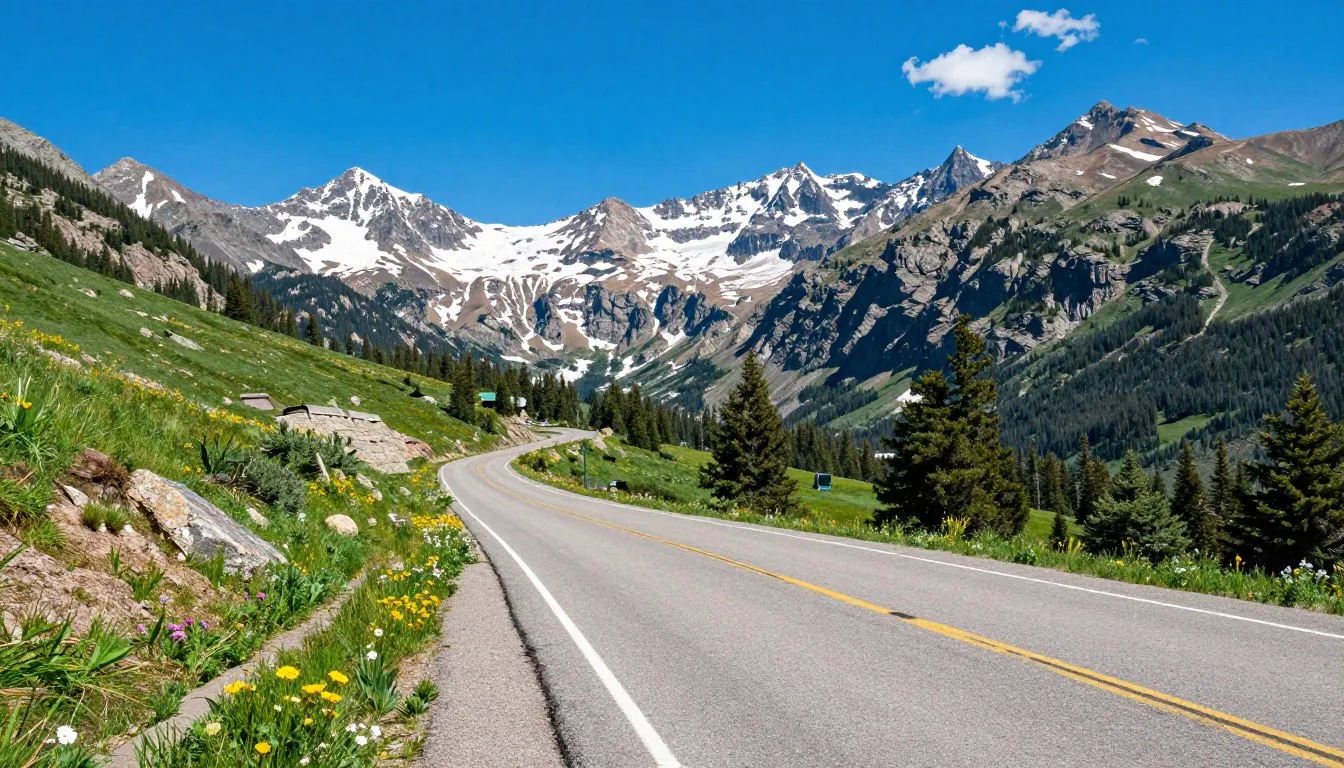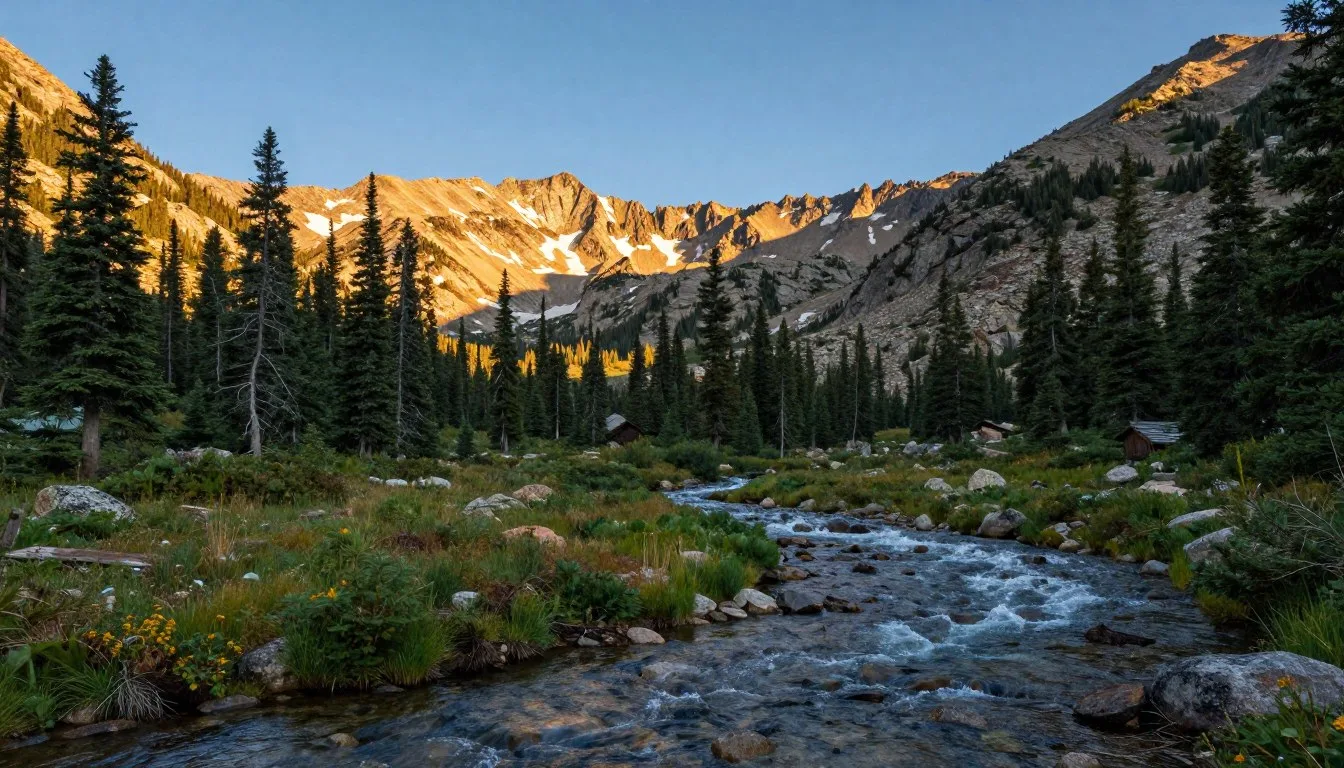
Hotels by Trip.com
Flights by Trip.com
Did you know the Rio Grande River travels an astounding 1,896 miles from its source in Colorado’s San Juan Mountains to the Gulf of Mexico? Yet some of its most breathtaking and untouched sections flow right through the heart of Rio Grande County. This remarkable area encompasses over 1.8 million acres of Rio Grande National Forest land, making it one of Colorado’s most expansive wilderness destinations.
The Rio Grande area offers something truly special for every traveler. Whether you seek heart-pounding adventures or peaceful mountain retreats, this guide reveals the region’s top attractions and hidden treasures.
From world-class fishing in gold medal waters to exploring ancient geological formations, the Rio Grande region delivers authentic Colorado experiences. This comprehensive guide helps you plan an unforgettable journey through one of the state’s most spectacular landscapes.
Getting There and Planning Your Journey

Reaching the Rio Grande area requires some planning, but the journey rewards you with stunning mountain scenery. The closest major airport sits in Alamosa, Colorado, about 45 miles from many Rio Grande attractions. Alamosa’s San Luis Valley Regional Airport offers regional connections, though most travelers find better options through larger hubs.
Denver International Airport, located approximately 240 miles northeast, serves as the primary gateway for most visitors. The drive from Denver takes roughly four and a half hours through spectacular mountain terrain. Colorado Springs Airport, sitting 175 miles away, provides another convenient option with a three-hour drive.
The scenic routes leading into Rio Grande National Forest showcase Colorado’s diverse landscapes. Highway 160 cuts through the San Luis Valley, offering panoramic views of the Sangre de Cristo Mountains to the east. Highway 149, known as the Silver Thread Scenic Byway, winds through breathtaking alpine terrain.
Planning your route carefully enhances the experience. Mountain roads may close seasonally, especially at higher elevations. Checking current road conditions before departure prevents unexpected delays.
Important Travel Note: Cell phone service becomes limited in remote forest areas. Download offline maps and notify someone of your travel plans before venturing into wilderness sections.
Best Time to Visit Rio Grande Colorado
Timing your visit to the Rio Grande area significantly impacts your experience. Each season brings unique attractions and different weather patterns across this diverse landscape.
Summer: Peak Adventure Season (June-August)
Summer delivers ideal conditions for most outdoor activities. Temperatures range from 21°C to 27°C (70°F to 80°F) during daytime, with cool evenings perfect for campfires. This season opens access to high-elevation trails and remote wilderness areas.
River flows peak in late June through early July as snowmelt fills streams. Fishing enthusiasts find excellent conditions, though afternoon thunderstorms occur frequently. Trails dry out completely by mid-July, creating perfect hiking conditions.
Fall: Color Spectacular (September-October)
Autumn transforms the Rio Grande National Forest into a painter’s palette. Aspen groves turn brilliant gold against evergreen backdrops. Peak color typically arrives in late September through early October, depending on elevation.
✓ Check 30,000+ Local Sightseeing Tours Worldwide
Daytime temperatures hover around 15°C to 21°C (60°F to 70°F), with crisp mornings around 2°C (35°F). Wildlife becomes more active as animals prepare for winter. Elk bugling echoes through mountain valleys during September’s mating season.
Winter: Snow Sports Paradise (December-March)
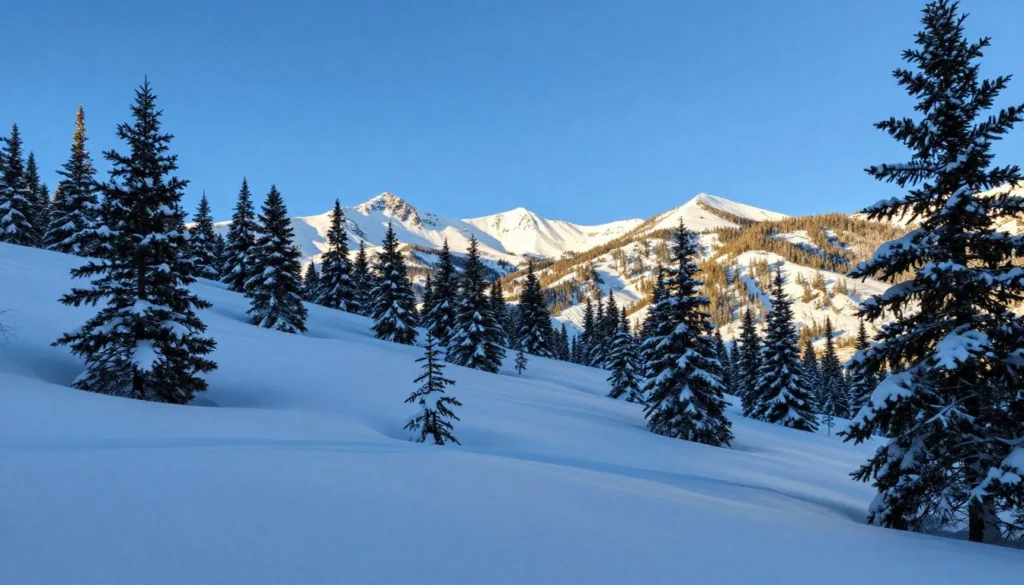
Winter blankets the area in deep powder, particularly around Wolf Creek Pass. Wolf Creek Ski Area receives an average of 465 inches of snow annually, earning its reputation as Colorado’s snow champion. Temperatures range from -12°C to 2°C (10°F to 35°F).
Cross-country skiing and snowshoeing opportunities abound throughout Rio Grande National Forest. Many lower elevation areas remain accessible, though high mountain passes close until spring.
Spring: Transition Season (April-May)
Spring brings unpredictable weather but fewer crowds. Snow lingers at higher elevations while valleys burst with wildflowers. This season suits travelers seeking solitude and dramatic landscape contrasts.
Months to Avoid
Late March through early May presents challenging conditions. Snowmelt creates muddy trails and swollen rivers. Many facilities remain closed, and weather shifts rapidly between winter and summer patterns.
Insider Tip: September offers the sweet spot – warm days, cool nights, stunning fall colors, and fewer summer crowds. Plan your Rio Grande visit during this golden window for the best overall experience.
Notable Annual Festivals
The Rio Grande area celebrates its heritage and natural beauty through various festivals throughout the year. These events provide authentic glimpses into local culture and traditions.
Creede Donkey Dash (June)
This quirky June event in nearby Creede honors the area’s mining history. Participants race donkeys through town streets, celebrating the pack animals that once carried ore from mountain mines. The festival includes live music, local food vendors, and historic reenactments.
Rio Grande County Fair and Rodeo (August)
Monte Vista hosts this traditional western celebration each August. Professional rodeo events showcase authentic cowboy skills, while agricultural exhibits highlight the San Luis Valley’s farming heritage. Carnival rides and local crafts round out the family-friendly atmosphere.
Alamosa Round-Up Rodeo (July)
This multi-day July rodeo brings professional cowboys and cowgirls to compete in traditional events. Bull riding, barrel racing, and team roping draw competitors from across the western states. Evening performances feature live country music and dancing.
Ski Hi Stampede (July-August)
Monte Vista’s Ski Hi Stampede runs for ten consecutive nights, making it one of the longest-running rodeos in Colorado. Professional rodeo action combines with carnival attractions and nightly entertainment. The event showcases genuine western culture and ranching traditions.

Getting Around Locally
Navigating the Rio Grande area requires your own vehicle, as public transportation remains limited. The vast distances between attractions and dispersed nature of the region make personal transportation essential.
Renting a vehicle in Alamosa or bringing your own car provides the flexibility needed to explore. Standard vehicles handle most paved roads adequately during summer months. However, accessing remote trailheads and camping areas often requires higher clearance.
Four-wheel drive vehicles offer significant advantages. Many forest service roads leading to prime fishing spots and hiking trails feature rough surfaces with rocks and ruts. Winter travel absolutely demands four-wheel drive capabilities.
Gas stations appear infrequently once you leave main towns. Fill your tank in Del Norte, South Fork, or Monte Vista before venturing into Rio Grande National Forest areas. Carrying extra fuel proves wise for extended backcountry explorations.
Cell phone coverage drops to nothing in many wilderness sections. Paper maps and GPS devices with downloaded topographic maps become crucial navigation tools. The Rio Grande National Forest visitor center provides excellent free maps.
Safety Reminder: Mountain roads can deteriorate quickly during storms. Always check weather forecasts and carry emergency supplies including water, food, warm clothing, and a first aid kit when traveling forest roads.
Where to Stay

Accommodation options range from rustic camping to comfortable hotels across the Rio Grande region. Your choice depends on adventure level and comfort preferences.
Hotels and Motels
South Fork offers the highest concentration of hotels and motels along Highway 160. These establishments provide clean, comfortable rooms with mountain views. Most properties feature family-friendly amenities and reasonable rates. The town sits centrally for accessing both wilderness areas and local attractions.
Del Norte presents another solid lodging base with several motor inns. This historic town provides authentic small-town Colorado atmosphere. Properties here often cost less than South Fork options while maintaining good quality standards.
Vacation Rentals and Cabins
Private cabins scattered throughout the region deliver secluded mountain experiences. Many feature fully equipped kitchens, wood-burning stoves, and spectacular views. These rentals work wonderfully for families or groups seeking more space and privacy.
Vacation homes near Creede and along the Rio Grande River offer premium locations. Properties book quickly during peak summer and fall seasons, so reserve well in advance.
Camping Options
Rio Grande National Forest maintains numerous campgrounds throughout the area. Big Meadows Campground sits at 2,621 meters (8,600 feet) elevation, offering stunning views and easy trail access. The site provides basic amenities including vault toilets and potable water.
Developed campgrounds typically operate from late May through September, depending on snow conditions. Sites feature picnic tables and fire rings. Most charge modest fees between fifteen and twenty-five dollars per night.
Dispersed camping throughout national forest land provides free alternatives for self-sufficient campers. This camping style requires leaving no trace and practicing proper wilderness ethics. Many dispersed sites sit along forest service roads near streams and lakes.
RV Parks
Several RV parks in South Fork and Monte Vista accommodate larger rigs with full hookups. These facilities offer amenities like showers, laundry, and dump stations. Mountain views and proximity to attractions make them popular bases for extended stays.
Dining and Local Cuisine
Rio Grande area dining reflects honest mountain town character rather than gourmet pretensions. Hearty portions, friendly service, and reasonable prices define the local food scene.
Local Specialties
Mexican food dominates menus across the San Luis Valley, reflecting the region’s Hispanic heritage. Family-owned restaurants serve authentic dishes passed down through generations. Green chile appears on nearly everything, adding distinctive Colorado flavor.
Locally raised beef features prominently, showcasing the area’s ranching traditions. Steaks and burgers come from cattle grazed on mountain pastures. The quality speaks for itself in simple preparations.
Trout caught from nearby streams appears on some restaurant menus during fishing season. Pan-fried or grilled preparations let the fresh fish shine. Some establishments even let anglers bring their own catch for the chef to prepare.
South Fork Dining
South Fork hosts the largest selection of restaurants in the immediate area. Casual eateries serve classic American fare alongside Mexican options. Breakfast spots open early for anglers and hikers heading out at dawn.
Pizza joints and sandwich shops provide quick meals after long days outdoors. Several establishments offer outdoor seating with river views during warmer months.
Del Norte Options
This historic town features several longtime local favorites. Home-style cooking and generous portions characterize the dining scene. Expect genuine small-town hospitality and good value.
Grocery Shopping
Full-service grocery stores in Monte Vista and Alamosa allow self-catering. Stock up on supplies here before heading into more remote areas. South Fork has a smaller market suitable for basic provisions.
Dining Tip: Restaurant hours can be limited, especially during off-season months. Call ahead to confirm operating hours, particularly on weekdays. Many establishments close one or two days per week.

Attractions, Sightseeing and Activities
The Rio Grande area packs remarkable diversity into its mountain landscape. Activities range from adrenaline-pumping adventures to peaceful nature appreciation.
Rio Grande River Experiences
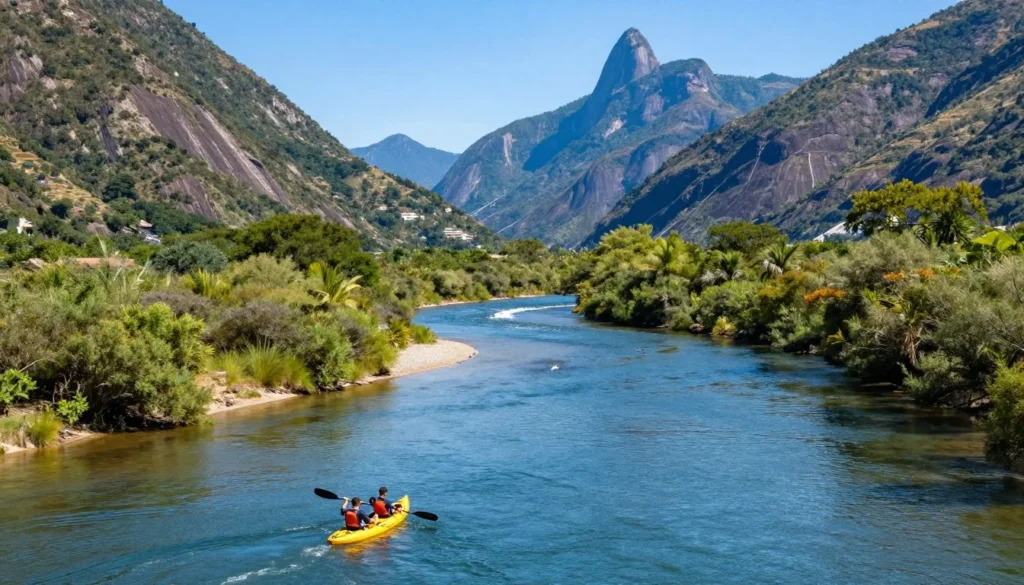
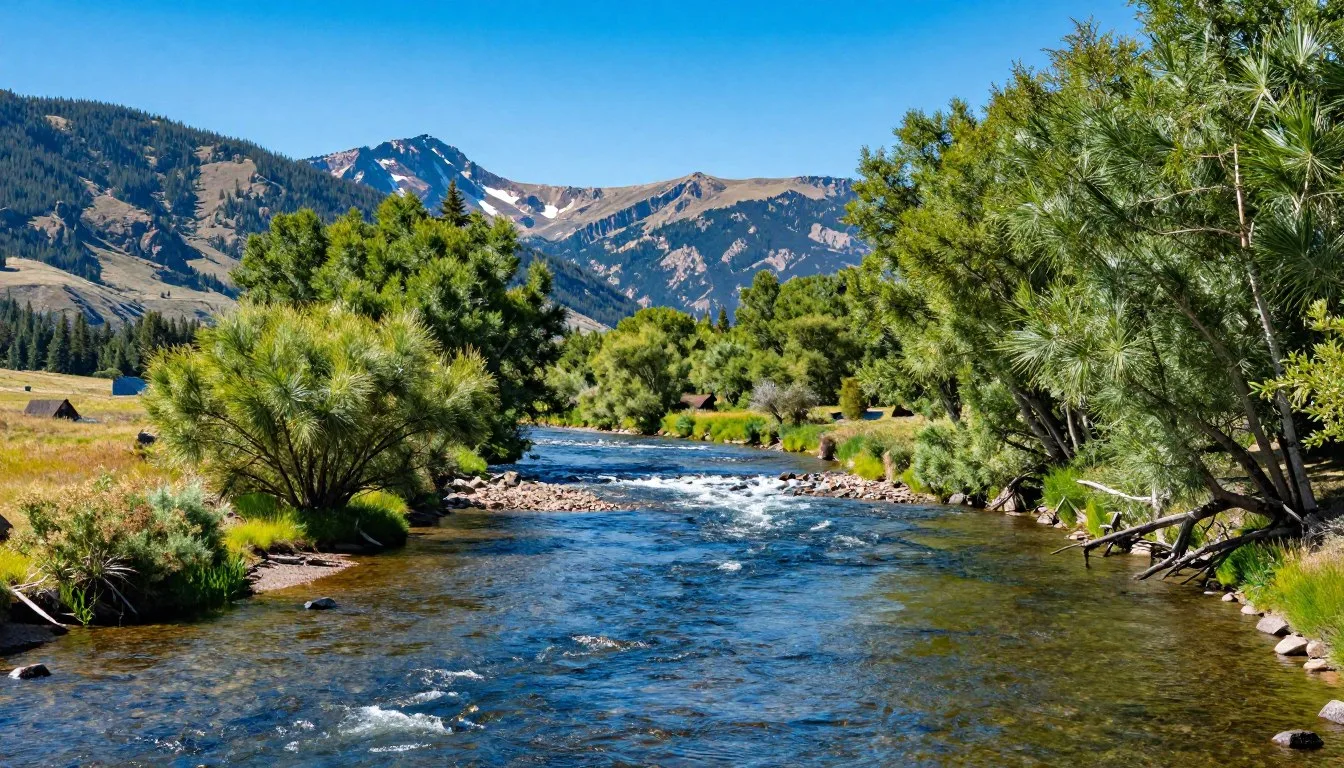
The Rio Grande River carves through spectacular canyons and gentle valleys across the region. Different sections offer distinct experiences for water enthusiasts.
The upper Rio Grande near its headwaters provides world-class fly fishing. This gold medal water designation recognizes exceptional trout populations and habitat quality. Rainbow, brown, and cutthroat trout thrive in cold, oxygen-rich flows. Anglers wade pristine sections surrounded by towering peaks.
Rafting opportunities vary by season and river section. Spring runoff creates exciting whitewater from May through June. Guided trips navigate technical rapids while showcasing canyon geology. Calmer summer flows suit family float trips with opportunities to spot wildlife along banks.
Wolf Creek Pass Adventures
Wolf Creek Pass reaches 3,275 meters (10,745 feet) elevation between Pagosa Springs and South Fork. This mountain crossing delivers year-round attractions.
Winter transforms the pass into powder paradise. Wolf Creek Ski Area operates on the pass summit, receiving more natural snowfall than any other Colorado resort. The mountain maintains a refreshingly uncommercial atmosphere focused purely on skiing and snowboarding excellent terrain.
Summer hiking trails radiate from the pass in all directions. Wildflower displays peak in July and August across alpine meadows. The Continental Divide Trail crosses near the summit, allowing day hikes along this legendary route.
Scenic Driving Routes
The Silver Thread Scenic Byway runs 75 miles from South Fork to Lake City. This designated scenic route winds through some of Colorado’s most dramatic mountain terrain. Numerous pullouts allow photography and wildlife viewing.
The route passes historic mining towns, cascading waterfalls, and geological wonders. Plan several hours to drive the entire byway with stops. Fall colors along this road create some of Colorado’s finest autumn scenery.
Hot Springs Relaxation
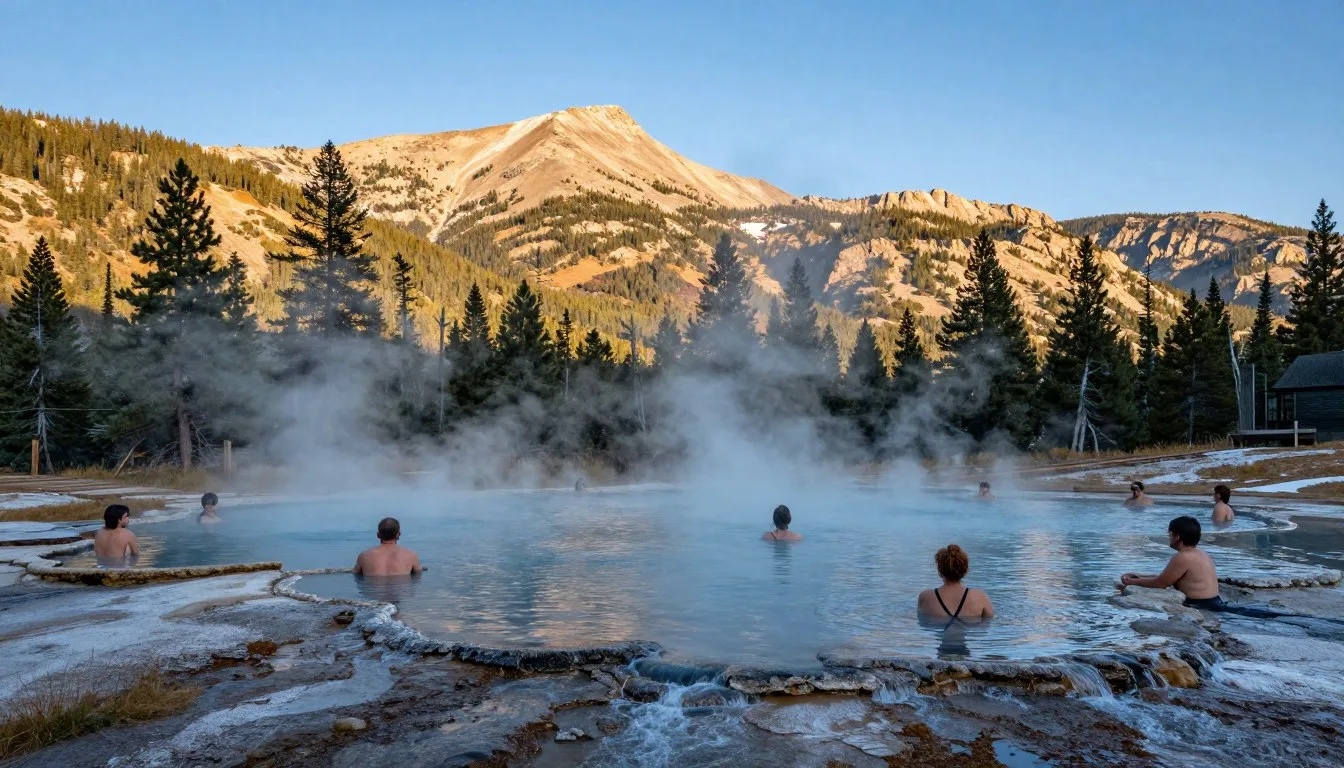
Several natural hot springs bubble up in the greater Rio Grande area. These geothermal pools provide perfect relaxation after hiking adventures. Some developed resorts offer pools and spa facilities, while more adventurous soakers seek out natural pools.
Museums, Cultural Spots and Festivals
The Rio Grande region’s cultural attractions reveal fascinating mining history and Hispanic heritage. Small but worthwhile museums preserve important stories.
Rio Grande County Museum
Located in Del Norte, this museum showcases area history from Native American inhabitants through mining boom times. Exhibits feature artifacts, photographs, and mining equipment. The collection helps visitors understand how this remote region developed.
Historic Mining Towns
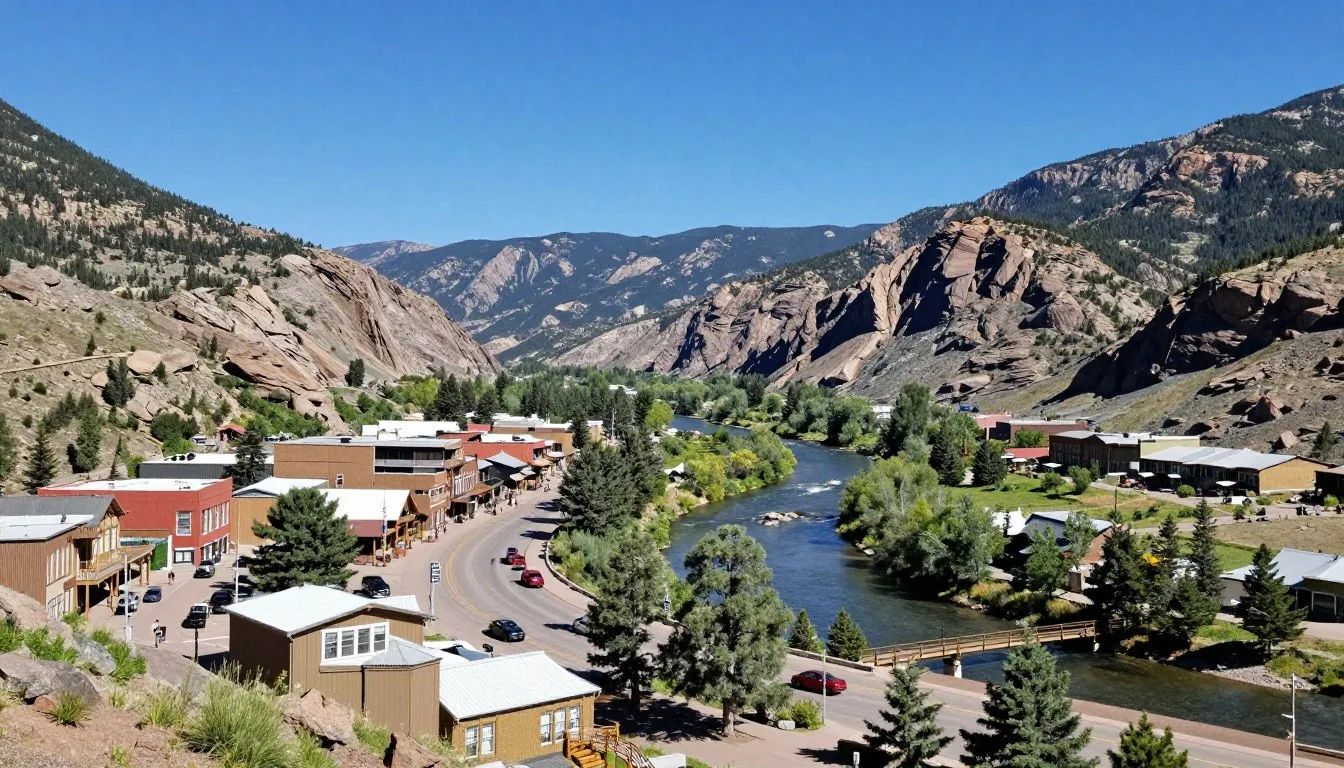
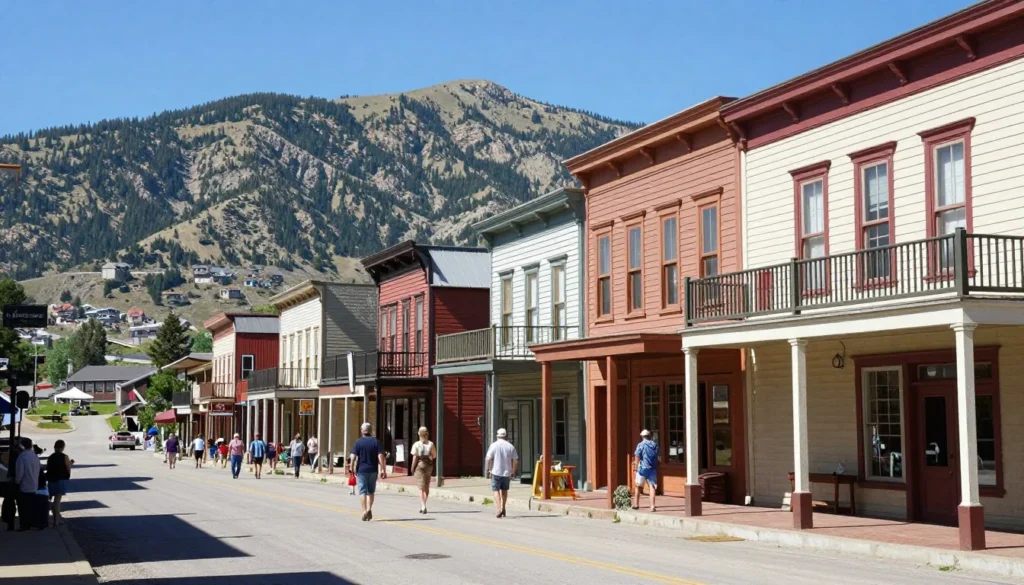
Creede stands as the best-preserved mining town near the Rio Grande area. Founded during an 1890s silver boom, the town maintains authentic Victorian character. Historic buildings line the main street, many housing galleries and shops.
The Creede Underground Mining Museum takes visitors into actual mine tunnels. Experienced miners guide tours through historic workings, explaining extraction techniques and daily life underground. The experience provides genuine insight into Colorado’s mining heritage.
Heritage Centers
The San Luis Valley Heritage Museum in Alamosa explores the region’s multicultural history. Exhibits cover Native American cultures, Spanish colonial settlement, and agricultural development. The museum grounds include historic structures relocated from around the valley.
Nature and Outdoor Experiences
Rio Grande National Forest encompasses some of Colorado’s wildest landscapes. Over 1.8 million acres provide endless outdoor recreation opportunities.
Hiking Trail Options
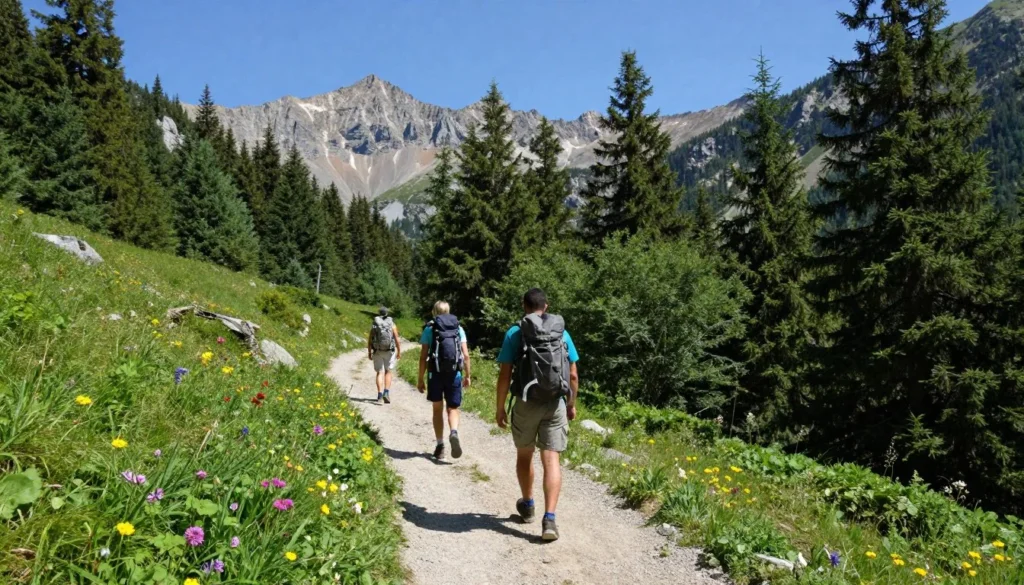
Hundreds of miles of trails crisscross the national forest, ranging from easy nature walks to challenging alpine routes. Trail difficulty varies dramatically based on elevation gain and distance.
Big Meadows Trail offers an accessible introduction to the high country. This moderate four-mile loop explores subalpine meadows at 2,743 meters (9,000 feet) elevation. Wildflowers blanket open areas during July and August. Elk frequently graze these meadows during early morning hours.
Continental Divide Trail sections provide serious challenges for experienced backpackers. The trail follows the divide across remote wilderness sections. Multiple access points allow day hikes or extended expeditions.
Many trails climb toward 4,267-meter (14,000-foot) peaks in the Sangre de Cristo range. These fourteeners attract peak-baggers from around the world. Proper acclimatization and early morning starts become essential for summit attempts.
Wildlife Viewing
The Rio Grande area supports diverse wildlife populations across various habitats. Patient observers spot numerous species without venturing far from roads.
Elk herds number in the thousands across the region. These magnificent animals gather in mountain meadows during summer months. Fall brings the dramatic rut when bulls bugle and compete for mates. Dawn and dusk offer best viewing opportunities.
Bighorn sheep inhabit rocky terrain at higher elevations. The Sangre de Cristo mountains provide excellent habitat for these agile climbers. Spotting scopes help locate sheep on distant cliffs and ridges.
Black bears roam throughout forested areas. While generally avoiding humans, bears occasionally appear near campgrounds. Proper food storage prevents wildlife conflicts. Never approach bears or other wildlife regardless of circumstances.
Birdwatchers record impressive species lists across varying elevations. High-country specialists like ptarmigan and rosy-finches inhabit alpine zones. Rivers attract ospreys, bald eagles, and various waterfowl. Over 200 bird species have been documented in the greater area.
Fishing Adventures
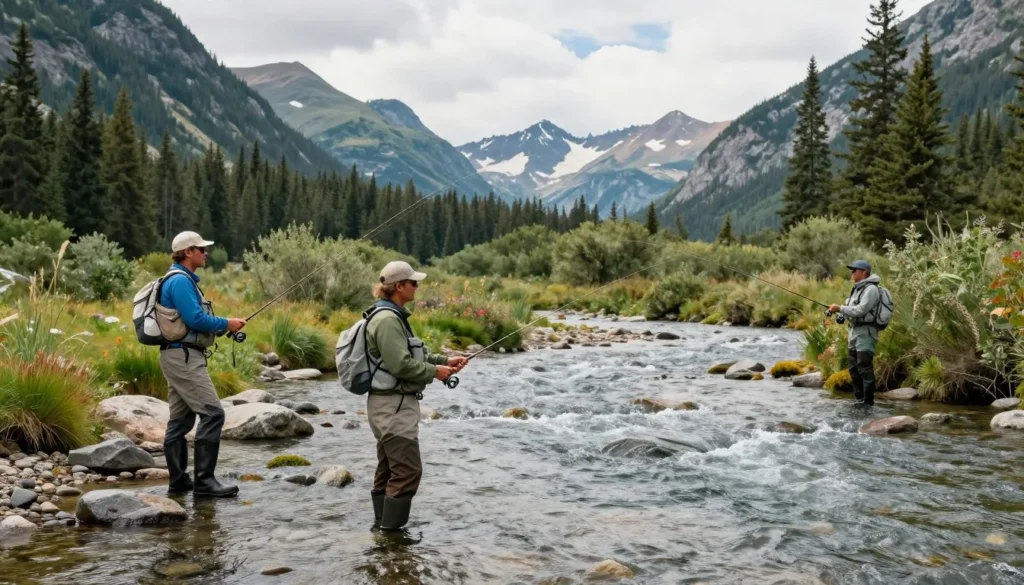
The Rio Grande drainage offers some of Colorado’s finest fishing opportunities. Multiple water types accommodate different angling styles and skill levels.
Gold medal waters in the upper Rio Grande hold exceptional trout densities. Strict regulations protect this fishery, including artificial flies and lures only with catch and release requirements. Skilled anglers catch trophy trout exceeding 20 inches.
Tributary streams provide more intimate fishing experiences. These smaller waters require stealth and careful presentations. Native Rio Grande cutthroat trout inhabit certain protected streams.
High mountain lakes scattered across the wilderness hold brook, rainbow, and cutthroat trout. Reaching these lakes requires hiking, sometimes several miles into backcountry. The solitude and scenery reward the effort.
Rock Formations and Geology
Spectacular geological features dot the landscape, revealing millions of years of Earth history. These formations create distinctive landmarks and interesting exploration destinations.
Volcanic rock formations showcase ancient eruptions that shaped the San Juan Mountains. Dramatic cliffs and spires rise from valley floors. Different mineral content creates colorful bands and patterns in exposed rock faces.
The Wheeler Geologic Area, located in a remote section of Rio Grande National Forest, features bizarre volcanic tuff formations. Erosion carved these soft rocks into fantastical shapes resembling towers and monuments. The five-mile hike or ATV ride reaches this geological wonder.
✓ Check 30,000+ Local Sightseeing Tours Worldwide
Travel With Children

The Rio Grande area welcomes families with children of all ages. Many activities suit young adventurers while providing memorable experiences.
Family-Friendly Activities
Easy hiking trails offer outdoor experiences without overwhelming young legs. Nature scavenger hunts keep children engaged while walking. Spotting wildlife, collecting interesting rocks, and splashing in streams create lasting memories.
Fishing appeals to many children, especially when action stays steady. Private ponds stocked with trout guarantee catches for beginning anglers. Local guides specialize in family trips with patient instruction.
Camping introduces children to wilderness in controlled settings. Developed campgrounds provide amenities while maintaining outdoor atmosphere. Roasting marshmallows and sleeping under stars rank high on childhood adventure lists.
Age-Appropriate Adventures
Toddlers and preschoolers enjoy short nature walks and playing near streams. Bring appropriate sun protection and plenty of snacks. The high altitude affects young children more than adults, so plan frequent rest breaks.
Elementary-age children handle longer hikes and more challenging activities. Building confidence through achievable goals creates positive outdoor associations. Junior ranger programs at visitor centers teach environmental awareness.
Teenagers appreciate more adventurous pursuits. Whitewater rafting, mountain biking, and peak climbing provide appropriate challenges. Involving teens in trip planning increases engagement and enthusiasm.
Safety Considerations
Altitude affects children more than adults. The base elevation around South Fork sits at 2,438 meters (8,000 feet). Allow extra acclimatization time, encourage frequent water intake, and watch for symptoms like headaches or unusual fatigue.
Sun intensity increases dramatically at elevation. Apply sunscreen liberally and often. Hats and long sleeves provide additional protection against intense mountain sun.
Weather changes rapidly in mountains. Pack extra layers even on warm days. Afternoon thunderstorms develop frequently during summer months. Head down from exposed areas when clouds build.
Money Saving Tips
Experiencing the Rio Grande area doesn’t require breaking the bank. Smart planning stretches travel budgets while maintaining quality experiences.
Free and Low-Cost Activities
Rio Grande National Forest land provides free access to millions of acres. Hiking, wildlife viewing, photography, and exploring cost nothing beyond transportation. Dispersed camping eliminates accommodation expenses for those with proper equipment.
Scenic drives showcase spectacular landscapes without fees. Pack lunch and enjoy picnics at pullouts with million-dollar views. The Silver Thread Scenic Byway delivers world-class scenery for the price of gasoline.
Many trails reach stunning destinations within a few miles. Day hiking requires minimal gear investment. A good map, water bottles, and appropriate clothing suffice for most adventures.
Accommodation Strategies
Camping dramatically reduces lodging costs. Developed campgrounds charge fifteen to twenty-five dollars nightly. Dispersed camping costs nothing if you can camp self-sufficiently.
Midweek rates run lower than weekend prices at hotels and motels. Traveling Sunday through Thursday saves money while avoiding crowds. Shoulder seasons in May and late September offer discounted rates with good weather.
Dining Economically
Grocery shopping and meal preparation cut food costs substantially. Accommodations with kitchens or cooking over campfires eliminates restaurant expenses. Stock up on supplies in larger towns where prices run lower.
Lunch specials at restaurants offer better values than dinner prices. Many establishments serve generous portions suitable for sharing. Breakfast typically provides the best value among restaurant meals.
Activity Savings
Fishing licenses cost far less than guided trips. Public access points along the Rio Grande River allow independent angling. Forest service maps identify numerous fishing spots accessible without paying for guides.
Self-guided adventures save considerably compared to commercial tours. The trade-off requires more research and planning, but resources abound online and at visitor centers. Rangers provide excellent free advice about current conditions and opportunities.
Safety, Etiquette and Local Customs
Respecting local customs and following safety guidelines ensures positive experiences for everyone visiting the Rio Grande area.
Altitude Awareness
Elevation sickness affects many visitors unaccustomed to thin mountain air. Symptoms include headaches, nausea, fatigue, and shortness of breath. The condition can become serious if ignored.
Allow at least 24 hours acclimatization before strenuous activities. Drink significantly more water than normal. Avoid alcohol initially as it worsens altitude effects. Descend immediately if severe symptoms develop.
Weather Preparedness
Mountain weather changes without warning. Morning sunshine transforms to afternoon thunderstorms regularly during summer. Lightning poses serious danger in exposed locations above treeline.
Start alpine hikes early, planning to descend before noon. Carry rain gear and warm layers regardless of morning conditions. Turn back if threatening weather develops, no matter how close the summit.
Wildlife Safety
Black bears inhabit forested areas throughout the region. Store food properly in bear-resistant containers or vehicles. Never approach bears or attempt to feed wildlife. Give animals plenty of space and room to retreat.
Moose occasionally appear near rivers and wetlands. These massive animals become aggressive when approached, especially females with calves. Maintain at least 25 meters (75 feet) distance from all large wildlife.
Leave No Trace Principles
Pack out everything you bring into wilderness areas. Dispose of waste properly, including human waste in backcountry settings. Stay on established trails to prevent erosion and habitat damage.
Campfires require careful management. Use existing fire rings when available. Ensure fires are completely extinguished before leaving. Many areas restrict fires during dry conditions.
Local Respect
Small mountain communities value courtesy and neighborliness. Greeting people creates positive interactions. Respect private property boundaries clearly marked with signs and fences.
Ranching remains an important livelihood in the region. Close gates behind you when crossing ranch lands. Give cattle and sheep plenty of space when encountering livestock.
Emergency Preparedness: Cell service remains unreliable in remote areas. Carry paper maps and tell someone your plans. Pack first aid supplies and know basic wilderness first aid. In emergencies, call 911 or contact the Rio Grande County Sheriff at +1 (719) 657-3737.
Visitor Comments About Rio Grande

“The Rio Grande area exceeded all our expectations. We spent a week exploring different sections of the national forest, and each day brought new discoveries. The fishing was fantastic, trails were well-maintained, and we barely saw other people despite visiting in July. This region feels like the Colorado everyone imagines but rarely finds anymore.”
“I’ve traveled throughout the western United States, but the Rio Grande National Forest stands out for its unspoiled character. The combination of accessible attractions and remote wilderness creates the perfect balance. Wolf Creek Pass delivered incredible skiing, and summer hiking opened up even more terrain. We’re already planning our return trip to explore areas we missed.”
“Bringing our children to the Rio Grande area created memories they’ll treasure forever. The wildlife viewing exceeded anything we’d seen elsewhere – elk, deer, and even a black bear from a safe distance. Our kids loved camping under stars so bright we could barely believe it. The area offers authentic outdoor experiences without feeling commercialized or crowded.”
Additional Nearby Destinations
The Rio Grande area serves as an excellent base for exploring surrounding attractions. Several worthwhile destinations lie within reasonable driving distances.
Great Sand Dunes National Park
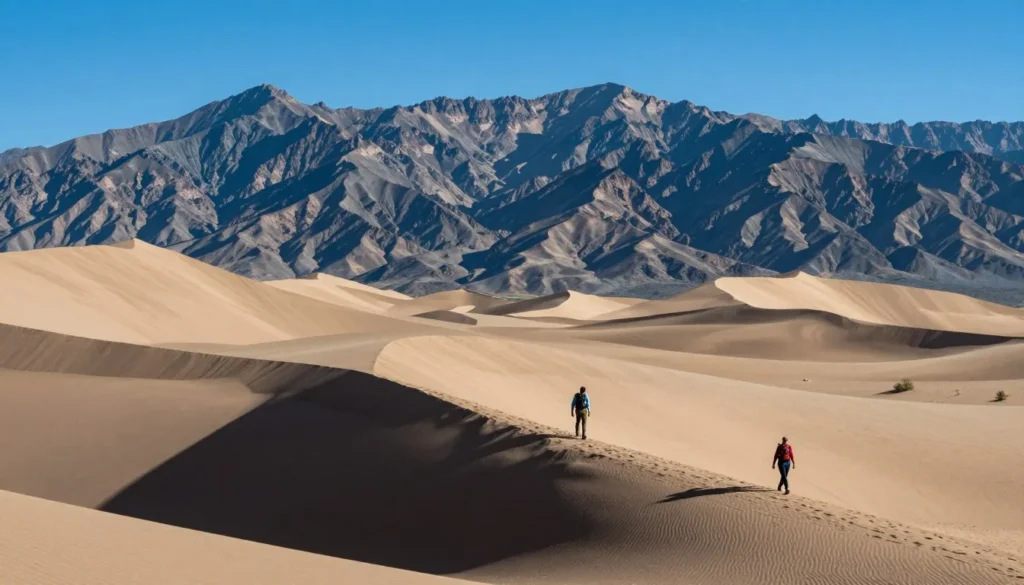
Located about 90 miles northeast, Great Sand Dunes National Park protects the tallest sand dunes in North America. These massive formations rise 230 meters (750 feet) against the Sangre de Cristo Mountains. Visitors hike up dunes, splash in Medano Creek, and marvel at this unique landscape.
Pagosa Springs
This resort town sits 45 miles west over Wolf Creek Pass. Pagosa Springs claims the world’s deepest geothermal hot spring. Multiple soaking facilities offer relaxation after mountain adventures. The town provides more dining and shopping options than Rio Grande communities.
Durango
Historic Durango lies 100 miles southwest, offering a larger town atmosphere while maintaining mountain character. The Durango and Silverton Narrow Gauge Railroad provides scenic train rides through spectacular canyons. Downtown features excellent restaurants, breweries, and shops.
San Luis Valley Communities
Several interesting towns dot the broad San Luis Valley floor. Monte Vista serves as an agricultural hub with authentic small-town character. Alamosa provides the largest selection of services including a regional airport. The valley’s Hispanic heritage creates distinctive cultural experiences.
Practical Travel Tips
Understanding practical details helps visitors navigate the Rio Grande area smoothly and avoid common frustrations.
Essential Packing List
Layered clothing proves essential for variable mountain weather. Temperatures swing dramatically between morning and afternoon, and between sun and shade. Pack thermal base layers, fleece mid-layers, and waterproof outer shells.
Sun protection becomes critical at elevation. Bring high-SPF sunscreen, quality sunglasses, and wide-brimmed hats. Lip balm with sun protection prevents painful chapping.
Quality hiking boots or shoes with good tread handle varied terrain. Break in new footwear before your trip to prevent blisters. Bring sandals or casual shoes for evening relaxation.
Communication and Connectivity
Cell service remains spotty or nonexistent throughout much of Rio Grande National Forest. Download offline maps and information before venturing into remote areas. Satellite communicators provide emergency contact capability in true wilderness.
Towns like South Fork and Del Norte offer WiFi at libraries and some businesses. However, don’t expect reliable high-speed internet connections. Embrace the digital detox opportunity.
Shopping and Services
Stock up on supplies in larger communities before heading into remote areas. South Fork has basic provisions, but selection remains limited compared to cities. Monte Vista and Alamosa offer full grocery stores and general merchandise.
Gas stations appear infrequently along mountain highways. Fill up whenever opportunity presents itself. Carrying extra fuel proves wise for extensive forest road exploration.
Visitor Information Resources
Rio Grande National Forest Supervisor’s Office in Monte Vista provides comprehensive maps and current condition updates. Rangers offer valuable advice about trail conditions, weather patterns, and wildlife activity.
The office opens weekdays during business hours. Stop here first for the latest information about your planned activities.
Best Photography Times
Golden hour light – the hour after sunrise and before sunset – bathes landscapes in warm, magical illumination. Mountain peaks glow during these times while shadows add depth and dimension.
Wildlife emerges most actively during early morning and evening hours. Patient photographers position themselves near meadows and water sources during these prime times.
Altitude Adjustment Timeline
Plan easier activities for your first day or two. Gentle walks and scenic drives allow acclimatization before tackling strenuous hikes. Sleep quality often suffers initially at altitude, so expect feeling more tired.
Hydration accelerates adjustment. Drink water constantly, even before feeling thirsty. Avoid alcohol during your first days as it worsens altitude symptoms.
Rio Grande Location Map
Your Rio Grande Adventure Awaits
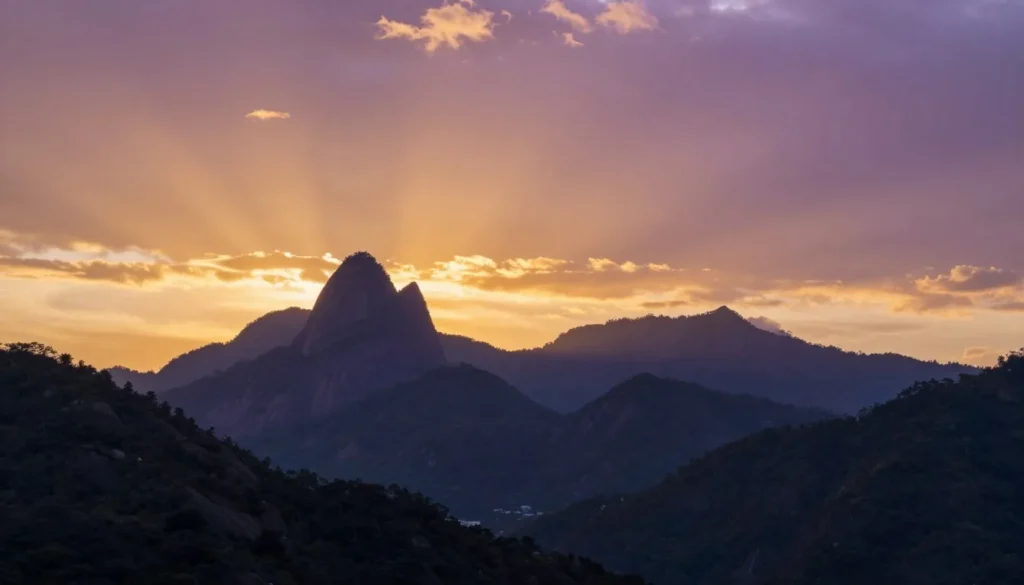
The Rio Grande region reveals Colorado at its most authentic and unspoiled. Here, wilderness still dominates, wildlife roams freely, and mountain peaks touch endless skies. Whether you seek heart-pounding adventures on rushing rivers and steep trails, or quiet contemplation beside alpine lakes, this remarkable landscape delivers.
Every season paints the Rio Grande National Forest in different colors and moods. Summer’s wildflower meadows transform into autumn’s golden aspen groves. Winter’s deep powder gives way to spring’s rushing waters. Each visit uncovers new trails to explore, new fishing holes to discover, and new vistas to photograph.
The mountains are calling. Your Rio Grande adventure waits just beyond the next ridge, around the next river bend, at the end of that forest trail beckoning you forward. Pack your bags, point your compass toward Colorado’s southern peaks, and prepare for memories that will last a lifetime. The wild heart of the Rockies beats strongest here.
✓ Check 30,000+ Local Sightseeing Tours Worldwide