Hotels by Trip.com
Flights by Trip.com
Did you know that Rocky Mountain Arsenal National Wildlife Refuge hosts more than 330 species of wildlife just minutes from downtown Denver? This former weapons manufacturing site transformed into one of America’s most remarkable urban wildlife sanctuaries. The refuge spans 6,070 hectares (15,000 acres) of restored prairie and wetland habitats.
Visitors experience one of the largest urban national wildlife refuges in the nation. The rocky mountain arsenal wildlife loop offers unparalleled opportunities to see bison herds, prairie dogs, deer, and countless bird species. This wildlife refuge sits where the Great Plains meet the Rocky Mountains.
The arsenal national wildlife refuge proves that nature can reclaim and thrive even in previously industrialized areas. Today, the mountain arsenal national wildlife refuge stands as a conservation success story. Wildlife viewing opportunities here rival those found in remote wilderness areas.
Getting There & Planning Your Journey
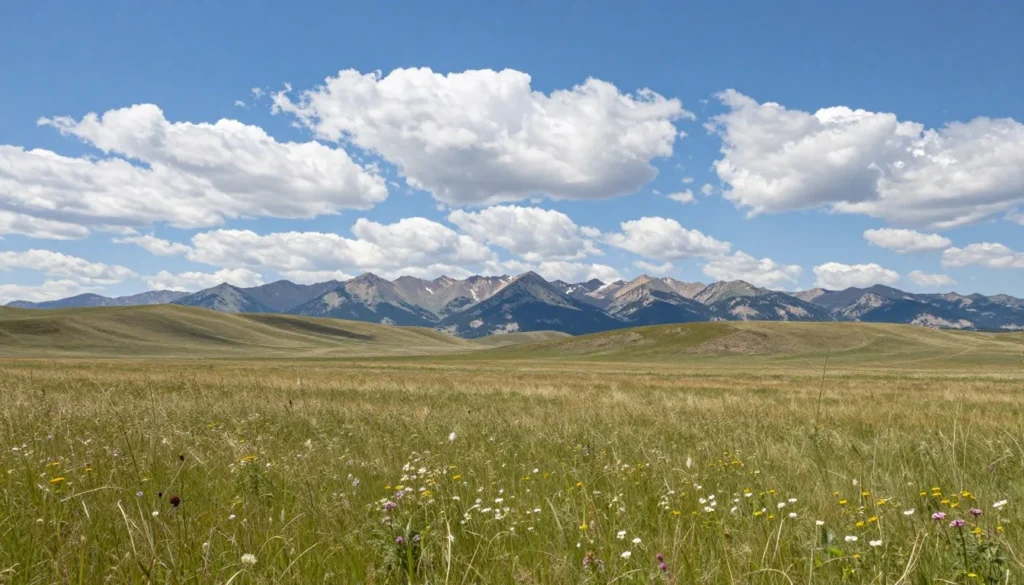
The rocky mountain arsenal lies just 19 kilometers (12 miles) northeast of downtown Denver. Three major airports serve visitors to this national wildlife refuge. Denver International Airport sits 32 kilometers (20 miles) from the refuge entrance.
Most travelers fly into Denver International Airport for convenience. Rocky Mountain Metropolitan Airport offers general aviation access 40 kilometers (25 miles) southwest. Centennial Airport serves private aircraft 35 kilometers (22 miles) south of the arsenal national wildlife refuge.
From Denver International Airport, visitors drive west on Peña Boulevard to Interstate 70. Take I-70 west to Quebec Street exit. Head north on Quebec Street for approximately 8 kilometers (5 miles). The refuge entrance appears on the right side.
Public transportation options include RTD bus service to nearby Commerce City. Rental cars provide the most flexibility for exploring the mountain arsenal national wildlife area. Rideshare services operate throughout the Denver metro area.
The Visitor Center serves as the primary information hub for the rocky mountain greenway trail system. Staff members provide current wildlife viewing reports and trail conditions. Contact the Visitor Center for up-to-date information:
Free admission makes the national wildlife refuge accessible to all visitors. The refuge remains open year-round with seasonal hour variations. Gates open at sunrise and close at sunset daily.
Best Time to Visit & Weather Tips

Recommended Months to Visit Rocky Mountain Arsenal
Spring months from April through June offer exceptional wildlife viewing opportunities. Migratory birds return to the arsenal national wildlife refuge during these months. Temperatures range from 10°C to 24°C (50°F to 75°F). Prairie dogs emerge actively from their burrows.
Fall season from September through November provides comfortable weather and active wildlife. Bison herds display rutting behaviors during autumn months. Temperatures cool to 7°C to 21°C (45°F to 70°F). Fewer crowds mean better wildlife refuge experiences.
✓ Check 30,000+ Local Sightseeing Tours Worldwide
Early morning hours between sunrise and 10 AM yield the best wildlife sightings. Late afternoon from 4 PM until sunset offers excellent photography lighting. The rocky mountain arsenal wildlife loop becomes most active during these times.
Months to Avoid
Summer months of July and August bring extreme heat and afternoon thunderstorms. Temperatures soar above 32°C (90°F) regularly. Wildlife becomes less active during midday heat. Limited shade exists along trails rocky mountain paths.
Winter months present harsh conditions with temperatures dropping below -12°C (10°F). Snow and ice make trails rocky mountain areas hazardous. Many trails close during severe weather events. Wildlife viewing opportunities decrease significantly.
Weather Preparation Tips
Colorado weather changes rapidly throughout the day at the mountain arsenal. Layered clothing allows adjustment to temperature fluctuations. Sunscreen remains essential year-round due to high altitude. The refuge sits at 1,600 meters (5,250 feet) elevation.
Afternoon thunderstorms develop quickly during spring and summer months. Lightning poses serious risks on open prairie terrain. Monitor weather forecasts before visiting the national wildlife refuge. Seek shelter immediately when storms approach.
Winter visitors should prepare for sudden temperature drops. Wind chill factors intensify cold conditions on exposed trails. Check trail conditions before winter visits to the wildlife refuge.
Notable Annual Festivals
The rocky mountain arsenal hosts several annual events celebrating wildlife and conservation. These festivals connect visitors with nature through guided programs. Events require advance registration due to limited capacity.
National Wildlife Refuge Week
National Wildlife Refuge Week occurs every October at the arsenal national wildlife location. Special programs include guided nature walks and wildlife photography workshops. Junior Ranger activities engage children in conservation education. Evening programs feature guest speakers discussing prairie restoration.
This weeklong celebration typically runs during the second week of October. Activities remain free but registration opens one month in advance. Contact the events coordinator for current year schedules:
Bison Legacy Festival
The Bison Legacy Festival celebrates the return of these magnificent animals each September. Visitors learn about bison ecology and conservation history. Native American cultural presentations honor the spiritual significance of bison. Food vendors offer regional cuisine.
This festival occurs on the last Saturday of September annually. Programs run from 9 AM to 4 PM at the Visitor Center. Advance tickets ensure entry to popular presentations.
Spring Migration Celebration
May brings the Spring Migration Celebration to the mountain arsenal national grounds. Experienced birders lead dawn viewing excursions. Workshops teach bird identification skills to beginners. The refuge records over 280 bird species throughout the year.
This event spans the first two weekends of May. Early morning bird walks begin at 6 AM. Registration opens April 1st each year through the Visitor Center.
Getting Around Locally
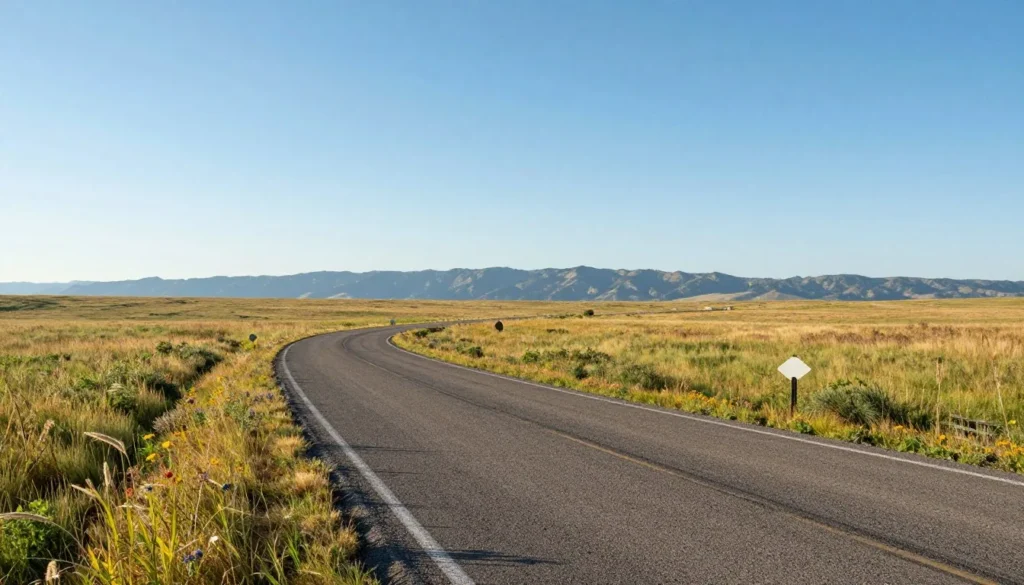
Personal vehicles provide the primary transportation within the rocky mountain arsenal boundaries. The 11-kilometer (7-mile) Wildlife Loop accommodates cars, bicycles, and pedestrians. Speed limits remain at 24 kph (15 mph) throughout the refuge.
Bicycles offer an excellent way to experience the wildlife refugerunning trails rocky paths. The paved Wildlife Loop welcomes cyclists year-round. Bike rentals are not available on-site. Visitors must bring their own bicycles.
Walking and hiking remain popular activities on designated trails. The refuge maintains approximately 16 kilometers (10 miles) of maintained trails. Trail surfaces vary from paved paths to natural prairie trails. Some trails rocky mountain sections require sturdy footwear.
Parking areas exist at the Visitor Center and major trailheads. Limited parking capacity means early arrival ensures space availability. Overflow parking opens during peak visiting seasons. All parking remains free for refuge visitors.
Commercial tour operators occasionally offer guided visits to the national wildlife refuge. These specialized tours require advance booking. Check with the Visitor Center for approved tour operator lists.
Where to Stay

No lodging exists within the rocky mountain arsenal boundaries. The refuge closes at sunset requiring visitors to find nearby accommodations. Commerce City and Denver offer diverse lodging options minutes away.
Hotels Near the Wildlife Refuge
Several hotels sit within 8 kilometers (5 miles) of the arsenal national wildlife entrance. These properties offer convenient morning access to the wildlife loop. Most provide complimentary breakfast and parking.
Budget-conscious travelers find chain hotels along Interstate 70 corridor. Mid-range properties offer additional amenities like fitness centers. Advance reservations recommended during summer and fall peak seasons.
Downtown Denver hotels provide upscale accommodations 25 minutes from the refuge. These properties feature restaurants, spas, and concierge services. The urban location combines wildlife visits with city attractions.
Vacation Rentals and Alternative Lodging
Vacation rental homes serve families and groups visiting the mountain arsenal national area. Properties in Commerce City offer multiple bedrooms and full kitchens. These rentals typically require minimum two-night stays.
RV parks exist in nearby Brighton and Henderson communities. These facilities provide full hookups and amenities. The closest RV park sits 11 kilometers (7 miles) north of the refuge entrance.
Camping is not permitted within the national wildlife refuge boundaries. The nearest public campgrounds operate in Cherry Creek State Park. This location sits 32 kilometers (20 miles) south of the arsenal.
Dining & Local Cuisine
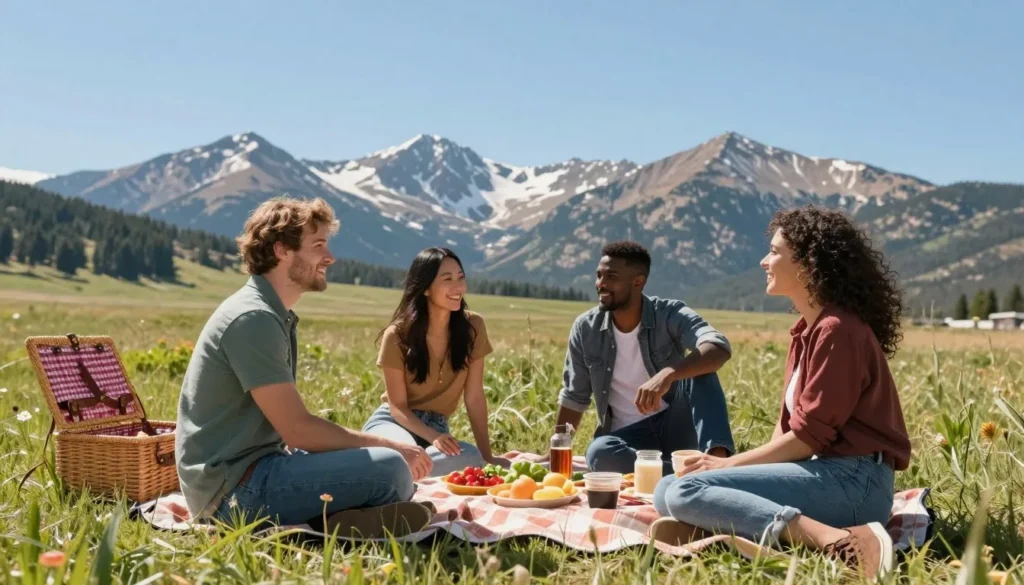
No food service operates within the rocky mountain arsenal refuge grounds. Visitors must bring their own meals and beverages. Designated picnic areas exist at the Visitor Center and lake mary locations.
Nearby Restaurant Options
Commerce City restaurants cluster along major corridors near the wildlife refuge entrance. Family dining establishments serve American cuisine and Mexican specialties. Fast food options provide quick meals before morning wildlife viewing.
Denver’s diverse culinary scene sits just 20 minutes from the arsenal national wildlife area. Downtown restaurants offer international cuisines from around the world. Farm-to-table establishments highlight Colorado-raised ingredients.
Local breweries and taprooms showcase Colorado craft beer traditions. Many establishments feature outdoor patios with mountain views. Reservations help during weekend dinner hours.
Local Specialty Foods
Colorado beef appears on many regional menus. Bison meat offers a leaner alternative at specialty restaurants. Rocky Mountain trout features in traditional Colorado preparations.
Green chili represents Colorado’s signature flavor. This spicy sauce tops breakfast burritos and burgers. Local bakeries produce excellent pastries and bread products.
Farmers markets operate seasonally in nearby communities. Fresh produce comes from local Colorado farms. These markets typically run Saturday mornings from June through October.
Picnicking at the Refuge
Pack lunches allow full-day visits to the mountain arsenal national grounds. Covered picnic tables shelter visitors at the Visitor Center. Additional picnic spots exist along the wildlife loop route.
Bring sufficient water for your entire visit. The high altitude and dry climate increase hydration needs. No water fountains exist beyond the Visitor Center facility.
Proper food storage prevents wildlife conflicts. Store all food in vehicles when not eating. Prairie dogs and other animals should never receive human food.
Attractions, Sightseeing & Activities
The Wildlife Loop Drive
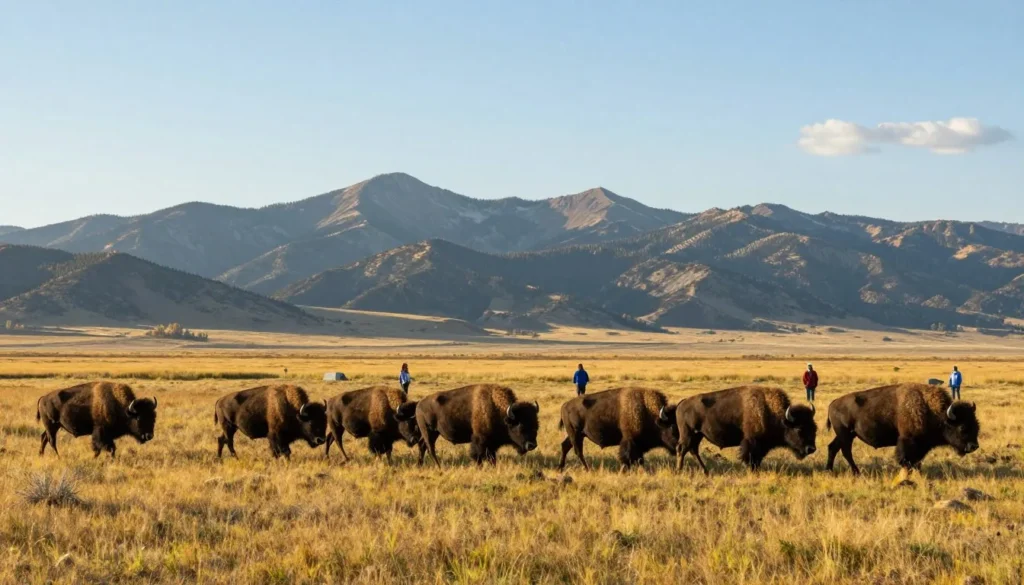
The 11-kilometer (7-mile) Wildlife Loop forms the centerpiece attraction at the rocky mountain arsenal. This one-way paved road circles through prime wildlife habitat. Visitors typically complete the loop in 45 to 90 minutes.
Multiple pullouts allow safe wildlife observation and photography. Information panels describe the surrounding ecosystem. Binoculars enhance viewing experiences along the entire route.
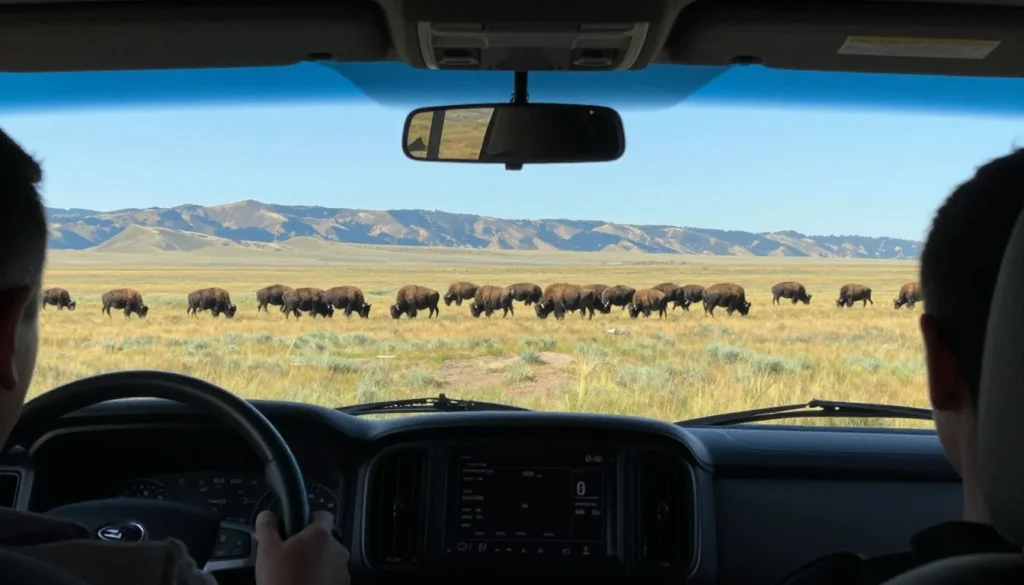
Bison herds frequently graze near the road throughout the year. The refuge maintains approximately 60 to 80 bison. These magnificent animals can weigh up to 900 kilograms (2,000 pounds).
Lake Mary and Wetland Areas
Lake mary loop attracts diverse waterfowl and shorebird species. This 26-hectare (64-acre) lake provides critical habitat for migrating birds. Viewing platforms overlook the water from strategic locations.
The ladora lake mary area includes several interconnected wetlands. These water bodies span approximately 40 hectares (100 acres) combined. Fishing opportunities exist in designated areas during specific seasons.
Bald eagles nest near lake mary during winter months. These majestic birds hunt waterfowl across the wetland complex. The refuge hosts one of the highest bald eagle concentrations in Colorado.
Prairie Dog Towns
Black-tailed prairie dogs inhabit extensive colonies throughout the arsenal national wildlife lands. These social rodents create underground burrow systems. Their towns support numerous other wildlife species.
Prairie dog viewing areas exist along the wildlife loop route. These animals display fascinating social behaviors. Watch for sentinel prairie dogs standing guard atop mounds.
Burrowing owls often nest in abandoned prairie dog burrows. These small owls hunt insects and small mammals. Spring and summer offer the best burrowing owl viewing.
Deer and Other Mammals
Mule deer browse throughout the mountain arsenal national refuge. These large mammals feed on native plants and shrubs. Dawn and dusk provide optimal deer viewing times.
Coyotes patrol the prairie hunting small mammals. Visitors occasionally spot these intelligent predators. Red foxes also inhabit the refuge in smaller numbers.
White-tailed deer appear less frequently than mule deer. These animals prefer areas with more tree cover. The refuge supports both deer species simultaneously.
Museums, Cultural Spots & Festivals
The Visitor Center
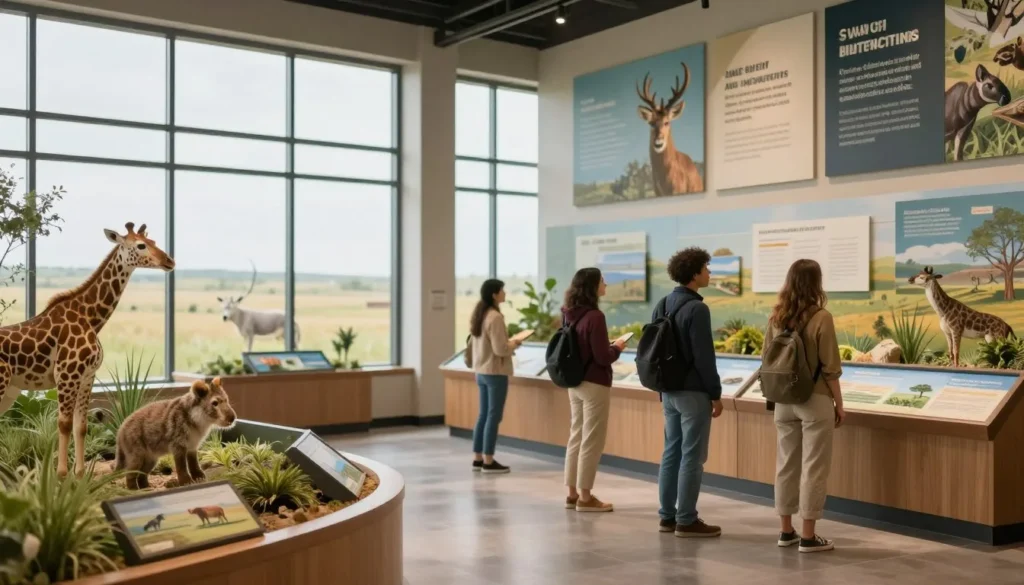
The visitor center serves as the educational hub for the rocky mountain arsenal refuge. This modern facility opened in 2004 with interactive exhibits. Displays explain the site’s transformation from weapons production to wildlife sanctuary.
The building features panoramic windows overlooking prairie habitat. Telescopes allow close-up wildlife viewing from climate-controlled comfort. A theater screens orientation films about the national wildlife refuge.
Staff members provide current wildlife sighting reports and trail conditions. The center includes a bookstore with field guides and souvenirs. Restroom facilities serve visitors throughout the day.
Educational programs run regularly at the visitor center facility. Junior Ranger activities engage children ages 5 to 12. Families receive activity booklets at the information desk.
Historical Context and Interpretation
The arsenal national wildlife refuge occupies former military manufacturing land. The site produced chemical weapons from 1942 through 1992. Extensive environmental cleanup preceded the wildlife refuge designation.
Interpretive panels throughout the refuge explain restoration efforts. Native prairie plants now replace contaminated soils. The cleanup represents one of America’s largest environmental remediation projects.
The transformation demonstrates nature’s resilience and recovery capacity. Wildlife populations rebounded remarkably after habitat restoration. The refuge now protects species that once faced local extinction.
Native American Heritage
The Arapaho and Cheyenne peoples historically inhabited these plains. Bison herds sustained tribal communities for centuries. The mountain arsenal national area holds cultural significance for these nations.
Occasional cultural events honor indigenous connections to the land. Native American speakers share traditional ecological knowledge. These programs typically occur during National Wildlife Refuge Week.
Nature & Outdoor Experiences
Hiking Trails Rocky Mountain Paths
The rocky mountain greenway trail connects the refuge to regional trail systems. This paved multi-use path extends 19 kilometers (12 miles) north from the refuge. Cyclists and pedestrians share this scenic route.
The First Creek Trail loop covers 1.6 kilometers (1 mile) through riparian habitat. This easy trail follows First Creek through cottonwood groves. Interpretive signs identify native plants and wildlife.
Lake Ladora Loop Trail circles the lake ladora lake mary complex. This 2.4-kilometer (1.5-mile) path offers excellent bird watching. The trail surface remains accessible for most fitness levels.
Prairie Trail stretches 2.8 kilometers (1.75 miles) through native grasslands. This moderate trail showcases restored prairie ecosystem. Wildflowers bloom spectacularly from May through August.
Wildlife Photography
The national wildlife refugerunning trails rocky areas provide exceptional photography opportunities. Sunrise and sunset deliver optimal lighting conditions. Long telephoto lenses capture wildlife without disturbance.
Remain inside vehicles when photographing bison and deer. These animals become dangerous when approached on foot. Vehicle windows function effectively as photo blinds.
Birds perch along fence lines throughout the refuge. Patient photographers capture stunning raptor images. Spring migration brings rare species worth documenting.
Birdwatching
Over 330 bird species have been recorded at the arsenal national wildlife location. Waterfowl concentrate on lake mary and surrounding wetlands. Peak waterfowl numbers occur during spring and fall migrations.
✓ Check 30,000+ Local Sightseeing Tours Worldwide
Raptors hunt throughout the refuge year-round. Ferruginous hawks nest in the area during breeding season. Bald eagles winter here in impressive numbers.
Grassland birds include horned larks, meadowlarks, and longspurs. These species depend on prairie habitat for survival. The refuge protects some of Colorado’s best grassland bird habitat.
Fishing at the Refuge
Limited fishing opportunities exist in designated water bodies. Anglers catch bass, catfish, and sunfish species. A valid Colorado fishing license is required for all anglers.
Fishing seasons and locations change based on wildlife needs. Check current regulations at the visitor center. Some waters remain closed to protect nesting birds.
Bank fishing provides the only access at the wildlife refuge. Boats and float tubes are not permitted on refuge waters. Catch and release practices help maintain fish populations.
Travel With Children
Kid-Friendly Activities
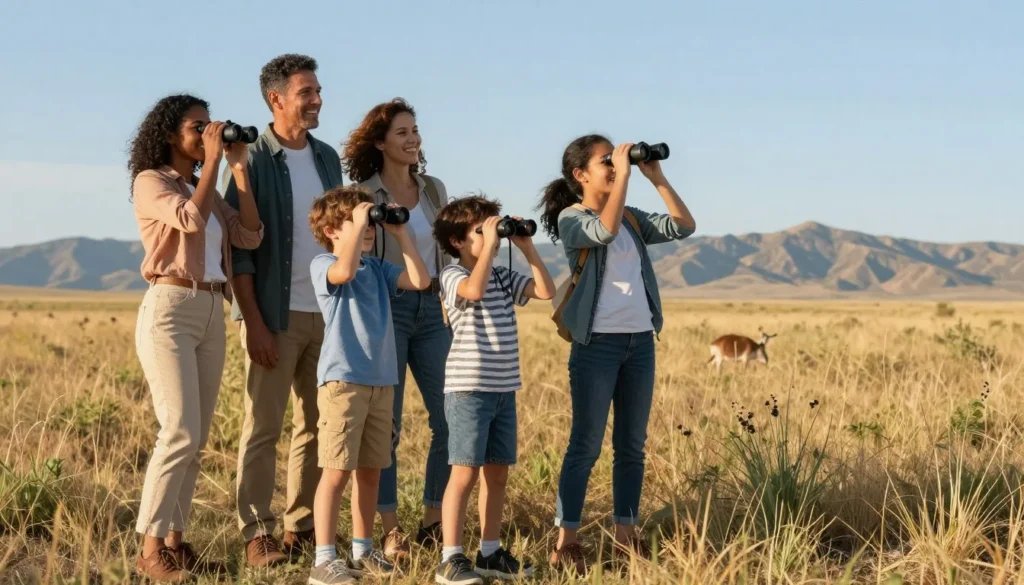
The rocky mountain arsenal offers numerous family-friendly experiences. Children delight in spotting bison, prairie dogs, and deer. The wildlife loop drive accommodates families with young children easily.
Junior Ranger programs engage kids ages 5 through 12. Activity booklets guide children through refuge exploration. Completed booklets earn official Junior Ranger badges.
Short trails suit families with small children. The Visitor Center trail covers only 0.8 kilometers (0.5 miles). Paved surfaces accommodate strollers throughout this route.
Educational Opportunities
The visitor center features interactive exhibits for young learners. Touch tables display animal tracks and wildlife artifacts. Educational videos captivate children’s attention.
Ranger-led programs teach children about prairie ecology. These presentations use age-appropriate language and activities. Summer programs run more frequently than winter offerings.
Wildlife viewing teaches patience and observation skills. Children learn to use binoculars and field guides. These experiences foster lifelong nature appreciation.
Safety Considerations for Families
Supervise children closely throughout refuge visits. Wildlife appears docile but remains unpredictable and potentially dangerous. Maintain safe distances from all animals.
Stay inside vehicles when bison or deer approach. These animals can charge without warning. Never allow children to approach or feed wildlife.
Bring sun protection for the entire family. Wide-brimmed hats and sunscreen prevent sunburn. The high elevation intensifies ultraviolet radiation.
Pack sufficient snacks and water for children. Hunger and thirst reduce enjoyment quickly. The visitor center provides the only water access.
Money Saving Tips

Free Activities and Admission
The national wildlife refuge charges no admission fees. All visitors enjoy free access to trails and wildlife viewing areas. This makes the rocky mountain arsenal an exceptional value destination.
Parking remains free at all refuge locations. No permits or passes are required for basic visitation. Federal recreation passes provide no additional benefits here.
Ranger programs and educational activities cost nothing. Junior Ranger program materials are provided free. The visitor center theater shows free orientation films.
Budget-Friendly Visiting Strategies
Pack meals and snacks rather than dining at restaurants. Designated picnic areas provide pleasant eating locations. This strategy saves significant money on food costs.
Visit during shoulder seasons for better lodging rates. Spring and fall offer excellent weather at lower prices. Avoid summer peak season premium pricing.
Combine your mountain arsenal national visit with free Denver attractions. Many downtown museums offer free admission days. Denver’s extensive park system costs nothing to explore.
Photography and Equipment
Borrow binoculars from the visitor center if needed. This service allows wildlife viewing without equipment purchases. Field guides are also available for checkout.
Smartphone cameras capture adequate wildlife photos. Expensive photography equipment is not essential for enjoyment. Vehicle-based viewing brings subjects close enough for phone cameras.
Transportation Savings
Carpool with other visitors when possible. Splitting fuel costs reduces per-person expenses. The refuge location makes carpooling practical from Denver.
Bring your own bicycle instead of renting. The paved wildlife loop welcomes cyclists year-round. Bike riding eliminates fuel costs entirely.
Safety, Etiquette & Local Customs
Wildlife Safety Guidelines
Maintain minimum distances of 23 meters (75 feet) from bison. These powerful animals can run 56 kph (35 mph) and outmaneuver humans easily. Never approach bison on foot under any circumstances.
Stay at least 9 meters (30 feet) from deer and other mammals. Even seemingly docile animals defend themselves when threatened. Use binoculars or telephoto lenses for closer views.
Never feed wildlife at the rocky mountain arsenal or anywhere. Human food harms animals and creates dangerous behavior patterns. Feeding wildlife violates federal regulations.
Remain inside vehicles when large animals approach. Cars provide safe viewing platforms and protection. Roll up windows if bison come very close.
Trail and Outdoor Safety
Stay on designated trails throughout the arsenal national wildlife refuge. Shortcutting damages fragile prairie vegetation. Some areas remain closed for restoration or wildlife protection.
Watch for rattlesnakes during warm months on trails. These reptiles inhabit rocky areas and prairie dog towns. Give snakes wide berth and never attempt handling.
Lightning poses serious risks during afternoon thunderstorms. Avoid exposed areas when storms approach. Return to vehicles immediately if thunder sounds nearby.
The refuge emergency contact provides assistance when needed:
Visitor Etiquette
Observe quiet hours to avoid disturbing wildlife. Loud noises and music frighten animals away. Use inside voices even outdoors at viewing areas.
Keep dogs at home when visiting the national wildlife refuge. Pets are not permitted except service animals. Even leashed dogs disturb wildlife significantly.
Pack out all trash and belongings. Leave no trace of your visit to the refuge. Littering violates refuge regulations and harms wildlife.
Yield to wildlife along roads and trails. Animals have right-of-way throughout the refuge. Stop vehicles safely to allow animals to cross.
Photography Ethics
Never use drones within refuge boundaries. Drones disturb wildlife and violate federal regulations. Traditional photography methods work wonderfully here.
Avoid excessive noise when photographing wildlife. Clicking cameras and talking disturb natural behaviors. Patient photographers capture better images of relaxed animals.
Respect other visitors’ viewing experiences. Don’t position yourself between other people and wildlife. Share popular viewing locations courteously.
Visitor Comments About Rocky Mountain Arsenal Wildlife Loop Colorado
B.S., Dortmund: “I was absolutely amazed by how close we got to the bison herd at Rocky Mountain Arsenal! Coming from Germany, I expected a typical zoo experience, but this was pure wilderness just minutes from Denver. We spent three hours driving the wildlife loop and saw more than 40 bison, countless prairie dogs, and several deer. The visitor center staff were incredibly helpful with wildlife spotting tips. This national wildlife refuge exceeded all my expectations.”
N.R., Nuremberg: “As an avid birdwatcher, the Rocky Mountain Arsenal National Wildlife Refuge was a dream destination. I recorded 47 species during my visit, including bald eagles and several hawk species I’d never seen before. The lake mary loop trail provided excellent viewing opportunities. The refuge trails rocky mountain paths were well-maintained and clearly marked. I highly recommend arriving at sunrise for the best wildlife activity and lighting. Absolutely worth visiting!”
S.T., Dunedin: “Our family loved exploring this wildlife refuge during our Colorado vacation. The kids were thrilled to complete the Junior Ranger program and earn their badges. Seeing bison roaming free on the prairie made a lasting impression on our children. The wildlife loop drive was perfect for our family with young kids – comfortable and safe. We combined this visit with downtown Denver attractions for a wonderful Colorado experience. The transformation from industrial site to thriving ecosystem is truly inspiring.”
Additional Nearby Destinations
Denver Metropolitan Attractions
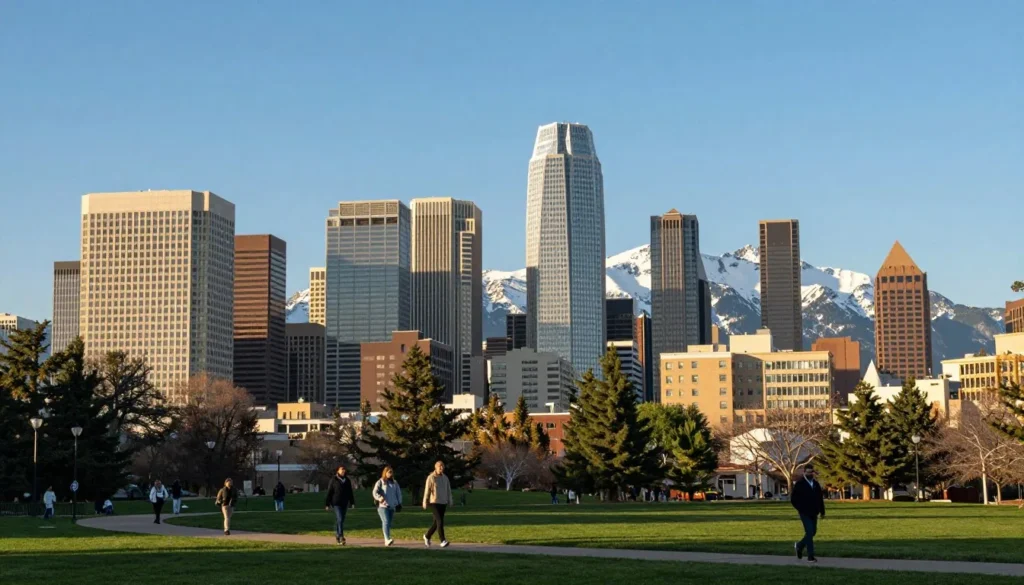
Downtown Denver sits just 19 kilometers (12 miles) from the rocky mountain arsenal entrance. The Denver Art Museum houses world-class collections. Union Station serves as a dining and shopping destination.
Denver Zoo ranks among America’s top zoological parks. The facility houses over 3,000 animals representing 450 species. The zoo sits 24 kilometers (15 miles) southwest of the arsenal national wildlife area.
The Denver Museum of Nature and Science features extensive natural history exhibits. Interactive displays engage visitors of all ages. The museum overlooks City Park and downtown Denver.
Rocky Mountain National Park
Rocky Mountain National Park lies 105 kilometers (65 miles) northwest of the refuge. This iconic park protects alpine ecosystems and mountain peaks. The drive takes approximately 90 minutes via Interstate 25 and Highway 36.
The park encompasses 107,000 hectares (265,000 acres) of mountain wilderness. Trail Ridge Road reaches 3,713 meters (12,183 feet) elevation. Summer and fall offer the best visiting conditions.
Red Rocks Park and Amphitheatre
Red Rocks sits 45 kilometers (28 miles) southwest of the mountain arsenal national refuge. This geological wonder features stunning red sandstone formations. The natural amphitheater hosts concerts throughout summer months.
Hiking trails wind through the park’s unique landscape. Visitor center exhibits explain the area’s geological history. Free admission makes this a budget-friendly destination.
Barr Lake State Park
Barr Lake State Park borders the rocky mountain arsenal refuge northern boundary. This 809-hectare (2,000-acre) park centers on a prairie reservoir. Excellent birdwatching opportunities rival those at the arsenal.
The lake mary loop-style trail circles the entire reservoir. This 14-kilometer (9-mile) path takes 3 to 4 hours to complete. A nature center provides educational programs and wildlife information.
Boulder and Flatirons
Boulder sits 56 kilometers (35 miles) northwest of the refuge. This college town offers outdoor recreation and cultural attractions. The dramatic Flatirons formations create iconic scenery.
Pearl Street Mall provides shopping and dining in a pedestrian zone. Chautauqua Park offers trailheads to numerous hiking routes. The drive from the arsenal national wildlife takes about 45 minutes.
Practical Travel Tips

What to Bring
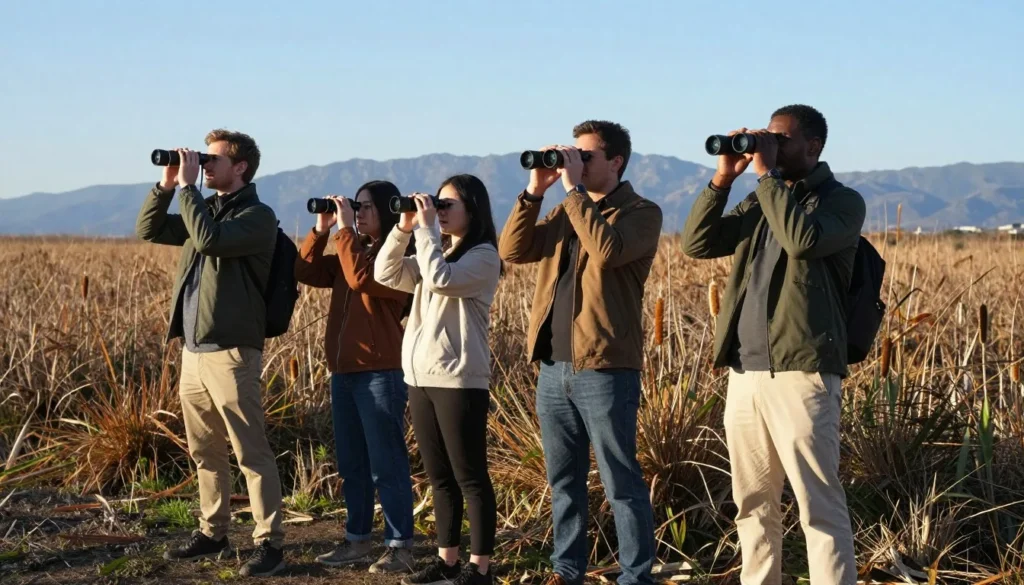
Binoculars significantly enhance wildlife viewing at the national wildlife refuge. Magnification of 8x to 10x works well for most situations. Compact binoculars fit easily in day packs.
Bring plenty of water for your entire visit. The dry Colorado climate and high elevation increase hydration needs. Plan for at least one liter per person for half-day visits.
Field guides help identify birds and wildlife species. Regional guidebooks cover Colorado’s common species. Download digital field guides to smartphone devices.
✓ Check 30,000+ Local Sightseeing Tours Worldwide
Sunscreen and lip balm prevent sunburn and chapping. The 1,600-meter (5,250-foot) elevation intensifies sun exposure. Reapply sunscreen every two hours when outdoors.
Layered clothing adapts to changing weather conditions. Morning temperatures can be 15°C (27°F) cooler than afternoon highs. Bring jackets even during summer visits.
Photography Equipment
Telephoto lenses of 200mm to 400mm capture wildlife effectively. These focal lengths maintain safe wildlife distances. Smartphone cameras work adequately from vehicles.
Extra camera batteries and memory cards prevent missed opportunities. Cold weather drains batteries faster than normal. Store spare batteries in warm pockets.
Tripods or beanbags stabilize cameras for sharper images. Vehicle window mounts work excellently for wildlife photography. Monopods provide portable stability on trails.
Accessibility Information
The visitor center meets ADA accessibility standards completely. Restrooms, exhibits, and viewing areas accommodate wheelchair users. Accessible parking spaces exist near the entrance.
The wildlife loop road provides accessible wildlife viewing. Paved pullouts allow safe observation from vehicles. Several viewing areas feature accessible paths.
Some trails rocky mountain paths remain inaccessible to wheelchairs. The Visitor Center Trail offers the most accessible hiking option. Contact staff for current accessibility information.
Cell Phone Coverage and Connectivity
Cell phone coverage varies throughout the rocky mountain arsenal boundaries. Service improves near the Visitor Center and refuge entrance. Some remote areas lack reliable signals.
Download refuge maps before arriving at the location. Offline map applications function without cell service. The Visitor Center provides free printed maps.
WiFi access exists only in the visitor center building. This connection serves basic browsing needs. Plan to be offline during most of your visit.
Seasonal Considerations
Spring brings mud to unpaved trails after snowmelt. Waterproof boots help navigate soggy conditions. Check trail status before hiking during March and April.
Summer afternoon thunderstorms develop rapidly and frequently. Morning visits avoid most severe weather. Lightning poses the greatest summer danger.
Fall colors peak in late September and early October. Cottonwoods display brilliant yellow foliage. This season combines excellent weather with beautiful scenery.
Winter visits require warm clothing and possible road closures. Snow and ice make trails treacherous. Call ahead for current winter conditions and closures.
Location Map
Your Gateway to Urban Wilderness Awaits
The rocky mountain arsenal wildlife loop colorado represents one of America’s greatest conservation achievements. This remarkable national wildlife refuge proves that nature and wildlife can thrive even near major cities. Your visit supports continued habitat restoration and species protection.
From bison herds roaming free prairie to over 330 bird species, the mountain arsenal national wildlife refuge delivers unforgettable experiences. Whether you spend two hours or an entire day, wildlife encounters await around every curve of the loop. The transformation from industrial site to thriving ecosystem inspires hope for environmental restoration everywhere.
Plan your visit during spring or fall for optimal weather and wildlife activity. Bring binoculars, patience, and respect for the wild creatures who call this place home. The rocky mountain arsenal stands ready to reveal its natural wonders just minutes from downtown Denver. Start planning your adventure to this extraordinary wildlife refuge today.