Hotels by Trip.com
Flights by Trip.com
Spanning over 1.1 million acres across central Colorado, San Isabel National Forest contains more Fourteeners than any other national forest in the entire United States. With 15 peaks soaring above 4,267 meters (14,000 feet), this remarkable mountain playground attracts adventurers from around the world seeking alpine thrills and wilderness solitude.
The forest stretches across several mountain ranges. It includes portions of the Sawatch Range, the Sangre de Cristo Mountains, and the Collegiate Peaks. Each area offers distinct terrain and recreational opportunities.
Whether you seek challenging mountain trails, peaceful camping beside rushing streams, or family-friendly nature experiences, San Isabel National Forest delivers. This guide covers everything you need to plan an unforgettable Colorado mountain adventure.
Getting There & Planning Your Journey
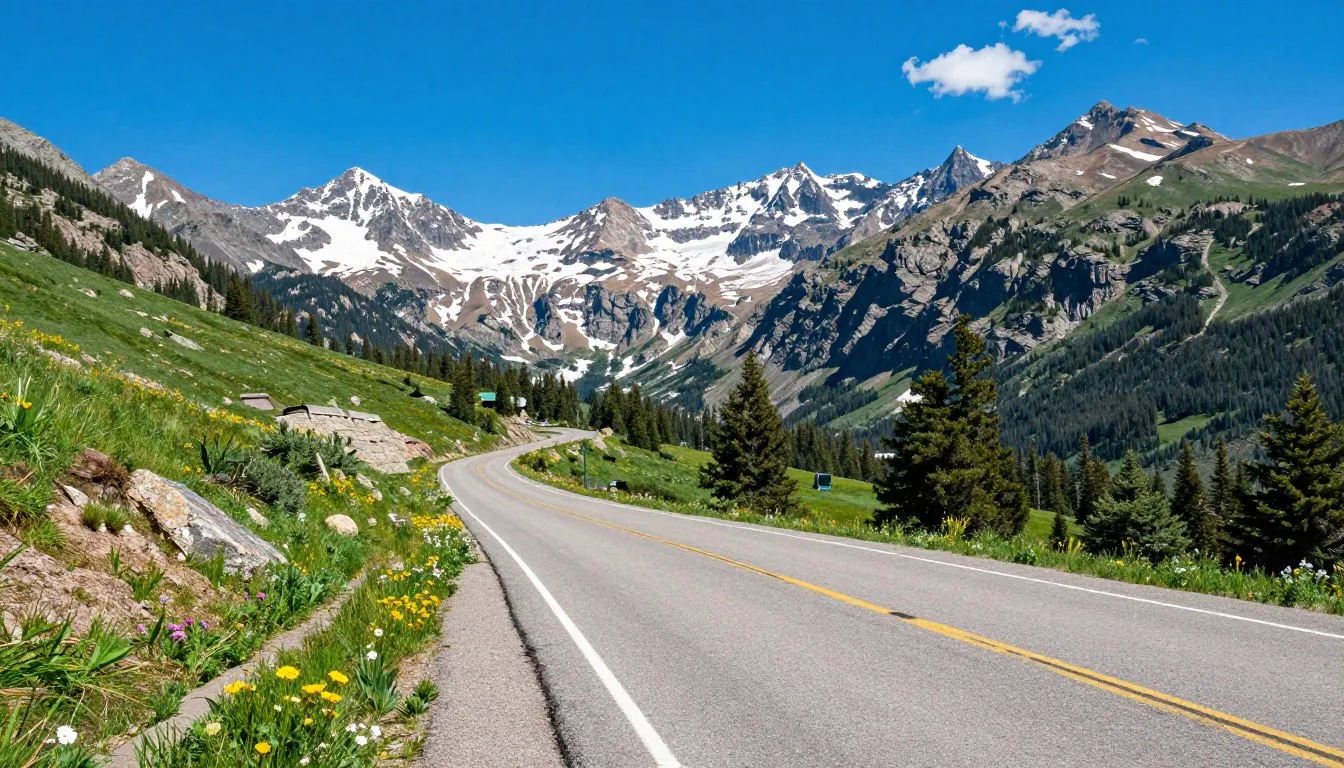
San Isabel National Forest sits in central Colorado. Multiple access points surround the forest from various towns and cities. Your entry route depends on which area you plan to explore.
Closest Airports
Several airports provide access to San Isabel National Forest. Denver International Airport (DEN) is the largest gateway, located approximately 209 kilometers (130 miles) northeast. Colorado Springs Airport (COS) offers closer access to the eastern portions, sitting just 80 kilometers (50 miles) away.
From Denver, the route west takes you through scenic mountain passes. Plan for 2.5 to 3.5 hours driving time depending on your destination within the forest. Colorado Springs provides quicker access to popular areas like the Collegiate Peaks.
Pueblo Memorial Airport serves as another option. This smaller regional airport sits closer to southern forest access points.
Pike and San Isabel National Forests Visitor Information
Before your visit, contact the Forest Service for current conditions, road access, and recreation updates:
Visitor centers operate with seasonal hours. Call ahead to confirm operating times and available services.
Gateway Towns
Several charming Colorado towns serve as gateways to the forest. Leadville, sitting at 3,094 meters (10,152 feet), claims the title of highest incorporated city in the United States. This historic mining town provides excellent access to northern forest areas.
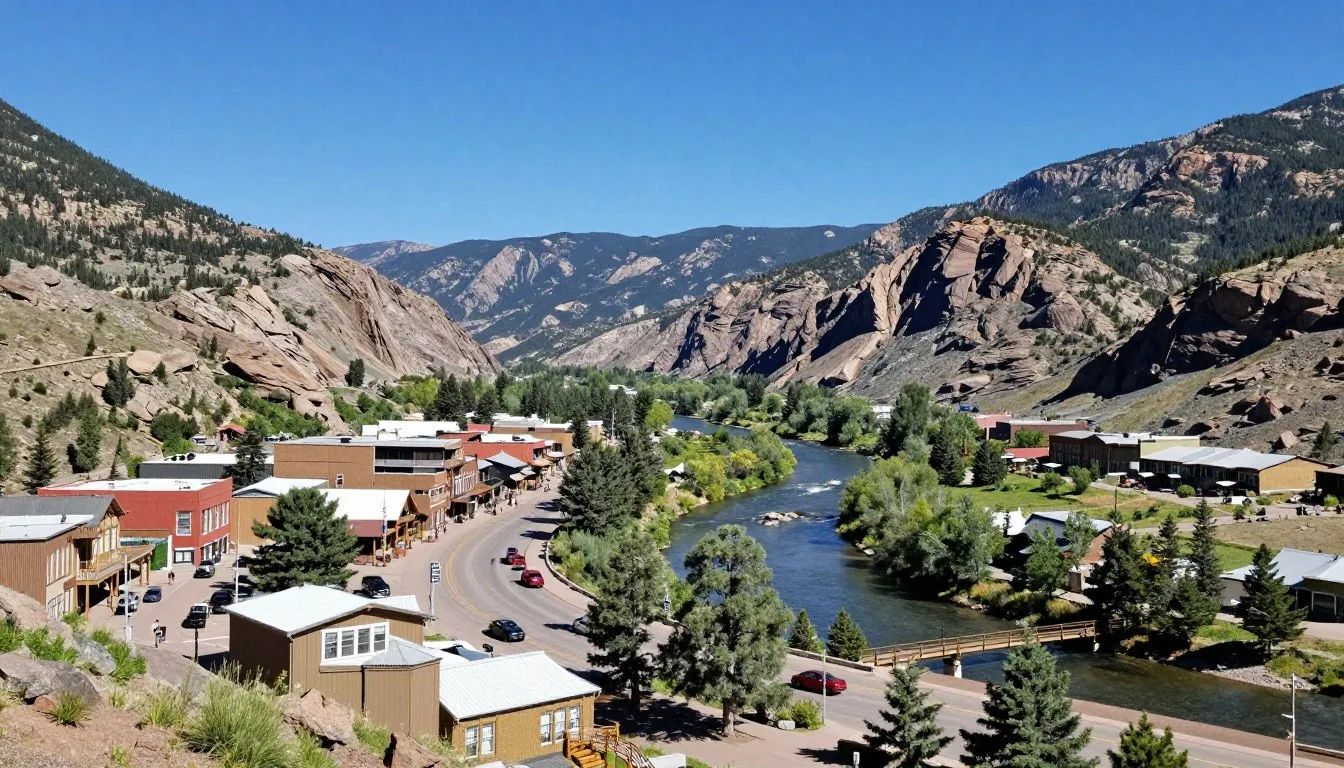
Salida offers a vibrant downtown and serves as the gateway to popular Collegiate Peaks Wilderness. Buena Vista provides easy access to Mount Princeton and other Fourteeners. Canon City sits near the southern boundary.
Each gateway town offers lodging, dining, and supplies. Stock up on essentials before heading into more remote forest areas.
✓ Check 30,000+ Local Sightseeing Tours Worldwide
Best Time to Visit & Weather Tips
Recommended Seasons
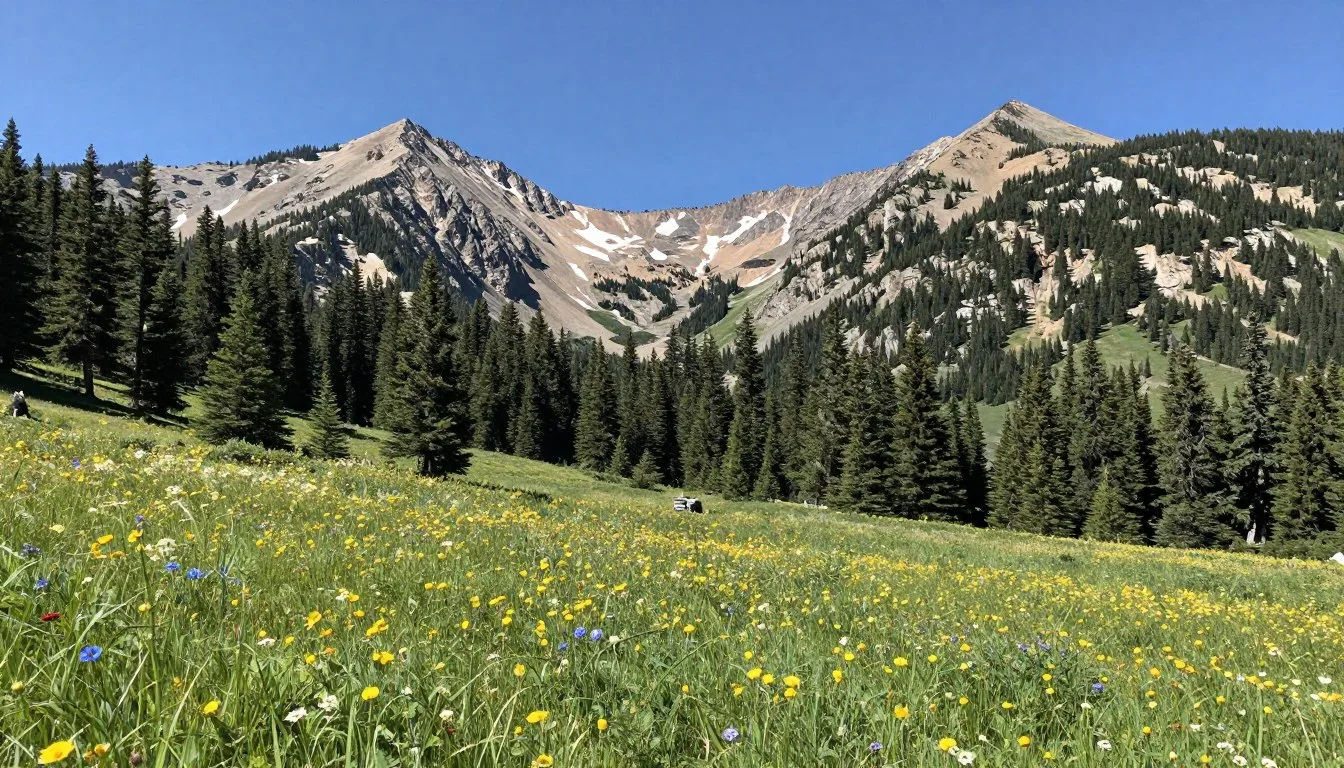
Summer months from June through September offer the most accessible conditions. Trails become snow-free by late June in most areas. July and August provide the warmest weather and longest days for outdoor adventure.
Early fall, particularly September, delivers spectacular golden aspen displays. The crowds thin out after Labor Day, and weather remains generally pleasant. Temperatures stay comfortable for hiking and camping.
Late spring in May offers excellent wildlife viewing. Snow still caps the highest peaks, but lower elevation trails open up. Water flows run high from snowmelt, creating dramatic waterfalls and rushing streams.
Months to Avoid
Winter months from November through April bring heavy snow to the mountains. Many forest roads close, and avalanche danger increases significantly. Unless you possess winter mountaineering skills and proper equipment, avoid high-elevation areas during this time.
Late April and early May can be unpredictable. Spring snowstorms still occur frequently. Trails remain muddy or snow-covered. Road access stays limited in many areas.
Weather Patterns
Mountain weather changes rapidly in San Isabel National Forest. Summer afternoons often bring thunderstorms. Start hikes early and plan to descend from exposed ridges by early afternoon.
Temperatures vary dramatically with elevation. A pleasant 24°C (75°F) day in Salida might be 7°C (45°F) at 3,657 meters (12,000 feet). Layer your clothing and pack for all conditions.
The forest experiences over 300 days of sunshine annually. Even winter days often start clear and bright. However, afternoon weather can deteriorate quickly.
Lightning Safety: Afternoon thunderstorms peak between 1 PM and 4 PM during summer months. Plan summit attempts for early morning departure and aim to descend from exposed terrain by noon.
Notable Annual Festivals
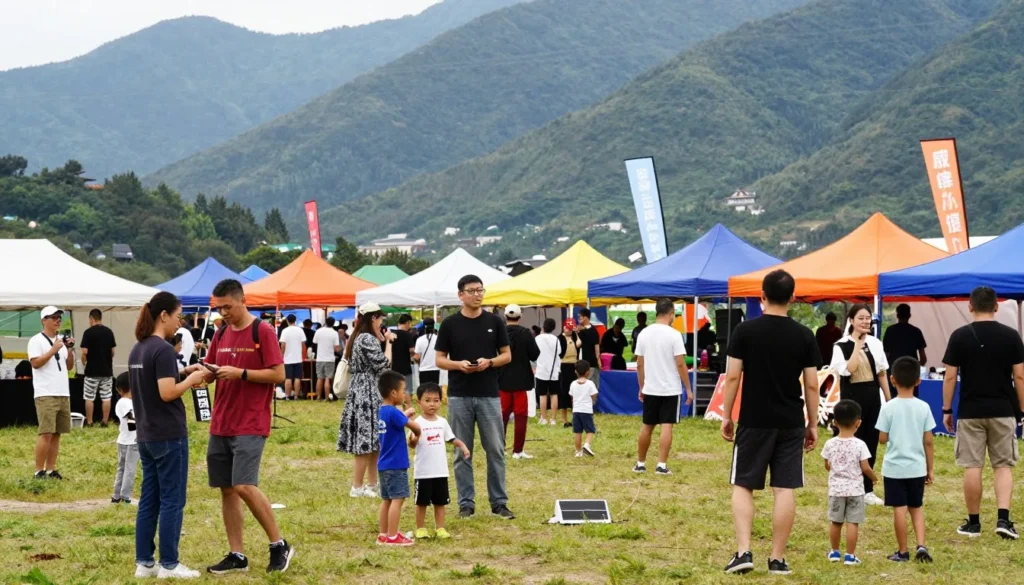
Gateway towns near San Isabel National Forest host festivals celebrating mountain culture. These events showcase local traditions, outdoor recreation, and Colorado heritage.
Leadville Boom Days
Held annually in early August, Boom Days celebrates Leadville’s mining heritage. The festival features burro racing, mining competitions, a parade, and live entertainment. This quirky event attracts thousands to the historic mountain town.
FIBArk Whitewater Festival
Taking place in Salida each June, FIBArk claims the title of oldest whitewater festival in America. The event includes kayak races, live music, a parade, and outdoor expo. The Arkansas River becomes the center of action.
Buena Vista Music Festival
This summer concert series brings live music to the mountains. Performances take place throughout the warmer months in Buena Vista’s riverside parks. Local and regional artists showcase various musical styles.
Monarch Mountain Festival
Held in September, this festival celebrates the changing aspen leaves. Activities include scenic drives, guided hikes, wildlife watching, and photography workshops. The event highlights the spectacular fall colors.
Getting Around Locally
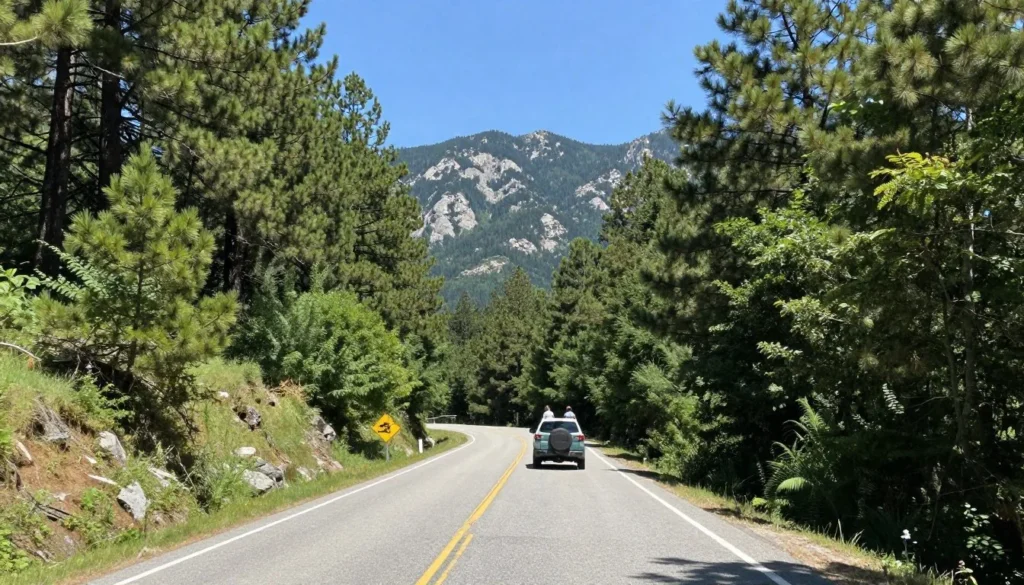
A personal vehicle provides the best way to explore San Isabel National Forest. Public transportation does not reach most forest areas. Rental cars are available at all major airports serving the region.
Road Conditions
Paved state highways provide access to major trailheads and recreation areas. Highway 24 runs along the forest’s northern boundary. Highway 285 provides access from the east. Highway 50 crosses through central portions.
Many forest roads remain unpaved. These dirt and gravel routes require careful driving. A high-clearance vehicle helps, though it’s not always mandatory. Four-wheel drive becomes necessary for some remote areas.
Check road conditions before departure. Spring snowmelt can wash out roads. Summer storms may create temporary impassable conditions. The Forest Service website provides current road status updates.
Route Planning
Download offline maps before entering remote areas. Cell phone coverage proves spotty or non-existent in much of the forest. GPS devices work but carry paper maps as backup.
Gas stations become sparse between towns. Fill your tank in gateway communities. Carry extra fuel for extended backcountry exploration.
Travel times increase on mountain roads. What looks like 48 kilometers (30 miles) on the map might take an hour or more. Factor in slower speeds when planning your daily itinerary.
Where to Stay
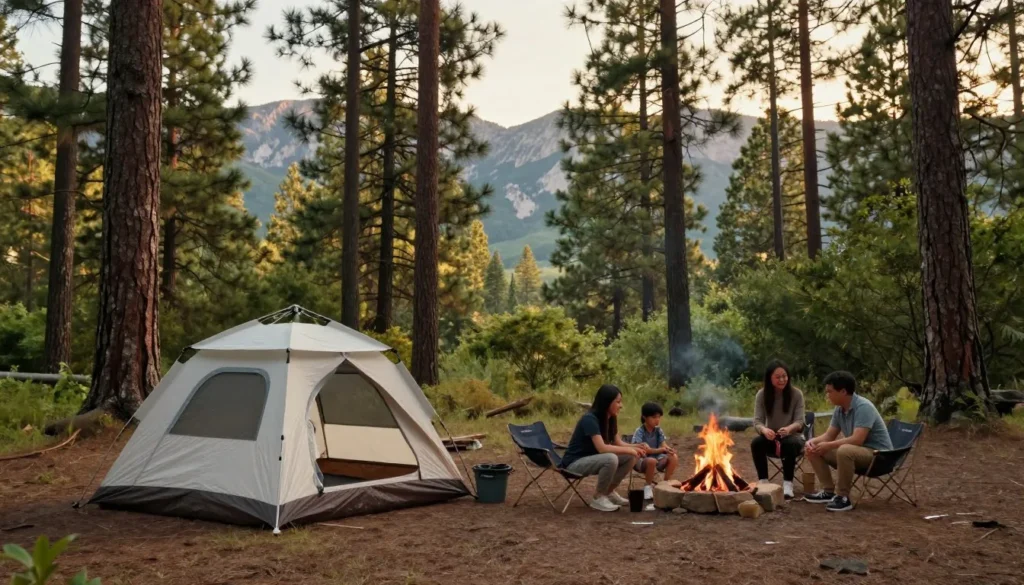
Lodging options range from primitive camping to comfortable hotels. Your choice depends on desired amenities and proximity to activities. Options exist both within the forest and in surrounding towns.
Camping in the Forest
San Isabel National Forest contains over 60 developed campgrounds. These sites offer basic amenities like picnic tables, fire rings, and vault toilets. Some provide drinking water while others require you to bring your own.
Popular campgrounds include Collegiate Peaks, Parry Peak, and O’Haver Lake. Reservations are recommended for summer weekends. Many sites operate on a first-come, first-served basis.
Dispersed camping allows you to camp free outside developed areas. Follow Leave No Trace principles. Camp at least 61 meters (200 feet) from water sources. Pack out all trash and waste.
Camping Reservations & Information
Reserve developed campsites or check availability through the National Recreation Reservation Service:
Lodging in Gateway Towns
Leadville offers historic hotels and modern motels. The Delaware Hotel dates back to 1886 and maintains period charm. Budget chains provide economical options along Harrison Avenue.
Salida features boutique hotels, bed and breakfasts, and vacation rentals. The town’s compact downtown puts restaurants and shops within walking distance. Riverside properties offer scenic Arkansas River views.
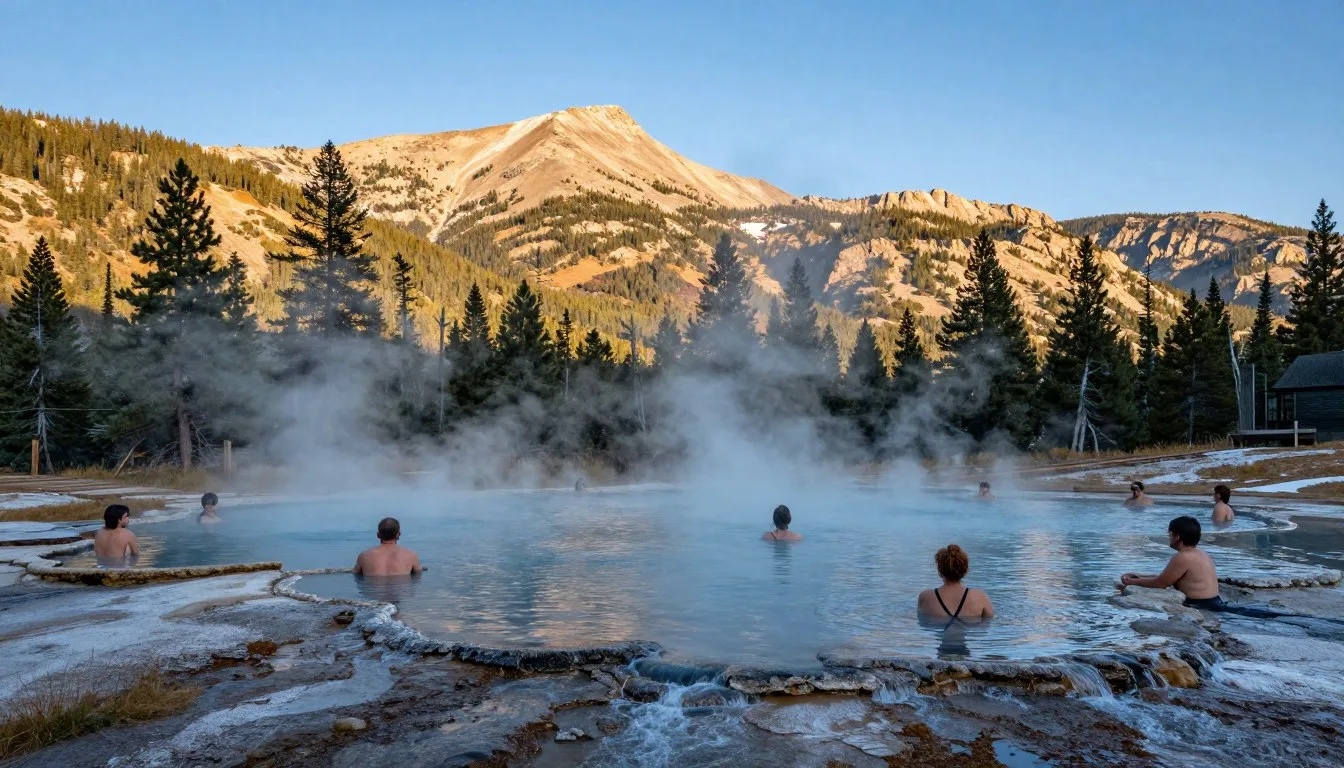
Buena Vista provides family-friendly resorts and cabin rentals. Many properties cater to outdoor enthusiasts with gear storage and trail information. Hot springs resorts offer a relaxing way to end active days.
Backcountry Huts
The Tenth Mountain Division Hut Association operates backcountry huts throughout the region. These remote shelters provide bunks, cooking facilities, and shelter. Huts require reservations and skiing or hiking to access.
Hut trips offer unique overnight experiences. You carry lighter packs since huts provide shelter. Winter hut skiing attracts many visitors seeking backcountry adventure with more comfort than tent camping.
Dining & Local Cuisine
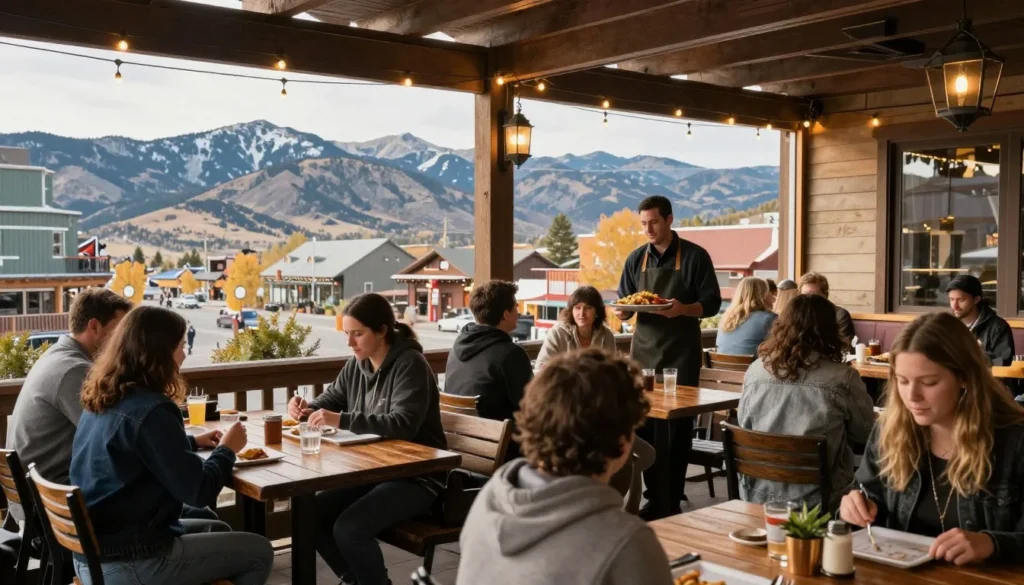
Gateway towns serve as dining hubs. Options range from casual mountain fare to upscale cuisine. Many restaurants emphasize locally-sourced ingredients and Colorado specialties.
Regional Specialties
Colorado cuisine features Rocky Mountain trout caught from local streams. Many restaurants offer this fresh fish grilled or pan-fried. Elk and bison appear on menus as alternatives to traditional beef.
Green chile smothers breakfast burritos and burgers. This Colorado staple adds spicy kick to many dishes. The debate over New Mexico versus Colorado style green chile runs deep.
Craft breweries thrive in mountain towns. Salida alone hosts numerous brewpubs. Sample local IPAs, stouts, and lagers after a day on the trails. Many breweries offer outdoor seating with mountain views.
Dining in Leadville
Leadville’s dining scene reflects its historic character. The Golden Burro Cafe serves hearty breakfasts in a century-old building. Quincy’s Steakhouse provides upscale dining with Victorian ambiance.
Tennessee Pass Cafe offers homemade comfort food. The Grill Bar and Cafe serves Mexican and American favorites. For quick bites, several sandwich shops and pizzerias line Harrison Avenue.
Dining in Salida
Salida delivers diverse culinary options despite its small size. The Fritz showcases creative American cuisine using local ingredients. Amica’s Pizza bakes wood-fired pies with fresh toppings.
Laughing Ladies serves farm-to-table breakfast and lunch. Currents Restaurant offers riverside dining with contemporary mountain cuisine. Numerous cafes provide espresso and pastries for morning fuel.
Trail Food
Stock up on trail snacks in gateway towns. Local markets sell energy bars, dried fruit, nuts, and jerky. Many outdoor shops offer freeze-dried meals for backpacking trips.
Pack extra food and water for mountain adventures. Exertion at high altitude increases caloric needs. Snack frequently to maintain energy on long hikes.
Attractions, Sightseeing & Activities
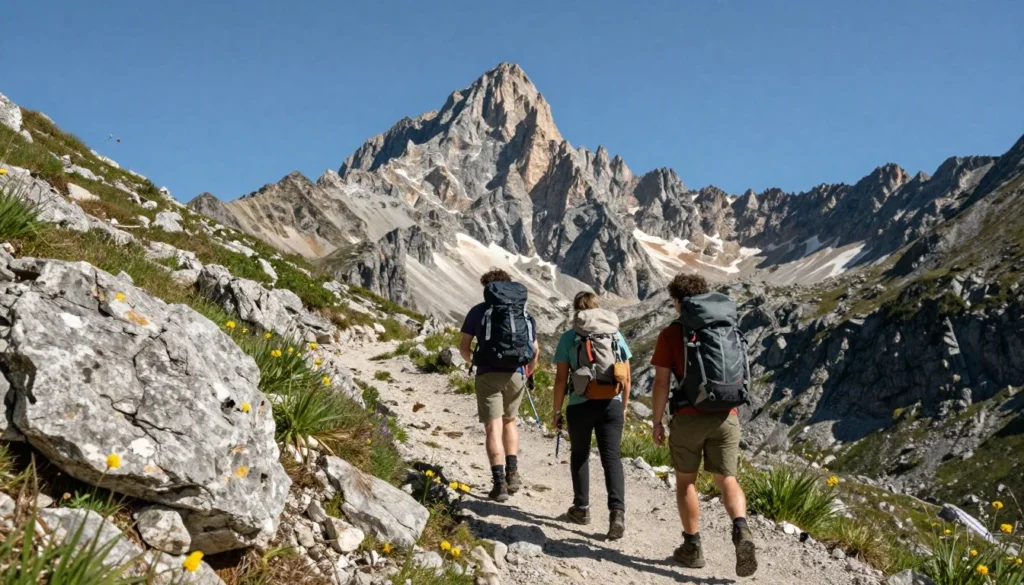
San Isabel National Forest offers endless recreational opportunities. Activities suit all skill levels from casual visitors to expert mountaineers. The diverse terrain accommodates varied interests.
Fourteener Climbing
Fifteen peaks exceeding 4,267 meters (14,000 feet) rise within forest boundaries. Mount Elbert, Colorado’s highest summit at 4,401 meters (14,440 feet), attracts thousands annually. The standard route requires no technical climbing skills.
Mount Massive stands as Colorado’s second highest at 4,398 meters (14,428 feet). Despite its name, the summit approach proves less massive than other peaks. La Plata Peak offers stunning views from its 4,372-meter (14,336-foot) summit.
Begin Fourteener attempts early. Lightning risk increases dramatically after noon during summer. Carry the Ten Essentials including extra food, water, first aid, and emergency shelter.
Scenic Drives
Multiple scenic byways traverse the forest. The Top of the Rockies Scenic Byway follows Highway 24 past Fourteeners and historic mining sites. This route crosses Tennessee Pass at 3,094 meters (10,152 feet).
Highway 82 climbs Independence Pass, one of Colorado’s highest paved roads at 3,687 meters (12,095 feet). The route closes in winter but offers spectacular alpine views during summer months. Roadside pullouts provide photo opportunities.
Fishing
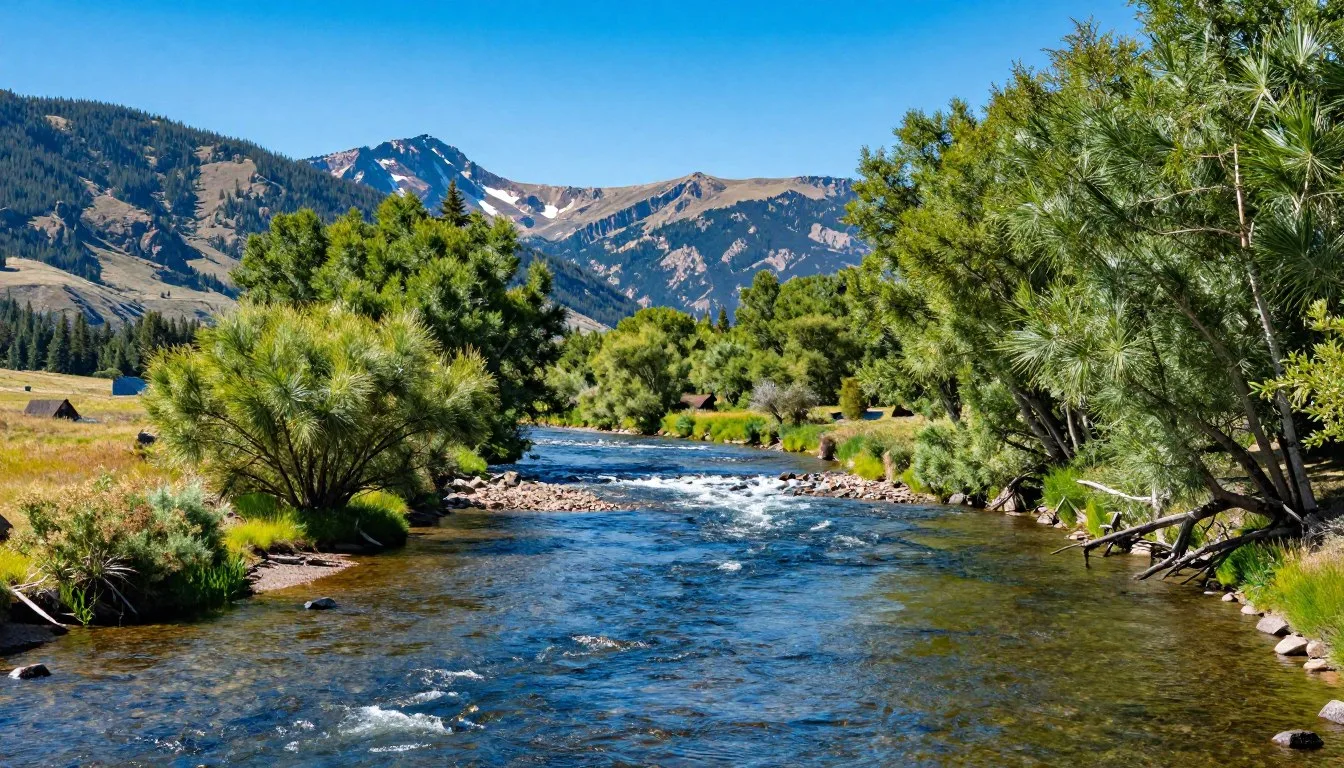
Countless streams and lakes provide excellent fishing. Rainbow, brown, brook, and cutthroat trout inhabit forest waters. Fly fishing proves popular on the Arkansas River and its tributaries.
A Colorado fishing license is required. The state Parks and Wildlife website lists current regulations. Some areas have special restrictions to protect native trout populations.
Mountain Biking
Hundreds of miles of trails accommodate mountain biking. The Colorado Trail section through San Isabel National Forest challenges experienced riders. The Monarch Crest Trail delivers stunning high-alpine riding.
Lower elevation trails around Salida offer beginner and intermediate options. The Arkansas Hills Trail System provides well-maintained singletrack with various difficulty levels. Shuttle services help riders access high-elevation trailheads.
Museums, Cultural Spots & Festivals
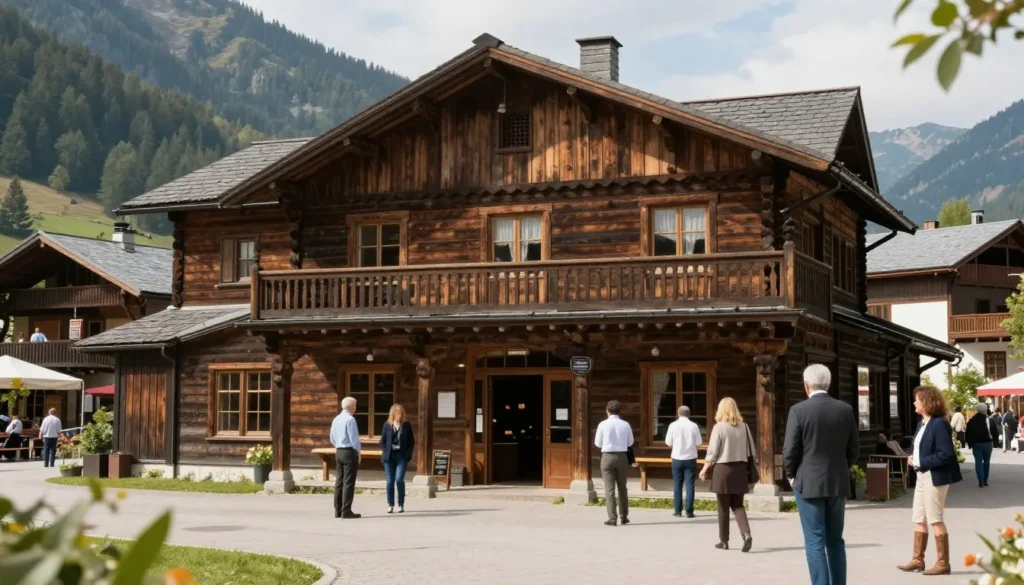
The region surrounding San Isabel National Forest preserves rich mining and railroad history. Several museums interpret this mountain heritage. Cultural attractions complement outdoor recreation.
National Mining Hall of Fame
Located in Leadville, this museum honors mining pioneers and innovations. Exhibits showcase mining equipment, minerals, and the technology that shaped Colorado. The replica underground mine lets visitors experience mining conditions.
The museum occupies a Victorian-era school building. Displays explain hard rock mining processes and the miners who worked dangerous conditions. Special exhibits rotate throughout the year.
Leadville Heritage Museum
This complex includes several historic buildings. The Dexter Cabin belonged to one of Leadville’s wealthiest mining magnates. Period furnishings show how the elite lived during the boom years.
The museum grounds include a blacksmith shop and other outbuildings. Guided tours provide context about daily life in a mountain mining town. Summer months offer expanded hours and special programs.
Salida Museum
This small museum preserves Salida’s railroad and ranching heritage. Exhibits cover the Denver and Rio Grande Railroad’s impact on regional development. Photographs document how the town evolved over decades.
The museum occupies a historic building downtown. Local volunteers maintain collections and welcome visitors. Admission remains affordable, making it an easy addition to any Salida itinerary.
Art Galleries
Salida hosts numerous art galleries along its historic downtown streets. First Friday Art Walks occur monthly during warmer months. Galleries showcase paintings, photography, sculpture, and crafts inspired by mountain landscapes.
Many artists live and work in the region. Studios open for tours by appointment. The vibrant arts community adds cultural depth to the outdoor recreation focus.
Nature & Outdoor Experiences
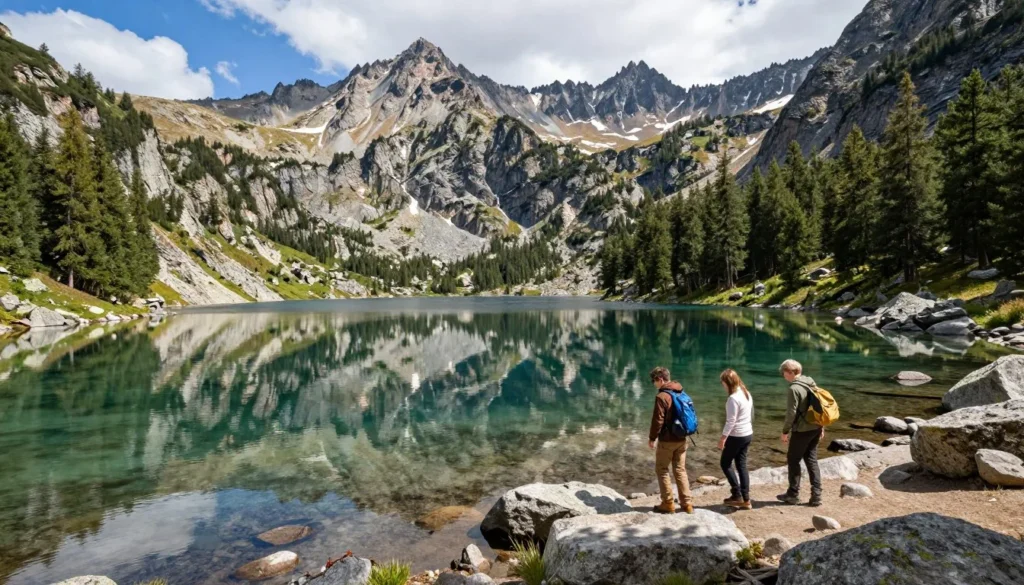
San Isabel National Forest protects diverse ecosystems. Elevation changes create varied habitats from riparian valleys to alpine tundra. Wildlife viewing opportunities abound throughout the forest.
Wilderness Areas
Several designated wilderness areas preserve the forest’s wildest terrain. Collegiate Peaks Wilderness contains eight Fourteeners and pristine alpine basins. No motorized vehicles or mechanical equipment can enter these protected zones.
Holy Cross Wilderness surrounds Mount of the Holy Cross, named for snow-filled couloirs forming a cross shape. Buffalo Peaks Wilderness offers more solitude with fewer visitors than popular areas. These wilderness zones protect the forest’s most pristine landscapes.
The Colorado Trail
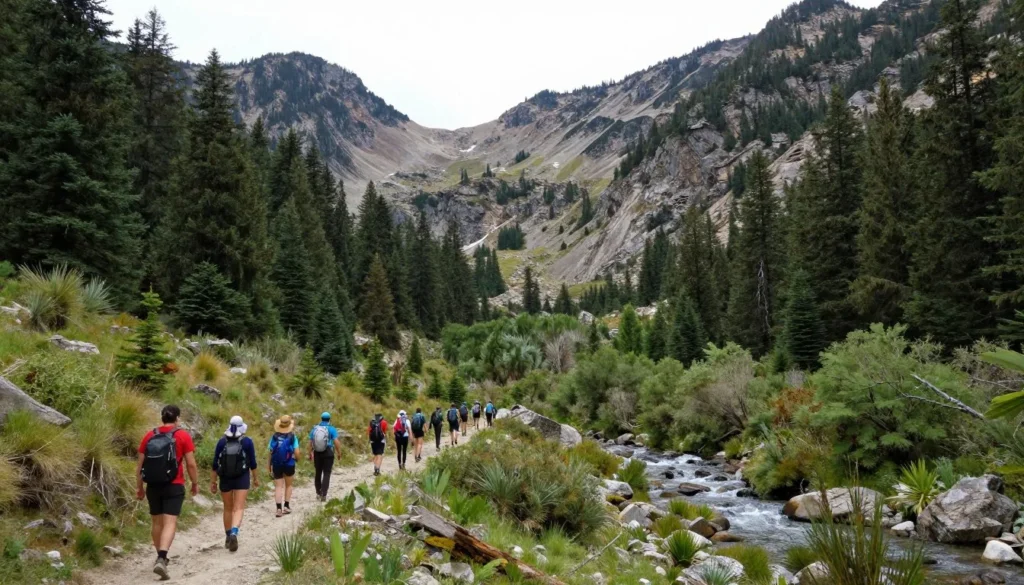
This 772-kilometer (480-mile) trail crosses San Isabel National Forest. The section through Collegiate Peaks ranks among the trail’s most scenic segments. Backpackers can spend days hiking through high alpine terrain.
Day hikers can access sections of the Colorado Trail from multiple trailheads. The trail crosses numerous forest roads, allowing shorter out-and-back hikes. Elevation gain challenges even experienced hikers.
Wildlife Watching
Elk herds roam the forest, particularly visible during fall rutting season. Their bugling calls echo through mountain valleys in September and October. Mule deer inhabit lower elevations year-round.
Bighorn sheep occupy rocky terrain above treeline. Mount Massive holds a healthy sheep population. Black bears live throughout the forest, requiring proper food storage at campsites.
Bird watchers spot numerous species including ptarmigan, rosy finches, and golden eagles. The varied habitats support diverse avian life from riparian areas to alpine tundra.
✓ Check 30,000+ Local Sightseeing Tours Worldwide
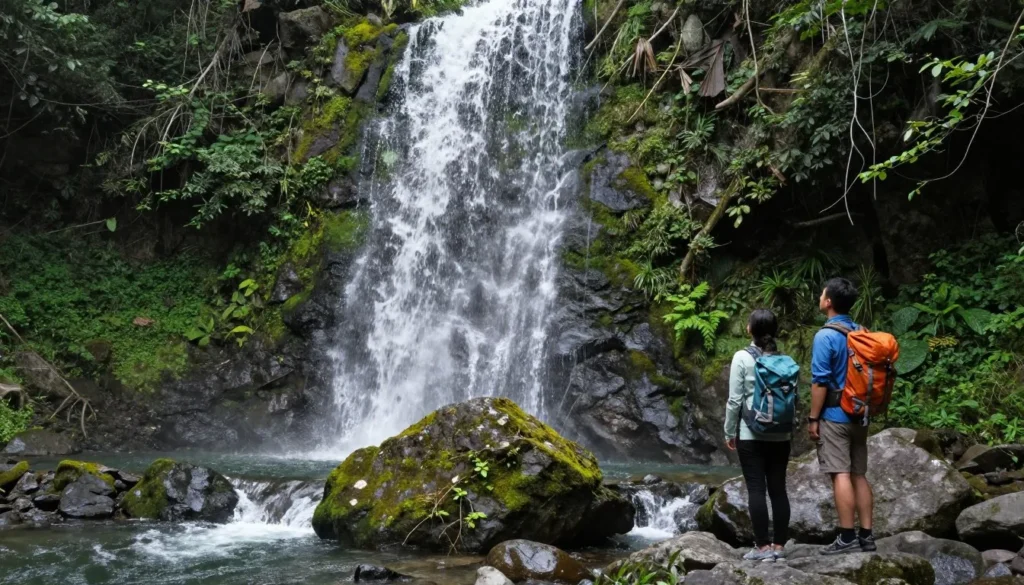
Waterfalls
Numerous waterfalls cascade down mountain slopes. Bridal Veil Falls near Telluride ranks among Colorado’s most photographed cascades. Zapata Falls requires a short but steep hike through a narrow canyon.
Spring snowmelt creates the most dramatic waterfall displays. By late summer, some smaller falls reduce to trickles. Early season visits reward hikers with rushing water and lush vegetation.
Rock Climbing
The Collegiate Peaks area offers excellent granite climbing. Routes range from moderate scrambles to technical multi-pitch climbs. Local guidebooks detail specific routes and approach information.
Climbers should assess their skills honestly. High altitude affects performance even for experienced climbers. Afternoon thunderstorms pose serious lightning danger on exposed rock faces.
Winter Recreation
Monarch Mountain ski resort operates near the forest’s central area. This family-friendly resort offers terrain for all ability levels. Backcountry skiers access vast terrain throughout the forest.
Snowshoeing provides winter access to trails unsuitable for skiing. Many summer hiking routes become excellent snowshoe adventures. The Continental Divide presents spectacular winter scenery.
Avalanche danger requires proper training and equipment for winter backcountry travel. Check the Colorado Avalanche Information Center for current conditions. Never venture into avalanche terrain without proper knowledge and safety gear.
Travel With Children
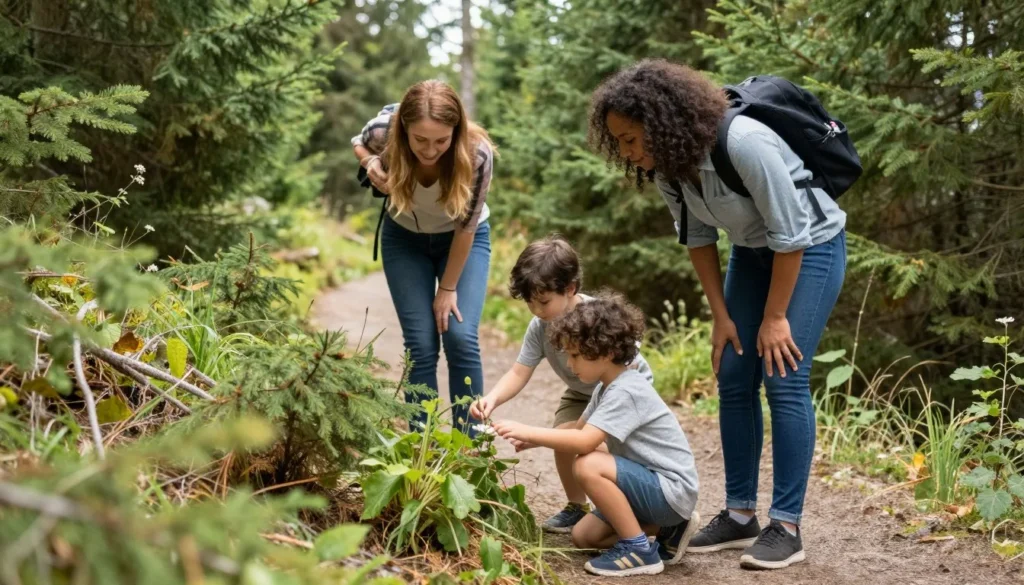
San Isabel National Forest welcomes families with children. Numerous activities suit younger visitors. Planning appropriate adventures ensures everyone enjoys the mountain experience.
Kid-Friendly Trails
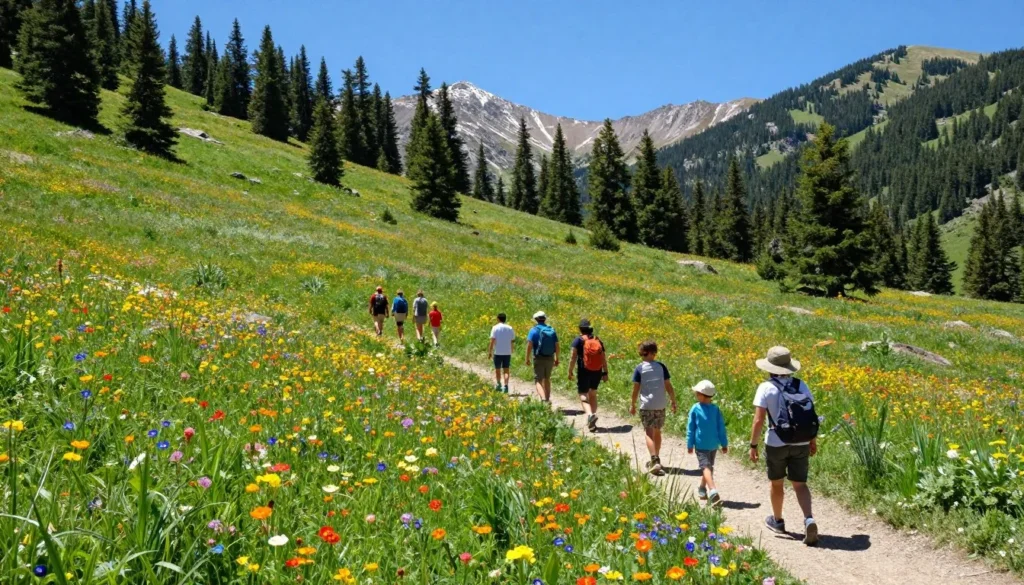
Shorter trails with minimal elevation gain work best for children. The Turquoise Lake Trail near Leadville offers easy lakeside walking. Kids can spot fish and water birds along the route.
O’Haver Lake features a wheelchair-accessible trail circling the small alpine lake. The easy route covers less than 1.6 kilometers (1 mile). Ducks and other waterfowl entertain young nature watchers.
Many campgrounds have short nature trails perfect for family exploration. These loops introduce children to forest ecology without demanding long hiking endurance. Ranger-led nature programs operate at some locations during summer.
Junior Ranger Programs
The Forest Service offers Junior Ranger activities. Children complete activity booklets to earn badges. Programs teach forest ecology, wildlife, and Leave No Trace principles. Check with visitor centers about current program availability.
Safety Considerations
High altitude affects children more than adults. Watch for signs of altitude sickness including headache, nausea, and unusual fatigue. Descend immediately if symptoms appear.
Sunscreen and hats protect young skin from intense mountain sun. UV radiation increases with elevation. Reapply sunscreen frequently even on cloudy days.
Keep children close on trails near cliffs or streams. Mountain terrain presents real hazards. Supervision prevents accidents and keeps families together.
Educational Opportunities
Turn hikes into learning experiences. Teach children about alpine ecology, geology, and weather patterns. Identify wildflowers, trees, and animal tracks along the way.
Encourage kids to keep nature journals. Drawing pictures and recording observations deepens their connection to wild places. These journals become treasured memories of family adventures.
Money Saving Tips
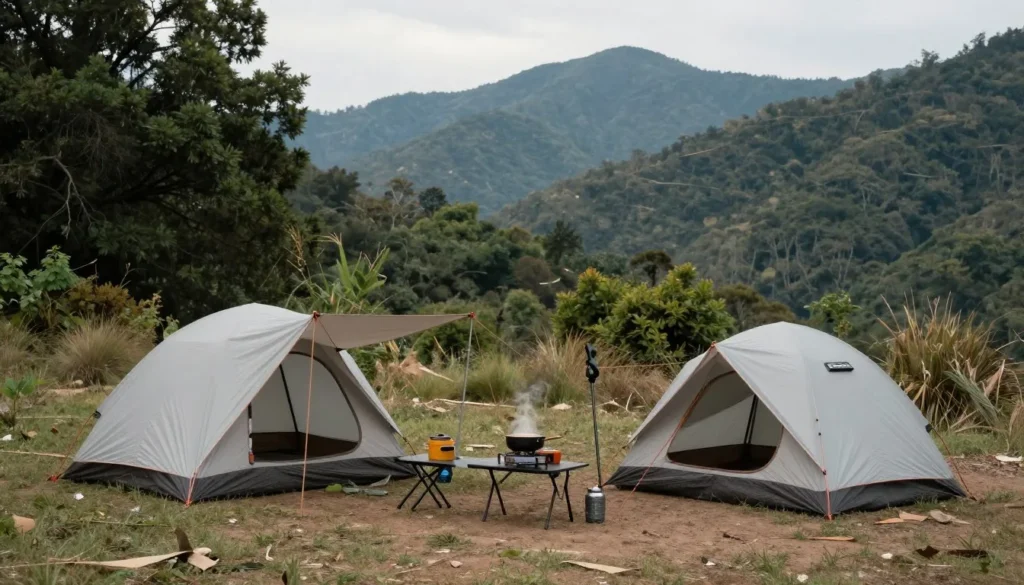
A San Isabel National Forest visit need not break your budget. Smart planning reduces costs while maintaining quality experiences. Free and low-cost options abound throughout the region.
Free Recreation
Most forest land requires no entry fees. Hiking, wildlife watching, and scenic drives cost nothing. Dispersed camping remains free throughout the forest with proper permits where required.
Many trailheads offer free parking. Popular areas may charge small day-use fees, typically under $10. An America the Beautiful Pass costs $80 annually and covers all federal recreation lands.
Budget Camping
Developed forest campgrounds charge $15 to $25 per night. These rates prove significantly cheaper than private campgrounds or hotels. Facilities include basics like toilets and picnic tables.
Dispersed camping costs nothing but requires more self-sufficiency. Pack extra water, bring a shovel for waste burial, and carry out all trash. This option maximizes budget savings.
Affordable Lodging
Visit during shoulder seasons for lower hotel rates. May and September offer pleasant weather and fewer crowds. Midweek stays cost less than weekends throughout summer.
Some towns offer budget motels with basic amenities. Leadville and Buena Vista have affordable chain hotels. Booking in advance often secures better rates than last-minute reservations.
Food Costs
Buy groceries in larger towns before entering the mountains. Small mountain markets charge premium prices due to limited competition. Pack coolers with sandwich fixings and snacks.
Many campgrounds have fire rings. Cook meals over campfires to save money and enhance the outdoor experience. Bring cooking equipment suitable for camp use.
Limit restaurant meals to special occasions. Eating out at every meal quickly consumes vacation budgets. Pack trail lunches and cook breakfast at camp.
Free Entertainment
Attend free summer concerts in Salida and other towns. Many communities host music series in parks. Downtown galleries offer free admission during Art Walks.
Ranger programs provide free educational experiences. Evening campfire talks explain forest ecology and history. These programs entertain and inform without admission charges.
Safety, Etiquette & Local Customs
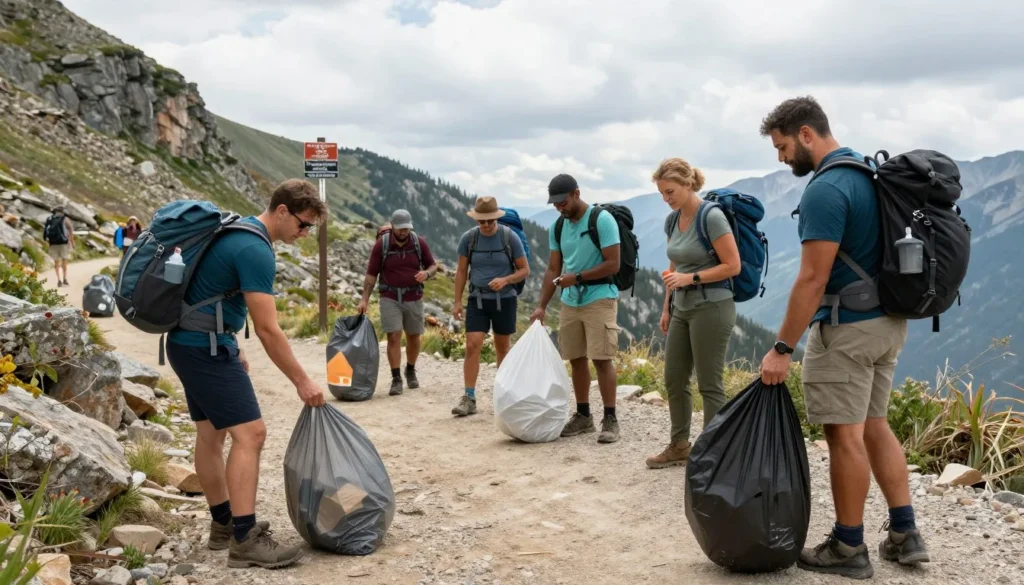
Staying safe and respecting the forest ensures positive experiences for all visitors. Understanding mountain hazards and following wilderness etiquette protects both people and places.
Altitude Awareness
Most forest recreation occurs above 2,438 meters (8,000 feet). Many visitors arrive from sea level, making altitude adjustment challenging. Spend a day or two at moderate elevation before attempting high peaks.
Symptoms of altitude sickness include headache, nausea, dizziness, and shortness of breath. Descend immediately if symptoms worsen. The only cure for serious altitude sickness is losing elevation.
Drink extra water at high altitude. Dry mountain air and increased respiration cause dehydration. Alcohol worsens altitude effects. Limit drinking until you adjust to elevation.
Weather Hazards
Lightning kills several people in Colorado mountains each year. Avoid exposed ridges during afternoon thunderstorms. If lightning approaches, crouch low away from tall objects. Never seek shelter under isolated trees.
Hypothermia can occur even in summer. Wet clothing and wind chill quickly drain body heat. Pack layers including rain gear even for short hikes. Turn back if conditions deteriorate.
Wildlife Safety
Black bears inhabit the forest year-round. Store food properly in bear-resistant containers or hang from trees. Never approach bears or leave food unattended. Make noise while hiking to avoid surprise encounters.
Mountain lions live in the forest but rarely show themselves. If you encounter one, make yourself appear large, make noise, and back away slowly. Never run from mountain lions.
Moose can be aggressive, especially mothers with calves. Give them wide berth, at least 23 meters (75 feet). Their long legs deliver powerful kicks if threatened.
Emergency Contacts
In case of emergency in San Isabel National Forest:
For non-emergency Forest Service assistance:
Leave No Trace Principles
Pack out everything you pack in. Carry trash bags and remove all waste. Bury human waste at least 61 meters (200 feet) from water sources and trails.
Stay on established trails to prevent erosion. Cutting switchbacks damages fragile vegetation. Camp in designated sites or on durable surfaces at least 61 meters (200 feet) from lakes and streams.
Never feed wildlife or leave food scraps. Human food harms animals and creates dangerous situations. Keep pets leashed and under control at all times.
Trail Etiquette
Hikers yield to horses on trails. Step to the downhill side and remain still while horses pass. Bikers yield to both hikers and horses.
Keep noise levels reasonable. Loud music and shouting disturb wildlife and other visitors seeking peace. Natural sounds enhance the wilderness experience.
Respect private property boundaries. Some inholdings exist within forest boundaries. Stay on public land and established trails.
Fire Safety
Check current fire restrictions before any visit. Campfire bans frequently take effect during dry periods. Violating restrictions can result in fines and criminal charges.
Use established fire rings when campfires are permitted. Keep fires small and never leave them unattended. Extinguish completely with water until cold to touch.
Smoking remains allowed but requires extra caution. Dispose of cigarettes properly, never toss them on the ground. One careless act can ignite catastrophic wildfires.
Visitor Comments About San Isabel National Forest
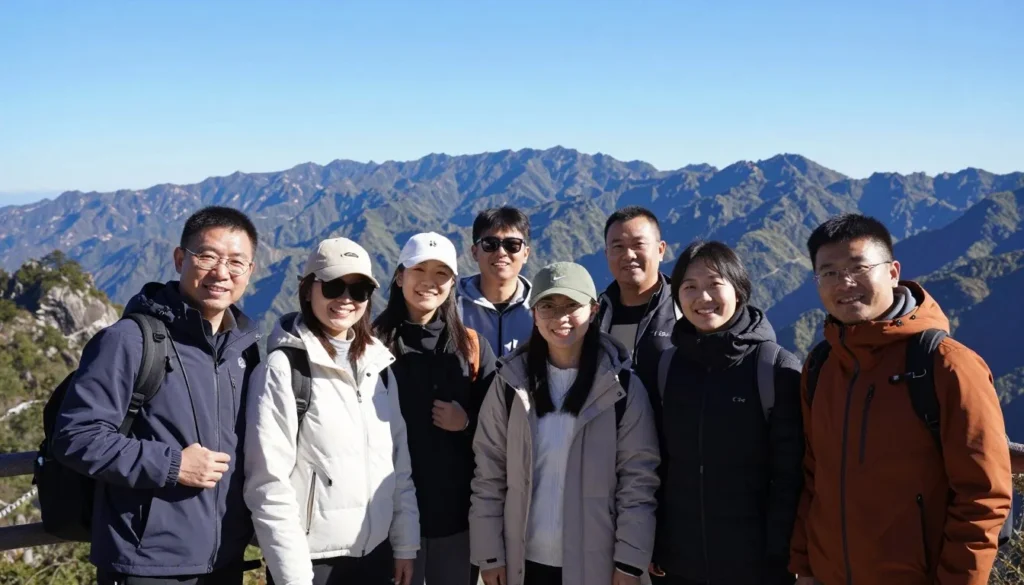
“The trail system here exceeded every expectation. We summited Mount Elbert on a perfect morning and the views were absolutely stunning. The well-maintained trails and clear markings made navigation straightforward. San Isabel offers some of the best high-altitude hiking I’ve experienced anywhere in the United States.”
“Our family spent a week camping near Buena Vista and exploring different areas of the forest. The variety of activities kept everyone happy from our youngest to our teenagers. Fishing in the streams, hiking through aspen groves, and evenings around the campfire created memories we’ll treasure forever. The natural beauty here is breathtaking.”
“Coming from a tropical climate, the high altitude challenged me initially, but the spectacular mountain scenery made every effort worthwhile. The Continental Divide Trail section we hiked offered incredible alpine landscapes. Wildlife sightings including elk and bighorn sheep added to the adventure. This forest showcases the American West at its finest.”
Additional Nearby Destinations
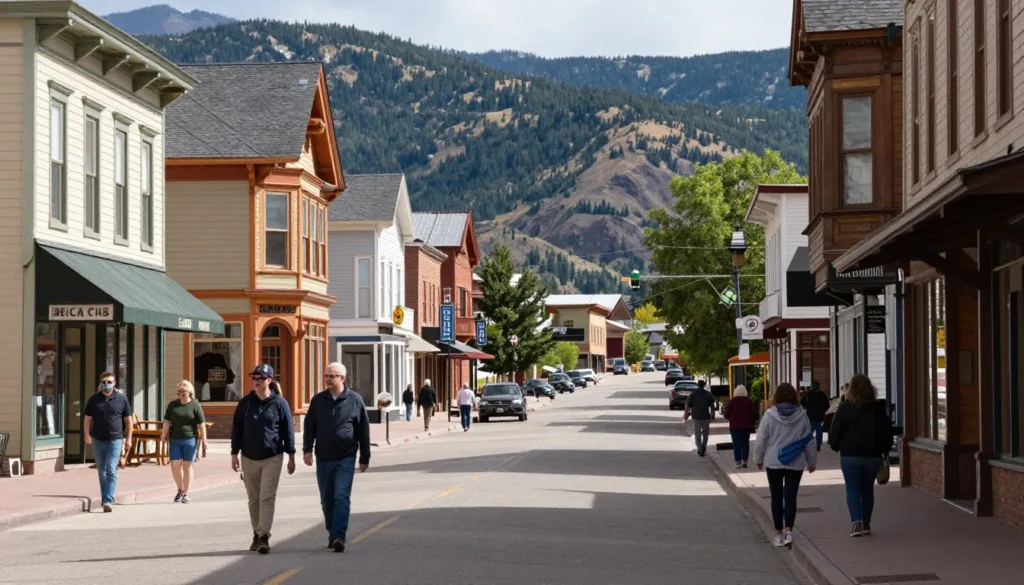
San Isabel National Forest sits near numerous attractions. Extending your trip allows exploration of other Colorado highlights. These nearby destinations complement forest recreation.
Gunnison National Forest
Bordering San Isabel to the west, Gunnison National Forest offers equally impressive mountain terrain. The Black Canyon of the Gunnison National Park features dramatic cliff walls and river views. This area provides different geological perspectives.
✓ Check 30,000+ Local Sightseeing Tours Worldwide
Great Sand Dunes
Located south of the forest, Great Sand Dunes National Park preserves North America’s tallest dunes. The 229-meter (750-foot) sand mountains contrast dramatically with surrounding peaks. Sandboarding and hiking provide unique desert experiences.
The park sits approximately 161 kilometers (100 miles) from southern San Isabel access points. Plan for a half-day drive each way. Spring and fall offer the most comfortable temperatures for dune exploration.
Colorado Springs
This city lies about 80 kilometers (50 miles) east. Garden of the Gods features stunning red rock formations. Pikes Peak, another famous Fourteener, rises above the city. A cog railway reaches the summit for those preferring not to hike.
Colorado Springs offers urban amenities after wilderness time. Museums, restaurants, and attractions provide contrasting experiences to forest solitude. The drive from forest areas takes 1.5 to 2 hours.
Aspen
This famous resort town sits north of San Isabel National Forest. Summer brings hiking, mountain biking, and cultural festivals. The town’s upscale character contrasts with simpler mountain communities.
Independence Pass connects Aspen to forest areas when open seasonally. The scenic drive crosses alpine tundra at extreme elevation. Budget extra time for this spectacular but slow mountain route.
Royal Gorge
Near Canon City, the Royal Gorge Bridge spans a dramatic canyon. At 291 meters (955 feet) above the Arkansas River, it ranks among America’s highest suspension bridges. The area offers zip lines and other adventure activities.
Whitewater rafting companies operate trips through the gorge. Rapids range from mild to extreme, accommodating various thrill levels. This attraction works well as a rest day between hiking adventures.
Practical Travel Tips
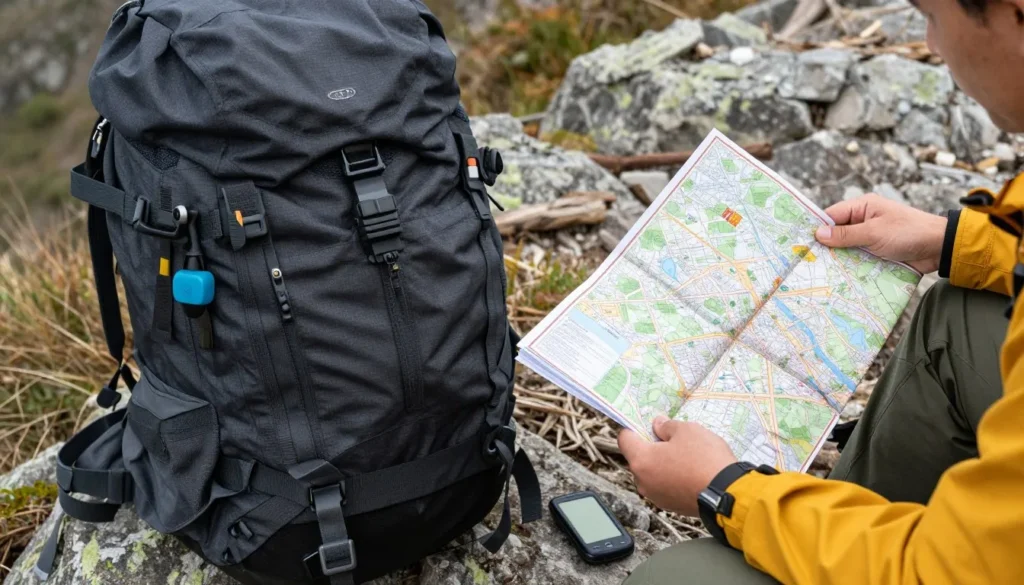
Careful preparation enhances San Isabel National Forest experiences. These practical tips help visitors avoid common mistakes and maximize enjoyment.
What to Pack
The Ten Essentials belong in every daypack. Navigation tools include map, compass, and GPS device. Carry extra food and water beyond what you expect to need. Sun protection means sunscreen, sunglasses, and hat.
Pack a first aid kit with supplies for blisters, cuts, and sprains. Include any personal medications. A fire starter and emergency shelter could save your life if weather changes suddenly.
Layer clothing rather than relying on a single heavy jacket. Conditions change rapidly with elevation and time of day. Bring rain gear even when forecasts look perfect.
Cell Phone Service
Limited or no cell coverage exists throughout most of the forest. Download offline maps and information before departure. Inform someone of your plans and expected return time.
Satellite communicators provide emergency contact capability in remote areas. Personal locator beacons can summon rescue if needed. These devices offer peace of mind for backcountry travel.
Water Sources
Treat all natural water before drinking. Giardia and other pathogens exist in even pristine-looking streams. Filtering, purification tablets, or boiling make water safe for consumption.
Carry sufficient water for your entire hike or bring treatment capability. Dehydration occurs quickly at high altitude. Plan for at least one liter per person per hour of activity.
Permits and Regulations
Most day hiking requires no permits. Overnight wilderness camping in some areas needs advance registration. Check specific regulations for your destination before departure.
Colorado fishing licenses can be purchased online or at sporting goods stores. Regulations vary by location and season. Review current rules on the Colorado Parks and Wildlife website.
Physical Preparation
Train before attempting challenging mountain hikes. Cardiovascular fitness proves essential for high-altitude recreation. Practice with a loaded pack on hills if possible.
Start with easier objectives and build to more difficult adventures. Know your limits and don’t let summit fever push you beyond safe boundaries. Mountains will still be there for future visits.
Photography Tips
Golden hour at sunrise and sunset provides the best light. Afternoon storms create dramatic cloud formations. Bring lens cleaning supplies as dust is common.
Protect cameras from temperature extremes. Cold batteries drain quickly at high elevation. Carry spare batteries and keep them warm against your body.
San Isabel National Forest spans across central Colorado’s mountain ranges.
Your Colorado Mountain Adventure Awaits
San Isabel National Forest stands as one of Colorado’s premier outdoor destinations. With over 1.1 million acres of pristine mountain terrain, 15 towering Fourteeners, and endless recreational opportunities, this forest delivers authentic Rocky Mountain experiences.
Whether you summit Colorado’s highest peaks, cast a line in crystal streams, or simply breathe the thin alpine air while surrounded by aspen groves, San Isabel creates lasting memories. The diverse landscapes accommodate everyone from casual nature lovers to extreme adventurers.
Start planning your journey to these magnificent mountains. The trails await your footsteps, the peaks challenge your determination, and the wilderness invites your respectful exploration. San Isabel National Forest represents Colorado at its finest, where natural beauty and outdoor adventure combine in perfect mountain harmony.