Hotels by Trip.com
Flights by Trip.com
Did you know that San Luis Lakes sits at an elevation of 2,377 meters (7,800 feet), making it one of the highest significant wetland ecosystems in North America? This remarkable natural area spans approximately 971 hectares (2,400 acres) in Colorado’s San Luis Valley and supports over 200 bird species throughout the year.
San Luis Lakes Natural Areas offers a unique combination of high-altitude lakes, sweeping sand dunes, and wildlife-rich wetlands. The area draws visitors seeking solitude and natural beauty away from crowded tourist destinations.
Whether you’re planning your first visit or returning to explore more, this guide covers everything you need to know. From seasonal weather patterns to hidden camping spots, you’ll find practical information to make your trip memorable.
Getting There & Planning Your Journey

San Luis Lakes State Wildlife Area sits in southern Colorado, approximately 19 kilometers (12 miles) northeast of the town of Mosca. The remote location requires careful planning, but the journey rewards you with stunning valley views.
Most visitors drive to the area using personal vehicles. The closest major airport is Colorado Springs Airport, located about 209 kilometers (130 miles) northeast. Denver International Airport lies approximately 338 kilometers (210 miles) north and offers more flight options.
From Colorado Springs, take Highway 115 south to Highway 50 west. Continue to Highway 285 south, then turn onto Highway 17 south. Watch for County Road 6 North, which leads directly to the state wildlife area entrance.
The drive from Denver typically takes four to five hours depending on weather and traffic. Plan for additional time during winter months when snow can affect road conditions.
Cell phone coverage becomes spotty as you approach san luis lakes. Download offline maps before departure and fill your gas tank in Alamosa or Mosca.
Best Time to Visit & Weather Tips
San Luis Lakes experiences dramatic seasonal changes due to its high elevation and valley location. Understanding weather patterns helps you pack appropriately and plan activities.
Recommended Months
Late spring through early fall offers the most comfortable conditions. May through September provides warm days perfect for exploring the state wildlife area. Water levels in luis lakes peak during spring runoff, typically April through June.
- May to June: Ideal for bird watching as migrating species arrive
- July to August: Warmest months with temperatures reaching 27°C to 32°C (80°F to 90°F)
- September to October: Cooler weather, fewer visitors, beautiful autumn colors
- April: Variable conditions but excellent for wildlife photography
Months to Avoid
Winter months from November through March present challenging conditions. Temperatures drop well below freezing, often reaching -18°C to -23°C (0°F to -10°F) at night. Snow and ice make road access difficult, and many area facilities close.
Late October through early November can bring unexpected snowstorms. March weather remains unpredictable with sudden temperature swings.
Notable Annual Festivals
The nearby San Luis Valley hosts several cultural events worth timing your visit around. The Monte Vista Crane Festival occurs each March in Monte Vista, about 64 kilometers (40 miles) west. This celebration welcomes over 20,000 sandhill cranes returning to the valley.
✓ Check 30,000+ Local Sightseeing Tours Worldwide
Alamosa’s Summer Concert Series runs June through August, offering free music performances every Thursday evening in Cole Park.
Getting Around Locally
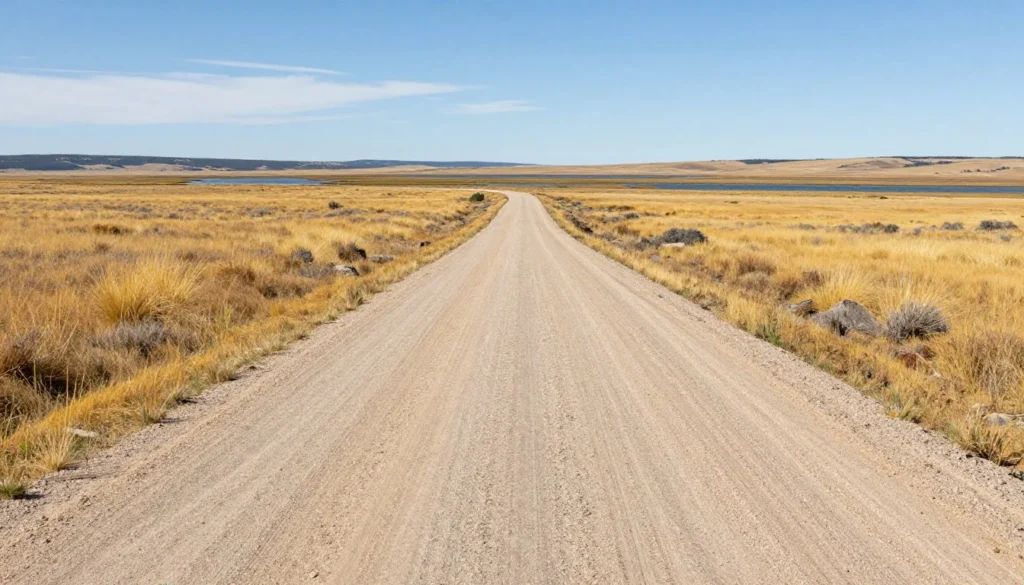
The luis lakes state wildlife area requires a vehicle for exploration. No public transportation serves this remote area. Unpaved roads access most areas within the property boundaries.
A high-clearance vehicle helps navigate rougher sections, especially after rain. Standard passenger cars can reach main areas during dry conditions, but proceed cautiously on sandy or rutted roads.
County Road 6 North provides the primary access route. Secondary roads branch off toward specific campsites and fishing areas. Some roads close seasonally to protect nesting wildlife.
Walking and hiking offer the best ways to explore wildlife areas once you park. Bring plenty of water because shade is minimal across much of the property. The flat terrain makes walking relatively easy for most fitness levels.
Where to Stay
Accommodation options near san luis lakes range from primitive camping to small-town lodging. Your choice depends on desired comfort level and budget.
Camping Options
The state wildlife area offers primitive camping opportunities. Designated campsites provide basic amenities without hookups or running water. Camping fees are minimal, making this an economical choice.
Campsites sit near the lakes, offering sunrise views and easy wildlife access. First-come, first-served policies apply to most sites. Arrive early during peak season to secure your spot.
Nearby Great Sand Dunes National Park campground provides more developed facilities about 24 kilometers (15 miles) west. This option includes restrooms, potable water, and designated fire rings.
Town Accommodations
Mosca has limited lodging options suitable for travelers preferring indoor accommodation. Alamosa, located 48 kilometers (30 miles) south, offers more hotel choices, restaurants, and services.
Several bed and breakfast establishments operate in nearby Hooper and Moffat. These family-run properties provide personal service and local knowledge.
RV parks in Alamosa accommodate larger vehicles with full hookups. These facilities stay open year-round, unlike seasonal campgrounds.
Dining & Local Cuisine
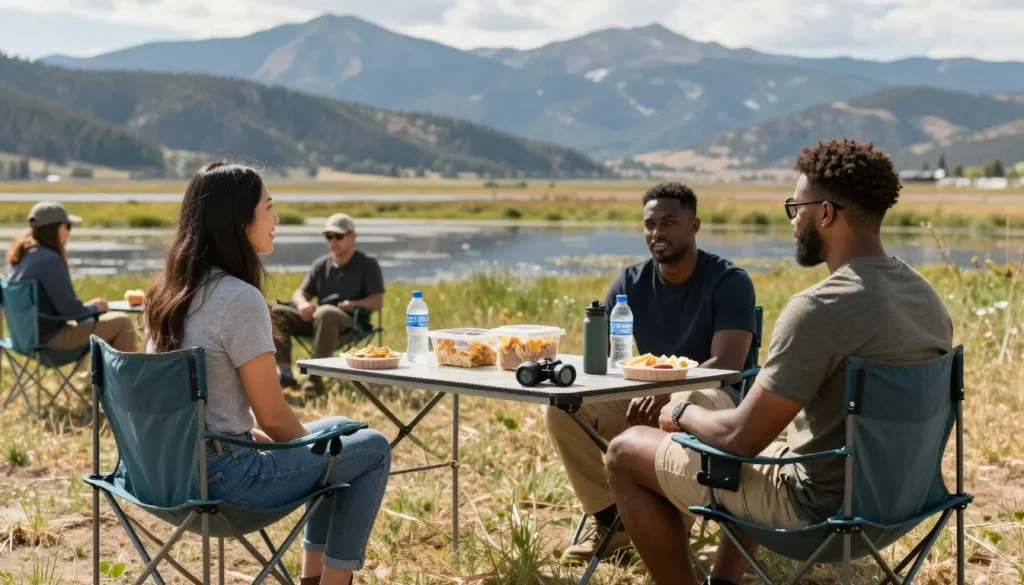
The remote location of luis lakes swa means bringing your own food for day trips or camping stays. No restaurants or stores operate within the state wildlife area boundaries.
Pack a cooler with plenty of water, snacks, and meals. The high altitude and dry climate increase dehydration risk. Plan for at least 3 liters (1 gallon) of water per person daily.
Mosca has one small general store selling basic supplies and packaged foods. Stock up on groceries in Alamosa before heading to the area. Alamosa supermarkets carry everything needed for camping meals.
Regional Specialties
When dining in nearby towns, sample San Luis Valley agricultural products. The valley produces excellent potatoes, considered among Colorado’s best. Local restaurants feature them in various preparations.
Green chili appears on many menus throughout southern Colorado. This spicy stew combines pork, green chilies, and spices. Breakfast burritos smothered in green chili represent a regional favorite.
Several Alamosa restaurants serve authentic Mexican cuisine reflecting the valley’s Hispanic heritage. Family-owned establishments offer homemade tortillas and traditional recipes passed through generations.
Attractions, Sightseeing & Activities
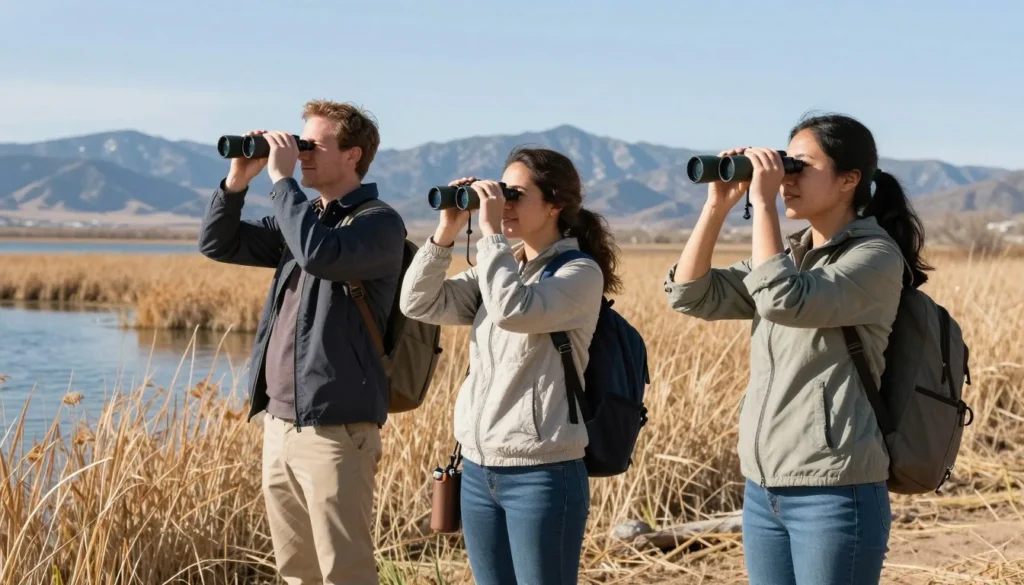
San luis lakes state wildlife area centers on outdoor recreation and wildlife observation. Activities focus on low-impact enjoyment of natural surroundings.
Bird Watching
Over 200 bird species visit or reside in the area throughout the year. Spring migration brings enormous numbers of waterfowl. Sandhill cranes, white-faced ibis, and various duck species congregate in the wetlands.
Bring binoculars and a field guide to identify species. Early morning and late afternoon offer the most active viewing periods. The shallow waters of san luis provide excellent feeding grounds for wading birds.
Bald eagles appear during winter months, hunting waterfowl and fish. Prairie falcons nest in nearby areas and hunt over the grasslands. Patient observers might spot rare species like white pelicans or mountain plovers.
Fishing Opportunities
Fishing attracts anglers to san luis lakes throughout the open water season. The lakes contain northern pike, which thrive in the warm, shallow waters. Some bass populations exist but remain less predictable.
A valid Colorado fishing license is required for anyone 16 years or older. Purchase licenses online through Colorado Parks & Wildlife or at sporting goods stores in Alamosa.
Bank fishing works well due to gradual shorelines. Small boats or float tubes extend your range. Launch areas exist at several points around the main lake.
Water levels fluctuate seasonally, affecting fish locations and accessibility. Spring offers the most consistent fishing as pike spawn in shallow areas.
Hunting Seasons
The state wildlife area allows hunting during designated seasons. Waterfowl hunting proves particularly popular when duck and goose populations peak during migration.
Hunters must possess appropriate Colorado licenses and follow all game regulations. Different seasons apply to various species including deer, antelope, and small game.
Check current regulations before planning a hunting trip. Some areas close temporarily to protect wildlife during sensitive periods.
Nature & Outdoor Experiences
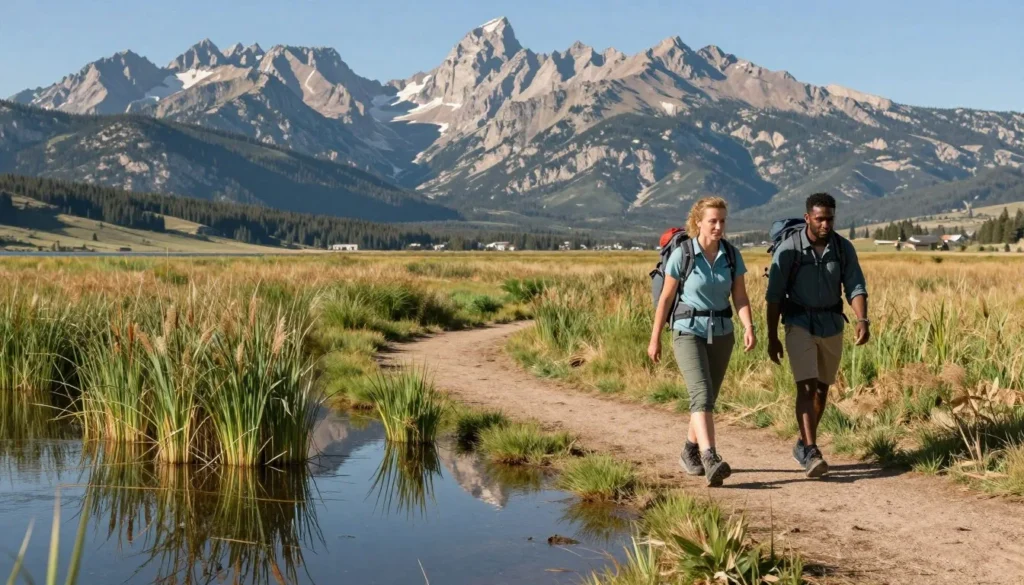
The natural beauty of luis lakes state extends beyond designated activities. Simple appreciation of the landscape offers profound experiences.
Photography Opportunities
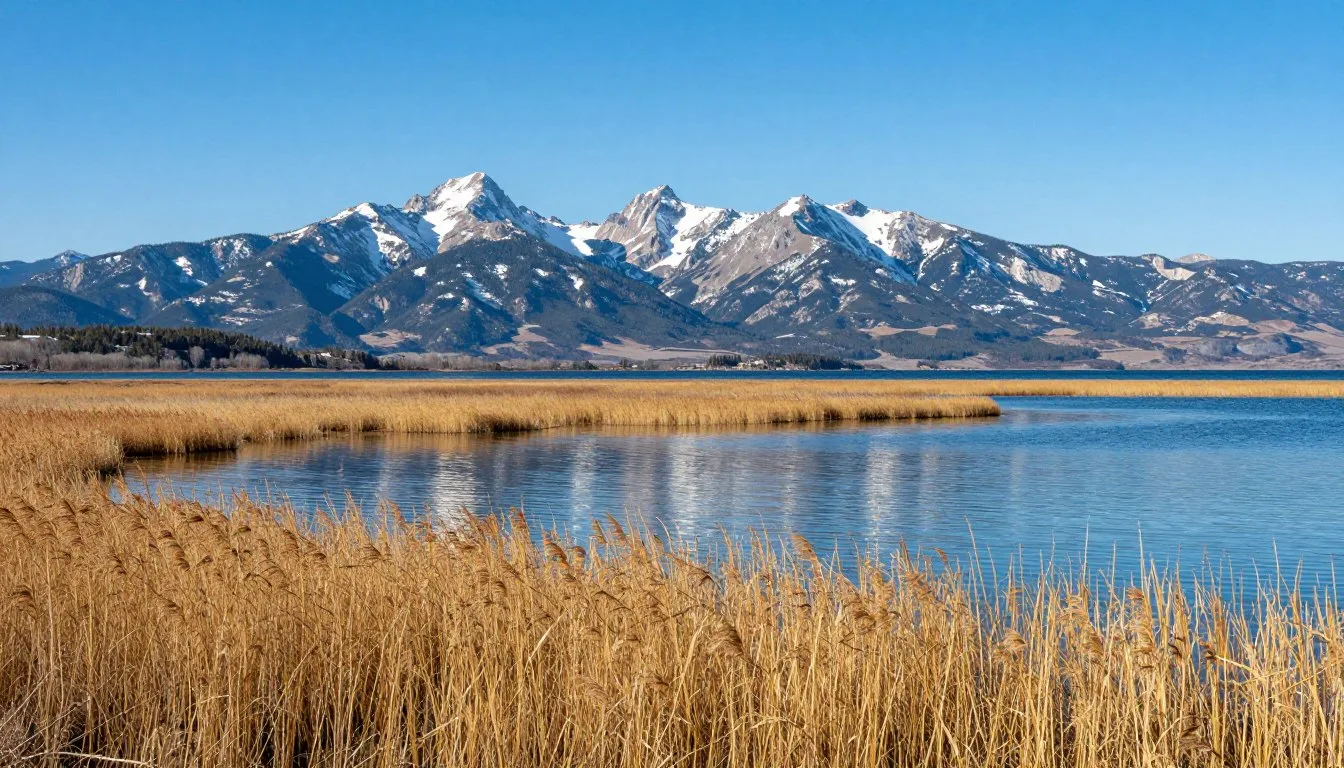
Photographers find endless subjects across the property. Sunrise and sunset paint the Sangre de Cristo range in brilliant colors reflected in the lake waters. Golden hour light transforms the wetlands into magical scenes.
Wildlife photography requires patience and long lenses. Birds allow closer approach from vehicles, which serve as effective blinds. Respect minimum distances to avoid disturbing nesting or feeding animals.
Landscape compositions benefit from the area’s varied elements. Foreground reeds frame mountain backgrounds beautifully. Storm clouds building over the valley create dramatic lighting conditions.
Hiking and Walking
No formal hiking trails exist within the wildlife area, but walking along shorelines and access roads provides exercise and exploration. The flat terrain suits all ability levels.
Create your own routes across public lands. Stay aware of your location to avoid getting lost in expansive wetland areas. Bring navigation tools and mark your starting point.
Spring wildflowers carpet meadow areas near the lakes. Purple lupine, yellow sunflowers, and red Indian paintbrush create colorful displays.
Stargazing
Dark skies over san luis reveal incredible star fields. The remote location eliminates light pollution found near cities. The Milky Way stretches visibly across the night sky during summer months.
Bring a red flashlight to preserve night vision while moving around camp. Constellation apps help identify celestial objects. Meteor showers become spectacular events at this elevation.
Cool nights make warm clothing essential even during summer. Set up chairs near your campsite for comfortable viewing.
Travel With Children
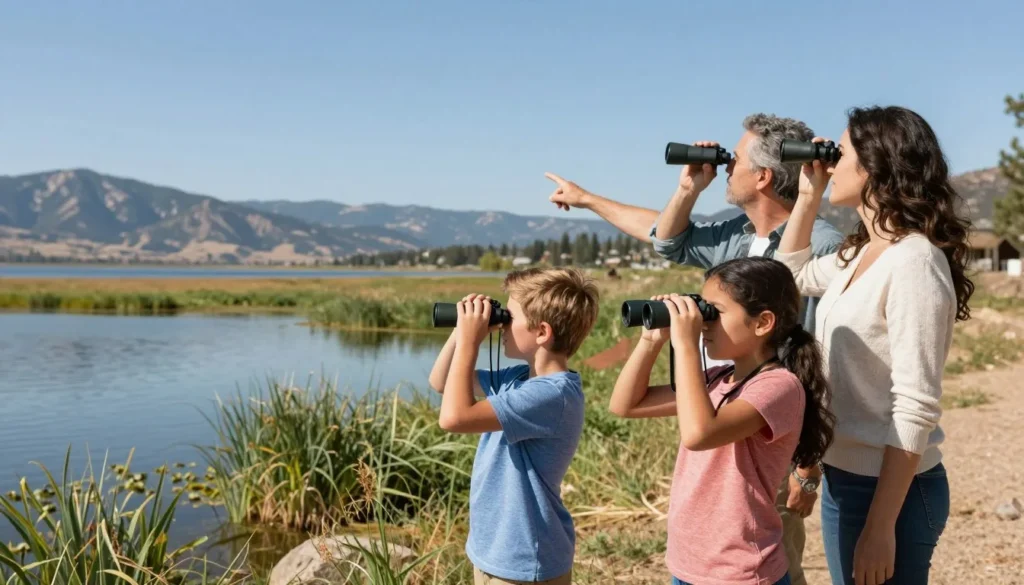
San luis lakes state wildlife area offers family-friendly outdoor experiences. The relatively flat terrain and accessible parking areas accommodate young children.
Wildlife watching naturally engages children’s curiosity. Provide child-sized binoculars and encourage them to identify different bird species. Keep a nature journal where kids can draw or describe animals they observe.
Fishing appeals to many children. Teaching basic casting and fish identification creates lasting memories. Bring appropriate-sized gear and practice patience with beginning anglers.
The shallow waters near shore fascinate young explorers but require constant supervision. Kids enjoy searching for tracks along muddy banks or watching insects in the reeds.
Plan shorter outings with children compared to adult-only trips. Bring extra snacks, sun protection, and changes of clothing. Rest breaks prevent overtiredness and complaints.
The remote location means preparing for all contingencies. Pack a first aid kit with items for minor scrapes and insect bites. Bring activities for downtime at camp like cards or travel games.
Money Saving Tips
Visiting san luis natural area fits modest travel budgets with careful planning. Many aspects of the experience cost little or nothing.
- Camping at the state wildlife area costs significantly less than hotels
- Bring your own food rather than dining in restaurants
- A Colorado Parks & Wildlife annual pass provides unlimited access if visiting multiple properties
- Free activities like bird watching, hiking, and photography dominate the experience
- Travel during shoulder seasons for better camping availability
- Purchase fishing licenses for multiple days if staying longer
- Carpool with friends to share fuel costs
- Bring reusable water containers and refill in town rather than buying bottled water
The minimal development at san luis means fewer opportunities to spend money once you arrive. The lack of gift shops, visitor centers with fees, or paid attractions keeps costs low.
Alamosa grocery stores offer better prices than convenience stores in smaller towns. Shop at larger supermarkets before driving to the area.
Safety, Etiquette & Local Customs
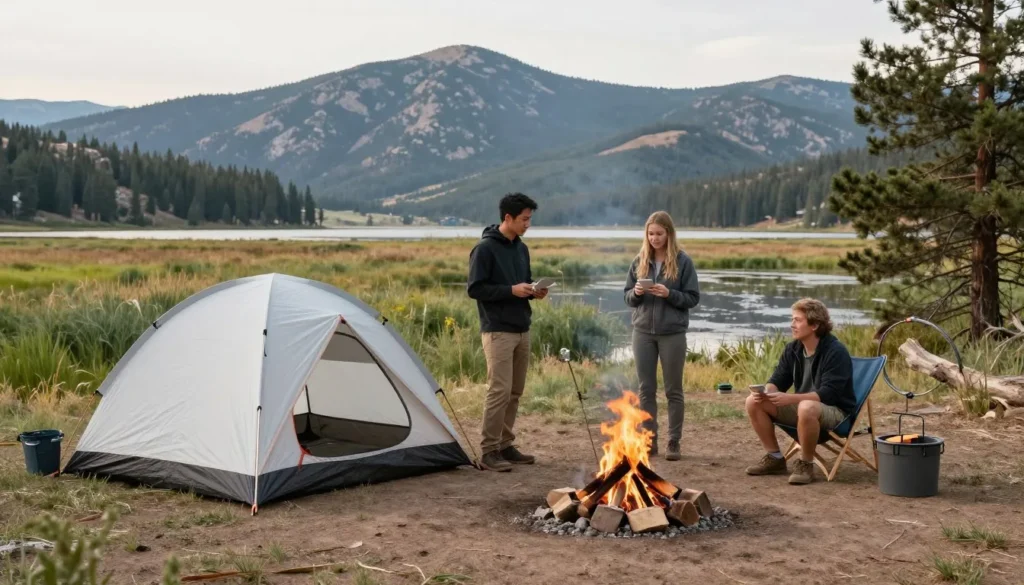
Practicing responsible behavior protects both visitors and the natural environment. Several safety considerations apply to this remote area.
Weather Preparedness
Mountain weather changes rapidly at high elevations. Morning sunshine can give way to afternoon thunderstorms. Lightning poses serious risks in open areas with little shelter.
Monitor weather forecasts before departure. Postpone trips when severe weather threatens. Return to your vehicle if thunderstorms develop while you’re exploring.
Sun exposure intensifies at altitude. Apply sunscreen regularly even on cloudy days. Wear hats and protective clothing. The dry air causes rapid dehydration, so drink water frequently.
Wildlife Etiquette
Observe animals from respectful distances. Never approach or feed wildlife. Human food harms wild animals and creates dangerous situations.
Stay in your vehicle when photographing large animals. Birds tolerate closer observation but flush if you approach nesting areas. Use telephoto lenses rather than moving nearer.
Keep dogs leashed and under control. Pets disturb ground-nesting birds and other wildlife. Some areas prohibit dogs entirely during nesting season.
Leave No Trace
Pack out all trash including organic waste. Dispose of human waste properly by using available facilities or burying it 15 centimeters (6 inches) deep at least 61 meters (200 feet) from water sources.
Stick to existing roads and trails to prevent erosion and habitat damage. Avoid creating new paths across fragile wetland areas.
Keep campsites clean and minimize impact. Use established fire rings and completely extinguish fires before leaving. During fire bans, use camp stoves instead of open flames.
Cell service remains limited, so emergency response times may be extended. Travel with others when possible and inform someone of your plans.
Visitor Comments About San Luis Lakes Natural Areas
“The bird watching exceeded our expectations completely. We spent three days camping at san luis and documented over 70 species including several we’d never seen before. The wetlands teem with life during migration. Mornings were spectacular with thousands of ducks and geese taking flight. The primitive camping suited us perfectly and felt truly remote.”
“Our family visited luis lakes state wildlife area during July and found it peaceful and uncrowded. The kids enjoyed fishing for pike and we caught several nice-sized fish. The flat landscape made exploring easy even for our youngest who’s only six. Mosquitoes were present near water but manageable with repellent. We’d definitely return for the tranquil atmosphere and excellent wildlife viewing.”
“As a photographer, san luis natural area offers unique opportunities you won’t find in more popular Colorado destinations. The combination of wetlands, grasslands, and mountain backdrops creates stunning compositions. I visited during September and enjoyed perfect weather with dramatic clouds building each afternoon. The lack of crowds meant I could set up wherever I wanted without other people in my frames.”
Additional Nearby Destinations
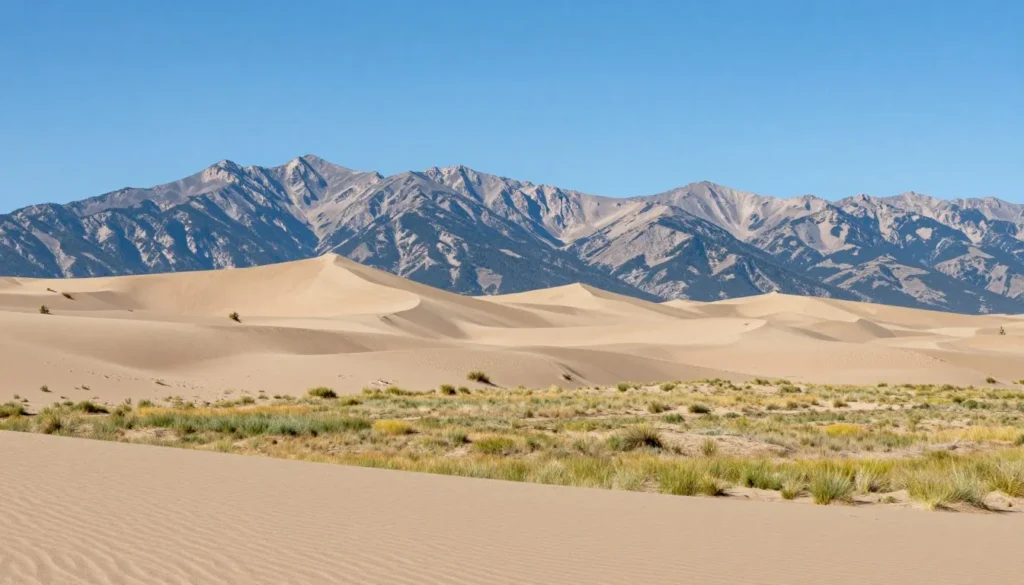
Several remarkable destinations sit within easy driving distance of san luis, allowing you to extend your adventure.
Great Sand Dunes National Park
Located just 24 kilometers (15 miles) west, Great Sand Dunes features North America’s tallest dunes rising 229 meters (750 feet). The contrast between sand and mountains creates surreal landscapes.
Visitors can hike into the dune field, sled down sandy slopes, or wade in Medano Creek during spring runoff. The park offers developed camping, visitor center exhibits, and ranger programs.
Alamosa National Wildlife Refuge
This refuge lies 32 kilometers (20 miles) south and protects additional wetland habitat. An auto tour route provides excellent wildlife viewing without leaving your vehicle. The refuge sees similar bird species to san luis but offers different perspectives.
San Luis Valley
The broader valley contains numerous small towns with unique character. San Luis, Colorado’s oldest town, features historic adobe architecture and the Stations of the Cross shrine. Monte Vista hosts the annual crane festival and offers quirky antique shops.
✓ Check 30,000+ Local Sightseeing Tours Worldwide
Rio Grande Scenic Railroad
Historic train rides depart from Alamosa traveling through spectacular mountain scenery. Summer and fall excursions provide relaxing ways to appreciate the landscape from vintage railcars.
Practical Travel Tips
Essential Items to Pack
Proper preparation ensures comfortable visits to this remote area where services don’t exist.
- Plenty of drinking water and water filtration system
- Sun protection including sunscreen, hat, and sunglasses
- Layered clothing for temperature changes
- Insect repellent for mosquitoes near wetlands
Navigation and Communication
The remote setting requires backup navigation methods and emergency planning.
- Download offline maps before arrival
- Carry paper maps as backup
- Bring portable phone charger
- Inform someone of your itinerary
Wildlife Area Regulations
Understanding rules prevents problems and protects sensitive habitats.
- Valid hunting and fishing licenses required
- Seasonal closures protect nesting wildlife
- Firearms regulations apply during hunting seasons
- Motorized vehicles restricted to designated roads
Photography Tips
Capturing the area’s beauty requires some technical considerations.
- Bring long lenses for bird photography
- Protect equipment from blowing dust and sand
- Shoot during golden hours for best light
- Use polarizing filters to enhance sky and water
The san luis property requires visitors to be self-sufficient. No services, water, or facilities exist beyond basic campsites. Plan accordingly and don’t expect to purchase forgotten items nearby.
Respect private property boundaries surrounding the state wildlife area. Stick to public lands and designated access points. Trespassing creates problems for landowners and wildlife managers.
Your San Luis Lakes Adventure Awaits
San luis lakes natural areas offers authentic Colorado wilderness experiences far from crowded tourist corridors. The combination of productive wetlands, diverse wildlife, and stunning mountain backdrops creates an environment unlike anywhere else in the state.
Whether you’re casting for pike at sunrise, photographing rare birds, or simply enjoying solitude under vast skies, san luis delivers memorable moments. The area rewards visitors who appreciate wild places and practice respectful outdoor ethics.
Start planning your visit to discover why this hidden gem attracts nature enthusiasts from across the country. The luis lakes state wildlife area waits to share its quiet beauty and abundant wildlife with those willing to venture off the beaten path.