Hotels by Trip.com
Flights by Trip.com
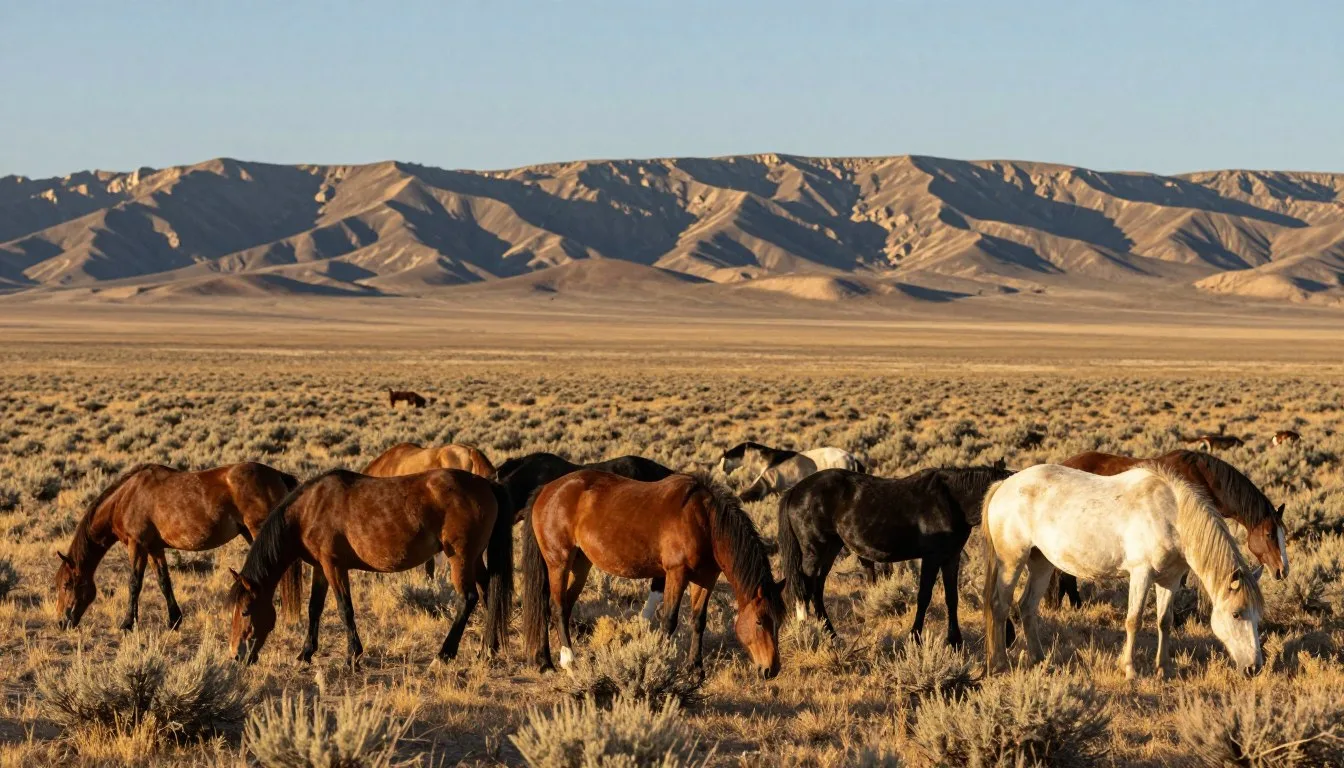
Over 800 wild horses roam freely across 62,000 hectares (153,000 acres) of untamed high desert landscape in northwest Colorado. This massive herd represents one of the largest concentrations of wild horses in the American West. Sand Wash Basin offers visitors an extraordinary opportunity to witness these magnificent animals in their natural habitat.
Sand Wash Basin sits in the remote northwestern corner of Colorado. The area lies within the Bureau of Land Management boundaries. This Herd Management Area protects one of America’s most treasured wildlife populations.
The wild horses here descend from Spanish mustangs and ranch horses. They have adapted to harsh desert conditions over generations. Visitors come from across the globe to photograph and observe these symbols of American freedom.
Getting There & Planning Your Journey
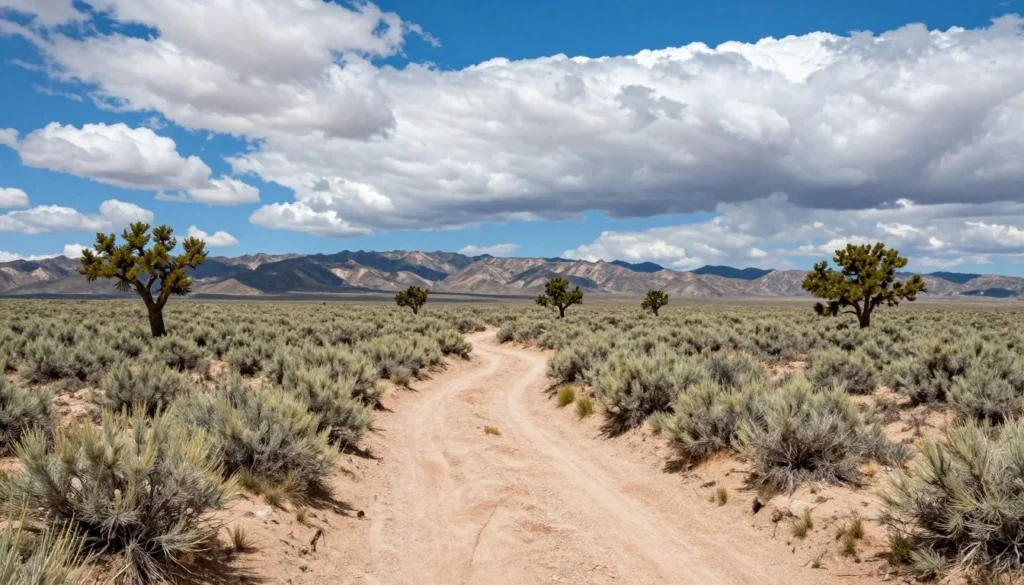
Reaching Sand Wash Basin requires careful planning. The area is quite remote. No paved roads lead directly to prime viewing locations.
Closest Airports
Several airports provide access to the region. Each offers different advantages for travelers.
- Yampa Valley Regional Airport (HDN) in Hayden – 112 km (70 miles) southeast, smallest but closest option
- Denver International Airport (DEN) – 386 km (240 miles) southeast, largest with most flight options
- Grand Junction Regional Airport (GJT) – 209 km (130 miles) southwest, moderate size with good connections
- Salt Lake City International Airport (SLC) – 418 km (260 miles) west, alternative for western travelers
Most visitors fly into Denver and rent a vehicle. The drive takes approximately four hours. Highway conditions are generally excellent until the final approach.
Driving to Sand Wash Basin
From Craig, Colorado, take Highway 318 west toward Maybell. Turn north onto Moffat County Road 67. Follow this dirt road approximately 48 km (30 miles) into the basin.
A high-clearance vehicle is strongly recommended. Four-wheel drive becomes necessary after rain or snow. Roads can become impassable during wet conditions.
For current road conditions and detailed directions, contact the Craig Chamber of Commerce at (970) 824-5689. They provide up-to-date information about access routes.
What to Bring
The remote location demands thorough preparation. Cell phone service is nonexistent throughout most of the basin.
- Full tank of fuel – no services for 80 km (50 miles)
- Physical maps or downloaded GPS maps
- At least 8 liters (2 gallons) of water per person
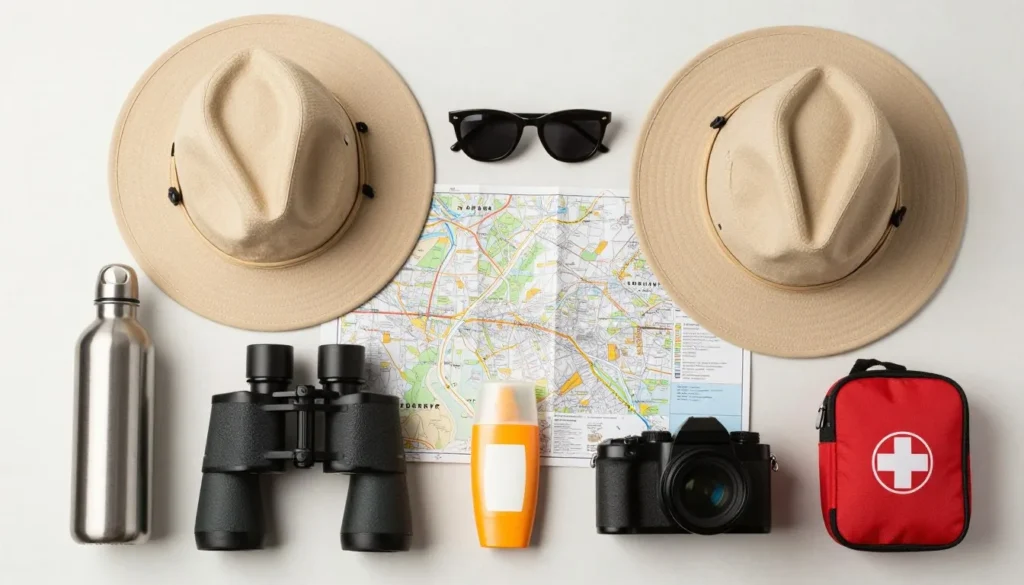
- Emergency supplies including first aid kit
- Spare tire and basic tools
- Food and snacks for full day
Sand Wash Basin location in northwest Colorado
Best Time to Visit & Weather Tips
Sand Wash Basin experiences dramatic seasonal variations. Each season offers unique viewing opportunities and challenges.
Best Time to Visit Sand Wash Basin
Spring and fall provide the most comfortable conditions for visitors. These seasons balance weather, wildlife activity, and road accessibility.
Recommended Seasons
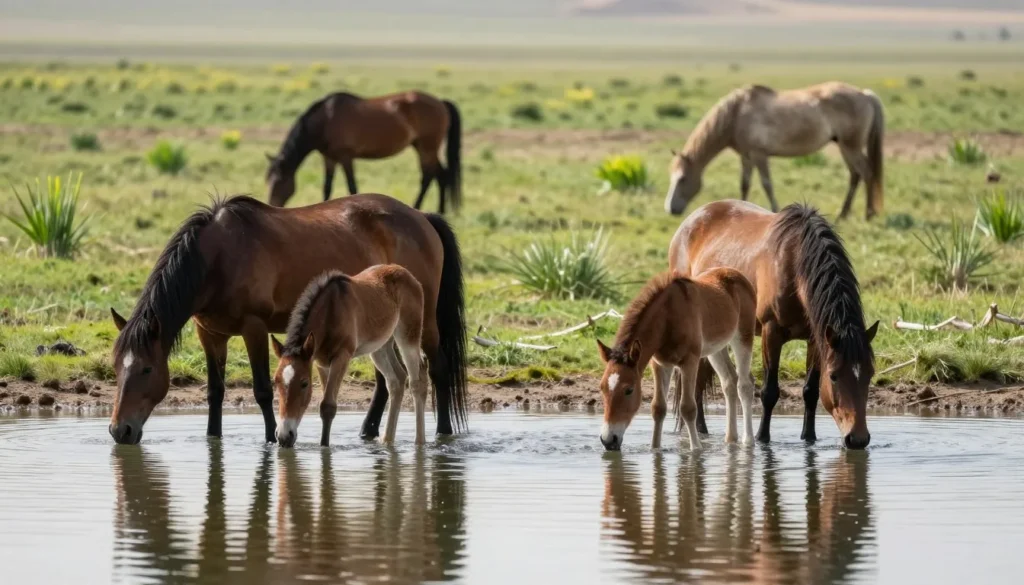
Late April through June represents peak viewing season. Foals are born during this period. Watching young horses interact with the herd captivates visitors.
Water sources become critical gathering points. Horses congregate at springs and ponds. This behavior makes observation easier for photographers and wildlife enthusiasts.
September through October offers another excellent window. Temperatures moderate after summer heat. Fall colors add beauty to the high desert landscape. Horses remain active as they prepare for winter.
Seasons to Avoid
Summer months from July through August bring extreme heat. Temperatures frequently exceed 35°C (95°F). Horses seek shade during midday hours. Early morning and late evening become the only practical viewing times.
Winter presents significant access challenges. Snow closes roads from December through March. Temperatures plummet to -18°C (0°F) or lower. The BLM often restricts access during this period.
Monthly Weather Guide
Spring (April-May)
Temperatures range from 4°C to 21°C (40°F to 70°F). Precipitation increases with occasional thunderstorms. Roads may be muddy but generally passable. Wildflowers bloom across the basin.
Summer (June-August)
Hot and dry with temperatures from 16°C to 38°C (60°F to 100°F). Afternoon thunderstorms possible. Dust becomes a significant issue. Horses are most active at dawn and dusk.
Fall (September-October)
Pleasant conditions with temperatures from 7°C to 24°C (45°F to 75°F). Stable weather patterns. Excellent visibility for photography. Roads in good condition.
Winter (November-March)
Cold with temperatures from -12°C to 4°C (10°F to 40°F). Heavy snow likely. Roads often impassable. Limited access to viewing areas. Only experienced winter travelers should attempt visits.
What to Wear
Layered clothing works best for changing desert conditions. Mornings start cold even in summer. Afternoon temperatures can soar.
- Sun protection including wide-brimmed hat and sunglasses
- Sturdy hiking boots with ankle support
- Long pants to protect from sagebrush and insects
- Moisture-wicking base layers
- Light jacket or fleece for morning chill
- Rain gear during spring and fall
Notable Annual Festivals
The region celebrates its western heritage through several annual events. These festivals provide cultural context for your wild horse adventure.

Craig Cowboys & More Wild West Festival
This July celebration honors northwestern Colorado’s ranching heritage. Activities include rodeo events, live music, and local craft vendors. The festival takes place in Craig, approximately 80 km (50 miles) from Sand Wash Basin.
For festival dates and information, contact the Craig Chamber of Commerce at (970) 824-5689.
Maybell Hay Days
Held each August, this small-town festival celebrates agricultural traditions. The event features a parade, barbecue, and community gatherings. Maybell serves as the closest town to Sand Wash Basin.
Dinosaur Roundup Rodeo
Located in nearby Vernal, Utah, this July rodeo attracts top competitors. The event showcases professional bull riding, barrel racing, and team roping. Many visitors combine this rodeo with their Sand Wash Basin trip.
Getting Around Locally
Transportation within Sand Wash Basin requires your own vehicle. No public transit serves this remote area. Rental cars from airports provide the most flexibility.

Vehicle Requirements
Standard sedans struggle on basin roads. High-clearance SUVs handle conditions better. Four-wheel drive becomes essential during spring and after storms.
Several rental agencies in Craig and Hayden offer suitable vehicles. Reserve four-wheel-drive vehicles well in advance during peak season.
Navigation Tips
GPS service fails throughout most of Sand Wash Basin. Download offline maps before departure. The BLM Little Snake Field Office provides free paper maps.
Major water sources serve as landmarks. Springs Creek, Weaber Pond, and Mustang Pond mark key locations. Horses frequent these areas especially during dry periods.
Driving Distances from Base Towns
- Craig to Sand Wash Basin entrance – 64 km (40 miles), 50 minutes
- Maybell to prime viewing areas – 32 km (20 miles), 30 minutes on dirt roads
- Baggs, Wyoming to northern basin – 40 km (25 miles), 35 minutes
Allow extra time for wildlife viewing stops. Many visitors spend 4-6 hours exploring the basin. Early morning departures maximize wildlife encounters.
Where to Stay
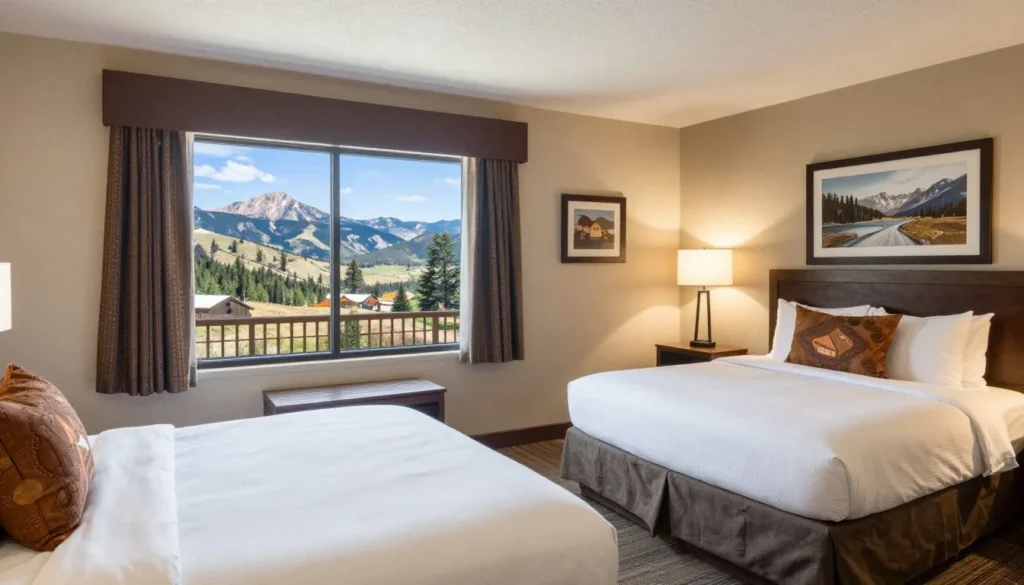
Accommodation options near Sand Wash Basin range from rustic camping to comfortable hotels. Most lodging concentrates in Craig, the regional hub.
Hotels and Motels in Craig
Craig offers the widest lodging selection. Chain hotels provide reliable amenities approximately 64 km (40 miles) from the basin.
- Hampton Inn Craig – Modern rooms with breakfast included
- Holiday Inn Express – Indoor pool and fitness center
- Clarion Inn – Pet-friendly with on-site restaurant
- Best Western Deer Park Inn – Budget option with clean rooms
- Candlewood Suites – Extended stay with kitchenettes
Book reservations early during peak season from May through September. The Craig Chamber of Commerce at (970) 824-5689 can provide current availability information.
Camping Options
Dispersed camping is permitted throughout Sand Wash Basin. The BLM allows free camping on public land. No facilities or services exist within the basin.

Campers must practice Leave No Trace principles. Pack out all trash and waste. Use existing campsites when possible to minimize impact. Campfires may be restricted during dry periods.
Developed Campgrounds Nearby
Freeman Reservoir Campground sits 48 km (30 miles) south of the basin. This small facility offers basic amenities including vault toilets and picnic tables. No water or electric hookups available.
Kenney Reservoir near Rangely provides another option. Located 97 km (60 miles) southwest, this campground includes restrooms and drinking water.
Alternative Towns
Baggs, Wyoming lies 56 km (35 miles) north. This tiny town has one motel with limited rooms. Vernal, Utah offers more extensive services 145 km (90 miles) west.
Dining & Local Cuisine
Northwestern Colorado dining reflects ranching culture and western traditions. Hearty portions and beef dominate local menus. No restaurants exist near Sand Wash Basin itself.

Craig Restaurants
Craig serves as the dining hub for Sand Wash Basin visitors. The town offers varied options from quick service to sit-down meals.
Local Favorites
Carelli’s Italian Restaurant serves pasta and pizza with generous portions. The relaxed atmosphere suits families after long days exploring.
Rib City Grill specializes in barbecue and steaks. Their slow-cooked ribs earn consistent praise from locals and visitors. The casual setting welcomes dusty travelers.
Memories Restaurant offers classic American fare. Breakfast served all day appeals to early-rising wildlife watchers. Their burgers and sandwiches provide solid lunch options.
Quick Options
Several chain restaurants line Highway 40 through Craig. Subway, McDonald’s, and Wendy’s offer familiar fast food. Local Mexican restaurants provide good value.
What to Try
Colorado beef appears on most menus. Locally raised cattle contribute to the region’s economy. Steaks and burgers showcase high-quality meat.
Rocky Mountain trout occasionally appears as a special. This freshwater fish comes from nearby streams and reservoirs.
Green chili smothers many dishes. This spicy stew of pork, peppers, and tomatoes represents Colorado comfort food.
Grocery Stores and Supplies
Stock up before heading to Sand Wash Basin. City Market in Craig provides full grocery services. Walmart Supercenter offers one-stop shopping for food and camping supplies.
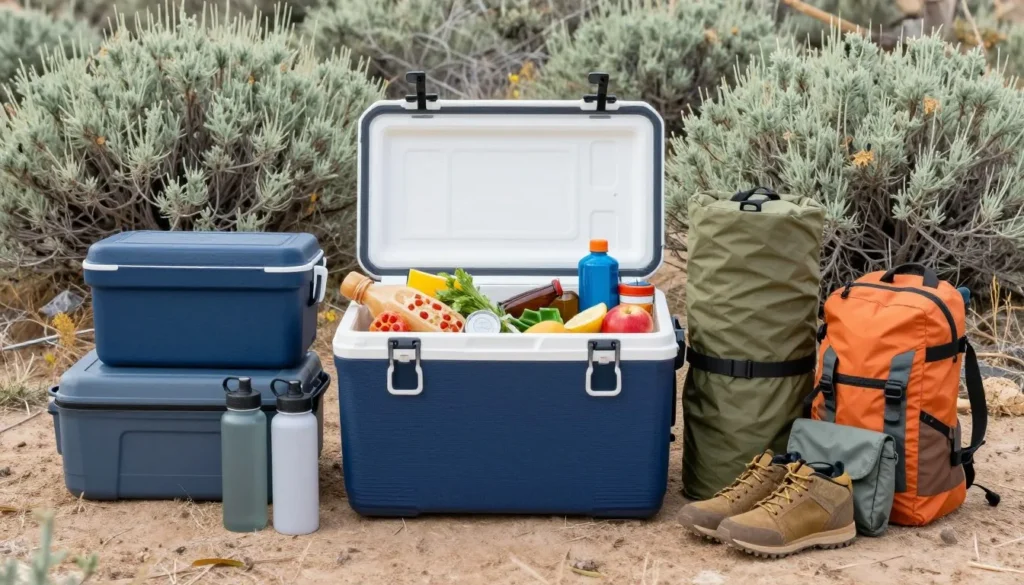
Pack coolers with ice, drinks, and sandwiches. No food or water sources exist within the basin. Plan for full-day provisions.
Attractions, Sightseeing & Activities
Wild horse viewing dominates activities at Sand Wash Basin. However, the area offers additional experiences for visitors seeking variety.

Wild Horse Viewing
The Sand Wash Basin herd management area protects approximately 800 wild horses. These animals roam freely across the vast landscape. The Bureau of Land Management maintains the population through periodic gathers.
Horses congregate at water sources during dry periods. Weaber Pond and Mustang Pond attract multiple bands. Patient observers can watch for hours as different groups arrive to drink.
Dawn and dusk provide optimal viewing times. Horses become more active during cooler hours. Soft lighting enhances photography opportunities.
Understanding Band Dynamics
Wild horses organize into family bands. A dominant stallion leads a group of mares and their offspring. Bachelor stallions form separate groups.
Spring brings foaling season. Mares give birth to foals between April and June. Watching these youngsters play and learn provides memorable experiences.
Stallions sometimes fight to protect their bands. These displays involve rearing, biting, and kicking. Maintain safe distances during aggressive encounters.
Photography
Sand Wash Basin ranks among America’s premier wild horse photography locations. The open terrain allows clear shots without obstruction.
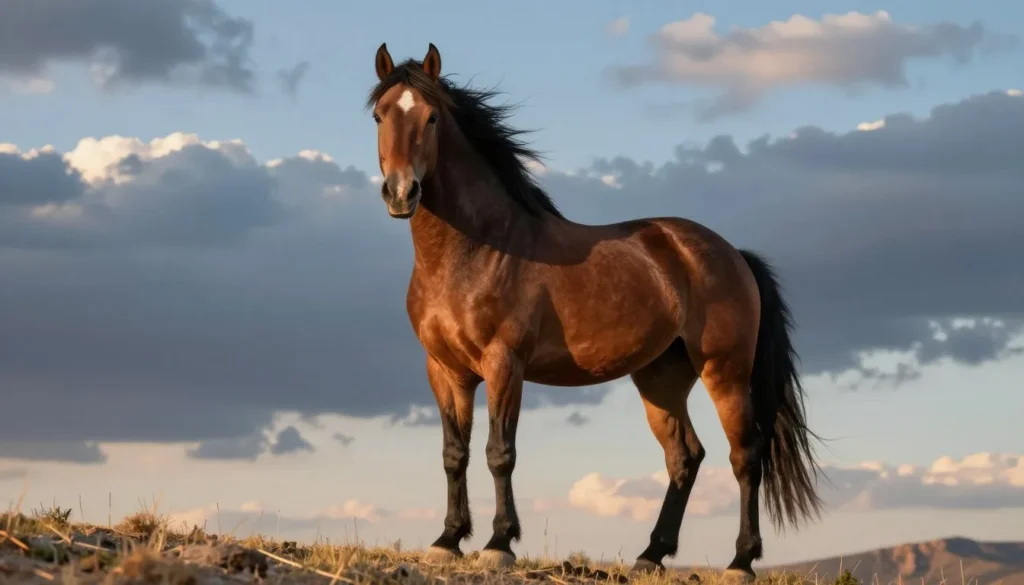
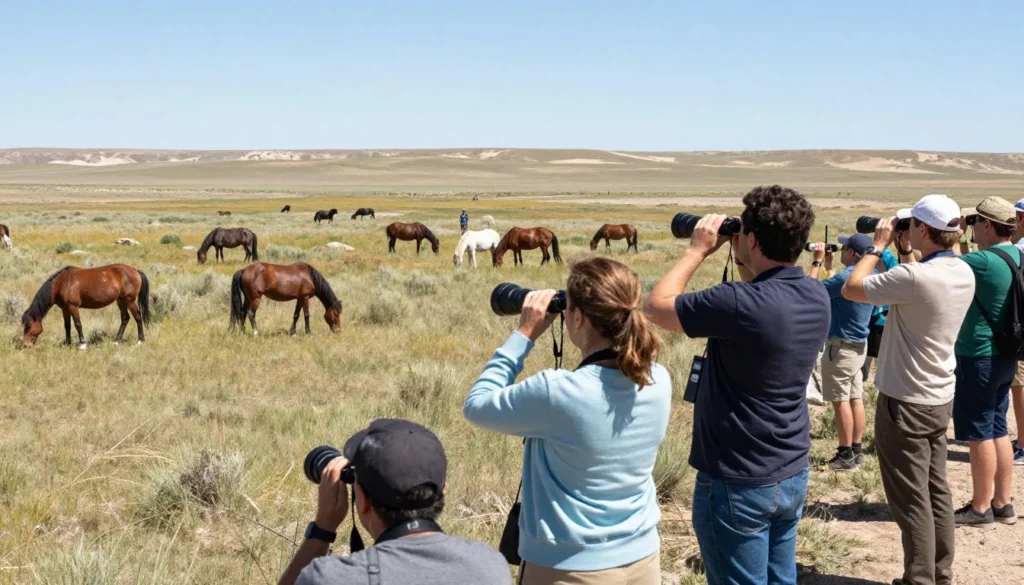
Telephoto lenses work best for wildlife photography. A 300mm or longer focal length captures frame-filling images while respecting safe distances. Bring extra batteries as cold temperatures drain power quickly.
Dust creates atmospheric conditions during dry periods. Hazy backgrounds add depth to compositions. Early morning fog occasionally blankets low areas.
Wildlife Watching Beyond Horses
Sand Wash Basin supports diverse wildlife. Pronghorn antelope share the range with horses. These swift animals often graze near horse bands.
Sage grouse perform spring mating displays on traditional leks. These courtship grounds become active in March and April. Viewing requires very early morning visits.
Raptors soar above the basin hunting for prey. Golden eagles and red-tailed hawks patrol from above. Ferruginous hawks nest on rock outcrops.
Coyotes, foxes, and bobcats inhabit the area. These predators remain elusive but attentive visitors occasionally spot them.
Hiking and Exploring
No designated trails cross Sand Wash Basin. Visitors can hike cross-country across BLM land. The flat terrain makes navigation relatively easy.
Walking from your vehicle to nearby ridges provides better vantage points. Elevation changes reveal distant horse bands. Carry plenty of water as desert conditions cause rapid dehydration.
Canyons along the basin’s edges offer interesting geology. Colorful rock layers tell stories of ancient environments. Use caution on unstable slopes.
Museums, Cultural Spots & Festivals
Northwestern Colorado preserves its heritage through several museums and cultural sites. These attractions provide context for the region’s ranching and energy development history.

Museum of Northwest Colorado
Located in Craig, this museum chronicles regional history from prehistoric times through the present. Exhibits cover Native American cultures, pioneer settlement, and coal mining.
The cowboy collection showcases authentic western artifacts. Saddles, spurs, and ranching equipment illustrate daily life on Colorado ranges. A gunfighter collection displays firearms from the Old West era.
Native American exhibits feature Ute and Fremont culture items. Pottery, baskets, and tools demonstrate indigenous adaptation to harsh environments. Paleontology displays include fossils found locally.
Wyman Living History Museum
This outdoor museum near Craig recreates pioneer life. Historic buildings moved from around Moffat County create an authentic settlement. A one-room schoolhouse, cabin, and barn stand furnished with period items.
Summer interpretive programs bring history to life. Volunteers demonstrate pioneer skills like blacksmithing and cooking. Children enjoy hands-on activities.
Nearby Historical Sites
Browns Park National Wildlife Refuge lies 97 km (60 miles) northwest. This remote valley sheltered outlaws including Butch Cassidy in the 1890s. Historic cabins still stand within the refuge.
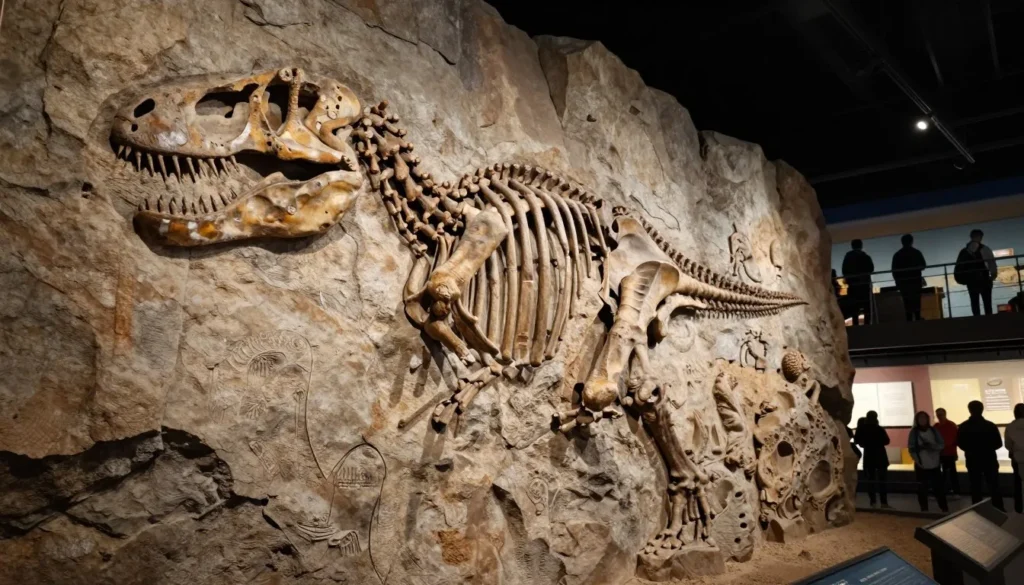
Dinosaur National Monument sits 113 km (70 miles) west. The monument protects one of America’s most significant fossil quarries. Over 1,500 dinosaur bones remain visible in the cliff face.
Native American Heritage
The Ute people historically used the Sand Wash Basin area. They hunted game and gathered plants across these lands for centuries. Today, the Ute Mountain Ute and Southern Ute tribes maintain cultural connections to the region.
Rock art panels exist in nearby canyons. These petroglyphs and pictographs date back hundreds or thousands of years. Respect these sacred sites by observing without touching.
Nature & Outdoor Experiences
Sand Wash Basin forms part of a larger network of public lands. Opportunities for outdoor recreation extend throughout northwestern Colorado.
Desert Ecosystem
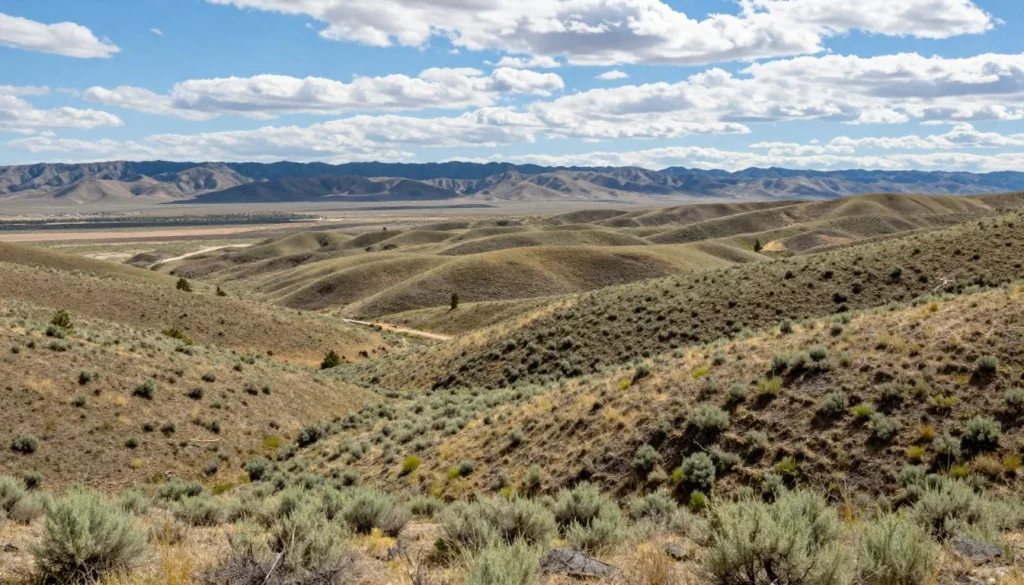
The Sand Wash Basin sits at elevations from 1,829 to 2,134 meters (6,000 to 7,000 feet). This high desert environment experiences temperature extremes and limited rainfall.
Sagebrush dominates the vegetation. Big sagebrush, black sagebrush, and saltbush create the characteristic gray-green landscape. These hardy plants provide crucial food for wildlife during winter.
Spring transforms the desert briefly. Wildflowers carpet areas receiving extra moisture. Indian paintbrush, lupine, and desert marigold add color to the muted palette.
Nearby Recreation Areas
Yampa River runs south of Sand Wash Basin. This waterway offers excellent fishing for brown and rainbow trout. The stretch near Craig provides easy access.
Freeman Reservoir attracts anglers and boaters. This 115-hectare (285-acre) impoundment holds largemouth bass, crappie, and catfish. A boat ramp and small campground serve visitors.
Trappers Lake sits in the Flat Tops Wilderness 105 km (65 miles) southeast. This pristine mountain lake offers spectacular scenery and cutthroat trout fishing. The area requires more extensive travel but rewards with alpine beauty.
Hunting
Sand Wash Basin and surrounding BLM lands allow hunting in season. Mule deer, pronghorn antelope, and elk inhabit the area. Sage grouse hunting occurs in fall.
Colorado Parks and Wildlife manages hunting seasons and licensing. Hunters must follow state regulations and respect private property boundaries. The region attracts hunters seeking less crowded public land.
Stargazing
Remote Sand Wash Basin provides exceptional dark sky conditions. Minimal light pollution allows clear views of the Milky Way. New moon periods offer optimal stargazing.
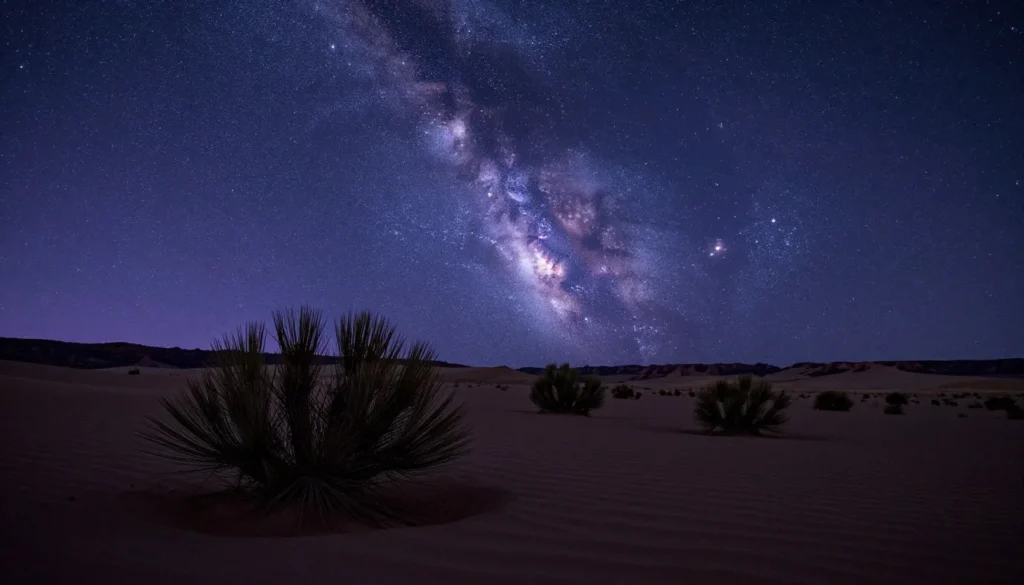
Bring red-filtered flashlights to preserve night vision. Dress warmly as temperatures drop significantly after sunset even in summer. A reclining chair makes extended viewing more comfortable.
Rockhounding
The geology of northwestern Colorado produces interesting rocks and minerals. Jasper, agate, and petrified wood can be found in some areas. Check BLM regulations regarding collection limits.
Fossils occasionally appear in exposed sediments. Viewing fossils is permitted but collection requires special permits. Leave fossils in place for others to enjoy.
Travel With Children
Sand Wash Basin offers children unique opportunities to observe wildlife. Young visitors find wild horses fascinating. The experience creates lasting memories and appreciation for nature.

Age Considerations
Children of all ages can visit Sand Wash Basin. However, very young children require extra planning. The remote location and lack of facilities demand preparation.
School-age children typically enjoy the adventure most. They understand safety rules and appreciate wildlife observation. Many families visit as part of broader educational travel.
Keeping Kids Engaged
Create scavenger hunt lists featuring desert plants and animals. Children enjoy checking items off as they spot them. Include horses of different colors, birds, and insects.
Bring binoculars sized for small hands. Children love using optical equipment like adults. Practice focusing on objects before arrival.
Photography assignments give older children purpose. Challenge them to capture the best horse photo or most interesting landscape. Digital cameras allow immediate feedback.
Pack activity books and games for vehicle time. The long drive to Sand Wash Basin tests patience. Prepare entertainment for travel portions.
Safety With Children
Wild horses can injure people despite appearing docile. Teach children to never approach horses. Maintain minimum distances of 30 meters (100 feet).
The desert contains hazards for curious kids. Cactus, rattlesnakes, and steep terrain require supervision. Establish clear boundaries for where children can explore.
Heat affects children faster than adults. Schedule frequent water breaks even if kids don’t request them. Watch for signs of fatigue or irritability.
Apply and reapply sunscreen regularly. Desert sun at high elevation burns quickly. Wide-brimmed hats and sun-protective clothing help prevent burns.
Educational Opportunities
Discuss wild horse history and management. Explain how these animals came to America and why they matter. Many children enjoy learning about conservation challenges.
Identify desert plants and their adaptations. Discuss how sagebrush survives with little water. Touch fuzzy sage leaves and smell their distinctive scent.
Study animal tracks in sandy areas. Horses leave obvious hoofprints. Look for smaller tracks from rabbits, coyotes, and birds.
Research wild horses before your visit. Read books about mustangs and watch documentaries. Preparation increases engagement and appreciation.
Money Saving Tips
Visiting Sand Wash Basin can be quite affordable. The main attractions cost nothing. Strategic planning reduces overall expenses.
Free Activities
Wild horse viewing costs absolutely nothing. The BLM manages Sand Wash Basin as public land. No entrance fees or permits required for day visits.
Camping remains free throughout the basin. Dispersed camping on BLM land provides cost-free accommodation. This option saves significant money compared to hotels.
Hiking and exploring require only your energy. Miles of open terrain invite exploration without fees. Photography subjects abound at no charge.
Fuel Savings
Fill your tank in Craig or Vernal where prices compete. Avoid small-town gas stations that charge premium prices. A full tank prevents emergency fill-ups.
Plan efficient routes through the basin. Minimize backtracking to conserve fuel. The BLM map helps identify shortest paths between viewing areas.
Consider carpooling if traveling with friends or family. Share vehicle costs and enjoy company. Single vehicles reduce overall impact too.
Food and Supply Costs
Pack all meals from home or buy groceries in larger towns. Restaurant meals quickly inflate budgets. Sandwiches, snacks, and camp cooking save substantially.
Shop at Walmart or City Market in Craig for best prices. These larger stores offer better value than small convenience stores. Stock up on everything needed.
Bring reusable water bottles and fill from town sources. Buying bottled water for desert trips gets expensive. Large refillable containers work best.
Accommodation Savings
Camp free in Sand Wash Basin instead of paying for hotels. Even basic hotels in Craig cost 90-140 dollars per night. Camping equipment pays for itself quickly.
If hotels are necessary, book midweek rates when available. Weekend prices often increase. Chain hotel websites sometimes offer better rates than booking sites.
Share hotel rooms with travel companions. Most rooms accommodate four people. Split costs make hotels more affordable.
Timing Your Visit
Travel during shoulder seasons in late April or September. Hotel rates drop compared to peak summer. Weather remains pleasant for viewing.
Avoid major holiday weekends when prices spike. Memorial Day and Labor Day see increased rates. Plan trips during regular weekends instead.
Equipment Needs
Borrow or rent equipment rather than buying new gear. Camera shops in Denver rent telephoto lenses. Camping equipment can be borrowed from friends.
Use smartphone cameras instead of expensive equipment. Modern phone cameras capture excellent images. Free editing apps enhance results.
Pack binoculars from home rather than buying new ones. Any magnification helps wildlife viewing. Expensive optics aren’t necessary for casual observation.
Safety, Etiquette & Local Customs
Visiting Sand Wash Basin requires responsible behavior. Wild horse safety and land stewardship protect this special place for future generations.
Wild Horse Safety Rules
Never approach wild horses closer than 30 meters (100 feet). These animals can kick, bite, or charge if they feel threatened. Foals especially trigger protective responses from mares.
Stay in or near your vehicle when horses appear nervous. Vehicles provide safety barriers. Horses tolerate vehicles better than people on foot.
Do not attempt to feed horses. Feeding wild horses is illegal on BLM land. It also habituates them to humans and creates dangerous situations. Horses must remain wild to survive.
Keep dogs leashed or in vehicles. Dogs trigger flight responses and stress horses. Stallions may attack dogs perceived as threats.
Give wide berth to bachelor stallion groups. Young males sometimes behave unpredictably. They may approach vehicles from curiosity but can become aggressive.
Desert Safety
Carry adequate water for your entire visit. Desert conditions cause rapid dehydration. Plan for 4 liters (1 gallon) per person for half-day trips.
Tell someone your plans before entering Sand Wash Basin. No cell service means you cannot call for help. Establish expected return times.
Watch for rattlesnakes especially during warm months. These pit vipers sun on rocks and roads. Make noise while hiking to alert snakes to your presence.
Flash floods threaten during thunderstorms. Never camp in low washes or drainage areas. Move to high ground if storms approach.
Know basic first aid and carry supplies. The nearest hospital is in Craig, over an hour away. Self-sufficiency is critical in remote areas.
Leave No Trace Principles
Pack out everything you pack in. No trash facilities exist within Sand Wash Basin. Carry garbage bags and remove all waste.
Use existing campsites when possible. Creating new sites damages vegetation. The desert recovers slowly from disturbance.
Keep noise levels down. Sound carries far in open terrain. Respect other visitors seeking quiet nature experiences.
Stay on established roads and trails. Off-road driving damages fragile desert soils. Tire tracks persist for decades.
Do not disturb water sources. Springs and ponds are crucial for wildlife. Keep areas around water clean and undisturbed.
Respecting the Resource
Sand Wash Basin wild horses represent a protected herd management area. The Bureau of Land Management balances horse population with range health. Management decisions sometimes generate controversy.
Wild Horse Warriors for Sand Wash Basin advocates for the horses. This organization monitors herd health and documents individual animals. They oppose some management practices.
Visitors should remain neutral on management issues. Enjoy observing horses without becoming involved in disputes. Both sides want healthy horses and rangelands.
Report injured or dead horses to BLM Little Snake Field Office. Also report illegal activities like harassment or capture attempts. Help protect these animals through responsible reporting.
Photography Ethics
Never harass horses to get better photos. Chasing or surrounding horses causes stress. Patient observers get the best images as horses behave naturally.
Avoid using drones near horses. The buzzing frightens animals and may cause stampedes. BLM regulations restrict drone use in many areas.
Share viewing areas courteously with other photographers. Popular water sources attract multiple visitors. Cooperation ensures everyone gets opportunities.
Local Customs
Northwestern Colorado maintains strong ranching traditions. Respect private property boundaries. Many ranches border public lands. Stay on public land unless invited.
Wave to other vehicles on remote roads. This friendly custom acknowledges mutual isolation. Offer assistance if someone appears in trouble.
Support local businesses when possible. Small towns depend on visitor spending. A meal or supplies purchased locally helps communities.
Visitor Comments About Sand Wash Basin
Travelers from around the world share their Sand Wash Basin experiences. These authentic perspectives provide insight into what awaits future visitors.
“Seeing wild horses in their natural habitat exceeded every expectation. We spotted three different bands at Weaber Pond. The foals were absolutely adorable. The landscape felt like stepping back into the Old West. Bring patience and binoculars. The horses kept us entertained for hours. This experience ranks among our best wildlife adventures.”
W.T., Albany
“Sand Wash Basin offers a unique glimpse into untamed America. The road conditions challenged our rental SUV but manageable. We camped two nights and never saw another person. The silence and stars were incredible. Horses visited a nearby spring at dawn. Watching them interact felt deeply moving. Pack everything you need. The remoteness is real.”
K.S., Mexico City
“Photography opportunities at Sand Wash Basin are world-class. The morning light on the horses creates magical images. We focused on one band for three hours. Their family dynamics tell beautiful stories. The stallion protecting his mares showed incredible spirit. Weather can change quickly so prepare for anything. Worth every mile of rough road.”
L.G., Victoria
Additional Nearby Destinations
Sand Wash Basin sits within a region rich in natural and cultural attractions. Extend your trip to explore diverse landscapes and experiences.
Dinosaur National Monument
Located 113 km (70 miles) west, this monument protects extraordinary fossil beds. Over 1,500 dinosaur bones remain exposed in the cliff face. The Quarry Exhibit Hall allows close examination of Jurassic-period remains.
Beyond fossils, the monument includes stunning canyon country. The Green and Yampa Rivers carved deep gorges through uplifted rock. River rafting, hiking, and camping opportunities abound.
Browns Park National Wildlife Refuge
This remote valley 97 km (60 miles) northwest shelters diverse wildlife. The Green River meanders through the refuge creating wetlands. Sandhill cranes, great blue herons, and numerous waterfowl nest here.
Historic sites include cabins used by outlaws in the 1890s. Butch Cassidy and the Wild Bunch hid in Browns Park between robberies. Interpretive signs explain the colorful history.
Flaming Gorge National Recreation Area
Located 145 km (90 miles) northwest, Flaming Gorge features a massive reservoir. The 149 km (92 mile) long lake offers exceptional boating and fishing. Rainbow and lake trout grow to impressive sizes.
Red Canyon provides spectacular overlooks. The canyon walls glow orange and red in afternoon light. The area includes campgrounds, marinas, and hiking trails.
Flat Tops Wilderness
This high-elevation wilderness sits 105 km (65 miles) southeast. The Flat Tops cover 958 square kilometers (370 square miles) with alpine tundra and spruce forests. Over 160 lakes dot the plateau.
Trappers Lake anchors the wilderness. This pristine lake inspired early wilderness protection. Cutthroat trout fishing attracts anglers. The Chinese Wall formation creates dramatic scenery.
Colorado National Monument
Located 209 km (130 miles) southwest near Grand Junction, this monument preserves towering red rock formations. Rim Rock Drive winds along canyon edges providing stunning vistas.
Hiking trails descend into canyons. Independence Monument and Coke Ovens stand as iconic landmarks. Desert bighorn sheep inhabit the monument.
Steamboat Springs
This mountain resort town lies 153 km (95 miles) southeast. Steamboat offers year-round recreation. Summer brings hiking, mountain biking, and hot springs soaking. The town maintains authentic western character despite resort development.
Planning Multi-Day Adventures
Combine Sand Wash Basin with other destinations for comprehensive northwestern Colorado trips. A week allows visits to several attractions. The diverse geography ranges from high desert to alpine peaks.
Craig serves as a central base. Day trips reach most destinations within two hours. Alternatively, camp at different locations throughout your visit.
Practical Travel Tips
Thorough preparation ensures successful Sand Wash Basin adventures. These practical details help visitors plan effectively.
Cell Phone and Internet
No cell phone coverage exists within Sand Wash Basin. All carriers fail throughout the area. Plan accordingly for this complete communication blackout.
Download maps and information before departure. Save offline versions of directions and BLM maps. Screenshot important details like contact numbers.
Craig and Maybell have reliable cell service. Make necessary calls before entering the basin. Check in with family from town.
Money and Banking
ATMs operate in Craig but not in smaller towns. Carry sufficient cash for your entire trip. Many small businesses prefer cash over cards.
Credit cards work at most Craig establishments. Gas stations, restaurants, and hotels accept major cards. Smaller towns may be cash-only.
Weather Preparation
Check forecasts before departure but prepare for change. Desert weather shifts rapidly. Morning sunshine can turn to afternoon thunderstorms.
Spring and fall nights drop below freezing. Bring warm layers even during summer visits. Desert temperatures swing dramatically between day and night.
Wind blows frequently across open terrain. Secure loose items and tent stakes well. Dust storms occasionally reduce visibility to dangerous levels.
Permits and Regulations
No permits required for day visits to Sand Wash Basin. Camping on BLM land requires no advance registration. Simply find an appropriate spot and set up camp.
Follow BLM regulations regarding campfires. Restrictions often apply during dry periods. Check current fire status with the Little Snake Field Office.
Hunting requires Colorado licenses during established seasons. Contact Colorado Parks and Wildlife for regulations and seasons.
Health Considerations
High elevation affects some visitors. Sand Wash Basin sits around 1,981 meters (6,500 feet) elevation. Drink extra water and take breaks if feeling lightheaded.
Sun exposure intensifies at elevation. Apply and reapply sunscreen throughout the day. Sunburn happens quickly even on cloudy days.
No medical facilities exist near Sand Wash Basin. The nearest hospital is in Craig. Carry comprehensive first aid supplies. Know basic wilderness first aid.
Best Photography Equipment
Telephoto lenses from 300mm to 600mm capture wild horses without disturbing them. Shorter lenses work for landscape shots. Bring lens cleaning supplies for dust.
Tripods or monopods stabilize long lenses. Early and late light requires slower shutter speeds. Support systems improve image sharpness.
Extra batteries and memory cards prevent missed opportunities. Cold drains batteries faster. Keep spares warm in pockets.
Vehicle Preparation
Check tire pressure and condition before entering Sand Wash Basin. Carry a full-size spare tire. Tire damage on rocky roads occurs regularly.
Bring basic tools and emergency supplies. Jack, lug wrench, and tire repair kit may save your trip. A small air compressor helps if available.
Clear your vehicle’s air filter after visiting. Dust clogs filters quickly in desert conditions. Check oil levels after extended dirt road driving.
Visitor Resources
BLM Little Snake Field Office in Craig provides maps and current information. Staff can advise on road conditions and recent horse sightings. Contact them at (970) 826-5000 for updates.
Craig Chamber of Commerce offers regional tourism information. They can recommend services and answer questions about the area. Call (970) 824-5689 for assistance.
Wild Horse Warriors for Sand Wash Basin maintains information about the herd. Their website shares updates about individual horses and band locations. They offer educational resources about wild horse management.
Recommended Visit Duration
Allow minimum one full day for Sand Wash Basin. Serious photographers and wildlife watchers often spend 2-3 days. Multiple visits increase chances of diverse sightings.
Morning and evening provide the best viewing times. Plan arrival before dawn and departure after dusk. Midday hours see less horse activity especially in summer.
Your Wild West Adventure Awaits
Sand Wash Basin stands as one of America’s last frontiers. Few places offer such authentic wilderness experiences combined with accessible wild horse viewing. The vast landscape and free-roaming herds transport visitors to an earlier era when wild spaces dominated the West.
Every visit creates unique memories. Perhaps you’ll witness a stallion protecting his band. Maybe you’ll photograph foals playing near their mothers. The unpredictability of wildlife encounters makes each trip special.
The remote nature that challenges visitors also preserves the basin’s magic. Limited accessibility keeps crowds small. This solitude allows genuine connection with nature and these magnificent animals.
Start planning your Sand Wash Basin adventure today. Research the seasons, prepare your vehicle, and pack your camera. The wild horses of northwestern Colorado wait to inspire your sense of wonder. This journey promises experiences you’ll treasure forever and stories you’ll share for years to come.