
Hotels by Trip.com
Flights by Trip.com
Did you know Snowmass boasts more skiable terrain than its famous neighbor Aspen, with 3,342 acres of mountain adventure spread across four distinct mountain areas? This surprising fact catches many first-time visitors off guard. While Aspen gets the headlines, Snowmass delivers the adventure.
Nestled in Colorado’s spectacular Elk Mountains, Snowmass Mountain transforms from a winter wonderland into a summer adventure playground with seamless seasonal grace. The mountain rises to 4,406 m (14,462′) at its summit, creating one of North America’s most diverse terrain parks for skiing, snowboarding, and year-round outdoor experiences.
This comprehensive guide unlocks everything you need to plan an unforgettable Snowmass trip. Whether you’re carving fresh powder runs, exploring alpine trails, savoring world-class dining, or discovering family-friendly activities, you’ll find insider tips and practical advice for making the most of your mountain experience.
Getting There and Planning Your Journey
Reaching Snowmass Mountain requires some planning, but the journey proves worth every mile. The village sits about 14.5 km (9 miles) from downtown Aspen in Colorado’s Roaring Fork Valley. Your adventure begins with choosing the right airport and ground transportation.
Closest Airports to Snowmass
Aspen-Pitkin County Airport (ASE) offers the most convenient access, located just 11 km (7 miles) from Snowmass Village. This small regional airport handles direct flights from major hubs during peak season. The quick 15-minute drive makes ASE ideal for minimizing travel time.
Eagle County Regional Airport (EGE) serves as an excellent alternative, positioned 113 km (70 miles) west of Snowmass. Located near Vail, this airport typically offers more flight options and competitive fares. The scenic 90-minute drive through mountain valleys provides stunning Rocky Mountain views.
Denver International Airport (DEN) provides the most flight choices and lowest fares, though it requires a longer commitment. The airport sits 354 km (220 miles) from Snowmass, translating to a 3.5 to 4-hour drive depending on weather and traffic conditions. Many visitors choose DEN for its international connections and budget-friendly options.
Ground Transportation Options
Shuttle services connect all three airports to Snowmass Village year-round. Colorado Mountain Express and other reputable companies offer scheduled and private transfers with advance reservations recommended during peak season. Shared shuttles from Denver cost approximately $150-200 per person round-trip, while private options run higher but provide flexibility.
Rental cars grant freedom to explore nearby destinations and ski areas at your own pace. All three airports feature major rental agencies. Winter driving requires all-wheel or four-wheel drive vehicles, chains, and mountain driving experience. Summer rentals prove less challenging with standard vehicles handling the routes comfortably.
Ride-sharing services operate in the area with varying availability. Peak season sees increased driver presence, while shoulder seasons may require longer wait times. Budget around $250-300 for Uber or Lyft from Denver during high-demand periods.
Best Time to Visit and Weather Tips
Timing your Snowmass Mountain Colorado travel guide planning around seasons dramatically impacts your experience. Each season delivers distinct adventures, weather patterns, and crowd levels worth considering.
Recommended Seasons for Your Visit
Winter season from late November through early April transforms Snowmass into a premier ski and snowboard destination. December through February brings peak snow conditions with an average of 762 cm (300″) of annual snowfall. Temperatures range from -12°C to -1°C (10°F to 30°F) at base elevation, with significantly colder conditions at higher terrain zones.
Summer months from June through September showcase alpine meadows bursting with wildflowers and comfortable hiking weather. July and August provide the warmest conditions, with daytime temperatures reaching 21°C to 26°C (70°F to 80°F) at village level. Mountain summits stay cooler, often 10-15 degrees less than base areas.
✓ Check 30,000+ Local Sightseeing Tours Worldwide
Spring shoulder season in May offers reduced crowds and discounted lodging rates. Snow melts reveal hiking trails gradually, though some high-elevation routes remain inaccessible until mid-June. This period suits budget-conscious travelers willing to accept variable weather conditions.
Fall from mid-September through October delivers spectacular aspen tree displays as golden leaves blanket hillsides. Cool, crisp days with temperatures from 7°C to 16°C (45°F to 60°F) create perfect conditions for hiking and mountain biking. This season sees fewer visitors compared to summer peak times.
Seasons to Approach With Caution
Late April through May presents challenges as ski season winds down but summer activities haven’t fully launched. Many restaurants and shops close for maintenance, limiting options. Trails remain muddy and snow-covered at higher elevations, restricting outdoor adventure access.
Late October through mid-November marks another shoulder period with minimal activities available. Ski terrain hasn’t opened and summer operations have concluded. Only budget travelers seeking extreme deals should consider this window, accepting very limited services and amenities.
Weather Preparation Essentials
Mountain weather changes rapidly regardless of season. Layer clothing for temperature swings of 15-20 degrees throughout a single day. Winter visitors need heavy insulated jackets, waterproof outer layers, warm gloves, and quality base layers for slopes and village exploration.
Summer afternoons often bring brief thunderstorms, particularly in July and August. Start hikes early and descend before 2 PM when storm likelihood increases. Pack rain jackets even on sunny morning forecasts.
High altitude affects all visitors initially. Snowmass Village sits at 2,473 m (8,114′) elevation, with ski terrain reaching 3,813 m (12,510′). Drink extra water, limit alcohol consumption the first day, and allow time for acclimatization before strenuous activities.
Notable Annual Festivals
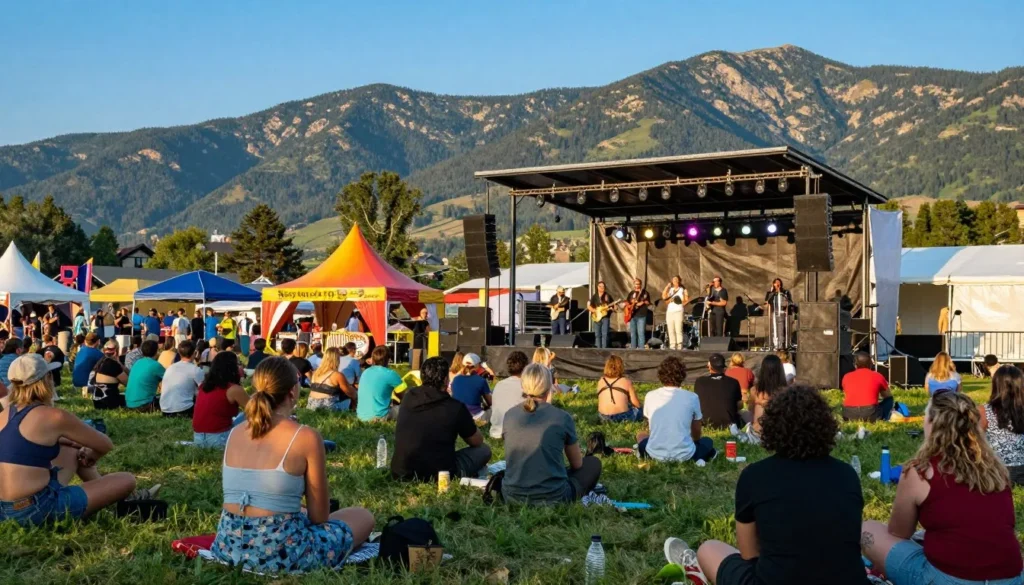
Snowmass Village and the surrounding Aspen Snowmass area host exceptional cultural events throughout the year. These festivals add unique dimensions to your mountain experience beyond skiing and outdoor adventure.
Snowmass Mammoth Fest
This early-season celebration kicks off winter with live music, craft beer tastings, and family activities in December. The festival commemorates the discovery of Ice Age mammoth fossils at Snowmass in 2010. Free outdoor concerts and village-wide festivities create a welcoming atmosphere for holiday visitors.
Contact Snowmass Tourism at +1 970-923-2000 for current year dates and programming details.
Aspen Snowmass Food and Wine Classic
Held each June, this prestigious culinary event attracts renowned chefs, winemakers, and food enthusiasts from around the world. The four-day celebration features cooking demonstrations, wine seminars, and grand tastings throughout Snowmass Village and Aspen. Tickets sell out months in advance for this bucket-list experience.
Reserve tickets and view schedules at +1 970-920-4192 or through event organizers directly.
Jazz Aspen Snowmass
Two major music festivals bookend summer at Snowmass. The June Jazz festival brings world-class musicians to an intimate outdoor venue, while the Labor Day weekend concert series features top-tier rock, pop, and alternative acts. Both events offer exceptional entertainment against stunning mountain backdrops.
Contact Jazz Aspen Snowmass at +1 970-920-4996 for performance lineups and ticket information.
Snowmass Balloon Festival
Each September, dozens of hot air balloons fill the sky above Snowmass Village during this free community event. Early morning mass ascensions provide breathtaking photo opportunities, while tethered rides give children safe balloon experiences. The festival includes live music, food vendors, and craft markets throughout the weekend.
Call Snowmass Tourism at +1 970-923-2000 for specific dates and participant details.
Getting Around Locally
Navigating Snowmass and the greater Aspen area proves remarkably easy thanks to excellent free public transportation and walkable village design. Understanding your options helps you maximize time and minimize frustration.
Free Shuttle System
The Roaring Fork Transportation Authority (RFTA) operates extensive free bus routes connecting Snowmass Village with Aspen and the other three mountains in the Aspen Snowmass system. Buses run from early morning until midnight during ski season, with slightly reduced hours in summer. Routes service all major lodging areas, ski lift bases, and downtown Aspen.
The Snowmass Village shuttle circulates within the village every 10-15 minutes, stopping at hotels, restaurants, and activity centers. This convenient service eliminates parking hassles and allows easy exploration without a vehicle.
Ski-In Ski-Out Access
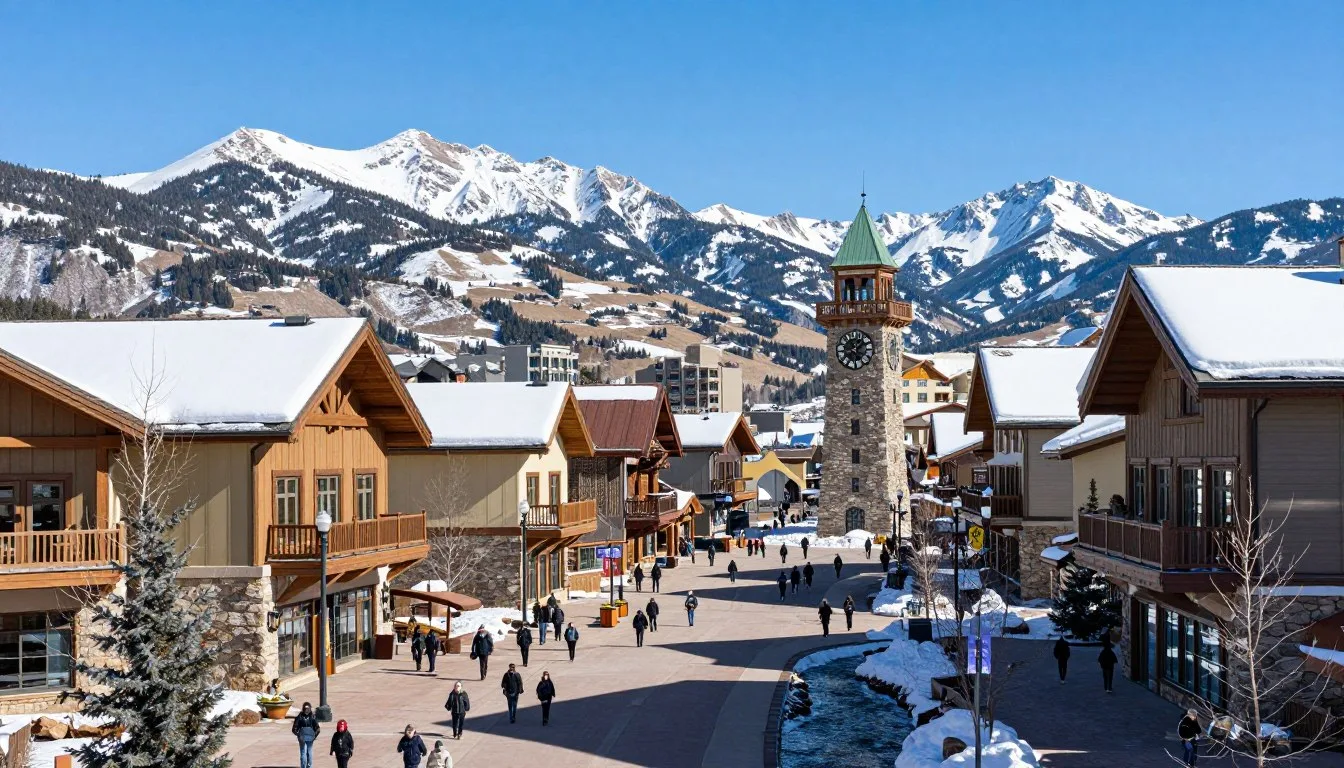
Snowmass Village’s thoughtful design enables ski-in ski-out access from many accommodations directly to mountain base areas. Staying in these locations eliminates morning transportation concerns, allowing you to hit slopes minutes after stepping outside your door. Properties along Wood Road and Snowmass Mall areas offer premium ski-in ski-out convenience.
Walking and Biking
The compact village layout makes walking practical for most destinations during warmer months. Paved pathways connect major areas, though winter snow and ice can make walking challenging. Many visitors prefer shuttles during ski season for safety and convenience.
Summer brings excellent mountain biking trails accessible directly from the village. Bike rentals are available at multiple shops, with options ranging from cruisers for paved paths to full-suspension models for aggressive terrain riding.
When You Need a Car
Most Snowmass visitors don’t need rental cars if staying within the village and Aspen area. The free shuttle system covers nearly every destination. However, cars provide flexibility for exploring Maroon Bells, Independence Pass, and other scenic drives in the surrounding region. They also prove useful for grocery shopping and reaching restaurants outside shuttle routes.
Where to Stay
Snowmass Village offers diverse lodging options fitting various budgets and preferences. Location significantly impacts your experience, with ski-in ski-out properties commanding premium rates but delivering unmatched convenience.
Luxury Mountain Resorts
The Limelight Hotel Snowmass combines modern design with exceptional amenities including rooftop hot tubs, complimentary bikes, and prime base village location. Viceroy Snowmass delivers five-star luxury with ski-in ski-out access, full spa services, and sophisticated dining. Both properties cater to visitors seeking upscale experiences with attentive service.
For reservations and current rates, contact properties directly at +1 970-923-8900 (Limelight) or +1 970-923-8000 (Viceroy).
Condominiums and Vacation Rentals
Multi-bedroom condominiums provide excellent value for families and groups. Properties at Snowmass Mountain Chalet, Capitol Peak Lodge, and Timberline Condominiums offer full kitchens, washer-dryer units, and slope-side locations. These options typically cost less per person than hotels while providing more space and home-like amenities.
Contact local property management companies at +1 970-923-3232 for availability and booking assistance.
Mid-Range Hotels
Wildwood Snowmass and Snowmass Inn provide comfortable accommodations at moderate prices. These properties include basic amenities like pools, hot tubs, and continental breakfast. Their village locations put shops, restaurants, and ski lifts within easy walking distance or quick shuttle rides.
Budget-Conscious Options
The Snowmass Mountain Chalet offers some of the area’s most affordable options while maintaining quality standards. Studio and one-bedroom units feature kitchenettes allowing meal preparation to reduce dining costs. Booking well in advance and visiting during shoulder seasons yields the best rates.
Nearby Basalt and Carbondale, located 30-40 minutes from Snowmass, provide additional budget hotel chains with significantly lower rates. This option works well for visitors with rental cars willing to commute.
Booking Strategies
Reserve accommodations 3-6 months ahead for peak winter holidays and summer weekends. Last-minute deals occasionally appear during non-holiday winter weeks, though selection becomes limited. Shoulder seasons from late March to April and November offer the deepest discounts, sometimes 40-50% below peak rates.
Dining and Local Cuisine

Snowmass dining spans from quick mountain cafeterias to sophisticated fine dining establishments. The food scene reflects Colorado mountain culture with hearty Western influences, fresh ingredients, and creative culinary innovation.
Upscale Dining Experiences
The Remedy Bar at Viceroy Snowmass serves contemporary American cuisine with Rocky Mountain flair. Their menu features locally sourced elk, trout, and seasonal vegetables prepared with refined techniques. The sophisticated atmosphere pairs well with an extensive wine selection and craft cocktails.
Venga Venga Cantina brings elevated Mexican cuisine to the village with house-made tortillas, creative tacos, and premium tequila selections. The lively atmosphere and mountain views from the patio create memorable dinner experiences. Reservations are strongly recommended during peak season at +1 970-923-7777.
Family-Friendly Restaurants
Il Poggio offers authentic Italian pasta, wood-fired pizzas, and welcoming family ambiance. Their diverse menu accommodates various tastes and dietary needs while maintaining quality standards. The casual setting works perfectly for families with children after a day on the mountain.
Snowmass Kitchen serves American comfort food with generous portions at reasonable prices. Burgers, sandwiches, and hearty salads satisfy hungry skiers and hikers. Their convenient base village location makes it an easy lunch or dinner stop.
Quick Bites and Casual Options
Base Camp Bar and Grill provides slope-side dining with pub fare, craft beers, and sunny patio seating. It’s perfect for a casual lunch between ski runs or après-ski drinks with friends. The relaxed atmosphere and live music on weekends add to the mountain vibe.
New Belgium Ranger Station combines craft beer with quality food in a fun, casual setting. Their burger and sandwich menu pairs perfectly with New Belgium’s excellent beer selection. The family-friendly environment welcomes all ages until evening hours.
On-Mountain Dining
Sam’s Smokehouse at mid-mountain serves barbecue favorites including brisket, pulled pork, and ribs. The sunny deck provides spectacular views across the valley while you refuel. Arriving before noon avoids peak lunch crowds.
Elk Camp Restaurant offers the most extensive on-mountain menu with pasta, fresh salads, and hot entrees. Located at Elk Camp base area, it provides a full-service dining experience without returning to the village. The panoramic mountain views from the deck are absolutely stunning.
Grocery and Meal Preparation
Snowmass Market in the village center stocks essentials for condo meal preparation. While prices run higher than down-valley supermarkets, the convenience saves time and transportation hassles. City Market in nearby Basalt offers full grocery selection at standard prices for those with vehicles.
Attractions, Sightseeing and Activities
Snowmass Mountain delivers year-round adventure far beyond its famous ski slopes. Whether you seek adrenaline-pumping action or relaxed sightseeing, options abound across all seasons.
Winter Skiing and Snowboarding
The mountain’s 3,342 acres of skiable terrain spread across four distinct base areas connected by lifts and runs. Snowmass offers the most diverse terrain in the Aspen Snowmass system, with 94 marked runs serving all ability levels. Beginners find gentle slopes at Elk Camp, while experts tackle steep chutes and mogul fields on Hanging Valley Wall.
The Cirque at Snowmass provides advanced and expert skiers with seriously challenging terrain. This high-alpine bowl requires a short hike from the top of the High Alpine lift but rewards with ungroomed powder runs and dramatic mountain vistas. Most days see far fewer skiers here than on main slopes.
Snowboard parks at Snowmass rank among Colorado’s best, with features ranging from beginner boxes to massive jumps. The Makaha Park near Elk Camp base offers progression-friendly features, while Lowline Park challenges experienced riders with creative rail setups and large kickers.
Cross-Country Skiing and Snowshoeing
The Snowmass Club Nordic Center maintains 40 km (25 miles) of groomed cross-country ski trails winding through aspen groves and open meadows. Rentals and lessons are available for newcomers. The peaceful trails provide escape from downhill crowds while delivering excellent cardiovascular workouts.
Snowshoe trails branch from various points around the village, with options for guided moonlight tours and self-guided adventures. The Government Trail offers moderate terrain with spectacular views toward Capitol Peak and the Maroon Bells.
Summer Mountain Biking
Snowmass transforms into a premier mountain biking destination when snow melts. Over 80 km (50 miles) of lift-served downhill trails plus extensive cross-country singletrack create options for all skill levels. The Elk Camp Bike Park features jump lines, berms, and technical features accessed via the Elk Camp Gondola.
Four Mountain Sports at the base village provides bike rentals, from cross-country hardtails to downhill-specific models with full suspension and protective gear. Their expert staff helps match bikes to your ability and planned routes. Contact them at +1 970-923-2815 for rental reservations.
Hiking and Trail Running
Alpine hiking trails radiate from the village and mountain access points. The Rim Trail circumnavigates the ski area, offering 13 km (8 miles) of moderate hiking with continuous mountain views. Wildflowers peak in July and August, painting meadows in vibrant colors.
The Ditch Trail follows a historic water channel through aspen groves and forest, providing an easy family-friendly hike with minimal elevation gain. This 5 km (3 mile) out-and-back route works well for morning or evening strolls.
More ambitious hikers tackle the ascent to Capitol Lake or climb to high alpine zones via Snowmass Creek Trail. These full-day adventures require early starts, proper preparation, and awareness of afternoon thunderstorm patterns.
Scenic Gondola Rides
The Elk Camp Gondola operates during summer, whisking visitors from base village to Elk Camp at 3,018 m (9,900′) elevation in about 15 minutes. The scenic ride provides spectacular views across the valley and access to hiking trails, mountaintop dining, and the Lost Forest exploration area.
Riding the gondola at sunset creates particularly magical experiences as golden light illuminates surrounding peaks. The Elk Camp Restaurant stays open for dinner service during peak summer season.
Museums, Cultural Spots and Festivals
While Snowmass focuses primarily on outdoor recreation, cultural attractions in the greater Aspen Snowmass area add depth to your mountain experience. Most museums and cultural venues concentrate in Aspen, just 14.5 km (9 miles) from Snowmass Village.
Aspen Art Museum
This contemporary art museum in downtown Aspen features rotating exhibitions from established and emerging artists. The architecturally striking building includes a rooftop sculpture garden and cafe with Aspen Mountain views. Admission is free, making it an accessible cultural stop during your visit.
Anderson Ranch Arts Center
Located between Aspen and Snowmass, this renowned arts education facility offers workshops, exhibitions, and artist residencies. Summer visitors can tour the campus, view current exhibitions, and sometimes observe artists at work in studios. The on-site gallery showcases exceptional contemporary work across multiple media.
Wheeler Opera House
This historic Aspen venue hosts concerts, theater performances, comedy shows, and film screenings year-round. The intimate 500-seat auditorium creates special connections between performers and audiences. Check their schedule for events coinciding with your visit at +1 970-920-5770.
Aspen Music Festival and School
Running from late June through August, this prestigious classical music event brings world-class musicians and students to Aspen. Free concerts occur regularly in various venues, while ticketed performances feature renowned orchestras and soloists. The music festival defines summer culture in the Aspen Snowmass area.
Snowmass Village Art Walks
During summer months, rotating outdoor art installations appear throughout Snowmass Village. These sculptures and interactive pieces transform the village into an open-air gallery. Free guided art walks occur weekly, providing insights into the works and artists.
Nature and Outdoor Experiences
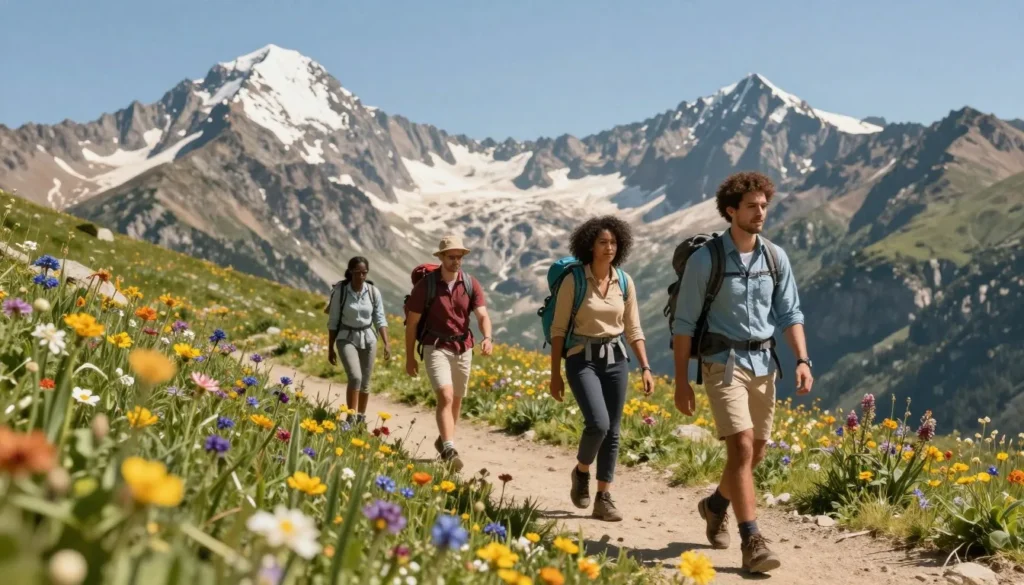
The natural environment surrounding Snowmass Mountain provides the ultimate playground for outdoor enthusiasts. From high alpine zones to lush valleys, the landscape invites exploration and delivers unforgettable experiences.
Maroon Bells Wilderness
Colorado’s most photographed peaks stand just 24 km (15 miles) from Snowmass Village. The Maroon Bells rise to 4,317 m (14,163′), creating iconic twin pyramids reflected in Maroon Lake. Summer shuttle buses from Aspen Highlands provide access, as private vehicles face restrictions during peak season. Early morning visits before crowds arrive yield the best photos and peaceful experiences.
Multiple hiking trails depart from the Maroon Bells area, ranging from easy lakeside strolls to challenging multi-day backpacking routes into the wilderness. The Crater Lake trail climbs 3.2 km (2 miles) gaining 579 m (1,900′) elevation for stunning high-alpine scenery.
Lost Forest Trail
This unique hiking experience begins at Elk Camp, accessible via gondola from Snowmass Village. The trail winds through an ancient Engelmann spruce and bristlecone pine forest, with some trees over 1,500 years old. Interpretive signs explain the remarkable ecology of this high-elevation forest ecosystem. The moderate 3.2 km (2 mile) loop takes about 90 minutes at a relaxed pace.
Snowmass Lake
Serious hikers and backpackers tackle the challenging trail to Snowmass Lake, a pristine alpine lake at 3,292 m (10,800′) elevation. The trail covers 13.6 km (8.5 miles) one-way with significant elevation gain. Most visitors camp overnight at the lake or nearby backcountry sites. Permits aren’t required, but proper wilderness camping ethics and bear safety practices are essential.
The lake sits in a dramatic cirque surrounded by 4,000 m (13,000′) peaks. Wildflower displays peak in mid-July through early August. Ambitious hikers can continue beyond the lake to additional alpine areas or connect with trails leading toward the Maroon Bells.
Wildlife Viewing
The mountains and valleys around Snowmass support diverse wildlife populations. Elk commonly appear in meadows during early morning and evening hours, particularly during fall rutting season in September and October. Herds of up to 50 animals sometimes gather in open areas below the ski mountain.
Black bears inhabit the forests, though sightings remain relatively uncommon. Proper food storage becomes critical when hiking or camping in backcountry areas. Marmots, pikas, and ground squirrels entertain visitors at higher elevations with their active foraging and sunbathing behaviors.
Bird enthusiasts spot various species including Clark’s nutcrackers, gray jays, mountain bluebirds, and occasionally golden eagles soaring above ridgelines. The diverse habitats from valley floors to alpine tundra support over 150 bird species throughout the year.
✓ Check 30,000+ Local Sightseeing Tours Worldwide
Fly Fishing
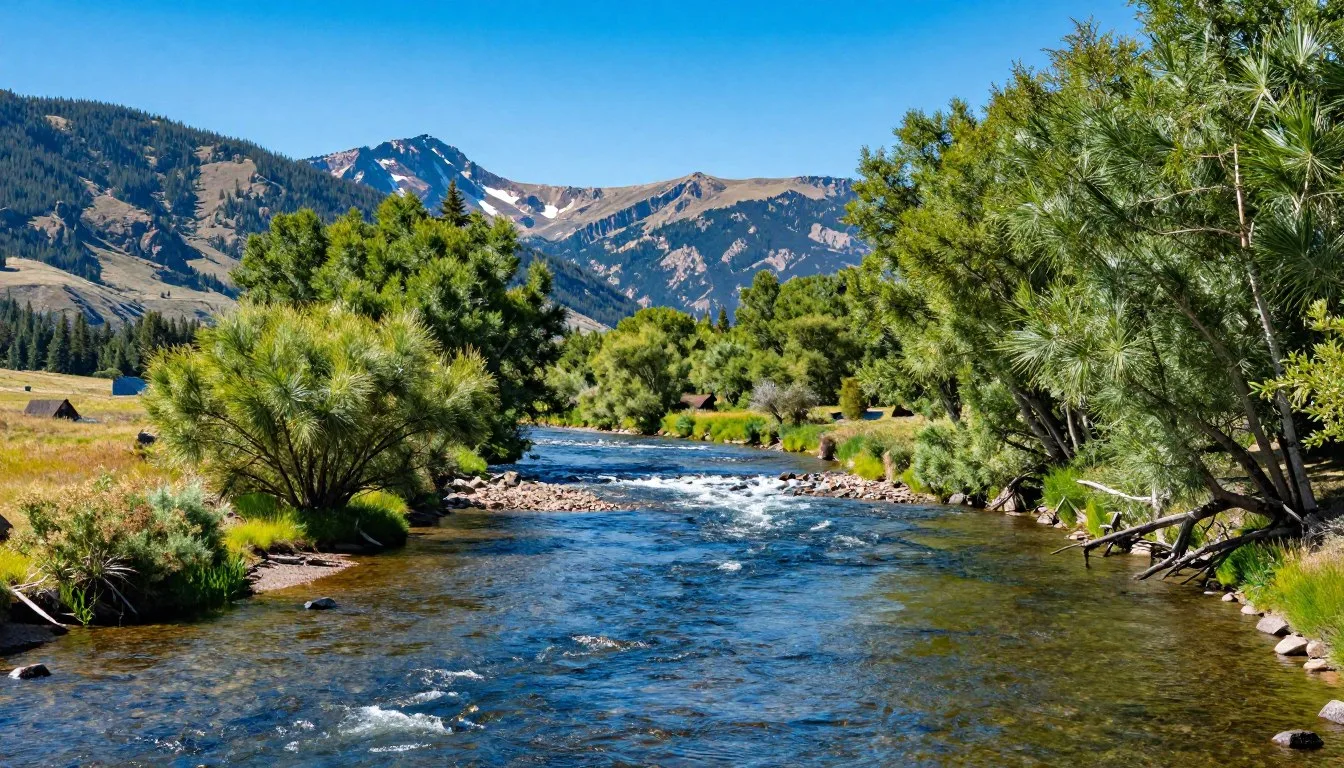
The Roaring Fork River and smaller tributary streams provide excellent fly fishing opportunities. Rainbow, brown, and cutthroat trout inhabit these cold mountain waters. Summer and early fall offer prime conditions, with spring runoff making fishing challenging during May and early June.
Local guide services provide instruction for beginners and access to productive private water for experienced anglers. Taylor Creek Fly Shop in Basalt offers equipment, flies, and guide services at +1 970-927-4374.
Travel With Children
Snowmass excels as a family-friendly destination with purpose-built amenities and programs designed specifically for children. The mountain’s layout and village design make traveling with kids manageable and enjoyable.
Ski and Snowboard Programs
Snowmass Ski and Snowboard School offers specialized children’s lessons starting at age 3. The Treehouse Kids’ Adventure Center at Elk Camp provides all-day programs combining ski instruction with indoor play activities, lunch, and supervised recreation. This allows parents to ski independently while children learn and play safely.
The Children’s Terrain Garden features gentle slopes with fun obstacles, small jumps, and character-themed elements making learning enjoyable. Progression zones help kids build confidence before moving to regular trails. Family ski-in ski-out lodging near base areas simplifies logistics when skiing with children.
Summer Activities for Kids
The Treehouse Kids Adventure Center operates during summer with nature programs, arts and crafts, and outdoor exploration activities for ages 3-12. The Lost Forest Trail and Elk Camp area offer family-friendly hiking with engaging educational components about mountain ecology and history.
The Snowmass Base Village features playgrounds, a climbing wall, and bungee trampoline for active entertainment. Free summer concerts and festivals provide family-appropriate entertainment throughout warm months. The carousel and miniature golf course near the mall area delight younger children.
Family Dining Options
Most Snowmass restaurants welcome families with children’s menus and accommodating service. Snowmass Kitchen and Il Poggio particularly cater to families with diverse kid-friendly options beyond standard chicken fingers. Many establishments provide coloring materials and patient service for families.
Childcare Services
For parents seeking time alone on slopes or for romantic dinners, several childcare options exist. The Treehouse Kids’ Adventure Center offers hourly drop-in care during operating hours. Contact them at +1 970-923-0570 for reservations and current rates. Some accommodations also arrange private babysitting services through local agencies.
Planning Tips for Families
Book ski-in ski-out or close-to-base accommodations to minimize walking with gear and tired children. Condominiums with full kitchens allow flexible meal schedules and familiar foods for picky eaters. The free shuttle system accommodates strollers, though walking proves easier during warmer months without snow and ice.
Plan shorter activity windows than you might for adult-only trips. Children tire more quickly at altitude and from physical exertion. Build downtime into each day for rest, pool time, or quiet condo activities. This prevents meltdowns and keeps everyone happier throughout your trip.
Money Saving Tips
Snowmass Village and the Aspen area carry reputations for expensive vacations, but smart planning significantly reduces costs while maintaining quality experiences. These strategies help stretch your budget further.
Timing Your Visit
Shoulder seasons deliver the biggest savings on accommodations, typically 30-50% less than peak periods. Late March through April offers good snow conditions with lower rates as families return to school. Early December before Christmas holidays provides recently opened terrain at reduced prices.
Avoid President’s Day week, Christmas through New Year’s, and spring break weeks when demand and prices peak. Summer rates drop considerably in June before school lets out and again in September after Labor Day weekend. These windows still provide excellent weather for outdoor activities.
Accommodation Strategies
Booking condominiums rather than hotels saves money, especially for groups of four or more. Full kitchens enable meal preparation, cutting dining costs dramatically. Staying in Basalt or Carbondale reduces lodging expenses by 40-60% compared to Snowmass Village, though you’ll need a rental car and face 30-40 minute commutes.
Reserve accommodations 4-6 months ahead to secure best rates and selection. Last-minute deals occasionally appear, but options become extremely limited during desirable periods. Consider splitting a larger condo with friends or family to share costs.
Lift Ticket Savings
Multi-day lift tickets cost significantly less per day than single-day purchases. A four-day pass might run only 20% more than two single days. Buy tickets online in advance rather than at ticket windows for additional discounts of 10-20%.
The Ikon Pass provides exceptional value for visitors planning 5+ ski days in a season. The pass includes unlimited access to Aspen Snowmass along with dozens of other resorts. Purchasing during spring sales for the following winter yields maximum savings.
Dining on a Budget
Prepare breakfasts and pack lunches in your condo to avoid expensive on-mountain dining. A family of four easily spends $100+ for a single slope-side lunch. Bringing sandwiches, snacks, and drinks cuts this to $15-20 for groceries.
Choose one or two nice dinners out and prepare other meals at your accommodation. Grocery shopping at City Market in Basalt rather than Snowmass Market saves 25-40% on identical items. Many restaurants offer early-bird specials before 6 PM with reduced prices on full entrees.
Activity Cost Reductions
Free summer concerts, art walks, and village events provide quality entertainment without admission fees. Hiking costs nothing beyond transportation and carries no time restrictions unlike paid activities. The free shuttle system eliminates rental car expenses if you’re staying within the Snowmass-Aspen corridor.
Rent ski and snowboard equipment in town rather than at resort rental shops for savings of 20-30%. Four Mountain Sports in Basalt offers quality gear at lower rates than base area locations. Book equipment online before arrival for additional discounts.
Safety, Etiquette and Local Customs
Understanding mountain safety protocols and local customs ensures enjoyable experiences while respecting the environment and community. Snowmass maintains high standards for both visitor safety and environmental stewardship.
Altitude Awareness
Snowmass Village sits at 2,473 m (8,114′) with ski terrain reaching 3,813 m (12,510′). Many visitors experience altitude effects including headaches, fatigue, shortness of breath, and sleep disruption during the first 1-3 days. Drink significantly more water than usual, even if you don’t feel thirsty. Limit alcohol consumption initially as it intensifies altitude effects.
Ascend gradually if possible rather than flying directly to Aspen airport from sea level. Spend a night in Denver or another lower elevation before continuing to Snowmass. Avoid strenuous activities the first afternoon, allowing your body time to begin acclimatization. Over-the-counter medications like ibuprofen help manage mild altitude headaches.
Weather Safety
Mountain weather changes rapidly with potentially dangerous consequences. Summer afternoon thunderstorms develop quickly, bringing lightning, heavy rain, and temperature drops. Start hikes early and plan to descend from exposed ridges and summits by 1 PM, before peak storm activity.
Winter conditions demand proper clothing layers, as temperatures can swing 15-20 degrees throughout a day. Hypothermia and frostbite threaten unprepared visitors. Always carry extra layers, even for short outings. Never head into backcountry areas without avalanche safety equipment and training during winter months.
Wildlife Encounters
Black bears inhabit the forests around Snowmass. While attacks remain extremely rare, proper precautions prevent negative encounters. Store all food, toiletries, and scented items in bear-proof containers or locked vehicles when camping. Never approach bears for photos regardless of how docile they appear.
If you encounter a bear on a trail, speak calmly while slowly backing away. Don’t run, as this triggers chase instincts. Make yourself appear larger by raising your arms or jacket. Most bears leave when they detect humans, as they naturally avoid people.
Feeding any wildlife, including chipmunks and birds, harms animals by making them dependent on human food and potentially aggressive. Maintain proper distance from elk, which can act aggressively during fall rutting season. Bulls protecting harems sometimes charge perceived threats.
Trail and Slope Etiquette
Downhill skiers and riders have the right-of-way, as they have limited ability to see uphill traffic. Pass safely with plenty of clearance while calling out your direction. Stay in control at all times and ski within your ability level. Snowmass terrain includes extremely challenging runs that exceed many skiers’ capabilities.
On hiking trails, uphill hikers have right-of-way over descending hikers. Mountain bikers yield to both hikers and horses. Step completely off trail when allowing others to pass on narrow sections. Keep voices at reasonable levels to preserve the natural experience for others.
Environmental Responsibility
Pack out everything you pack in, leaving no trace of your visit. Colorado’s dry climate means organic waste like orange peels and apple cores take months or years to decompose, not days. Stay on established trails to prevent erosion and vegetation damage in fragile alpine environments.
Follow all fire restrictions, which often prohibit campfires during dry periods. Use established campsites in backcountry areas rather than creating new impact zones. Bury human waste at least 60 m (200′) from water sources and trails, or pack it out in areas above treeline.
Local Customs
Snowmass maintains a relaxed mountain town atmosphere where casual dress prevails even at nicer restaurants. However, extremely sloppy appearance like ski boots in dining rooms shows poor judgment. Most establishments welcome active outdoor enthusiasts while expecting basic respect for other diners.
Tipping follows standard U.S. customs with 18-20% appropriate for good restaurant service. Ski instructors and guides appreciate tips of 10-20% depending on service quality. Shuttle bus drivers don’t expect tips, though small gratuities for exceptional service are welcomed.
Visitor Comments About Snowmass Mountain
K.V., Lewiston: “Our family has visited ski resorts across North America, but Snowmass tops them all for family-friendliness and terrain variety. The Treehouse kids’ program let our children have a blast while my husband and I explored the incredible alpine bowls and tree runs. The ski-in ski-out condo we rented made logistics effortless. We’re already planning next winter’s return trip.”
A.L., Preston: “I came to Snowmass for a summer mountain biking trip and was completely blown away by the quality of trails and lift-served downhill access. The Elk Camp bike park offers progression from beginner-friendly flow trails to expert jump lines. The surrounding hiking exceeded expectations too, especially the Lost Forest trail. The village atmosphere felt welcoming without the pretentious vibe I’d worried about based on Aspen’s reputation.”
N.I., Carson City: “As an intermediate skier, I appreciated Snowmass’s vast selection of blue runs that never felt repetitive even after five days. The grooming quality was exceptional, and I loved how the mountain spreads crowds across multiple base areas. Mid-week in January, we rarely waited more than five minutes at any lift. The free shuttle system made getting around simple, and staying in the village meant we could walk to dozens of restaurants and shops.”
Additional Nearby Destinations

Snowmass Village serves as an excellent base for exploring exceptional destinations throughout Colorado’s Rocky Mountains. These nearby attractions deserve consideration when planning your itinerary.
Aspen
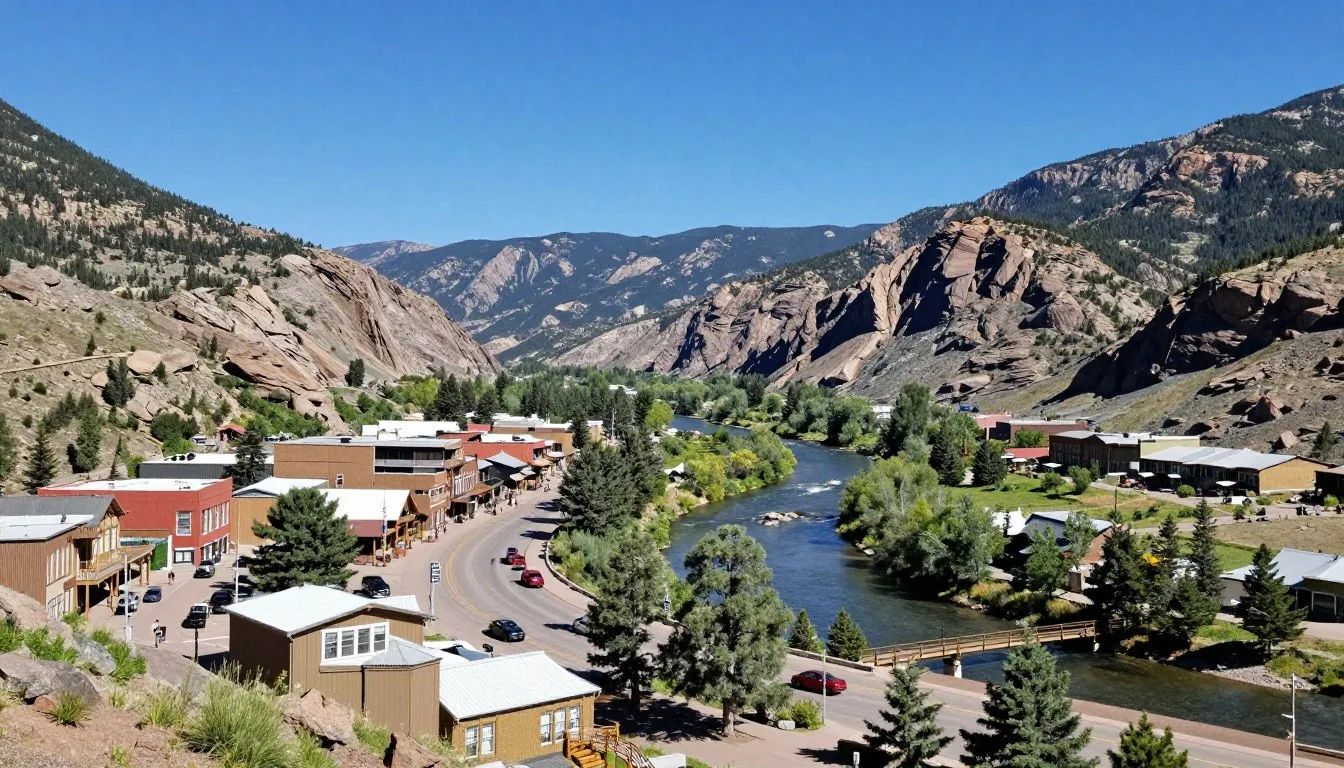
Just 14.5 km (9 miles) from Snowmass, Aspen offers upscale shopping, art galleries, historic Victorian architecture, and vibrant nightlife. The free shuttle makes day trips easy without driving hassles. Aspen Mountain, Aspen Highlands, and Buttermilk ski areas provide additional terrain options all included on Aspen Snowmass lift tickets.
Maroon Bells
Colorado’s most iconic peaks stand 24 km (15 miles) from Snowmass Village. The shuttle-access-only policy during summer protects the fragile alpine environment while ensuring visitor access. Multiple hiking trails range from easy lakeside walks to challenging wilderness backpacking routes. Autumn transforms surrounding aspen groves into golden wonderlands, creating spectacular photography opportunities.
Glenwood Springs
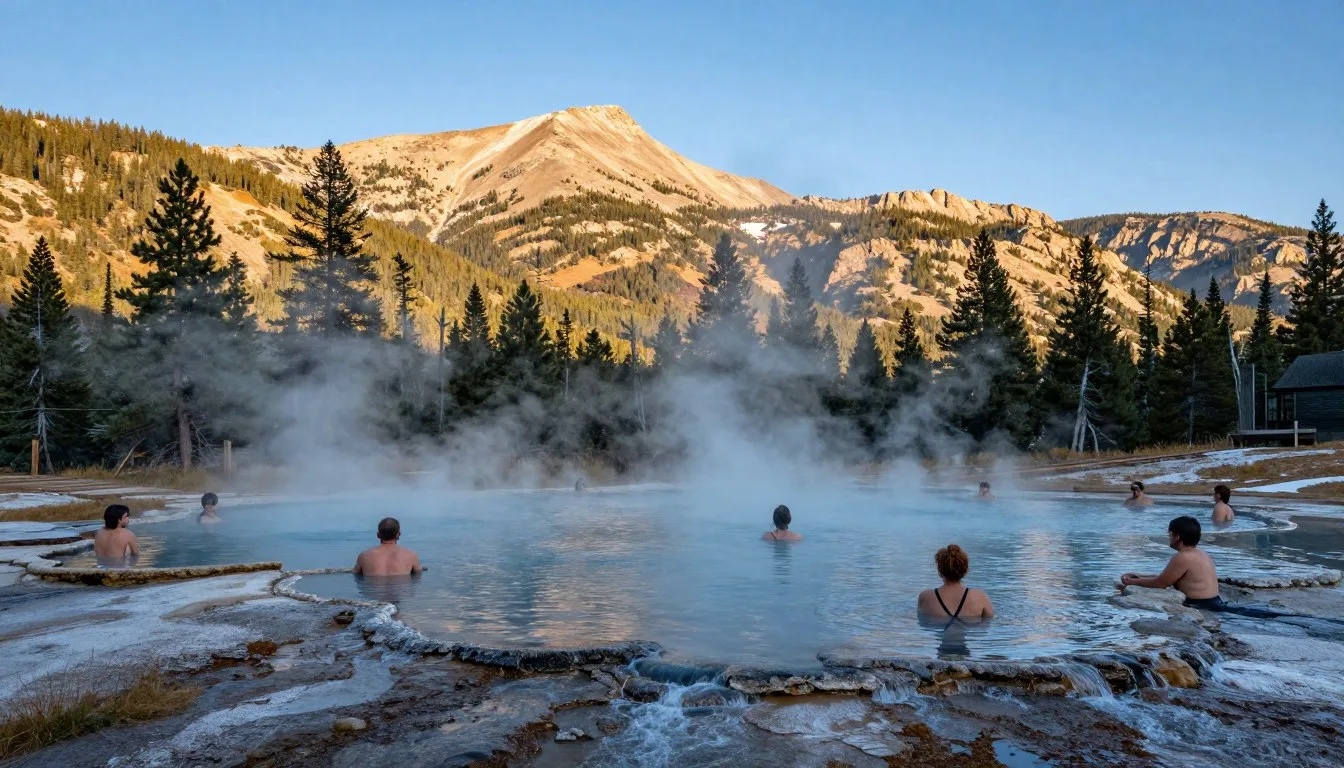
Located 67 km (42 miles) northwest, Glenwood Springs features the world’s largest hot springs pool and Glenwood Caverns Adventure Park. The scenic drive down the Roaring Fork Valley takes about 50 minutes. The historic hot springs pool maintains temperatures of 32-36°C (90-96°F) year-round, perfect for soothing sore muscles after skiing or hiking.
Independence Pass
This spectacular mountain pass reaches 3,687 m (12,095′) elevation on the Continental Divide. Open only during summer months (typically late May through October), the highway traverses stunning alpine tundra with numerous pullouts for photos and short hikes. The 32 km (20 mile) drive from Aspen to the summit takes about 45 minutes with stops.
Crested Butte
This historic mining town turned ski resort sits 105 km (65 miles) south of Snowmass. Known for extreme terrain and wildflower festivals, Crested Butte maintains authentic mountain town character. The drive takes about 2.5 hours via scenic mountain highways, making it feasible for ambitious day trips or overnight excursions.
Vail and Beaver Creek
These renowned ski resorts lie 113 km (70 miles) northwest along Interstate 70. Both offer world-class skiing on massive mountains with European-style village atmospheres. The drive takes 90 minutes in good conditions, though winter traffic can extend travel times significantly. Consider these for multi-resort ski trips when purchasing Ikon or Epic passes.
Practical Travel Tips
These final practical considerations help ensure smooth travels and maximize your Snowmass Mountain experience from start to finish.
What to Pack
Winter visitors need serious cold-weather gear including insulated ski jacket and pants, base layers, warm gloves, neck gaiter or balaclava, ski-specific socks, and goggles plus sunglasses. Colorado’s intense high-altitude sun burns skin quickly even in winter. Pack SPF 30+ sunscreen and lip balm, applying frequently throughout ski days.
Summer packing requires layers for temperature swings from cool mornings to warm afternoons and back to chilly evenings. Include rain jacket, sun hat, hiking boots or trail runners, daypack, and water bottles. Bring or buy trekking poles for steep descents that stress knees on longer hikes.
Money and Banking
ATMs are available throughout Snowmass Village and Aspen, though fees typically run $3-5 for non-bank-customer withdrawals. Major credit cards work universally at all establishments. Smaller cash amounts prove useful for tips and occasional food trucks or market vendors.
Snowmass Village and Aspen rank among Colorado’s most expensive destinations. Budget accordingly, as resort pricing affects everything from lift tickets to groceries. Plan on spending 30-50% more than you might in typical mountain towns.
Cell Service and Internet
Cellular coverage throughout Snowmass Village and ski terrain generally proves excellent with all major carriers. Some backcountry hiking areas and deep valleys may lose service. Most accommodations provide WiFi, though speeds vary especially in older buildings.
Medical Services
Aspen Valley Hospital in Aspen provides full emergency services and urgent care, located 14.5 km (9 miles) from Snowmass. The Snowmass Clinic offers basic medical services for minor injuries and illnesses at +1 970-923-5632. Pharmacies in both Snowmass and Aspen fill prescriptions and provide over-the-counter medications.
Accessibility Considerations
Snowmass Village provides good accessibility with paved pathways, accessible shuttle buses, and ADA-compliant facilities. Several ski lifts accommodate adaptive equipment, and Challenge Aspen offers specialized instruction and equipment for skiers with disabilities. Contact them at +1 970-923-0578 to arrange adaptive ski programs.
Pet Policies
Many Snowmass accommodations welcome dogs with advance notice and additional fees. Trails throughout the area allow leashed dogs, though some wilderness areas restrict pets. Always clean up after pets and keep them leashed around wildlife areas. The free shuttle system does not allow pets except certified service animals.
Language
English dominates throughout the area, though many service industry employees speak Spanish as well. International visitors generally find communication easy, as tourism professionals accommodate diverse language needs during peak seasons.
Local Resources
The Snowmass Village Visitor Center provides maps, activity information, and helpful advice from knowledgeable staff. Contact them at +1 970-923-2000 with trip planning questions. The Aspen Chamber Resort Association offers additional regional resources at +1 970-925-1940.
Your Snowmass Adventure Awaits
Snowmass Mountain stands ready to deliver the mountain experience you’ve been dreaming about. Whether you’re carving fresh powder down pristine slopes, hiking through ancient forests to crystalline alpine lakes, savoring creative cuisine with mountain views, or simply breathing in the crisp Colorado air, this remarkable destination offers something special for every visitor.
The mountain’s incredible terrain diversity means you’ll discover new runs, trails, and hidden spots no matter how many times you visit. Families create lasting memories together. Solo adventurers find both solitude and community. Couples reconnect away from everyday distractions. Groups of friends share epic adventures and authentic mountain experiences.
Start planning your Snowmass journey today. Research accommodations that fit your style and budget. Mark your calendar for the season that matches your interests. Build an itinerary balancing adventure with relaxation. Then get ready to experience one of North America’s finest mountain destinations.
The slopes, trails, restaurants, and natural wonders of Snowmass Mountain are calling. Your next great adventure starts here.