Hotels by Trip.com
Flights by Trip.com
Did you know that fewer than 500 climbers successfully summit Sunlight Peak each year, making it one of Colorado’s most exclusive 14er experiences? This stunning pyramid of rock stands at 4,269 m (14,059 feet) in the remote Needle Mountains of the San Juan range.
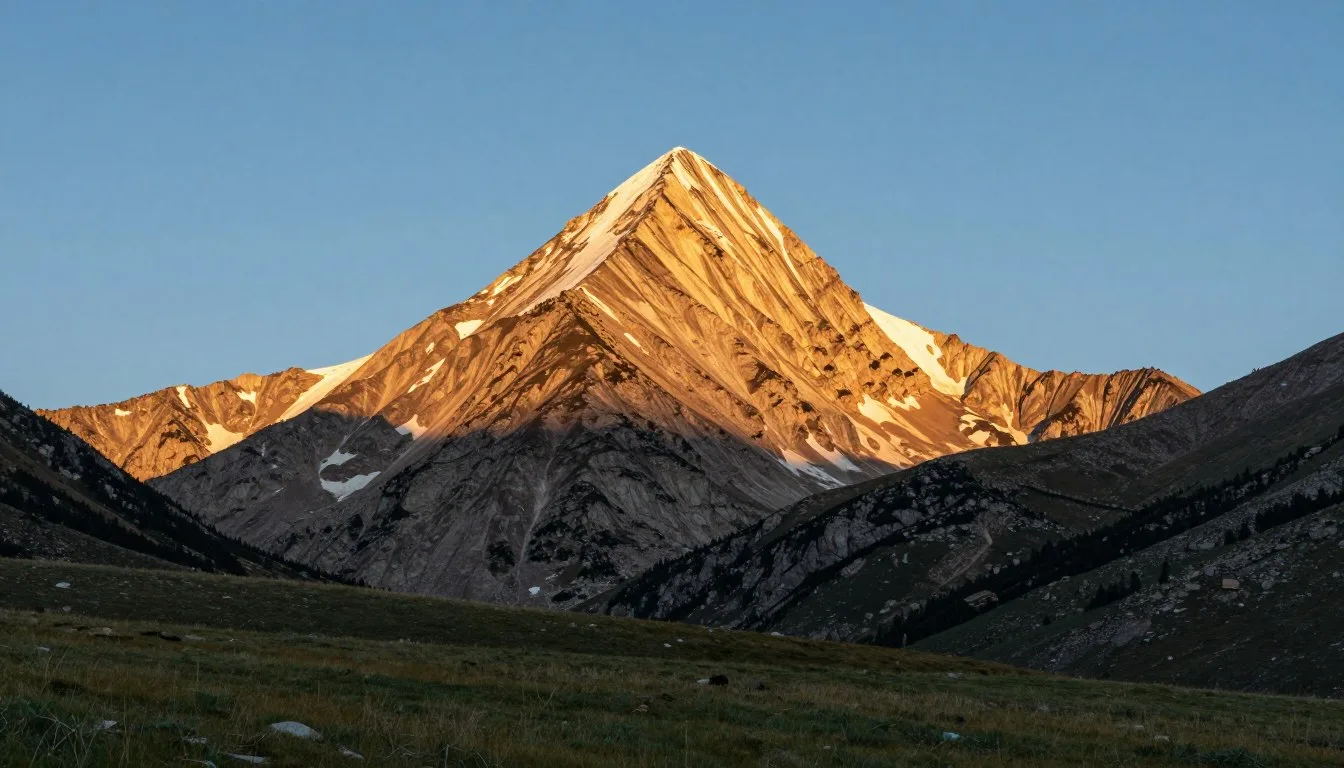
The peak earned its name from the brilliant golden light that illuminates its east face during sunrise. Early mountaineers were captivated by this daily spectacle.
Whether you’re an experienced climber seeking a challenging route or a traveler wanting to explore the pristine Chicago Basin area, this guide covers everything you need. From getting to this remote wilderness to finding the best camping spots, we’ll help you plan an unforgettable adventure.
Getting There & Planning Your Journey
Reaching Sunlight Peak requires careful planning. The mountain sits deep in the Weminuche Wilderness, far from any roads.
Closest Airports
The nearest major airports include:
- Durango-La Plata County Airport (DRO) – 80 km (50 miles) from trailhead, offers regional connections
- Albuquerque International Sunport (ABQ) – 322 km (200 miles), larger hub with more flight options
- Denver International Airport (DEN) – 563 km (350 miles), most flight options but longest drive
Most visitors fly into Durango and rent a vehicle. The drive from Durango to Purgatory Resort takes about 45 minutes.
Trail Access Options
Two primary routes lead into Chicago Basin:
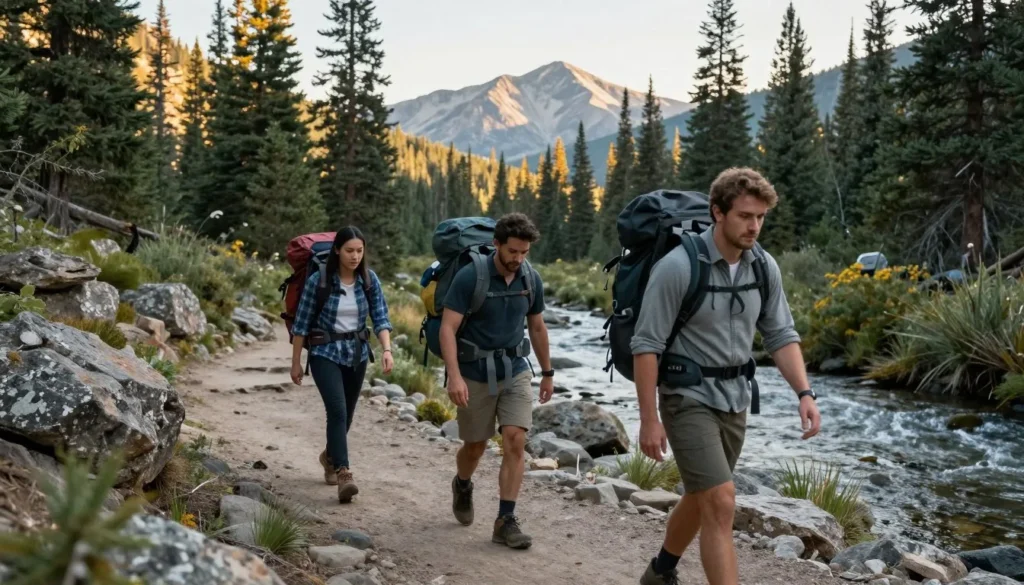
The Durango Silverton Narrow Gauge Railroad offers the most popular access. This historic train departs Durango and drops hikers at Needleton. From there, it’s a 9.7 km (6 mile) hike to Chicago Basin. The train runs daily from May through October.
Alternatively, hikers can start from Purgatory Trailhead. This route covers 25.7 km (16 miles) one way. It’s more challenging but doesn’t require train coordination.
Permits & Regulations
The Weminuche Wilderness doesn’t require permits for day use or overnight camping. However, group size limits apply. No more than 15 people per party.
Practice Leave No Trace principles. Pack out all waste. Camp at least 30 m (100 feet) from water sources.
Best Time to Visit & Weather Tips
Best Time to Visit Sunlight Peak
The ideal climbing window runs from mid-July through early September. Snow typically clears from the route by mid-July. Early season attempts often encounter dangerous snow and ice on the summit block.
Peak season hits in August. Expect more people on the trail and at Twin Lakes camping area. Weather remains most stable during this month.
Avoid visiting before late June or after mid-September. Early summer brings avalanche danger and impassable snow. Fall arrives quickly at this elevation, with storms becoming frequent by October.
Weather Patterns
Summer temperatures in Chicago Basin range from 4°C to 18°C (40°F to 65°F) during the day. Nights drop below freezing regularly, even in August.
Afternoon thunderstorms develop almost daily. Lightning poses serious danger on exposed rock. Start your summit attempt before dawn. Plan to reach the peak by noon and descend before storms build.
Weather changes rapidly at high elevation. Pack layers including insulation and rain gear. Wind speeds increase dramatically above treeline.
Notable Annual Festivals
While the Sunlight Peak area itself hosts no festivals due to its wilderness designation, nearby Durango celebrates several outdoor-focused events:
- Durango Trails 2000 Summer Trail Running Series (June-August) – Contact organizers at 970-259-4621
- Four Corners Folk Festival (September) – Pagosa Springs, celebrating mountain culture – Information: 970-731-5582
- Iron Horse Bicycle Classic (May) – Memorial Day weekend road race from Durango to Silverton
Getting Around Locally
The Sunlight Peak area requires backcountry travel skills. No roads penetrate this wilderness zone.
Train Transportation
The Durango Silverton Narrow Gauge Railroad provides the primary access. Trains depart Durango at 8:00 AM and 9:30 AM during peak season. The journey to Needleton takes approximately 2.5 hours.
Book train tickets months in advance. Summer weekends sell out quickly. One-way tickets cost around $100 per person. Return trips require similar advance booking.
Trail Navigation
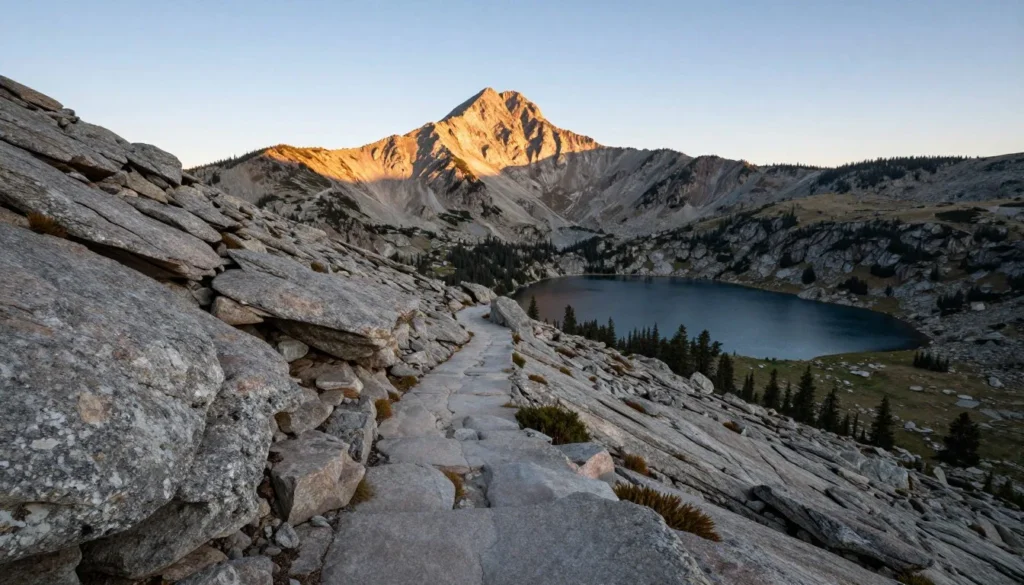
From Needleton, the Needle Creek Trail climbs steadily to Chicago Basin. The route gains 914 m (3,000 feet) over 9.7 km (6 miles). Well-maintained trail with stream crossings.
Beyond Chicago Basin, routes become more challenging. The path to Twin Lakes requires route-finding skills. Cairns mark the way but can be difficult to spot.
Carry detailed topographic maps. GPS devices provide backup navigation. Cell phone service doesn’t exist in this area.
Where to Stay
Backcountry Camping
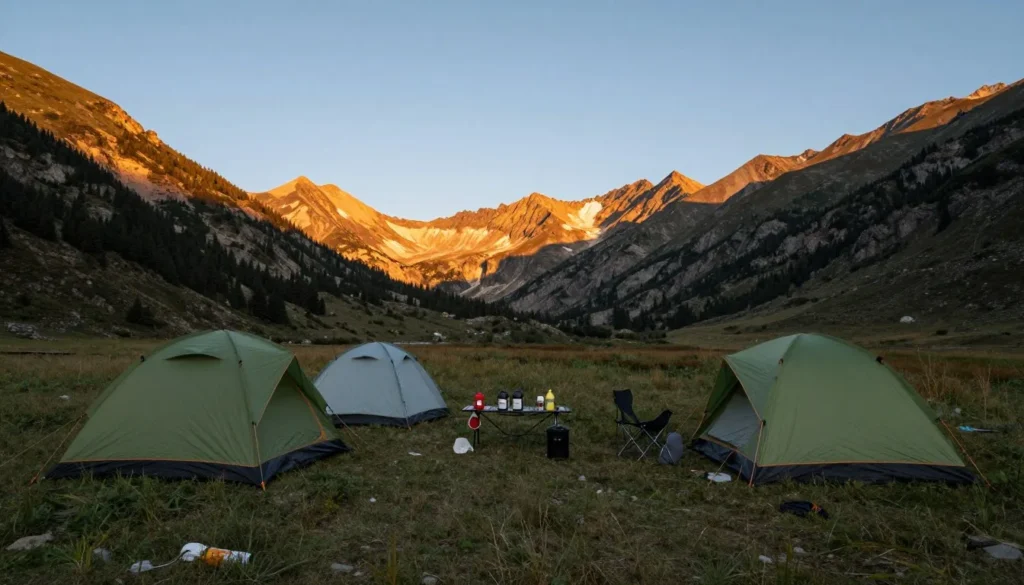
Most climbers camp at Chicago Basin near Twin Lakes. This area sits at 3,597 m (11,800 feet) elevation. Established campsites dot the basin, though no facilities exist.
Water sources flow reliably through summer. Filter or treat all water before drinking. Bear canisters are recommended for food storage.
Weather can turn severe quickly. Bring a four-season tent rated for high winds. Afternoon storms bring heavy rain and occasional hail.
Durango Lodging
Before and after your wilderness trip, Durango offers full amenities:
- Hotels and motels along Main Avenue – Budget to mid-range options
- Historic Strater Hotel – Victorian-era luxury in downtown
- Vacation rentals – Cabins and condos near Purgatory Resort
- Campgrounds – Several RV parks and Forest Service sites nearby
Book Durango accommodations early during summer. The town attracts many visitors throughout peak season.
Dining & Local Cuisine
Backcountry Meals
Plan all meals before entering the wilderness. No services exist in the Chicago Basin area. Most climbers carry freeze-dried backpacking meals for their multi-day trips.
Water is abundant from streams, but requires treatment. Bring a reliable filter or purification system. The mountain environment demands high calorie intake.
Durango Dining Scene
Durango offers diverse dining options to fuel up before your trip:
- Carver Brewing Company – Craft beer and hearty pub fare downtown
- Zia Taqueria – Fresh Mexican food with vegetarian options
- Steamworks Brewing – Pizza and burgers in historic building
- Homeslice Pizza – New York-style slices until late night
Stock up on supplies at Natural Grocers or City Market. These stores carry backpacking food and last-minute gear.
Local coffee shops like Durango Coffee Company provide morning fuel. Many climbers grab breakfast burritos before catching the early train.
Attractions, Sightseeing & Activities
Climbing Sunlight Peak
The standard route follows the south face. This Class 4 climb requires scrambling on exposed rock. No technical climbing gear needed, but helmets are essential.
From Twin Lakes, climbers ascend to a saddle between Sunlight and Windom Peak. The route then traverses ledges on the east side before tackling the summit block.
The crux involves a steep chimney section near the top. Exposure is significant. Holds are generally solid, but loose rock exists. Many climbers rope up for this final pitch.
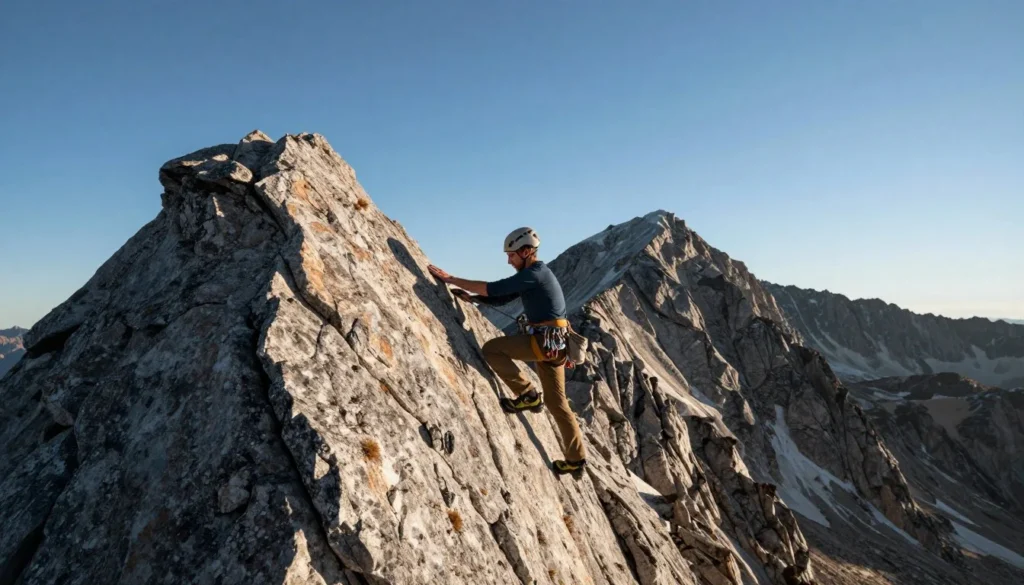
Summit views span the San Juan Mountains. Windom Peak and Mount Eolus rise nearby. On clear days, visibility extends over 160 km (100 miles).
Round trip from Twin Lakes camp takes 6-8 hours for experienced climbers. Allow extra time for route-finding and careful movement on exposed sections.
Chicago Basin Exploration
Even non-climbers find Chicago Basin rewarding. The valley offers stunning scenery and moderate hiking trails.
Columbine Pass Trail provides panoramic views without technical difficulty. This path climbs to 3,962 m (13,000 feet) with wildflower displays in July.
Photography opportunities abound throughout the basin. Morning light on the peaks creates dramatic scenes. Wildlife including marmots, pikas, and mountain goats inhabit the area.
Museums, Cultural Spots & Festivals
The wilderness area itself contains no cultural facilities. However, Durango provides rich historical context before or after your mountain adventure.
Durango Cultural Attractions
- Durango & Silverton Narrow Gauge Railroad Museum – Chronicles the historic train’s role in mining and tourism
- Animas Museum – Local history exhibits in Victorian-era building
- Diamond Belle Saloon – Historic watering hole in Strater Hotel with period entertainment
- Main Avenue Historic District – Walking tour of preserved 1880s architecture
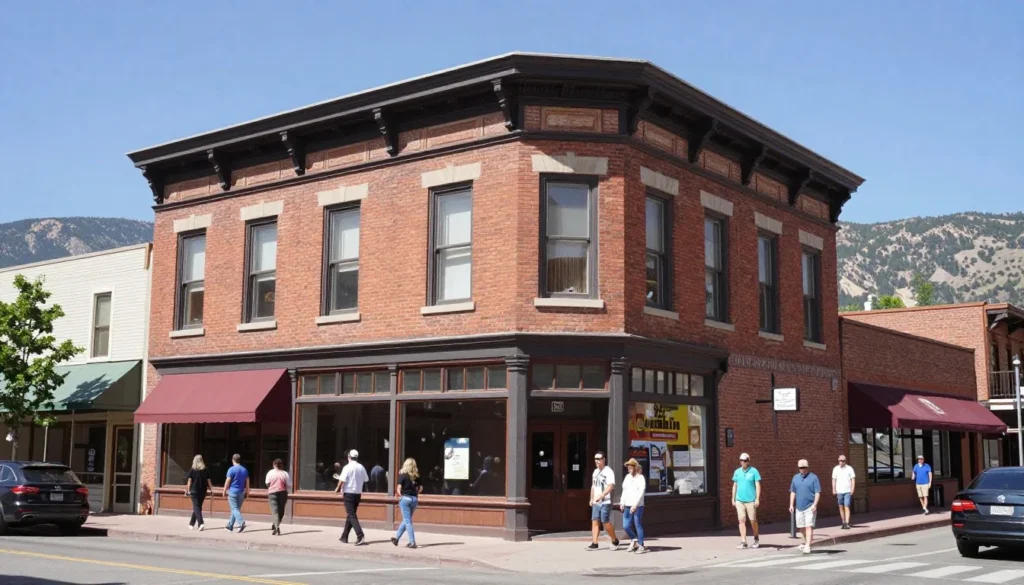
The train ride itself offers cultural value. The steam locomotive has operated since 1882. Conductors share mining history during the scenic journey.
Native American Heritage
The San Juan Mountains hold deep significance for Ute tribes. The Southern Ute Cultural Center in Ignacio explores this heritage. It’s located 32 km (20 miles) southeast of Durango.
Nature & Outdoor Experiences
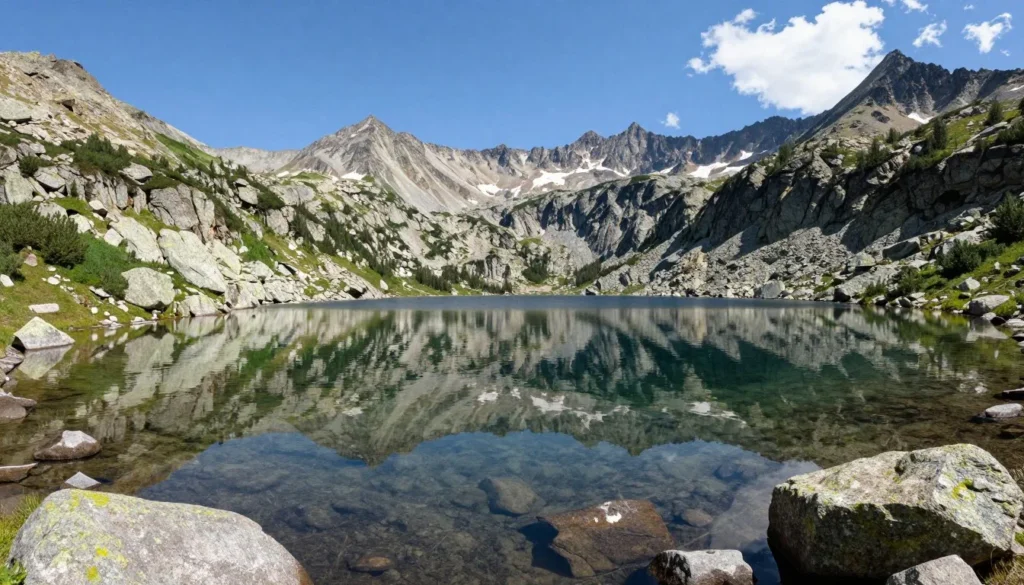
The 14ers Collection
Chicago Basin provides access to three 14ers within a compact area. Besides Sunlight Peak, climbers can summit Windom Peak at 4,282 m (14,087 feet) and Mount Eolus at 4,292 m (14,084 feet).
Many mountaineers attempt all three peaks during one trip. This “Chicago Basin Triple” requires multiple days and excellent weather. Each summit presents unique challenges and route characteristics.
Wildlife Viewing
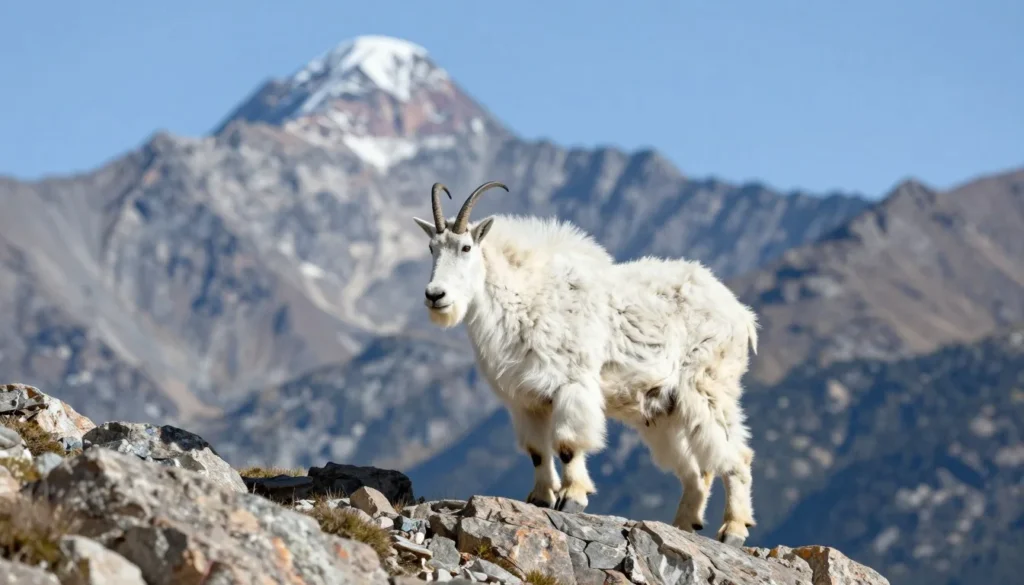
The remote location supports abundant wildlife. Mountain goats frequent high ridges and summit areas. Watch for them on rocky ledges, especially near Sunlight’s upper reaches.
Marmots and pikas live among the boulder fields. Their warning whistles often alert hikers to approaching weather or predators. Black bears inhabit forested areas at lower elevation.
Ptarmigan, white-tailed ptarmigan blend perfectly with the rocky terrain. These high-altitude birds remain year-round, changing plumage with seasons.
Wildflower Season
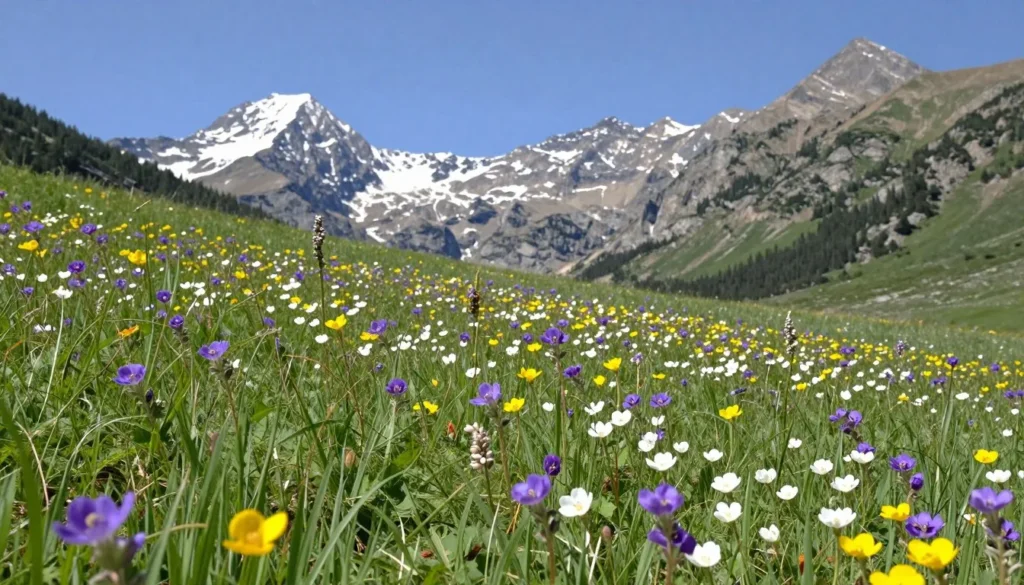
Late July brings peak wildflower displays. Chicago Basin meadows explode with color. Indian paintbrush, columbine, and alpine forget-me-nots carpet the valley floor.
Photography Opportunities
Sunrise on Sunlight Peak’s east face creates the namesake golden glow. Photographers position themselves in the basin before dawn to capture this light.
The reflection pools near Twin Lakes mirror surrounding peaks. Calm morning conditions produce stunning mirror images. Bring a wide-angle lens to capture the entire cirque.
Travel With Children
Sunlight Peak itself isn’t suitable for young children. The elevation, exposure, and technical climbing present serious dangers.
However, families can enjoy modified Chicago Basin trips. The hike from Needleton to basin camp works for older children with backpacking experience. Kids ages 10 and up who regularly hike can manage the distance.
Family-Friendly Alternatives
- Base camping in Chicago Basin – Day hikes to Columbine Pass without summit attempts
- Train ride only – Round-trip railroad journey without overnight camping
- Lower elevation trails – Animas River Trail in Durango offers easy family hiking
- Purgatory Resort – Summer activities include scenic chairlift rides and nature trails
Children must acclimate to elevation gradually. Spend time in Durango before attempting higher camps. Watch for altitude sickness symptoms including headache and nausea.
The wilderness setting lacks emergency services. Parents should honestly assess their children’s abilities and experience level before committing to backcountry travel.
Money Saving Tips
Sunlight Peak adventures require significant investment, but smart planning reduces costs:
Transportation Savings
- Book train tickets early – Prices increase as departure dates approach
- Consider hiking from Purgatory – Eliminates $200+ in train fees per person
- Share rides from airport – Split rental car costs with other climbers
- Fly midweek – Tuesday and Wednesday flights cost less than weekend travel
Equipment and Supplies
Rent specialized gear instead of buying. Durango outdoor shops offer backpack and sleeping bag rentals. This saves hundreds compared to purchasing.
Buy freeze-dried meals in bulk online before your trip. Local shop prices run higher than internet retailers. Order several weeks ahead.
Borrow bear canisters from friends or outdoor clubs. Purchase prices exceed $80, while many climbers own extras.
Lodging Options
Camp at Forest Service sites near Durango instead of hotels. Sites cost $20-30 per night versus $150+ for hotels. Several campgrounds sit within 24 km (15 miles) of town.
Book Durango hotels during shoulder seasons if splitting your trip. Late May and early October offer lower rates, though peak weather isn’t guaranteed.
Food Costs
Pack trail food from home rather than buying in Durango. Grocery stores in larger cities offer better prices on nuts, dried fruit, and energy bars.
Prepare your own dehydrated meals. This cuts food costs by 50% compared to commercial freeze-dried options. Many online resources provide recipes and techniques.
Safety & Local Customs
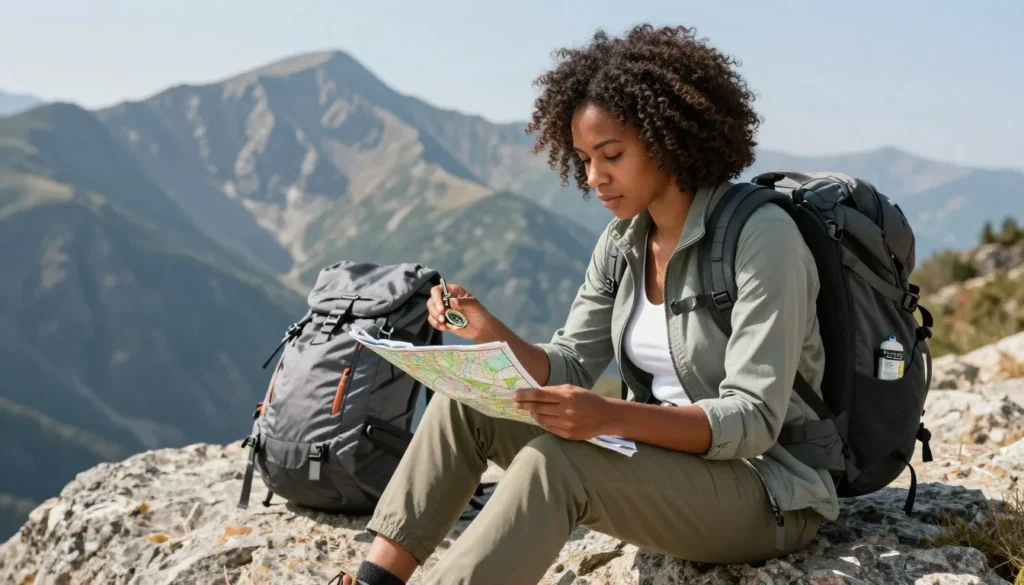
Mountain Safety Essentials
Altitude sickness affects many visitors. Symptoms include headache, nausea, and fatigue. Ascend gradually and stay hydrated. Descend immediately if symptoms worsen.
Lightning kills several people in Colorado mountains each year. The afternoon thunderstorm pattern is reliable. Start climbs before sunrise. Be off exposed ridges by early afternoon.
Rockfall danger exists on all routes. Wear helmets at all times above treeline. Never climb directly below other parties. Loose rock is common on Class 3 and 4 terrain.
Weather Preparedness
Hypothermia risk exists even in summer. Temperatures drop rapidly when storms move in. Pack insulating layers and waterproof shells. Cotton clothing is dangerous – choose synthetic or wool materials.
Monitor weather forecasts before departing Durango. Multi-day storm systems make climbing impossible. Flexibility in your schedule allows waiting for weather windows.
Wilderness Etiquette
Leave No Trace principles are expected, not optional. Pack out all trash including toilet paper. Bury human waste at least 15 cm (6 inches) deep and 61 m (200 feet) from water.
Camp only in established sites when possible. If dispersed camping is necessary, choose durable surfaces like rock or dry grass. Never camp on fragile alpine vegetation.
Yield trail to uphill hikers. Step aside and let them pass. Keep noise levels down to preserve the wilderness experience for others.
Emergency Preparedness
Cell phones don’t work in Chicago Basin. Carry a satellite communicator for emergencies. The nearest help sits hours away even with perfect communication.
Know basic first aid. Twisted ankles and cuts happen frequently. Carry a comprehensive medical kit and know how to use contents.
File trip plans with someone reliable. Provide expected return dates. This information proves critical if rescue becomes necessary.
Visitor Comments About Sunlight Peak
“The exposure on the final summit block definitely tests your nerve. But the views from the top make every anxious moment worthwhile. Chicago Basin is one of Colorado’s most beautiful spots. Just be prepared for the physical and mental challenge.”
“Taking the train into Needleton adds a wonderful dimension to the whole experience. The historic steam locomotive sets the tone for adventure. We spent four days in the basin and climbed all three peaks. Sunlight was our favorite despite being the most technical. Weather cooperated perfectly in early August.”
“I appreciated how remote and pristine the area feels. No crowds like some other 14ers. The Class 4 scrambling felt secure with careful movement. Twin Lakes camp was stunning, especially at sunrise. Definitely requires good fitness and some scrambling experience. Not a beginner peak, but absolutely worth the effort.”
Additional Nearby Destinations
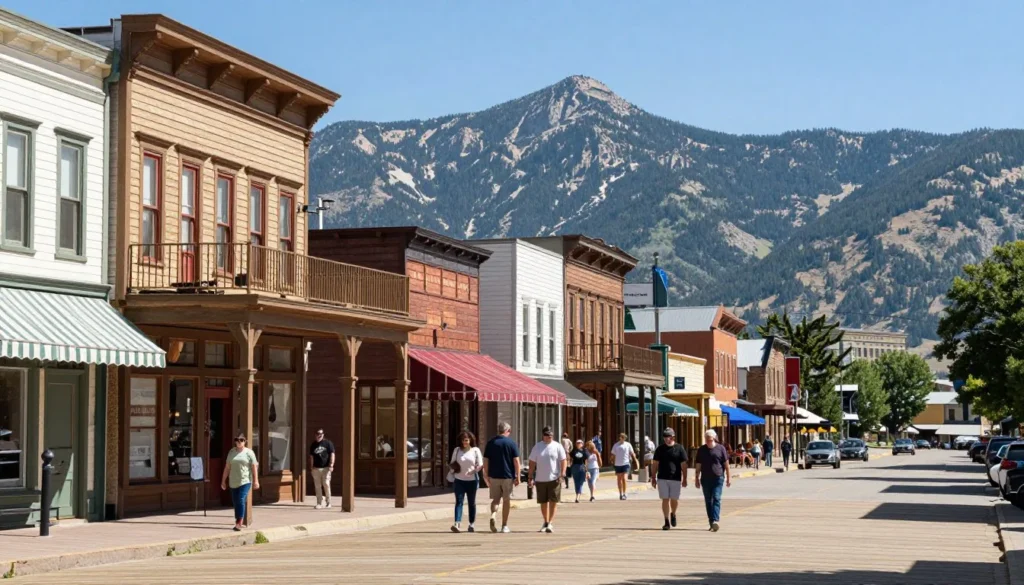
Silverton
This historic mining town sits 76 km (47 miles) north of Durango at 2,835 m (9,305 feet) elevation. The Durango Silverton train’s terminus, Silverton preserves authentic Old West character.
Visit the Mining Heritage Center to learn about the area’s silver boom. The town offers several restaurants and lodging options. Surrounded by peaks, it serves as a base for numerous hiking and climbing objectives.
Ouray
Known as the “Switzerland of America,” Ouray lies 97 km (60 miles) north of Durango. Natural hot springs feed several commercial pools. The Box Canyon Falls park showcases a dramatic waterfall in a narrow gorge.
The Million Dollar Highway connects Ouray to Silverton. This spectacular drive ranks among Colorado’s most scenic routes. Expect steep grades and narrow sections without guardrails.
Mesa Verde National Park
Ancient cliff dwellings sit 58 km (36 miles) west of Durango. The Ancestral Puebloan sites date from 600 to 1300 CE. Ranger-guided tours enter the most impressive structures.
Allow a full day to explore the park properly. The museum provides excellent context. Several cliff dwelling sites require climbing ladders and crawling through tunnels.
Purgatory Resort
This ski area transforms into a summer adventure park. Located 43 km (27 miles) north of Durango, it offers chairlift-accessed hiking and mountain biking.
The alpine slide and zip lines appeal to families. Several trails lead to mountain lakes and wildflower meadows. It makes a good acclimatization stop before heading into the wilderness.
Practical Travel Tips
Packing Essentials
- Layered clothing system – Base layers, insulation, waterproof shell
- Sturdy boots – Ankle support essential for rocky terrain
- Helmet – Required for Class 4 scrambling on summit
- Navigation tools – Map, compass, GPS device
- Water treatment – Filter or purification tablets
- First aid kit – Include blister treatment and pain relievers
- Headlamp – Essential for pre-dawn starts
- Sun protection – Sunscreen, sunglasses, lip balm with SPF
Physical Preparation
Train for several months before attempting Sunlight Peak. Build cardiovascular endurance through hiking with weighted pack. Include elevation gain in training hikes.
Practice scrambling on Class 3-4 terrain. Comfort with exposure and route-finding makes the summit attempt safer and more enjoyable. Consider hiring a guide for your first technical peak.
Timing Your Visit
Plan at least four days for a proper trip. Day one involves the train ride and hike to camp. Day two allows acclimatization and possibly climbing Windom Peak. Summit Sunlight on day three with good weather. Day four returns to Needleton.
Build flexibility into your schedule. Weather delays are common. Having extra days prevents rushed decisions in marginal conditions.
Communication
No cell service exists in the wilderness. Satellite communicators provide emergency contact ability. Several rental options exist in Durango if you don’t own one.
Register your trip with the San Juan National Forest office if desired. While not required, it provides another safety layer.
Currency and Costs
Budget $500-800 per person for a basic trip including train, food, and incidentals. This assumes you own necessary equipment. Guided trips cost $1,500-2,500 per person depending on group size and services included.
Durango businesses accept credit cards widely. Carry some cash for tips and small purchases. ATMs are readily available in town but not along the trail.
Your Sunlight Peak Adventure Awaits
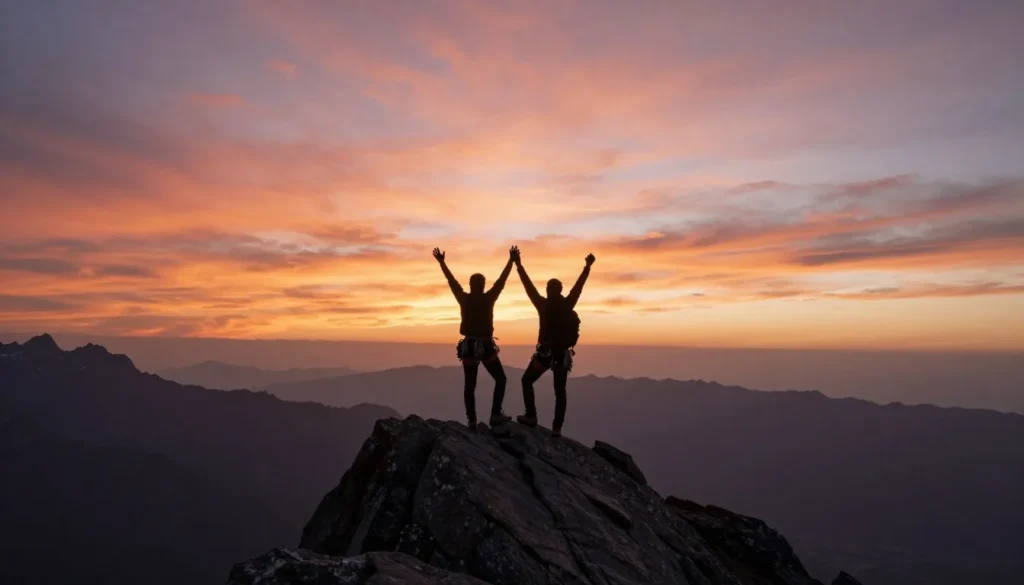
Sunlight Peak delivers an unforgettable Colorado mountain experience. The combination of remote wilderness access, stunning scenery, and exciting climbing creates memories that last a lifetime.
Whether you’re specifically targeting this peak or exploring the incredible Chicago Basin area, proper planning ensures success and safety. The route challenges both physically and mentally, rewarding those who prepare thoroughly.
From the historic train journey through pristine wilderness to standing on that spectacular summit, every moment of this adventure connects you deeply with Colorado’s magnificent San Juan Mountains. Start planning your trip today, and discover why so few people forget their Sunlight Peak experience.