Hotels by Trip.com
Flights by Trip.com
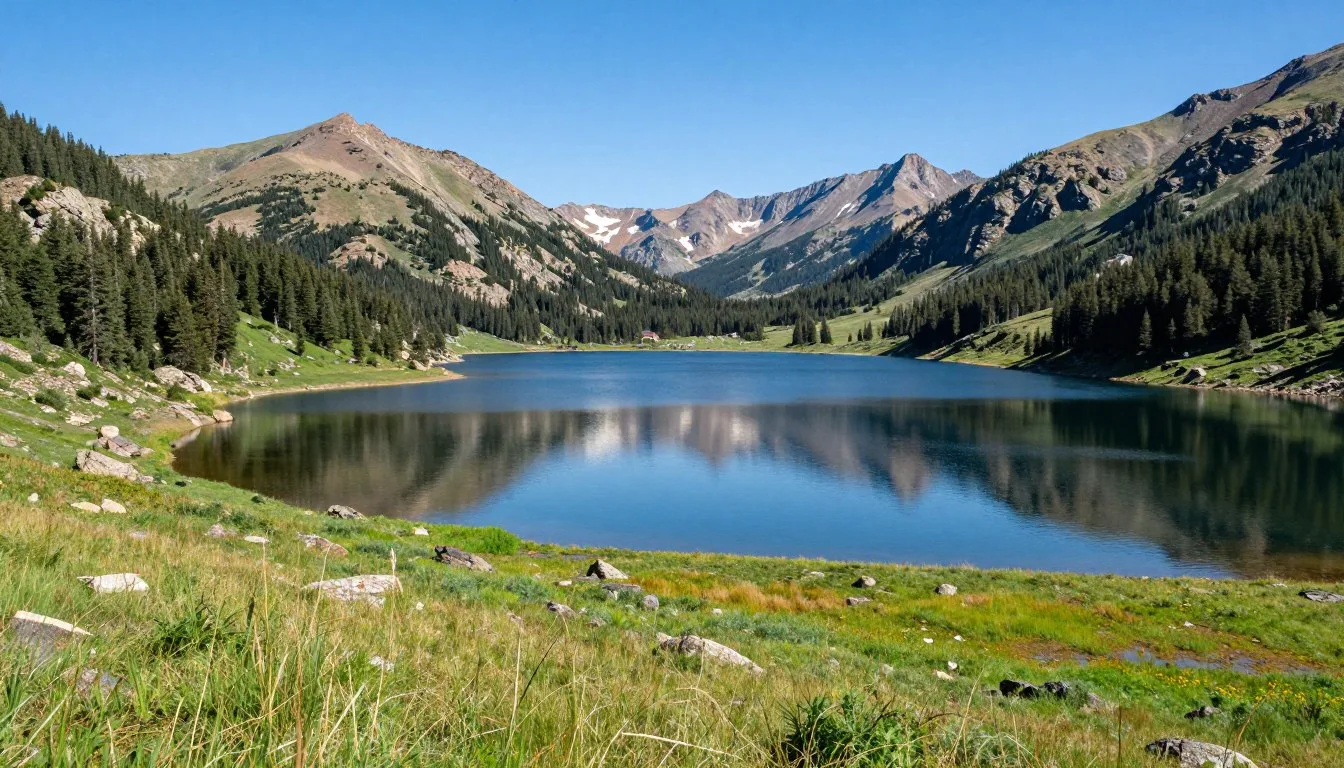
Taylor Park Reservoir holds more than 106 million cubic meters of water at an elevation of 2,831 meters, making it one of Colorado’s highest alpine reservoirs. This stunning body of water sits cradled by the Sawtooth Range in Gunnison National Forest. The reservoir was named after Jim Taylor, a prospector who discovered silver in the area during the 1860s mining boom.
Visitors find themselves surrounded by pristine wilderness and exceptional outdoor opportunities. The reservoir spans approximately 809 hectares when full. Cold mountain water feeds into Taylor River, creating ideal conditions for trout fishing throughout the year.
Adventure seekers discover something special here. Mountains rise dramatically around the lake. Wildlife roams freely through surrounding forests. The remote location offers an escape from crowded tourist destinations.
Getting There and Planning Your Journey
The closest major airport is Gunnison-Crested Butte Regional Airport, located approximately 80 kilometers south. Denver International Airport serves as another option, though it requires a longer drive of about 322 kilometers.
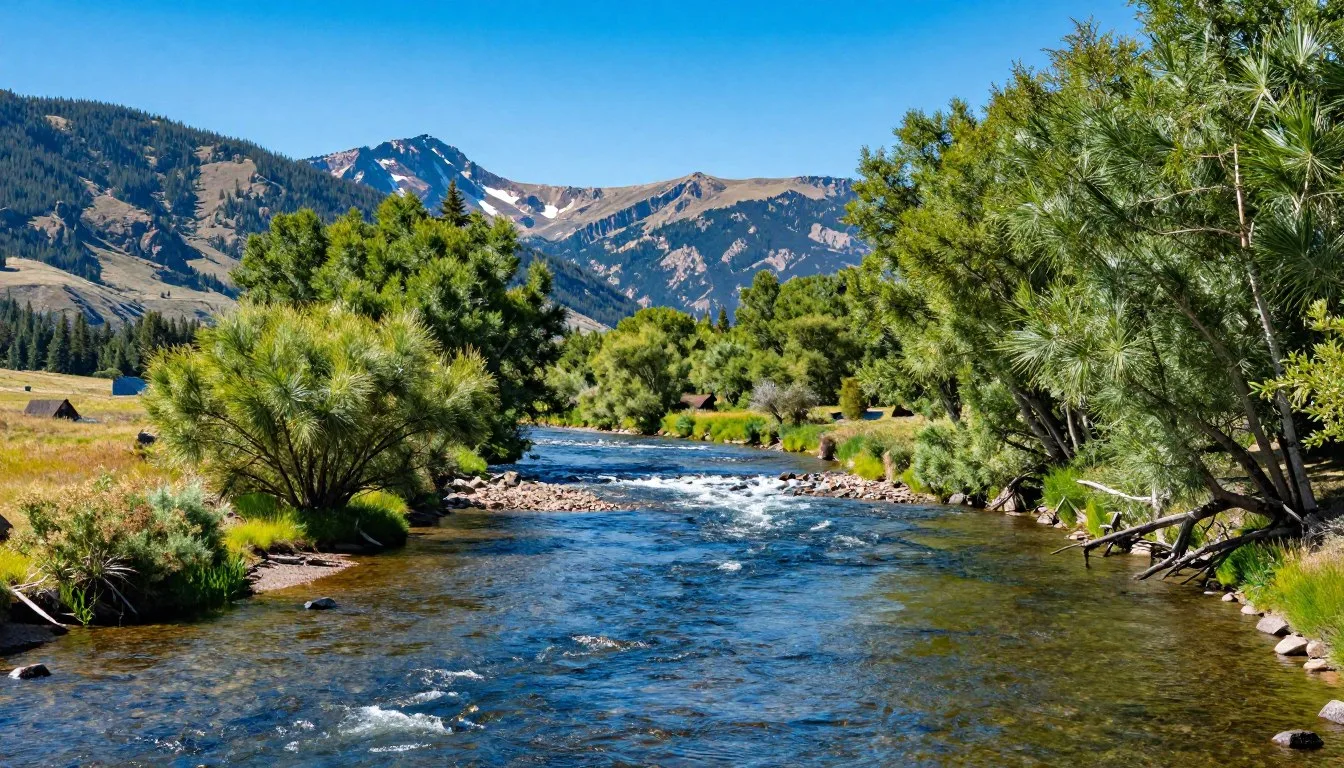
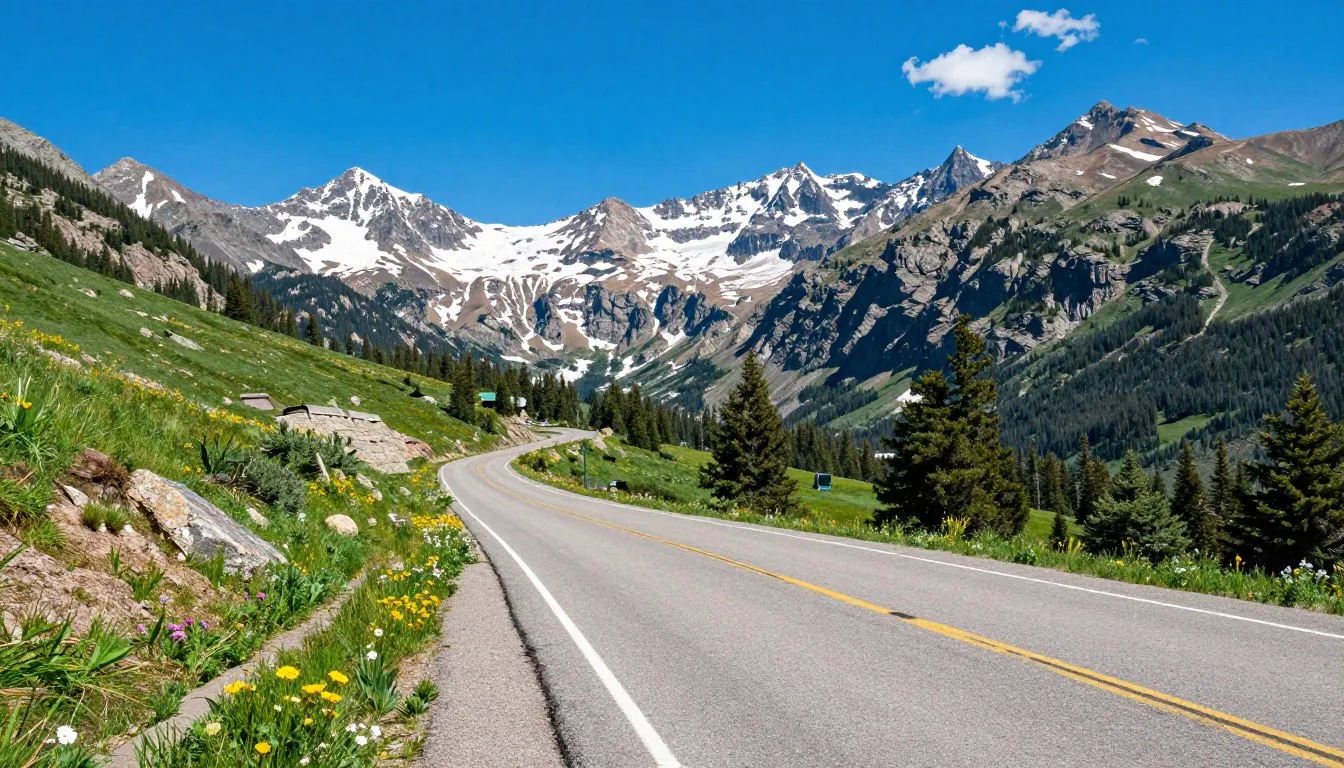
From Gunnison, travelers take Highway 135 north to Almont. The route continues northeast on County Road 742, also known as Taylor Canyon Road. This scenic drive follows Taylor River through a narrow canyon.
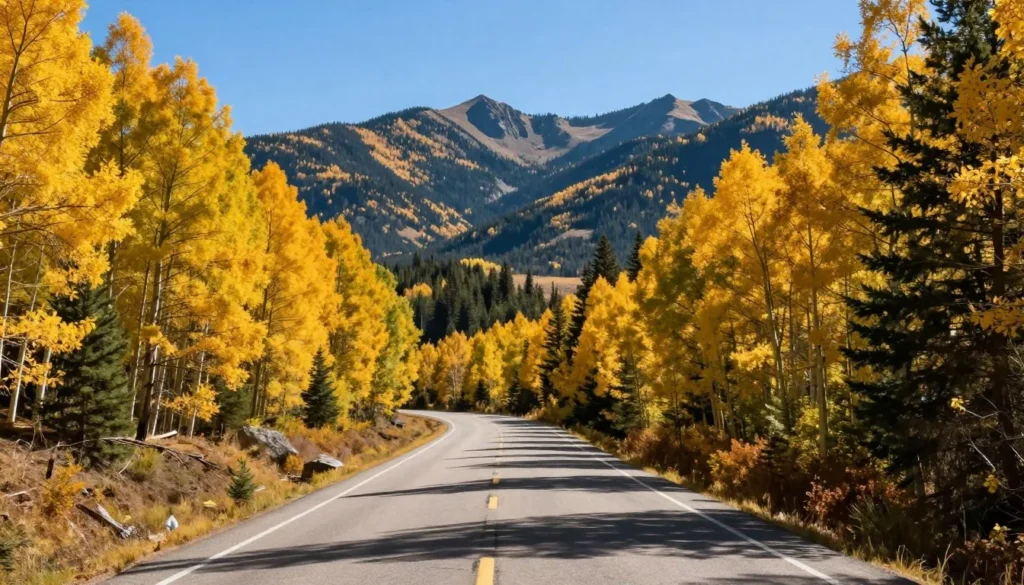
The road climbs steadily through pine forests and aspen groves. Expect the journey from Gunnison to take roughly two hours under normal conditions. Road conditions vary seasonally, so checking ahead helps ensure smooth travel.
Montrose Regional Airport offers another access point, situated about 129 kilometers to the west. This smaller facility provides connections to major hubs. The drive winds through mountain passes and offers spectacular views.
Vehicle requirements depend on season and planned activities. Standard passenger vehicles handle summer conditions well. Winter visitors may need four-wheel drive and tire chains. The high elevation means weather changes rapidly.
Best Time to Visit and Weather Tips
Best Time to Visit Taylor Park Reservoir
Summer months from June through September provide the most reliable access and pleasant weather. July and August bring peak conditions for most outdoor activities. Water temperatures warm enough for comfortable boating during these months.
Early fall showcases golden aspen trees against evergreen forests. September offers fewer crowds while maintaining good weather. Fishing remains excellent as water temperatures cool and trout become more active.
Winter transforms the area into a snow-covered wonderland. Heavy snowfall typically closes access roads from late October through May. Ice fishing enthusiasts can reach the reservoir via snowmobile during winter months.
Spring runoff creates high water levels and muddy conditions. Roads may remain impassable until late June some years. The shoulder season offers solitude but requires flexibility and proper preparation.
Notable Annual Festivals
The Crested Butte Wildflower Festival takes place each July in nearby Crested Butte. This celebration features guided hikes and botanical education programs.
Gunnison River Festival occurs each August, focusing on water conservation and river recreation. Activities include paddling demonstrations and environmental workshops.
The Almont Triangle Old Timers Day happens in late July, celebrating local history with music and community gatherings. Contact Almont Resort for specific dates and details.
Weather Considerations
Expect significant temperature variations throughout the day. Summer daytime highs reach around 21 degrees Celsius, while nighttime temperatures drop to 4 degrees Celsius. Afternoon thunderstorms develop frequently during summer months.
Pack layers regardless of season. Mornings start cool even in midsummer. The high elevation intensifies sun exposure, making sunscreen essential. Wind picks up most afternoons across open water.
Getting Around Locally
Personal vehicles provide the most practical transportation around Taylor Park. No public transportation serves this remote area. The main access road circles much of the reservoir, connecting various campgrounds and boat launches.
Several parking areas provide access to different sections of the reservoir. Each camping area includes designated parking spaces. Day visitors find parking at boat ramps and trailheads scattered around the lake.
Boat launches allow watercraft access at multiple points. The marina near Lakeview Campground offers the most developed facilities. Smaller launches serve specific areas around the reservoir perimeter.
Hiking trails connect different parts of Taylor Park. Some paths follow the shoreline while others climb into surrounding mountains. Distances between points can be substantial, making vehicle transportation most efficient.
Mountain bikes work well on forest roads. Many unpaved roads remain suitable for cycling. The terrain includes significant elevation changes that challenge riders.
Where to Stay
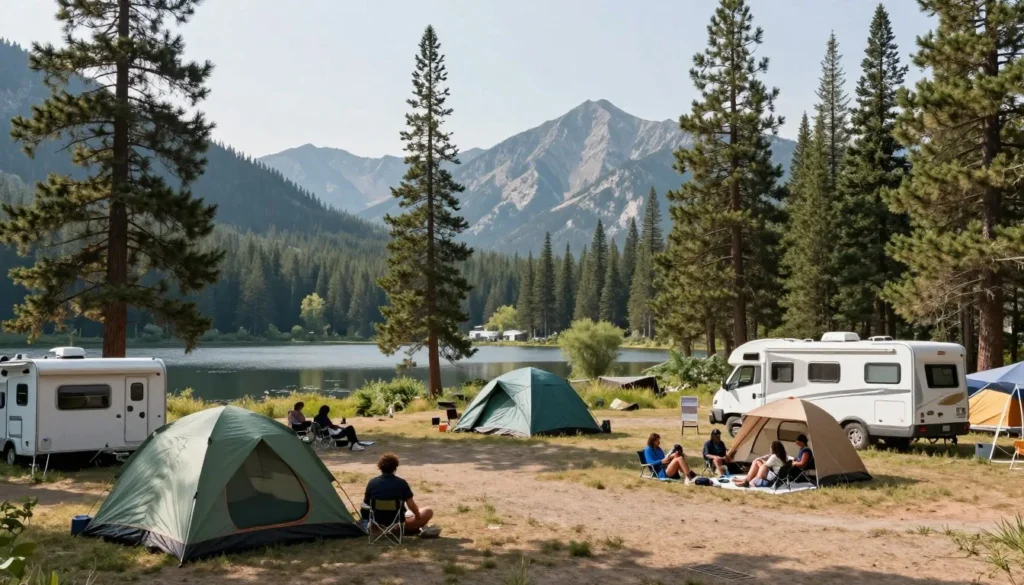
Multiple campgrounds surround Taylor Park Reservoir, operated by the U.S. Forest Service. Lakeview Campground offers the largest facility with over 45 sites. Most sites accommodate RVs and include picnic tables and fire rings.
Dispersed camping allows visitors to set up camp in undeveloped areas throughout Gunnison National Forest. This option suits those seeking maximum solitude. Campers must follow Leave No Trace principles and stay at least 30 meters from water sources.
Taylor Park Trading Post provides basic cabin accommodations near the reservoir. These rustic structures offer shelter without modern amenities. Reservations should be made well in advance during peak season.
The town of Almont, located about 32 kilometers downstream, features additional lodging options. Several small resorts and cabin rentals serve visitors to Taylor Park. These facilities provide more comfort than camping while maintaining mountain character.
Gunnison offers the nearest hotels and full-service accommodations. This college town provides various lodging choices at different price points. The drive to Taylor Park takes about 90 minutes from Gunnison.
Crested Butte presents another lodging option approximately 56 kilometers from the reservoir. This ski resort town offers upscale accommodations and dining. Summer rates typically run lower than winter prices.
Dining and Local Cuisine
No restaurants operate directly at Taylor Park Reservoir. Visitors should pack all food and supplies before arriving. The remote location requires self-sufficiency for meals and snacks.
Taylor Park Trading Post sells limited groceries, ice, and camping supplies. The small store stocks basics but lacks fresh produce or extensive selection. Prices reflect the remote location and limited competition.
Almont features two notable dining establishments. Three Rivers Resort and Almont Resort both serve meals to the public. These venues offer hearty mountain fare including steaks, burgers, and trout dinners.
Gunnison provides the nearest substantial dining scene. Restaurants range from casual cafes to upscale establishments. Local specialties include Rocky Mountain trout, elk, and bison dishes prepared various ways.
Packing a cooler with perishables makes sense for multi-day stays. Campfire cooking becomes part of the experience for many visitors. Propane stoves offer convenience when fire restrictions apply.
Fishing success means fresh trout for dinner. Cleaning stations at campgrounds facilitate fish preparation. Regulations specify catch limits and size requirements that must be followed.
Attractions, Sightseeing, and Activities

The reservoir itself serves as the primary attraction. Its size and beauty draw visitors from across Colorado and beyond. Clear water reflects surrounding peaks, creating stunning photography opportunities throughout the day.
Boat ramps provide access for various watercraft. Motorboats cruise the open water while kayakers explore quieter coves. Stand-up paddleboards have gained popularity in recent years for their versatility.
Shore fishing produces catches along accessible banks. Anglers work various depths and structures seeking trout. Wading opportunities exist where shoreline slopes gradually into deeper water.
Wildlife watching proves rewarding around Taylor Park. Elk graze in meadows during morning and evening hours. Deer appear frequently near campgrounds and along roads. Birds include eagles, ospreys, and various waterfowl species.
Scenic drives around the reservoir showcase changing landscapes. Unpaved roads lead to remote viewpoints and lesser-known areas. Photography enthusiasts find endless subjects in every direction.
Autumn colors transform the landscape each September. Aspen groves turn brilliant gold while scrub oak adds red accents. The contrast against evergreen forests and mountain peaks creates memorable scenes.
Museums, Cultural Spots, and Festivals
Pioneer history permeates Taylor Park area. Old mining structures and cabins dot surrounding hills. These remnants tell stories of 19th-century prospectors and early settlers who worked the region.
The ghost town of Tincup lies approximately 24 kilometers north of the reservoir. This former mining camp preserves several historic buildings. A small cemetery reveals pioneer life through weathered headstones and markers.
Gunnison Pioneer Museum showcases regional history through extensive collections. Exhibits cover mining, ranching, and Native American heritage. The museum operates seasonally from late spring through early fall.
Taylor River Valley holds significance in Colorado water history. The reservoir construction in the 1930s represented major engineering achievement. Informational signs explain the dam’s role in water storage and downstream agriculture.
Local folklore includes tales of lost treasure and prospector adventures. Old-timers share stories about harsh winters and lucky strikes. These narratives add depth to the area’s character and appeal.
Nature and Outdoor Experiences
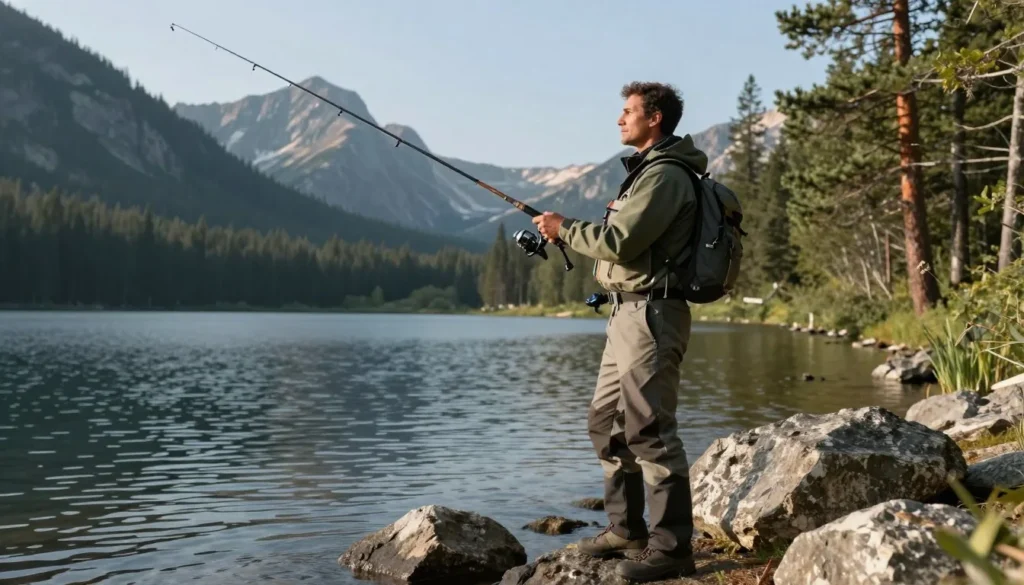
Fishing
Taylor Park Reservoir earns recognition as a Quality Water location by Colorado Parks and Wildlife. This designation reflects exceptional fish habitat and management practices. The reservoir supports healthy populations of lake trout, rainbow trout, and northern pike.
Lake trout grow to impressive sizes in the cold, deep water. Fish over 9 kilograms are caught regularly. Trolling along drop-offs and submerged channels produces best results for these predators.
Rainbow trout inhabit shallower areas and respond well to various techniques. Fly fishing works during insect hatches while spinning gear catches fish throughout the season. Spring and fall provide peak action as water temperatures optimize feeding activity.
Northern pike patrol weed beds and shallow bays. These aggressive predators strike lures and flies with explosive takes. Pike fishing adds variety and excitement to days on the water.
Ice fishing attracts winter enthusiasts who brave harsh conditions. The frozen reservoir offers access to fish that concentrate in specific areas. Safety precautions become critical when venturing onto ice at high elevation.
A valid Colorado fishing license is required for anyone age 16 or older. Regulations specify bag limits, size restrictions, and allowed methods. Current information should be verified before fishing.
Boating
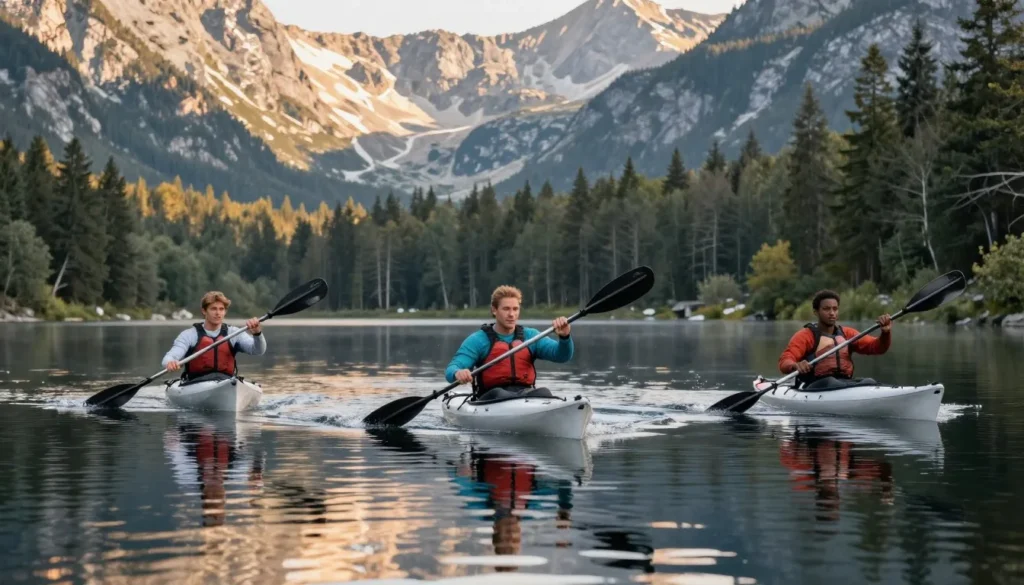
All types of boats operate on Taylor Park Reservoir, from small inflatables to large powerboats. The expansive water surface accommodates multiple activities without crowding. Wind conditions affect smaller craft more significantly than larger vessels.
Several boat launches around the reservoir provide access. The main ramp near Lakeview Campground handles larger boats and trailers. Primitive launches serve areas farther from developed facilities.
Kayaking and canoeing offer intimate experiences with the reservoir. Paddlers explore coves and shorelines inaccessible from land. Morning hours typically provide calmest conditions before afternoon winds develop.
Stand-up paddleboards work well in protected bays and during calm periods. The clear water allows viewing of underwater features and fish. Balance challenges increase as wind creates surface chop.
Boaters must observe safety regulations including life jacket requirements. The cold water temperature poses serious danger if someone falls overboard. Hypothermia can occur quickly even during warm weather.
Hiking
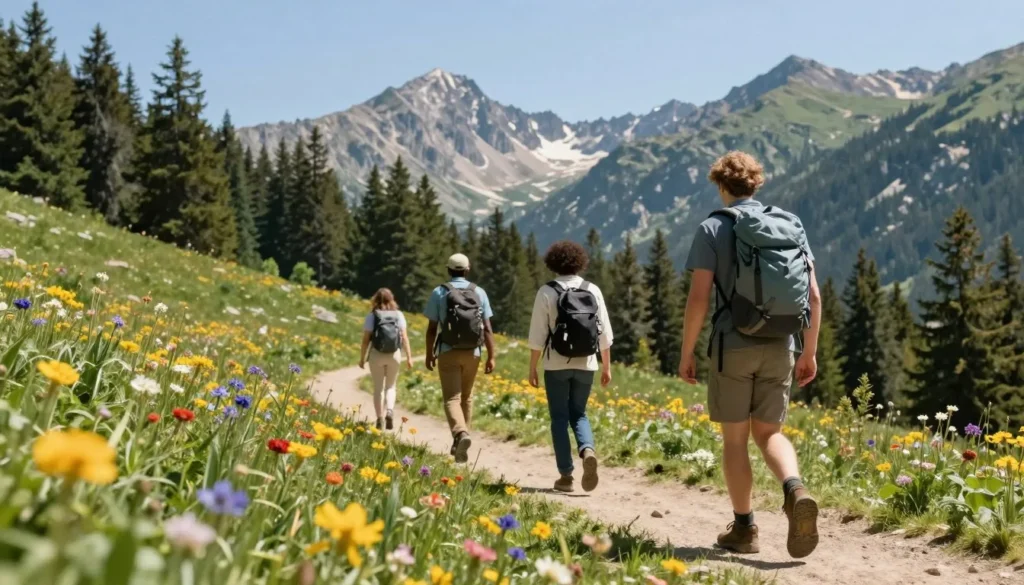
Numerous trails wind through forests and meadows around Taylor Park. Routes range from easy lakeside paths to challenging mountain ascents. Trail conditions vary based on season and recent weather.
The trail network connects to the larger Colorado Trail system. Backpackers can access remote wilderness areas stretching for hundreds of miles. Day hikers find plenty of options for shorter excursions.
Wildflower displays peak during July and early August. Alpine meadows burst with color as various species bloom in succession. The high elevation supports unique plant communities found nowhere else.
Mountain passes offer spectacular views as rewards for steep climbs. Clear days reveal distant ranges extending across the horizon. Wildlife sightings increase in early morning and evening hours.
Trail markers exist on established paths but can be sparse in some areas. Topographic maps and navigation skills prove valuable for off-trail exploration. Weather changes rapidly at altitude, requiring preparedness.
Camping
Developed campgrounds provide amenities while maintaining a wilderness feel. Sites include fire rings, picnic tables, and vault toilets. Water sources require treatment or boiling before drinking.
Reservations are recommended for peak summer weekends. Sites fill quickly during holiday periods. Walk-up availability exists on weekdays and shoulder seasons.
Dispersed camping allows maximum flexibility and solitude. Campers must select sites at least 30 meters from water and trails. Fire restrictions apply during dry conditions, sometimes prohibiting campfires entirely.
Bears inhabit the area and proper food storage is mandatory. Food must be secured in vehicles or bear-resistant containers. Scented items attract wildlife and should be stored with food.
Travel With Children
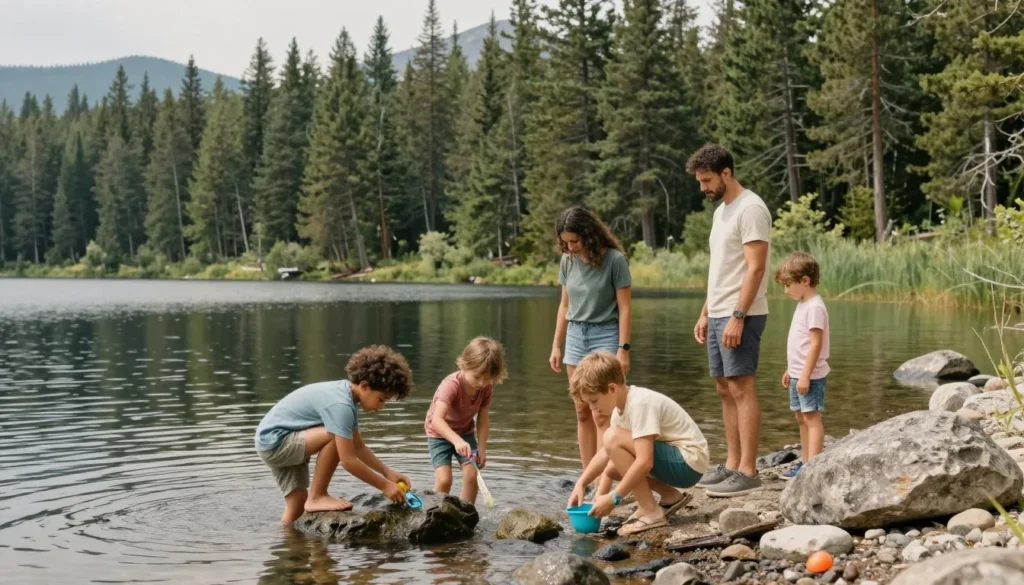
Taylor Park offers families an excellent outdoor education opportunity. Children experience nature directly through hands-on activities. The relatively safe environment allows supervised exploration and learning.
Fishing appeals to kids of all ages. Young anglers often catch their first fish at Taylor Park Reservoir. The action keeps children engaged while teaching patience and outdoor skills.
Shallow areas along the shoreline provide safe places for wading and playing. Water remains quite cold even in summer, so supervision stays important. Life jackets should be worn by children around water.
Short hikes near campgrounds suit younger children. Nature scavenger hunts add interest to walks. Wildlife spotting creates excitement and memorable moments for families.
Campfire programs offer entertainment and education. Roasting marshmallows and telling stories form lasting memories. The dark night sky reveals stars invisible in cities.
The high elevation affects children more than adults. Adequate hydration prevents altitude sickness. Allow time for acclimatization before strenuous activities. Sunscreen application needs regular attention due to intense UV exposure.
Money Saving Tips
Camping costs significantly less than hotel accommodations. Forest Service campgrounds charge modest fees compared to private facilities. Dispersed camping is free but requires more self-sufficiency.
Packing all food and supplies before arrival saves money. Limited local shopping options charge premium prices. Meal planning reduces food waste and expense.
Recreation at Taylor Park Reservoir itself costs nothing beyond the fishing license if angling. Hiking, wildlife viewing, and photography require no fees. The area provides value through free natural experiences.
Visiting during shoulder seasons means lower prices and fewer crowds. September offers excellent conditions with reduced visitor numbers. Late June can be pleasant while avoiding peak season pricing.
Annual passes provide savings for frequent visitors to federal lands. The America the Beautiful Pass covers entrance fees at national forests and parks. The investment pays off quickly for regular users.
Borrowing or renting equipment costs less than purchasing for occasional use. Nearby towns offer outdoor gear rentals. Sharing equipment among group members reduces individual expense.
Safety and Local Customs
Altitude sickness affects some visitors to Taylor Park. The elevation of 2,831 meters means less oxygen than at sea level. Symptoms include headache, nausea, and fatigue. Drinking extra water and avoiding alcohol helps with acclimatization.
Sudden weather changes occur frequently in the mountains. Afternoon thunderstorms develop with little warning during summer. Lightning poses serious danger on exposed ridges and open water. Seek shelter at first signs of approaching storms.
Cold water temperature creates hypothermia risk year-round. Even summer water temperatures remain dangerously cold. Anyone entering the water should wear appropriate protection and have safety equipment available.
Wildlife encounters require proper response. Bears inhabit the area and food storage rules must be followed. Keep distance from elk and deer, especially during fall mating season when bulls become aggressive.
Cell phone service is nonexistent throughout most of Taylor Park. Emergency communication requires satellite devices or driving to higher elevations. Plan for self-sufficiency and inform others of your itinerary.
Leave No Trace principles guide ethical outdoor recreation. Pack out all trash and leave sites cleaner than found. Stay on established trails to prevent erosion. Respect wildlife by observing from appropriate distances.
Local customs emphasize courtesy and safety. Slower vehicles pull over to allow passing on narrow roads. Anglers respect each other’s space on the water. Quiet hours in campgrounds extend overnight consideration to neighbors.
Visitor Comments About Taylor Park Reservoir
F.P., Baku: “The fishing exceeded all expectations. We caught lake trout and rainbows every day. The mountain scenery made each moment special, whether the fish were biting or not. Our family will definitely return next summer for another week of camping and fishing.”
P.L., Wailuku: “Taylor Park provides the perfect escape from busy life. We spent five days hiking different trails and exploring the reservoir by kayak. The wildflowers were incredible in July. Every turn revealed another stunning view. The remote location means fewer people and more wildlife sightings.”
K.T., Broken Arrow: “Our first visit to Taylor Park Reservoir convinced us to become regular visitors. The campground facilities were clean and well-maintained. We appreciated the friendly atmosphere among campers. The kids loved fishing from shore and playing in the mountain streams. This destination offers genuine Colorado mountain experience.”
Additional Nearby Destinations
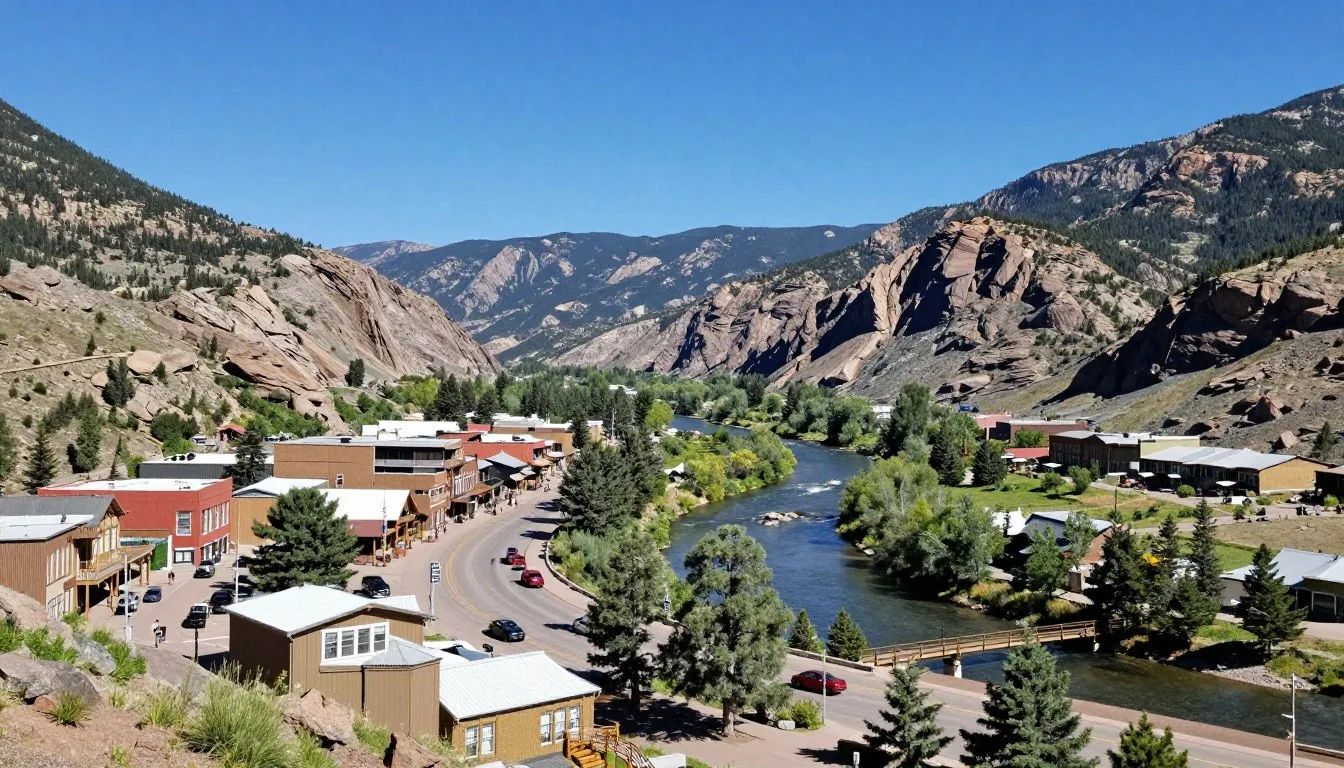
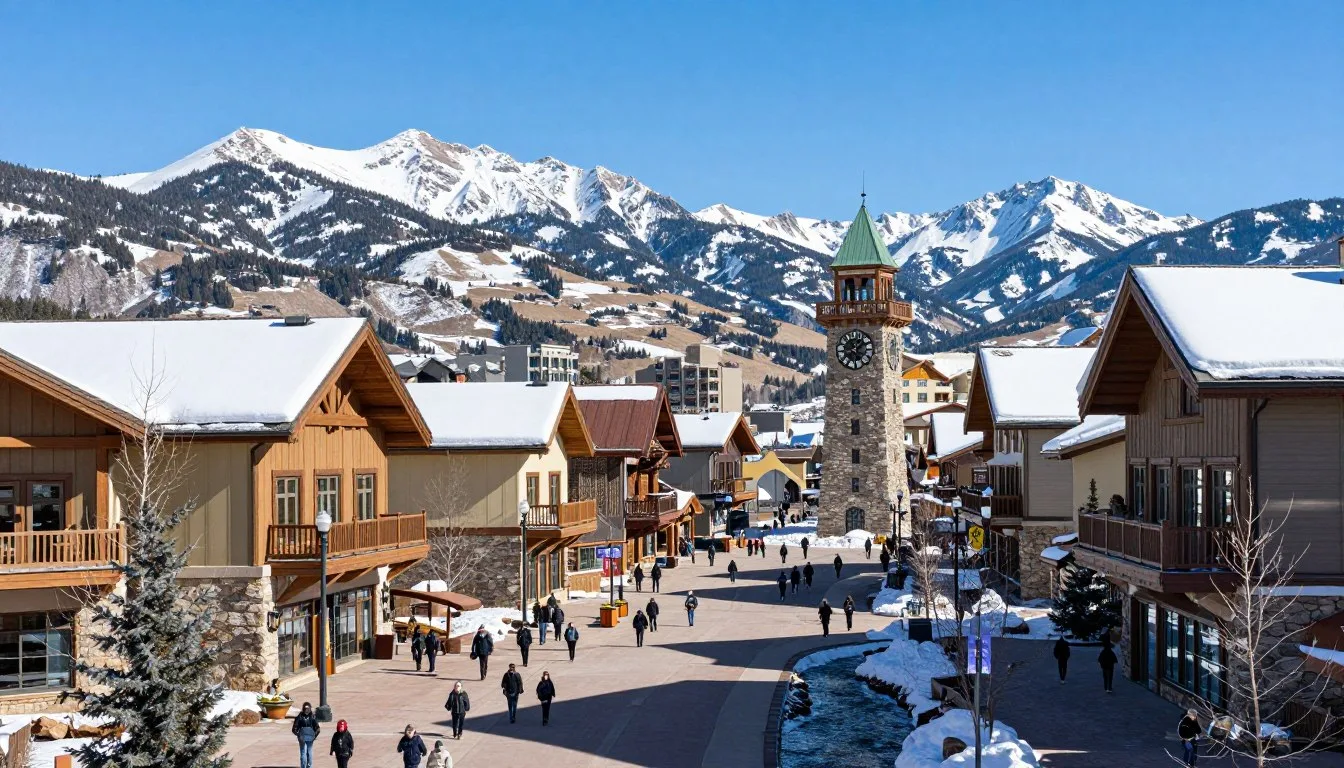
Crested Butte sits approximately 56 kilometers southwest of Taylor Park. This charming mountain town offers dining, shopping, and additional outdoor recreation. The historic downtown features Victorian-era buildings and vibrant arts scene.
Cottonwood Pass reaches 3,857 meters elevation on the Continental Divide. The drive from Taylor Park takes roughly an hour. Views from the summit stretch across multiple mountain ranges. The pass typically opens in late June and closes in October.
Gunnison provides full services and serves as the gateway to the region. Museums, restaurants, and shopping meet various needs. Western Colorado University adds cultural events and energy to this ranching and recreation hub.
Black Canyon of the Gunnison National Park lies about 96 kilometers west. This dramatic gorge features walls rising over 600 meters. The dark Precambrian rock creates striking contrast with the sky.
Tin Cup ghost town preserves mining history in a high mountain valley. Several original buildings still stand along the main street. The rough road requires high-clearance vehicles but rewards visitors with authentic Western history.
Practical Travel Tips
Essential Items to Pack
- Layered clothing for variable temperatures
- Rain gear for afternoon thunderstorms
- Sunscreen with high SPF rating
- Insect repellent for mosquitoes
- Water bottles and purification system
- First aid kit with altitude medication
- Flashlight or headlamp with extra batteries
- Detailed maps and compass
Important Reminders
- Purchase fishing license before arrival
- Check current road conditions and closures
- Fill fuel tank in Gunnison or Crested Butte
- Download offline maps for navigation
- Make campground reservations early
- Verify fire restriction status before trip
- Bring cash for Trading Post purchases
- Allow extra travel time for mountain roads
Cellular service remains unavailable throughout Taylor Park area. Plan for complete disconnection from digital communication. This limitation enhances the wilderness experience but requires advance preparation.
Grocery shopping should be completed in Gunnison or Crested Butte. These towns offer full-service supermarkets with competitive pricing. The small store at Taylor Park Trading Post stocks only basics at higher prices.
Propane refills are unavailable at the reservoir. Bring full tanks for camp stoves and lanterns. Running out of fuel during your stay means a long drive to town.
Trash must be packed out from dispersed camping areas. Developed campgrounds provide dumpsters but encourage minimizing waste. Bear-proof containers prevent wildlife access to garbage.
Pets are allowed but must remain leashed in developed areas. Dog owners should pack out waste and prevent disturbance to wildlife. The cold water poses danger to dogs as well as humans.
Your Mountain Adventure Awaits
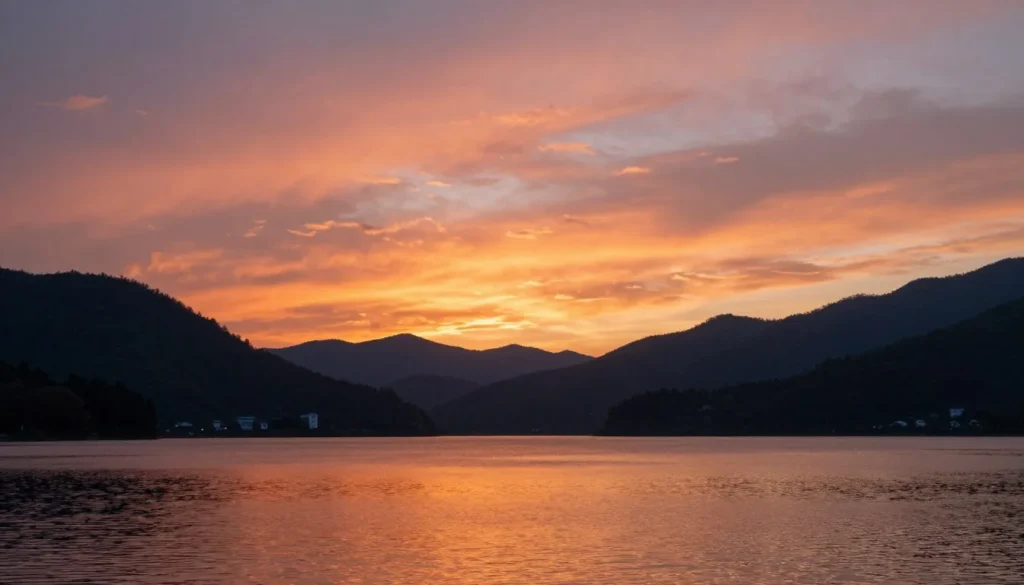
Taylor Park Reservoir stands ready to deliver the authentic Colorado mountain experience you seek. Whether casting for trophy trout, paddling across mirror-calm water, or hiking through wildflower meadows, each day brings new discoveries. The combination of exceptional fishing, stunning scenery, and genuine wilderness creates memories that last long after returning home.
Pack your gear, gather your family or friends, and head to this high-country treasure. The mountains are calling, and Taylor Park Reservoir provides the perfect answer. Your adventure in the heart of Colorado’s Rockies begins the moment you arrive at this spectacular destination.