Hotels by Trip.com
Flights by Trip.com
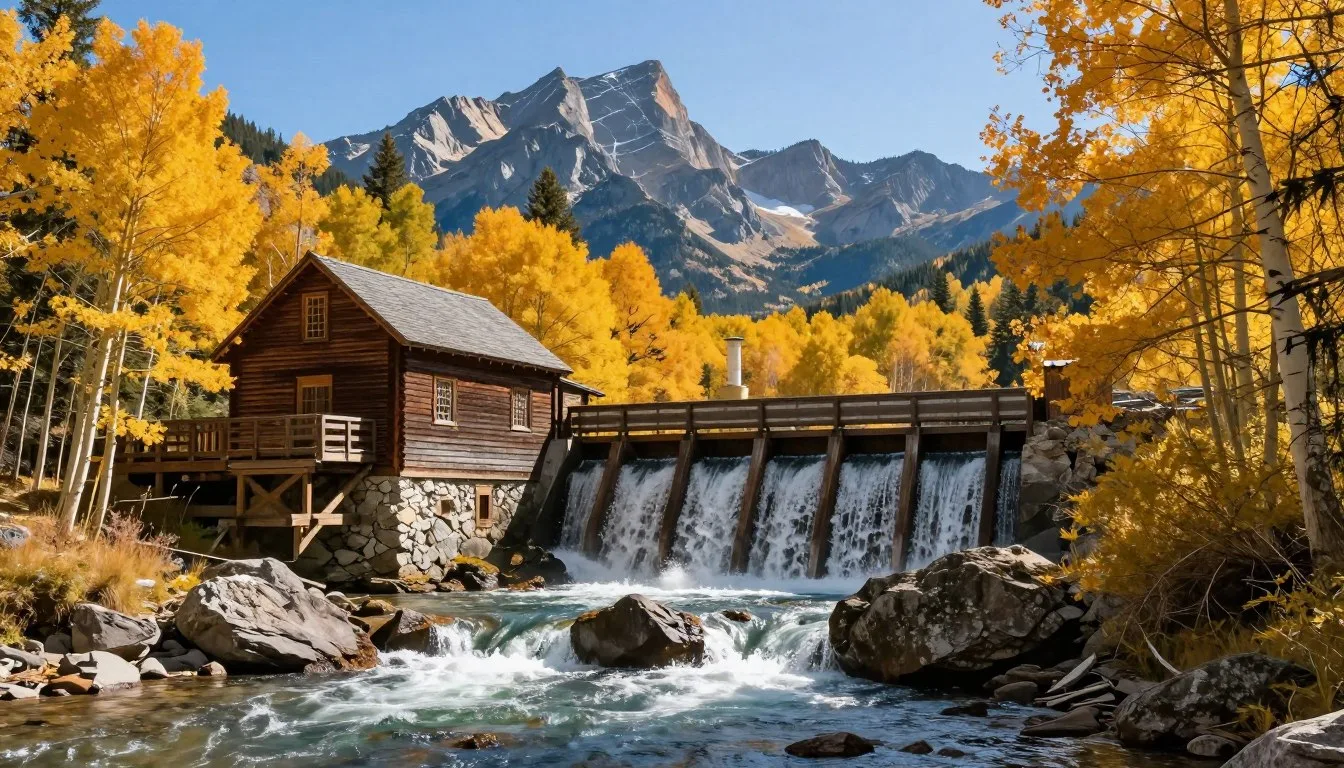
Only 1,500 people lived in the town of Crystal during its silver mining heyday in the 1880s, yet the iconic mill they built now attracts over 50,000 visitors annually. The Crystal Mill, officially known as the Sheep Mountain Powerhouse, earned its name from the crystalline formations found throughout the surrounding peaks and the crystal-clear waters of the river that powers it.
This remote treasure sits at 2,896 m (9,500′) elevation along the Crystal River Valley. The mill represents one of Colorado’s most photographed historic sites. Its weathered wooden structure clings dramatically to a rocky outcrop above churning waters.
Getting to this spectacular viewpoint requires commitment. The journey involves either a challenging four-wheel-drive road or a moderate hike. But those who make the trip discover why this location captivates photographers and adventurers from around the world.
Getting There and Planning Your Journey
The closest major airports to Crystal Mill Viewpoint Colorado include Denver International Airport, located 322 km (200 miles) away. This represents roughly a four-hour drive. Aspen-Pitkin County Airport sits just 48 km (30 miles) from the trailhead, offering a closer option for travelers.
Grand Junction Regional Airport provides another alternative. It sits 161 km (100 miles) to the west. This route takes travelers through stunning Western Slope scenery.

From any airport, you will drive to the small town of Marble. This historic marble quarrying community serves as the primary access point. From Marble, the Crystal River Jeep Road extends 10.5 km (6.5 miles) to the mill site.
Understanding Road Conditions
The road demands respect. Deep ruts, massive boulders, and steep grades characterize the route. Standard vehicles cannot make this journey safely. High clearance four-wheel-drive vehicles with low-range gearing are essential.
Many visitors choose professional jeep tours instead of driving themselves. Local operators know every inch of the challenging terrain. They navigate the technical sections with practiced skill.
The round trip journey by vehicle typically takes three to four hours. This includes time at the viewpoint for photos and exploration. Hikers should budget six to eight hours for the complete experience.
Permit and Access Requirements
No special permits are required to visit Crystal Mill during summer months. However, the road crosses private property in several places. Property owners have historically allowed public access. Visitors must show respect for these landowners.
Always stay on designated roads and trails. Pack out all trash. The site itself sits on private property. Viewing occurs from public land across the river.
Best Time to Visit and Weather Tips
Best Time to Visit Crystal Mill Viewpoint
Late September through early October represents peak season. Aspen trees explode in brilliant gold, creating stunning contrast against the mill’s gray weathered wood. This period offers the most dramatic photos.
Summer months from June through August provide reliable access. Temperatures range from 15°C to 24°C (60°F to 75°F) during the day. Afternoon thunderstorms occur frequently. Morning visits often offer the most stable weather.
Recommended Visiting Seasons
- Late September – Early October: Peak fall colors, ideal photography conditions
- July – August: Warmest temperatures, wildflowers blooming, longer daylight
- Late June: Spring runoff creates dramatic water flow
Seasons to Avoid
- November – May: Road typically impassable due to snow
- Early June: Lingering snowpack, unstable road conditions
- Mid-August: Peak tourist crowding, afternoon storms
Winter access remains virtually impossible. Heavy snowpack closes the road from November through May. Avalanche danger makes winter approaches extremely hazardous. Even experienced backcountry travelers avoid this route during snowy months.
Notable Annual Festivals
The nearby town of Marble hosts the Marble Symposium each summer. This internationally recognized sculpture event runs for six weeks from mid-July through August. Artists from around the world create stunning marble sculptures.
Carbondale hosts the Mountain Fair each July. This three-day celebration features live music, arts and crafts, and local food vendors. The event draws thousands of visitors to the Crystal River Valley.
Aspen’s Food and Wine Classic occurs each June. This prestigious culinary festival attracts celebrity chefs and food enthusiasts. Many visitors combine the festival with a Crystal Mill adventure.
Getting Around Locally
The area around Crystal Mill offers limited transportation options. Most visitors rent vehicles in Aspen or Glenwood Springs. These nearby communities provide full-service car rental agencies.
Public transportation does not reach the trailhead or mill site. The remote location requires personal vehicles or tour services. Mountain bike rentals offer another way to cover the distance from Marble to the mill.

Many choose to walk or bike the 10.5 km (6.5 miles) from Marble. This option removes vehicle worries but demands good physical conditioning. The route gains significant elevation and includes technical sections unsuitable for road bikes.
Jeep Tour Options
Professional jeep tours solve the vehicle challenge. Experienced guides drive modified four-wheel-drive vehicles built specifically for this terrain. Tours typically accommodate four to six passengers.
Half-day tours include round-trip transportation from Marble or Carbondale. Guides share historical information about the mill, mining operations, and local ecology. Most tours allow 45 minutes to one hour at the mill site for photography and exploration.
Reservations are strongly recommended during peak fall color season. Tours often book weeks or even months in advance for late September dates. Summer availability remains better but still requires planning.
Where to Stay
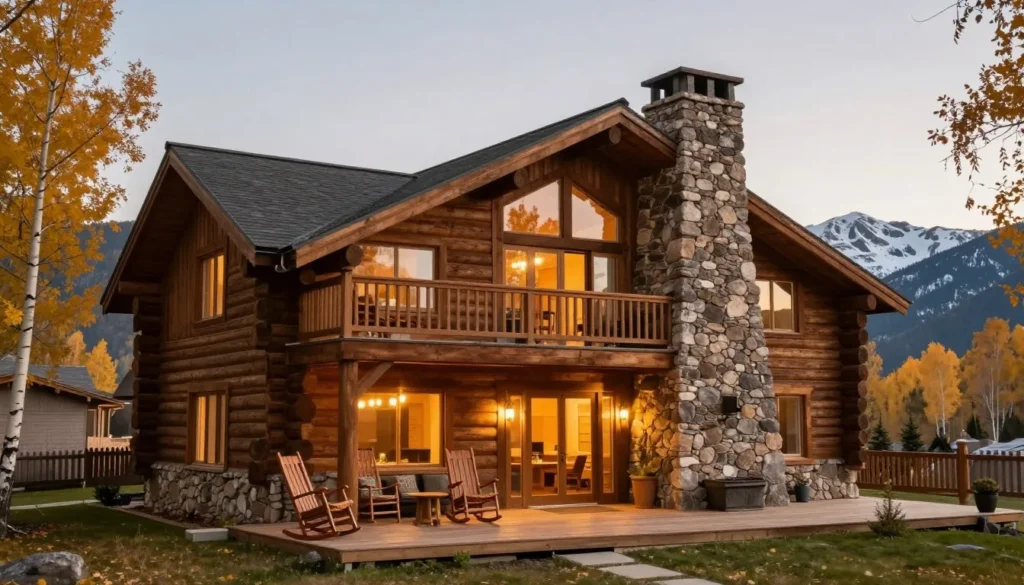
The tiny community of Marble offers limited lodging. A few bed-and-breakfast establishments and vacation rentals provide the closest accommodations to the mill site. These fill quickly during peak season.
Carbondale, located 24 km (15 miles) from Marble, offers more choices. This charming town features several hotels, inns, and vacation rentals. Prices remain more reasonable than nearby Aspen.
Camping Options
Several campgrounds operate along the Crystal River Valley. Beaver Lake Campground sits about 11 km (7 miles) from Marble. This Forest Service facility offers 12 sites with basic amenities.
Dispersed camping is allowed in designated areas of White River National Forest. Free sites require camping at least 30 m (100′) from water sources and roads. No facilities exist at dispersed sites.
Redstone offers additional camping about 29 km (18 miles) from Marble. The historic coke ovens and commercial campground provide interesting alternatives. This area features stunning red rock formations.
Upscale Accommodations
Aspen provides luxury resort options about 48 km (30 miles) away. The Little Nell, St. Regis, and numerous boutique hotels cater to upscale travelers. These properties offer world-class amenities and dining.
Glenwood Springs presents middle-ground options. This larger community sits 56 km (35 miles) from Marble. Hot springs resorts and chain hotels provide comfortable bases for exploration.
Dining and Local Cuisine
Dining options near Crystal Mill remain extremely limited. Marble has one small cafe operating seasonally. The Slow Groovin’ BBQ serves lunch and early dinner during summer months.
Most visitors pack meals and snacks for their day trip to the mill. No food services exist at or near the site itself. Bringing adequate food and water is essential.
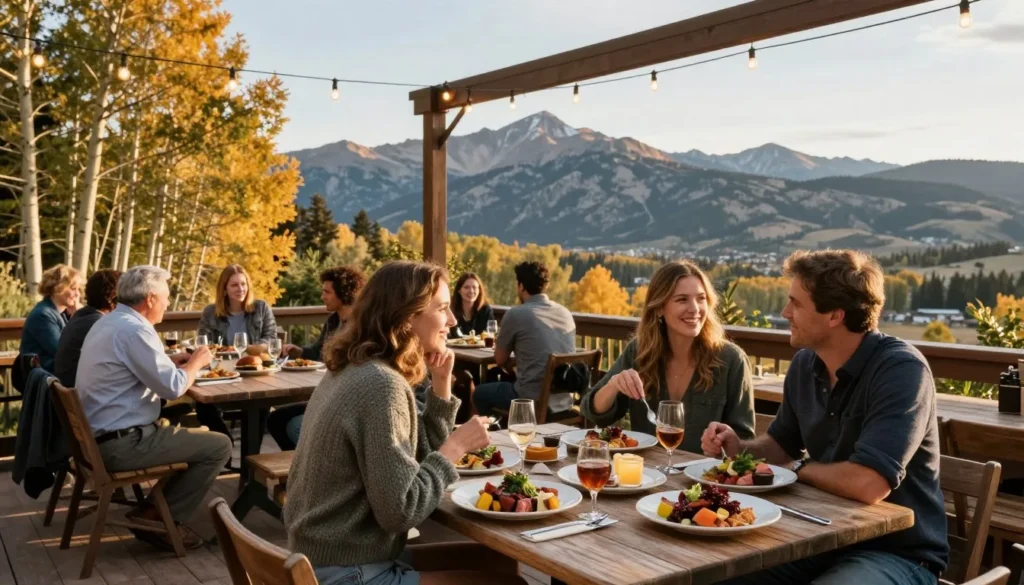
Carbondale offers the nearest substantial restaurant scene. More than a dozen establishments serve everything from pizza to upscale farm-to-table cuisine. The Village Smithy provides hearty breakfast options perfect before a mill adventure.
Local Specialties
Colorado craft beer flows freely throughout the valley. Roaring Fork Beer Company in Carbondale serves locally brewed ales alongside elevated pub fare. Outdoor seating allows guests to enjoy mountain views.
Aspen’s restaurant scene rivals any major city. Matsuhisa offers high-end Japanese fusion. Element 47 provides fine dining with wine pairings. Numerous casual spots serve everything from tacos to burgers.
Farm stands along Highway 133 sell fresh produce during summer. Peaches from the western slope ripen in August. Local honey and preserves make excellent souvenirs.
Provisions for the Trail
Stock up on supplies before leaving Carbondale or Glenwood Springs. Marble has minimal grocery options. Water, snacks, and lunch items should be purchased in advance.
Trail mix, energy bars, and sandwiches travel well. Bring more water than you think necessary. High altitude increases dehydration risk. Plan for at least two liters per person for the day.
Attractions, Sightseeing and Activities
The Crystal Mill itself dominates visitor attention. This 1892 wooden powerhouse generated electricity for nearby silver mines. Its precarious position above the river creates an unforgettable sight.
Photography represents the primary activity. The mill against autumn colors produces iconic Colorado images. Early morning light illuminates the east-facing structure beautifully. Late afternoon sun creates dramatic shadows.

Beyond the Mill
Crystal townsite ruins lie just beyond the mill. Weathered cabin foundations and mining equipment scatter across the hillside. Interpretive signs explain the history of this once-thriving community.
Lead King Basin offers extended exploration opportunities. This high alpine basin sits 8 km (5 miles) beyond Crystal. Even more challenging roads lead to abandoned mine sites and pristine meadows.
Rock collecting attracts many visitors. The area earned its name from abundant crystal formations. Quartz crystals of various sizes can be found throughout the valley. Collect only from areas where permitted.
Fishing Opportunities
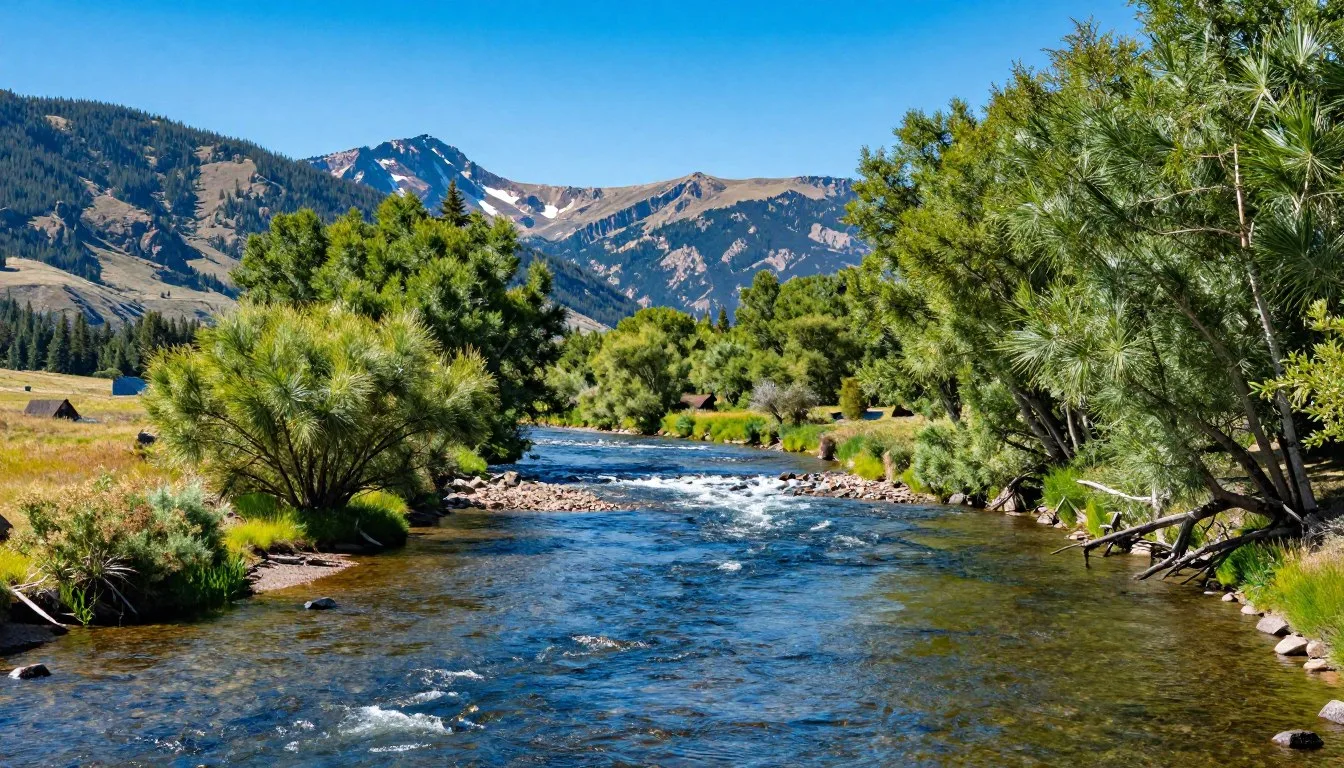
The Crystal River supports healthy trout populations. Cutthroat and rainbow trout inhabit the cold, clear waters. Fishing requires a valid Colorado fishing license.
Access to good fishing spots exists along the entire valley. The stretch below Marble offers easier access. More adventurous anglers fish above the mill where pressure remains lighter.
Museums, Cultural Spots and Festivals
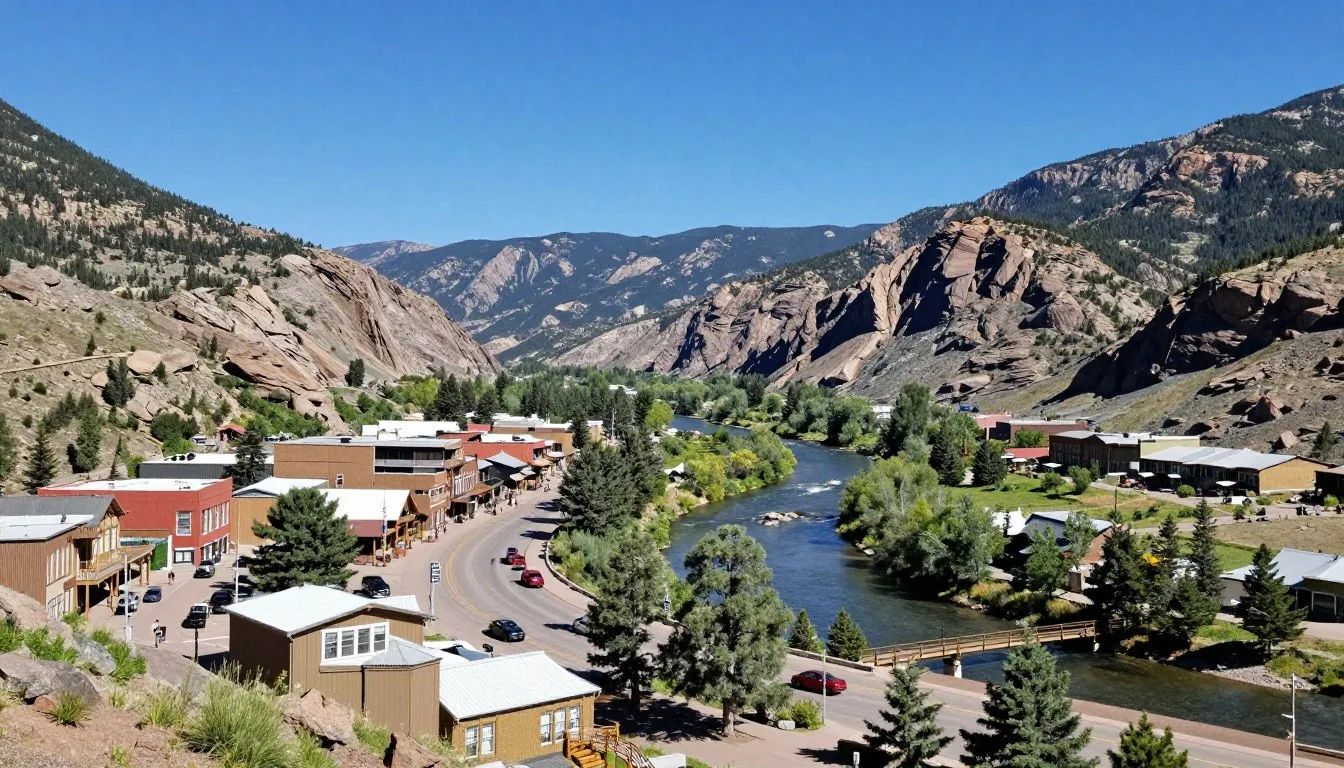
The historic town of Marble itself functions as a living museum. The Marble Mill site showcases where famous marble was quarried. This stone appears in the Lincoln Memorial and Tomb of the Unknown Soldier.
Marble Historical Society operates a small museum in town. Displays chronicle the marble quarrying industry and silver mining era. Photos show the area during its population peak in the early 1900s.
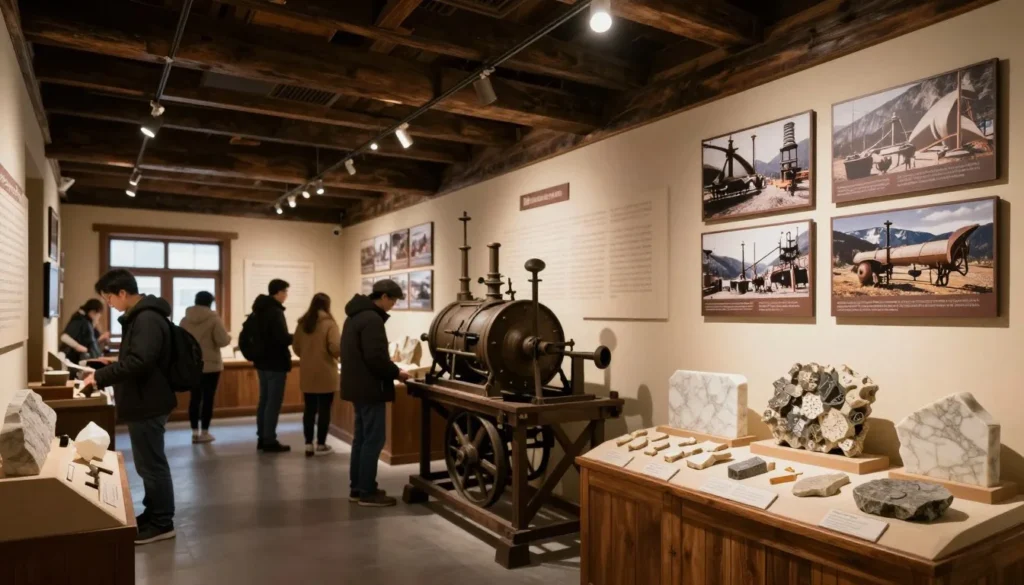
Redstone Castle stands as an architectural marvel 29 km (18 miles) away. This 42-room Tudor-style mansion was built in 1902 by coal baron John Cleveland Osgood. Tours operate during summer months.
Artistic Heritage
The Marble Symposium mentioned earlier transforms the town each summer. Massive marble blocks arrive from around the world. Artists spend weeks carving finished sculptures that remain on permanent display.
Anderson Ranch Arts Center in Snowmass Village offers workshops and exhibitions. This respected institution sits about 40 km (25 miles) from Marble. Ceramics, woodworking, and photography programs attract participants internationally.
Aspen Art Museum provides free admission year-round. Contemporary exhibitions showcase emerging and established artists. The building itself represents striking modern architecture.
Nature and Outdoor Experiences
White River National Forest surrounds the Crystal Mill area. This vast wilderness encompasses over 950,000 hectares (2.3 million acres). Countless trails wind through pristine alpine environments.
The Maroon Bells, frequently called Colorado’s most photographed mountains, rise dramatically 29 km (18 miles) south. Two 4,267 m (14,000′) peaks reflect perfectly in Maroon Lake below.
Hiking Adventures
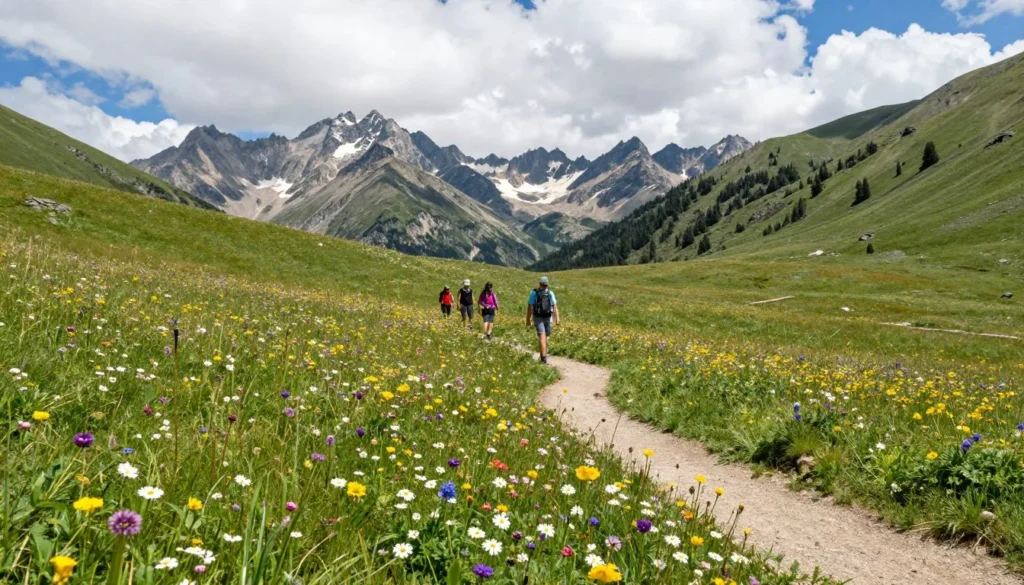
The Crystal Mill trail itself provides excellent hiking. The 10.5 km (6.5 miles) one-way route gains 335 m (1,100′) elevation. Moderate fitness levels can complete the hike comfortably.
Trail conditions vary throughout the season. Early summer may include stream crossings and muddy sections. Late season offers drier conditions but cooler temperatures.
Numerous side trails branch from the main route. Daniel’s Hill Trail climbs steeply to panoramic viewpoints. Treasury Mountain routes challenge experienced hikers with sustained elevation gain.
Wildlife Watching
Black bears inhabit the Crystal River Valley. Sightings occur regularly during summer months. Proper food storage prevents dangerous encounters. Make noise while hiking to avoid surprising bears.
Elk herds migrate through the area seasonally. Fall rutting season in September brings bugling bulls. These impressive animals often appear near treeline.
Marmots, pikas, and ground squirrels entertain visitors around the mill site. These small mammals thrive in the rocky alpine environment. Birdwatchers spot various high-elevation species including rosy-finches and ptarmigan.
Water Activities
The Crystal River provides limited water recreation near the mill. Rapids and cold temperatures make swimming impractical. Lower stretches below Marble allow kayaking during high water periods.
Nearby lakes offer better swimming. Lost Lake sits accessible via hiking trail above Marble. This pristine alpine lake warms slightly by August.
Travel With Children
Families should carefully consider the Crystal Mill trip. The challenging road can frighten young passengers. Steep dropoffs and rough conditions create anxiety even for adults.
Jeep tours provide the safest family option. Professional drivers handle the technical sections confidently. Children find the adventure exciting when experienced guides ensure safety.
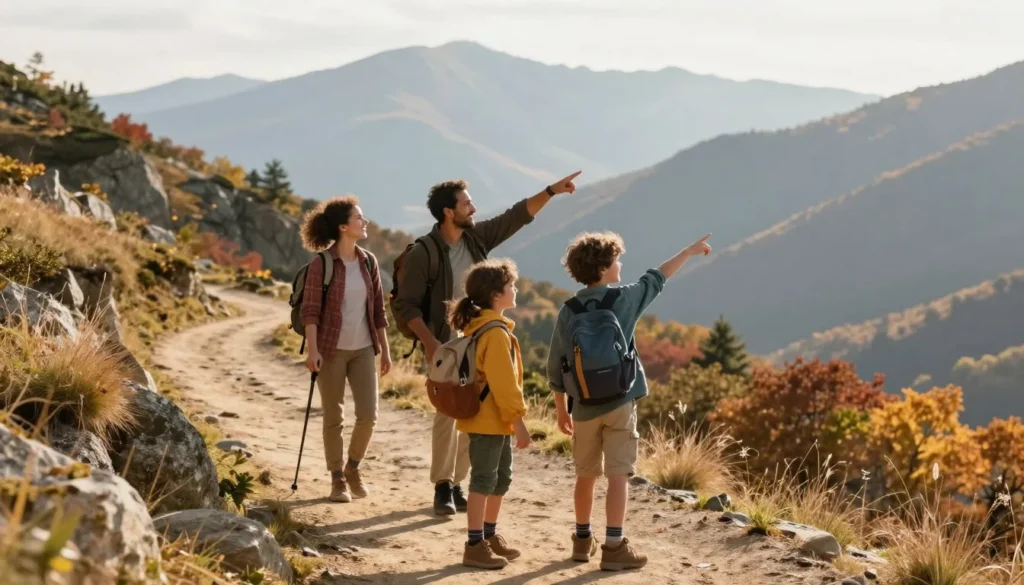
Hiking to the mill works well for older children. Kids above age 10 with hiking experience typically handle the trail. The long distance challenges younger children. Plan frequent breaks and bring plenty of snacks.
Age-Appropriate Activities
Rock collecting appeals to children of all ages. Searching for crystals keeps kids engaged during breaks. Teach proper collection ethics and respect for the environment.
Photography assignments give older children purpose. Challenge them to capture unique perspectives of the mill. Disposable or inexpensive cameras remove worry about expensive equipment.
The town of Marble offers gentler family activities. Exploring ruins and reading historic signs educates without physical demands. The marble quarry viewing area fascinates young minds.
Safety Considerations
Cold river water presents drowning hazards. Keep children away from the water’s edge. Swift current and slippery rocks create dangerous conditions.
Altitude affects children more than adults. Watch for signs of altitude sickness including headache and nausea. Descend immediately if symptoms develop.
Sun exposure increases at elevation. Apply sunscreen frequently. Wide-brimmed hats and long sleeves provide additional protection. Dehydration occurs quickly in the dry mountain air.
Money Saving Tips
Visiting Crystal Mill need not break the budget. Several strategies reduce costs significantly. Planning ahead provides the most savings opportunities.
Camping costs far less than hotels. Forest Service campgrounds charge modest fees around $20 per night. Dispersed camping remains completely free where permitted.
Hiking instead of taking jeep tours saves hundreds of dollars for families. One jeep tour can cost $150-250 per person. Walking costs nothing beyond your time and energy.
Food and Provisions
Grocery shopping in Glenwood Springs or Carbondale costs less than Aspen. Stock up on supplies before reaching pricier resort areas. Pack coolers to avoid restaurant expenses.
Prepare trail lunches at your accommodation. Sandwiches and snacks from the grocery store cost a fraction of restaurant meals. One picnic lunch saves $15-25 per person.
Water bottles refilled from taps eliminate buying expensive bottled water. Mountain town tap water tastes excellent and meets all safety standards.
Timing Your Visit
Visiting during shoulder season reduces accommodation costs. Late June or early September offers lower rates than peak July and August. Fall colors in September rival summer beauty.
Weekday visits cost less than weekends. Hotels and tour operators often discount midweek rates. Less crowding provides better experiences anyway.
Sharing jeep tour costs with other travelers spreads expenses. Many operators offer group rates. Connect with other visitors online before your trip.
Free Attractions
Most Crystal River Valley activities cost nothing. Hiking, photography, and exploring ghost towns require no admission fees. The stunning scenery provides endless free entertainment.
Marble’s historic sites and quarry overlook charge no admission. Self-guided walking tours around town cost nothing but time. Historical markers explain the area’s fascinating past.
Safety and Local Customs
Mountain safety requires knowledge and preparation. Afternoon thunderstorms develop rapidly during summer. Lightning presents serious danger above treeline. Start hikes early to descend before storms arrive.
Weather changes quickly at elevation. Morning sunshine can turn to snow by afternoon. Pack layers including warm jacket even during summer months. Hypothermia risk exists year-round in the mountains.

Road Safety
The Crystal River Jeep Road demands extreme caution. Narrow sections allow passing in only specific spots. Uphill traffic has right-of-way by convention. Downhill drivers should back to wider areas.
Cell phone coverage does not exist beyond Marble. Satellite communication devices provide the only emergency contact method. Inform someone of your plans before departing.
Breakdowns on the jeep road create serious problems. Bring recovery equipment including tow straps and shovel. Extra fuel, water, and food provide security if delays occur.
Wildlife Precautions
Bear encounters require specific responses. Never run from bears. Make yourself appear large and back away slowly. Bear spray provides effective protection if charged.
Store all food in bear-resistant containers or vehicles. Never leave food unattended at camp or trailside. Cooking smells attract bears from long distances.
Moose sightings occur occasionally. These large animals appear docile but can charge without warning. Give moose at least 25 m (75′) distance.
Local Etiquette
Respect for private property maintains access to Crystal Mill. Landowners generously allow passage across their land. Poor behavior could result in closure. Stay on designated routes always.
Pack out all trash including toilet paper. Leave No Trace principles apply throughout the area. Other visitors deserve pristine conditions you expect to find.
The mill itself remains private property. View and photograph from the public side of the river. Do not cross fences or posted boundaries. Trespassing damages relationships with landowners.
Visitor Comments About Crystal Mill Viewpoint Colorado
O.A., Racine: “The Crystal Mill exceeded every expectation. We hired a jeep tour which proved absolutely worth the cost. Our driver navigated terrain I would never attempt myself. The mill against fall colors looked exactly like the photos, only better in person. The entire valley showcases Colorado at its finest. We spent an hour at the site taking photos from every angle. The old mining ruins nearby added historical context. This ranks among the most spectacular places I have visited anywhere.”
E.W., Stockton: “Our family hiked to the mill in late July. The 13-mile round trip challenged our teenagers but they managed fine. We started at 6 AM to avoid afternoon storms. Stream crossings got our boots wet but nothing too difficult. Wildlife sightings included marmots and one black bear at distance. Pack plenty of water and snacks. The trail gains more elevation than expected. Totally worth the effort though. The mill looks incredible and the valley scenery kept us entertained the whole way.”
B.N., Hamilton: “I drove my modified 4Runner to Crystal Mill and barely made it. That road is no joke. Several sections had me questioning my sanity. Deep ruts, huge boulders, and steep climbs tested my rig thoroughly. Stock vehicles would never survive. But reaching the mill under my own power felt amazing. I camped nearby and shot sunrise photos without crowds. September colors were absolutely stunning. This trip requires proper preparation but delivers unforgettable rewards.”
Additional Nearby Destinations
The Crystal River Valley connects to numerous other Colorado highlights. Extending your trip reveals more spectacular scenery and experiences. Several destinations lie within easy driving distance.
Maroon Bells-Snowmass Wilderness protects some of Colorado’s most dramatic terrain. The Maroon Bells themselves rise just 29 km (18 miles) from Marble. Crater Lake Trail provides relatively easy access to stunning views.

Aspen and Snowmass
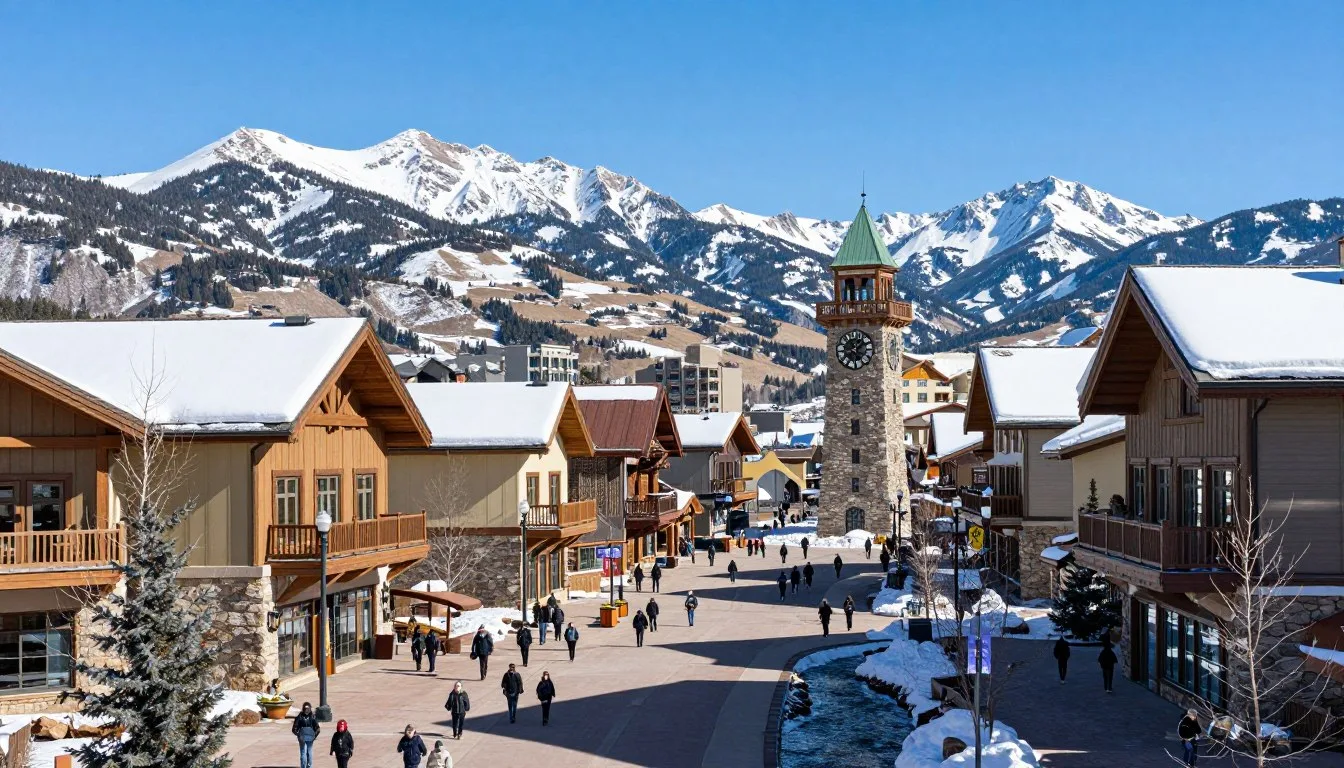
Aspen lies 48 km (30 miles) from Marble. This world-famous resort town offers upscale shopping, dining, and cultural attractions. Free outdoor concerts occur weekly during summer.
Four ski mountains surround Aspen. Summer activities include mountain biking, hiking, and scenic gondola rides. The Maroon Bells shuttle departs from Aspen Highlands.
Snowmass Village provides a slightly more relaxed alternative. The Breathtaker Alpine Coaster operates year-round. Hiking trails access high alpine terrain directly from the village.
Glenwood Springs
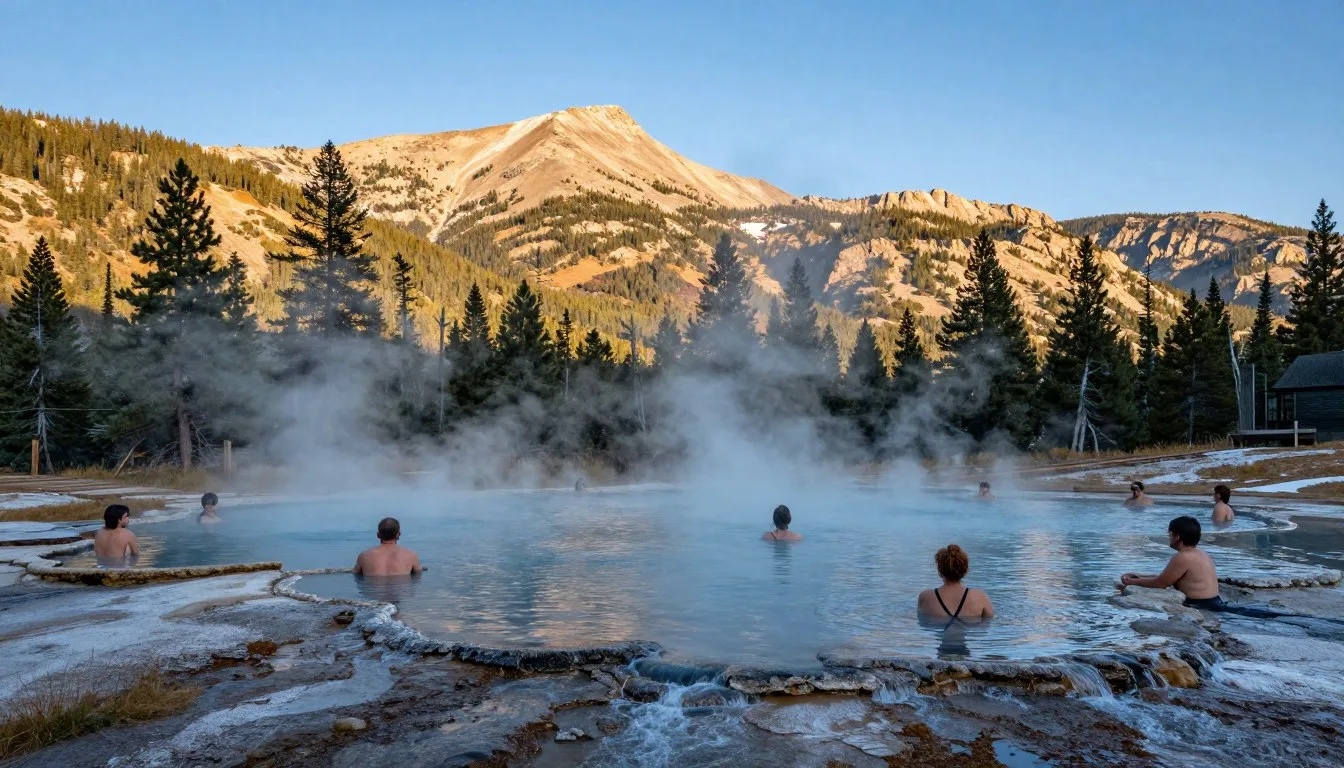
Glenwood Springs sits 56 km (35 miles) from Marble. The town features the world’s largest hot springs pool. Soaking in natural mineral water provides perfect recovery after Crystal Mill adventures.
Glenwood Caverns Adventure Park perches on Iron Mountain above town. Cave tours explore stunning underground formations. Thrill rides include alpine coasters and canyon swings.
Hanging Lake Trail climbs from Glenwood Canyon. This extremely popular hike requires advance reservations. The turquoise lake seems to float on its travertine walls.
Black Canyon of the Gunnison
Black Canyon National Park lies 129 km (80 miles) southwest. Sheer canyon walls drop 823 m (2,700′) to the Gunnison River. Rim drives provide spectacular overlooks without strenuous hiking.
The dramatic geology differs completely from Crystal Mill’s alpine environment. Dark metamorphic rock contrasts with the lighter granite of the Elk Mountains.
Practical Travel Tips
Altitude acclimatization prevents unpleasant symptoms. Spend at least one night between 2,134-2,438 m (7,000-8,000′) before visiting the mill. Drink extra water and avoid alcohol initially.
Sun protection requires serious attention. UV radiation increases significantly at elevation. SPF 50+ sunscreen should be reapplied every two hours. Lip balm with SPF prevents painful chapped lips.
What to Pack
- Sturdy hiking boots with ankle support and good tread
- Layered clothing including warm jacket even in summer
- Rain gear and waterproof pack cover
- Two liters minimum water per person
- High-energy snacks and lunch
- First aid kit including blister treatment
- Map and compass or GPS device
- Headlamp with extra batteries
- Emergency shelter or space blanket
- Camera with extra batteries and memory cards
Best Photography Practices
Morning light illuminates the mill’s east face beautifully. Arrive before 8 AM for optimal conditions. Late afternoon creates dramatic shadows but less even lighting.
Polarizing filters reduce glare from water and enhance sky contrast. Neutral density filters allow longer exposures for smooth water effects. Tripods prove essential for low-light shots.
Scout various angles around the viewing area. The classic shot shows the mill from slightly downstream. Close-ups capture weathered wood detail and cascading water.
Connectivity and Communication
Cell service vanishes beyond Marble. Download maps and information before losing signal. Offline GPS apps work without cell coverage.
Satellite messengers like SPOT or Garmin inReach provide emergency communication. These devices work anywhere with clear sky view. Consider renting one for the trip.
WiFi exists at accommodations in Carbondale and Aspen. Upload photos and check weather forecasts before heading to remote areas.
Environmental Responsibility
Leave No Trace principles preserve this special place for future visitors. Pack out everything you pack in. Use established trails and campsites only.
Human waste requires proper disposal. Bury waste 15-20 cm (6-8″) deep at least 61 m (200′) from water. Pack out toilet paper in sealed bags.
Avoid disturbing wildlife and vegetation. Stay on trails to prevent erosion. Never feed animals as it changes natural behaviors and creates dangerous situations.
Your Crystal Mill Adventure Awaits
The Crystal Mill Viewpoint stands as one of Colorado’s most rewarding destinations. Whether you arrive by rugged jeep road or on your own two feet, the experience creates lasting memories. That weathered wooden structure clinging to its rocky perch seems to embody the spirit of Colorado’s mining era.
The surrounding wilderness offers endless exploration opportunities beyond the mill itself. From fall colors that ignite the mountainsides to summer wildflowers carpeting alpine meadows, every season brings unique beauty to the Crystal River Valley.
Start planning your journey to this iconic Colorado treasure. The challenging access keeps crowds manageable even during peak season. Those who make the effort discover why photographers and adventurers consider Crystal Mill an essential Colorado experience. The mountains are calling, and this spectacular viewpoint rewards every bit of planning and preparation your trip requires.