Hotels by Trip.com
Flights by Trip.com
Did you know that over 100 volcanic centers created one of North America’s most extensive volcanic fields right in the heart of central Colorado? The Thirtynine Mile Volcanic Field sprawls across an impressive area, preserving millions of years of explosive geological history beneath its rugged landscape.
This remarkable volcanic field earned its name from Thirtynine Mile Mountain, a prominent peak that early settlers used as a landmark measuring roughly 39 miles from important regional reference points during Colorado’s pioneering days.
Central Colorado’s Thirtynine Mile Volcanic Field offers travelers a unique blend of ancient geology, outdoor adventure, and authentic Western heritage. Unlike crowded tourist destinations, this volcanic field provides an off-the-beaten-path experience where you can explore volcanic outcrops, hike pristine trails, and discover the fascinating geological processes that shaped the Rocky Mountain region.
Whether you’re a geology enthusiast, outdoor adventurer, or family seeking educational experiences, this comprehensive travel guide reveals everything you need to plan an unforgettable journey through one of Colorado’s most geologically significant landscapes.
Getting There & Planning Your Journey
Reaching the Thirtynine Mile Volcanic Field requires some planning, as this remote central Colorado destination sits away from major highways. However, the journey itself offers spectacular Rocky Mountain scenery that makes the drive part of your adventure.
Closest Airports to Thirtynine Mile Volcanic Field
Several airports provide access to the volcanic field area, each offering different advantages depending on your travel plans and budget.
Colorado Springs Airport (COS)
Located approximately 97 km (60 miles) southeast, Colorado Springs Airport serves as the closest major airport to the Thirtynine Mile Volcanic Field.
- Multiple daily flights from major United States cities
- Car rental facilities on-site
- Driving time approximately 90 minutes to the volcanic field
- Convenient access to Pikes Peak and Garden of the Gods
Denver International Airport (DEN)
Denver International Airport sits about 193 km (120 miles) northeast and offers the widest selection of flights and competitive pricing.
- Largest airport in the Rocky Mountain region
- International and domestic flight connections
- Approximately 2.5 hours driving distance
- Most rental car options and best rates
Pueblo Memorial Airport (PUB)
This smaller regional airport lies roughly 113 km (70 miles) south of the volcanic field area.
- Limited commercial service with seasonal variations
- Less crowded alternative to larger airports
- About two hours driving time
- Good option for travelers from select United States markets
Ground Transportation Options
Renting a vehicle remains essential for exploring the Thirtynine Mile Volcanic Field, as public transportation doesn’t serve this remote area.
- Four-wheel drive recommended for backcountry routes
- Standard vehicles adequate for main roads
- Fill gas tanks in larger towns before venturing into the field
- Download offline maps as cell service can be spotty
Route Planning and Road Conditions
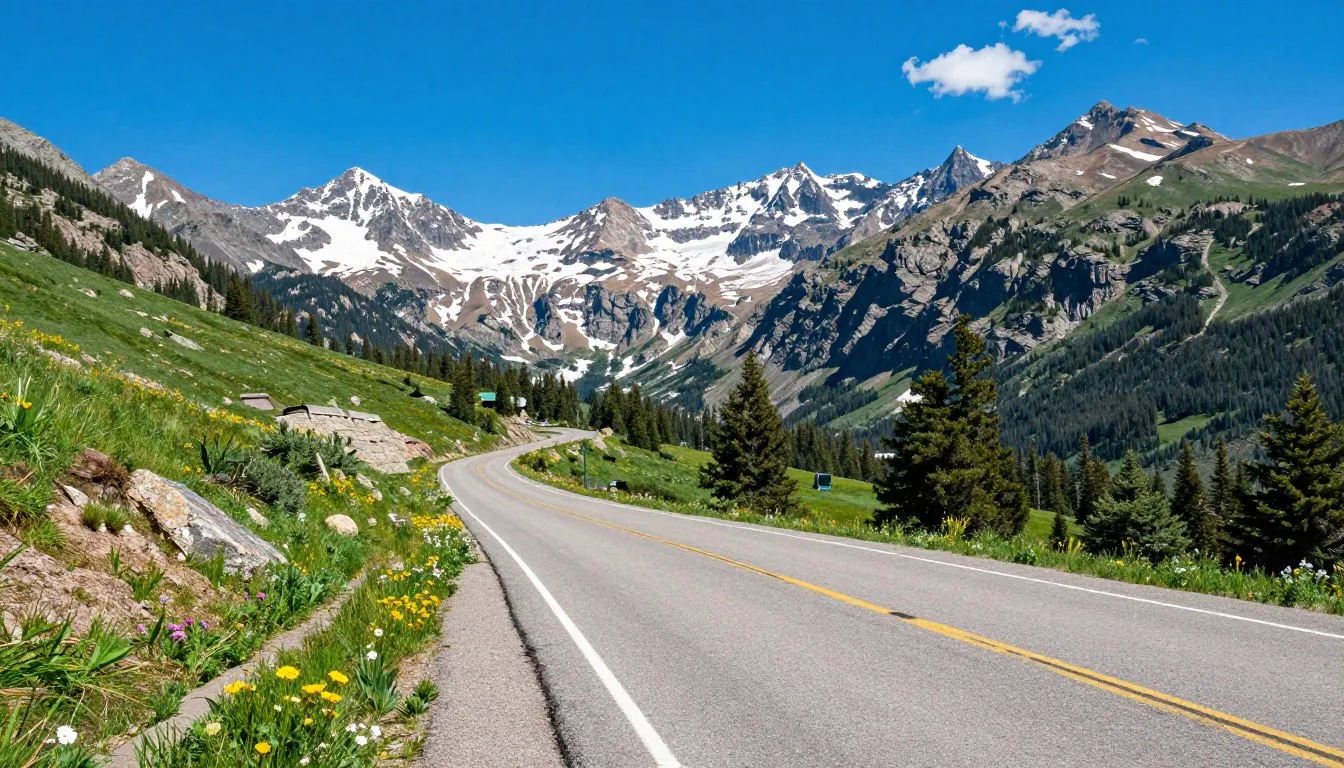
The primary access routes to the Thirtynine Mile Volcanic Field traverse scenic highways through Park County and surrounding areas. US Highway 24 serves as the main corridor, connecting you to smaller county roads that penetrate deeper into the volcanic field.
From Colorado Springs, follow Highway 24 west through the mountains. This route passes through historic mining towns and offers stunning views of Pikes Peak before reaching the volcanic field area near Hartsel and the South Park region.
Denver travelers should take Highway 285 southwest toward South Park, then connect with local roads accessing various parts of the volcanic field. This route showcases the dramatic transition from Colorado’s Front Range to the high-altitude basin containing much of the volcanic field.
Winter travelers should check road conditions carefully. Snow can close mountain passes and make unpaved roads impassable from November through April. Summer and early fall provide the most reliable access, though afternoon thunderstorms are common during July and August.
What to Know Before You Go
The Thirtynine Mile Volcanic Field spans a vast area of central Colorado, so planning your specific destinations within the field helps maximize your time. The field extends from the South Park basin westward, encompassing numerous volcanic centers and outcrops.
Many geological features sit on public lands managed by the Bureau of Land Management and US Forest Service, allowing free access for hiking and exploration. However, some areas cross private property, so respect posted boundaries and obtain permission when necessary.
Pack essential supplies including water, snacks, sun protection, and layers for changing mountain weather. Cell phone coverage remains unreliable throughout much of the volcanic field, making offline maps and GPS devices valuable navigation tools.
Best Time to Visit & Weather Tips
Timing your visit to the Thirtynine Mile Volcanic Field significantly impacts your experience. Central Colorado’s high-altitude environment creates distinct seasonal conditions that affect accessibility, comfort, and the types of activities available.

Best Time to Visit Thirtynine Mile Volcanic Field
The optimal visiting window runs from late May through September, when roads are reliably passable and weather conditions favor outdoor exploration. This period offers the best combination of accessibility and pleasant conditions for experiencing the volcanic field.
Peak Season: June Through August
Summer months deliver ideal conditions for exploring the Thirtynine Mile Volcanic Field. Daytime temperatures typically reach 21°C to 26°C (70°F to 80°F) at lower elevations, while nights cool to 4°C to 10°C (40°F to 50°F).
- All roads and trails accessible
- Wildflowers peak in July at higher elevations
- Afternoon thunderstorms common but brief
- Longest daylight hours for extended exploration
- Busiest time for visitor services in nearby towns
Shoulder Season: May and September
These months offer excellent alternatives to peak summer crowds. May brings spring conditions with lingering snow at higher elevations, while September delivers crisp autumn weather and changing aspen colors.
- Fewer visitors throughout the area
- Comfortable daytime temperatures 15°C to 21°C (60°F to 70°F)
- Some higher-elevation roads may remain closed in May
- September offers spectacular fall colors in aspen groves
- Wildlife more active during cooler temperatures
Seasons to Approach With Caution
Winter visits from November through April present significant challenges in the Thirtynine Mile Volcanic Field. Heavy snowfall, road closures, and extreme cold make many areas inaccessible without specialized winter equipment and experience.
October can be unpredictable, with early winter storms occasionally blanketing the region while other years remain mild. If visiting during this transition month, prepare for winter conditions even if forecasts suggest otherwise.
Understanding Central Colorado Weather Patterns
The volcanic field’s location in central Colorado creates unique weather dynamics. High elevation, typically ranging from 2,400 m to 3,200 m (8,000 to 10,500 feet), means thinner air, intense sun, and rapid weather changes.
Summer afternoon thunderstorms develop with remarkable regularity. These storms typically build between 1:00 PM and 4:00 PM, bringing lightning, heavy rain, and occasionally hail. Plan outdoor activities for morning hours when skies remain clearer and storms haven’t yet developed.
UV radiation intensifies at high altitude, making sun protection essential even on cloudy days. Apply sunscreen with SPF 30 or higher, wear wide-brimmed hats, and use UV-blocking sunglasses to prevent sunburn and eye damage.
Temperature swings of 17°C to 22°C (30°F to 40°F) between day and night occur frequently. Layer clothing to adapt to changing conditions throughout the day, and always pack warm layers even during summer visits.
Monthly Weather Overview
January and February bring the coldest conditions, with daytime highs struggling to reach -1°C to 4°C (30°F to 40°F) and overnight lows plunging to -18°C to -12°C (-0°F to 10°F). Snow covers the landscape, and many access roads remain impassable.
March and April mark the transition toward spring, though winter conditions persist. Snowfall remains common, and temperatures gradually warm to 7°C to 13°C (45°F to 55°F) during the day. Mud season makes some roads treacherous.
May sees rapid warming and snow melt at lower elevations. Daytime temperatures climb to 13°C to 18°C (55°F to 65°F), though higher volcanic centers retain snow. Roads begin opening, and wildflowers emerge at lower elevations.
June marks the beginning of prime visiting season. Temperatures reach 18°C to 24°C (65°F to 75°F), most roads clear of snow, and vegetation greens up across the volcanic field. Afternoon clouds build but intense storms remain less frequent than July.
July and August deliver classic Rocky Mountain summer weather. Warm days averaging 21°C to 26°C (70°F to 80°F) give way to afternoon thunderstorms, followed by clear evenings. This period offers the most reliable weather for camping and extended backcountry exploration.
September brings autumn conditions with cooling temperatures around 15°C to 21°C (60°F to 70°F). Storm frequency decreases, creating stable weather patterns. Aspen trees turn golden across the hills surrounding the volcanic field.
October through December sees winter’s return. Early snowstorms can arrive in October, while November typically brings sustained winter conditions. Temperatures drop steadily, and by December, full winter weather dominates the landscape.
Notable Annual Festivals
While the Thirtynine Mile Volcanic Field itself hosts no organized festivals due to its remote, undeveloped nature, nearby communities in Park County and the surrounding central Colorado region celebrate their Western heritage, geology, and outdoor culture with several annual events worth timing your visit around.

Regional Celebrations Near the Volcanic Field
The towns surrounding the Thirtynine Mile Volcanic Field maintain strong connections to their mining heritage and agricultural roots. These celebrations offer insights into local culture and provide entertainment options during your geological explorations.
Fairplay Burro Days
Held annually in late July in nearby Fairplay, this celebration honors the pack burros that served miners throughout South Park and surrounding areas. The festival features burro racing, where competitors run alongside burros over mountain terrain.
Events include live music, historical demonstrations, craft vendors, and a parade celebrating Park County’s mining heritage. Contact organizers for specific dates and registration information.
Silver Cliff Music Festival
Taking place in August in the historic mining town of Silver Cliff, located near the volcanic field’s eastern extent, this music festival showcases regional musicians across multiple genres in an intimate mountain setting.
The event combines live performances with local food vendors and artisan booths, creating a celebration of central Colorado’s artistic community against the backdrop of volcanic peaks.
Cañon City Geology Days
This specialized event, typically held in September, celebrates the remarkable geology of the broader region including volcanic formations. Educational programs, guided field trips, and presentations by geologists provide deeper understanding of the area’s volcanic history.
Perfect for those specifically interested in the geological aspects of the Thirtynine Mile Volcanic Field, this event offers expert-led exploration opportunities.
Seasonal Outdoor Events
Beyond traditional festivals, the region hosts various outdoor recreation events throughout the summer season. Trail running races, mountain bike competitions, and wilderness skills workshops take advantage of the volcanic field’s dramatic terrain and central Colorado’s outdoor recreation culture.
Local chambers of commerce in Fairplay, Hartsel, and nearby communities maintain updated calendars of events. Checking these resources before your trip helps you discover additional happenings that might enhance your visit to the Thirtynine Mile Volcanic Field area.
Getting Around Locally
Navigating the Thirtynine Mile Volcanic Field requires self-sufficiency and careful planning. Unlike developed tourist destinations, this remote area lacks public transportation, ride-sharing services, and many modern conveniences travelers often take for granted.
Vehicle Requirements and Recommendations
A personal vehicle provides the only practical means of exploring the volcanic field. While paved highways connect larger towns in the region, accessing specific volcanic centers and geological features requires driving unpaved roads of varying quality.
Standard passenger cars suffice for paved routes and well-maintained gravel roads leading to major points of interest. However, higher-clearance vehicles open access to more remote volcanic outcrops and backcountry areas where sedans might struggle with rocks and ruts.
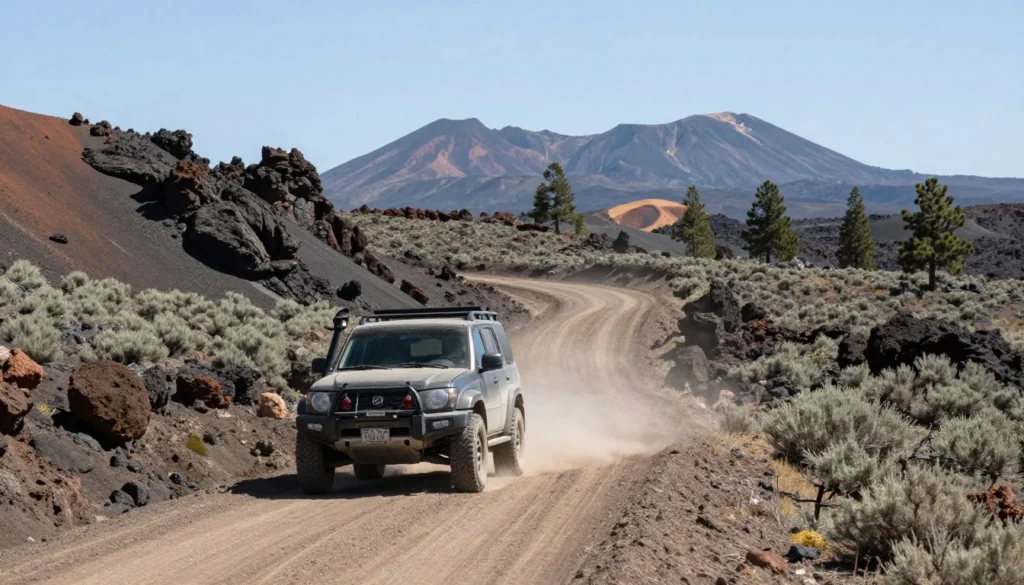
Four-wheel drive becomes essential during wet conditions when roads turn muddy, and mandatory for exploring the most remote parts of the volcanic field. Even during dry summer weather, some routes challenge two-wheel-drive vehicles with steep grades, loose gravel, and rocky surfaces.
Navigation Strategies
Cell phone coverage remains spotty to nonexistent throughout much of the Thirtynine Mile Volcanic Field. Download offline maps before leaving areas with reliable internet connectivity, ensuring you can navigate even without cell service.
Traditional paper maps provide valuable backup navigation tools. The Bureau of Land Management and US Forest Service publish maps showing roads, trails, and land ownership boundaries throughout the volcanic field area. Purchase these maps at ranger stations or outdoor retailers in larger towns.
GPS devices work well in this open landscape, though satellite receivers occasionally struggle in narrow canyons or dense forest. Always carry backup navigation methods and inform someone of your planned route before heading into remote areas.
Road Conditions and Seasonal Access
Road quality varies dramatically across the volcanic field. US Highway 24 and other paved roads maintain year-round access with regular plowing during winter. County roads receive less maintenance, with grading schedules that may leave surfaces rough for extended periods.
Backcountry tracks accessing specific volcanic centers often exist as primitive two-track routes. These roads see minimal maintenance and may become impassable after storms, during spring mud season, or when fall rains saturate the ground.
Always check current road conditions before venturing far from paved highways. Local ranger stations, sheriff’s offices, and land management agencies provide updates on road closures and conditions. What appears passable on maps may be closed due to seasonal conditions, private land issues, or resource protection measures.
Fuel and Services
Gas stations cluster in the few towns surrounding the volcanic field, with significant distances between services. Hartsel, Fairplay, and other small communities offer fuel, though prices typically run higher than in larger cities.
Fill your tank before venturing into the volcanic field itself. Exploring volcanic centers, driving scenic backroads, and navigating to trailheads consumes more fuel than highway driving. Running out of gas in this remote area creates serious safety concerns given limited cell coverage and infrequent traffic on backcountry routes.
Carry emergency supplies including water, food, warm clothing, and basic vehicle repair tools. The remoteness of much of the Thirtynine Mile Volcanic Field means help may be hours away if mechanical problems occur far from towns.
Parking and Trailhead Access
Most geological features and volcanic centers lack formal parking areas. Instead, roadside pullouts, widened sections of track, or informal parking spots serve as staging areas for hikes and exploration.
Park completely off the roadway to allow other vehicles to pass safely. Avoid blocking gates, turnoffs, or areas that might prevent emergency vehicles or land management officials from accessing the area.
Some popular geological sites have developed small parking areas through repeated use. These unofficial parking spots work well but offer no facilities, services, or security for vehicles left while hiking.
Where to Stay
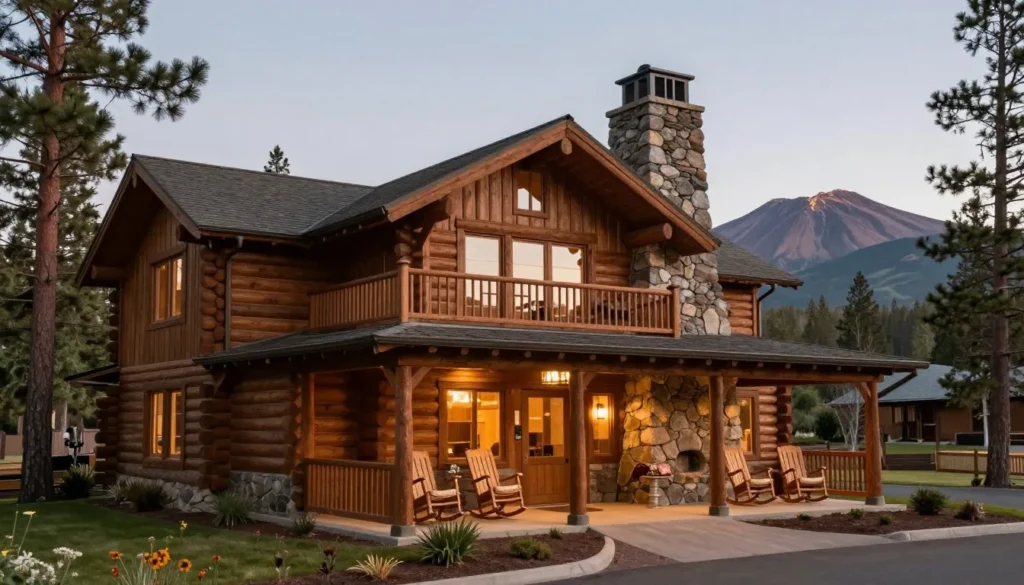
Accommodation options near the Thirtynine Mile Volcanic Field range from rustic camping to comfortable small-town lodging. The remote nature of the volcanic field means most visitors base themselves in nearby communities, making day trips into the geological area.
Nearby Towns and Communities
Several small towns within reasonable driving distance of the Thirtynine Mile Volcanic Field offer lodging, dining, and supplies. These communities serve as practical bases for exploring the volcanic area while providing comfortable amenities after days spent hiking and sightseeing.
Fairplay Lodging
Located in South Park near the northern extent of the volcanic field, Fairplay provides the most lodging options in the immediate area. This historic mining town offers several small hotels, bed and breakfasts, and vacation rentals.
- Approximately 24 km (15 miles) from volcanic field access points
- Full-service town with restaurants and grocery stores
- Historic atmosphere with Victorian-era buildings
- Elevation 3,048 m (10,000 feet) – allow time to acclimatize
Hartsel Area Options
This tiny community sits closer to central portions of the volcanic field, offering more limited but strategic lodging. A few small motels and guest ranches provide basic accommodations in a truly rural setting.
- Central location for accessing multiple volcanic centers
- Very limited services – plan accordingly
- Guest ranches offer Western atmosphere
- Dark skies perfect for stargazing
Regional Accommodation Hubs
Larger towns slightly farther from the Thirtynine Mile Volcanic Field provide more extensive lodging selections and amenities. These communities work well for travelers seeking more comfort and dining variety while accepting longer drives to the volcanic field.
Buena Vista, located west of the volcanic field, offers numerous hotels, inns, and vacation rentals in a scenic mountain valley. This popular outdoor recreation hub sits about 48 km (30 miles) from western portions of the volcanic field, making it a comfortable base with excellent restaurants and shops.
Cañon City to the south provides another substantial lodging option. This larger town features chain hotels, local motels, and bed and breakfasts, along with full services and attractions of its own. The drive to the volcanic field takes approximately one hour from Cañon City.
Camping and Primitive Options
For adventurous travelers, camping near the Thirtynine Mile Volcanic Field creates an immersive experience in this geological wonderland. Both developed campgrounds and dispersed camping opportunities exist throughout the area.
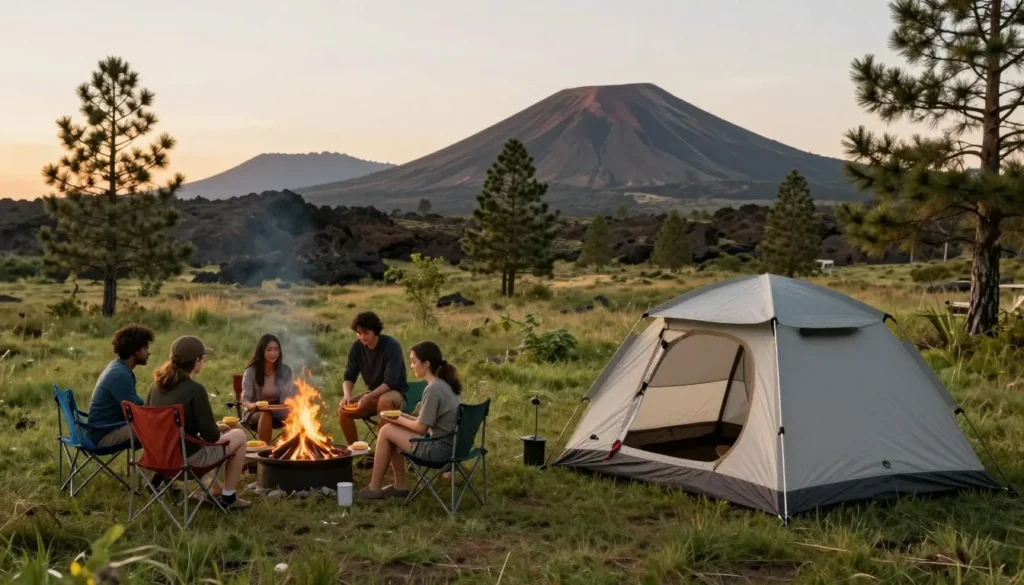
National Forest campgrounds near the volcanic field offer basic facilities including vault toilets, fire rings, and picnic tables. These developed sites require fees but provide convenient access to hiking, fishing, and geological exploration. Most campgrounds operate from late May through September, closing during winter.
Dispersed camping on public lands allows free camping in many areas surrounding volcanic centers. The Bureau of Land Management and Forest Service permit camping outside developed campgrounds on much of the public land in the volcanic field, provided you follow Leave No Trace principles.
When dispersed camping, select sites at least 61 m (200 feet) from water sources, roads, and trails. Use existing fire rings when available, or better yet, use camp stoves instead of building fires. Pack out all trash and practice minimum-impact camping to preserve the area’s natural character.
Water sources remain limited in the volcanic field, and those that exist may not be reliable year-round. Carry sufficient water for your entire stay, or bring filtration equipment to treat natural sources. Always treat water from streams, springs, or lakes to prevent waterborne illness.
Guest Ranches and Unique Stays
Several working cattle ranches in Park County and surrounding areas offer guest ranch experiences, combining lodging with authentic Western activities. These ranches typically provide meals, horseback riding, and opportunities to participate in ranch work.
Guest ranches suit travelers seeking structured activities and all-inclusive experiences. While generally pricier than independent travel, they deliver deep immersion in Colorado ranch culture and often provide guided access to private lands containing volcanic features.
Booking Considerations and Timing
The limited lodging capacity in communities near the Thirtynine Mile Volcanic Field means advance booking becomes important during summer months. July and August see the highest demand as families travel during school vacation and weather conditions peak.
Shoulder season travelers often find excellent availability and occasionally discounted rates in May, June, and September. Some lodging properties close during winter, so options become very limited from November through April.
The remote location means few lodging properties maintain sophisticated online booking systems. Calling directly often works better than relying solely on booking websites, particularly for smaller bed and breakfasts or guest ranches.
Dining & Local Cuisine
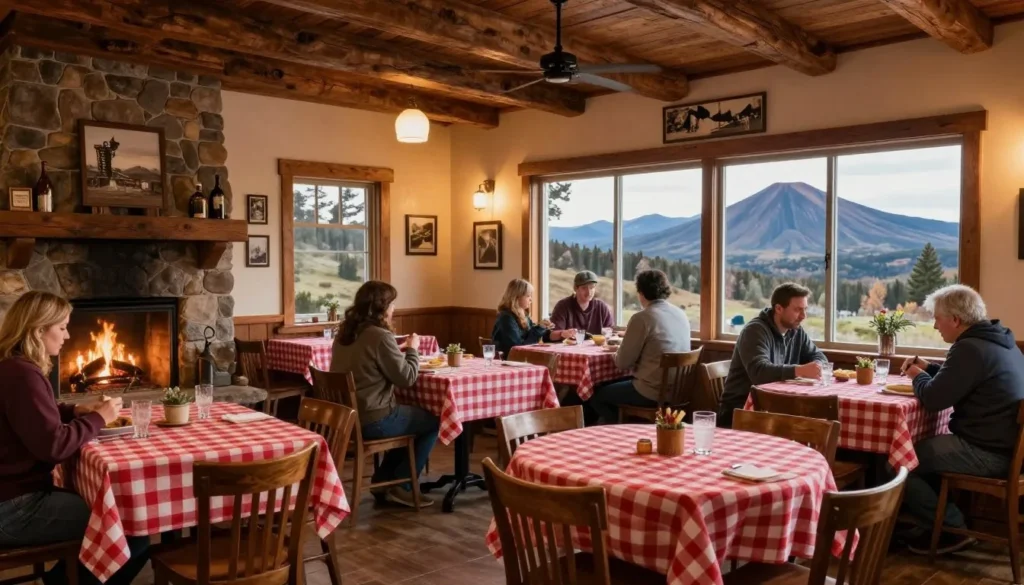
Dining options near the Thirtynine Mile Volcanic Field reflect the region’s small-town character and ranching heritage. Expect hearty Western fare, friendly service, and authentic Colorado mountain town atmosphere rather than sophisticated culinary scenes or trendy restaurants.
What to Expect From Local Restaurants
The communities surrounding the volcanic field serve practical, filling food designed for people spending active days outdoors. Breakfast features substantial portions to fuel hiking and exploration. Lunch often centers on sandwiches, burgers, and soups. Dinner brings steaks, barbecue, and classic American comfort food.
Restaurants in these small towns typically operate with limited hours, often closing by 8:00 or 9:00 PM. Some establishments close entirely on certain weekdays during slower seasons. Calling ahead prevents disappointment when planning dinner after a long day exploring volcanic outcrops.
Most dining establishments maintain casual atmospheres where hiking boots and outdoor clothing fit perfectly. These aren’t places requiring reservations or dress codes. Instead, they welcome tired, hungry adventurers with friendly Western hospitality.
Regional Specialties and Local Flavors
Colorado ranch country influences menus throughout the area. Beef raised on nearby ranches appears in many dishes, often in generous portions reflecting the region’s cattle ranching heritage. Steaks, burgers, and barbecue showcase local beef at its best.
Game meats occasionally appear on menus, including elk, bison, and venison. These proteins connect to Colorado’s hunting traditions and offer tastes distinctly different from conventional meat options.
Green chile, a Colorado staple, appears in countless preparations. This sauce made from roasted green chilies adds moderate heat and distinctive flavor to breakfast burritos, burgers, and standalone bowls. Trying green chile in various forms gives you a taste of Colorado food culture.
Mountain town bakeries produce excellent breakfast pastries, breads, and sweets. Fresh-baked cinnamon rolls, fruit pies, and cookies provide perfect trail snacks or rewards after challenging hikes.
Dining in Nearby Communities
Fairplay offers the most restaurant selection near the Thirtynine Mile Volcanic Field. This South Park town features several cafes serving breakfast and lunch, a brewery with pub food, and restaurants offering dinner options from pizza to steaks.
The historic character of Fairplay adds charm to dining experiences. Some restaurants occupy Victorian-era buildings, creating atmosphere that enhances meals with tangible connections to Colorado’s mining heritage.
Smaller communities like Hartsel provide very limited dining options. A general store may offer deli sandwiches and basic supplies, but full-service restaurants prove scarce. Travelers basing in these tiny towns should prepare for cooking their own meals or driving to larger communities for restaurant dining.
Provisioning for Self-Catering
Many visitors to the Thirtynine Mile Volcanic Field prepare their own meals, either by necessity when camping or by preference to maximize time exploring rather than searching for restaurants in scattered towns.
Small grocery stores in Fairplay and other communities stock basic provisions. Selection remains limited compared to supermarkets in larger cities, and prices run somewhat higher due to remote locations and small-scale operations.
Stocking up on groceries in Colorado Springs, Denver, or other larger cities before heading to the volcanic field area makes sense for extended visits. Bringing coolers allows you to carry perishables, while non-perishable items can be stored in your vehicle or accommodation.
Breweries and Local Beverages
Colorado’s craft beer culture extends even to small mountain towns near the Thirtynine Mile Volcanic Field. Local breweries create gathering spots where travelers and locals mingle over regionally crafted beers.
These small-town breweries often feature limited food menus or allow food trucks to park outside, creating casual dining experiences centered on craft beer and community. The atmosphere tends toward laid-back and welcoming, perfect for unwinding after days spent hiking the volcanic landscape.
Many breweries source water from local mountain streams and springs, creating distinct mineral profiles that contribute subtle character to their beers. Tasting these hyperlocal brews connects you to the very water flowing through the Thirtynine Mile Volcanic Field’s watersheds.
Practical Dining Tips
Carry snacks and water when exploring the volcanic field itself. No services exist within the remote geological area, and the nearest restaurants may be an hour’s drive from wherever you’re exploring.
Trail mix, energy bars, jerky, and fresh fruit travel well and provide quick energy during hikes. Sandwiches packed from your lodging or a morning stop at a deli make excellent trail lunches that don’t require cooking equipment.
The high altitude can suppress appetite initially, but the physical demands of hiking volcanic terrain require adequate caloric intake. Even if not feeling particularly hungry, eating regular small meals and snacks maintains energy levels and helps prevent altitude-related fatigue.
Attractions, Sightseeing & Activities
The Thirtynine Mile Volcanic Field’s attractions focus on geological wonders, outdoor recreation, and the unique landscapes created by millions of years of volcanic activity. Unlike typical tourist destinations, this area rewards curiosity, adventurous spirit, and appreciation for natural processes rather than offering developed attractions or entertainment venues.
Exploring Volcanic Centers
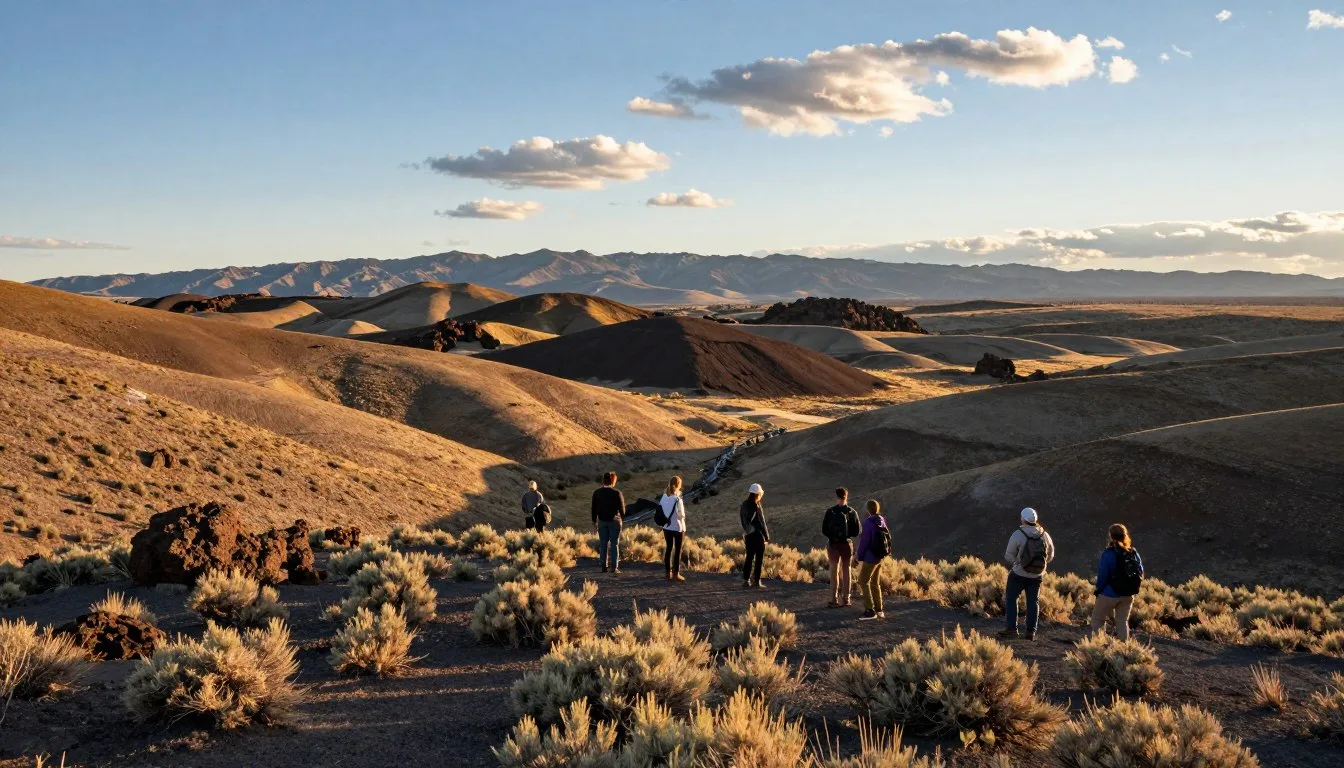
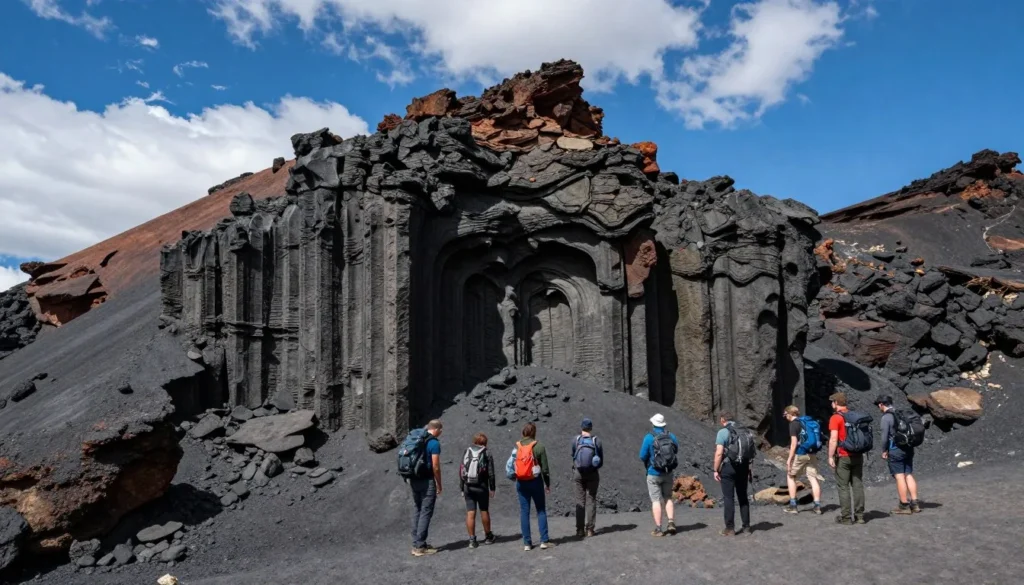
Over 100 volcanic centers created the Thirtynine Mile Volcanic Field during periods of intense activity spanning millions of years. These centers produced lava flows, volcanic domes, and explosive deposits that now form the region’s distinctive landscape.
Thirtynine Mile Mountain stands as one of the field’s most prominent volcanic remnants. This peak, which gave the entire volcanic field its name, rises distinctively above surrounding hills. Hiking to its summit rewards climbers with panoramic views across central Colorado and opportunities to examine volcanic rocks up close.
Buffalo Peaks, lying on the western edge of the volcanic field, represent another spectacular volcanic formation. These twin summits showcase the explosive volcanic history through layers of volcanic debris and lava flows. Multiple trails access the peaks, ranging from moderate day hikes to challenging summit routes.
Many smaller volcanic centers dot the landscape across Park County and surrounding areas. These less-visited sites offer intimate experiences with volcanic geology without the effort required to reach major peaks. Examining volcanic outcrops, flows, and deposits reveals the varied nature of volcanism that built this remarkable field.
Geological Features and Formations
Beyond the volcanic centers themselves, the Thirtynine Mile Volcanic Field contains numerous specific geological features that captivate visitors interested in Earth science and natural history.
Volcanic Rock Outcrops
Dark volcanic rocks contrast dramatically with lighter sedimentary formations throughout the area. These outcrops expose the internal structure of lava flows, volcanic necks, and eruption deposits.
Examining these rocks reveals textures created during cooling, gas bubble cavities frozen in stone, and minerals formed under volcanic heat and pressure. The rocks tell stories of explosive eruptions and slower lava extrusions that built the field over geological time.
Volcanic Domes and Plugs
Erosion has revealed numerous volcanic domes and plugs where viscous lava formed bulbous masses rather than flowing in traditional lava streams. These features demonstrate how different magma compositions created varied volcanic forms.
The resistant volcanic rock in these structures often forms prominent hills and knobs rising above surrounding terrain. Their distinctive shapes make them recognizable across the landscape and create excellent hiking destinations.
Scenic Drives and Viewpoints
Driving through the Thirtynine Mile Volcanic Field provides ever-changing scenery as you traverse the volcanic landscape. Even without hiking, simply exploring by vehicle reveals the field’s geological diversity and dramatic scenery.
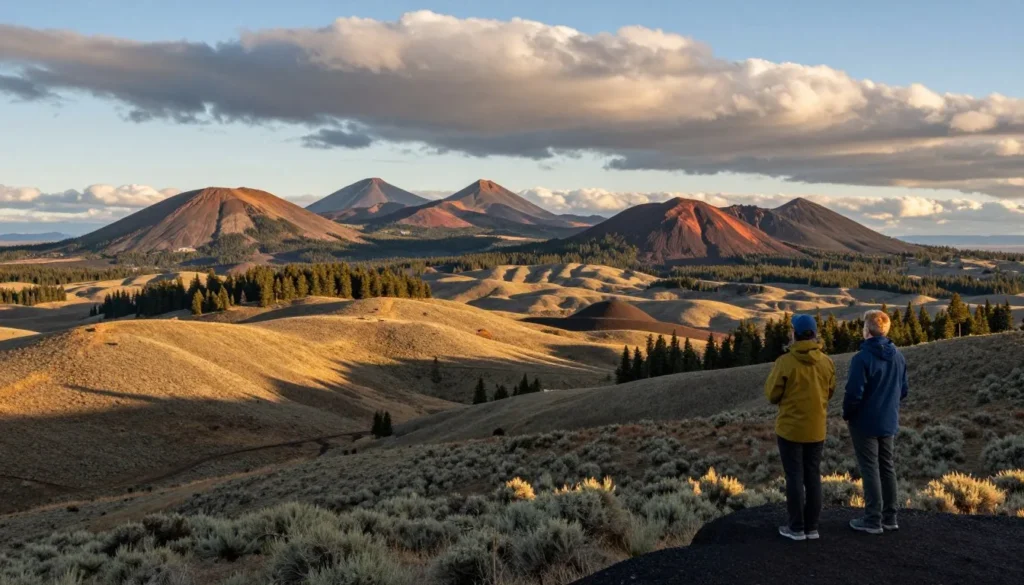
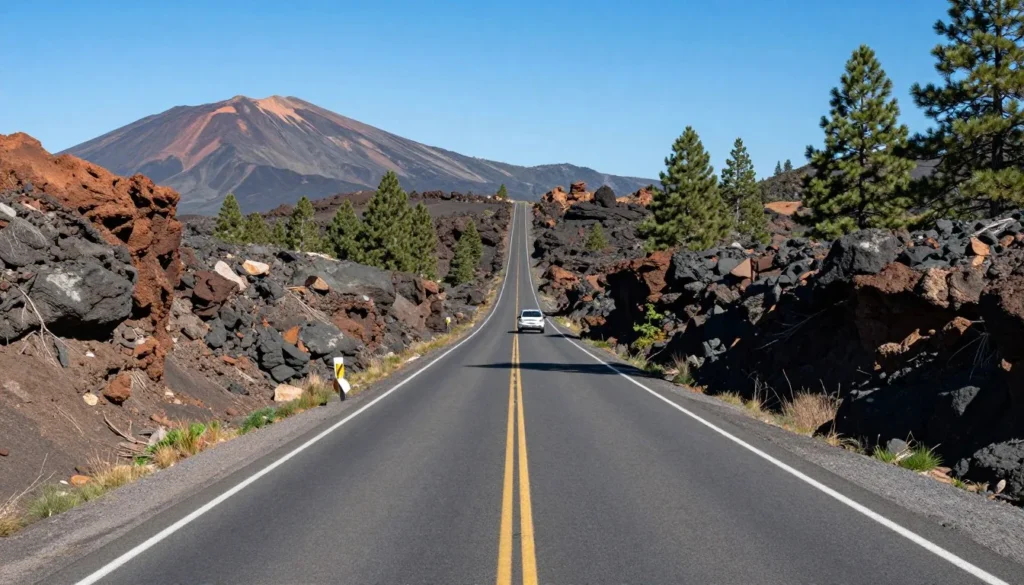
Highway 24 cuts through portions of the volcanic field between Hartsel and areas west, offering roadside vistas of volcanic peaks and the South Park basin. Pullouts allow stopping to photograph the landscape and appreciate the scale of this volcanic system.
County roads and forest routes penetrate deeper into the volcanic field, passing close to volcanic centers and through areas where lava flows once coursed. These drives require more time and often high-clearance vehicles, but reward travelers with spectacular solitude and intimate landscape experiences.
Sunset and sunrise in the volcanic field create magical lighting conditions. The low-angle light emphasizes the terrain’s texture and relief, making volcanic features pop dramatically. Early morning visits also avoid afternoon thunderstorms common during summer months.
South Park and Basin Scenery
The South Park basin, which the Thirtynine Mile Volcanic Field partially fills, creates a distinctive high-altitude grassland environment. This relatively low valley floor sits at elevations around 2,900 m (9,500 feet), surrounded by mountain ranges including volcanic peaks.
Pronghorn antelope graze the grasslands, creating wildlife viewing opportunities. These swift animals, North America’s fastest land mammals, thrive in the open country where visibility extends for miles. Watch for pronghorn herds near roads crossing the basin floor.
The basin’s expansive views showcase multiple mountain ranges simultaneously. The Mosquito Range rises to the north, the Collegiate Peaks tower to the west, and the Sangre de Cristo Mountains appear in the distance southward. The volcanic field’s own peaks punctuate the landscape throughout.
Rock Hounding and Mineral Collecting
The volcanic field’s complex geology created diverse mineral deposits that attract rock hounds and amateur geologists. Various volcanic rocks, minerals, and semi-precious stones occur throughout the area.
Collecting specimens on public lands remains legal in limited quantities for personal use, following established regulations. Take only small samples, avoid damaging features, and research specific rules for the land management agency controlling the area you’re exploring.
Volcanic glass, colorful altered rocks, and various mineral crystals reward careful searching. The volcanic processes that built this field concentrated certain minerals and created conditions for crystal formation, making the area interesting for collectors.
Photography Opportunities
Photographers find endless subjects in the Thirtynine Mile Volcanic Field. Geological features provide dramatic foregrounds, while distant mountain ranges create layered compositions. The varied textures of volcanic rock, vegetation, and weathered surfaces offer close-up possibilities as well.
Weather phenomena add drama to volcanic field photography. Summer thunderstorms approaching across the basin create dynamic skies, while clear winter days deliver crisp visibility and snow-dusted peaks. Changing seasons transform the landscape’s color palette from winter whites to summer greens to autumn golds.
Night photography takes advantage of dark skies far from city lights. The Milky Way arcs spectacularly overhead, and meteor showers during peak periods create memorable celestial shows. Silhouetting volcanic peaks against starry skies produces striking images unique to this remote landscape.
Museums, Cultural Spots & Festivals
While the Thirtynine Mile Volcanic Field itself contains no museums or cultural facilities due to its remote, undeveloped character, nearby towns preserve and present the region’s mining heritage, pioneer history, and geological significance through small museums and cultural attractions.
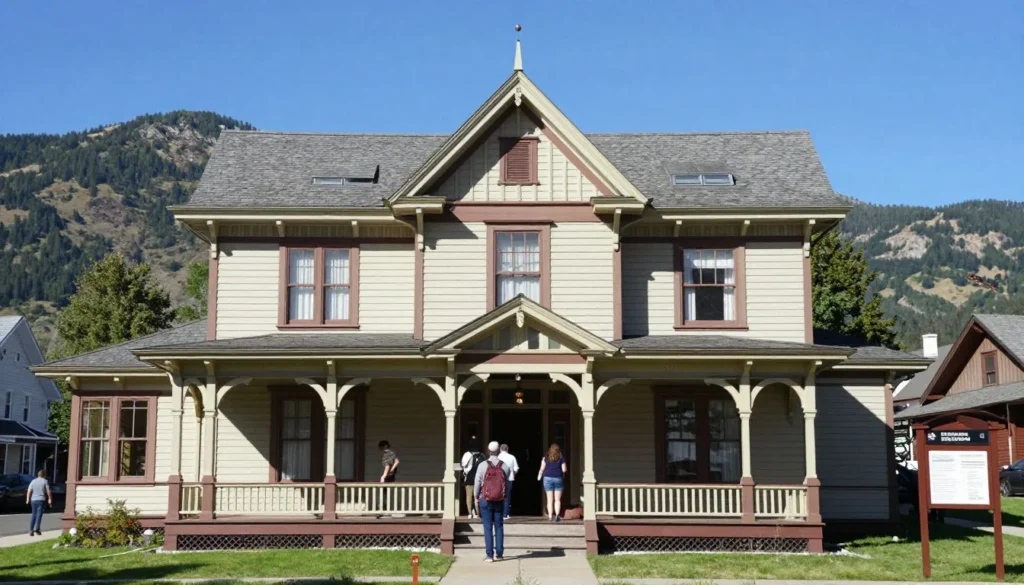
South Park City Museum
Located in Fairplay, South Park City Museum recreates an 1880s Colorado mining town using over 40 historic buildings relocated from around Park County. This open-air museum brings central Colorado’s boom town era to life through authentic structures and period artifacts.
Walking through the reconstructed town reveals how miners, merchants, and families lived during Colorado’s gold and silver rush. Buildings include a general store, saloon, blacksmith shop, schoolhouse, and residences furnished with original items from the period.
The museum’s collection includes artifacts related to the region’s geology and mining industry. Displays explain how prospectors searched for precious metals in formations related to the Thirtynine Mile Volcanic Field’s geological history, connecting cultural heritage to the landscape’s natural history.
South Park City Museum operates seasonally from late May through September, with daily hours during summer months. Admission fees support preservation efforts and educational programming.
Historic Mining Districts
Several ghost towns and remnant mining camps scatter throughout the area surrounding the volcanic field. These sites, in various states of preservation, offer tangible connections to Colorado’s mining heritage.
Exploring these sites requires respect for historic preservation and safety. Many structures remain dangerous due to age and decay. Observe from safe distances, never enter unstable buildings, and practice Leave No Trace principles to preserve these cultural resources for future visitors.
Local History and Heritage Centers
Small local history museums in communities like Cañon City and other nearby towns preserve regional history through photographs, artifacts, and documents. These modest facilities offer insights into how early settlers, miners, and ranchers adapted to the challenging environment of central Colorado.
Many exhibits include geological information explaining how the region’s rocks and minerals influenced settlement patterns and economic development. Understanding this connection between geology and human history deepens appreciation for both natural and cultural landscapes.
Educational Programs and Interpretive Opportunities
The US Forest Service and Bureau of Land Management occasionally offer interpretive programs, guided hikes, and educational events highlighting the geological and natural history of the volcanic field area. These programs provide expert-led learning opportunities.
Contact local ranger districts before your visit to inquire about scheduled programs. Summer weekends sometimes feature guided geology walks, wildflower hikes, or evening programs on topics relevant to the Thirtynine Mile Volcanic Field and surrounding public lands.
Universities in Colorado occasionally conduct field courses in the volcanic field, studying its geological features as outdoor laboratories. While these academic programs don’t welcome general public participation, their research contributes to scientific understanding of the field’s formation and evolution.
Art Galleries and Local Crafts
Small art galleries in Fairplay and other nearby communities showcase works by local and regional artists, many drawing inspiration from central Colorado’s dramatic landscapes and Western heritage. Paintings, photography, and sculpture frequently feature the volcanic peaks, ranching scenes, and natural beauty that define the area.
Purchasing artwork or crafts from local artisans supports the region’s creative community while providing meaningful souvenirs of your visit. Many pieces incorporate local materials or draw directly from the artist’s experiences in the volcanic field and surrounding mountains.
Nature & Outdoor Experiences
The Thirtynine Mile Volcanic Field delivers exceptional outdoor recreation opportunities across its vast expanse of volcanic peaks, forested slopes, and high-altitude terrain. This landscape rewards active travelers with pristine natural experiences far from crowds that plague Colorado’s more famous destinations.
Hiking Opportunities
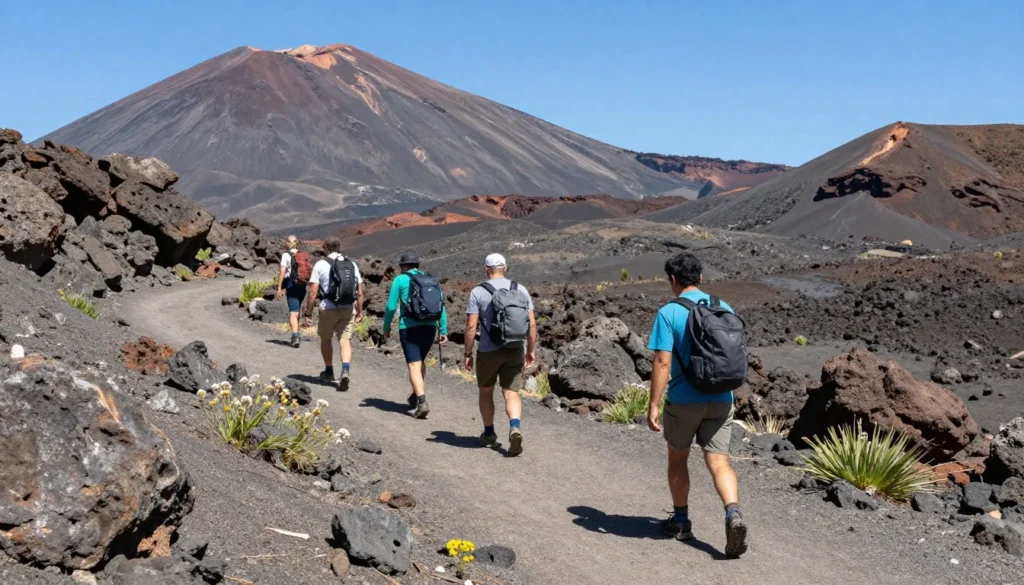
Countless hiking possibilities exist throughout the volcanic field, ranging from easy nature walks to challenging peak ascents. The variety of terrain, from open volcanic slopes to forested valleys, creates options for all ability levels and interests.
Thirtynine Mile Mountain offers several route options for reaching its summit. The standard approach follows old mining roads and trails to the peak at approximately 3,810 m (12,500 feet). The hike covers moderate distance with steady elevation gain, rewarding summit seekers with incredible views across the volcanic field and into South Park.
Buffalo Peaks present more challenging objectives for experienced hikers. These twin summits exceed 3,962 m (13,000 feet) and demand good physical conditioning and mountain hiking skills. The exposure to weather and altitude makes proper preparation essential, but the stunning volcanic geology visible along the route justifies the effort.
Numerous lower-elevation trails explore volcanic features without requiring peak-bagging ambitions. Wandering among volcanic outcrops, investigating old lava flows, and discovering hidden volcanic formations creates engaging day hikes suitable for families and casual hikers.
Trail Safety and Preparation
High altitude affects all visitors to the Thirtynine Mile Volcanic Field. Most of the area sits above 2,700 m (9,000 feet), with many peaks surpassing 3,300 m (11,000 feet). The reduced oxygen at these elevations causes fatigue, shortness of breath, and sometimes altitude sickness.
Acclimatize by spending at least one night at moderate elevation before attempting strenuous hikes. Drink extra water, eat regularly, and pace yourself more slowly than you would at sea level. Recognize altitude illness symptoms including headache, nausea, and unusual fatigue, and descend if conditions worsen.
Weather changes rapidly in the Rocky Mountains. Morning sunshine frequently gives way to afternoon thunderstorms that bring lightning, rain, and plummeting temperatures. Start hikes early to reach objectives before storms develop, typically by 1:00 PM during summer months.
Carry the ten essentials on every hike: navigation tools, sun protection, insulation, illumination, first aid supplies, fire starter, repair tools, nutrition, hydration, and emergency shelter. Even short hikes into the volcanic field should include basic safety equipment, given the remoteness and limited cell coverage.
Wildlife Watching
The diverse habitats across the volcanic field support varied wildlife populations. Elk herds roam forested areas and transition zones between forest and grassland. Bugling bulls during September rut create haunting sounds that echo across volcanic canyons.
Mule deer appear frequently throughout the area, often grazing at dawn and dusk when cooler temperatures make them more active. Watch for does with fawns during summer months, giving them adequate space and never approaching closely.
Pronghorn antelope prefer the open basin country where the volcanic field meets South Park. These remarkable animals can run at speeds exceeding 88 km/h (55 mph), making them fascinating to observe as they bound across the grasslands.

Black bears inhabit forested portions of the volcanic field, particularly areas with berry-producing shrubs and oak brush. Practice proper food storage when camping, keeping all scented items secured in bear-resistant containers or hung from trees. Give bears wide berth if encountered, backing away calmly without running.
Raptors including golden eagles, red-tailed hawks, and prairie falcons soar on thermals rising from the volcanic landscape. These skilled hunters search for rodents and rabbits across the open terrain. Watching their aerial mastery provides entertainment during rest breaks on hikes.
Fishing Opportunities
Several streams and small lakes in the volcanic field area provide fishing for trout species. These waters flow cold and clear from mountain snowmelt, creating habitat for brook, brown, and rainbow trout.
A valid Colorado fishing license is required for anyone 16 years or older. Purchase licenses online or at sporting goods stores in larger towns before heading into the volcanic field. Familiarize yourself with current regulations regarding bag limits, size restrictions, and special rules for specific waters.
Most fishing in the area suits fly-fishing techniques, though spin casting works as well. The small stream character of many waterways favors light tackle and careful approaches to avoid spoking wary trout in clear water.
Mountain Biking
Numerous roads and trails throughout the volcanic field welcome mountain bikes. The varied terrain creates options from mellow rides on valley floors to challenging climbs up volcanic slopes.
Forest roads provide miles of cycling opportunities through diverse landscapes. These routes generally suit intermediate riders comfortable with loose gravel, moderate grades, and variable surfaces. The roads access remote volcanic features while offering easier riding than technical singletrack.
Some dedicated mountain bike trails exist on public lands near the volcanic field. Local cycling groups and land management agencies maintain these paths, which range from beginner-friendly routes to expert-level technical challenges.
Horseback Riding
The volcanic field’s Western character makes horseback riding a fitting way to explore the landscape. Many trails and roads permit horses, allowing equestrians to cover more ground than hikers while enjoying traditional transportation methods.
Guest ranches near the volcanic field offer guided horseback rides for visitors without their own mounts. These rides range from one-hour introductory trips to full-day excursions into the backcountry, often incorporating volcanic features and geological points of interest.
Riders bringing their own horses should research trailer parking, water availability, and any special restrictions on the specific lands they plan to visit. Some areas require weed-free hay to prevent invasive plant spread.
Winter Activities
Winter transforms the Thirtynine Mile Volcanic Field into a snow-covered wilderness requiring specialized skills and equipment. Cross-country skiing and snowshoeing provide ways to explore the volcanic landscape during cold months.
Backcountry skiing on volcanic peaks attracts experienced skiers seeking untracked powder and quiet solitude. These pursuits demand avalanche awareness, winter camping skills, and proper safety equipment including beacons, probes, and shovels.
Snowmobiling occurs on designated routes and areas during winter. Check current regulations and snow conditions before heading out, as rules change seasonally and vary by land management agency.
Travel With Children
Families visiting the Thirtynine Mile Volcanic Field discover opportunities to engage children with geology, nature, and outdoor adventure. While the remote, undeveloped character presents challenges, careful planning creates memorable educational experiences for young travelers.
Age-Appropriate Activities
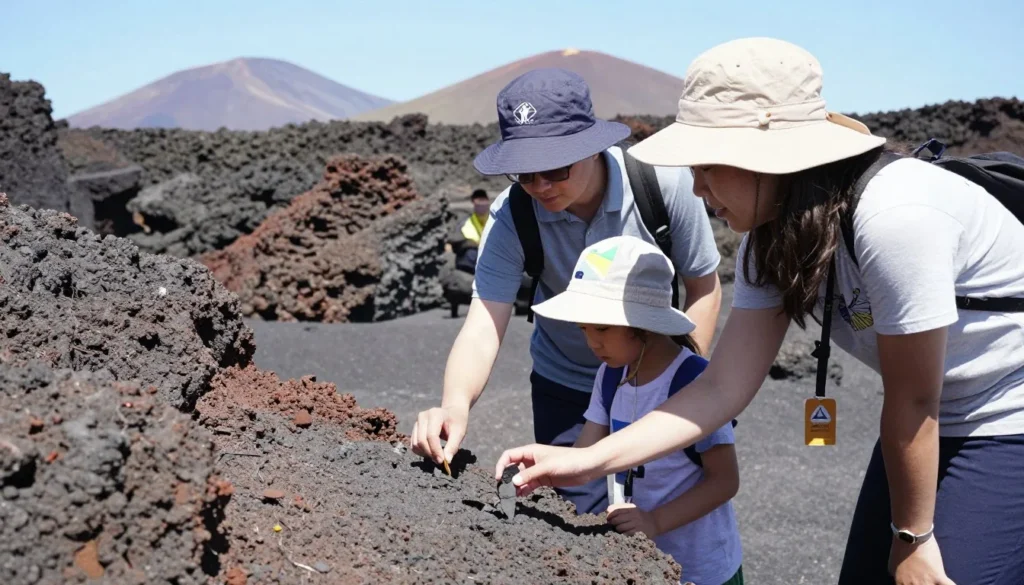
Younger children enjoy exploring volcanic rocks, collecting interesting stones (where permitted), and observing wildlife more than long hikes or peak climbs. Focus activities on discovery and sensory experiences rather than distance goals.
Short walks among volcanic outcrops let kids examine different rock textures, colors, and formations. Turn exploration into games by searching for specific rock types, spotting animal tracks, or identifying wildflowers. These activities build engagement while teaching observation skills.
Older children and teenagers often appreciate the physical challenge of hiking volcanic peaks. Choose objectives matching their fitness levels and experience, building gradually toward more ambitious goals. Summit success creates powerful confidence and memorable achievements.
Educational Opportunities
The Thirtynine Mile Volcanic Field serves as an outdoor classroom teaching geology, ecology, and natural processes. Children witnessing volcanic rocks firsthand gain understanding impossible to achieve through books alone.
Explain volcanic processes in age-appropriate terms. Describe how molten rock rose from deep underground, erupting at the surface to build the peaks surrounding you. Show how different cooling rates created various rock textures. Discuss why volcanic soils support certain plants.
Visiting the South Park City Museum in Fairplay complements volcanic field exploration by showing how humans adapted to this challenging landscape. Children enjoy historic buildings and artifacts that bring the past to life tangibly.
Safety Considerations for Family Travel
Children face increased altitude risks due to their smaller body size and developing physiology. Watch carefully for altitude sickness symptoms including unusual fussiness, persistent headaches, nausea, or lethargy. Descend immediately if symptoms develop.
Sun exposure threatens young skin even on cloudy days. Apply high-SPF sunscreen frequently, covering all exposed skin. Dress children in long sleeves, long pants, and wide-brimmed hats when possible. The intense high-altitude sun causes burns much faster than at lower elevations.
Hydration becomes critical for children who may not recognize their own thirst. Enforce regular water breaks every 30 minutes during activities. Bring more water than seems necessary, as children’s higher metabolism and activity levels increase fluid requirements.
The remote nature of the volcanic field means limited access to emergency services. Carry comprehensive first aid supplies including treatments for cuts, blisters, sprains, and insect stings. Know the location of the nearest medical facility before venturing into backcountry areas.
Practical Family Travel Tips
Pack extensive snacks for children exploring the volcanic field. Hunger strikes unpredictably, and the nearest store may be an hour away. Energy bars, trail mix, dried fruit, and crackers provide portable nutrition that doesn’t require refrigeration.
Bring entertainment for vehicle time between destinations. The distances between points of interest can test children’s patience. Audiobooks, music, and car games make long drives more pleasant for everyone.
Involve children in trip planning before leaving home. Show them maps of the volcanic field, explain what volcanic rocks look like, and discuss what animals you might see. Building anticipation increases engagement once you arrive.
Set realistic expectations about activities and distances. Children tire more quickly at high altitude, and the rough terrain challenges small legs. Plan shorter adventures than you might attempt without kids, building in extra time and flexibility.
Lodging and Dining With Children
Some lodging options near the volcanic field suit families better than others. Vacation rentals with kitchens allow preparing familiar meals rather than relying on restaurants. Extra space prevents cabin fever during rest times and inclement weather.
Camping appeals to many families, creating adventure and keeping costs down. However, high-altitude camping in primitive sites challenges families unaccustomed to outdoor living. Consider starting with developed campgrounds offering bathrooms and other amenities before attempting dispersed camping.
Restaurant options remain limited and may not accommodate picky eaters. Bringing favorite snacks and supplemental food ensures children have options when restaurant selections don’t appeal. The small-town restaurants near the volcanic field serve basic American fare rather than diverse menus.
Making Memories
Family time in the Thirtynine Mile Volcanic Field creates lasting memories through shared discovery and adventure. Children remember examining volcanic rocks with parents, spotting wildlife together, and achieving hikes as a family team.
Encourage children to keep journals documenting their experiences. Drawing favorite volcanic features, pressing wildflowers, and writing about daily adventures creates tangible records of your journey. These mementos become treasured as years pass.
Take plenty of photographs but also put the camera down to be fully present. Some of the best family moments happen when you’re simply exploring together without worrying about documenting everything.
Money Saving Tips
Visiting the Thirtynine Mile Volcanic Field costs less than many Colorado destinations due to the area’s undeveloped nature and abundance of free public land access. Smart planning maximizes your budget while fully enjoying this geological wonderland.
Free and Low-Cost Activities
The volcanic field itself charges no entrance fees. Unlike national parks requiring admission, the public lands composing most of the volcanic field welcome visitors without cost. Hiking, sightseeing, wildlife watching, and geological exploration all happen freely.
Many excellent viewpoints and volcanic features sit immediately adjacent to roads, requiring no hiking fees or guide services. Simply driving through the area and stopping at pullouts costs only fuel, making scenic drives highly economical activities.
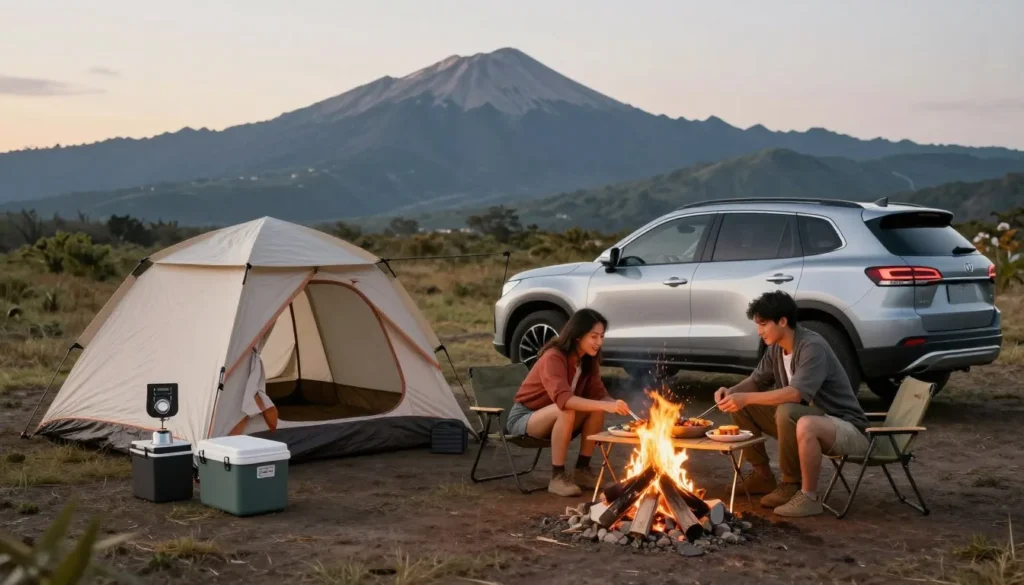
Dispersed camping on Bureau of Land Management and Forest Service lands remains free, though requiring more self-sufficiency than developed campgrounds. If equipped for primitive camping, you can avoid nightly campground fees while experiencing maximum solitude.
Timing and Seasonal Savings
Visiting during shoulder seasons in May, June, and September often yields lodging discounts compared to peak July and August rates. The weather remains generally good during these months, with the added benefits of fewer crowds and lower accommodation costs.
Weekday travel typically costs less than weekends for lodging in nearby towns. If your schedule permits flexibility, arriving Sunday through Thursday can reduce nightly room rates significantly.
Accommodation Strategies
Camping dramatically reduces lodging costs compared to hotels and motels. Developed campgrounds near the volcanic field charge modest fees, typically around $15-25 per night, accommodating multiple people in one site. This beats even budget motel rates when traveling as a family or group.
Vacation rentals sometimes offer better value than hotels for groups or families staying multiple nights. Dividing the total cost among several travelers reduces per-person expenses while providing kitchen facilities that enable preparing meals instead of eating all restaurant fare.
Some dispersed camping areas near the volcanic field offer completely free overnight stays. Research specific locations and regulations before arriving, ensuring you understand rules and can practice Leave No Trace principles.
Food and Dining Savings
Preparing your own meals saves considerably compared to restaurant dining for every meal. Bringing coolers stocked with groceries from larger cities provides ingredients at lower prices than small mountain town stores.
Picnicking during midday exploration eliminates lunch restaurant expenses while letting you dine surrounded by volcanic scenery. Sandwiches, fruit, and trail snacks cost pennies compared to restaurant meals and taste better when enjoyed with million-dollar views.
Evening meals cooked at your campsite or vacation rental reduce dining costs while creating enjoyable group cooking experiences. Simple one-pot meals, grilled meats and vegetables, or pasta dishes provide satisfying dinners without restaurant prices.
When eating at restaurants, breakfast offers the best value. Mountain town cafes serve generous portions at reasonable prices, providing fuel for active days ahead. Lunch and dinner tend to cost more for similar portion sizes.
Transportation Savings
Fuel costs constitute a major expense when exploring the volcanic field’s dispersed features. Consolidate your driving by planning logical routes that minimize backtracking. Study maps before departing each day to create efficient itineraries.
Carpooling with other travelers reduces per-person fuel costs if you meet compatible groups. Online forums and social media groups for Colorado outdoor enthusiasts sometimes facilitate connections between travelers heading to similar destinations.
Renting a fuel-efficient vehicle instead of a large SUV saves on gas, though weigh this against the accessibility benefits of higher clearance vehicles for rougher roads. Sometimes the fuel savings from a compact car get offset by inability to reach certain volcanic features.
Activity and Equipment Costs
Borrowing or renting camping and outdoor equipment costs less than purchasing new gear for a single trip. Many outdoor retailers rent tents, sleeping bags, backpacks, and other equipment. Friends and family members often happily loan gear for your adventure.
Free geological information from land management agencies replaces expensive guidebooks. Stop at Forest Service or BLM offices to collect maps and information sheets describing volcanic features and access routes at no charge.
Photography from your phone eliminates camera equipment expenses while still capturing memories. Modern smartphones produce excellent photos sufficient for most travelers’ needs without investing in dedicated camera gear.
Avoiding Hidden Costs
Vehicle damage from rough roads can create unexpected expenses. Drive cautiously on unpaved routes, respecting your vehicle’s limitations. A flat tire or broken suspension from overly ambitious backcountry driving costs far more than the time saved pushing your vehicle’s capabilities.
Medical emergencies become expensive quickly, especially in remote areas requiring helicopter evacuation. Purchase travel insurance covering emergency medical care and evacuation if your regular health insurance lacks adequate coverage for rural Colorado adventures.
Parking tickets and camping citations add unwanted costs. Follow all posted regulations, camp only in designated areas, and display required passes or permits to avoid fines.
Safety & Local Customs
Understanding safety considerations and respecting local customs ensures positive experiences in the Thirtynine Mile Volcanic Field area. The remote setting and frontier character of this central Colorado region require awareness and preparedness beyond typical tourist destinations.
Wilderness Safety Essentials
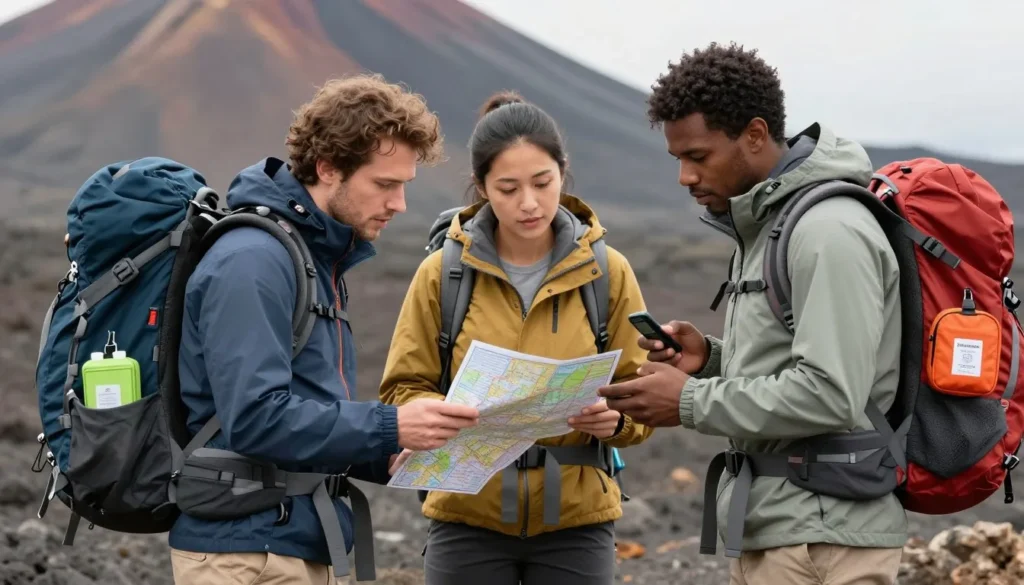
The Thirtynine Mile Volcanic Field’s remoteness means you must rely on self-sufficiency when problems arise. Cell phone coverage remains spotty to nonexistent throughout much of the area, preventing quick calls for help during emergencies.
Always inform someone of your plans before heading into the volcanic field. Provide specific details about your intended route, destinations, and expected return time. This information becomes critical if search and rescue teams need to locate you.
Carry the ten essentials on every outing: navigation, sun protection, insulation, illumination, first aid, fire, repair kit, nutrition, hydration, and emergency shelter. Even short hikes warrant these basics given the area’s remoteness and unpredictable mountain weather.
Know how to signal for help without cell service. Whistle blasts in patterns of three indicate distress to other hikers or campers who might be within earshot. Bright colored clothing or emergency blankets can signal aircraft during search operations.
Weather-Related Hazards
Lightning presents serious danger during summer afternoon thunderstorms. Avoid being the tallest object on ridges or peaks when storms approach. Descend to lower elevations and shelter away from isolated trees, metal objects, or water.
If caught in lightning, crouch low on the balls of your feet, minimizing ground contact while avoiding lying flat. Keep at least 15 m (50 feet) from companions to prevent group injuries from ground current.
Hypothermia threatens year-round at high altitude where temperatures can drop below freezing even during summer. Wet clothing accelerates heat loss, making quick changes into dry layers essential if you get soaked by rain or creek crossings.
Recognize hypothermia symptoms including shivering, confusion, fumbling hands, and slurred speech. Treatment requires warming the person through dry clothing, warm beverages, and body heat sharing if necessary. Severe cases demand immediate evacuation to medical care.
Altitude Illness Prevention
Acute mountain sickness affects many visitors to the Thirtynine Mile Volcanic Field. The entire area sits above 2,400 m (8,000 feet), with many peaks exceeding 3,600 m (12,000 feet). This elevation causes various physiological stresses.
Acclimatize gradually by spending a night or two at moderate elevation before attempting strenuous activities or high peaks. If driving directly from low elevation, take the first day easy with minimal exertion.
Hydration helps prevent altitude sickness. Drink substantially more water than normal, aiming for clear to pale yellow urine color. Avoid alcohol during your first days at altitude, as it worsens dehydration and altitude effects.
Recognize serious altitude illness symptoms requiring immediate descent: severe headache unrelieved by pain medication, vomiting, confusion, difficulty walking, or shortness of breath while resting. These indicate life-threatening conditions demanding evacuation to lower elevation and medical care.
Wildlife Safety
Black bears inhabit forested areas of the volcanic field. While rarely aggressive toward humans, bears defend food sources and cubs vigorously. Store all food and scented items in bear-resistant containers or proper bear hangs when camping.
If encountering a bear, make yourself appear large, speak in calm firm tones, and back away slowly while facing the animal. Never run, which triggers chase instincts. Fight back aggressively if a black bear attacks, targeting the face and snout.
Rattlesnakes occasionally appear in lower elevation areas, particularly among rocks and brush. Watch where you place hands and feet when scrambling over rocks. Give snakes space to retreat if encountered, as they prefer avoiding confrontation.
Tick-borne illnesses including Colorado tick fever occur in the region. Check for ticks after outdoor activities, removing any found with fine-tipped tweezers. Save removed ticks in case symptoms develop later, helping doctors identify appropriate treatment.
Local Customs and Etiquette
Rural central Colorado maintains Western ranching culture with values emphasizing self-reliance, neighborliness, and respect for property. These customs differ from urban or coastal attitudes, and understanding them helps build positive relationships with locals.
Respect private property absolutely. Much land near the volcanic field remains privately owned, often by ranching families with deep roots in the area. Always ask permission before crossing private land, and respect “No Trespassing” signs without exception.
Gates found closed should remain closed, and those found open should stay open. This simple rule prevents livestock from wandering where they shouldn’t while allowing intended access. Ranch gates control crucial aspects of grazing management.
Small-town Colorado moves at a different pace than cities. Expect slower service, limited hours, and more casual approaches to business. Rushing or demanding special treatment violates local norms. Patience and friendliness open more doors than urban assertiveness.
Environmental Ethics
Leave No Trace principles protect the Thirtynine Mile Volcanic Field for future visitors. Pack out all trash, including small items like energy bar wrappers and orange peels. If you packed it in, pack it out.
Stay on established trails and routes when they exist. Creating new paths erodes soil, damages vegetation, and scars the landscape. The fragile high-altitude environment recovers slowly from damage.
Leave rocks, plants, and cultural artifacts undisturbed. While collecting a few small stones for personal use may be permitted on some public lands, wholesale rock removal damages sites for others. Never disturb historic structures or archaeological sites.
Campfires require careful consideration. Use existing fire rings when available, or better yet, use camp stoves instead. Never build fires during dry conditions or in areas where regulations prohibit them. Extinguish fires completely before leaving, ensuring ashes are cold to the touch.
Emergency Resources
Know the location of the nearest hospital before venturing into the volcanic field. Facilities in Fairplay provide basic emergency care, while more serious injuries require transport to larger hospitals in Colorado Springs or Denver.
Park County Sheriff’s Office coordinates search and rescue operations. If you need emergency assistance and have cell service, dial 911. Provide as much location detail as possible, using GPS coordinates if available.
The nearest ranger stations can provide weather updates, road condition reports, and emergency assistance during business hours. Stop by these offices when planning your activities to gather current information and let staff know your plans.
Visitor Comments About Thirtynine Mile Volcanic Field
Travelers who have explored the Thirtynine Mile Volcanic Field share their experiences and insights, offering perspectives that help future visitors prepare for their own adventures in this remarkable central Colorado landscape.
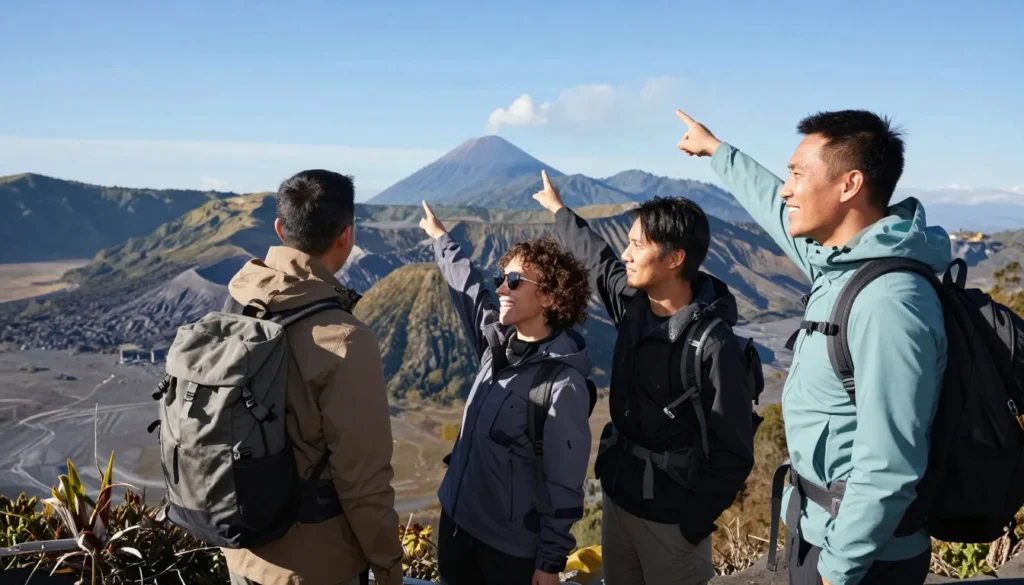
“The Thirtynine Mile Volcanic Field completely exceeded our expectations. We spent four days exploring different volcanic centers, and each one revealed unique geological features. The solitude was incredible – we hiked entire days without seeing another person. Our kids learned more about volcanoes in those few days than months of school could teach. The dark volcanic rocks against the green summer vegetation and blue skies created scenery we’ll never forget. We’re already planning our return trip to explore areas we missed.”
— L.B., Dothan
“As a geology enthusiast, the Thirtynine Mile Volcanic Field felt like paradise. I examined countless volcanic outcrops, collected specimens where permitted, and photographed formations I’d only read about in textbooks. The variety of volcanic features – from lava flows to volcanic necks to explosion deposits – demonstrates the complex history of volcanism in central Colorado. Accessing many sites required rough roads and significant hiking, but the rewards justified the effort. I could spend months here and still discover new features.”
— R.J., Monroe
“Our family vacation to the Thirtynine Mile Volcanic Field created memories we’ll treasure forever. The combination of outdoor adventure and natural education worked perfectly for our teenagers who usually resist family trips. Hiking volcanic peaks challenged us physically while the stunning scenery inspired us spiritually. We camped under incredibly dark skies and saw more stars than we knew existed. The small towns nearby provided authentic Western hospitality without tourist crowds. This area deserves recognition as one of Colorado’s special places.”
— Y.M., Braga
Additional Nearby Destinations
The Thirtynine Mile Volcanic Field sits amid numerous other attractions in central Colorado, allowing you to combine volcanic field exploration with visits to complementary destinations. These nearby areas offer different experiences while remaining within reasonable driving distance.
Pikes Peak Region
Pikes Peak, one of Colorado’s most famous mountains, rises southeast of the volcanic field. This 4,302 m (14,115 foot) peak offers multiple ways to reach its summit, including driving the Pikes Peak Highway, riding the cog railway, or hiking various trails.
The Pikes Peak area includes numerous other attractions. Garden of the Gods showcases dramatic red rock formations contrasting beautifully with Pikes Peak’s backdrop. The town of Manitou Springs offers quirky shops, mineral springs, and the Manitou Incline hiking challenge.
Rocky Mountain National Park
Located north of the Thirtynine Mile Volcanic Field, Rocky Mountain National Park preserves some of Colorado’s most spectacular alpine scenery. The park features tundra environments, pristine lakes, dramatic peaks, and abundant wildlife.
Trail Ridge Road, the park’s scenic highway, climbs above 3,657 m (12,000 feet), providing accessible alpine experiences. Hundreds of miles of hiking trails explore diverse ecosystems from montane forests to alpine tundra.
Collegiate Peaks Wilderness
West of the volcanic field, the Collegiate Peaks Wilderness contains numerous 4,267 m (14,000 foot) mountains, Colorado’s famous “fourteeners.” Mount Princeton, Mount Yale, Mount Harvard, and others challenge peak-baggers with serious mountaineering objectives.
The area also offers excellent hiking below treeline, scenic drives through mountain valleys, and hot springs for post-hike relaxation. The Arkansas River corridor provides world-class whitewater rafting and kayaking.
Great Sand Dunes National Park
South of the volcanic field, Great Sand Dunes National Park preserves North America’s tallest dunes, rising against the dramatic Sangre de Cristo Mountains. The surreal landscape of massive sand dunes seems impossibly out of place in landlocked Colorado.
Visitors hike the dunes, splash in Medano Creek during spring runoff, and explore the surrounding mountains. The park’s unique character creates experiences completely different from the volcanic field yet equally memorable.
Black Canyon of the Gunnison
West of the Thirtynine Mile Volcanic Field, the Black Canyon of the Gunnison displays one of Colorado’s most dramatic geological features. The Gunnison River carved an incredibly deep, narrow canyon through ancient crystalline rock.
Viewpoints along the canyon rim provide vertigo-inducing perspectives into the shadowy depths. The area’s geology differs completely from the volcanic field, offering complementary geological education. Serious adventurers can hike or climb into the canyon itself.
Historic Mining Towns
Numerous historic mining towns scatter throughout central Colorado, each preserving unique character from Colorado’s boom days. Leadville, once Colorado’s second-largest city during mining peaks, maintains Victorian architecture and mining museums.
Silverton, Ouray, and Creede offer similar historic ambiance with dramatic mountain settings. These towns provide insights into how geology shaped Colorado’s development, connecting nicely with geological exploration in the volcanic field.
Route Planning for Multi-Destination Trips
Combining the Thirtynine Mile Volcanic Field with nearby destinations requires strategic planning. The distances between attractions mean you’ll spend significant time driving scenic but slow mountain roads.
Consider basing yourself in one location for several days rather than moving lodging frequently. This reduces packing and unpacking while allowing deeper exploration of each area. The volcanic field warrants at least two to three days for thorough exploration.
Study maps to create logical routes connecting destinations efficiently. Some combinations work better than others based on geography. For example, combining the volcanic field with Pikes Peak and Great Sand Dunes creates a sensible southern Colorado loop.
Practical Travel Tips
Successfully navigating the Thirtynine Mile Volcanic Field and surrounding central Colorado region requires practical knowledge beyond standard travel advice. These field-tested tips help you avoid common problems and maximize your volcanic field experience.
What to Pack
Layered clothing proves essential for central Colorado’s variable temperatures and rapidly changing weather. Start with moisture-wicking base layers, add insulating mid-layers, and top with waterproof outer shells. This system allows adjustment throughout the day as conditions change.
Sun protection requires multiple strategies. High-SPF sunscreen, UV-blocking sunglasses, wide-brimmed hats, and long-sleeved lightweight shirts all contribute to preventing painful burns from intense high-altitude sun. Reapply sunscreen every two hours during outdoor activities.
Sturdy hiking boots with ankle support and aggressive tread handle the rocky volcanic terrain better than running shoes or casual footwear. Break in boots before your trip to prevent blisters during hikes.
Bring more water capacity than you expect to need. The dry air and high altitude increase fluid requirements significantly. Collapsible water bottles or hydration bladders provide flexible carrying capacity without weight when empty.
Technology and Communication
Download offline maps before losing cell coverage. Google Maps, Gaia GPS, and other applications allow downloading map data for offline use. This capability proves invaluable when exploring areas without cell service.
Portable battery packs keep phones and GPS devices charged during multi-day adventures. Solar chargers work well in Colorado’s sunny climate but require sunny weather and time to generate meaningful power.
Consider satellite communication devices for serious backcountry travel. InReach, SPOT, and similar devices provide emergency communication capabilities even without cell coverage, adding critical safety margins for remote exploration.
Health and Wellness
Prescription medications should be packed in quantities exceeding your planned trip length. Delays due to weather, vehicle problems, or simple desire to extend your stay become easier to accommodate with medication reserves.
Basic first aid supplies should include treatments for common outdoor injuries: adhesive bandages, antibiotic ointment, pain relievers, anti-inflammatory medications, blister treatments, athletic tape, and elastic bandages for sprains.
Personal medications for altitude headaches can make visits more comfortable. Ibuprofen or acetaminophen addresses mild altitude headaches. Prescription altitude medications like acetazolamide help some people, though discuss with your doctor before the trip.
Photography Tips
Early morning and late afternoon provide the best light for photographing volcanic landscapes. The low-angle sun emphasizes terrain textures and creates dramatic shadows that reveal geological features.
Cloudy days create excellent conditions for photographing volcanic rocks close-up. The even lighting prevents harsh shadows while bringing out subtle color variations in the stone.
Include people in some landscape shots to provide scale. Volcanic features appear more impressive when viewers can judge their size relative to human figures.
Protect camera equipment from dust on unpaved roads. Keep gear in sealed bags when driving rough routes, as fine volcanic dust penetrates camera mechanisms if exposed.
Vehicle Maintenance
Check tire pressure before heading into the volcanic field. The elevation change from departure points to the high-altitude field affects pressure. Properly inflated tires handle rough roads better and reduce puncture risks.
Carry a full-size spare tire, not just temporary emergency spares. The distance from services means you might drive many miles on a spare, requiring full capability rather than limited-use temporary tires.
Bring basic tools including tire pressure gauge, flashlight, jumper cables, and basic hand tools. Simple roadside repairs become possible with minimal equipment, while lacking tools leaves you helpless with preventable problems.
Environmental Responsibility
Human waste disposal in the roadless volcanic field requires planning. Carry waste bags for packing out toilet paper and hygiene products. Bury solid waste in cat holes at least 15 cm (6 inches) deep and 61 m (200 feet) from water, trails, and camps.
Minimize noise to preserve the area’s wild character. Loud music, shouting, and other noise pollution disturbs wildlife and degrades experiences for other visitors seeking solitude in nature.
Respect wildlife by observing from distance. Never feed animals, which habituates them to humans and creates dangerous situations. Use telephoto lenses for close-up photographs rather than approaching animals.
Time Management
Everything takes longer than expected at high altitude. Hikes require more time due to reduced pace from thinner air. Driving rough roads proceeds slowly. Account for these factors when planning daily schedules.
Build buffer time into plans for weather delays, unexpected discoveries, and simply enjoying the scenery. Rushing through the volcanic field misses much of what makes it special.
Start activities early to avoid afternoon thunderstorms and maximize productive daylight hours. Summer days offer long daylight, but starting hikes by 7:00 or 8:00 AM provides substantial advantages.
Local Knowledge Sources
Stop at ranger stations and visitor centers before exploring. Staff provide current conditions, suggest routes matching your interests and abilities, and share insights impossible to gain from online research.
Talk with locals in small towns near the volcanic field. Shop owners, gas station attendants, and restaurant servers often know hidden gems and can warn of current issues like road closures or problem bear activity.
Online forums and social media groups focused on Colorado outdoor recreation contain recent trip reports and updates. These resources complement official information with real-world recent experiences.
Location Map
The Thirtynine Mile Volcanic Field spans a large area of central Colorado, primarily in Park County. This map shows the general location of the volcanic field, helping you understand its position relative to major highways and nearby communities.
The Thirtynine Mile Volcanic Field encompasses an extensive area of central Colorado with multiple volcanic centers spread across the landscape. Use this map to orient yourself to the region’s geography before your visit.
Your Volcanic Adventure Awaits
The Thirtynine Mile Volcanic Field stands as one of central Colorado’s most fascinating yet underappreciated destinations. Where else can you explore over 100 volcanic centers, hike among ancient lava flows, and experience the raw forces that shaped the Rocky Mountains – all without fighting crowds or paying entrance fees?
This remarkable landscape offers something for every traveler. Geology enthusiasts examine volcanic features spanning millions of years of eruptive history. Outdoor adventurers challenge themselves on peaks built from volcanic rock. Families discover natural wonders that bring science textbooks to life. Photographers capture scenery unique to this volcanic terrain.
The rewards extend beyond volcanic features alone. Dark night skies reveal celestial displays impossible near cities. Wildlife thrives in varied habitats across the volcanic landscape. Authentic Western towns preserve frontier heritage and welcome visitors with genuine hospitality.
Yes, the Thirtynine Mile Volcanic Field demands more from visitors than polished tourist destinations. The remote location requires planning. The high altitude challenges physiology. The primitive access means self-sufficiency. Yet these very qualities make experiences here more meaningful than passive sightseeing at developed attractions.
As you plan your journey to this volcanic wonderland, remember that the field has endured for millions of years. Take time to truly experience it. Slow down and observe the landscape carefully. Touch the volcanic rocks and contemplate the violent processes that created them. Watch weather patterns develop across the wide basin. Listen to wind whistle through volcanic outcrops.
The Thirtynine Mile Volcanic Field rewards those who approach with curiosity, respect, and willingness to engage with wild landscapes on nature’s terms. Your adventure awaits in this extraordinary corner of central Colorado, where ancient volcanic forces created scenery that continues inspiring wonder today. Pack your sense of discovery, prepare thoroughly, and set forth to explore one of North America’s most extensive and accessible volcanic fields.