Hotels by Trip.com
Flights by Trip.com
Every year, more than 4.7 million visitors explore Rocky Mountain National Park. Yet fewer than 15% venture to Timberline Falls. This stunning waterfall remains one of the park's hidden treasures. The falls mark a spectacular midpoint on the trail to Sky Pond.
The name "Timberline" refers to the elevation where trees stop growing due to harsh alpine conditions. The falls sit just below this natural boundary at approximately 3,292 meters (10,800 feet). This location creates a unique ecosystem where subalpine forests meet alpine tundra.
This guide provides everything you need to plan an unforgettable visit to Timberline Falls and the surrounding Rocky Mountain National Park area. You'll discover practical tips, hidden spots, and local insights that most tourists miss.
Getting There and Planning Your Journey
Denver International Airport serves as the primary gateway for most visitors to Rocky Mountain National Park. The airport sits about 113 kilometers (70 miles) southeast of the park entrance. Most travelers rent a car for the scenic two-hour drive through the foothills.
The journey from Denver takes you through charming mountain towns like Boulder and Lyons. Each offers stunning views of the Front Range. You'll gain approximately 1,524 meters (5,000 feet) in elevation during your drive.
A smaller regional option is Fort Collins-Loveland Airport. This facility lies closer to the park at just 72 kilometers (45 miles) away. However, flight options remain limited compared to Denver. Eagle County Regional Airport provides another alternative if you're combining your visit with skiing in Vail or Breckenridge.
Peak season visits require advance planning. The park implemented a timed entry permit system during summer months. These permits sell out weeks in advance. You must secure both your park entrance pass and a timed entry reservation for popular trailheads.
The Bear Lake corridor requires special consideration. This area provides access to Timberline Falls via the Glacier Gorge trailhead. During peak season, parking fills by 5:30 AM. The park shuttle system offers a practical solution to parking challenges.
Park Access Points
- East entrance near Estes Park (most popular)
- West entrance near Grand Lake
- Fall River entrance (year-round access)
- Wild Basin entrance (less crowded alternative)
Essential Reservations
- Timed entry permits (summer season)
- Bear Lake corridor shuttle reservation
- Park entrance pass (7-day or annual)
- Backcountry camping permits (if applicable)
Best Time to Visit and Weather Tips

The trail to Timberline Falls typically opens in mid-June when winter snowpack melts. July and August offer the most reliable access. September brings spectacular fall colors but also unpredictable weather patterns. Snow can arrive any month of the year at this elevation.
Summer months provide the best hiking conditions. Temperatures at the trailhead range from 13°C to 24°C (55°F to 75°F). However, conditions change dramatically as you gain elevation. Expect temperatures 8°C to 11°C (15°F to 20°F) cooler at Timberline Falls itself.
Morning starts prove essential for success. Afternoon thunderstorms develop regularly during summer months. These storms bring dangerous lightning, hail, and rapidly dropping temperatures. Most experienced hikers aim to summit destinations by noon and start descending by 1:00 PM.
Winter transforms the landscape into a challenging winter wonderland. The trail requires snowshoes or crampons from November through May. Ice climbing enthusiasts visit during this time to scale the frozen falls. Only experienced winter hikers should attempt this journey when snow covers the trail.
Best Time to Visit Timberline Falls
Optimal Months: Late June through September offer the most accessible conditions. July provides peak wildflower displays. Early September brings autumn colors with fewer crowds.
Avoid: May and early June due to dangerous snowpack and ice. Late October through April requires specialized winter mountaineering skills and equipment.
| Season | Temperature Range | Conditions | Crowd Level |
| Summer (July-August) | 13-24°C (55-75°F) | Clear trails, afternoon storms | Very High |
| Fall (September-October) | 4-16°C (40-60°F) | Variable, early snow possible | Moderate |
| Winter (November-April) | -12 to 2°C (10-35°F) | Deep snow, ice climbing only | Very Low |
| Spring (May-June) | 2-13°C (35-55°F) | Snowpack, avalanche danger | Low |
Notable Annual Festivals
The nearby town of Estes Park hosts several annual events that enhance your visit. The Elk Fest celebrates autumn wildlife migration each October. Thousands of elk descend from high country during this spectacular rutting season.
The Estes Park Winter Festival runs throughout February. Ice sculptures, winter sports demonstrations, and family activities fill the town. This festival coincides with excellent winter wildlife viewing opportunities in the park.
Summer brings the Rooftop Rodeo in mid-July. This week-long celebration features professional rodeo competitions, parades, and western entertainment. The event has run continuously since 1908. For more information, contact the Estes Park Events Complex at +1 970-586-6104.
The Scottish-Irish Highland Festival occurs each September. This three-day event celebrates Celtic culture with music, dancing, and athletic competitions. The festival grounds offer stunning views of the surrounding peaks. Contact the festival organizers at +1 970-586-6308 for current dates.
Getting Around Locally
Rocky Mountain National Park operates an extensive free shuttle system during peak season. The shuttle runs from late May through mid-October. Buses depart every 10 to 15 minutes during busy periods. This system eliminates parking stress and reduces environmental impact.
The Bear Lake Route shuttle connects the Park & Ride lot to popular trailheads. This route provides access to Glacier Gorge trailhead where the Timberline Falls hike begins. Arrive at the Park & Ride before 7:00 AM to secure parking during summer weekends.
Estes Park offers several car rental agencies for visitors arriving by air. However, personal vehicles face significant restrictions during peak season. The shuttle system actually provides more convenient access to major trail areas than private cars.
Bicycles are permitted on paved roads within the park. However, bikes cannot access hiking trails. The valley floor roads offer spectacular cycling with challenging elevation gain. Many visitors enjoy biking Trail Ridge Road early in the morning before vehicle traffic increases.
Shuttle Routes
- Bear Lake Route (most popular)
- Moraine Park Route
- Hiker Shuttle Express
- Estes Park free town shuttle
Transportation Tips
- Download offline maps before arrival
- Carry physical trail maps as backup
- Fill fuel tanks in Estes Park or Grand Lake
- Check road status before departure
Where to Stay
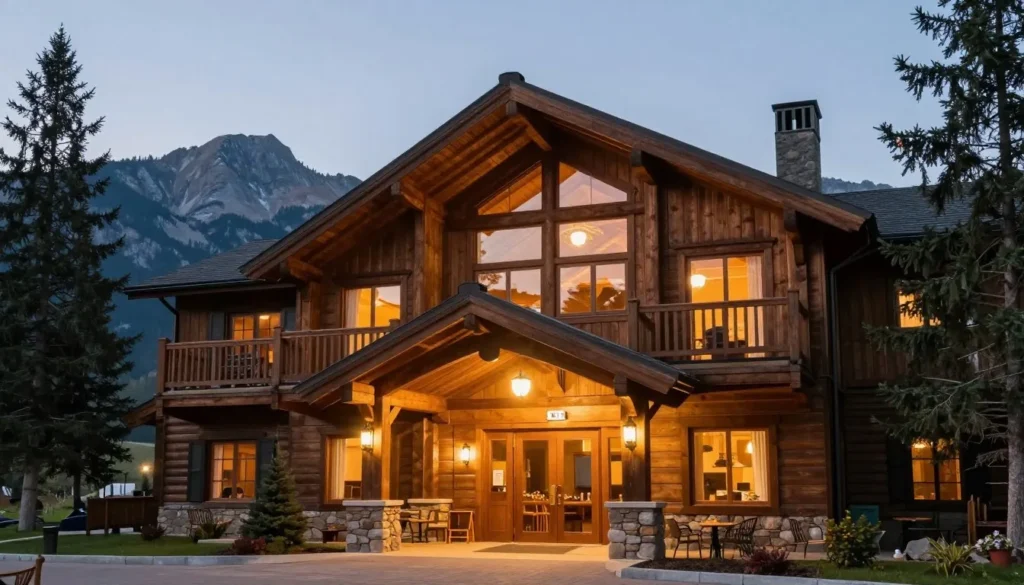
Estes Park serves as the primary base for exploring the eastern side of Rocky Mountain National Park. The town offers accommodations ranging from budget motels to luxury mountain resorts. Properties within walking distance of downtown provide easy access to restaurants and shops.
The YMCA of the Rockies operates a large conference and vacation center near the park entrance. This facility offers cabin rentals and lodge rooms at reasonable rates. The property includes dining facilities, activities, and direct access to park trails. Families particularly appreciate the variety of on-site programs.
Grand Lake on the western side provides a quieter alternative. This small mountain village offers fewer lodging options but significantly smaller crowds. The drive from Grand Lake to Bear Lake area takes about 90 minutes via Trail Ridge Road during summer months.
Campground options within the park book months in advance. Moraine Park Campground and Glacier Basin Campground offer the closest access to Glacier Gorge trailhead. These facilities provide basic amenities with spectacular mountain views. Reservations open six months before arrival dates.
Budget Options
Estes Park offers several economy motels and hostels. The Estes Park Center YMCA provides affordable dormitory-style accommodations. Nearby towns like Lyons offer additional budget choices with slightly longer drives to the park.
Mid-Range Lodging
Family-owned inns and chain hotels cluster around Estes Park downtown. Many properties feature mountain views and complimentary breakfast. The Ridgeline Hotel and various historic properties offer authentic mountain atmosphere without luxury pricing.
Premium Stays
The Stanley Hotel stands as the area's most famous luxury accommodation. This historic property inspired Stephen King's "The Shining." Several boutique mountain resorts offer spa services, fine dining, and concierge trail planning assistance.
Need Help Finding the Perfect Basecamp?
Our local accommodation specialists know every property near Timberline Falls. Get personalized recommendations based on your budget, group size, and trail access preferences.
Call Monday-Saturday, 8 AM - 6 PM Mountain Time
Dining and Local Cuisine

Estes Park's dining scene reflects its mountain heritage and modern tourist economy. Restaurants range from casual brewpubs to upscale dining rooms. Many establishments emphasize locally sourced ingredients including Colorado lamb, trout, and seasonal produce.
The Dunraven Inn has served Italian cuisine since 1977 in a rustic mountain setting. Their house-made pasta and extensive wine list attract both locals and visitors. Reservations are essential during peak season. The restaurant sits about 11 kilometers (7 miles) from downtown Estes Park.
Several breweries have opened in recent years. Rock Cut Brewing Company and Lumpy Ridge Brewing Company both craft beers inspired by local trails and peaks. Their outdoor patios provide ideal spots for post-hike refreshment. Food trucks often park outside offering diverse meal options.
Trail snacks and hiking provisions can be purchased at several outdoor retailers. Seasoned hikers recommend packing more food than seems necessary. The high elevation increases caloric needs significantly. Energy bars, nuts, dried fruit, and jerky form reliable trail nutrition.
Breakfast Spots
- The Egg and I (hearty mountain portions)
- Kind Coffee (early opening for hikers)
- Notchtop Bakery and Cafe (fresh pastries)
- Mountain Home Cafe (local favorite)
Quick Lunch Options
- Estes Park Pie Shop (grab-and-go)
- Nepal's Cafe (filling curry dishes)
- The Smokin' Dave's BBQ (takeout available)
- Scratch Deli (custom sandwiches)
No food services exist within the wilderness areas of Rocky Mountain National Park. All meals and snacks must be packed in. Bear-resistant food storage becomes mandatory at higher elevations and in backcountry camping areas.
Attractions, Sightseeing and Activities

The hike to Timberline Falls ranks among Rocky Mountain National Park's most rewarding adventures. The trail covers approximately 7.2 kilometers (4.5 miles) one way from Glacier Gorge trailhead. Total elevation gain reaches 533 meters (1,750 feet) through diverse alpine ecosystems.
Your journey begins at the Glacier Gorge parking lot at 2,743 meters (9,000 feet) elevation. The well-maintained trail initially follows a gentle grade through subalpine forest. After about 1.4 kilometers (0.9 miles), you reach Alberta Falls where many day hikers turn around.
The trail splits beyond Alberta Falls. Stay right at the junction toward Mills Lake and Sky Pond. This section becomes steeper with rocky sections requiring careful foot placement. The left fork leads to Mills Lake and Black Lake for those seeking alternative destinations.
Lake Glass appears about 5.6 kilometers (3.5 miles) from the trailhead. This small tarn sits in a glacially carved bowl. The calm waters reflect surrounding peaks on windless mornings. Many hikers rest here before tackling the final push to Timberline Falls.
The final section presents the trail's most challenging terrain. You scramble over massive boulders and navigate steep rock faces. Fixed cables assist hikers through the most exposed sections. This portion requires good upper body strength and confidence with heights.
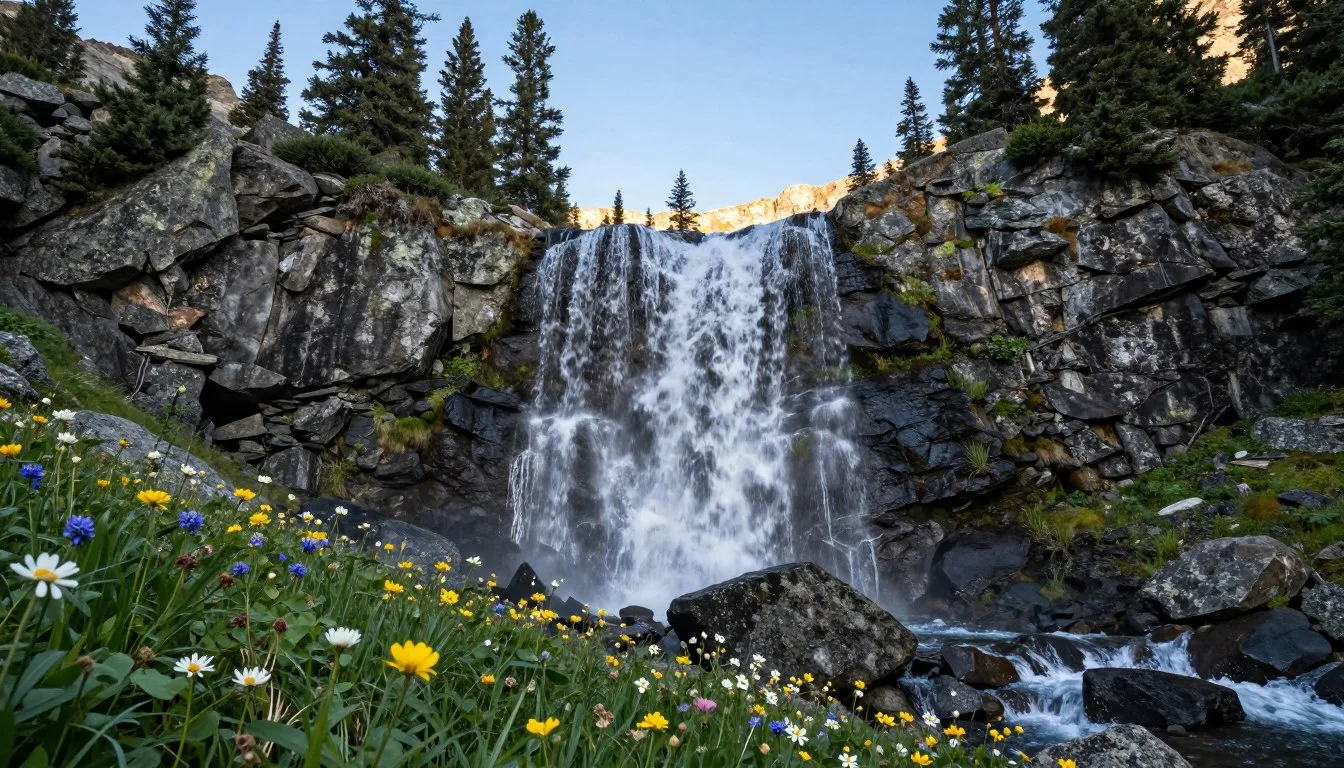
Timberline Falls tumbles approximately 46 meters (150 feet) down a granite cliff face. The falls feed into Loch Vale lake below. Mist from the falls creates miniature rainbows on sunny afternoons. Most hikers spend 30 to 60 minutes at the falls before beginning their descent.
Sky Pond Extension
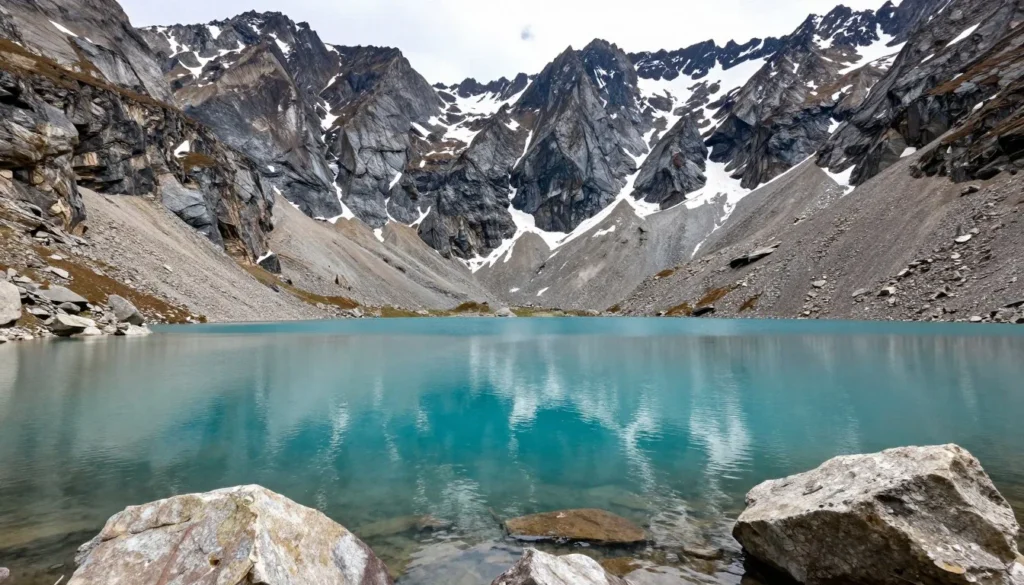
Ambitious hikers continue beyond Timberline Falls to Sky Pond. This pristine alpine lake sits another 0.8 kilometers (0.5 miles) and 76 meters (250 feet) higher. The route alongside the falls requires scrambling directly next to the waterfall cascade. Spray-covered rocks become extremely slippery.
Sky Pond rests at 3,231 meters (10,600 feet) in a spectacular cirque. Sheer cliff walls rise directly from the water's edge. The lake remains partially frozen through July most years. This destination adds approximately two hours to your total hiking time.
Other Trail Options
Bear Lake serves as another popular starting point for area hikes. The Bear Lake trailhead sits just 3.2 kilometers (2 miles) from Glacier Gorge trailhead. Several shorter loops around Bear Lake itself provide excellent options for families or those not ready for the Timberline Falls challenge.
The Loch Vale trail offers an alternative route to the same area. This path provides different perspectives of the valley. Many experienced hikers create loop trips using both routes. Trail conditions and snow coverage often determine the best approach.
Essential Trail Items
- Sturdy hiking boots with ankle support
- Multiple clothing layers for weather changes
- Rain jacket and emergency shelter
- Headlamp with extra batteries
- First aid kit and blister treatment
- Trekking poles for stability
Navigation and Safety
- Downloaded offline trail maps
- Physical map and compass
- Fully charged phone and backup battery
- Whistle for emergency signaling
- Sunscreen and lip protection
- Sunglasses and hat
Food and Hydration
- 3 liters minimum water capacity
- Water purification tablets or filter
- High-calorie snacks and lunch
- Electrolyte replacement drinks
- Emergency food rations
- Bear-proof food storage bag
Museums, Cultural Spots and Festivals

The Beaver Meadows Visitor Center provides an excellent introduction to Rocky Mountain National Park. This National Historic Landmark building opened in 1967. Designed by Taliesin Associated Architects, it reflects Frank Lloyd Wright's organic architecture principles. Interactive exhibits explain the park's geology, ecology, and human history.
Rangers offer daily programs throughout summer months. Topics range from wildlife tracking to wildflower identification. The evening programs at various campground amphitheaters prove especially popular with families. Schedule information appears on bulletin boards at all visitor centers.
The Estes Park Museum captures the area's settlement history. Exhibits showcase early homesteader life and the development of tourism. Original photographs document the park's creation in 1915. The museum operates in the historic Park Headquarters building. Admission remains free though donations are appreciated.
The MacGregor Ranch Museum preserves a working cattle ranch from the 1870s. Original buildings, equipment, and furnishings tell stories of pioneer life. The property sits just outside the park boundary with stunning mountain views. Tours run Tuesday through Friday during summer months.
Cultural Programs
The Estes Park Music Festival presents classical concerts throughout summer. Performances take place at the historic Stanley Hotel and other venues. Musicians from major orchestras nationwide participate in this tradition dating to 1983. Outdoor concerts occasionally feature mountain backdrops.
Art galleries cluster along Elkhorn Avenue in downtown Estes Park. Many feature landscape paintings and wildlife photography from local artists. The Estes Park Art Market operates seasonally with rotating artists demonstrating traditional crafts. Native American artists often display jewelry and pottery.
Nature and Outdoor Experiences

Wildlife viewing reaches peak activity during dawn and dusk hours. Elk herds congregate in meadow areas throughout the park. The Moraine Park area and Horseshoe Park offer particularly reliable elk sightings. Bull elk produce distinctive bugling calls during September and October rutting season.
Bighorn sheep frequent the rocky slopes near Sheep Lakes. These agile climbers navigate seemingly impossible cliff faces. Spring brings ewes with young lambs to lower elevations. The mineral lick at Sheep Lakes attracts large groups where visitors can observe from designated viewing areas.
Black bears inhabit the park though sightings remain less common than elk. Bears actively forage during summer months preparing for winter hibernation. Proper food storage prevents dangerous human-bear interactions. All food items must remain in vehicles or bear-proof containers when not actively eating.
Marmots whistle warnings from rocky outcrops along the trail to Timberline Falls. These large ground squirrels live in boulder fields at higher elevations. Pikas gather vegetation throughout summer, creating hay piles for winter survival. Their distinctive chirping calls echo across alpine zones.
Wildflower Season
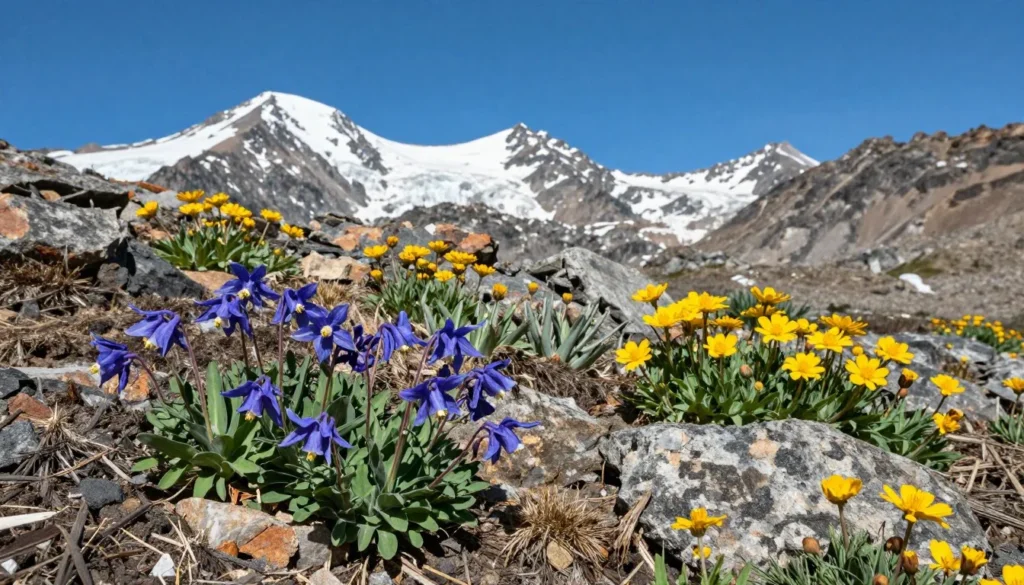
Wildflower displays begin in valley bottoms during June. As summer progresses, blooms move higher following snowmelt. Peak wildflower season occurs from mid-July through early August at Timberline Falls elevation. Colorado's state flower, the blue columbine, thrives in shaded areas near streams.
Alpine sunflowers blanket exposed slopes in golden displays. These plants grow low to the ground as protection from harsh winds. Indian paintbrush adds red and orange splashes throughout subalpine meadows. Rare alpine forget-me-nots bloom at the highest elevations near Sky Pond.
Photography Opportunities
Sunrise photography at Timberline Falls requires starting your hike well before dawn. The falls face east, receiving beautiful morning light. Bring a tripod for long-exposure waterfall shots. Polarizing filters reduce glare from wet rocks and enhance sky colors.
Reflection shots work best at Lake Glass during calm morning conditions. Arrive before other hikers disturb the water surface. The mirror-like reflections disappear once wind picks up around mid-morning. Autumn offers spectacular golden aspen colors reflected in the lake's surface.
Rock Climbing and Mountaineering
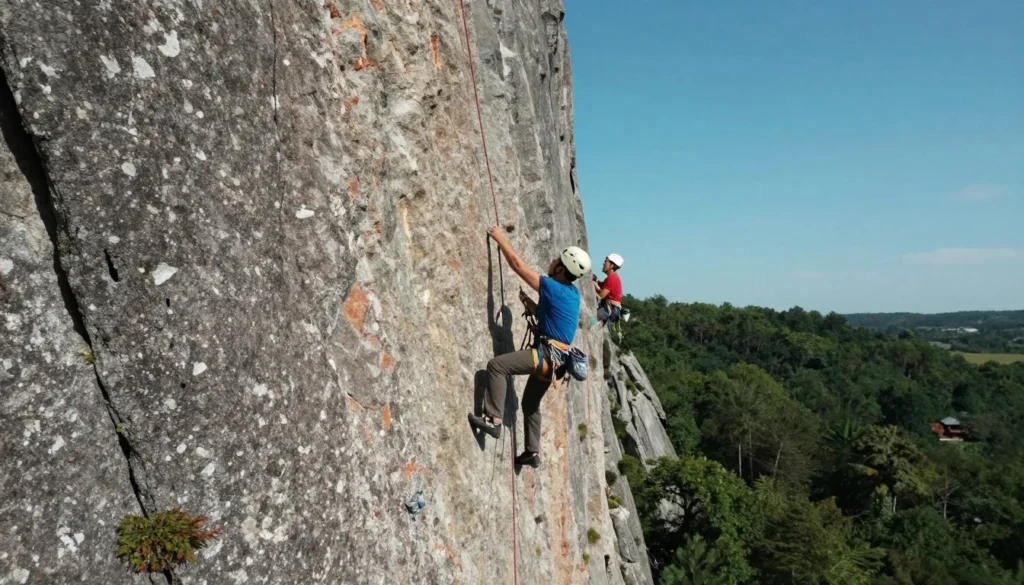
The Glacier Gorge area attracts rock climbers to numerous classic routes. Spearhead peak and Cathedral Wall offer multi-pitch traditional climbing. Routes range from beginner-friendly to extremely challenging. Climbers must register at backcountry offices before attempting overnight climbs.
Winter ice climbing on frozen Timberline Falls draws specialized climbers. The route typically forms by late December. Ice conditions vary dramatically with temperature fluctuations. Only experienced ice climbers with proper equipment should attempt this dangerous activity.
Fishing Opportunities
Native greenback cutthroat trout inhabit some park waters. Most lakes and streams now contain non-native brook trout or rainbow trout. Fishing requires a Colorado state license. All fishing follows catch-and-release regulations within the park. Barbless hooks are required to minimize injury to fish.
Mills Lake and Sky Pond contain small trout populations. The hike to these locations keeps fishing pressure relatively low. Stream fishing along Glacier Creek can be productive during early morning and evening hours. Rangers can recommend specific locations based on current conditions.
Travel With Children
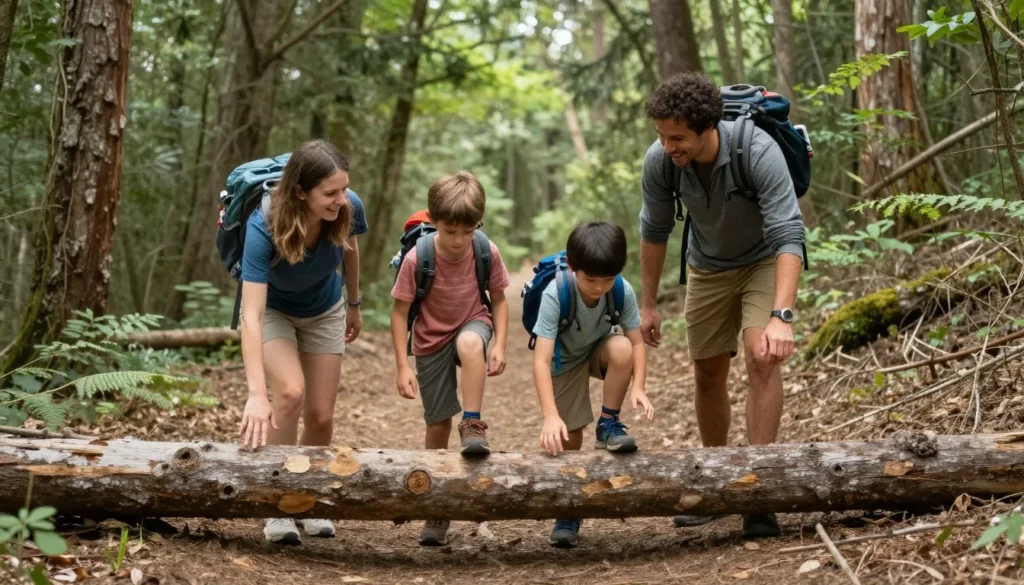
The hike to Timberline Falls presents significant challenges for young children. The distance, elevation gain, and technical scrambling sections exceed most children's capabilities. Families with kids under 12 should consider shorter alternatives like Alberta Falls or Bear Lake loop trails.
Alberta Falls makes an excellent family destination. The 1.4-kilometer (0.9-mile) hike gains only 49 meters (160 feet) in elevation. The trail remains well-maintained with gentle grades. This waterfall provides a taste of alpine scenery without the commitment required for Timberline Falls.
The Junior Ranger program engages children ages 5 through 12. Kids complete activity books focused on park ecology and conservation. Upon finishing, rangers award official Junior Ranger badges. Activity books are available free at all visitor centers.
Sprague Lake offers wheelchair-accessible trails around a scenic mountain lake. The 1.3-kilometer (0.8-mile) loop provides stunning views without elevation gain. Families with strollers find this route manageable. The lake sits at 2,590 meters (8,500 feet) making altitude adjustment easier for lowland visitors.
Family-Friendly Trails
- Bear Lake Loop (0.8 km / 0.5 mi, flat)
- Sprague Lake (1.3 km / 0.8 mi, paved)
- Alberta Falls (2.8 km / 1.7 mi round trip)
- Coyote Valley Trail (easy riverside walk)
Kid-Friendly Activities
- Junior Ranger program completion
- Wildlife spotting with binoculars
- Stream wading in designated areas
- Rock collecting (outside wilderness zones)
Altitude sickness affects children more severely than adults. Watch for headaches, nausea, and unusual tiredness. Descend immediately if symptoms appear. Encourage frequent water breaks and rest stops. Many families spend their first day at lower elevations before attempting higher trails.
Snacks become essential when hiking with children. Pack significantly more food than seems necessary. High-altitude exertion burns calories quickly. Trail mix, fruit, and granola bars provide quick energy. Turn snack breaks into nature observation opportunities to maintain children's interest.
Money Saving Tips
The America the Beautiful Annual Pass costs just $80 and provides unlimited access to all national parks for 12 months. This pass pays for itself in just five days if you visit multiple parks. Senior citizens (age 62+) qualify for lifetime passes at $80. Active military personnel receive free annual passes.
Free shuttle service eliminates parking fees and frustration during peak season. The Park & Ride lot offers free parking with easy shuttle access. This option saves both money and time compared to circling crowded trailhead parking areas.
Camping in national forest lands surrounding the park costs less than park campgrounds. Sites in Roosevelt National Forest and Arapaho National Forest often allow dispersed camping at no charge. These locations require more self-sufficiency but offer solitude and savings.
Estes Park restaurants offer early bird specials and happy hour discounts. Dining at off-peak times reduces costs significantly. Grocery stores allow meal preparation in hotel rooms or picnic areas. The Safeway and other markets stock camping supplies at better prices than resort shops.
Budget-Stretching Strategies
- Visit during shoulder seasons (June or September) for lower lodging rates
- Book accommodations in Lyons or Grand Lake instead of Estes Park
- Pack all meals and snacks from home or local grocery stores
- Fill water bottles at visitor centers rather than buying bottled water
- Download free park maps instead of purchasing printed versions
- Attend free ranger programs for entertainment and education
Equipment rental in Estes Park costs more than renting before arrival. Many Front Range outdoor retailers offer better rates and selection. REI in Denver or Boulder provides rental gear packages for overnight trips. Reserve equipment weeks in advance during peak season.
Weekday visits cost less for accommodations than weekends. Lodging rates drop 30-40% Sunday through Thursday. Trails see fewer crowds on weekdays too. This timing offers both financial and experiential advantages.
Safety and Local Customs

Lightning kills more people in Rocky Mountain National Park than any other hazard. Afternoon thunderstorms develop with little warning during summer months. Avoid exposed ridges and peaks after noon. If caught in a storm, move away from isolated trees and metal objects. Crouch low with minimal ground contact until the storm passes.
Altitude sickness affects many visitors arriving from sea level. Symptoms include headaches, dizziness, nausea, and fatigue. Drink extra water and avoid alcohol for your first 24 hours at elevation. Descend immediately if symptoms worsen. Some visitors spend their first night at intermediate elevations like Boulder before going higher.
Hypothermia remains a threat even during summer months. Temperatures can drop from 21°C to 2°C (70°F to 35°F) within an hour when storms arrive. Wet clothing accelerates heat loss dramatically. Always pack waterproof layers and extra insulation regardless of morning weather conditions.
Wildlife encounters require specific responses. Never approach animals regardless of how docile they appear. Elk kill more people than bears through goring attacks during rutting season. Maintain minimum distances of 23 meters (75 feet) from elk and 37 meters (120 feet) from bears. Make noise while hiking to avoid surprising animals on the trail.
Leave No Trace Principles
Pack out everything you pack in including food scraps and trash. Banana peels and apple cores take months to decompose at high altitude. Human waste must be buried 15 centimeters (6 inches) deep at least 61 meters (200 feet) from water sources. Wag bags for carrying out waste are required in some areas.
Stay on established trails to prevent erosion and vegetation damage. Alpine tundra takes decades to recover from footsteps. Shortcutting switchbacks creates erosion channels that worsen with each rainfall. Camp only in designated sites or on durable surfaces like rock or snow.
Emergency Contacts and Resources
- Park Emergency Services: 911 (works throughout park)
- Rocky Mountain National Park Dispatch: +1 970-586-1399
- Weather Information: +1 970-586-1206
- Road Conditions: +1 970-586-1222
- Backcountry Office: +1 970-586-1242
Trail Etiquette
Uphill hikers have right-of-way on narrow trails. Step aside and allow ascending hikers to pass without breaking momentum. However, most uphill hikers appreciate brief rest breaks and will wave downhill traffic through. Communication and courtesy prevent trail conflicts.
Groups should stay together and avoid blocking trails during breaks. Single-file hiking reduces trail widening and allows easier passing. Keep noise levels moderate to preserve wilderness experience for others. Bluetooth speakers and loud conversations detract from the natural soundscape.
Visitor Comments About Timberline Falls

"The scramble to Timberline Falls challenged me more than expected, but the payoff was absolutely worth every careful step. Watching the waterfall thunder down while mist created rainbows in the afternoon sun remains one of my favorite outdoor memories. Starting early made all the difference for avoiding crowds and afternoon storms."
"We planned our whole Colorado trip around hiking to Sky Pond, and Timberline Falls exceeded our expectations as the stunning midpoint. The trail offers incredible variety from forest to alpine zones. Lake Glass provided a perfect lunch spot with mirror-like reflections. Just be prepared for the boulder scramble section which requires good upper body strength and comfort with exposure."
"I've hiked extensively in European Alps and found Timberline Falls comparable to anything Switzerland offers. The wildflower displays in July created carpets of color against dramatic granite cliffs. My only regret was not starting earlier to avoid the afternoon cloud buildup. The return hike in misty conditions felt magical but the rocks became quite slippery."
Additional Nearby Destinations
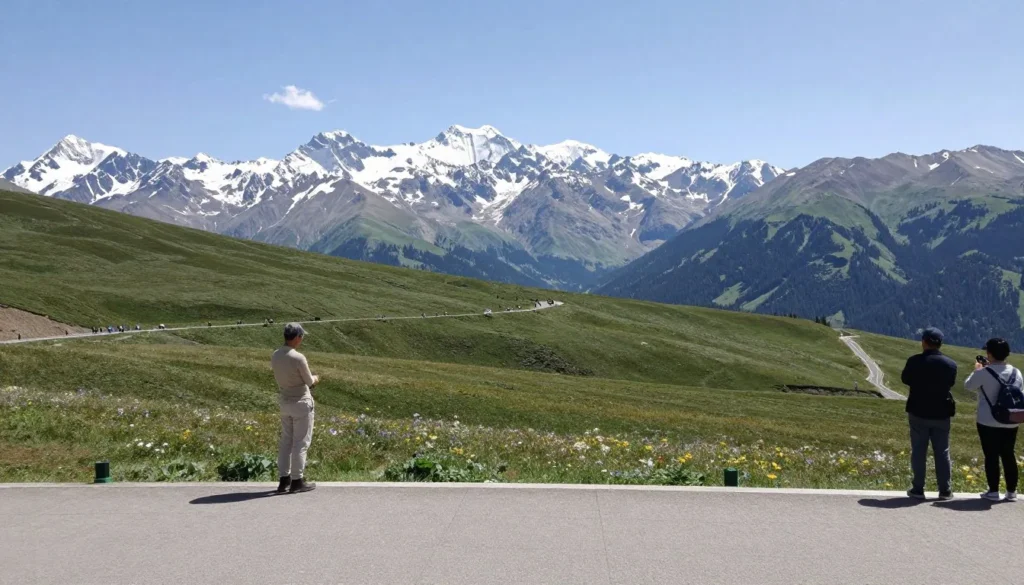
Trail Ridge Road climbs to 3,713 meters (12,183 feet) making it America's highest continuous paved road. This scenic byway crosses the Continental Divide with numerous pullouts for photography and wildlife viewing. The road typically opens in late May and closes with first major snowfall in October.
The alpine tundra along Trail Ridge Road supports fragile ecosystems found nowhere else at this latitude. Boardwalks protect vegetation while allowing close observation of tiny alpine plants. The Alpine Visitor Center sits at 3,595 meters (11,796 feet) providing educational exhibits and unparalleled mountain vistas.
Grand Lake, Colorado's largest natural lake, sits on the park's western boundary. This mountain village offers boating, fishing, and kayaking opportunities. The town maintains its historic character with wooden sidewalks and locally owned shops. Winter transforms the area into a snowmobiling and cross-country skiing destination.
The Never Summer Mountains form the park's western border. Less crowded than the eastern park areas, these peaks attract experienced backpackers seeking solitude. Several trailheads access remote alpine basins with excellent fishing and wildlife viewing.
Boulder
This vibrant college town sits 64 kilometers (40 miles) from the park. The Pearl Street pedestrian mall features street performers, restaurants, and outdoor gear shops. Flatirons rock formations provide world-class rock climbing just outside town. Chautauqua Park offers hiking trails with stunning mountain views.
Fort Collins
Located 97 kilometers (60 miles) north of the park, Fort Collins blends western heritage with modern craft brewing culture. Historic Old Town features excellent restaurants and unique shops. The city's extensive trail system connects parks along the Cache la Poudre River. Horsetooth Reservoir offers water sports and hiking.
Indian Peaks Wilderness
This wilderness area adjoins Rocky Mountain National Park's southern boundary. Similar terrain with fewer permit restrictions attracts backpackers and climbers. Lake Isabelle and Blue Lake trails showcase spectacular alpine scenery. The area requires separate wilderness permits available at district ranger stations.
Winter Park Resort sits about 80 kilometers (50 miles) southwest via Interstate 40. This ski area offers summer mountain biking and hiking when snow melts. The resort gondola operates during summer providing access to high-elevation trails without the climbing effort.
Practical Travel Tips
Cell phone coverage remains unreliable throughout most of Rocky Mountain National Park. Verizon and AT&T provide the best coverage but expect dead zones in valleys and high peaks. Download offline maps before departing civilization. Satellite communicators provide emergency contact capability beyond cell range.
The nearest full-service hospital operates in Estes Park. Estes Park Medical Center provides 24-hour emergency care at 555 Prospect Avenue. For serious emergencies, Flight For Life helicopters transport patients to trauma centers in Denver or Fort Collins. Medical evacuation costs can exceed $50,000 without proper insurance coverage.
ATMs are available in Estes Park and Grand Lake but not within the park boundaries. Most businesses accept credit cards though some small vendors prefer cash. Carrying $50-100 cash covers parking meters, small purchases, and emergency situations.
Gasoline prices in mountain communities run 15-30% higher than Front Range cities. Fill tanks in Boulder, Fort Collins, or Loveland before ascending to the mountains. No fuel services exist within Rocky Mountain National Park. Running out of gas requires expensive towing services.
Packing Essentials
- Prescription medications (altitude may worsen some conditions)
- Sunscreen SPF 50+ (UV radiation increases with elevation)
- Lip balm with SPF protection
- Insect repellent (mosquitoes peak in July)
- Blister treatment and moleskin
- Headache medication for altitude adjustment
- Water purification method for backcountry travel
- Biodegradable soap and towel
- Duct tape (repairs everything from blisters to broken gear)
- Zip-lock bags for trash and food storage
Photography Tips
- Bring extra camera batteries (cold reduces battery life)
- Use polarizing filter to reduce glare and enhance colors
- Protect equipment from sudden rain with dry bags
- Wide-angle lens captures expansive vistas
- Telephoto lens essential for wildlife photography
- Tripod improves low-light and waterfall photos
- Clean lens frequently (dust and moisture accumulate)
Timed entry permits for Bear Lake corridor can be reserved up to 90 days in advance. These permits sell out within minutes of becoming available during peak season. Set phone alarms for release times and have accounts pre-created on recreation.gov. Backup plans should include alternative trailheads or visiting during non-peak hours.
Weather changes rapidly at high elevation. Morning bluebird skies can transform into violent thunderstorms by early afternoon. Check weather forecasts daily and understand that conditions at higher elevations differ significantly from valley reports. The park's weather hotline provides mountain-specific forecasts.
Internet and Connectivity
Free WiFi is available at Beaver Meadows Visitor Center and Kawuneeche Visitor Center. Estes Park Public Library offers free internet access and computer use. Most hotels and coffee shops provide WiFi for customers. Plan to be digitally disconnected during hikes and backcountry adventures.
Restroom facilities exist at trailheads but not along wilderness trails. Plan accordingly before starting hikes. Composting toilets at Bear Lake and Glacier Gorge provide the last facilities before remote areas. Backcountry travelers must practice proper waste disposal techniques at least 61 meters (200 feet) from water sources.
Bears and other wildlife require proper food storage at all times. Never leave food visible in vehicles even for short periods. Store items in trunk or covered compartments. Bears can smell food through closed windows and will damage vehicles to access it. Coolers and food storage containers must be removed from vehicles overnight.
Your Timberline Falls Adventure Awaits
Timberline Falls stands as one of Rocky Mountain National Park's most rewarding destinations. The challenging trail weeds out casual visitors leaving this spectacular waterfall for those willing to earn the experience. Every step through diverse ecosystems builds anticipation for the final dramatic reveal.
Your preparation determines success and safety on this alpine adventure. Early starts beat afternoon storms and crowds. Proper gear transforms potential misery into comfortable exploration. Respecting the mountain environment ensures this treasure remains pristine for future generations.
The memories you create scrambling beside cascading water and standing beneath towering granite cliffs will fuel outdoor passions for years. Rocky Mountain National Park offers endless opportunities for return visits and new discoveries. Each season paints familiar landscapes in new colors and moods.
Start planning your Timberline Falls adventure today. The alpine wilderness calls to those brave enough to answer. Your perfect mountain day awaits among Colorado's highest peaks.