Hotels by Trip.com
Flights by Trip.com
Fewer than 60 people call Tincup home year-round, making it one of Colorado’s smallest incorporated towns. This remote settlement sits at 9,879 feet above sea level in the heart of the Rocky Mountains. Despite its tiny population, the town draws thousands of visitors each summer who seek authentic mountain experiences.
The town earned its unusual name from early prospectors who carried their mining claims in tin cups during the 1879 gold rush. Originally called Virginia City, miners renamed it Tincup to avoid confusion with other mining camps across the West.
This guide reveals everything you need to know about visiting one of Colorado’s best-preserved ghost towns. You’ll discover scenic mountain drives, outdoor adventures, historical sites, and practical information for planning your trip to this hidden gem.
Getting There and Planning Your Journey
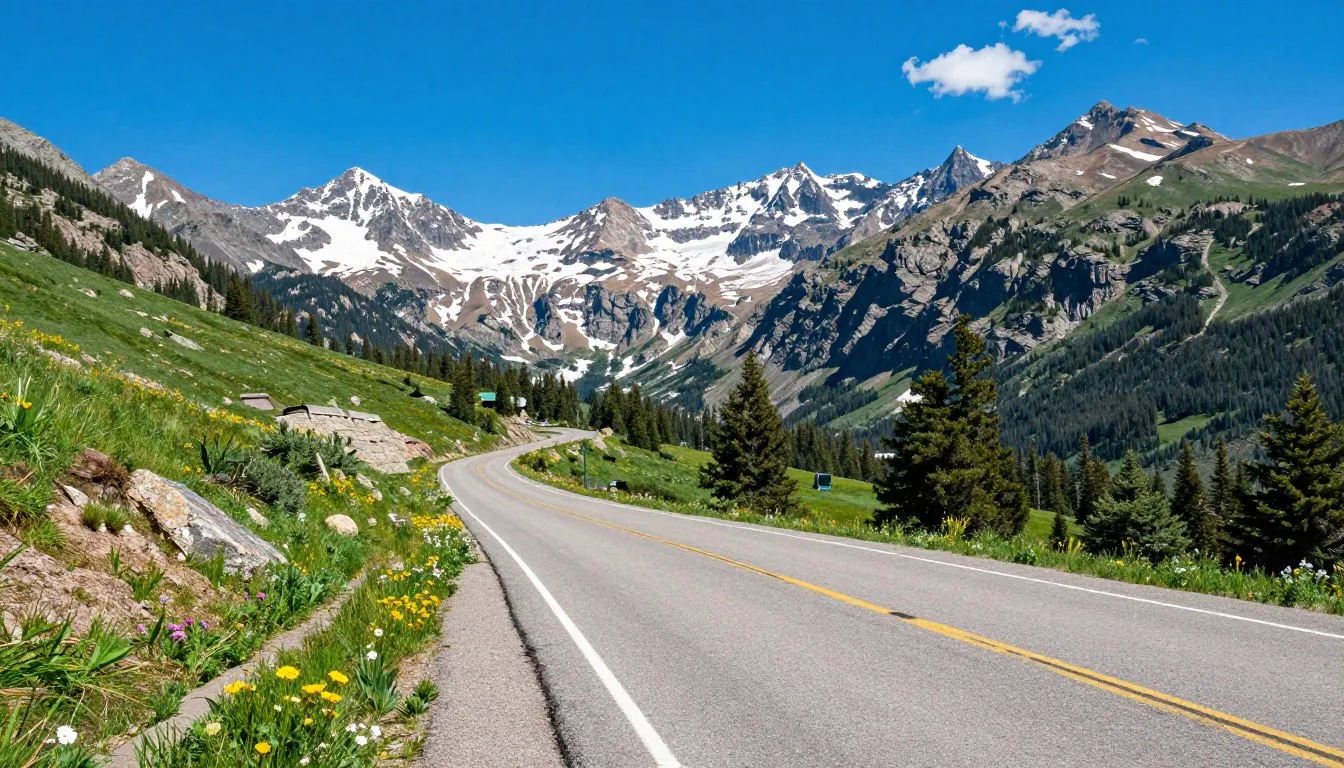
Reaching Tincup requires advance planning due to its remote location. The nearest major airports include Denver International Airport, located 197 kilometers away, and Colorado Springs Airport, situated 161 kilometers from town. Gunnison-Crested Butte Regional Airport offers the closest commercial flights at just 48 kilometers distance.
The drive from Gunnison takes approximately one hour via paved roads. From Denver, expect a four-hour journey through spectacular mountain scenery. Most visitors approach from the west through Gunnison, which provides the easiest year-round access route.
Important Road Information: Tincup Pass and Cumberland Pass roads close during winter months, typically from October through June. Always check current road conditions before departure. The town becomes accessible only via the western route during snow season.
Summer visitors can explore additional scenic routes. Tincup Pass Road connects to St. Elmo on the eastern side, offering breathtaking views along the Continental Divide. This challenging mountain pass requires high-clearance vehicles and experienced drivers comfortable with narrow shelf roads.
Plan extra time for your journey. Mountain roads demand slower speeds, and you’ll want to stop frequently for photos. Cell phone service becomes unreliable as you approach town, so download maps and directions before leaving areas with reliable data coverage.
Best Time to Visit and Weather Tips
Best Time to Visit Tincup
Summer months from June through September offer the best weather conditions and full access to surrounding roads and trails. July and August bring the warmest temperatures, ranging from 10°C to 21°C during the day. These peak months also attract the largest crowds to this tiny mountain town.
Early September provides an excellent alternative for visitors seeking solitude. Fall colors transform aspen groves into golden displays, and cooler temperatures make hiking more comfortable. Expect daytime highs around 15°C with crisp mornings near freezing.
Avoid visiting from October through May unless you have winter mountaineering experience. Snow closes most access roads, and temperatures regularly drop below -18°C. The few year-round residents often become snowbound for extended periods during this part of the year.
Notable Annual Festivals
Tincup celebrates its mining heritage each summer with small community events. The annual Tincup Summer Festival takes place in late July, featuring local musicians, historical presentations, and period costume displays. Contact the Gunnison County Chamber of Commerce at 970-641-1501 for current festival dates and information.
Ghost tours operate on weekend evenings during August. Local history enthusiasts share stories about the town’s rough mining past. These informal walking tours depart from the old cemetery at sunset. For tour reservations, call 970-641-0044 during summer months.
Weather at high altitude changes rapidly. Morning sunshine can give way to afternoon thunderstorms within hours. Pack layers including rain gear and warm clothing even during summer visits. Temperatures drop significantly after sunset year-round.
Getting Around Locally
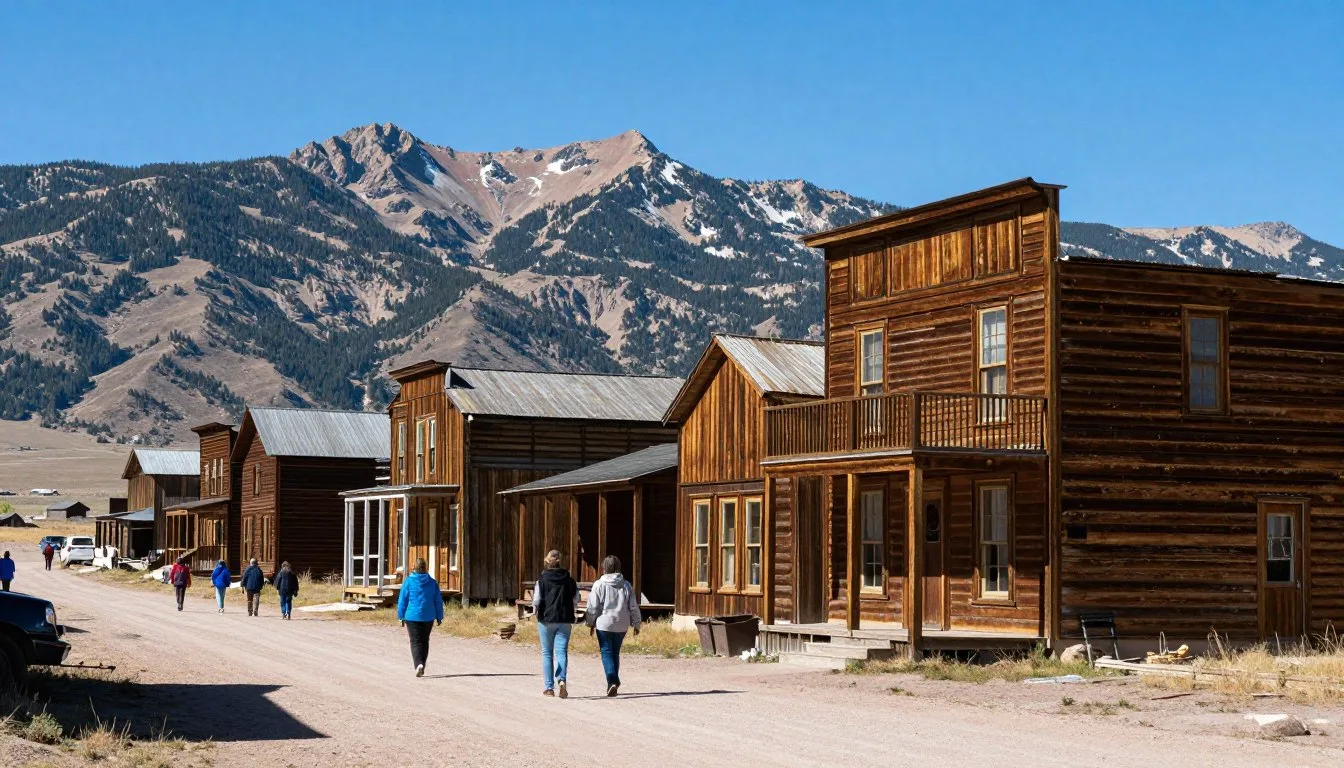
Walking remains the best way to explore Tincup’s compact town center. The entire historic district covers less than half a square kilometer. Most buildings, shops, and points of interest sit within easy walking distance of each other along the main dirt road.
You’ll need a personal vehicle to explore areas beyond town. No public transportation, taxi services, or ride-sharing options operate in this remote location. The nearest gas station sits 29 kilometers away in Pitkin, so fill your tank before arrival.
Four-wheel-drive vehicles work best for mountain pass roads and backcountry routes. Standard cars can reach town via the paved western approach but cannot safely navigate Tincup Pass or other high-country trails. Several outfitters in Gunnison rent suitable vehicles for mountain driving.
Parking presents no challenge in Tincup. Informal dirt parking areas line the main street. During peak summer weekends, arrive early to secure spots near popular sites. Most visitors simply pull off the road near their destination.
Where to Stay
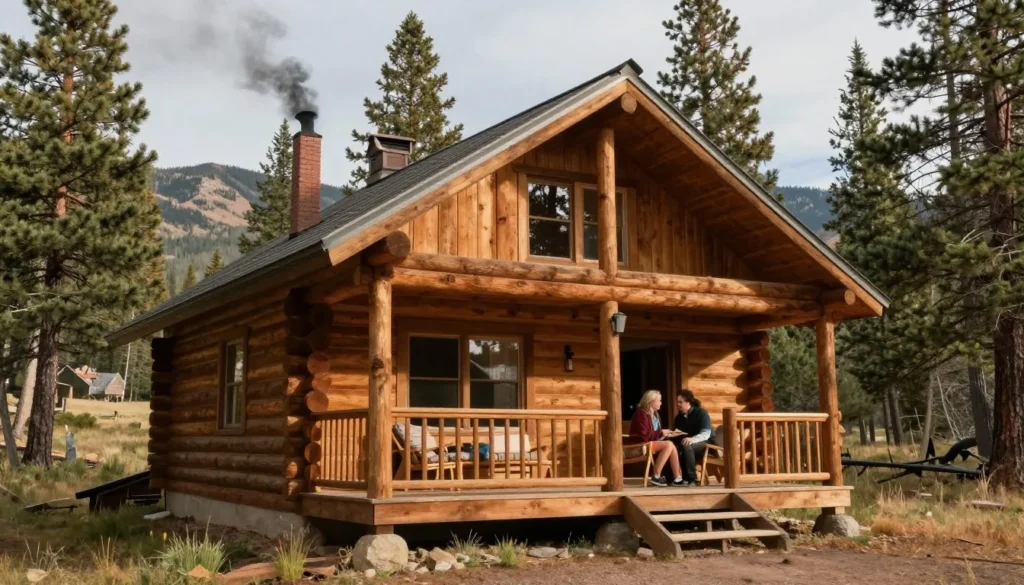
Accommodation options in Tincup remain extremely limited due to the town’s small size. Most visitors stay in nearby communities and drive to Tincup for day visits. This approach provides more amenities while maintaining easy access to the historic site.
Gunnison offers the widest selection of hotels, motels, and vacation rentals 48 kilometers from town. Prices range from budget-friendly chains to upscale mountain lodges. Book well in advance during summer months when rooms fill quickly.
A few private cabin rentals operate within Tincup and the immediate surrounding area. These rustic properties provide authentic mountain experiences but lack many modern conveniences. Contact the Gunnison Vacation Rentals office at 970-641-2337 for available cabins and current rates.
Nearby Lodging Options
- Gunnison hotels and motels – 48 kilometers west
- Pitkin cabin rentals – 29 kilometers northwest
- Ohio City guest houses – 24 kilometers west
- Taylor Park campgrounds – 16 kilometers north
Camping Alternatives
- Mirror Lake Campground – 8 kilometers north
- Dispersed camping on National Forest land
- RV sites in Taylor Park Recreation Area
- Backcountry camping with proper permits
Camping provides the most affordable option for budget-conscious travelers. Mirror Lake Campground operates from June through September with basic facilities. Sites cost around twenty dollars per night and fill quickly on weekends. Dispersed camping on surrounding National Forest land requires following Leave No Trace principles.
Dining and Local Cuisine
Tincup has no restaurants, grocery stores, or food services. Visitors must bring all food and drinks or plan to eat in nearby towns. The nearest restaurant sits in Pitkin, 29 kilometers away along a winding mountain road.
Pack a cooler with supplies for day trips. Picnic areas near Mirror Lake and along Willow Creek provide scenic spots for outdoor meals. Several flat rocks and fallen logs serve as natural seating areas throughout the historic town site.
Gunnison offers the closest full restaurant selection. Local favorites include traditional Western steakhouses, Mexican cuisine, pizza shops, and coffee cafes. Stock up on groceries at Gunnison supermarkets before heading into the mountains.
Important: No food, water, or supplies available for purchase in Tincup. Bring everything you need. The high altitude increases water consumption needs. Pack at least two liters per person for half-day visits.
Some cabin rentals include kitchen facilities. Cooking your own meals saves money and allows flexible dining schedules. Remember that food odors attract bears and other wildlife. Store all items properly in bear-proof containers when camping.
Attractions, Sightseeing and Activities
Historic Town Exploration
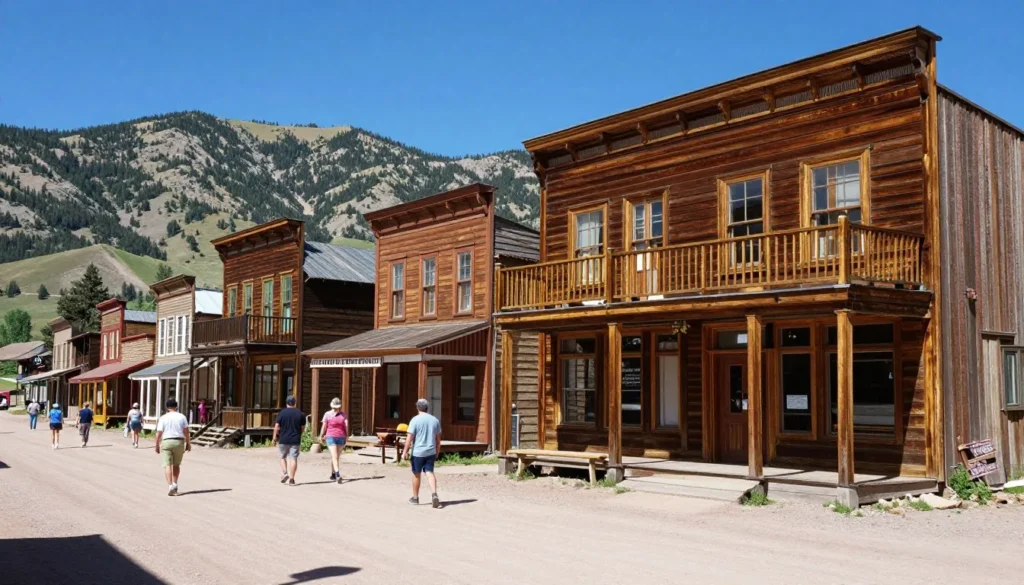
Walking through Tincup feels like stepping back to the 1880s gold rush era. Several original wooden structures still stand along the main street. Many buildings show their age through weathered siding and sagging rooflines, creating authentic photo opportunities.
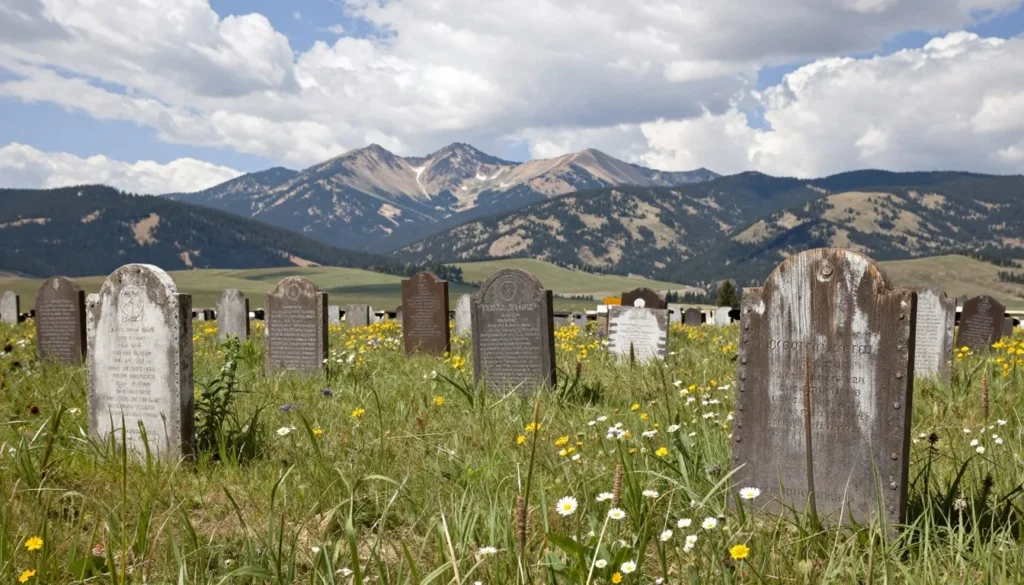
The old Tincup Cemetery sits on a hillside overlooking town. This historic burial ground contains graves dating back to the mining boom. Wooden markers tell stories of miners, families, and the rough frontier life. The cemetery remains accessible year-round via a short uphill walk from the town center.
Visitors can explore the ruins of several mining operations scattered around the surrounding hillsides. Old shaft houses, rusting equipment, and collapsed tunnels dot the landscape. Exercise extreme caution near these sites as unstable structures and open mine shafts pose serious dangers.
Scenic Mountain Drives
Tincup Pass Road ranks among Colorado’s most spectacular high-altitude routes. This challenging drive climbs to 12,154 feet elevation while crossing the Continental Divide. The route connects Tincup to the ghost town of St. Elmo on the eastern side.
Plan three to four hours for the complete Tincup Pass crossing. The narrow shelf road demands full attention and suitable vehicles. Steep drop-offs along sections of the route make this drive unsuitable for those uncomfortable with heights.
Cumberland Pass provides an easier alternative for scenic mountain views. This route climbs to 12,015 feet while offering gentler grades and wider roadways. The summit provides panoramic vistas across multiple mountain ranges and valleys.
Mountain pass roads open only during summer months. Snow typically blocks routes from October through June. Check current conditions at the Gunnison National Forest Office: 970-641-0471 before attempting any high-elevation drives.
Museums, Cultural Spots and Festivals
Tincup itself operates as an open-air museum where visitors explore freely without formal tours or admission fees. Information plaques mounted on several buildings provide historical context about the town’s mining heritage and early settlers.
The nearby Pioneer Museum in Gunnison displays extensive exhibits about regional mining history. Collections include mining equipment, period photographs, and artifacts from Tincup and surrounding camps. The museum opens daily during summer with modest admission fees.
Local history groups occasionally organize guided walking tours through Tincup during peak summer months. These informal sessions share stories about notable residents, violent confrontations, and daily life during the gold rush. Contact the Gunnison County Historical Society at 970-641-4530 for tour schedules.

Cultural activities remain limited due to the town’s tiny population. Summer brings occasional outdoor concerts and historical reenactments in nearby communities. Check with the Crested Butte Music Festival for events scheduled in the broader region throughout summer months.
Nature and Outdoor Experiences
Hiking and Trail Exploration
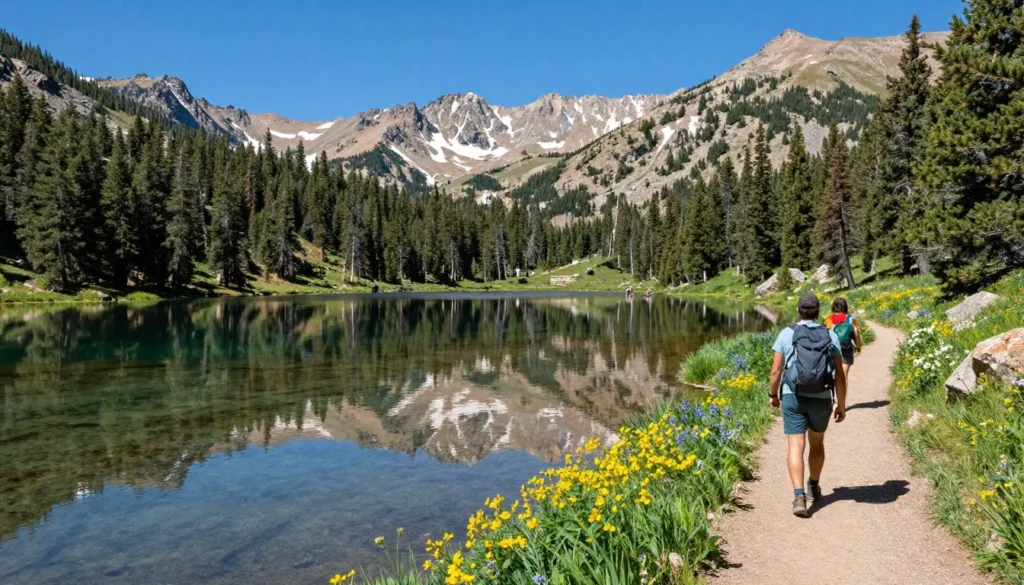
Trails surrounding Tincup range from easy nature walks to challenging mountain ascents. Mirror Lake Trail offers a moderate 3.2-kilometer hike climbing 152 meters to a pristine alpine lake. The trail winds through aspen and pine forests before emerging at the lake basin surrounded by mountain peaks.
More experienced hikers can tackle the route to Fitzpatrick Peak. This strenuous climb gains 762 meters over 6.4 kilometers. Summit views stretch across the Sawatch Range and Collegiate Peaks. Start early to avoid afternoon thunderstorms common during summer months.
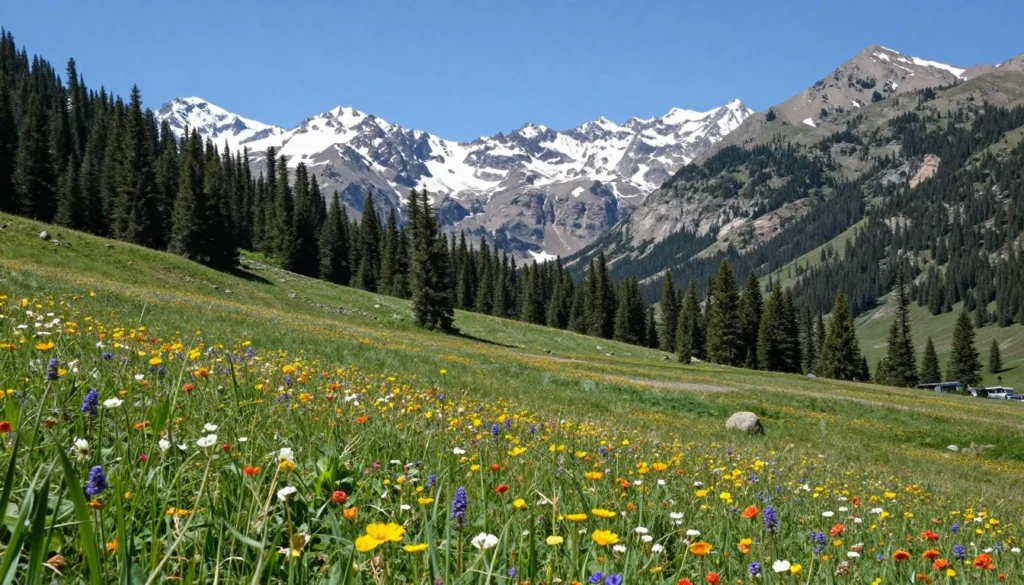
Wildflower enthusiasts should explore high-altitude meadows during July and early August. Colorful displays of Indian paintbrush, columbine, and alpine sunflowers carpet hillsides throughout the area. Dozens of wildflower species bloom at different elevations as summer progresses.
Fishing Opportunities
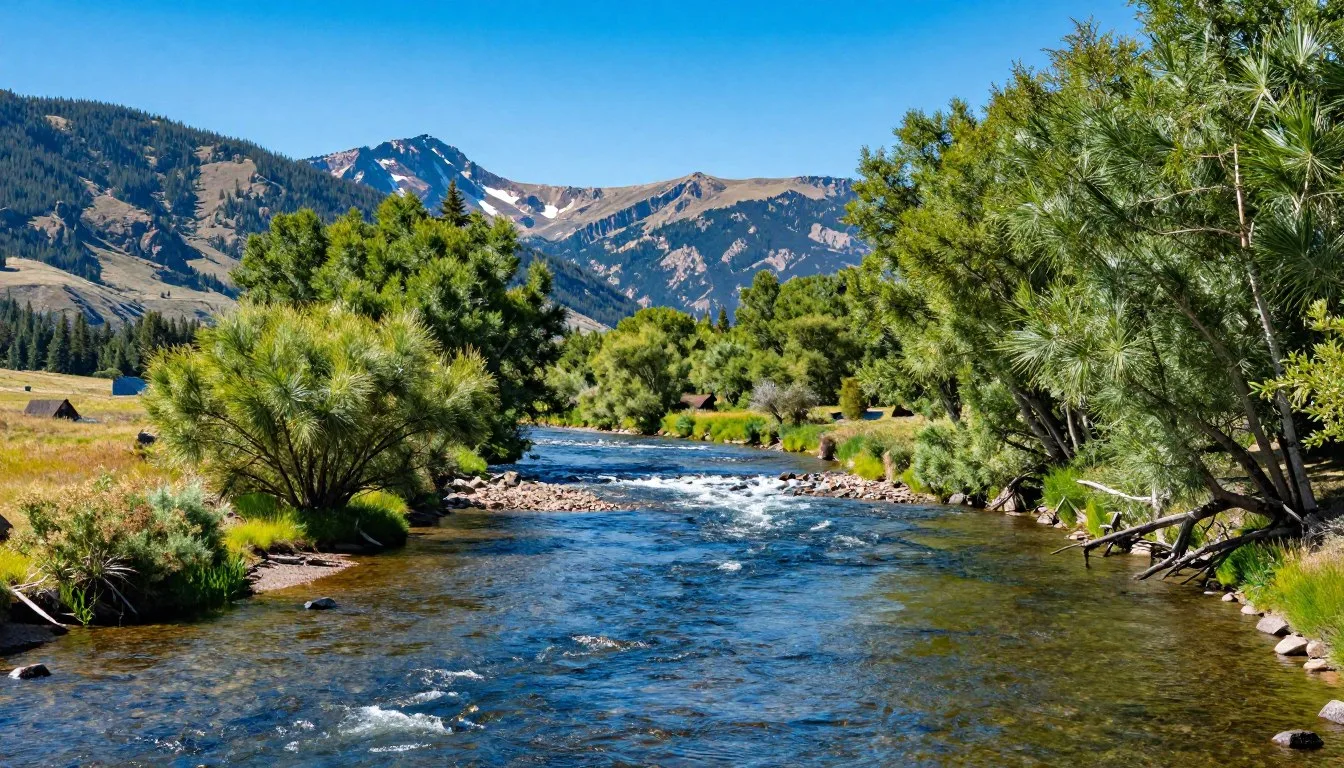
Willow Creek runs through Tincup offering catch-and-release fishing for brook and rainbow trout. The creek remains small but holds surprising numbers of fish in deeper pools. Valid Colorado fishing licenses are required for anyone over sixteen years old.
Mirror Lake provides better fishing opportunities for larger trout. The 12-hectare lake sits in a scenic basin 8 kilometers north of town. Ice fishing becomes popular during brief periods when winter roads remain passable to the lake.
Taylor Reservoir, located 24 kilometers northwest, offers excellent fishing for lake trout, northern pike, and rainbow trout. This large reservoir provides boat ramps and camping facilities. Fishing remains productive throughout the open-water season from late spring through fall.
Wildlife Viewing
The forests and meadows around Tincup support abundant wildlife. Elk herds graze in high valleys during summer months before descending to lower elevations in fall. Early morning and evening hours provide the best chances for elk sightings.
Black bears commonly roam the area searching for food during summer and fall. Store all food properly and make noise while hiking to avoid surprise encounters. Never approach or feed wildlife regardless of species.
Bird watchers can spot mountain species including Clark’s nutcrackers, Steller’s jays, and various woodpecker species. Hawks and eagles soar above valley floors hunting for small mammals. Patient observers may glimpse rare ptarmigan near or above treeline.
Travel With Children
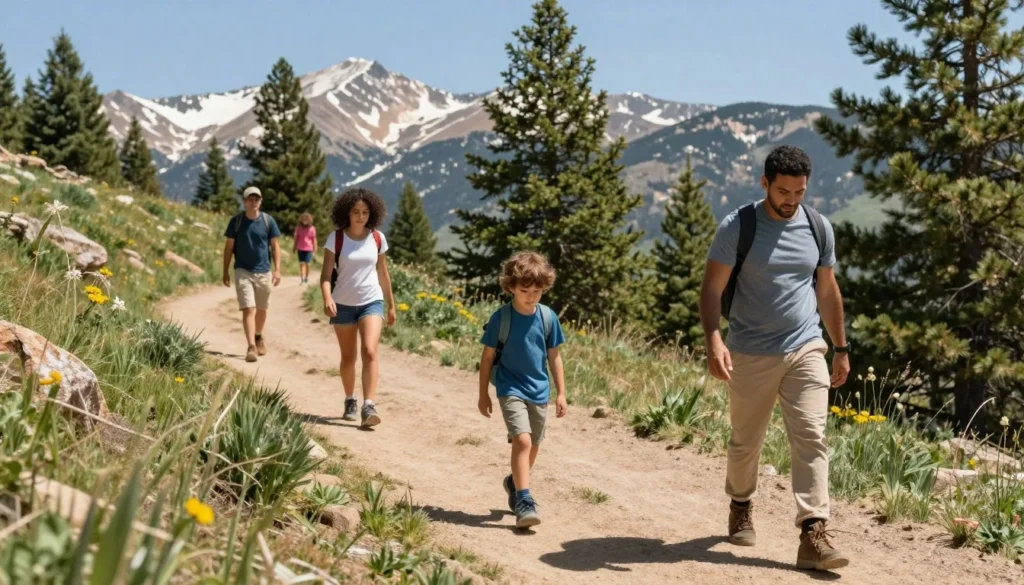
Tincup offers unique educational experiences for children interested in history and nature. Kids enjoy exploring the ghost town buildings and imagining life during the mining era. The cemetery provides concrete examples of frontier challenges and hardships.
Short nature walks work well for younger children. The walk to Mirror Lake remains manageable for kids over six years old who hike regularly. Take frequent breaks and bring plenty of snacks and water. The high altitude affects children more than adults.
Families should plan carefully before bringing young children to this remote area. No medical facilities, playgrounds, or child-specific amenities exist in Tincup. The nearest hospital operates in Gunnison, requiring an hour’s drive over mountain roads.
Child-Friendly Activities
- Easy walks through historic town buildings
- Wildlife watching from safe distances
- Rock collecting along creek beds
- Wildflower identification hikes
Safety Considerations
- Watch children near old mine shafts and structures
- Monitor for altitude sickness symptoms
- Keep kids away from swift creek currents
- Apply extra sunscreen at high elevation
The lack of commercial distractions helps children connect with nature and history. Many families find that Tincup visits create lasting memories precisely because the experience differs so completely from typical tourist destinations.
Money Saving Tips
Visiting Tincup costs almost nothing once you arrive. The town charges no entrance fees, parking costs, or admission prices. All historical buildings and sites remain free to explore at your own pace.
Camping dramatically reduces accommodation expenses compared to hotel rooms in Gunnison. Sites at Mirror Lake Campground cost around twenty dollars per night. Dispersed camping on National Forest land comes completely free with proper permits and following established guidelines.
Pack all your own food and drinks rather than relying on restaurants. Grocery shopping in larger towns before your trip saves money while providing more meal options. A cooler filled with sandwich supplies, snacks, and drinks costs far less than restaurant meals.
Budget-Friendly Approach: Visit Tincup as a day trip from free dispersed camping sites in Taylor Park. Pack picnic lunches, fill water bottles from mountain streams using proper filtration, and enjoy all the free hiking trails and scenic drives. Total cost: campsite permit and fuel only.
Shoulder season visits in June or September offer lower accommodation rates in nearby towns. Hotels drop prices after peak season while weather often remains excellent. Roads typically stay open and wildflowers or fall colors provide beautiful scenery.
Group travel reduces per-person costs significantly. Sharing cabin rentals, camping fees, and fuel expenses among several people makes remote Colorado adventures affordable. Larger groups can also split the cost of renting four-wheel-drive vehicles if needed.
Safety and Local Customs
High altitude presents the primary safety concern for Tincup visitors. The town sits at 9,879 feet elevation where oxygen levels drop noticeably. Spend time acclimating in Gunnison before tackling strenuous hikes or mountain passes above 12,000 feet.
Altitude sickness symptoms include headaches, nausea, dizziness, and shortness of breath. Drink extra water, avoid alcohol, and descend immediately if symptoms worsen. Most people adjust within 24 to 48 hours at moderate elevations.
Weather changes rapidly in the high mountains. Afternoon thunderstorms develop quickly during summer months. Lightning strikes pose serious dangers above treeline. Start hikes early and descend from exposed ridges by noon.
Emergency Contact Information: Cell service remains unreliable throughout the area. The nearest medical facilities operate in Gunnison, one hour away. For emergencies, dial 911 from any location with signal or drive to Pitkin where coverage improves. Gunnison Valley Hospital: 970-641-1456.
Old mine shafts and structures present significant hazards. Never enter old buildings or explore mine tunnels. Rotting timbers collapse without warning, and vertical shafts drop hundreds of feet. Observe ruins from safe distances only.
Wildlife encounters require proper precautions. Store food in bear-proof containers when camping. Make noise while hiking through dense forest to avoid surprising animals. Back away slowly if you encounter bears or mountain lions.
The small year-round community values quiet respect for private property. Several occupied homes exist among the historic buildings. Stay on public streets and avoid trespassing on posted private land. Most residents welcome respectful visitors but appreciate privacy.
Visitor Comments About Tincup
“The drive over Tincup Pass absolutely took my breath away. We took it slow in our Jeep and stopped constantly for photos. The old cemetery really brings home how tough life was for those early miners and their families. Such an authentic experience compared to crowded tourist towns.”
— N.I., Tauranga
“We spent three days camping at Mirror Lake and exploring the area. Tincup feels frozen in time without all the commercial development. My kids loved imagining what life was like during the gold rush. The wildflowers in July were absolutely spectacular throughout the high meadows.”
— A.Y., Coffs Harbour
“Coming from Edinburgh, I’ve seen plenty of historical sites, but Tincup impressed me with its genuine preservation. No gift shops or tourist traps, just real history you can walk through. The mountain scenery rivals anything in Scotland. Do make sure your vehicle can handle rough roads though.”
— S.B., Queensferry
Additional Nearby Destinations
St. Elmo Ghost Town
St. Elmo ranks among Colorado’s best-preserved ghost towns. Located 56 kilometers east over Tincup Pass, this former mining camp maintains dozens of original buildings. Unlike Tincup, St. Elmo offers easier access via paved roads from the eastern side of the mountains.
The town features a small general store selling refreshments and souvenirs during summer months. Visitors can explore the old jail, town hall, and numerous homes from the mining era. St. Elmo sees heavier tourist traffic than Tincup but retains authentic character.
Pitkin
This small community 29 kilometers northwest of Tincup provides basic services for travelers. The town operates a seasonal cafe, small grocery store, and gas station. Several vacation cabins offer overnight accommodation with more amenities than Tincup.
Pitkin serves as an excellent base for exploring the broader region. The town sits at lower elevation making it more comfortable for visitors adjusting to altitude. Road access remains reliable year-round unlike more remote destinations.
Taylor Park Reservoir
Taylor Reservoir creates a scenic 810-hectare lake surrounded by mountain peaks. Located 24 kilometers from Tincup, the area offers camping, fishing, and boating opportunities. Several Forest Service campgrounds provide developed sites with basic facilities.
The reservoir holds large lake trout and northern pike attracting serious anglers. Boat ramps allow access for various watercraft. Mountain biking trails circle portions of the shoreline through aspen and pine forests.
Crested Butte
Colorado’s wildflower capital sits 64 kilometers from Tincup via paved roads through Gunnison. This former mining town transformed into a ski resort and summer recreation destination. The historic downtown maintains Victorian-era charm alongside modern restaurants and shops.
Crested Butte provides complete services including hotels, dining, medical facilities, and gear shops. The town serves as an ideal starting point for those wanting comfortable lodging while exploring surrounding ghost towns and wilderness areas.
Practical Travel Tips
Essential Items to Pack
- Physical maps and downloaded directions
- Full spare tire and basic tools
- All food and water needed
- Layered clothing including rain gear
- First aid kit and altitude medications
- Sunscreen and insect repellent
Vehicle Preparation
- Check tire pressure and tread depth
- Test brakes thoroughly before mountain drives
- Fill gas tank in Gunnison or Buena Vista
- Verify high clearance for pass roads
- Carry tire chains during shoulder seasons
- Pack emergency supplies and blankets
Important Contacts
- Gunnison Visitor Center: 970-641-1501
- National Forest Office: 970-641-0471
- Road Conditions: 970-641-0044
- Emergency Services: 911
- Weather Information: NOAA Radio
- Gunnison Valley Hospital: 970-641-1456
Download offline maps before leaving areas with cell service. GPS navigation apps like Google Maps allow saving map data for offline use. Physical paper maps provide essential backup if electronic devices fail or lose power.
Inform someone of your travel plans including expected return times. The remote location means help may take hours to arrive in emergencies. Leave detailed itineraries with friends or family before departing for mountain areas.
Respect Leave No Trace principles throughout your visit. Pack out all trash including organic waste. Stay on established trails to protect fragile alpine vegetation. Camp only in designated areas or follow dispersed camping guidelines on National Forest land.
Photography Tips: Morning and evening light creates the best conditions for photographing historic buildings and mountain scenery. Bring wide-angle lenses to capture expansive vistas. Polarizing filters reduce glare and enhance blue skies at high altitude. Always ask permission before photographing private property or local residents.
The best Tincup experiences come from embracing the remote wilderness setting. Leave behind expectations of modern conveniences and cell service. Focus instead on authentic historical exploration, pristine natural beauty, and genuine Colorado mountain adventure.
Your Tincup Adventure Awaits
Tincup offers something increasingly rare in modern travel. This authentic ghost town remains untouched by commercial development, preserving genuine frontier character. The spectacular mountain setting adds natural beauty to historical significance.
Whether you explore for a few hours or spend several days camping nearby, Tincup delivers memorable experiences. Walk streets where miners once sought fortunes. Drive spectacular high passes crossing the Continental Divide. Hike pristine trails through wildflower meadows and alpine forests.
The journey requires more planning than typical destinations. Remote location, limited services, and challenging roads demand preparation and appropriate vehicles. Those willing to venture off the beaten path discover one of Colorado’s most rewarding hidden treasures. Pack your sense of adventure and discover why Tincup captures the imagination of everyone who visits this remarkable mountain town.