Hotels by Trip.com
Flights by Trip.com
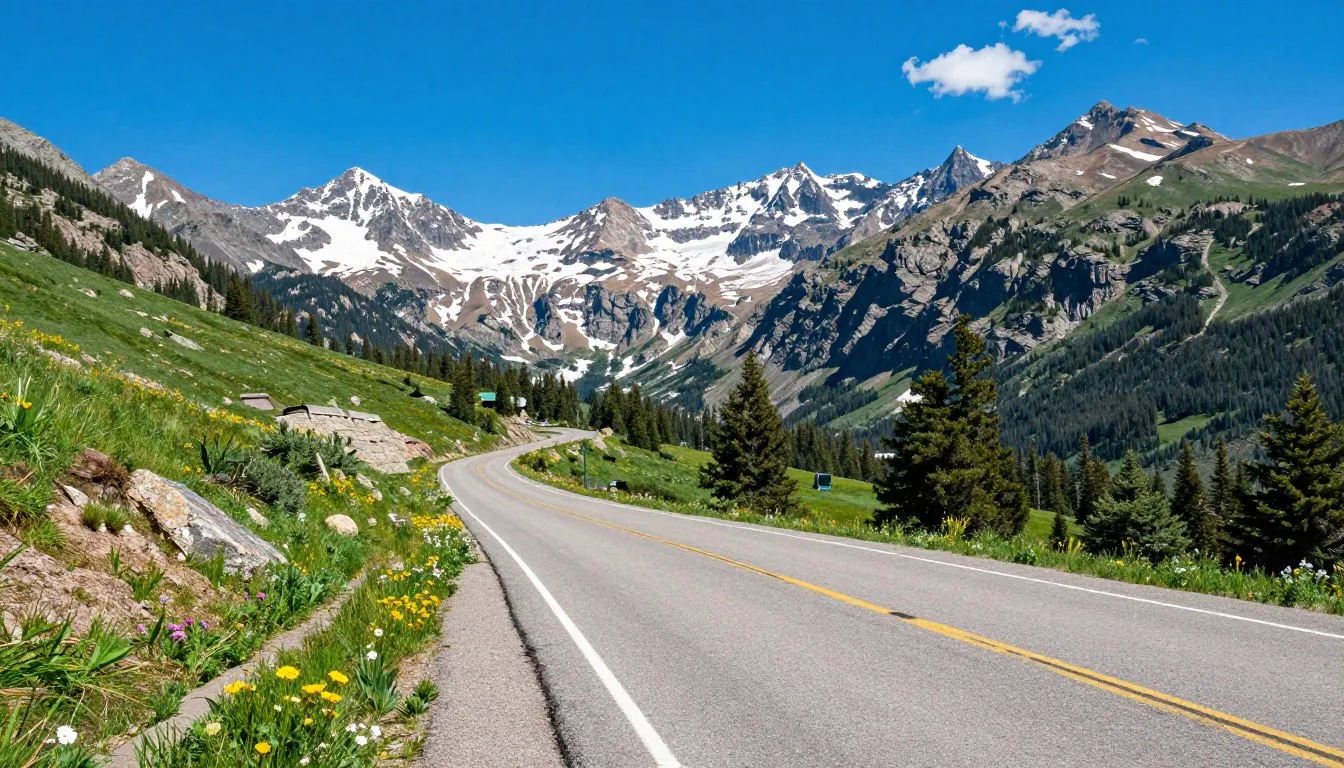
At 3,658 m (12,001 feet) elevation, Tomboy Pass stands as Colorado’s second highest drivable mountain pass. Each summer, over 15,000 adventurers traverse this historic route that once connected thriving mining communities. The pass takes its name from the famous Tomboy Mine, which operated from 1880 to 1927 and was one of the richest gold mines in the San Juan Mountains.
This remote alpine crossing offers travelers a rare combination of stunning mountain views, fascinating mining history, and challenging off-road adventure. The route passes through abandoned mining structures, wildflower meadows, and terrain that tests even experienced drivers.
Whether you seek outdoor thrills, historical exploration, or simply breathtaking scenery, Tomboy Pass delivers an unforgettable Colorado mountain experience. This guide provides everything you need to plan your visit to this remarkable high-elevation destination.
Getting There & Planning Your Journey

Reaching Tomboy Pass requires careful planning. The pass sits between Telluride and Ouray, two historic mining towns in southwestern Colorado. Most visitors approach from either Telluride side or Ouray side, depending on their starting point.
Closest Airports
The nearest major airports include Montrose Regional Airport, located 106 km (66 miles) from Telluride. This regional facility offers daily flights from major hubs. Denver International Airport sits 531 km (330 miles) away but provides more flight options and competitive pricing.
Durango-La Plata County Airport, approximately 161 km (100 miles) south, serves as another viable option. From any airport, rental vehicles are essential since public transportation to the area is extremely limited.
Road Access and Vehicle Requirements
The pass road remains closed much of the year due to snow. Access typically opens from July through September, though exact dates vary with weather conditions. The route demands a high-clearance four-wheel-drive vehicle with low-range gearing.
Important: Standard SUVs and crossovers often lack sufficient ground clearance. The trail features steep grades, loose rock, narrow cliff-side sections, and stream crossings that challenge even modified off-road vehicles.
From Telluride, the route begins at the end of East Colorado Avenue, climbing through Savage Basin past Bridal Veil Falls. The ascent covers approximately 19 km (12 miles) with elevation gain exceeding 915 m (3,000 feet). Allow 2-3 hours minimum for one-way travel in good conditions.

Best Time to Visit & Weather Tips
Best Time to Visit Tomboy Pass Colorado
The prime visiting window spans mid-July through early September. During these months, snow typically clears from the pass, and weather remains most stable. Late July and August offer the warmest temperatures and longest daylight hours.
Recommended Months
- Late July – Peak wildflower season begins
- August – Warmest weather, most stable conditions
- Early September – Fewer crowds, autumn colors start
Months to Avoid
- October through June – Road closed due to snow
- Early July – Lingering snowpack, muddy conditions
- Late September – Early snow possible, unpredictable weather
Weather Conditions
Mountain weather at this elevation changes rapidly. Morning temperatures typically range from 4°C to 10°C (40°F to 50°F), while afternoons can reach 18°C to 24°C (65°F to 75°F). Afternoon thunderstorms develop frequently during summer months.
Above tree line, wind speeds often exceed 48 km/h (30 mph). Lightning poses serious danger on exposed ridges and passes. Start your trip early to descend before afternoon storms arrive, typically around 2 PM.
Weather Advisory: Hypothermia risk exists even in summer. Temperatures can drop below freezing at night, and sudden storms bring rain, hail, or snow without warning.
Notable Annual Festivals
While Tomboy Pass itself hosts no festivals, nearby Telluride and Ouray offer numerous events during the summer season. These celebrations draw visitors who often combine festival attendance with backcountry exploration.
Telluride Bluegrass Festival takes place in mid-June, before the pass typically opens. The Telluride Film Festival occurs over Labor Day weekend in early September. Contact Telluride Tourism Board at (970) 728-3041 for current festival schedules.
Ouray’s Jeep Jamboree happens in late July, attracting hundreds of four-wheel-drive enthusiasts. This organized event includes guided trail runs on routes near Tomboy Pass. Reach Ouray Chamber Resort Association at (970) 325-4746 for registration information.
Getting Around Locally
Transportation options around Tomboy Pass Colorado remain limited by terrain and elevation. Most visitors rely on their own vehicles, though several alternatives exist in the surrounding towns.
Telluride offers free gondola service connecting Mountain Village to downtown. This aerial tramway operates year-round and provides spectacular views. Within town, free shuttle buses run regular routes during summer months.
For the pass itself, guided Jeep tours provide the safest option for those without proper vehicles. Several Telluride-based companies operate modified four-wheel-drive vehicles with experienced drivers. These tours typically last 4-6 hours and include historical narration.
Local outfitters rent appropriate vehicles, though availability is limited. Reservations should be made months in advance for peak season. Daily rental rates for capable four-wheel-drive vehicles range from $200 to $400.
Rental Tip: Verify insurance coverage specifically includes off-highway use. Many standard policies exclude damage occurring on unpaved roads and trails.
Where to Stay
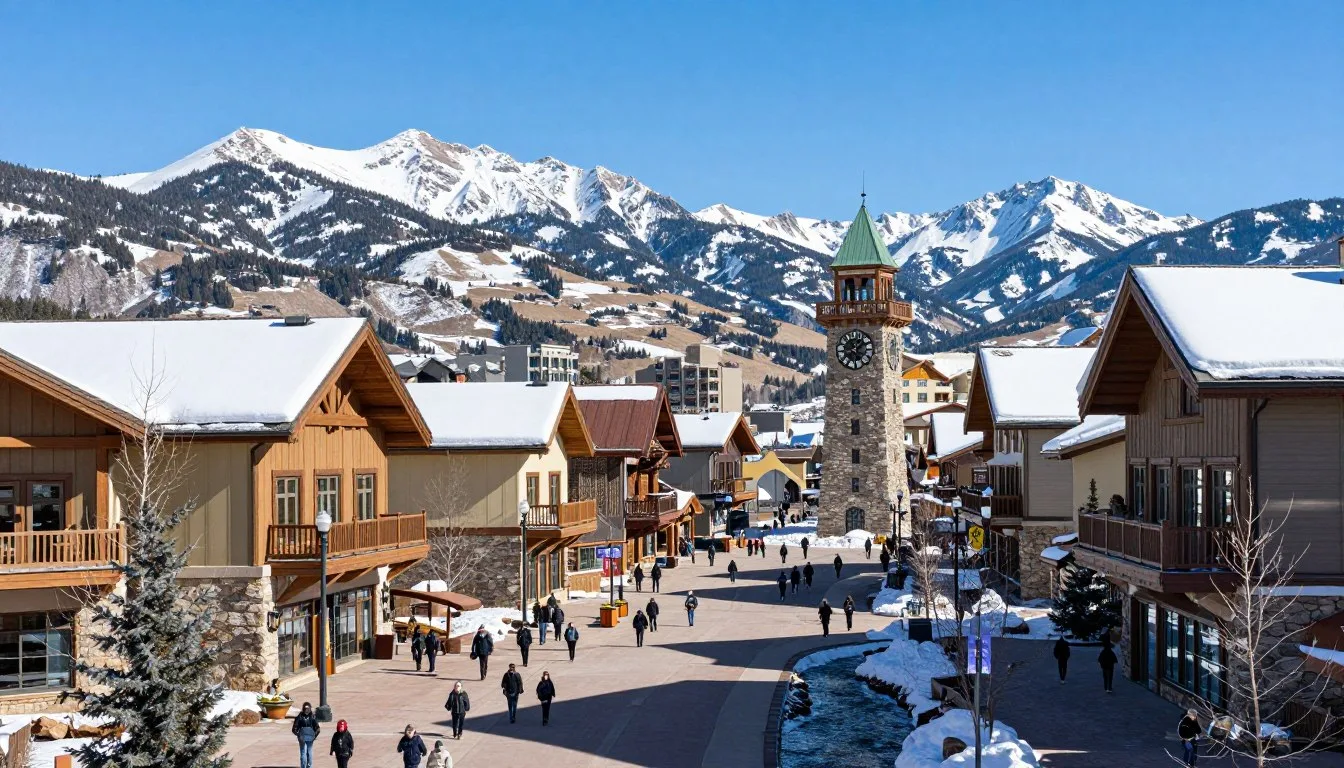
Lodging near Tomboy Pass centers in Telluride and Ouray. Both historic mining towns offer diverse accommodation options suitable for different budgets. Most visitors base themselves in one town and make day trips to the pass.
Telluride Lodging Options
Luxury Hotels
Several upscale properties offer full-service amenities. These hotels feature spas, fine dining, and concierge services. Rates typically range from $300 to $600 per night during summer season.
Premium locations provide ski-in access during winter and convenient downtown placement for summer visitors.
Mid-Range Properties
Numerous hotels and inns provide comfortable accommodation at moderate prices. Expect to pay $150 to $300 nightly for clean rooms with standard amenities.
Many properties include continental breakfast and offer parking for larger vehicles.
Budget Options
Limited budget accommodation exists in Telluride itself. Nearby towns like Placerville and Ridgway offer more affordable motels. Camping provides the most economical choice.
Town Park Campground in Telluride charges $25-35 per night for tent sites with basic facilities.
Ouray Accommodations
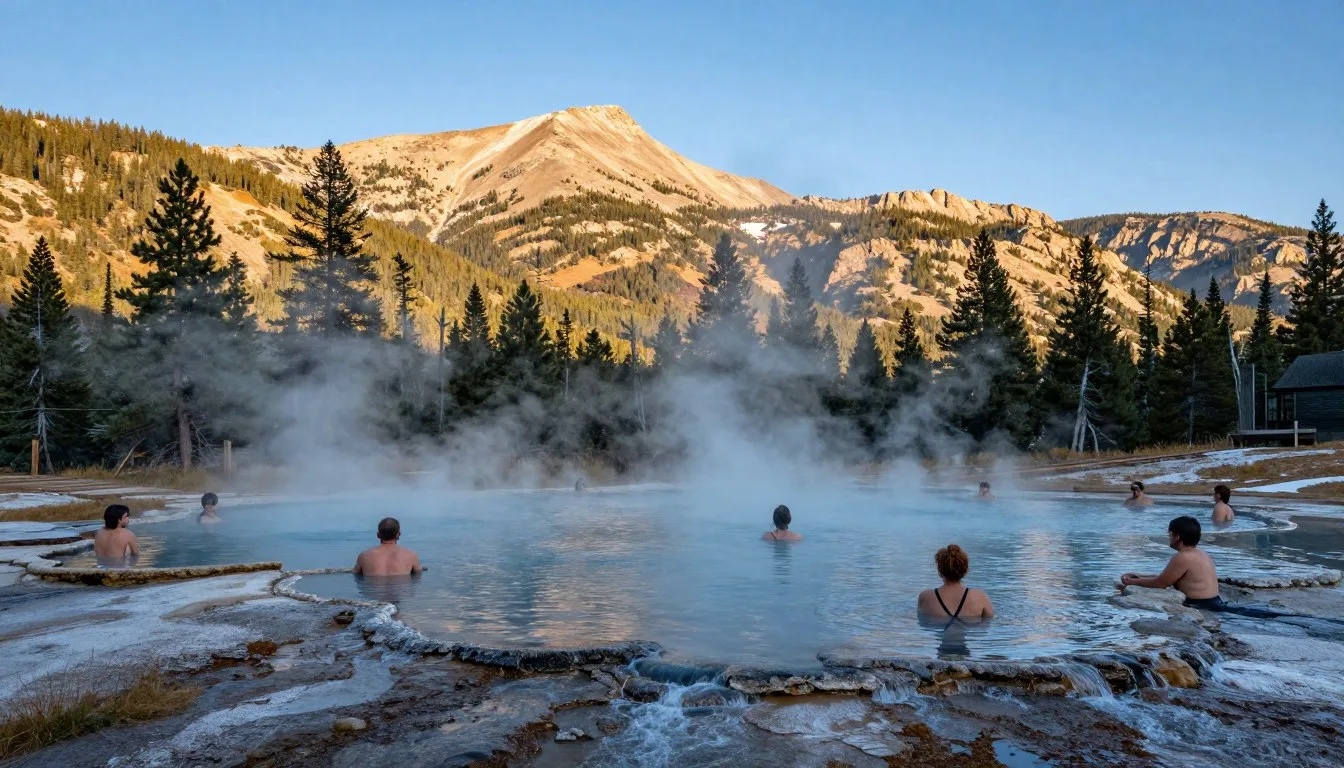
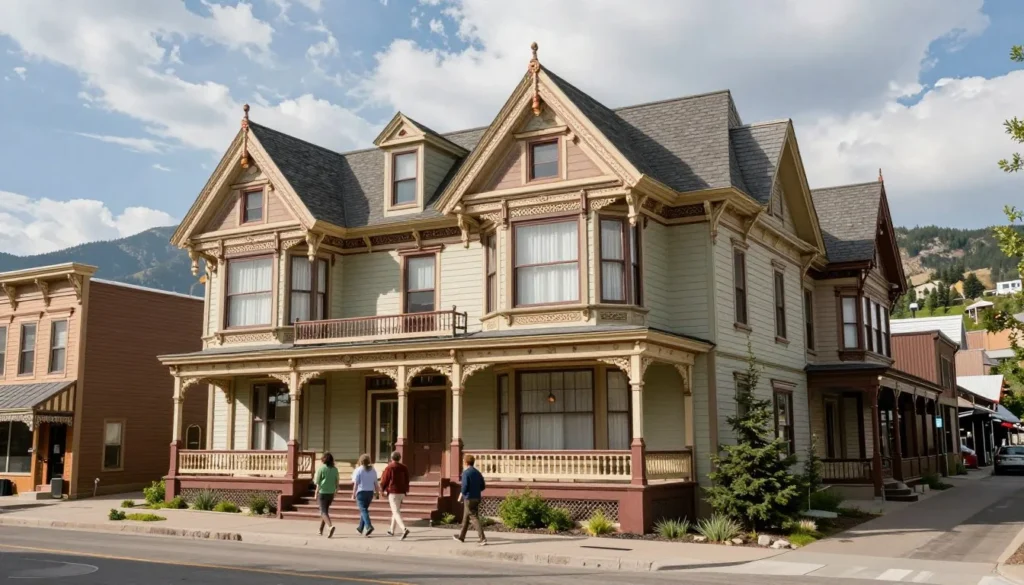
Ouray features numerous historic hotels dating to mining boom days. Many properties maintain period charm while offering modern comfort. The town is known for natural hot springs, with several hotels featuring on-site soaking pools.
Camping is popular on both sides of the pass. Numerous Forest Service campgrounds operate in the surrounding Uncompahgre National Forest. Sites fill quickly on weekends, so advance reservations through Recreation.gov are recommended.
Booking Advice: Summer lodging fills months in advance. Festival weekends and late July through mid-August represent peak demand. Book accommodations as early as possible.
Dining & Local Cuisine
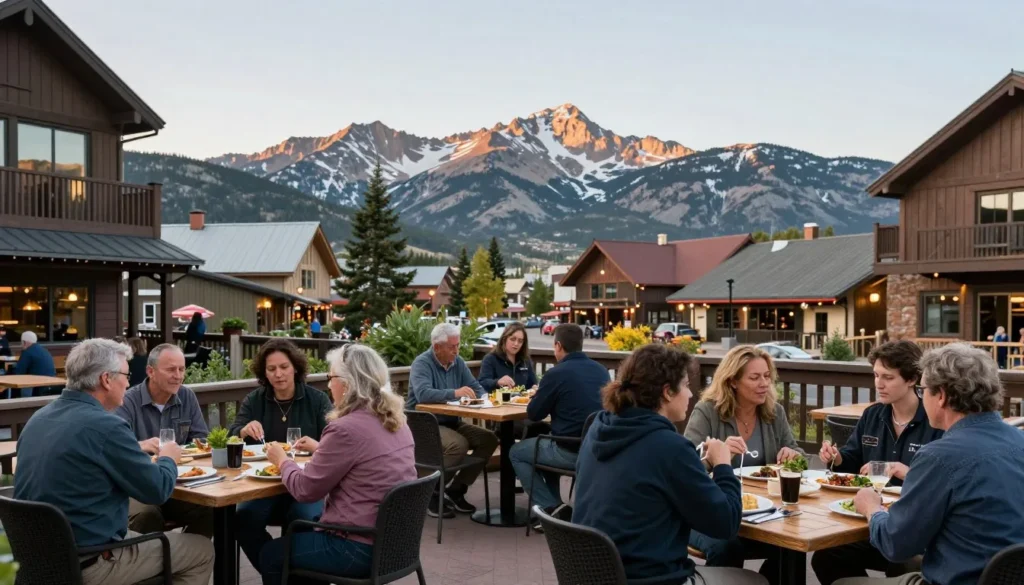
Dining options near Tomboy Pass reflect the region’s mining heritage and modern resort character. Both Telluride and Ouray offer restaurants ranging from casual cafes to upscale establishments.
Telluride’s dining scene features diverse international cuisine alongside traditional American fare. Colorado Avenue hosts most restaurants, making evening strolls convenient. Reservations are strongly advised during peak season.
Regional Specialties
Rocky Mountain cuisine emphasizes local game, trout, and elk. Many restaurants source ingredients from regional farms and ranches. Craft breweries are numerous, with several producing distinctive mountain ales.
Ouray’s dining leans more casual, with family-friendly restaurants and classic American menus. Several establishments occupy historic buildings with original tin ceilings and Victorian details. Prices generally run lower than Telluride.
Dining Tips
- Pack trail snacks and plenty of water for pass trips
- Telluride has limited late-night dining options
- Altitude affects alcohol tolerance significantly
- Many restaurants close between lunch and dinner
Budget-Friendly Options
- Grocery stores in both towns for picnic supplies
- Bakeries offer fresh sandwiches for trail lunches
- Food trucks and casual cafes provide quick meals
- Happy hour specials common at many establishments
Attractions, Sightseeing & Activities
Tomboy Pass serves as a gateway to numerous attractions scattered along the route. The journey itself constitutes the primary activity, but specific stops offer unique experiences worth extended time.
Tomboy Mine Ghost Town
The old mining camp sits just below the pass summit on the Telluride side. At its peak, over 1,000 people lived at this elevation, making it one of the highest permanently inhabited communities in North America. Remaining structures include boarding houses, the mine superintendent’s residence, and various outbuildings.
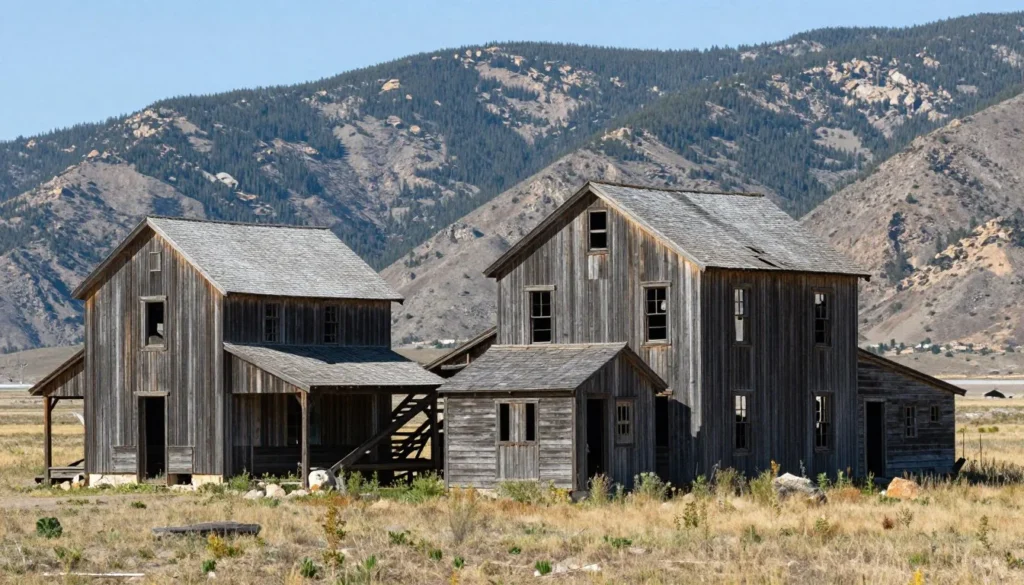
Visitors can explore around the buildings but should not enter for safety reasons. Unstable floors, weak roofs, and hidden mine shafts create serious hazards. Information signs provide historical context about daily life in this extreme environment.
Bridal Veil Falls
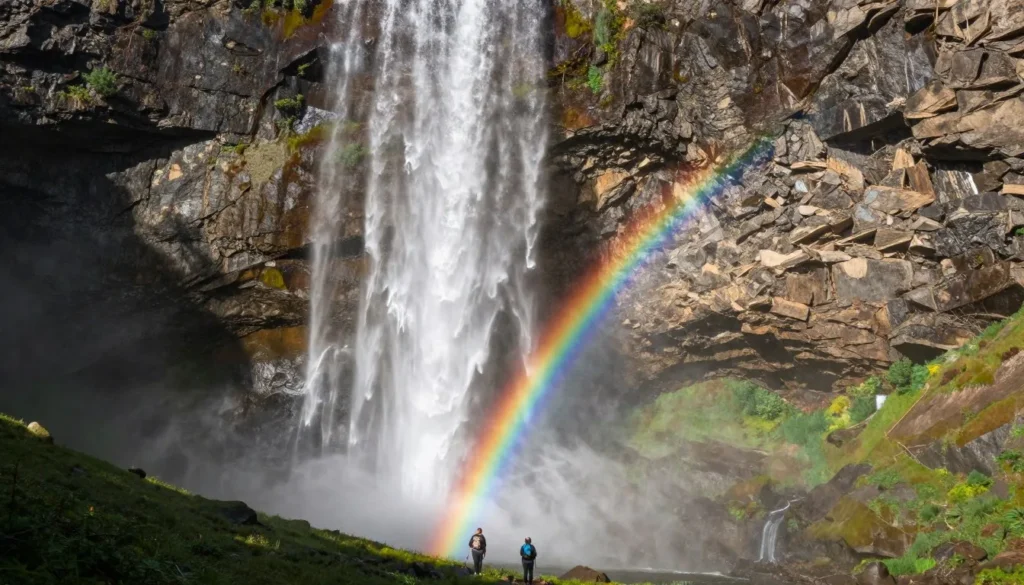
Colorado’s tallest free-falling waterfall drops 111 m (365 feet) from a cliff face. The falls are visible from Telluride town but accessed via the road to Tomboy Pass. A restored power station at the falls’ base once provided electricity to nearby mines.
The short hike to the falls base takes about 15 minutes from the parking area. Spray creates rainbows on sunny afternoons, offering spectacular photo opportunities. The access road continues past the falls toward the pass.
Alpine Wildflower Viewing
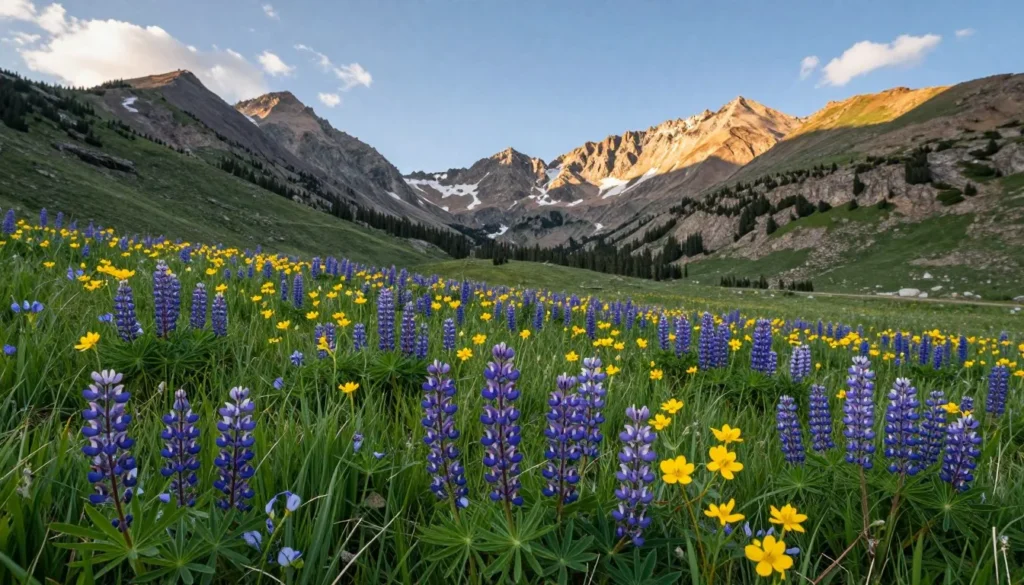
The route through Tomboy Pass traverses multiple alpine life zones. Late July brings peak wildflower displays with Colorado columbine, alpine sunflowers, and various species of lupine carpeting hillsides.
Savage Basin, just before the final pass ascent, offers particularly impressive displays. Short walks from the road reveal hidden meadows filled with color. Photographers should plan morning visits when lighting is most favorable.
Imogene Pass Connection
From Tomboy Pass, the trail continues over nearby Imogene Pass, which exceeds Tomboy’s elevation at 3,960 m (13,114 feet). This route eventually descends to Ouray, creating a one-way crossing option for properly equipped parties.
The complete Imogene Pass road ranks among Colorado’s most challenging four-wheel-drive routes. Only experienced drivers with capable vehicles should attempt the full crossing. Allow 5-7 hours for the complete Telluride to Ouray journey.
Museums, Cultural Spots & Festivals
While Tomboy Pass Colorado itself contains no museums, the surrounding towns preserve rich mining heritage through various cultural institutions. These sites provide essential context for understanding the pass’s historical significance.
Telluride Historical Museum
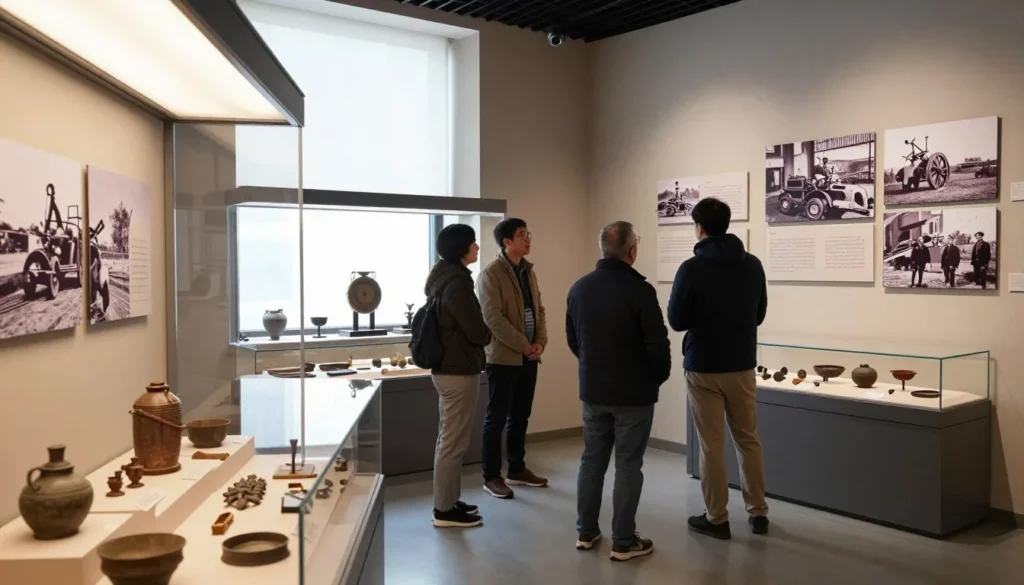
Located in Telluride’s former hospital building, this museum documents the region’s mining boom and social history. Exhibits include mining equipment, period photographs, and artifacts from daily life in isolated mountain communities.
A particularly interesting display explains the engineering required to maintain communities at extreme elevations. The museum opens daily during summer months. Admission costs $10 for adults, with discounts for seniors and children. Contact them at (970) 728-3344.
Ouray County Museum
This facility occupies a former hospital and focuses on the northern San Juan mining district. Collections include excellent mineral specimens, mining tools, and detailed information about local geology. The museum provides maps showing locations of various historic sites.
Staff can answer questions about access to specific old mining towns and offer safety advice. Summer hours run from 10 AM to 5 PM daily. Admission is $8 for adults. Call (970) 325-4576 for group rates.
Cultural Events
The Telluride Film Festival transforms the town each Labor Day weekend. This prestigious event attracts industry professionals and film enthusiasts worldwide. Outdoor screenings take advantage of the spectacular mountain setting.
Ouray’s vintage Jeep shows occur periodically throughout summer. These gatherings celebrate historic four-wheel-drive vehicles and include demonstrations of period vehicles traversing nearby trails. Check with Ouray Chamber for specific dates at (970) 325-4746.
Nature & Outdoor Experiences
The landscape around Tomboy Pass offers endless opportunities for outdoor recreation. The extreme elevation and dramatic terrain create unique environments found in few other places.
Hiking and Photography
Numerous trails branch from the main road, leading to hidden alpine lakes, ridge-top views, and old mining sites. The terrain above treeline provides unrestricted hiking with stunning 360-degree vistas.

Popular photography subjects include mountain peaks, abandoned structures, wildflower meadows, and dramatic cloud formations. The area’s high elevation and clean air create exceptionally clear visibility. Sunrise and sunset offer the most dramatic lighting conditions.
Wildlife Viewing
The alpine zone supports diverse wildlife adapted to harsh conditions. Marmots and pikas inhabit rocky areas, while mountain goats occasionally appear on steep terrain. Elk herds frequent meadows during summer months.
Raptors including golden eagles soar on thermals above ridgelines. Early morning and evening hours provide the best wildlife viewing opportunities. Maintain safe distances and never approach or feed wild animals.
Wildlife Safety: Black bears inhabit lower elevations along the route. Store food properly and make noise while hiking to avoid surprising wildlife.
Four-Wheel-Drive Adventure
The challenging road itself represents a premier four-wheel-drive destination. Technical sections demand skill and nerve, with consequences for mistakes potentially severe. The route combines steep grades, loose rock, narrow shelf roads, and exposure to cliff edges.
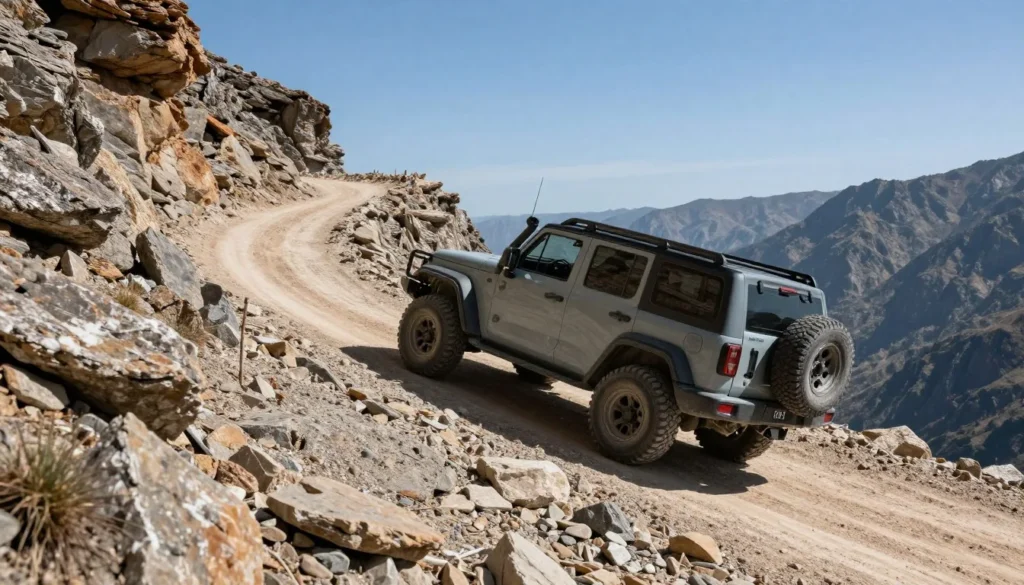
Multiple water crossings require careful line selection. Stream depth varies with snowmelt and recent precipitation. Scout crossings on foot before driving through, checking for rocks and holes beneath the surface.
Alpine Lake Access
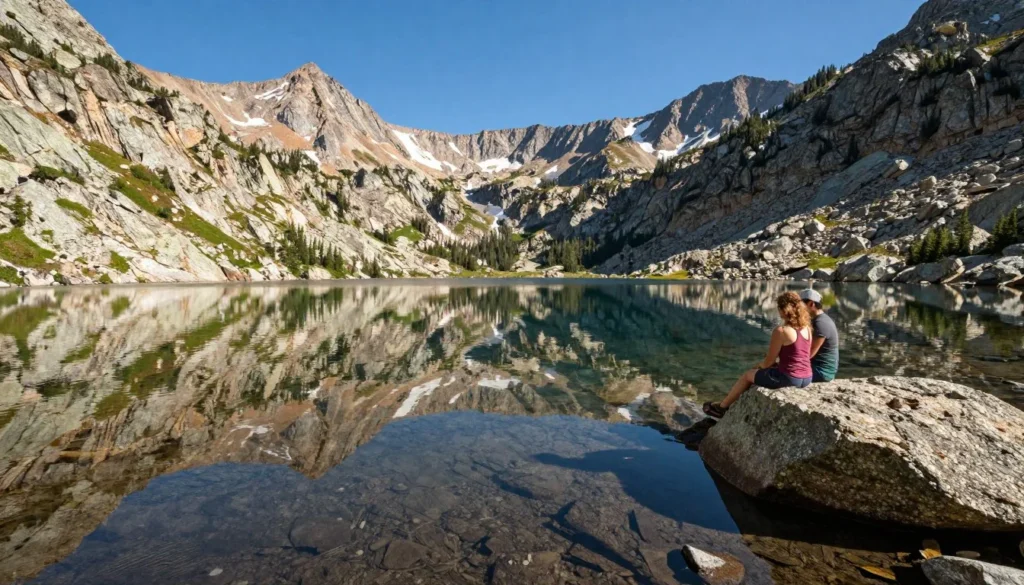
Several pristine alpine lakes lie within hiking distance of the pass road. These high-elevation waters remain frigid year-round, with temperatures rarely exceeding 10°C (50°F). The crystal-clear water reflects surrounding peaks, creating mirror-like surfaces on calm days.
Fishing is permitted with proper Colorado licenses. Native cutthroat trout populations inhabit some lakes, though fishing success is often limited at this elevation. Catch-and-release practices help preserve these fragile fisheries.
Travel With Children
Visiting Tomboy Pass with children requires special considerations. The extreme elevation, challenging terrain, and remote location create factors not present in typical family destinations.
Altitude Considerations
Children are more susceptible to altitude sickness than adults. Symptoms include headache, nausea, fatigue, and difficulty sleeping. Ascending gradually and spending a day or two at moderate elevation before attempting the pass helps with acclimatization.
Ensure children drink plenty of water throughout the day. High altitude dehydrates bodies faster than sea-level environments. Pack extra snacks since increased breathing rate burns additional calories.
Health Tip: If children develop altitude sickness symptoms, descend immediately. Symptoms typically improve rapidly with elevation loss. Severe cases require medical attention.
Safety Measures
The exposed road and unstable historic structures create serious hazards for curious children. Maintain close supervision at all times. The cliff-edge road sections have no guardrails, and drop-offs are extreme.
Children should remain seated while vehicles are moving. Sudden stops or emergency maneuvers can throw unsecured passengers. Car sickness is common on winding mountain roads, so prepare accordingly.
Age-Appropriate Activities
Younger children may find the long, bumpy drive challenging. Plan regular stops for stretching and exploring. Short walks to viewpoints or old mining structures provide break opportunities.
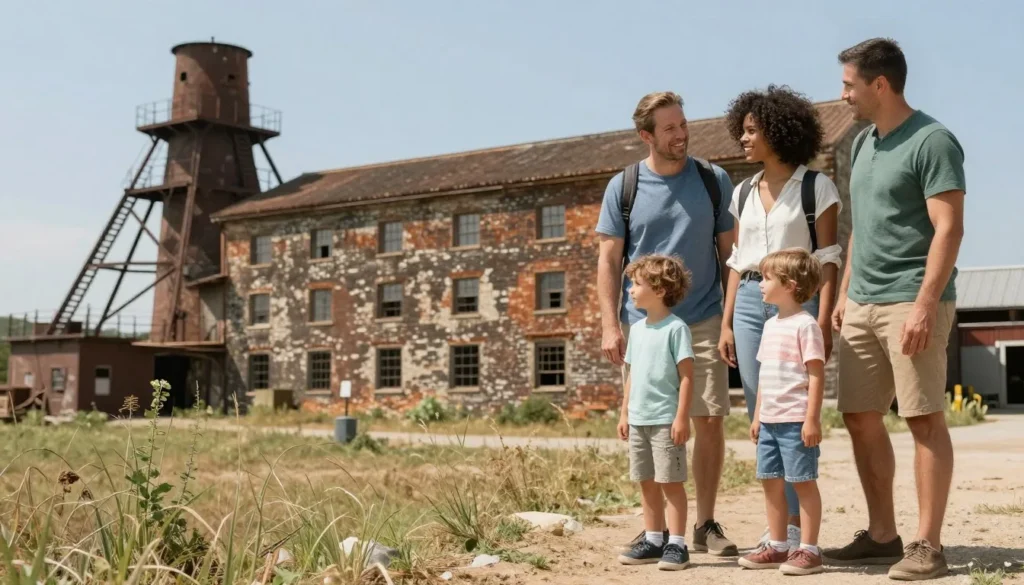
Older children and teenagers often appreciate the adventure aspects. Involving them in navigation and spotting wildlife maintains engagement. The ghost town structures particularly fascinate young people interested in history.
Family-Friendly Tips
- Bring entertainment for long drives
- Pack motion sickness medication
- Dress in layers for temperature changes
- Apply sunscreen frequently at high altitude
What to Avoid
- Letting children explore abandoned buildings
- Hiking near mine shafts or unstable slopes
- Attempting the trip with very young infants
- Rushing the itinerary without acclimatization
Money Saving Tips
Visiting Tomboy Pass can strain travel budgets, particularly during peak season when accommodation and service prices peak. Smart planning helps reduce costs without sacrificing experience quality.
Accommodation Savings
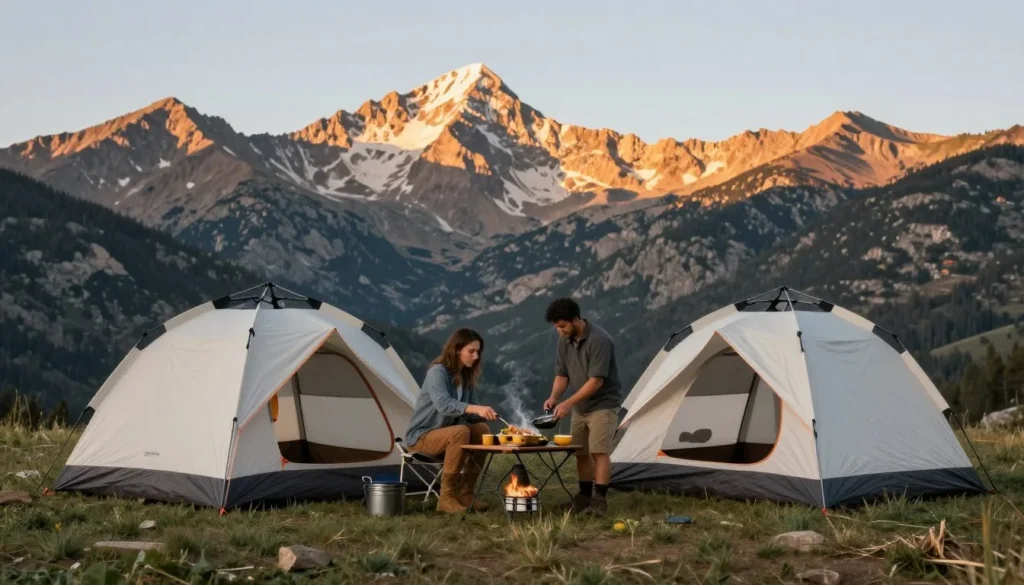
Camping represents the most economical lodging choice. National Forest campgrounds charge $15-25 per night versus $150-300 for hotels. Dispersed camping on Forest Service land is free but requires knowledge of regulations and proper equipment.
Booking accommodations in Ridgway or Placerville rather than Telluride can save $100 or more per night. These nearby towns offer better value with only 30-45 minutes additional driving time.
Transportation Costs
Guided Jeep tours cost $150-250 per person for half-day trips. Renting an appropriate vehicle and driving yourself reduces per-person costs for groups. Split rental fees among four people to maximize savings.
Budget Hack: Visit during shoulder seasons (early July or late September) for lower accommodation rates. Trail conditions may be less ideal, but savings can exceed 40 percent.
Food and Supplies
Restaurant meals in Telluride cost 30-50 percent more than typical prices. Shop at grocery stores in Montrose before arriving to stock up on picnic supplies and snacks. Preparing your own trail lunches saves significantly.
Happy hour specials at Telluride restaurants offer reduced prices on appetizers and drinks. Several establishments feature outdoor seating with mountain views, providing atmosphere at lower cost than full dinners.
Free Activities
Many area attractions charge no admission. The Telluride free gondola provides spectacular views and transportation at no cost. Walking tours of historic districts, waterfall viewing, and wildlife watching require only time and effort.
Festival events often include free outdoor concerts and film screenings. Check event schedules for complimentary activities occurring during your visit dates.
Safety & Local Customs
Safety concerns at Tomboy Pass exceed those of typical tourist destinations. The remote location, extreme elevation, and challenging terrain demand preparation and caution.
Essential Safety Measures
Cell phone service is unreliable to nonexistent on most of the route. Inform others of your plans and expected return time. Carry satellite communication devices if available. Emergency response times are measured in hours, not minutes.
Critical Safety Alert: Weather changes rapidly at high elevation. Afternoon thunderstorms develop with little warning. Lightning strikes are the leading cause of weather-related deaths in Colorado mountains. Descend immediately when storms approach.
Vehicle breakdowns in remote locations create serious situations. Carry essential spare parts, tools, and recovery equipment. A basic emergency kit should include first aid supplies, extra food and water, warm clothing, emergency shelter, and fire-starting materials.
Altitude Illness Prevention
Acute mountain sickness affects many visitors at Tomboy Pass elevations. Symptoms include headache, nausea, dizziness, and shortness of breath. Ascending slowly and staying hydrated help prevent problems.
More serious altitude conditions like pulmonary or cerebral edema require immediate descent and medical care. Anyone experiencing severe symptoms, confusion, difficulty walking, or chest tightness needs rapid evacuation to lower elevation.
Environmental Responsibility
The fragile alpine environment takes decades to recover from damage. Stay on established trails and roads. Driving off-trail is illegal on public lands and causes severe, long-lasting damage to vegetation.
Pack out all trash, including food waste and toilet paper. Human waste should be buried at least 60 m (200 feet) from water sources and trails. Several historic sites around the pass contain lead contamination from old mining activities. Avoid disturbing soil or structures.
Local Customs and Etiquette
Mountain communities value self-reliance and preparation. Visitors who require rescue due to poor planning or inadequate equipment face criticism and potential cost recovery. Come prepared and respect the environment’s dangers.
Yield the right of way to uphill vehicles on narrow sections. The descending vehicle can more easily back up to wider spots. Use radio channel 16 for trail communication where CB radios are common among four-wheel-drive users.
Visitor Comments About Tomboy Pass Colorado
N.K., Poznań: “The drive to Tomboy Pass was both thrilling and nerve-wracking. The old mining buildings fascinated me, and the views from the top are absolutely stunning. We spent about 5 hours making the round trip from Telluride, stopping frequently for photos. The road conditions were challenging but manageable in our rented Jeep. I’d recommend getting an early start to avoid afternoon weather.”
L.G., Winston-Salem: “Tomboy Pass exceeded our expectations. The history of the old mine town is incredible when you consider people lived up there year-round. We hiked around the ruins for over an hour. The wildflowers in late July were spectacular. The altitude definitely affected us, so we took it slow. Bring plenty of water and snacks. The experience is worth the bumpy ride.”
R.Y., Novosibirsk: “This was the highlight of our Colorado trip. The technical difficulty of the trail kept my attention completely focused on driving. My passengers loved the scenery and took hundreds of photos. We saw mountain goats near the summit and several marmots. The isolation and remoteness make you appreciate how tough the miners were. Plan a full day and don’t rush.”
Additional Nearby Destinations
The San Juan Mountains region offers numerous destinations within reasonable driving distance of Tomboy Pass. These locations combine well with a pass visit to create extended itineraries.
Ouray
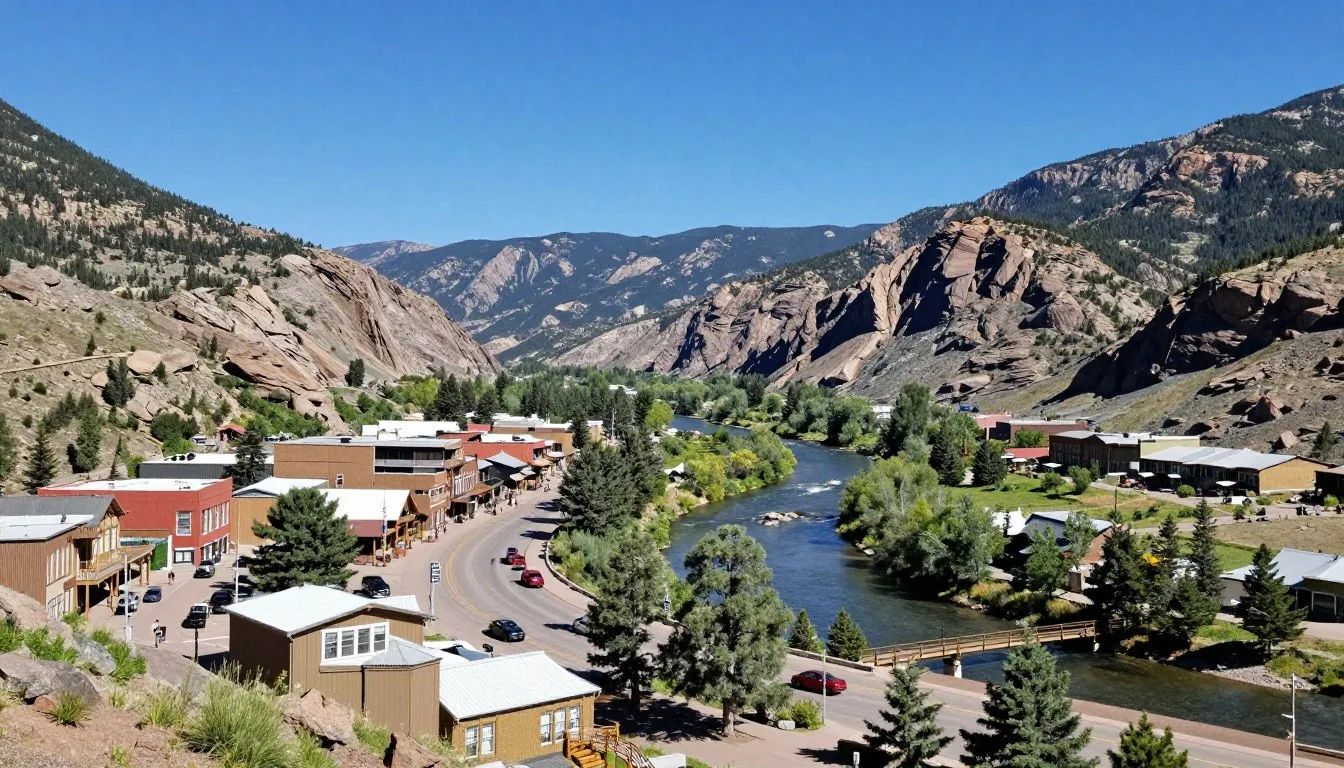
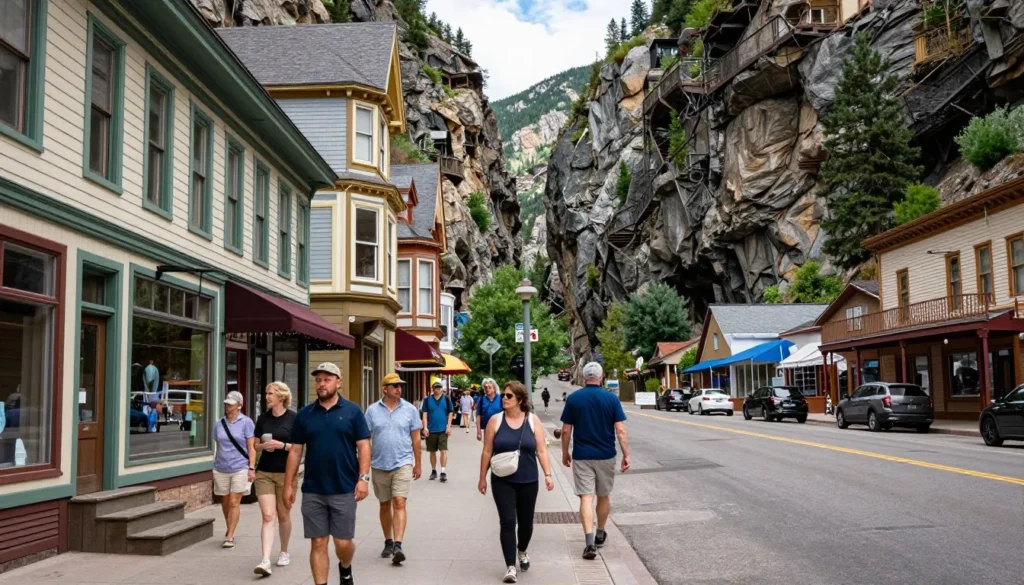
Known as the “Switzerland of America,” this Victorian town nestles in a dramatic box canyon. Natural hot springs provide relaxing soaking after challenging four-wheel-drive adventures. The downtown area features well-preserved historic buildings and interesting shops.
Ouray serves as the northern terminus for the Imogene Pass route. The town offers numerous off-road trails, making it popular with four-wheel-drive enthusiasts. Several guide services operate from Ouray, providing vehicle rentals and led tours.
Silverton
This authentic mining town sits at 2,835 m (9,318 feet) elevation and retains remarkable historic character. The entire town is a National Historic Landmark. Silverton serves as a hub for multiple high-mountain four-wheel-drive routes and offers basic services.
The Durango & Silverton Narrow Gauge Railroad terminates here after a spectacular journey through the Animas River gorge. This historic train operates daily during summer months, providing an alternative transportation option to the area.
Million Dollar Highway
This section of U.S. Highway 550 between Silverton and Ouray ranks among America’s most scenic drives. The paved road climbs over Red Mountain Pass at 3,361 m (11,018 feet), passing through stunning alpine terrain.
Unlike Tomboy Pass, this route is accessible to all vehicles and remains open year-round weather permitting. Numerous pullouts allow safe stopping for photographs and sightseeing.
Black Canyon of the Gunnison
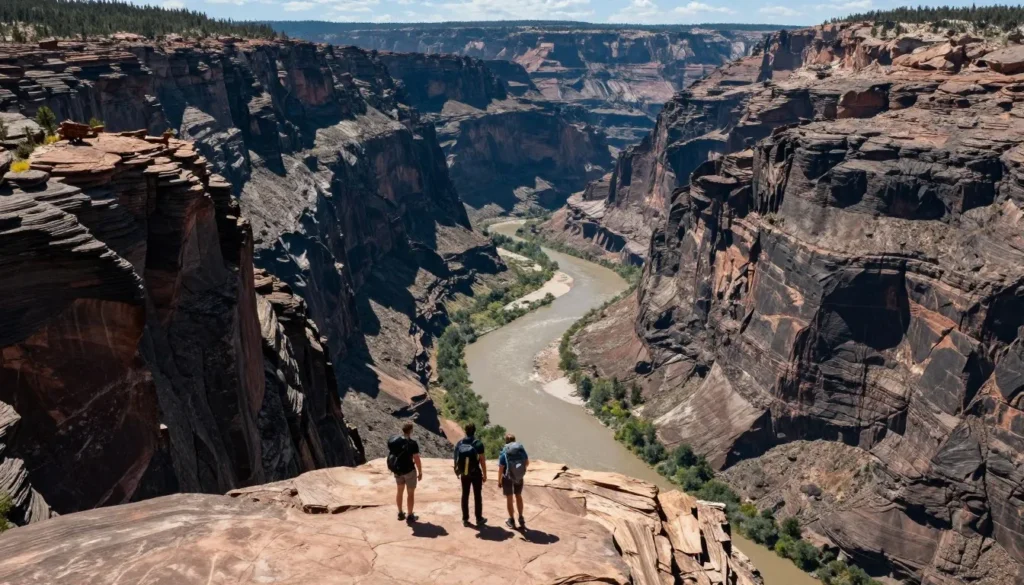
Located about 100 km (62 miles) north of Telluride, this national park protects one of America’s deepest and most dramatic canyons. The dark metamorphic rock walls plunge over 610 m (2,000 feet) to the Gunnison River below.
Multiple rim overlooks provide spectacular views requiring minimal hiking. The South Rim is accessible via paved roads and offers developed facilities. The more remote North Rim requires longer driving on gravel roads.
Practical Travel Tips
Successful Tomboy Pass visits require attention to practical details often overlooked in initial planning. These tips address common oversights and enhance overall experience quality.
Physical Preparation
Cardiovascular fitness helps combat altitude effects. Even short walks at elevation leave visitors breathless. Consider arriving several days early to acclimatize at intermediate elevations before attempting the pass.
Prescription medications work differently at altitude. Consult with a physician about altitude-related concerns if you have existing health conditions. Some doctors prescribe acetazolamide to prevent altitude sickness.
Vehicle Preparation
Check tire pressure and adjust for altitude changes. Lower pressure improves traction on rocks but increases puncture risk. Carry at least one full-size spare tire and the tools to change it.
Full fuel tanks are essential since no services exist on the route. Add a few gallons extra capacity if possible. Check all fluid levels before departing on the trail.
Essential Gear Checklist
- GPS device or detailed maps
- Recovery equipment (straps, shovel)
- First aid kit with altitude medication
- Emergency food and water
- Warm layers and rain gear
- Sunscreen and sunglasses
Photography Tips
- Bring lens cleaning cloths for dust
- Extra batteries drain faster at altitude
- Tripod for stability in wind
- Polarizing filter for sky contrast
- Protect equipment from afternoon storms
- Start early for best light
Communication and Navigation
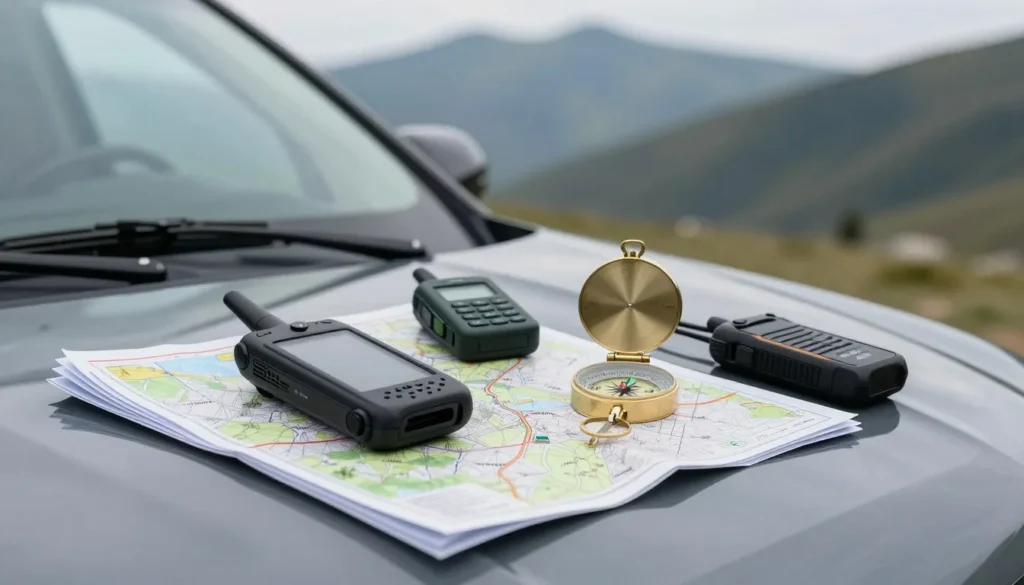
Download offline maps before departing since cell coverage is absent. GPS devices work reliably but carry paper maps as backup. The Forest Service provides free trail maps at ranger stations.
Two-way radios allow vehicle-to-vehicle communication when traveling in groups. Monitor channel 16 for trail traffic and emergency communications. Satellite messengers like SPOT or Garmin InReach provide emergency SOS capability.
Permits and Regulations
No special permits are required for driving Tomboy Pass road. However, camping on Forest Service land requires following established regulations. Campfires may be restricted during dry conditions, so check current fire danger ratings.
Dispersed camping is allowed on most national forest land but must be at least 30 m (100 feet) from water sources. Stay at developed campgrounds to minimize environmental impact in heavily used areas.
Best Time of Day
Start your journey early, ideally by 7 AM or 8 AM. This provides maximum time before afternoon thunderstorms and allows photography in morning light. Early starts also mean fewer vehicles on the trail.
Plan to be off the exposed pass area by 1 PM or 2 PM when storms typically develop. If lightning approaches, immediately descend to lower elevation or seek shelter in vehicles away from ridgetops.
Your Mountain Adventure Awaits
Tomboy Pass stands as one of Colorado’s most rewarding high-country destinations. The combination of accessible history, challenging adventure, and stunning natural beauty creates experiences few other locations match.
The second highest pass in Colorado demands respect but offers incredible rewards for those properly prepared. From the fascinating ghost town structures to the expansive summit views, every element contributes to an unforgettable mountain journey.
Whether you seek four-wheel-drive challenges, photography opportunities, historical exploration, or simply the chance to stand atop a spectacular pass, Tomboy delivers on all fronts. The San Juan Mountains’ dramatic landscapes provide a backdrop unlike any other.
Start planning your Tomboy Pass adventure today. Research trail conditions, prepare your vehicle, and build your itinerary around optimal weather windows. The effort invested in proper planning transforms a good trip into an extraordinary one.
Colorado’s high country awaits, and Tomboy Pass offers one of the finest ways to experience this remarkable mountain environment. Safe travels and enjoy every moment of your journey through this historic landscape.