Hotels by Trip.com
Flights by Trip.com
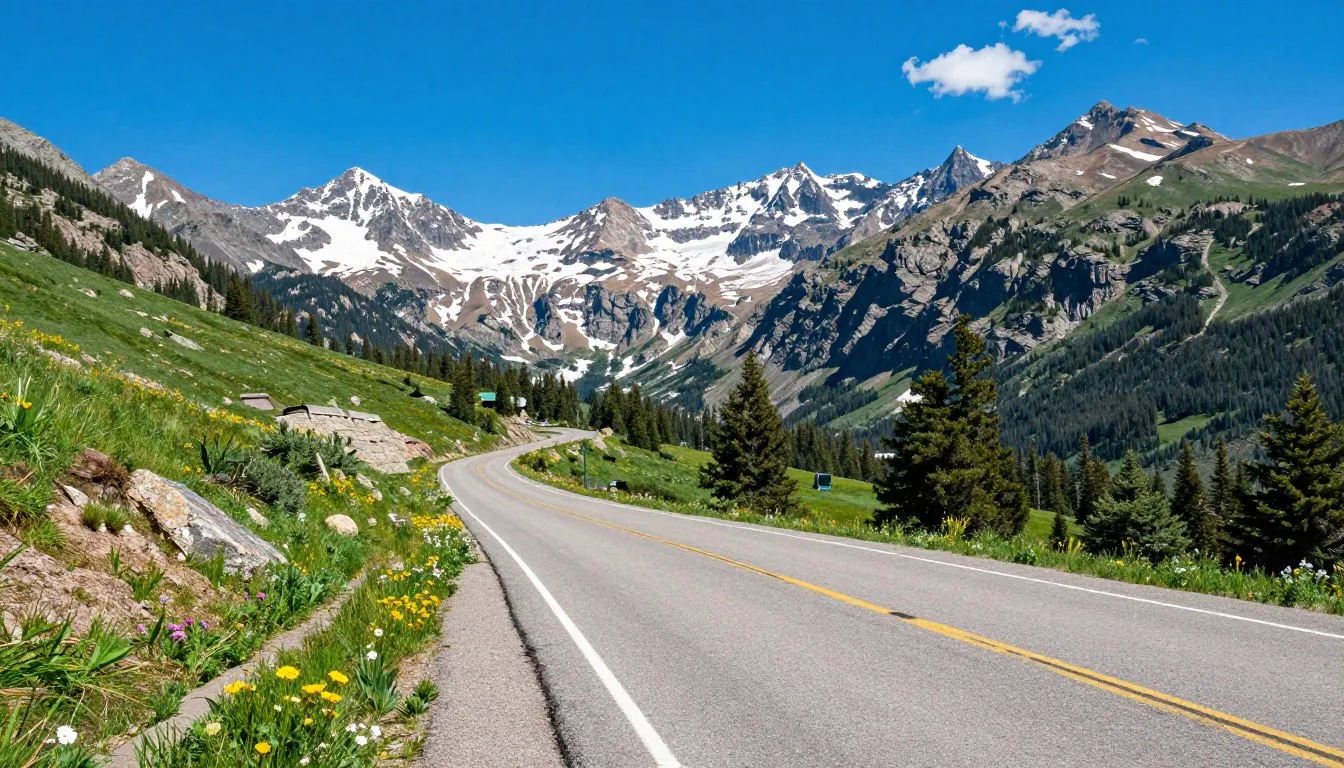
Trail Ridge Road reaches an astounding 3,713 meters (12,183 feet) at its highest point, making it the highest continuous paved road in the entire United States. This engineering marvel stretches 77 kilometers (48 miles) through Rocky Mountain National Park, spending 18 kilometers (11 miles) above the tree line in a landscape that feels more like the Arctic than Colorado.
The road takes its name from the ridge it follows across the Continental Divide. Indigenous peoples used this high route for thousands of years before modern construction began in the 1930s.
Visitors experience dramatic elevation changes, stunning panoramic views, and wildlife encounters that transform a simple drive into an unforgettable journey. The road connects Estes Park on the east with Grand Lake on the west, offering access to alpine tundra typically found only in the Arctic regions.
Getting There & Planning Your Journey
Denver International Airport serves as the primary gateway for visitors traveling to Trail Ridge Road. The airport sits approximately 113 kilometers (70 miles) southeast of Estes Park. Most travelers rent vehicles at the airport and drive directly to the park.
The journey from Denver takes roughly two hours under normal conditions. Interstate 25 leads north to Highway 34, which winds westward through scenic canyons before reaching Estes Park.
Fort Collins-Loveland Airport offers a smaller alternative located closer to the national park. This regional airport provides limited commercial service but may reduce driving time for some visitors.
Important Planning Note: Trail Ridge Road typically opens in late May and closes by mid-October depending on snow conditions. Call ahead to confirm road status before planning your trip.
Colorado Springs Airport presents another option for southern approach travelers. This route adds extra driving time but showcases different mountain scenery along the way.
Public transportation options remain limited in this region. Rental cars provide the most flexibility for exploring Trail Ridge Road and surrounding areas. Many visitors combine their trip with stays in both Estes Park and Grand Lake to experience different perspectives.
Best Time to Visit & Weather Tips
Best Time to Visit Trail Ridge Road
Summer months from June through September offer the most reliable access to Trail Ridge Road. July and August provide peak season conditions with warm temperatures and fully open facilities throughout Rocky Mountain National Park.
Late May and early June present shoulder season advantages including fewer crowds and potential wildlife viewing opportunities. However, afternoon thunderstorms occur frequently during summer months across the Rocky Mountains.
September through early October delivers spectacular fall colors at lower elevations. Aspen trees transform mountainsides into golden landscapes during autumn weeks. Weather becomes more unpredictable as October approaches.
Recommended Months
- June for wildflower blooms and lighter crowds
- July for warmest temperatures and full access
- August for reliable weather patterns
- September for fall foliage and elk rutting season
- Early October for potential last-chance visits before closure
Months to Avoid
- November through April when road remains closed
- Late October when sudden snowstorms can occur
- Late afternoon during summer thunderstorm season
- Holiday weekends when crowds peak dramatically
Weather Considerations
Mountain weather changes rapidly at high elevations along Trail Ridge Road. Morning temperatures might start at 4°C (40°F) and reach 21°C (70°F) by afternoon at lower elevations. The alpine visitor center area often remains 11-17°C (20-30°F) cooler than valley locations.
Afternoon thunderstorms develop quickly during summer months. Lightning poses serious dangers above treeline. Morning drives generally offer clearer conditions and better visibility for those amazing views.
Wind speeds frequently exceed 64 kilometers per hour (40 miles per hour) at the highest elevations. Exposed areas require warm layers even during summer season visits. Snow can fall any month of the year above 3,048 meters (10,000 feet).
Safety Alert: Altitude sickness affects many visitors at elevations above 2,438 meters (8,000 feet). Symptoms include headaches, nausea, and fatigue. Drink plenty of water and take frequent breaks.
Notable Annual Festivals
Estes Park hosts several annual events that complement Trail Ridge Road visits. The Elk Fest celebrates autumn rutting season each September with educational programs and wildlife viewing opportunities.
Longs Peak Scottish-Irish Highland Festival takes place each September in Estes Park. This cultural celebration features traditional music, athletic competitions, and Celtic heritage demonstrations.
The Estes Park Duck Race occurs in June, combining family entertainment with fundraising activities. This quirky event draws visitors during the early summer season.
Winter Festival in nearby Grand Lake celebrates snow sports and mountain culture each January, though Trail Ridge Road remains closed during this period.
Getting Around Locally
Personal vehicles provide the primary transportation method for exploring Trail Ridge Road. The scenic byway requires your own transportation as no public transit services operate along this route through Rocky Mountain National Park.
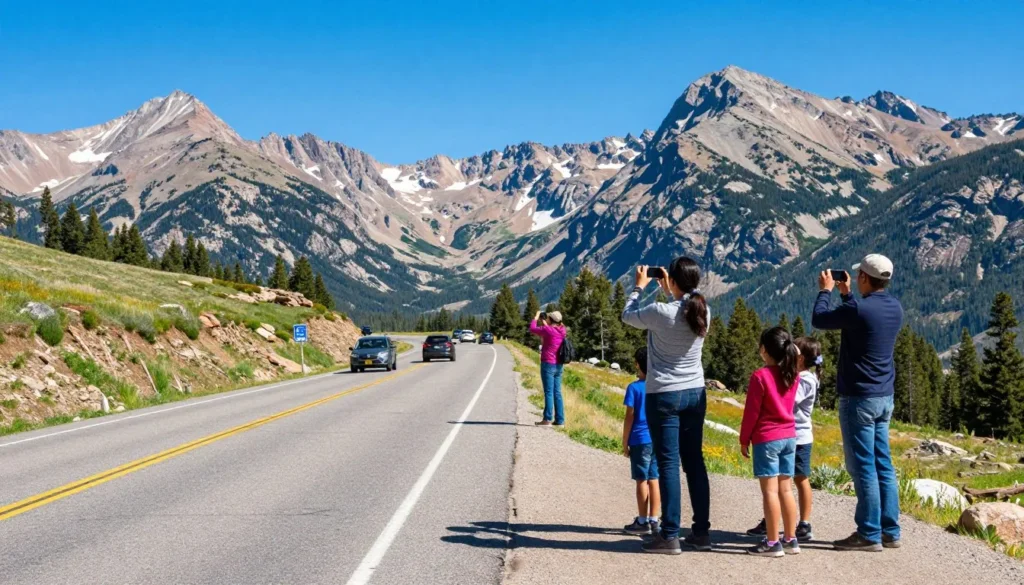
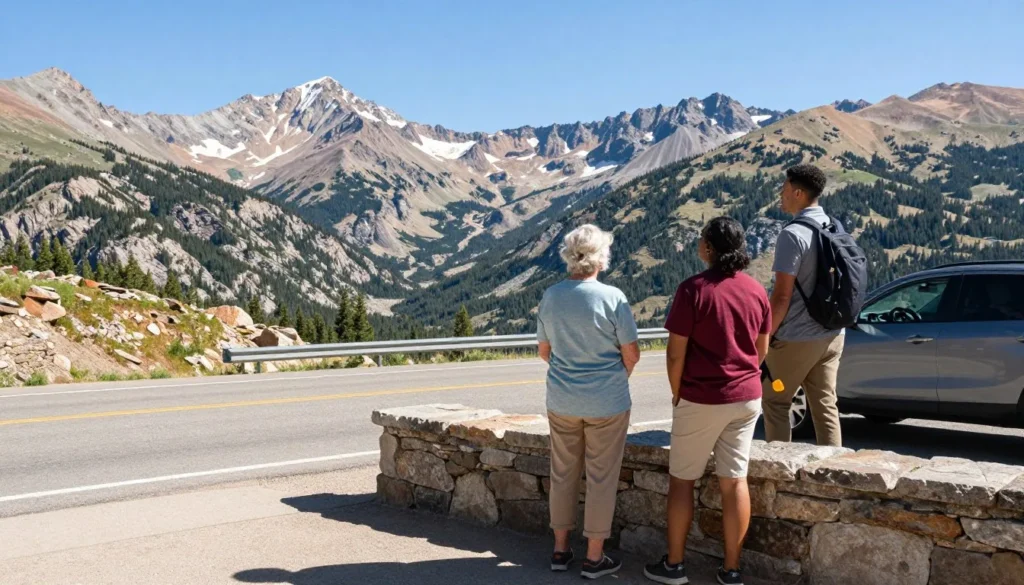
Numerous pullouts and overlooks line the road at regular intervals. Many Parks Curve offers one of the most photographed viewpoints with expansive vistas across the mountain valleys. The Alpine Visitor Center provides facilities and exhibits at the road’s highest point.
Parking areas fill quickly during peak summer months. Arriving before 9:00 AM increases chances of securing spots at popular locations. The Timed Entry Reservation system applies during busy season periods from late May through October.
Driving Considerations
The drive from Estes Park entrance to Grand Lake covers approximately 77 kilometers (48 miles) and typically requires two to four hours depending on stops. Steep grades and sharp curves demand careful attention throughout the journey.
Vehicles towing trailers face restrictions on certain sections due to tight switchbacks. Large RVs can navigate the road but require extra caution and wider turning radius at curves.
Timed Entry Reservations: Rocky Mountain National Park requires advance reservations during peak season. Book online at least one day ahead to guarantee park entrance between 9:00 AM and 3:00 PM.
Gas stations exist only outside park boundaries in Estes Park and Grand Lake. Fill your tank before entering to avoid running low on fuel during your scenic drive.
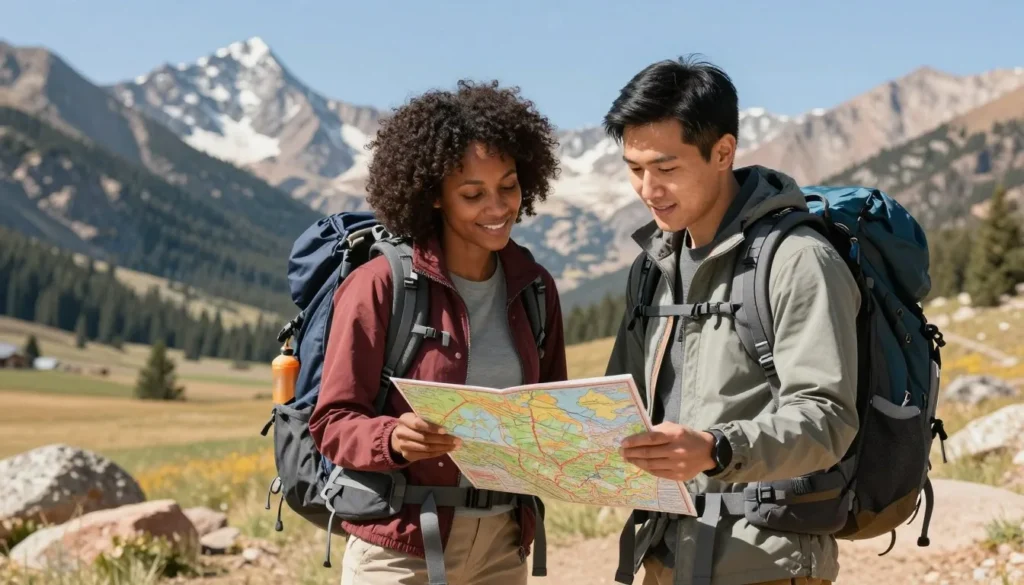
Cell phone coverage remains spotty throughout much of the route. Download offline maps and directions before starting your journey along Trail Ridge Road.
Where to Stay
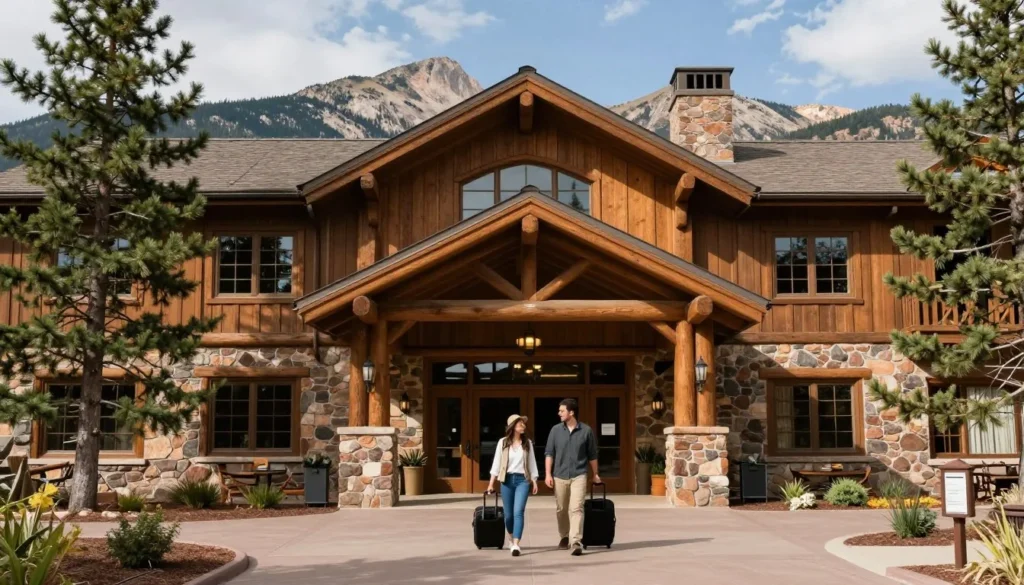
Estes Park offers the widest selection of accommodations near the eastern entrance to Trail Ridge Road. Hotels, lodges, vacation rentals, and bed-and-breakfast establishments provide options for various budgets and preferences.
The Stanley Hotel stands as the most famous lodging option in Estes Park. This historic property inspired Stephen King’s novel “The Shining” and offers elegant accommodations with stunning mountain views. Reservations fill months in advance during peak summer season.
Estes Park Lodging Options
Downtown Estes Park features numerous walkable accommodations close to shops and restaurants. Murphy’s Resort provides riverside cabins with full kitchens for families seeking extra space and cooking facilities.
Silver Moon Inn offers boutique lodging with modern amenities and convenient location. The property features comfortable rooms and friendly service at moderate price points.
YMCA of the Rockies operates a large family-friendly resort with cabins, lodge rooms, and extensive recreational facilities. This option works well for multi-generational groups and extended stays.
Grand Lake Accommodations
Grand Lake provides quieter lodging alternatives on the western side of Rocky Mountain National Park. This small mountain village offers rustic charm and easier access to the western entrance.
Historic cabins and small inns line the shores of Grand Lake itself. Western Riviera Lakeside Lodging and Cabins provides waterfront accommodations with classic mountain atmosphere.
Spirit Mountain Ranch offers unique glamping experiences combining outdoor adventure with comfortable amenities. This option appeals to travelers seeking something different from traditional hotels.
Camping Options
Rocky Mountain National Park operates five campgrounds with varying amenities and elevation levels. Moraine Park Campground near Estes Park accepts reservations up to six months in advance and fills quickly during summer months.
Timber Creek Campground serves as the only camping option on the western side near Grand Lake. This facility operates on a first-come basis with no advance reservations accepted.
Backcountry camping requires permits obtained through the park’s wilderness office. These options suit experienced hikers seeking remote mountain experiences away from developed areas.
Dining & Local Cuisine
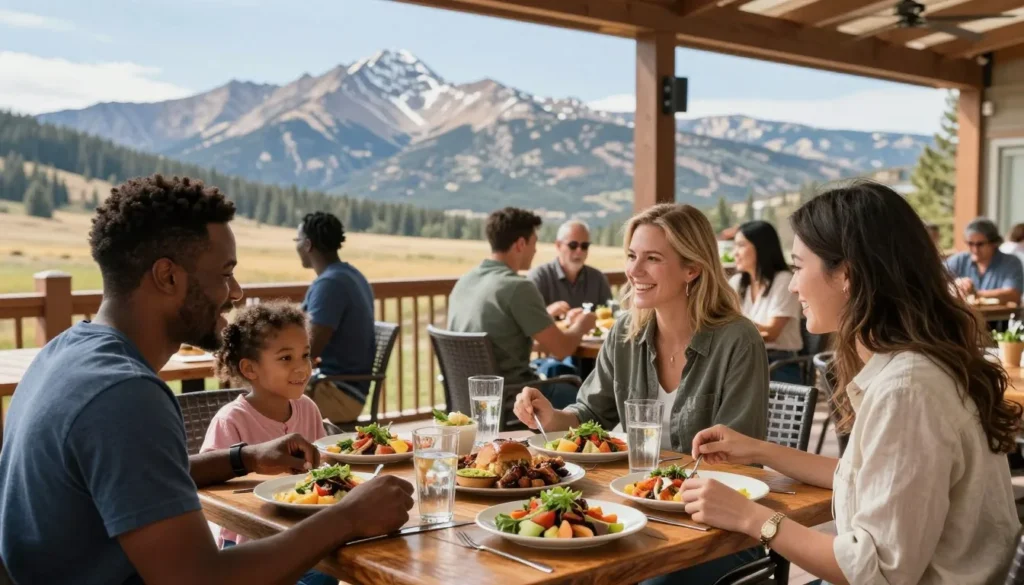
Estes Park serves as the primary dining destination for visitors to Trail Ridge Road. The town offers diverse options ranging from casual cafes to upscale mountain restaurants featuring Colorado cuisine and locally sourced ingredients.
The Dunraven Inn specializes in Italian dishes with mountain ambiance. This longtime local favorite serves generous portions in a rustic setting decorated with regional artwork and historical photographs.
Estes Park Dining Highlights
Bird and Jim restaurant downtown provides modern American cuisine with creative seasonal menus. The establishment focuses on fresh ingredients and innovative preparations that showcase regional flavors.
Smokin’ Dave’s BBQ and Tap House offers hearty barbecue perfect after long days exploring the national park. Slow-smoked meats and classic side dishes satisfy hungry hikers and drivers.
Ed’s Cantina and Grill serves Mexican cuisine with mountain twist. The restaurant features outdoor seating with views and popular happy hour specials throughout summer season.
Breakfast Spots
- Notchtop Bakery and Cafe for fresh pastries
- Kind Coffee for artisan coffee drinks
- The Egg and I for classic breakfast plates
- Mountain Home Cafe for hearty morning meals
Quick Bites
- Poppy’s Pizza and Grill for family dining
- Rock Inn Mountain Tavern for pub food
- Laura’s Fine Foods for sandwiches and salads
- Sweet Basilico Cafe for lunch options
Grand Lake Dining
Grand Lake offers smaller selection but quality dining experiences on the western side. Sagebrush BBQ and Grill serves smoked meats and Colorado craft beers in casual atmosphere.
Grand Lake Lodge Restaurant provides fine dining with spectacular lake views. The menu features steaks, fresh fish, and regional specialties in historic mountain lodge setting.
Fat Cat Cafe operates as popular breakfast spot serving generous portions. The friendly service and hearty meals fuel morning starts for Trail Ridge Road adventures.
Picnic Options
Many visitors pack lunches for scenic picnics along Trail Ridge Road. Safeway and other grocery stores in Estes Park stock supplies for creating your own meals. Designated picnic areas offer tables with amazing views throughout Rocky Mountain National Park.
The Alpine Visitor Center operates a small cafe during summer months. Limited food options include snacks, beverages, and simple items for quick refueling at high elevation.
Attractions, Sightseeing & Activities
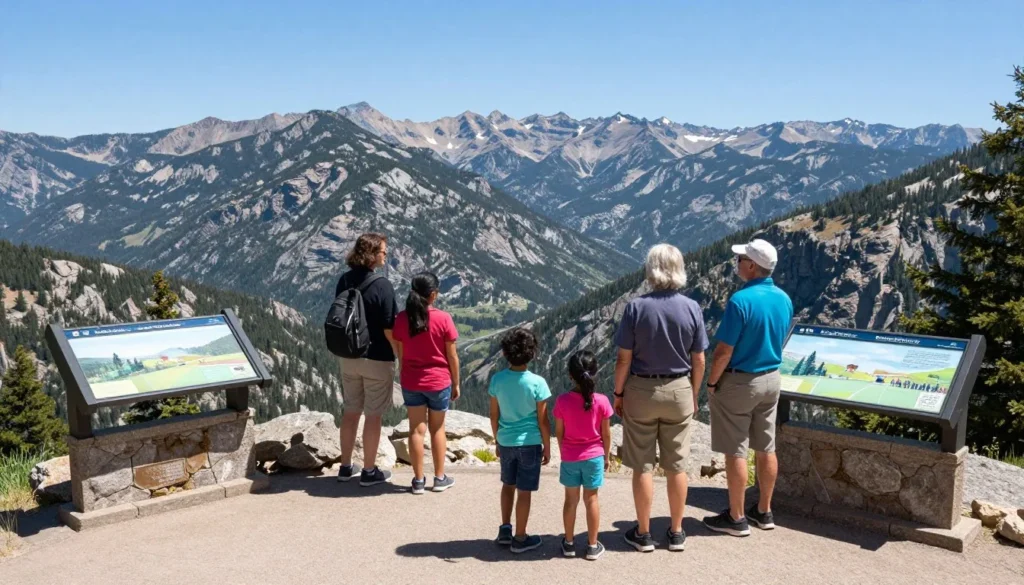
Trail Ridge Road itself serves as the primary attraction with continuous stunning vistas. The 77-kilometer (48-mile) route showcases dramatic landscape changes from montane forests through subalpine zones to alpine tundra above treeline.
Key Viewpoints and Stops
Many Parks Curve provides the first major overlook when approaching from Estes Park entrance. This popular stop offers panoramic views across multiple valley systems that give the location its descriptive name. Interpretive signs explain geological formations and ecological zones visible from this vantage point.
Forest Canyon Overlook presents dramatic views into a glacially carved valley. The steep canyon walls drop over 610 meters (2,000 feet) from the overlook platform. This spot offers excellent opportunities for photographing the rugged Rocky Mountain landscape.
Rock Cut presents short hiking trails at 3,657 meters (12,000 feet) elevation. The Toll Memorial Trail loop covers just 0.8 kilometers (0.5 miles) but climbs higher for expanded Continental Divide views. Altitude affects exertion levels significantly at this elevation.
Alpine Visitor Center
The Alpine Visitor Center marks the highest point along Trail Ridge Road at 3,595 meters (11,796 feet). This facility provides restrooms, exhibits about alpine ecosystems, and a gift shop operated by Rocky Mountain Conservancy.
Rangers staff the visitor center during operating hours to answer questions and provide current trail conditions. Educational displays explain how plants and animals survive in harsh alpine environments.
The Trail Ridge Store adjacent to the visitor center sells snacks, beverages, and souvenirs. This represents the only commercial facility along the entire road within park boundaries.
Wildlife Viewing
Elk frequently appear in meadows along Trail Ridge Road, particularly during early morning and evening hours. Fall River valley areas near the eastern entrance host large herds during autumn rutting season.
Bighorn sheep inhabit rocky areas throughout the national park. Sheep Lakes near Horseshoe Park attract these animals for mineral deposits, creating excellent viewing opportunities during spring months.
Marmots and pikas live in boulder fields above treeline. These small mammals often appear near pullouts where rocky habitat provides shelter. Yellow-bellied marmots whistle warning calls when alarmed by approaching visitors.
Wildlife Safety: Maintain minimum 23 meters (75 feet) from elk and moose, 37 meters (120 feet) from bears. Never feed wild animals. Use telephoto lenses for close-up photography rather than approaching wildlife.
Moose browse in willow thickets near water sources. These massive animals can appear docile but become aggressive when threatened. Give moose wide berth and never approach calves.
Scenic Photography
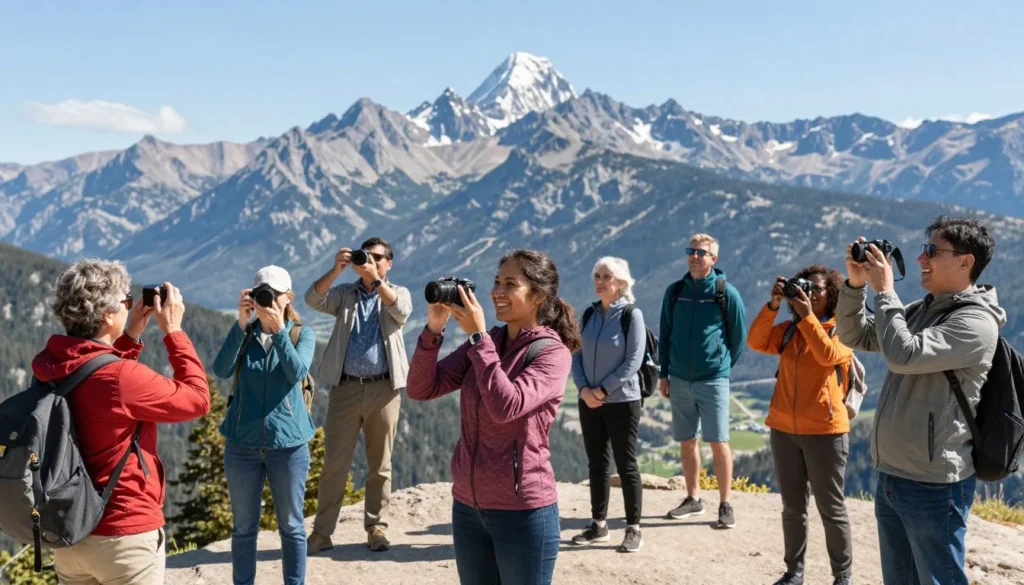
Trail Ridge Road offers countless opportunities for capturing majestic mountains and alpine scenery. Early morning light creates ideal conditions for landscape photography. Golden hour before sunset bathes peaks in warm tones perfect for dramatic images.
Wildflower displays peak from late June through July depending on elevation and snowmelt timing. Alpine forget-me-nots, sky pilot, and alpine sunflowers bloom in tundra areas above treeline.
Storm clouds building over peaks create dynamic conditions for photography. Watch weather carefully and seek lower elevations if lightning threatens exposed locations along the ridge.
Museums, Cultural Spots & Festivals
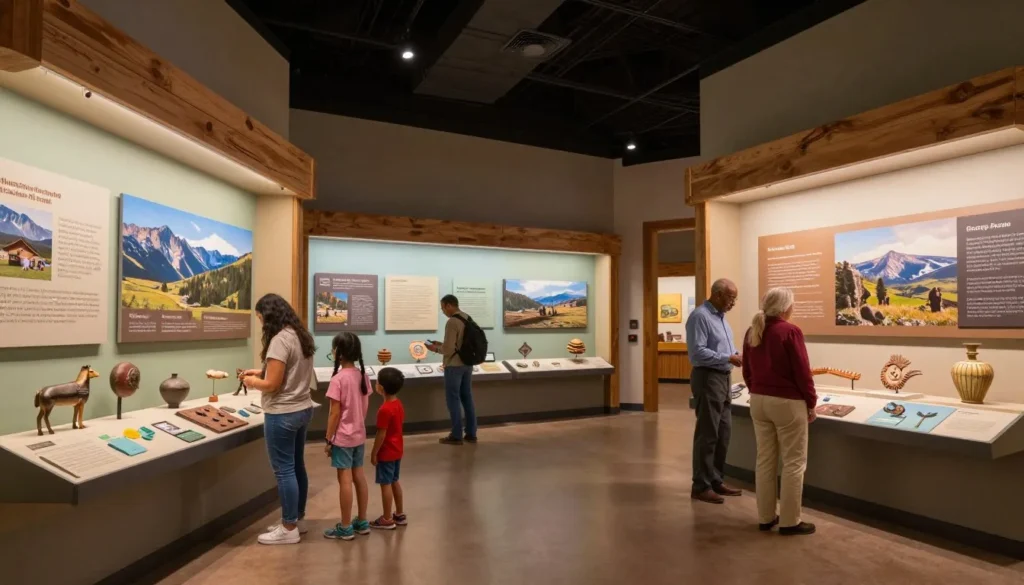
Rocky Mountain National Park preserves both natural and cultural heritage. Indigenous peoples including Ute and Arapaho tribes traveled these high routes for thousands of years before European settlement.
Park Cultural Sites
The Fall River Visitor Center features exhibits about park history and early conservation efforts. Displays showcase homesteading era and the vision of early advocates who pushed for national park designation in 1915.
Historic cabins and remnants of early tourist camps appear at various locations throughout the park. These structures remind visitors of pioneer experiences and early park tourism development.
The Civilian Conservation Corps built many trail systems and park facilities during the 1930s. Their stonework and construction techniques created infrastructure that continues serving visitors decades later.
Estes Park Cultural Attractions
The Estes Park Museum showcases local history from indigenous inhabitants through modern tourism development. Exhibits include artifacts, photographs, and stories about the region’s transformation.
The MacGregor Ranch Museum preserves a working cattle ranch and homestead dating to 1870s settlement. Guided tours reveal pioneer life and ranching heritage in the Estes Valley.
Michael Ricker Pewter offers demonstrations of traditional metalwork techniques. Visitors watch artisans create decorative pieces using centuries-old methods adapted for modern designs.
Performing Arts and Events
The Stanley Hotel hosts concerts and cultural events throughout summer season. The historic property provides elegant venues for classical music performances and special presentations.
Estes Park Summer Concert Series brings free outdoor performances to Estes Park throughout summer months. Local and regional musicians perform various genres in the town’s Performance Park.
The Longs Peak Scottish-Irish Highland Festival celebrates Celtic heritage each September. Traditional dancing, athletic competitions, and cultural demonstrations attract thousands of visitors annually to Estes Park fairgrounds.
Nature & Outdoor Experiences
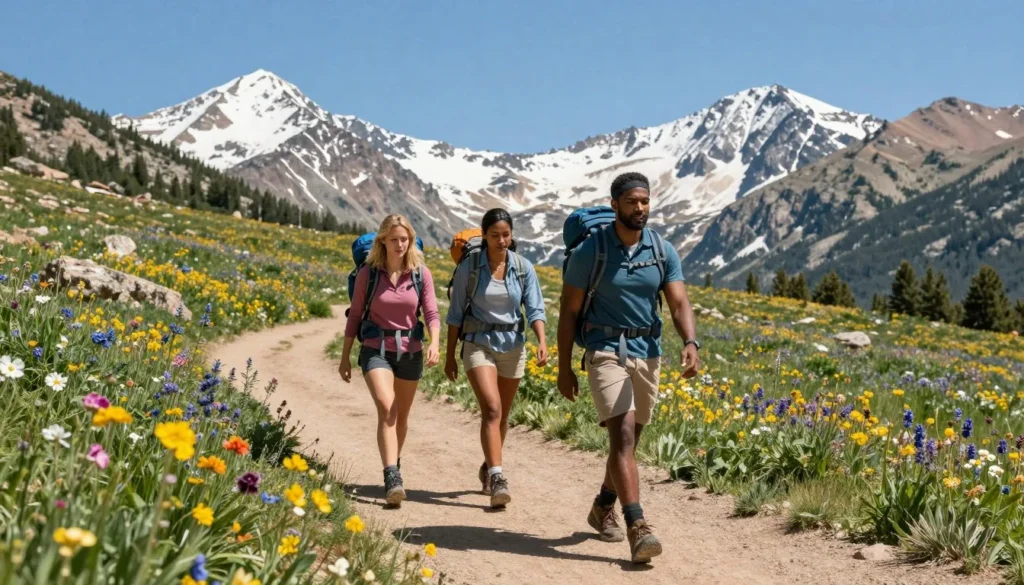
Rocky Mountain National Park encompasses over 107,600 hectares (265,807 acres) of pristine wilderness. The park protects diverse ecosystems ranging from montane valleys to alpine tundra environments found nowhere else in Colorado outside high mountain peaks.
Hiking Opportunities
Over 563 kilometers (350 miles) of trails wind through Rocky Mountain National Park. Options range from easy nature walks to challenging backcountry routes requiring wilderness skills and overnight permits.
The Tundra Communities Trail at Rock Cut offers accessible introduction to alpine environments. This short 0.8-kilometer (0.5-mile) paved loop climbs to 3,718 meters (12,199 feet) with interpretive signs explaining fragile tundra ecosystems.
Bear Lake area provides numerous popular trails accessible from convenient trailhead. Dream Lake trail covers 3.5 kilometers (2.2 miles) round trip to a scenic alpine lake surrounded by towering peaks. Arrive early as parking fills by 7:00 AM during summer season.
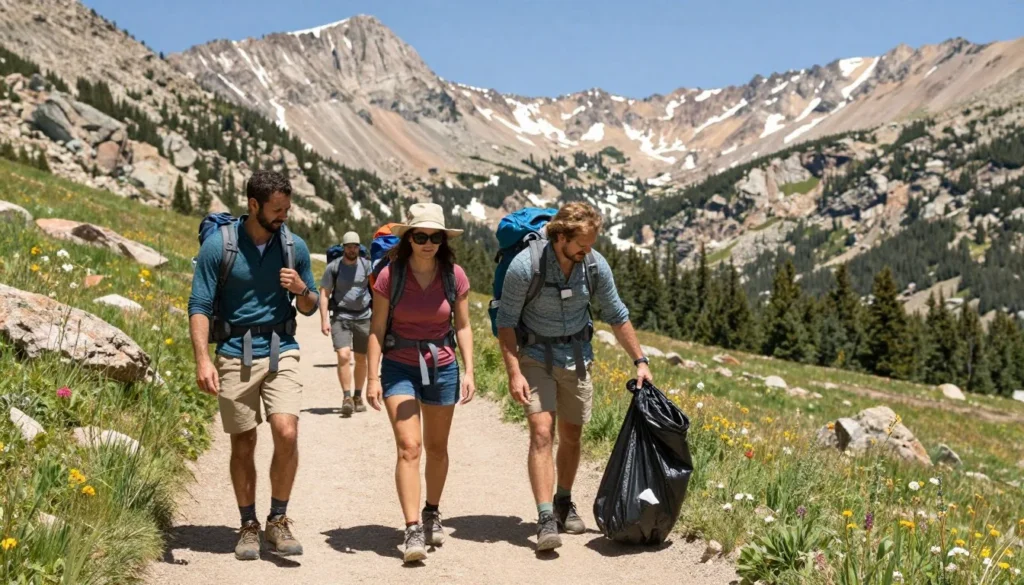
Trail Etiquette: Stay on designated trails to protect fragile alpine plants. Pack out all trash. Yield to uphill hikers on narrow paths. Keep dogs on leash at all times on park trails.
Emerald Lake trail extends beyond Dream Lake for those seeking longer hikes. The 5.5-kilometer (3.4-mile) round trip rewards effort with stunning views and excellent wildlife viewing opportunities.
Backcountry Adventures
Longs Peak challenges experienced mountaineers with Colorado’s most popular 14,000-foot summit. The standard Keyhole Route covers 24 kilometers (15 miles) round trip with 1,524 meters (5,000 feet) elevation gain. Technical sections require scrambling skills and early alpine starts.
Wilderness camping allows multi-day explorations into remote areas. Designated backcountry campsites require advance permits obtained through the park’s reservation system. Bears inhabit backcountry areas requiring proper food storage techniques.
Cross-country routes challenge navigation skills across unmarked terrain. Only experienced wilderness travelers should attempt these adventures requiring map reading and route-finding abilities.
Water Activities
Grand Lake offers boating, kayaking, and fishing opportunities outside national park boundaries. This natural lake covers 194 hectares (479 acres) providing Colorado’s largest and deepest natural lake for recreation.
Fly fishing attracts anglers to streams throughout Rocky Mountain National Park. Greenback cutthroat trout, native to these waters, inhabit many streams and lakes. Colorado fishing licenses apply within park boundaries.
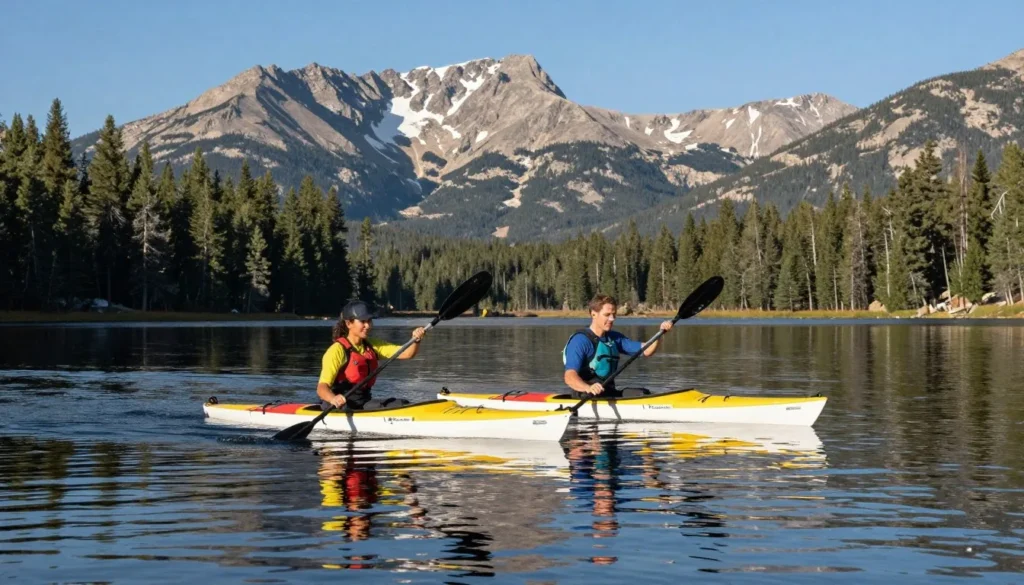
Swimming remains possible in some lakes though frigid temperatures limit comfort. Even summer water temperatures rarely exceed 13°C (55°F) at high elevations making extended swimming challenging.
Winter Activities
Cross-country skiing and snowshoeing replace summer activities after Trail Ridge Road closes. The road becomes a snow-covered route for winter adventurers willing to travel on skis or snowshoes.
Backcountry skiing attracts expert winter travelers to remote bowls and slopes. Avalanche awareness and proper equipment become essential for safe winter mountain travel.
Bear Lake Road remains open year-round providing winter access to trails and skiing opportunities. Rangers lead guided snowshoe walks on weekends introducing visitors to winter ecology.
Travel With Children
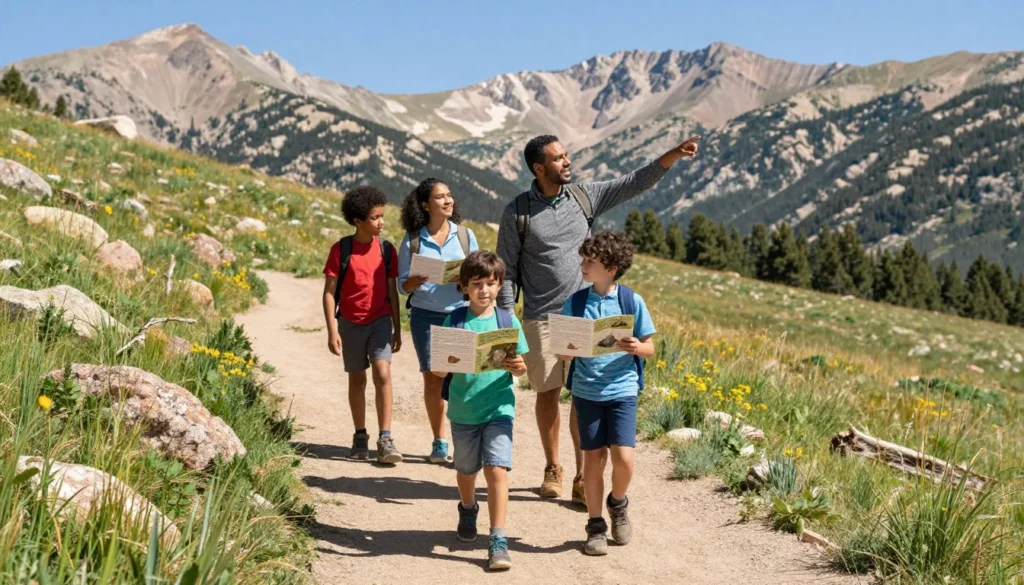
Rocky Mountain National Park offers excellent family experiences with proper planning for high altitude conditions. Children generally adapt well to elevation but may tire more quickly than at sea level.
Family-Friendly Activities
The Junior Ranger Program engages children with activity booklets available at visitor centers. Kids complete age-appropriate challenges learning about park wildlife, geology, and conservation. Successful participants receive official Junior Ranger badges from park rangers.
Short nature trails provide manageable adventures for young hikers. Sprague Lake features a flat 1.3-kilometer (0.8-mile) loop perfect for small children. The wheelchair-accessible path circles a scenic lake with mountain reflections and frequent wildlife sightings.
Lily Lake near Estes Park offers another easy family walk. The 1.3-kilometer (0.8-mile) trail around the lake provides gentle terrain suitable for strollers and beginning hikers. Picnic areas allow families to extend their visit.
Altitude Tips for Children: Watch for signs of altitude sickness including headaches, unusual fatigue, or nausea. Descend immediately if symptoms appear. Encourage frequent water breaks and slower pace at high elevations.
Educational Opportunities
Ranger-led programs teach children about mountain ecosystems and wildlife. Evening campfire programs blend education with entertainment through stories and presentations suitable for all ages.
The Beaver Meadows Visitor Center features kid-friendly exhibits about park animals and plants. Interactive displays engage young visitors while teaching ecological concepts.
Elk viewing excites children especially during autumn rutting season. The distinctive bugling sounds and impressive antler displays create memorable wildlife encounters. Maintain safe distances and use binoculars for close views.
Practical Family Considerations
Restroom facilities appear at major visitor centers and developed areas. Portable facilities serve some trailheads though backcountry hikes require planning for bathroom needs.
Pack extra layers for children as mountain weather changes rapidly. Even summer days can turn cold especially above treeline where wind increases chill factors significantly.
Snacks and drinks become essential for keeping energy levels steady. Altitude increases dehydration risk making frequent water breaks important for children exploring the park.
Car sickness affects some children on winding mountain roads. Bring appropriate medications and take frequent stops at pullouts to prevent discomfort during the scenic drive along Trail Ridge Road.
Money Saving Tips
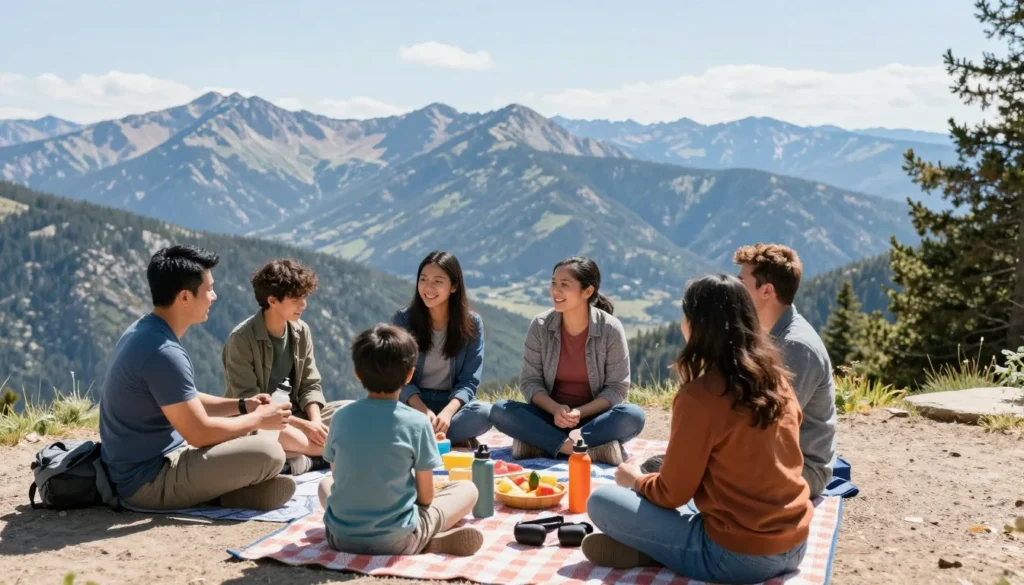
Rocky Mountain National Park entrance fees provide excellent value compared to daily activity costs. The seven-day pass covers multiple visits allowing travelers to explore thoroughly without additional entrance charges.
Park Pass Options
America the Beautiful Annual Pass costs $80 and grants access to all national parks and federal recreation areas for one year. Families planning multiple park visits save substantially with this option compared to individual entrance fees.
The park entrance fee of $30 per vehicle provides seven consecutive days of access. This option works well for extended visits without need for annual pass benefits.
Entering on foot or bicycle reduces costs to $15 per person. This budget-friendly option appeals to active travelers comfortable with non-motorized transportation.
Accommodation Savings
Camping significantly reduces lodging costs compared to hotels. Rocky Mountain National Park campgrounds charge $26-$30 per night depending on location and amenities. Reservations open six months in advance for Moraine Park and Glacier Basin campgrounds.
Shoulder season visits in June or September offer lower hotel rates in Estes Park and Grand Lake. Many properties reduce prices 20-40% outside peak July and August periods.
Vacation rentals accommodate larger groups more economically than multiple hotel rooms. Cooking capabilities reduce dining expenses by allowing meal preparation rather than constant restaurant visits.
Free Park Activities
- All scenic drives and viewpoints
- Day hiking on park trails
- Wildlife viewing opportunities
- Ranger-led programs and talks
- Visitor center exhibits and films
Budget-Friendly Meals
- Grocery stores in Estes Park for picnic supplies
- Early bird dinner specials at local restaurants
- Food trucks for casual affordable dining
- Breakfast at lodging to save on meals
- Water bottles instead of purchased drinks
Transportation Savings
Booking rental cars well in advance secures better rates than last-minute reservations. Compare prices across multiple companies and consider slightly longer driving from less expensive airport locations.
Carpooling with other travelers reduces per-person transportation costs and helps secure parking at popular trailheads. Many visitors connect through online forums or social media groups.
Fueling vehicles in larger towns before entering mountain areas avoids premium prices at remote gas stations. Estes Park and Grand Lake charge noticeably more than Denver or Fort Collins.
Additional Money-Saving Strategies
Free wifi at visitor centers and many Estes Park businesses eliminates mobile data charges for travelers. Download maps and information before entering areas with limited cell coverage.
Reusable water bottles save money while reducing plastic waste. Fill bottles at visitor centers and developed campgrounds throughout the park rather than purchasing drinks.
Off-season visits to nearby attractions offer discounted admission. Many Estes Park activities reduce rates during shoulder seasons when fewer tourists visit the area.
Safety & Local Customs
Altitude Safety
Elevation sickness affects many visitors above 2,438 meters (8,000 feet). Trail Ridge Road reaches 3,713 meters (12,183 feet) where oxygen levels measure only 60% of sea level amounts. Symptoms include headaches, nausea, dizziness, and unusual fatigue.
Spend time acclimating in Estes Park at 2,283 meters (7,522 feet) before ascending to higher elevations. Drink extra water to combat dehydration which worsens altitude effects. Avoid alcohol during first days at elevation.
Descend immediately if severe symptoms develop. Most people recover quickly at lower elevations. Children and elderly visitors face higher altitude sickness risks requiring extra monitoring.
Emergency Contact: Call 911 for life-threatening emergencies. The park has limited cell coverage making satellite communication devices valuable for backcountry travel.
Weather Hazards
Lightning kills more people in Colorado than any other natural hazard. Afternoon thunderstorms build rapidly during summer months. Descend from exposed ridges and peaks before noon to avoid lightning danger.
Hypothermia threatens even during summer if temperatures drop and clothing becomes wet. Pack extra layers, rain gear, and warm items regardless of morning weather forecasts.
Snow can fall any month above 3,048 meters (10,000 feet). Trail Ridge Road closes temporarily when unexpected snowstorms create dangerous driving conditions even during summer season.
Wildlife Safety
Elk become aggressive during autumn rutting season and spring calving periods. Bull elk during rut display aggressive behavior protecting harems. Never approach or position yourself between animals.
Black bears inhabit Rocky Mountain National Park though encounters remain relatively rare. Store food properly and maintain clean campsites. Never leave food unattended or accessible to wildlife.
Mountain lions live throughout the park but avoid human contact. Attacks remain extremely rare but children should stay close to adults on trails. Make noise while hiking to avoid surprising animals.
Leave No Trace Principles: Pack out all trash. Stay on designated trails. Keep dogs on leash. Respect wildlife by observing from distance. Leave natural objects undisturbed for others to enjoy.
Driving Safety
Sharp curves and steep grades require careful attention on Trail Ridge Road. Use lower gears when descending to avoid brake overheating. Pull into designated pullouts when slower traffic backs up behind your vehicle.
Wildlife crosses roads unpredictably. Elk, deer, and bighorn sheep appear suddenly especially during dawn and dusk hours. Maintain moderate speeds and watch shoulders carefully.
Ice can form on shaded road sections even during summer mornings. Early season openings in late May sometimes feature icy patches in shaded areas requiring caution.
Local Etiquette
Respect quiet hours in campgrounds between 10:00 PM and 6:00 AM. Fellow campers appreciate consideration especially families with young children trying to sleep.
Yield to uphill hikers on narrow trails. Step aside allowing climbing hikers to maintain momentum rather than forcing stops on steep sections.
Photography etiquette requires awareness of other visitors. Avoid blocking popular viewpoints for extended periods. Share prime spots allowing others to enjoy famous locations.
Tipping customs follow standard United States practices. Restaurant servers expect 15-20% gratuity. Hotel housekeeping appreciates $2-5 per night. Tip tour guides 10-15% for good service.
Visitor Comments About Trail Ridge Road
“The drive exceeded every expectation I had about Rocky Mountain scenery. Each curve revealed more spectacular views than the last. We stopped at nearly every pullout and still wished for more time to explore. The wildlife sightings added magic to the journey with elk grazing right beside the road. This ranks among my favorite travel experiences anywhere in the United States.”
“I worried about altitude affecting our family but everyone adjusted fine by taking breaks and drinking plenty of water. The kids earned Junior Ranger badges and loved spotting marmots at the visitor center. We packed sandwiches and had the most memorable picnic of our lives surrounded by those majestic mountains. Trail Ridge Road created family memories we’ll treasure forever.”
“As a photographer, I couldn’t ask for better subject matter. The changing light on the peaks throughout the day offered endless opportunities. I returned multiple times during my week in Estes Park and captured different moods each visit. Early morning proved best for wildlife while late afternoon delivered golden hour magic. This destination deserves multiple visits to truly appreciate its beauty.”
Additional Nearby Destinations

Numerous attractions within easy driving distance complement Trail Ridge Road visits. The region offers diverse experiences from small mountain towns to additional outdoor recreation opportunities throughout northern Colorado.
Rocky Mountain Region Destinations
Boulder sits approximately 64 kilometers (40 miles) southeast of Estes Park. This vibrant city combines outdoor recreation with cultural attractions including the Pearl Street pedestrian mall lined with shops, restaurants, and street performers. The Flatirons rock formations provide iconic backdrop and hiking opportunities.
Fort Collins offers craft brewery culture and Colorado State University atmosphere. The historic downtown features over 20 craft breweries earning the city recognition as a beer destination. Cache la Poudre River provides rafting and fishing opportunities.
Winter Park Resort delivers year-round mountain activities approximately 113 kilometers (70 miles) south. Summer months feature mountain biking and scenic chairlift rides while winter brings skiing and snowboarding to extensive terrain.
Additional National Park Areas
Great Sand Dunes National Park lies approximately 322 kilometers (200 miles) south showcasing North America’s tallest dunes against mountain backdrop. The unique landscape offers sandboarding and hiking experiences unlike anything near Rocky Mountain National Park.
Black Canyon of the Gunnison National Park features dramatic vertical cliffs carved by the Gunnison River. This lesser-known park offers uncrowded hiking and spectacular views approximately 483 kilometers (300 miles) southwest.
Colorado National Monument near Grand Junction displays red rock formations and desert ecosystems contrasting sharply with Rocky Mountain environments. The Rim Rock Drive provides scenic touring through unique geological features.
Mountain Town Exploration
Nederland provides quirky mountain town character about 35 kilometers (22 miles) from Estes Park. The Carousel of Happiness features hand-carved animals and the town hosts the eccentric Frozen Dead Guy Days festival each March.
Lyons combines small-town charm with musical heritage. The Planet Bluegrass venue hosts respected music festivals drawing performers from across the country. Outdoor recreation opportunities include rock climbing and river activities.
Georgetown preserves Victorian-era architecture and operates the Georgetown Loop Railroad. This historic narrow-gauge train offers scenic rides through mountain valleys approximately 97 kilometers (60 miles) from Estes Park.
Day Trip Options East
- Denver Art Museum and cultural attractions (90 minutes)
- Red Rocks Amphitheatre geological formation (2 hours)
- Golden for Coors Brewery tours (90 minutes)
- Morrison for Dinosaur Ridge fossil displays (100 minutes)
Day Trip Options West
- Steamboat Springs hot springs and skiing (3 hours)
- Vail resort town and mountain activities (2.5 hours)
- Breckenridge historic mining town (2 hours)
- Glenwood Springs hot springs pools (3.5 hours)
Scenic Byways
Peak to Peak Scenic Byway connects Estes Park to Nederland and Black Hawk. This 88-kilometer (55-mile) route showcases mountain scenery, old mining camps, and access to hiking trailheads throughout Roosevelt National Forest.
Cache la Poudre-North Park Scenic Byway follows the Poudre River canyon from Fort Collins westward. The route provides excellent fishing access and camping opportunities along Colorado’s only designated Wild and Scenic River.
The Flat Tops Trail Scenic Byway traverses high plateau country west of Rocky Mountain National Park. This remote route offers wilderness character and opportunities for spotting wildlife in less-visited regions.
Practical Travel Tips
Essential Packing List
Layered clothing proves essential for changing mountain conditions. Temperatures can vary 17°C (30°F) between morning and afternoon or between valley and ridge elevations. Pack lightweight fleece or down jacket even during summer visits.
Sun protection becomes critical at high altitude where ultraviolet radiation increases significantly. Bring high-SPF sunscreen, lip balm, sunglasses, and wide-brimmed hat. Snow reflects additional sunlight making protection doubly important.
Reusable water bottles help maintain hydration at elevation. The 3-liter (100-ounce) daily water recommendation at sea level increases to 4-5 liters (135-170 ounces) above 3,048 meters (10,000 feet).
Clothing Essentials
- Moisture-wicking base layers
- Insulating mid-layer fleece
- Waterproof rain jacket
- Warm hat and gloves
- Sturdy hiking boots or shoes
- Extra socks for wet conditions
Gear and Accessories
- Binoculars for wildlife viewing
- Camera with extra batteries
- First aid supplies
- Headlamp or flashlight
- Trail snacks and energy foods
- Trekking poles for stability
Cell Phone and Communication
Cell coverage remains spotty throughout Rocky Mountain National Park. Verizon generally provides best coverage though many areas have no signal. Download offline maps before entering the park.
Emergency satellite communication devices provide valuable backup for backcountry travel. Personal locator beacons and satellite messengers allow emergency contact when cell phones fail.
Visitor centers offer free wifi for checking weather forecasts and trail conditions. Make communication plans before separating from travel companions in areas without cell service.
Photography Tips
Morning light between 6:00-9:00 AM creates ideal conditions for landscape photography. Soft golden tones illuminate peaks while shadows add depth and dimension to mountain scenes.
Polarizing filters reduce glare from sky and water surfaces. These accessories enhance color saturation making blue skies deeper and clouds more dramatic in mountain photographs.
Wildlife photography requires long telephoto lenses for frame-filling images while maintaining safe distances. The 200-400mm range provides adequate reach for most park wildlife encounters.
Health and Wellness
Prescription medications should be brought in sufficient quantities for entire trip duration. Pharmacies exist in Estes Park and Grand Lake but limited hours may complicate refills.
Motion sickness medications help sensitive individuals cope with winding mountain roads. Take preventive doses before beginning Trail Ridge Road drive rather than waiting for symptoms.
Basic first aid knowledge proves valuable in remote areas. Blisters, minor cuts, and insect bites represent common ailments easily treated with proper supplies.
Reservations and Planning
Timed entry reservations become mandatory during peak season from late May through October. Book online at least several days in advance through the park’s official reservation system.
Campground reservations open exactly six months before arrival date at 10:00 AM Mountain Time. Popular sites fill within minutes of becoming available requiring quick action.
Trail permits for certain popular hiking destinations require lottery applications months in advance. Research specific trail requirements and apply early for limited-permit areas.
Money and Payments
Credit cards work at most businesses in Estes Park and Grand Lake. However, some small vendors and food trucks accept cash only. ATMs appear throughout both towns for convenient cash access.
Park entrance fees can be paid with card at entrance stations. However, some self-service kiosks at less-staffed entrances require exact cash amounts.
Tipping follows standard American customs of 15-20% for restaurant servers. Many mountain town workers depend heavily on gratuities as part of total compensation.
Environmental Responsibility
Leave No Trace principles protect fragile alpine ecosystems for future generations. Pack out all trash including small items like orange peels which take months to decompose at high elevation.
Stay on designated trails even when muddy or snow-covered. Shortcutting switchbacks and creating social trails damages vegetation and accelerates erosion on mountain slopes.
Respect wildlife viewing distances and never feed animals. Human food creates dependencies that ultimately harm animals and create dangerous situations for future park visitors.
Your Rocky Mountain Adventure Awaits
Trail Ridge Road stands as one of America’s most spectacular mountain drives. The journey crosses the Continental Divide at elevations where eagles soar and alpine flowers bloom against a backdrop of snow-capped peaks stretching to every horizon.
From the first switchback climbing out of Estes Park to the final descent into Grand Lake, every mile delivers new wonders. Wildlife grazes in meadows, waterfalls tumble down rocky cliffs, and views extend across wilderness that looks unchanged since indigenous peoples first traveled these high routes thousands of years ago.
The majestic mountains of Rocky Mountain National Park offer more than scenery. They provide perspective, inspiration, and connection to natural forces that shaped continents. Whether watching sunrise paint the peaks in gold or witnessing afternoon storms build across the alpine tundra, visitors leave transformed by the experience.
Trail Ridge Road opens for just five months each year, making every visit precious. The road awaits with its promise of adventure, its gift of pristine wilderness, and its invitation to discover why these Rocky Mountains capture hearts and imaginations season after season.
Start planning your journey today. The high country calls with views that photographs cannot fully capture and experiences that words struggle to describe. Your Trail Ridge Road adventure awaits among Colorado’s most spectacular landscapes.