Hotels by Trip.com
Flights by Trip.com
Hidden in the southeastern corner of Colorado lies a remarkable secret: Trinidad Lake State Park attracts over 180,000 visitors annually, yet many Colorado residents have never heard of it. This 800-acre gem sits at an elevation of 1,890 meters (6,200 feet) beneath the stunning Sangre de Cristo Mountains. The park takes its name from the nearby town of Trinidad, which Spanish explorers christened on the feast of the Holy Trinity in the 1700s.
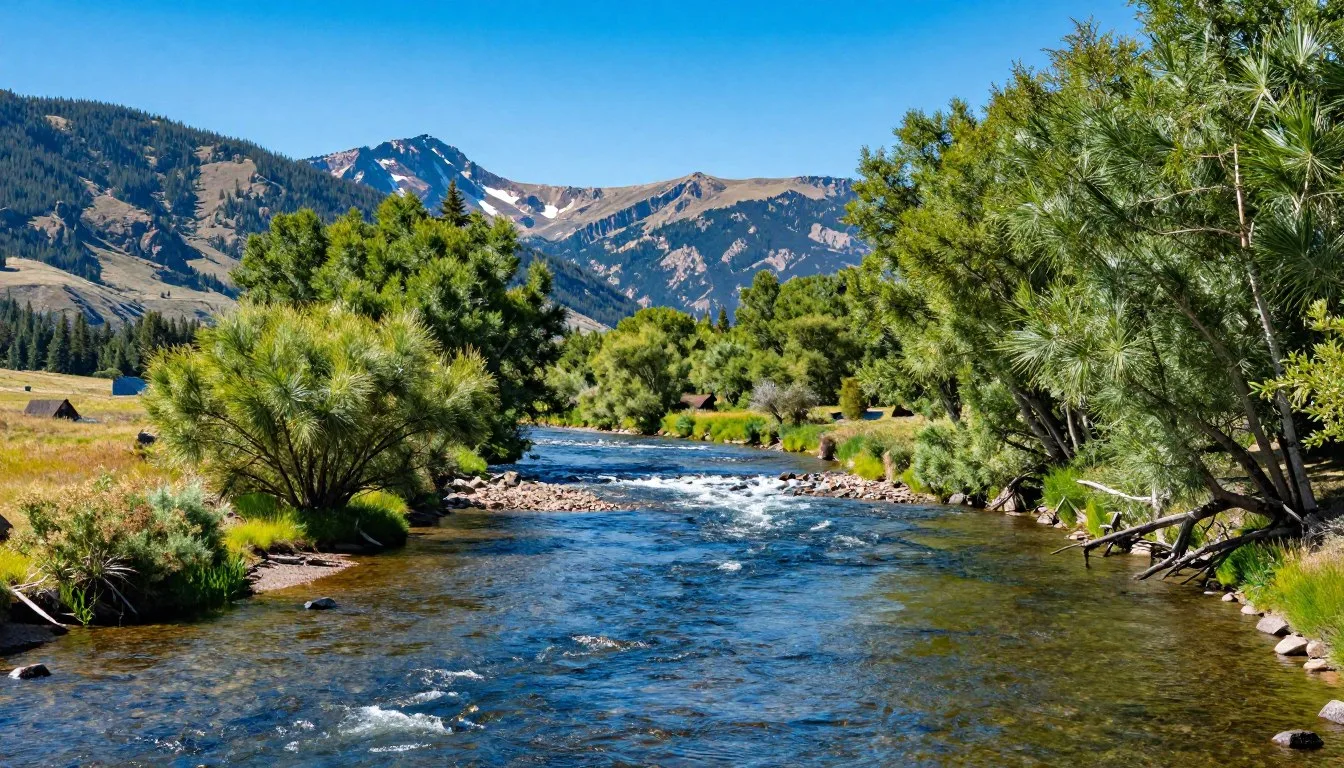
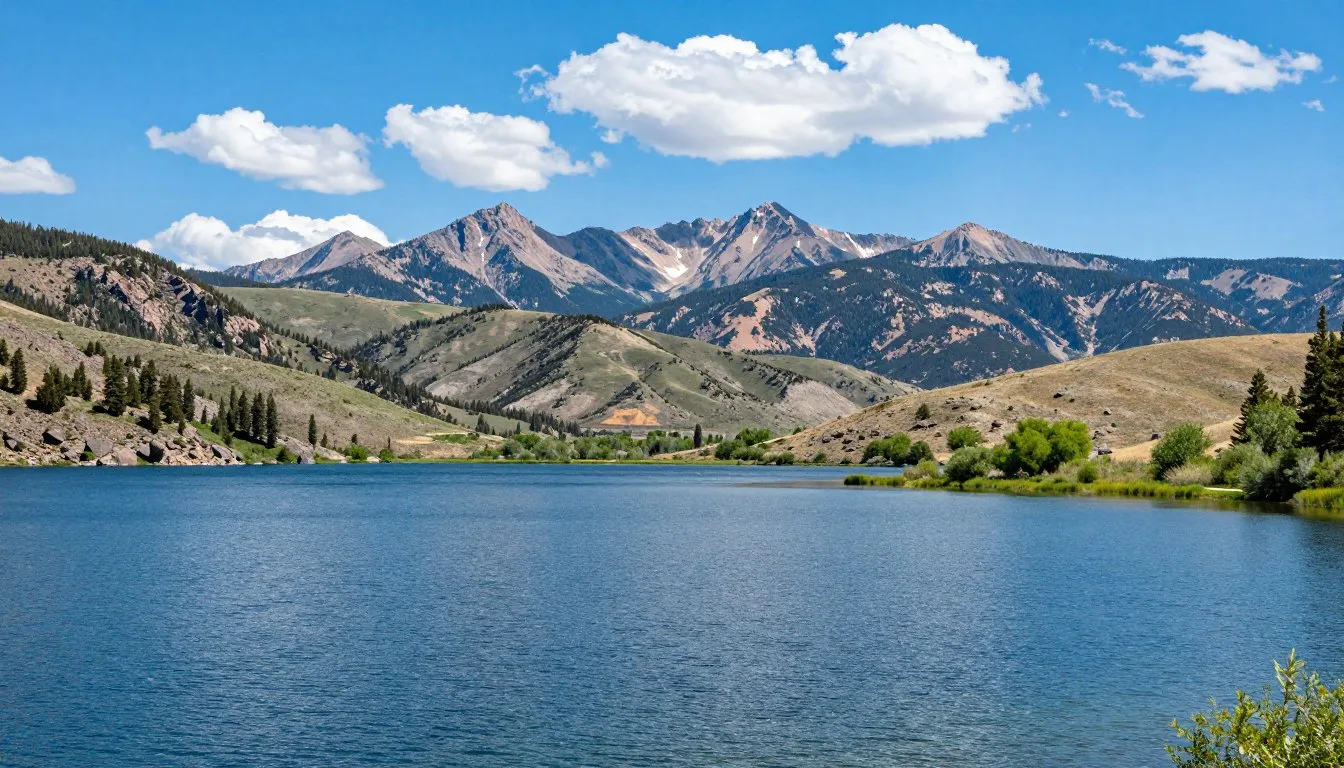
Trinidad Lake State Park offers an incredible escape for outdoor enthusiasts. The reservoir spans 364 hectares (900 acres) of shimmering water perfect for boating and fishing. Surrounding hillsides showcase dramatic red rock formations and rolling grasslands. Wildlife thrives throughout the area, from majestic deer to soaring raptors.
Whether you seek peaceful camping under starlit skies, challenging hiking trails, or simply a day of lakeside relaxation, this state park delivers. The combination of high desert landscape and mountain backdrop creates unforgettable views. Let’s explore everything this remarkable destination offers visitors throughout the year.
Getting There & Planning Your Journey
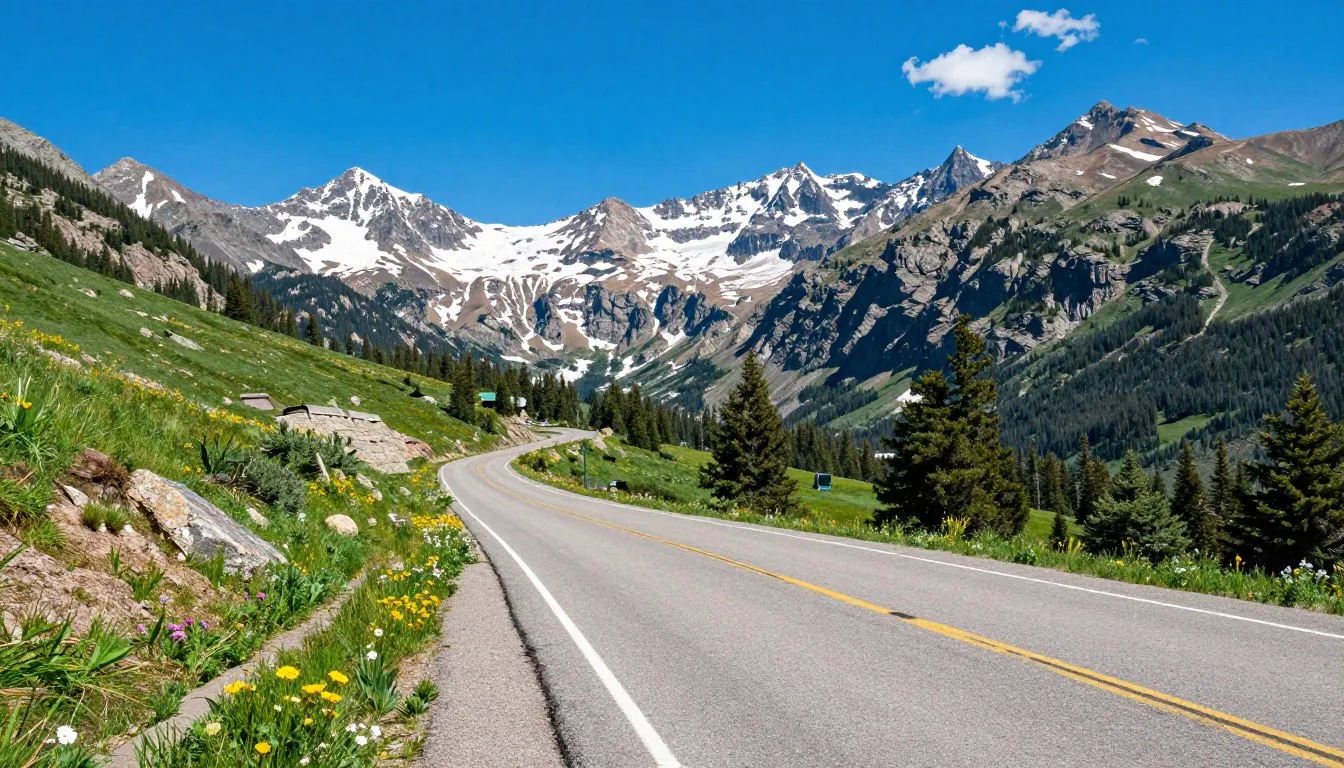
Trinidad Lake State Park sits just west of Trinidad, Colorado, making access straightforward for most travelers. The park entrance lies approximately 4.8 kilometers (3 miles) from downtown Trinidad via Highway 12. This convenient location places the park within easy reach of multiple major cities across the region.
Several airports serve visitors heading to Trinidad Lake State Park:
- Pueblo Memorial Airport – 124 kilometers (77 miles) north, approximately 90 minutes drive
- Colorado Springs Airport – 209 kilometers (130 miles) north, roughly 2 hours 15 minutes
- Denver International Airport – 386 kilometers (240 miles) north, about 3 hours 45 minutes
- Albuquerque International Sunport – 402 kilometers (250 miles) south, approximately 4 hours
Most visitors rent vehicles at these airports for the scenic drive to the park. The journey from Denver follows Interstate 25 south through Colorado’s diverse landscapes. You’ll pass through Pueblo before continuing to Trinidad. Highway 12 west leads directly to the park entrance.
Important Planning Note: Trinidad Lake State Park requires a valid Colorado Parks and Wildlife pass for entry. Daily passes cost approximately $10 per vehicle. Annual passes provide unlimited access to all Colorado state parks and offer excellent value for frequent visitors.
The drive itself showcases Colorado’s natural beauty. Rolling plains give way to foothills, with the Sangre de Cristo range growing more prominent as you approach. Spring and fall offer particularly spectacular scenery along this route. Summer brings warm temperatures perfect for outdoor activities. Winter transforms the landscape with occasional snow dusting the peaks.
For detailed information about park conditions, current access, or special events, contact the Trinidad Lake State Park Visitor Center:
Best Time to Visit & Weather Tips
Best Time to Visit Trinidad Lake State Park
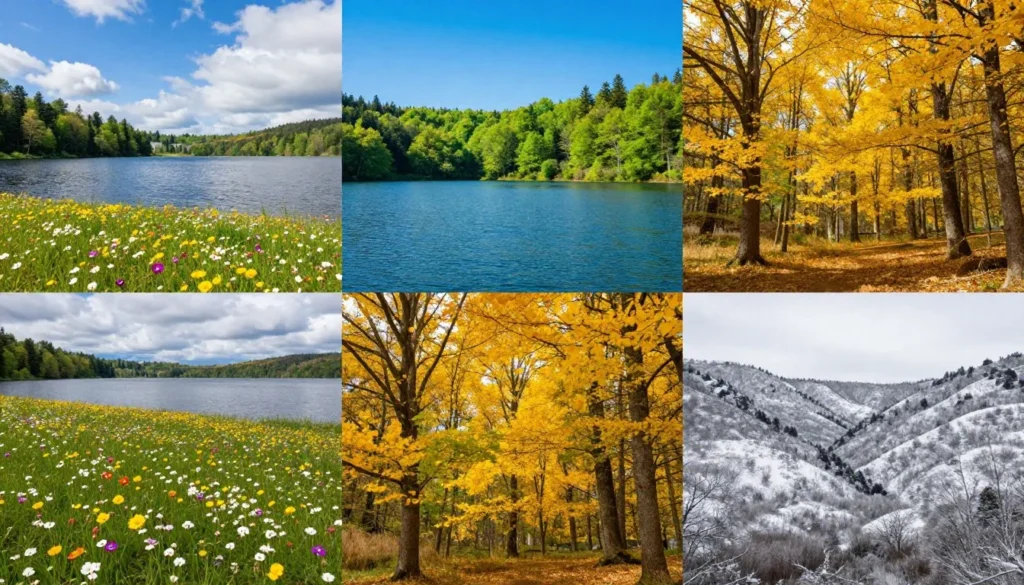
Trinidad Lake State Park welcomes visitors year-round, though each season offers distinct experiences. Understanding seasonal patterns helps you plan the perfect trip for your interests and comfort level.
Prime Visiting Seasons:
- Late Spring (May-June): Wildflowers bloom across hillsides, temperatures reach comfortable 21-27°C (70-80°F), water levels typically peak from snowmelt
- Early Fall (September-October): Crowds diminish after summer, pleasant temperatures range 16-24°C (60-75°F), fall colors emerge in surrounding vegetation
- Summer (July-August): Peak season brings warm weather perfect for water activities, temperatures climb to 27-32°C (80-90°F), all facilities operate at full capacity
Seasons to Consider Carefully:
✓ Check 30,000+ Local Sightseeing Tours Worldwide
- Winter (December-February): Cold temperatures drop to -7 to 7°C (20-45°F), limited services available, camping becomes challenging though ice fishing attracts dedicated anglers
- Early Spring (March-April): Unpredictable weather patterns bring sudden temperature swings, strong winds occur frequently, mud conditions can limit trail access
Weather Patterns Throughout the Year
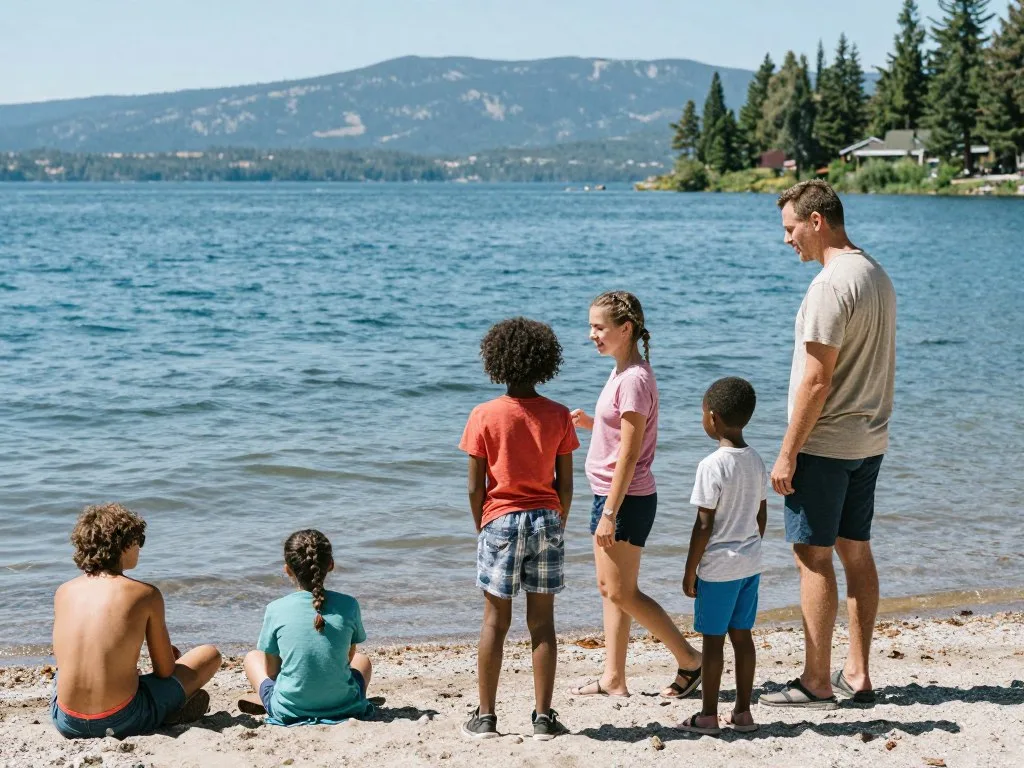
Trinidad Lake State Park experiences a semi-arid climate with four distinct seasons. Summer days typically start cool and warm quickly by midday. Afternoon thunderstorms develop regularly during July and August. These storms usually pass within an hour but can bring dramatic lightning displays.
Spring weather remains notoriously unpredictable. Morning frost can give way to afternoon warmth within hours. Wind speeds increase during this season, sometimes creating challenging conditions for boaters. Pack layers to adjust for rapid temperature changes.
Fall brings some of the most stable weather patterns. Clear skies dominate, and temperatures moderate to comfortable levels. Nights cool significantly, often dropping below 4°C (40°F). This season offers excellent conditions for hiking and camping.
Notable Annual Festivals
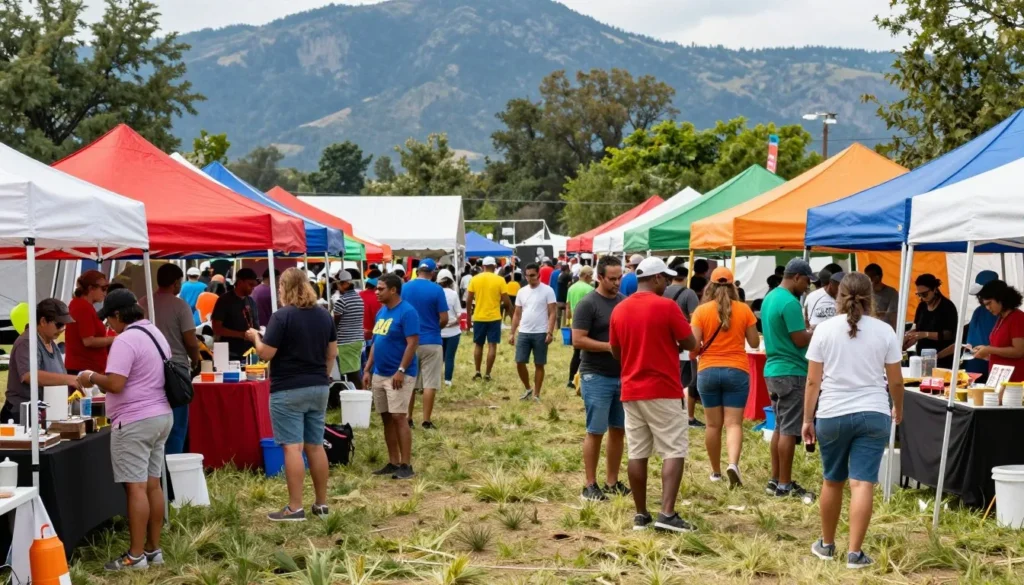
The Trinidad area hosts several annual events that enhance visits to the lake state park. These festivals celebrate local culture, history, and community spirit.
Santa Fe Trail Festival (June): This celebration honors Trinidad’s role along the historic Santa Fe Trail. Activities include living history demonstrations, craft vendors, and traditional music performances. The festival typically runs for a full weekend in early June.
For festival information contact Trinidad-Las Animas County Chamber:
Colorado Day Celebration (August): Trinidad commemorates Colorado’s statehood with parades, concerts, and family activities. The event falls on the first Monday in August each year. Many visitors combine this celebration with camping trips to Trinidad Lake State Park.
Harvest Festival (September): This autumn celebration showcases local agriculture, crafts, and seasonal foods. The festival coincides with ideal weather conditions for visiting the state park and exploring surrounding trails.
Visitor Tip: Book campsites and accommodations well in advance during festival weekends. These events significantly increase visitor numbers throughout the Trinidad area. The park offers peaceful refuge from festival crowds while remaining close to celebration activities.
Weather at Trinidad Lake State Park varies significantly with elevation and season. Summer afternoon temperatures can reach 32°C (90°F) at the lake, while mountain areas remain cooler. Always check current conditions before your visit. Pack sun protection year-round, as the high elevation intensifies UV exposure regardless of season.
Getting Around Locally
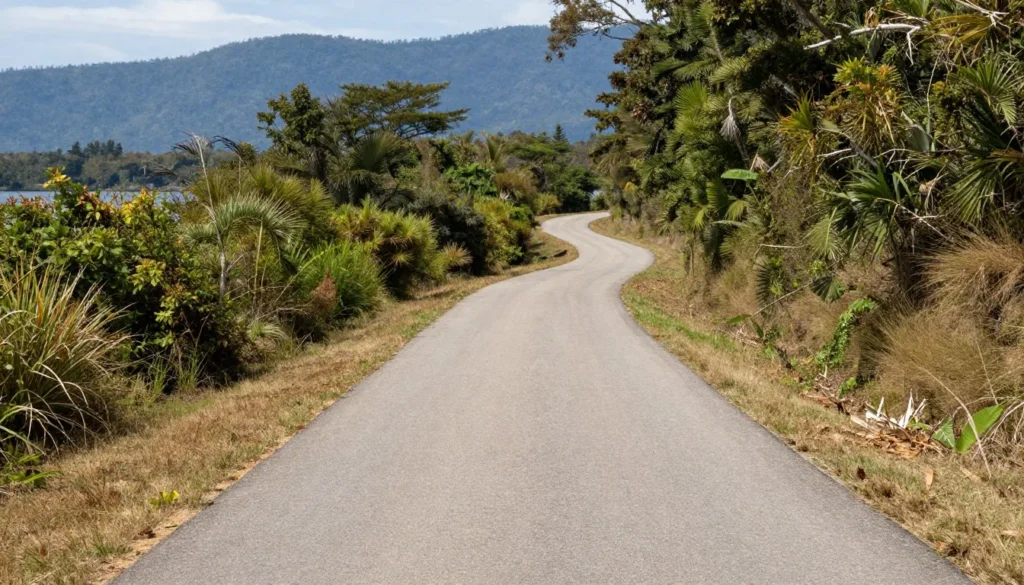
Personal vehicles provide the most practical transportation at Trinidad Lake State Park. The park spans a large area with multiple access points, campgrounds, and recreation sites. Most visitors drive between different areas throughout their stay.
The main park road runs approximately 6.4 kilometers (4 miles) from the entrance to the furthest camping area. This paved route offers excellent condition year-round. Scenic pullouts along the way provide stopping points for photographs and wildlife viewing. Drive carefully, as deer and other animals frequently cross park roads.
Park Layout and Access
Trinidad Lake State Park divides into several distinct areas:
- South Shore Area: Main entrance and visitor center, day-use facilities, boat ramp access, picnic grounds with shade structures
- Carpios Ridge Campground: Primitive camping sites, hiking trail access, elevated views of the lake and mountains
- North Shore Area: Additional boat launch, fishing access points, quieter atmosphere with fewer developed facilities
- Reilly Canyon Area: Hiking trailheads, wildlife viewing spots, access to backcountry terrain
Parking areas exist at each major site within the park. Day-use lots accommodate dozens of vehicles during peak season. Arrive early on summer weekends to secure prime parking spots near popular locations like the main boat ramp.
Bicycling in the Park
Cyclists enjoy riding park roads and designated trails. The main park road offers gentle grades suitable for casual riders. Mountain biking trails wind through hills surrounding the lake. These routes range from easy to moderate difficulty.
Bring your own bicycle, as no rental facilities operate within the park. The nearest bike shops in Trinidad provide service and equipment. Helmets are strongly recommended on all park roads and trails.
Walking and Hiking
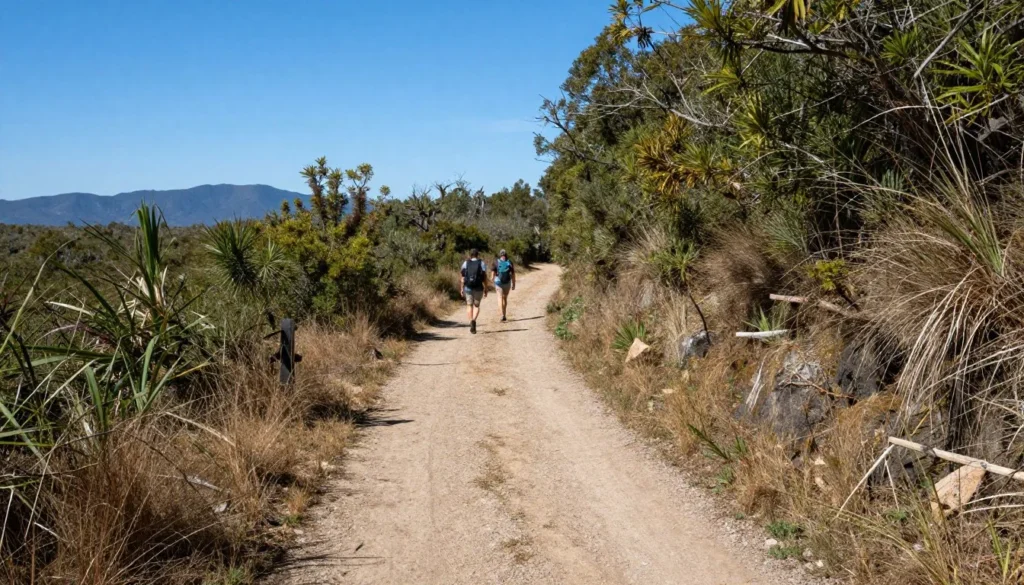
Trinidad Lake State Park features over 9.6 kilometers (6 miles) of official hiking trails. These paths connect different park areas and provide access to scenic overlooks. Additional miles of informal trails traverse less-visited terrain.
Many campers walk between their sites and recreation areas. The relatively compact layout makes this practical for most visitors. Wear sturdy shoes, as rocky terrain and uneven ground characterize many paths.
Boat transportation provides another way to explore the lake. Motorized boats, kayaks, and canoes allow access to remote shoreline areas. Several small coves and inlets remain difficult to reach by land. The water route opens these spots for fishing, swimming, or simply enjoying solitude.
No public transportation serves Trinidad Lake State Park directly. Taxis and rideshare services from Trinidad town can transport visitors to the park entrance. However, these options leave you without transportation once inside the park boundaries. Most visitors find personal vehicles essential for enjoying the full park experience.
Where to Stay
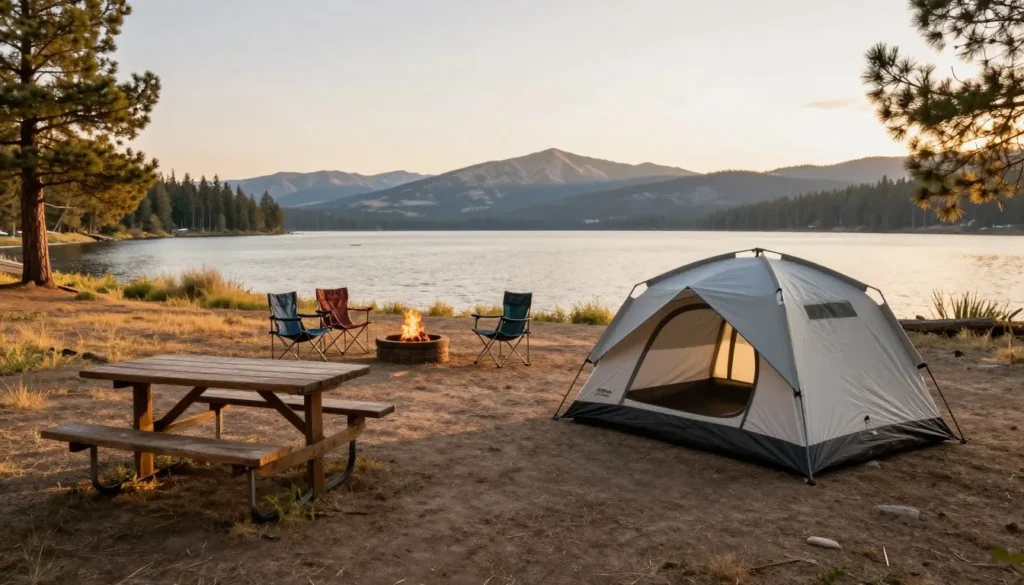
Trinidad Lake State Park offers multiple lodging options ranging from primitive camping to nearby hotel accommodations. Your choice depends on desired comfort level, budget, and outdoor experience preferences.
Camping Within the Park
Camping provides the most immersive Trinidad Lake State Park experience. Waking to mountain views and falling asleep under brilliant stars creates lasting memories. The park maintains 62 campsites across two main campground areas.
South Shore Campground: This developed area features 24 sites with electric hookups. Modern amenities include flush toilets, hot showers, and drinking water access. Each site provides a picnic table, fire ring, and level parking pad. These sites suit RVs up to 10.6 meters (35 feet) in length. Shade trees offer relief from summer sun at many spots.
Carpios Ridge Campground: More primitive camping awaits at these 38 sites. Vault toilets replace flush facilities, and no electric hookups exist. Water spigots provide drinking water at several locations. These sites offer more solitude and spectacular views across the lake toward distant mountains. The elevated position catches cooling breezes during hot weather.
Camping Reservations: Book campsites in advance through Colorado Parks and Wildlife reservation system. Summer weekends and holidays fill quickly, often months ahead. Some sites remain available for first-come, first-served camping. Campsite fees range from $20-36 per night depending on amenities and season.
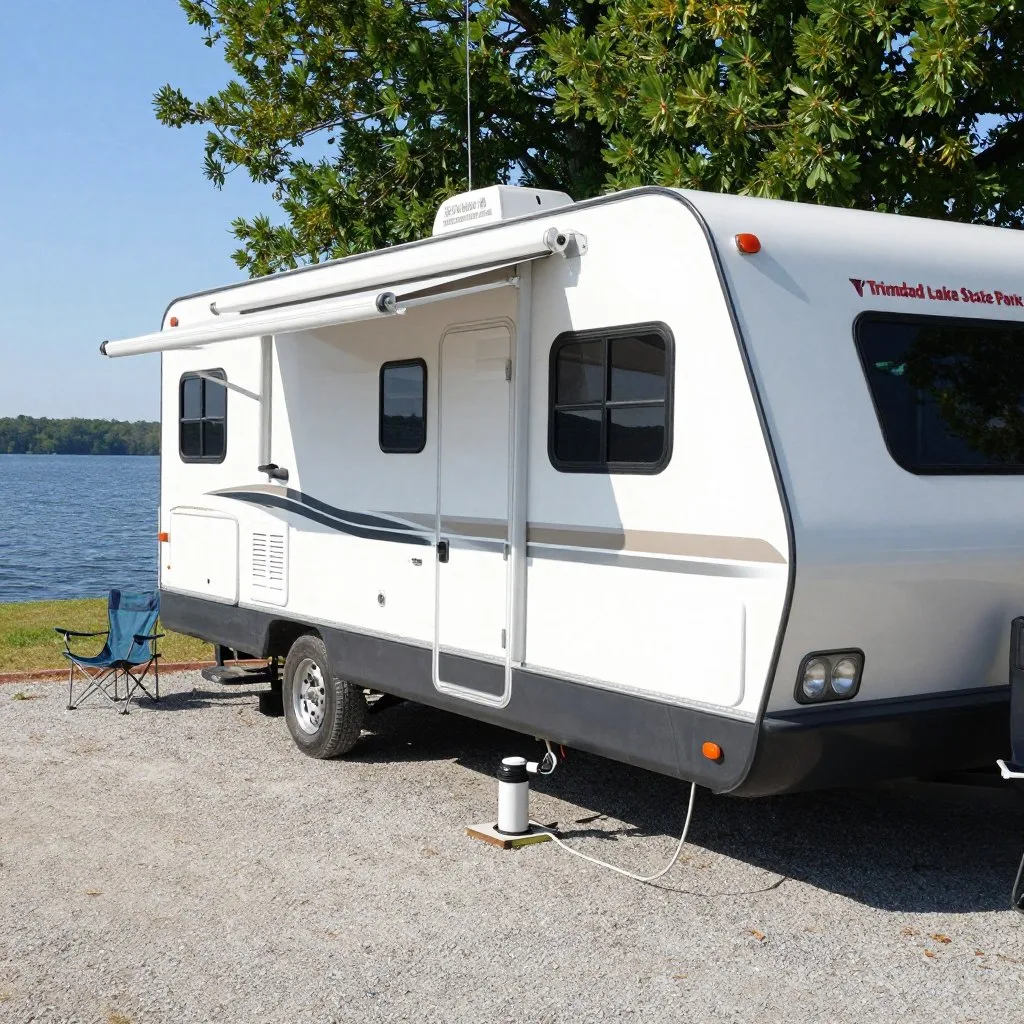
RV Camping
Full hookup sites accommodate larger recreational vehicles. Maximum RV length is 10.6 meters (35 feet) due to site configuration. Dump stations serve campers upon departure. Generators allowed during specified hours only.
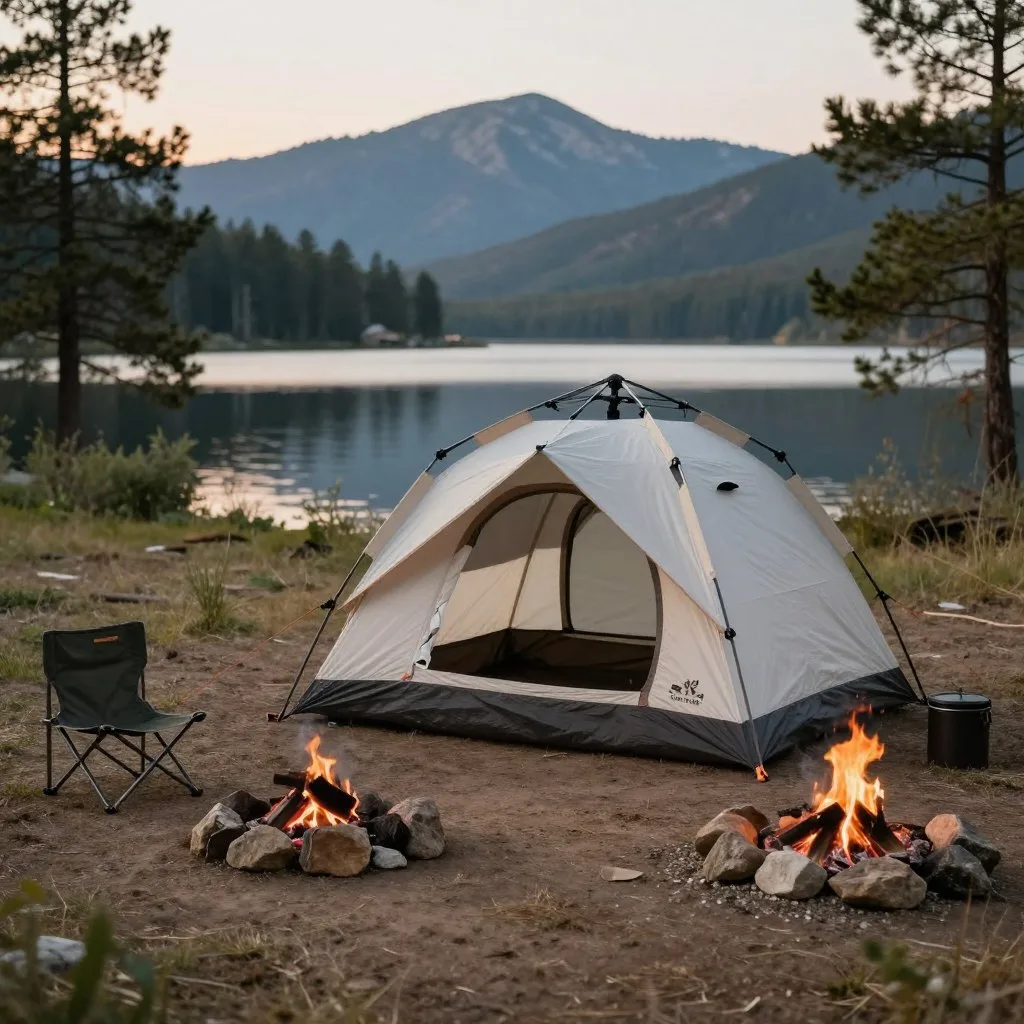
Tent Camping
Both campgrounds welcome tent campers. Sites provide level ground for tent setup. Some spots offer more privacy than others. Scout different areas to find your ideal location. Primitive sites cost less than developed spots.
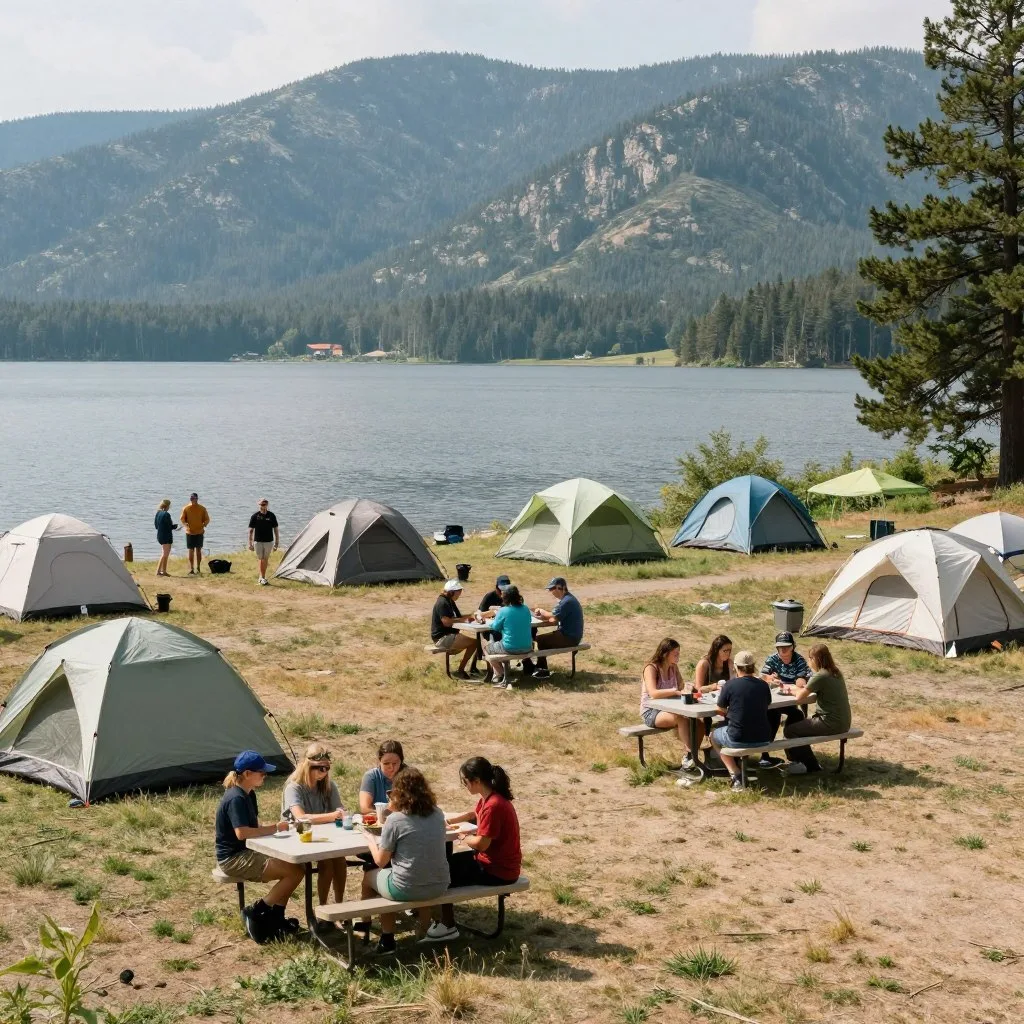
Group Camping
Special group sites accommodate larger parties up to 50 people. These areas work well for family reunions, scout troops, or friend gatherings. Reserve group sites well in advance. Additional fees apply based on group size.
Accommodations in Trinidad
Trinidad town offers traditional lodging just minutes from the state park. Several hotels, motels, and bed-and-breakfast establishments serve visitors who prefer indoor accommodations. These options provide comfortable bases for day trips to the lake.
Budget motels cluster along Interstate 25 exits. Mid-range hotels offer more amenities including pools, continental breakfasts, and updated rooms. Expect to pay $75-150 per night depending on season and property. Historic bed-and-breakfast inns provide unique character and personalized service.
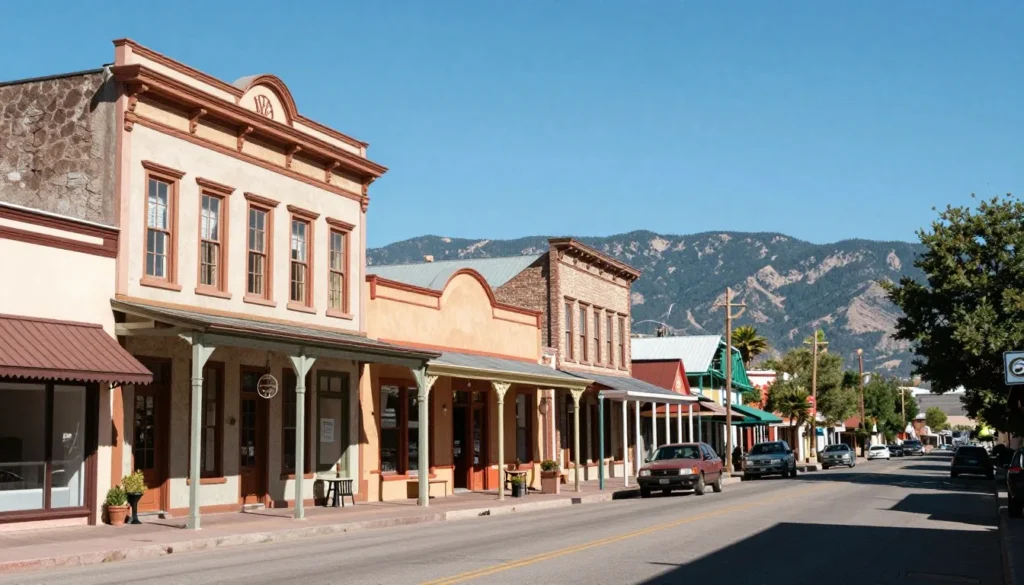
Vacation rentals through various platforms offer another alternative. Entire homes or apartments provide space for families or groups. Kitchens allow meal preparation, reducing dining costs. Properties range from modest houses to larger mountain homes with premium amenities.
Nearby Alternative Camping
Several private campgrounds operate in the Trinidad area. These facilities typically offer full hookups, WiFi, laundry facilities, and convenience stores. KOA campgrounds and similar chains maintain locations within 16 kilometers (10 miles) of Trinidad Lake State Park.
National forest land surrounds Trinidad to the west. Dispersed camping opportunities exist in San Isabel National Forest. These free sites require self-sufficiency and leave-no-trace practices. Forest roads access remote camping spots favored by those seeking complete solitude.
Booking Tip: Reserve accommodations early if visiting during summer months, holidays, or festival weekends. Trinidad serves as a stopover point along Interstate 25, so lodging can fill unexpectedly even on weekdays. Camping reservations at the state park typically open six months in advance.
Dining & Local Cuisine

Trinidad’s culinary scene reflects its location at the crossroads of cultures. Mexican and southwestern influences dominate local menus. Historic connections to ranching heritage appear in hearty meat-focused dishes. Family-owned restaurants serve meals that have satisfied locals for generations.
Dining in Trinidad
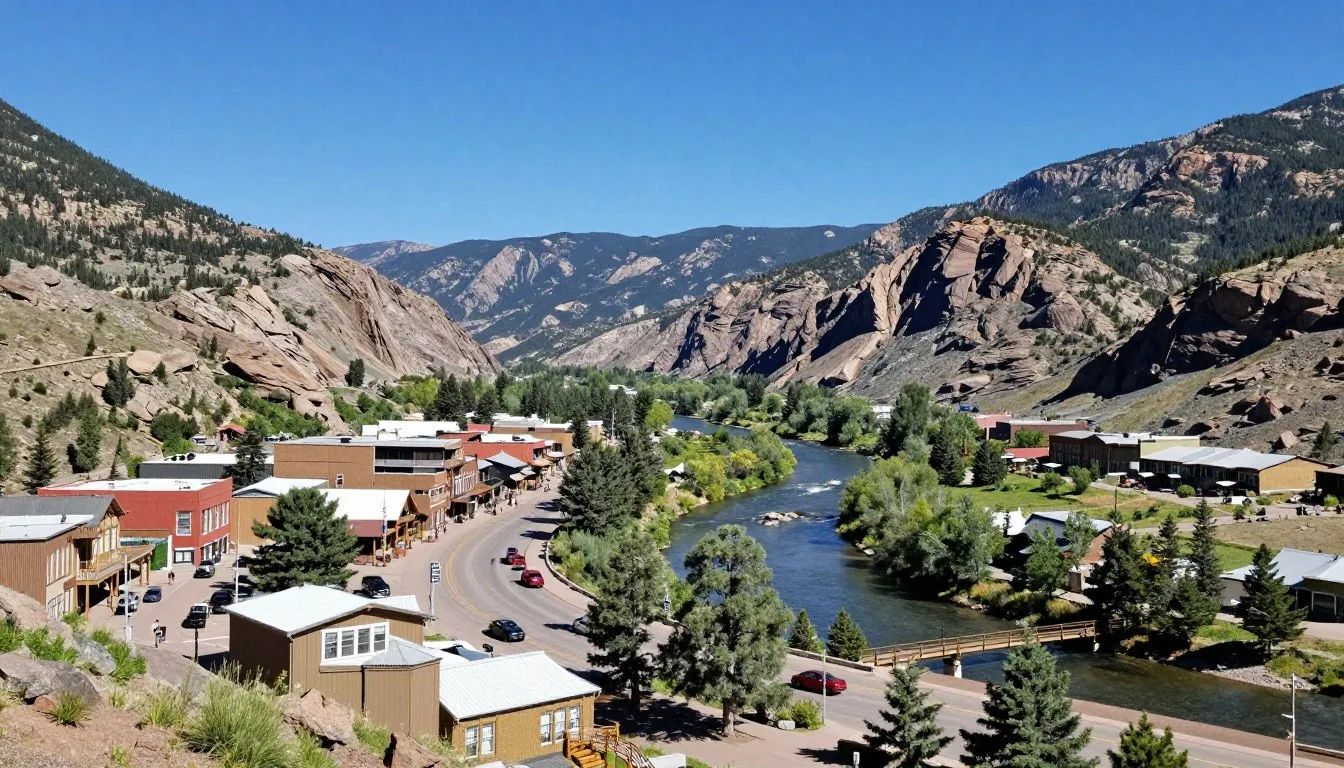
Trinidad town, just 4.8 kilometers (3 miles) from the park, offers the nearest restaurant options. The downtown area concentrates most dining establishments within easy walking distance. Cuisine ranges from authentic Mexican food to American comfort classics. Several restaurants have operated for decades, building loyal followings.
Mexican Restaurants: Green chile appears on nearly every menu in southern Colorado. Trinidad’s Mexican restaurants prepare this regional specialty using both Colorado-grown and New Mexico peppers. Traditional dishes like enchiladas, tamales, and chile rellenos showcase family recipes passed through generations. Most establishments offer vegetarian options alongside classic meat preparations.
American Cuisine: Diners and cafes serve breakfast all day, featuring biscuits and gravy, pancakes, and hearty egg plates. Lunch and dinner menus emphasize burgers, steaks, and fried chicken. These casual restaurants welcome families and provide affordable meals in relaxed atmospheres.

Local Specialties to Try
Green chile remains the signature flavor of southern Colorado. Whether served over burritos, mixed into stews, or topping burgers, this roasted pepper preparation defines regional cuisine. Heat levels vary from mild to seriously spicy.
Biscochitos, anise-flavored cookies with cinnamon-sugar coating, appear in bakeries and restaurants. These traditional treats accompany coffee or serve as dessert. Local bakeries also produce fresh tortillas, pan dulce, and other Mexican baked goods daily.
Groceries and Supplies
Trinidad Lake State Park contains no stores or restaurants within its boundaries. Stock up on food, drinks, and supplies before arriving. Trinidad offers several grocery stores, convenience shops, and a Walmart Supercenter for comprehensive shopping.
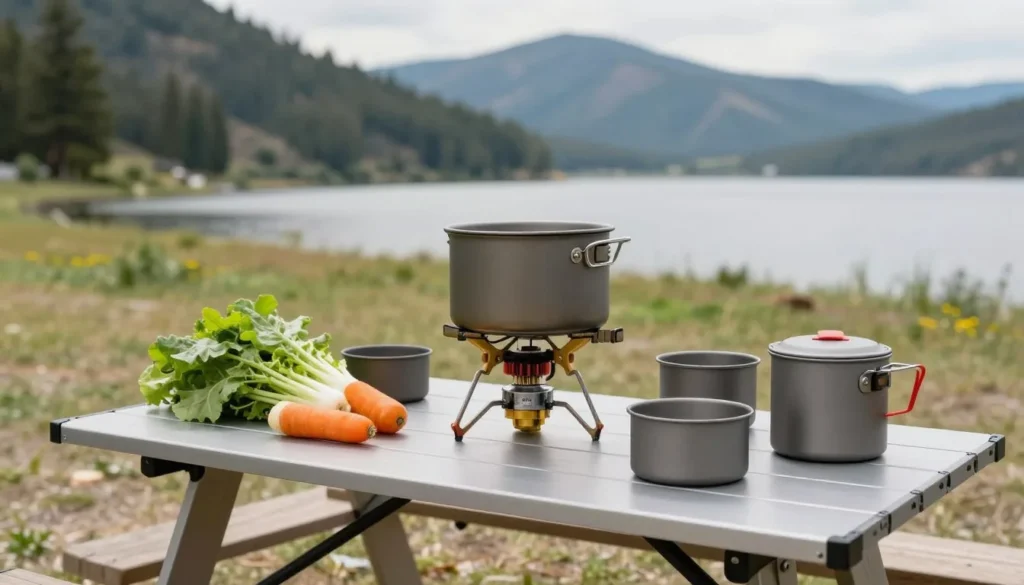
Plan meals if camping without leaving the park. Coolers packed with ice keep perishables fresh for several days. Propane and charcoal for camp stoves and grills are available at Trinidad retailers. Remember to bring cooking utensils, plates, and cleanup supplies.
Picnicking at the Park
Many visitors bring picnic meals to enjoy at designated day-use areas. Covered pavilions provide shade and tables at the south shore area. These facilities accommodate groups while offering spectacular lake views. Charcoal grills stand ready for those who prefer hot meals.
Pack-in, pack-out rules apply throughout the park. Trash receptacles exist at major sites, but bring bags to collect all garbage. Bears and other wildlife frequent the area, so secure food in vehicles when not actively eating. Never leave food unattended at campsites or picnic areas.
Dining Strategy: Stock up on groceries in Trinidad before entering the park. Prepare breakfasts and lunches at your campsite, then venture into town for dinner at a local restaurant. This approach saves money while letting you experience Trinidad’s dining culture. Most restaurants welcome campers regardless of how dusty the day’s adventures left you.
Water quality at Trinidad Lake State Park meets standards for drinking after proper treatment. Boil water for at least one minute or use filtration systems. Most campers bring bottled water or fill containers at home before departure. The visitor center maintains potable water spigots for refilling containers.
Attractions, Sightseeing & Activities
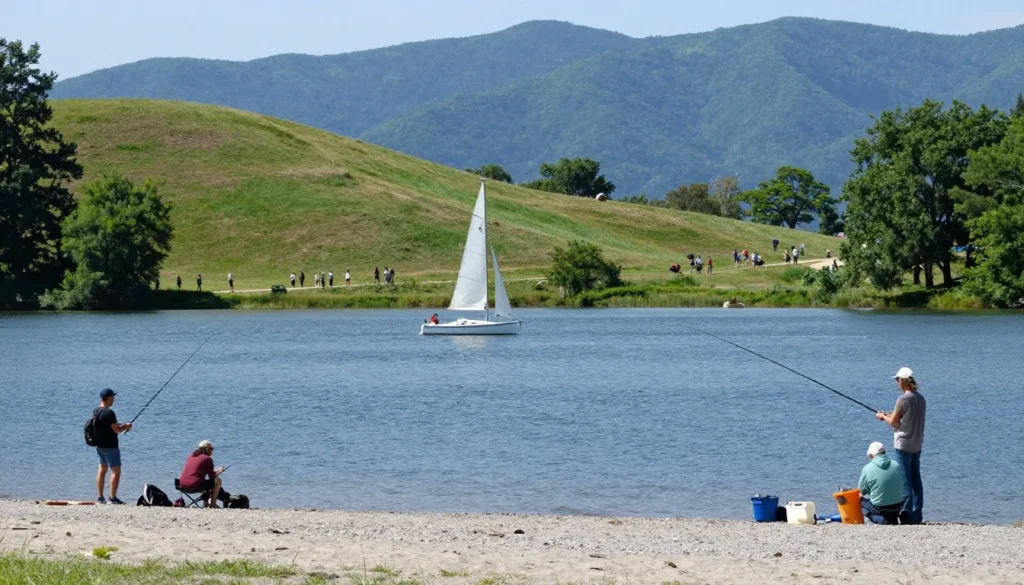
Trinidad Lake State Park packs remarkable variety into its 364-hectare (900-acre) water body and surrounding lands. Whether you seek active adventure or peaceful relaxation, the park delivers memorable experiences. Most visitors combine multiple activities during their stay.
Boating and Water Sports
The lake welcomes all types of watercraft. Two boat ramps provide access for motorized boats, sailboats, kayaks, and canoes. No horsepower restrictions apply, making the lake popular with water skiers and wakeboarders during summer months. Calmer morning hours suit paddlers seeking peaceful water exploration.
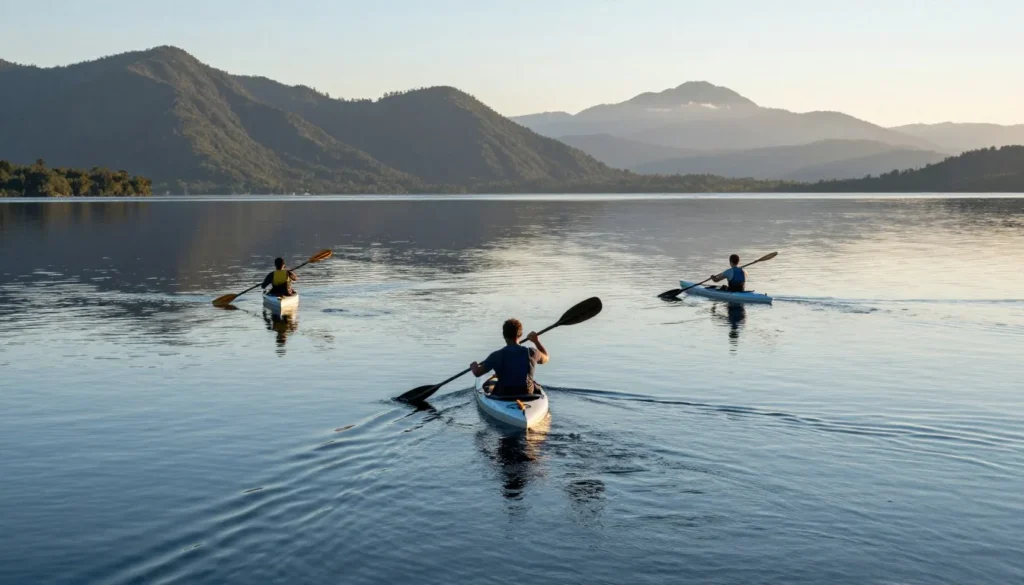
Kayak and canoe paddlers discover hidden coves along the shoreline. The lake’s irregular shape creates interesting water routes totaling approximately 32 kilometers (20 miles) of shoreline to explore. Wildlife viewing improves from watercraft, as you can approach birds and animals more quietly than from land.
Stand-up paddleboarding has grown popular at Trinidad Lake State Park. The relatively protected water provides ideal conditions for this activity. Rentals are not available at the park, so bring your own equipment or rent from shops in Trinidad before arrival.
Fishing Opportunities
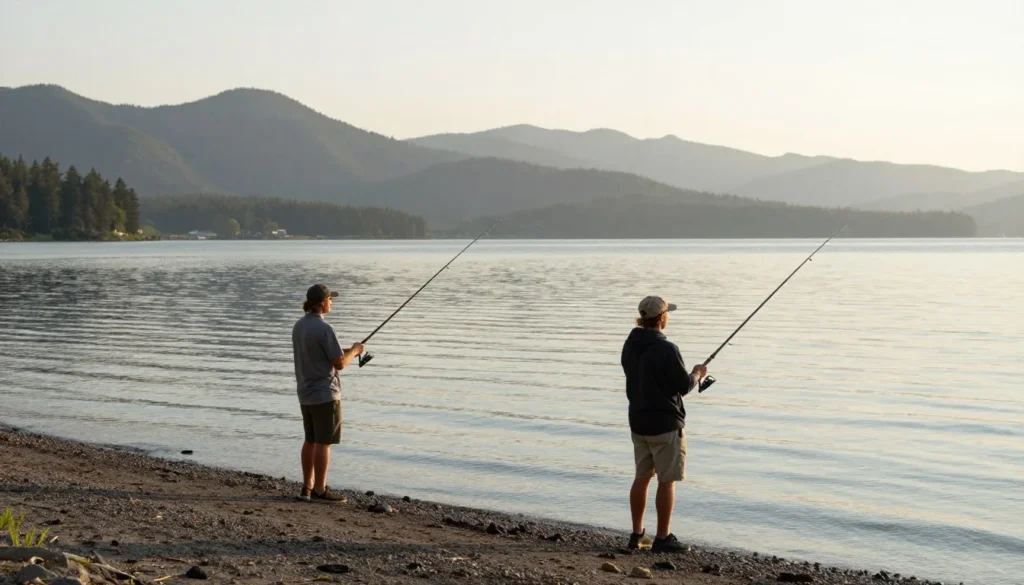
Trinidad Lake State Park ranks as one of southern Colorado’s premier fishing destinations. The reservoir holds healthy populations of rainbow trout, brown trout, walleye, bass, and catfish. Anglers target different species depending on season and water temperature.
Shore Fishing
Multiple access points allow fishing from land. The dam area provides deep water close to shore, favored by catfish anglers. Rocky points along the north shore produce good results for bass fishermen. Spring and fall typically yield the best shore fishing success.
Valid Colorado fishing licenses are required for anyone 16 years and older. Purchase licenses online through Colorado Parks and Wildlife or at sporting goods stores in Trinidad. Special regulations may apply, so check current rules before fishing.
✓ Check 30,000+ Local Sightseeing Tours Worldwide
Boat Fishing
Boat anglers access deeper water where larger fish often hold. Walleye fishing peaks during evening hours in summer. Trout trolling produces consistent results, especially during spring months. Electronics help locate fish in the lake’s deeper sections.
Ice fishing draws hardy anglers during winter months when the lake freezes. Check ice thickness carefully before venturing out. Minimum safe ice depth is 10 centimeters (4 inches) for walking, and 15 centimeters (6 inches) for ice fishing shelters.
Hiking and Trail Exploration
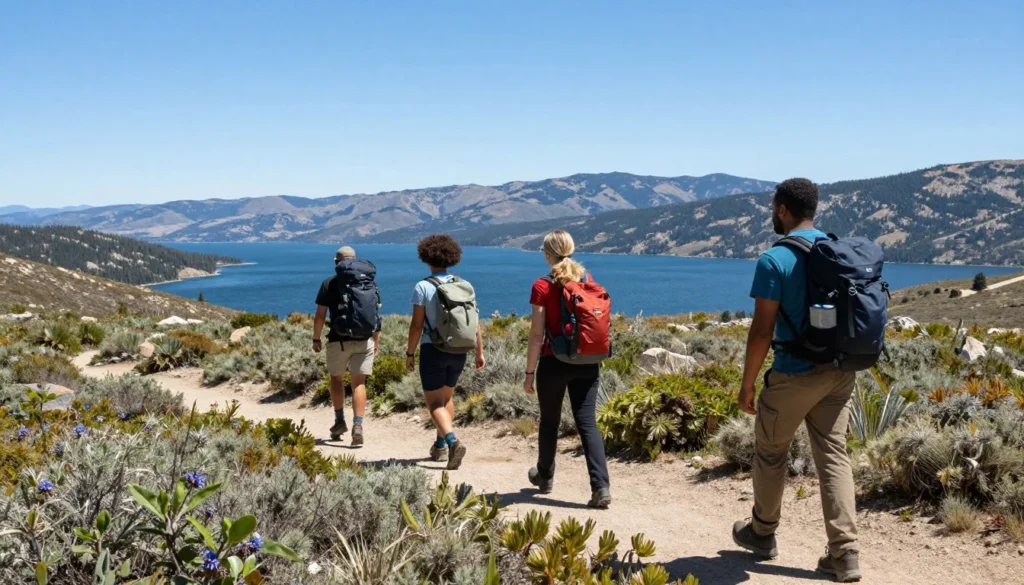
Trinidad Lake State Park maintains several hiking trails totaling over 9.6 kilometers (6 miles). These paths wind through diverse terrain from lakeside routes to hilltop overlooks. Trail difficulty ranges from easy walks suitable for families to more challenging climbs.
Levsa Canyon Trail: This 3.2-kilometer (2-mile) loop follows a drainage through varied habitat. The trail starts near Carpios Ridge Campground and climbs gradually. Wildflowers bloom abundantly along this route during spring months. Moderate difficulty with some rocky sections.
Reilly Canyon Trail: A longer 6.4-kilometer (4-mile) out-and-back trail explores backcountry terrain. This route climbs more steeply, rewarding hikers with expansive views. Watch for wildlife including deer, turkey, and various raptors. Considered moderate to difficult.
South Shore Trail: An easy 1.6-kilometer (1-mile) path follows the lake edge. This accessible trail works well for families with young children or anyone seeking a gentle walk. Fishing access and bird watching opportunities abound along this route.
Wildlife Watching
The park supports diverse wildlife populations. Mule deer appear commonly throughout the area, especially during dawn and dusk hours. Rocky Mountain elk occasionally wander into park boundaries from surrounding lands. Smaller mammals include raccoons, foxes, and rabbits.
Bird watching attracts enthusiasts year-round. Raptors including golden eagles, red-tailed hawks, and prairie falcons hunt over open areas. Waterfowl gather on the lake during migration periods. Songbirds fill brushy areas with activity during breeding season.

Photography Opportunities
Trinidad Lake State Park offers exceptional photographic subjects. Landscape photographers find endless compositions combining water, mountains, and dramatic skies. Sunrise and sunset hours provide the most dramatic lighting conditions. The Sangre de Cristo range glows brilliantly during these times.
Wildlife photography requires patience and telephoto lenses. Early morning and evening hours produce the best opportunities. Spring wildflower displays create colorful foregrounds for landscape compositions. Storm clouds building over the mountains during summer afternoons make powerful images.
Swimming and Beach Activities
Swimming is permitted throughout Trinidad Lake State Park, though no designated beach areas exist. The rocky shoreline makes water entry challenging in some spots. Look for gradual slopes that ease access. Water temperatures warm to comfortable levels by late June, remaining pleasant through August.
No lifeguards patrol the lake. Swim at your own risk and never alone. Children should wear life jackets even when swimming from shore. Sudden depth changes exist in some areas. The lack of developed beaches means limited sandy areas for sunbathing and beach games.
Safety Reminder: Water levels fluctuate throughout the year based on weather and water management needs. Areas that seem shallow one visit may deepen significantly by the next. Always supervise children closely around the water regardless of their swimming ability.
Museums, Cultural Spots & Festivals

Trinidad’s rich history spans Native American heritage, Spanish exploration, Santa Fe Trail commerce, and coal mining prosperity. Several museums preserve and present these cultural layers. Most facilities sit within Trinidad’s compact downtown area, making walking tours practical.
Trinidad History Museum Complex
This expansive museum encompasses multiple historic buildings. The Baca House represents 1870s territorial period architecture. Original furnishings and artifacts illustrate daily life for Trinidad’s early Hispanic elite. The adjacent Bloom Mansion showcases Victorian elegance from the 1880s coal boom era.
Gardens connecting the houses feature plants authentic to the historical periods. Heritage roses, fruit trees, and medicinal herbs grow in carefully maintained beds. Walking paths wind through the grounds, offering peaceful spots for contemplation.
Santa Fe Trail Museum occupies another building in the complex. Exhibits trace the famous trade route’s impact on Trinidad’s development. Wagons, tools, and trade goods illustrate the hardships and opportunities along the trail. The museum opens seasonally with varying hours.
A.R. Mitchell Museum of Western Art
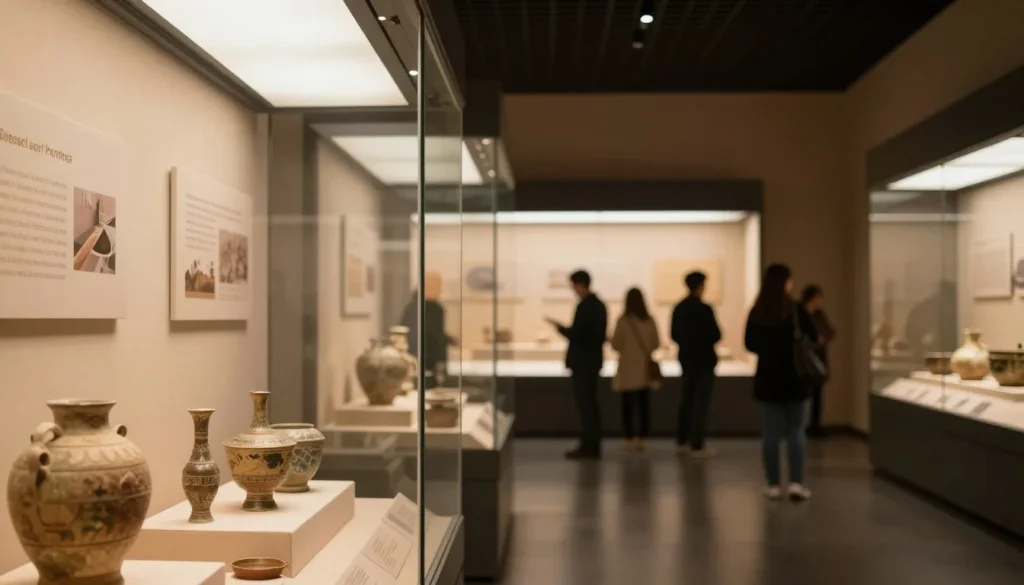
This specialized museum celebrates Western and Hispanic art. Arthur Roy Mitchell’s paintings form the core collection. His works documented cowboy life, Native Americans, and southwestern landscapes during the early 1900s. Additional galleries display works by other regional artists.
The museum occupies a historic mercantile building. Original tin ceilings and wood floors create authentic atmosphere. Rotating exhibits supplement the permanent collection. The gift shop offers quality art prints, books, and southwestern crafts.
Louden-Henritze Archaeology Museum
Trinidad State College maintains this archaeology museum on campus. Collections focus on prehistoric Native American cultures of the region. Artifacts span thousands of years from Paleo-Indian periods through historic times. Stone tools, pottery fragments, and projectile points illustrate changing technologies.
Exhibits explain archaeological methods and the importance of protecting cultural sites. The museum serves educational purposes but welcomes public visitors. Hours are limited, so check availability before planning a visit.
Cultural Heritage
Trinidad’s diverse cultural heritage blends Hispanic, Native American, and Anglo influences. This mixture appears in architecture, cuisine, festivals, and daily life. The community takes pride in preserving historic buildings and traditions.
Many families trace ancestry back to Spanish land grant recipients. Others descend from immigrants who worked coal mines. Native American connections remain through nearby reservations and cultural exchanges. This diversity enriches the visitor experience.
Festivals and Events
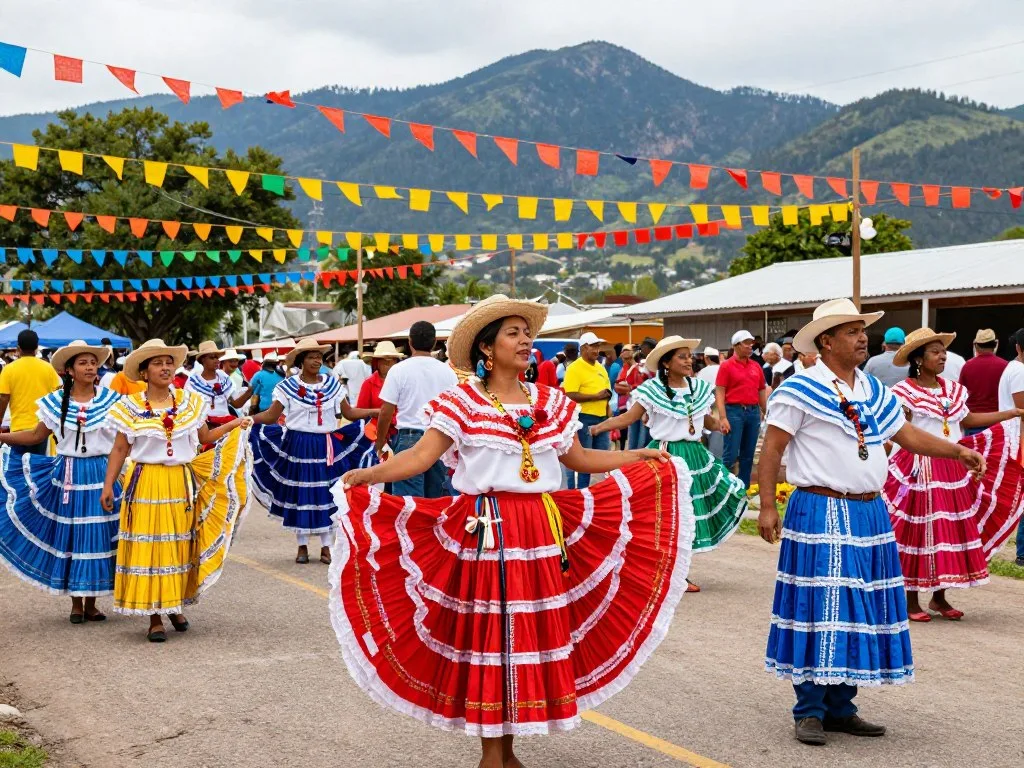
Trinidad hosts numerous annual events celebrating its heritage. These festivals provide excellent reasons to time visits beyond simple park recreation. Community participation makes these gatherings authentic rather than tourist-oriented spectacles.
Christmas Luminarias: Every December, thousands of luminarias line Trinidad’s streets. These traditional paper bag lanterns create magical evening atmosphere. Caroling, hot chocolate, and community gatherings accompany the lighting. This tradition stretches back generations in Hispanic communities.
Art and Music Events: Summer brings outdoor concerts to downtown parks. Local musicians perform everything from mariachi to country music. Art walks showcase galleries and studios. These casual events reflect the community’s creative spirit.
Planning Tip: Most Trinidad museums maintain limited hours, especially during winter months. Call ahead to confirm schedules before visiting. Some facilities close Mondays or operate only by appointment. Museum admission fees typically range from $5-10 per person with family discounts available.
Trinidad’s historic downtown architecture deserves exploration even without museum visits. Victorian-era buildings line Main Street. Many structures feature territorial-style architecture unique to the region. Self-guided walking tour brochures highlight significant buildings and their histories.
Nature & Outdoor Experiences

Trinidad Lake State Park showcases the transition zone where Great Plains meet Rocky Mountains. This ecological diversity creates rich outdoor experiences. Multiple ecosystems exist within the park boundaries, each supporting distinct plant and animal communities.
Ecological Zones
The park encompasses several habitat types. Shortgrass prairie dominates lower elevations near the lake. This ecosystem evolved with grazing animals and periodic fire. Native grasses like blue grama and buffalo grass create golden carpets during autumn months.
Pinion-juniper woodlands cover hillsides at middle elevations. These drought-adapted trees grow slowly, with some specimens hundreds of years old. Their twisted forms and aromatic foliage characterize the landscape. Wildlife finds shelter and food in these woodlands year-round.
Riparian areas along streams and lake edges support denser vegetation. Cottonwoods and willows thrive where water remains accessible. These green corridors provide crucial habitat for birds and mammals. Spring snowmelt brings temporary waterfalls cascading down canyon walls.
Seasonal Natural Phenomena
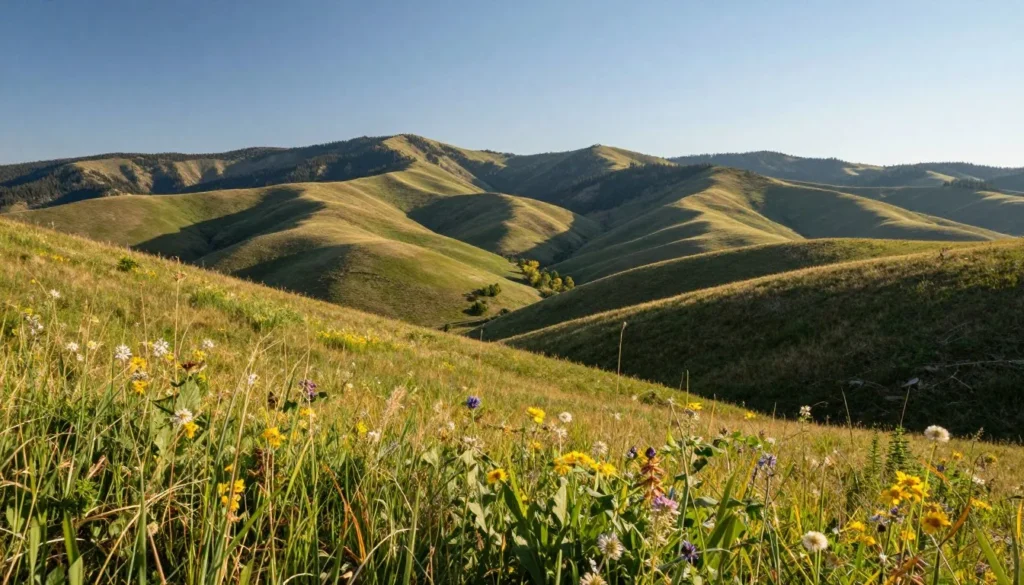
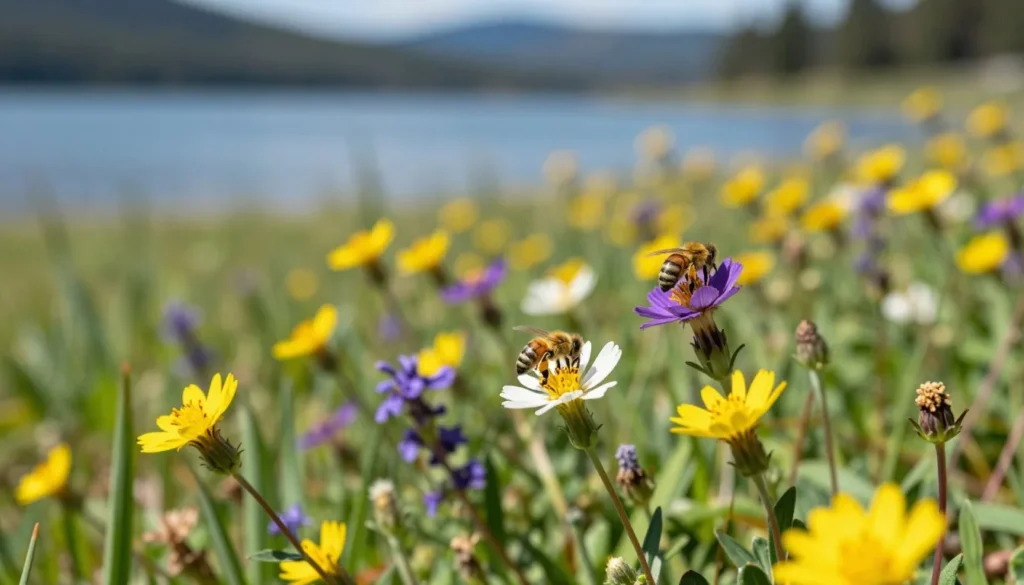
Each season transforms Trinidad Lake State Park’s appearance and character. Spring brings explosive wildflower displays. Depending on winter precipitation, hillsides may carpet with colorful blooms. Purple lupine, yellow sunflowers, and red paintbrush create stunning compositions. Peak bloom typically occurs during May.
Summer thunderstorms build dramatically during July and August afternoons. Clouds tower above the Sangre de Cristo range, sometimes reaching 12,192 meters (40,000 feet) high. Lightning displays flash across darkened skies. These storms usually pass quickly, leaving refreshed air and often brilliant rainbows.
Fall colors develop more subtly than in mountain forests. Cottonwoods along drainages turn golden yellow. Scrub oak adds red and orange tones to hillsides. The contrast between autumn vegetation and evergreen pinions creates beautiful palette. October generally offers peak fall color viewing.
Stargazing Opportunities
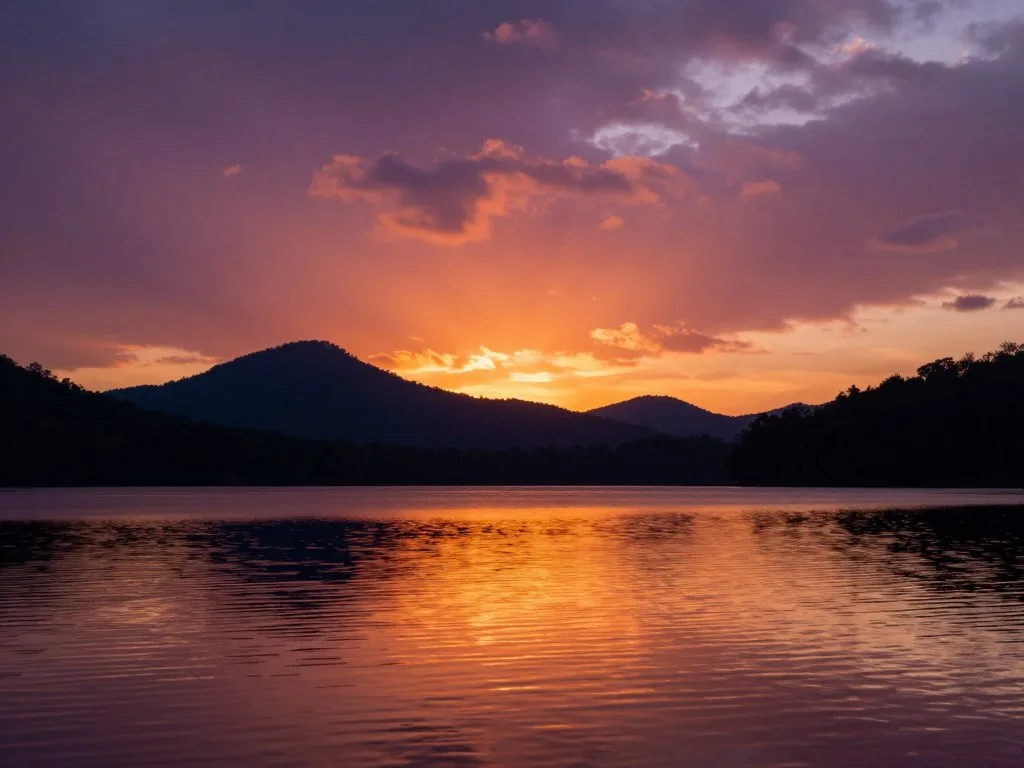
Limited light pollution makes Trinidad Lake State Park exceptional for astronomy. The Milky Way stretches brilliantly across summer skies. Meteor showers like the Perseids in August provide natural fireworks. New moon periods offer the darkest conditions.
Winter nights grow especially dark with clear skies common. Cold temperatures deter casual visitors, leaving the park quiet for serious stargazers. Dress warmly and allow eyes 20-30 minutes to adjust fully. Binoculars or telescopes reveal countless celestial objects invisible to urban dwellers.
Geology and Landforms
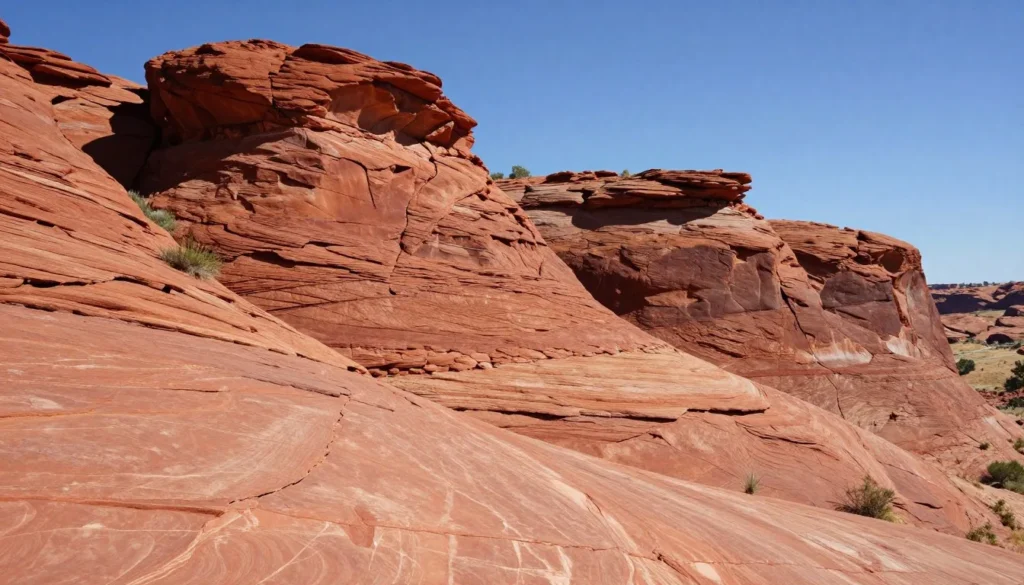
The park’s geological features tell stories millions of years old. Red sandstone formations expose ancient desert environments. These rocks formed during the Triassic and Jurassic periods. Fossils occasionally appear in exposed layers, though collecting is prohibited.
Trinidad Lake itself is a modern creation, built as a reservoir in 1978. The dam stands 37 meters (120 feet) high, creating the water body that now defines the park. Despite its artificial origin, the lake has naturalized over four decades. Fish populations thrive, and shoreline vegetation has matured.
Nature Photography
Photographers find endless subjects within the park. Macro enthusiasts photograph wildflowers, insects, and plant details. Landscape photographers compose images featuring lake, mountains, and sky. Wildlife photography requires patience but rewards persistent observers.
Golden hour photography produces magical results. The hour after sunrise and before sunset bathes the landscape in warm light. Rock formations glow red, and mountains develop purple shadows. Midday photography can prove challenging due to harsh light and contrast.
Guided Nature Programs
Park rangers occasionally offer interpretive programs during summer months. These guided walks explore natural and cultural history. Topics include wildlife identification, plant uses, and geological processes. Check at the visitor center for current program schedules.
Junior Ranger programs engage children in learning about Colorado state parks. Activity booklets guide young visitors through age-appropriate exploration. Completing activities earns an official Junior Ranger badge. These programs instill environmental stewardship values in the next generation.
Leave No Trace Principles: Practice responsible recreation to preserve Trinidad Lake State Park’s natural beauty. Stay on designated trails, pack out all trash, respect wildlife by observing from distance, and leave natural objects undisturbed. These simple practices ensure future generations enjoy the same wilderness experiences.
Travel With Children
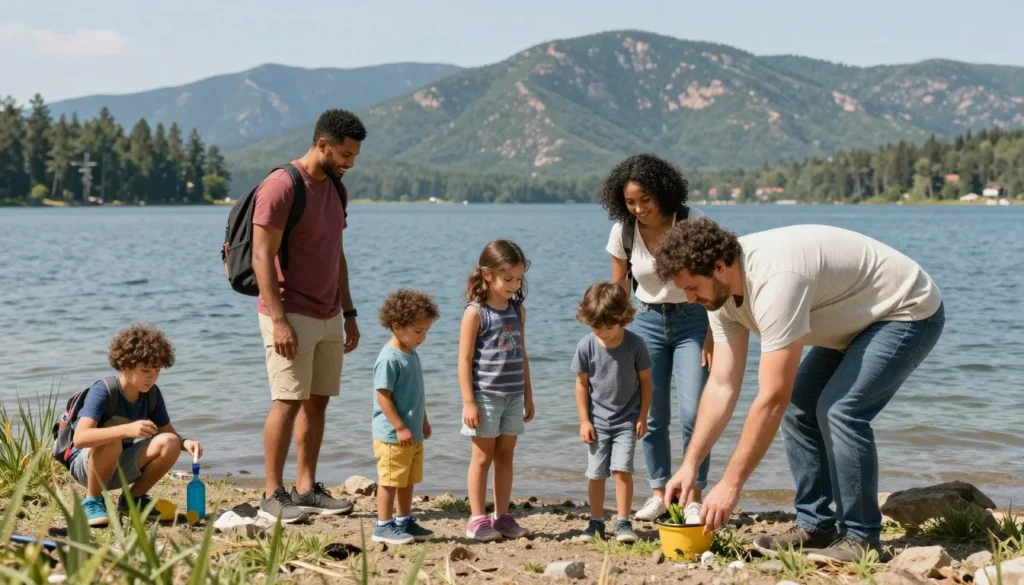
Trinidad Lake State Park welcomes families with children of all ages. The outdoor setting provides healthy entertainment away from screens and urban distractions. Kids discover nature firsthand while parents enjoy quality time together. Proper planning ensures everyone has memorable experiences.
Age-Appropriate Activities
Young children enjoy simple pleasures at the lake. Skipping rocks across calm water entertains for hours. Building stick forts in wooded areas sparks imagination. Collecting interesting rocks and pine cones creates natural treasure hunts. These unstructured activities cost nothing while developing observation skills.
Elementary-age children handle more challenging activities. Short hikes like the South Shore Trail offer achievable adventures. Fishing from shore teaches patience and outdoor skills. Swimming and playing in the water burn energy on hot days. Many families find camping itself becomes the main entertainment.
Teenagers appreciate more independence and challenge. Longer hiking trails, kayaking expeditions, and mountain biking match their capabilities. Photography projects give creative teens purposeful activity. Participating in camp setup and meal preparation builds responsibility.
Family-Friendly Camping
Camping with children requires extra preparation but creates lasting memories. Choose developed campsites with nearby bathrooms for convenience. Bring familiar comfort items like favorite stuffed animals or blankets. Establish clear boundaries about where children can explore independently.
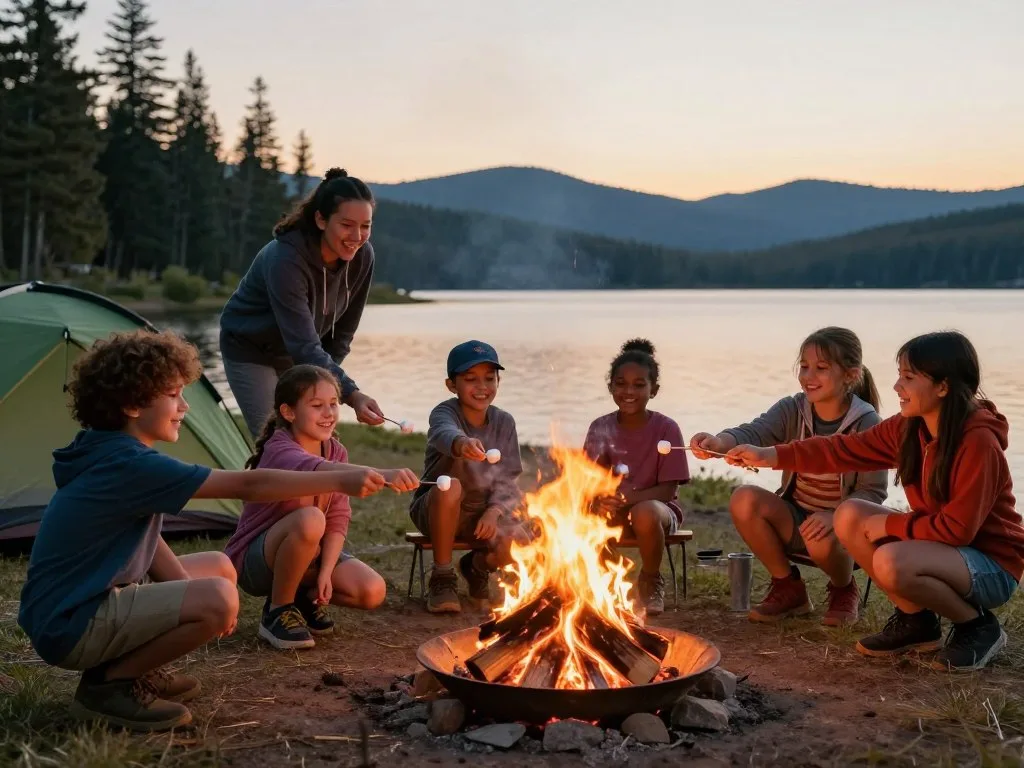
Plan activities to prevent boredom during downtime. Simple camp games, nature scavenger hunts, and storytelling fill evening hours. Campfire cooking becomes entertainment, with kids helping prepare meals. S’mores remain the universal favorite camping treat.
✓ Check 30,000+ Local Sightseeing Tours Worldwide
Safety Considerations
Water safety requires constant attention with children. Life jackets should be worn anytime kids play near the lake, even if they can swim. Teach children to respect water and understand its dangers. Never leave young children unsupervised near the water’s edge.
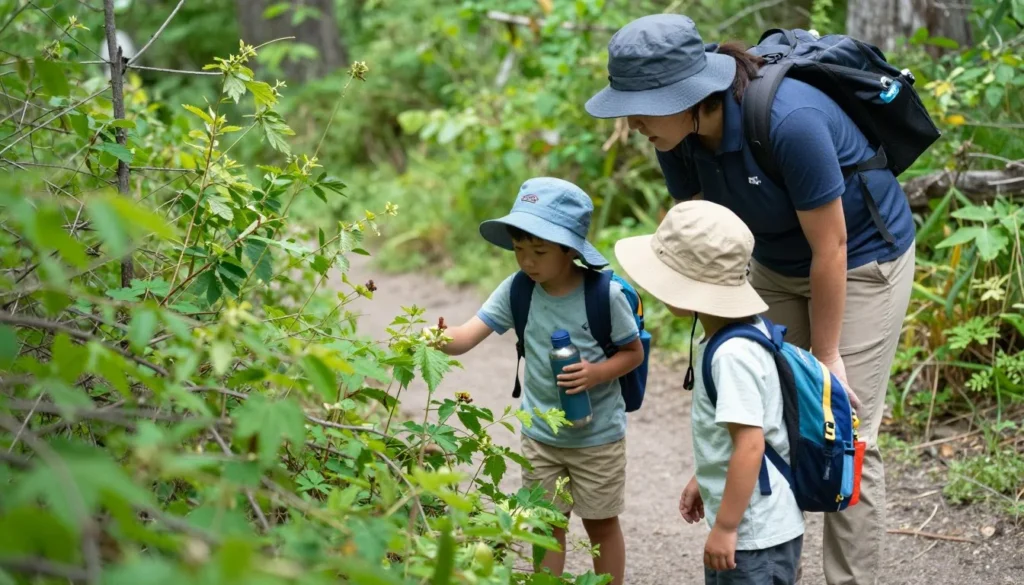
Sun protection becomes crucial at Trinidad Lake State Park’s elevation. Apply sunscreen liberally and frequently to children’s exposed skin. Hats and UV-protective clothing provide additional defense. Seek shade during midday hours when sun intensity peaks. Dehydration happens quickly, so encourage frequent water drinking.
Wildlife encounters thrill children but require proper distance. Teach kids never to approach or feed animals. Even cute creatures like chipmunks can bite if handled. Observe deer, birds, and other wildlife from safe distances. Use binoculars to see details while respecting animal space.
Educational Opportunities
Transform park visits into learning experiences. Identify plants and animals using field guides or smartphone apps. Explain geological features in age-appropriate terms. Discuss ecosystems and how different species interact. These informal lessons stick better than classroom instruction.
Junior Ranger programs provide structured learning activities. Pick up booklets at the visitor center. Children complete observation tasks, answer questions, and participate in activities. Rangers review completed booklets and award official badges. Kids wear these accomplishments proudly.
Practical Family Tips
Pack extra clothing for children, especially in spring and fall when temperatures fluctuate. Layers allow adjustment throughout the day. Bring backup shoes in case one pair gets wet. Extra socks prevent blisters and unhappy hikers.
Snacks and drinks should exceed what you think necessary. Active children burn calories constantly. Granola bars, trail mix, fresh fruit, and crackers provide energy without spoiling. Reusable water bottles reduce waste while ensuring everyone stays hydrated.
Plan shorter outings than you would attempt without children. Kids tire more quickly and need frequent breaks. Build in flexibility for unexpected discoveries or meltdowns. The journey matters more than reaching any particular destination.
Family Camping Checklist: First aid kit with children’s medications, extra batteries and flashlights, plastic bags for dirty clothes, baby wipes for quick cleanups, entertainment for rainy weather, comfort items from home, phone numbers written down in case of device failure.
Bathroom access matters greatly with children. Know where facilities are located throughout the park. Developed campgrounds offer flush toilets. Other areas have vault toilets. Keep toilet paper and hand sanitizer accessible for emergency stops along trails.
Money Saving Tips
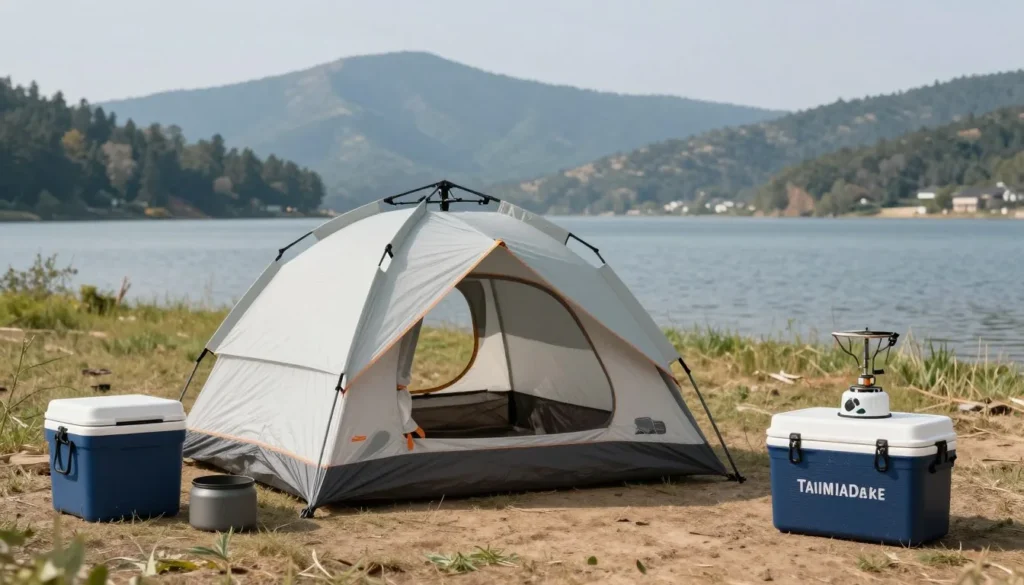
Trinidad Lake State Park offers excellent value for outdoor recreation. Strategic planning reduces costs significantly while maintaining quality experiences. Smart visitors enjoy full park amenities without overspending.
Park Pass Strategies
Colorado state park passes come in several forms. Daily passes cost around $10 per vehicle for single visits. Annual passes run approximately $80 for in-state residents or $120 for out-of-state visitors. The annual pass pays for itself after eight to twelve day visits.
Consider an annual pass if visiting multiple Colorado state parks during a year. The pass covers entry to all 42 state parks across Colorado. Weekend warriors who camp monthly will save substantially. Passes make excellent gifts for outdoor enthusiasts.
Aspen Leaf Annual Passes provide discounts for seniors 64 and older. These cost about half the price of regular annual passes. Active military members receive free daily passes with proper identification. Disabled veterans may qualify for special lifetime passes. Check Colorado Parks and Wildlife website for current programs.
Camping Cost Reduction
Primitive campsites at Carpios Ridge cost less than developed South Shore sites. The savings range from $5-15 per night. Most campers find basic facilities perfectly adequate. You still access the same lake, trails, and scenery for less money.
Weekday camping rates typically run lower than weekend prices. Plan visits Sunday through Thursday to save. Crowds also decrease on weekdays, improving the overall experience. Off-season rates apply during spring and fall shoulder seasons.
Group sites cost more overall but divide among multiple families. Gather friends or relatives to share expenses. Group camping fosters community while reducing individual costs. Children especially enjoy camping alongside their friends.
Food and Meal Planning
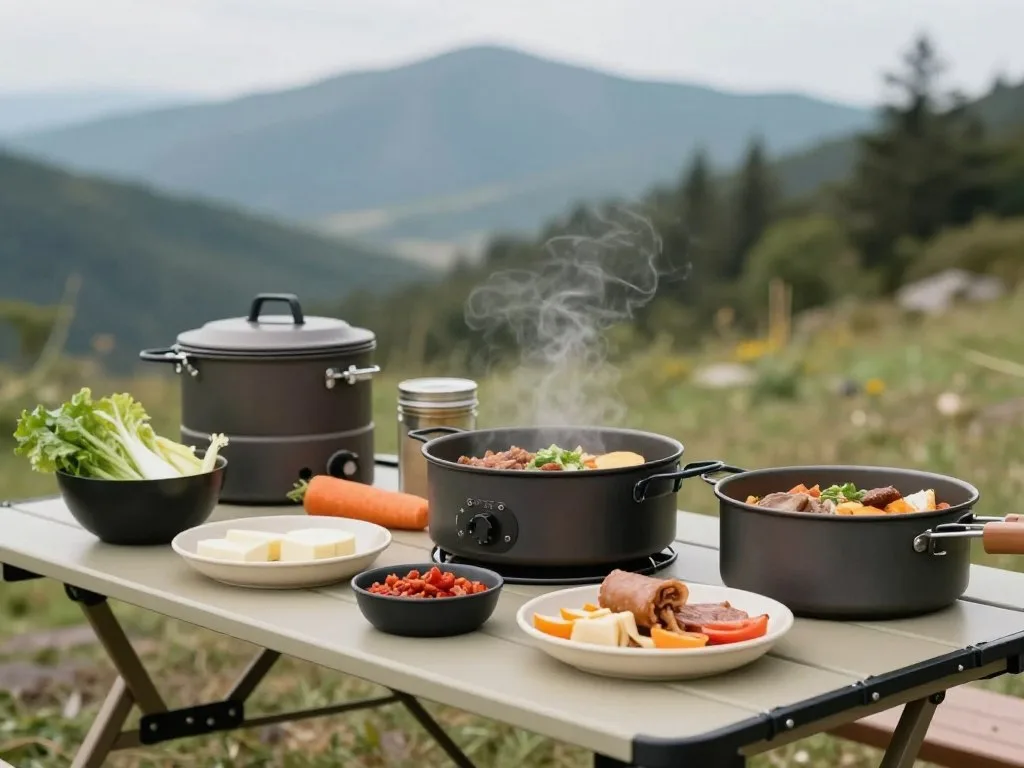
Grocery shopping before arrival saves substantially versus restaurant meals. Stock a cooler with sandwich fixings, fresh fruit, and snacks. Prepare simple camp meals using one-pot recipes. Dutch oven cooking creates hearty meals from inexpensive ingredients.
Plan menus to minimize waste. Coordinate meals to use ingredients across multiple dishes. Breakfast burritos use eggs and vegetables that later appear in dinner fajitas. This approach reduces cooler space while cutting costs.
Equipment and Gear
Borrow or rent specialized equipment before purchasing. Test kayaks, paddleboards, or fishing gear during initial trips. This prevents expensive mistakes on equipment that sits unused. Many outdoor retailers rent gear at reasonable daily rates.
Buy basic camping equipment used through online marketplaces or garage sales. Tents, sleeping bags, and camp stoves function perfectly well secondhand. Inspect items carefully before purchasing. Clean and maintain used gear properly to extend its life.
Share equipment costs with camping companions. One family brings the camp stove while another provides the lantern. This cooperation builds community while reducing individual expenses. Create informal lending libraries among regular camping friends.
Free and Low-Cost Activities
Most activities at Trinidad Lake State Park require no additional fees beyond park entry. Hiking costs nothing except boot leather. Swimming, wildlife watching, and stargazing are free entertainment. Photography requires only a camera or smartphone.
Fishing requires a Colorado license but provides food to supplement camping meals. A successful fishing trip contributes fresh trout for dinner. The license cost divides across multiple meals, improving value. Children under 16 fish free without licenses.
Trinidad’s free attractions include historic downtown walking tours and public parks. Window shopping costs nothing while providing cultural experiences. Self-guided exploration replaces paid tours without sacrificing quality.
Budget Camping Weekend: A family of four can enjoy Trinidad Lake State Park for under $150 total. Primitive campsite ($25/night × 2 = $50), groceries for three days ($60), daily park pass if no annual pass ($10), fishing licenses ($25), gasoline ($30). This beats hotel and restaurant costs dramatically while providing richer experiences.
Timing Strategies
Visit during shoulder seasons for better value. May and September offer pleasant weather with lower rates and smaller crowds. Campsite availability improves, eliminating the need for far-advance reservations. Wildlife activity often increases during these transition periods.
Plan trips to coincide with free days or special promotions. Colorado occasionally offers free park entry days during slower periods. Sign up for Colorado Parks and Wildlife newsletters to learn about these opportunities. Some holiday weekends include reduced rates or waived fees.
Safety & Local Customs
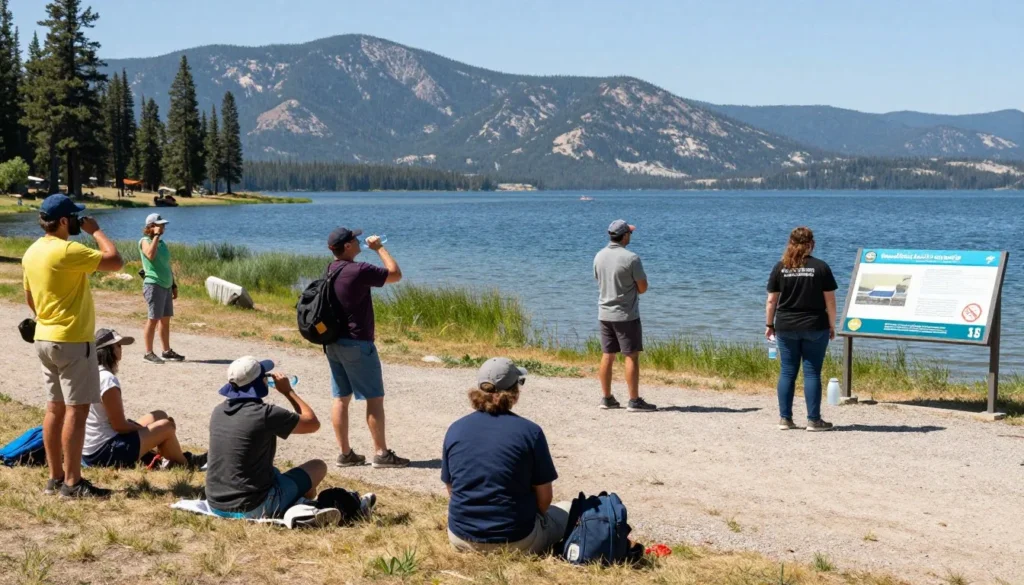
Trinidad Lake State Park provides safe recreation when visitors exercise common sense and follow guidelines. Understanding potential hazards and local customs ensures positive experiences for everyone. Preparation prevents most problems before they occur.
Weather-Related Safety
Sudden weather changes characterize Colorado’s mountain regions. Summer thunderstorms develop rapidly during afternoons. Lightning poses serious danger in exposed areas. Monitor sky conditions constantly during July and August. Dark clouds building over mountains signal approaching storms.
Seek shelter immediately when thunder sounds. Lightning strikes highest objects in open areas. Avoid isolated trees, ridge tops, and open water during storms. Return to your vehicle or substantial building. Wait 30 minutes after the last thunder before resuming outdoor activities.
Flash floods can occur in canyons and drainages during heavy rain. Never camp in dry washes even if skies appear clear. Storms miles away can send walls of water down channels. Move to higher ground if water begins rising or if heavy rain falls upstream.
Emergency Contact: Cell phone coverage at Trinidad Lake State Park is generally reliable near developed areas. Service may fade in remote canyons. For emergencies, dial 911. The nearest hospital is Mt. San Rafael Hospital in Trinidad, approximately 6.4 kilometers (4 miles) from the park.
Emergency Services:
Wildlife Safety
Large mammals including deer and occasional elk inhabit the park. These animals appear docile but can become aggressive if approached. Maintain at least 23 meters (75 feet) from deer and 91 meters (300 feet) from elk. Never attempt to feed or touch wild animals.
Rattlesnakes occur throughout the area during warm months. These venomous snakes avoid human contact when possible. Watch where you place hands and feet while hiking. Wear boots rather than sandals on trails. Most snake encounters end safely when humans retreat calmly.
Store all food securely in vehicles or bear-resistant containers. While black bears rarely visit the immediate park area, they do inhabit surrounding mountains. Proper food storage also deters raccoons, foxes, and other opportunistic animals. Never leave food unattended at campsites.
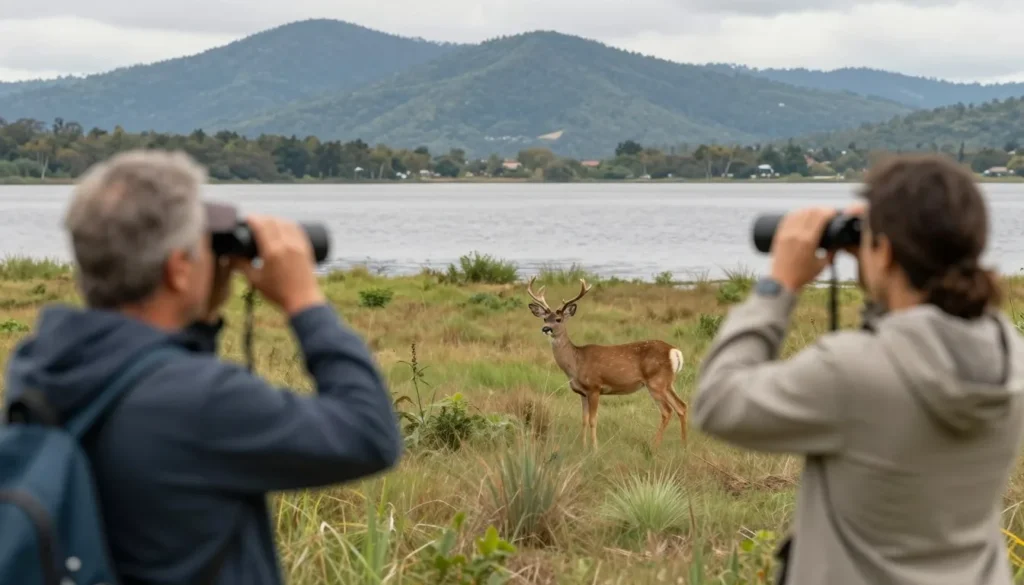
Water Safety Guidelines
Trinidad Lake’s depth changes dramatically from shore to center. Underwater drop-offs exist in unexpected locations. Strong swimmers should wear life jackets when boating. Non-swimmers must wear flotation devices at all times near water. Children require constant supervision regardless of swimming ability.
Water temperatures remain cold even during summer months. Hypothermia can develop quickly if someone falls overboard. Dress appropriately for boating, including layers that dry quickly. Keep spare dry clothing accessible. Know symptoms of hypothermia: shivering, confusion, slurred speech, and poor coordination.
Boaters must follow Colorado boating regulations. Life jackets are required for all passengers in vessels. Alcohol and boating never mix safely. Designate a sober operator for all water activities. Evening thunderstorms create hazardous conditions quickly. Return to shore when weather deteriorates.
Sun and Heat Protection
High elevation intensifies sun exposure significantly. Trinidad Lake sits at 1,890 meters (6,200 feet), where UV radiation increases approximately 25 percent above sea level. Sunburn develops faster than many visitors expect. Apply broad-spectrum sunscreen with SPF 30 or higher every two hours.
Heat exhaustion and heatstroke threaten during summer months. Drink water constantly, even when not thirsty. Urine color provides a hydration indicator – pale yellow signals adequate hydration while dark yellow indicates dehydration. Rest in shade during midday hours when temperatures peak.
Signs of heat illness include headache, dizziness, nausea, and excessive sweating. Move affected persons to shade immediately. Remove excess clothing and apply cool water to skin. Seek medical attention if symptoms worsen or consciousness changes.
Trail and Hiking Safety
Inform someone of your hiking plans including route and expected return time. Carry adequate water – at least one liter per person per hour of hiking. Bring snacks, a first aid kit, and a fully charged cell phone. Dress in layers to adjust for changing conditions.
Stay on marked trails to prevent erosion and avoid getting lost. Shortcuts damage fragile vegetation and create new erosion channels. Switchbacks exist for good reasons – they reduce grade and protect hillsides. Respect trail closures designed to protect sensitive areas or allow restoration.
Poison ivy grows throughout lower elevation areas of the park. Learn to identify this three-leaved plant. The saying “leaves of three, let it be” helps recognition. Avoid contact with the plant entirely. Wash skin immediately with soap and cold water if contact occurs.
Local Customs and Etiquette
Trinidad residents appreciate visitors who respect their community. Support local businesses when purchasing supplies. Greet people politely and follow basic courtesies. The pace of life moves slower here than in urban areas – embrace this relaxed atmosphere.
Many locals speak Spanish as their first language. Basic Spanish phrases show respect for the community’s heritage. Most residents speak English fluently and appreciate visitors’ attempts at Spanish. The blend of cultures enriches the area’s character.
Park Etiquette
Respect other visitors’ experiences at Trinidad Lake State Park. Keep noise levels reasonable, especially during evening and early morning hours. Control pets on leashes at all times. Clean up after animals immediately. Pack out all trash, including cigarette butts and food waste.
Yield trail right-of-way to uphill hikers. Step aside on narrow paths to let faster hikers pass. Greet fellow trail users with a friendly hello. Share fishing spots without crowding others. These simple courtesies improve everyone’s park experience.
Leave No Trace Principles: Plan ahead and prepare. Travel and camp on durable surfaces. Dispose of waste properly. Leave what you find. Minimize campfire impacts. Respect wildlife. Be considerate of other visitors. Following these principles preserves Trinidad Lake State Park for future generations.
Visitor Comments About Trinidad Lake State Park
Visitors consistently praise Trinidad Lake State Park for its natural beauty and recreational opportunities. Here are authentic experiences shared by recent guests:
“Trinidad Lake State Park exceeded our expectations completely. The camping facilities were clean and well-maintained. Our family spent three days hiking the trails and fishing from shore. The kids caught their first trout here, creating memories they’ll treasure forever. The mountain views from our campsite were absolutely stunning at sunrise. We saw deer grazing near our tent every morning. The park rangers were helpful and friendly, providing great suggestions for activities. We’re already planning our return trip for next summer.”
“As someone who has visited many state parks, Trinidad Lake stands out for its peaceful atmosphere. The combination of water recreation and mountain scenery creates a perfect balance. I spent a long weekend kayaking the lake’s quiet coves and photographing wildlife. The bird watching here is exceptional – I spotted species I’d never seen before. The primitive campsites offer solitude without feeling too remote. Evening thunderstorms rolling over the mountains provided spectacular entertainment. The nearby town of Trinidad added cultural experiences to our outdoor adventures. This park deserves more recognition than it receives.”
“Trinidad Lake State Park became our family’s favorite camping destination. We’ve returned five times in the past two years. The variety of activities keeps everyone entertained from our youngest child to the grandparents. Swimming, hiking, fishing, and simply relaxing by the water provide something for every mood. The campground community creates a friendly atmosphere where families connect. Our teenagers actually unplugged from their devices and engaged with nature. The stargazing here opened their eyes to the universe’s wonders. Sunset views across the lake never disappoint. This park offers incredible value for the experience it provides.”
These testimonials reflect common themes among Trinidad Lake State Park visitors. Families appreciate the range of activities suitable for all ages. Nature enthusiasts value the diverse ecosystems and wildlife viewing opportunities. Campers praise the well-maintained facilities and beautiful settings. The park’s relative obscurity means fewer crowds compared to more famous Colorado destinations.
Additional Nearby Destinations
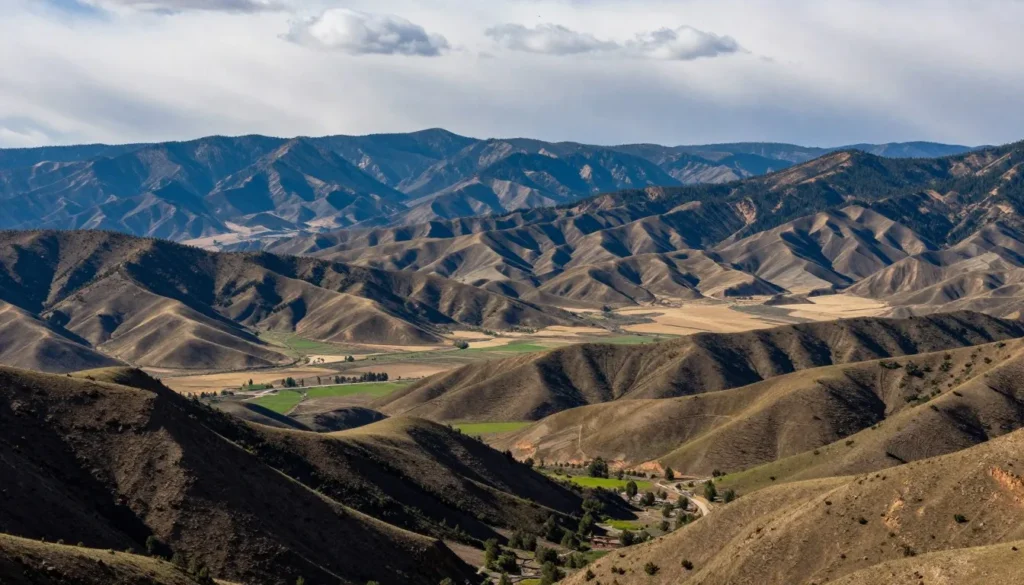
Trinidad Lake State Park serves as an excellent base for exploring southern Colorado’s diverse attractions. Several remarkable destinations lie within easy driving distance. Extend your trip to discover more of this fascinating region.
San Isabel National Forest
This vast wilderness area sprawls west of Trinidad into the Sangre de Cristo Mountains. Over 445,154 hectares (1.1 million acres) of national forest land offer unlimited recreation opportunities. Hiking trails range from easy nature walks to challenging peak climbs. Dispersed camping permits solitude seekers to find remote campsites.
The forest contains four designated wilderness areas where motorized vehicles are prohibited. These pristine environments showcase Colorado’s natural character. Day trips into the national forest complement lake-based activities at Trinidad State Park. The scenery transitions from semi-arid foothills to alpine tundra as elevation increases.
Capulin Volcano National Monument
Located 48 kilometers (30 miles) south in New Mexico, this extinct cinder cone volcano rises dramatically from surrounding plains. A paved road spirals to the summit at 2,494 meters (8,182 feet). Walking trails explore the crater rim and vent. Clear days reveal views across five states from the summit.
The volcano last erupted approximately 60,000 years ago. Educational exhibits explain volcanic processes and the mountain’s formation. The visitor center presents natural and cultural history. This quick day trip adds geological wonder to your Trinidad area visit.
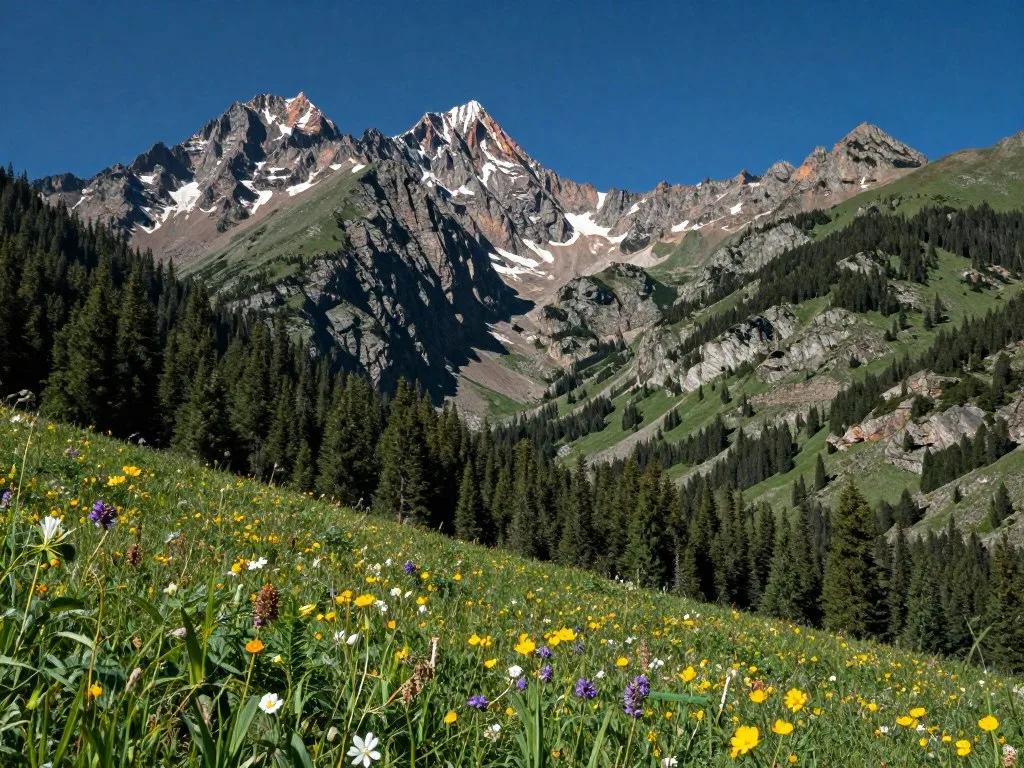
Spanish Peaks
These twin mountains dominate the skyline west of Trinidad. Rising to 4,159 meters (13,642 feet), the Spanish Peaks are visible from over 160 kilometers (100 miles) away. Native Americans considered them sacred. Spanish explorers used them as navigation landmarks.
Hiking trails approach the peaks through national forest land. The West Spanish Peak trail challenges experienced hikers with steep elevation gain. Geological dikes radiating from the peaks create dramatic rock formations. Photographers find endless subjects throughout the area.
Comanche National Grassland
East of Trinidad stretches this 174,839-hectare (432,000-acre) shortgrass prairie preserve. The grassland protects native ecosystems and provides wildlife habitat. Pronghorn antelope roam freely across the landscape. Rare birds including Lesser Prairie-Chickens inhabit protected areas.
The grassland contains Picket Wire Canyonlands, site of North America’s longest dinosaur trackway. Over 1,300 fossilized footprints stretch across exposed rock layers. Petroglyphs created by ancient peoples decorate canyon walls. The Picket Wire access requires high-clearance vehicles or a lengthy hike.
✓ Check 30,000+ Local Sightseeing Tours Worldwide
Raton, New Mexico
This historic town sits 35 kilometers (22 miles) south along Interstate 25. Raton’s downtown preserves buildings from its railroad and ranching heritage. Museums document local history. The Shuler Theater, built in 1915, hosts performances in an ornate historic venue.
Sugarite Canyon State Park lies west of Raton in the mountains. The park offers additional camping, fishing, and hiking opportunities. Coal mining history comes alive through preserved structures and interpretive trails. Autumn aspen color in the canyon rivals more famous Colorado locations.
Great Sand Dunes National Park
Located 209 kilometers (130 miles) northwest, this remarkable park protects North America’s tallest dunes. Sand mountains rise 229 meters (750 feet) from the San Luis Valley floor. The surreal landscape defies expectations in landlocked Colorado. Visitors hike, sandboard, and photograph the ever-changing dunes.
Plan a full day for this excursion from Trinidad. The scenic drive traverses diverse terrain from plains to mountains to high desert valley. Medano Creek flows at the dune base during spring snowmelt. This unique stream creates a beach-like play area beloved by families.

Cuchara Valley
Highway 12 continues west from Trinidad Lake into this scenic mountain valley. Small communities dot the route. The Cuchara Valley offers fishing in mountain streams, hiking through aspen forests, and scenic drives along the Highway of Legends. Fall color viewing attracts photographers during late September.
Numerous trailheads access wilderness areas and mountain peaks. Mountain biking trails wind through forests at various difficulty levels. Winter brings cross-country skiing and snowshoeing opportunities. The valley maintains a quieter, less developed character than tourist-heavy mountain towns.
Practical Travel Tips
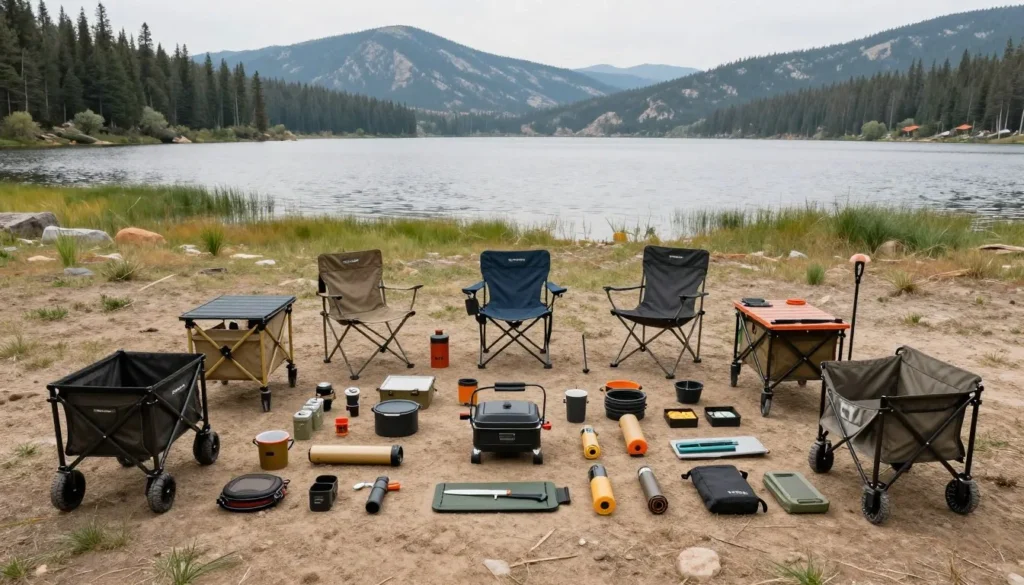
Final practical considerations ensure smooth visits to Trinidad Lake State Park. These tips address common questions and help avoid preventable problems.
Packing Essentials
Create comprehensive packing lists before departure. Essential items include:
- Valid park pass or payment method for entry fees
- Camping reservation confirmation if booked in advance
- Sufficient water containers – minimum 4 liters (1 gallon) per person per day
- Layered clothing for temperature variations
- Sun protection: hat, sunglasses, SPF 30+ sunscreen
- First aid kit with personal medications
- Flashlights or headlamps with extra batteries
- Maps, compass, or GPS device
- Fire starter, matches in waterproof container
- Multi-tool or knife
- Rope or cord for various camp uses
- Trash bags for pack-out
- Insect repellent during summer months
- Camera or smartphone for photos
Services and Amenities
Trinidad Lake State Park provides basic services. The visitor center near the entrance offers maps, information, and supplies. Staff answer questions about current conditions and regulations. Hours vary seasonally, with reduced winter schedules.
Potable water is available at developed areas. Vault toilets serve primitive camping zones. Flush toilets and hot showers exist at South Shore Campground. No restaurants, stores, or gas stations operate within park boundaries. Stock all necessary supplies before entering.
Cell phone coverage reaches most developed park areas. Service may fade in remote canyons and on hilltops. Don’t rely exclusively on phones for navigation or emergency communication. Carry paper maps as backup.
Money and Payments
The entrance station accepts cash and credit cards for park passes. Campsite reservations require credit card payment through the online system. Some vendors in Trinidad accept only cash, so carry small bills. ATMs operate at banks and convenience stores in town.
Bring adequate cash for the entire visit if relying on cash payments. The nearest ATMs sit in Trinidad, several miles from the park. Budget approximately $50-100 per day for a family including campsite fees, food, and incidental expenses.
Internet and Connectivity
WiFi does not exist at Trinidad Lake State Park campsites or facilities. This digital disconnection appeals to many visitors seeking escape from constant connectivity. Download maps, guides, and entertainment before arrival. Inform family or friends of your itinerary since communication may be limited.
Trinidad libraries and coffee shops provide free WiFi for checking email or uploading photos. Most hotels in town offer WiFi to guests. Use these connections to handle necessary digital tasks before returning to the park.
Accessibility
Trinidad Lake State Park strives to accommodate visitors with disabilities. Accessible parking exists at major facilities. Some campsites meet ADA standards with level pads and accessible tables. The visitor center provides accessible restrooms and entrances.
Paved paths near the visitor center allow wheelchair access to lake views. Most trails feature natural surfaces unsuitable for wheelchairs. Fishing from shore is possible at several accessible locations. Contact the park office to discuss specific accessibility needs before visiting.
Pets
Dogs and other pets are welcome at Trinidad Lake State Park with restrictions. Leashes no longer than 1.8 meters (6 feet) are required at all times. Owners must clean up after pets immediately. Pets cannot enter buildings or swim in designated swimming areas.
Keep pets under control to protect wildlife and other visitors. Barking dogs disturb the peaceful atmosphere others seek. Bring water and shade for pets during hot weather. Never leave animals unattended at campsites. Wildlife poses dangers to unsupervised pets.
Contact Information: For current conditions, reservation availability, or specific questions, contact Trinidad Lake State Park Visitor Center at the number provided earlier in this guide. Colorado Parks and Wildlife also maintains comprehensive information at their website, though visiting in person or calling directly often provides more detailed local knowledge.
Photography Guidelines
Trinidad Lake State Park permits photography for personal use without special permits. Commercial photography and drone operation require advance permission. Apply through Colorado Parks and Wildlife well before your visit. Protect fragile environments while seeking the perfect shot.
Respect other visitors’ privacy when photographing. Ask permission before including recognizable people in images. Wildlife photography should never disturb animals or alter their behavior. Maintain recommended distances and use telephoto lenses for close-up wildlife shots.
Seasonal Considerations
Water availability may decrease during drought years. Check current lake levels before planning boat-dependent activities. Some boat ramps become unusable when water drops significantly. Fishing success often improves during lower water periods as fish concentrate.
Wildfire danger increases during dry summers. Campfire restrictions may be implemented. Check current regulations before starting fires. Use established fire rings only. Never leave fires unattended. Extinguish completely before sleeping or leaving camp.
Winter visitors should prepare for extreme cold and snow. Facilities close seasonally, and services decrease dramatically. Ice fishing becomes the primary winter activity. Check ice thickness before venturing onto frozen lake surfaces.
Your Trinidad Lake Adventure Awaits
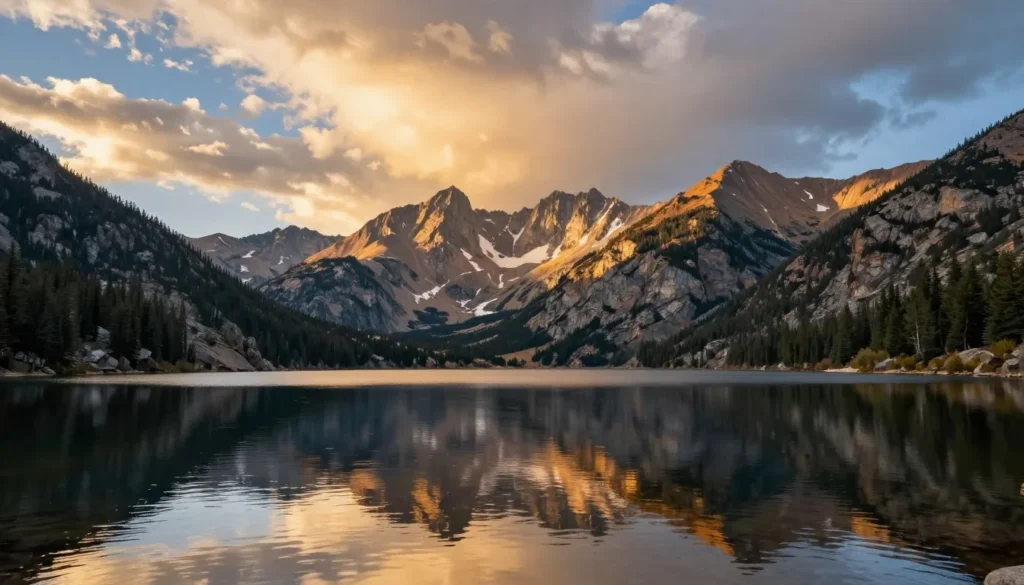
Trinidad Lake State Park stands ready to deliver unforgettable Colorado experiences. This hidden treasure combines natural beauty, diverse recreation, and peaceful atmosphere away from crowded tourist destinations. Whether you seek adventure or relaxation, family bonding or solitary reflection, the park accommodates every vision.
The combination of pristine water, dramatic mountains, and vast skies creates a setting that soothes the soul and invigorates the spirit. Days filled with fishing, hiking, and water sports transition to evenings of campfire conversations under brilliant stars. Simple pleasures reconnect us with what matters most.
Trinidad’s rich cultural heritage and welcoming community enhance park visits. The blend of outdoor recreation and cultural exploration makes this destination unique. Supporting local businesses and engaging with residents enriches your understanding of southern Colorado’s character.
Start planning your Trinidad Lake State Park adventure today. Whether you spend a single day or an entire week, the park promises memories that last far beyond your visit. Pack your camping gear, load the family, and discover why those who know rate this park among Colorado’s finest hidden gems.
The mountains are calling. Trinidad Lake awaits. Your next great outdoor adventure starts here.