Hotels by Trip.com
Flights by Trip.com
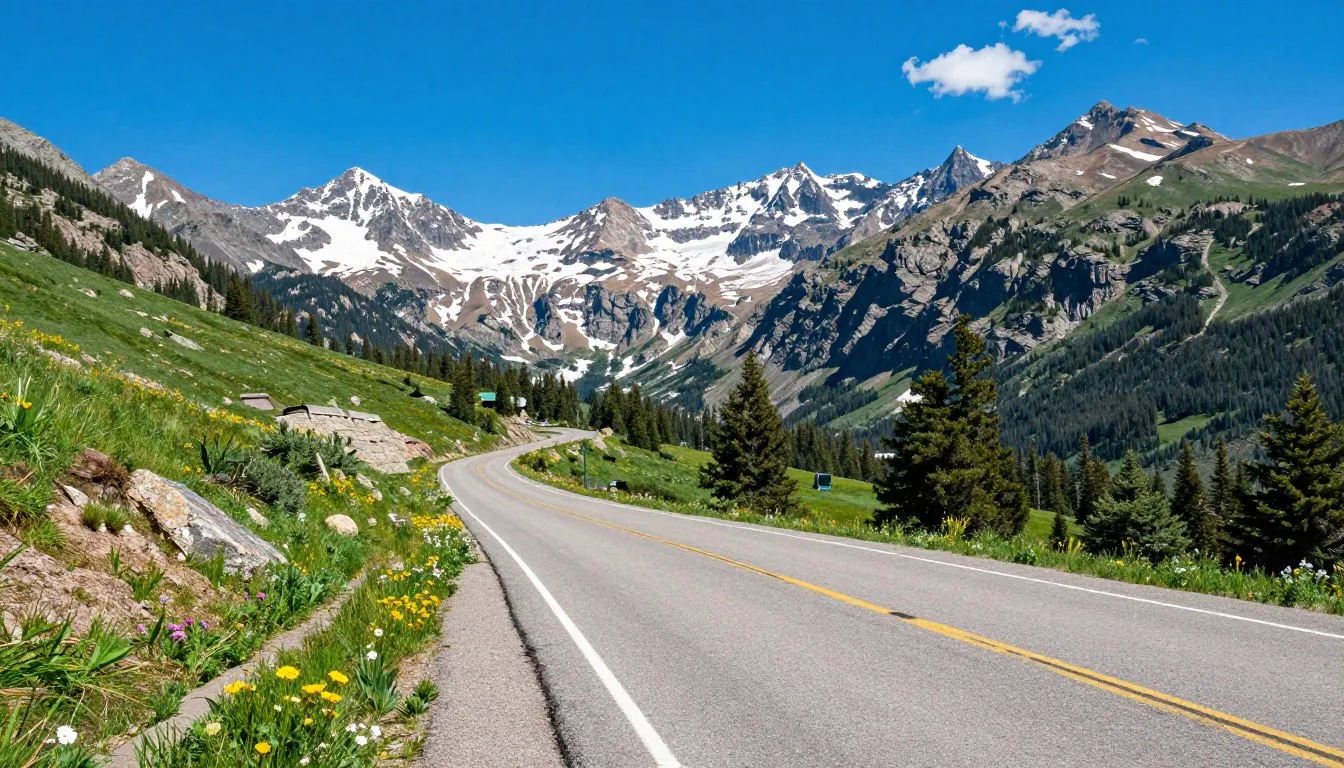
At 2,987 m (9,800′) above sea level, Trout Creek Pass stands as one of Colorado’s highest mountain passes accessible year-round by paved highway. This remarkable elevation makes it higher than many European Alpine passes. The pass derived its name from nearby Trout Creek, which historically teemed with native trout that sustained early settlers and travelers crossing the Continental Divide.
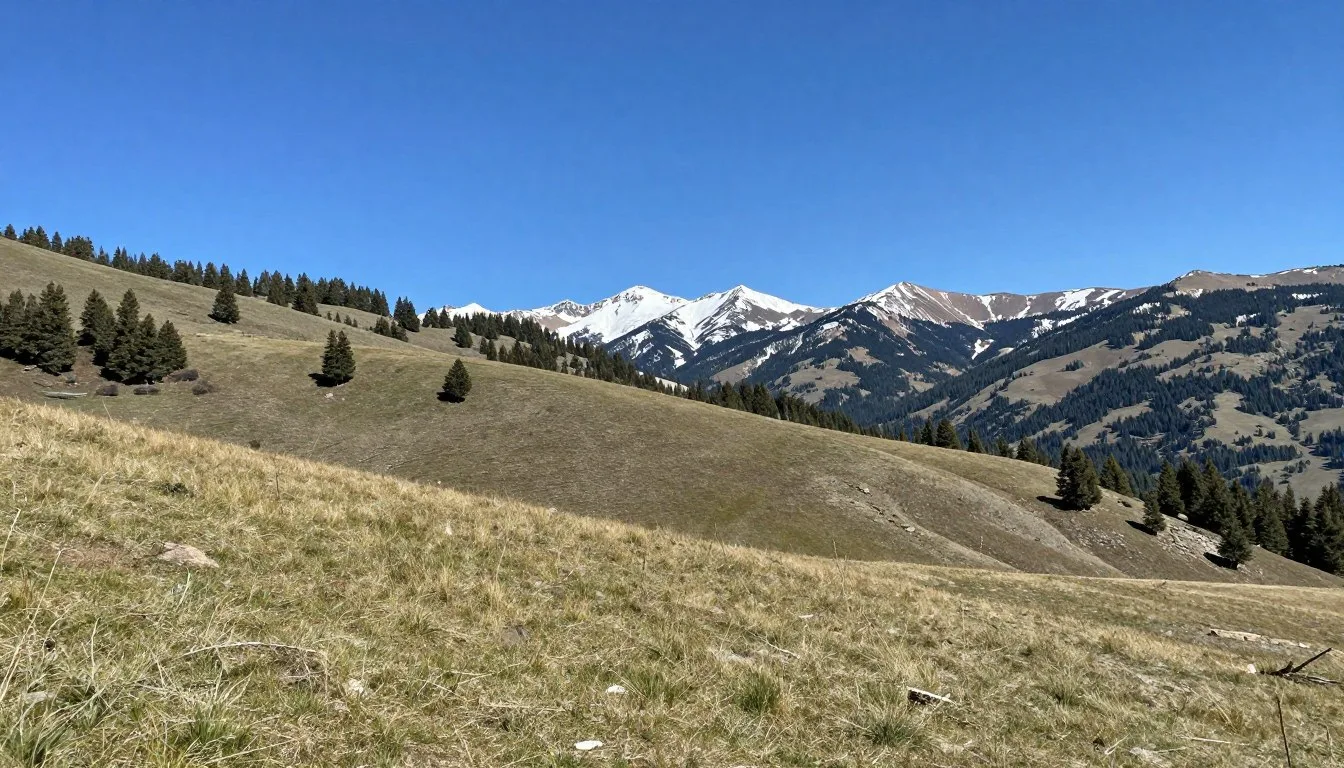
The uplands surrounding this historic mountain corridor offer travelers an authentic Colorado high country experience. Visitors discover untouched wilderness areas, diverse wildlife, and recreational opportunities that change with each season.
This comprehensive guide covers everything you need to plan your journey to Trout Creek Pass uplands. From getting there to finding the best trails, you’ll find practical information to make your visit memorable.
Getting There & Planning Your Journey
Reaching Trout Creek Pass uplands requires advance planning. The region sits between two major Colorado cities, making access relatively straightforward for most travelers.
Closest Airports
Denver International Airport (DEN) serves as the primary gateway. Located approximately 160 km (100 miles) northeast of the pass, it offers the most flight options and rental car availability.
Colorado Springs Airport (COS) provides an alternative entry point. Situated 113 km (70 miles) southeast, this smaller facility often features shorter security lines and easier navigation.
Driving Routes
From Denver, travelers take US Highway 285 southwest through the mountains. The scenic drive takes approximately two and a half hours under normal conditions.
Highway construction occasionally affects travel times during summer months. Check current road conditions before departure to avoid delays.
The route from Colorado Springs follows US Highway 24 west to Antero Junction, then US 285 north. This journey requires about two hours of mountain driving.
Best Time to Visit & Weather Tips
Best Time to Visit Trout Creek Pass Uplands
Each season transforms the uplands into a different destination. Understanding seasonal patterns helps visitors plan activities that match their interests.
Recommended Seasons
- June through September for hiking and camping
- September and October for autumn colors and wildlife viewing
- December through March for winter sports and snow activities
- May for wildflower emergence and spring bird migration
Seasons to Avoid
- April for unpredictable snow and mud conditions
- November for early winter storms before snow pack stabilizes
- Late March when avalanche risk peaks
Weather Patterns
Summer temperatures range from 4°C to 21°C (40°F to 70°F). Afternoon thunderstorms develop frequently, typically between 2 PM and 5 PM.
Winter brings heavy snowfall and temperatures from -18°C to -1°C (0°F to 30°F). Wind chill makes conditions feel significantly colder in exposed areas.
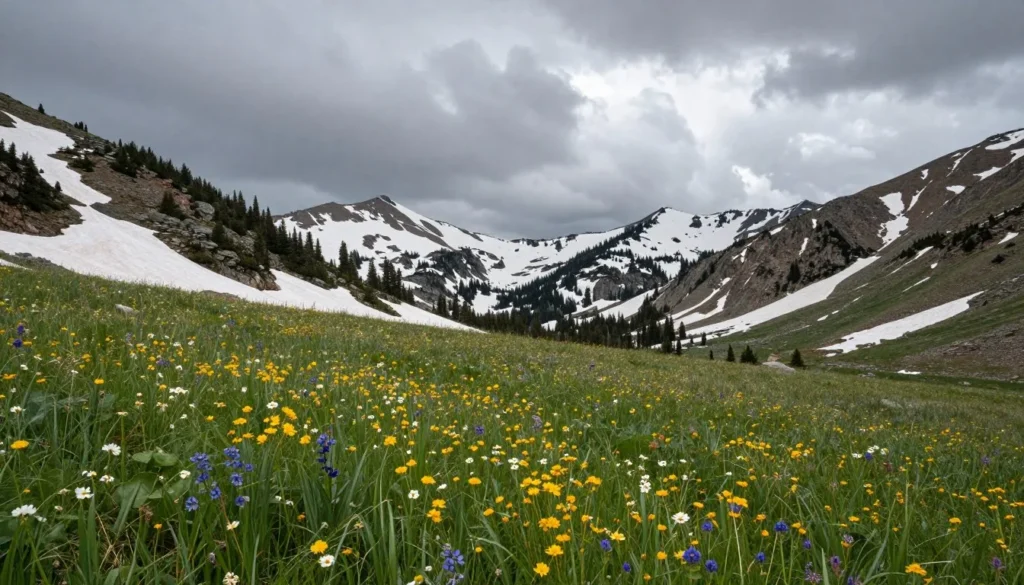
Spring and fall present the most variable conditions. Travelers should prepare for rapid weather changes and carry layers for temperature swings of 20°C (36°F) within a single day.
Notable Annual Festivals
The rural character of the uplands means fewer organized festivals compared to nearby towns. However, several regional events attract visitors throughout the year.
Chaffee County Heritage Festival
Held each August in nearby Buena Vista, this event celebrates mountain heritage through music, crafts, and historical demonstrations. Families enjoy traditional skills workshops and local food vendors.
South Park Music Festival
This September gathering in Fairplay features bluegrass and folk musicians. The high-altitude setting provides a unique acoustic experience for performers and audiences.
Winter Trails Day
Organized each January, this event introduces families to snowshoeing and cross-country skiing. Volunteers lead guided tours through marked routes in the uplands.
Contact information for festival organizers changes annually. Check with local visitor centers for current details and registration requirements.
Getting Around Locally
Personal transportation proves essential in the uplands region. Public transit options remain limited due to the rural nature and dispersed attractions.
Vehicle Requirements
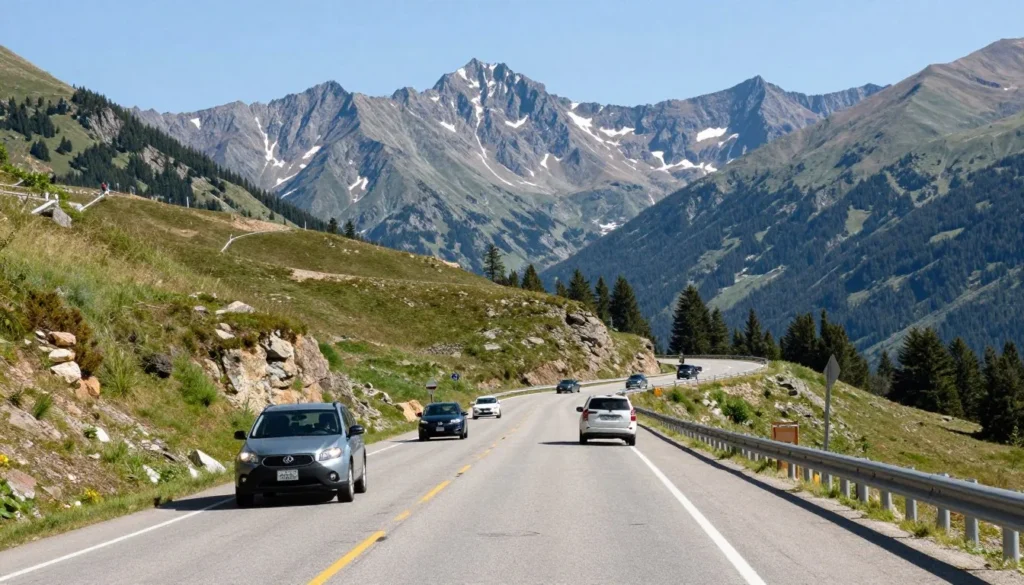
Four-wheel drive becomes necessary for exploring back roads and accessing remote trailheads. Standard passenger cars work fine for paved highways and main routes.
Winter visitors must carry tire chains or use vehicles equipped with snow tires. Colorado law mandates traction devices during certain weather conditions.
Navigation Tips
Cell phone coverage remains spotty throughout the uplands. Download offline maps before leaving areas with reliable service.
GPS coordinates provide more reliable navigation than street addresses in remote areas. Mark important locations like trailheads and camping spots with waypoints.
Many forest roads lack signage or feature outdated markers. Carry updated forest service maps for accurate route planning.
Where to Stay
Accommodation options in the uplands cater to various preferences and budgets. From rustic camping to comfortable vacation homes, visitors find suitable lodging throughout the region.

Vacation Rentals and Homes
Private vacation homes dot the uplands, offering families self-contained accommodation with full kitchens and multiple bedrooms. These properties typically require advance booking, especially during peak summer months.
Many rental homes feature modern construction with contemporary amenities. Large windows frame mountain views, and outdoor decks provide spaces for wildlife observation.
Camping Options
Dispersed camping on national forest lands allows free overnight stays. Campers must follow Leave No Trace principles and camp at least 30 m (100′) from water sources.
Developed campgrounds near the pass offer designated sites with fire rings and vault toilets. These fill quickly on summer weekends, so early arrival ensures site availability.
Nearby Towns
Buena Vista, 32 km (20 miles) west, provides hotels, motels, and bed-and-breakfast establishments. This historic mining town offers more dining options and services.
Antero Junction has limited model lodging options but serves travelers seeking basic, budget-friendly accommodation close to the pass.
Dining & Local Cuisine
The remote uplands location means limited dining establishments within the immediate area. Travelers typically pack provisions or visit nearby communities for meals.
Local Food Culture
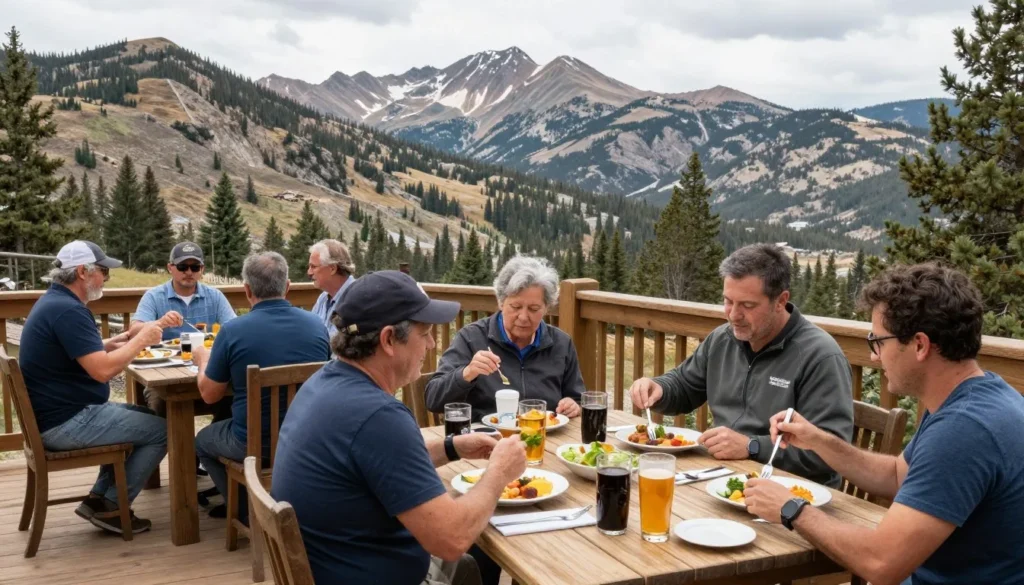
Colorado mountain cuisine emphasizes hearty, warming dishes that sustain outdoor activities. Bison burgers, elk steaks, and Rocky Mountain trout appear on many regional menus.
Farm-to-table restaurants in surrounding towns source ingredients from high-altitude farms. Short growing seasons produce intensely flavored vegetables and herbs.
Provisions and Supplies
Stock up on groceries and camping food in larger towns before arriving. Small general stores carry limited selections at premium prices.
Water filtration equipment proves essential for backcountry trips. Mountain streams provide abundant water that requires proper treatment before consumption.
Dining in Nearby Communities
Buena Vista restaurants serve everything from casual breakfast cafes to upscale dinner establishments. Several breweries offer locally crafted beers alongside pub fare.
Fairplay maintains several family-friendly restaurants featuring traditional American comfort food. These establishments cater to travelers and locals alike with generous portions.
Attractions, Sightseeing & Activities
The uplands surrounding Trout Creek Pass reward exploration with diverse activities spanning all skill levels. Natural attractions dominate, though historical sites add cultural context.
Scenic Drives
The Continental Divide Scenic Byway crosses through the uplands, offering spectacular vistas at numerous pullouts. Information panels explain geological features and ecosystem characteristics.
Unpaved forest roads lead to secluded viewpoints and historic mining sites. High-clearance vehicles access areas where few visitors venture.
Wildlife Watching
Elk herds frequent the uplands during summer months. Dawn and dusk provide optimal viewing opportunities as animals move between feeding and bedding areas.
Bighorn sheep inhabit rocky slopes and cliffsides. Patience and binoculars reveal these agile animals navigating seemingly impossible terrain.
Marmots, pikas, and ground squirrels entertain visitors with their activities. These small mammals prepare for winter by gathering food during brief summer months.
Photography Locations
Sunrise at the summit parking area casts warm light across distant mountain ranges. Photographers capture stunning images with minimal hiking required.
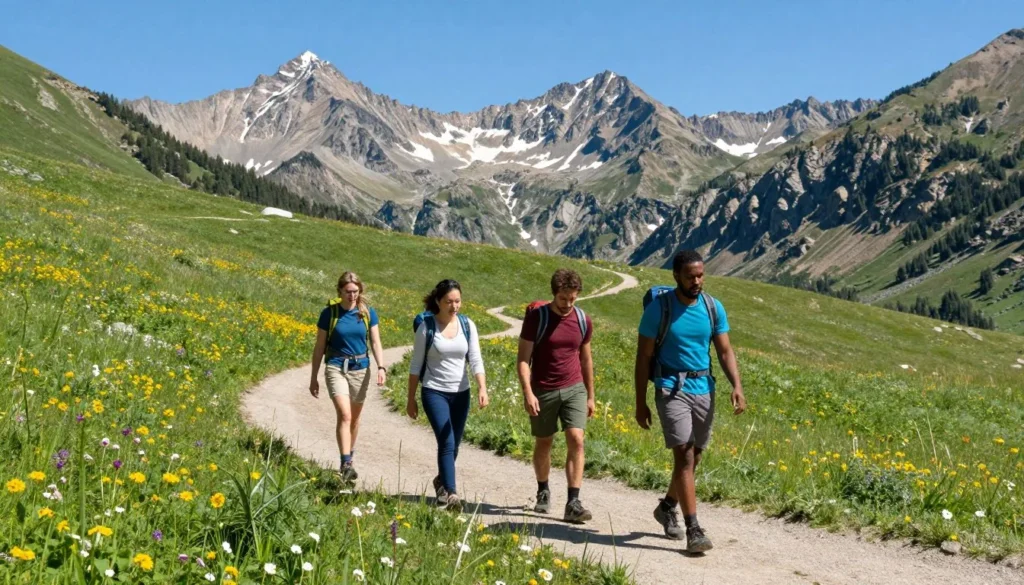
Wildflower meadows peak in July, creating carpets of color against green hillsides. Macro photography enthusiasts document dozens of species within small areas.
Museums, Cultural Spots & Festivals
Cultural attractions concentrate in nearby towns rather than within the uplands themselves. These venues preserve regional history and showcase local artistry.
South Park City Museum
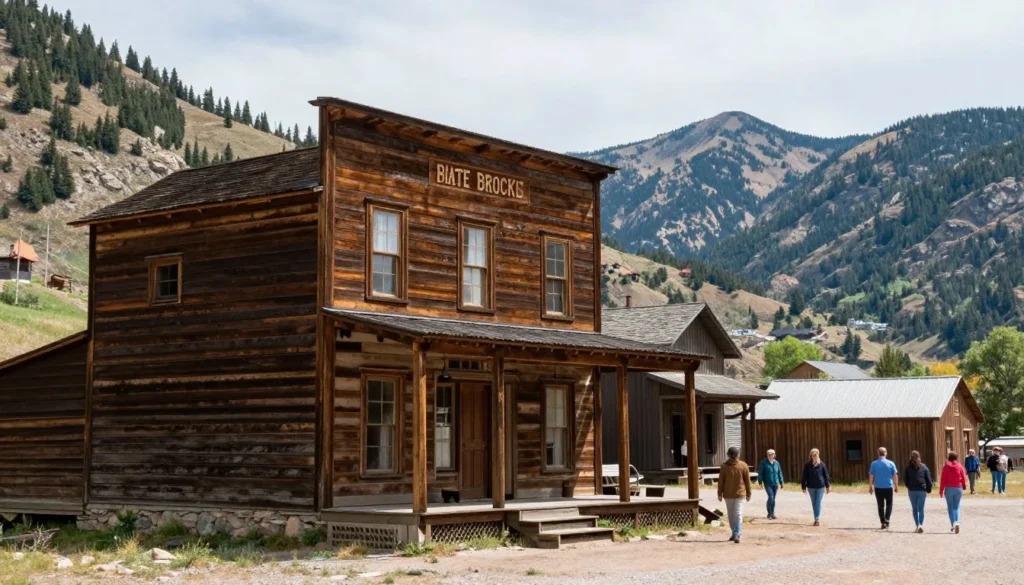
Located in Fairplay, this outdoor museum recreates an 1880s mining town. More than 40 historic buildings contain authentic artifacts and furnishings from Colorado’s gold rush era.
Heritage Museum
Buena Vista’s heritage collection documents the area’s ranching, mining, and railroad history. Exhibits change seasonally, featuring different aspects of mountain life.
Art Galleries
Several galleries in surrounding communities display landscape paintings and photography inspired by the uplands. Local artists capture the region’s changing seasons and dramatic weather.
Rotating exhibitions feature crafts utilizing natural materials. Woodworking, pottery, and textile arts reflect traditional mountain skills adapted for contemporary markets.
Nature & Outdoor Experiences
Outdoor recreation defines the Trout Creek Pass uplands experience. Activities span from gentle nature walks to challenging backcountry adventures.
Hiking Trails
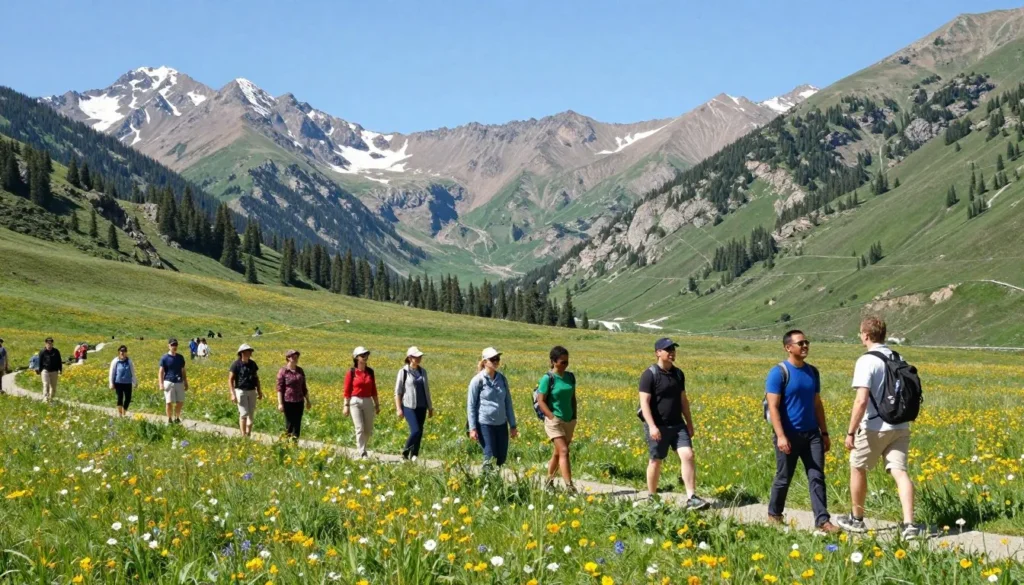
The Colorado Trail passes through the uplands, offering day hiking sections and multi-day backpacking opportunities. Well-maintained tread accommodates hikers of varying abilities.
Shorter nature trails near the summit parking area provide accessible options. Interpretive signs identify plants and explain high-altitude adaptations.
Cross-country routes challenge experienced hikers seeking solitude. Navigation skills and topographic maps become essential for safe wilderness travel.
Fishing Opportunities
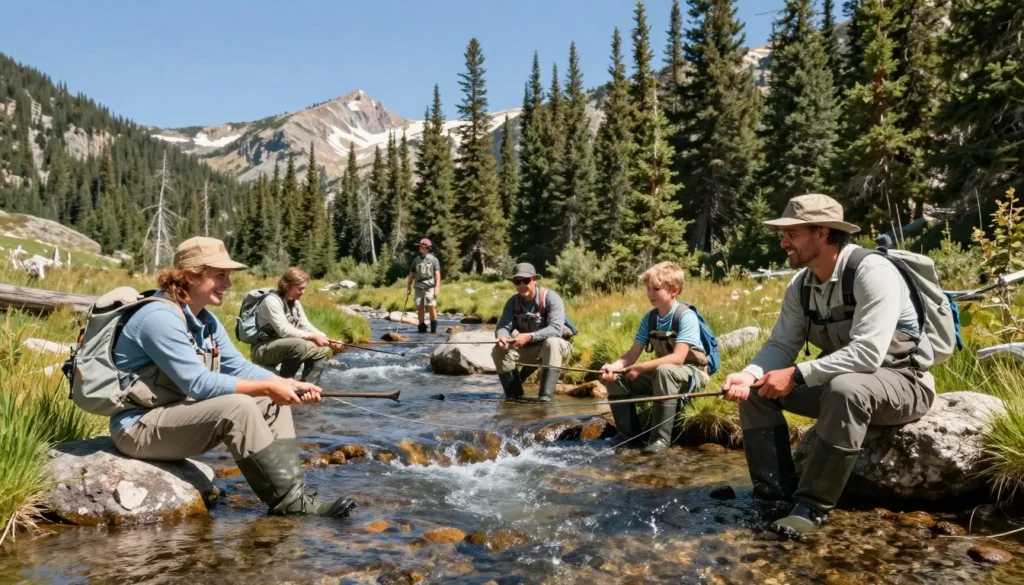
Native cutthroat trout inhabit high mountain streams throughout the uplands. Colorado fishing licenses and knowledge of current regulations are mandatory.
Fly fishing techniques work best in clear, cold waters. Anglers find success using small dry flies during morning and evening hatches.
Mountain Biking
Forest roads and designated trails accommodate mountain bikes. The high elevation demands excellent physical conditioning and proper acclimatization.
Technical single-track challenges advanced riders with steep climbs and rocky descents. Beginners enjoy gentler routes along old mining roads.
Winter Recreation
Snowshoeing and cross-country skiing transform the uplands into winter wonderlands. Marked routes guide travelers through snow-covered forests and meadows.
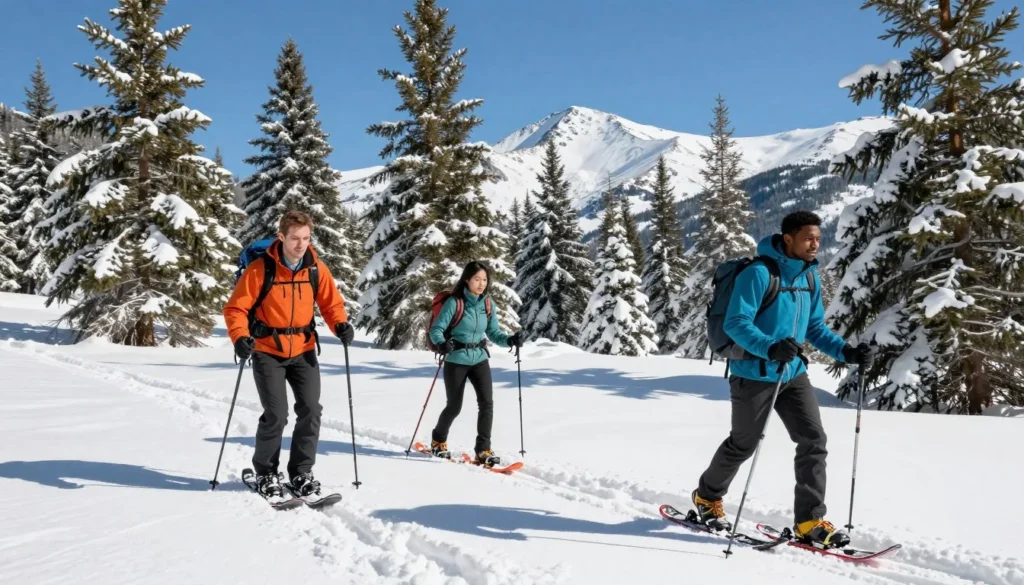
Backcountry skiing attracts experts seeking untracked powder. Avalanche education and proper safety equipment prevent accidents in steep terrain.
Travel With Children
Family adventures in the uplands create lasting memories when properly planned. Understanding children’s needs at high altitude ensures everyone enjoys the experience.
Altitude Considerations
Children acclimatize at different rates than adults. Plan easier activities for the first day, allowing young bodies to adjust to reduced oxygen levels.
Increased hydration helps prevent altitude sickness. Encourage children to drink water frequently, even when they don’t feel thirsty.
Kid-Friendly Activities
Rock collecting along streams entertains young explorers. Smooth stones polished by water make excellent souvenirs and learning tools.
Wildlife spotting games keep children engaged during hikes. Creating checklists of animals, birds, and plants turns walks into educational adventures.
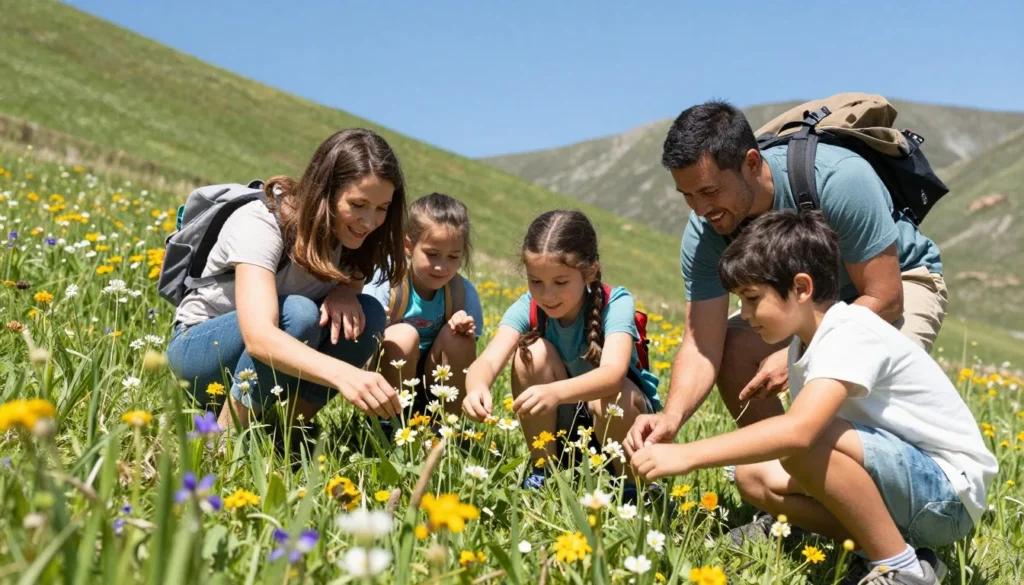
Short nature trails with minimal elevation gain suit younger hikers. Celebrate completion of walks with special treats or certificates.
Safety Tips
Sun protection becomes critical at high elevation. Apply sunscreen regularly and outfit children with wide-brimmed hats and UV-protective clothing.
Afternoon thunderstorms develop quickly in summer. Return to vehicles or shelters before dark clouds appear on the horizon.
Money Saving Tips
Budget-conscious travelers enjoy the uplands without excessive spending. Free activities and careful planning stretch vacation dollars.
Free Activities
National forest lands provide free access to thousands of hectares. Hiking, wildlife viewing, and photography require only time and transportation.
Dispersed camping eliminates campground fees. Families save substantially during multi-day visits by utilizing free campsites.
Timing Strategies
Visiting during shoulder seasons reduces accommodation costs. September and May offer pleasant weather with lower lodging rates than peak summer.
Midweek stays cost less than weekends in nearby towns. Flexible travelers save by avoiding Friday and Saturday premium pricing.
Food and Supplies
Grocery shopping in larger cities before arriving prevents paying inflated prices at small mountain stores. Coolers keep perishables fresh during your stay.
Preparing meals at campsites or vacation rentals dramatically reduces dining expenses. Simple camping meals provide nutrition without restaurant costs.
Safety & Local Customs
Understanding mountain safety principles and local expectations enhances your uplands experience. Preparation prevents most common problems.
Weather Preparedness
Conditions change rapidly at high elevation. Carry rain gear, warm layers, and emergency supplies during all outdoor activities.
Lightning danger peaks during afternoon thunderstorms. Descend from exposed ridges and summits before 2 PM during summer months.
Wildlife Safety
Black bears inhabit forested areas throughout the uplands. Store food properly and maintain clean campsites to avoid attracting animals.
Maintain respectful distances from all wildlife. Elk and moose become aggressive when approached too closely, especially during mating season.
Leave No Trace
Pack out all trash, including organic waste like fruit peels. The high-altitude environment decomposes materials very slowly.
Stay on established trails to prevent erosion and vegetation damage. Cutting switchbacks accelerates soil loss on steep slopes.
Local Etiquette
Mountain communities value self-reliance and environmental stewardship. Visitors earn respect by demonstrating outdoor competence and conservation ethics.
Cell phone use on trails disrupts the wilderness experience for others. Keep conversations brief and voices low in natural areas.
Visitor Comments About Trout Creek Pass Uplands
E.N., Yerevan: “The uplands exceeded all expectations with pristine wilderness and incredible wildlife sightings. Our family spotted elk every morning from our rental home. The high altitude took adjustment, but the crisp air and spectacular views made it worthwhile. We hiked different trails each day and never encountered crowds.”
H.W., Ealing: “Trout Creek Pass uplands offer authentic Colorado mountain experiences without tourist commercialization. Fishing the remote streams provided peaceful moments and beautiful native trout. The weather proved unpredictable, so layered clothing was essential. Construction of new vacation homes changes some areas, but vast wilderness remains accessible.”
O.I., Madurai: “Visiting during September brought autumn colors and pleasant temperatures. The uplands showed nature at its finest with golden aspens and active wildlife preparing for winter. Our children loved exploring and learned about mountain ecosystems. Budget travelers appreciate the free camping and activities throughout the region.”
Additional Nearby Destinations
The central Colorado location makes Trout Creek Pass uplands an ideal base for exploring multiple mountain regions.
Buena Vista
This charming town 32 km (20 miles) west offers whitewater rafting on the Arkansas River. Historic downtown areas feature shops, galleries, and restaurants in restored 19th-century buildings.
Leadville
America’s highest incorporated city sits 48 km (30 miles) northwest. Mining heritage attractions and the historic Leadville, Colorado & Southern Railroad provide glimpses into frontier history.
Collegiate Peaks Wilderness
Eight mountains exceeding 4,267 m (14,000′) create dramatic skylines west of the uplands. Backpackers tackle challenging trails through pristine alpine environments.
Great Sand Dunes National Park
Located 113 km (70 miles) south, North America’s tallest dunes rise against the Sangre de Cristo Mountains. This unique landscape contrasts dramatically with the uplands ecosystem.
Practical Travel Tips
Final preparations ensure smooth travels and maximize enjoyment of your uplands adventure.
Essential Packing
- Layered clothing for temperature variations of 20°C (36°F) daily
- Sunscreen with SPF 50 or higher for intense high-altitude UV exposure
- Reusable water bottles holding at least 3 liters per person
- Detailed topographic maps and compass for navigation
- First aid supplies including altitude sickness medication
- Headlamps or flashlights with extra batteries
- Bear-proof food containers for camping
Communication
Cell service remains unreliable throughout the uplands. Inform someone of your plans and expected return times before venturing into remote areas.
Satellite communication devices provide emergency contact capabilities. These rental units offer peace of mind during extended backcountry trips.
Permits and Regulations
Most uplands areas require no permits for day use. Overnight camping in certain wilderness zones needs advance reservations during peak seasons.
Colorado fishing licenses are mandatory for anglers 16 years and older. Purchase online or at sporting goods stores before your trip.
Health Considerations
Altitude sickness affects some visitors above 2,438 m (8,000′). Symptoms include headache, nausea, and fatigue. Descend immediately if conditions worsen.
Hydration prevents many altitude-related problems. Drink twice your normal water intake during the first days at elevation.
Location Map
Trout Creek Pass uplands location in central Colorado
Your Mountain Adventure Awaits
Trout Creek Pass uplands deliver authentic Colorado wilderness experiences away from crowded tourist destinations. The combination of accessible beauty and genuine remoteness creates perfect conditions for memorable family adventures.
Whether you seek challenging backcountry exploration or gentle nature walks, the uplands accommodate all interests and abilities. Each season transforms the landscape, offering reasons to return throughout the year.
Start planning your journey to discover why this high-country gem captivates visitors seeking connection with nature. The mountains are calling, and Trout Creek Pass uplands provide the answer.