Hotels by Trip.com
Flights by Trip.com
More than thirty-five million years ago, massive volcanic eruptions reshaped this part of Colorado. The ash and lava flows created layers over a thousand meters thick. Today, these ancient volcanic remnants stand as silent witnesses to nature’s incredible power.
Twin Peaks Volcanic Remnants earned its name from two prominent volcanic formations. They rise dramatically from the surrounding landscape. These peaks are part of a larger volcanic field that once covered square miles of territory.
This comprehensive guide helps you explore one of Colorado’s most fascinating geological destinations. You’ll discover hiking trails, local culture, and practical travel information. Whether you’re a geology enthusiast or outdoor adventurer, Twin Peaks offers unforgettable experiences.
Getting There & Planning Your Journey
The closest major airport is Denver International Airport, located approximately 193 km (120 miles) northeast of the Twin Peaks area. Colorado Springs Airport offers another option, situated about 129 km (80 miles) to the east.
From Denver, take Interstate 25 south, then head west on Highway 50. The drive takes roughly three hours. Rental cars are available at both airports. The scenic route passes through historic mining towns and mountain valleys.
Planning Tips
Book accommodations at least six weeks in advance during peak summer season. Gas stations become sparse in rural areas, so fill up before heading into the volcanic field. Cell phone coverage can be limited in remote sections.
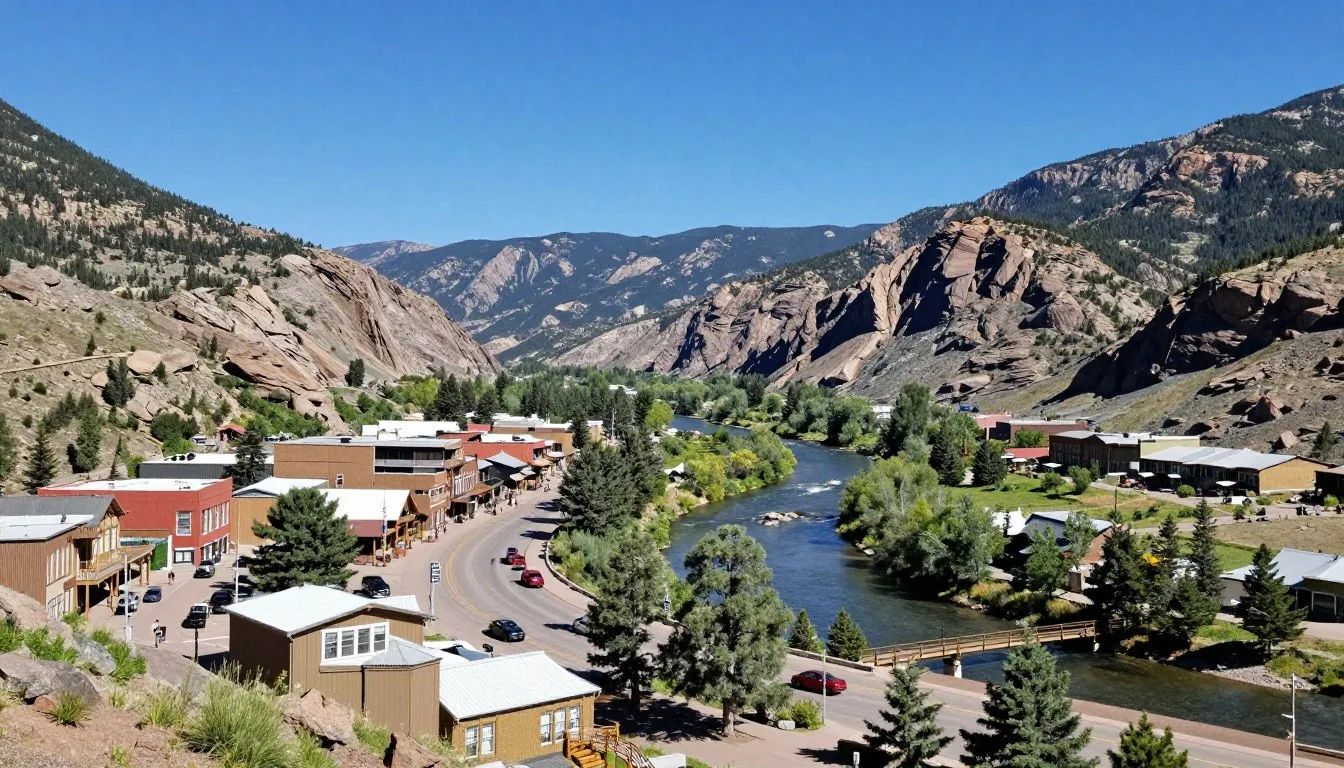
The nearest town, Gunnison, serves as an excellent base camp. It’s located about 32 km (20 miles) from the main trailheads. Salida provides another gateway option with more dining choices.
Best Time to Visit & Weather Tips
Late June through early September offers the best conditions for exploring Twin Peaks Volcanic Remnants Colorado. Summer temperatures range from 21°C to 27°C (70°F to 81°F) during the day. Nights cool down to 7°C to 10°C (45°F to 50°F).
Recommended Months
- July: Warmest weather, all trails accessible
- August: Wildflowers peak, ideal hiking conditions
- September: Fewer crowds, stunning fall colors
- Early October: Cool but clear, excellent photography
Months to Avoid
- November through April: Heavy snow closes roads
- May: Unpredictable weather, muddy trails
- Late October: Early snowstorms possible
The volcanic field sits at elevations between 2,438 m and 3,048 m (8,000 ft and 10,000 ft). Altitude sickness affects some visitors. Drink plenty of water and take frequent breaks when hiking.
Afternoon thunderstorms develop frequently during summer months. Lightning strikes pose serious risks on exposed volcanic ridges. Start hikes early in the morning. Return to lower elevations by 2 PM.
Notable Annual Festivals
The Volcanic Heritage Festival takes place every July in Gunnison. It celebrates the geological history of the region. Events include guided geology walks, rock identification workshops, and educational presentations about volcanic eruptions millions of years ago.
Contact the festival organizers at +1 (970) 641-8090 for current year dates and registration information.
The San Juan Mountains Music Festival occurs in August. Local musicians perform against the backdrop of ancient volcanic formations. Food vendors showcase regional cuisine. The event raises funds for trail maintenance.
For festival details and tickets, call +1 (970) 642-3355.
Gunnison’s Geology Days happen each September. Experts lead field trips to volcanic sites. Children participate in hands-on activities about rocks and minerals. Universities set up interactive displays about the volcanic field history.
Getting Around Locally
A personal vehicle provides the most flexibility for exploring the volcanic field area. Most trailheads lack public transportation access. Dirt roads require high-clearance vehicles, especially after rain.
Bike rentals are available in Gunnison and Salida. Several paved and gravel roads wind through the volcanic landscape. Mountain bikes handle rough terrain better than road bikes.
Download offline maps before visiting. GPS navigation works inconsistently in mountainous terrain. Paper maps from the ranger station provide reliable backup.
Shuttle services operate from major hotels to popular trailheads during summer. Reserve seats two days ahead. Local guides offer transportation as part of tour packages.
Where to Stay
Lodging options range from rustic campgrounds to comfortable hotels. The closest accommodations sit in Gunnison and Salida, both offering easy access to the volcanic remnants.
Hotels & Motels
Gunnison features several chain hotels with modern amenities. Rates range from $95 to $165 per night. Many include breakfast and free parking.
Salida’s historic downtown has boutique hotels in restored Victorian buildings. Expect to pay $120 to $200 nightly during peak season.
Vacation Rentals
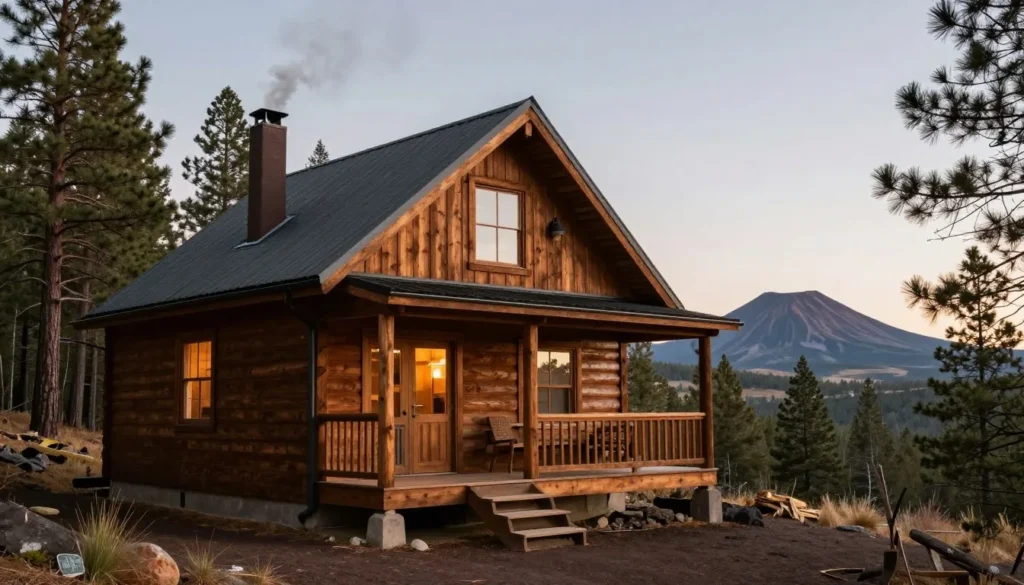
Cabins near the volcanic field provide authentic mountain experiences. Most include full kitchens and outdoor space. Weekly rates start around $850.
Remote properties offer spectacular views of the volcanic peaks. Some require four-wheel drive access during certain months.
Camping Options
Public campgrounds operate from May through September. Sites cost $20 to $35 per night. Reservations are essential for weekends.
Dispersed camping is permitted in designated areas. Follow Leave No Trace principles. Bears frequent this region, so use proper food storage.
Book accommodations several weeks before your visit. Summer weekends fill up quickly. Spring and fall offer better availability and lower prices.
Dining & Local Cuisine
The towns surrounding Twin Peaks Volcanic Remnants Colorado serve hearty mountain fare. Fresh trout from local streams appears on many menus. Elk and bison dishes showcase regional game.
Gunnison’s restaurants range from casual cafes to upscale dining rooms. The Trough serves excellent steaks and locally sourced vegetables. W Cafe offers creative breakfast options popular with hikers starting early.
Regional Specialties
- Green chili made with Pueblo peppers
- Rocky Mountain oysters (adventurous eaters)
- Craft beers from mountain breweries
- Fresh-baked pies using wild berries
- Smoked trout from nearby waters
Dining Tips
- Restaurants close early in small towns
- Make reservations for weekend dinners
- Pack trail snacks for day hikes
- Farmers markets operate Saturday mornings
- Coffee shops open by 6 AM for early starts
Salida’s food scene reflects its artistic community. Fusion restaurants blend Mexican and American cuisines. Several brewpubs craft unique ales using mountain water. The Salida Farmers Market runs weekly from June through September.
Pack your own meals for full-day explorations. Grocery stores in both towns stock camping supplies and trail food. Delis prepare box lunches for hikers with advance notice.
Attractions, Sightseeing & Activities
The volcanic field offers diverse activities for every interest level. Ancient lava flows created unique rock formations. Hiking trails wind past colorful ash deposits and volcanic bombs.
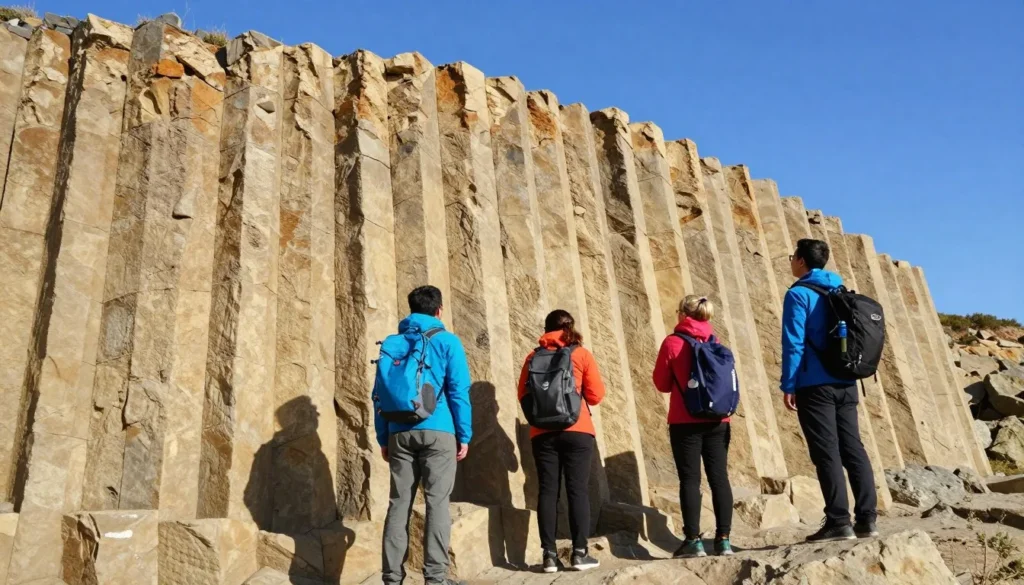
Volcanic Features Trail
This 6.4 km (4 mile) loop showcases the best geological features. The path crosses ancient ash deposits from eruptions thirty million years ago. Interpretive signs explain how volcanoes shaped this landscape.
Columnar basalt formations rise like organ pipes. These formed when lava cooled rapidly. Photographers love the geometric patterns. Sunset casts dramatic shadows across the columns.
Summit Hike to North Peak
Experienced hikers tackle the challenging climb to North Peak’s summit. The 11.3 km (7 mile) round trip gains 762 m (2,500 ft) in elevation. Allow six to eight hours for the complete journey.
Views from the top span hundreds of square miles. On clear days, you can see neighboring volcanic calderas. The summit area preserves remnants of the ancient volcanic vent.
This trail crosses exposed ridgelines. Turn back immediately if thunderstorms approach. Bring extra layers as temperatures drop significantly at higher elevations.
Lava Flow Canyon
A moderate 8 km (5 mile) hike follows an ancient lava flow through a scenic canyon. The black volcanic rocks contrast beautifully with surrounding red sedimentary layers. Wildflowers bloom in cracks where ash provides nutrients.
Look for volcanic bombs embedded in the ash. These lava chunks flew through the air during explosive eruptions. Some measure over a meter across.
Tuff Ring Exploration
The circular tuff ring formed during phreatic eruptions millions of years ago. When rising magma met groundwater, violent steam explosions blasted ash skyward. The resulting crater measures nearly 2 km (1.2 miles) across.
A 4.8 km (3 mile) trail circles the rim. Interpretive panels describe the explosive formation process. The tuffs contain fragments of older rocks torn from deep underground.
Museums, Cultural Spots & Festivals
The Pioneer Museum in Gunnison displays geological specimens from the volcanic field. Exhibits explain volcanic processes through interactive displays. A collection of rocks shows different volcanic ash layers and lava types.
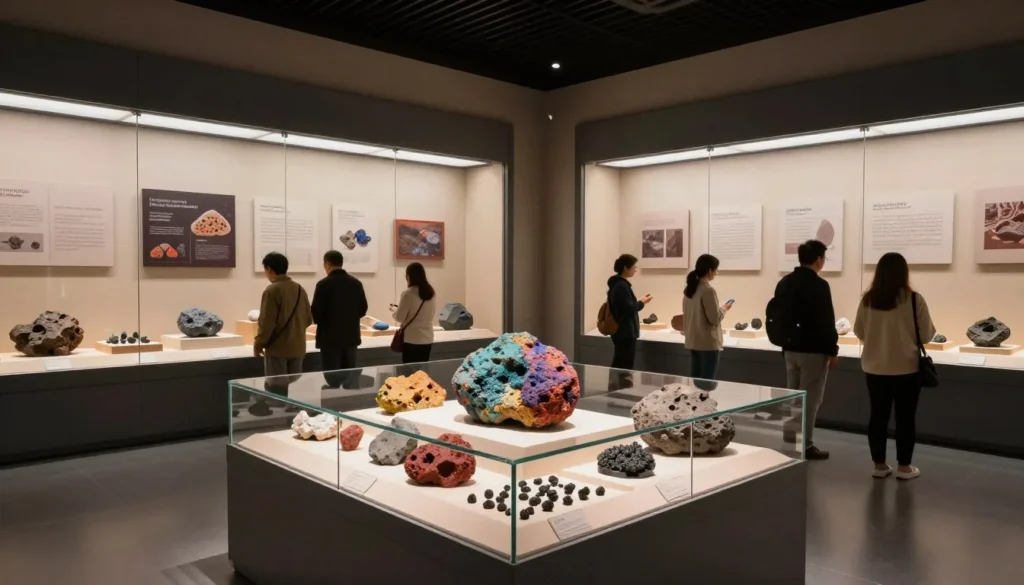
The museum opens Tuesday through Saturday from 10 AM to 4 PM. Admission costs $8 for adults and $4 for children. Guided tours happen at 11 AM and 2 PM.
Local art galleries in Salida feature paintings and photographs of the volcanic landscape. Many artists draw inspiration from the dramatic geological formations. The monthly First Friday Art Walk showcases new works.
The geological society hosts monthly lectures during winter. Topics cover volcanic history, rock formation, and mountain building. Presentations take place at the community center. Events are free and open to everyone.
Cultural Heritage
Native American tribes lived near these volcanic remnants for thousands of years. They quarried obsidian from lava flows to make tools and weapons. The sharp volcanic glass was highly prized for trade.
Respect archaeological sites you encounter. Federal law protects these locations. Take only photographs and leave artifacts undisturbed.
Nature & Outdoor Experiences
Wildlife thrives among the volcanic rocks and mountain meadows. Elk herds graze in valleys during early morning and evening. Marmots whistle warnings from boulder piles.
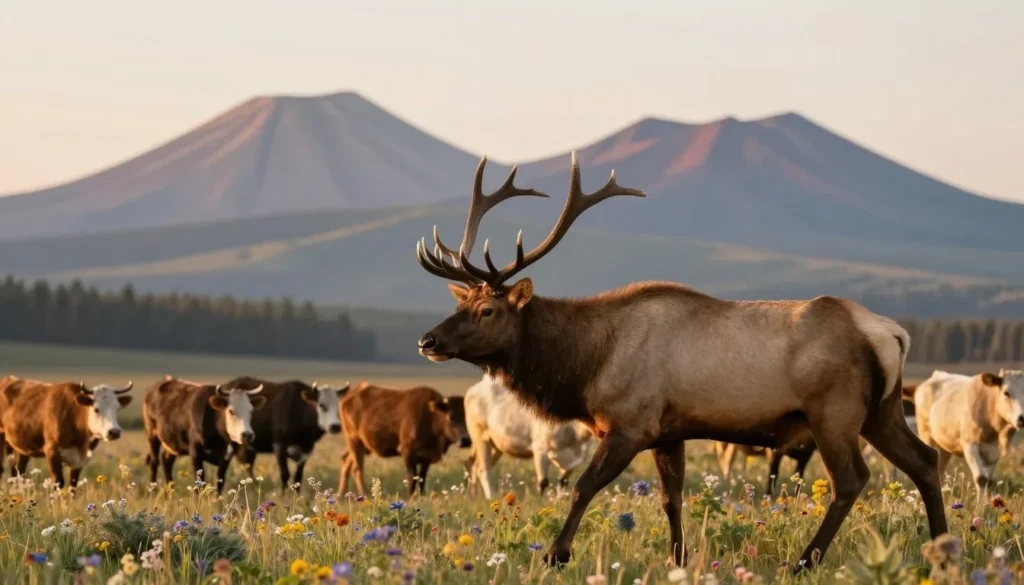
Bighorn sheep navigate steep volcanic cliffs. Bring binoculars for better viewing. The sheep are most active during cooler morning hours. Keep a respectful distance from all wildlife.
Fishing Opportunities
Mountain streams flowing from the volcanic field hold healthy trout populations. Rainbow and brown trout inhabit the cold, clear waters. A Colorado fishing license is required for anyone over sixteen years old.
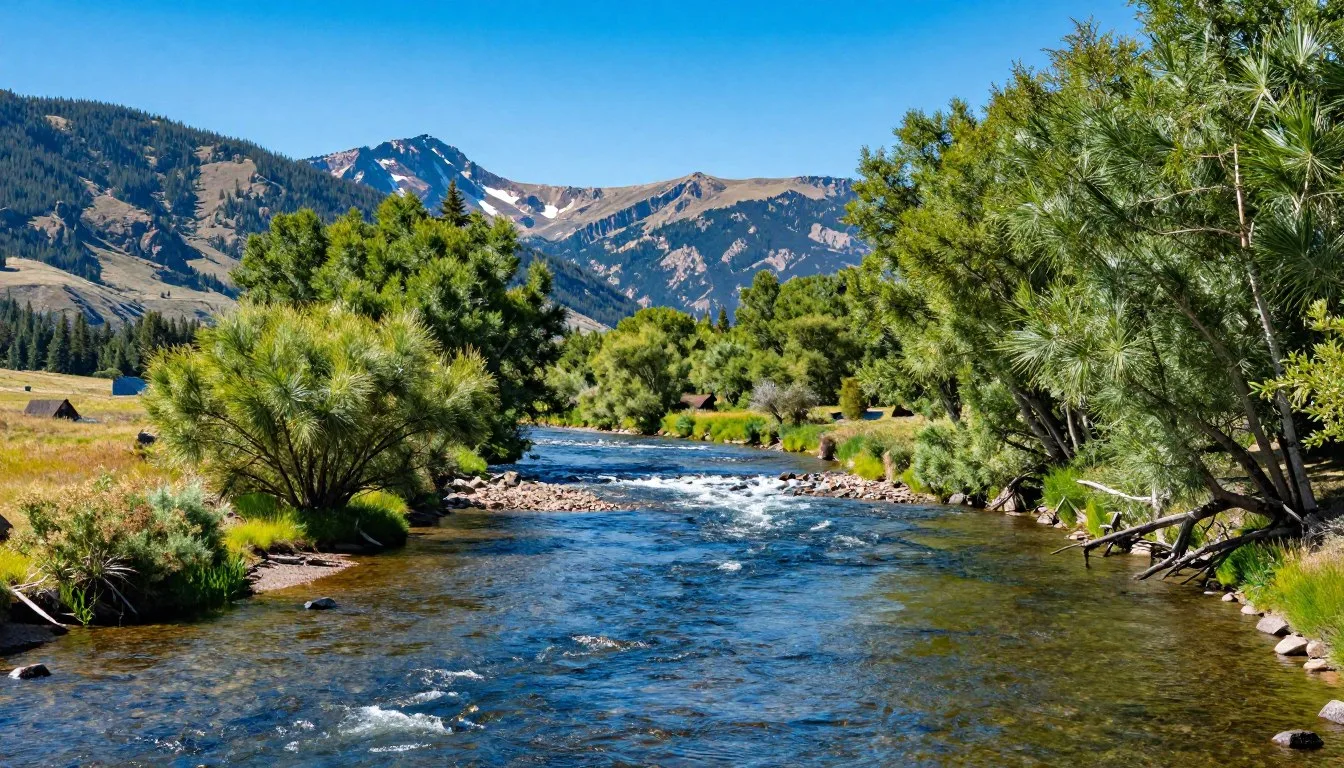
Popular fishing spots include Taylor River and Tomichi Creek. Both waters flow through volcanic rock channels. Fly fishing works best during summer months. Local sporting goods stores sell licenses and offer advice.
Rock Climbing
Volcanic formations provide excellent climbing routes. Basalt cliffs challenge experienced climbers with technical faces. Beginners find suitable routes on smaller formations.
The volcanic rock differs from typical granite climbing. Test holds carefully as some ash layers crumble. Climbing guides operating in the area know the safest routes.
Photography Locations
Sunrise illuminates the eastern faces of volcanic peaks with golden light. The contrast between dark lava rocks and bright morning sky creates dramatic images.
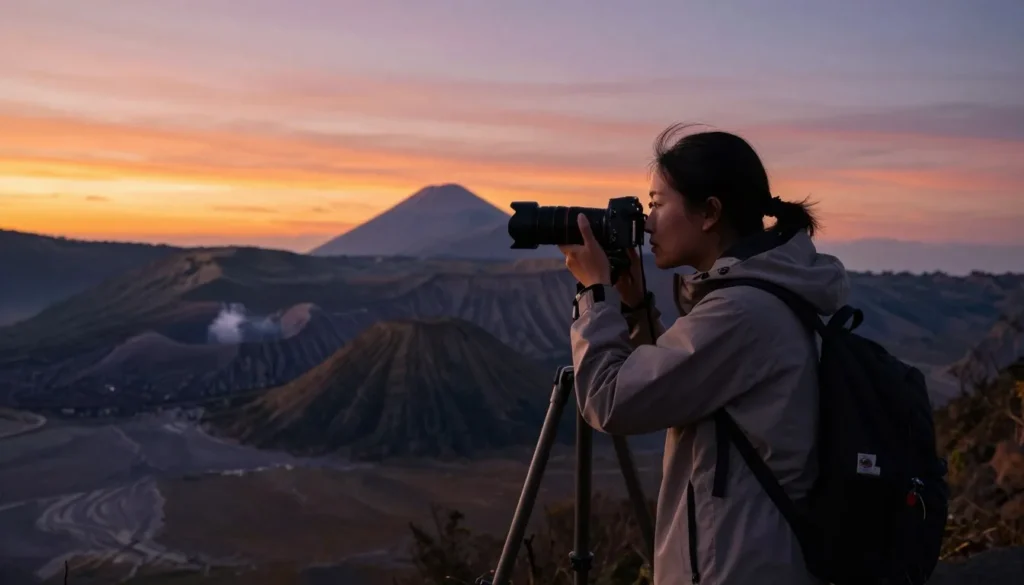
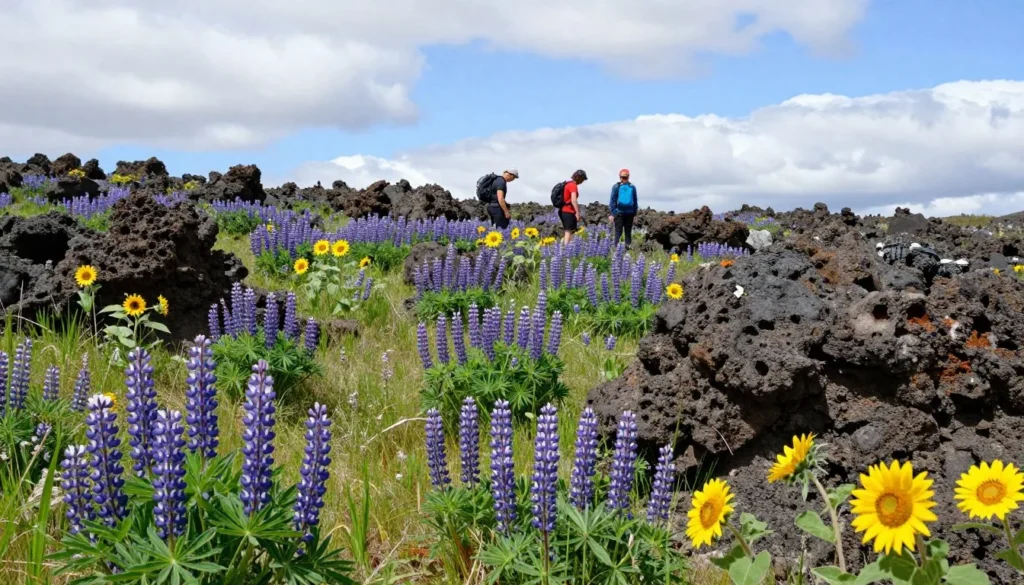
Wildflower season from July through August adds color to compositions. Purple lupines and yellow sunflowers bloom among black volcanic rocks. Afternoon storms build photogenic clouds over the peaks.
Wildflower Viewing
Volcanic ash enriches the soil with minerals. This supports diverse plant communities. Over 200 wildflower species bloom in the area. Peak flowering occurs from mid-July through early August.
Columbines, Colorado’s state flower, thrive in partially shaded areas. Indian paintbrush adds brilliant red splashes. Rare alpine species grow above 3,353 m (11,000 ft).
Travel With Children
Families find plenty of kid-friendly activities near Twin Peaks Volcanic Remnants Colorado. Shorter trails accommodate small legs. Educational programs teach children about volcanic processes.
Family-Friendly Trails
- Lava Bubble Walk: 1.6 km (1 mile) flat loop
- Ash Pit Trail: 2.4 km (1.5 miles) gentle grade
- Rock Garden Path: 0.8 km (0.5 miles) wheelchair accessible
Kid Activities
- Junior Ranger programs at visitor centers
- Rock identification workshops
- Fossil hunting in designated areas
- Nature scavenger hunts
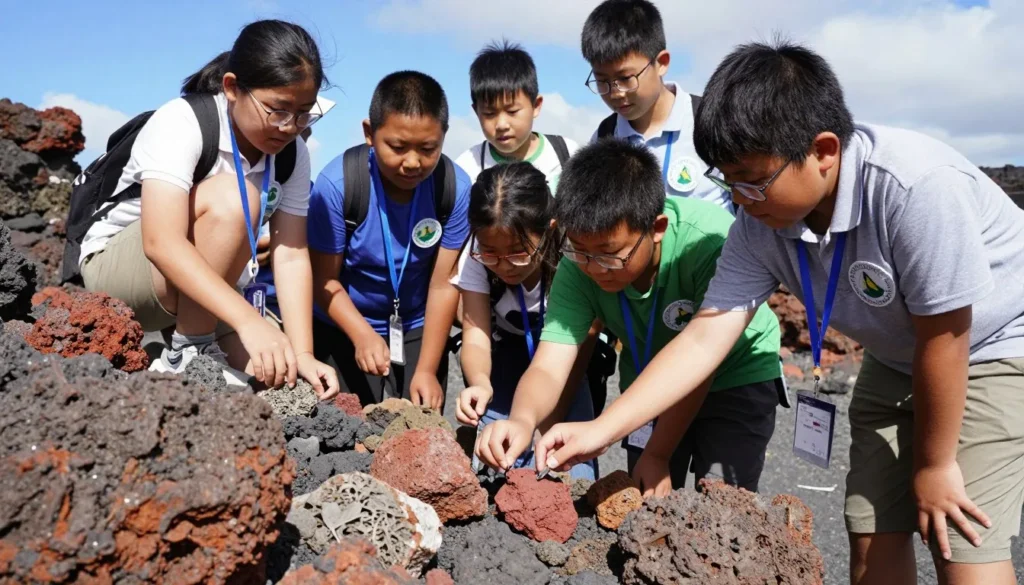
The visitor center stocks activity books and collection bags. Kids can gather interesting rocks from designated areas. Rangers answer questions about volcanic eruptions and geology.
Pack extra snacks and water for children. Altitude affects young hikers differently. Watch for signs of fatigue or altitude sickness. Take frequent breaks in shaded spots.
Playground facilities exist in Gunnison and Salida. These provide breaks from hiking. Local ice cream shops reward tired young explorers.
Money Saving Tips
Visiting Twin Peaks Volcanic Remnants doesn’t require a large budget. Smart planning stretches your travel dollars further.
Free Activities
All hiking trails are free to access. No entrance fees apply to the volcanic field area. Ranger-led talks and geology presentations cost nothing. Wildflower viewing and wildlife watching require only time and patience.
- Camp instead of staying in hotels to save $100+ per night
- Pack picnic lunches rather than eating at restaurants
- Visit during shoulder season (May or September) for lower lodging rates
- Fill water bottles from mountain streams after filtering
- Download free trail maps instead of buying printed versions
- Join ranger programs rather than hiring private guides
- Shop at grocery stores in larger towns before arriving
Many hotels offer midweek discounts. Booking directly sometimes provides better rates than online travel sites. Ask about AAA or senior discounts.
Gas costs less in bigger towns. Fill your tank in Gunnison or Salida. Prices increase at remote gas stations.
Free camping is allowed in designated dispersed areas. These sites lack amenities but cost nothing. Get current information from the Forest Service office.
Safety & Local Customs
The volcanic field area presents typical mountain hazards. Preparation and awareness keep visitors safe. Weather changes rapidly at higher elevations.
Essential Safety Precautions
Always tell someone your hiking plans and expected return time. Carry the ten essentials including navigation tools, sun protection, and first aid supplies. Cell phones don’t work reliably in remote areas.
Wildlife Safety
Black bears inhabit forested areas near the volcanic remnants. Store food properly in bear-resistant containers. Never approach or feed wildlife. Make noise while hiking to avoid surprising animals.
Mountain lions live throughout this region but rarely show themselves. If you encounter one, maintain eye contact and back away slowly. Never run from large predators.
Weather Hazards
Lightning strikes kill several people in Colorado mountains each year. Dark clouds and thunder signal immediate danger. Descend from ridges and peaks quickly. Avoid isolated trees and rock outcrops.
Hypothermia threatens hikers year-round. Wet clothes lose insulating ability. Pack extra layers even on warm days. Weather can change within minutes.
Altitude Considerations
Give your body time to adjust to elevation. Spend a day or two at moderate altitude before hiking high peaks. Drink twice as much water as normal. Avoid alcohol for the first day.
Symptoms of altitude sickness include headache, nausea, and dizziness. Descend immediately if symptoms worsen. Don’t continue climbing if you feel unwell.
Local Customs
Trail etiquette requires yielding to uphill hikers. Stay on established paths to prevent erosion. Pack out all trash including orange peels and apple cores.
Leave rocks and natural objects in place for others to enjoy. Take only photographs. Federal law protects archaeological artifacts and fossils.
Respect private property boundaries. Some land near the volcanic field belongs to ranches. Closed gates should remain closed. Don’t cut across private land without permission.
Visitor Comments About Twin Peaks Volcanic Remnants
“The volcanic formations took my breath away. We hiked the Volcanic Features Trail and learned so much about how eruptions shaped this landscape millions of years ago. The columnar basalt formations look like giant organ pipes. Our teenagers actually enjoyed the geology lesson because the scenery was so dramatic.”
“I’ve visited volcanic sites in Hawaii and Iceland, but Twin Peaks Volcanic Remnants Colorado offers something unique. The combination of volcanic rocks with Rocky Mountain scenery creates unforgettable views. We camped for three nights and hiked different trails each day. The wildflowers growing through the ash deposits were spectacular. This destination deserves more recognition.”
“Our family spent a week exploring the area last August. The kids participated in the Junior Ranger program and collected volcanic rocks. The rangers were incredibly knowledgeable and patient with endless questions. We learned about calderas, lava flows, and ash deposits. The summit hike challenged us, but the views from the top made every step worthwhile. We’re already planning our return visit.”
Additional Nearby Destinations
Several other attractions lie within easy driving distance. These complement your volcanic field exploration with different experiences.
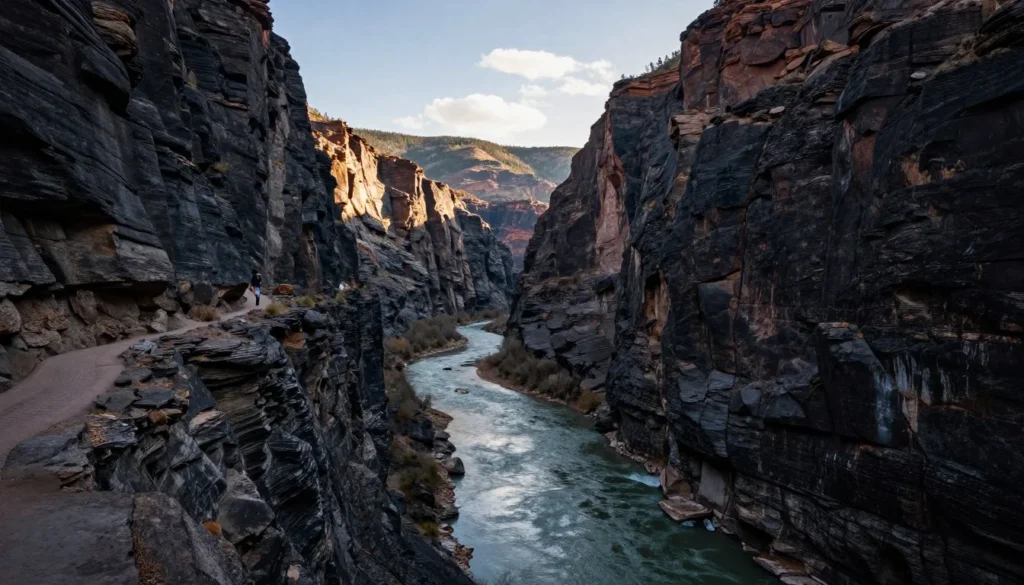
Black Canyon of the Gunnison National Park
This dramatic gorge sits 97 km (60 miles) west of the volcanic field. Sheer cliffs plunge 823 m (2,700 ft) to the Gunnison River. The dark metamorphic rock contrasts with the lighter volcanic formations.
The park offers scenic drives and challenging hikes. Painted Wall, the tallest cliff in Colorado, rises 685 m (2,250 ft). Rangers lead geology programs explaining how the river carved this canyon over millions of years.
Crested Butte
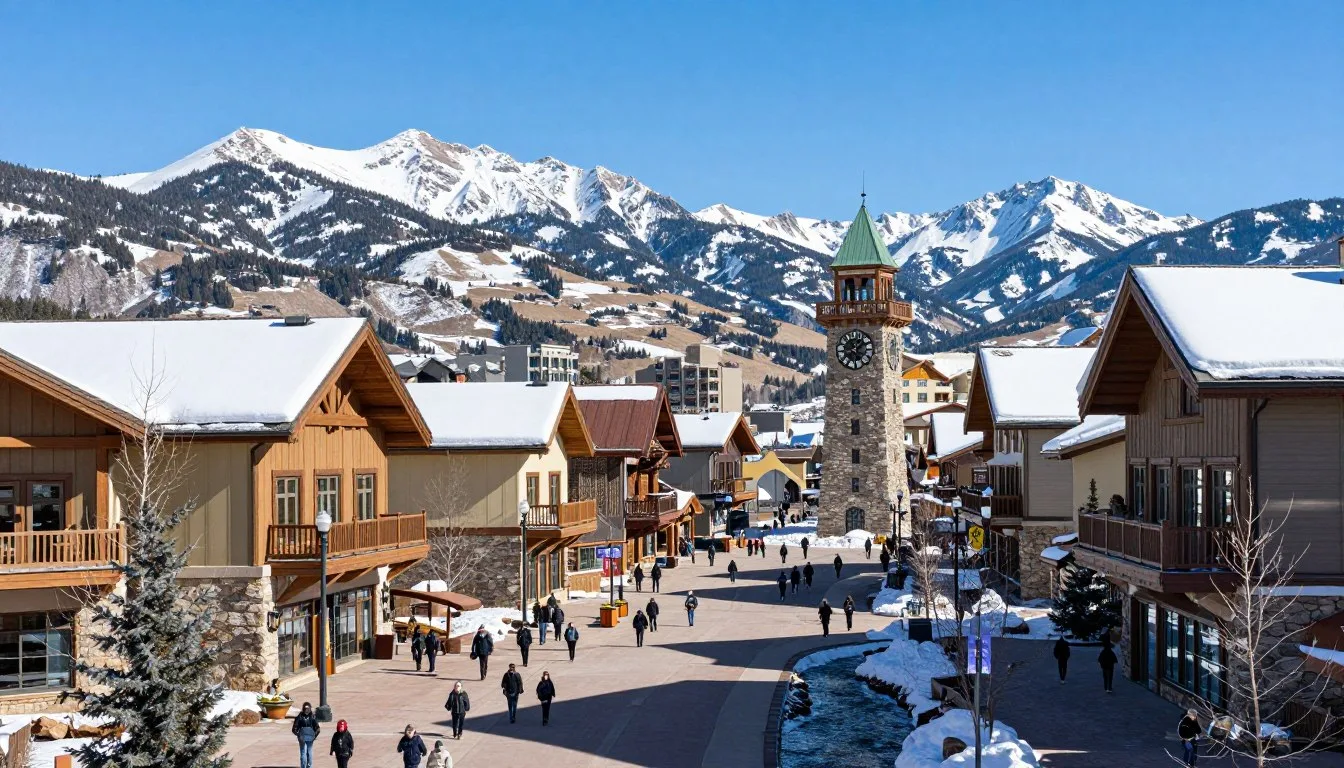
This mountain town located 45 km (28 miles) north features Victorian architecture and wildflower festivals. Summer hiking rivals winter skiing in popularity. The town maintains a relaxed, artistic atmosphere.
Mountain bike trails around Crested Butte are world-renowned. The area claims to be the birthplace of mountain biking. Numerous trails wind through aspen groves and alpine meadows.
Great Sand Dunes National Park
North America’s tallest sand dunes lie 129 km (80 miles) southeast. The dunes reach heights of 229 m (750 ft). These formed from volcanic sediments eroded from nearby mountains over thousands of years.
Visitors slide down dunes or splash in Medano Creek. The stream flows seasonally across the sand. Backcountry camping allows overnight stays among the dunes under star-filled skies.
Monarch Pass
This 3,447 m (11,312 ft) mountain pass provides stunning alpine scenery. The Continental Divide runs along the ridgeline. Stop at the summit to watch for bighorn sheep.
A gondola operates during summer months. It carries passengers to an observation platform above the pass. Interpretive signs explain local geology and ecology.
Practical Travel Tips
These final recommendations help ensure a smooth visit to Twin Peaks Volcanic Remnants Colorado. Small details make big differences in mountain environments.
What to Pack
- Layers for changing weather conditions
- Sturdy hiking boots with ankle support
- Sun protection: hat, sunglasses, SPF 50 sunscreen
- Reusable water bottles (minimum 2 liters)
- First aid kit with blister treatment
- Headlamp or flashlight with extra batteries
- Trail snacks with protein and carbohydrates
- Camera with extra memory cards
Important Resources
- Download offline maps before losing signal
- Check weather forecasts daily
- Carry cash for areas without card readers
- Bring printed confirmation for reservations
- Pack a physical Colorado road map
- Save emergency numbers in your phone
Best Photography Times
Golden hour occurs roughly one hour after sunrise and one hour before sunset. The low angle light brings out textures in volcanic rocks. Shadows add depth to photographs.
Midday sun creates harsh shadows and washed-out colors. Use this time for lunch breaks and resting. Overcast days provide soft, even lighting for close-up shots of rocks and wildflowers.
Staying Connected
Cell phone service works reliably in Gunnison and Salida. Coverage becomes spotty in the mountains. Verizon generally provides the best reception in rural Colorado.
Public WiFi is available at libraries, visitor centers, and most hotels. Download maps, trail guides, and weather forecasts while connected. Consider a satellite communicator for emergency backup.
Environmental Responsibility
Practice Leave No Trace principles throughout your visit. Pack out all trash including food scraps. Bury human waste at least 61 m (200 ft) from water sources and trails.
Stay on established trails to prevent erosion. Shortcutting switchbacks damages fragile alpine vegetation. These plants grow slowly at high altitude and recover slowly from damage.
Respect quiet hours at campgrounds. Keep noise levels down especially early morning and late evening. Other visitors come seeking solitude and natural sounds.
Medical Facilities
Gunnison Valley Hospital provides emergency services twenty-four hours daily. The facility is located at 711 North Taylor Street in Gunnison. For emergencies, dial 911.
Several urgent care clinics operate in both Gunnison and Salida. These handle minor injuries and altitude sickness. Pharmacies in both towns fill prescriptions.
Wilderness first aid training proves valuable in remote areas. Consider taking a course before your trip. Basic skills help manage common trail injuries.
Your Volcanic Adventure Awaits
Twin Peaks Volcanic Remnants Colorado stands as a testament to Earth’s powerful forces. Millions of years ago, violent eruptions reshaped this landscape. Today, you can walk among the rocks, ash, and lava flows that tell that ancient story.
Whether you’re drawn by geological wonders, outdoor recreation, or simply stunning scenery, this destination delivers unforgettable experiences. Every trail reveals new perspectives on volcanic processes. Each viewpoint showcases the dramatic results of those eruptions long ago.
The combination of natural beauty, educational opportunities, and outdoor adventures creates the perfect mountain getaway. Start planning your journey to discover these remarkable volcanic remnants. The peaks are waiting to share their ancient secrets with you.