Hotels by Trip.com
Flights by Trip.com
Here’s something that might surprise you. This 72-hectare (178-acre) national wildlife refuge sits just minutes from Denver’s bustling metro area, yet hosts over 130 bird species throughout the year. Two Ponds National Wildlife Refuge takes its name from the two natural prairie ponds that form its heart, created centuries ago by beaver activity along a small tributary of Clear Creek.
This urban oasis offers a rare chance to experience authentic Colorado prairie habitat without leaving the city. Whether you’re a serious birder, a family seeking nature connection, or someone who needs a peaceful break from city life, this refuge delivers surprising richness in a compact setting.
Getting There & Planning Your Journey
Two Ponds National Wildlife Refuge sits in Arvada, Colorado, making it exceptionally accessible for both locals and travelers. The refuge is located at 7555 West 92nd Avenue, placing it firmly within the Denver metropolitan area.
Nearest Airports
Denver International Airport (DEN) stands as your primary gateway, located approximately 56 km (35 miles) northeast of the refuge. This major hub connects to destinations worldwide. From DEN, you can rent a car or use ride-share services.
Rocky Mountain Metropolitan Airport, a smaller facility in Broomfield, sits just 16 km (10 miles) away. This airport primarily serves private and charter flights.
Driving Directions
From Denver International Airport, take Peña Boulevard to I-70 West. Continue to I-76 West, then take the exit for 92nd Avenue. The total drive takes approximately 45 minutes in normal traffic.
Free parking is available at the refuge entrance. The lot accommodates standard vehicles, and spaces rarely fill completely except during peak migration seasons in spring and fall.
For specific refuge information, contact the U.S. Fish and Wildlife Service at +1 (303) 289-0930. Staff can provide current conditions and answer planning questions.
Best Time to Visit & Weather Tips
Timing your visit to Two Ponds National Wildlife Refuge significantly impacts your experience. Each season offers distinct advantages for wildlife viewing and outdoor activities.
Recommended Months to Visit
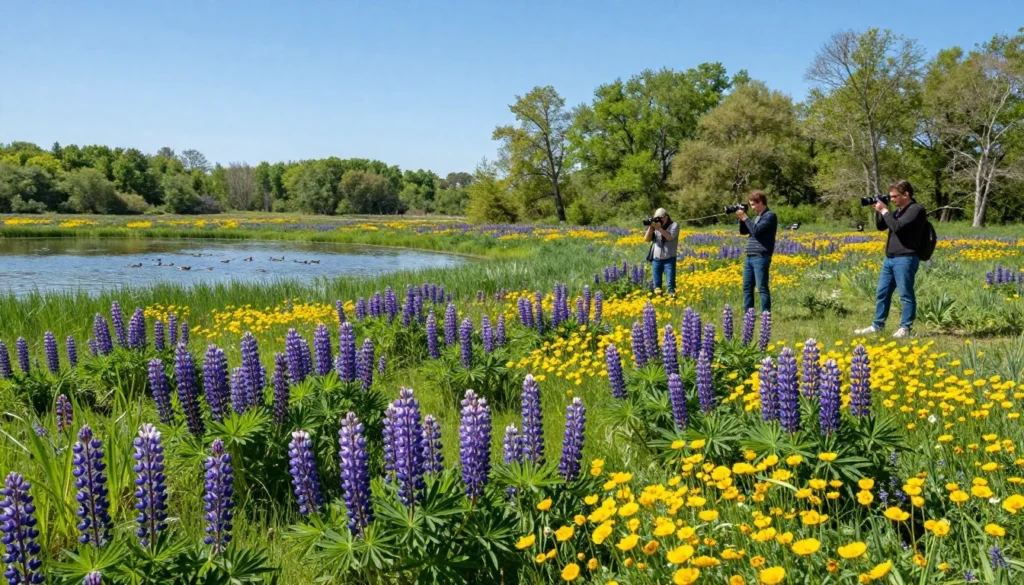
April through June represents prime visiting time. Spring migration brings exceptional bird diversity. Temperatures range from 10°C to 21°C (50°F to 70°F), creating comfortable hiking conditions. Wildflowers bloom across the prairie, adding color to your photographs.
September and October offer another excellent window. Fall migration activity peaks, and cooler temperatures make walking pleasant. Expect weather between 13°C and 24°C (55°F to 75°F). The prairie grasses turn golden, creating beautiful autumn landscapes.
Early mornings throughout these periods provide the best wildlife viewing. Birds are most active during the first three hours after sunrise.
Months to Avoid
July and August bring intense heat, with temperatures often exceeding 32°C (90°F). Wildlife activity decreases during midday hours. Limited shade along trails makes walking uncomfortable.
January and February present harsh winter conditions. While the refuge remains open, snow and ice can make trails treacherous. Temperatures drop below -7°C (20°F) regularly. Wildlife viewing opportunities decrease significantly.
Notable Annual Events
The refuge hosts several programs throughout the year. “Wings Over the Rockies” bird banding demonstrations occur monthly from April through October. These free programs let visitors observe scientific research firsthand.
Annual “National Wildlife Refuge Week” celebrations happen each October. Special guided walks and educational programs run throughout the week. For current event schedules, contact the Rocky Mountain Arsenal National Wildlife Refuge Complex office at +1 (303) 289-0930.
Getting Around Locally
Navigating the area around Two Ponds National Wildlife Refuge is straightforward. The refuge itself is compact and walkable, while the surrounding Arvada area offers various transportation options.
Within the Refuge
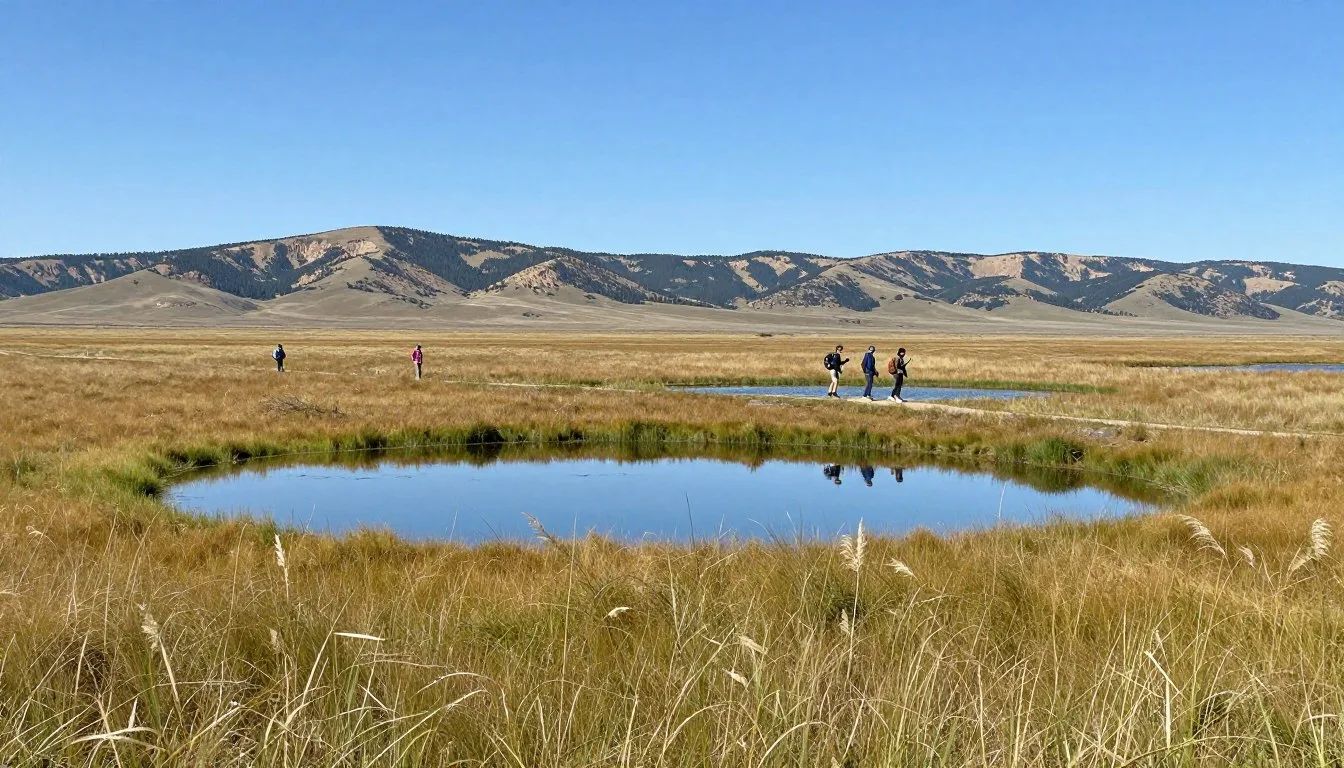
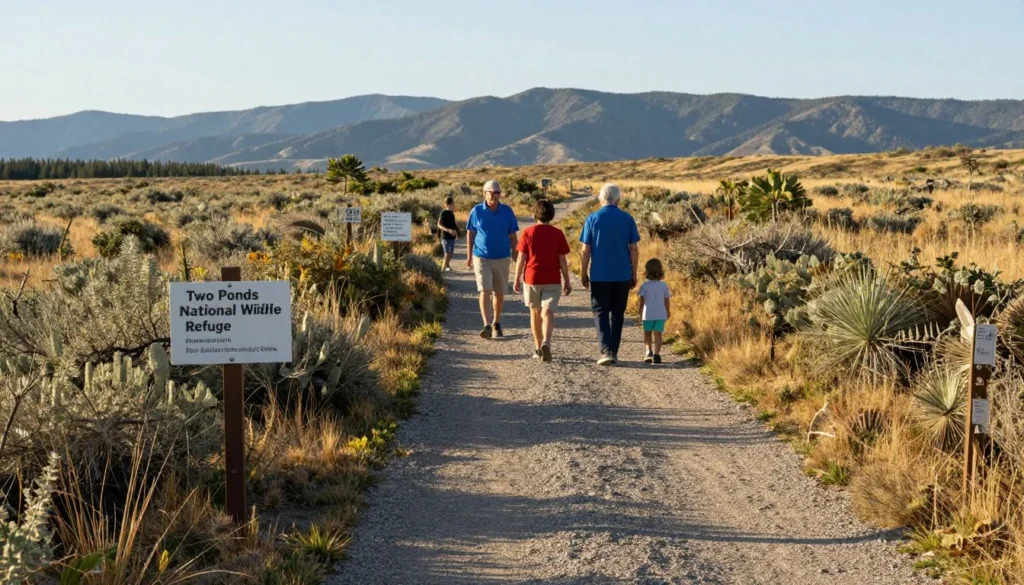
Two Ponds features 2.4 km (1.5 miles) of walking trails. These paths connect in a loop configuration, allowing flexible route planning. The terrain is relatively flat, with elevation changes of only 3 to 6 meters (10 to 20 feet).
All trails are unpaved but well-maintained. Standard walking shoes suffice in dry conditions. Waterproof boots help during spring snowmelt or after rainfall.
Regional Transportation
Personal vehicles provide the most practical way to reach the refuge. Parking is free and ample. The location lacks direct public transit connections.
Regional Trail District (RTD) buses serve nearby Arvada. Route 16 stops approximately 3.2 km (2 miles) from the refuge entrance. This requires a moderately long walk or short ride-share connection.
Bicycle access is possible via local bike paths. The Ralston Creek Trail connects to neighborhoods within 1.6 km (1 mile) of the refuge.
Where to Stay
Two Ponds National Wildlife Refuge doesn’t offer on-site camping or lodging. However, Arvada and nearby Denver provide abundant accommodation options across all price ranges.
Budget Options
Several chain hotels operate in Arvada within 6.4 km (4 miles) of the refuge. These typically charge $75 to $110 per night. Rooms include basic amenities like WiFi and breakfast.
Extended stay properties along West 64th Avenue offer kitchenettes. These suit longer visits or families wanting to prepare meals. Rates start around $85 nightly.
Mid-Range Choices
Arvada’s hotel corridor near Indiana Street provides comfortable mid-range properties. Expect to pay $120 to $180 per night. These hotels feature pools, fitness centers, and business facilities.
Westminster, just east of the refuge, adds more options. Properties here place you within 8 km (5 miles) of Two Ponds while providing easy access to Denver attractions.
Upscale Accommodations
Downtown Denver, approximately 19 km (12 miles) southeast, offers luxury hotels. Rates range from $200 to $400 nightly. These properties provide full-service amenities, restaurants, and concierge services.
Boulder, 32 km (20 miles) northwest, presents another upscale option. This college town combines natural beauty with sophisticated dining and lodging.
Dining & Local Cuisine
While Two Ponds National Wildlife Refuge doesn’t have on-site dining, Arvada’s food scene delivers variety. Local restaurants range from casual cafes to upscale establishments.
Quick Meals Near the Refuge
Fast-casual restaurants cluster along Wadsworth Boulevard, approximately 4.8 km (3 miles) from Two Ponds. Options include sandwich shops, Mexican quick-service, and pizza places. Meals typically cost $8 to $15 per person.
Pack picnics for refuge visits. No food vendors operate on-site. Designated picnic areas near the parking lot provide tables and trash receptacles.
Local Specialties
Colorado’s food culture emphasizes locally-sourced ingredients and craft beverages. Bison burgers appear on many menus, offering a regional alternative to beef. Rocky Mountain trout, whether pan-fried or grilled, showcases local freshwater fishing.
Green chile features prominently in Colorado cuisine. This mild to medium-spicy sauce tops everything from breakfast burritos to burgers. Don’t miss trying this regional staple.
Dining Districts
Olde Town Arvada, approximately 8 km (5 miles) from the refuge, concentrates numerous restaurants in a walkable historic district. Family-owned eateries serve Italian, American, and Asian cuisines. Most offer outdoor seating during warm months.
Local breweries dot the area. Colorado’s craft beer scene ranks among America’s best. Several Arvada breweries offer tours and tasting rooms alongside food menus.
Attractions, Sightseeing & Activities
Two Ponds National Wildlife Refuge centers on wildlife observation and nature appreciation. The compact refuge packs remarkable biodiversity into its 72 hectares (178 acres).
Wildlife Viewing Opportunities
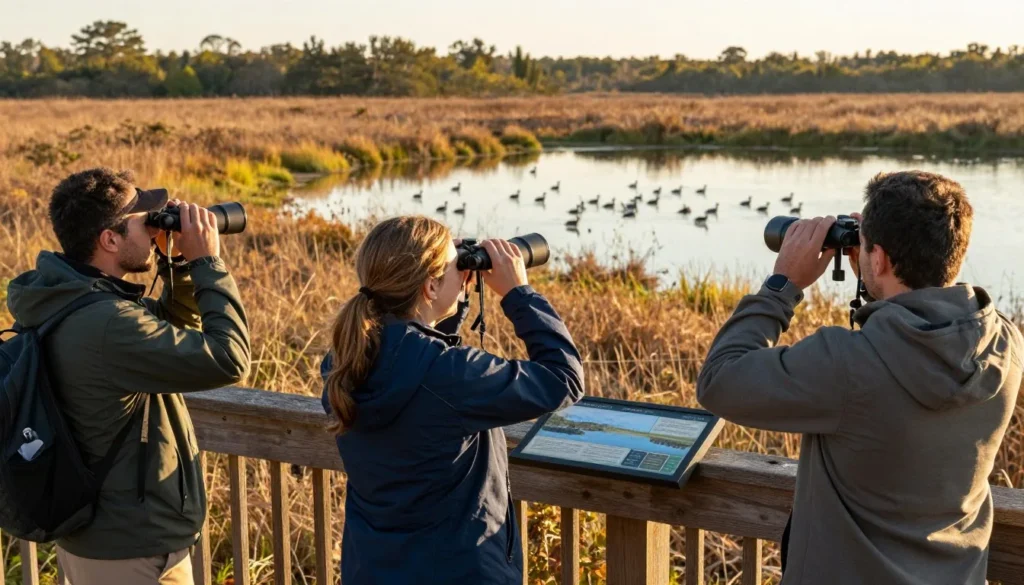
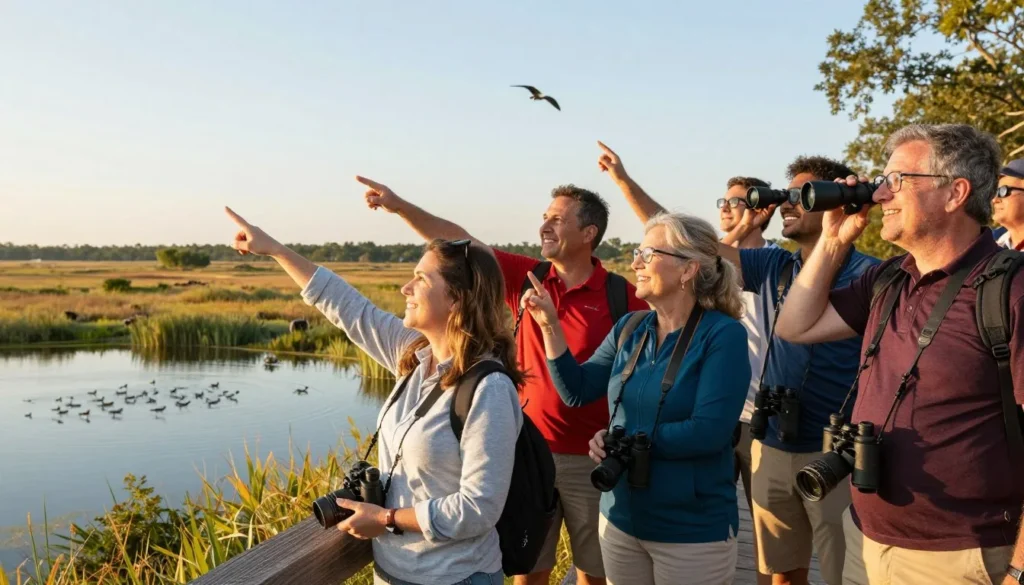
Bird watching dominates visitor activities. The refuge’s position along the Central Flyway makes it a migration stopover. Spring and fall bring warblers, sparrows, and waterfowl in impressive numbers.
Year-round residents include red-tailed hawks, great blue herons, and various duck species. Bald eagles occasionally visit during winter months. The ponds attract Canada geese, mallards, and wood ducks.
Mammals appear less frequently but include red foxes, coyotes, and muskrats. White-tailed prairie dogs inhabit burrow systems visible from trails. Early morning and evening hours offer the best mammal viewing chances.
Trail System
The refuge maintains one primary loop trail measuring 2.4 km (1.5 miles). This path circles both ponds, providing varied viewing angles and habitat access. Completion takes 45 to 90 minutes at a leisurely pace.
Observation platforms positioned along the trail allow extended wildlife watching without disturbing animals. These elevated viewpoints work particularly well for photography.
Trail surfaces consist of packed gravel and dirt. Gentle grades make the path accessible for most fitness levels. Wheelchair users may find some sections challenging, though the terrain remains relatively flat.
Photography Opportunities
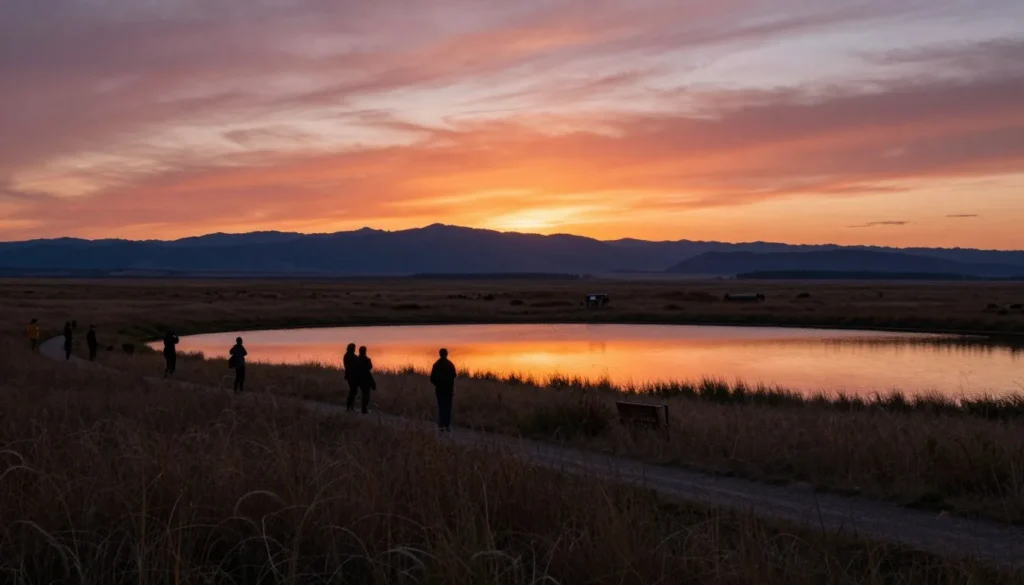
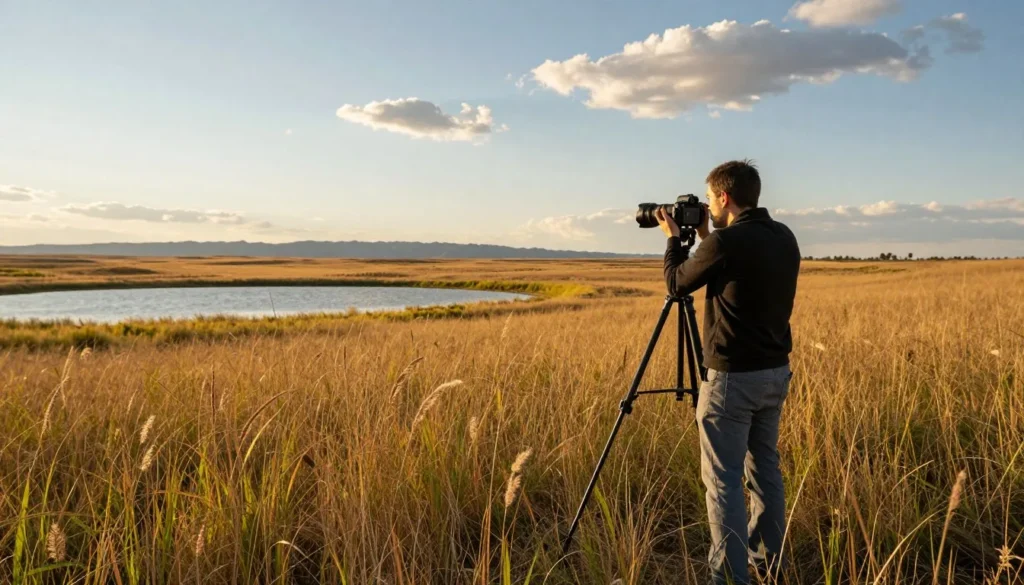
Two Ponds offers exceptional photography potential. The ponds themselves provide reflective surfaces for landscape compositions. Waterfowl and wading birds allow relatively close approaches for wildlife portraits.
Golden hour lighting—the first and last hours of daylight—creates the most dramatic conditions. Morning light typically produces clearer skies, while evening sessions capture warmer tones.
Telephoto lenses between 200mm and 400mm work best for bird photography. Wide-angle lenses capture landscape vistas including the Rocky Mountain backdrop.
Museums, Cultural Spots & Festivals
While Two Ponds National Wildlife Refuge itself focuses on nature, the surrounding area offers cultural attractions. Arvada maintains several museums and performance venues within short drives.
Nearby Museums
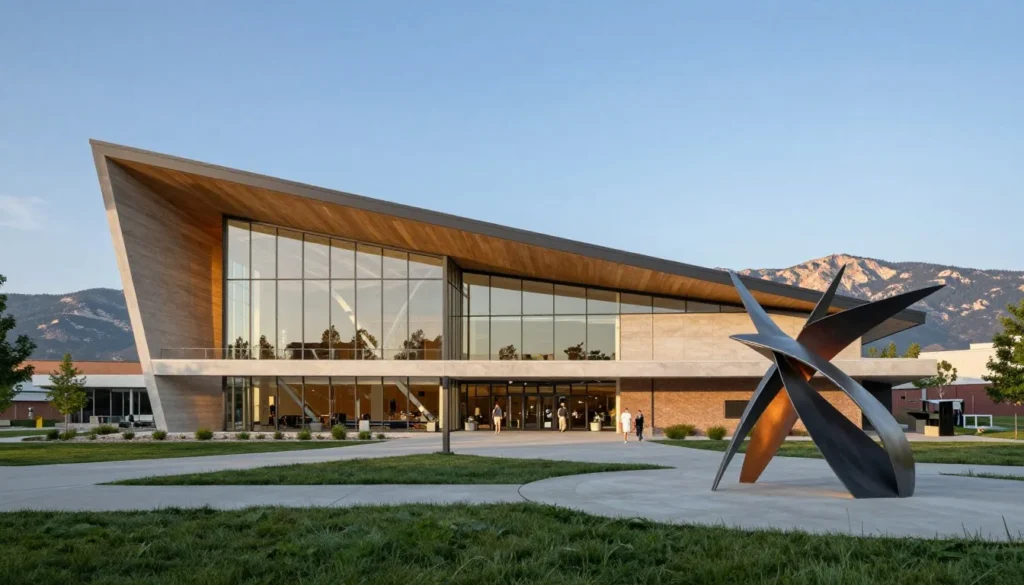
Arvada Center for the Arts and Humanities, 11 km (7 miles) from the refuge, combines galleries, theaters, and educational spaces. Rotating exhibitions feature Colorado artists. Admission to galleries is free.
The center’s outdoor sculpture garden includes works by regional and national artists. This free attraction remains open during daylight hours.
Historical Sites
Olde Town Arvada preserves buildings dating to the 1870s. Self-guided walking tours highlight Victorian-era architecture and gold rush history. Interpretive signs provide historical context.
The Arvada Flour Mill, a restored 1927 industrial building, now houses shops and restaurants. This adaptive reuse project demonstrates local preservation efforts.
Annual Events
Arvada’s Harvest Festival occurs each September in Olde Town. This community celebration features live music, craft vendors, and food stalls. Admission is free, though some activities charge small fees.
The Colorado Irish Festival takes place each July at nearby Highlands Ranch. This three-day event celebrates Irish culture through music, dance, and food. For information, contact organizers at +1 (720) 344-3168.
Nature & Outdoor Experiences
Beyond Two Ponds National Wildlife Refuge, the region offers diverse outdoor recreation. Colorado’s natural beauty extends in every direction from this urban oasis.
Additional Hiking Options
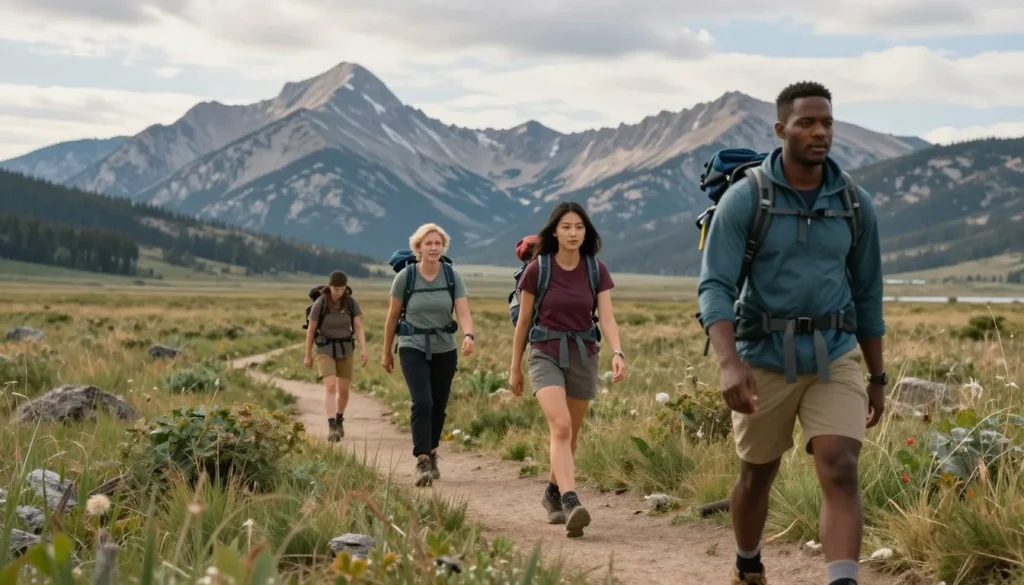
White Ranch Open Space, 16 km (10 miles) west, provides 32 km (20 miles) of mountain trails. Elevation ranges from 1,829 to 2,286 meters (6,000 to 7,500 feet). These trails challenge hikers with steeper grades and longer distances than Two Ponds.
Standley Lake Regional Park, 8 km (5 miles) north, surrounds a 486-hectare (1,200-acre) reservoir. The shoreline trail extends 16 km (10 miles), offering flat walking with water views throughout.
Water Activities
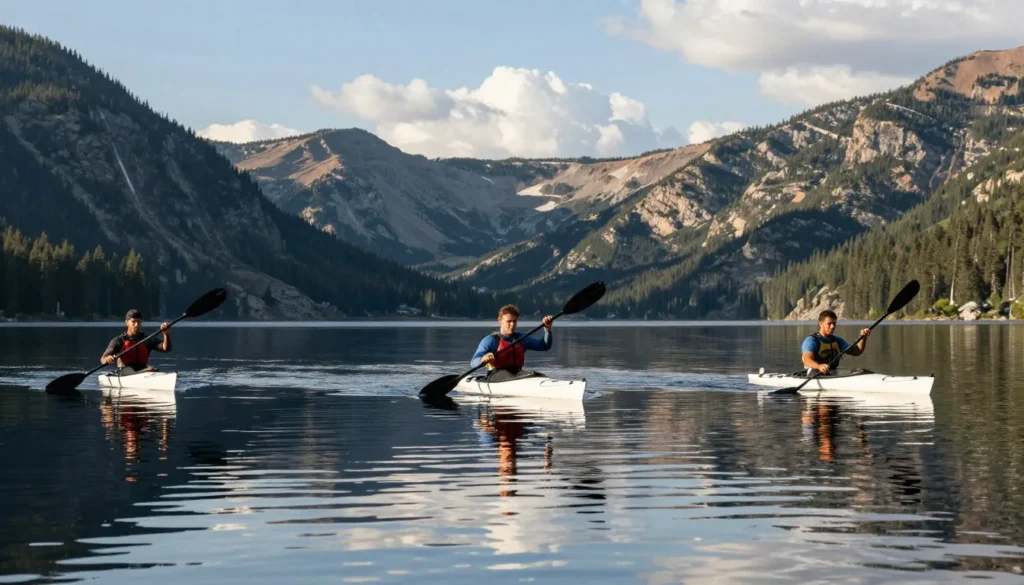
Standley Lake permits non-motorized boating. Kayakers and stand-up paddleboarders launch from designated areas. No swimming is allowed, as the lake serves as a municipal water supply.
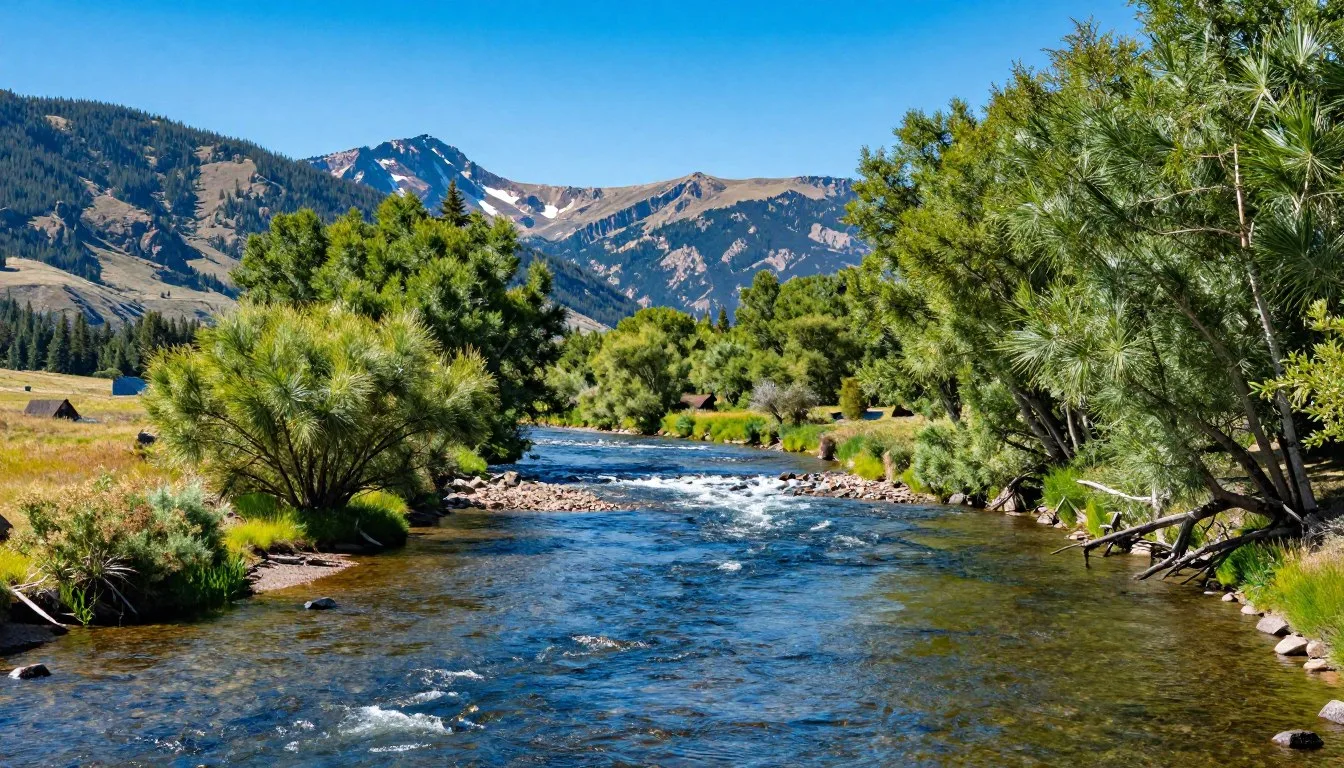
Nearby Clear Creek provides opportunities for kayaking and fishing. Access points exist in Golden, 19 km (12 miles) south. Spring runoff creates Class II-III rapids suitable for intermediate paddlers.
Cycling Routes
The Ralston Creek Trail connects regional parks and neighborhoods. This paved path extends approximately 19 km (12 miles) through northwest metro Denver. Gentle grades suit recreational cyclists and families.
Mountain bikers find technical trails at White Ranch. Routes range from intermediate to expert difficulty. Summer weekends attract crowds, so weekday visits offer more solitude.
Winter Recreation
While Two Ponds remains accessible year-round, winter conditions limit trail use. Nearby Eldora Mountain Resort, 56 km (35 miles) west, provides downhill skiing and snowboarding.
Cross-country skiing options exist at Golden Gate Canyon State Park, 40 km (25 miles) northwest. The park maintains groomed trails through ponderosa pine forests.
Travel With Children
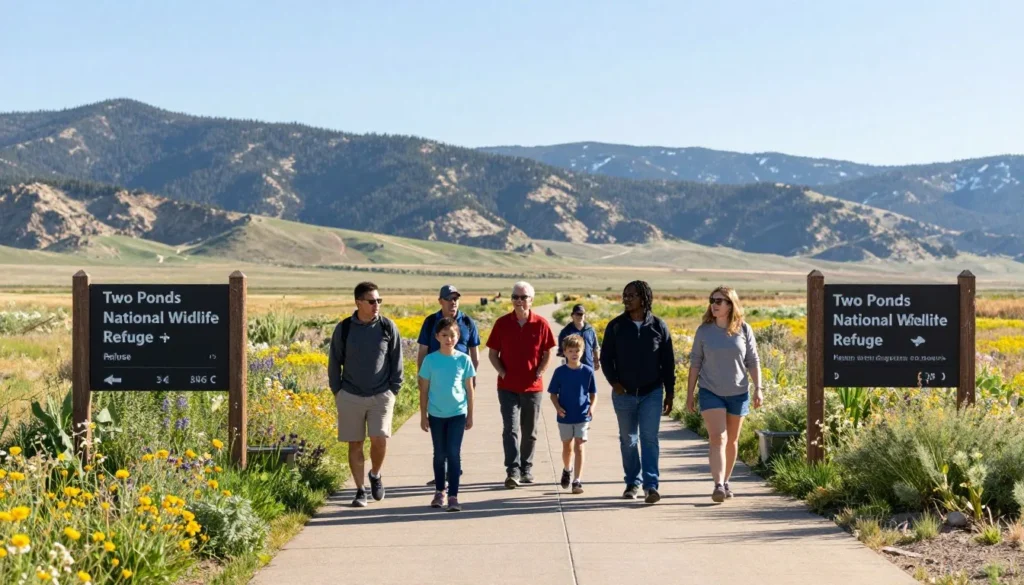
Two Ponds National Wildlife Refuge works well for families with children. The compact size, gentle trails, and abundant wildlife keep young visitors engaged.

Age-Appropriate Activities
The 2.4 km (1.5 mile) loop trail suits children aged five and older. Young legs can complete the distance with occasional rest stops. Bring a stroller for toddlers, though some unpaved sections may prove bumpy.
Wildlife observation captivates kids naturally. Ducks and geese often approach viewing platforms closely. Prairie dogs perform comical behaviors that amuse children of all ages.
Junior Ranger programs run during summer months. These free activities teach children about prairie ecosystems through games and guided activities. Contact the refuge office for current schedules.
Family Facilities
Restrooms are located near the parking area. These facilities include changing tables for infants. No additional restrooms exist along the trail, so plan accordingly before starting your walk.
Picnic tables near the entrance provide lunch spots. No playground equipment exists at the refuge, as the focus remains on wildlife habitat preservation.
Educational Opportunities
Interpretive signs along trails explain prairie ecology. These educational panels use clear language accessible to children. Information covers topics from bird migration to native plants.
Refuge staff occasionally lead family-friendly walks. These programs introduce basic wildlife identification and ecology concepts. Check with the visitor contact station for upcoming events.
Safety Considerations
The refuge presents minimal hazards. Trails lack steep drop-offs or dangerous obstacles. Still, supervise young children around water edges.
Teach children to observe wildlife from designated paths. Approaching too closely disturbs animals and may provoke defensive behaviors. Maintain distances of at least 9 meters (30 feet) from all wildlife.
Money Saving Tips
Visiting Two Ponds National Wildlife Refuge costs nothing. This free attraction provides excellent value for budget-conscious travelers exploring Colorado’s Front Range.
Free Experiences
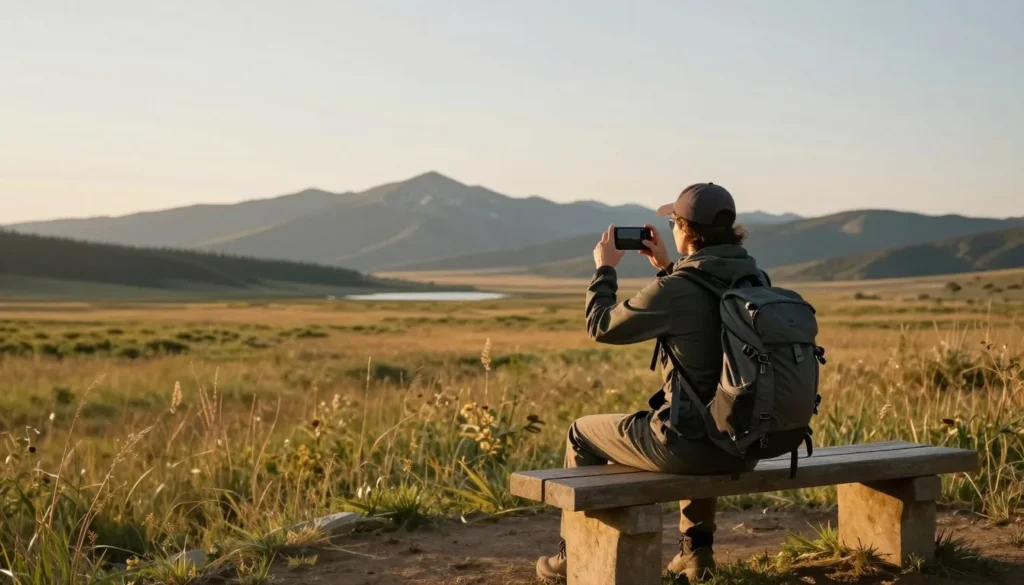
Admission to all U.S. Fish and Wildlife Service refuges remains free year-round. Two Ponds requires no entry fees, parking charges, or activity permits. This includes access to all trails and viewing areas.
Educational programs run by refuge staff cost nothing. Seasonal nature walks, bird banding demonstrations, and Junior Ranger activities welcome participants without charge.
Budget Transportation
Consider carpooling if traveling with others. Parking is free but limited. Combining your visit with other Arvada attractions maximizes your fuel investment.
Bicycle access eliminates fuel costs entirely. The refuge sits within reasonable riding distance of many northwest Denver neighborhoods. Bike racks near the entrance provide secure parking.
Dining Economically
Pack picnics rather than dining at restaurants. Tables near the parking area provide eating space. Grocery stores in Arvada offer sandwich supplies and snacks at lower prices than restaurants.
Fill reusable water bottles before arriving. While drinking fountains exist near the restrooms, bringing your own water ensures hydration throughout your visit.
Accommodation Savings
Visit Two Ponds as a day trip from Denver lodging. This approach works well if you’re already staying in the metro area for other attractions. The 30-45 minute drive makes multiple visits practical.
Budget hotels cluster along Interstate 70 in Wheat Ridge and Arvada. These properties often charge less than downtown Denver options while providing easy refuge access.
Safety & Local Customs
Two Ponds National Wildlife Refuge presents few safety concerns. Basic outdoor precautions ensure enjoyable visits for all guests.
Wildlife Safety
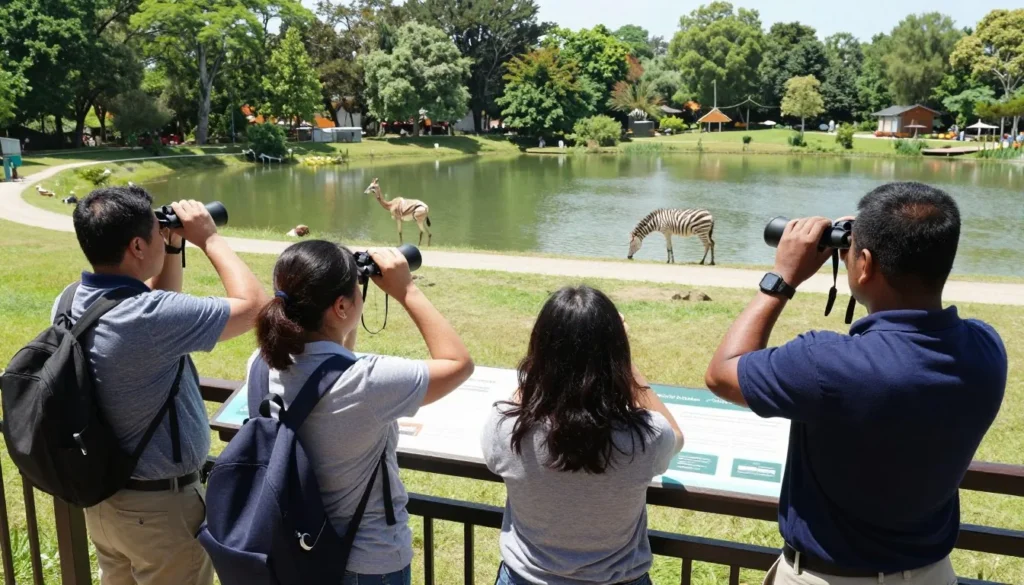
Maintain respectful distances from all animals. While Two Ponds wildlife rarely acts aggressively, wild animals remain unpredictable. Stay at least 9 meters (30 feet) from birds and 23 meters (75 feet) from mammals.
Never feed wildlife. Human food harms animal health and creates dangerous behavioral changes. Feeding violates federal wildlife regulations and may result in fines.
Watch for rattlesnakes during warm months. These venomous snakes inhabit prairie areas throughout Colorado. Stay on designated trails and watch your footing in tall grass.
Environmental Hazards
Colorado’s high elevation and dry climate require hydration awareness. Bring adequate water, even for short walks. Altitude at Two Ponds reaches approximately 1,646 meters (5,400 feet), which may affect visitors from sea level.
Sun protection is essential year-round. Colorado’s intense ultraviolet radiation causes rapid sunburn. Apply broad-spectrum sunscreen with SPF 30 or higher. Wear hats and sunglasses.
Afternoon thunderstorms develop quickly during summer months. These storms produce lightning, heavy rain, and occasionally hail. Monitor weather forecasts before visiting. Seek shelter in vehicles if storms approach.
Trail Etiquette
Remain on marked trails. Shortcutting damages prairie vegetation and disturbs wildlife. Restoration of trampled areas takes years in this fragile ecosystem.
Keep dogs on leashes at all times. Pets must remain under control. Clean up after animals and pack out waste. Some areas prohibit dogs during nesting seasons, so check current regulations.
Practice “leave no trace” principles. Pack out everything you bring in. Avoid picking plants or disturbing natural features. Future visitors deserve the same experience you’re enjoying.
Emergency Contact
For emergencies, dial 911. Cell phone coverage is generally reliable at Two Ponds. The nearest hospital, Lutheran Medical Center, is located 11 km (7 miles) south in Wheat Ridge.
Non-emergency refuge questions can be directed to +1 (303) 289-0930 during business hours.
Visitor Comments About Two Ponds National Wildlife Refuge
Real travelers share their experiences at this remarkable urban refuge. These authentic perspectives help future visitors set appropriate expectations.
Y.I., Maui: “I was skeptical about how good a wildlife refuge this close to Denver could be, but Two Ponds completely changed my mind. We saw over 20 different bird species during our morning walk. The trails are easy enough for my kids but interesting enough that nobody complained. Best part? It’s totally free. We’ve been back three times already.”
V.F., Newcastle: “As a visiting birder from England, I wasn’t sure what to expect from an urban refuge. The variety of prairie species amazed me, including several I’d never seen before. The viewing platforms are thoughtfully placed, and other visitors respected quiet observation. Staff were knowledgeable when I had identification questions. A genuine gem hidden in the suburbs.”
N.G., Cairns: “Perfect for a quick nature break during our Colorado road trip. We only had 90 minutes between other commitments, and Two Ponds fit perfectly. The loop trail is short but packed with wildlife sightings. We spotted muskrats, several duck species, and countless smaller birds. The mountain backdrop makes photos spectacular. Don’t skip this just because it’s small.”
Additional Nearby Destinations
Two Ponds National Wildlife Refuge serves as an excellent starting point for exploring Colorado’s Front Range. Numerous attractions lie within easy driving distance.
Rocky Mountain Arsenal National Wildlife Refuge
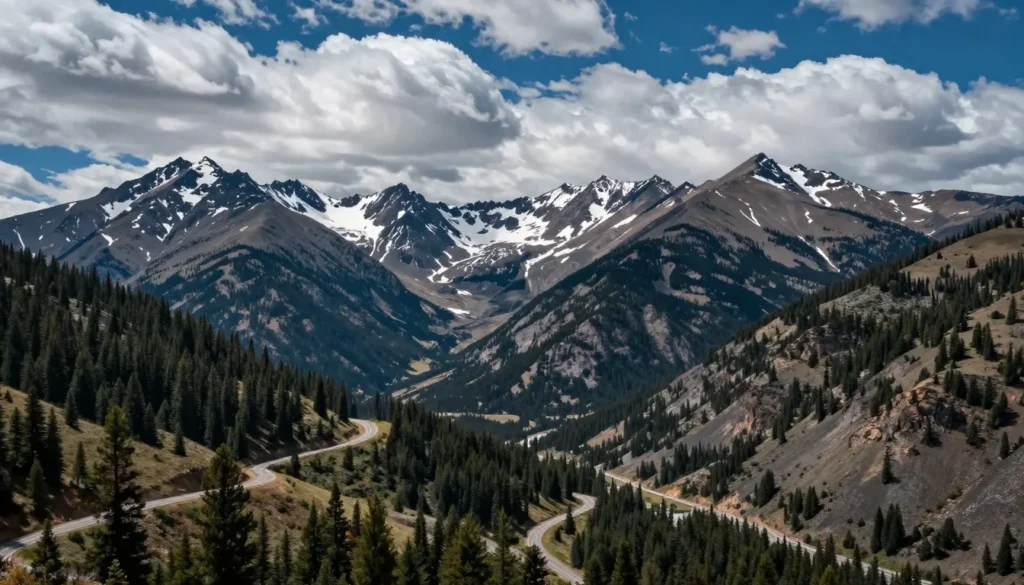
Located 24 km (15 miles) southeast, this 6,070-hectare (15,000-acre) refuge offers expanded wildlife viewing. Large bison herds roam freely across former military lands. An 18 km (11 mile) wildlife drive provides vehicle-based observation.
The refuge hosts over 330 bird species throughout the year. Bald eagles nest on-site during winter and spring. The visitor center features exhibits about habitat restoration and wildlife conservation.
Golden and Clear Creek
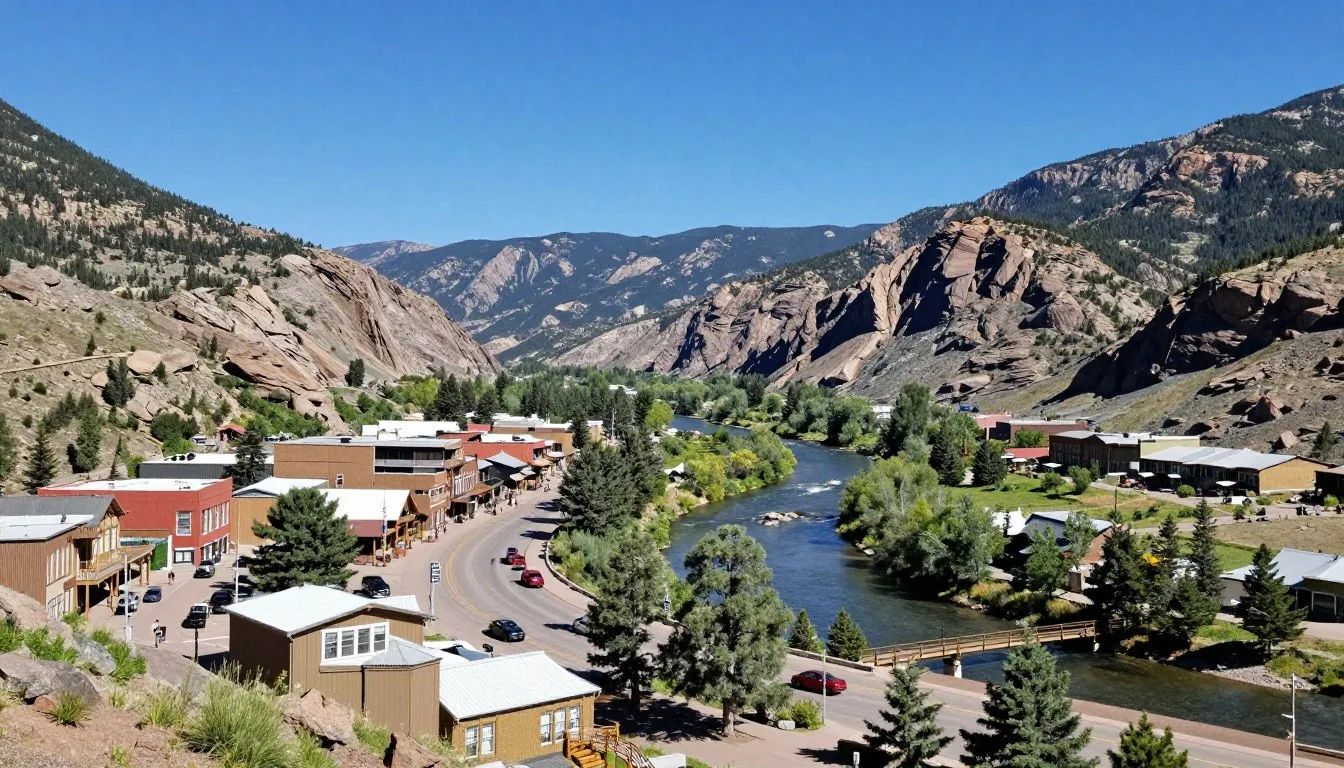
This historic town sits 19 km (12 miles) south of Two Ponds. Downtown Golden preserves its gold rush character while offering modern amenities. Clear Creek flows through town, providing recreation and scenic beauty.
The Colorado School of Mines Geology Museum displays mineral specimens and fossils. Coors Brewery offers tours showcasing beer production. Both attractions maintain free or low-cost admission.
Red Rocks Park and Amphitheatre
Famous for its natural acoustics and stunning geological formations, Red Rocks lies 32 km (20 miles) south. Even without concerts, the park offers hiking trails through dramatic red sandstone formations.
The visitor center includes a museum documenting the venue’s musical history. Trail systems range from easy walks to challenging climbs. Admission to the park is free when concerts aren’t scheduled.
Boulder
This vibrant college city sits 32 km (20 miles) northwest. Boulder combines outdoor recreation with cultural attractions. The Flatirons rock formations provide iconic photo opportunities and world-class rock climbing.
Pearl Street Mall offers pedestrian shopping and dining. Free entertainment from street performers occurs daily. Numerous trailheads access mountain parks within Boulder city limits.
Denver
Colorado’s capital lies 24 km (15 miles) southeast. Major attractions include the Denver Art Museum, Denver Museum of Nature and Science, and Denver Botanic Gardens. The city’s craft brewery scene ranks among North America’s best.
LoDo (Lower Downtown) preserves Victorian-era architecture while housing modern restaurants and shops. The 16th Street Mall provides free shuttle bus service through downtown.
Practical Travel Tips
These final considerations help ensure smooth visits to Two Ponds National Wildlife Refuge and surrounding areas.
What to Bring
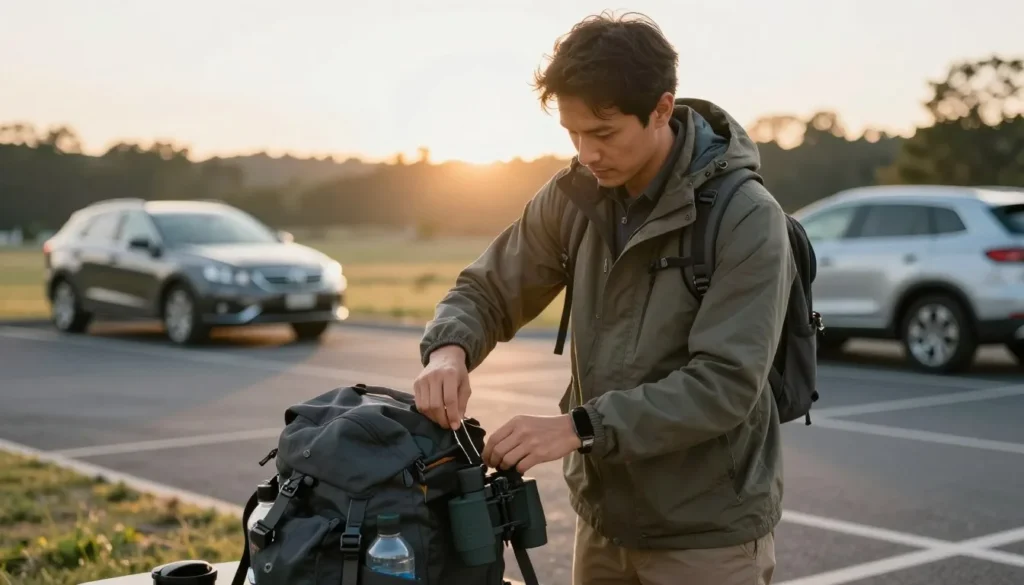
Binoculars enhance wildlife viewing significantly. Models with 8×42 or 10×42 magnification work best for both birds and mammals. Even inexpensive binoculars improve your experience dramatically.
Field guides help identify species. Regional bird guides covering Colorado provide the most relevant information. Smartphone apps like Merlin Bird ID offer free, instant identification assistance.
Layers adapt to changing conditions. Morning temperatures can be 11°C (20°F) cooler than afternoon highs. Bring a light jacket even during summer visits.
Best Practices
Arrive early for optimal wildlife viewing. The first two hours after sunrise produce the most activity. Parking lots rarely fill before 9:00 AM except during peak migration.
Move slowly and quietly along trails. Sudden movements and loud voices disturb wildlife. Patient observers see more animals than those rushing through.
Check the refuge website before visiting for current conditions. Seasonal closures occasionally occur for habitat management or extreme weather. Contact information: +1 (303) 289-0930.
Photography Tips
Morning light provides the best conditions for both landscape and wildlife photography. Calm winds create perfect reflections in the ponds. Golden hour produces warm, flattering tones.
Tripods and monopods stabilize telephoto lenses for sharper images. Carbon fiber models reduce weight during longer walks. Ball heads allow quick adjustments when tracking birds.
Accessibility Information
The parking area and nearby viewing platforms meet ADA accessibility standards. The primary trail surface consists of packed gravel, which may challenge wheelchair users in places.
Refuge staff can provide specific accessibility information for visitors with mobility concerns. Call ahead to discuss individual needs and available accommodations.
Seasons and Clothing
Spring requires waterproof footwear. Snowmelt creates muddy sections through May. Waterproof hiking boots prevent wet feet and provide ankle support.
Summer demands sun protection. Wide-brimmed hats shield faces from intense ultraviolet radiation. Light-colored, long-sleeve shirts prevent sunburn while maintaining comfort.
Fall and winter call for warm layers. Colorado weather changes rapidly. Pack an extra warm layer even if forecasts predict mild conditions.
Local Resources
The Arvada Visitor Information Center, located in Olde Town, provides maps and recommendations. Staff offer insights about current refuge conditions and nearby attractions.
Local Audubon Society chapters lead regular bird walks at area refuges. These free events welcome beginners and provide expert guidance. Check Audubon Rockies online resources for schedules.
Your Prairie Adventure Awaits
Two Ponds National Wildlife Refuge proves that remarkable nature experiences don’t require remote wilderness. This accessible refuge delivers authentic prairie ecology, diverse wildlife, and peaceful respite just minutes from urban Denver.
Whether you’re spotting your hundredth bird species or taking your first nature walk, Two Ponds welcomes you. The trails await your footsteps, the ponds reflect endless skies, and wildlife continues its daily rhythms. Your Colorado adventure starts here, where prairie meets mountains and nature thrives against all odds.