Hotels by Trip.com
Flights by Trip.com
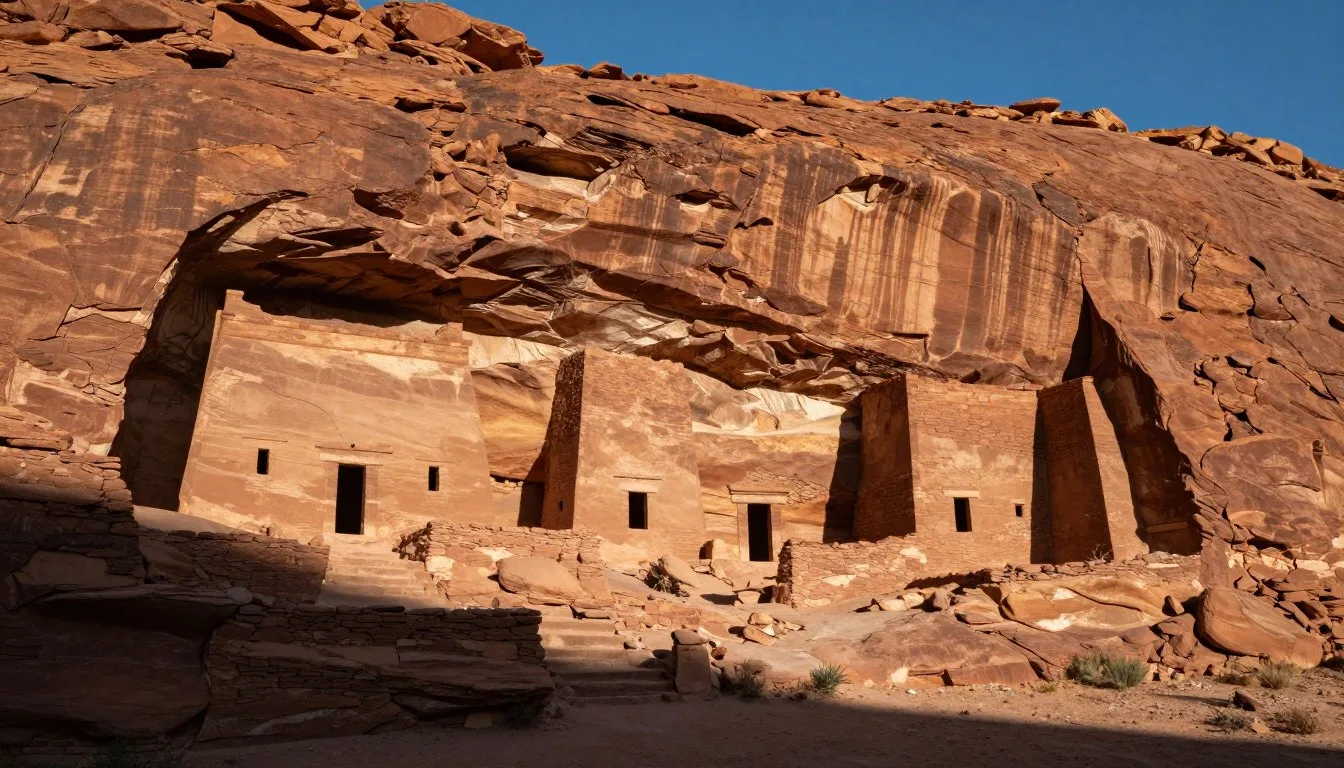
Over 125,000 acres of pristine tribal lands contain more cliff dwellings than Mesa Verde National Park, yet fewer than 10,000 people visit annually. This remarkable place remains one of Colorado’s best-kept secrets. The park is named after the Ute Mountain Ute Tribe, who have protected these ancestral Puebloan sites for generations while maintaining exclusive guided access to preserve their cultural heritage.
Unlike crowded national parks, Ute Mountain Tribal Park offers intimate encounters with 800-year-old civilizations. You walk where ancient people lived, touching walls they built, climbing ladders into cliff dwellings they carved from canyon stone. Every visit requires a tribal guide, creating personalized experiences that honor both the sites and the stories they hold.
Getting There & Planning Your Journey
Ute Mountain Tribal Park sits in southwestern Colorado’s Four Corners region. The tribal park visitor center operates from Towaoc, Colorado, approximately 11 miles south of Cortez on Highway 160/666. This location serves as the mandatory meeting point for all guided tours.
The closest airports include Cortez Municipal Airport, just 16 km (10 miles) north, offering regional connections. Durango-La Plata County Airport lies 64 km (40 miles) east, providing more flight options through major carriers. Albuquerque International Sunport, 295 km (183 miles) southeast, serves as the nearest major hub with extensive national connections.
All tribal park access requires advance reservations through the visitor center at 970-565-3751 extension 330. Tours cannot be joined without prior booking, as the Ute Mountain Ute Tribal members guide all visits personally. Most visitors reserve tours 24 to 48 hours ahead, though busy seasons may require earlier planning.
Important: No self-guided exploration is permitted. Guided access protects both archaeological sites and visitor safety across this rugged terrain.
Best Time to Visit & Weather Tips
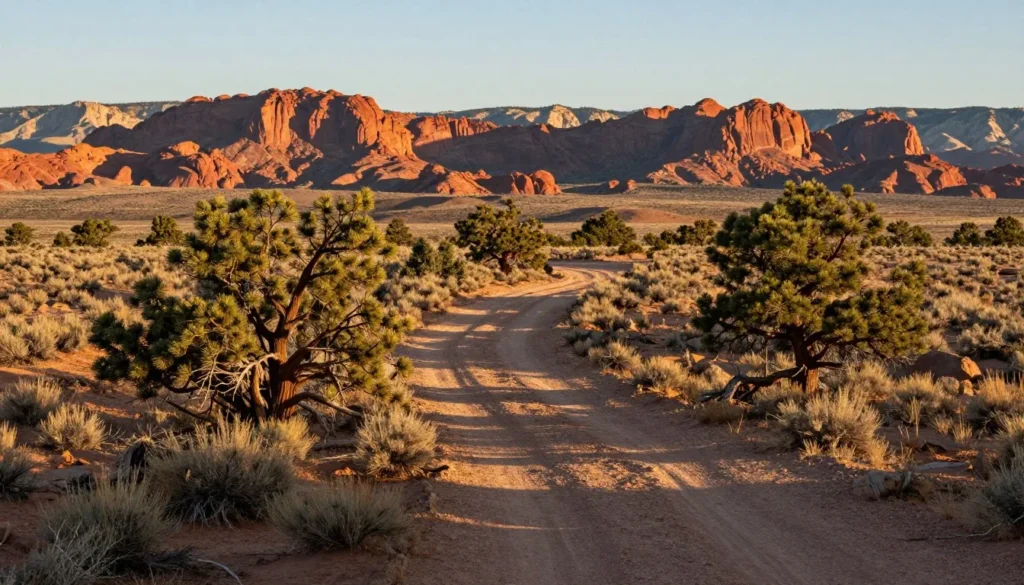
Spring and fall deliver ideal conditions for exploring the tribal park. April through May and September through October offer comfortable temperatures and stunning natural color displays. Daytime temperatures typically range from 18°C to 26°C (65°F to 80°F), perfect for hiking and climbing ladders into cliff dwellings.
Summer brings intense heat, with July and August temperatures exceeding 35°C (95°F). Early morning tours become essential during these months. The desert landscape provides minimal shade, making hydration critical. Winter tours run from November through March, though snow and ice can affect access to certain sites.
Recommended Months
- April – May: Wildflowers bloom, moderate temperatures
- September – October: Fall colors, comfortable hiking
- Early June: Before extreme summer heat
- Late March: Tours resume, fewer crowds
Months to Avoid
- July – August: Extreme heat, afternoon thunderstorms
- December – February: Limited access, cold temperatures
- Late August: Monsoon season peak
Notable Annual Festivals
The Ute Mountain Ute Tribe hosts cultural events that occasionally align with park visits. Contact the tribal park visitor center directly at 970-565-3751 extension 330 for current event schedules and special cultural demonstration days.
Getting Around Locally
Personal vehicles bring you to the tribal park visitor center in Towaoc. Once there, you join your guide in their vehicle for the duration of your tour. The area requires four-wheel-drive transportation to navigate unpaved roads and rugged terrain leading to archaeological sites.
✓ Check 30,000+ Local Sightseeing Tours Worldwide
Cortez, the nearest town, offers rental cars through major agencies. Most visitors stay in Cortez and drive the short distance to the tribal park each day. The drive takes approximately 15 minutes from central Cortez to the visitor center.
No public transportation serves the tribal park. Taxi services and ride-sharing options exist in Cortez but remain limited. Planning your own transportation ensures flexibility for early morning tour departures and evening returns.
Where to Stay
Cortez provides the primary lodging base for tribal park visitors. This small city offers everything from budget motels to comfortable mid-range hotels. Most accommodations sit within 11 to 16 km (7 to 10 miles) of the park entrance.
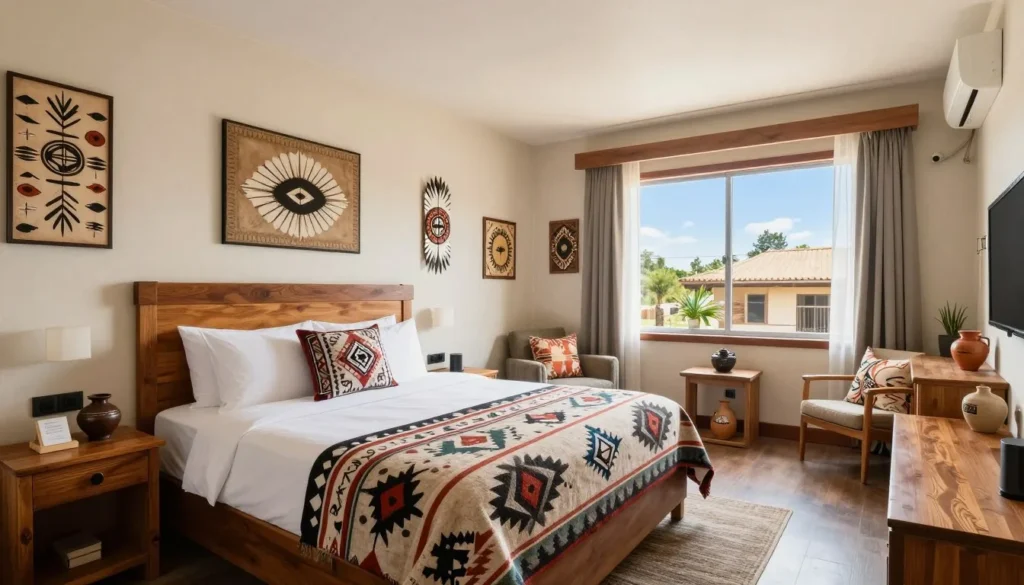
The Ute Mountain Casino Hotel in Towaoc sits closest to the tribal park, just minutes from the visitor center. This property offers modern rooms, dining, and entertainment. Several Cortez hotels cater specifically to archaeological tourism, with staff knowledgeable about area sites.
Camping options exist at nearby Mesa Verde National Park’s Morefield Campground, 32 km (20 miles) northeast. Private RV parks in Cortez accommodate motorhomes and trailers. No camping is permitted within Ute Mountain Tribal Park boundaries.
Dining & Local Cuisine
Cortez restaurants serve diverse cuisine, from traditional American fare to Mexican specialties. Several establishments incorporate Native American ingredients and cooking methods. The Ute Mountain Casino features multiple dining venues including a buffet and steakhouse.
Pack substantial snacks and water for tour days. Full day tours last six to eight hours with limited food stops. Many guides pause at scenic spots where you eat packed lunches while enjoying canyon views. Bringing your own food allows dietary flexibility and ensures adequate nutrition during physically demanding tours.
Local grocery stores in Cortez sell everything needed for trail meals. Evening dining options range from casual cafes to sit-down restaurants. Several Cortez eateries feature regional specialties including Navajo tacos, blue corn dishes, and locally sourced meats.
Attractions, Sightseeing & Activities
Ute Mountain Tribal Park tours focus entirely on ancient cliff dwellings and archaeological sites. Full day tours explore Mancos Canyon, visiting multiple dwelling complexes accessed via hiking and ladder climbing. These comprehensive experiences last approximately eight hours, covering significant ground across the reservation.
Half day tours offer condensed experiences, typically lasting four to five hours. These shorter trips visit accessible sites perfect for those with time limitations or physical considerations. Private tours accommodate families and small groups seeking personalized pacing and interpretation.
Lion Canyon and Tree House represent two major destination areas within the park. Tree House sits perched in a canyon alcove, requiring ladder climbs to enter the well-preserved dwelling. Lion Canyon contains extensive ruins spread across multiple levels, connected by original ancient pathways.
Tour Requirements: Moderate physical fitness required. Expect uneven terrain, ladder climbing (up to 3 meters/10 feet), and significant walking. All tours guided by Ute Mountain Ute Tribal members who share cultural and historical perspectives.

Museums, Cultural Spots & Festivals
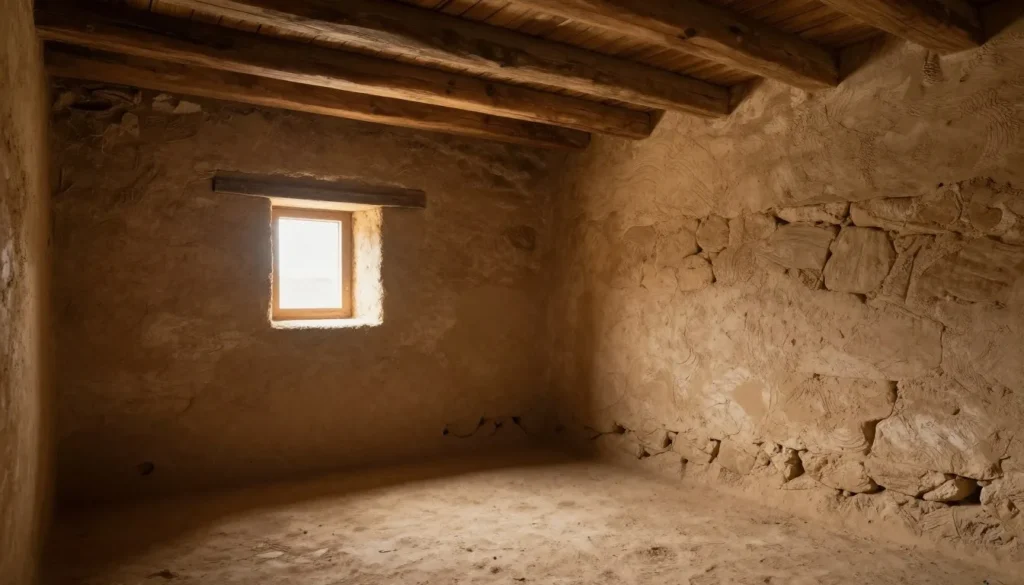
The tribal park itself functions as a living museum. Unlike traditional museums with glass displays, you enter actual spaces where ancestral Puebloan people lived from approximately 1150 to 1300 CE. Your Ute Mountain Ute guide shares both archaeological facts and tribal perspectives on these ancient neighbors.
Nearby Cortez hosts the Cortez Cultural Center, which presents Native American dances and cultural demonstrations during summer evenings. This facility provides context for understanding the Four Corners region’s complex cultural history. The Anasazi Heritage Center, 16 km (10 miles) north of Cortez, houses artifacts and offers hands-on archaeology activities.
Mesa Verde National Park, while separate from the tribal park, complements your understanding of cliff dwelling civilizations. Visiting both sites creates comprehensive insight into ancestral Puebloan culture. Many travelers combine half day tours at each location across multiple days.
Nature & Outdoor Experiences
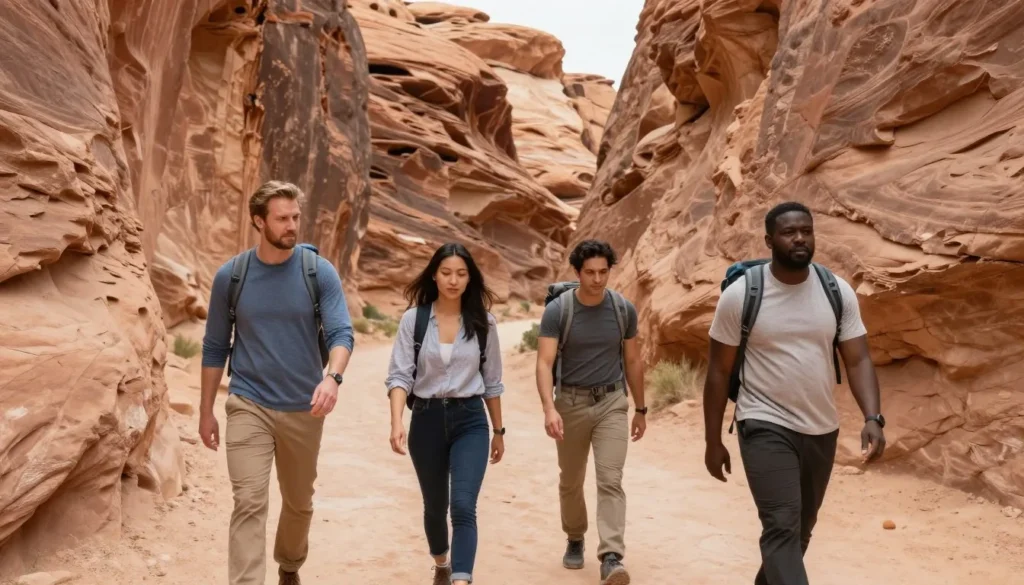
Canyon landscapes dominate the tribal park’s geography. Towering sandstone walls, carved by water over millennia, create dramatic backdrops for ancient ruins. High desert vegetation includes juniper, pinyon pine, sagebrush, and seasonal wildflowers across the mesa tops.
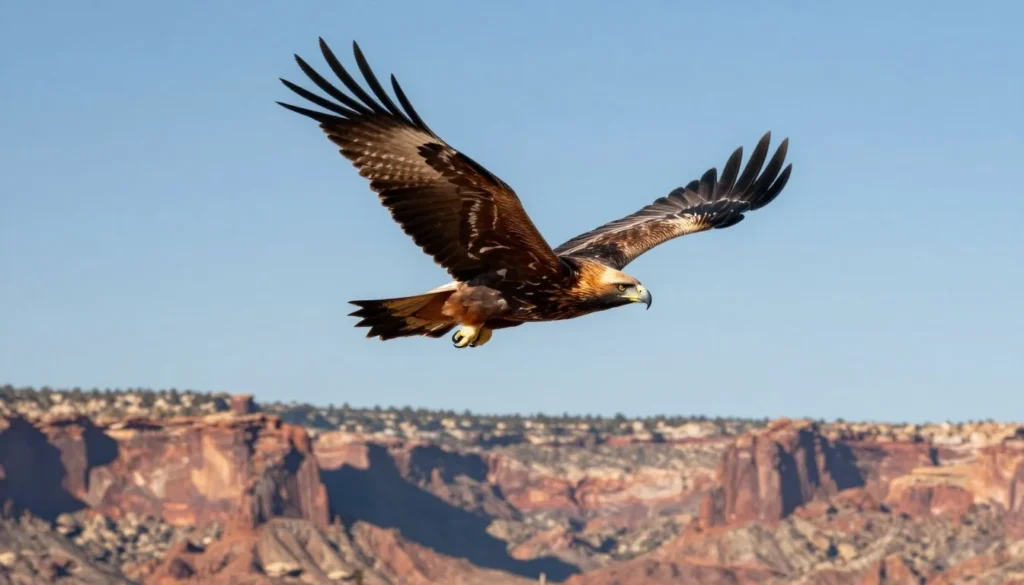
Wildlife sightings enhance tour experiences. Mule deer frequent canyon bottoms, while golden eagles soar overhead. Lizards sun themselves on ancient walls, and canyon wrens sing from cliff faces. Your guide identifies plants traditional to Native American uses, from medicinal herbs to food sources.
Photography opportunities abound throughout tours. Morning light illuminates cliff dwellings beautifully, while afternoon sun creates dramatic shadows across canyon walls. Guides allow time for pictures at key sites, though touching or climbing on fragile ruins remains prohibited to preserve them for future generations.
Travel With Children
Children ages six and older typically enjoy tribal park tours, particularly half day options. The adventure of climbing ladders and exploring ancient dwellings captivates young imaginations. However, parents should honestly assess their children’s physical abilities and attention spans before booking.
Full day tours challenge younger children due to length and physical demands. Hiking across uneven terrain, climbing tall ladders, and maintaining focus during extended periods outdoors requires maturity and stamina. Many families find half day tours provide adequate experience without overwhelming children.
Private family tours offer flexibility for breaks and pacing adjustments. Guides working with families often incorporate age-appropriate stories and hands-on learning opportunities. Bringing adequate snacks, water, and sun protection helps children stay comfortable and engaged throughout the experience.
Safety Note: Parents remain responsible for supervising children near cliff edges and during ladder climbs. Ancient sites contain hazards including uneven surfaces, low doorways, and steep drops.
Money Saving Tips
Half day tours cost significantly less than full day options while still providing substantial cliff dwelling experiences. For budget-conscious travelers, these shorter tours deliver excellent value. Booking private tours becomes economical for groups of four or more compared to individual spots on shared tours.
Staying in Cortez rather than resort areas reduces accommodation costs considerably. Budget motels and mid-range hotels offer clean, comfortable rooms at reasonable prices. Cooking some meals in hotel rooms with microwaves and refrigerators cuts dining expenses.
Combining your tribal park visit with free or low-cost activities in the area maximizes value. Hiking trails around Mesa Verde Country, exploring Cortez’s free cultural center, and visiting nearby public lands fill itineraries without additional fees. Shopping at local grocery stores rather than convenience stores saves money on snacks and water for tours.
Safety & Local Customs
Respecting tribal lands means following your guide’s instructions completely. Touching walls, removing artifacts, and wandering off designated paths damages irreplaceable cultural resources. Photography is permitted, but guides may restrict images in certain ceremonially significant areas.
Physical safety requires proper footwear with good traction. Smooth-soled shoes become dangerously slippery on ancient stone surfaces and wooden ladders. Closed-toe hiking boots or trail shoes provide essential stability. Sun protection including hats, sunscreen, and sunglasses prevents heat exhaustion in the intense desert environment.
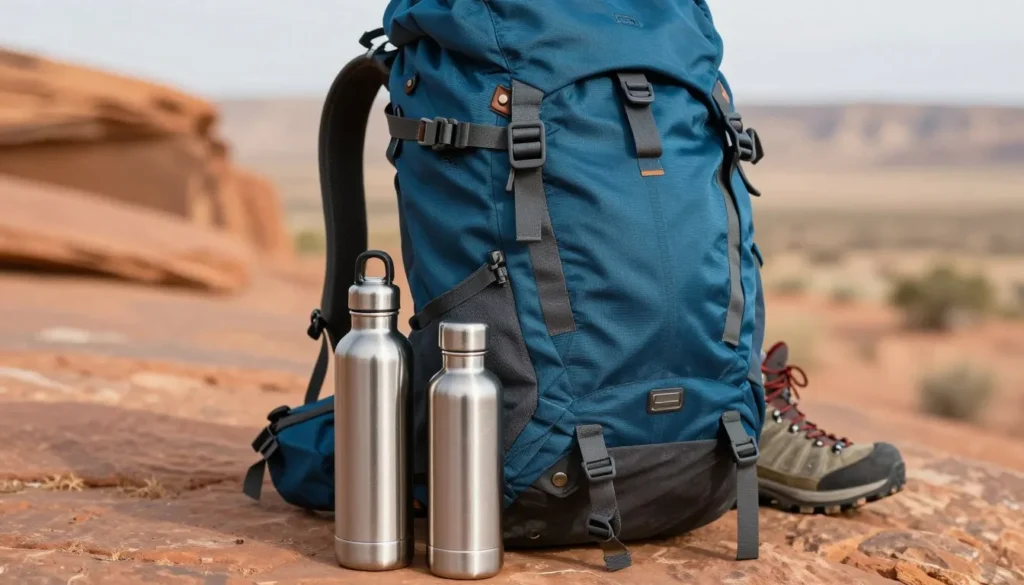
Carry minimum two liters of water per person on full day tours. The high desert climate causes rapid dehydration, especially during physical activity. Your guide brings additional water, but personal supplies ensure adequate hydration throughout the day.
The Ute Mountain Ute Tribe maintains sovereign governance over tribal lands. Visitors enter as guests, respecting protocols and customs their hosts establish. Listening attentively when guides share cultural information honors the privilege of accessing these protected sites.

Visitor Comments About Ute Mountain Tribal Park
“The full day tour through Mancos Canyon exceeded every expectation. Our Ute Mountain guide shared stories that brought ancient walls to life. Climbing into cliff dwellings felt like stepping back 800 years. This experience surpassed crowded Mesa Verde by providing intimate access and personal interpretation. The physical challenge added authenticity to understanding how people lived in these remarkable places.”
“We chose the half day tour with our two teenagers and found it perfectly paced. The ladder climbs thrilled the kids while ruins impressed us adults. Having a tribal member as our guide provided perspectives you simply cannot get elsewhere. Learning both archaeology and contemporary Ute culture made this far more meaningful than typical tourist attractions. The reservation process was straightforward and staff extremely helpful.”
“As someone passionate about archaeology, Ute Mountain Tribal Park offered experiences impossible anywhere else. Touching walls ancient hands built, sitting in rooms where families gathered, seeing pottery shards still scattered on floors – the level of preservation is extraordinary. Our guide’s knowledge was encyclopedic. The guided-only access policy preserves these treasures while creating jobs for tribal members. I’ll return for the full day tour next visit.”
Additional Nearby Destinations
Mesa Verde National Park sits 32 km (20 miles) northeast, preserving additional cliff dwellings within a national park framework. While more developed and crowded than the tribal park, Mesa Verde offers paved trails, ranger programs, and museum exhibits. Many visitors tour both sites to gain comprehensive understanding of the region.
Four Corners Monument, where Colorado, Utah, Arizona, and New Mexico meet, lies 64 km (40 miles) southwest. This unique geographic marker operated by the Navajo Nation provides photo opportunities and Native American vendor stalls. Monument Valley’s iconic landscapes sit 129 km (80 miles) southwest for those extending their Southwest adventures.
Hovenweep National Monument, straddling the Colorado-Utah border 56 km (35 miles) west, protects six prehistoric villages. These tower structures differ architecturally from cliff dwellings, showcasing ancestral Puebloan building diversity. Canyon of the Ancients National Monument surrounds the region with the highest density of archaeological sites in the United States.
Practical Travel Tips
Reservation planning begins at least several days before your desired tour date. Contact the tribal park visitor center at 970-565-3751 extension 330 during business hours. Staff explain available tour options, answer questions about physical requirements, and book your specific date and time.
Tour fees vary between half day and full day options, with private tours priced differently than group tours. Payment is typically collected at the visitor center before tours depart. Cash and credit cards are generally accepted, though confirming payment methods when booking prevents complications.
Dress in layers for changing temperatures throughout the day. Morning starts can be cool even in summer, while afternoon heat intensifies considerably. Long pants protect legs during brushes with vegetation and while climbing through narrow dwelling passages. Bring lightweight rain gear during late summer monsoon season.
Essential Items Checklist
- Sturdy hiking boots with ankle support
- Minimum 2 liters water per person
- Wide-brimmed hat and sunglasses
- High-SPF sunscreen and lip balm
- Packed lunch for full day tours
- Camera with extra batteries
- Small backpack for carrying supplies
- Personal medications and first aid items
Items to Leave Behind
- Drones (prohibited on tribal lands)
- Pets (not allowed on tours)
- Walking sticks that might damage sites
- Large bags or excessive luggage
- Alcohol or controlled substances
- Items for collecting artifacts
Cell phone service remains unreliable throughout most of the tribal park. Inform family or friends of your tour schedule before departing, as you may be unreachable for hours. This disconnection from technology enhances the experience, allowing full immersion in ancient landscapes without modern distractions.
Altitude considerations matter for visitors from sea-level regions. The tribal park sits at approximately 1,829 to 2,134 meters (6,000 to 7,000 feet) elevation. Some people experience mild altitude effects including headaches or fatigue. Staying hydrated and moving at a comfortable pace helps acclimatization.
Your Journey into Ancient Lives Awaits
Ute Mountain Tribal Park offers something increasingly rare in modern travel – authentic connection with the past through protected, meaningful access. These cliff dwellings survived centuries precisely because the Ute Mountain Utes chose preservation over exploitation. Their guided-access model protects archaeological treasures while sharing them generously with respectful visitors.
Walking through rooms where children played 800 years ago, climbing ladders ancient hands carved, touching walls that sheltered families through countless seasons – these experiences create perspective no textbook can provide. The stories your Ute Mountain guide shares bridge past and present, honoring both the ancestral Puebloans who built these homes and the contemporary Ute people who protect them.
Plan your visit carefully, respect the land and culture, and prepare for physical adventure. The rewards extend far beyond tourism into genuine understanding of human resilience, architectural ingenuity, and cultural continuity. This corner of Colorado holds secrets worth discovering through the eyes of those who know it best.