
Hotels by Trip.com
Flights by Trip.com
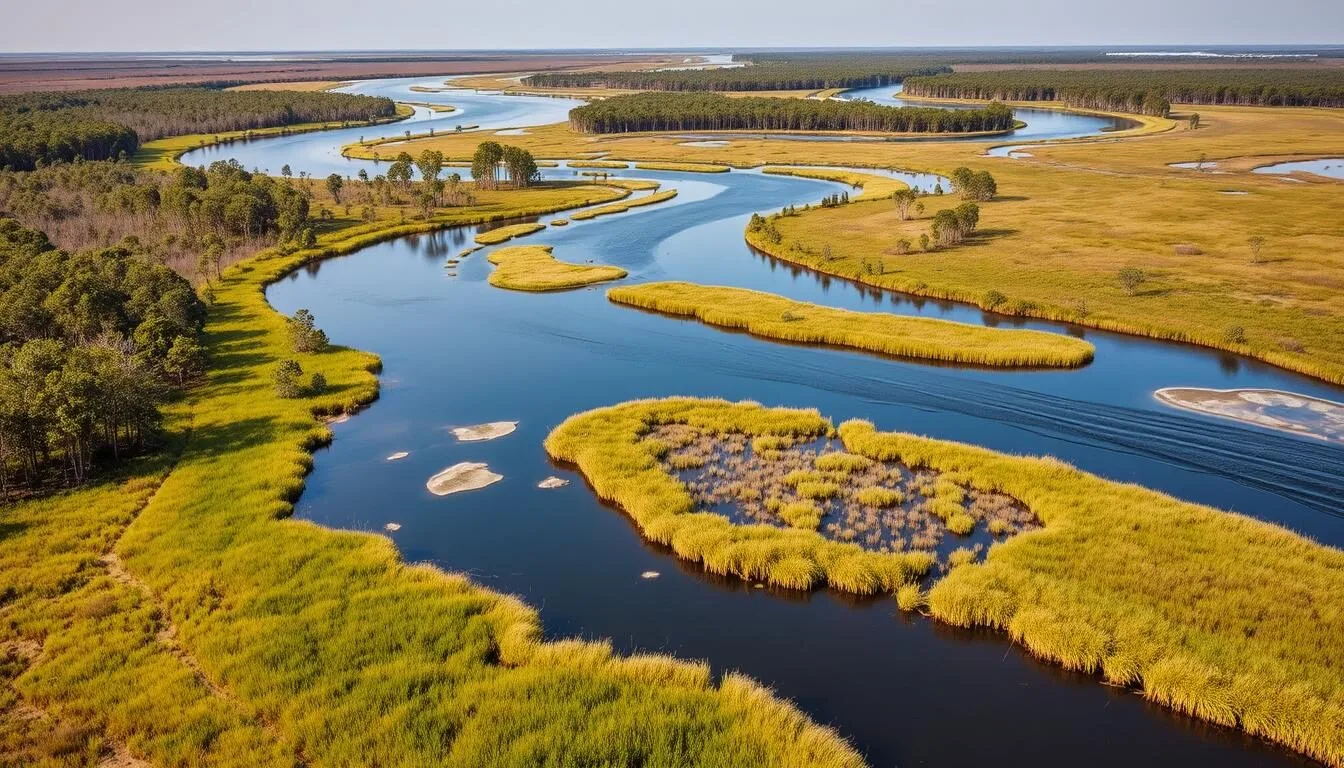
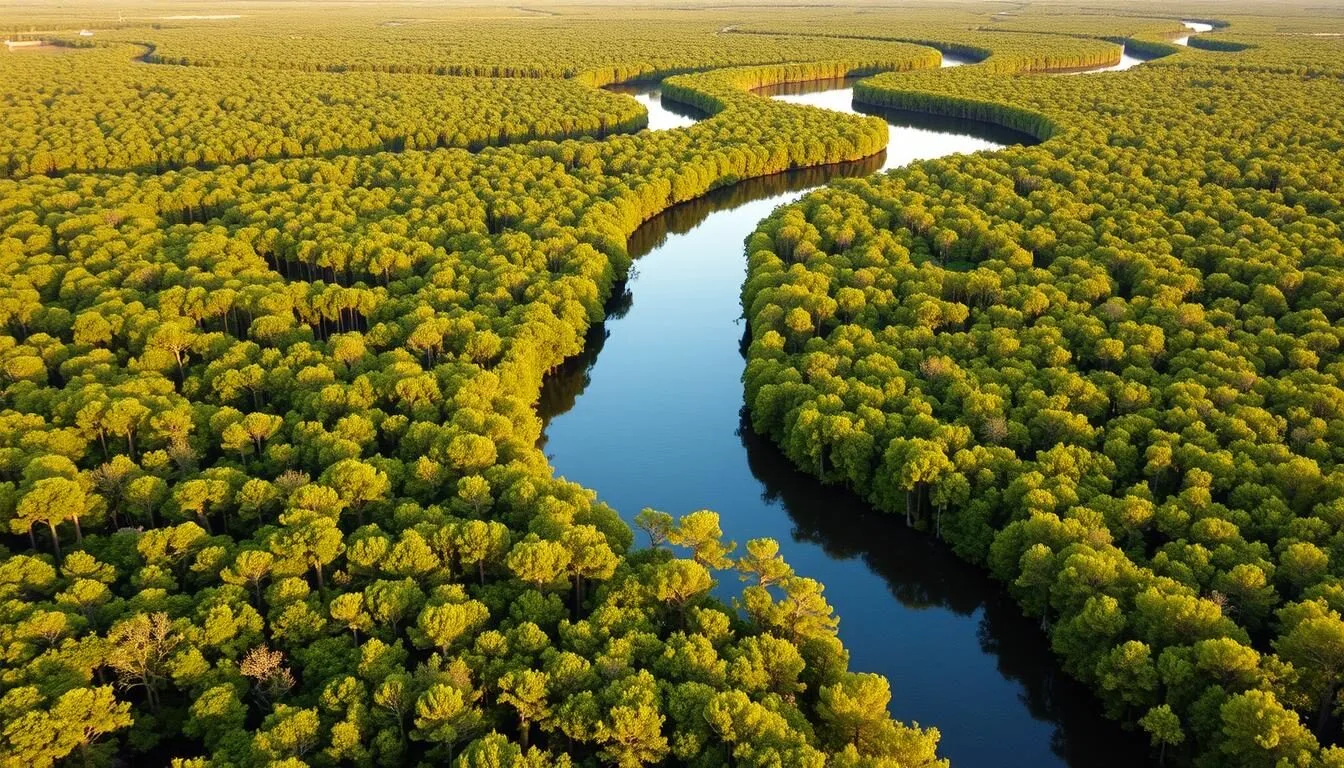
Spanning over 48,800 hectares (120,000 acres) of pristine wetlands where the Mississippi River meets the Gulf of Mexico, Delta National Wildlife Refuge serves as a critical habitat for more than 300 bird species and countless wildlife. Established in 1935, this remarkable sanctuary protects one of North America’s most productive ecosystems while offering visitors unique opportunities to experience Louisiana’s wild beauty up close.
Getting There & Planning Your Journey
The Delta National Wildlife Refuge is located in Plaquemines Parish, approximately 120 km (75 miles) southeast of New Orleans. The closest major airport is Louis Armstrong New Orleans International Airport (MSY), which offers numerous domestic and international flights.
Most visitors access the refuge by boat, as much of its territory consists of marshlands and waterways. The main boat launches are located in Venice, Louisiana, often called “the end of the world” as it sits at the southernmost tip of Louisiana accessible by road.
If you’re driving from New Orleans, take Highway 23 south to Venice. The journey takes approximately 1.5 hours. Once in Venice, you can arrange boat tours or rent watercraft to explore the refuge. Several local outfitters offer guided excursions specifically designed for wildlife viewing and photography.
For those without boating experience, booking a guided tour is highly recommended. Local guides are familiar with the intricate waterways and know the best spots for wildlife observation. Advance reservations are advised, especially during peak seasons.
Best Time to Visit & Weather Tips
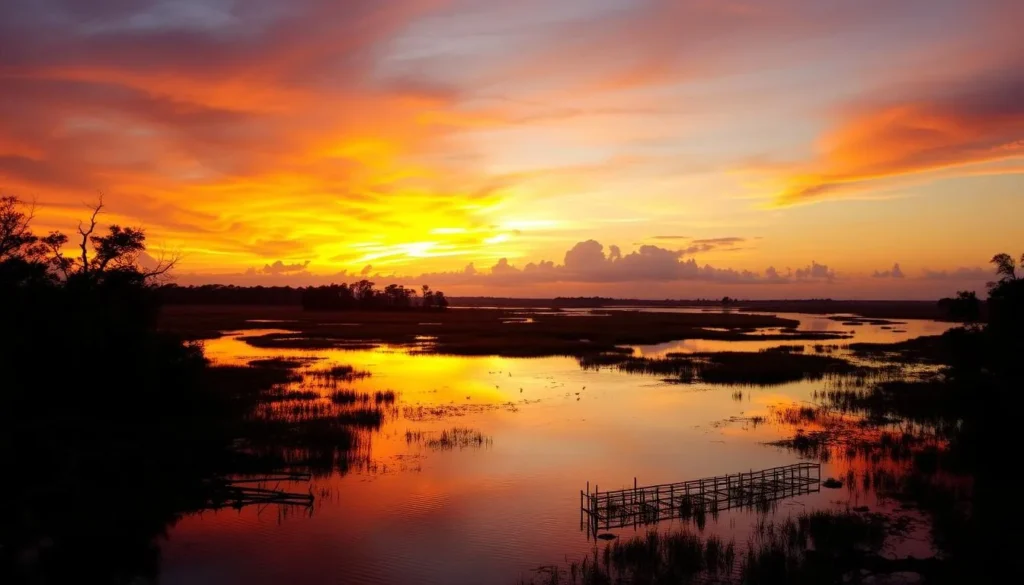
The Delta National Wildlife Refuge offers different experiences throughout the year, but certain seasons stand out for specific activities:
Recommended Seasons
- Fall (October-November): Prime bird watching as migratory species arrive. Comfortable temperatures range from 15-26°C (59-79°F) with lower humidity.
- Winter (December-February): Peak season for waterfowl with thousands of ducks and geese. Temperatures average 8-18°C (46-64°F). Clear days offer excellent photography opportunities.
- Spring (March-May): Witness breeding season with nesting birds and new wildlife births. Pleasant temperatures between 18-29°C (64-84°F) with wildflowers blooming throughout the refuge.
Seasons to Avoid
- Summer (June-September): Extremely hot and humid with temperatures regularly exceeding 32°C (90°F). Mosquitoes and other insects are abundant. Hurricane season peaks in August-September, potentially limiting access.
Weather in the Mississippi Delta can change quickly. Pack lightweight, breathable clothing with long sleeves and pants for sun and insect protection. Waterproof gear is essential year-round, as afternoon showers are common. Don’t forget insect repellent, sunscreen, and a wide-brimmed hat regardless of when you visit.
Getting Around Locally
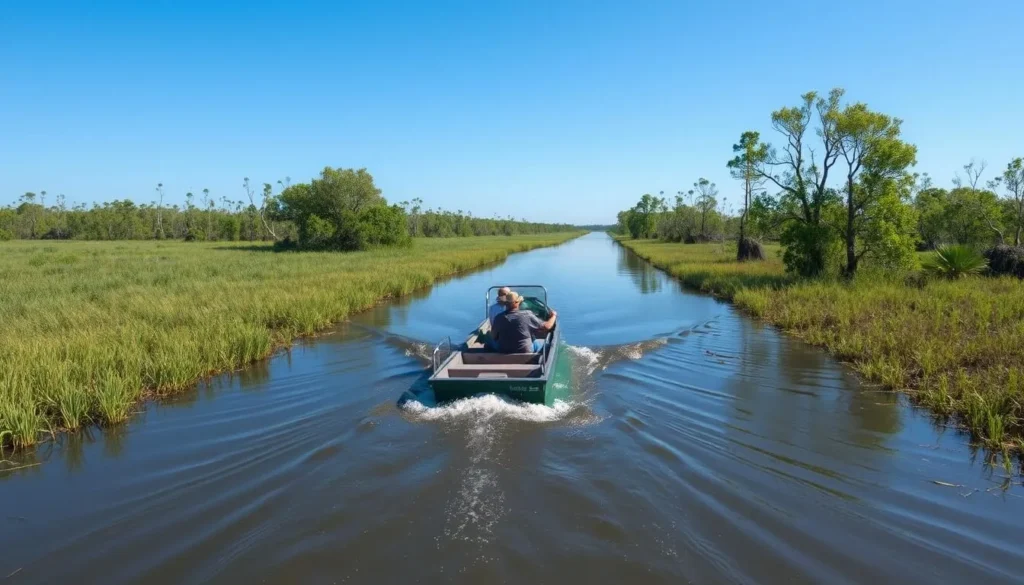
Navigating the Delta National Wildlife Refuge requires watercraft, as there are no roads within the refuge itself. Here are your best options for exploring this watery wilderness:
Boat Tours
Several operators in Venice offer guided boat tours ranging from 2-hour excursions to full-day adventures. These tours typically include wildlife spotting, photography opportunities, and educational commentary about the ecosystem. Prices range from $75-$200 per person depending on tour length and group size.
Kayak and Canoe Rentals
For a more intimate experience, rent a kayak or canoe from outfitters in Venice. Rates typically start at $40 for a half-day rental. This option is best for experienced paddlers familiar with navigation, as it’s easy to get disoriented in the maze-like waterways.
Airboat Tours
For accessing shallow areas, airboat tours provide an exciting alternative. These high-speed vessels can navigate areas that traditional boats cannot reach. Tours last 1-2 hours and cost approximately $85-$150 per person.
Whichever option you choose, always carry a detailed map of the refuge and inform someone of your planned route and expected return time. Cell service can be spotty in remote areas of the refuge, so consider renting a satellite phone or GPS device for safety.
Where to Stay

While there are no accommodations within the Delta National Wildlife Refuge itself, several options exist in nearby communities:
✓ Check 30,000+ Local Sightseeing Tours Worldwide
Venice and Nearby Areas
- Venice Marina Cabins: Basic but comfortable cabins located right at the marina, perfect for early morning departures. Rates start at $85 per night.
- Lighthouse Lodge: Offers motel-style rooms and efficiency apartments popular with fishing enthusiasts. Prices range from $75-$120 per night.
- Venice Sportsman’s Lodge: All-inclusive packages with lodging, meals, and guided fishing trips. Rates start at $350 per person per night.
Buras (25 km/15 miles north)
- Buras Bed & Breakfast: Charming accommodations with home-cooked breakfast. Rooms from $95 per night.
- Fisherman’s Retreat: Self-catering cottages with kitchenettes and boat parking. Rates from $110 per night.
Camping Options
There are no designated campgrounds within the refuge, but primitive camping is permitted on some nearby barrier islands for experienced outdoors enthusiasts. Permits may be required, so check with the refuge office before planning an overnight stay.
For a more comfortable camping experience, Fort Jackson RV Park in Buras offers full hookups starting at $35 per night.
Accommodations in this remote area are limited and often fill quickly during peak fishing and hunting seasons. Reservations are strongly recommended, especially from October through April.
Dining & Local Cuisine
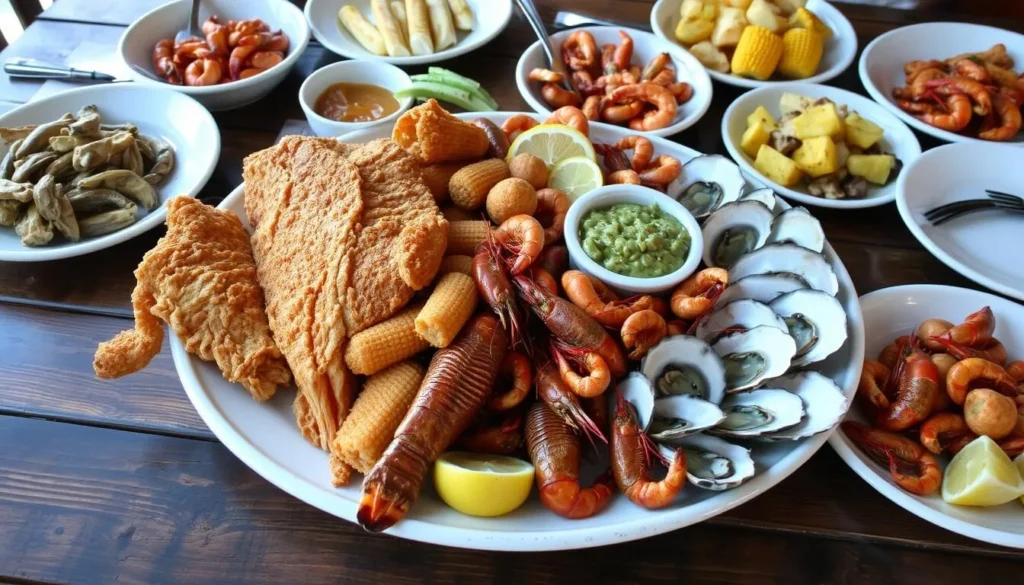
The areas surrounding Delta National Wildlife Refuge offer authentic Louisiana cuisine with an emphasis on ultra-fresh seafood. Here’s where to satisfy your appetite after a day of exploration:
Venice Dining Options
- Crawgator’s Bar & Grill: Located at the marina, this casual spot serves hearty portions of fried seafood platters, po’boys, and daily specials using the morning’s catch. Don’t miss their signature crawfish étouffée when in season.
- Venice Marina Restaurant: Simple but delicious breakfast and lunch options. Their shrimp and grits breakfast is legendary among fishing guides.
Buras and Port Sulphur
- Black Velvet Oyster Bar: Specializes in fresh oysters prepared multiple ways – raw, chargrilled, or Rockefeller style.
- Delta Cuisine: Family-owned restaurant serving traditional Cajun dishes like jambalaya, gumbo, and red beans and rice.
Local Specialties to Try
- Redfish on the Half Shell: A local preparation where redfish is grilled with scales and skin on one side, creating a natural “plate” that keeps the fish moist.
- Alligator: Often served fried as an appetizer with remoulade sauce.
- Duck Gumbo: A hearty stew popular during hunting season.
- Soft-Shell Crab: A delicacy when in season (typically spring), often served fried in a po’boy sandwich.
Many visitors opt to bring coolers with supplies for picnic lunches while exploring the refuge. The Venice Marina Store offers basic groceries, ice, and prepared sandwiches. For those booking guided tours, many operators provide lunch as part of their package.
Attractions, Sightseeing & Activities
Wildlife Viewing
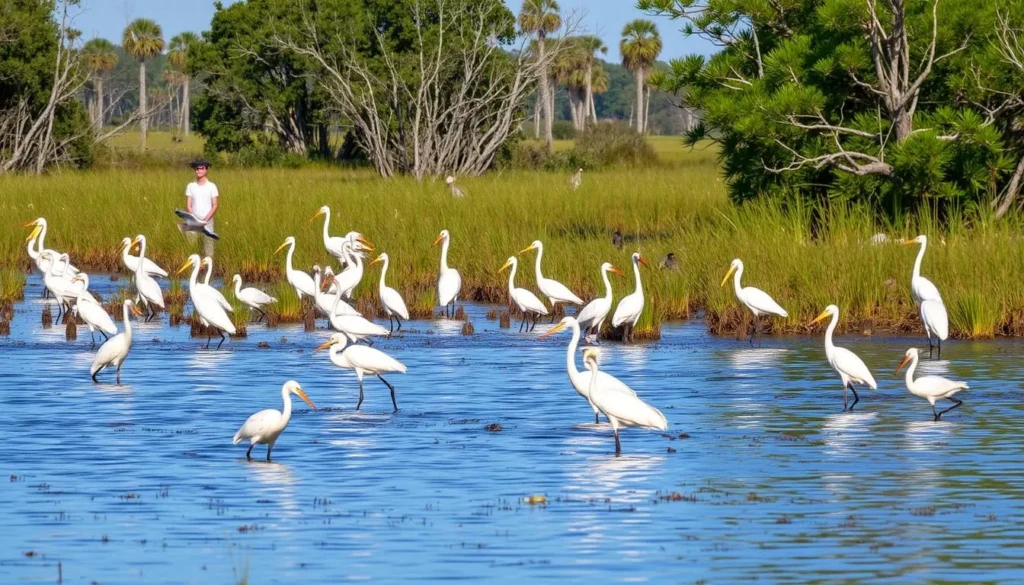
The primary attraction of Delta National Wildlife Refuge is its incredible biodiversity. The refuge provides habitat for over 300 bird species, including majestic raptors like osprey and bald eagles, colorful songbirds, and vast numbers of waterfowl. Alligators are commonly spotted sunning themselves on banks, while nutria, muskrat, and river otter make occasional appearances.
The best wildlife viewing spots include:
- Main Pass: Excellent for spotting wading birds like roseate spoonbills, great blue herons, and snowy egrets.
- Octave Pass: Known for alligator sightings and diverse waterfowl.
- Teal Pond: A hotspot for migratory ducks during winter months.
Fishing
The refuge offers world-class fishing opportunities throughout the year. Popular catches include:
- Freshwater: Largemouth bass, catfish, and crappie in the northern sections.
- Brackish areas: Redfish, speckled trout, and flounder where fresh and salt water mix.
- Seasonal specialties: Tripletail in summer and bull redfish in fall.
Fishing requires a valid Louisiana fishing license, available online or at sporting goods stores in nearby communities. Specific regulations regarding catch limits and seasons apply, so check current rules before your trip.
Photography
The refuge’s diverse landscapes and wildlife make it a photographer’s paradise. Early morning and late afternoon offer the best light, with fog often creating mystical scenes over the water at dawn. Bring a telephoto lens for wildlife shots and wide-angle for capturing the expansive marsh landscapes.
Hunting
Seasonal hunting is permitted in designated areas of the refuge for waterfowl, rabbit, and deer. Special permits are required, and seasons vary annually. Contact the refuge headquarters for current regulations and permit information.
Museums, Cultural Spots & Festivals
While the refuge itself focuses on natural attractions, the surrounding communities offer rich cultural experiences that complement your wilderness adventure:
Museums & Historical Sites
- Plaquemines Parish Historical Association: Located in Port Sulphur, this small museum documents the area’s fascinating history, from early Native American settlements to the devastating impacts of Hurricane Katrina.
- Fort Jackson: A 19th-century fort in Buras that played roles in both the War of 1812 and the Civil War. The fort occasionally hosts living history demonstrations.
- Woodland Plantation: Historic plantation home featured on the original Southern Comfort whiskey label. Now operates as a bed and breakfast with tours available by appointment.
Cultural Experiences
- Venice Boat Builders: Watch traditional wooden boat construction techniques that have been passed down through generations.
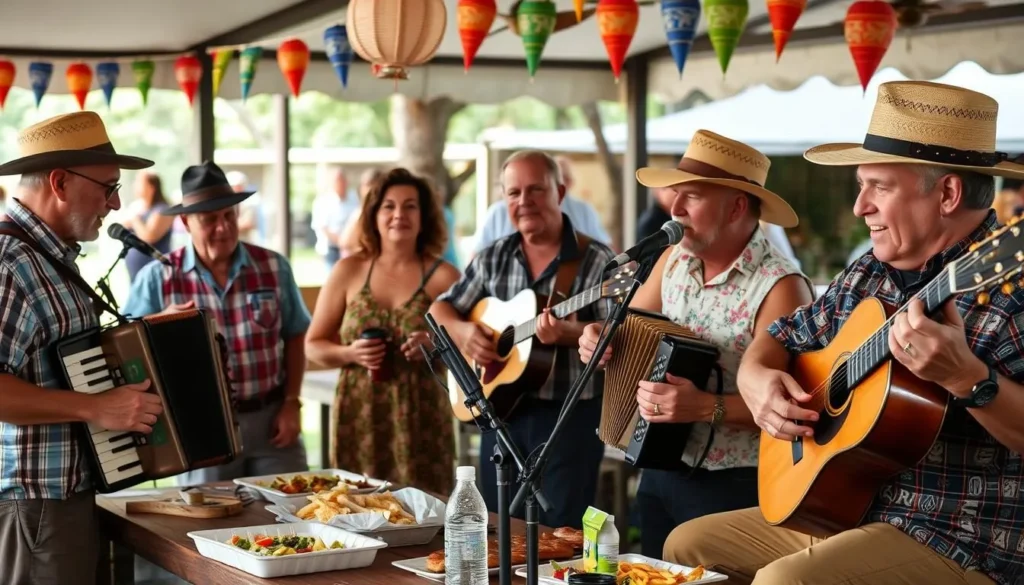
- Cajun Music Jams: Informal gatherings featuring traditional music occur regularly at local establishments like the Delta Marina Lounge.
Annual Festivals
- Orange Festival (December): Celebrates the citrus harvest in nearby Plaquemines Parish with food, music, and crafts.
- Blessing of the Fleet (April/May): A traditional ceremony blessing fishing vessels before the shrimp season, followed by community celebrations.
- Delta Seafood Festival (October): Showcases local seafood with cooking demonstrations, tastings, and live music.
Many local events follow the fishing and hunting seasons, so check with the Plaquemines Parish Tourism Commission for up-to-date information on cultural happenings during your visit.
Sports, Nature & Outdoor Experiences
Water Activities
Beyond fishing, the waterways of Delta National Wildlife Refuge offer numerous recreational opportunities:
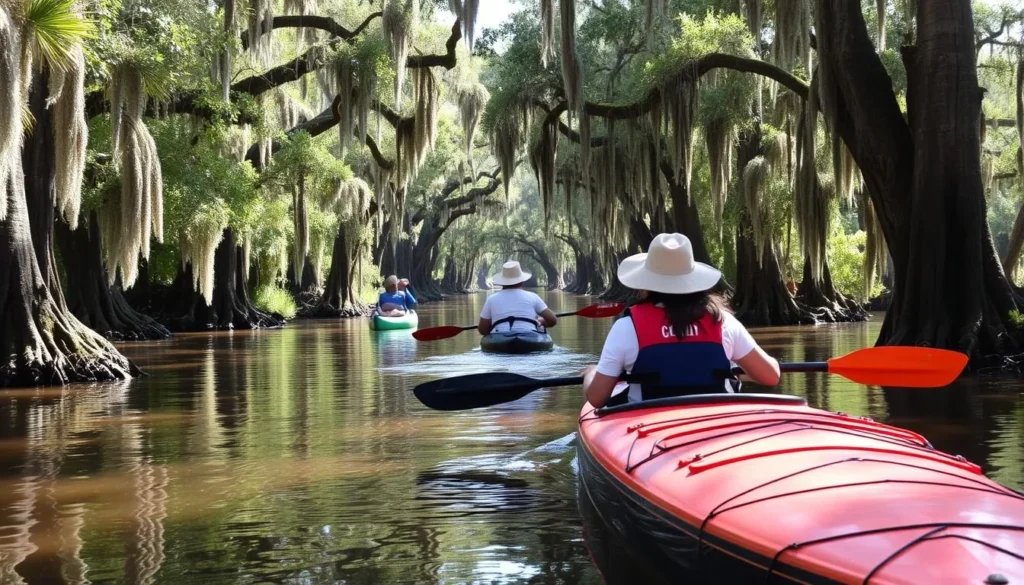
- Kayaking/Canoeing: Paddle through serene backwaters and observe wildlife up close. Several marked water trails range from 3-8 km (2-5 miles) in length. The Mink Bayou Trail is particularly scenic and suitable for beginners.
- Boating: Explore the refuge’s larger waterways by motorboat. The intricate network of passes and bayous requires careful navigation, so detailed maps are essential.
- Birding by Boat: Specialized tours focus on locating and identifying the refuge’s diverse bird populations. Peak migration seasons (spring and fall) offer the greatest diversity.
Hiking and Walking
While traditional hiking trails are limited due to the wetland nature of the refuge, there are a few opportunities for land-based exploration:
- Coastal Ridge Trail: A short 1 km (0.6 mile) boardwalk near the refuge headquarters that showcases transitional habitats.
- Pass-a-Loutre Wildlife Management Area: Adjacent to the refuge, this area offers more opportunities for walking on natural levees and spoil banks.
Eco-Tours
Several operators offer specialized eco-tours focusing on the unique ecosystem of the Mississippi River Delta:
- Delta Ecology Tours: Educational excursions led by naturalists who explain the critical importance of the delta ecosystem and ongoing conservation efforts.
- Photography Workshops: Guided outings specifically designed for photographers, timed to capture optimal lighting and wildlife activity.
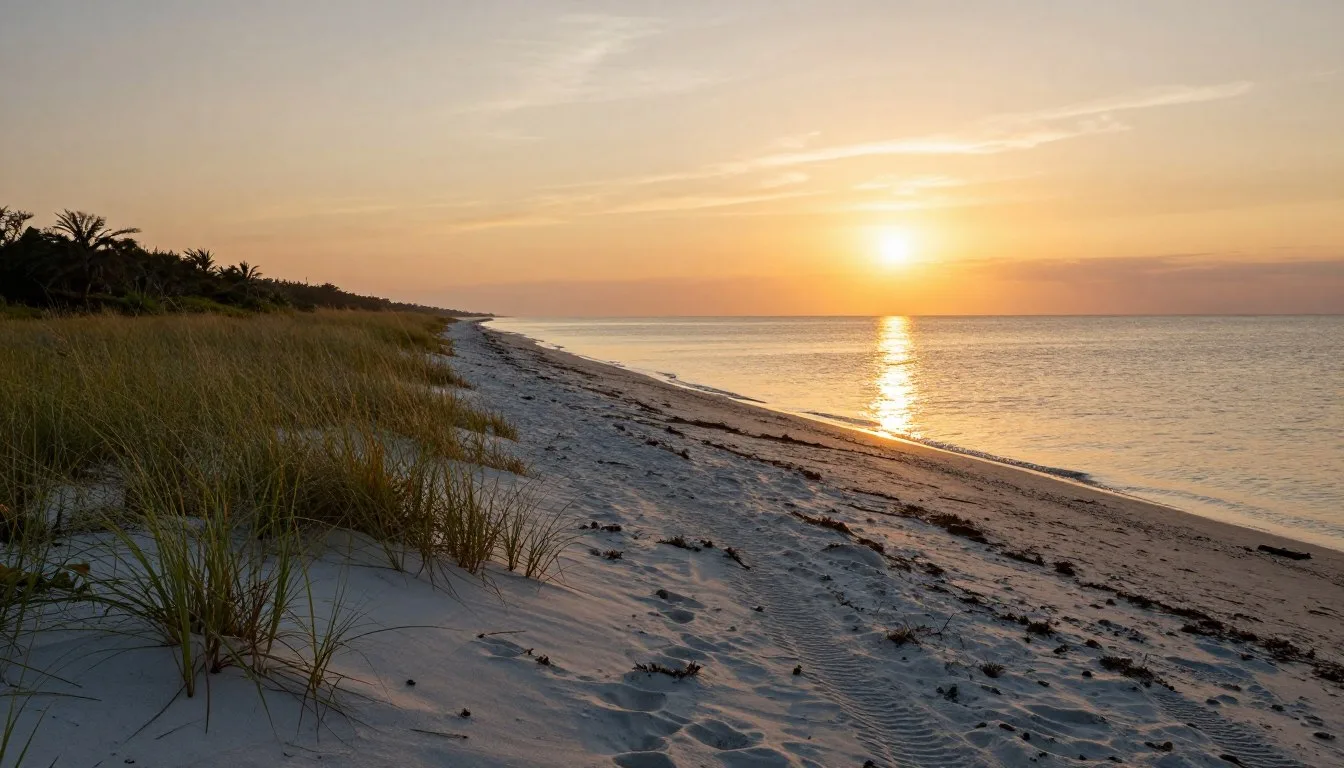
- Sunset Cruises: Evening boat trips offering spectacular views as the sun sets over the marsh, often including refreshments.
For all outdoor activities, remember that the refuge is a wilderness area with minimal facilities. Bring adequate water, sun protection, and insect repellent. Weather conditions can change rapidly, so check forecasts before heading out and have a contingency plan.
Safety, Etiquette & Local Customs

Safety Considerations
- Weather Awareness: Conditions can change rapidly in coastal Louisiana. Check forecasts before departing and be prepared for sudden thunderstorms, especially in summer.
- Navigation: The maze of waterways can be confusing even for experienced boaters. Carry detailed maps, a compass, and GPS. Consider hiring a guide if you’re unfamiliar with the area.
- Wildlife Safety: Maintain a safe distance from alligators (at least 10 meters/30 feet). Never feed wildlife, which can alter natural behaviors and create dangerous situations.
- Hydration: The combination of heat, humidity, and sun reflection off water can lead to rapid dehydration. Bring more water than you think you’ll need.
- Communications: Cell service is unreliable in many parts of the refuge. Consider renting a satellite phone for emergencies if venturing into remote areas.
Visitor Etiquette
- Leave No Trace: Pack out all trash and leave natural objects where you find them.
- Quiet Observation: Keep noise to a minimum to avoid disturbing wildlife and other visitors.
- Boating Etiquette: Maintain no-wake speeds near shorelines to prevent erosion and when passing other vessels.
- Photography: Avoid using flash photography around wildlife, particularly birds during nesting season.
Local Customs
The communities surrounding the refuge have deep connections to the land and water that have shaped unique cultural practices:
- Fishing Heritage: Fishing isn’t just recreation here—it’s a way of life. Respect working fishermen by giving them space and priority at boat launches.
- Hospitality: Louisiana is known for its warm hospitality. Don’t be surprised if locals strike up conversations and offer advice about fishing spots or wildlife viewing.
- Conservation Awareness: Local communities are increasingly concerned about coastal erosion and wetland loss. Many residents are involved in conservation efforts and appreciate visitors who show interest in these issues.
By respecting both the natural environment and local customs, you’ll enhance your experience while contributing to the preservation of this unique ecosystem for future generations.
Visitor Comments About Delta National Wildlife Refuge
“As an avid birder who has visited wildlife refuges across four continents, Delta offered some of the most spectacular bird watching I’ve ever experienced. The diversity of species in such a concentrated area is remarkable. Hiring a local guide made all the difference—they knew exactly where to find roseate spoonbills and painted buntings that I would have missed on my own.”
“We kayaked through the refuge for three days and were completely mesmerized by the landscape. The silence broken only by bird calls and the splash of fish jumping created a meditative experience unlike any other. Pack plenty of water and sunscreen—the Louisiana sun is more intense than we expected!”
“Our family fishing trip to Delta National Wildlife Refuge yielded not just an impressive catch of redfish and speckled trout, but also unforgettable wildlife encounters. My children were thrilled to spot alligators, ospreys, and even a river otter. The local guides were knowledgeable and patient with our novice fishing skills. This was hands-down the highlight of our Louisiana vacation.”
Additional Nearby Destinations
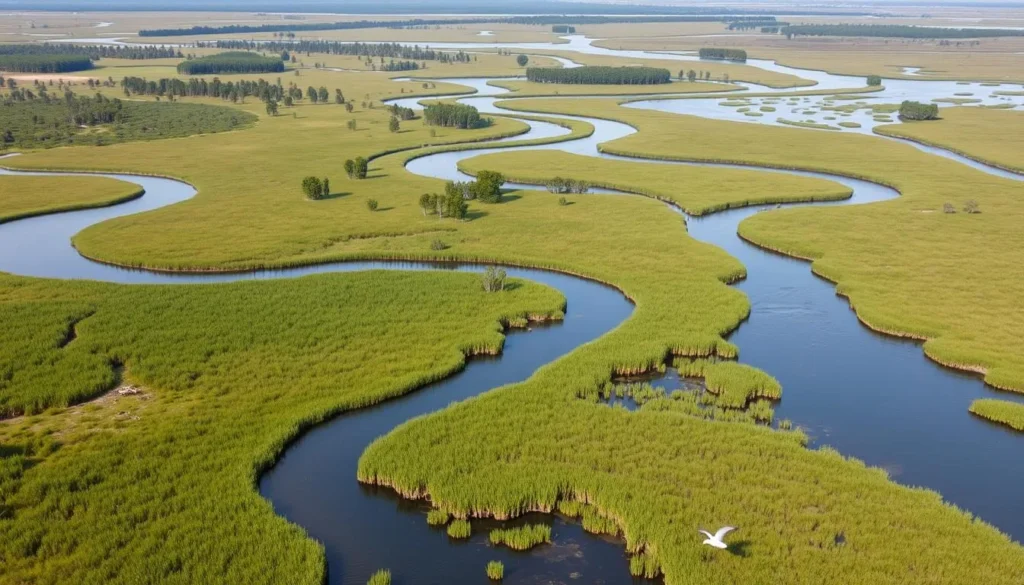
While Delta National Wildlife Refuge offers plenty to explore, several nearby attractions complement your visit:
Within 50 km (30 miles)
- Pass-a-Loutre Wildlife Management Area: Adjacent to Delta National Wildlife Refuge, this 46,000-hectare (115,000-acre) area offers additional opportunities for fishing, hunting, and wildlife viewing with slightly different habitats.
- Venice Marina: More than just a departure point, the marina is a hub of local activity where you can watch commercial fishing vessels unload their catch and interact with locals.
- Pilottown: Once a thriving community of river pilots, this now-abandoned settlement is accessible only by boat and offers a fascinating glimpse into the region’s maritime history.
Within 100 km (60 miles)
- Jean Lafitte National Historical Park and Preserve: Offers six distinct sites that preserve the natural and cultural history of Louisiana’s Mississippi River Delta region.
- Fort Jackson: A historic 19th-century fort that played a role in the Civil War, now housing a museum with artifacts from the period.
- Woodland Plantation: Historic plantation home that offers tours showcasing the region’s agricultural heritage.
Day Trips from New Orleans
If using New Orleans as your base, consider these itineraries:
- Delta Wildlife Day: Leave New Orleans early (6:00 AM), arrive in Venice by 8:00 AM for a full-day guided tour of the refuge, returning to the city by evening.
- Coastal Louisiana Experience: Combine a morning at Delta National Wildlife Refuge with an afternoon visit to Grand Isle State Park for a comprehensive coastal experience.
Many visitors combine their trip to Delta National Wildlife Refuge with time in New Orleans, experiencing both the natural wonders of the delta and the cultural richness of one of America’s most distinctive cities.
Practical Travel Tips

What to Pack
- Sun Protection: Wide-brimmed hat, sunglasses, and reef-safe sunscreen (SPF 30+).
- Insect Defense: Long-sleeved shirts and pants in lightweight, breathable fabrics; insect repellent with DEET or picaridin.
- Footwear: Quick-drying shoes with good grip for boat decks; waterproof boots if planning to explore marshy areas.
- Optics: Binoculars (8×42 recommended for wildlife viewing); camera with telephoto lens for photography enthusiasts.
- Water Storage: Reusable water bottles or hydration system; plan for 1 liter (33 oz) per person per 2 hours in hot weather.
- Navigation: Waterproof map of the refuge; GPS device or compass as backup.
Practical Information
- Refuge Hours: Open daily from sunrise to sunset. The refuge has no entrance fee.
- Permits: Fishing requires a valid Louisiana fishing license. Special permits are needed for hunting seasons.
- Accessibility: Most areas require boat access. Limited accessibility options exist for visitors with mobility challenges, but some tour operators can accommodate special needs with advance notice.
- Connectivity: Cell service is unreliable within the refuge. Download maps and information before your visit.
- Currency: Small businesses in surrounding communities may accept cash only. ATMs are limited in Venice and nearby towns.
Eco-Friendly Practices
- Waste Management: Pack out all trash, including fishing line and bait packaging, which can be hazardous to wildlife.
- Wildlife Distance: Maintain at least 50 meters (165 feet) from bird nesting colonies and 10 meters (33 feet) from alligators.
- Invasive Species: Clean boats and equipment before and after your visit to prevent spreading invasive plants and animals.
- Cultural Respect: Some areas within and near the refuge have cultural significance to indigenous communities. Respect any posted restrictions.
By planning ahead and following these practical tips, you’ll maximize your enjoyment of this remarkable ecosystem while minimizing your impact on its delicate balance.
The Wild Heart of Louisiana Awaits
Delta National Wildlife Refuge represents one of America’s last great wilderness areas—a place where the mighty Mississippi River meets the Gulf of Mexico in a labyrinth of waterways teeming with life. Whether you come to photograph roseate spoonbills against a golden sunset, cast for trophy redfish in brackish marshes, or simply immerse yourself in the rhythm of this ancient ecosystem, the refuge offers experiences that connect visitors to the wild heart of Louisiana.
As coastal erosion and climate change continue to reshape this fragile landscape, each visit becomes not just an adventure but an opportunity to witness a unique environment that has shaped the culture, cuisine, and character of southern Louisiana for generations. The memories you create here—of osprey diving for fish, of alligators sunning on muddy banks, of cypress trees draped in Spanish moss—will remain long after you’ve returned home, calling you back to this remarkable corner of America’s wetland wilderness.
Related Posts
White Lake Wetlands Conservation Area, Louisiana: Best Things to Do – Top Picks
Wine Island, Louisiana: Best Things to Do – Top Picks
Winn Parish Uplands, Louisiana: Best Things to Do – Top Picks
Zydeco Cajun Prairie Scenic Byway, Louisiana: Best Things to Do – Top Picks
Whiskey Island, Louisiana: Best Things to Do – Top Picks
Wetlands Cultural Byway, Louisiana: Best Things to Do – Top Picks
Coming Soon: Clickable Maps