
Hotels by Trip.com
Flights by Trip.com
East Timbalier Island, once a critical barrier island protecting Louisiana’s coast, completely eroded away by summer 2021 after experiencing one of the most rapid land loss rates on Earth—retreating approximately 70 feet per year in recent decades. This vanished island, originally designated as a wildlife sanctuary by President Theodore Roosevelt in 1907, tells a compelling story of natural forces, human intervention, and the fragile nature of coastal ecosystems. While the island itself can no longer be visited, its historical significance and the surrounding area offer fascinating insights for travelers interested in Louisiana’s unique coastal environment.
The Fascinating History of East Timbalier Island
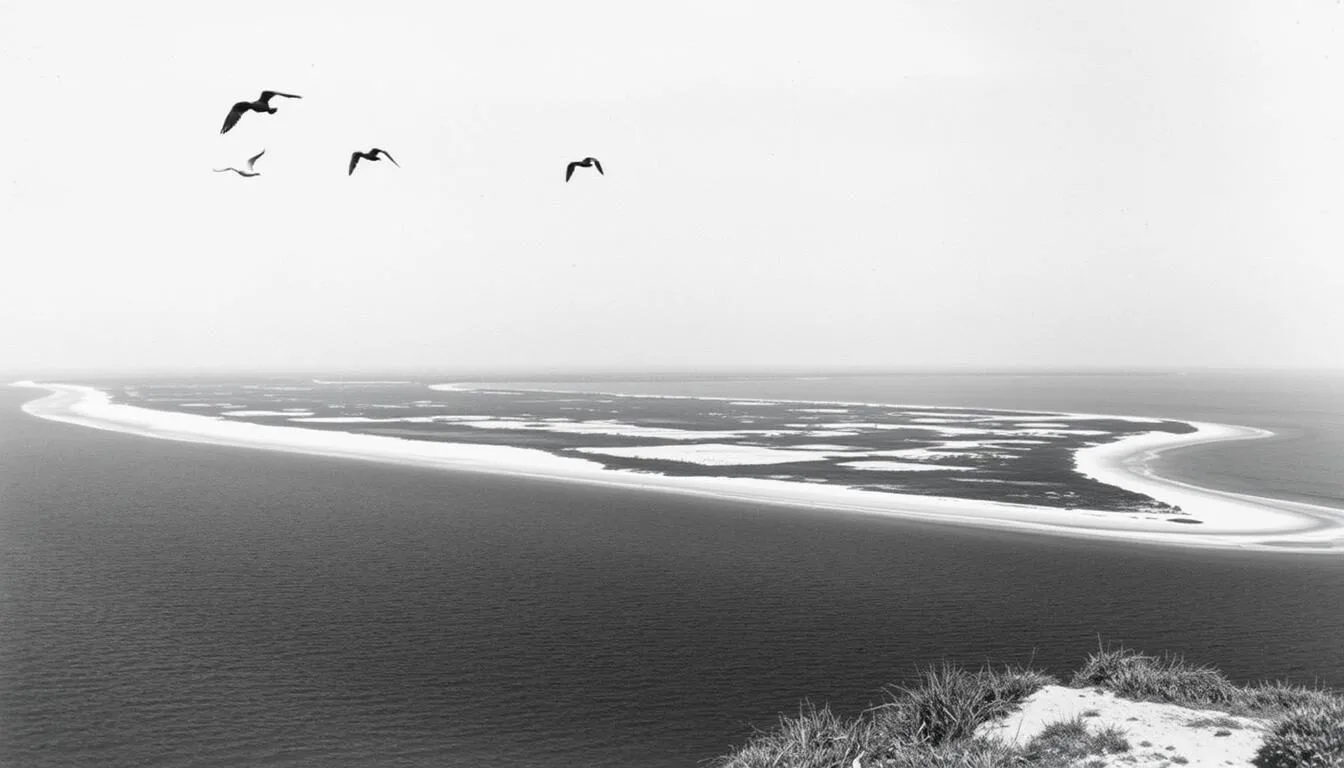
East Timbalier Island as it appeared in the early 20th century
East Timbalier Island formed approximately 1,000-3,000 years ago as part of the Lafourche delta complex when the Mississippi River followed a different path. Known locally as “Bird Island,” it was renowned for its abundant seabird populations, including pelicans, terns, and frigate birds that once “darkened the sky” when taking flight.
In 1907, President Theodore Roosevelt signed an executive order designating East Timbalier and three other Louisiana islands—Breton, Tern, and Shell Keys—as federally protected bird sanctuaries. Roosevelt himself visited the island in 1915 and was awestruck by its natural beauty and ecological importance.
The island’s protected status didn’t last, however. With the oil boom of the 1930s, the island became a hub for oil and gas infrastructure. By 1969, President Richard Nixon officially revoked Roosevelt’s protection order, formalizing what had already occurred—the transformation of a wildlife sanctuary into an industrial zone.
Getting There & Planning Your Journey
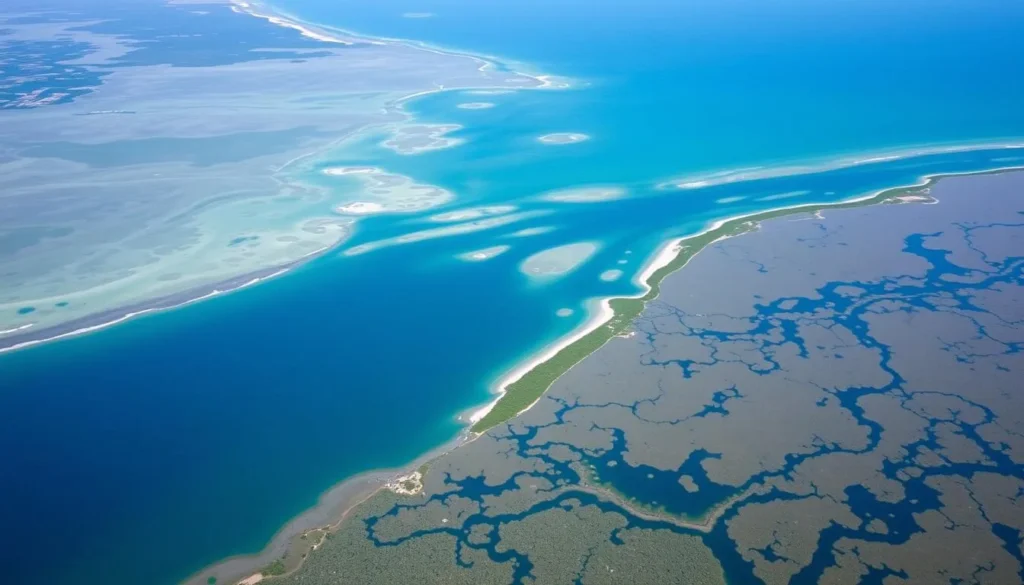
While East Timbalier Island no longer exists as a physical destination, the surrounding coastal area can still be explored. The closest major airports are:
- Louis Armstrong New Orleans International Airport (MSY) – approximately 120 km (75 miles) northeast
- Lafayette Regional Airport (LFT) – approximately 145 km (90 miles) northwest
From either airport, you’ll need to rent a car to reach the coastal communities near where East Timbalier Island once stood. Port Fourchon, located about 10 km (6 miles) east of where the island existed, serves as a good base for exploring the area.
Several charter boat companies in Port Fourchon and nearby Grand Isle offer tours of Timbalier Bay, allowing visitors to see the area where East Timbalier Island once existed and to learn about the ongoing coastal erosion issues affecting Louisiana’s barrier islands.
Best Time to Visit & Weather Tips

Recommended Seasons
- Spring (March-May): Ideal temperatures between 18-29°C (65-85°F) with lower humidity and fewer storms
- Fall (October-November): Pleasant temperatures of 15-26°C (60-80°F) after hurricane season peaks
Seasons to Avoid
- Summer (June-September): Extremely hot and humid with temperatures often exceeding 32°C (90°F)
- Hurricane Season (June-November): Peak activity in August-October with potential for severe weather
The Gulf Coast experiences frequent tropical storms and hurricanes, particularly between June and November. The region around Timbalier Bay has historically been hit by a major tropical storm approximately every 4.5 years. Always check weather forecasts before planning boat excursions in this area.
Getting Around Locally
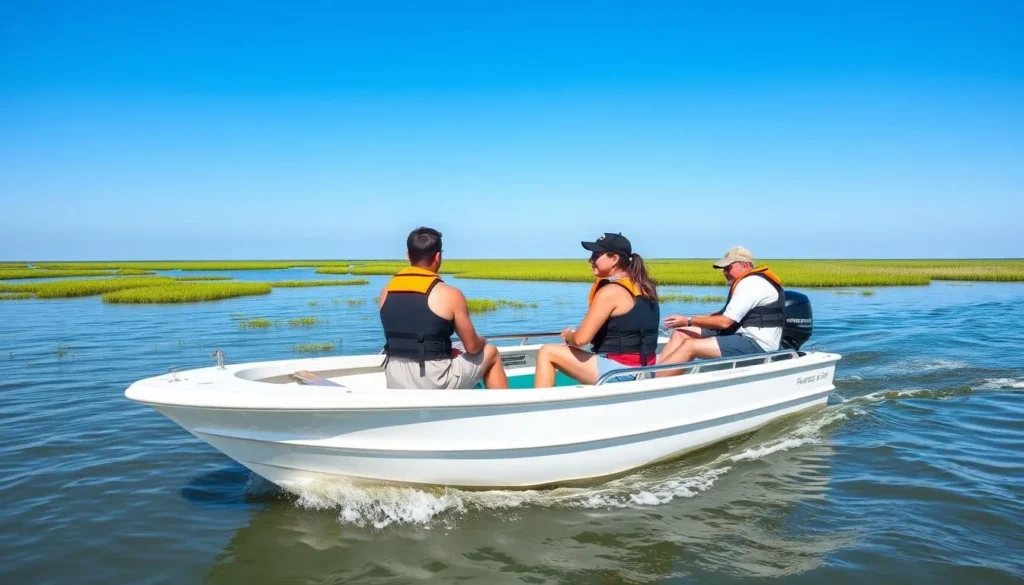
Exploring the coastal areas near where East Timbalier Island once existed requires specialized transportation:
- Charter Boats: The most common way to explore Timbalier Bay and see the area where East Timbalier Island once stood
- Kayak Tours: Several outfitters in the area offer guided kayak tours of the protected inland waterways
- Airboat Tours: Experience the marshlands and bayous with local guides who can explain the ecology and history of the region
- Private Vehicles: Necessary for traveling between coastal communities, but cannot access water areas
Port Fourchon serves as the main access point for boat tours of the area. Local knowledge is essential when navigating these waters, so hiring experienced guides is highly recommended for safety and educational value.
Where to Stay

While there are no accommodations on East Timbalier Island itself (as it no longer exists), several nearby communities offer lodging options for visitors exploring the area:
Port Fourchon
- Limited accommodations primarily serving the oil and gas industry
- C-Port Marina offers basic lodging for visitors
- Several fishing camps available for rent
Grand Isle
- Beach houses and vacation rentals
- Small motels and inns
- Camping at Grand Isle State Park
Golden Meadow/Galliano
- Budget-friendly motels
- Bed and breakfasts
- Approximately 30-45 minutes from Port Fourchon
For a more comfortable stay with additional amenities, consider accommodations in Houma or Thibodaux, both within a 1-1.5 hour drive of Port Fourchon. These larger communities offer chain hotels, restaurants, and other services that may not be available in the smaller coastal towns.
✓ Check 30,000+ Local Sightseeing Tours Worldwide
Dining & Local Cuisine
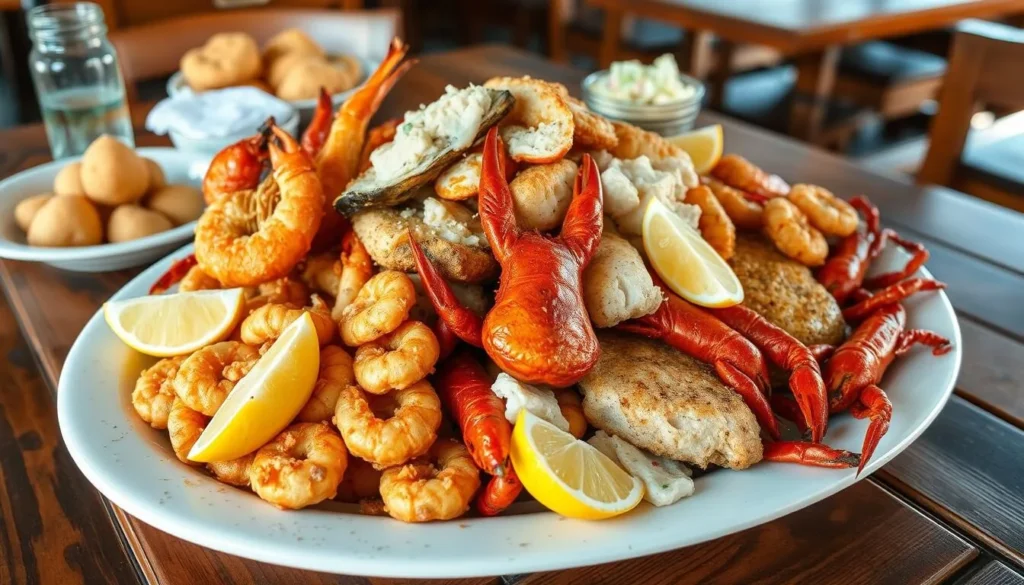
The coastal communities near where East Timbalier Island once existed offer exceptional seafood and traditional Cajun cuisine. Local restaurants pride themselves on serving fresh catches from the Gulf of Mexico:
- Seafood: Fresh shrimp, oysters, blue crab, and various fish species caught daily
- Cajun Specialties: Gumbo, jambalaya, étouffée, and boudin
- Local Favorites: Crawfish boils (in season, typically February-May)
Notable Dining Spots
Port Fourchon/Golden Meadow Area
- Leeville Seafood Restaurant – Known for fresh catches and Cajun classics
- Griffin’s Station – Local favorite for po’boys and plate lunches
- Boudreaux’s Waterfront Motel & Marina – Casual seafood with views of Bayou Lafourche
Grand Isle
- Starfish Restaurant – Specializing in boiled seafood and fried platters
- Hurricane Hole Marina & Restaurant – Waterfront dining with fresh seafood
- Yum’s Restaurant – Local favorite for breakfast and lunch
Many smaller establishments may have limited hours or seasonal operations, so it’s advisable to call ahead before making the trip. Seafood markets in the area also sell fresh catches for those staying in accommodations with kitchen facilities.
Attractions, Sightseeing & Activities
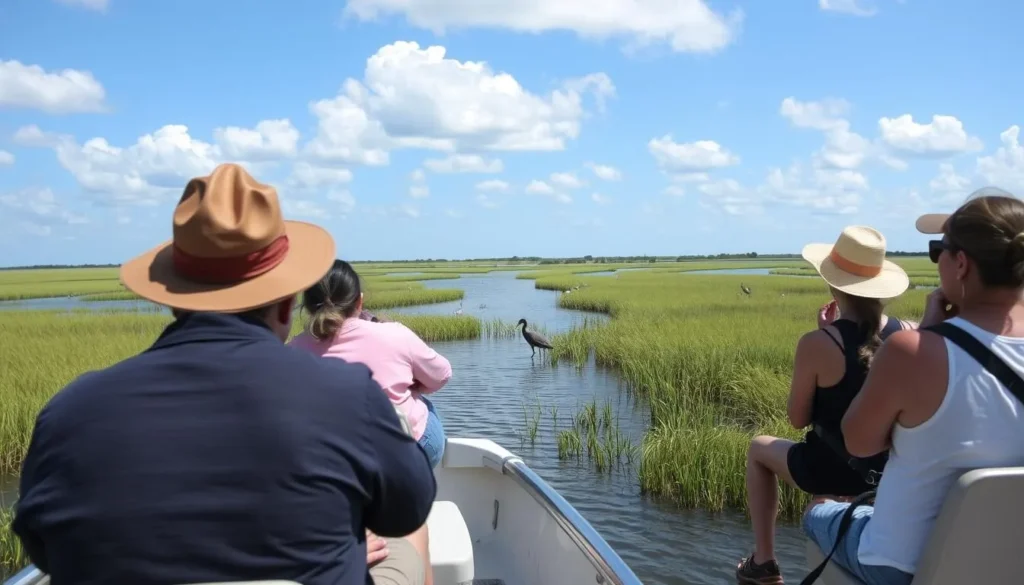
While East Timbalier Island itself can no longer be visited, the surrounding area offers numerous attractions related to Louisiana’s coastal environment and culture:
Educational Experiences
- Coastal Erosion Tours: Several charter companies offer educational tours focusing on Louisiana’s land loss crisis
- Wetland Ecology Excursions: Learn about the importance of barrier islands and marshlands in protecting coastal communities
- Historical Site Viewing: Boat tours that pass by the location where East Timbalier Island once stood, with guides explaining its significance
Outdoor Activities
- Fishing: The waters around Timbalier Bay are renowned for excellent fishing opportunities
- Bird Watching: The coastal areas remain important habitats for numerous bird species
- Photography: Capture the unique landscapes of Louisiana’s coastal wetlands
Port Fourchon’s public beach offers opportunities for beachcombing and relaxation, while the nearby Port Fourchon Marina provides facilities for boaters exploring the area.
Museums, Cultural Spots & Festivals
Learn about the cultural and natural history of Louisiana’s barrier islands through these educational venues:
Museums & Educational Centers
- Louisiana Universities Marine Consortium (LUMCON): Located in Cocodrie, this research and education center offers exhibits on coastal ecosystems
- Wetlands Acadian Cultural Center: In Thibodaux, part of the Jean Lafitte National Historical Park and Preserve, with exhibits on local culture and environment
- Barataria Preserve: Located near Marrero, this preserve offers exhibits and trails showcasing Louisiana’s wetland ecosystems
Annual Events & Festivals
- Grand Isle Migratory Bird Festival (April): Celebrating the spring migration of birds across the Gulf of Mexico
- Grand Isle Tarpon Rodeo (July): The oldest fishing tournament in the United States
- Louisiana Shrimp & Petroleum Festival (September): Held in Morgan City, celebrating the two industries that have shaped coastal Louisiana
These cultural institutions and events provide valuable context for understanding the historical significance of East Timbalier Island and the ongoing challenges facing Louisiana’s coastal communities.
Sports, Nature & Outdoor Experiences

Fishing
The waters around where East Timbalier Island once existed offer some of the best fishing opportunities in the Gulf Coast region:
- Inshore Fishing: Redfish, speckled trout, flounder, and black drum
- Offshore Fishing: Tuna, mahi-mahi, wahoo, and marlin
- Charter Services: Numerous fishing charters operate from Port Fourchon and Grand Isle
Wildlife Viewing
The coastal wetlands remain important habitats for diverse wildlife:
- Bird Watching: Over 400 species of birds can be spotted in coastal Louisiana throughout the year
- Marine Life: Dolphins, sea turtles, and various fish species
- Guided Eco-Tours: Expert naturalists lead tours focusing on the unique ecosystems of the region
Water Activities
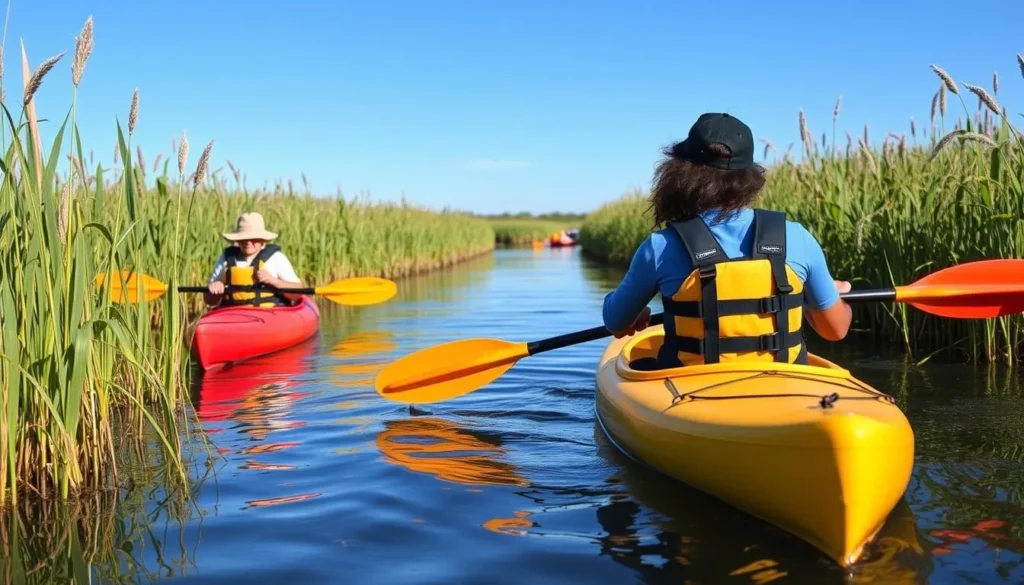
- Kayaking: Explore the protected inland waterways and marshes
- Boating: Rent boats or join guided tours to explore Timbalier Bay
- Photography Tours: Specialized excursions for capturing the unique coastal landscapes
Many local outfitters provide all necessary equipment and guides who can enhance your experience with knowledge about the area’s ecology and history.
Safety, Etiquette & Local Customs
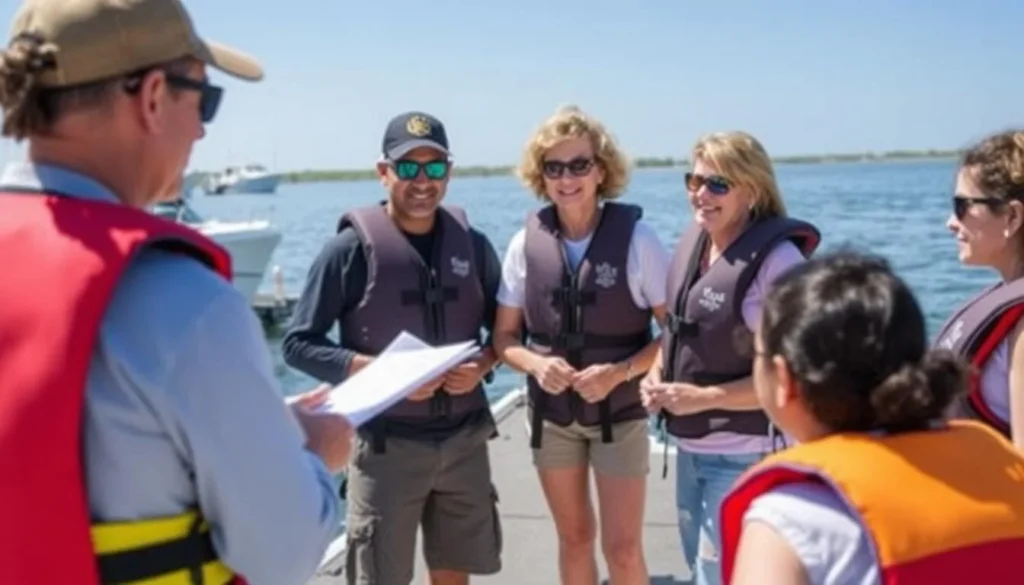
Water Safety
When exploring the coastal areas near where East Timbalier Island once existed, keep these safety considerations in mind:
- Weather Awareness: Gulf Coast weather can change rapidly; always check forecasts before boating
- Life Jackets: Required by law for children and recommended for all boat passengers
- Navigation: Channels and water depths change frequently; use updated charts and local knowledge
- Wildlife: Respect all wildlife and maintain safe distances
Environmental Etiquette
The coastal ecosystem is fragile and faces numerous challenges:
- Leave No Trace: Pack out all trash and avoid disturbing natural areas
- Respect Private Property: Many coastal areas and islands are privately owned
- Fishing Regulations: Familiarize yourself with current size and catch limits
- Cultural Sensitivity: Many local communities have deep connections to these coastal areas spanning generations
By practicing responsible tourism, you help preserve these unique environments for future generations while gaining a deeper appreciation for the natural and cultural heritage of Louisiana’s coast.
Visitor Comments About East Timbalier Island
“While the island itself is gone, our boat tour of Timbalier Bay was incredibly educational. Our guide explained the history of East Timbalier Island and the ongoing coastal erosion issues. It was sobering but important to witness firsthand the challenges Louisiana’s coast is facing.”
“We came to fish but left with a much deeper understanding of coastal ecology. The captain of our charter boat took us to where East Timbalier Island used to be and explained how its disappearance affects the entire ecosystem. The fishing was excellent too—caught my limit of redfish!”
“As someone interested in environmental science, visiting the area was eye-opening. The local museum had historical photos of East Timbalier Island that really drove home how much has been lost. Despite the sobering reality, the beauty of the remaining coastal areas is undeniable.”
Additional Nearby Destinations
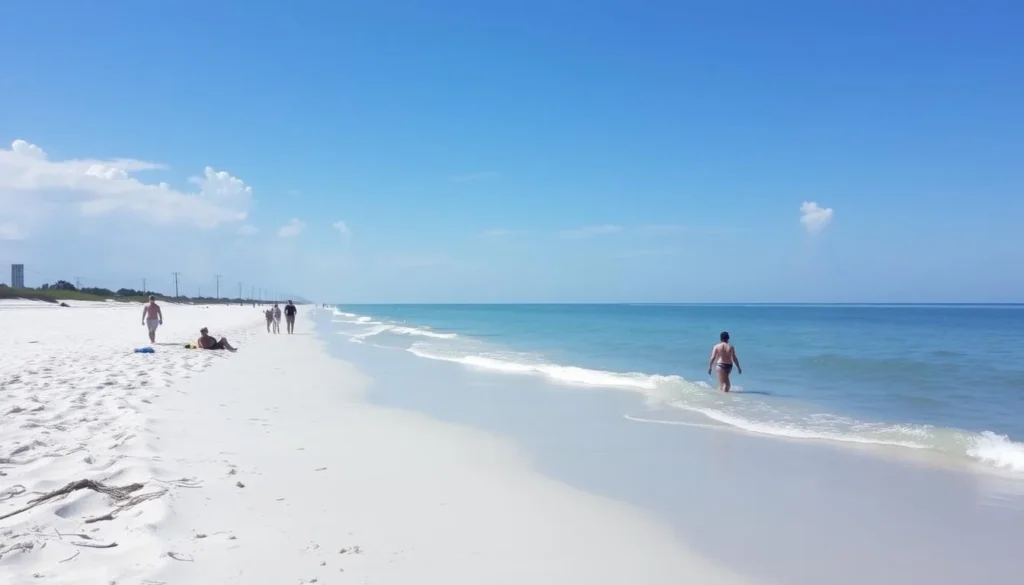
While East Timbalier Island can no longer be visited, several nearby destinations offer similar coastal experiences:
Grand Isle
- Louisiana’s only inhabited barrier island
- Grand Isle State Park with beaches and camping
- Excellent fishing and bird watching
- Approximately 30 km (19 miles) from Port Fourchon
Port Fourchon
- Public beach with facilities
- Marina and boat launches
- Charter fishing operations
- Coastal wetland access
Isle Dernières Barrier Islands Refuge
- Protected barrier island chain
- Accessible only by boat
- Important wildlife habitat
- Approximately 65 km (40 miles) west
For those interested in learning more about coastal erosion and restoration efforts, the Barataria-Terrebonne National Estuary Program offers educational resources and occasional public events throughout the region.
Practical Travel Tips
Map of Timbalier Bay area where East Timbalier Island once existed
Essential Information
- Cell Service: Coverage can be spotty in coastal areas; download maps and information in advance
- Supplies: Bring sunscreen, insect repellent, and plenty of water, especially during summer months
- Booking: Reserve charter boats and accommodations well in advance, particularly during fishing tournaments and festivals
- Local Knowledge: Consult with local guides for the most current information about conditions
Transportation Tips
- Driving: Louisiana Highway 1 is the main route to Port Fourchon and Grand Isle
- Flooding: Portions of Highway 1 can flood during high tides and storms
- Fuel: Fill up before heading to coastal areas as gas stations are limited
- Parking: Public parking is available at Port Fourchon Beach and marina
Consider purchasing a Louisiana fishing license online before your trip if you plan to fish. Non-resident licenses are available for various durations from one day to annual passes.
The Vanishing Coast: A Call to Witness and Remember
Though East Timbalier Island has succumbed to the forces of erosion and subsidence, its story remains an important chapter in Louisiana’s coastal narrative. Visiting the area where this once-vibrant barrier island stood offers more than just recreation—it provides a powerful reminder of our changing coastlines and the delicate balance between human activity and natural processes. As you explore Timbalier Bay and the surrounding coastal communities, you’ll gain insights into both the rich cultural heritage of Louisiana’s coast and the environmental challenges it faces. While we can no longer walk the shores of East Timbalier Island, the lessons it teaches about conservation, adaptation, and resilience continue to resonate across the landscape it once protected.
Related Posts
White Lake Wetlands Conservation Area, Louisiana: Best Things to Do – Top Picks
Wine Island, Louisiana: Best Things to Do – Top Picks
Winn Parish Uplands, Louisiana: Best Things to Do – Top Picks
Zydeco Cajun Prairie Scenic Byway, Louisiana: Best Things to Do – Top Picks
Whiskey Island, Louisiana: Best Things to Do – Top Picks
Wetlands Cultural Byway, Louisiana: Best Things to Do – Top Picks
Coming Soon: Clickable Maps