
Hotels by Trip.com
Flights by Trip.com
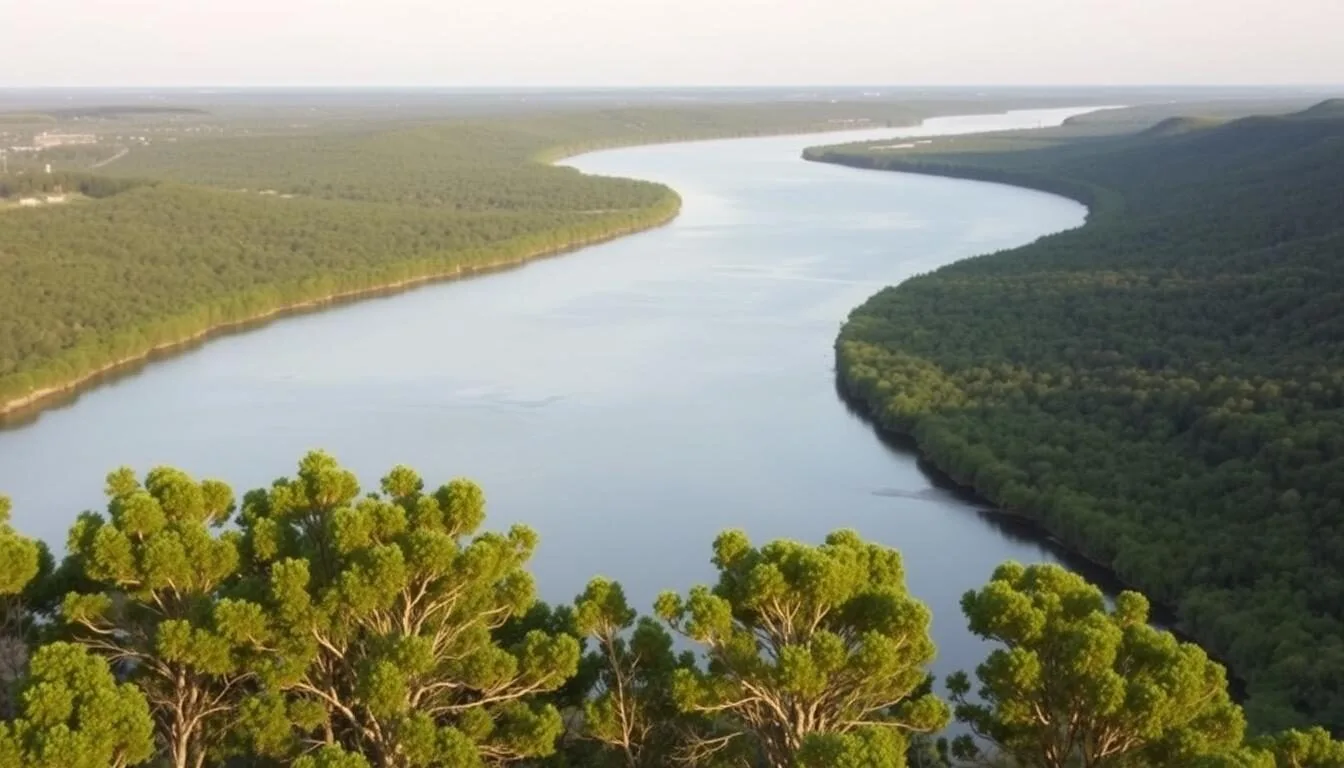
Did you know that Louisiana’s portion of the Great River Road Scenic Byway is the final stretch of a magnificent 3,000 km (1,864 mile) route that follows the Mississippi River from its humble beginnings at Lake Itasca, Minnesota to its powerful conclusion at the Gulf of Mexico? This 278 km (173 mile) Louisiana section represents the culmination of America’s oldest and longest National Scenic Byway, where centuries of history, diverse cultures, and natural beauty converge in a uniquely Louisiana experience.
Getting There & Planning Your Journey
The Great River Road Scenic Byway in Louisiana runs along both banks of the Mississippi River from the Arkansas state line down to Venice, where the mighty river meets the Gulf of Mexico. To reach the byway, you have several options:
- By Air: Louis Armstrong New Orleans International Airport (MSY) is the primary gateway, located about 24 km (15 miles) from New Orleans. Baton Rouge Metropolitan Airport (BTR) is another option if you’re starting your journey from the middle section of the byway.
- By Car: If driving from the north, follow US-65 south from the Arkansas border. From the east or west, Interstate 10 and Interstate 12 provide access to various points along the byway.
- By Train: Amtrak’s City of New Orleans line stops in both Hammond and New Orleans, providing rail access to portions of the byway.
For the most flexibility in exploring the byway’s attractions, renting a car is highly recommended. The route follows various highways and roads on both sides of the Mississippi, primarily US-61 and LA-1 on the east bank and LA-18 on the west bank.
Best Time to Visit & Weather Tips
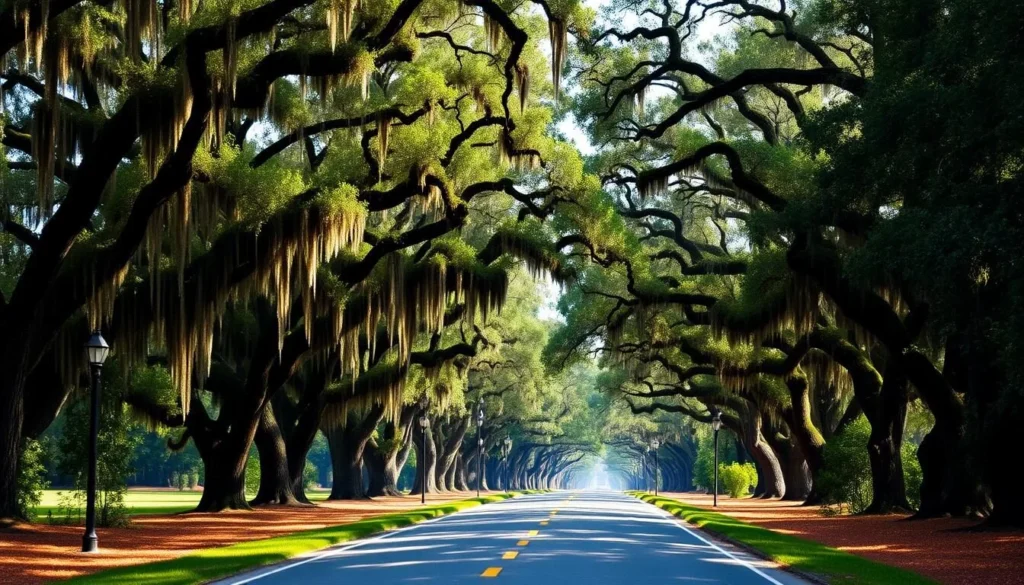
Louisiana’s subtropical climate means hot, humid summers and mild winters, which significantly impacts when you might want to explore the Great River Road.
Recommended Seasons
- Late Fall (October-November): Temperatures cool to a pleasant 18-24°C (65-75°F) with lower humidity and minimal rainfall, making it ideal for outdoor exploration.
- Winter (December-February): Mild temperatures of 10-18°C (50-65°F) provide comfortable conditions for sightseeing, though occasional cold fronts can bring brief chilly periods.
- Spring (March-April): Beautiful blooming season with temperatures ranging from 18-26°C (65-80°F), though be prepared for occasional rain showers.
Seasons to Avoid
- Summer (May-September): Extremely hot and humid with temperatures regularly exceeding 32°C (90°F) and high humidity making outdoor activities uncomfortable.
- Hurricane Season (June-November): The peak months of August and September pose the highest risk of tropical storms and hurricanes that can disrupt travel plans.
If you do visit during summer, plan outdoor activities for early morning, bring plenty of water, and wear lightweight, breathable clothing. During spring, pack a light rain jacket and check weather forecasts regularly.

Getting Around Locally
Navigating the Great River Road Scenic Byway requires some planning, as the route follows both sides of the Mississippi River with various crossing points.
- Personal Vehicle: The most convenient way to explore the byway is with your own car or rental vehicle, allowing you to set your own pace and detour to attractions that interest you.
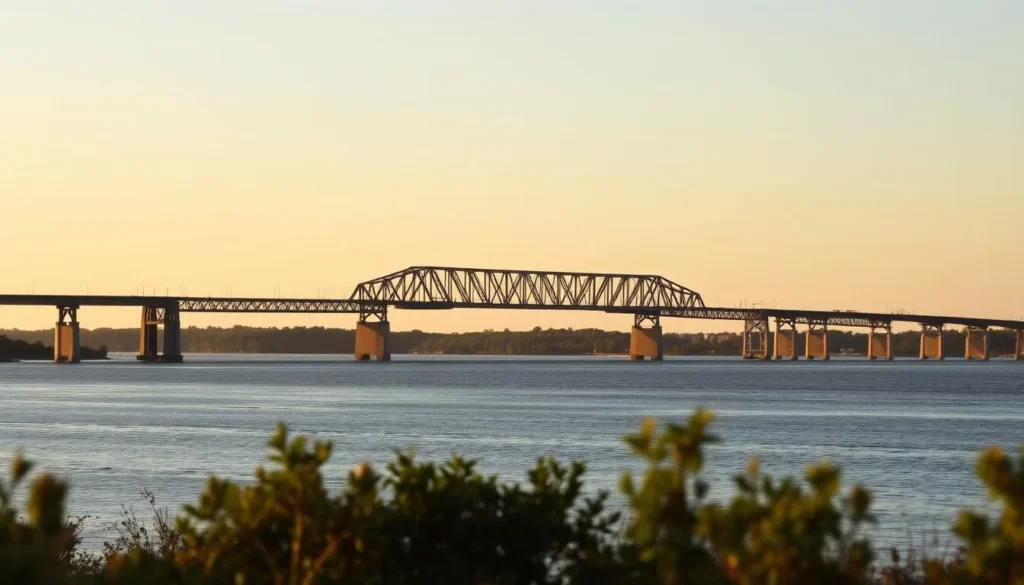
- River Crossings: The byway includes 11 Mississippi River crossings via bridges and ferries. Check ferry schedules in advance as they may change seasonally.
- Navigation: While GPS is helpful, consider downloading offline maps or picking up a physical Great River Road map, as cellular service can be spotty in rural areas.
- Local Transportation: In New Orleans and Baton Rouge, public transportation and rideshare services are readily available for exploring these urban sections of the byway.
The official Great River Road is marked with distinctive white signs featuring a steamboat wheel logo. These markers will help guide you along the route, though they can sometimes be easy to miss at intersections, so stay alert.
Where to Stay
The Great River Road offers diverse accommodation options, from luxury hotels in New Orleans to charming B&Bs in historic river towns and practical RV parks for road trippers.
Urban Accommodations
- New Orleans: From historic hotels in the French Quarter to modern accommodations in the Central Business District, prices range from $120-$300+ per night.
- Baton Rouge: Downtown hotels offer convenient access to the Capitol complex and riverfront attractions, with rates from $90-$200 per night.
✓ Check 30,000+ Local Sightseeing Tours Worldwide
Historic Inns & B&Bs
- St. Francisville: Historic B&Bs like The Myrtles Plantation offer unique overnight experiences with rates from $120-$180 per night.
- Plantation Country: Several plantations between New Orleans and Baton Rouge offer on-site accommodations, providing an immersive historical experience.
RV Parks & Campgrounds
- Pontchartrain Landing: Near New Orleans with full hookups and marina access.
- River View RV Park: In Vidalia, offering Mississippi River views.
- State Parks: Several state parks along the route offer camping facilities with rates from $20-$35 per night.
For the best experience, consider splitting your stay between New Orleans, Baton Rouge, and one of the smaller historic towns to fully appreciate the diversity of the byway. Book accommodations well in advance if traveling during festival seasons or holidays.

Dining & Local Cuisine
Louisiana’s Great River Road offers some of America’s most distinctive regional cuisine, from Creole and Cajun specialties to soul food and fresh seafood from the Gulf.
Must-Try Local Specialties
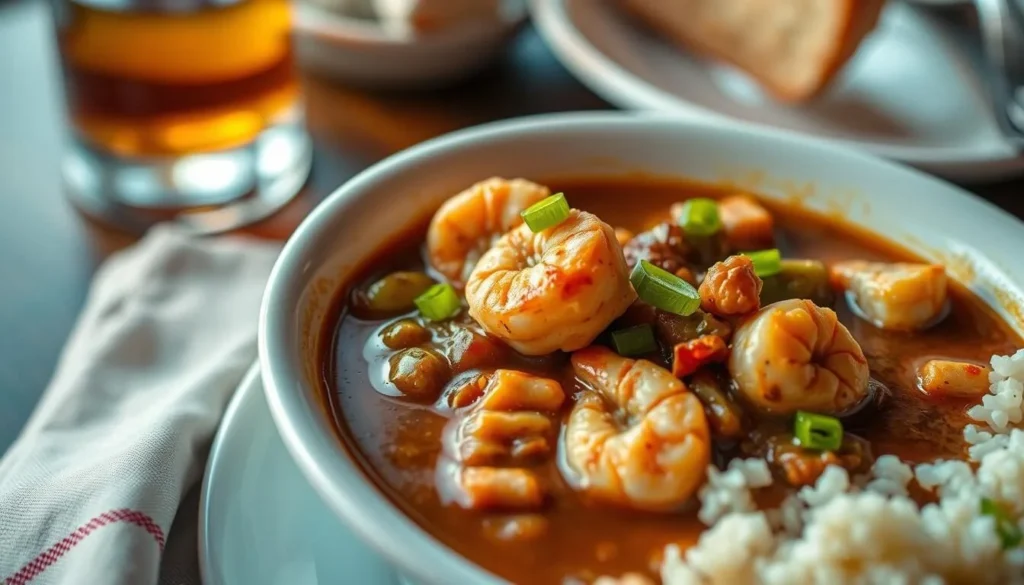
- Gumbo: This thick stew featuring a dark roux, the “holy trinity” of vegetables (bell pepper, onion, celery), and seafood or meat is Louisiana’s official state dish.
- Jambalaya: A one-pot rice dish with meat, vegetables, and spices that reflects the region’s Spanish and French influences.
- Po’boys: These iconic sandwiches on French bread are typically filled with fried seafood, roast beef, or other meats.
- Beignets: Square French-style doughnuts covered in powdered sugar, best enjoyed with café au lait.
- Crawfish Étouffée: A spicy, roux-based stew featuring crawfish tails served over rice.
Notable Dining Spots Along the Byway
- New Orleans: From historic establishments like Galatoire’s and Commander’s Palace to neighborhood gems like Willie Mae’s Scotch House for fried chicken.
- Baton Rouge: Try Roberto’s River Road Restaurant for riverside dining or Poor Boy Lloyd’s for authentic po’boys.
- Small Towns: B&C Seafood in Vacherie offers excellent crawfish when in season, while Middendorf’s in Manchac is famous for thin-fried catfish.
- Plantation Country: Many plantations have on-site restaurants featuring traditional Southern cuisine with modern interpretations.
For an authentic experience, look for restaurants frequented by locals rather than tourist-oriented establishments. Many of the best meals can be found in unassuming locations like gas stations, convenience stores, and roadside stands.
Attractions, Sightseeing & Activities
The Great River Road Scenic Byway in Louisiana offers a wealth of attractions that showcase the region’s rich history, cultural heritage, and natural beauty.
Historic Plantations
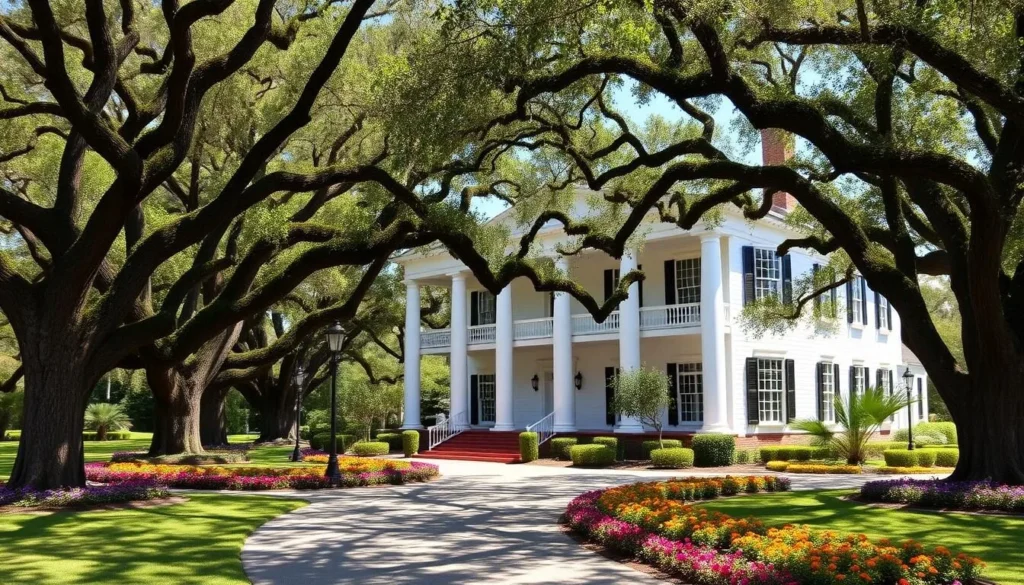
- Houmas House: This “Sugar Palace” features 16 rooms filled with period antiques and 38 acres of stunning gardens. Don’t miss the Great River Road Museum and Interpretive Center located on the grounds.
- Evergreen Plantation: One of the most intact plantation complexes in the South with 37 buildings on the National Register of Historic Places, including 22 rare original slave cabins.
- Laura Plantation: This Creole plantation offers a different architectural style with its distinctive multi-colored exterior and focuses on telling the stories of the people who lived and worked there.
Natural Attractions
- Mississippi River Overlooks: Several points along the byway offer excellent views of the mighty Mississippi, including the Vidalia Riverfront and the levee-top walkway in New Orleans.
- Lake Providence: This oxbow lake formed when the Mississippi changed course thousands of years ago offers fishing and boating opportunities.
- Bayou Segnette State Park: Located just outside New Orleans, this park offers swamp tours, fishing, and wildlife viewing.
Historic Sites
- Poverty Point World Heritage Site: This archaeological site near Epps features earthworks constructed between 1700 and 700 BCE, recognized by UNESCO for its cultural significance.
- Port Hudson National Historic Landmark: Site of the 1863 Civil War battle and siege that lasted 48 days, the longest in American military history.
- Chalmette Battlefield: Location of the 1815 Battle of New Orleans, the final major battle of the War of 1812.
Museums, Cultural Spots & Festivals
Louisiana’s Great River Road is rich with cultural institutions and celebrations that showcase the region’s diverse heritage and traditions.
Museums & Cultural Centers
- National World War II Museum (New Orleans): This Smithsonian-affiliated museum offers an immersive look at the American experience in “the war that changed the world.”
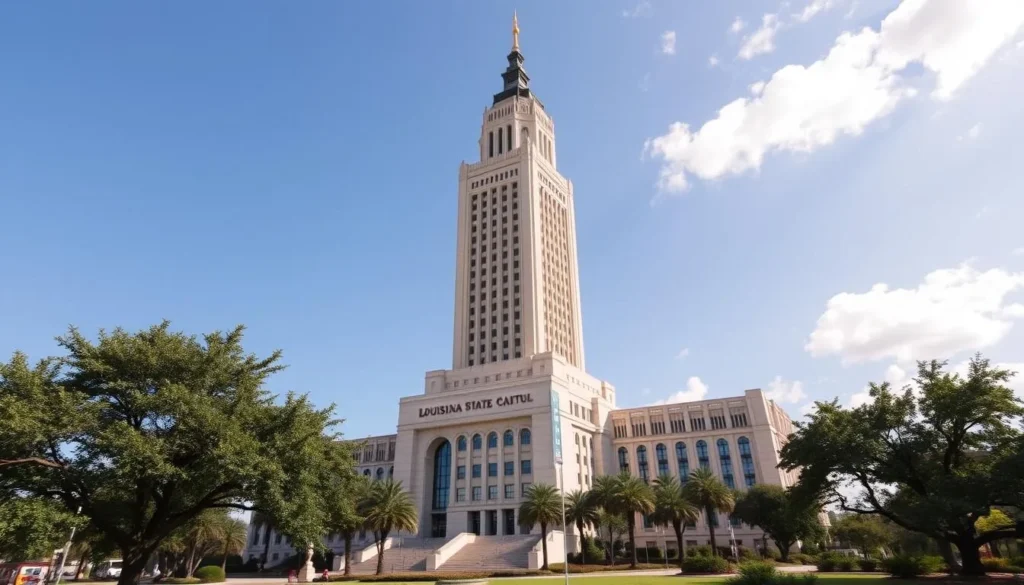
- Louisiana State Capitol (Baton Rouge): Tour the tallest state capitol building in the United States, standing at 137 meters (450 feet), and visit the adjacent Old State Capitol Museum.
- Delta Music Museum (Ferriday): Celebrating the region’s rich musical heritage and famous musicians like Jerry Lee Lewis, Mickey Gilley, and Conway Twitty.
- German-American Cultural Center (Gretna): Learn about the German immigrants who settled the area starting in the 1700s.
Notable Festivals
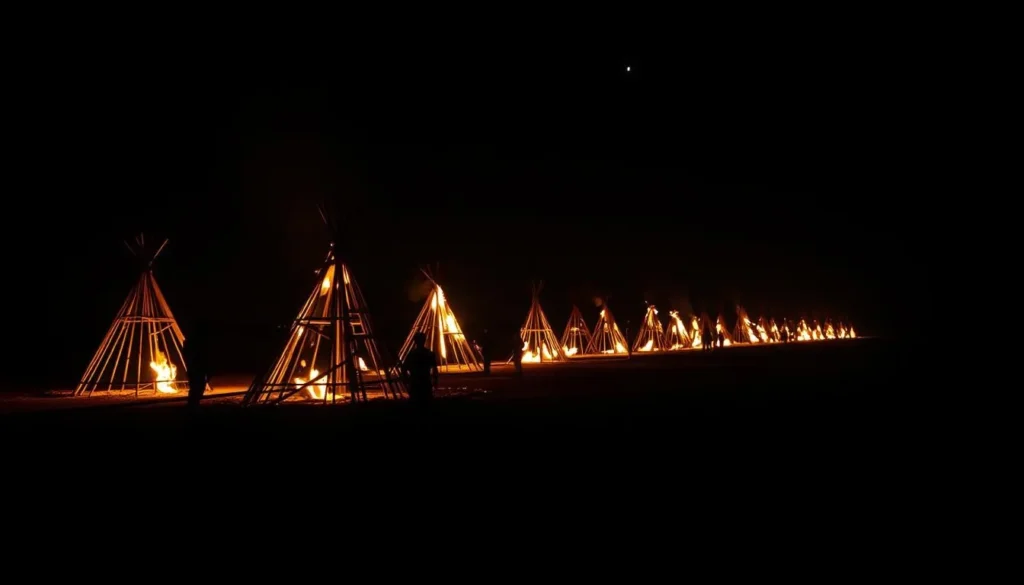
- Christmas Eve Bonfires (River Parishes): Each December 24th, locals build and light 20-foot wooden structures along the levee to “guide Papa Noel.”
- New Orleans Jazz & Heritage Festival: Held annually in late April/early May, this celebration of Louisiana music and culture attracts visitors from around the world.
- Essence Festival (New Orleans): The largest African American music festival in the United States, typically held over the July 4th weekend.
- Tales of the Cocktail (New Orleans): Annual gathering celebrating cocktail culture and New Orleans’ contribution to mixology.
Cultural Experiences
- Steamboat Natchez: Take a cruise on this authentic steamboat in New Orleans for a taste of historic river travel.
- Frogmore Cotton Plantation: This working cotton plantation offers tours that contrast 19th-century farming methods with modern production.
- The Myrtles Plantation: Known as “one of America’s most haunted homes,” offering both historical and mystery tours.
Sports, Nature & Outdoor Experiences
The Great River Road offers numerous opportunities to enjoy Louisiana’s natural environment, from leisurely river cruises to active outdoor adventures.
Water Activities
- Fishing: The Mississippi River and its tributaries, oxbow lakes, and nearby Gulf waters offer excellent fishing opportunities for species including catfish, bass, redfish, and speckled trout.
- Boating: Numerous boat launches along the route provide access to the river, though be aware of strong currents and commercial traffic.
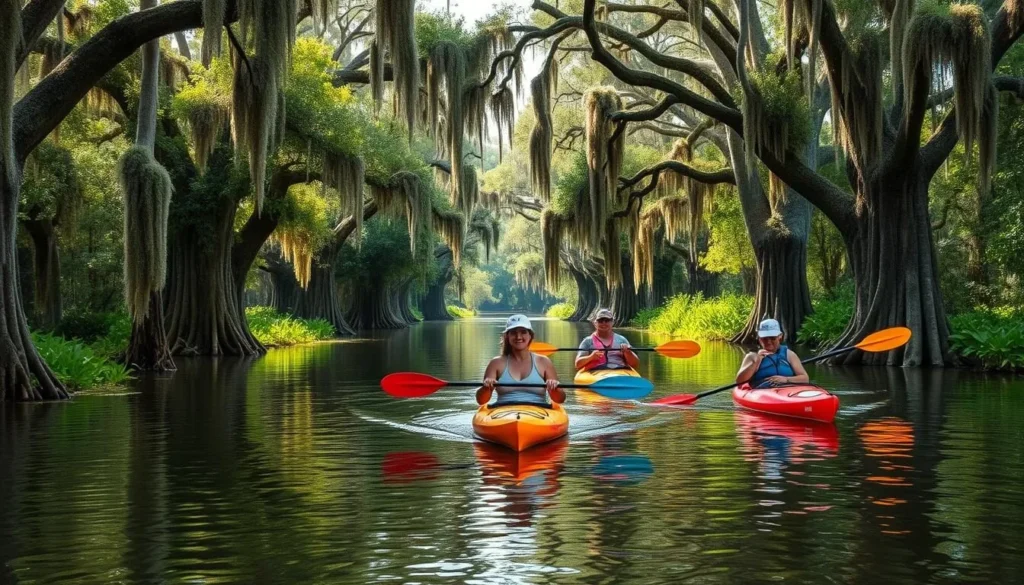
- Kayaking: Explore the calmer backwaters and bayous with local outfitters offering guided tours.
Wildlife Viewing
- Swamp Tours: Join guided boat tours to spot alligators, turtles, herons, egrets, and other wildlife in their natural habitat.
- Birding: The Mississippi Flyway is one of North America’s most important migratory bird routes, making the byway excellent for birdwatching year-round.
- Wildlife Management Areas: Several WMAs along the route offer hiking trails and wildlife observation opportunities.
Parks & Recreation
- Audubon Park (New Orleans): This 142-hectare (350-acre) urban oasis offers walking paths, picnic areas, and a zoo.
- Tunica Hills Wildlife Management Area: Located near St. Francisville, offering hiking through unique terrain unusual for Louisiana.
- Jean Lafitte National Historical Park and Preserve: Six sites throughout southern Louisiana, including the Barataria Preserve with boardwalk trails through wetlands.
Safety, Etiquette & Local Customs
Traveling the Great River Road in Louisiana is generally safe and welcoming, but being aware of local customs and potential hazards will enhance your experience.
Safety Considerations
- Weather Awareness: Monitor weather forecasts, especially during hurricane season (June-November). Have an evacuation plan if traveling during this time.
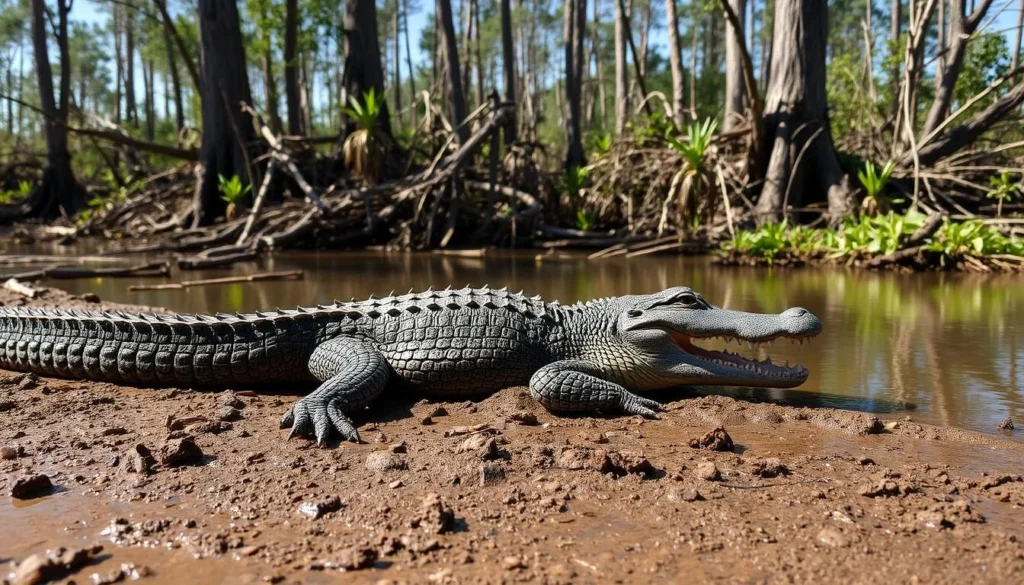
- Wildlife Safety: Keep a safe distance from alligators and other wildlife. Never feed wild animals.
- Water Safety: The Mississippi River has strong currents and commercial traffic. Swimming is not recommended, and boaters should exercise caution.
- Heat Precautions: Louisiana’s heat and humidity can be dangerous. Stay hydrated, use sun protection, and take breaks in air-conditioned spaces during summer months.
Local Etiquette & Customs
- Southern Hospitality: Louisianans are known for their friendliness. A smile and “hello” go a long way, and conversations often begin with pleasantries before getting to business.
- Plantation Visits: These sites represent complex and often painful history. Be respectful and understand that many tours now address the reality of slavery and its legacy.
- Local Terminology: In New Orleans, the “neutral ground” refers to the median of a street, and directions are often given as “riverside,” “lakeside,” “uptown,” or “downtown” rather than compass points.
- Festival Etiquette: During Mardi Gras or other festivals, respect parade barriers, follow police instructions, and understand that some traditions may seem unusual to outsiders.
Visitor Comments About Great River Road
“We spent a week driving the Louisiana section of the Great River Road and were amazed by the diversity of experiences. The plantations were educational and sobering, the food was incredible everywhere we stopped, and the people were so welcoming. Don’t miss the swamp tour near Barataria – we saw more alligators than we could count!”
“As history buffs, we found the Great River Road to be a treasure trove of American stories. The Poverty Point World Heritage Site was fascinating, and the plantation tours gave us a much deeper understanding of the complex history of the region. Plan extra time for New Orleans – two days wasn’t nearly enough to explore all it has to offer.”
“The Christmas Eve bonfires on the levee were the highlight of our trip! We stayed at a B&B in Gramercy and the owners invited us to help build their family’s bonfire structure. It was an unforgettable experience to be part of this unique tradition and see dozens of bonfires lighting up the night along the Mississippi.”
Additional Nearby Destinations
While the Great River Road offers plenty to see and do, consider these nearby destinations to enhance your Louisiana experience:
Cajun Country
Just west of the Great River Road, Louisiana’s Cajun Country offers a distinct cultural experience with its own unique food, music, and traditions.
- Lafayette: The heart of Cajun Country, about 96 km (60 miles) west of Baton Rouge.
- Breaux Bridge: The “Crawfish Capital of the World” and home to authentic Cajun music venues.
- Avery Island: Home to Tabasco sauce and beautiful botanical gardens.
Gulf Coast
South of New Orleans, Louisiana’s Gulf Coast offers beautiful beaches, fishing villages, and seafood fresh from the boat.
- Grand Isle: Louisiana’s only inhabited barrier island, known for fishing and beaches.
- Houma: Gateway to coastal wetlands and Cajun culture.
- Port Fourchon: Where the Mississippi meets the Gulf, offering excellent fishing opportunities.
Natchez, Mississippi
Just across the river from Vidalia, Louisiana, this historic city boasts the highest concentration of antebellum homes in the United States.
- Natchez National Historical Park: Preserving the sites of Melrose and William Johnson House.
- Natchez Trace Parkway: Historic 715 km (444 mile) route from Natchez to Nashville.
- Longwood: The largest octagonal house in America, left unfinished when the Civil War began.
Practical Travel Tips
Navigation & Route Planning
- Official Guide: Download the Great River Road app or pick up a printed guide at welcome centers for detailed maps and attraction information.
- Itinerary Planning: Allow at least 5-7 days to properly explore Louisiana’s section of the byway without rushing.
- Crossing the River: Plan your route to minimize unnecessary river crossings, as bridges can be far apart in some areas.
Practical Matters
- Insect Protection: Mosquitoes and other insects can be prevalent, especially near water. Bring repellent.
- Plantation Tours: Many plantations require reservations for tours, especially during peak seasons.
- Local Currency: Credit cards are widely accepted, but carry some cash for small establishments and rural areas.
Money-Saving Tips
- Combination Tickets: Some plantation homes offer discounted multi-property passes.
- New Orleans Attractions Pass: If spending time in the city, consider a New Orleans Pass for multiple attractions.
- Dining: Lunch specials often offer the same quality food as dinner at lower prices, especially in New Orleans restaurants.
- Accommodations: Prices in New Orleans drop significantly during summer and between major festivals, though weather is less pleasant.
The Journey Where History Flows Like the River
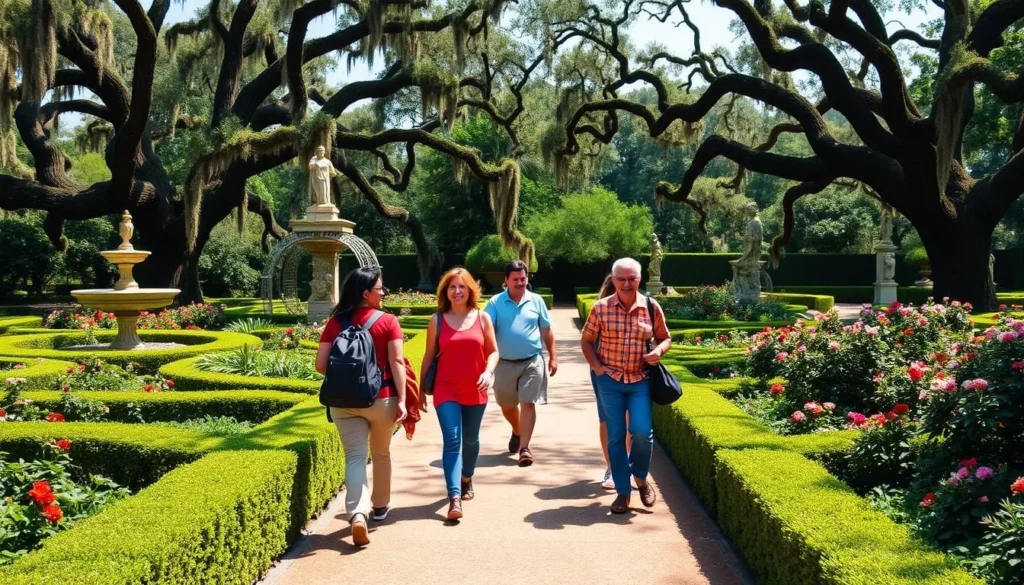
As you travel Louisiana’s Great River Road, you’ll discover that this isn’t just a scenic drive—it’s a journey through the very soul of America. From the haunting beauty of plantation alleyways to the joyful rhythms of New Orleans jazz, from the engineering marvel of the Mississippi River levee system to the timeless traditions of river communities, this byway tells the complex, multifaceted story of a region shaped by its relationship with the mighty Mississippi. Whether you’re a history enthusiast, a culinary adventurer, or simply a traveler seeking authentic experiences, the Great River Road offers a journey that will linger in your memory long after you’ve returned home. As the locals say, “Laissez les bons temps rouler”—let the good times roll—as you explore this remarkable corner of Louisiana.
Related Posts
White Lake Wetlands Conservation Area, Louisiana: Best Things to Do – Top Picks
Wine Island, Louisiana: Best Things to Do – Top Picks
Winn Parish Uplands, Louisiana: Best Things to Do – Top Picks
Zydeco Cajun Prairie Scenic Byway, Louisiana: Best Things to Do – Top Picks
Whiskey Island, Louisiana: Best Things to Do – Top Picks
Wetlands Cultural Byway, Louisiana: Best Things to Do – Top Picks
Coming Soon: Clickable Maps