
Hotels by Trip.com
Flights by Trip.com
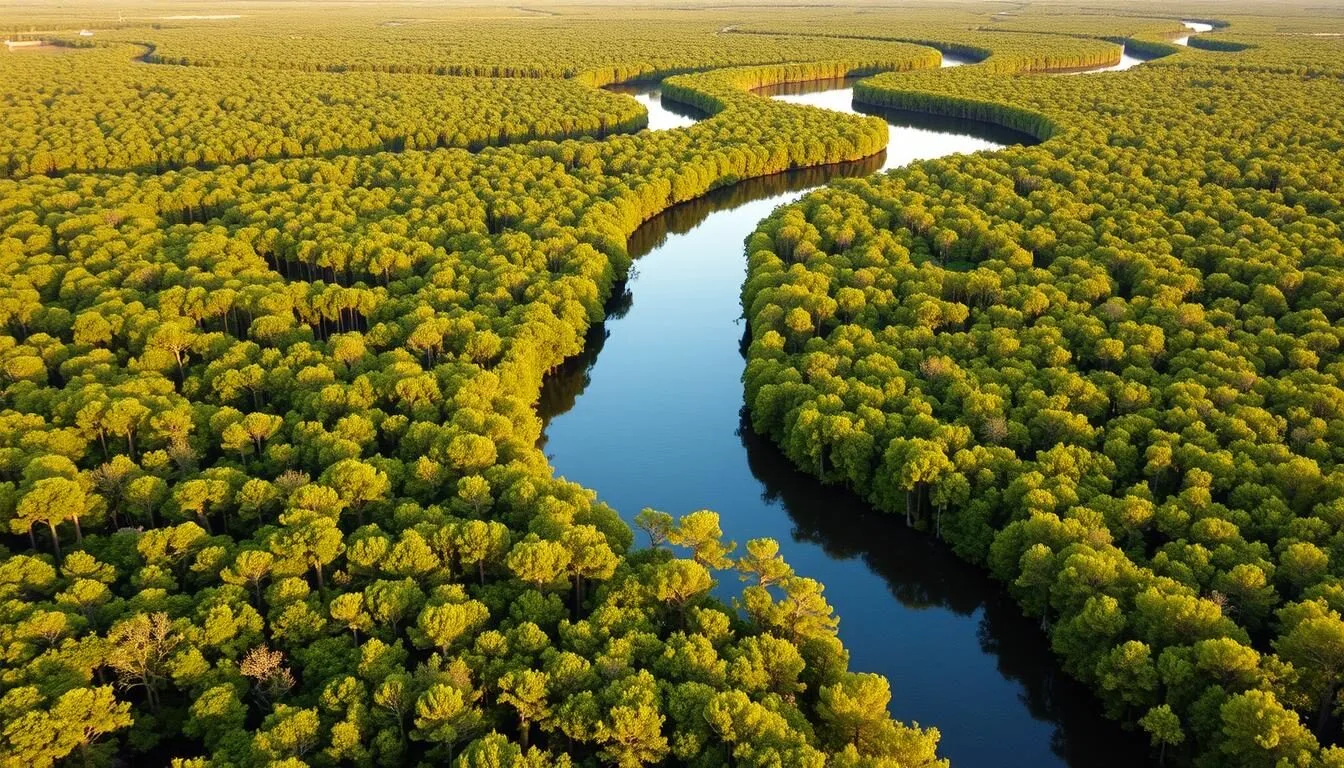
Did you know that Jean Lafitte National Historical Park and Preserve protects over 26,000 acres of Louisiana’s wetlands, providing critical habitat for one-third of all endangered or threatened species in the United States? This remarkable park not only preserves the region’s rich biodiversity but also serves as a natural buffer that helps protect New Orleans from storm damage. Spanning six distinct sites across southern Louisiana, this national treasure offers visitors an unparalleled glimpse into the state’s unique ecology, culture, and history.
Getting There & Planning Your Journey
Jean Lafitte National Historical Park and Preserve consists of six separate sites spread across southern Louisiana. The most popular unit, Barataria Preserve, is located about 30 minutes south of New Orleans in Marrero. The French Quarter Visitor Center is situated in the heart of New Orleans, while the Chalmette Battlefield lies just east of the city. The three Acadian Cultural Centers units are located farther west in Lafayette, Eunice, and Thibodaux.
The closest major airport is Louis Armstrong New Orleans International Airport (MSY), which offers connections to destinations throughout the United States and beyond. From the airport, you’ll need to rent a car or use rideshare services to reach the various park units, as public transportation options are limited.
When planning your visit, consider allowing at least 2-3 days to explore the different sites. The Barataria Preserve and Chalmette Battlefield can be visited in a single day from New Orleans, but reaching the Acadian Cultural Centers requires more travel time.
Best Time to Visit & Weather Tips
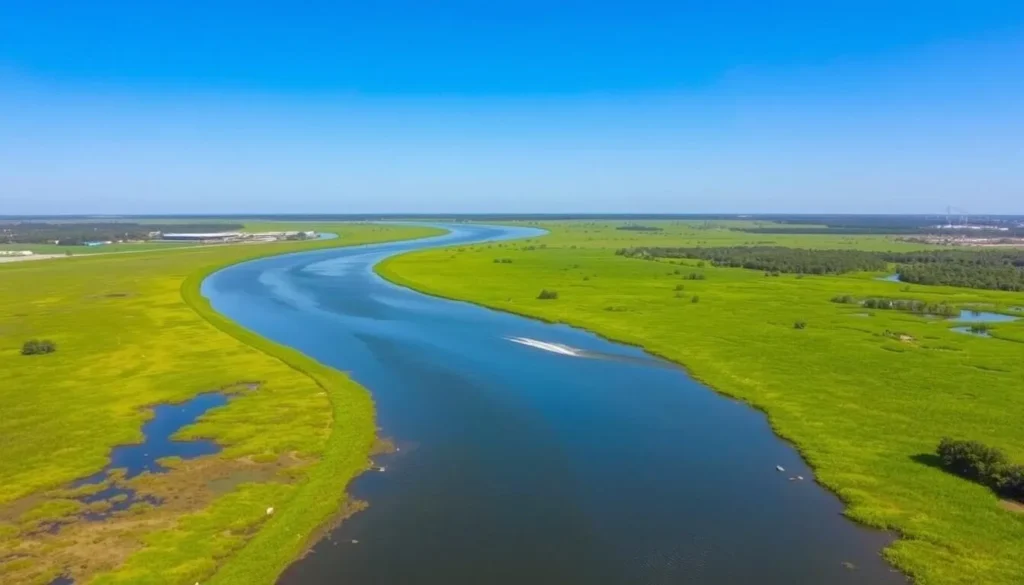
The ideal times to visit Jean Lafitte National Historical Park and Preserve are during spring (March to May) and fall (October to November). During these seasons, temperatures are pleasant, ranging from 18°C to 27°C (65°F to 80°F), and humidity levels are more manageable. Wildlife is also more active and visible during these periods.
Recommended Seasons
- Spring (March-May): Wildflowers bloom, moderate temperatures
- Fall (October-November): Pleasant weather, fewer insects
- Winter (December-February): Cooler temperatures, less humidity
Seasons to Avoid
- Summer (June-August): Extreme heat and humidity
- Hurricane season (June-November): Potential for severe weather
Weather Considerations
- Early mornings offer cooler temperatures
- Afternoon thunderstorms are common in summer
- Bring rain gear year-round
Summer months (June to August) bring intense heat and humidity, with temperatures often exceeding 32°C (90°F). This season also coincides with hurricane season, which runs from June through November. Winter (December to February) offers cooler temperatures ranging from 10°C to 18°C (50°F to 65°F), making it comfortable for hiking but potentially too cool for wildlife viewing, as alligators are less active in colder weather.
Getting Around Locally
A personal vehicle is the most practical way to explore Jean Lafitte National Historical Park and Preserve, especially if you plan to visit multiple units. The distance between the southernmost and northernmost sites is approximately 200 km (124 miles), making public transportation impractical for comprehensive exploration.
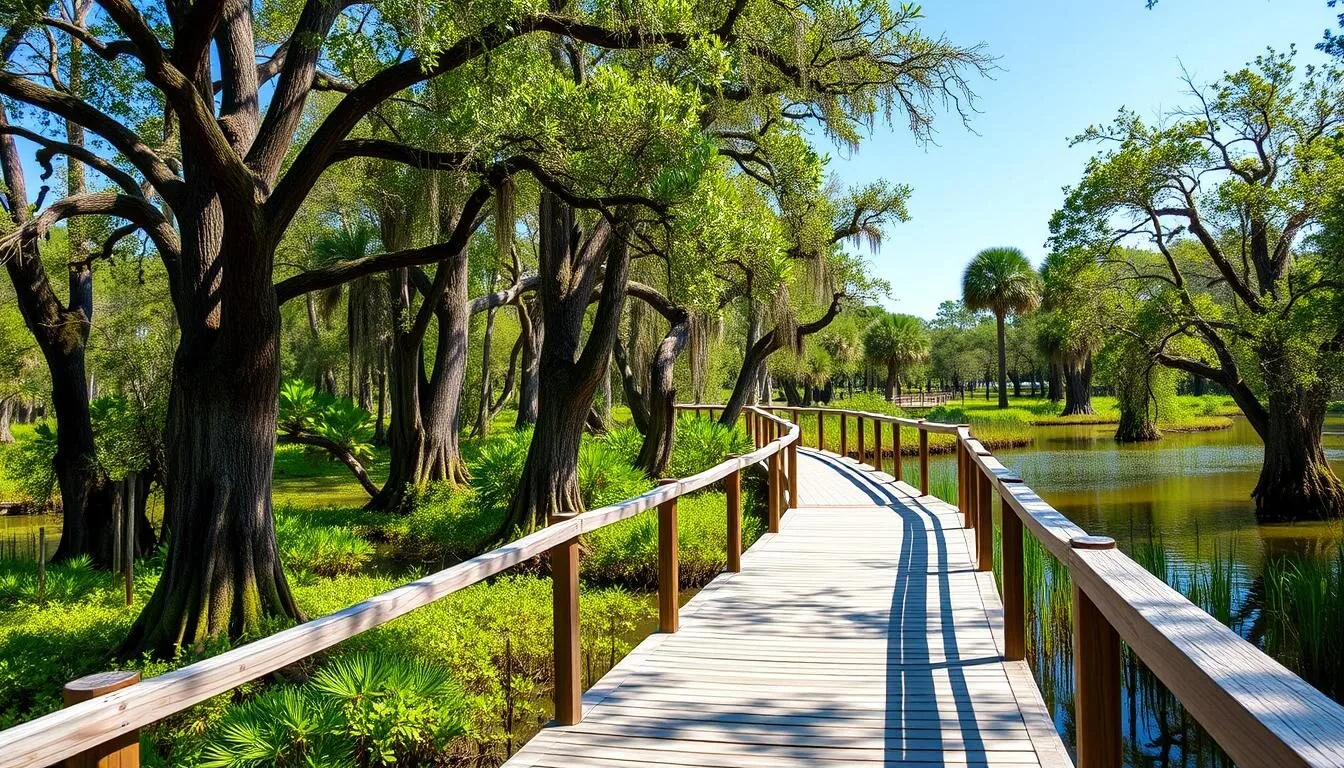
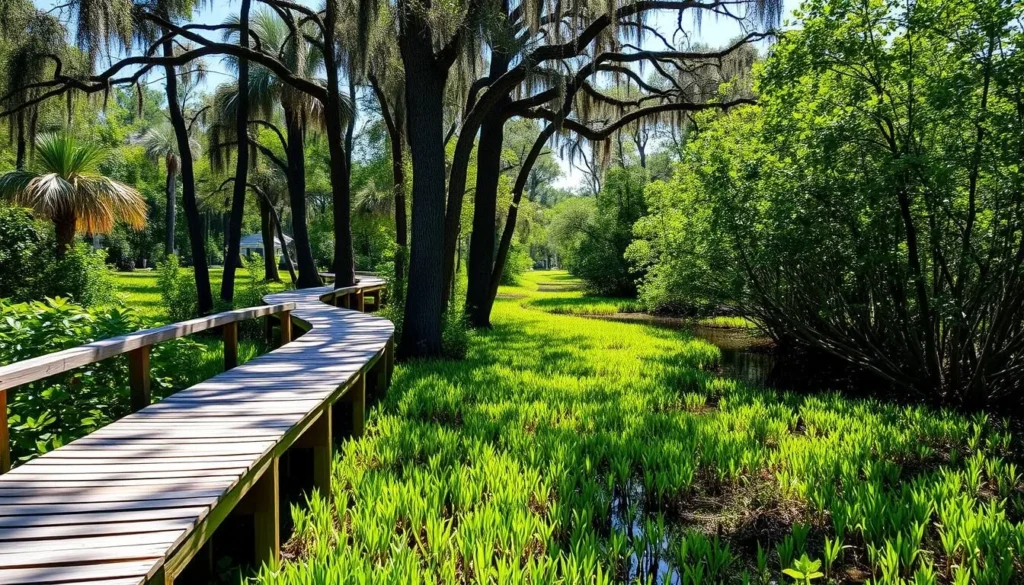
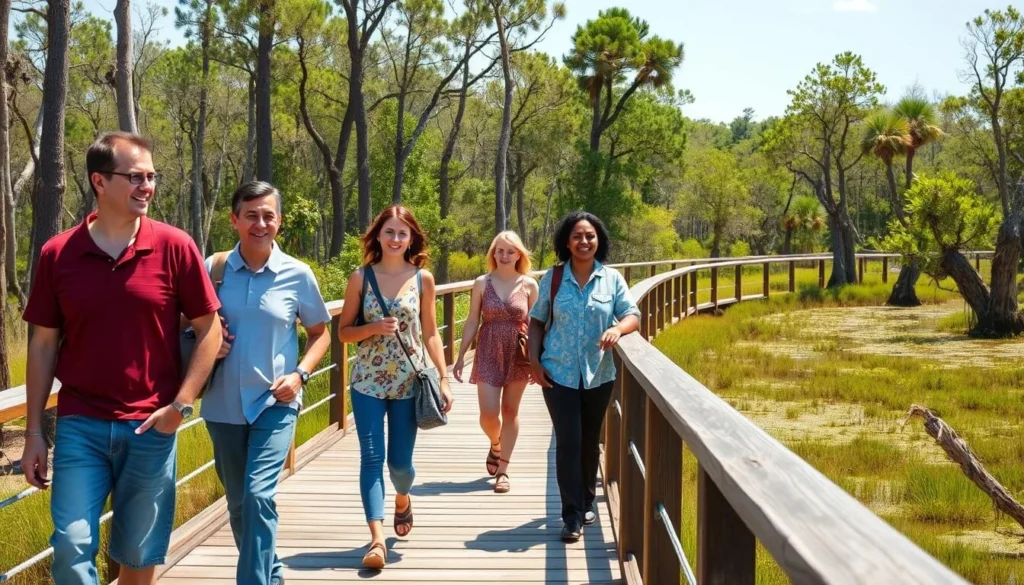
Within the Barataria Preserve, a network of boardwalk trails provides access to the wetlands. These well-maintained paths range from the short 0.25-mile Visitor Center Trail to longer routes like the 1.8 km (1.1-mile) Palmetto Trail. Most trails are flat and accessible, though some natural surface paths may become muddy after rain.
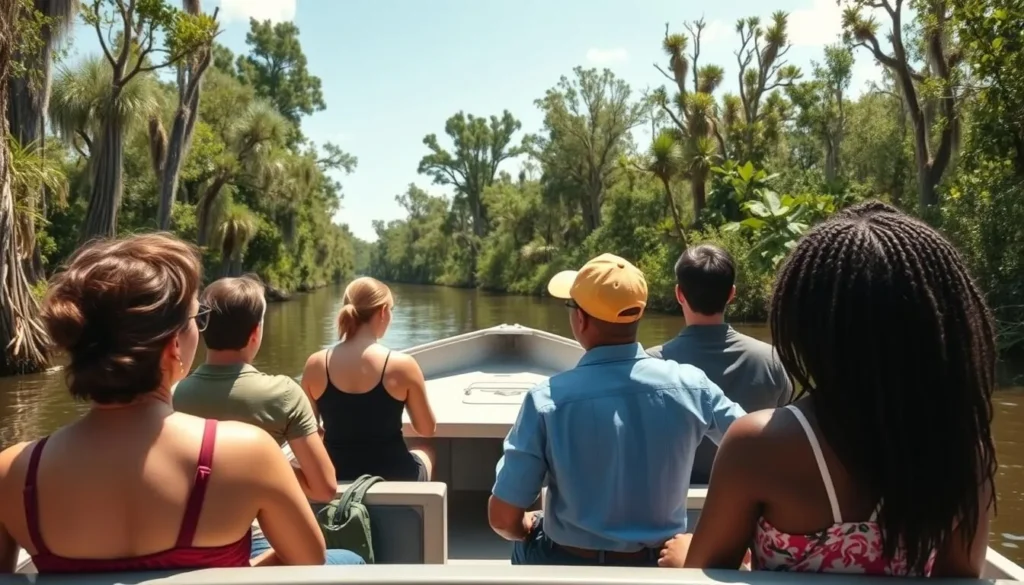
For a unique perspective of the bayous, consider taking a guided boat tour. Several operators offer excursions through the waterways surrounding the park, providing opportunities to see wildlife and access areas not visible from the trails.
Transportation Tips
- Rent a car to visit multiple park units
- Wear comfortable walking shoes for boardwalk trails
- Book boat tours in advance during peak seasons
- Allow extra travel time between park units
Where to Stay
While there are no lodging options within Jean Lafitte National Historical Park and Preserve itself, numerous accommodations can be found in the surrounding areas. The most convenient base for exploring the park is New Orleans, which offers everything from luxury hotels to budget-friendly options.
New Orleans
For visitors focusing on the French Quarter Visitor Center and Barataria Preserve, staying in New Orleans provides the perfect blend of culture and convenience. The city offers a wide range of accommodations, from historic boutique hotels in the French Quarter to modern chain hotels in the Central Business District.
Marrero & Lafitte
These communities are located closer to the Barataria Preserve, offering a more peaceful setting away from the bustle of New Orleans. Accommodations here tend to be more limited but include small inns, vacation rentals, and bed and breakfasts that provide a more local experience.
✓ Check 30,000+ Local Sightseeing Tours Worldwide
Lafayette Area
If your itinerary includes the Acadian Cultural Center, consider staying in Lafayette. This vibrant city serves as the hub of Cajun country and offers numerous hotels, motels, and B&Bs, along with authentic Cajun dining and cultural experiences.
For a truly immersive experience, consider booking a stay at one of the historic bed and breakfasts in the region. Many of these properties date back to the 19th century and offer a glimpse into Louisiana’s rich architectural heritage while providing modern amenities and southern hospitality.
Dining & Local Cuisine
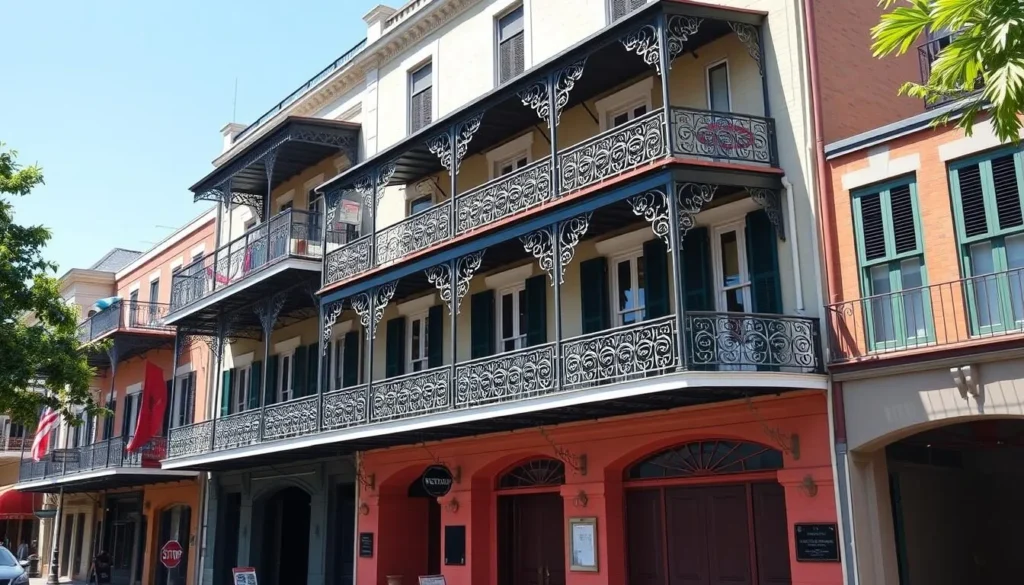
The region surrounding Jean Lafitte National Historical Park and Preserve offers some of America’s most distinctive and flavorful cuisine. From Creole classics to Cajun specialties, the food of southern Louisiana reflects the area’s rich cultural heritage and abundant natural resources.
Near the Barataria Preserve, Restaurant des Familles in Crown Point provides an authentic Louisiana dining experience with bayou views. This local favorite serves traditional dishes like gumbo, jambalaya, and fresh seafood, including oysters prepared in various styles. The restaurant’s large windows offer opportunities to spot wildlife while dining.
Must-Try Dishes
- Gumbo: Rich stew with seafood or chicken and sausage
- Jambalaya: Flavorful rice dish with meat and vegetables
- Crawfish Étouffée: Spicy, smothered crawfish over rice
- Beignets: French-style square doughnuts covered in powdered sugar
New Orleans Dining
- Café du Monde: Famous for coffee and beignets
- Commander’s Palace: Upscale Creole cuisine
- Central Grocery: Home of the original muffuletta sandwich
- Dooky Chase’s Restaurant: Historic Creole restaurant
Cajun Country Eats
- Boudin: Seasoned pork and rice sausage
- Cracklins: Crispy fried pork skin
- King cake: Sweet pastry associated with Mardi Gras
- Pralines: Sweet candy made with pecans and sugar
In New Orleans, the French Quarter offers countless dining options, from casual po’boy shops to elegant establishments serving refined Creole cuisine. Don’t miss the chance to try a café au lait and beignets at Café du Monde, a New Orleans institution since 1862.

Attractions, Sightseeing & Activities
Jean Lafitte National Historical Park and Preserve offers a diverse range of attractions across its six units, each highlighting different aspects of Louisiana’s natural and cultural heritage.
Barataria Preserve
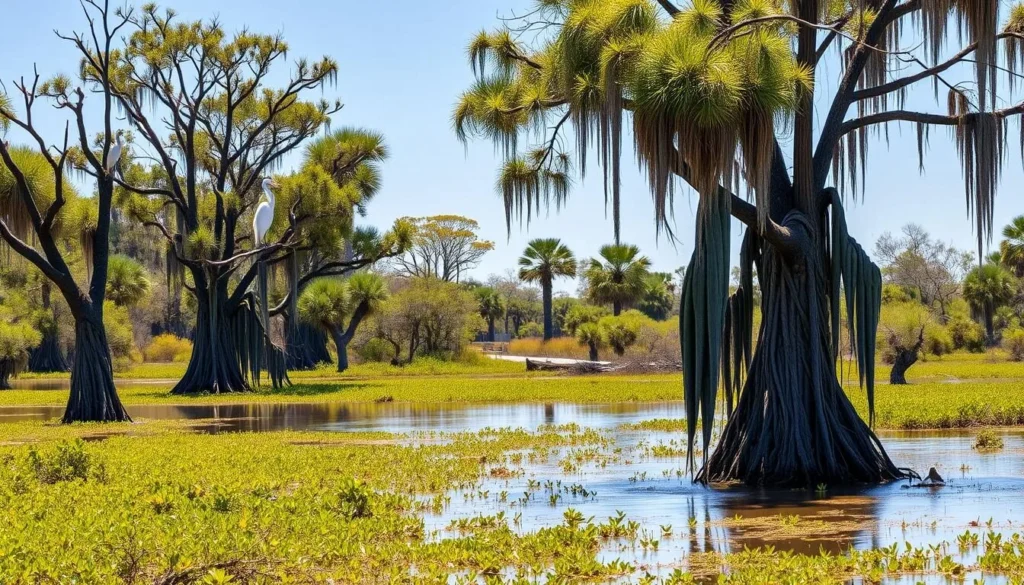
The crown jewel of the park, Barataria Preserve encompasses 9,300 hectares (23,000 acres) of wetlands, forests, and bayous. The preserve’s boardwalk trails provide safe access to these ecosystems, offering excellent opportunities for wildlife viewing. The Visitor Center Trail and Palmetto Trail are particularly popular for spotting alligators, turtles, and numerous bird species.
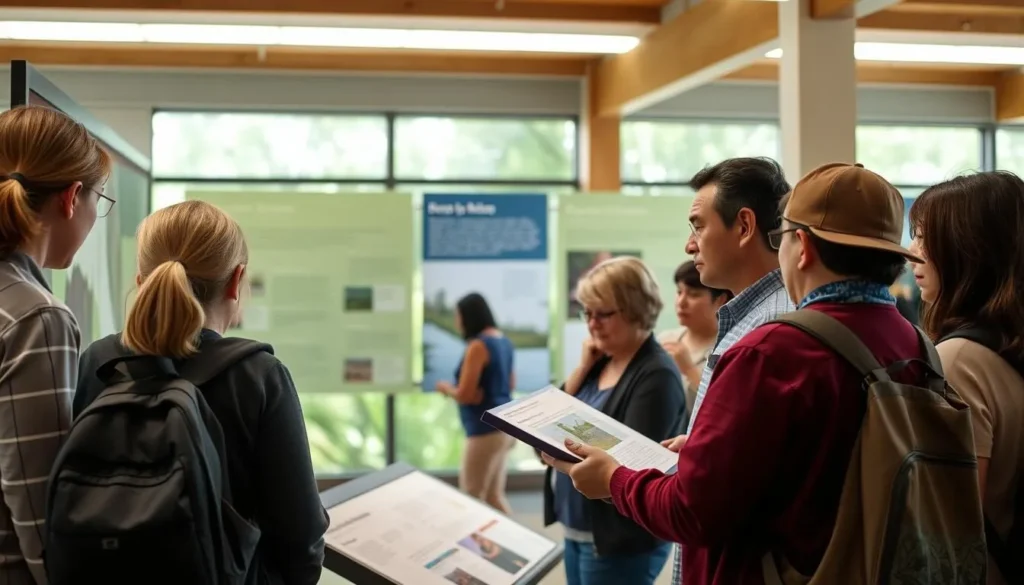
Don’t miss the preserve’s visitor center, which features exhibits on the ecology of the Mississippi River Delta and the environmental challenges facing the region. Rangers often lead guided walks that provide deeper insights into the preserve’s natural history.
Chalmette Battlefield
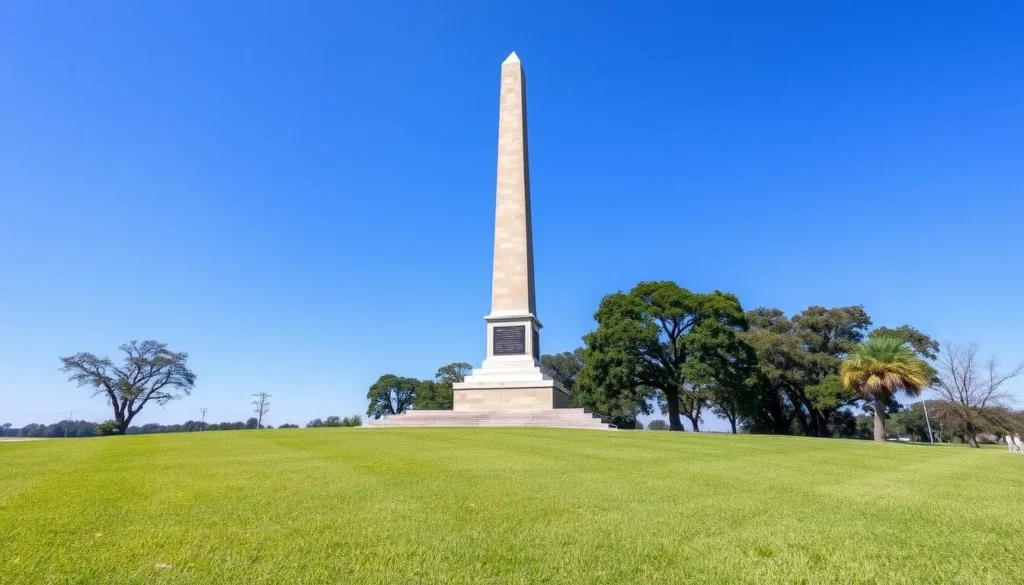
History buffs shouldn’t miss the Chalmette Battlefield, site of the decisive American victory in the Battle of New Orleans during the War of 1812. The battlefield features a 30-meter (100-foot) monument commemorating the battle, as well as reconstructed earthworks and artillery pieces. The adjacent Chalmette National Cemetery contains the graves of veterans from the Civil War through the Vietnam War.
The visitor center offers exhibits on the battle and its significance in American history. For a comprehensive experience, take the self-guided tour that leads you through key points on the battlefield.
French Quarter Visitor Center
Located in the heart of New Orleans’ historic district, this visitor center explores the rich cultural history of the Mississippi River Delta region. Exhibits highlight the diverse peoples who have shaped Louisiana’s unique heritage, from Native Americans and European settlers to enslaved Africans and their descendants.
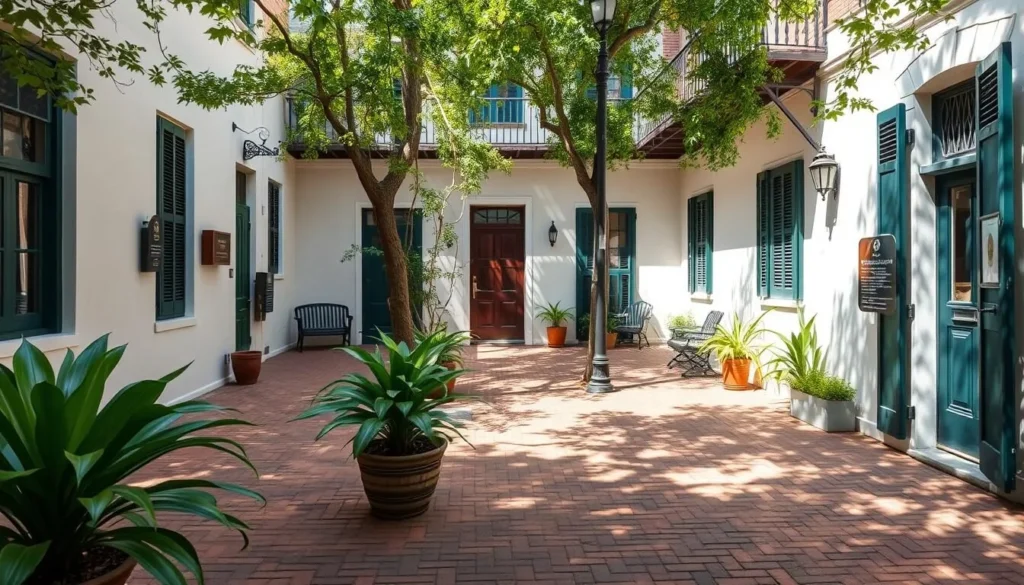
The center occupies a historic building with a traditional New Orleans courtyard, providing a peaceful retreat from the bustling streets of the French Quarter. Regular cultural demonstrations and ranger talks offer insights into local traditions and history.
Museums, Cultural Spots & Festivals
The cultural richness of Jean Lafitte National Historical Park and Preserve extends beyond its natural beauty, offering visitors numerous opportunities to explore Louisiana’s diverse heritage.
Acadian Cultural Centers
The park’s three Acadian Cultural Centers units—located in Lafayette, Eunice, and Thibodaux—celebrate the history and traditions of Louisiana’s Cajun community. These centers offer exhibits, films, and programs that tell the story of the Acadians, French colonists who were expelled from Canada in the 18th century and eventually settled in Louisiana.
The Lafayette center features exhibits on Acadian history and offers boat tours of Bayou Vermilion. In Eunice, the Prairie Acadian Cultural Center hosts live Cajun music performances and cooking demonstrations. The Wetlands Acadian Cultural Center in Thibodaux focuses on the relationship between Cajun culture and the Louisiana bayous.
Seasonal Festivals
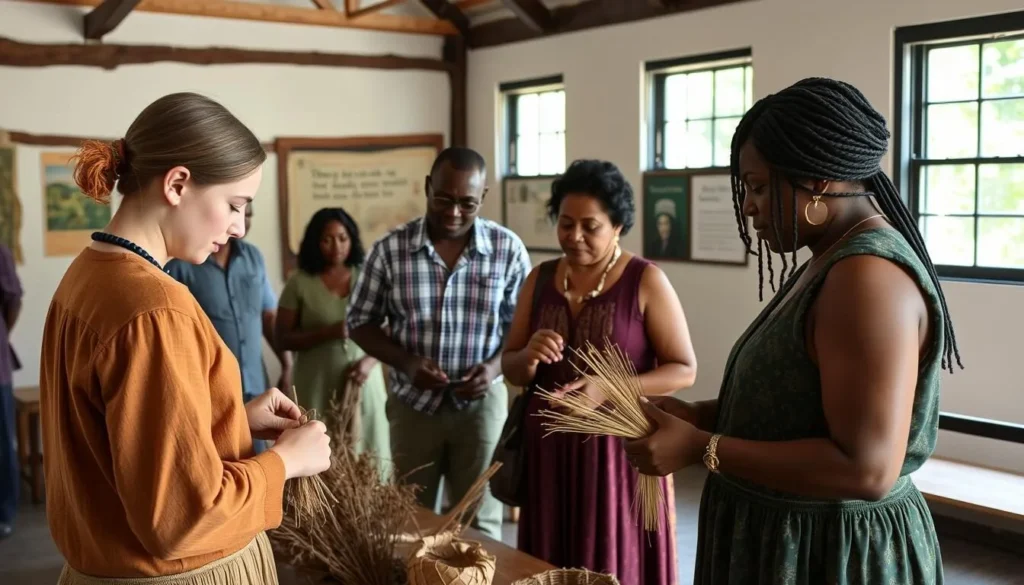
Throughout the year, communities surrounding the park host festivals celebrating local culture, music, and cuisine. These events provide immersive experiences of Louisiana traditions and often feature live music, dance performances, craft demonstrations, and food vendors.
Spring Events
- French Quarter Festival (April)
- New Orleans Jazz & Heritage Festival (April-May)
- Breaux Bridge Crawfish Festival (May)
Fall Events
- Festivals Acadiens et Créoles (October)
- Louisiana Swamp Festival (October)
- Gretna Heritage Festival (October)
Winter Events
- Mardi Gras (February/March)
- Boudin Festival (January)
- Battle of New Orleans Anniversary (January)
The Battle of New Orleans Anniversary in January commemorates the historic 1815 battle with reenactments, living history demonstrations, and special ranger programs at the Chalmette Battlefield. This event offers a unique opportunity to experience history come to life at the actual site where it occurred.
Sports, Nature & Outdoor Experiences
The diverse ecosystems of Jean Lafitte National Historical Park and Preserve provide a wealth of outdoor recreational opportunities for nature enthusiasts and adventure seekers alike.
Wildlife Viewing
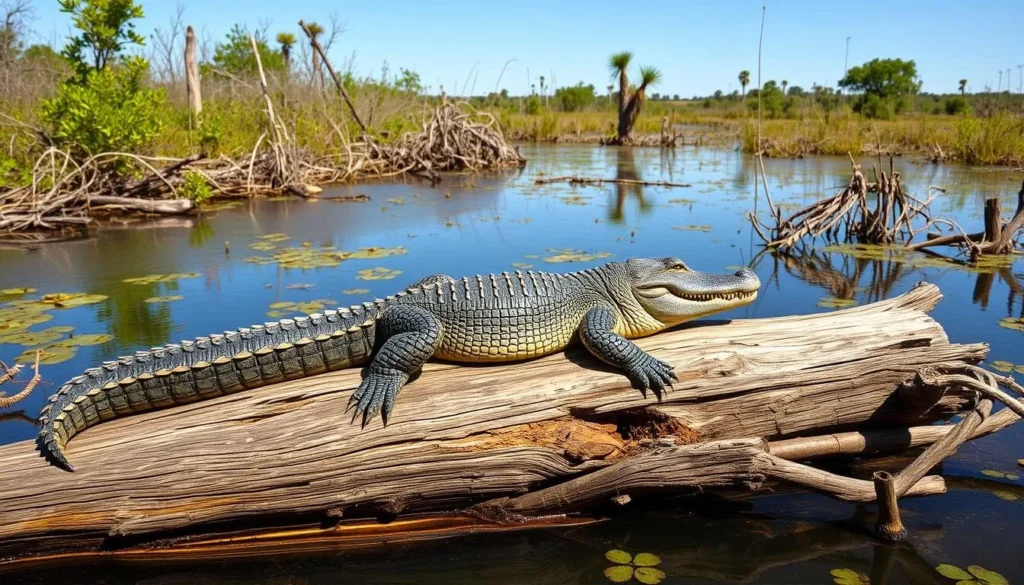
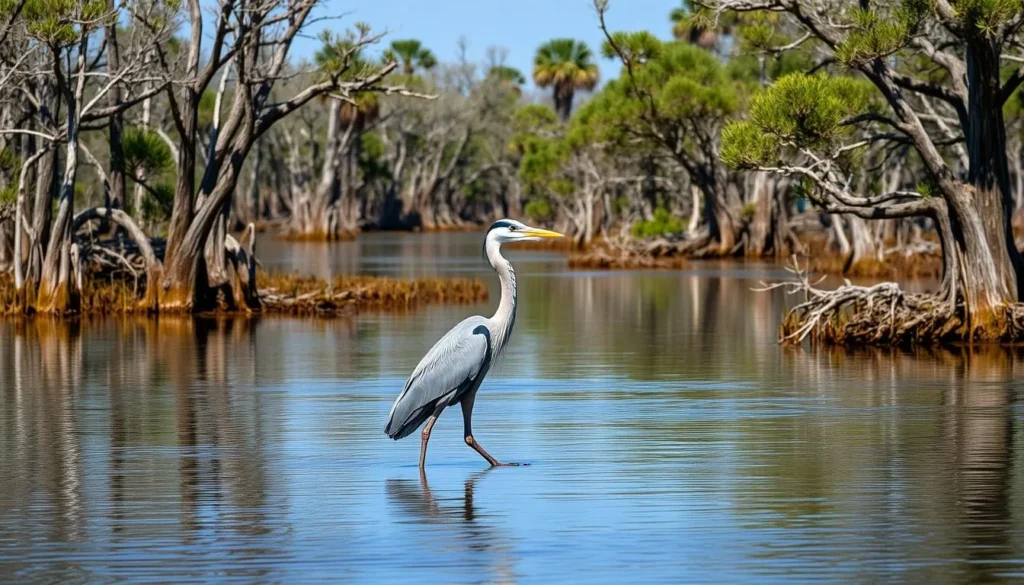
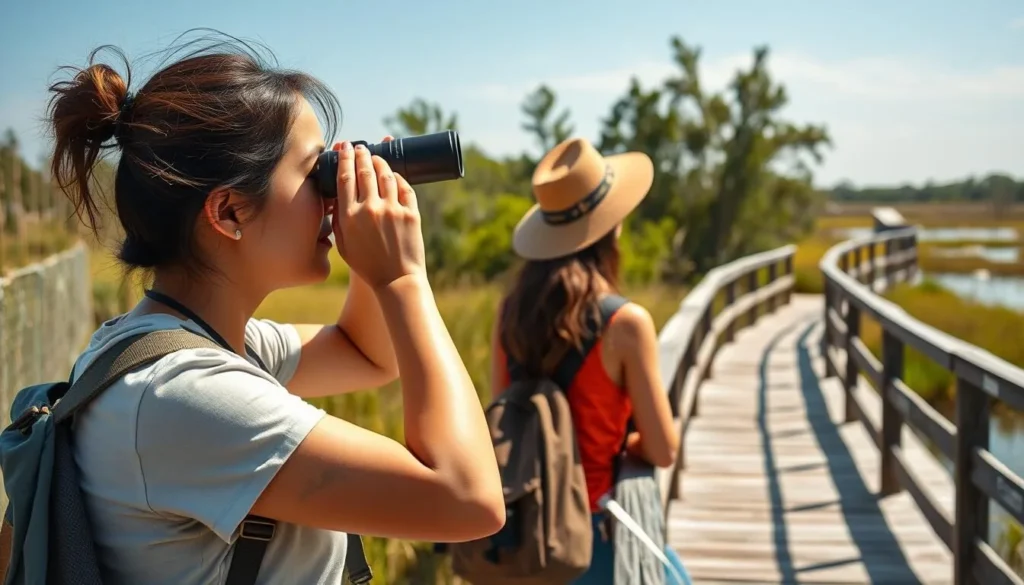
The Barataria Preserve is a paradise for wildlife photographers and nature lovers. The preserve’s boardwalk trails offer safe vantage points for observing alligators, which are most active during spring and fall. Birdwatchers can spot over 200 species, including great blue herons, egrets, and migratory songbirds. Early morning and late afternoon typically offer the best wildlife viewing opportunities.
For a more immersive experience, join a ranger-led hike. These guided walks provide expert insights into the preserve’s ecology and increase your chances of spotting elusive wildlife. Check with the visitor center for the current schedule of ranger programs.
Hiking & Walking Trails
The park offers several trails that showcase the region’s diverse landscapes. At Barataria Preserve, the Bayou Coquille Trail leads through former plantation lands and along a historic waterway. The Marsh Overlook Trail provides panoramic views of freshwater marsh, while the Twin Canals Trail offers opportunities to spot wildlife in a more secluded setting.
Easy Trails
- Visitor Center Trail (0.4 km/0.25 mile)
- Marsh Overlook Trail (0.8 km/0.5 mile)
- Palmetto Trail (1.8 km/1.1 miles)
Moderate Trails
- Bayou Coquille Trail (1.3 km/0.8 mile)
- Twin Canals Trail (2.6 km/1.6 miles)
- Wood Duck Trail (4.2 km/2.6 miles)
Trail Tips
- Stay on designated paths
- Bring insect repellent
- Carry water, especially in summer
- Wear closed-toe shoes
Boating & Water Activities
While personal watercraft are not permitted within the preserve, several tour operators offer guided boat excursions through the surrounding bayous. These tours provide access to areas not visible from the trails and often include opportunities to learn about local history and culture from knowledgeable guides.
For those interested in fishing, the waters around Jean Lafitte are known for excellent catches of redfish, speckled trout, and bass. Fishing is permitted in designated areas, but be sure to check local regulations and obtain any necessary licenses before casting your line.
Safety, Etiquette & Local Customs
Ensuring a safe and respectful visit to Jean Lafitte National Historical Park and Preserve requires awareness of both natural hazards and cultural considerations.
Wildlife Safety
- Never feed or approach wildlife, especially alligators
- Keep a minimum distance of 10 meters (30 feet) from alligators
- Stay on designated trails and boardwalks
- Keep pets leashed at all times (where permitted)
The subtropical climate presents its own challenges. Heat and humidity can be extreme, particularly from June through September. Drink plenty of water, wear lightweight, breathable clothing, and use sun protection. Insect repellent is essential year-round but especially important during warmer months when mosquitoes are abundant.
When visiting cultural sites and attending demonstrations, show respect for local traditions and customs. Photography is generally permitted, but ask permission before photographing individuals, particularly during cultural performances. In the Acadian Cultural Centers, you may encounter French-speaking staff and visitors; basic greetings in French are appreciated but not expected.
Weather conditions can change rapidly in southern Louisiana. Check forecasts before visiting, especially during hurricane season (June through November). Follow all ranger instructions and evacuation orders if severe weather threatens.
Visitor Comments About Jean Lafitte National Historical Park and Preserve
“The boardwalk trails at Barataria Preserve offered our family an incredible wildlife experience. We spotted five alligators, countless birds, and even a shy armadillo! The rangers were exceptionally knowledgeable and made the ecology of the bayou accessible for our children. Don’t miss the visitor center exhibits before hitting the trails.”
“As a history buff, I found the Chalmette Battlefield fascinating. Standing on the actual ground where such a pivotal battle took place was moving. The ranger talk really brought the events of 1815 to life, explaining not just the military tactics but the broader significance of the American victory. The French Quarter Visitor Center was equally impressive with its cultural exhibits.”
“Coming from Australia, I was amazed by how different Louisiana’s wetlands are from anything back home. The Acadian Cultural Center in Lafayette gave me a deep appreciation for Cajun history and traditions. Watching traditional music being performed and sampling authentic cuisine made for an immersive cultural experience. Just remember to pack insect repellent if you visit in summer!”
Additional Nearby Destinations
While Jean Lafitte National Historical Park and Preserve offers enough to fill several days of exploration, the surrounding region boasts numerous attractions that complement a visit to the park.
New Orleans
Just a short drive from several park units, New Orleans offers world-renowned cuisine, architecture, and music. Beyond the famous French Quarter, explore the Garden District’s historic homes, take a streetcar ride along St. Charles Avenue, or visit the National WWII Museum. New Orleans Jazz National Historical Park provides insights into the birth and evolution of this uniquely American art form.
Cajun Country
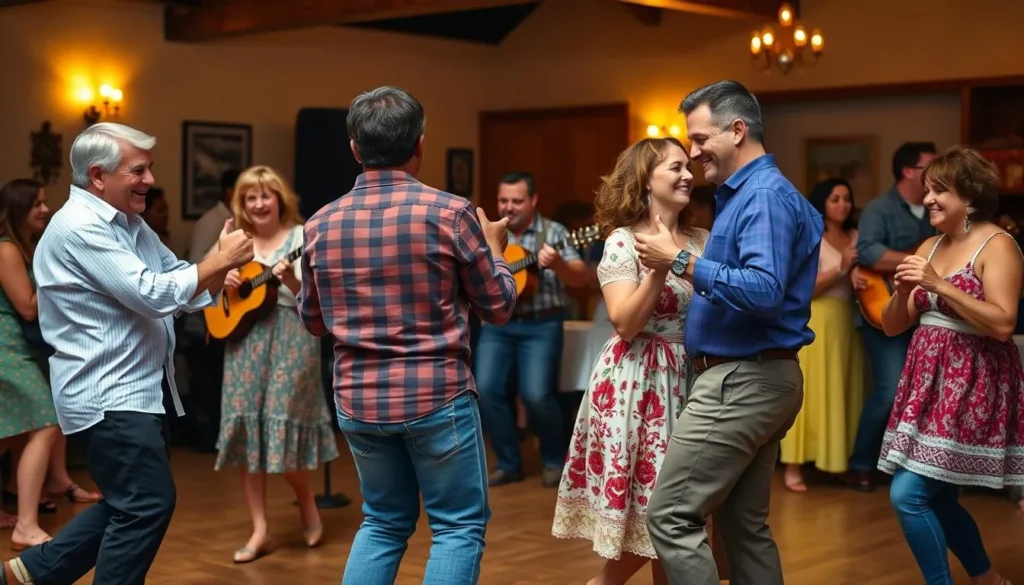
West of New Orleans, the towns of Lafayette, Breaux Bridge, and St. Martinville form the heart of Cajun Country. Here you’ll find authentic music venues, dancing, and cuisine that reflect the region’s French Acadian heritage. Vermilionville Living History Museum and Folklife Park recreates a 19th-century Acadian settlement with costumed interpreters and traditional crafts.
Gulf Coast
South of the park, Louisiana’s Gulf Coast offers fishing, beaches, and seafood. Grand Isle, the state’s only inhabited barrier island, features beaches, fishing opportunities, and the Grand Isle State Park. The town of Houma serves as a gateway to additional swamp tours and outdoor adventures in the Atchafalaya Basin, America’s largest river swamp.
For those interested in plantation history, several historic estates line the Mississippi River between New Orleans and Baton Rouge. These include Whitney Plantation, which focuses specifically on the lives of enslaved people, offering a perspective often overlooked at other plantation sites.
Practical Travel Tips
Make the most of your visit to Jean Lafitte National Historical Park and Preserve with these practical tips gathered from experienced travelers and park rangers.
What to Pack
- Insect repellent (essential year-round)
- Sunscreen and hat
- Refillable water bottle
- Binoculars for wildlife viewing
- Camera with zoom lens
- Light rain jacket or poncho
Planning Advice
- Check visitor center hours before visiting
- Download park maps in advance
- Visit on weekdays to avoid crowds
- Allow extra time between park units
- Confirm ranger program schedules
Accessibility
- Visitor centers are wheelchair accessible
- Barataria Preserve has accessible boardwalks
- Chalmette Battlefield offers accessible paths
- Service animals are permitted
- Contact rangers for specific accommodations
Entrance to all units of Jean Lafitte National Historical Park and Preserve is free, making it an excellent value for budget-conscious travelers. The park does not require reservations for general visitation, though special programs may have limited capacity and require advance registration.
Cell phone coverage can be spotty in some areas, particularly at the Barataria Preserve. Download maps and information before your visit, and consider bringing a physical map as backup. Most visitor centers offer free Wi-Fi, allowing you to reconnect and plan your next adventure.
Embrace the Soul of Louisiana
Jean Lafitte National Historical Park and Preserve offers a remarkable window into the heart and soul of Louisiana. From the mysterious beauty of cypress-shrouded bayous to the stirring history of the Chalmette Battlefield, from the vibrant cultural traditions of the Acadians to the ecological wonders of the Mississippi Delta, this diverse park encapsulates the essence of a unique region unlike any other in America.
As you plan your journey to this special corner of Louisiana, prepare to be transformed by its natural splendor, moved by its complex history, and enchanted by its rich cultural tapestry. Whether you’re watching an alligator glide silently through the waters of Barataria, learning Cajun dance steps at an Acadian Cultural Center, or standing on the hallowed ground where American forces secured a pivotal victory, the experiences you gather here will remain with you long after you’ve returned home.
Jean Lafitte National Historical Park and Preserve isn’t just a destination—it’s an immersion into the authentic Louisiana that exists beyond the tourist trails, waiting to be discovered by those willing to venture into its wild and wonderful embrace.
Related Posts
White Lake Wetlands Conservation Area, Louisiana: Best Things to Do – Top Picks
Wine Island, Louisiana: Best Things to Do – Top Picks
Winn Parish Uplands, Louisiana: Best Things to Do – Top Picks
Zydeco Cajun Prairie Scenic Byway, Louisiana: Best Things to Do – Top Picks
Whiskey Island, Louisiana: Best Things to Do – Top Picks
Wetlands Cultural Byway, Louisiana: Best Things to Do – Top Picks
Coming Soon: Clickable Maps