
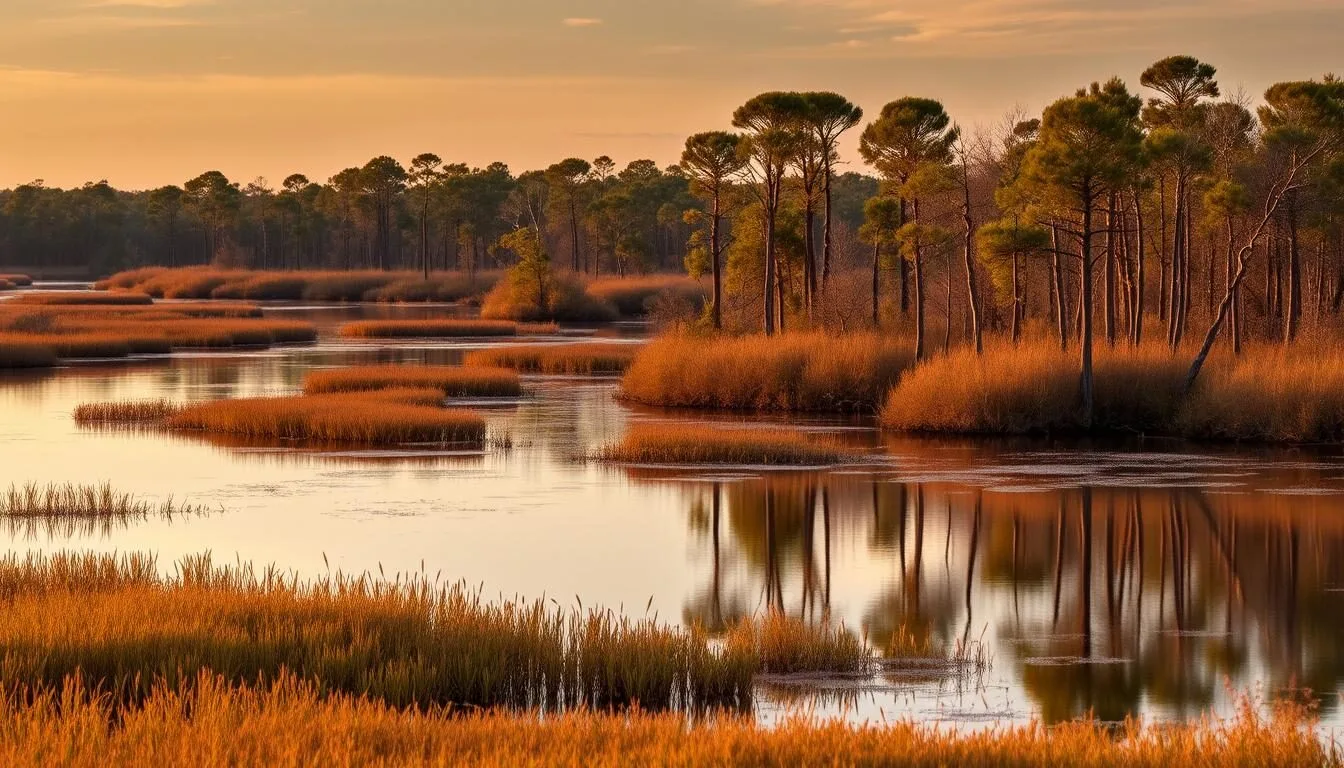
Established in 1937 with just 13,000 hectares, Lacassine National Wildlife Refuge has grown to nearly 35,000 hectares (140 km²) of pristine wetlands and serves as a critical wintering habitat for over 300,000 pintail ducks during peak seasons. This hidden gem in southwestern Louisiana offers visitors a rare glimpse into one of America’s most productive freshwater marsh ecosystems, where alligators, roseate spoonbills, and countless waterfowl thrive in a carefully preserved natural setting.
Getting There & Planning Your Journey
Lacassine National Wildlife Refuge is located in Cameron and Evangeline Parishes in southwestern Louisiana. The refuge sits at the boundary where agricultural land meets coastal marsh, creating a unique ecological transition zone.
Closest Airports
- Lake Charles Regional Airport (LCH) – approximately 65 km (40 miles) northwest
- Lafayette Regional Airport (LFT) – approximately 80 km (50 miles) northeast
- Houston International Airports (IAH/HOU) – approximately 240 km (150 miles) west
From Lake Charles, take I-10 East to Welsh, then Highway 99 south to the refuge. From Lafayette, take I-10 West to Jennings, then Highway 26 south. The refuge headquarters is located at 209 Nature Road, Lake Arthur, LA 70549.
Best Time to Visit & Weather Tips
The refuge experiences a subtropical climate with hot, humid summers and mild winters. Your experience will vary dramatically depending on when you visit.
Recommended Seasons
Fall (October-November)
Prime time for wildlife viewing as migratory birds arrive. Temperatures range from 15-26°C (60-80°F) with lower humidity.
Winter (December-February)
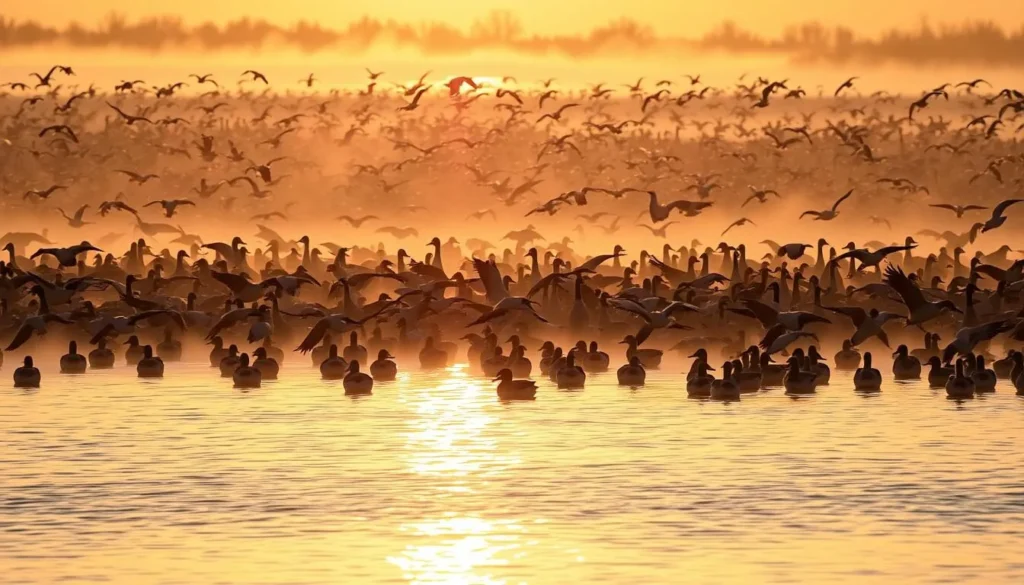
Peak waterfowl season with up to 300,000 birds. Temperatures average 7-18°C (45-65°F). Bring layers as mornings can be chilly.
Spring (March-May)
Beautiful wildflowers and active wildlife. Temperatures range from 18-29°C (65-85°F) with increasing humidity.
Summer (June-September)
Hot and humid with temperatures often exceeding 32°C (90°F). Fewer visitors but abundant alligator sightings and resident birds.
Summer visitors should be prepared for extreme heat, high humidity, and abundant mosquitoes. Bring plenty of water, sun protection, and insect repellent.
Getting Around Locally
Lacassine National Wildlife Refuge offers several ways to explore its diverse habitats, from driving tours to water-based adventures.
By Car
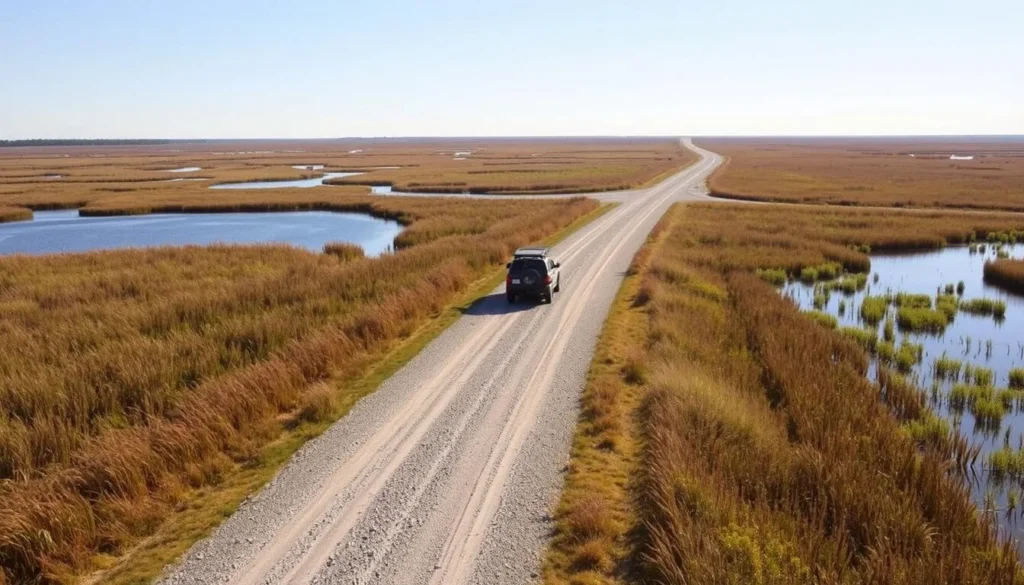
The Wildlife Drive around Lacassine Pool is the primary way most visitors experience the refuge. This 4.8 km (3-mile) gravel road loops around the western portion of the refuge and provides excellent wildlife viewing opportunities.
By Boat
Several boat launches provide access to Lacassine Bayou and the Lacassine Pool. Motorized boats are permitted in designated areas, while the Wilderness Area is accessible only by paddle craft.
Walking Trails
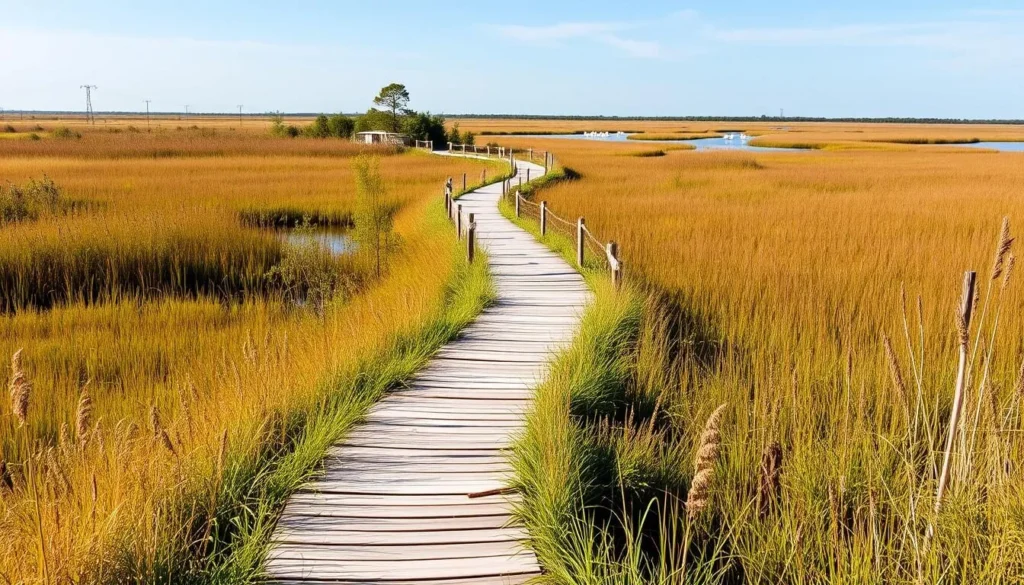
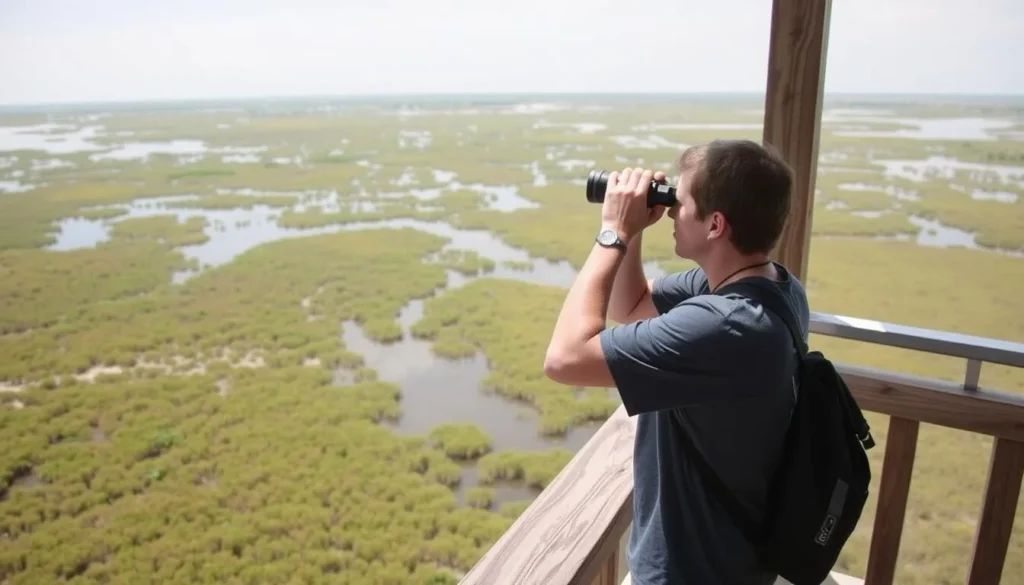
Short walking trails and boardwalks near the headquarters provide opportunities to stretch your legs and observe wildlife up close. The observation towers along these trails offer panoramic views of the marshlands.
Where to Stay
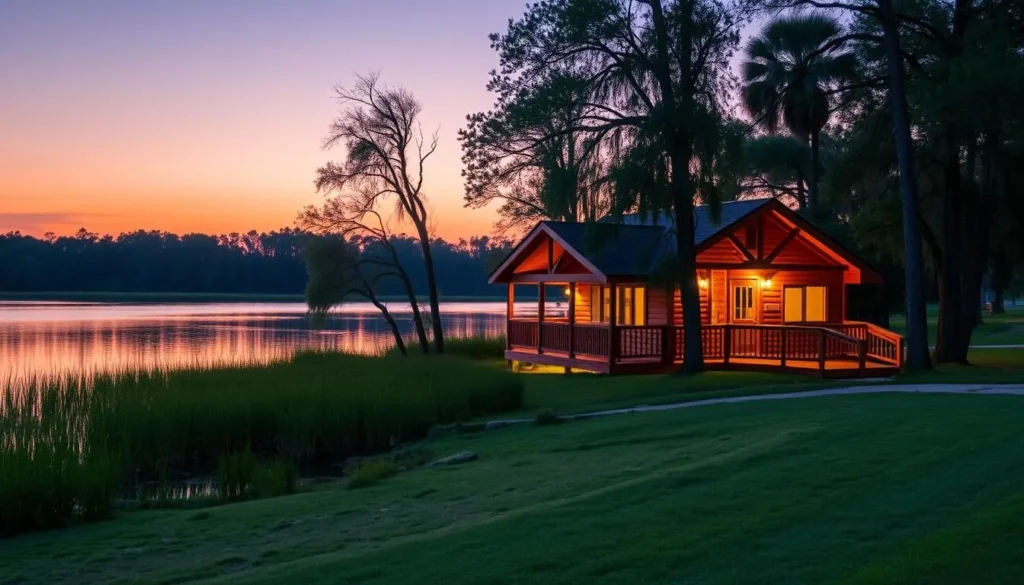
While there is no lodging within the refuge itself, several nearby communities offer accommodation options.
Lake Arthur
The closest town to the refuge (15 minutes) offers several small motels and B&Bs. The Lake Arthur Inn provides basic accommodations with easy access to the refuge.
Jennings
Located 30 minutes north, Jennings has chain hotels including Holiday Inn Express and Best Western, plus local options like the Bayou Des Cannes B&B.
Lake Charles
About 50 minutes northwest, Lake Charles offers the widest range of accommodations from budget motels to casino resorts like L’Auberge and Golden Nugget.
Camping Options
While camping is not permitted within the refuge, nearby options include:
- Sam Houston Jones State Park (45 minutes away) – Offers tent and RV camping with full hookups
- Lorrain Park in Lake Arthur (15 minutes) – Basic facilities for RVs
- Private campgrounds along Highway 14 between Lake Charles and Lake Arthur
Dining & Local Cuisine
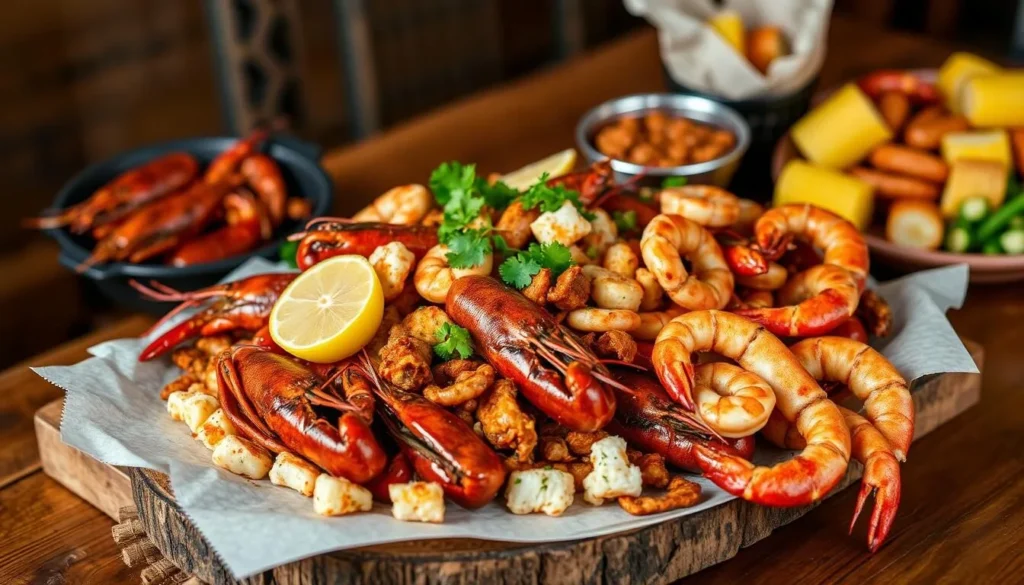
The communities surrounding Lacassine National Wildlife Refuge offer authentic Cajun cuisine that reflects the rich cultural heritage of southwestern Louisiana.
Local Specialties
Be sure to try these regional dishes during your visit:
- Crawfish Étouffée – A rich, spicy stew served over rice
- Boudin – Seasoned pork and rice sausage, a local favorite
- Gumbo – Hearty soup thickened with roux and okra
- Fried Catfish – Often served with hushpuppies and coleslaw
- Bread Pudding – A sweet dessert with bourbon sauce
Nearby Dining Options
Lake Arthur
Regatta Seafood & Steakhouse offers waterfront dining with fresh seafood. The Kampus Korner serves casual Cajun fare and plate lunches popular with locals.
Jennings & Lake Charles
For more options, head to Jennings for Boudin King or Lake Charles for seafood at Steamboat Bill’s and upscale Cajun cuisine at Pat’s of Henderson.
Many local restaurants close on Mondays, and some smaller establishments may have limited hours during off-season. Call ahead to confirm operating hours.
Attractions, Sightseeing & Activities
Lacassine National Wildlife Refuge offers a variety of activities centered around wildlife observation and outdoor recreation.
Top Activities
Wildlife Viewing
The refuge’s main attraction is its abundant wildlife. The Lacassine Pool Unit is the prime viewing area, especially during fall and winter when thousands of waterfowl gather. Look for alligators, nutria, mink, and otters year-round.
Birdwatching
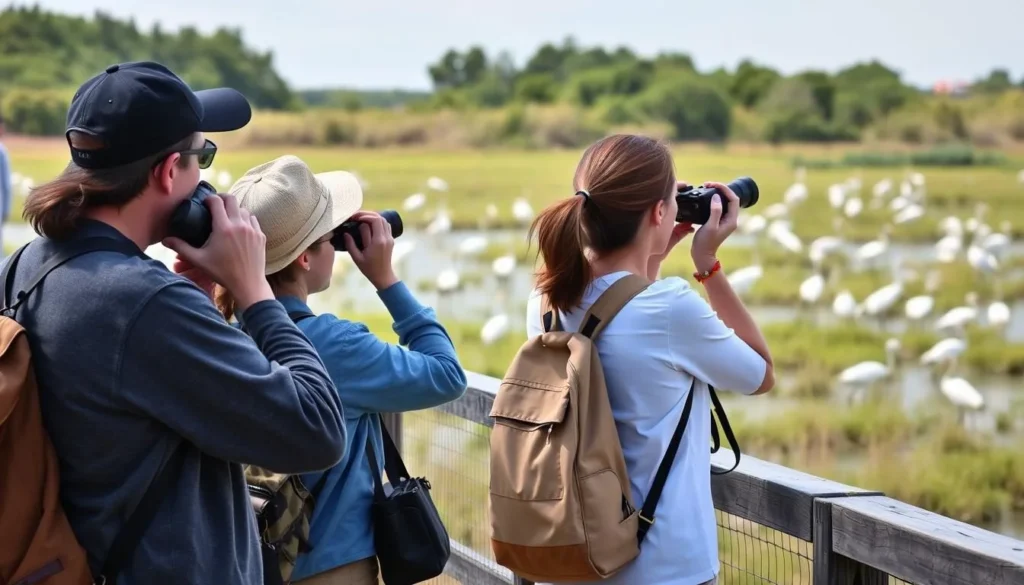
With over 215 recorded species, the refuge is a birder’s paradise. Highlights include roseate spoonbills, white-faced ibis, and various egrets and herons. Winter brings massive flocks of ducks and geese.
Photography
Observation towers and boardwalks provide excellent vantage points for wildlife photography. Early morning and late afternoon offer the best light and most active wildlife.
Seasonal Activities
Fishing
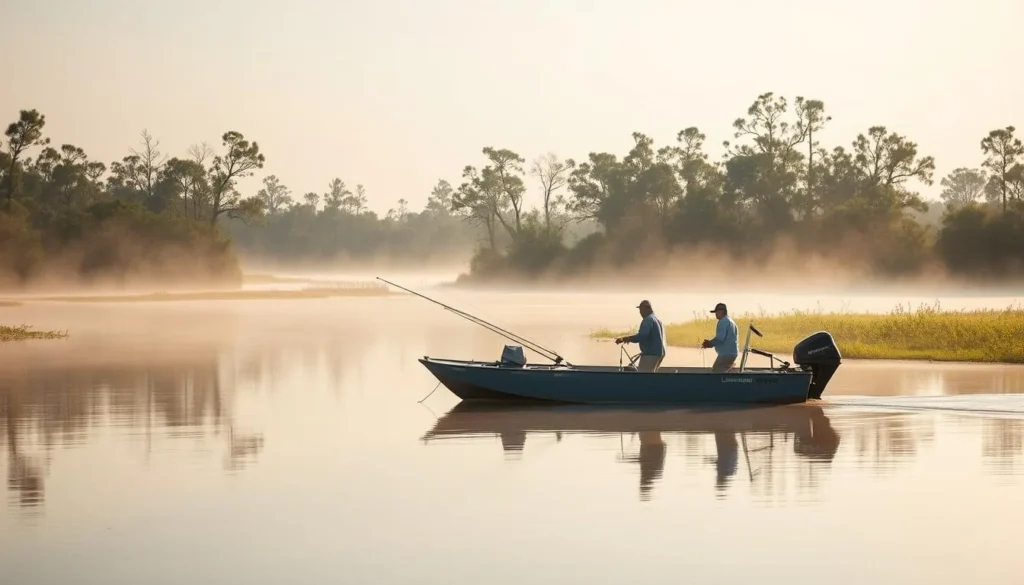
Fishing is permitted in designated areas from March through October. The refuge is known for largemouth bass, crappie, bluegill, and catfish. A valid Louisiana fishing license is required.
Hunting
Limited waterfowl hunting is allowed during designated seasons. Permits are required and regulations are strictly enforced. Check with refuge headquarters for current regulations.
Museums, Cultural Spots & Festivals
While the refuge itself focuses on natural history, the surrounding area offers opportunities to explore the rich cultural heritage of Cajun Country.
Nearby Cultural Attractions
- Tupper Museum in Jennings – Exhibits on local history and culture
- Gator Chateau in Jennings – Educational facility featuring live alligators
- Lake Charles Historic District – Beautiful historic homes and buildings
- Mardi Gras Museum of Imperial Calcasieu in Lake Charles – Celebrates the region’s carnival traditions
Annual Events
Contraband Days Festival (Lake Charles)
Held in early May, this pirate-themed festival celebrates the legend of Jean Lafitte with music, food, and cultural events.
Cajun Music & Food Festival (Lake Charles)
Usually held in July, this festival showcases traditional Cajun music, dancing, and cuisine.
Sports, Nature & Outdoor Experiences
Beyond wildlife viewing, Lacassine National Wildlife Refuge offers several ways to immerse yourself in the natural environment.
Water Activities
Kayaking & Canoeing
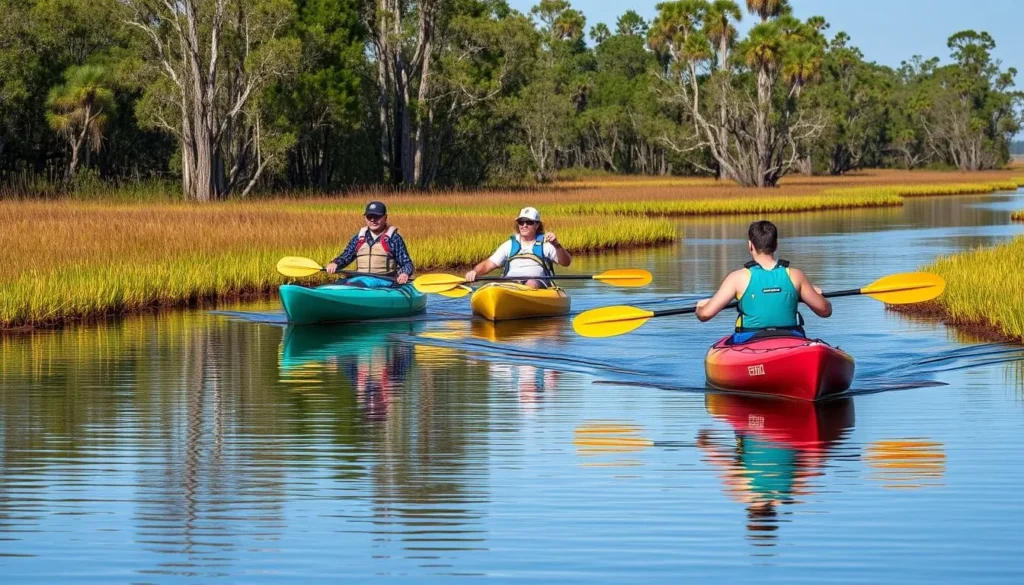
Paddling is one of the best ways to experience the refuge. The Wilderness Area is only accessible by non-motorized boats, offering a serene experience away from engine noise. Launch sites are available at several points around the refuge.
Boating
Motorized boats are permitted in Lacassine Bayou and parts of the Lacassine Pool. Speed limits are enforced to protect wildlife and habitat. Several boat launches provide access to these waterways.
Land Activities
Hiking
While extensive hiking is limited due to the wetland nature of the refuge, short trails near the headquarters provide opportunities to stretch your legs and observe wildlife. The observation towers offer panoramic views of the marshlands.
Nature Photography
The diverse habitats and abundant wildlife make the refuge a photographer’s dream. Early morning and late afternoon offer the best light and most active wildlife.
Safety, Etiquette & Local Customs
Visiting a wildlife refuge requires awareness of both safety considerations and proper etiquette to protect yourself and the natural environment.
Safety Guidelines
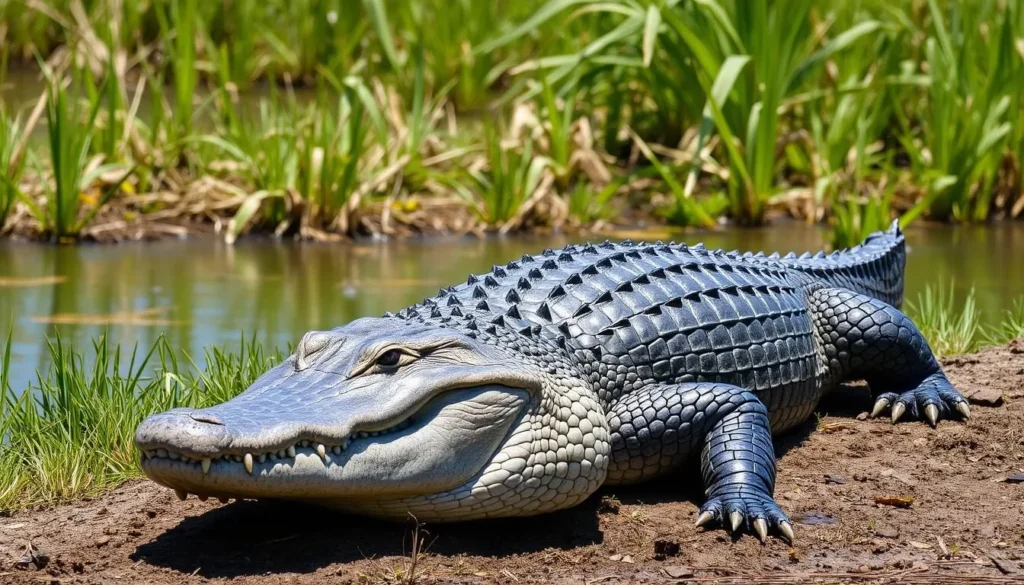
- Never approach or feed wildlife, especially alligators
- Stay on designated trails and roads
- Bring plenty of water, especially in summer
- Use insect repellent to protect against mosquitoes
- Wear appropriate footwear and clothing for the season
- Check weather forecasts before visiting
- Inform someone of your plans if exploring remote areas
Visitor Etiquette
Wildlife Viewing
Maintain a respectful distance from all wildlife. Use binoculars or telephoto lenses rather than approaching animals. Keep noise to a minimum to avoid disturbing wildlife.
Environmental Responsibility
Pack out all trash. Stay on designated trails to protect sensitive habitats. Do not collect plants, animals, or artifacts. Respect closure areas that protect nesting birds or sensitive habitats.
Visitor Comments About Lacassine National Wildlife Refuge
“I’ve visited wildlife refuges across Asia, but Lacassine offered something truly special. The morning mist rising over the marsh as thousands of waterfowl took flight was one of the most magical wildlife experiences I’ve ever had. The observation towers provide perfect viewing spots.”
“As an avid bird photographer, I found Lacassine to be a hidden treasure. The diversity of wading birds was impressive, and I captured my best-ever shots of roseate spoonbills here. The Wildlife Drive makes it easy to access prime viewing areas without disturbing the habitat.”
“Coming from Ecuador with its amazing biodiversity, I was still impressed by Lacassine’s ecosystem. Kayaking through the quiet backwaters, we spotted alligators, nutria, and countless birds. The refuge staff were incredibly knowledgeable and helped us identify many species.”
Additional Nearby Destinations
Extend your exploration of southwestern Louisiana with these nearby attractions.
Cameron Prairie National Wildlife Refuge
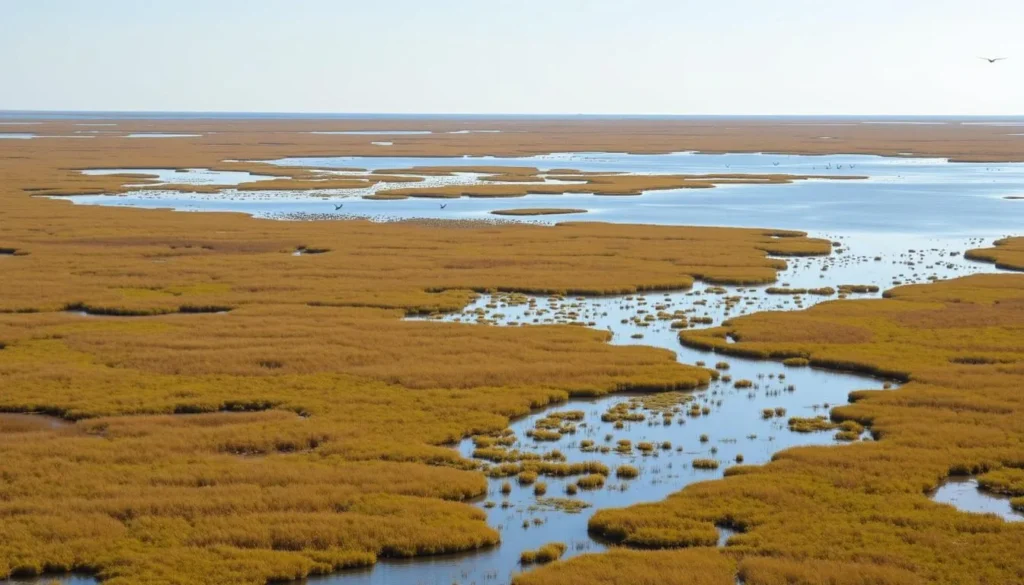
Located about 30 minutes southwest, this refuge offers similar wetland habitats with an excellent visitor center and the popular Pintail Wildlife Drive.
Sabine National Wildlife Refuge
About an hour southwest, Sabine features the Blue Goose Trail with excellent wildlife viewing opportunities and interpretive displays.
Grand Chenier
This coastal community offers beautiful oak cheniers (tree-covered ridges), beaches, and excellent birding opportunities along the Creole Nature Trail.
Scenic Drives
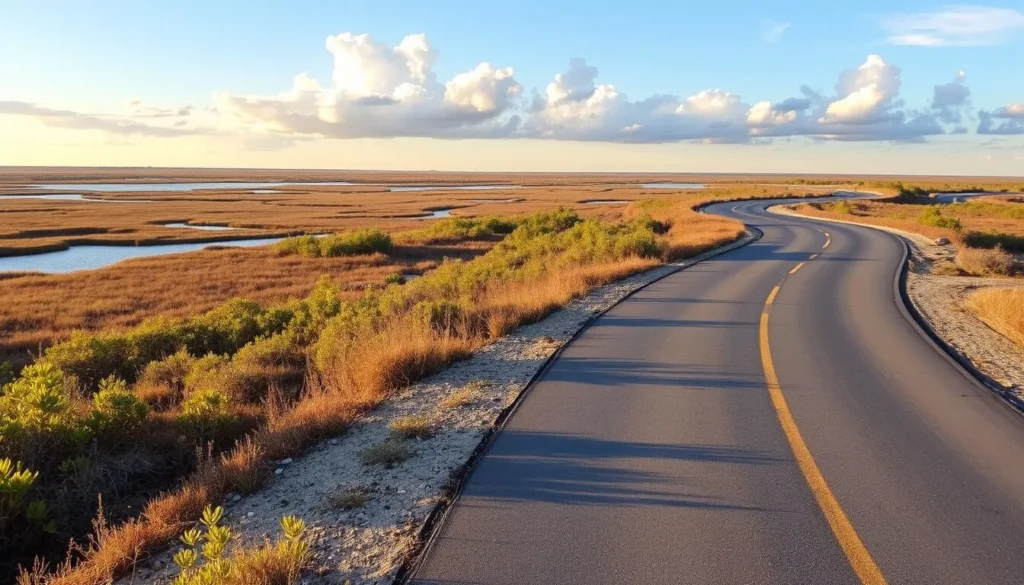
The Creole Nature Trail All-American Road is a 290-km (180-mile) scenic byway that takes you through wildlife refuges, along the Gulf Coast, and through small fishing communities. Several sections are within easy reach of Lacassine.
Practical Travel Tips
Make the most of your visit to Lacassine National Wildlife Refuge with these helpful tips.
Essential Information
- Refuge Hours: Open daily from sunrise to sunset
- Entrance Fee: None
- Visitor Center Hours: Monday-Friday, 7:30 AM to 4:00 PM (closed on federal holidays)
- Contact: (337) 774-9923
- Cell Service: Limited in remote areas of the refuge
What to Bring
Essential Gear
Binoculars, camera with telephoto lens, field guides, sun protection (hat, sunscreen, sunglasses), insect repellent, and plenty of water. A spotting scope is useful for serious birders.
Clothing
Lightweight, breathable clothing in neutral colors. Long sleeves and pants help protect against sun and insects. Waterproof footwear is recommended for trails that may be muddy.
For the best wildlife viewing experience, visit early in the morning or late in the afternoon when animals are most active. Weekdays typically have fewer visitors than weekends.
Your Louisiana Wilderness Adventure Awaits
Lacassine National Wildlife Refuge represents one of America’s most important wetland conservation success stories. As you explore its marshes, bayous, and pools, you’ll witness the incredible diversity of life that thrives in this carefully preserved ecosystem. Whether you’re watching thousands of ducks take flight at dawn, spotting an alligator sunning on a bank, or paddling silently through cypress-lined waterways, Lacassine offers authentic natural experiences that connect you to Louisiana’s wild heart. Plan your visit today and discover why this hidden gem continues to captivate nature lovers, photographers, and outdoor enthusiasts from around the world.
Related Posts
White Lake Wetlands Conservation Area, Louisiana: Best Things to Do – Top Picks
Wine Island, Louisiana: Best Things to Do – Top Picks
Winn Parish Uplands, Louisiana: Best Things to Do – Top Picks
Zydeco Cajun Prairie Scenic Byway, Louisiana: Best Things to Do – Top Picks
Whiskey Island, Louisiana: Best Things to Do – Top Picks
Wetlands Cultural Byway, Louisiana: Best Things to Do – Top Picks
Coming Soon: Clickable Maps