
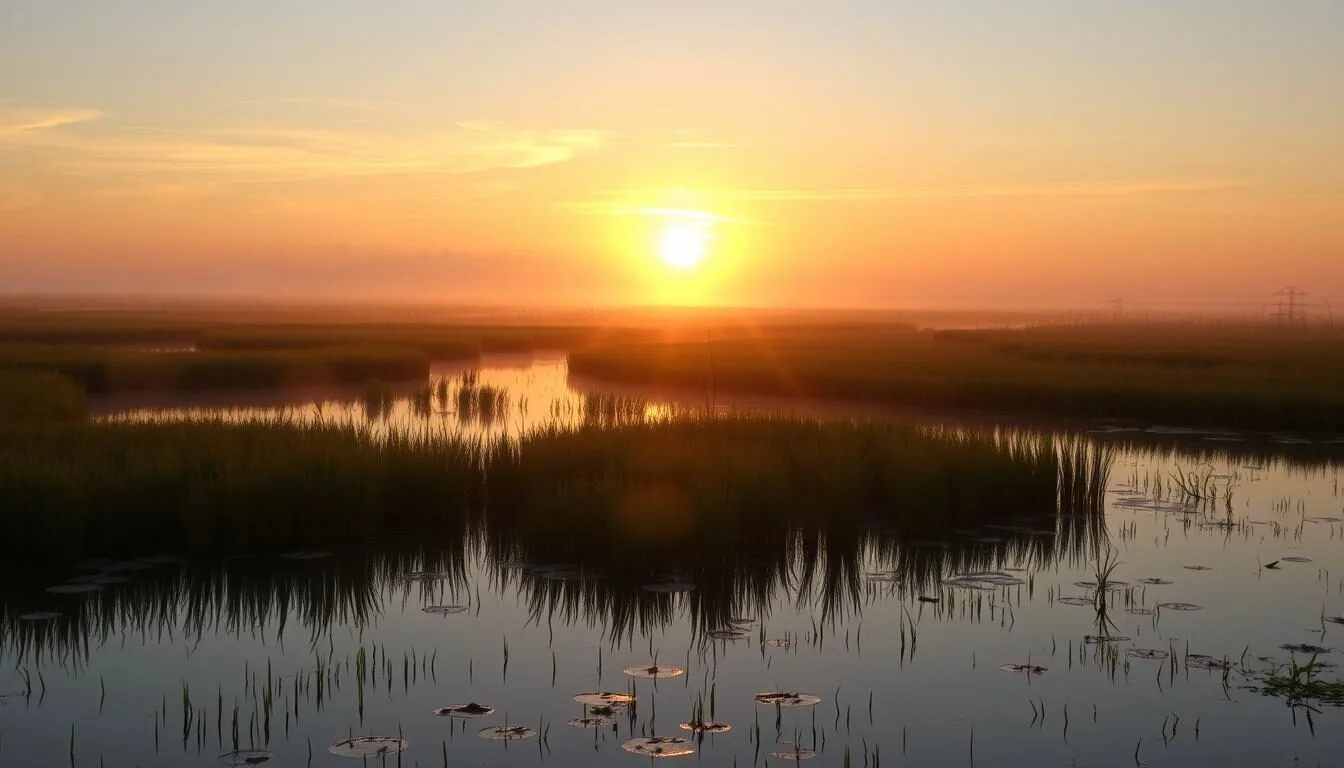
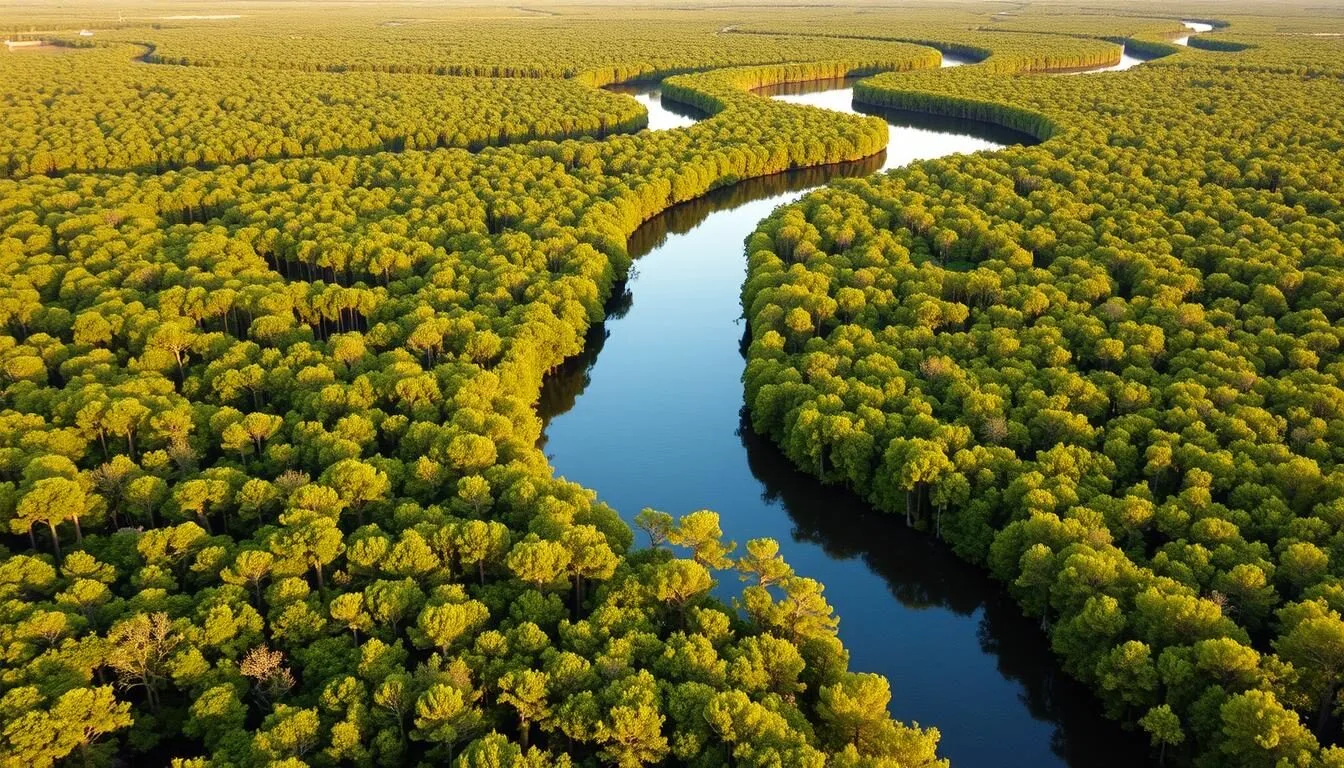
Did you know the Lacassine Wetlands span over 16,000 hectares (39,500 acres), making it one of Louisiana’s largest freshwater marsh ecosystems and a critical stopover for over 300 bird species during migration? This hidden natural treasure in southwestern Louisiana offers visitors a rare glimpse into pristine wetland habitats that support incredible biodiversity. Whether you’re an avid birdwatcher, outdoor enthusiast, or simply seeking a peaceful escape into nature, Lacassine National Wildlife Refuge provides a unique opportunity to experience the wild beauty of Louisiana’s coastal marshes.
Getting There & Planning Your Journey
Lacassine National Wildlife Refuge is located in Cameron Parish in southwestern Louisiana, approximately 20 km (12 miles) southeast of Lake Arthur. The refuge is accessible via Louisiana Highway 14, which connects to Interstate 10 for travelers coming from larger cities.
The closest airports to Lacassine Wetlands are:
- Lake Charles Regional Airport – 56 km (35 miles)
- Lafayette Regional Airport – 129 km (80 miles)
- Baton Rouge Metropolitan Airport – 209 km (130 miles)
- Louis Armstrong New Orleans International Airport – 274 km (170 miles)
Renting a car is highly recommended as public transportation to the refuge is limited. The main entrance to Lacassine National Wildlife Refuge is located off Highway 14, and the refuge is open daily from sunrise to sunset. There is no entrance fee, making it an affordable natural attraction for all visitors.
Best Time to Visit Lacassine Wetlands
The ideal time to visit Lacassine Wetlands depends largely on what you hope to experience during your trip. The refuge experiences distinct seasonal changes that affect wildlife viewing opportunities and comfort levels.
| Season | Months | Weather | Wildlife Viewing | Recommendation |
| Fall | October-November | 15-26°C (59-79°F), mild | Excellent – Fall migration brings thousands of waterfowl | Highly Recommended |
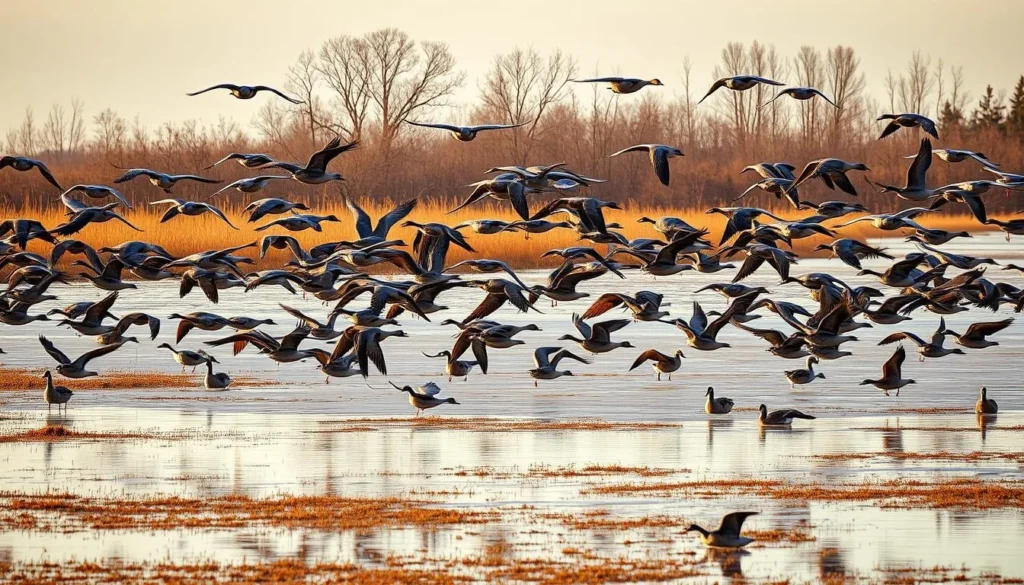
| Winter | December-February | 7-18°C (45-65°F), cool | Peak waterfowl season with up to 300,000 birds | Highly Recommended |
| Spring | March-April | 15-26°C (59-79°F), pleasant | Good – Spring migration and nesting season | Recommended |
| Summer | May-September | 24-35°C (75-95°F), hot and humid | Fair – Resident species and alligators active | Not Recommended (Hurricane season, hot) |
October through April offers the most comfortable weather and best wildlife viewing opportunities. Summer months (June-September) bring hot, humid conditions and coincide with hurricane season, making them less ideal for visiting. Early mornings and late afternoons typically provide the best lighting for photography and increased wildlife activity regardless of season.
Getting Around Locally
Exploring Lacassine Wetlands requires some planning as the refuge consists of various habitats spread across a large area. The main feature accessible to visitors is the Lacassine Pool, a 16,000-acre impoundment surrounded by a gravel road that serves as both an auto tour route and walking path.
By Vehicle
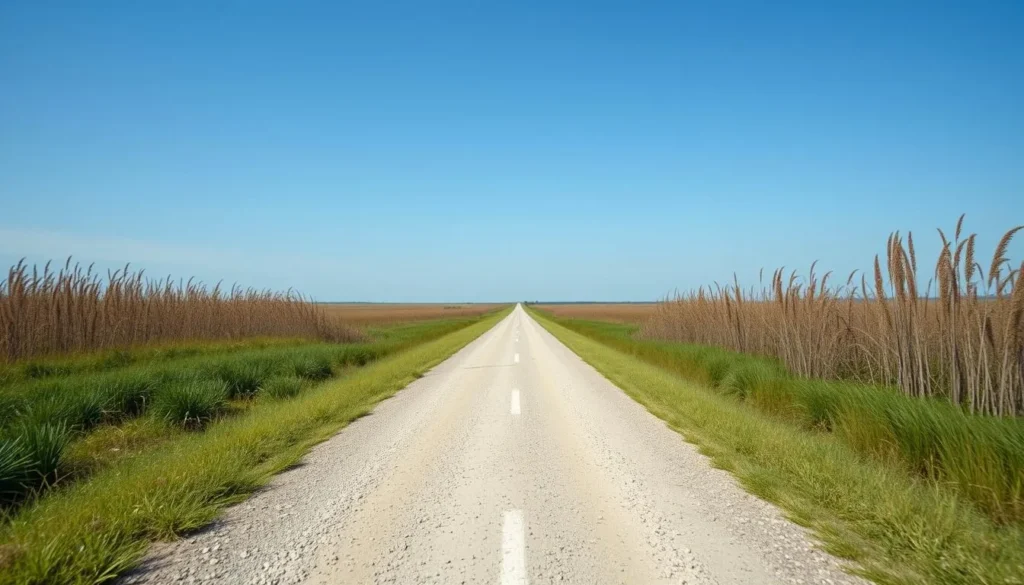
The Wildlife Drive is a one-way, 5-mile gravel road that circles the western portion of Lacassine Pool. This drive is suitable for most vehicles and provides excellent wildlife viewing opportunities from your car. Several pull-offs allow for safe stopping to observe wildlife.
On Foot
Walking trails include the levee paths around Lacassine Pool and a short nature trail near the observation tower. Comfortable walking shoes are recommended, and during warmer months, insect repellent is essential for hikers venturing off the main roads.
By Boat
Certain areas of the refuge are accessible by boat, particularly during fishing season (March 15 to October 15). Boat launches are available, but motorized boats are restricted in some areas to protect wildlife habitats. Canoes and kayaks offer a peaceful way to explore the waterways.
Accessibility
The observation tower and some portions of the Wildlife Drive are wheelchair accessible. The refuge headquarters has accessible facilities, though some trails may be challenging for those with mobility limitations, especially after rain when paths can become muddy.
Where to Stay
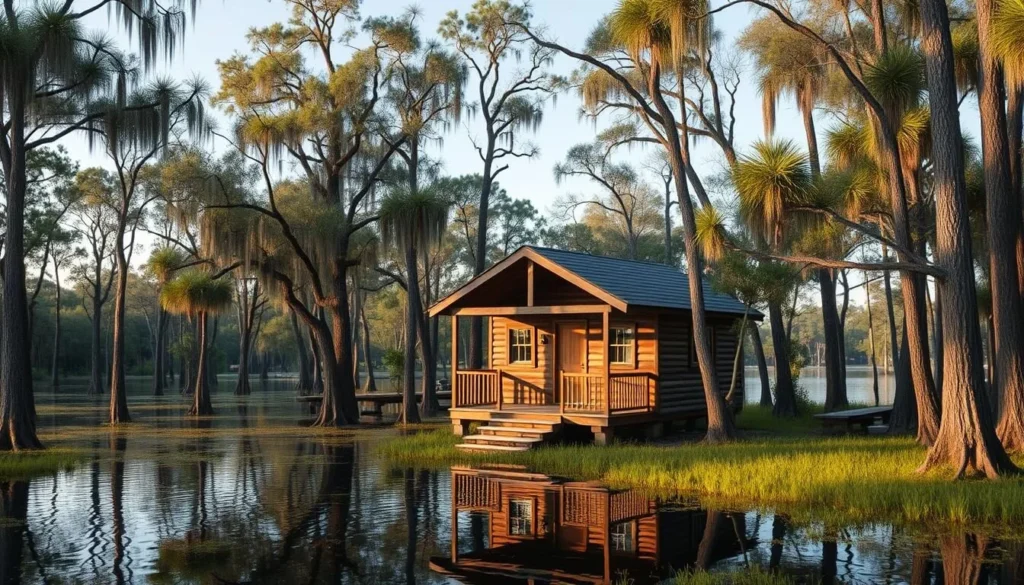
While there is no lodging within Lacassine National Wildlife Refuge itself, several nearby communities offer accommodation options within a reasonable driving distance.
Lake Arthur (20 minutes)
The closest town to the refuge offers a few small motels and bed and breakfasts. This quaint community provides basic amenities and is ideal for those wanting to maximize their time at the wetlands.
Jennings (30 minutes)
A larger town with more hotel options, including national chains. Jennings offers more dining choices and services while still being a convenient base for exploring the refuge.
Lake Charles (45 minutes)
The largest nearby city provides the most extensive range of accommodations from budget motels to casino resorts. Lake Charles offers numerous restaurants, shopping, and entertainment options for evening activities.
Camping Options
While camping is not permitted within Lacassine National Wildlife Refuge, several options exist nearby:
- Sam Houston Jones State Park (50 minutes) – Offers tent and RV camping with modern facilities
- Lorrain Park in Lake Arthur (20 minutes) – Basic camping facilities with boat access
- Private RV parks in Jennings and Lake Charles areas
For the most authentic experience, consider booking accommodations with views of local waterways or marshland to extend your wetland experience beyond the refuge itself.
Dining & Local Cuisine
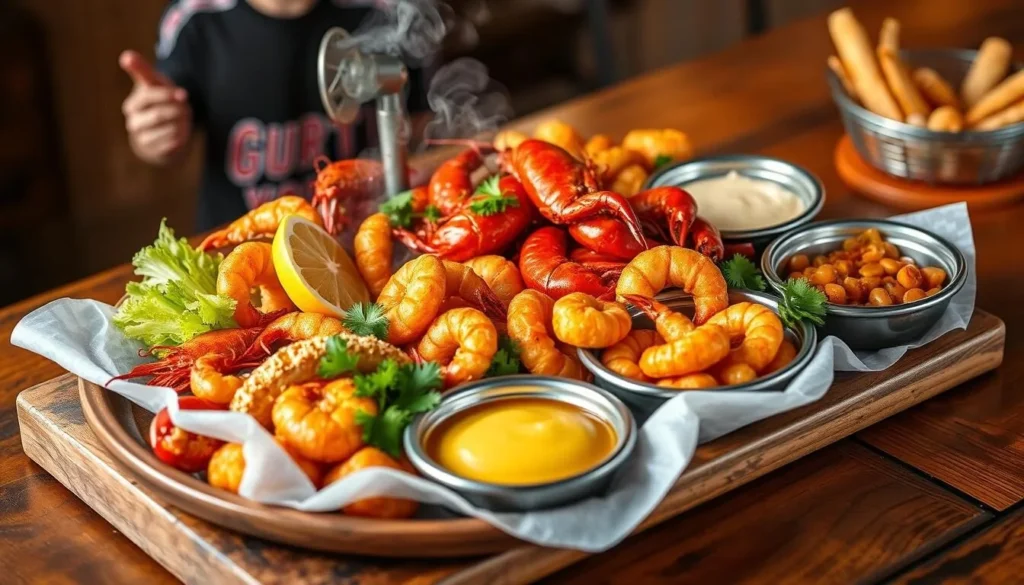
Southwestern Louisiana is known for its distinctive Cajun cuisine, which blends French, African, and Southern influences. The communities surrounding Lacassine Wetlands offer visitors a chance to sample authentic local dishes that often feature fresh seafood from the nearby Gulf of Mexico.
Local Specialties to Try
- Crawfish Étouffée – A spicy, flavorful stew served over rice
- Gumbo – Thick soup with seafood or chicken and andouille sausage
- Jambalaya – One-pot rice dish with meat, vegetables, and spices
- Boudin – Seasoned pork and rice sausage unique to the region
- Alligator – Often fried and tastes similar to chicken
- Beignets – French-style fried dough pastries with powdered sugar
- Bread Pudding – Sweet dessert made with leftover bread
- Community Coffee – Louisiana’s favorite local coffee brand
Dining Options Near Lacassine Wetlands
There are no dining facilities within the refuge itself, so plan accordingly by bringing water and snacks for your visit. For meals, you’ll need to visit nearby towns:
Lake Arthur
Small family-owned restaurants serving authentic Cajun dishes. The Regatta Restaurant offers waterfront dining with local seafood specialties.
Jennings
More diverse options including Mike’s Seafood & Steakhouse, known for fresh Gulf seafood, and Darrell’s, famous for their special po’boy sandwiches.
Lake Charles
Extensive dining scene ranging from casual seafood spots to upscale restaurants. Try Steamboat Bill’s for casual seafood or Ember Grille for a more upscale experience.
For an authentic experience, look for restaurants frequented by locals rather than tourist-oriented establishments. Many local grocery stores and markets also sell prepared Cajun foods like boudin and cracklins that make perfect picnic additions for your day at the refuge.
Attractions, Sightseeing & Activities
Lacassine National Wildlife Refuge offers visitors a variety of ways to experience the unique wetland ecosystem and observe wildlife in their natural habitat. The refuge’s main attractions center around its natural features and the diverse wildlife that calls it home.
Lacassine Pool
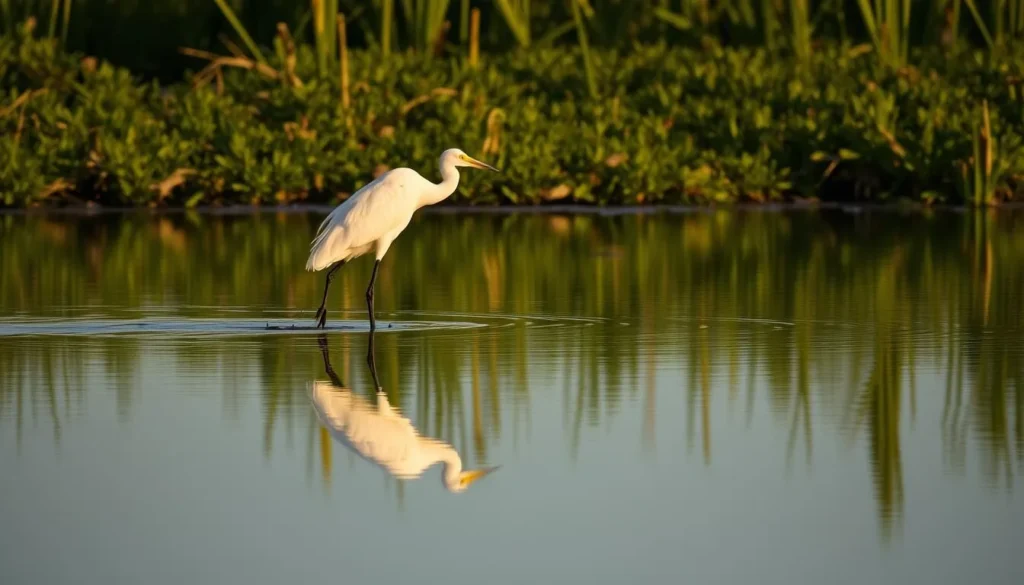
The centerpiece of the refuge is the 16,000-acre Lacassine Pool, a managed freshwater impoundment that attracts thousands of waterfowl. The Wildlife Drive encircles a portion of the pool, offering excellent viewing opportunities. During winter months, the pool hosts impressive concentrations of ducks, geese, and other water birds.
Wildlife Observation Tower
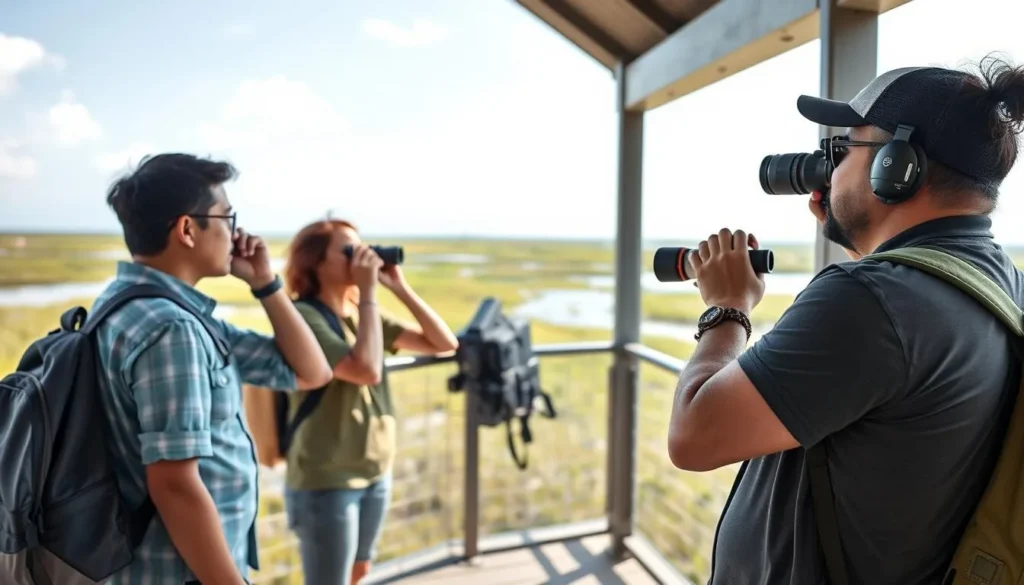
Located along the Wildlife Drive, the observation tower provides an elevated vantage point for surveying the expansive wetlands. From this platform, visitors can spot alligators, wading birds, and during migration seasons, large flocks of waterfowl. The tower includes informational panels about local wildlife.
Hiking Opportunities
While not primarily known for hiking, the refuge offers walking opportunities along levee roads and the Wildlife Drive when vehicle traffic is light. These paths provide intimate encounters with the wetland ecosystem and opportunities to spot smaller wildlife that might be missed from a vehicle.
Photography
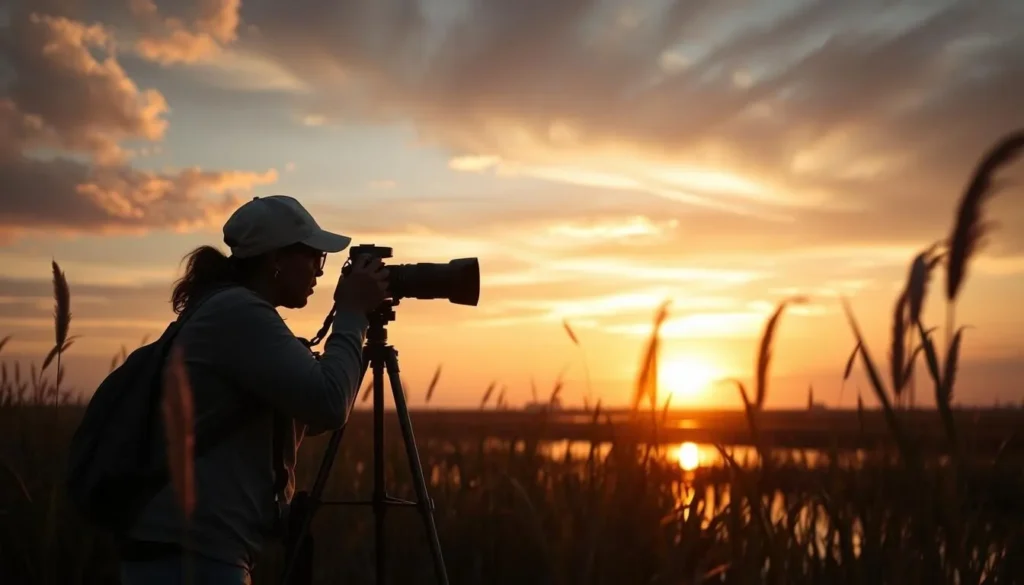
Lacassine Wetlands is a photographer’s paradise, particularly during golden hour lighting at dawn and dusk. The combination of water, marsh grasses, and abundant wildlife creates stunning photographic opportunities throughout the year. The refuge’s relatively low visitation means photographers can often find peaceful, undisturbed settings.
Seasonal Events
Throughout the year, the refuge may host special events such as guided bird walks, photography workshops, or educational programs. Check with the refuge headquarters for current offerings during your planned visit.
Museums, Cultural Spots & Festivals
While Lacassine National Wildlife Refuge itself focuses on natural attractions, the surrounding region offers rich cultural experiences that complement your wetlands visit with insights into local history, traditions, and celebrations.
Nearby Museums
- Tupper Museum (Jennings) – Local history exhibits showcasing the development of southwestern Louisiana
- Louisiana Oil and Gas Park (Jennings) – Outdoor exhibits on the region’s petroleum industry
- Gator Chateau (Jennings) – Educational facility where visitors can learn about and safely hold baby alligators
- Mardi Gras Museum (Lake Charles) – Explores the history and traditions of this iconic celebration
- Imperial Calcasieu Museum (Lake Charles) – Art and historical exhibits from the region
- DeQuincy Railroad Museum – Housed in a historic train depot with vintage rail equipment
Cultural Experiences
The Cajun culture of southwestern Louisiana offers visitors unique experiences:
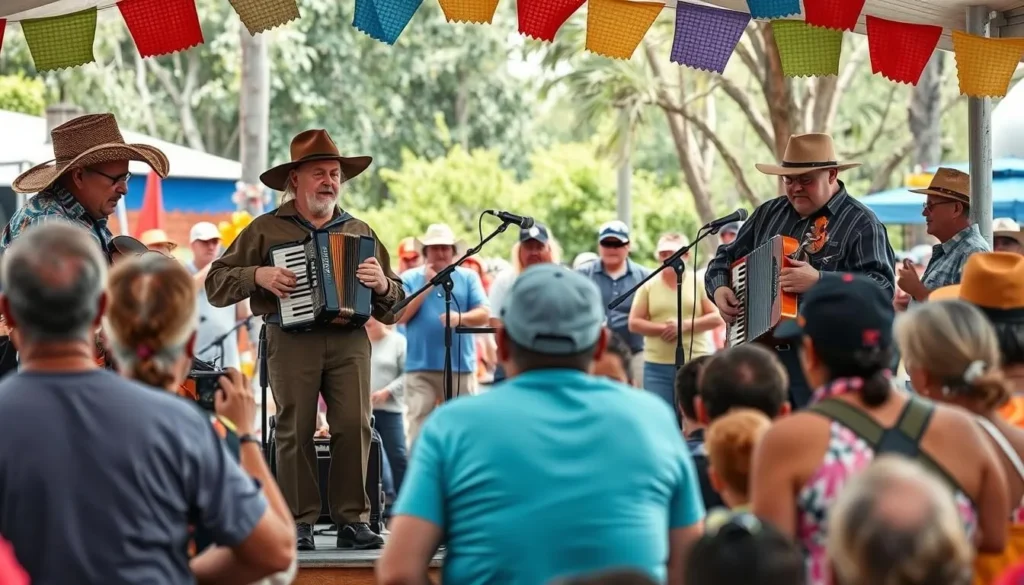
- Cajun Music Venues – Local dance halls like the Jolly Roger in Port Arthur feature traditional zydeco and Cajun music
- Boudin Trail – Follow this culinary trail to sample different versions of the regional sausage specialty
- Seafood Markets – Visit local markets to see the fresh catch that forms the foundation of regional cuisine
- Guided Cultural Tours – Several operators offer tours focusing on local traditions, food, and music
Annual Festivals
The region hosts numerous festivals throughout the year that celebrate local culture, food, and traditions:
- Contraband Days (Lake Charles, May) – Pirate-themed festival with music, food, and activities
- Cajun Music and Food Festival (Lake Charles, July) – Celebration of regional music and cuisine
- Southwest Louisiana Zydeco Festival (Opelousas, August/September) – Music, dancing, and food
- International Rice Festival (Crowley, October) – One of the oldest agricultural festivals in Louisiana
- Christmas on the Bayou (Various locations, December) – Holiday celebrations with unique local traditions
Combining a visit to Lacassine Wetlands with these cultural experiences provides a more complete understanding of the region’s unique character and the relationship between the people and the natural environment that has shaped their traditions.
Sports, Nature & Outdoor Experiences
Lacassine National Wildlife Refuge offers numerous opportunities for outdoor recreation and nature immersion. The diverse habitats within the wetlands support a variety of activities for outdoor enthusiasts.
Wildlife Viewing
The primary attraction at Lacassine is the incredible diversity of wildlife. The refuge hosts over 300 bird species throughout the year, with winter bringing spectacular concentrations of waterfowl. Patient observers may also spot:
- American alligators sunning along banks
- River otters playing in waterways
- White-tailed deer at forest edges
- Muskrats and nutria in marsh areas
- Numerous turtle species basking on logs
Birdwatching
Lacassine is a premier destination for birders, particularly during migration seasons. Notable species include:
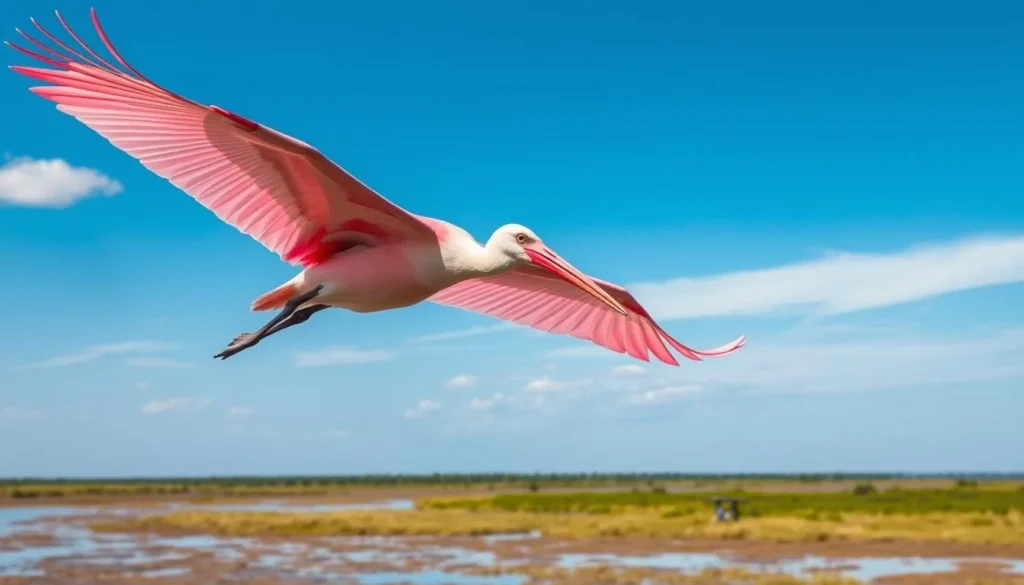
- Roseate Spoonbills
- Great and Snowy Egrets
- White-faced Ibis
- Northern Pintails
- Fulvous Whistling-Ducks
- Mottled Ducks
- Purple Gallinules
- Bald Eagles
- Peregrine Falcons
- Various shorebirds
Fishing
Fishing is permitted in designated areas of the refuge from March 15 through October 15. The waters contain:
- Largemouth bass
- Crappie
- Bluegill
- Catfish
- Various sunfish species
A valid Louisiana fishing license is required, and specific refuge regulations apply. Check current regulations before your visit as they may change seasonally.
Boating and Paddling
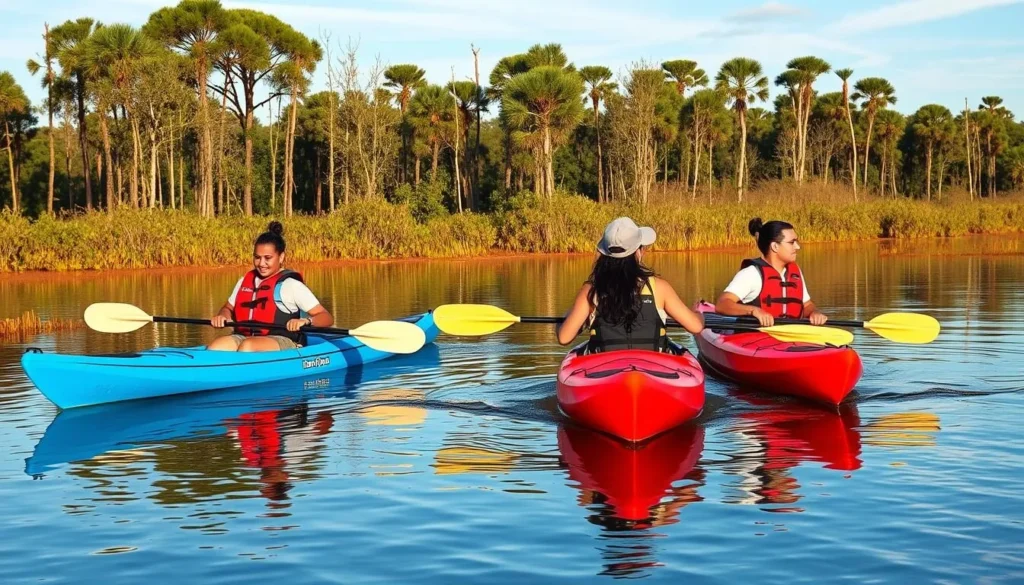
Exploring the wetlands by water offers a unique perspective. Motorized boats are restricted in some areas, making canoes and kayaks ideal for quiet exploration. Several boat launches provide access to waterways, with the best paddling during the fishing season when water levels are managed for access.
Hunting
Limited seasonal hunting is permitted in designated areas of the refuge for waterfowl, rabbit, squirrel, and deer. Special regulations apply, and permits may be required. The refuge’s hunting program emphasizes conservation and sustainable wildlife management.
Photography
The diverse habitats and abundant wildlife make Lacassine a photographer’s paradise. The observation tower and Wildlife Drive provide excellent vantage points for capturing the beauty of the wetlands. Early morning and late afternoon offer the best lighting conditions.
Safety, Etiquette & Local Customs
Visiting Lacassine Wetlands safely requires awareness of the natural environment and respect for both wildlife and local customs. Following these guidelines will help ensure a positive experience for all.
Wildlife Safety
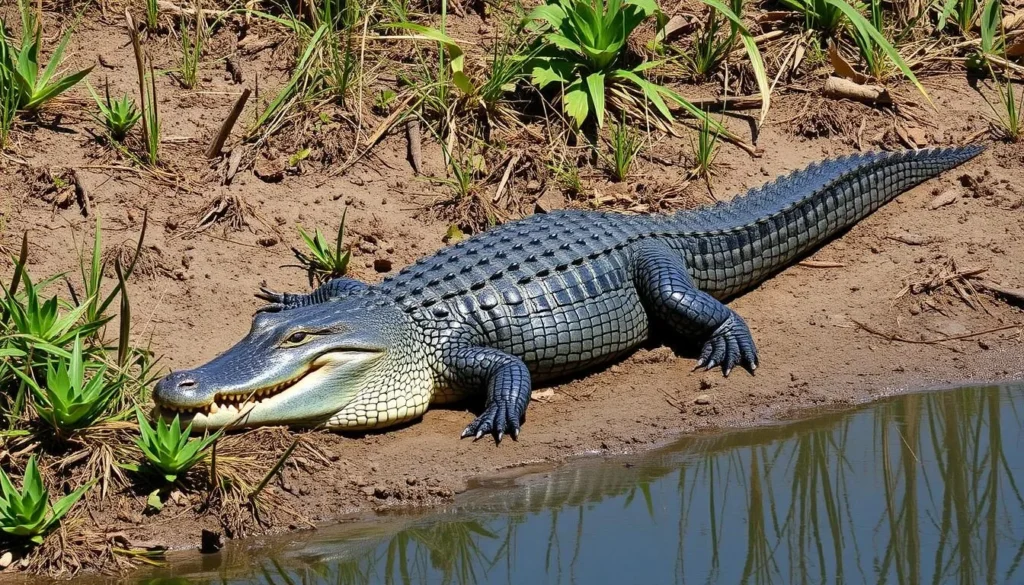
- Alligator Awareness – Maintain a safe distance (at least 10 meters/30 feet) from alligators. Never feed them or approach their young.
- Snake Precautions – Watch where you step and place your hands, especially in tall grass or when sitting on logs. Venomous snakes including cottonmouths inhabit the refuge.
- Wildlife Respect – Observe animals from a distance using binoculars or telephoto lenses. Never attempt to touch or feed any wildlife.
Weather Considerations
- Heat Protection – Summer temperatures regularly exceed 32°C (90°F) with high humidity. Bring plenty of water, wear sunscreen, and consider a wide-brimmed hat.
- Thunderstorm Safety – Afternoon thunderstorms are common, especially in summer. Seek shelter if lightning is present.
- Hurricane Awareness – The refuge may close during hurricane threats (June-November). Check weather forecasts before visiting during hurricane season.
Insect Protection
Mosquitoes and biting flies can be abundant, particularly during warmer months and around dawn/dusk. Bring insect repellent containing DEET or picaridin, and consider wearing lightweight long sleeves and pants for additional protection.
Visitor Etiquette
- Stay on Designated Paths – Protect sensitive habitats by remaining on established trails and roads.
- Leave No Trace – Pack out all trash and leave natural objects where you find them.
- Quiet Observation – Keep noise to a minimum to avoid disturbing wildlife and other visitors.
- Photography Ethics – Never disturb wildlife to get a better photograph. Be patient and respectful.
Local Customs
The communities surrounding Lacassine reflect Louisiana’s unique Cajun culture:
- Friendly Greetings – A simple “hello” or “good morning” is customary when passing locals.
- Relaxed Pace – The region operates on “Cajun time” – a more relaxed approach to schedules. Patience is appreciated.
- Hunting and Fishing Heritage – These activities are important cultural traditions. Respect private property and fishing/hunting regulations.
- Local Terminology – You may hear waterways referred to as “bayous” and elevated land areas as “cheniers.”
Visitor Comments About Lacassine Wetlands
“As an avid birdwatcher, I was absolutely stunned by the diversity at Lacassine. We visited in January and witnessed thousands of waterfowl in the Pool area. The observation tower provided perfect views, and we spotted 47 species in just one morning, including a rare Roseate Spoonbill. The Wildlife Drive was well-maintained and easy to navigate. Bring good binoculars!”
“My family kayaked through parts of Lacassine during our spring break trip to Louisiana. The peaceful waterways and abundant wildlife made for an unforgettable experience. We saw several alligators, though they kept their distance. The visitor center staff were incredibly helpful in suggesting the best routes for beginners. I’d recommend early morning paddling when the water is calm and wildlife is most active.”
“Visited Lacassine as part of our tour of Louisiana’s natural areas. The contrast between the managed wetlands and surrounding agricultural lands was fascinating. Photography opportunities were endless, especially at sunset when the light turned the marsh grasses golden. We encountered very few other visitors, which made the experience feel more intimate and wild. Don’t miss the short hiking trail near the headquarters – we spotted a barred owl there!”
Additional Nearby Destinations
While Lacassine National Wildlife Refuge offers plenty to explore, the surrounding region features several complementary attractions worth adding to your itinerary.
Cameron Prairie National Wildlife Refuge
Located 35 km (22 miles) west of Lacassine, this refuge features a scenic driving loop, visitor center with interactive exhibits, and excellent opportunities for viewing wading birds and alligators. The Pintail Wildlife Drive offers easy wildlife viewing from your vehicle.
Sabine National Wildlife Refuge
About 80 km (50 miles) southwest of Lacassine, Sabine is Louisiana’s largest coastal marsh refuge. The Blue Goose Trail includes a 2.4 km (1.5 mile) walking path with boardwalks and observation platforms ideal for wildlife viewing and photography.
White Lake Wetlands Conservation Area
Located 48 km (30 miles) east of Lacassine, this 28,000-hectare (71,000-acre) preserve protects freshwater marsh and coastal prairie habitats. Known for excellent birding opportunities and as one of the last places whooping cranes were seen in Louisiana before their reintroduction.
Creole Nature Trail
This 290-km (180-mile) scenic byway, designated as an All-American Road, takes travelers through marshlands, along the Gulf Coast, and past several wildlife refuges. The trail includes numerous pull-offs and boardwalks for wildlife viewing.
Grand Chenier
This small community sits on a chenier ridge and offers access to excellent birding areas. The oak-lined roads and proximity to the Gulf make it a scenic destination, particularly during spring migration when songbirds fill the trees.
Lake Charles
The largest nearby city offers cultural attractions including the Mardi Gras Museum, Charpentier Historic District with Victorian architecture, and several casino resorts for those seeking entertainment after days spent in nature.
Practical Travel Tips
Make the most of your visit to Lacassine Wetlands with these helpful suggestions based on local knowledge and visitor experiences.
Essential Items to Bring
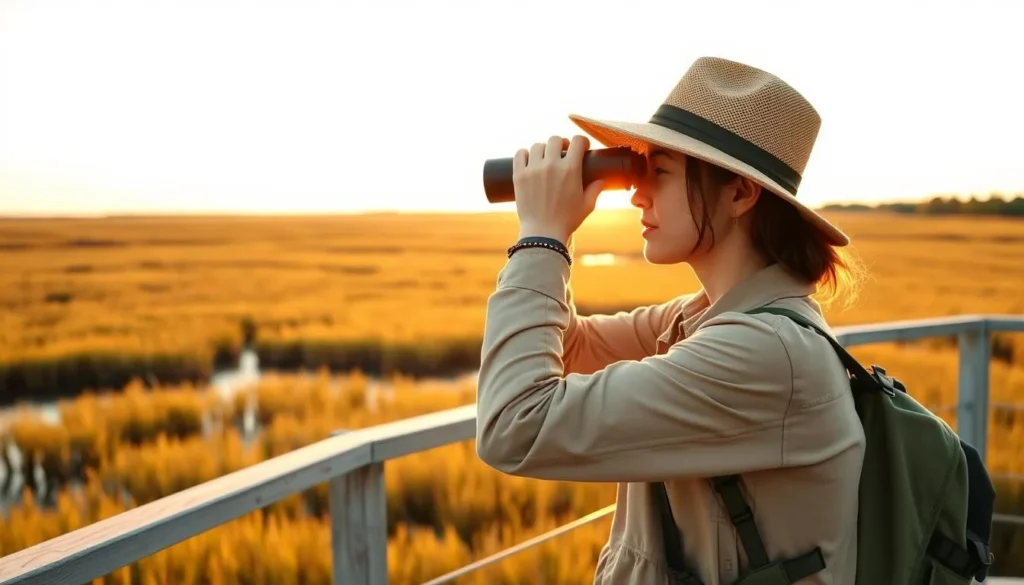
- Binoculars – Essential for wildlife viewing, particularly birds
- Camera with Zoom Lens – Many animals will be at a distance
- Insect Repellent – Particularly important during warmer months
- Sunscreen and Hat – Limited shade is available on trails
- Water and Snacks – No food services within the refuge
- Field Guide – Helps identify the diverse wildlife
- Rain Gear – Weather can change quickly, especially in summer
Planning Your Visit
- Timing – Arrive early morning or late afternoon for best wildlife viewing and photography
- Weekday Visits – Consider visiting on weekdays for fewer visitors, especially during hunting seasons
- Cell Service – Coverage can be spotty within the refuge; download maps beforehand
- Fuel Up – No gas stations within the refuge; fill your tank before arriving
- Accessibility – Some areas may be temporarily closed for management activities; check the refuge website before visiting
Local Insights
- Road Conditions – The Wildlife Drive is gravel and may have rough sections after heavy rain
- Wildlife Cycles – Water levels change seasonally, affecting wildlife viewing opportunities
- Photography Tips – The observation tower faces west, making it ideal for afternoon light
- Guided Experiences – Check with the refuge office about potential volunteer-led tours or programs
- Visitor Center Hours – The headquarters building has limited hours; plan accordingly if you want to speak with staff
Remember that Lacassine is a working wildlife refuge where habitat management takes priority. Temporary closures or restricted access to certain areas may occur to benefit wildlife or during management activities. These measures help ensure the long-term health of this remarkable ecosystem.
Your Wetland Adventure Awaits: Discover Louisiana’s Hidden Natural Treasure
Lacassine Wetlands offers visitors a rare glimpse into one of America’s most vital and vibrant ecosystems. From the breathtaking sight of thousands of waterfowl taking flight at dawn to the quiet thrill of spotting an alligator gliding through still waters, the experiences available in this natural sanctuary create lasting memories. The refuge’s commitment to conservation ensures that these wetlands will continue to provide critical habitat for wildlife and opportunities for human connection with nature for generations to come.
Whether you’re an experienced birder adding species to your life list, a photographer capturing the golden light on marsh grasses, or simply a nature lover seeking peace in wild places, Lacassine Wetlands welcomes you to discover its unique beauty. As you plan your journey to southwestern Louisiana, remember that each season brings different wildlife viewing opportunities and natural phenomena, making return visits equally rewarding. The wetlands are waiting – come explore one of Louisiana’s most precious natural treasures.
Related Posts
White Lake Wetlands Conservation Area, Louisiana: Best Things to Do – Top Picks
Wine Island, Louisiana: Best Things to Do – Top Picks
Winn Parish Uplands, Louisiana: Best Things to Do – Top Picks
Zydeco Cajun Prairie Scenic Byway, Louisiana: Best Things to Do – Top Picks
Whiskey Island, Louisiana: Best Things to Do – Top Picks
Wetlands Cultural Byway, Louisiana: Best Things to Do – Top Picks
Coming Soon: Clickable Maps