
Hotels by Trip.com
Flights by Trip.com
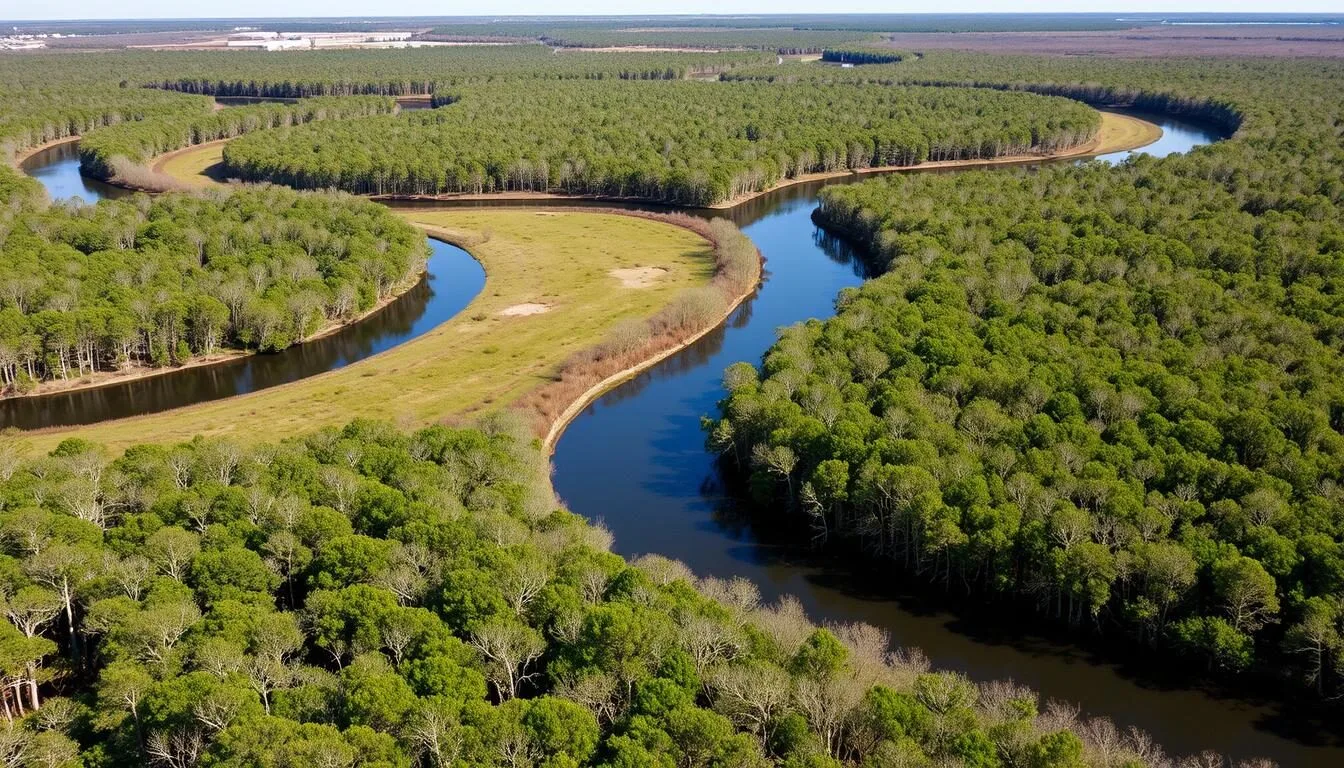
Did you know that Mandalay National Wildlife Refuge protects over 4,600 hectares (11,370 acres) of Louisiana’s vanishing wetlands, serving as a critical habitat for more than 250 bird species during their annual migrations? This hidden gem of southern Louisiana offers visitors a rare glimpse into one of America’s most unique ecosystems, where alligators glide silently through cypress-studded waters and great blue herons wade among floating lily pads.
Established in 1996 to preserve the region’s natural heritage, this wildlife sanctuary provides an authentic bayou experience far from the tourist crowds. Whether you’re an avid birdwatcher, fishing enthusiast, or simply seeking to immerse yourself in Louisiana’s wild beauty, Mandalay offers adventures that connect you with the heart of Cajun country’s natural wonders.
Getting There & Planning Your Journey
Mandalay National Wildlife Refuge is located approximately 8 km (5 miles) west of Houma in Terrebonne Parish, Louisiana. The refuge is accessible primarily by boat, making your journey part of the adventure.
Nearest Airports
- Louis Armstrong New Orleans International Airport (MSY) – 97 km (60 miles) east
- Lafayette Regional Airport (LFT) – 129 km (80 miles) northwest
- Houma-Terrebonne Airport (HUM) – 16 km (10 miles) southeast (small regional airport)
From New Orleans, take I-10 West to US-90 West, then follow LA-24 South to Houma. From Lafayette, take US-90 East to Houma. Once in Houma, you’ll need to arrange boat transportation to access the refuge.
Boat Access Points
- Bayou Black Marina – The primary access point for the refuge, located at 251 Marina Drive, Houma
- Bob’s Bayou Black Marina – Offers boat rentals and guided tours at 251 Marina Drive, Houma
- Munson Slip – Secondary access point for smaller watercraft
Since the refuge is only accessible by water, planning ahead is essential. Consider booking a guided tour with local operators who provide transportation and expert knowledge of the area’s ecology and wildlife.
Best Time to Visit & Weather Tips

Recommended Months
- October to April – Mild temperatures ranging from 10°C to 24°C (50°F to 75°F)
- November to February – Peak bird migration season
- March to April – Spring wildflowers and active wildlife
Months to Avoid
- June to September – Extremely hot and humid with temperatures often exceeding 32°C (90°F)
- Hurricane season (June to November) – Particularly August and September
- Summer months – Higher mosquito activity
Fall and winter offer the best wildlife viewing opportunities as migratory birds arrive and alligators remain active in the moderate temperatures. Spring brings lush vegetation and wildflowers, creating picturesque landscapes for photography enthusiasts.
The refuge experiences a subtropical climate with high humidity year-round. Even during cooler months, be prepared for sudden weather changes typical of Louisiana’s bayou country. Morning fog is common in winter months, creating mystical landscapes but potentially limiting visibility for early wildlife spotting.
Getting Around Locally

Exploring Mandalay National Wildlife Refuge requires watercraft, as there are no hiking trails or roads within the refuge boundaries. Here are your options for navigating this watery wilderness:
Guided Tours
Several local operators offer guided boat tours of the refuge, providing transportation, equipment, and expert knowledge about the ecosystem and wildlife. These tours typically last 2-4 hours and can be customized based on your interests:
- Cajun Man’s Swamp Tours – Offers authentic experiences with knowledgeable local guides
- Annie Miller’s Son’s Swamp Tours – Family-operated tours with generations of experience
- Bayou Black Airboat Services – Fast-paced tours covering more territory
Self-Guided Options
For those preferring to explore independently, several rental options are available:
- Kayaks and canoes – Perfect for quiet exploration of narrow waterways
- Small motorboats – Allow access to more remote areas of the refuge
- Fishing boats – Specially equipped for anglers
Navigation can be challenging for those unfamiliar with the area’s complex waterway system. First-time visitors are strongly encouraged to hire a guide or obtain detailed maps from the Terrebonne Parish Visitor Center in Houma before venturing out independently.
Where to Stay
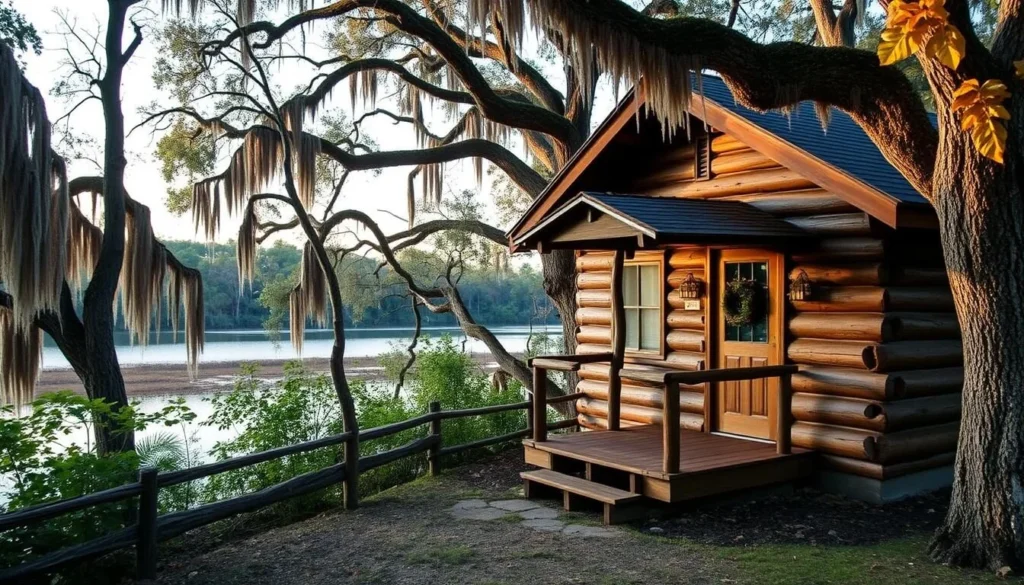
While there are no accommodations within Mandalay National Wildlife Refuge itself, nearby Houma offers a range of lodging options to suit various preferences and budgets:
Hotels & Motels
- Courtyard by Marriott Houma – Modern accommodations with convenient amenities
- Hampton Inn Houma – Comfortable rooms with complimentary breakfast
- Quality Hotel Houma – Budget-friendly option with basic amenities
Bed & Breakfasts
- Bayou Terrebonne B&B – Historic property with authentic Cajun charm
- The Dansereau House – Elegant Victorian mansion with period furnishings
- Crochet House B&B – Family-run establishment with home-cooked breakfasts
Unique Stays
- Bayou Cabins – Rustic accommodations on stilts over the water
- Fisherman’s Retreat – Waterfront cottages with boat docks
- Atchafalaya Houseboat Rentals – Floating accommodations for an authentic bayou experience
For the most convenient access to Mandalay, consider staying in west Houma near Bayou Black. Most accommodations are within a 15-20 minute drive from the main boat launches serving the refuge. During peak tourist seasons (spring and fall) and during local festivals, accommodations fill quickly, so advance reservations are highly recommended.
✓ Check 30,000+ Local Sightseeing Tours Worldwide
Dining & Local Cuisine
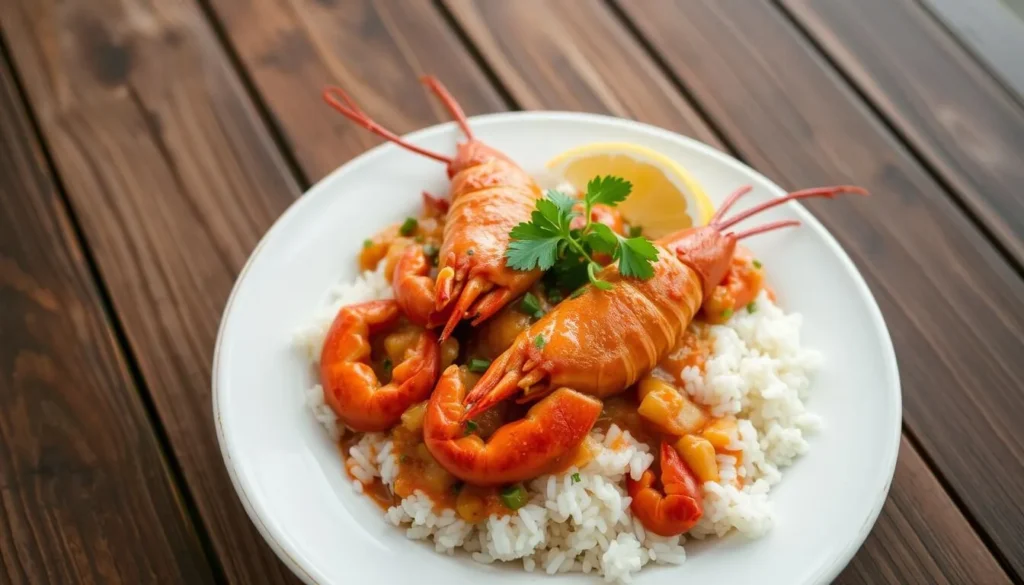
The Houma area surrounding Mandalay National Wildlife Refuge offers exceptional dining opportunities featuring authentic Cajun cuisine. The local food scene celebrates the region’s abundant seafood and unique culinary traditions:
Must-Try Local Dishes
- Crawfish Étouffée – A rich, spicy stew served over rice
- Gumbo – Hearty soup thickened with roux and filled with seafood or chicken and andouille sausage
- Jambalaya – One-pot rice dish with meat, vegetables, and Cajun spices
- Boudin – Seasoned pork and rice sausage
- Alligator – Typically fried or blackened, offering a unique taste of local wildlife
Local Favorites
These restaurants showcase the best of local cuisine within a short drive from the refuge access points:
- A-Bear’s Cafe – Family-owned restaurant serving traditional Cajun dishes for generations
- Boudreau & Thibodeau’s Cajun Cookin’ – Casual eatery with hearty portions and local atmosphere
- Big Al’s Seafood – Fresh catches prepared in authentic Cajun style
- Bayou Delight Restaurant – Rustic spot known for excellent crawfish when in season
- 1921 Seafood – Upscale dining featuring creative takes on traditional dishes
Many local restaurants offer “Sportsman’s Platters” featuring the day’s catch prepared to your preference. If you’re fishing in the refuge, some establishments will even cook your catch for you (call ahead to confirm this service).
Attractions, Sightseeing & Activities
Wildlife Viewing
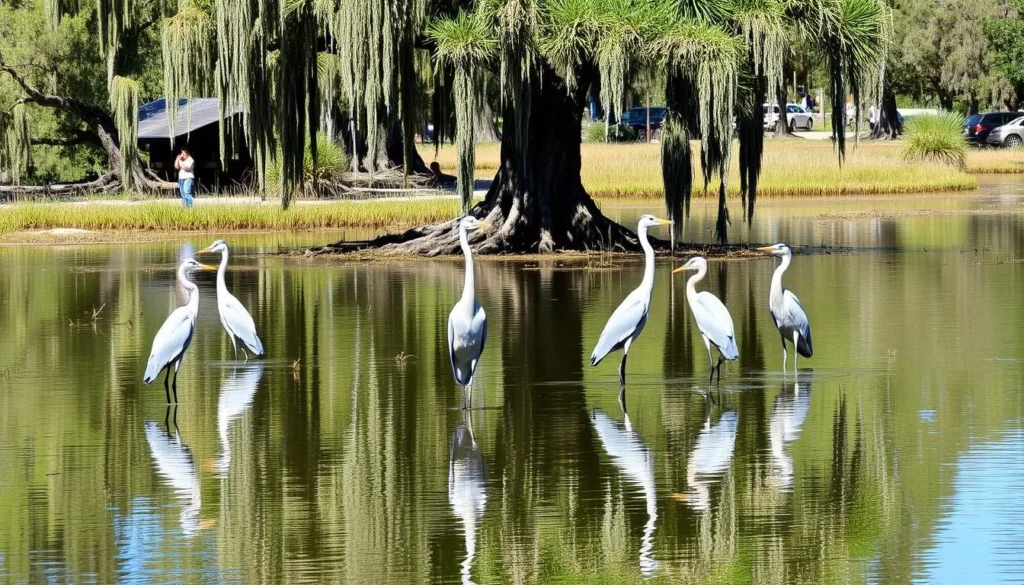
Mandalay National Wildlife Refuge offers exceptional opportunities to observe Louisiana’s diverse wildlife in their natural habitat:
- Alligators – Commonly seen sunning themselves on banks or floating in waterways
- Wading Birds – Great blue herons, egrets, and roseate spoonbills frequent the shallow waters
- Migratory Birds – Over 250 species visit throughout the year
- Turtles – Several species bask on logs and shorelines
- Nutria – These large rodents are often spotted swimming or feeding along banks
The best wildlife viewing occurs during early morning or late afternoon when animals are most active. Bring binoculars and a camera with a zoom lens to capture these memorable encounters.
Fishing

The refuge is renowned for excellent freshwater fishing opportunities:
- Bass – Largemouth bass are abundant throughout the refuge
- Crappie – Popular game fish found in deeper pools
- Catfish – Channel and blue catfish thrive in the refuge waters
- Bluegill – Common in vegetated areas
A valid Louisiana fishing license is required. Specific regulations apply within the refuge, so check with the refuge office or Louisiana Department of Wildlife and Fisheries before your trip.
Photography
Mandalay offers spectacular photography opportunities with its atmospheric cypress forests, reflective waters, and diverse wildlife. The interplay of light filtering through Spanish moss creates magical scenes, particularly during the “golden hours” of early morning and late afternoon.
Museums, Cultural Spots & Festivals

While Mandalay National Wildlife Refuge itself doesn’t contain cultural facilities, the surrounding Houma area offers rich opportunities to explore Cajun heritage and traditions:
Museums
- Bayou Terrebonne Waterlife Museum – Exhibits on local aquatic culture and the seafood industry
- Southdown Plantation House/Terrebonne Museum – Historic sugar plantation with cultural exhibits
- Terrebonne Folklife Culture Center – Showcases traditional crafts and cultural practices
- Regional Military Museum – Displays local military history and artifacts
Cultural Experiences
Immerse yourself in authentic Cajun culture through these experiences:
- Cajun Music Jam Sessions – Held weekly at various locations in Houma
- Cooking Demonstrations – Learn traditional Cajun cooking techniques
- Boat Building Workshops – Observe traditional wooden boat construction methods
- Decoy Carving – Watch artisans create traditional duck decoys
Local Festivals
Time your visit to coincide with these vibrant celebrations of local culture:
- Rougarou Fest (October) – Celebrates the legendary swamp monster of Cajun folklore
- Bayou Terrebonne Boucherie (Spring) – Traditional community hog butchering and feast
- Louisiana Swamp Stomp Festival (March) – Music, food, and crafts celebrating Cajun culture
- Voice of the Wetlands Festival (October) – Music festival raising awareness about coastal erosion
Sports, Nature & Outdoor Experiences
Kayaking & Canoeing
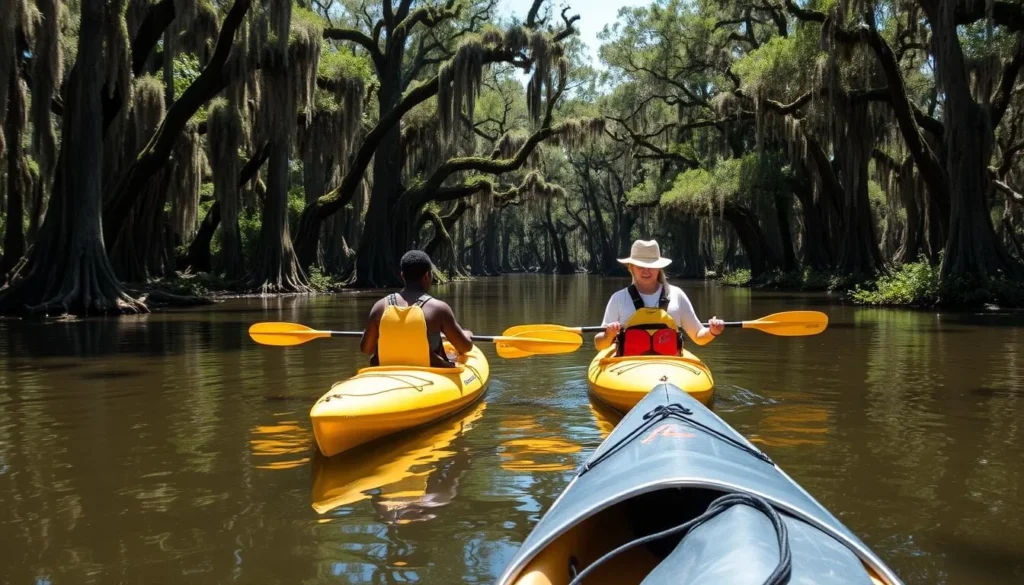
Paddling through Mandalay’s waterways offers an intimate connection with the bayou environment:
- Bayou Black Water Trail – 12 km (7.5 miles) route through diverse habitats
- Cypress Cathedral – Awe-inspiring section with ancient cypress trees forming natural canopies
- Hidden Ponds – Secluded areas accessible only by narrow channels
Several outfitters in Houma offer kayak and canoe rentals with delivery to main access points. Guided paddling tours are recommended for first-time visitors to navigate the complex waterway system safely.
Birding
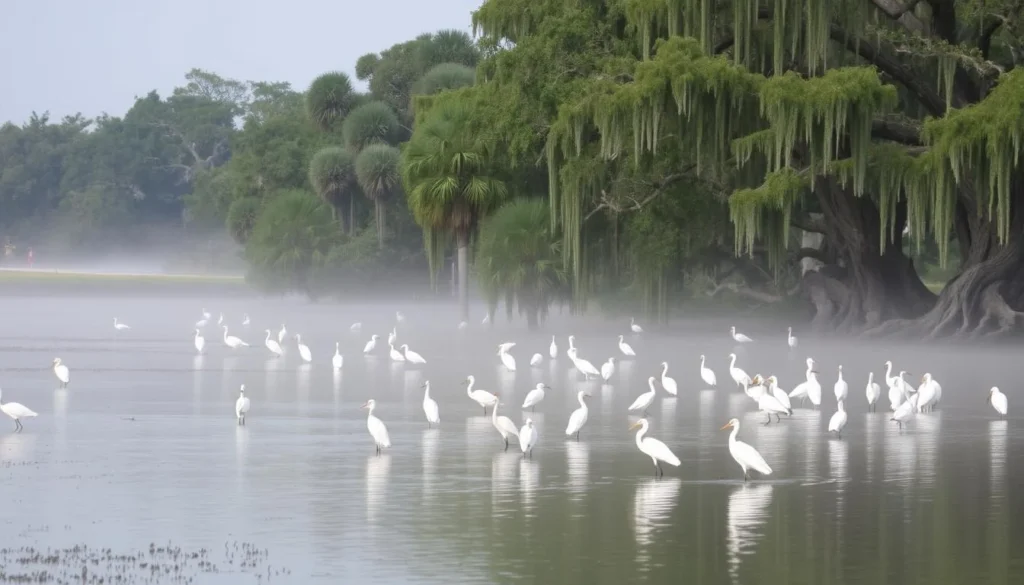
Mandalay is a paradise for birdwatchers, with species varying by season:
- Winter – Waterfowl including wood ducks, mallards, and teal
- Spring – Migratory songbirds and nesting wading birds
- Summer – Resident species including prothonotary warblers and painted buntings
- Fall – Raptors and early waterfowl migrants
The refuge is part of the America’s Wetland Birding Trail, with designated observation areas accessible by boat. Bring a field guide specific to Gulf Coast birds to enhance your experience.
Nature Photography
The refuge offers exceptional photography opportunities throughout the seasons:
- Dawn mist rising from bayou waters
- Dramatic cypress silhouettes against sunset skies
- Alligators basking in dappled sunlight
- Wading birds in breeding plumage during spring
Consider joining a photography-focused tour led by local experts who know the best locations and lighting conditions for capturing Mandalay’s natural beauty.
Safety, Etiquette & Local Customs

Safety Tips
- Always wear a life jacket when on the water
- Maintain a safe distance from wildlife, especially alligators (minimum 9 meters/30 feet)
- Bring plenty of drinking water to prevent dehydration
- Use insect repellent and wear long sleeves and pants to protect against mosquitoes
- Check weather forecasts before heading out, as conditions can change rapidly
- Inform someone of your planned route and expected return time
- Carry a fully charged cell phone in a waterproof container (note that coverage may be limited)
Etiquette & Conservation
Help preserve this fragile ecosystem by following these guidelines:
- Stay in designated waterways to avoid disturbing wildlife and vegetation
- Never feed wildlife, which can alter natural behaviors and create dangerous situations
- Pack out all trash and leave no trace of your visit
- Minimize noise to enhance wildlife viewing opportunities for yourself and others
- Respect fishing regulations and limits
Local Customs
Understanding Cajun culture enhances your experience in the region:
- Greetings are important – a friendly “bonjour” or “how y’all doing” is appreciated
- Locals take pride in sharing their knowledge of the bayou – listen and learn
- Food is central to Cajun culture – showing appreciation for local cuisine is welcomed
- Respect private property when navigating waterways
Visitor Comments About Mandalay National Wildlife Refuge
“My guided kayak tour through Mandalay was the highlight of our Louisiana trip! Our guide pointed out five different alligators, countless birds, and even a rare swallow-tailed kite. The cypress forests with Spanish moss created the most magical atmosphere I’ve ever photographed. Don’t miss the sunrise tours when the mist rises from the water—absolutely breathtaking!”
“As an avid fisherman, I’ve visited many spots across the country, but Mandalay offered some of the best bass fishing I’ve experienced. Hired a local guide who knew exactly where to take us, and we caught our limit by noon. The peaceful surroundings and abundant wildlife made it more than just a fishing trip—it was a complete nature experience. Bring plenty of water and sunscreen!”
“We visited during the fall bird migration and were amazed by the diversity—our bird list topped 45 species in just one day! The boat tour through the cypress groves was like entering another world. Our Cajun guide shared fascinating stories about growing up in the bayou and pointed out medicinal plants used by his grandparents. The authentic cultural experience combined with incredible nature viewing made this a truly special destination.”
Additional Nearby Destinations

Extend your exploration beyond Mandalay with these worthwhile nearby attractions:
Atchafalaya Basin
America’s largest river swamp, located about 45 minutes northwest of Mandalay. This vast wetland offers additional wildlife viewing, fishing, and paddling opportunities on a larger scale.
Jean Lafitte National Historical Park
The Wetlands Acadian Cultural Center in Thibodaux (30 minutes northeast) provides exhibits on Cajun history and culture, plus walking trails through representative wetland habitats.
Grand Isle
Louisiana’s only inhabited barrier island, located 90 minutes south, offers beautiful beaches, excellent fishing, and important bird habitats, particularly during spring and fall migrations.
New Orleans
Just 90 minutes east, the Crescent City offers world-renowned cuisine, music, and architecture that complements your natural experience at Mandalay.
Chauvin Sculpture Garden
Located 30 minutes southeast, this unique outdoor art environment features over 100 concrete sculptures created by self-taught artist Kenny Hill.
Bayou Teche Scenic Byway
A beautiful drive through Cajun Country with historic towns, plantations, and natural areas, beginning about an hour northwest of Mandalay.
Practical Travel Tips
Essential Information
- Refuge Hours: Sunrise to sunset daily
- Contact: U.S. Fish & Wildlife Service Southeast Louisiana Refuges Complex – Phone: (985) 882-2000
- Visitor Center: Located in Houma at 7491 Park Avenue (not at the refuge itself)
- Entrance Fee: None, but permits required for fishing and hunting
- Emergency Services: Dial 911; nearest hospital is Terrebonne General Medical Center in Houma
What to Pack
- Waterproof bag for electronics and valuables
- Binoculars (8×42 or 10×42 recommended for wildlife viewing)
- Wide-brimmed hat and sunglasses
- Quick-dry clothing (long sleeves and pants recommended)
- Insect repellent with DEET
- Sunscreen (SPF 30+)
- Refillable water bottle
- Snacks and light meals if planning a full-day excursion
- Camera with zoom lens and extra batteries
- Field guides for birds and wildlife identification
Embracing the Wild Heart of Louisiana

Mandalay National Wildlife Refuge represents Louisiana at its most authentic—a place where nature’s rhythms continue largely undisturbed and where visitors can experience the wild beauty that has shaped the region’s unique culture. From the haunting beauty of moss-draped cypress stands to the thrill of spotting an alligator gliding silently through duckweed-covered waters, Mandalay offers moments of connection with a landscape that feels timeless.
Unlike more developed destinations, this refuge rewards those willing to slow down, observe carefully, and immerse themselves in the subtle wonders of the bayou ecosystem. Whether you’re capturing photographs of herons in golden morning light, casting for bass in secluded coves, or simply drifting silently through ancient cypress groves, Mandalay provides experiences that linger in memory long after you’ve returned home.
As you plan your visit to this special corner of Louisiana, remember that the refuge’s true value lies not just in its recreational opportunities but in its role preserving a vanishing ecosystem for future generations. By visiting respectfully and supporting conservation efforts, you become part of ensuring that the wild heart of Cajun country continues to beat strong for years to come.
Related Posts
White Lake Wetlands Conservation Area, Louisiana: Best Things to Do – Top Picks
Wine Island, Louisiana: Best Things to Do – Top Picks
Winn Parish Uplands, Louisiana: Best Things to Do – Top Picks
Zydeco Cajun Prairie Scenic Byway, Louisiana: Best Things to Do – Top Picks
Whiskey Island, Louisiana: Best Things to Do – Top Picks
Wetlands Cultural Byway, Louisiana: Best Things to Do – Top Picks
Coming Soon: Clickable Maps