
Hotels by Trip.com
Flights by Trip.com
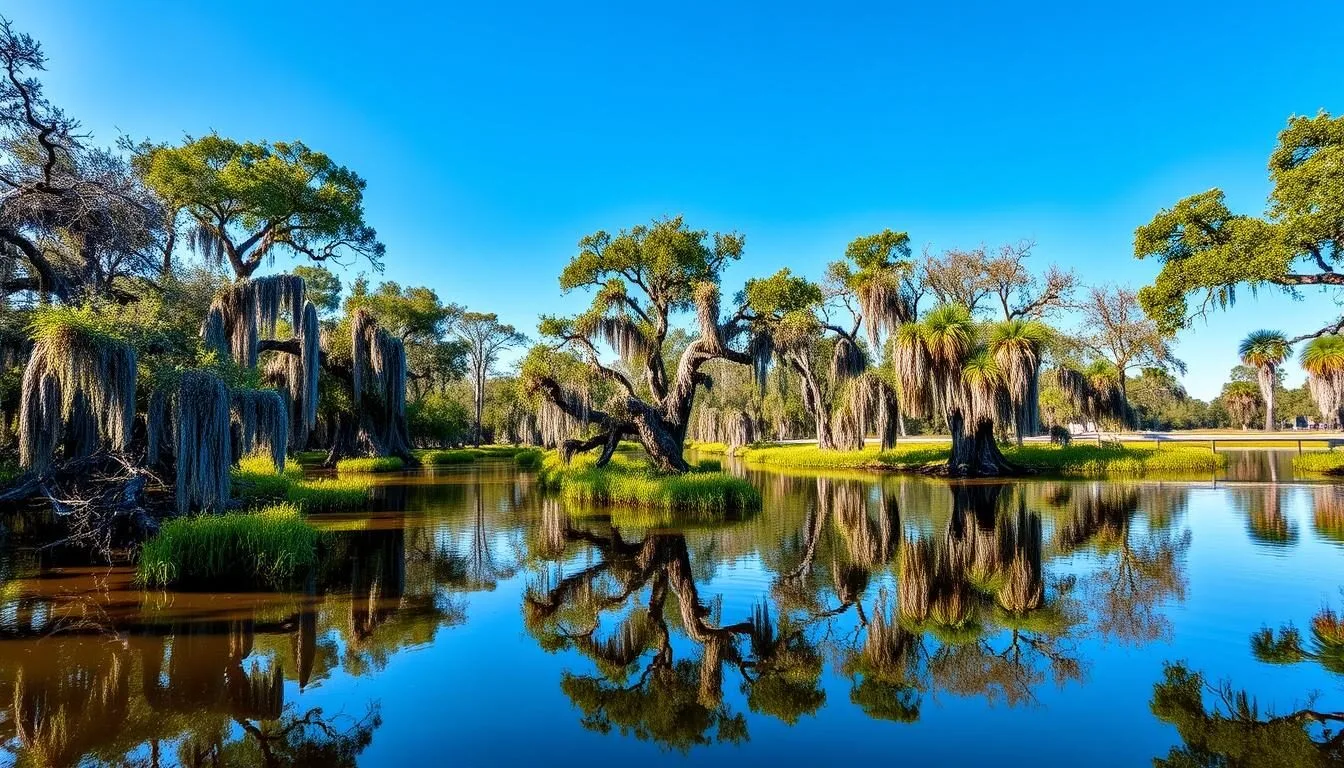
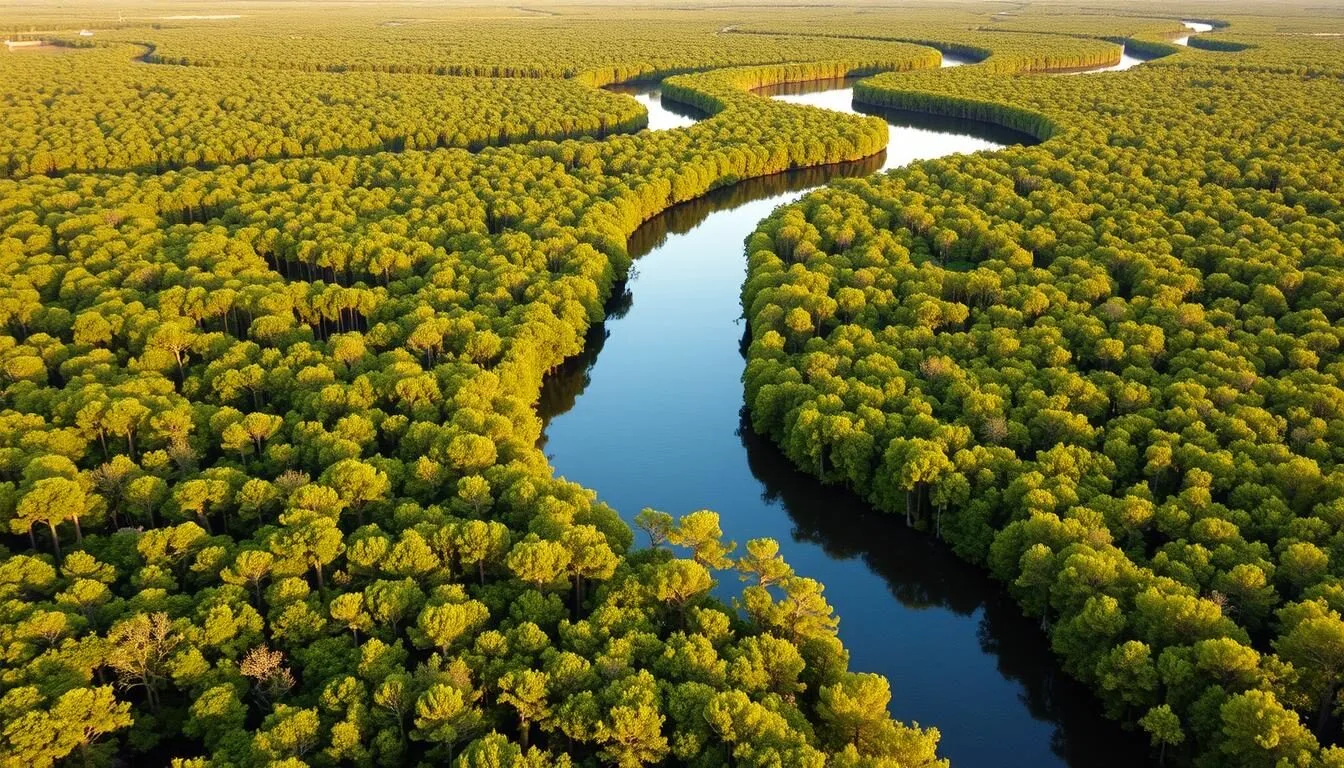
Home to over 5,000 American alligators across its 124,567-acre expanse, Maurepas Swamp Wildlife Management Area represents one of Louisiana’s most pristine and biodiverse wetland ecosystems. This vast sanctuary, nestled between Lake Maurepas and Lake Pontchartrain, offers visitors a rare glimpse into an ancient landscape where cypress trees draped in Spanish moss have stood sentinel for centuries, some dating back over 400 years.
Getting There & Planning Your Journey
Maurepas Swamp WMA is accessible via several entry points around its perimeter. The most popular access is from LaPlace, Louisiana, approximately 40 km (25 miles) west of New Orleans.
The closest major airport is Louis Armstrong New Orleans International Airport (MSY), about 30 km (19 miles) from the main access points. From the airport, take I-10 west toward LaPlace, then follow local roads to your chosen entry point.
Several boat launches provide access to the waterways, including those near Ruddock, Manchac, and Reserve. If you’re planning to kayak or canoe, these launches offer convenient entry points to explore the swamp’s intricate network of bayous and canals.
For those without personal transportation, limited options exist. Consider arranging a guided tour that includes transportation from New Orleans or nearby towns, as public transit to the area is virtually non-existent.
Best Time to Visit & Weather Tips
Recommended Seasons
Spring (March-May)
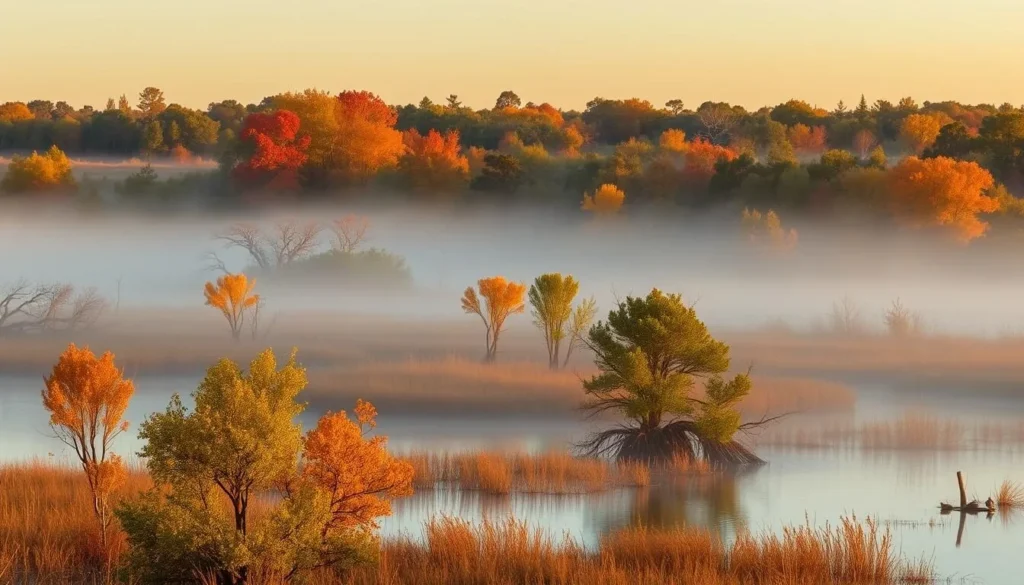
Mild temperatures between 18-29°C (65-85°F) make this an ideal time for wildlife viewing. Spring brings vibrant wildflowers and active wildlife, including nesting birds and emerging alligators. Morning fog creates magical photo opportunities.
Fall (October-November)
Perhaps the best season to visit, with temperatures ranging from 15-26°C (60-80°F), low humidity, and minimal rainfall. The swamp takes on golden hues, and mosquitoes are significantly reduced. Wildlife remains active as they prepare for winter.
Seasons to Avoid
Summer (June-September)
Temperatures soar to 32-35°C (90-95°F) with extreme humidity making exploration uncomfortable. Afternoon thunderstorms are common, and mosquitoes reach peak numbers. If visiting during summer, plan activities for early morning only.
Winter (December-February)
While temperatures rarely drop below freezing, averaging 7-18°C (45-65°F), wildlife becomes less active. Alligators often remain submerged or hidden, and many migratory birds have departed. However, this season offers the fewest crowds.
✓ Check 30,000+ Local Sightseeing Tours Worldwide
Weather Tip: Early mornings and late afternoons offer the best combination of comfortable temperatures and active wildlife regardless of season. Check weather forecasts before your visit, as Louisiana weather can change rapidly.
Getting Around Locally
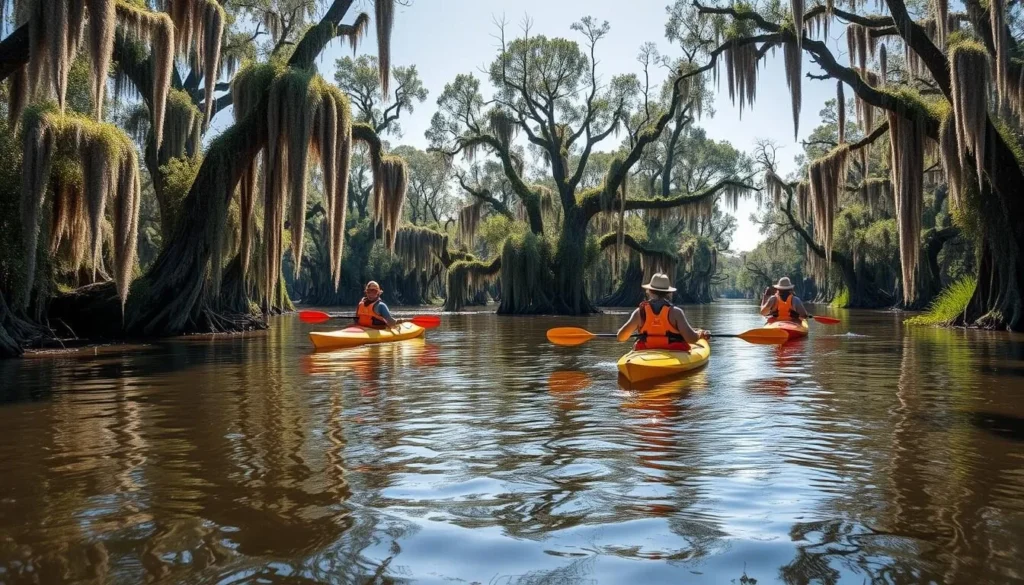
Maurepas Swamp WMA is primarily a water-based destination, with limited land access. Here are your options for exploration:
Water Transportation
- Kayak/Canoe: The most intimate way to experience the swamp. Rentals are available from outfitters near access points, typically ranging from $40-60 per day. Bring your own if possible.
- Guided Boat Tours: Several operators offer tours on larger vessels, providing expert commentary on the ecosystem and wildlife. These range from $40-80 per person depending on duration.
- Airboat Tours: For a faster-paced experience, airboat tours cover more ground but are louder and may disturb wildlife. Prices start around $65 per person.
Land Access
- Boardwalks: Limited boardwalks exist at certain access points, offering short walks into the swamp environment.
- Hiking Trails: A few primitive trails are available during dry periods, but these are not the main attraction and can be difficult to navigate.
Local Tip: For the best experience, arrange a guided kayak tour for your first visit. Guides know the safest routes and best wildlife viewing spots, ensuring you don’t get lost in the maze-like waterways.
Where to Stay

While there are no accommodations within the Maurepas Swamp WMA itself, several options exist in surrounding communities:
Nearby Accommodations
LaPlace (10-15 km/6-9 miles)
The closest town offers several chain hotels and motels, including Hampton Inn, Holiday Inn Express, and La Quinta. Prices typically range from $80-120 per night. These provide convenient access to the western portions of the swamp.
Ponchatoula (20 km/12 miles)
This charming town northeast of the swamp features bed and breakfasts and vacation rentals with more character than chain hotels. Expect to pay $90-150 per night for unique accommodations with local flair.
Hammond (25 km/15 miles)
Slightly further but offers a wider range of accommodations, from budget motels to nicer hotels and inns. The additional dining and shopping options make this a good base for longer stays.
Camping Options
For the adventurous, primitive camping is permitted within designated areas of the WMA during certain seasons. A free permit from the Louisiana Department of Wildlife and Fisheries is required. Alternatively, Fontainebleau State Park (35 km/22 miles away) offers developed campgrounds with facilities.
Important: If camping within the WMA, practice strict “Leave No Trace” principles, secure all food from wildlife, and be prepared for potentially wet conditions. Cell service is limited, so inform someone of your plans.
Dining & Local Cuisine

The areas surrounding Maurepas Swamp offer authentic Louisiana cuisine that perfectly complements your swamp adventure:
Local Specialties to Try
- Crawfish Étouffée: A rich, spicy stew of crawfish served over rice – a Louisiana staple.
- Alligator: Often fried or blackened, with a texture similar to chicken but a unique flavor.
- Catfish: Local freshwater catfish, usually fried with cornmeal coating.
- Gumbo: A hearty soup thickened with okra or filé powder, containing seafood or chicken and andouille sausage.
- Po’boys: Overstuffed sandwiches on French bread, often filled with fried seafood or roast beef “debris.”
Dining Options
Near Access Points
Middendorf’s in Manchac is famous for its thin-fried catfish and sits right on the edge of the swamp. Frenier Landing Restaurant and Oyster Bar offers excellent seafood with views of Lake Pontchartrain. Both provide authentic local flavors in scenic settings.
In Surrounding Towns
LaPlace offers several casual dining options, including Cajun-inspired chain restaurants. For more upscale dining, head to Hammond where you’ll find both local establishments and familiar chains. Ponchatoula has charming cafes serving Southern comfort food.
Dining Tip: Pack a picnic lunch if you’re planning a full day in the swamp, as food options are limited once you’re on the water. Many local grocery stores offer prepared foods like boudin (Cajun sausage) and cracklins (fried pork skin) that make perfect portable snacks.
Attractions, Sightseeing & Activities

Top Attractions in Maurepas Swamp WMA
Cypress-Tupelo Swamps
The ancient cypress trees draped with Spanish moss create an otherworldly landscape that defines the Maurepas Swamp. Some of these trees are centuries old, with wide buttressed trunks and “knees” protruding from the water. The most impressive stands can be found along the western edges of the management area.
Wildlife Viewing Areas
Several designated areas offer particularly good wildlife spotting opportunities. The waterways near Hope Canal and Dutch Bayou are known for alligator sightings, while the areas near Lake Maurepas attract numerous bird species. Early morning provides the best viewing conditions.
Scenic Waterways
The network of bayous, canals, and open water areas offers stunning views that change with the seasons. Blind River and its tributaries are particularly scenic, with narrow passages opening to broader waterways, creating perfect photo opportunities.
Popular Activities
- Kayaking/Canoeing: Self-guided exploration of the waterways allows for intimate wildlife encounters and photography at your own pace.
- Guided Eco-Tours: Expert guides provide insights into the ecosystem while pointing out wildlife that might otherwise go unnoticed.
- Fishing: The area is known for excellent freshwater fishing, including bass, catfish, and crappie. A Louisiana fishing license is required.
- Photography: The unique landscape offers endless opportunities for nature photography, especially during the golden hours of early morning and late afternoon.
- Birdwatching: With over 200 bird species recorded in the area, birdwatchers can spot everything from majestic herons to colorful migratory songbirds.
Museums, Cultural Spots & Festivals
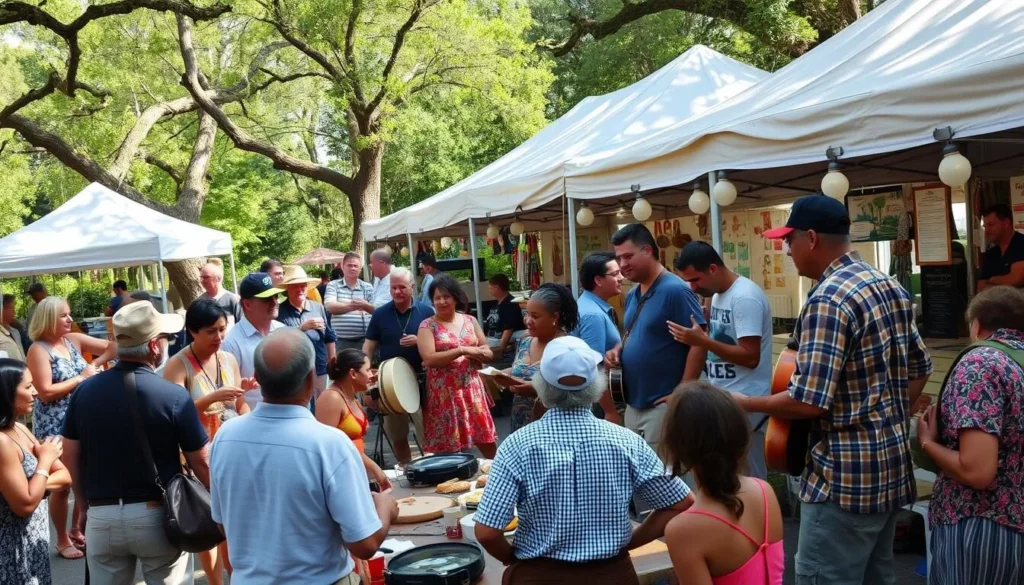
While the Maurepas Swamp WMA itself is primarily a natural attraction, the surrounding areas offer cultural experiences that enhance your understanding of the region:
Nearby Cultural Attractions
Plantation Tours
Several historic plantations lie within a 30-minute drive of the swamp. Evergreen Plantation and Whitney Plantation offer tours that provide insights into the complex history of the region, including the lives of enslaved people who worked these lands.
Cajun Pride Swamp Tours
Located near LaPlace, this attraction combines swamp tours with cultural demonstrations, including traditional music and cooking methods. It’s a good option for those seeking both natural and cultural experiences in one stop.
Local Festivals
- Ponchatoula Strawberry Festival (April): Celebrating the local strawberry harvest with food, music, and crafts just north of the swamp.
- Swamp Pop Music Festival (July): Held in nearby Gonzales, featuring the unique “swamp pop” music genre that blends Cajun, Creole, and rock influences.
- Andouille Festival (October): LaPlace celebrates its famous smoked sausage with cooking competitions, live music, and carnival rides.
- Christmas Bonfire Festival (December): A unique tradition where massive bonfires are lit along the Mississippi River levees to “light the way for Papa Noël.”
Cultural Tip: The Louisiana Swamp Museum in Livingston Parish (about 40 minutes away) offers exhibits on swamp ecology and the unique culture of the “swamp people” who have lived in these wetlands for generations.
Sports, Nature & Outdoor Experiences

Wildlife Encounters
Maurepas Swamp WMA hosts an impressive diversity of wildlife. Here’s what you might encounter:
Reptiles
American alligators are the stars of the swamp, often seen basking on banks or floating with just their eyes and snouts visible. Various turtle species, including red-eared sliders and snapping turtles, frequently sun themselves on logs. Several snake species also inhabit the area, including the non-venomous water snake.
Birds
The swamp is a birdwatcher’s paradise with great blue herons, white ibis, roseate spoonbills, and numerous egret species wading in shallow waters. Ospreys and bald eagles can be spotted hunting for fish, while prothonotary warblers add flashes of bright yellow to the tree canopy in spring and summer.
Mammals
Though more elusive, the swamp is home to white-tailed deer, raccoons, nutria (an invasive rodent species), and occasionally river otters. Dawn and dusk offer the best chances for mammal sightings along the quieter waterways.
Outdoor Activities
- Fishing: The area offers excellent fishing opportunities with largemouth bass, crappie, bluegill, and catfish being common catches. A valid Louisiana fishing license is required.
- Hunting: Seasonal hunting is permitted for waterfowl, deer, and small game with appropriate licenses and during designated seasons only.
- Nature Photography: The unique lighting conditions created by the cypress canopy make for stunning photography opportunities, especially during the golden hours.
- Stargazing: On clear nights, the relative lack of light pollution makes certain areas of the swamp good for stargazing, though the tree canopy limits views in many spots.
Safety Note: Always maintain a safe distance from wildlife, especially alligators. While attacks are extremely rare, these are wild animals that should be respected. Never feed any wildlife, as this can alter their natural behavior and create dangerous situations.
Safety, Etiquette & Local Customs
Safety Considerations
- Wildlife Safety: Maintain at least 4.5 m (15 ft) distance from alligators. Never feed or approach wildlife. If an alligator approaches your boat, calmly paddle away.
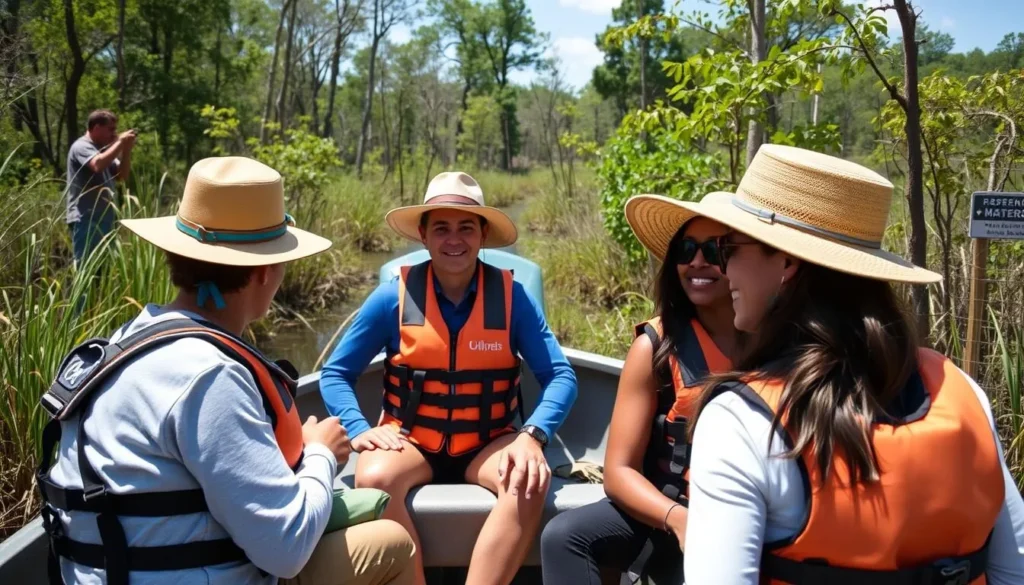
- Water Safety: Always wear a life jacket when on the water. Be aware of submerged obstacles like logs and stumps that can capsize small watercraft.
- Navigation: It’s easy to get disoriented in the swamp. Carry a GPS device or compass, and let someone know your planned route and return time.
- Weather Awareness: Louisiana weather can change rapidly. Check forecasts before heading out and be prepared for sudden thunderstorms, especially in summer.
- Sun Protection: The combination of direct sun and reflection from water can cause severe sunburn. Wear sunscreen, a wide-brimmed hat, and sunglasses.
Health Precautions
Insects
Mosquitoes and biting flies can be abundant, especially during warmer months. Apply insect repellent containing DEET or picaridin to exposed skin. Consider treating clothing with permethrin for additional protection. Wearing light-colored, long-sleeved shirts and pants helps reduce bites.
Hydration
The humid environment can lead to rapid dehydration. Bring at least 1 liter (1 quart) of water per person for every 2 hours you plan to be in the swamp. Sports drinks with electrolytes are also beneficial, especially during summer months.
Environmental Etiquette
The Maurepas Swamp ecosystem is fragile and faces numerous threats. Practice these principles to help preserve it:
- Leave No Trace: Pack out all trash. Even biodegradable items like fruit peels can disrupt the ecosystem.
- Stay on Designated Waterways: Avoid creating new paths through vegetation or disturbing shoreline habitats.
- Quiet Observation: Minimize noise to avoid disturbing wildlife and to enhance your chances of seeing animals in their natural behavior.
- Invasive Species Prevention: Clean all gear and boats before and after your visit to prevent spreading invasive plants or animals.
Visitor Comments About Maurepas Swamp
“We kayaked through the cypress groves early one morning and it was like entering another world. The mist rising off the water, the calls of birds, and seeing a family of raccoons along the shore made it magical. Our guide Brian was incredibly knowledgeable about the ecosystem and pointed out plants and wildlife we would have missed on our own.”
“Coming from Australia, I’ve seen my share of impressive wetlands, but Maurepas Swamp offered something truly unique. The ancient cypress trees create an atmosphere unlike anything I’ve experienced. We took an early morning tour and saw at least a dozen alligators, countless turtles, and a bald eagle! Worth every minute of the journey from New Orleans.”
“The swamp exceeded all expectations! We rented kayaks and spent a peaceful morning exploring the waterways. The highlight was watching a great blue heron catch a fish just meters from our boat. My advice: bring strong insect repellent and go early in the day when wildlife is most active and the light is perfect for photos.”
Additional Nearby Destinations
Extend your exploration of Louisiana’s natural and cultural heritage with these nearby attractions:
Joyce Wildlife Management Area (28 km/17 miles)
Located northeast of Maurepas Swamp, Joyce WMA features a 1.6 km (1 mile) boardwalk that offers easy access to swamp views without needing a boat. This is an excellent option for those with limited mobility or families with small children.
Plantation Alley (25-30 km/15-19 miles)
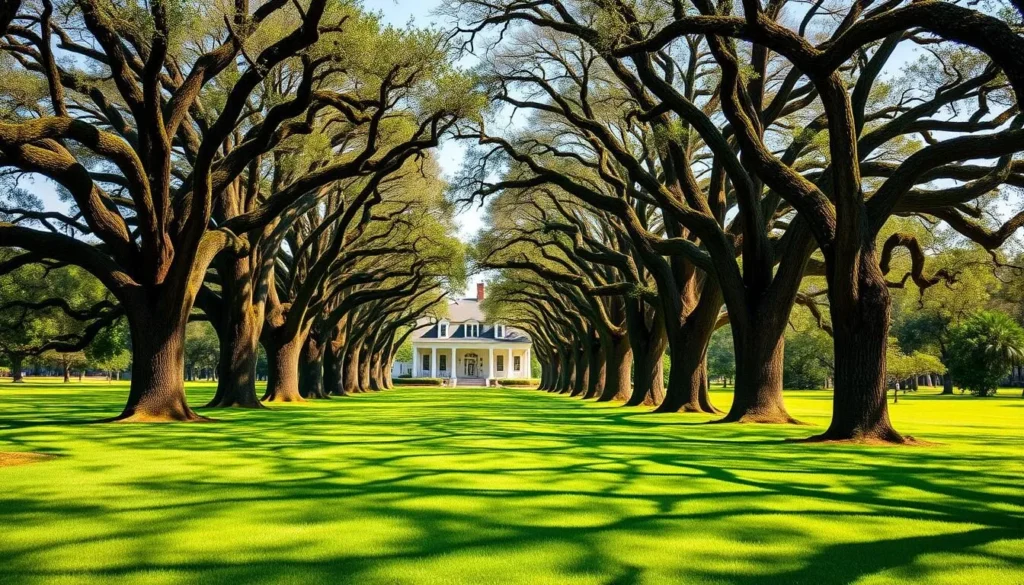
Several historic plantations line the Mississippi River west of the swamp, including Oak Alley, Laura, and Whitney Plantations. These offer insights into the region’s complex history and distinctive architecture.
✓ Check 30,000+ Local Sightseeing Tours Worldwide
Fontainebleau State Park (35 km/22 miles)
Located on the north shore of Lake Pontchartrain, this park offers beaches, hiking trails, camping, and cabin rentals in a beautiful setting. The ruins of an 1829 sugar mill provide historical interest.
Day Trips
New Orleans (40-50 km/25-31 miles)
The vibrant culture, music, and cuisine of New Orleans make it an essential complement to your natural experience in the swamp. The French Quarter, Garden District, and numerous museums offer endless exploration opportunities.
Atchafalaya Basin (80 km/50 miles)
America’s largest river swamp, the Atchafalaya Basin offers additional swamp experiences with its own unique character. The visitor center in Henderson provides excellent orientation to this massive ecosystem.
Practical Travel Tips
Essential Gear
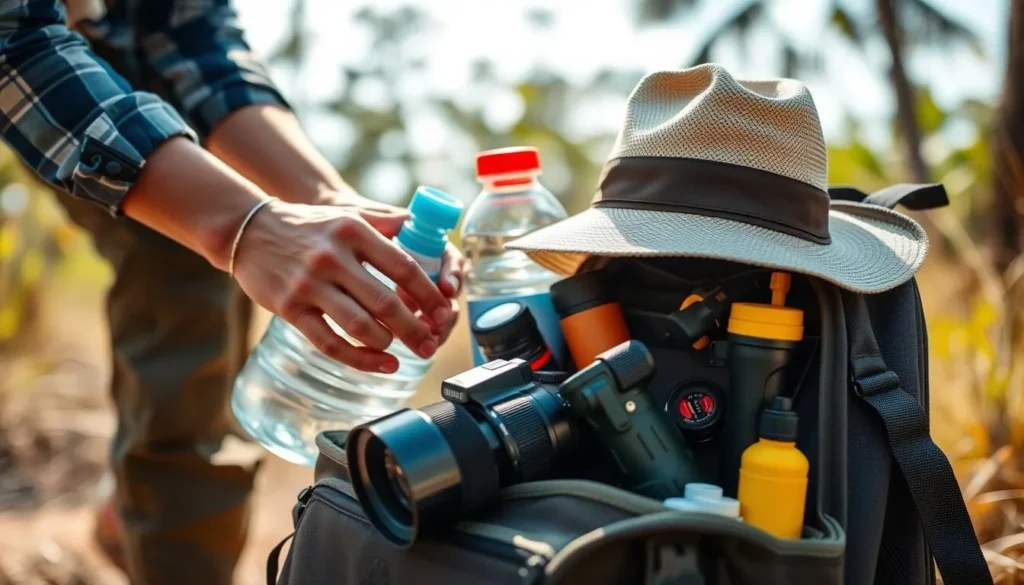
- Sun Protection: Wide-brimmed hat, sunglasses, and waterproof sunscreen (minimum SPF 30).
- Insect Defense: High-concentration DEET or picaridin repellent, lightweight long-sleeved shirts and pants.
- Footwear: Quick-drying, closed-toe shoes with good grip for boat launches and potential short walks.
- Waterproofing: Dry bags or waterproof cases for electronics, wallet, and car keys.
- Optics: Binoculars (8×42 recommended) for wildlife viewing and a camera with zoom lens for photography.
Communication & Navigation
Cell service is spotty throughout the swamp. Download offline maps before your visit, and consider a waterproof case for your phone. For extended explorations, a handheld GPS device is valuable. Some tour operators provide two-way radios to maintain contact with their base.
Permits & Regulations
Recreation
General access to the WMA is free, but a Wild Louisiana Stamp or valid hunting/fishing license is technically required for all users over 18. These can be purchased online through the Louisiana Department of Wildlife and Fisheries or at sporting goods stores.
Fishing & Hunting
A Louisiana fishing license is required for fishing. Hunting is permitted during designated seasons with appropriate licenses and following specific regulations that change annually. Check the latest Wildlife Management Area regulations before planning a hunting trip.
Money-Saving Tip: Bring your own kayak or canoe if possible, as rentals can be expensive for multiple days. Many tour operators offer discounts for booking online in advance or for larger groups. Weekday visits are often less expensive than weekends.
The Timeless Magic of Louisiana’s Wetland Wilderness
Maurepas Swamp Wildlife Management Area offers a rare glimpse into a primeval world where time seems to slow down and nature’s rhythms take precedence. As you glide through the cypress-studded waterways, watching herons stalk their prey and alligators sun themselves on fallen logs, you’ll connect with an ecosystem that has remained largely unchanged for centuries. This vast wetland sanctuary isn’t just a place to visit—it’s an experience that awakens the senses and reminds us of our deep connection to the natural world. Whether you’re an avid wildlife photographer, a nature enthusiast, or simply seeking a peaceful escape from modern life, the mysterious beauty of Maurepas Swamp awaits your discovery.
Related Posts
White Lake Wetlands Conservation Area, Louisiana: Best Things to Do – Top Picks
Wine Island, Louisiana: Best Things to Do – Top Picks
Winn Parish Uplands, Louisiana: Best Things to Do – Top Picks
Zydeco Cajun Prairie Scenic Byway, Louisiana: Best Things to Do – Top Picks
Whiskey Island, Louisiana: Best Things to Do – Top Picks
Wetlands Cultural Byway, Louisiana: Best Things to Do – Top Picks
Coming Soon: Clickable Maps