
Hotels by Trip.com
Flights by Trip.com
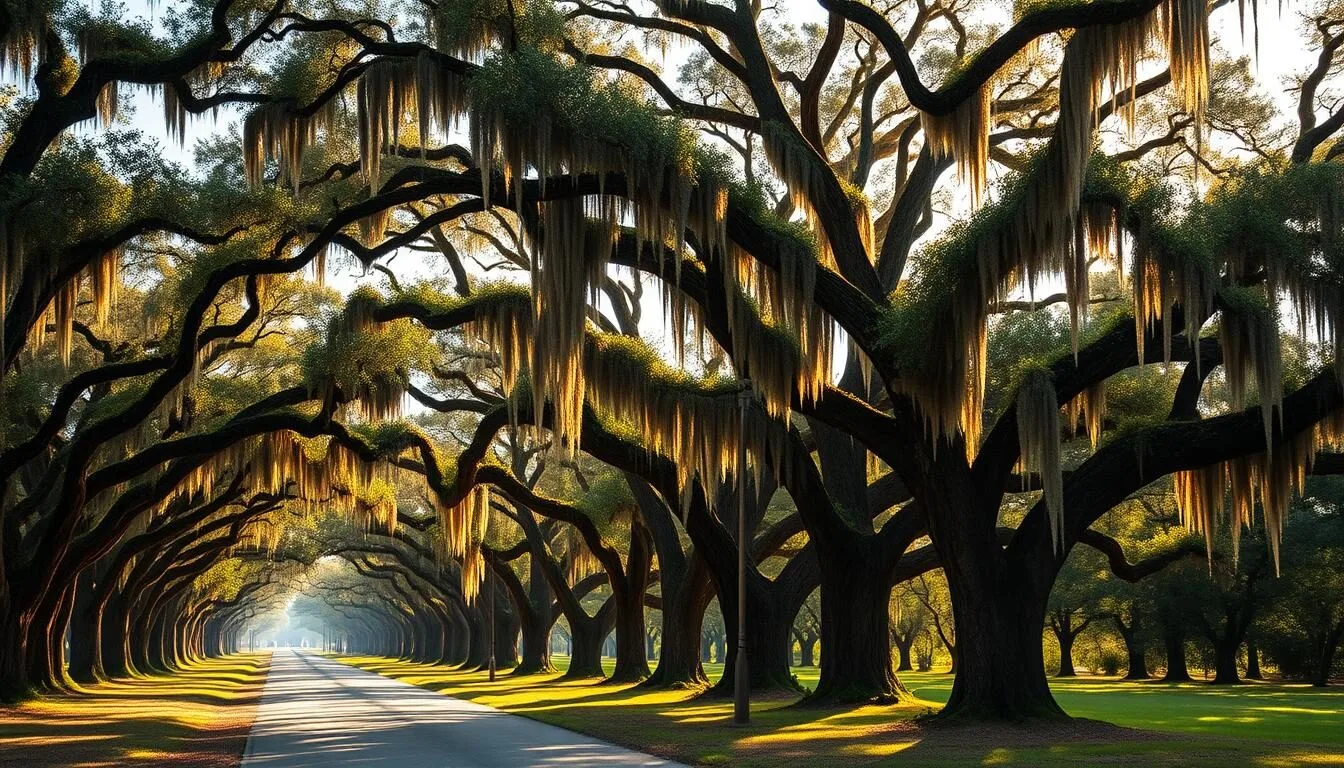
Did you know that El Camino Real de los Tejas, which stretches through Louisiana, was originally established by Native Americans thousands of years before Europeans arrived? This ancient pathway, later adopted by Spanish explorers in the 1690s, served as the only primary overland route connecting colonial Mexico City to the Red River Valley, fundamentally shaping the development of what would become Louisiana and Texas. Today, this 2,500-mile historic trail offers modern travelers a fascinating journey through time, where centuries of diverse cultural influences converge along a route that helped build a nation.
Getting There & Planning Your Journey
The Louisiana portion of El Camino Real de los Tejas National Historic Trail is most easily accessed via several regional airports. Alexandria International Airport (AEX) is centrally located, approximately 45 minutes from Natchitoches, the trail’s eastern terminus. Alternatively, Shreveport Regional Airport (SHV) is about an hour’s drive from the trail’s northern sections. For those coming from farther away, Dallas/Fort Worth International (DFW) or Houston’s George Bush Intercontinental (IAH) offer more flight options, though they require a 3-4 hour drive to reach the Louisiana portion of the trail.
Planning your journey requires some preparation as the trail covers diverse terrain and historical sites. The trail’s official auto route primarily follows Louisiana Highway 6 from the Texas border through Natchitoches Parish. Consider allowing 2-3 days to properly explore the Louisiana section, which includes significant historical sites like Los Adaes, Fort Jesup, and Natchitoches’ historic district.
Best Time to Visit & Weather Tips
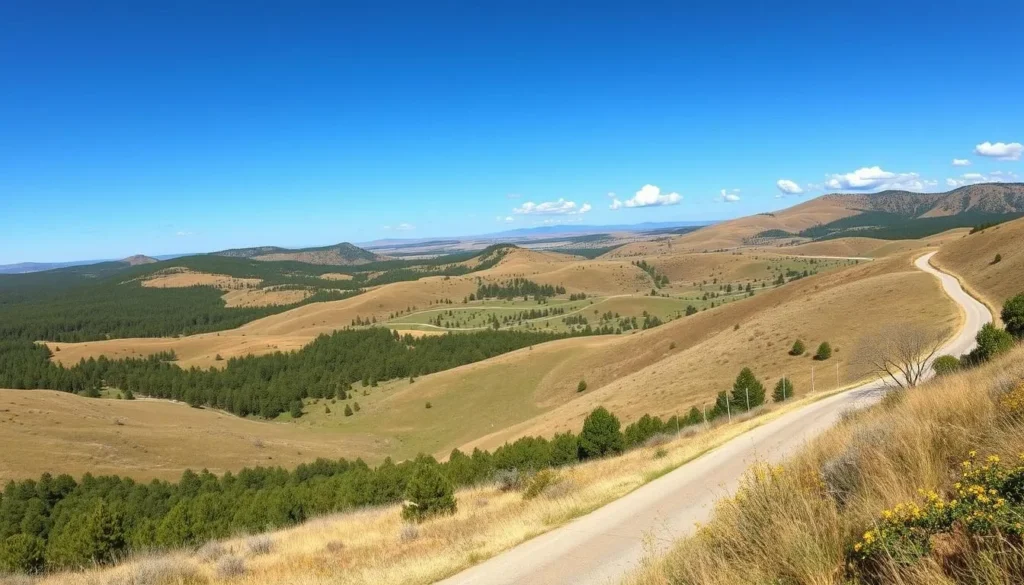
The ideal time to explore the National Historic Trail Auto Route (El Camino Real de los Tejas) in Louisiana is during spring (March to May) and fall (September to November). During these seasons, temperatures range from a pleasant 18°C to 26°C (65°F to 80°F), with lower humidity and beautiful blooming wildflowers in spring or vibrant foliage in fall.
| Season | Temperature Range | Precipitation | Recommendation |
| Spring (Mar-May) | 18-26°C (65-80°F) | Moderate | Highly Recommended |
| Summer (Jun-Aug) | 27-35°C (80-95°F) | High (thunderstorms) | Not Recommended |
| Fall (Sep-Nov) | 15-27°C (60-80°F) | Low | Highly Recommended |
| Winter (Dec-Feb) | 4-15°C (40-60°F) | Moderate | Acceptable |
Summer months (June to August) can be extremely hot and humid, with temperatures often exceeding 32°C (90°F) and frequent afternoon thunderstorms. Winter (December to February) brings milder temperatures but can include occasional cold snaps and rain. If you’re planning to explore outdoor historical sites and walking portions of the trail, the comfortable temperatures of spring and fall will make your experience much more enjoyable.

Getting Around Locally
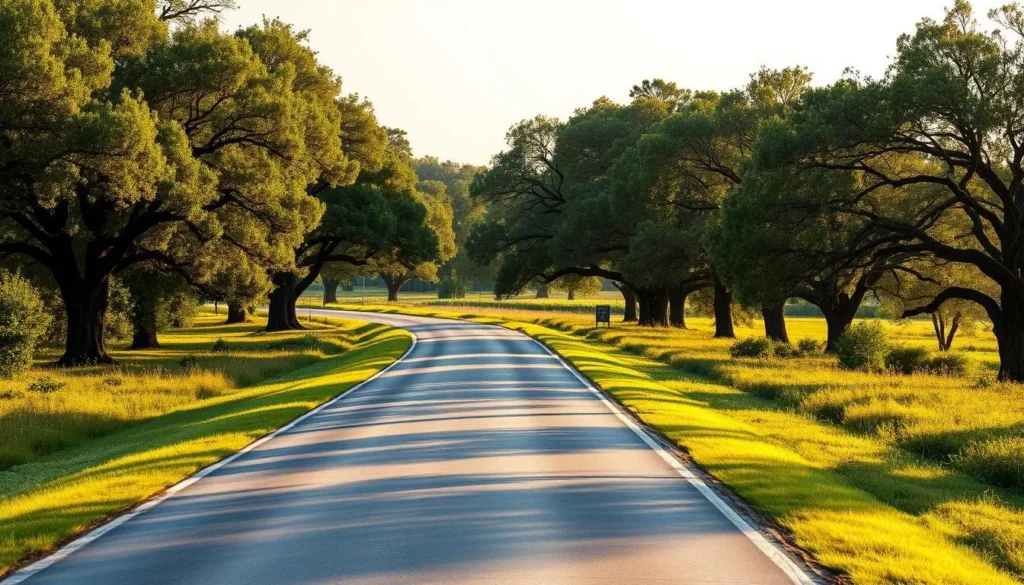
Navigating the El Camino Real de los Tejas in Louisiana requires a personal vehicle, as public transportation options are limited in this rural area. The modern highway route that roughly follows the historic trail is primarily Louisiana Highway 6, which runs east-west across the state, connecting Many, Natchitoches, and other historic communities.
For the most authentic experience, consider these transportation options:
- Rental car: Essential for flexibility to explore at your own pace and reach remote historical sites
- Guided tours: Available through the Cane River National Heritage Area for in-depth historical context
- Walking portions: Several preserved trail segments allow for short hikes on the actual historic pathway
- Bicycle rentals: Available in Natchitoches for exploring the urban historic district
When driving the auto route, watch for the distinctive El Camino Real de los Tejas National Historic Trail markers. These signs, featuring the trail’s logo, indicate you’re following the approximate path of this ancient route. For detailed navigation, download the National Park Service’s trail maps before your journey, as cell service can be spotty in rural areas.
Where to Stay
The Louisiana portion of El Camino Real de los Tejas offers various accommodation options, with the greatest concentration in Natchitoches, the oldest permanent settlement in the Louisiana Purchase territory. This charming town serves as an excellent base for exploring the eastern sections of the trail.
Historic Accommodations
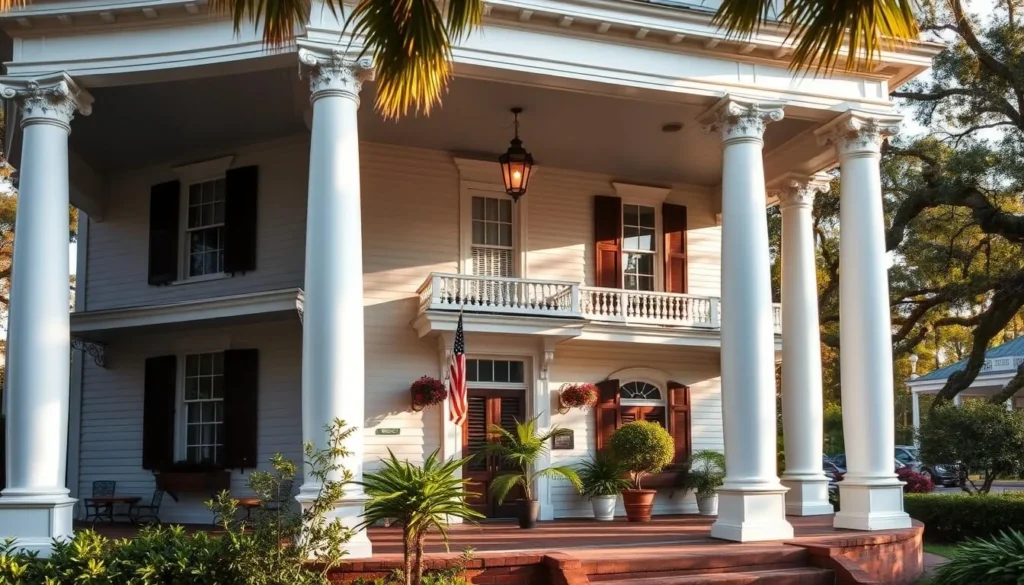
Experience history firsthand by staying in one of Natchitoches’ historic bed and breakfasts, many housed in 19th-century buildings along the Cane River. The Steel Magnolia House B&B and Jefferson House offer authentic period furnishings with modern amenities. Rates typically range from $120-200 per night, with higher prices during festivals and weekends.
Modern Hotels
For travelers preferring contemporary accommodations, Natchitoches offers several chain hotels including Comfort Suites, Holiday Inn Express, and Hampton Inn. In Many, near the western portion of the Louisiana trail section, you’ll find more limited options with basic motels and the Toledo Bend Lakeside Resort. Expect rates from $80-150 per night depending on season.
Unique Stays
For a truly immersive experience, consider renting a historic cottage along Cane River Lake or staying at one of the cabins at Hodges Gardens State Park near Many. Camping options are available at Fort Jesup State Historic Site and Kisatchie National Forest, offering an opportunity to sleep under the stars near the historic trail. Cabin rentals range from $75-150 per night.
Dining & Local Cuisine
The culinary journey along El Camino Real de los Tejas in Louisiana reflects the trail’s multicultural heritage, blending Native American, Spanish, French, and Southern influences. Natchitoches, as the trail’s eastern anchor, offers the most diverse dining options, while smaller communities along the route feature authentic local eateries.
✓ Check 30,000+ Local Sightseeing Tours Worldwide
Must-Try Local Specialties
- Natchitoches Meat Pies – These iconic savory pastries filled with spiced meat are the official state food of Louisiana and reflect the Spanish and French heritage of the region
- Cane River Creole Cuisine – Distinctive dishes blending French, Spanish, African, and Native American influences, often featuring local crawfish, catfish, and produce
- Toledo Bend Catfish – Fresh catfish from nearby Toledo Bend Reservoir, typically served fried with hushpuppies
- Zwolle Tamales – A local specialty from the town of Zwolle, reflecting the area’s Spanish and Native American heritage
For an authentic experience, visit Lasyone’s Meat Pie Restaurant in Natchitoches, a family-owned establishment serving their famous meat pies since 1967. The historic district also features Maglieaux’s on the Cane, offering riverside dining with Creole-inspired seafood. In smaller communities along the trail, look for local diners and cafes where you can sample regional specialties and interact with locals who often share fascinating stories about the area’s history.

Attractions, Sightseeing & Activities
The Louisiana section of El Camino Real de los Tejas offers a wealth of historical sites and cultural attractions that bring the trail’s 300+ year history to life. From Spanish colonial outposts to Creole plantations, these sites tell the story of the diverse cultures that shaped this important route.
Top Historical Sites
Los Adaes State Historic Site
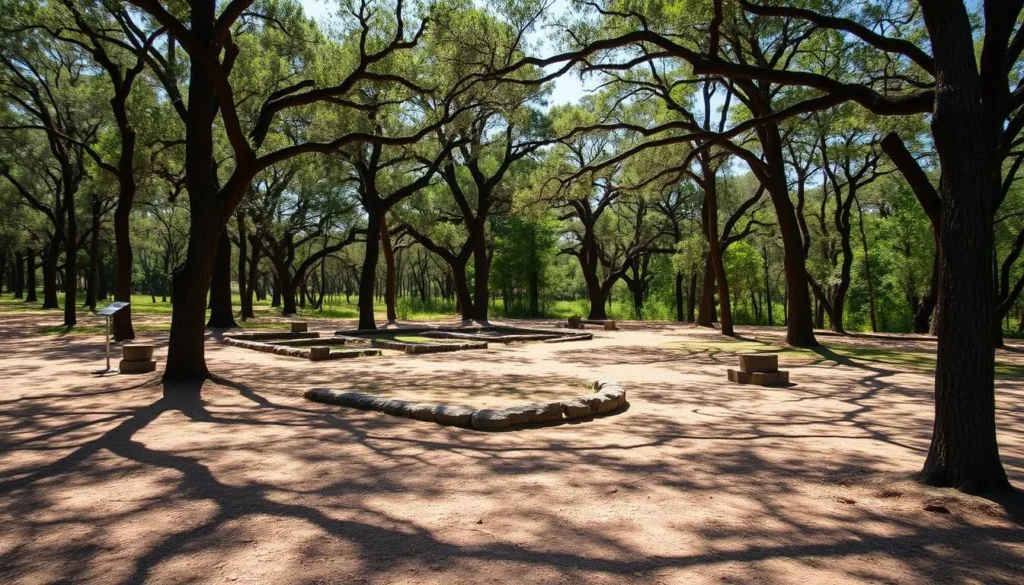
Once the capital of Spanish Texas (1729-1770), this archaeological site near Robeline features the remains of a presidio and mission. The visitor center displays artifacts and exhibits explaining the site’s significance as a cultural crossroads where Spanish, French, and Native American cultures interacted. Walking trails take you through the grounds where interpretive panels help visualize the former structures.
Fort Jesup State Historic Site
Built in 1822, this American frontier outpost protected the border between the United States and Spanish territory. Today, visitors can explore the reconstructed officers’ quarters and kitchen, which houses a museum with period furnishings and exhibits. Regular living history demonstrations bring the fort’s past to life with costumed interpreters demonstrating 19th-century military life.
Natchitoches Historic District
The oldest permanent settlement in the Louisiana Purchase territory (established 1714), Natchitoches features over 33 blocks of historic buildings, many dating to the 18th and 19th centuries. The district’s brick streets, wrought-iron balconies, and historic homes showcase the town’s French, Spanish, and Creole heritage. Don’t miss the landmark Kaffie-Frederick General Mercantile, Louisiana’s oldest general store (operating since 1863).
Cultural Experiences
Immerse yourself in the trail’s multicultural heritage through these engaging activities:
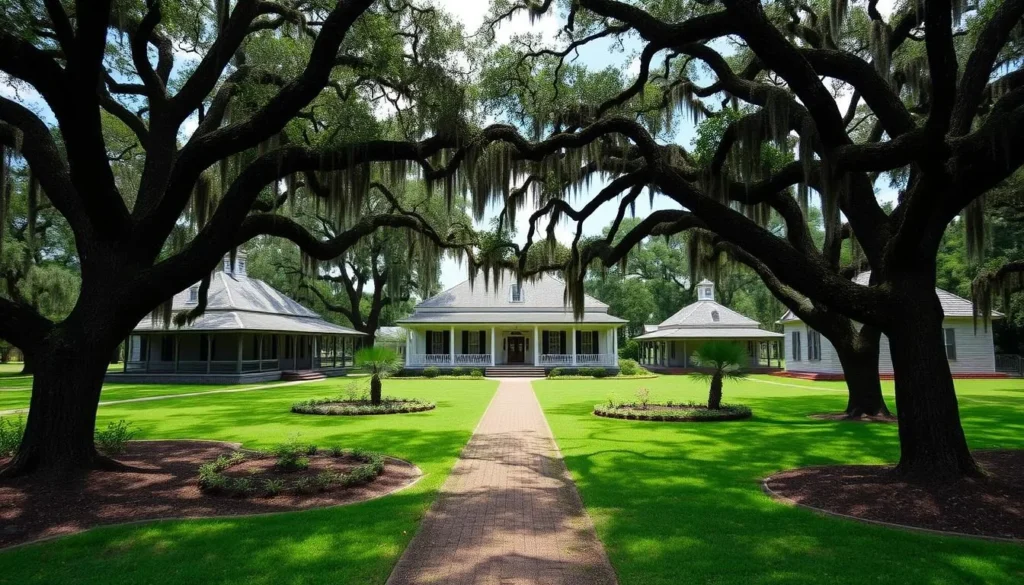
- Take a guided tour of Cane River Creole National Historical Park, which preserves Oakland and Magnolia Plantations, showcasing the region’s complex colonial and antebellum history
- Visit the Natchitoches Heritage Museum to explore exhibits on Native American, French, Spanish, and African American contributions to the region
- Attend cultural demonstrations at Los Adaes, where traditional crafts, cooking methods, and customs of the Spanish colonial period are regularly showcased
- Explore the Adai Indian Nation Cultural Center near Robeline to learn about the indigenous peoples who first created the pathways that became El Camino Real
Museums, Cultural Spots & Festivals
The cultural landscape along El Camino Real de los Tejas in Louisiana is rich with museums, interpretive centers, and festivals that celebrate the route’s diverse heritage. These cultural institutions help visitors understand the trail’s significance as a corridor of cultural exchange for over three centuries.
Museums & Interpretive Centers
- Louisiana Sports Hall of Fame and Northwest Louisiana History Museum – Located in Natchitoches, this striking contemporary building houses exhibits on regional history, including displays about El Camino Real’s influence on settlement patterns
- Fort St. Jean Baptiste State Historic Site – A meticulous reconstruction of the 1716 French fort that established Natchitoches, with period-accurate buildings and interpretive programs
- Los Adaes Visitor Center – Features artifacts from archaeological excavations and interactive exhibits explaining the site’s role as a cultural crossroads
- Cane River Creole National Historical Park Visitor Center – Provides context for understanding the plantation system that developed along this section of the trail
Annual Festivals & Events
Experience the living culture of the trail region through these vibrant celebrations:
Natchitoches Christmas Festival
Dating back to 1927, this six-week celebration (November-January) transforms the historic district with over 300,000 lights and numerous events. The festival culminates in a spectacular fireworks show over Cane River Lake. While not directly related to the trail’s history, the festival showcases the historic district that developed because of the trail.
Zwolle Tamale Fiesta
Held each October, this festival celebrates the Spanish and Native American heritage of Zwolle, a community along the trail. The event features tamale-making competitions, Spanish heritage displays, and cultural performances that highlight the enduring influence of El Camino Real.
Los Adaes Colonial Day
This living history event at Los Adaes State Historic Site features reenactors demonstrating Spanish colonial life, traditional crafts, cooking methods, and military drills. Visitors can participate in hands-on activities that bring the trail’s history to life.

Sports, Nature & Outdoor Experiences
While El Camino Real de los Tejas is primarily known for its historical significance, the trail corridor in Louisiana offers numerous opportunities to enjoy the natural landscapes that have shaped the route for centuries. From serene waterways to pine forests, these outdoor experiences provide a deeper connection to the environmental context of this ancient pathway.
Water Activities
The trail crosses several significant waterways that offer recreational opportunities:
- Cane River Lake in Natchitoches provides a scenic setting for kayaking and canoeing, with rental equipment available downtown
- Sabine River, which forms part of the Texas-Louisiana border, offers fishing and paddling opportunities near historic crossing points
- Toledo Bend Reservoir, one of America’s largest man-made lakes at 75,000 hectares (185,000 acres), is renowned for bass fishing and water sports

Hiking & Nature Exploration
Several preserved sections of the original trail and nearby natural areas offer hiking opportunities:
- Los Adaes State Historic Site features interpretive walking trails through the former Spanish capital
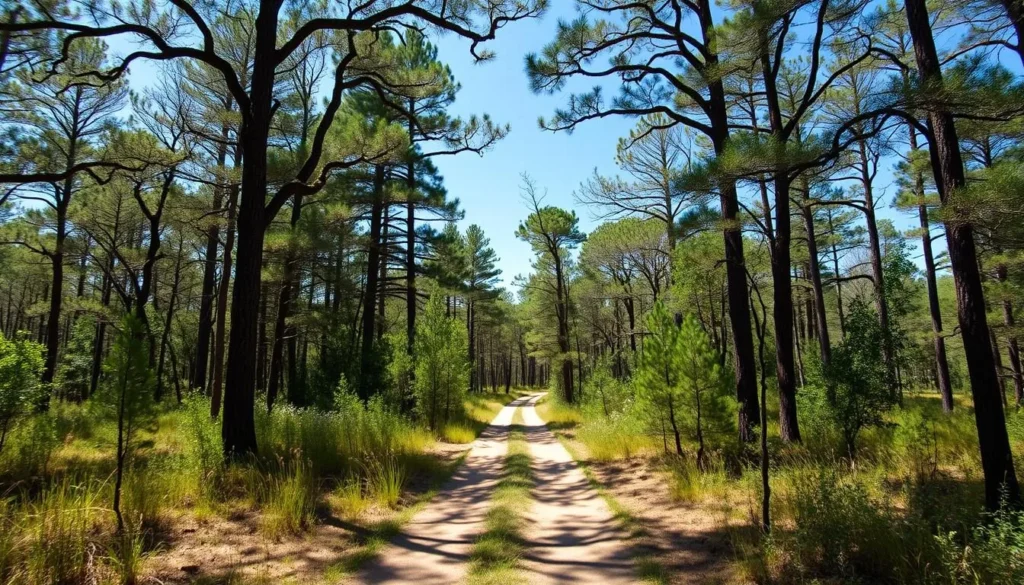
- Kisatchie National Forest, Louisiana’s only national forest, offers numerous hiking trails through longleaf pine forests similar to those traversed by early trail users
- Caroline Dormon Trail, a 10.5 km (6.5 mile) path through Kisatchie, showcases the diverse ecosystems of the region
- Fort Jesup State Historic Site includes nature trails that connect historical features with the surrounding landscape
For wildlife enthusiasts, the trail corridor provides excellent birdwatching opportunities, particularly during spring and fall migrations. The varied habitats support over 200 bird species, including pileated woodpeckers, prothonotary warblers, and numerous waterfowl. The Cane River National Heritage Area offers seasonal guided nature walks that combine historical interpretation with wildlife observation.
Safety, Etiquette & Local Customs
When exploring El Camino Real de los Tejas in Louisiana, being aware of safety considerations, local etiquette, and customs will enhance your experience and show respect for the communities and sites you visit.
Safety Considerations
- Weather awareness – Louisiana’s climate can be extreme, with summer heat indexes regularly exceeding 38°C (100°F). Carry water, wear sun protection, and plan outdoor activities for mornings or evenings during summer months
- Wildlife precautions – The region is home to venomous snakes, alligators, and fire ants. Stay on designated trails, wear closed-toe shoes, and maintain a safe distance from wildlife
- Rural driving – Many sections of the trail pass through remote areas with limited cell service. Keep your vehicle fueled, carry a paper map, and inform someone of your itinerary
- Water safety – If kayaking or boating on waterways along the trail, wear appropriate life jackets and be aware of underwater obstacles and currents
Cultural Etiquette
The trail passes through communities with deep historical roots and diverse cultural traditions:
- When visiting historic sites, particularly those with Native American or religious significance, maintain a respectful demeanor
- Many sites along the trail are active archaeological areas – never remove artifacts or disturb the ground
- In smaller communities, greeting locals with a friendly “hello” is customary and appreciated
- Photography is generally welcome at public sites, but ask permission before photographing private property or individuals
The region maintains strong connections to its multicultural past, with many residents tracing their ancestry to Spanish, French, Native American, and African American communities that lived along the trail. Local festivals and events often celebrate these diverse cultural traditions, and visitors are typically welcomed to participate and learn.
Visitor Comments About National Historic Trail Auto Route
“Driving the El Camino Real through Louisiana was like traveling through layers of American history. The Los Adaes site was particularly fascinating – standing where Spanish, French, and Native American cultures converged centuries ago gave me a new perspective on our country’s multicultural roots. The small museums along the route were unexpectedly informative, and the local people we met were eager to share stories about their connection to the trail.”
“We spent three days exploring the Louisiana section of El Camino Real de los Tejas, using Natchitoches as our base. The historic district is absolutely charming, and the meat pies lived up to their reputation! What surprised me most was how the landscape itself tells the story – you can see why certain crossing points and settlements developed where they did. Don’t miss Fort Jesup – the living history demonstrations really brought the frontier period to life.”
“As someone interested in both history and outdoor activities, this trail offered the perfect combination. We kayaked on Cane River in the morning, then explored the historic sites in the afternoon. The Adai Indian Nation Cultural Center provided insights I hadn’t expected about the indigenous origins of the trail. If you visit in October, try to catch the Tamale Fiesta in Zwolle – it’s a delicious way to experience the Spanish influence that remains in the region.”
Additional Nearby Destinations
While exploring El Camino Real de los Tejas in Louisiana, consider these worthwhile nearby destinations that complement your historical journey:
Poverty Point World Heritage Site
Located about 2.5 hours east of Natchitoches, this UNESCO World Heritage Site preserves a remarkable 3,400-year-old Native American ceremonial center. The massive earthworks predate the trail by millennia but provide context for understanding the indigenous cultures that first established the pathways that would become El Camino Real. The site features a museum, interpretive trails, and tram tours.
Shreveport-Bossier City
Just an hour north of the trail, this metropolitan area offers additional cultural attractions, including the R.W. Norton Art Gallery (featuring Western art collections), Sci-Port Discovery Center, and riverboat casinos along the Red River. The cities provide a range of dining and accommodation options that make a convenient urban complement to the rural trail experience.
Toledo Bend Reservoir
This massive 75,000-hectare (185,000-acre) lake on the Louisiana-Texas border offers exceptional recreational opportunities, including world-class bass fishing, boating, and waterfront camping. Several state parks provide access points, with North Toledo Bend State Park and South Toledo Bend State Park offering cabins, boat launches, and hiking trails through pine forests similar to those traversed by early trail users.

Practical Travel Tips
- Download maps in advance – Cell service can be spotty in rural areas along the trail. The National Park Service offers downloadable maps of the El Camino Real de los Tejas National Historic Trail
- Visit information centers – Start your journey at the Cane River National Heritage Area Information Center in Natchitoches or the Los Adaes Visitor Center for orientation materials and local insights
- Plan for driving time – Sites along the Louisiana portion are spread out, with 30-60 minute drives between major attractions
- Make reservations – If visiting during Natchitoches’ Christmas Festival or other major events, book accommodations months in advance
- Bring cash – Some smaller establishments and rural attractions may not accept credit cards
- Pack appropriately – Comfortable walking shoes, insect repellent, sunscreen, and a refillable water bottle are essentials, particularly during warmer months
- Consider guided experiences – Local historians offer specialized tours that provide deeper insights than self-guided exploration
For the most current information about site hours, special events, and trail conditions, contact the National Park Service El Camino Real de los Tejas National Historic Trail office at 505-988-6098 or check the official website before your visit. The Natchitoches Parish Convention and Visitors Bureau (800-259-1714) also provides helpful resources for planning your journey along this historic route.
Journey Through Time: Your Adventure Awaits
The National Historic Trail Auto Route (El Camino Real de los Tejas) in Louisiana offers more than just a drive through scenic countryside—it’s a journey through layers of American history where Spanish explorers, French settlers, Native Americans, and diverse cultural groups shaped the landscape we see today. As you travel this ancient pathway, you’ll discover that the trail itself is a living museum, connecting you to over three centuries of cultural exchange, conflict, and cooperation. Whether you’re fascinated by colonial history, drawn to authentic cultural experiences, or simply seeking a road less traveled, this historic route rewards curious travelers with stories and sites found nowhere else. Pack your sense of adventure and prepare to experience Louisiana’s rich heritage along El Camino Real de los Tejas—where every mile tells a story, and every stop reveals another chapter in America’s multicultural past.
Related Posts
White Lake Wetlands Conservation Area, Louisiana: Best Things to Do – Top Picks
Wine Island, Louisiana: Best Things to Do – Top Picks
Winn Parish Uplands, Louisiana: Best Things to Do – Top Picks
Zydeco Cajun Prairie Scenic Byway, Louisiana: Best Things to Do – Top Picks
Whiskey Island, Louisiana: Best Things to Do – Top Picks
Wetlands Cultural Byway, Louisiana: Best Things to Do – Top Picks
Coming Soon: Clickable Maps