
Hotels by Trip.com
Flights by Trip.com
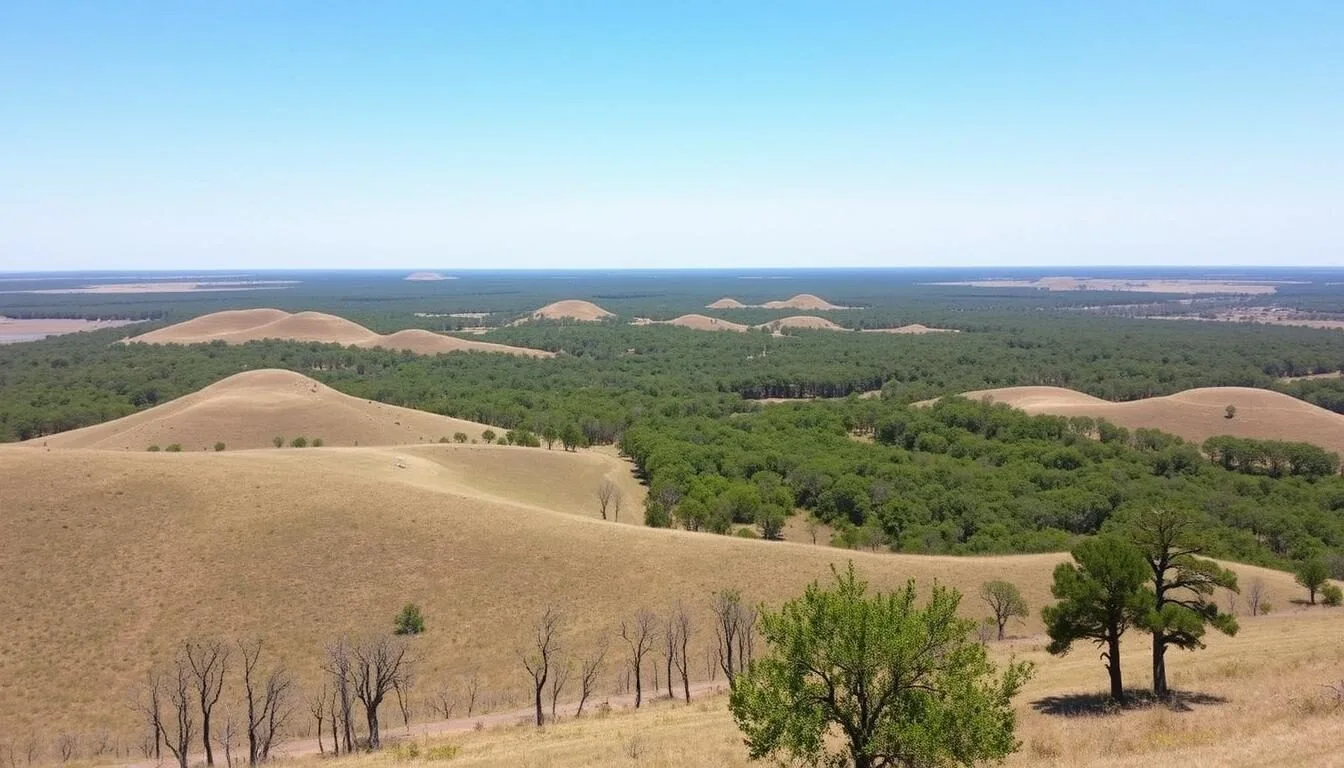
Did you know that over 3,400 years ago, ancient Native Americans moved nearly 2 million tons of soil—equivalent to eight of the world’s largest cruise ships—using nothing but woven baskets to create the monumental earthworks at Poverty Point? This UNESCO World Heritage Site in northeastern Louisiana stands as one of North America’s most remarkable archaeological wonders, built centuries before the rise of agricultural societies. Today, visitors can walk among these prehistoric engineering marvels and discover a fascinating chapter of human history that predates the Roman Empire.
Getting There & Planning Your Journey
Poverty Point National Monument is located in Pioneer, Louisiana, about 400 km (250 miles) north of New Orleans and 240 km (150 miles) east of Shreveport. The closest commercial airports are Monroe Regional Airport (MLU), approximately 60 km (37 miles) southwest, and Shreveport Regional Airport (SHV), about 240 km (150 miles) west.
For those driving, the monument is situated at 6859 Highway 577 in Pioneer, Louisiana. From Interstate 20, take the Delhi exit and follow the signs north to the site. The monument is well-marked once you’re in the vicinity.
The site is open daily from 9 AM to 5 PM, except on Thanksgiving, Christmas, and New Year’s Day. For the most up-to-date information, contact the visitor center at 318-926-5492 or toll-free at 888-926-5492.
Best Time to Visit & Weather Tips
Best Time to Visit Poverty Point
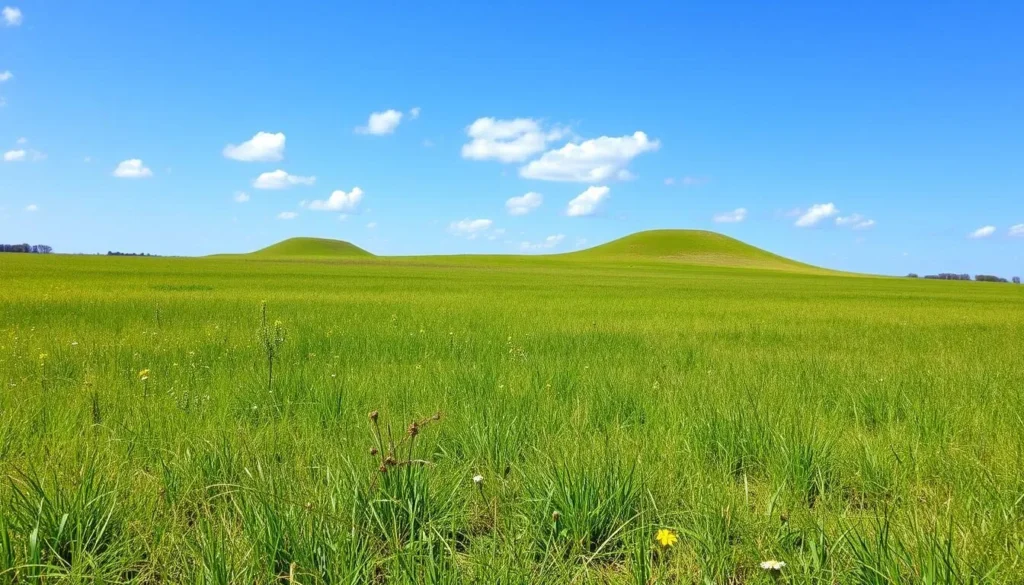
The ideal months to visit Poverty Point are March through May and September through November. During these periods, you’ll enjoy pleasant temperatures ranging from 18-29°C (65-85°F) and lower humidity levels, making outdoor exploration more comfortable.
Recommended Seasons:
- Spring (March-May): Mild temperatures, blooming wildflowers, and fewer crowds make this an excellent time to visit.
- Fall (September-November): Similar to spring, with comfortable temperatures and beautiful foliage as autumn progresses.
Seasons to Avoid:
- Summer (June-August): Temperatures regularly exceed 32°C (90°F) with high humidity, making outdoor exploration uncomfortable.
- Winter (December-February): While rarely freezing, winter brings increased rainfall and occasional cold snaps that can limit enjoyment of the outdoor site.
If you do visit during summer, plan your activities for early morning or late afternoon to avoid the midday heat. The visitor center and museum provide air-conditioned relief during the hottest hours.
Getting Around Locally
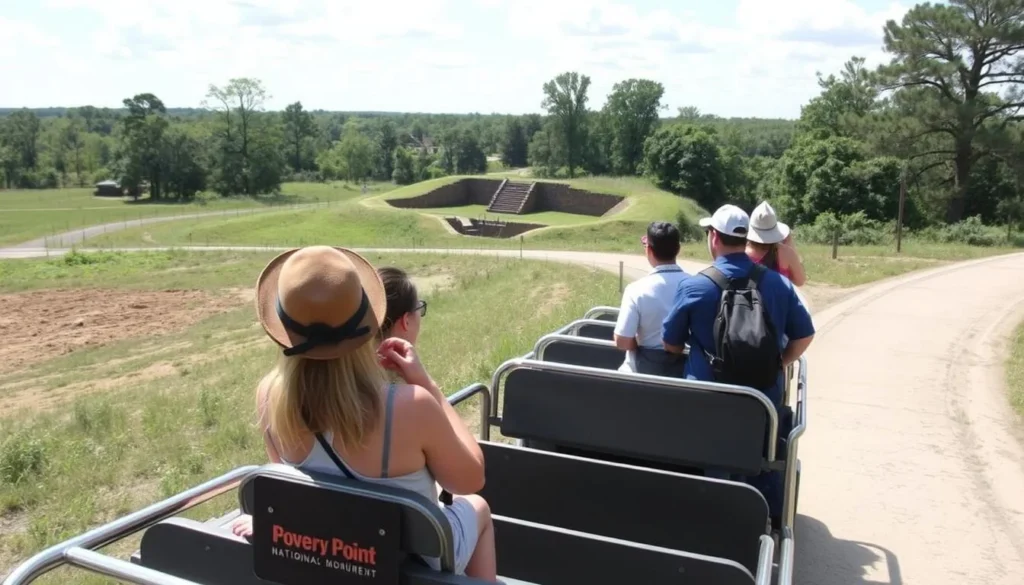
Poverty Point offers several ways to explore the site:
- Guided Tram Tours: These 2.5-hour tours are the best way to experience the site with expert commentary. Tours run four times daily (10:00 AM, 11:30 AM, 1:00 PM, and 3:00 PM) from Wednesday through Sunday. Reservations are recommended.
- Walking Tours: Self-guided walking tours allow you to explore at your own pace. A 2.6 km (1.6 mile) hiking trail winds through the site, connecting the major mounds and earthworks.
- Driving Tour: A driving route with designated stops allows you to see the major features if mobility is a concern.
The site is relatively compact, with most features within walking distance of the visitor center. Comfortable walking shoes are recommended, as some paths involve mild elevation changes when climbing the mounds.
Where to Stay
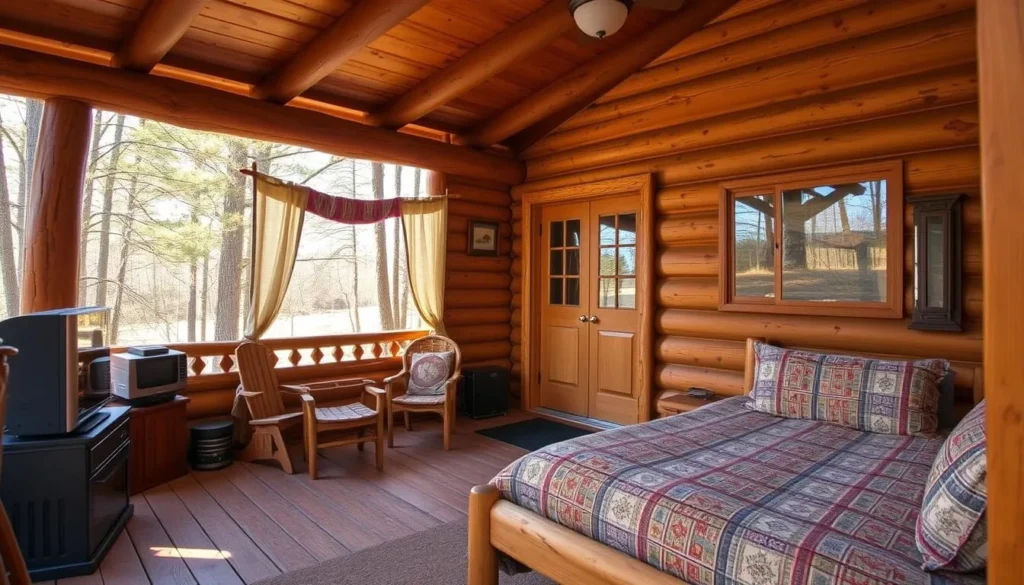
While there are no accommodations directly at Poverty Point, several options are available within a short drive:
Delhi (20 km/12 miles)
The closest town to Poverty Point offers several chain hotels and motels, including:
✓ Check 30,000+ Local Sightseeing Tours Worldwide
- Best Western Delhi Inn
- Days Inn by Wyndham Delhi
- Several local motels
Monroe (60 km/37 miles)
As the largest nearby city, Monroe provides more accommodation options:
- Hilton Garden Inn Monroe
- Courtyard by Marriott Monroe
- TownePlace Suites Monroe
- Various budget-friendly options
Camping Options
For outdoor enthusiasts, consider these nearby camping areas:
- Poverty Point Reservoir State Park (15 km/9 miles)
- Bayou Macon Wildlife Management Area (nearby)
- Lake Bruin State Park (65 km/40 miles)
For the most convenient experience, book accommodations in Delhi, which puts you within a 20-minute drive of the monument. If you prefer more amenities and dining options, staying in Monroe is a good alternative, though it requires a longer drive to the site.
Dining & Local Cuisine
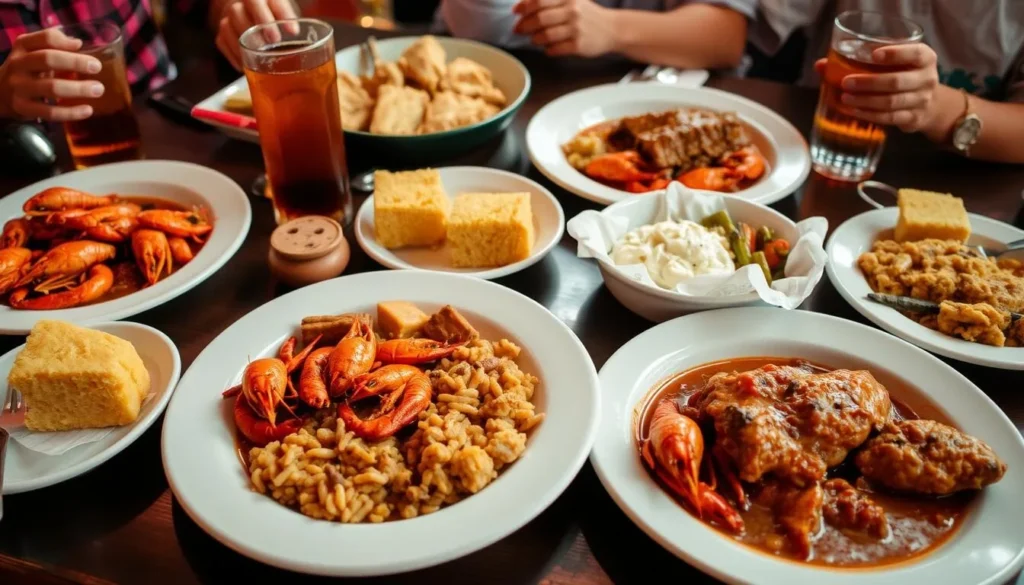
There are no dining facilities at Poverty Point itself, so plan accordingly by bringing water and snacks for your visit. For meals, you’ll need to explore options in nearby communities:
Local Specialties to Try
The northeastern Louisiana region offers delicious Southern and Cajun cuisine. Look for these local specialties:
- Catfish: The nearby Mississippi River and bayous provide excellent catfish, typically served fried with hushpuppies.
- Crawfish Étouffée: A classic Louisiana dish of crawfish in a rich, flavorful sauce served over rice.
- Boudin: A type of Cajun sausage made with pork, rice, and seasonings.
- Pecan Pie: The region is known for its pecan orchards, making this a local dessert specialty.
Nearby Dining Options
The closest restaurants are in Delhi (20 km/12 miles away), where you’ll find:
- Country Cottage Restaurant (home-style Southern cooking)
- Los Amigos (Mexican cuisine)
- Several fast-food chains
For more dining variety, head to Monroe (60 km/37 miles away), which offers everything from casual eateries to fine dining establishments featuring local Louisiana cuisine.
Picnic Tip: Poverty Point has designated picnic areas with tables and shade. Consider bringing a packed lunch to enjoy on-site between exploring the mounds and museum.
Attractions, Sightseeing & Activities
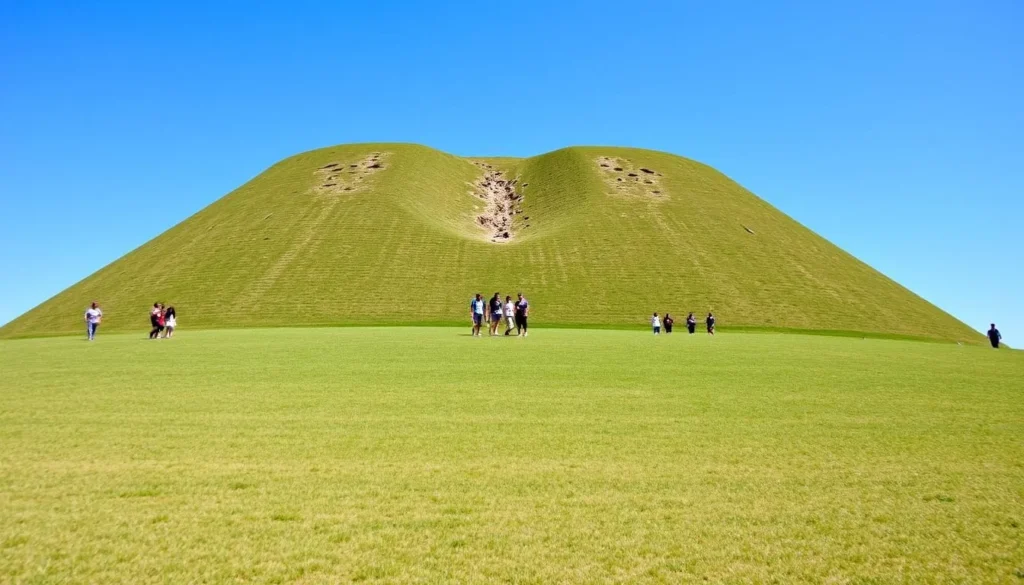
Poverty Point offers a fascinating glimpse into prehistoric Native American culture. Here are the must-see attractions and activities:
Top Attractions
1. The Concentric Ridges
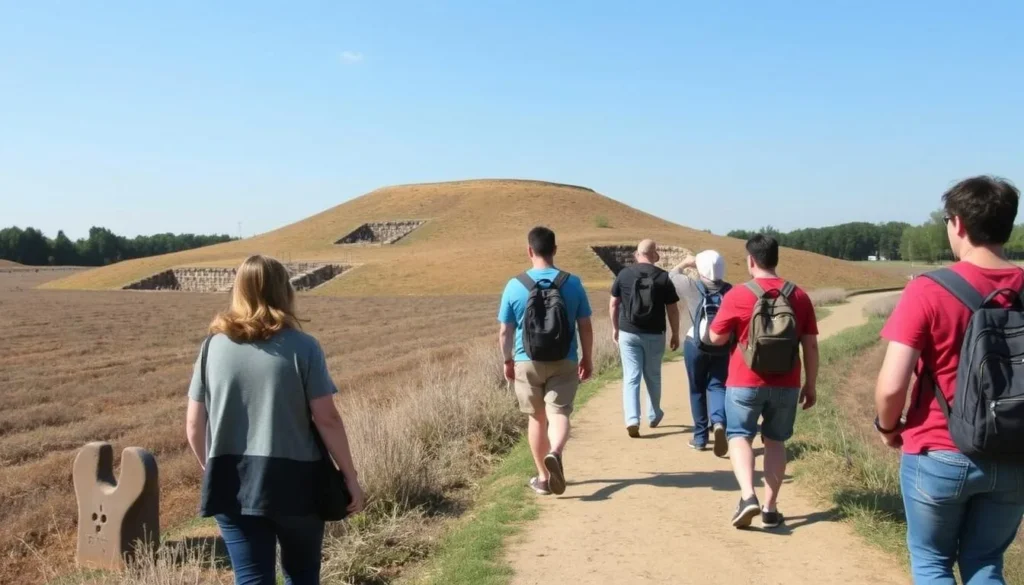
The site’s most distinctive feature is its six concentric semi-elliptical earthen ridges, which form a C-shape measuring nearly 1.2 km (0.75 miles) across. These ridges once served as foundations for dwellings and represent a remarkable feat of prehistoric engineering.
2. Mound A (Bird Mound)
The largest mound at Poverty Point stands 22 m (72 ft) tall and resembles a bird when viewed from above. Climbing to the top offers panoramic views of the entire complex and surrounding landscape.
3. The Plaza
This 17.4-hectare (43-acre) open area in the center of the ridges served as a communal space for the ancient inhabitants. Archaeological evidence suggests it was the site of large wooden post circles, possibly used for ceremonial purposes.
4. Other Mounds
Several additional mounds dot the landscape, including Mound B (a conical mound), Mound C (located within the plaza), and others that showcase different construction techniques and purposes.
Activities at Poverty Point
- Ranger-Led Programs: The site offers special interpretive programs throughout the year, including demonstrations of prehistoric tools and techniques.
- Photography: The unique landscape and earthworks provide excellent photography opportunities, especially in early morning or late afternoon light.
- Birdwatching: The diverse habitats around Poverty Point attract numerous bird species. Bring binoculars to spot woodpeckers, warblers, and waterfowl.
- Hiking: Beyond the main trail, additional nature trails wind through the wooded areas surrounding the monument.
Visitor Tip: For the best experience, start at the visitor center to watch the introductory film before exploring the site. This provides valuable context for understanding what you’re seeing.
Museums, Cultural Spots & Festivals
On-Site Museum
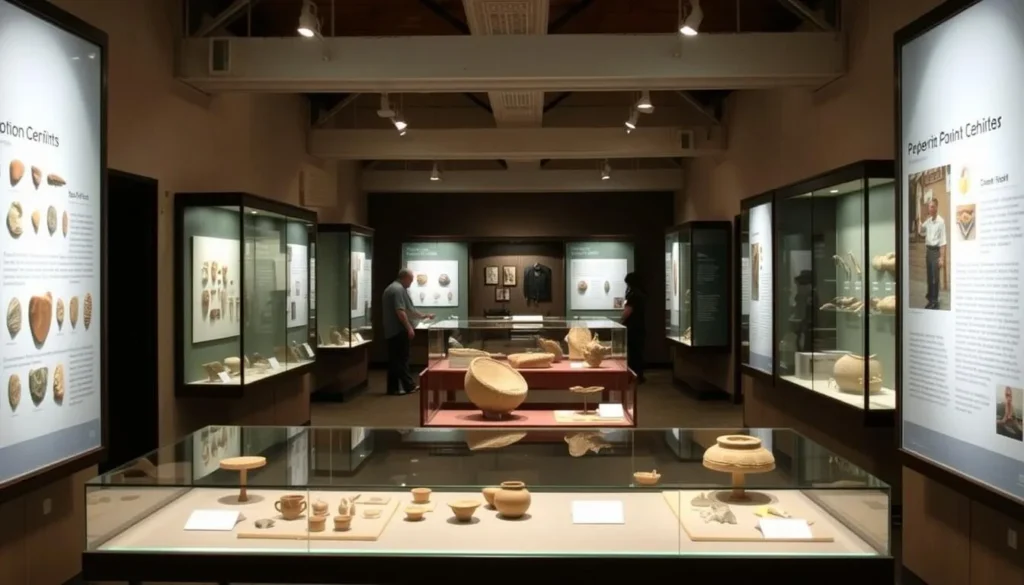
The Poverty Point Visitor Center houses an excellent museum that showcases artifacts discovered at the site. Displays include:
- Stone tools and projectile points imported from as far away as the Ohio River Valley and Appalachian Mountains
- Poverty Point Objects (PPOs) – clay cooking balls in various shapes and designs
- Beads, pendants, and figurines that demonstrate the artistic abilities of the site’s inhabitants
- Interactive exhibits explaining how the earthworks were constructed
- A scale model of the entire complex
The museum also features a 12-minute introductory film that provides essential background information about the site and its significance.
Nearby Cultural Attractions
While in the area, consider visiting these related cultural sites:
- Poverty Point Reservoir State Park: Located 15 km (9 miles) from the monument, this park offers fishing, boating, and additional outdoor recreation.
- Black Bear Golf Club: A scenic 18-hole golf course near the reservoir.
- Louisiana State Cotton Museum: Located in Lake Providence (40 km/25 miles away), this museum explores the agricultural history of the region.
Annual Events
Poverty Point hosts several special events throughout the year:
- Archaeology Day: Usually held in October, this event features demonstrations of prehistoric technologies and hands-on activities.
- Heritage Day: A celebration of local culture with music, food, and educational programs.
- Stargazing Events: Occasional evening programs take advantage of the site’s minimal light pollution for astronomy activities.
Check with the visitor center for current event schedules during your planned visit.
Nature & Outdoor Experiences
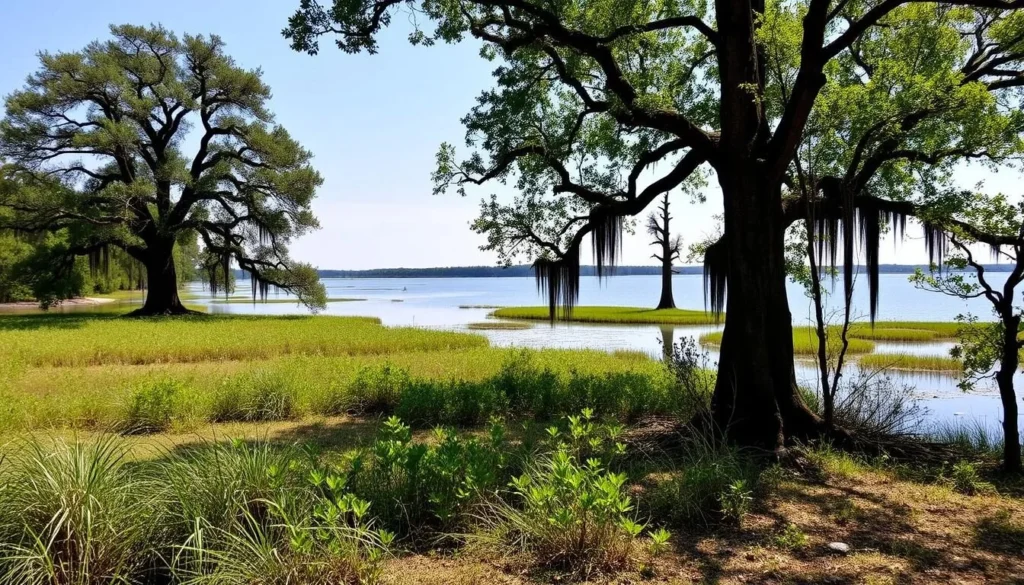
Beyond its archaeological significance, Poverty Point offers opportunities to experience the natural environment that supported prehistoric communities for centuries.
Natural Features
The monument is situated on Macon Ridge, a natural elevation that rises 7-9 m (23-30 ft) above the surrounding Mississippi River floodplain. This strategic location protected the settlement from flooding while providing access to diverse resources:
- Bayou Macon: This waterway borders the eastern edge of the site and would have provided transportation, fish, and freshwater mussels to ancient inhabitants.
- Hardwood Forests: The surrounding woodlands contain oak, hickory, and other native trees that would have supplied nuts, fruits, and building materials.
- Wetlands: Low-lying areas support diverse plant and animal life, including many species that were important food sources for prehistoric people.
Outdoor Activities
Hiking
The 2.6 km (1.6 mile) hiking trail offers an excellent way to experience both the archaeological features and natural environment. The trail is relatively flat except for the mound climbs and is suitable for most fitness levels.
Birdwatching
Poverty Point is home to numerous bird species. Common sightings include:
- Pileated woodpeckers
- Mississippi kites
- Barred owls
- Various warblers and songbirds
- Waterfowl along Bayou Macon
For more extensive outdoor recreation, nearby Poverty Point Reservoir State Park offers fishing, boating, and swimming opportunities in its 1,133-hectare (2,800-acre) lake.
Nature Tip: Early morning is the best time for wildlife viewing and photography. The light is softer, temperatures are cooler, and animals are more active.
Safety, Etiquette & Local Customs
Safety Considerations
While Poverty Point is generally a safe destination, keep these precautions in mind:
- Weather: Louisiana’s climate can be extreme, especially in summer. Bring sunscreen, a hat, and plenty of water. Be aware of the forecast, as thunderstorms can develop quickly.
- Insects: Mosquitoes and ticks are common, particularly in warmer months. Use insect repellent and check for ticks after your visit.
- Terrain: Some parts of the site involve climbing mounds with moderately steep slopes. Wear appropriate footwear and use caution, especially after rain when surfaces may be slippery.
- Wildlife: While rare, snakes (including venomous species) may be encountered. Stay on designated paths and be aware of your surroundings.
Visitor Etiquette
As a UNESCO World Heritage Site and important archaeological treasure, Poverty Point deserves respectful treatment:
- Stay on designated paths and trails to prevent erosion and protect archaeological features.
- Do not climb on or disturb the earthworks except where specifically permitted.
- Leave all artifacts where you find them. Removing archaeological materials is illegal and diminishes the site for future visitors.
- Keep noise levels reasonable to maintain the contemplative atmosphere.
- Follow all posted rules and staff instructions.
Photography Guidelines
Photography is permitted and encouraged throughout the site. Commercial photography may require special permission. Drones are not allowed without prior authorization.
Cultural Respect: Remember that Poverty Point holds cultural significance for many Native American communities. Approach the site with respect and an open mind to learn about this important chapter in North American history.
Visitor Comments About Poverty Point
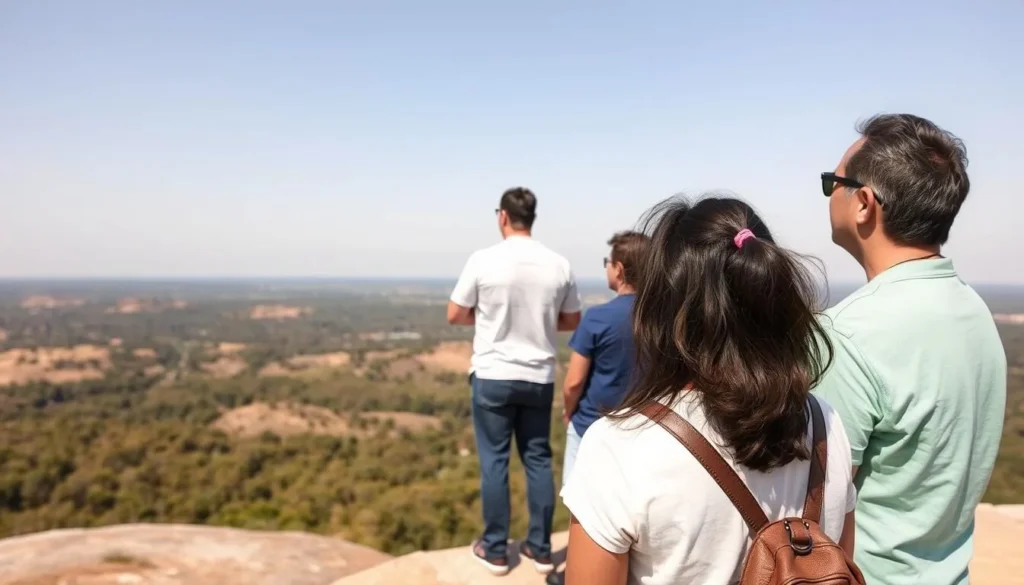
“I wasn’t sure what to expect from an archaeological site, but Poverty Point completely surprised me. The scale of these earthworks is truly impressive when you’re standing among them. The museum displays helped me understand the sophistication of the people who built this place thousands of years ago. Don’t miss the tram tour—our guide brought the whole site to life with fascinating stories and details.”
“As someone who has visited archaeological sites around the world, I found Poverty Point to be uniquely fascinating. The fact that hunter-gatherers built something of this scale without agriculture or modern tools is mind-boggling. The visitor center has excellent exhibits that explain the site’s significance, and climbing Mound A gives you a wonderful perspective on the entire complex. I recommend visiting in early morning when the light is beautiful for photography.”
“We almost skipped Poverty Point during our Louisiana road trip, and that would have been a huge mistake! This place deserves its UNESCO status. The concentric ridges are subtle but impressive once you understand what you’re seeing. The museum displays of artifacts were fascinating—especially seeing tools made from stone that had been traded from hundreds of miles away. Plan at least 3 hours to fully appreciate everything.”
Additional Nearby Destinations
Extend your visit to Poverty Point with these nearby attractions:
Poverty Point Reservoir State Park
Just 15 km (9 miles) from the monument, this state park features a 1,133-hectare (2,800-acre) lake with opportunities for:
- Fishing for bass, crappie, and catfish
- Boating and kayaking
- Swimming at the beach area
- Camping and cabin rentals
The park makes an excellent base for exploring Poverty Point while enjoying outdoor recreation.
Vicksburg, Mississippi
About 95 km (60 miles) east of Poverty Point, Vicksburg offers:
- Vicksburg National Military Park (Civil War battlefield)
- Historic downtown with antebellum architecture
- Riverboat casinos on the Mississippi River
- The Old Court House Museum
Vicksburg makes a good overnight stop if you’re traveling east after visiting Poverty Point.
Monroe, Louisiana
Located 60 km (37 miles) southwest of Poverty Point, Monroe provides:
- Biedenharn Museum & Gardens (first Coca-Cola bottling plant)
- Louisiana Purchase Gardens & Zoo
- Black Bayou Lake National Wildlife Refuge
- Numerous dining and accommodation options
Monroe is the largest nearby city and offers urban amenities after your archaeological explorations.
If you’re interested in other archaeological sites, consider visiting Watson Brake near Monroe, another ancient mound complex that predates Poverty Point by about 1,900 years, though access is limited as it’s on private property.
Practical Travel Tips
Admission & Fees
Entrance fees for Poverty Point are:
- $6 per person (ages 7 to 61)
- $4 for seniors (62 & older)
- Free for children (6 & under)
Guided tours (including tram tours) have additional fees:
- $10 per person (ages 7 – 61)
- $8 for seniors (ages 62 & over)
- Free for children (ages 6 & under)
These guided tour fees include access to all grounds and structures.
Planning Your Visit
- Time Needed: Allow at least 3 hours to fully experience the site, including the museum and a tour of the mounds.
- Cell Service: Mobile phone coverage can be spotty in this rural area. Download maps or information before your visit.
- Accessibility: The visitor center and museum are fully accessible. Some outdoor areas, including mound summits, may be challenging for those with mobility limitations.
- Photography: Bring a wide-angle lens to capture the expansive earthworks and a zoom lens for wildlife.
What to Bring
- Water bottle (refill stations are available at the visitor center)
- Sun protection (hat, sunscreen, sunglasses)
- Insect repellent (especially in warmer months)
- Comfortable walking shoes
- Binoculars for birdwatching
- Camera
- Light rain jacket (Louisiana weather can change quickly)
Contact Information:
Poverty Point World Heritage Site
6859 Highway 577
Pioneer, LA 71266
Phone: 318-926-5492 or 888-926-5492 (toll-free)
Email: povertypoint@crt.la.gov
Ancient Wonders Await Your Discovery
Poverty Point National Monument stands as a testament to human ingenuity and the sophisticated societies that thrived in North America thousands of years before European contact. As you walk among these ancient earthworks, you’ll gain a new appreciation for the engineering skills, artistic talents, and complex social organization of prehistoric Native Americans. Whether you’re a history enthusiast, archaeology buff, or simply looking for a unique destination off the beaten path, Poverty Point offers an unforgettable glimpse into America’s distant past. The mystery and majesty of these monumental earthworks await your discovery in the gentle hills of northeastern Louisiana.
Related Posts
White Lake Wetlands Conservation Area, Louisiana: Best Things to Do – Top Picks
Wine Island, Louisiana: Best Things to Do – Top Picks
Winn Parish Uplands, Louisiana: Best Things to Do – Top Picks
Zydeco Cajun Prairie Scenic Byway, Louisiana: Best Things to Do – Top Picks
Whiskey Island, Louisiana: Best Things to Do – Top Picks
Wetlands Cultural Byway, Louisiana: Best Things to Do – Top Picks
Coming Soon: Clickable Maps