

Hotels by Trip.com
Flights by Trip.com
Did you know that Louisiana’s Southern Swamps Byway winds through one of North America’s most unique ecosystems, where cypress trees can live for over 1,000 years? These ancient sentinels have witnessed centuries of history, from Native American settlements to French explorers and the birth of Cajun culture. This scenic route offers travelers a rare glimpse into a world where water and land merge, creating a hauntingly beautiful landscape unlike anywhere else in the United States.
Getting There & Planning Your Journey
The Southern Swamps Byway stretches through south-central Louisiana, offering easy access from several major cities. The closest airports are Baton Rouge Metropolitan Airport (BTR) and Louis Armstrong New Orleans International Airport (MSY), both within a 1-2 hour drive of various points along the byway. If driving from farther away, Interstate 10 provides the main east-west corridor through the region.
For the most immersive experience, plan at least 2-3 days to explore the byway thoroughly. This allows time to enjoy wildlife viewing, cultural attractions, and local cuisine without rushing. The route follows several state highways including portions of LA-1 and LA-308, winding alongside bayous and through charming small towns.
Rental cars are readily available at both airports, and having your own vehicle is essential for exploring the byway at your own pace. Consider renting an SUV if you plan to venture onto some of the less-traveled side roads, especially after heavy rains when conditions can become muddy.
Best Time to Visit & Weather Tips
Louisiana’s subtropical climate means the Southern Swamps Byway experiences hot, humid summers and mild winters. Each season offers a different experience for visitors exploring this unique ecosystem.
Best Time to Visit Southern Swamps Byway
The ideal times to visit are spring (March-May) and fall (October-November) when temperatures are pleasant, ranging from 18-26°C (65-80°F). These seasons offer comfortable conditions for outdoor activities and wildlife viewing. Spring brings vibrant wildflowers and active wildlife, while fall showcases beautiful foliage as cypress trees turn golden-orange.
| Season | Temperature Range | Precipitation | Recommendation |
| Spring (Mar-May) | 18-26°C (65-80°F) | Moderate | Highly Recommended |
| Summer (Jun-Aug) | 27-35°C (80-95°F) | High (afternoon thunderstorms) | Challenging but doable |
| Fall (Sep-Nov) | 15-27°C (60-80°F) | Low | Highly Recommended |
| Winter (Dec-Feb) | 7-18°C (45-65°F) | Moderate | Good for bird watching |
Summer (June-August) brings temperatures of 27-35°C (80-95°F) with high humidity and frequent afternoon thunderstorms. While wildlife is abundant, the heat can be oppressive for outdoor activities. If visiting in summer, plan activities for early morning or evening and bring plenty of water and insect repellent.
Winter (December-February) offers mild temperatures between 7-18°C (45-65°F). This is an excellent time for bird watching as many migratory species winter in the swamps. Pack layers as temperatures can fluctuate, and occasional cold fronts can bring chilly conditions.
Getting Around Locally
Navigating the Southern Swamps Byway is straightforward with a private vehicle, but there are several transportation options to enhance your experience of this unique ecosystem:

- Self-driving: The most flexible option, allowing you to stop at viewpoints and attractions at your leisure. Roads are generally well-maintained, though some side routes may be narrow.
- Guided tours: Several operators offer full-day or half-day guided tours of the byway, providing historical and ecological insights you might miss on your own.
- Boat tours: To truly experience the swamps, consider a guided boat tour. These range from larger pontoon boats to smaller, more intimate swamp tours in traditional flat-bottom boats.
- Kayak and canoe rentals: For the adventurous, paddling through the quiet backwaters offers an intimate connection with nature. Multiple outfitters offer rentals and guided paddling excursions.
- Bicycle routes: Some sections of the byway feature dedicated cycling paths or low-traffic roads suitable for biking, particularly near Bayou Francois and Hammond.
Cell phone coverage can be spotty in remote areas of the byway, so download offline maps before your journey. Most visitor centers along the route provide free paper maps and local advice on current conditions.
Where to Stay
The Southern Swamps Byway offers diverse accommodation options that range from rustic to refined. Whether you prefer being immersed in nature or enjoying modern comforts, you’ll find suitable lodging along the route.
Lodging Options
Bed & Breakfasts
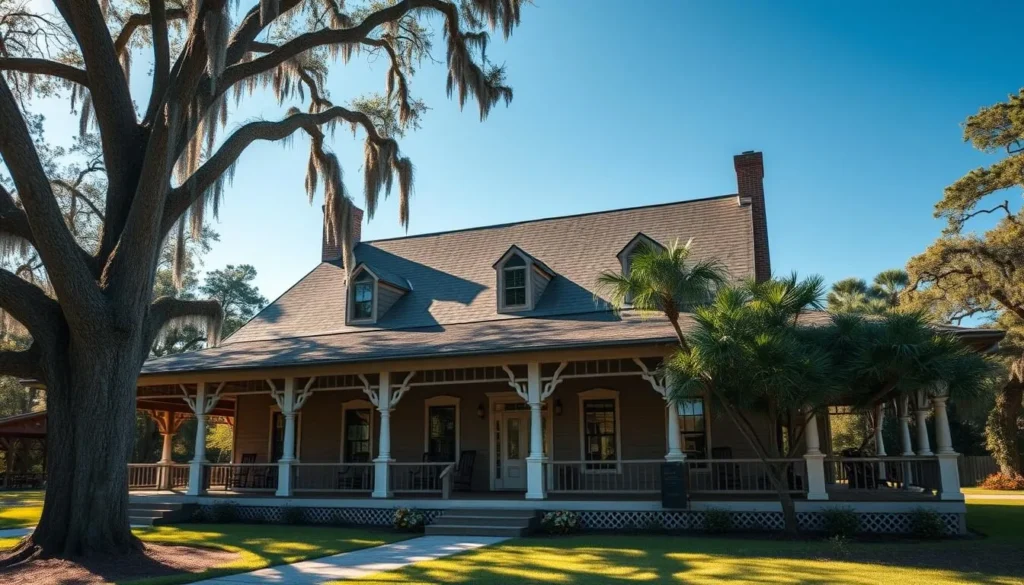
Historic homes converted into charming B&Bs offer authentic local experiences. Many feature traditional Acadian architecture and home-cooked Cajun breakfasts. Popular options include Bayou Rose B&B and Cypress Manor, with rates ranging from $85-150 per night.
Cabins & Cottages
For a more private experience, waterfront cabins provide direct access to bayous and swamps. Many include fishing docks and porches for wildlife viewing. Rates typically range from $100-200 per night, with weekly discounts available.
✓ Check 30,000+ Local Sightseeing Tours Worldwide
Hotels & Motels
Chain hotels are available in larger towns along the byway, including Hammond and Houma. These offer reliable amenities and comfort after a day of exploration, with rates from $70-120 per night depending on season and location.
For a truly unique experience, consider staying at one of the historic plantation homes that have been converted into guest accommodations. These properties often include guided tours of the grounds and provide insight into the region’s complex history.
Camping enthusiasts will find several options, including Bayou Francois Campground and Lake Fausse Pointe State Park, which offer sites for tents and RVs with basic amenities. Camping fees range from $20-35 per night, and reservations are recommended during peak seasons.
Dining & Local Cuisine
The Southern Swamps Byway region is a food lover’s paradise, where Cajun and Creole culinary traditions create unforgettable dining experiences. From humble roadside stands to elegant restaurants, authentic Louisiana flavors await at every turn.
Must-Try Local Specialties
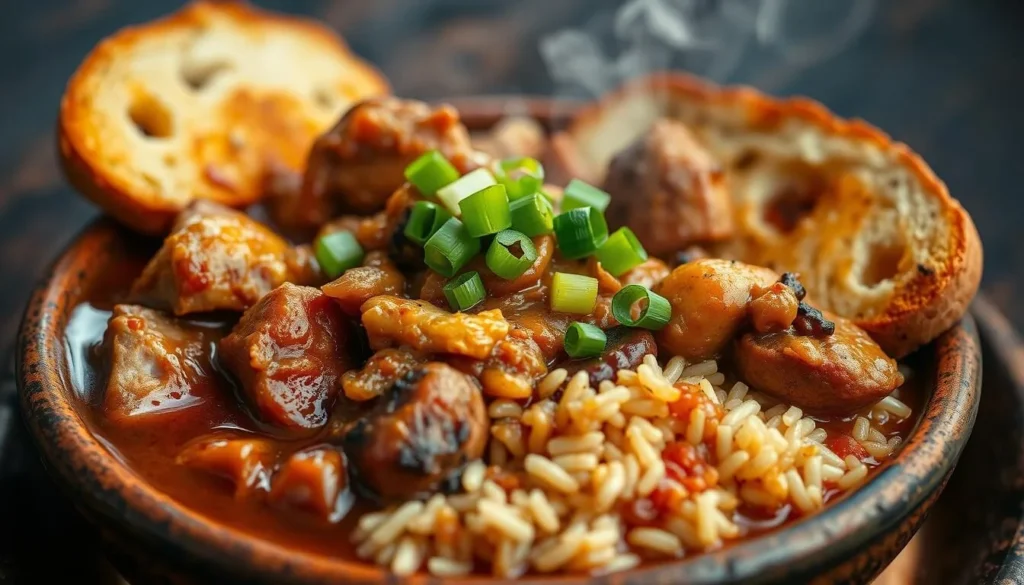
- Gumbo: This iconic stew varies from restaurant to restaurant, but typically features a dark roux base with combinations of chicken, sausage, and seafood.
- Crawfish Étouffée: Tender crawfish tails smothered in a flavorful sauce and served over rice.
- Boudin: A unique Cajun sausage made with pork, rice, and seasonings – perfect for a quick roadside snack.
- Jambalaya: A hearty one-pot rice dish with smoked sausage, chicken, and the “holy trinity” of Cajun cooking: bell peppers, onions, and celery.
- Beignets: While famous in New Orleans, these powdered sugar-covered fried pastries can be found at cafés throughout the byway.
Small family-owned restaurants often offer the most authentic dining experiences. Look for places where locals gather, as these typically serve the most genuine regional cuisine. Many restaurants source ingredients locally, with fresh seafood delivered daily from the Gulf.
Don’t miss the opportunity to visit local markets like Cajun Village in Sorrento, where you can purchase regional specialties such as pralines, hot sauces, and spice blends to take home. Some restaurants also offer cooking demonstrations where you can learn to recreate Cajun classics in your own kitchen.
Attractions, Sightseeing & Activities
The Southern Swamps Byway offers diverse attractions that showcase Louisiana’s natural beauty and cultural heritage. From historic sites to outdoor adventures, there’s something for every type of traveler.
Top Attractions
Swamp Tours
Experience the mysterious beauty of cypress swamps up close with guided boat tours. Knowledgeable guides point out wildlife and explain the delicate ecosystem. Tours typically last 2-3 hours and cost $25-45 per person, with both small airboats and larger, quieter pontoon boats available.
Historic Plantations
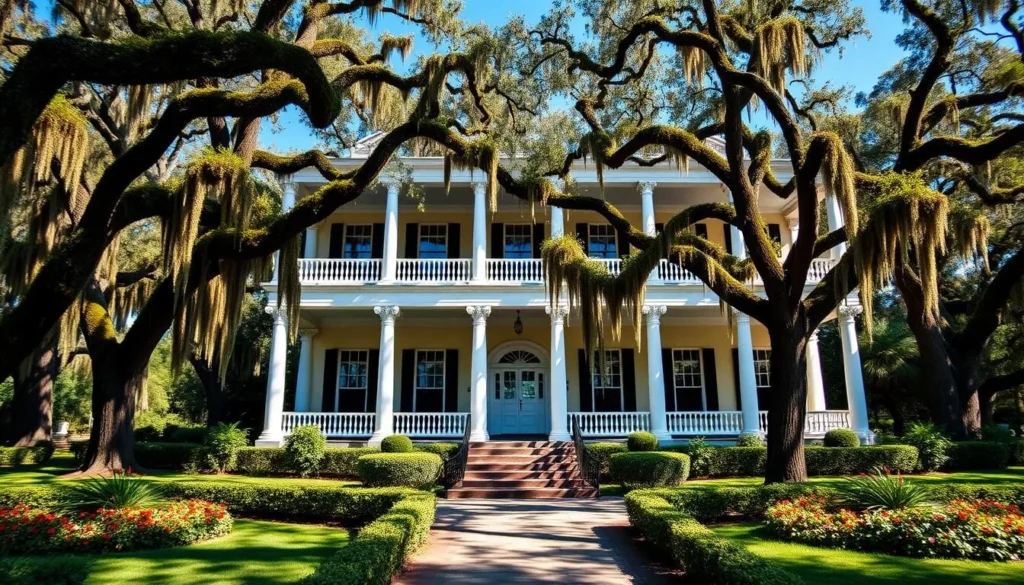
Several preserved plantation homes line the byway, offering glimpses into the region’s complex past. Many feature guided tours of both the main houses and remaining outbuildings. Notable examples include Houmas House and Laura Plantation, with admission ranging from $15-25 per person.
Scenic Boardwalks
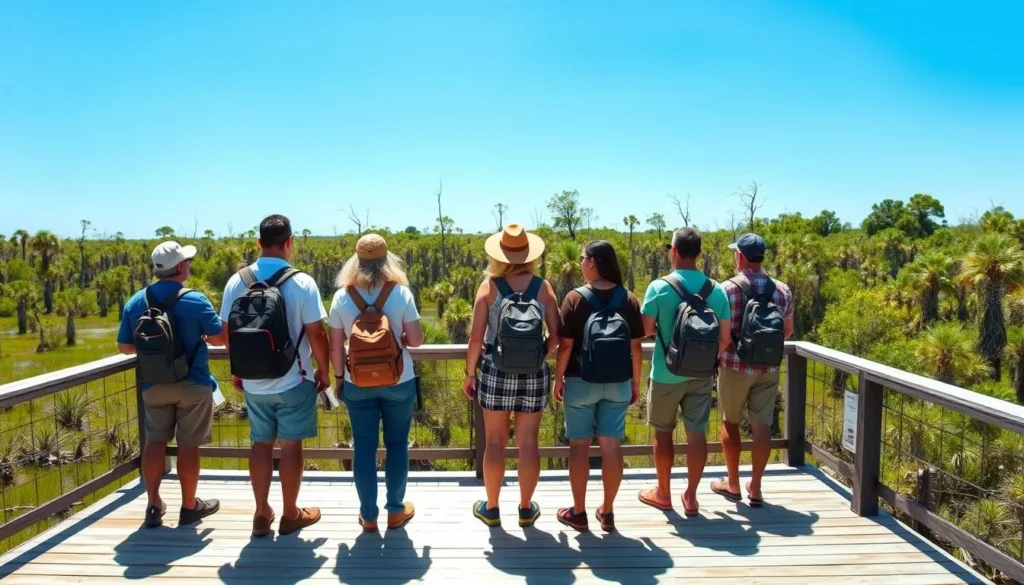
Elevated boardwalks at locations like Bayou Francois and Lake Martin provide safe access to swamp environments. These free attractions feature interpretive signage explaining the flora and fauna you’ll encounter, with photography blinds for wildlife viewing.
For those interested in local industry, sugar cane has shaped the region’s economy for centuries. Several working sugar mills offer seasonal tours during the fall harvest season (October-December), demonstrating how raw cane is processed into sugar.
The byway also features numerous fishing opportunities, with guides available to take visitors to prime spots for catching bass, catfish, and bream. Half-day guided fishing trips typically cost $200-300 and include all necessary equipment.
Museums, Cultural Spots & Festivals
The rich cultural tapestry of Louisiana’s Southern Swamps Byway reflects a blend of French, African, Native American, and Caribbean influences. Museums, historic sites, and vibrant festivals offer windows into this unique heritage.

Cultural Highlights
- Acadian Cultural Center: Located in Lafayette, this museum documents the journey and traditions of the Acadians (Cajuns) who settled in Louisiana after being expelled from Canada.
- Rural Life Museum: This open-air museum preserves buildings and artifacts from 19th-century plantations, showcasing daily life from this era.
- Cajun Music Hall of Fame: Celebrating the region’s distinctive musical heritage with exhibits on influential musicians and instruments.
- Zydeco Breakfast: Many local restaurants host weekend zydeco breakfasts where you can enjoy traditional music while dining on Cajun specialties.
Annual Festivals
The byway region hosts numerous festivals celebrating local culture, music, and cuisine:
| Festival | Location | Month | Highlights |
| Swamp Stomp Festival | Houma | March | Cajun music, crafts, and cuisine |
| Bayou Teche Black Bear Festival | Franklin | April | Conservation education, boat tours |
| Cajun Heartland State Fair | Lafayette | May | Carnival rides, Cajun food competitions |
| Voice of the Wetlands Festival | Houma | October | Music, environmental awareness |
Many small towns along the byway host weekly farmers’ markets where local artisans sell handcrafted items including traditional Cajun instruments, woven baskets, and hand-carved decoys. These markets provide excellent opportunities to interact with locals and purchase authentic souvenirs.
Nature & Outdoor Experiences
The Southern Swamps Byway traverses one of North America’s most distinctive ecosystems, where land and water create a constantly changing landscape teeming with wildlife. Nature enthusiasts will find endless opportunities for exploration and discovery.

Wildlife Viewing
The byway’s wetlands support an incredible diversity of wildlife. American alligators are perhaps the most iconic residents, often seen basking along banks or floating in waterways. The region is also home to river otters, nutria, white-tailed deer, and numerous turtle species.
Birdwatching is exceptional year-round, with over 300 species recorded in the area. Great blue herons, egrets, and roseate spoonbills wade in shallow waters, while woodpeckers and songbirds inhabit the forests. Winter brings migratory waterfowl including wood ducks and teal.
Natural Areas & Trails
- Lake Martin Rookery: This 3,800 ha (9,500 acre) cypress-tupelo swamp hosts one of the largest wading bird rookeries in North America. A 1.6 km (1 mile) boardwalk provides excellent viewing opportunities.
- Bayou Teche National Wildlife Refuge: Established to protect the Louisiana black bear, this refuge offers hiking trails through diverse habitats including bottomland hardwood forests.
- Jean Lafitte National Historical Park and Preserve: The Barataria Preserve unit features 10 km (6 miles) of boardwalks and trails through wetlands, with ranger-led programs available.
- Atchafalaya Basin: America’s largest river swamp at 5,670 sq km (2,190 sq miles), offering paddling routes, fishing spots, and wildlife viewing areas.
For a unique perspective, consider a guided night tour of the swamps. Using spotlights, guides can locate alligators by the reflection of their eyes, offering a glimpse into the nocturnal life of these ancient predators.
Safety, Etiquette & Local Customs
Exploring the Southern Swamps Byway safely requires awareness of both natural hazards and local customs. Following these guidelines will help ensure a positive experience for both visitors and residents.
Safety Considerations
- Wildlife awareness: Never feed or approach alligators or other wildlife. Maintain a safe distance of at least 9 m (30 feet) from alligators.
- Weather preparedness: Summer thunderstorms can develop quickly. Check forecasts daily and seek shelter if lightning threatens.
- Sun protection: The Louisiana sun can be intense. Wear sunscreen, sunglasses, and a hat, even on cloudy days.
- Insect protection: Mosquitoes and other biting insects are common, especially at dawn and dusk. Use repellent containing DEET or picaridin.
- Hydration: Carry water on all outings, particularly during summer months when heat and humidity can lead to rapid dehydration.
Local Etiquette
Louisiana is known for its hospitality, and residents along the byway typically welcome visitors warmly. When interacting with locals, remember that a relaxed, friendly attitude goes a long way. Many people in the region speak with a distinctive Cajun accent and may use French-derived words in conversation.
When visiting cultural sites, particularly historic plantations, be mindful that these locations represent complex and often painful aspects of American history. Listen respectfully to guides who work to present balanced historical narratives.
If invited to a local home or gathering, bringing a small gift such as a bottle of wine or homemade treat is appreciated. Punctuality is less rigid than in some other regions – arriving 10-15 minutes after the stated time for social events is common practice.
Visitor Comments About Southern Swamps Byway
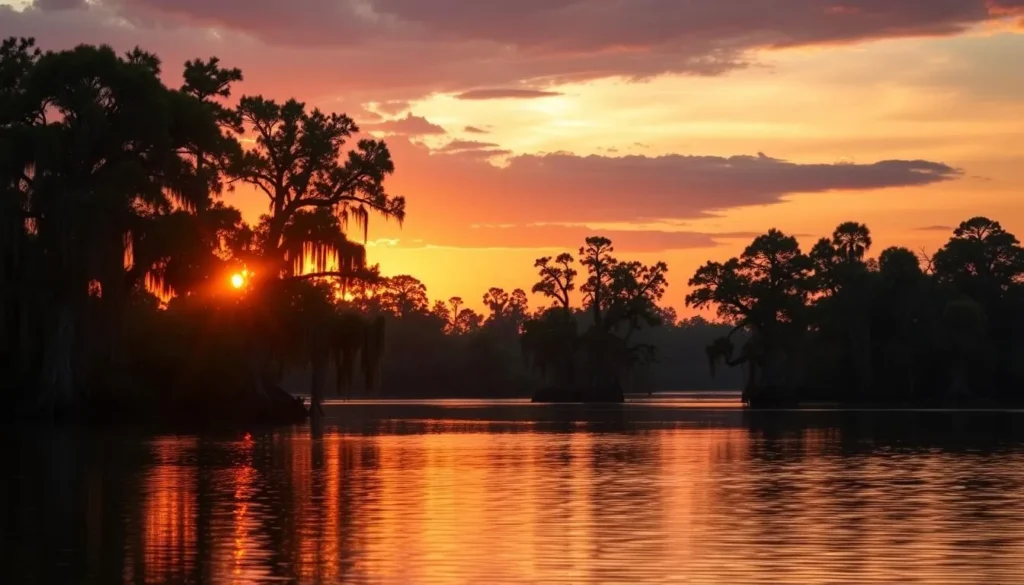
“The Southern Swamps Byway exceeded all my expectations. Our guide pointed out five alligators during our boat tour, and the sunset over the cypress trees created the most magical photographs of our entire American road trip. Don’t miss the small family restaurants – we had the best gumbo of our lives at a tiny place our B&B host recommended.”
“We visited in April when the weather was perfect – warm days and cool evenings. The boardwalks at Lake Martin were fantastic for bird watching, and we spotted dozens of species including a painted bunting! The local B&B owners treated us like family, sharing stories about growing up in the bayou country. Already planning our return trip.”
“As a photographer, the Southern Swamps Byway offered endless opportunities. The morning mist rising from the water, the Spanish moss draped over ancient cypresses – it was atmospheric beyond words. We kayaked through narrow channels where it felt like we’d traveled back in time. The local music scene was an unexpected highlight – don’t miss the zydeco breakfast if you visit on a weekend!”
Additional Nearby Destinations
While the Southern Swamps Byway offers plenty to fill your itinerary, several fascinating destinations within easy driving distance make perfect additions to your Louisiana adventure.
New Orleans
Just 1-2 hours from the byway (depending on your starting point), the Crescent City offers world-renowned cuisine, music, and architecture. The historic French Quarter, Garden District, and vibrant music scene provide a perfect urban complement to your swamp explorations.
Avery Island
Home to the famous Tabasco hot sauce factory, this unique salt dome island also features beautiful Jungle Gardens with exotic plants and bird rookeries. The factory tour explains the production process of this iconic condiment, with samples of various flavors.
Atchafalaya Basin
America’s largest river swamp system offers additional opportunities for exploration beyond the byway. The visitor center provides excellent orientation, and numerous boat launches allow for fishing and wildlife viewing in this vast wilderness.
Practical Travel Tips
Make the most of your Southern Swamps Byway adventure with these practical suggestions that address common questions and concerns.
Essential Information
- Navigation: While GPS is generally reliable along the byway, download offline maps as backup for areas with limited cell service. The Louisiana Byways app provides route information and points of interest.
- Currency: Credit cards are widely accepted at established businesses, but carry cash for smaller establishments, roadside stands, and rural attractions.
- Visitor Centers: Stop at the Louisiana Welcome Center on I-10 or local tourism offices in Hammond and Houma for up-to-date information, maps, and brochures.
- Photography: Early morning and late afternoon offer the best light for photography. Bring a polarizing filter to reduce glare from water surfaces.
- Accessibility: Many boardwalks and visitor centers are wheelchair accessible, but call ahead to confirm specific accommodations at attractions.
Packing Essentials
- Lightweight, breathable clothing (plus a light jacket for air-conditioned spaces)
- Comfortable walking shoes and water-resistant footwear for swampy areas
- Insect repellent and sunscreen
- Refillable water bottle
- Binoculars for wildlife viewing
- Rain jacket or poncho (afternoon showers are common)
- Small daypack for excursions
Consider purchasing a Louisiana Fishing License if you plan to fish (available online or at sporting goods stores). Even if you’re fishing with a guide, personal licenses are required for anyone 16 and older.
The Timeless Magic of Louisiana’s Waterways
As your journey along the Southern Swamps Byway comes to an end, you’ll carry with you more than just photographs and souvenirs. The rhythmic cadence of Cajun music, the complex flavors of authentic gumbo, and the primordial beauty of cypress swamps become part of your own story. This special corner of Louisiana reveals itself slowly to those who take the time to explore its waterways and meet its people.
Whether you came for the wildlife, the food, the culture, or simply the adventure of discovering somewhere new, the Southern Swamps Byway offers a rare glimpse into a world where traditions remain strong and nature’s beauty unfolds around every bend. As the locals might say, “Laissez les bons temps rouler” – let the good times roll – and begin planning your return to this enchanting landscape where water and land dance together in timeless harmony.
Related Posts
White Lake Wetlands Conservation Area, Louisiana: Best Things to Do – Top Picks
Wine Island, Louisiana: Best Things to Do – Top Picks
Winn Parish Uplands, Louisiana: Best Things to Do – Top Picks
Zydeco Cajun Prairie Scenic Byway, Louisiana: Best Things to Do – Top Picks
Whiskey Island, Louisiana: Best Things to Do – Top Picks
Wetlands Cultural Byway, Louisiana: Best Things to Do – Top Picks
Coming Soon: Clickable Maps