
Hotels by Trip.com
Flights by Trip.com
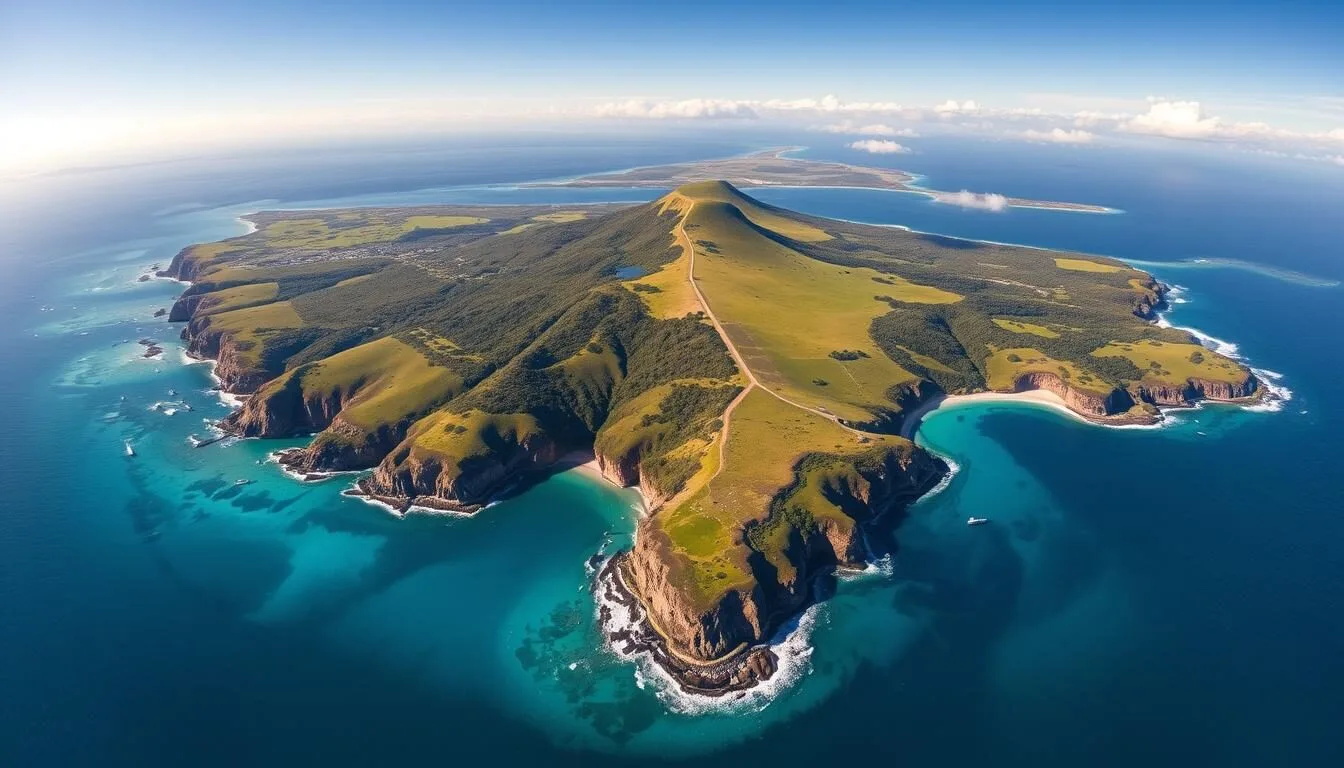
Did you know that Norfolk Island is home to a unique language called “Norfuk” – a fascinating blend of 18th-century English and Tahitian that evolved from the Bounty mutineers? This tiny Pacific paradise, measuring just 8km by 5km, packs an incredible punch with its rich convict history, breathtaking landscapes, and crystal-clear waters teeming with marine life.
Located about 1,400km east of Australia’s mainland, Norfolk Island offers a perfect blend of fascinating history, natural beauty, and unique cultural experiences that make it an unforgettable destination. Let’s explore the best things to do on this remarkable island!
Travel Essentials for Norfolk Island
Getting There & Planning Your Journey
The easiest way to reach Norfolk Island is by direct flight from Sydney (2.5 hours) or Brisbane (2 hours). Qantas operates regular services to the island several times per week. While Norfolk Island is an Australian territory, it’s recommended to bring your ID or passport for identification purposes.
Entry Requirements
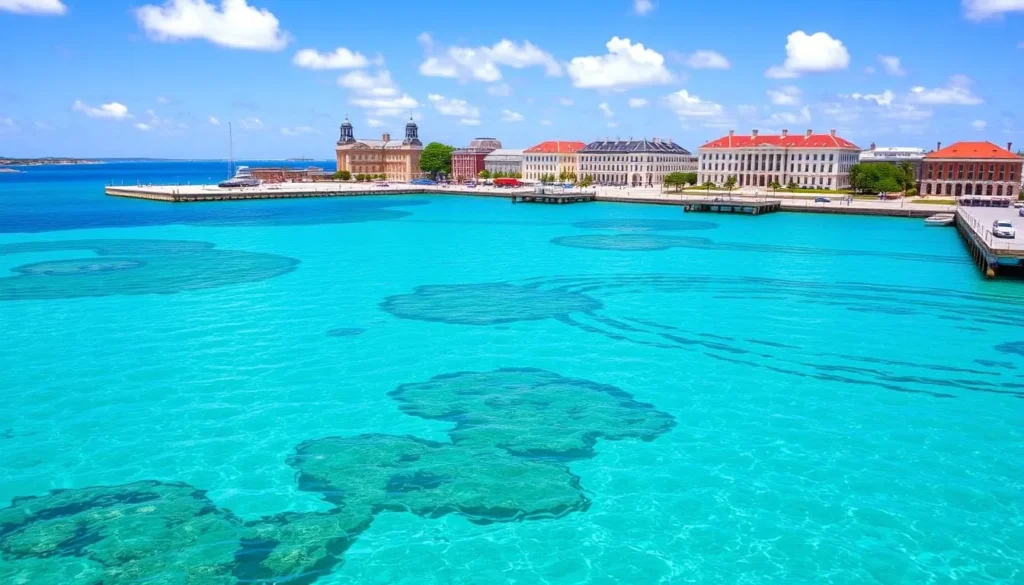
As an external Australian territory, Norfolk Island doesn’t require a passport for Australian citizens, though carrying one is recommended. International visitors need a valid Australian visa to visit. The island uses Australian currency, making transactions straightforward for mainland visitors.
Learn More
Best Time to Visit & Weather Tips
Norfolk Island enjoys a mild subtropical climate year-round, making it a pleasant destination in any season. However, certain times offer distinct advantages:
Summer & Autumn (November-April)
The warmer months are perfect for beach activities, with temperatures ranging from 19-25°C (66-77°F). This is ideal for swimming at Emily Bay Lagoon and snorkeling at Slaughter Bay. The waters are at their clearest, offering excellent visibility for exploring the coral gardens.
Winter & Spring (May-October)
Cooler months bring temperatures between 14-20°C (57-68°F), perfect for hiking and exploring the island’s historical sites. This period also coincides with whale watching season (June-October), when humpback whales can be spotted from the island’s coastal lookouts.
Getting Around Locally
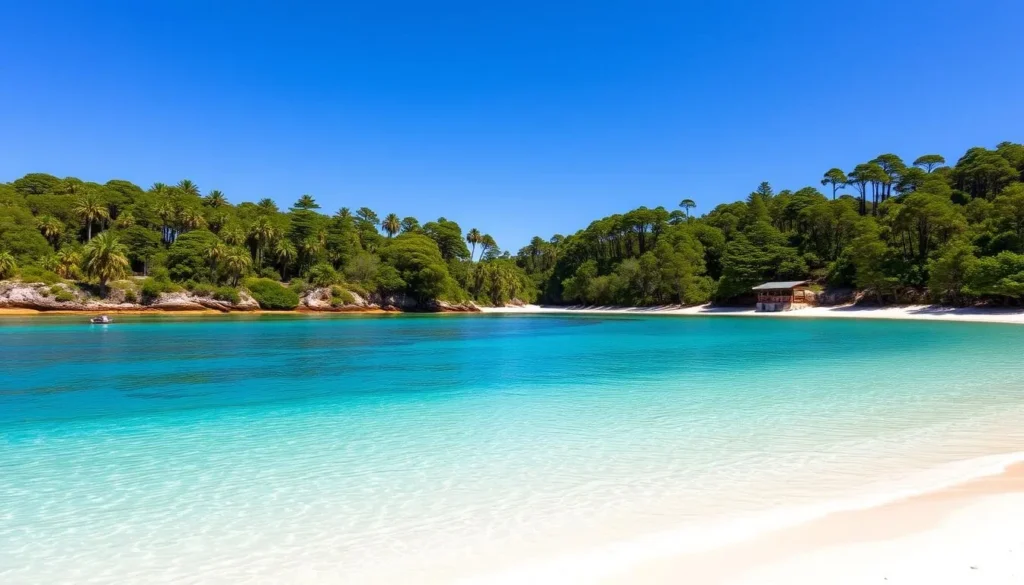
Renting a car is the most practical way to explore Norfolk Island, as there’s no public transportation system. The island’s compact size makes it easy to navigate, with most attractions within a 10-15 minute drive of each other.
Norfolk Island Driving Tips
- The speed limit is 50 km/h on main roads and 30 km/h in the town center
- Cows have right of way! It’s common to encounter free-roaming livestock on roads
- Practice the “Norfolk Wave” – locals wave to every passing car, and visitors are encouraged to join in
- Some roads are unsealed, so drive carefully after rain
- Parking is free throughout the island
For those who prefer not to drive, limited taxi services are available but must be booked in advance. Cycling is another option, though the island’s hilly terrain can be challenging.
Check 30,000+ Local Sightseeing Tours Worldwide
✓ Numerous languages and currencies are available
Learn More
Where to Stay on Norfolk Island
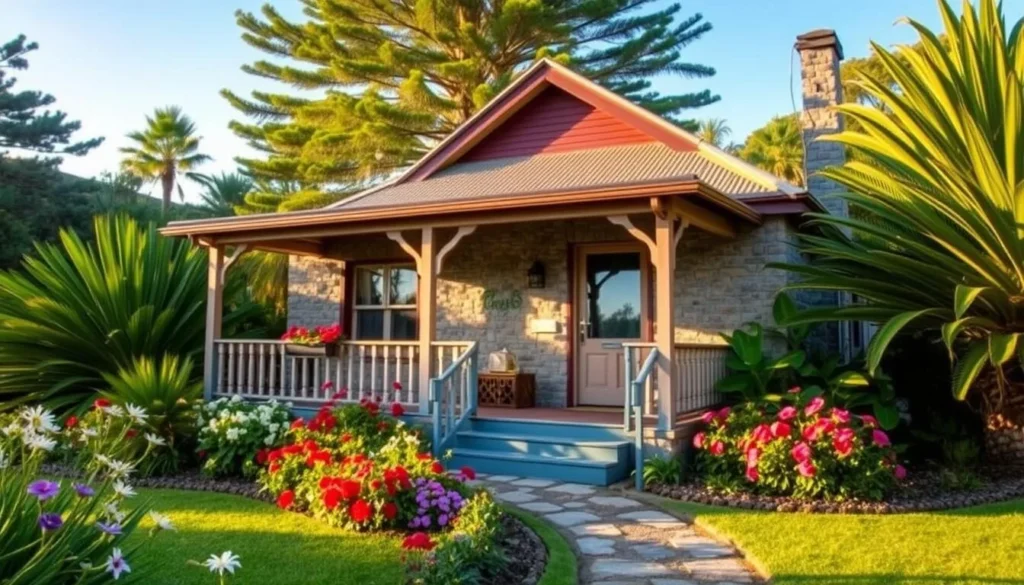
Norfolk Island offers a range of accommodation options to suit different preferences and budgets. From luxury cottages with ocean views to self-contained apartments and heritage guesthouses, you’ll find something to make your stay comfortable.
Luxury Stays
For a premium experience, properties like Endeavour Lodge and Coast Norfolk Island offer stunning ocean views, private verandas, and luxurious amenities. Many high-end accommodations are set on clifftops or in secluded locations for maximum privacy.
Self-Contained Options
Apartments and cottages like Daydreamer Apartments and Selwyn Cottage provide kitchen facilities and private gardens, perfect for longer stays or families. These options offer the flexibility to prepare your own meals using local produce.
Heritage Accommodations
Experience the island’s history by staying in restored colonial buildings in the Kingston area. Properties like The Watermill Beach House Estate offer a unique glimpse into Norfolk’s past while providing modern comforts.
Dining & Local Cuisine
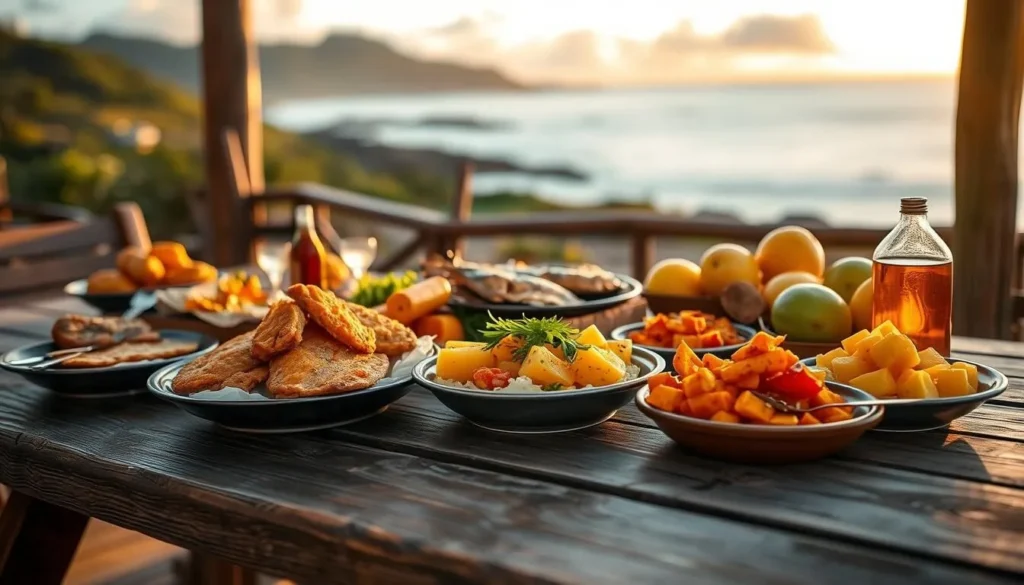
Norfolk Island’s food scene is a delightful blend of fresh local produce, seafood, and Pacific influences. Many restaurants emphasize farm-to-table dining, with ingredients sourced from local gardens and the surrounding ocean.
Must-Try Local Experiences
- Island Fish Fry – A Norfolk tradition featuring fresh local fish, traditional side dishes, and cultural performances
- Local Beef – The island’s free-range cattle produce exceptional quality meat
- Norfolk Blue Cheese – Locally produced and named after the rare Norfolk Blue cattle
- Seasonal Fruits – Guavas, passionfruit, and avocados grow abundantly on the island
Popular Dining Spots
The Olive Café, Hilli Restaurant, and the Golden Orb Café are local favorites for breakfast and lunch. For dinner, try the Bounty Bar and Grill or the Norfolk Island Bowling Club for excellent local cuisine. The island’s only winery, Two Chimneys, offers wine tastings paired with local produce platters.
Top Attractions & Sightseeing on Norfolk Island
Kingston UNESCO World Heritage Site
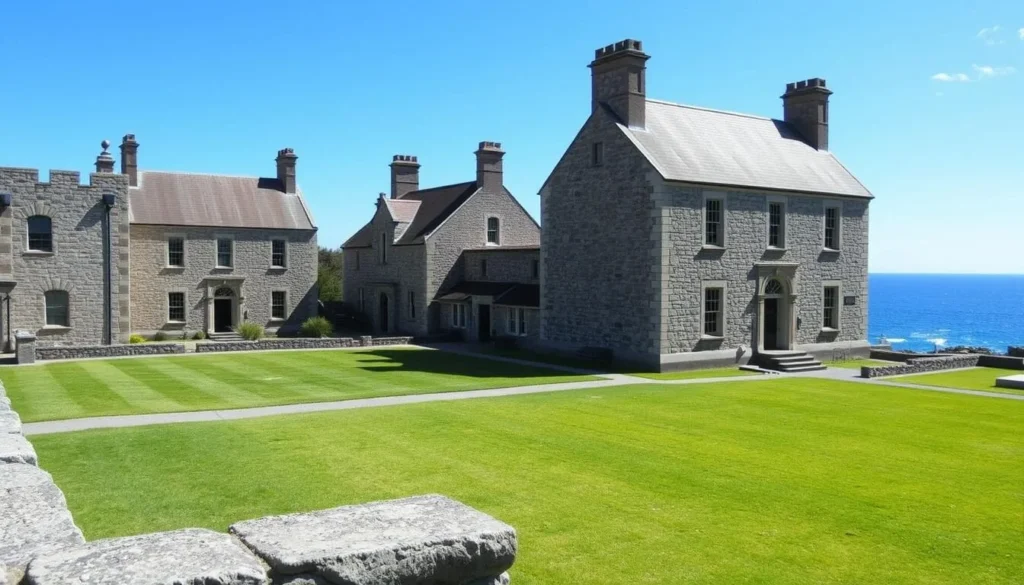
The Kingston and Arthur’s Vale Historic Area (KAVHA) is a must-visit UNESCO World Heritage site showcasing Norfolk Island’s convict history. Explore the ruins of the penal settlement, historic buildings, and the cemetery with graves dating back to 1788. The area offers a fascinating glimpse into the island’s complex past.
Fletcher’s Mutiny Cyclorama
This unique 360° panoramic painting tells the story of the Bounty mutiny and the settlement of Norfolk Island. Standing 3.5 meters high and stretching 35 meters around, this immersive experience brings the island’s fascinating history to life through detailed artwork and sound effects.
Norfolk Island Museum
Spread across four buildings in Kingston, the museum houses an extensive collection of artifacts from the island’s Polynesian, convict, and Pitcairn Islander periods. Interactive displays and knowledgeable staff help visitors understand Norfolk’s unique cultural heritage.
Best Beaches & Water Activities

Emily Bay Lagoon
This protected beach is perfect for swimming and snorkeling, with calm waters and a floating pontoon. The bay is sheltered by a coral reef, creating ideal conditions for families and less confident swimmers. The golden sand and crystal-clear waters make it one of Australia’s most picturesque beaches.
Slaughter Bay
Adjacent to Emily Bay, Slaughter Bay offers excellent snorkeling with abundant marine life and coral gardens. You can walk straight off the beach and be instantly surrounded by colorful fish. Reef shoes are recommended for protection.
Anson Bay
On the northern coast, this more secluded beach requires a steep walk to access but rewards visitors with stunning views and more powerful waves. It’s an ideal spot for sunset picnics and photography.
Water Activities
- Glass Bottom Boat Tours – See the marine life without getting wet
- Scuba Diving – Explore the HMS Sirius shipwreck and vibrant reef systems
- Kayaking – Paddle around the calm waters of Emily Bay
- Stand-Up Paddleboarding – Available for rent at Emily Bay
Hiking & Nature Experiences
Best Hiking Trails
- Mt. Pitt & Mt. Bates Track – A 1km return walk offering 360° views from Norfolk’s second-highest point (319m)
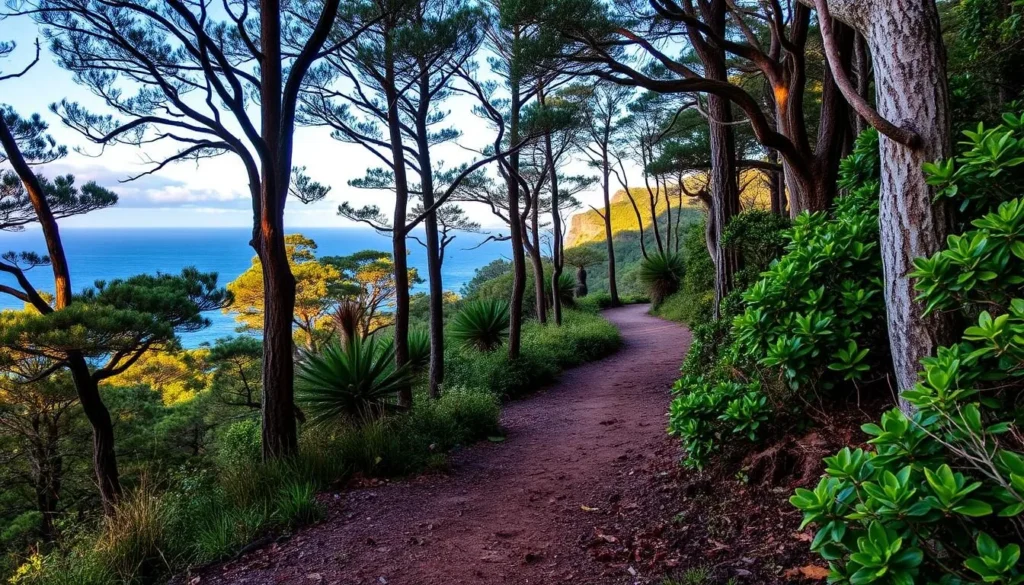
- Hundred Acres Reserve – A 2.3km loop through lush forest and along stunning coastal cliffs
- Captain Cook Lookout Track – A 2.8km coastal walk with seabird nesting spots and picnic areas
- Palm Glen Circuit – A 1.5km rainforest loop where you might spot the rare Norfolk Island Green Parrot
Norfolk Island National Park
Covering about 14% of the island, the National Park protects Norfolk’s unique ecosystems and endangered species. Visit the Botanic Gardens to see the island’s endemic plants and the aviary housing the critically endangered Norfolk Island Green Parrot.
Phillip Island Excursion
Just 6km south of Norfolk lies Phillip Island, known as the “Uluru of the South Pacific” for its vibrant red cliffs. This uninhabited nature reserve requires a boat trip and challenging climb but rewards visitors with unique wildlife and spectacular landscapes.
Cultural Experiences & Local Traditions
Learn the Norfuk Language
Experience the island’s unique linguistic heritage by learning a few phrases in Norfuk, the local language that blends 18th-century English with Tahitian. Common phrases include “Watawieh” (Hello) and “Yorlye gwen?” (How are you?).
Historic Churches
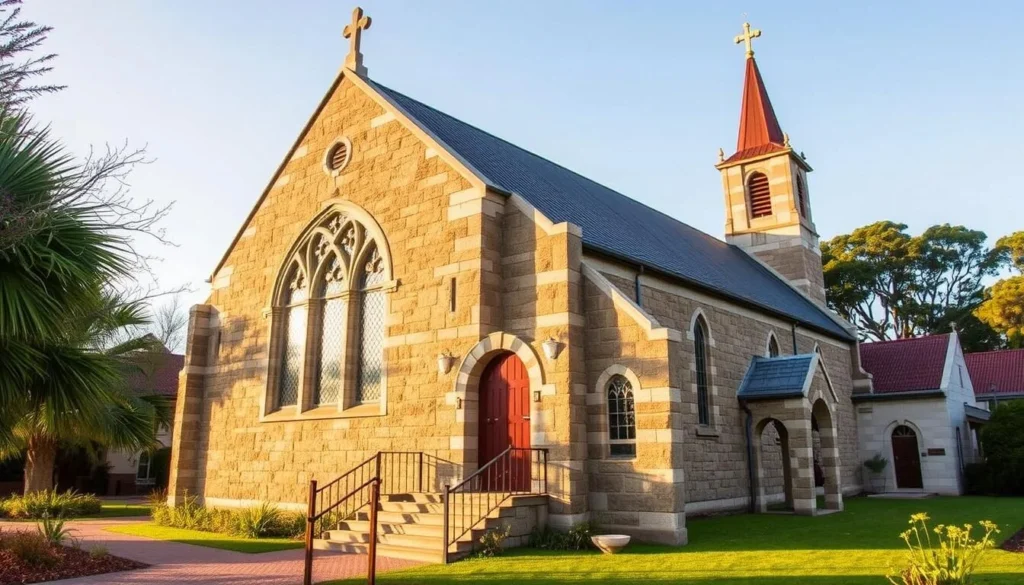
St. Barnabas Chapel, built in 1880, features stunning stained glass windows and intricate wood carvings. The chapel continues to be used for services and represents the island’s spiritual heritage.
Traditional Crafts
Norfolk Island has a rich tradition of weaving using palm fronds and creating woodcrafts from the native Norfolk Pine. Visit local galleries and workshops to see artisans at work and purchase unique souvenirs.
The Norfolk Wave
Join in the friendly local custom of waving to every passing car while driving around the island. This charming tradition reflects the close-knit community spirit of Norfolk Island.
Unique Norfolk Island Experiences

Moreton Bay Fig Trees
These enormous trees along Headstone Road are believed to be over 200 years old. Their massive root systems create a spectacular sight, especially during golden hour when the light illuminates their intricate structures.
Stargazing
Norfolk Island has been designated a Gold Level Dark Sky Town due to its minimal light pollution. Join a guided astronomy tour to observe the southern hemisphere’s stars, planets, and constellations in exceptional clarity.
Cemetery Bay
This historic cemetery contains graves dating back to the First Fleet, including those of Bounty mutineers and their descendants. Each headstone tells a fascinating story of the island’s past.
Norfolk Island Hedgemaze
The Strawberry Fields Garden and Hedgemaze offers fun for all ages with its intricate pathways and beautiful gardens. Challenge yourself to find your way through this living puzzle.
Practical Travel Tips
Connectivity
Australian SIM cards don’t work on Norfolk Island. Purchase a local SIM from Norfolk Telecom (starting at $10) upon arrival. Internet is generally slow, so prepare for a digital detox. Wi-Fi is available at most accommodations and some cafes in town.
Shopping Hours
Stores typically close earlier than on the mainland, with many not opening on Sundays. Stock up on essentials in advance, especially if your stay includes a weekend.
Currency & Banking
Norfolk Island uses Australian currency. There’s a Commonwealth Bank branch and ATM in the town center. Credit cards are widely accepted, but it’s advisable to carry some cash for smaller establishments.
Time Zone
Norfolk Island is in its own time zone, one hour ahead of Australian Eastern Standard Time (AEST). The island observes daylight saving time, so be sure to adjust your watch upon arrival.
Safety, Etiquette & Local Customs
Safety
Norfolk Island is generally very safe with low crime rates. The main safety concerns are related to natural hazards such as slippery coastal rocks and changing ocean conditions. Always check weather forecasts before water activities and heed local advice about safe swimming areas.
Etiquette
- Respect the island’s heritage sites and follow guidelines at historical areas
- Drive slowly and watch for livestock on roads
- Practice the Norfolk Wave when driving – it’s considered impolite not to!
- Dress modestly when visiting churches and historical sites
Local Customs
Norfolk Islanders are proud of their unique heritage and traditions. Many residents are descendants of the Bounty mutineers and maintain strong connections to their history. Showing interest in local culture and learning a few Norfuk phrases will be appreciated by islanders.
Sample 5-Day Norfolk Island Itinerary
| Day | Morning | Afternoon | Evening |
| Day 1 | Arrive and collect rental car. Explore Burnt Pine town center. | Visit Fletcher’s Mutiny Cyclorama for an introduction to island history. | Dinner at The Olive Café. |
| Day 2 | Explore Kingston UNESCO World Heritage Site and Norfolk Island Museum. | Swim and snorkel at Emily Bay Lagoon. | Attend an Island Fish Fry with cultural performances. |
| Day 3 | Hike Mt. Pitt for panoramic island views. | Visit Norfolk Island National Park and Botanic Gardens. | Stargazing tour to experience the Gold Level Dark Sky. |
| Day 4 | Glass Bottom Boat Tour at Emily Bay. | Explore Hundred Acres Reserve coastal walk. | Sunset picnic at Anson Bay. |
| Day 5 | Visit St. Barnabas Chapel and Cemetery Bay. | Shopping for local crafts and souvenirs in Burnt Pine. | Farewell dinner at Hilli Restaurant. |
Ready to Experience Norfolk Island?
Norfolk Island may be small in size, but it delivers an outsized experience with its unique blend of fascinating history, natural beauty, and warm island hospitality. From exploring UNESCO World Heritage sites to snorkeling in crystal-clear waters and hiking through lush forests, this Pacific gem offers something for every traveler.
Whether you’re seeking a relaxing beach getaway, an adventure-filled holiday, or a deep dive into Australian colonial history, Norfolk Island will exceed your expectations. Start planning your journey to this extraordinary destination today!
Related Posts

Purnululu Nat’l Park, Western Australia: Best Things to Do – Top Picks
Karijini National Park, Western Australia: Best Things to Do – Top Picks

Bunbury, Western Australia: Best Things to Do – Top Picks
Dunsborough, Western Australia: Best Things to Do – Top Picks

Cervantes, Western Australia: Best Things to Do – Top Picks
Augusta, Western Australia: Best Things to Do – Top Picks
Coming Soon: Clickable Maps