Hotels by Trip.com
Flights by Trip.com
Did you know that Cerro Provincia (often mistakenly called “Providencia”) is Santiago’s most accessible 2,750-meter peak, yet fewer than 10% of Santiago residents have ever reached its summit? This iconic mountain in the Sierra de Ramón range offers one of Chile’s most rewarding day hikes, with panoramic views that stretch from the sprawling metropolis to the snow-capped Andes. Whether you’re an experienced trekker or seeking your first mountain adventure, this comprehensive guide will help you conquer this Chilean landmark and discover why locals consider it a must-visit natural treasure.
Getting There & Planning Your Journey
Cerro Provincia is located on the eastern edge of Santiago, Chile’s capital city. There are two main access points to begin your hike: Puente Ñilhue and San Carlos de Apoquindo.
From Santiago to Puente Ñilhue (Most Popular Route)
- By car: Take Avenida Las Condes eastward until you reach the Terpel gas station at the beginning of Camino a Farellones (G-21 road). Continue 5 km up this road until you see the turnoff for Puente Ñilhue on your right. The trailhead parking area is 900 meters from this turnoff.
- By public transport: Take the C01 bus to the Terpel gas station at the start of Camino a Farellones, then either walk 5 km uphill (not recommended) or take a colectivo (shared taxi) from Plaza San Enrique to Puente Ñilhue for approximately CLP$3,000.
- Distance from Santiago center: Approximately 28 km (17.4 mi)
From Santiago to San Carlos de Apoquindo (Alternative Route)
- By car: Head to Las Flores 13,000 in Las Condes district. Enter through the San Carlos de Apoquindo Stadium main gate and follow the internal road until you see a blue sign for “Acceso Parque Cordillera.” The parking area is a few meters further on the left.
- By public transport: Several buses run to the vicinity of San Carlos de Apoquindo Stadium. From there, it’s a short walk to the park entrance.
Best Time to Visit Cerro Providencia
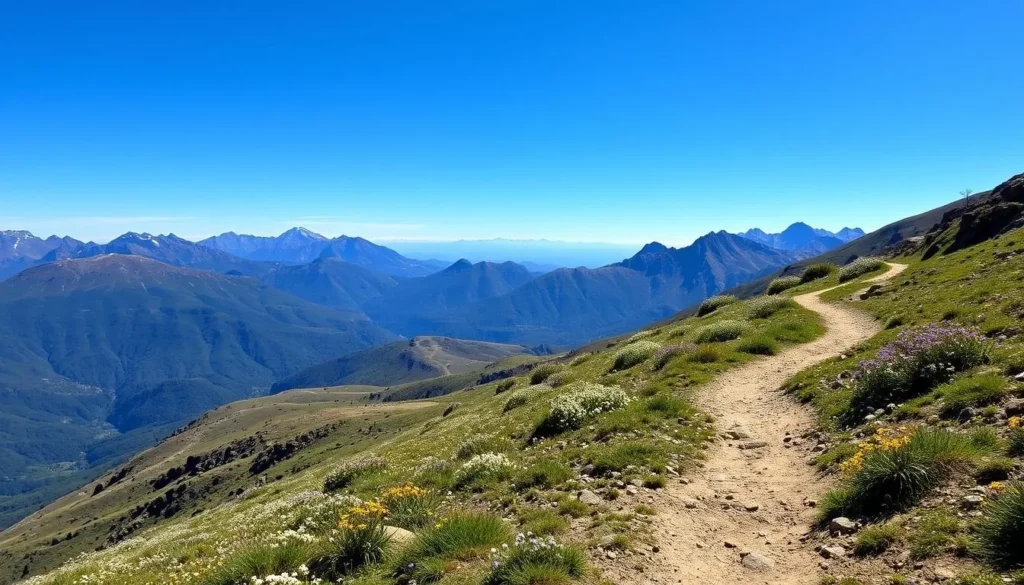
The climate at Cerro Provincia varies significantly throughout the year, affecting both hiking conditions and the views you’ll experience.
Recommended Seasons
- Spring (September-November): Ideal conditions with moderate temperatures (15-25°C/59-77°F), wildflowers in bloom, and clear visibility after winter rains have cleared the air pollution.
- Autumn (March-May): Excellent hiking weather with stable conditions, fewer crowds, and beautiful golden colors on the landscape. Temperatures range from 12-22°C (54-72°F).
Seasons to Avoid
- Summer (December-February): Extremely hot with temperatures often exceeding 30°C (86°F), high UV exposure, and increased risk of dehydration. Santiago’s smog is also at its worst, limiting views.
- Winter (June-August): Snow and ice can make the upper sections dangerous without proper equipment. Shorter daylight hours increase the risk of getting caught after dark.
Pro Tip: If hiking in summer, start no later than 6:00 AM to avoid the midday heat. In winter, check weather forecasts carefully and bring crampons if attempting the summit.
Getting Around Locally
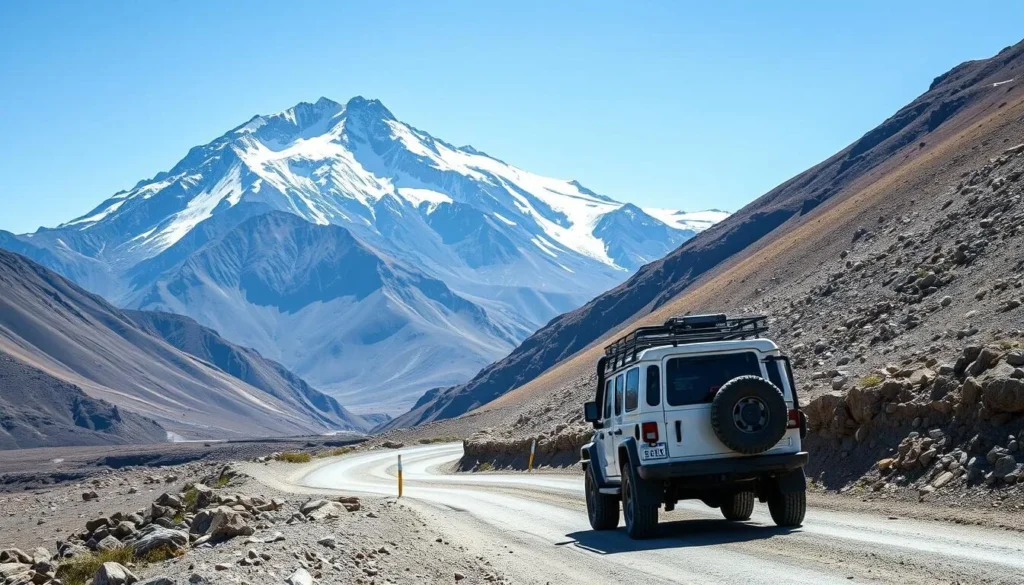
Once you’ve arrived at Santiago, you’ll need to consider your options for reaching the trailheads and exploring the surrounding areas.
Transportation Options
- Rental Car: The most flexible option, especially if you plan to visit multiple hiking areas around Santiago. A standard car is sufficient for reaching Puente Ñilhue in good weather, though a 4×4 vehicle provides more security on the winding mountain roads.
- Ride-sharing Services: Uber and Cabify operate in Santiago and can take you to either trailhead, though you’ll need to arrange your return separately.
- Guided Tours: Many local companies offer transportation as part of their guided hiking packages to Cerro Provincia.
- Public Transportation: While possible to reach the general areas via bus, the final sections to the trailheads often require additional transportation.
Where to Stay
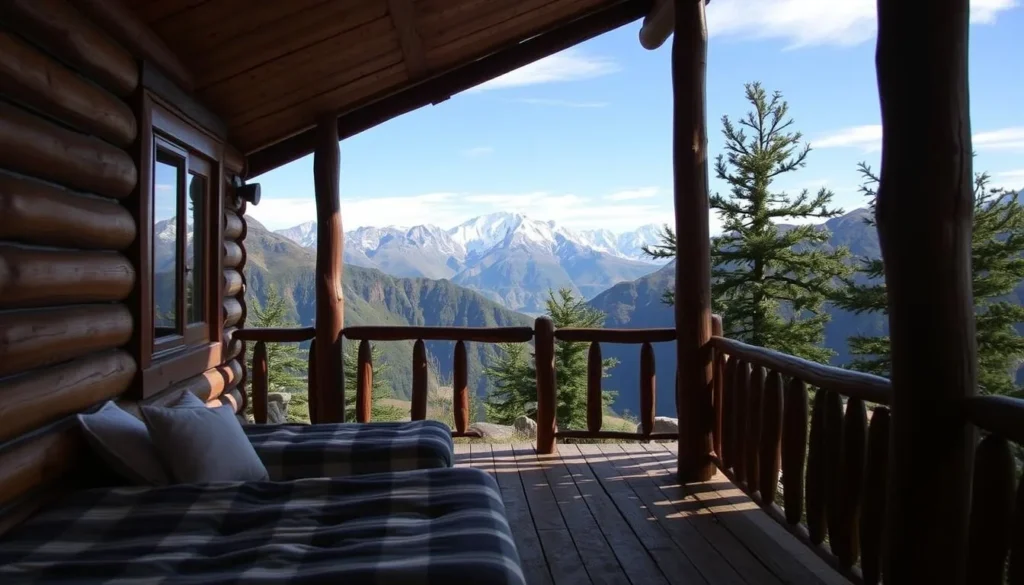
While Cerro Provincia is typically done as a day hike, you’ll need accommodation in Santiago before and after your trek. Here are the best areas to stay based on your preferences:
Recommended Areas
Las Condes
The upscale eastern district closest to the mountain. Staying here puts you just 20-30 minutes from both trailheads. Excellent restaurants and amenities.
Price range: $$$-$$$$
Providencia
Central, safe district with great public transportation. A good balance of convenience, amenities, and reasonable prices. About 40 minutes to trailheads.
Price range: $$-$$$
Check 30,000+ Local Sightseeing Tours Worldwide
✓ Numerous languages and currencies are available
Santiago Centro
The historic center offers budget options and excellent connectivity. Furthest from the mountain but close to other attractions.
Price range: $-$$
Accommodation Types
- Hotels: Abundant options in all districts, from budget to luxury.
- Hostels: Great for solo travelers, particularly in Santiago Centro and Providencia.
- Apartments: Short-term rentals offer more space and kitchen facilities.
- Mountain Refuges: There is a basic refuge near the summit of Cerro Provincia for those wanting to stay overnight (no reservations, first-come basis).
Dining & Local Cuisine
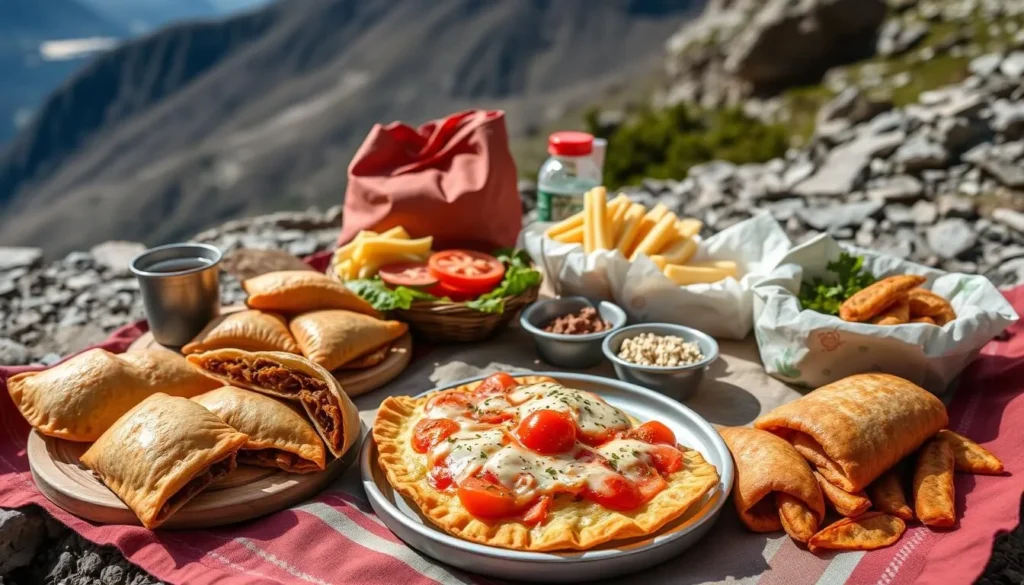
There are no dining facilities on Cerro Provincia itself, so proper meal planning is essential for your hike. However, Santiago offers excellent culinary options before and after your adventure.
Trail Food Recommendations
- Bring at least 2-3 liters of water per person (more in summer). The only water source is a canal near the beginning of the trail.
- Pack energy-dense foods: Nuts, dried fruits, chocolate, energy bars.
- Sandwiches: The Chilean “chacarero” (beef with tomato, green beans, and chili) makes for a hearty trail lunch.
- Empanadas: These portable pastries filled with meat, cheese, or seafood are perfect hiking fuel.
Pre/Post-Hike Dining
After your hike, reward yourself with these Chilean specialties in Santiago:
- Completo: Chile’s loaded hot dog with avocado, mayonnaise, and tomato.
- Pastel de Choclo: A hearty corn and meat casserole perfect for refueling.
- Pisco Sour: The national cocktail to celebrate your summit achievement.
- Carmenere Wine: Chile’s signature red wine variety.
Local Tip: Many Santiago restaurants offer “menú del día” (daily set menu) for lunch, providing a complete meal at a reasonable price. Perfect for refueling after your hike!
Attractions, Sightseeing & Activities
Main Hiking Routes
Puente Ñilhue Route
- Distance: 18.3 km (11.4 mi) round trip
- Elevation gain: 1,750 m (5,741 ft)
- Duration: 7-9 hours round trip
- Difficulty: Challenging
- Highlights: Steeper but more direct route, excellent views throughout, passes Alto del Naranjo viewpoint
San Carlos de Apoquindo Route
- Distance: 20 km (12.4 mi) round trip
- Elevation gain: 1,650 m (5,413 ft)
- Duration: 8-10 hours round trip
- Difficulty: Moderate to challenging
- Highlights: More gradual ascent, passes through native forest, better marked trail
Key Attractions Along the Trail
- Alto del Naranjo: A natural viewpoint at 1,890 m (6,200 ft) marked by a large Quillay tree. Many hikers choose this as their destination for a shorter day hike.
- Sierra de Ramón Views: Spectacular vistas of this mountain range that forms Santiago’s eastern boundary.
- Rock Scramble: A brief, easy rock climbing section near the summit adds a touch of adventure.
- Summit Refuge: A small dome shelter near the peak offers protection in bad weather.
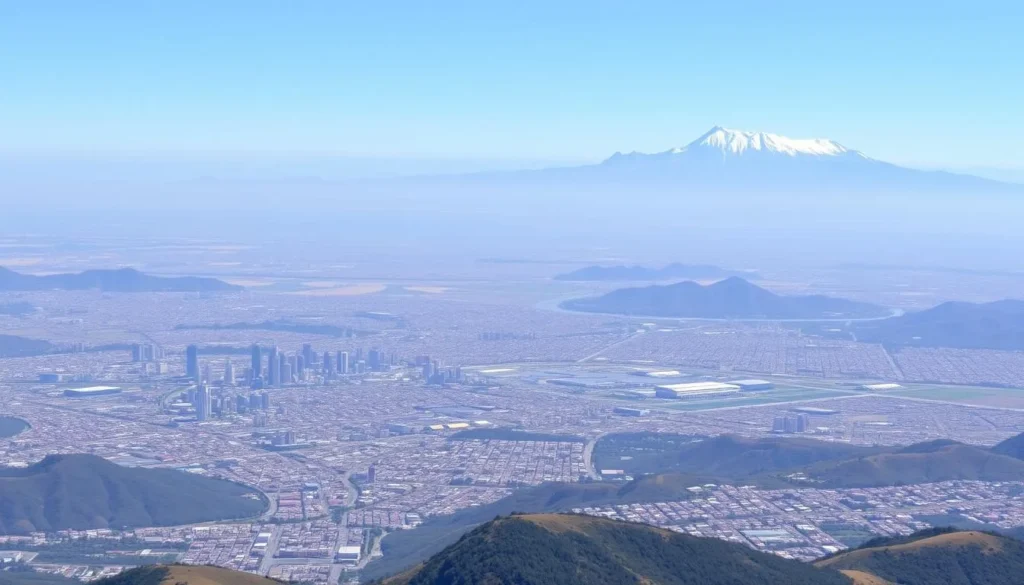
- 360° Panorama: From the summit, enjoy views of Santiago, the Andes (including El Plomo peak), and on clear days, all the way to the Pacific Ocean.
Museums, Cultural Spots & Festivals
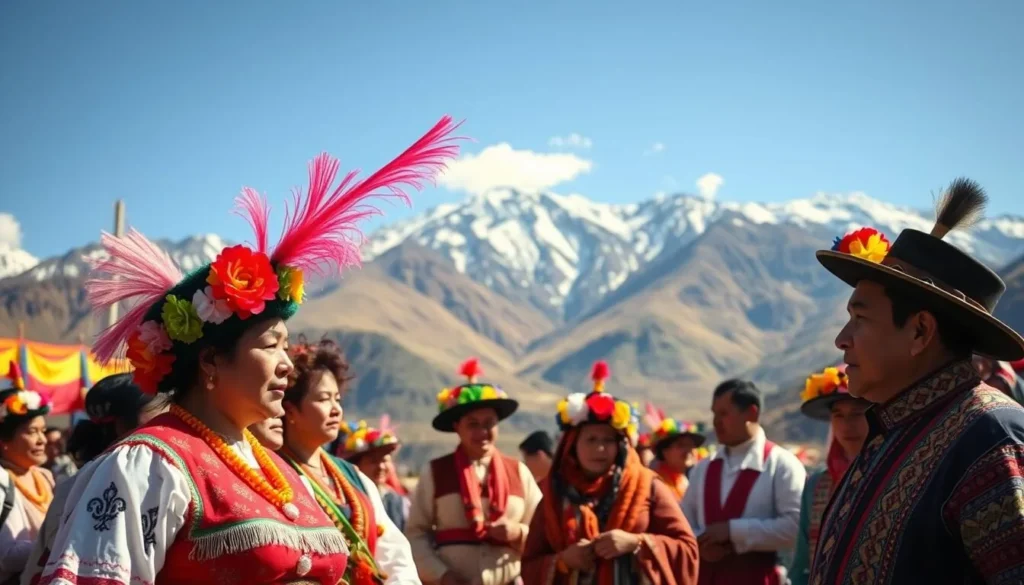
While Cerro Provincia itself is a natural attraction, the surrounding area offers rich cultural experiences that complement your mountain adventure.
Nearby Cultural Attractions
- Parque Cordillera: The conservation network that manages access to Cerro Provincia offers educational programs about local ecology and conservation.
- Museo Andino: Located in the Maipo Valley, this museum showcases pre-Columbian artifacts and the cultural history of the Andes region.
- Pueblito Los Dominicos: An artisan village in Las Condes where you can purchase traditional Chilean crafts and souvenirs.
- Santiago Historical Center: Explore Plaza de Armas, the Metropolitan Cathedral, and the Pre-Columbian Art Museum to understand Chile’s rich history.
Relevant Festivals
- Fiestas Patrias (September): Chile’s independence celebrations feature traditional food, dance, and music.
- Festival de la Vendimia (March-April): Wine harvest festivals in the nearby Maipo Valley celebrate Chile’s renowned viticulture.
- Santiago a Mil (January): International theater festival with performances throughout the city.
Cultural Insight: The mountains surrounding Santiago, including Cerro Provincia, were sacred to the indigenous Mapuche people who called the area “Mapocho” (land of people). Learning about this cultural heritage adds depth to your hiking experience.
Sports, Nature & Outdoor Experiences
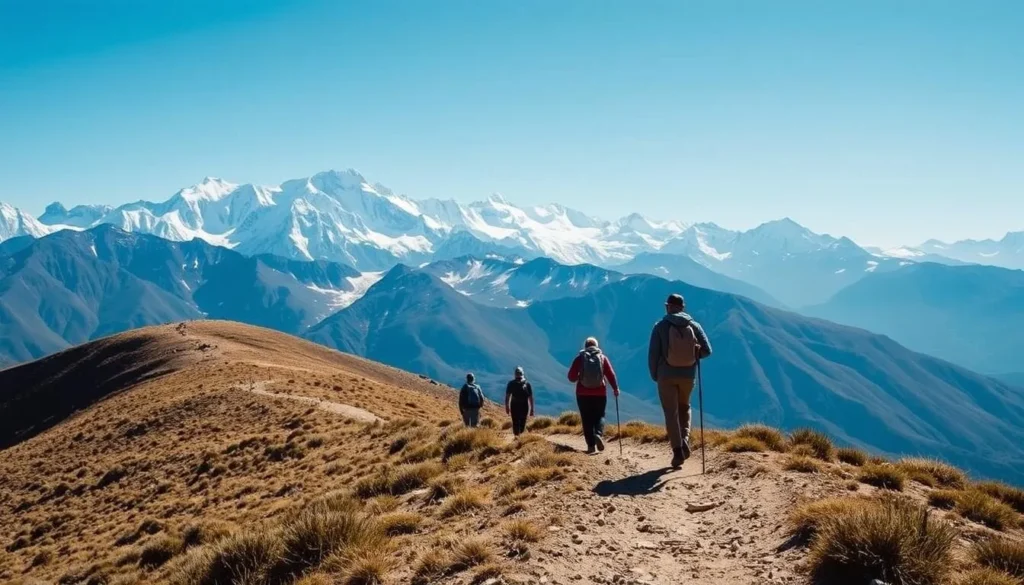
Cerro Provincia is just one of many outdoor adventures available in the Santiago region. Here are additional activities to enhance your visit:
Additional Outdoor Activities
Mountain Biking
The lower sections of Sierra de Ramón offer excellent mountain biking trails. The La Ermita-San Carlos de Apoquindo route is particularly popular.
Rock Climbing
The nearby sectors of Las Chilcas and El Arrayán provide excellent sport climbing opportunities for all levels.
Skiing
During winter months (June-September), the nearby resorts of El Colorado, La Parva, and Valle Nevado offer world-class skiing just 1-2 hours from Santiago.
Wildlife & Nature
While hiking Cerro Provincia, keep an eye out for these native species:
- Culpeo Fox: The largest fox species in Chile, sometimes spotted at dawn or dusk.
- Condors: Chile’s national bird may be seen soaring above the higher elevations.
- Quillay Trees: These native trees are particularly important to the ecosystem and provide welcome shade.
- Chagual: Large spiky plants with impressive flowering stalks in spring.
Nature Warning: The “litre” plant is common on the lower slopes and can cause severe allergic reactions similar to poison ivy. Learn to identify and avoid touching it.
Safety, Etiquette & Local Customs
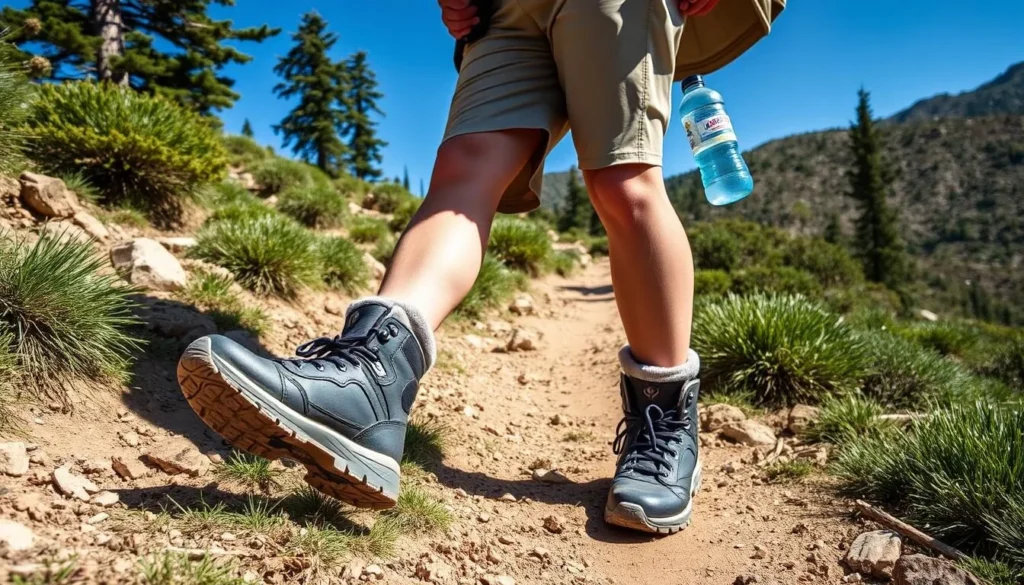
Safety Considerations
- Register your hike: At both trailheads, there are registration points where you should sign in and out for safety.
- Start early: Begin no later than 8:00 AM to ensure you return before dark.
- Check weather: Mountain conditions can change rapidly. Check forecasts and avoid hiking during storms or extreme heat.
- Bring a headlamp: Always carry a light source in case your return is delayed past sunset.
- No solo hiking: It’s safest to hike in groups of at least two people.
- Limited phone coverage: Cell service is unreliable on the mountain. Consider downloading offline maps.
Trail Etiquette
- Leave No Trace: Pack out all trash, including organic waste.
- Stay on trails: Avoid creating new paths that contribute to erosion.
- No fires: Fire risk is high, and fires are strictly prohibited.
- No pets: Dogs are not allowed on the trails to protect native wildlife.
- Respect other hikers: Yield to uphill hikers and keep noise levels reasonable.
Local Customs
Understanding these Chilean customs will enhance your experience:
- Greetings: Chileans typically greet with a handshake or kiss on the right cheek.
- Trail greetings: It’s customary to greet fellow hikers with “Hola” or “Buen día.”
- Summit tradition: Many hikers bring a small stone from the bottom to place at the top.
- Tipping: In restaurants, 10% is the standard tip.
Practical Travel Tips
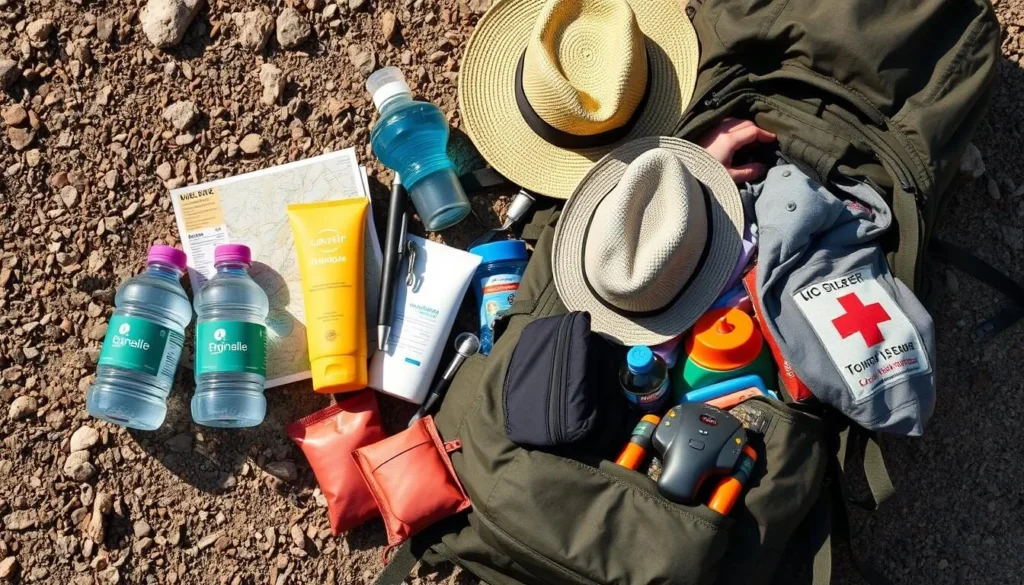
Essential Packing List
Hiking Essentials
- Sturdy hiking boots with good ankle support
- Backpack (20-30L capacity)
- 2-3 liters of water per person
- High-energy snacks and lunch
- Trekking poles (helpful for the descent)
- Map or GPS device with downloaded trail
- First aid kit
- Headlamp or flashlight
Weather Protection
- Sunscreen (SPF 50+ recommended)
- Sunglasses with UV protection
- Wide-brimmed hat or cap
- Windproof/waterproof jacket
- Layered clothing (temperatures vary with altitude)
- Winter additions: Gloves, warm hat, crampons if icy
Practical Information
- Park Hours: Parque Cordillera entrances are typically open 8:00 AM to 6:00 PM, with last entry for hikers at 1:00 PM.
- Entrance Fees: Approximately CLP$3,000 (US$3.50) per person at both trailheads.
- Currency: Chilean Peso (CLP). Bring cash for entrance fees as card payment may not be available.
- Language: Spanish is the official language. Learning basic hiking-related phrases is helpful.
- Emergency Number: 131 for ambulance, 132 for fire, 133 for police.
Insider Tip: The Andes mountains create their own weather patterns. Even if Santiago is clear, clouds can form quickly on the mountain. Always check the mountain-specific forecast before setting out.
Ready for Your Cerro Provincia Adventure?
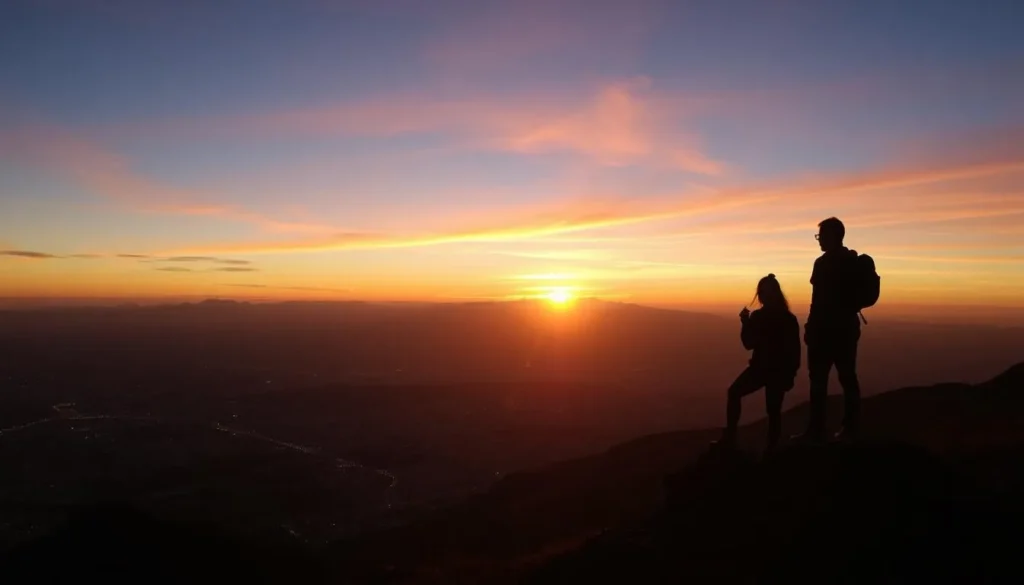
Cerro Provincia offers one of Chile’s most accessible yet rewarding mountain experiences. Whether you’re challenging yourself to reach the 2,750-meter summit or enjoying the spectacular views from Alto del Naranjo, this iconic peak provides an unforgettable adventure just minutes from Santiago’s urban center.
The mountain’s accessibility, combined with its challenging trails and breathtaking vistas, makes it perfect for both first-time hikers and experienced mountaineers looking to acclimatize for higher Andean peaks. By following the guidelines in this guide and respecting both the natural environment and local customs, you’ll be set for a safe and memorable journey to one of Chile’s most beloved natural landmarks.