

Hotels by Trip.com
Flights by Trip.com
Standing 4,000 kilometers from the nearest continent, Easter Island holds the distinction of being the most remote inhabited island on Earth. Despite its isolation, this mysterious Polynesian outpost welcomes around 100,000 visitors annually—more than 20 times its permanent population of just 7,750 residents. This fascinating contradiction between extreme isolation and global fascination makes Easter Island (Rapa Nui) one of the world’s most unique travel destinations.
Getting There & Planning Your Journey
Reaching Easter Island requires some planning due to its remote location in the South Pacific. The island’s only airport, Mataveri International Airport (IPC), receives daily flights from Santiago, Chile, operated exclusively by LATAM Airlines. Flight time from Santiago is approximately 5.5 hours.
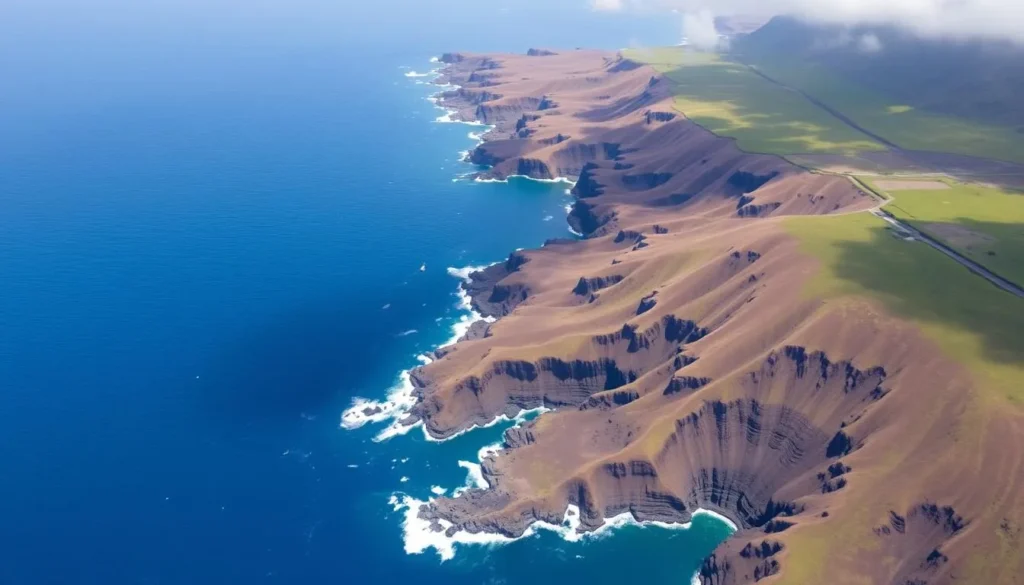
Before boarding your flight to Easter Island, you’ll need to present:
- A confirmed accommodation reservation at a SERNATUR-registered property
- A return flight ticket (your stay cannot exceed 30 days)
- A completed Rapa Nui Entry Form (must be submitted 48 hours before travel)
The national park entrance fee is 80 USD (72,000 Chilean pesos) for foreign adults and is valid for 10 days. Purchase your ticket online in advance or at the airport upon arrival. Note that most archaeological sites now require visitors to be accompanied by a registered guide.
Best Time to Visit & Weather Tips
Easter Island enjoys a subtropical climate with relatively mild temperatures year-round. However, certain seasons offer distinct advantages depending on your preferences.
| Season | Months | Weather | Tourism | Recommendation |
| Summer (Peak) | December-February | 23-28°C (73-82°F), occasional rain | Very crowded, highest prices | Book 6+ months ahead |
| Fall (Shoulder) | March-May | 20-25°C (68-77°F), increasing rain | Moderate crowds, better rates | Good balance of weather/crowds |
| Winter (Low) | June-August | 18-22°C (64-72°F), most rainfall | Fewest visitors, lowest prices | Pack rain gear, enjoy solitude |
| Spring (Shoulder) | September-November | 19-24°C (66-75°F), drier conditions | Growing crowds, moderate prices | Excellent photography conditions |
Insider Tip: The first two weeks of February feature the annual Tapati Rapa Nui festival, a spectacular cultural celebration with traditional competitions, music, and dance. While it’s an incredible experience, accommodations book up to a year in advance and prices reach their annual peak.
The island can be windy year-round, and the sun is particularly intense due to the island’s location. Pack a hat that won’t blow away easily, high-SPF sunscreen, and a light rain jacket regardless of when you visit.
Getting Around Locally
Easter Island is relatively small—you can drive around the entire island in about an hour. However, the rugged terrain and scattered archaeological sites make some form of transportation essential.
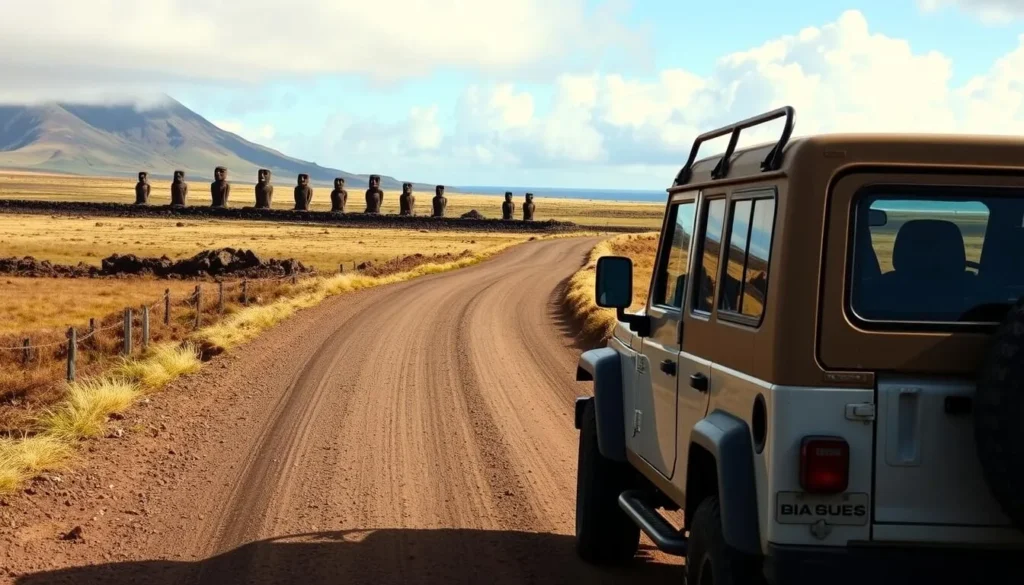
Rental Vehicles
The most flexible option for exploring. Rent a 4×4 vehicle as roads can be rough with large potholes, especially after rain. Book well in advance as the island has limited vehicles available.
Guided Tours
Since most archaeological sites now require a guide, joining organized tours is both convenient and necessary. Tours typically include transportation and expert commentary.
Bicycles & Scooters
Available for rent in Hanga Roa. Good for shorter distances but challenging for full-island exploration due to hills and rough roads.
Important: There is no damage insurance available for rental vehicles on Easter Island. Drive carefully and inspect your vehicle thoroughly before accepting it.
Where to Stay
All accommodations on Easter Island are concentrated in or near Hanga Roa, the island’s only town. Prices tend to be higher than mainland Chile due to the remote location and limited options.
Check 30,000+ Local Sightseeing Tours Worldwide
✓ Numerous languages and currencies are available
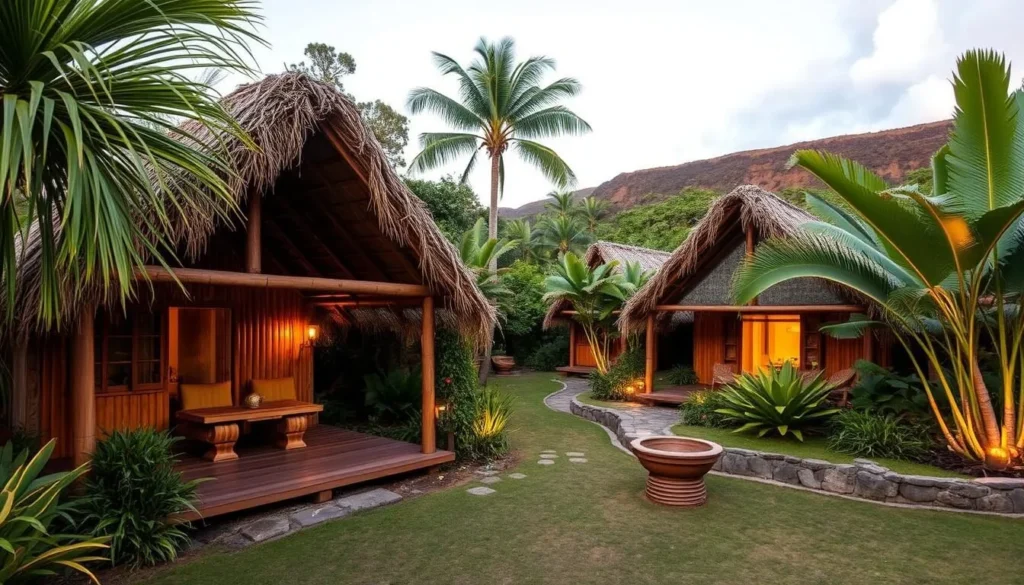
Luxury Options
The Hangaroa Eco Village & Spa offers premium accommodations with traditional architecture and modern amenities. Expect to pay $400-700 USD per night during peak season.
Mid-Range Hotels
Properties like Hotel Manavai and Taha Tai Hotel offer comfortable rooms, gardens, and sometimes swimming pools for $150-300 USD per night.
Budget & Eco Options
Cabañas like Morerava and family-run guesthouses provide basic but comfortable accommodations with kitchenettes from $80-150 USD per night.
Easter Island accommodations book up quickly, especially during high season (December-February) and the Tapati Festival. Reserve at least 3-6 months in advance to secure your preferred option.
Dining & Local Cuisine
Easter Island’s cuisine blends Polynesian traditions with Chilean influences, with a strong emphasis on seafood. Due to the island’s isolation, expect higher prices than mainland Chile as most ingredients must be imported.
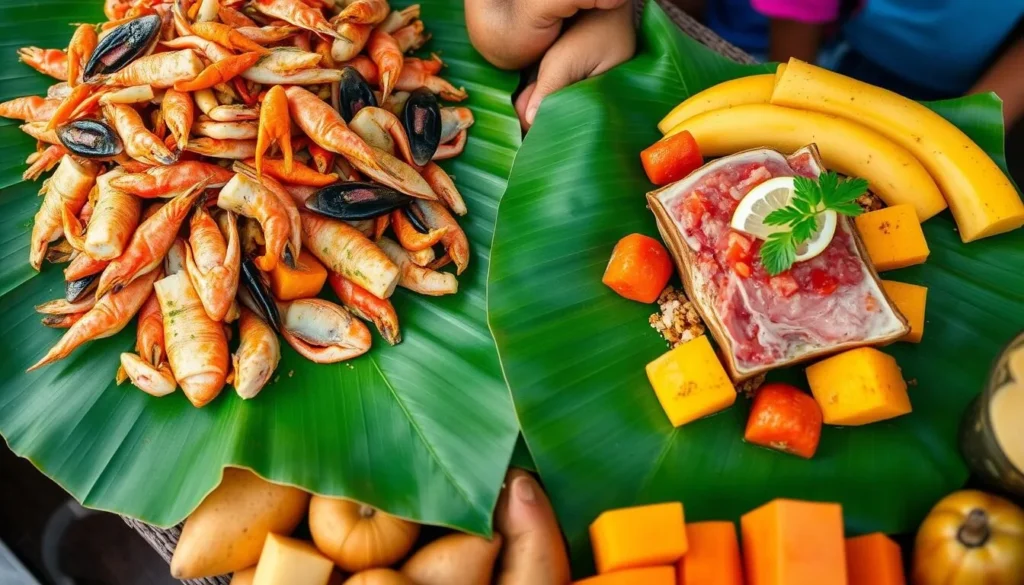
Must-Try Local Specialties
- Tuna Ceviche: Fresh raw tuna marinated in lime juice with onions and cilantro
- Umu Ta’o: Traditional earth oven cooking, similar to a Polynesian hangi
- Po’e: Sweet pudding made from bananas, pumpkin, or manioc with coconut milk
- Mahina Beer: Locally brewed beer with distinctive flavor
Recommended Restaurants
- Makona Restaurant: Excellent seafood and ceviche in Hanga Roa
- Au Bout du Monde: Rooftop dining with sunset views and great pisco sours
- Te Ra’ai: Cultural dinner show with traditional Rapa Nui cuisine
- Kanahau: Fresh fish and local specialties with garden seating
Money-Saving Tip: Consider booking accommodation with kitchen facilities. While grocery selection is limited and still expensive, preparing some of your own meals can help manage costs. Restaurant portions tend to be generous, so sharing dishes is another good strategy.
Attractions, Sightseeing & Activities
Easter Island’s main attractions are its archaeological sites featuring the famous moai statues. A national park entrance fee (80 USD for foreign adults) is required to visit these sites, and most now require a registered guide.
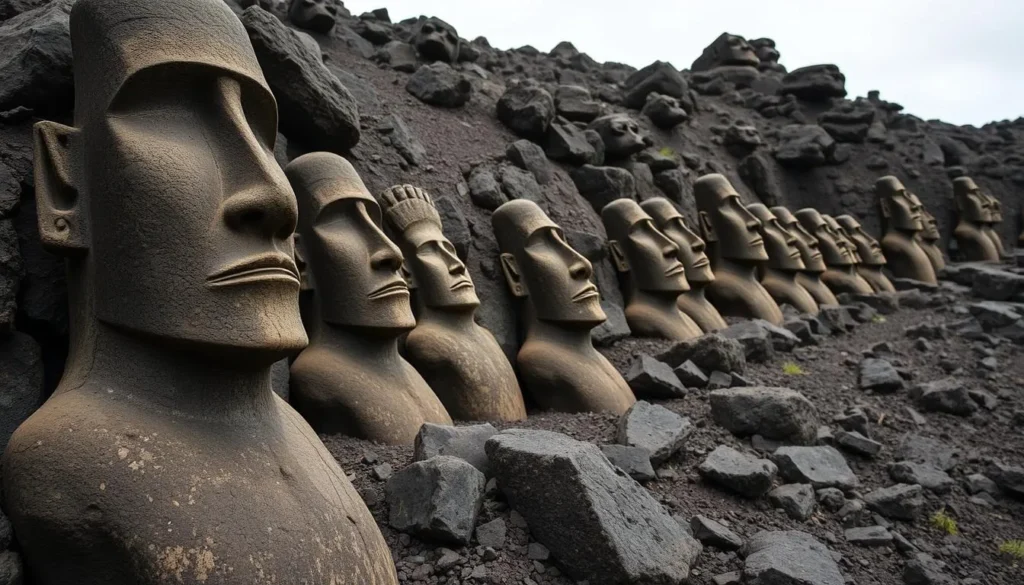
Must-Visit Archaeological Sites
Rano Raraku
The “moai factory” where nearly all statues were carved. See moai in various stages of completion still embedded in the volcanic hillside. Note: Can only be visited once per park ticket.
Ahu Tongariki
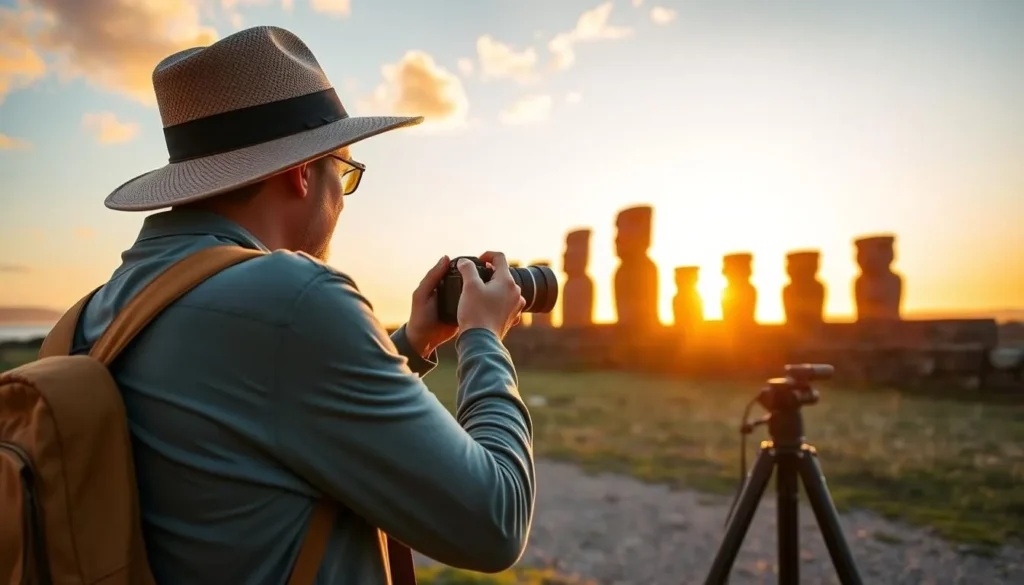
The largest ceremonial platform with 15 restored moai. Visit at sunrise for spectacular photos. This is the iconic Easter Island image most visitors seek.
Anakena Beach
Beautiful white sand beach with palm trees and Ahu Nau Nau, featuring well-preserved moai with detailed carvings. Perfect for combining culture with relaxation.
Orongo Ceremonial Village
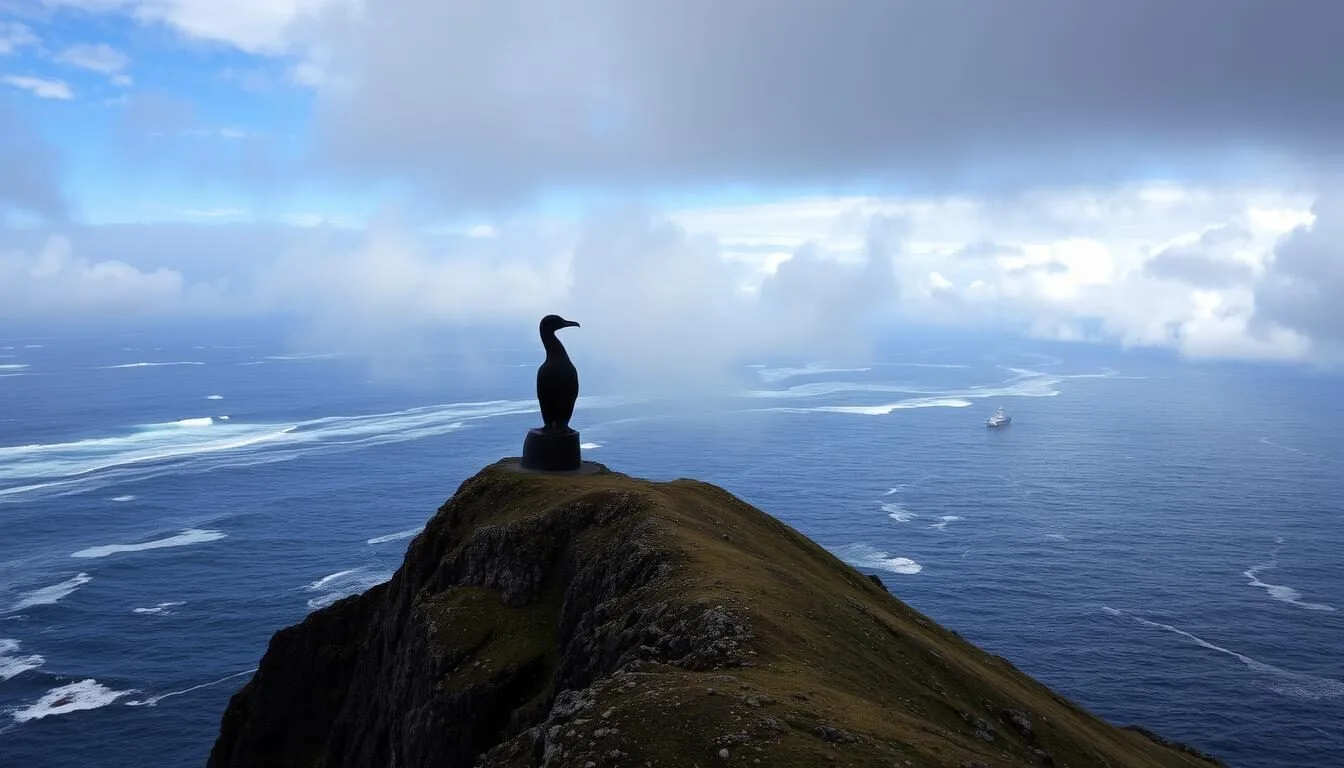
Ancient stone houses where the Birdman cult held their annual competitions. Offers spectacular views of the crater and small islets. Note: Can only be visited once per park ticket.
Ahu Akivi
Seven moai facing the ocean, unusual as most face inland. These statues are astronomically aligned with the equinoxes.
Tahai Complex
Located near Hanga Roa, this site features restored platforms and a moai with reconstructed eyes. The best spot for sunset photography.
Museums, Cultural Spots & Festivals
Beyond the archaeological sites, Easter Island offers rich cultural experiences that provide deeper insight into Rapa Nui history and traditions.
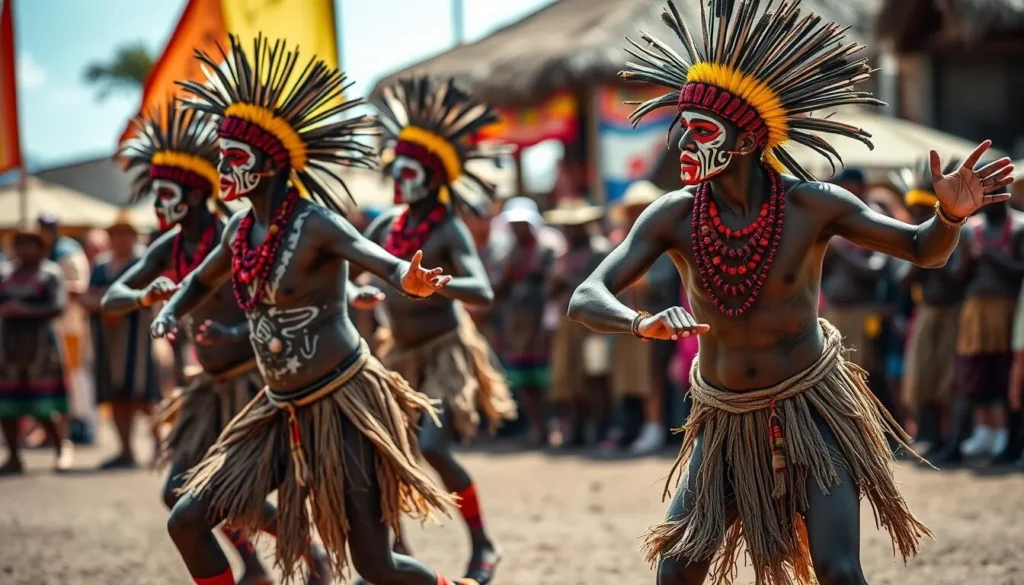
Museums & Cultural Centers
- Museo Antropológico Padre Sebastián Englert: The island’s main museum with an excellent collection of artifacts, including an original moai eye made of coral
- Rapa Nui Cultural Center: Interactive exhibits on traditional crafts, music, and dance
- Catholic Church of Hanga Roa: Features unique wood carvings blending Catholic and Rapa Nui symbolism
Cultural Performances
- Kari Kari Ballet: Traditional dance performances showcasing Polynesian culture
- Te Ra’ai: Dinner show combining cultural performances with traditional food
Tapati Rapa Nui Festival
This two-week cultural festival in early February is Easter Island’s most significant event. Competitions include traditional sports, singing, dancing, and body painting. If you visit during Tapati, book accommodations at least 6-12 months in advance.
Cultural Etiquette: Always ask permission before photographing local people. While the archaeological sites are open to visitors, remember they hold deep cultural significance for the Rapa Nui people. Follow all site guidelines and never climb on or touch the moai.
Sports, Nature & Outdoor Experiences
Easter Island offers more than just archaeological wonders. Its natural landscapes and surrounding waters provide excellent opportunities for outdoor activities.
Beaches & Water Activities
- Anakena Beach: The island’s main beach with white sand, palm trees, and calm waters perfect for swimming
- Ovahe Beach: A secluded pink sand cove near Anakena, surrounded by cliffs
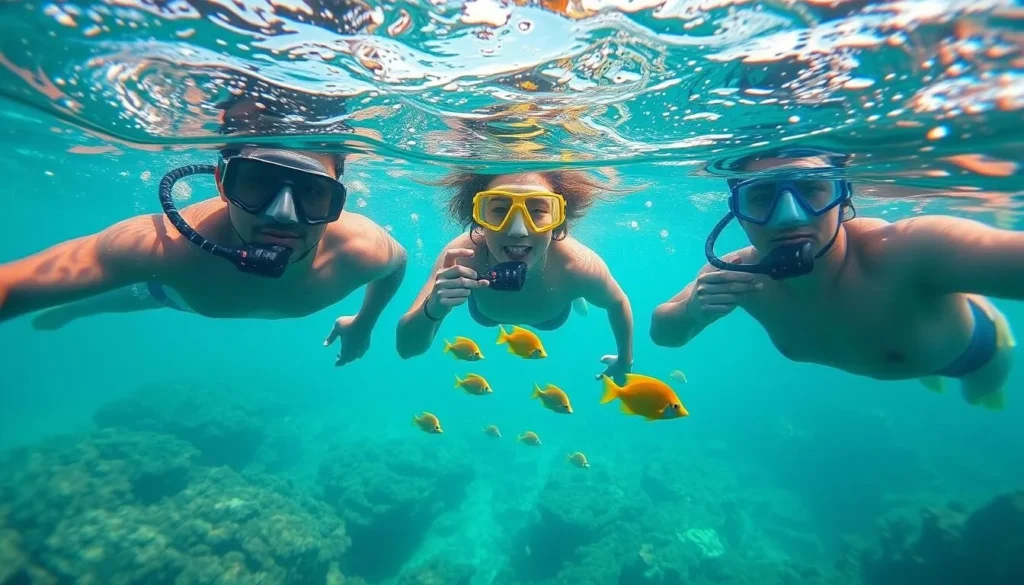
- Snorkeling: Explore the clear waters around the island with visibility up to 50 meters (164 feet)
- Scuba Diving: Discover underwater moai replicas and diverse marine life
- Surfing: Several breaks around the island, with Pea Beach in Hanga Roa being the most accessible
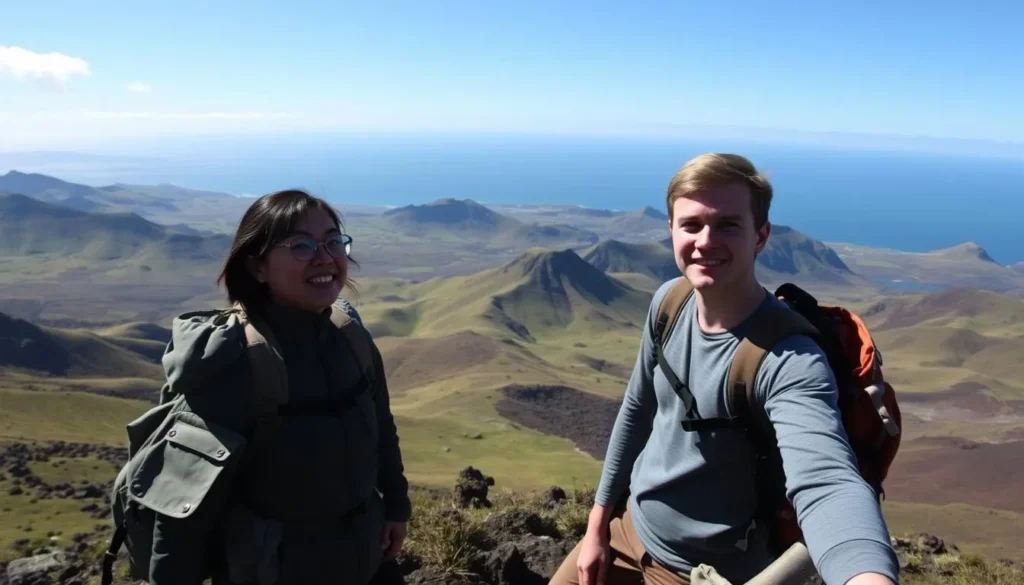
Hiking & Land Activities
- Terevaka Volcano: A moderate 2-3 hour hike to the island’s highest point (507 m/1,663 ft) offering 360° views
- Rano Kau Crater: An easy walk to a spectacular volcanic crater with a freshwater lake
- Cave Exploration: Visit Ana Kakenga (Two Windows Cave) and other lava tubes around the island
- Horseback Riding: Guided tours through the island’s interior landscapes
Safety, Etiquette & Local Customs
Easter Island is generally very safe for tourists, with violent crime being extremely rare. However, there are important considerations for respectful and safe travel.
Safety Tips
- Lock your accommodation and don’t leave valuables visible
- Be careful when hiking near cliff edges, especially in windy conditions
- Use high-SPF sunscreen as the sun is particularly intense
- Stay on marked trails at archaeological sites
- Carry a flashlight if out after dark as street lighting is minimal
- Ensure you have comprehensive travel insurance including medical evacuation coverage
Cultural Etiquette
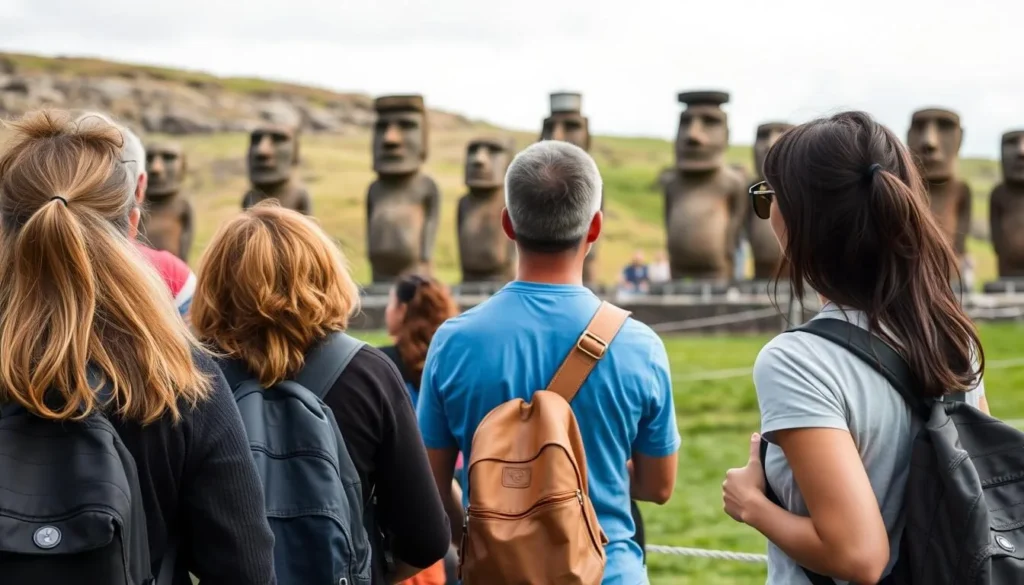
- Never climb on or touch the moai statues
- Ask permission before photographing local people
- Learn a few basic phrases in Spanish or Rapa Nui (like “Iorana” for hello)
- Respect rope boundaries and markers at archaeological sites
- Participate respectfully in cultural events if invited
Environmental Responsibility: Easter Island’s ecosystem is fragile. Pack out all trash, stay on designated paths, and avoid removing any natural or archaeological materials as souvenirs.
Visitor Comments About Easter Island
“The sunrise at Ahu Tongariki exceeded all my expectations. Seeing those 15 massive moai silhouetted against the dawn sky was truly a once-in-a-lifetime experience. My tip: rent a 4×4 for at least two days and spend 4-5 days minimum on the island to fully appreciate everything.”
“We were worried about the remoteness, but found Easter Island incredibly welcoming. The archaeological sites are well-maintained and the guided tours added so much context we would have missed exploring alone. Don’t miss the Rano Raraku quarry—seeing the moai in various stages of carving was fascinating.”
“Beyond the moai, I was surprised by how much I enjoyed the natural beauty of Easter Island. The hiking, beaches, and stargazing were incredible. The Tapati festival was the highlight of our trip—the competitions and performances gave us deep insight into Rapa Nui culture that most visitors miss.”
Practical Travel Tips
Money & Payments
- Chilean Pesos (CLP) is the official currency
- US Dollars are widely accepted but at less favorable rates
- Two ATMs in Hanga Roa (Banco Estado and Santander)
- Bring sufficient cash as ATMs can run out
- Credit cards accepted at larger establishments
- Everything is more expensive than mainland Chile
Connectivity & Utilities
- Internet is available but slow and sometimes unreliable
- Download maps, guides, and entertainment before arrival
- Electricity is 220V with European-style round prongs
- Bring adapters as they’re expensive on the island
- Tap water is potable but has a mineral taste
- Cell service is available but international roaming can be expensive
Packing Essentials
- High-SPF sunscreen and after-sun lotion
- Secure hat that won’t blow away in wind
- Light rain jacket regardless of season
- Sturdy walking shoes for uneven terrain
- Swimwear and quick-dry towel
- Flashlight or headlamp for evening walks
- Reusable water bottle
How many days do I need on Easter Island?
A minimum of 4 full days is recommended to see the major sites without rushing. If you enjoy hiking, photography, or want a more relaxed pace, 5-7 days would be ideal. Remember that flights only operate a few times per week, so plan accordingly.
Do I need a guide to visit the archaeological sites?
Yes, according to current regulations, visitors must be accompanied by a registered guide when entering any national park sites except Tahai and Anakena Beach. This rule was implemented to better protect the archaeological treasures and ensure visitors receive accurate information.
What items can’t I bring to or take from Easter Island?
Chile has strict biosecurity laws. You cannot bring fresh fruits, vegetables, animal products, or plants to the island. Similarly, it’s illegal to remove any rocks, archaeological artifacts, or native plants from Easter Island. Even taking small stones as souvenirs is prohibited.
The Timeless Mystery of Rapa Nui Awaits
Easter Island offers a rare combination of archaeological wonder, natural beauty, and living Polynesian culture that leaves an indelible mark on every visitor. Standing before the silent moai as the sun rises, hiking to a volcanic crater, or sharing stories with local Rapa Nui people—these experiences connect you to something ancient and profound. In our increasingly connected world, the isolation and mystery of Easter Island provide something increasingly precious: a genuine sense of discovery. The journey may be long, but as countless travelers will attest, the rewards of visiting this remarkable island far outweigh the effort of getting there.
Related Posts




Coming Soon: Clickable Maps