Ambato, Ecuador: Best Things to Do – Top Picks

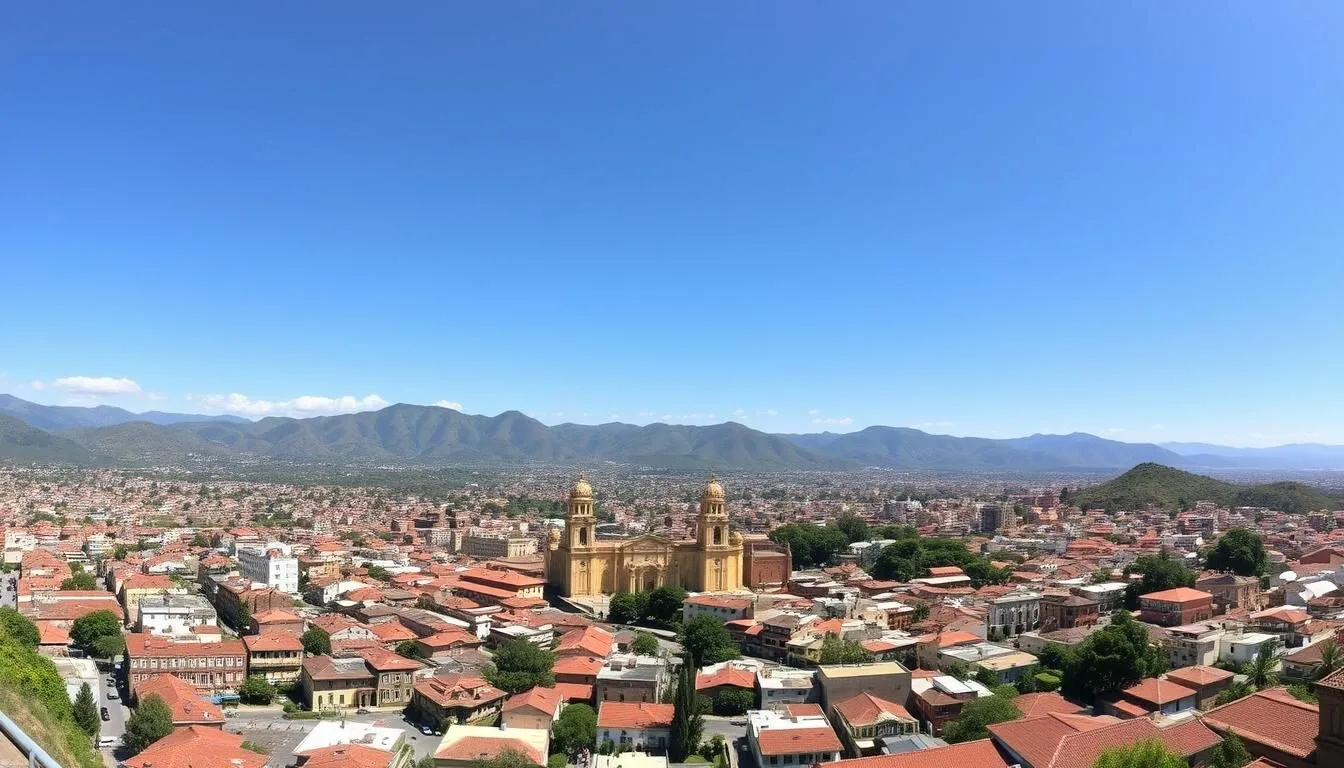
Panoramic view of Ambato Ecuador with mountains in the background and the city nestled in the valley
Book reservations in numerous Languages + World Currencies.

Hotels by Trip.com

Flights by Trip.com

Did you know that Ambato’s famous Fiesta de las Flores y las Frutas features parade floats weighing up to 20 metric tons (44,000 lbs) – all meticulously decorated with fresh fruits, flowers, and produce? This stunning celebration is just one of the many reasons why Ambato, often overlooked by international travelers, deserves a spot on your Ecuador itinerary. Nestled in the Andean highlands at 2,577 meters (8,455 feet) above sea level, this vibrant city offers a perfect blend of cultural richness, natural beauty, and authentic Ecuadorian experiences without the tourist crowds.

Getting There & Planning Your Journey

Ambato is conveniently located in central Ecuador, about 120 km (75 miles) south of Quito. The city serves as an important transportation hub, making it relatively easy to reach from major Ecuadorian destinations.

By Air

Ambato doesn’t have its own airport. The closest international gateway is Mariscal Sucre International Airport in Quito. From there, you’ll need to continue your journey by land.

By Bus

The most common way to reach Ambato is by bus. Regular services connect Ambato to Quito (3 hours), Guayaquil (5-6 hours), Baños (1 hour), and Cuenca (5-6 hours). The Terminal Terrestre de Ambato is the city’s main bus terminal, located about 2 km from the city center.

By Car

If you prefer more flexibility, renting a car is an excellent option. The drive from Quito to Ambato along the E35 highway offers spectacular Andean scenery and takes approximately 2.5 hours, depending on traffic and weather conditions.

Best Time to Visit & Weather Tips
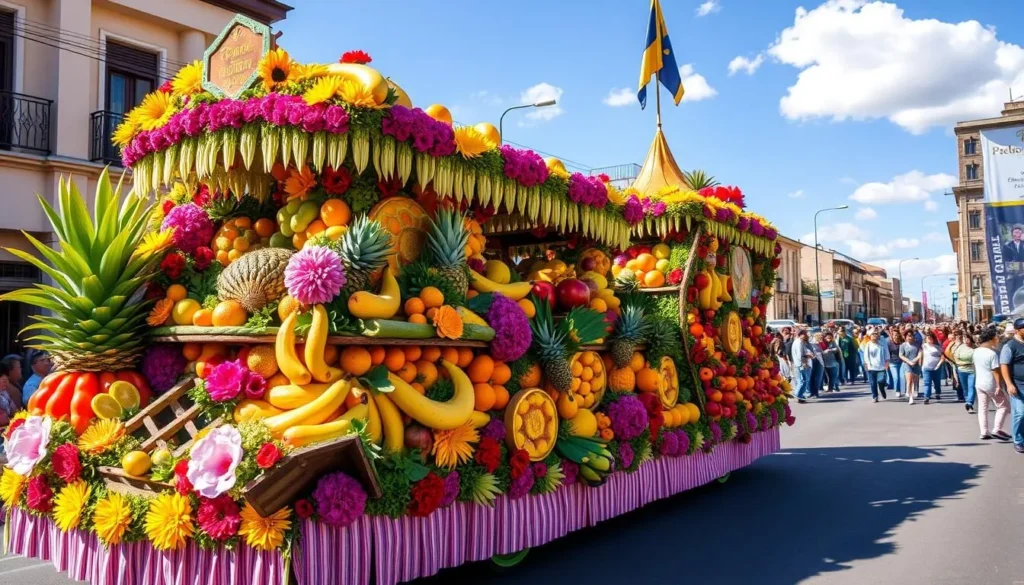
Colorful parade float during Ambato's Fiesta de las Flores y las Frutas festival decorated with fresh fruits and flowers

Ambato enjoys a mild climate year-round thanks to its elevation, with temperatures typically ranging between 10°C to 25°C (50°F to 77°F). The city experiences two main seasons:

Dry Season (June to September)

The dry season brings clearer skies and less precipitation, making it ideal for outdoor activities and exploring the surrounding natural areas. Daytime temperatures are pleasant, but nights can be quite cool, so pack layers.

Rainy Season (October to May)

The wet season sees more frequent afternoon showers, but mornings are often clear. The landscape becomes lush and green during this period. Rain typically doesn’t last all day, so sightseeing is still possible with some flexibility.

Festival Season (February-March)

For a truly unique experience, plan your visit during the famous Fiesta de las Flores y las Frutas (Festival of Flowers and Fruits), held annually in February or early March before Lent. This vibrant celebration features elaborate parades, cultural performances, food festivals, and agricultural exhibitions. The exact dates vary each year, so check the current schedule before planning your trip.

Travel Tip: Even during sunny days, Ambato’s high altitude means UV exposure is intense. Always wear sunscreen, a hat, and sunglasses, even on cloudy days.

✓  Check 30,000+ Local Sightseeing Tours Worldwide

Click Here

Getting Around Locally

Ambato is a relatively compact city, making it easy to explore many attractions on foot, especially around the historic center. However, there are several transportation options to help you get around:

Taxis

Taxis are abundant and affordable in Ambato. Most rides within the city cost between $1.50-$3. Always ensure the taxi has a meter or agree on a price before starting your journey.

Local Buses

Ambato has an extensive network of local buses that can take you to different neighborhoods and nearby attractions. The fare is typically around $0.30 per ride. Buses display their routes on the windshield.

Rental Cars

Having your own vehicle provides the most flexibility, especially if you plan to explore attractions outside the city like Quisapincha or nearby natural areas. The city’s grid layout makes navigation relatively straightforward.

Where to Stay in Ambato
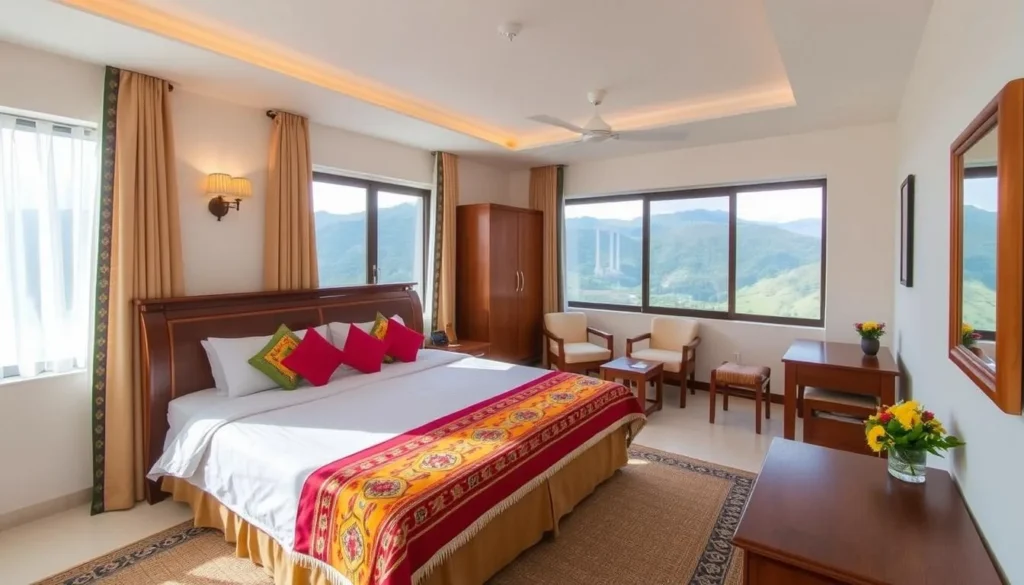
Elegant hotel room in Ambato with traditional Ecuadorian decor and mountain views

Ambato offers a range of accommodation options to suit different budgets and preferences. Most hotels are concentrated in the city center, providing easy access to main attractions, restaurants, and transportation.

Luxury Options

For upscale accommodations, consider Hotel Mary Carmen or Hotel Emperador. These properties offer comfortable rooms, excellent amenities, and convenient locations. Many luxury hotels also feature on-site restaurants serving both local and international cuisine.

Mid-Range Choices

Hotel Kapital and Hotel Dubai provide good value with clean, comfortable rooms and helpful service. These mid-range options typically include breakfast and are within walking distance of Ambato’s main attractions.

Budget-Friendly Stays

Travelers on a budget can find several affordable hostels and guesthouses, particularly around the bus terminal area. Hostal Runa Huasi offers a unique opportunity to experience indigenous culture while staying with a local Salasaka family.

Dining & Local Cuisine
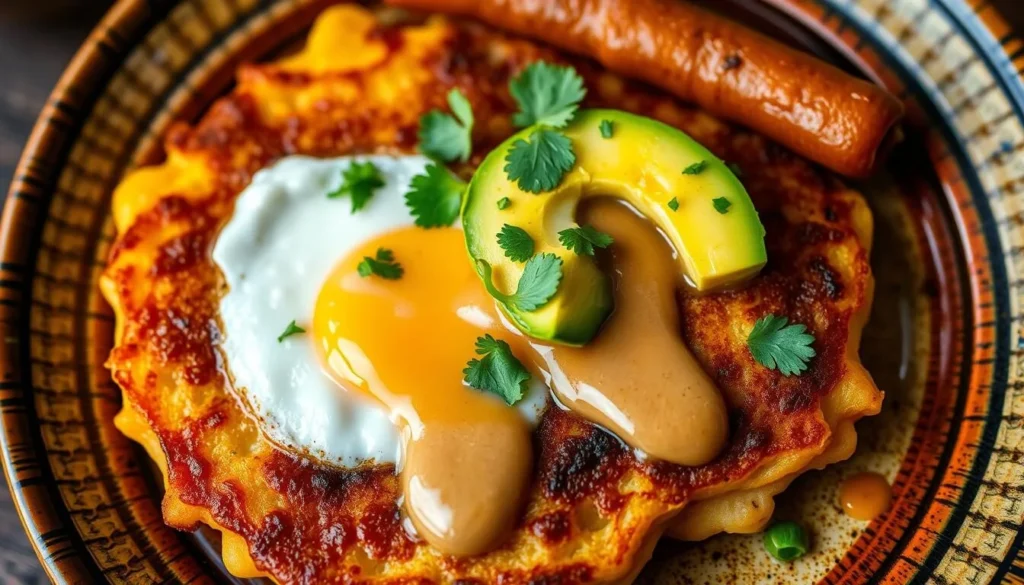
Traditional Ambato dish of llapingachos (potato pancakes) with chorizo, fried egg, avocado, and peanut sauce

Ambato is known throughout Ecuador for its excellent cuisine, particularly its fruits, bread, and traditional dishes. The city’s central location makes it a hub for ingredients from across the country, resulting in a diverse and flavorful culinary scene.

Must-Try Local Dishes

  • Llapingacho Ambateño – Delicious potato pancakes typically served with chorizo, fried egg, avocado, and peanut sauce. This hearty dish is a local favorite.
  • Gallinas de Pinllo – Juicy roasted chicken served with potatoes and peanut sauce, a specialty from the San Bartolomé de Pinllo neighborhood.
  • Pan de Ambato – The city’s famous bread, particularly from the Pinllo area, is renowned throughout Ecuador for its quality and flavor.
  • Colada Morada – A traditional sweet beverage made from purple corn flour, fruits, and spices, especially popular during Day of the Dead celebrations.
  • Cuyes de Ficoa – For the adventurous eater, guinea pig is a traditional Andean delicacy prepared to perfection in the Ficoa neighborhood.

Where to Eat

For an authentic culinary experience, visit these recommended spots:

Mercado Central

Sample fresh juices, empanadas de morocho, and local dishes at affordable prices. The mora con coco (blackberry and coconut) juice is a must-try.

Casa El Recreo

Operating since 1948, this restaurant is famous for its Gallinas de Pinllo. Located in San Bartolomé de Pinllo neighborhood.

Chocolates Escobar

A family-run chocolate shop using traditional methods to create exquisite chocolates from Ecuadorian cacao.

Local Tip: Monday is the busiest market day in Ambato, followed by Wednesday and Friday. These are the best days to experience the vibrant market culture and find the freshest produce.

Top Attractions & Activities in Ambato
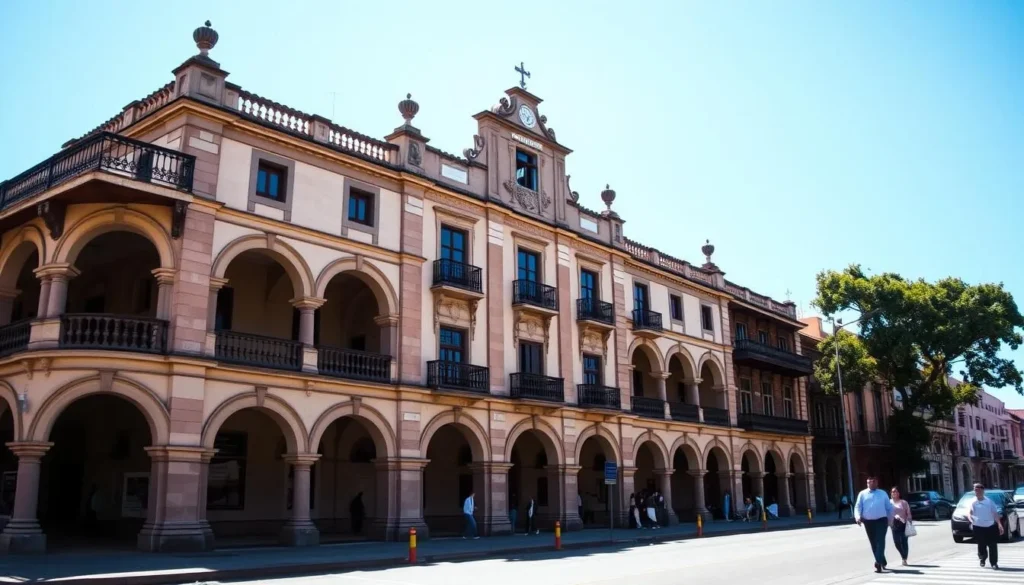
The historic Casa del Portal building in Ambato with its distinctive colonial architecture

Ambato offers a diverse range of attractions that showcase its rich history, culture, and natural beauty. Here are the must-visit places during your stay:

1. Miraflores Neighborhood

One of Ambato’s most charming areas, Miraflores features beautiful orchards, gardens, and streets named after flowers. This historic neighborhood began flourishing in the early 1900s with the railway connection to Quito and retains much of its original character.

2. Casa del Portal

This remarkable historic building with its distinctive colonial architecture has become a defining feature of Ambato’s landscape. The structure showcases the architectural style emblematic of South American growth in the 19th century.
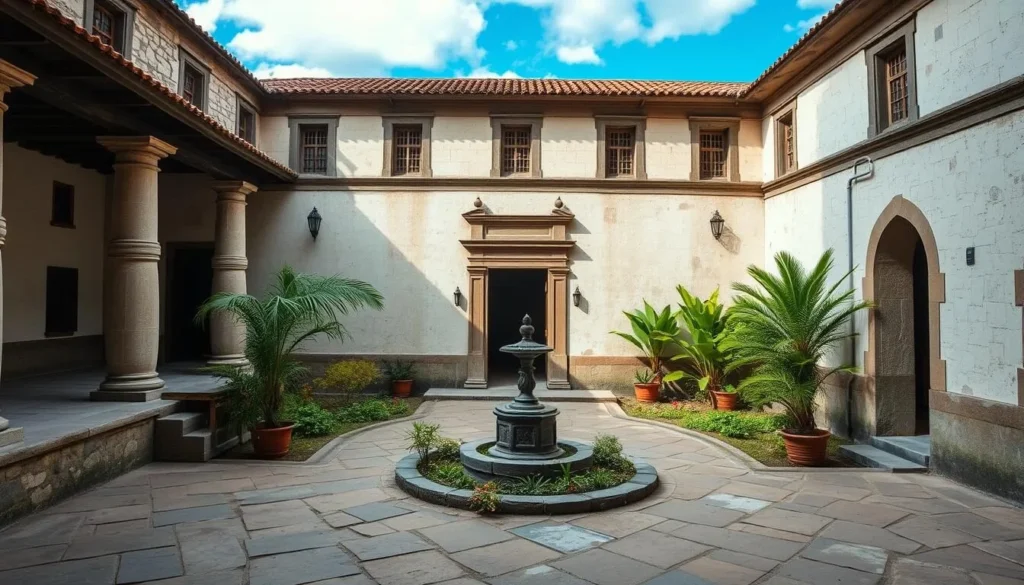
Interior courtyard of Juan Montalvo's Mausoleum in Ambato with traditional architecture and garden

3. Juan Montalvo’s Mausoleum

One of Ambato’s earliest and most remarkable structures, this mausoleum honors the famous Ecuadorian writer and political essayist. The unique architectural details of its façade showcase the craftsmanship of Ecuador’s early architects.

4. Cevallos Park

Formerly known as Plaza de San Bartolomé, this central park serves as a vital gathering spot for locals. Named after scholar Pedro Fermin Cevallos, it’s an ideal place to relax and observe daily life in Ambato.

5. Mercado Central and Mercado Modelo

Ambato’s vibrant markets are famous throughout Ecuador. Visit on Monday (the busiest day), Wednesday, or Friday to experience the full energy as vendors from across the highlands gather to trade goods, particularly fruits and flowers.

Museums & Cultural Gems
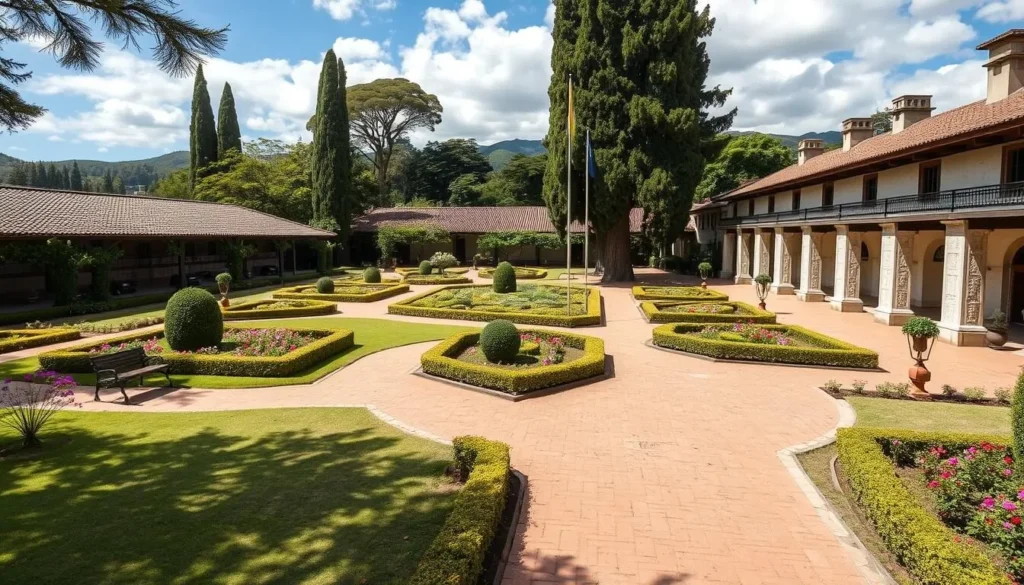
Gardens and historic buildings at Quinta de Juan León Mera museum in Ambato

Ambato has a rich cultural heritage, reflected in its numerous museums and cultural institutions. These sites offer insights into the city’s history, art, and literary contributions to Ecuador.

Quinta de Juan León Mera

This historic house museum celebrates the life and work of Juan León Mera, the author of Ecuador’s national anthem. The beautiful property features lush gardens, the writer’s original furnishings, and exhibits about his literary contributions.

Museo Martínez-Holguín

Located in the former home of the Martínez-Holguín family, this museum features a collection of historical artifacts, photographs, and documents that provide a window into the lives of prominent figures in Ambato’s history.

Museo de la Casa del Portal

This museum preserves and displays cultural and historical artifacts of Ambato and the Tungurahua region. From colonial furniture to pre-Columbian artifacts, it offers a comprehensive look at the area’s past.

Museo L. Edmundo Martínez Mera

Discover the rich tapestry of Ecuadorian art at this cultural treasure in Ambato, showcasing diverse artistic expressions from both historical and contemporary artists.

Cultural Tip: Many museums in Ambato are closed on Mondays and may have limited hours on Sundays. Plan your cultural visits for Tuesday through Saturday for the best experience.

Festivals & Events
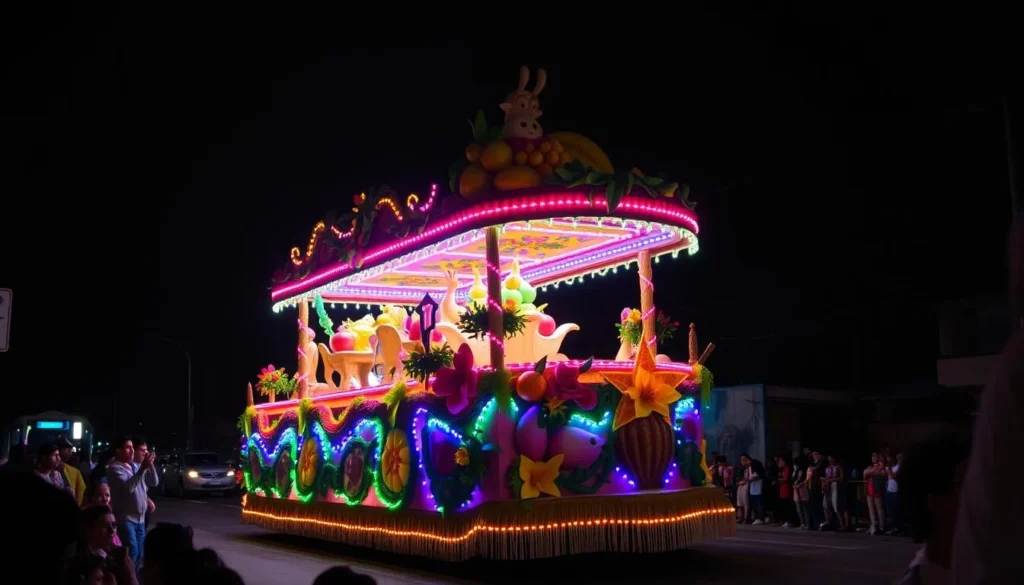
Nighttime parade during Ambato's Fiesta de las Flores y las Frutas with illuminated floats

Fiesta de las Flores y de las Frutas

Ambato’s most famous celebration is the “Festival of Flowers and Fruits,” held annually in February or early March before Ash Wednesday. This two-week extravaganza features:

  • Elaborate parades with floats decorated with fresh flowers and fruits
  • Cultural performances showcasing traditional music and dance
  • Beauty pageants and the election of the Queen of Ambato
  • Agricultural exhibitions highlighting the region’s produce
  • Street fairs with amusement rides and food vendors
  • The blessing of Flowers, Fruits, and Bread ceremony
  • Night parades with illuminated floats
  • International Folklore Festival with performers from across Latin America

The festival originated in 1950 as both a celebration of the region’s agricultural bounty and a resilient response to the devastating earthquake that struck the city in 1949.

Other Notable Events

Throughout the year, Ambato hosts various cultural events and celebrations, including:

  • Independence Day (April 12) – Commemorating Ambato’s declaration of independence with civic parades and cultural events
  • Founding of Ambato (December 6) – Celebrating the city’s founding with various festivities
  • Indigenous Celebrations – Events hosted by the surrounding indigenous communities of Salasaka, Quisapincha, Tomabela, and Chibuleo

Shopping & Handicrafts
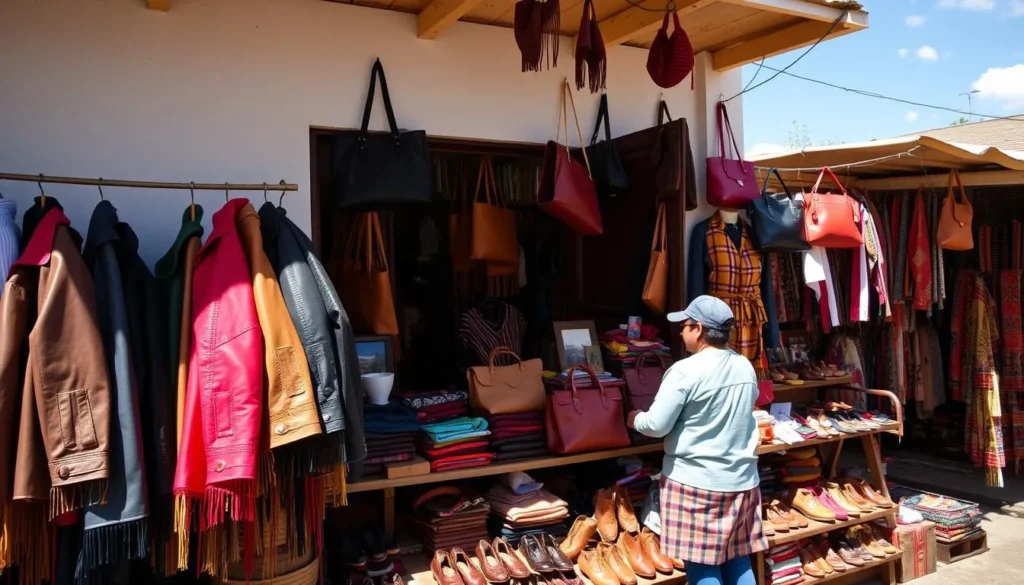
Colorful leather goods and handicrafts at Quisapincha market near Ambato

Ambato’s central location makes it an excellent shopping destination, with goods from across Ecuador readily available. The city is particularly known for its markets, leather goods, and artisanal products.

Quisapincha

Located about 20 minutes from Ambato, this small town is famous for its high-quality leather products at remarkably affordable prices. You’ll find everything from jackets and shoes to bags and accessories, often at half the price of similar items in Quito or other major cities.

Mercado Central

Beyond food, Ambato’s central market offers a variety of handicrafts, textiles, and souvenirs. It’s an excellent place to find locally made products and practice your bargaining skills.

Indigenous Crafts

The surrounding indigenous communities, particularly Salasaka, produce distinctive textiles, weavings, and crafts that make unique souvenirs. Look for the characteristic geometric patterns and vibrant colors of Salasaka textiles.

Shopping Tip: Prices are often negotiable at markets and small shops. Polite bargaining is expected, but remember that a fair price supports local artisans and their families.

Day Trips from Ambato
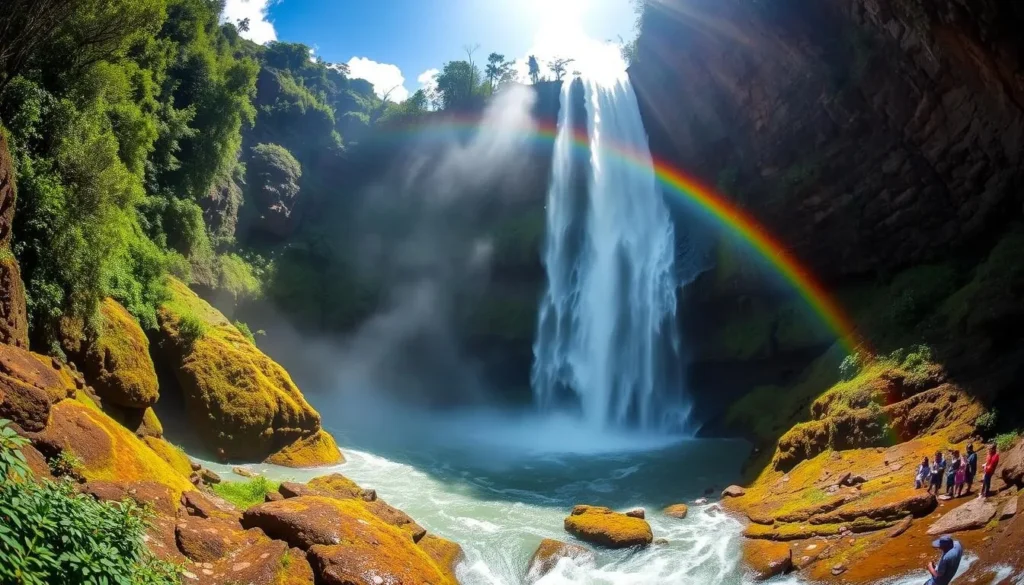
Waterfall and lush scenery in Baños de Agua Santa near Ambato

Ambato’s central location makes it an excellent base for exploring other attractions in the Ecuadorian highlands. Here are some recommended day trips:

Baños de Agua Santa (1 hour)

This adventure town is famous for its thermal baths, waterfalls, and outdoor activities. Don’t miss the spectacular Ruta de las Cascadas (Route of the Waterfalls) and the thrilling swing at Casa del Árbol with views of the Tungurahua volcano.

Salasaka Community (30 minutes)

Visit this indigenous community to learn about their unique culture, traditions, and craftsmanship. The colorful textiles produced here are among the most distinctive in Ecuador.

Patate Valley (45 minutes)

Known for its fruit orchards and vineyards, this picturesque valley offers beautiful scenery and opportunities to sample local wines and produce.

Chimborazo Wildlife Reserve (1.5 hours)

Home to Ecuador’s highest peak, Mount Chimborazo (6,263 m/20,548 ft), this reserve offers hiking trails, wildlife viewing, and spectacular Andean landscapes.

Practical Travel Tips
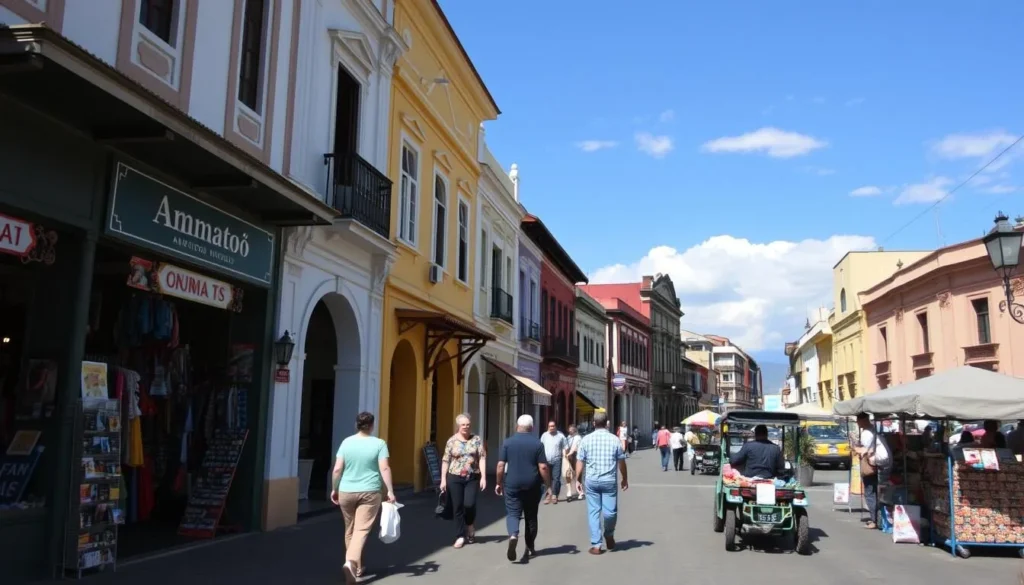
Street scene in Ambato showing local life with people walking and shopping

Safety

Ambato is generally a safe city for tourists, but standard precautions apply. Keep valuables secure, be aware of your surroundings, and avoid displaying expensive items. The city center is well-patrolled and safe to explore during daylight hours.

Money

Ecuador uses the US dollar as its official currency. ATMs are readily available in Ambato, but it’s advisable to carry some cash, especially when visiting markets or smaller establishments that may not accept cards.

Altitude

At 2,577 meters (8,455 feet) above sea level, Ambato’s altitude can affect visitors. Take time to acclimatize, stay hydrated, and consider altitude sickness medication if you’re sensitive to high elevations.

Language

Spanish is the primary language in Ambato. While some tourism professionals may speak basic English, having a few Spanish phrases will greatly enhance your experience and interactions with locals.

Local Etiquette

Ecuadorians are generally warm and friendly. Greetings are important – a handshake or kiss on the cheek is common. Dress modestly when visiting churches or religious sites. Tipping is not obligatory but appreciated for good service (10% is standard in restaurants).

Health Tip: Tap water in Ambato is not recommended for drinking. Stick to bottled or filtered water and be cautious with street food, choosing busy vendors with high turnover for the freshest options.

Ready to Experience Ambato?

Sunset view over Ambato with city lights beginning to twinkle and mountains in background

Ambato may not be as famous as other Ecuadorian destinations, but this charming Andean city offers authentic experiences, rich culture, and warm hospitality that make it well worth a visit. Whether you’re drawn by the spectacular Fiesta de las Flores y las Frutas, the delicious local cuisine, or the opportunity to explore a less-touristy side of Ecuador, Ambato rewards travelers with memorable experiences and genuine connections.

From strolling through the historic Miraflores neighborhood to sampling the country’s best bread in Pinllo, from bargain-hunting for leather goods in Quisapincha to using the city as a base for exploring the surrounding natural wonders – Ambato has something to offer every type of traveler.


When booking a cruise stateroom, you face one final choice after picking your deck and room category: Port or Starboard?

For decades, maritime tradition has designated the left side of the ship as Port (think of how both words have four letters) and the right side as Starboard when facing forward toward the bow.

Many first-time cruisers stress over this choice, worried they will spend a week staring at the empty ocean while passengers on the opposite side enjoy stunning postcard views. Let’s clear up the myths and look at how to choose the ideal side of the ship for your next vacation.

The Sunset Myth: Can You Guarantee a View?

The single most common reason travelers agonize over port vs. starboard is wanting to watch the sunset from their private balcony.

  • The Reality: Unless your cruise is a straight line going in one direction for seven days, the ship will be constantly changing heading. It snakes around islands, navigates twisting fjords, and turns around completely to head home.

  • The Math: If you are sailing south, the starboard side faces west (sunset) and the port side faces east (sunrise). When you turn around to sail north back to your home port, those views swap completely.

3 Scenarios Where the Side of the Ship Matters

While general ocean crossings make the side of the ship mostly irrelevant, there are three specific travel scenarios where your choice will drastically impact your experience.

1. One-Way Landfall Itineraries (e.g., Alaska or Europe Northbound)

If you are taking a cruise that begins in one city and ends in another without turning back, the side of the ship is critical.

  • Northbound Alaska: If you are sailing north from Vancouver or Seattle up to Seward or Whittier, the starboard side will face the dramatic mountain ranges, coastal forests, and passing wildlife for the majority of the trip. The port side will face the open Pacific Ocean.

  • Southbound Alaska: If you are starting up north and sailing south, you want the port side to stay facing the coastline.

2. Scenic Cruising Days (Glaciers and Fjords)

Some itineraries feature dedicated days where the ship sails deep into a narrow bay or fjord strictly for sightseeing, such as Glacier Bay in Alaska or the Geirangerfjord in Norway.

  • The Reality: Captains want everyone to get their money's worth. When entering a scenic area, the ship will typically slow down or spin a full 360 degrees in front of major landmarks so both sides of the vessel get a view.

  • The Catch: While both sides get a view eventually, one side will get it while you are getting ready in the morning, and the other will get it while you are at lunch.

3. Iconic Harbor Departures

Sailing out of certain world-famous ports offers spectacular sights right from your balcony—if you choose correctly.

  • Sailing out of New York City: If you want a close-up, unobstructed view of the Statue of Liberty as the ship heads out to the Atlantic, you need to be on the port side.

What About Docking at the Pier?

A common belief is that the port side always faces the cruise terminal or town dock. After all, it's called the "port" side for a reason.

In the modern cruising world, this is completely false. How a ship docks depends entirely on:

  1. Coast Guard or Local Regulations: Marine traffic safety dictates how a ship must enter a harbor.

  2. Ship Maintenance: Ships often dock with a specific side facing the pier so crew members can paint the hull or perform safety drills on the lifeboats.

  3. Port Availability: If multiple ships are docked side-by-side, the captain will park whichever way fits safely.

You have a 50/50 chance of facing the bustling town or the open water on either side of the ship when tied up at a pier.

Summary Checklist: How to Choose

If you are still undecided, use these guidelines to make your final choice:

  • Choose Port If: You are taking a one-way southbound itinerary, love watching the sunrise while heading south, or want a view of the skyline when departing certain eastern ports.

  • Choose Starboard If: You are taking a one-way northbound itinerary, prefer watching the sunset while heading south, or enjoy seeing the coast while sailing north.

  • Choose Mid-Ship (Regardless of Side) If: You are prone to motion sickness. Staying low and centered on the ship matters significantly more for stability than being on the left or right side.

When booking a cruise, it is incredibly easy to get swept up in the excitement of choosing between an interior, oceanview, or balcony room. Cruise lines make every cabin look like a pristine, peaceful sanctuary in their brochure photos.

But seasoned cruisers know a hard truth: A cabin’s location on the deck plan matters significantly more than the room type itself.

If you choose the wrong spot, you could find yourself sleeping directly beneath a pounding nightclub subwoofer, or waking up at 5:00 AM to the sounds of metal lounge chairs scraping across a deck. To ensure your next vacation is actually relaxing, pull up your ship’s deck plan and ensure you aren’t accidentally booking one of these five problematic cabin locations.

1. The "Lido Deck Victim" (Directly Under the Pool or Buffet)

This is arguably the most common mistake first-time cruisers make. They see a cabin on a high deck just one floor below the pool and think, "Perfect! I’m only steps away from the action."

  • The Reality: The deck directly above you isn't just a place to swim; it is a high-traffic service zone. At 5:30 AM every single morning, the crew begins dragging hundreds of heavy, metal-framed lounge chairs across the deck to set up for the day, creating a loud, screeching noise that radiates straight through your ceiling.

  • How to avoid it: Always look at the deck plan for the level directly above your cabin. If it's the pool deck, the buffet, or a sports court, change your room.

2. The Late-Night Noise Trap (Above Nightclubs and Bars)

Conversely, you also have to look at what is directly below your feet. Many modern mega-liners place passenger cabins directly above the ship's main promenade, theater, or entertainment district.

  • The Reality: If your room sits over the main theater, a busy piano bar, or the nightclub, you are going to experience intense ambient noise. Even if a ship has great soundproofing, bass frequencies travel effortlessly through steel hulls. If the nightclub thumps until 2:00 AM, your cabin walls will likely vibrate right along with it.

  • The Worst Culprit: Cabins located near the aft (rear) elevator banks on lower passenger decks are notorious for sitting right over the ship's loudest late-night lounges.

3. The "Early Morning Wake-Up Call" (Lower Forward Cabins)

If you are trying to save money, the lowest passenger decks at the very front (bow) of the ship often look like an incredible bargain.

  • The Reality: These rooms face two major issues: motion and mechanics. The front of the ship acts like a teeter-totter; it pitches up and down far more dramatically than the middle of the ship, making it a nightmare if you are prone to seasickness.

  • The Hidden Noise: When the ship arrives at a port early in the morning, the captain will fire up the bow thrusters to maneuver, causing the entire front of the ship to vibrate violently. If the ship is dropping anchor rather than docking at a pier, the massive, clanging anchor chains are housed right next to these forward walls.

4. The Elevator Bank Bottleneck

Being close to the elevators seems like a great accessibility hack to cut down on walking down those incredibly long cruise ship corridors.

  • The Reality: Elevator lobbies are the primary meeting points on the ship. You will have to deal with the constant "ding" of the elevator doors opening and closing all night. Worse, you will hear crowds of high-energy passengers talking, laughing, and shouting as they return to their rooms after a few drinks at the bar.

5. Connecting Cabins (When You Don't Know the Neighbors)

Connecting cabins have a physical interior door that links two adjacent rooms—perfect for families traveling together. But if you are a solo traveler or a couple booking a standard room, cruise lines will frequently assign you a connecting room if it’s the last one available.

  • The Reality: An interior wooden connecting door provides significantly less sound insulation than a solid steel wall. Even when locked, you will likely hear your neighbors' television, their morning conversations, and the sound of their suitcases slamming around.

🛑 The Golden Rule of Cruise Booking

If you want a guaranteed quiet night of sleep, use the Sandwich Rule. Only book a cabin that is "sandwiched" safely between two other full decks of passenger cabins. If there are rooms above you and rooms below you, you are virtually guaranteed to avoid the ship's worst acoustic nightmares.

What About "Guarantee" Cabins?

When booking, you might see an option to book a "Guarantee Balcony" or "Guarantee Interior" at a steep discount. This means you pay a lower rate, but you let the cruise line pick your specific cabin number close to sail date.

While it's a great way to save money, keep in mind that cruise lines use this system to fill the rooms that nobody else wanted to pick. If you are a light sleeper or sensitive to motion, it is always worth paying a fraction more to hand-select your own room number safely away from the noise.

You’ve booked your cabin, picked your excursions, and now you’re staring at your cruise planner screen, facing one of the most hotly debated questions in travel: Should you buy the cruise drink package?

Cruise lines heavily market these unlimited packages, tempting you with the peace of mind that comes with a truly "all-inclusive" vacation. But at prices frequently soaring past $80 to $100+ per guest, per day (plus an automatic 18%–20% gratuity), a drink package can easily add over $1,400 to a 7-night vacation for a couple.

Let’s skip the marketing fluff and look at the actual math. Here is exactly how many drinks you need to consume per day to break even on major cruise lines right now, along with the hidden rules you need to know before you buy.

The Baseline: What Do Drinks Cost A La Carte?

To know if a package saves you money, you have to know what you’d spend without one. Across mainstream lines like Royal Caribbean, Carnival, and Celebrity, average a la carte prices generally sit within these ranges:

  • Cocktails & Mixed Drinks: $12 – $15

  • Glass of Wine: $10 – $14

  • Draft or Bottled Beer: $7.50 – $9.50

  • Specialty Coffee (Lattes, Espresso): $4.50 – $5.50

  • Bottled Water / Sodas: $3.00 – $4.00

Cruise Line Break-Even Math

Most lines require every adult sharing a cabin to purchase the package if one person does. This rule is designed to prevent couples from sharing a single package, and it drastically changes the financial math for a lot of travelers.

Here is what the daily math looks like based on average pre-cruise booking discounts:

1. Royal Caribbean (Deluxe Beverage Package)

  • Average Onboard Price: $75 to $105 per day (varies heavily by ship and sail date)

  • The Break-Even Number: 5 to 7 alcoholic drinks per day.

  • The Catch: If you use your package for morning specialty coffees, bottled waters to take to port, and fresh-squeezed juices, that break-even number drops to about 4 cocktails and 3 non-alcoholic premium drinks per day.

2. Carnival Cruise Line (CHEERS! Beverage Program)

  • Pre-Cruise Price: $64.95 per day (+18% gratuity)

  • The Break-Even Number: 5 to 6 alcoholic drinks per day.

  • The Catch: Carnival enforces a strict 15-alcoholic-drink limit per 24-hour period. While most people don't hit this cap, the package also includes unlimited sodas, energy drinks, and milkshakes.

3. Celebrity Cruises (Classic vs. Premium Package)

  • Average Price: Classic sits around $89/day; Premium sits around $109/day.

  • The Break-Even Number: 6 to 8 drinks per day.

  • The Catch: Celebrity’s Classic package only covers individual drinks up to $10. If you like premium spirits or high-end wine, you'll be charged the difference out of pocket unless you upgrade to the Premium package (which covers up to $17 drinks).

The "Hidden" Value: Non-Alcoholic Add-Ons

People often forget that these packages aren't just for alcohol. If you are someone who drinks a lot of fluids throughout the day, the non-alcoholic options can quickly push you into the profit zone.

Pro-Tip: If you drink two specialty lattes in the morning ($10), grab two large bottled waters for a shore excursion ($8), and have a Red Bull or soda by the pool ($5), you’ve already knocked $23 off your daily break-even target before ever touching a drop of alcohol.

When the Drink Package is WORTH It

  • You Love Peace of Mind: If you hate looking at your running balance on the ship's app and want to walk off the ship on the final morning with a $0 balance, buy the package.

  • You Spend a Lot of Time at Sea: On sea days, you are steps away from a bar 24/7. It is incredibly easy to hit your break-even point when you're lounging by the pool all day.

  • You're Visiting Private Islands: If your itinerary includes Perfect Day at CocoCay (Royal Caribbean) or Labadee, your drink package actually works on the island. This adds a massive amount of value to your purchase.

When the Drink Package is a WASTE of Money

  • Your Itinerary is Port-Intensive: If you are on a European or Alaskan cruise where you are off the ship from 8:00 AM to 5:00 PM almost every day, you won't have enough time on board to drink your money's worth.

  • One of You Doesn't Really Drink: Because of the "all adults in the cabin must buy it" rule, if you drink 8 cocktails a day but your spouse only drinks water, you are paying for two packages while only utilizing one. You will lose money overall.

  • You Only Drink Beer: Because beer is significantly cheaper than cocktails, you have to drink almost double the volume to break even. If you're a beer-only cruiser, paying a la carte is usually the smarter play.

The Verdict

Before hitting "purchase" in your cruise planner, look at your itinerary and your daily habits. If you honestly see yourself having a specialty coffee in the morning, a few beers by the pool, wine at dinner, and a cocktail during the evening theater show, the package will likely save you money.

If that sounds like exhausting work just to break even, save your cash, pay a la carte, and spend that money on a fantastic shore excursion instead.

The above is subject to change. Check back often to TRAVEL.COM for the latest travel information and deals.

Related Posts

Coming Soon: Clickable Maps