
Hotels by Trip.com
Flights by Trip.com
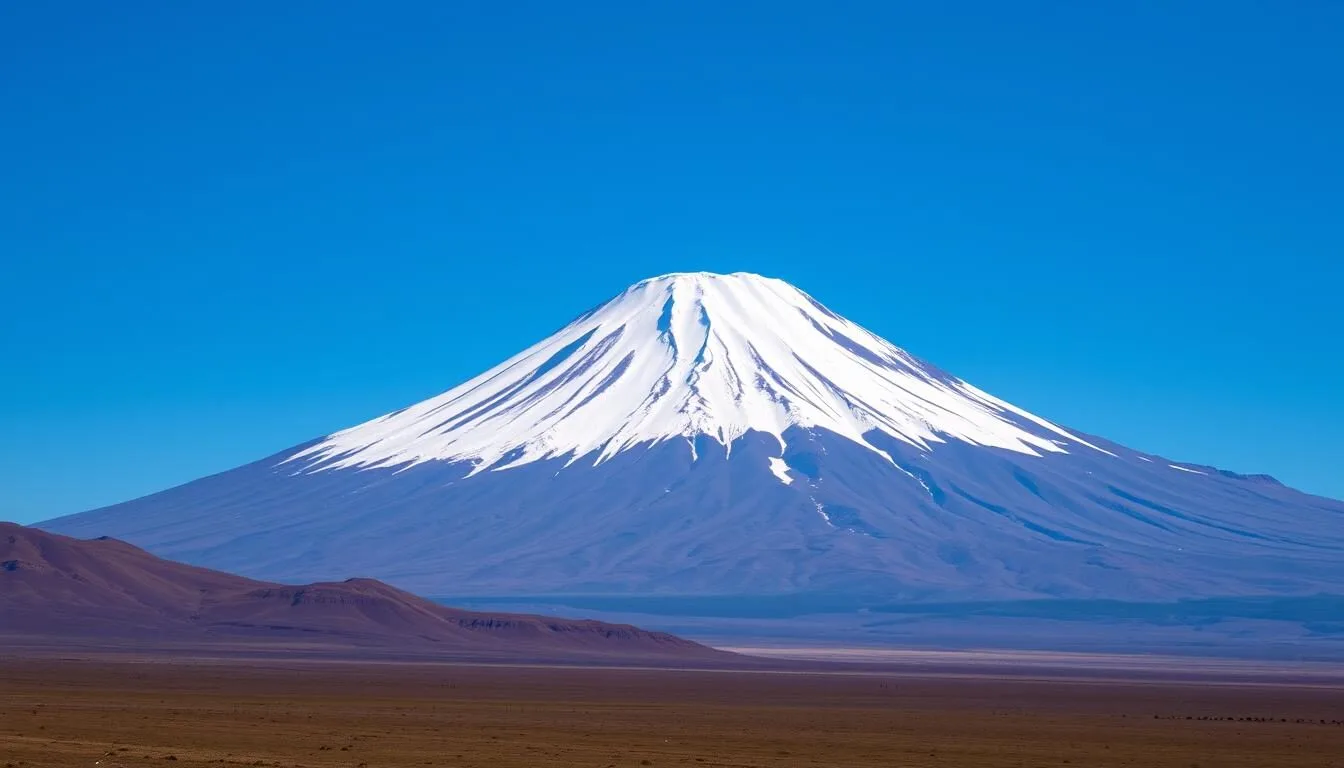
Did you know that despite Mount Everest being recognized as the world’s highest peak, Ecuador’s Chimborazo volcano actually claims the title of the furthest point from Earth’s center? Standing at 6,263 m (20,548 ft), Chimborazo’s summit is a staggering 2.1 km further from the planet’s core than Everest due to our planet’s equatorial bulge. This fascinating geological quirk makes Chimborazo National Park not just another beautiful landscape, but literally the closest place on Earth to the stars.
The Majestic Chimborazo National Park
Chimborazo National Park (Reserva de Producción de Fauna Chimborazo) spans nearly 60,000 hectares of protected Andean highlands in central Ecuador. The park is dominated by the massive Chimborazo volcano, a dormant stratovolcano whose last eruption dates back to 550 AD. Beyond its impressive statistics, the park offers breathtaking landscapes that transform from grassy plains to volcanic sand and finally to snow-capped peaks as you ascend.
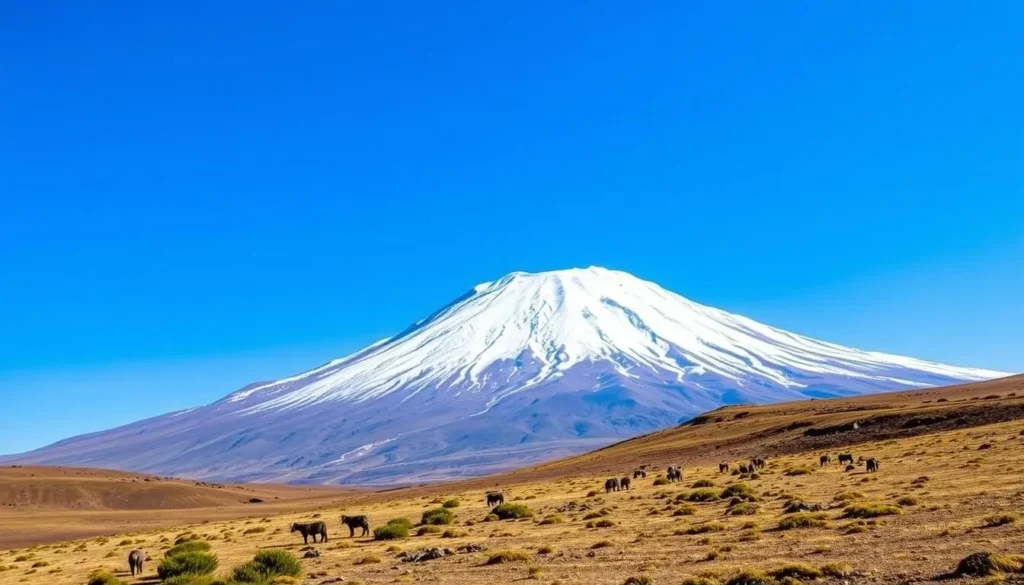
The park is home to wild vicuñas (relatives of llamas), Andean condors, and a variety of high-altitude flora that has adapted to the harsh mountain environment. For travelers, it offers a perfect blend of adventure activities, cultural experiences, and some of the most spectacular mountain scenery in South America.
Getting There & Planning Your Journey
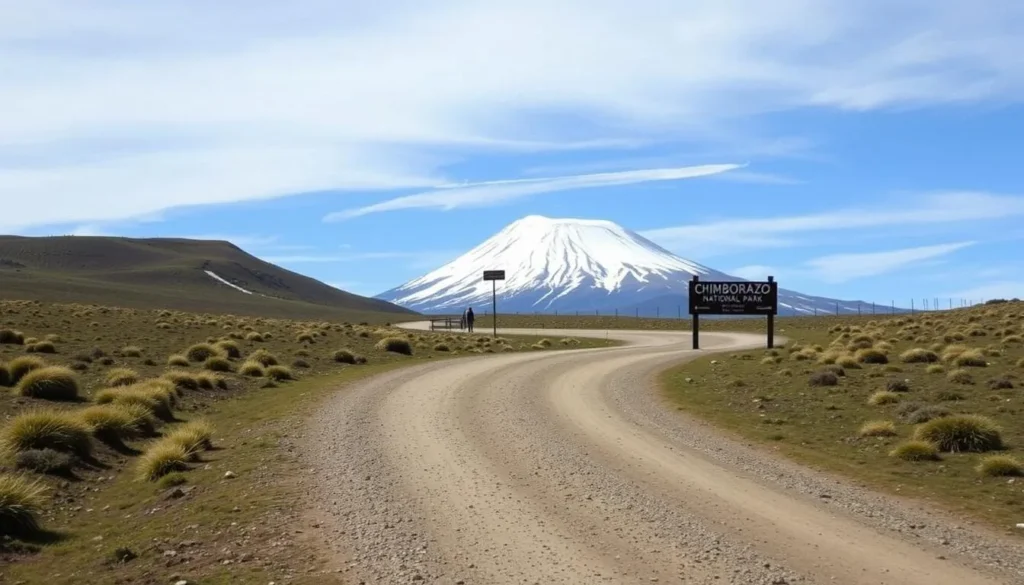
Chimborazo National Park is located approximately 220 kilometers south of Quito, Ecuador’s capital city. The closest major town is Riobamba, which serves as an excellent base for exploring the park.
From Quito:
- By bus: Regular services run from Quito to Riobamba (3-4 hours). From Riobamba, you can take a tour or hire transportation to the park.
- By car: The drive from Quito takes approximately 3.5 hours via the E35 highway. gives you the flexibility to explore at your own pace.
From Riobamba:
- By tour: Multiple agencies in Riobamba offer day trips to Chimborazo.
- By taxi: A round-trip taxi with waiting time costs approximately $40-60 USD.
- By public transport: Limited public transportation options exist—check with your accommodation for current schedules.
Best Time to Visit & Weather Tips
Chimborazo National Park can be visited year-round, but weather conditions vary significantly by season and even throughout a single day.
Dry Season (June to September)
The dry season offers the best visibility and more stable weather conditions. Temperatures at the park entrance (around 4,000 m) typically range from 3-14°C (37-57°F) during the day, dropping below freezing at night. This is the most popular time to visit, especially for climbing and trekking activities.
Wet Season (October to May)
The wet season brings more cloud cover and precipitation, often in the form of afternoon showers or snow at higher elevations. Morning visits offer the best chance for clear views of the volcano. Temperatures remain similar to the dry season, but wind and rain can make it feel much colder.
Pro Tip: Regardless of when you visit, always be prepared for rapidly changing mountain weather. Bring layers, waterproof clothing, sun protection, and plenty of water to combat altitude effects.
Getting Around Locally
Once inside Chimborazo National Park, there are several ways to explore the diverse landscapes and attractions:
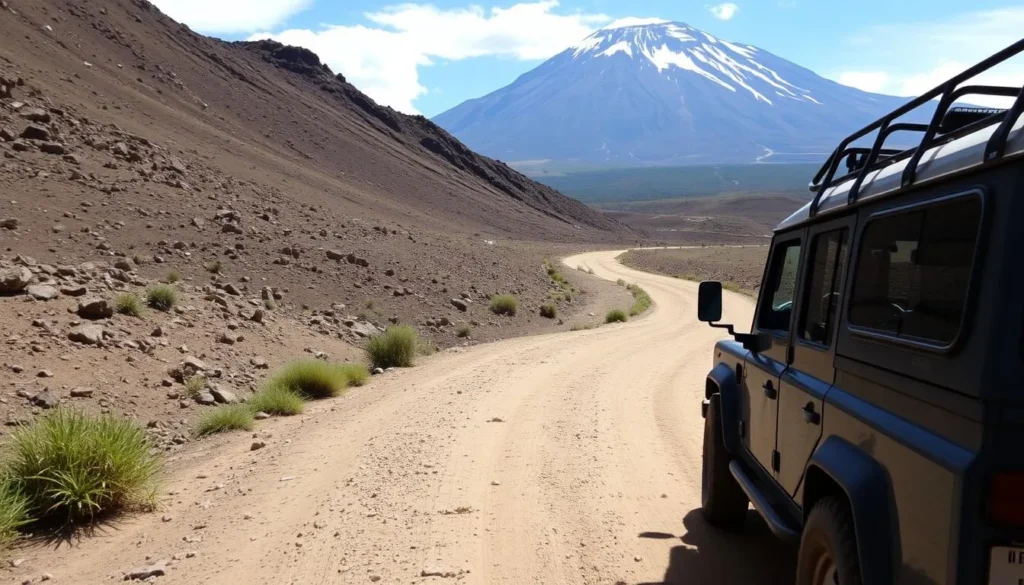
- By vehicle: A 4×4 vehicle is recommended for navigating the park’s rugged roads. The main road leads to the first refuge (Carrel) at 4,800 m (15,748 ft).
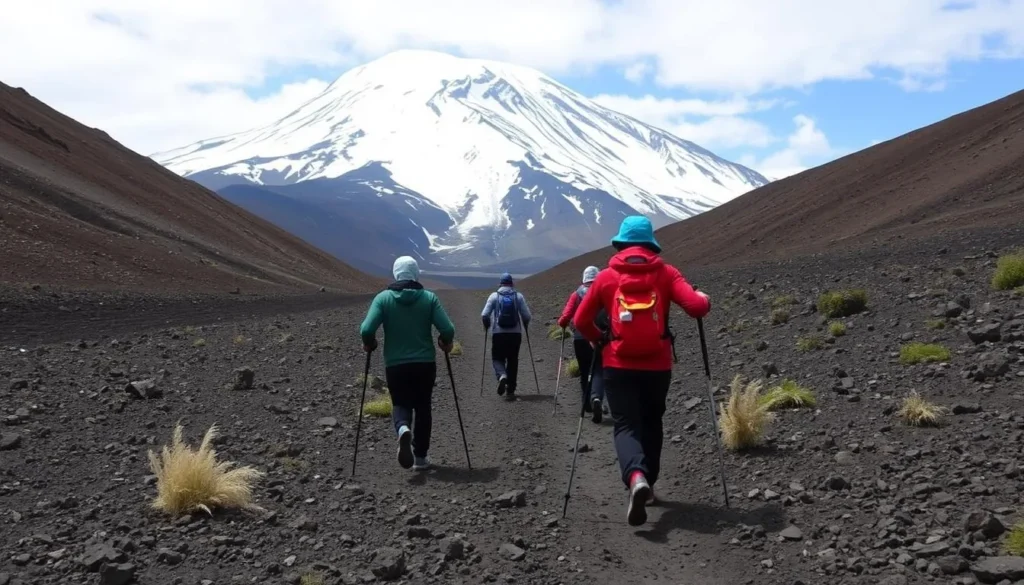
- On foot: Numerous hiking trails crisscross the park, ranging from easy walks to challenging treks.
- By mountain bike: Several tour operators offer downhill mountain biking experiences from the refuge.
Where to Stay
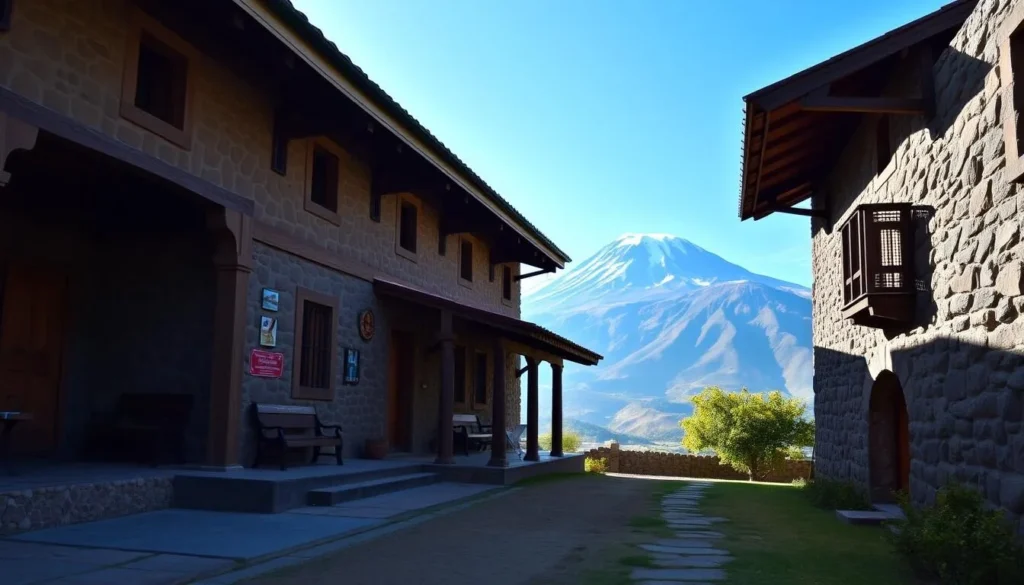
While there are no hotels within Chimborazo National Park itself, several accommodation options are available in the surrounding area:
In and Near Riobamba
- Hacienda Abraspungo: A luxury boutique hotel set in a former hacienda with beautiful gardens and mountain views.
- Hotel Casa Real: A colonial-style hotel offering comfortable rooms and excellent service in Riobamba.
- Hostería El Troje: Located on the outskirts of Riobamba with views of Chimborazo.
Mountain Refuges
- Refugio Carrel: Located at 4,800 m (15,748 ft), this basic refuge offers dormitory-style accommodation for climbers and trekkers.
- Refugio Whymper: Situated at 5,000 m (16,404 ft), this higher refuge provides simple shelter for those acclimatizing or preparing for summit attempts.
Dining & Local Cuisine
The Chimborazo region offers a taste of traditional Ecuadorian highland cuisine, with several dishes unique to the area:

Local Specialties
- Locro de papa: A hearty potato soup with cheese, avocado, and local herbs.
- Hornado: Slow-roasted pork, a specialty of the Chimborazo province.
- Llapingachos: Fried potato patties stuffed with cheese.
- Cuy: Roasted guinea pig, a traditional Andean delicacy (not for the faint-hearted!).
Where to Eat
Inside the park, food options are limited to simple snacks and hot drinks available at the Carrel Refuge. For proper meals:
- Riobamba: Offers numerous restaurants serving traditional and international cuisine.
- Roadside restaurants: Small eateries along the route to Chimborazo serve authentic local dishes at reasonable prices.
- Hacienda restaurants: Many haciendas in the area offer dining experiences featuring farm-to-table ingredients.
Food Tip: When visiting high-altitude areas like Chimborazo, stay well-hydrated and avoid heavy meals, which can worsen altitude symptoms. Coca tea, available throughout the region, is a traditional remedy for altitude discomfort.
✓ Check 30,000+ Local Sightseeing Tours Worldwide
Attractions, Sightseeing & Activities
Chimborazo National Park offers a wealth of activities for nature lovers, adventure seekers, and cultural enthusiasts:
Trekking and Hiking
- Refugio Whymper Trek: A popular 2-3 hour round-trip hike from the Carrel Refuge to the Whymper Refuge at 5,000 m (16,404 ft).
- Templo Machay: A sacred pre-Columbian site located on the southern slopes of the volcano.
- Polylepis Forest: Home to the highest-growing trees in the world, this unique ecosystem is worth exploring.
Mountain Climbing
Climbing to Chimborazo’s summit requires proper acclimatization, physical fitness, and technical skills. Most climbers use the following route:
- Day 1: Acclimatization at the Carrel Refuge (4,800 m)
- Day 2: Move to the Whymper Refuge (5,000 m) for further acclimatization
- Day 3: Summit attempt (usually starting around midnight) and descent
Wildlife Viewing
The park is home to several fascinating Andean species:
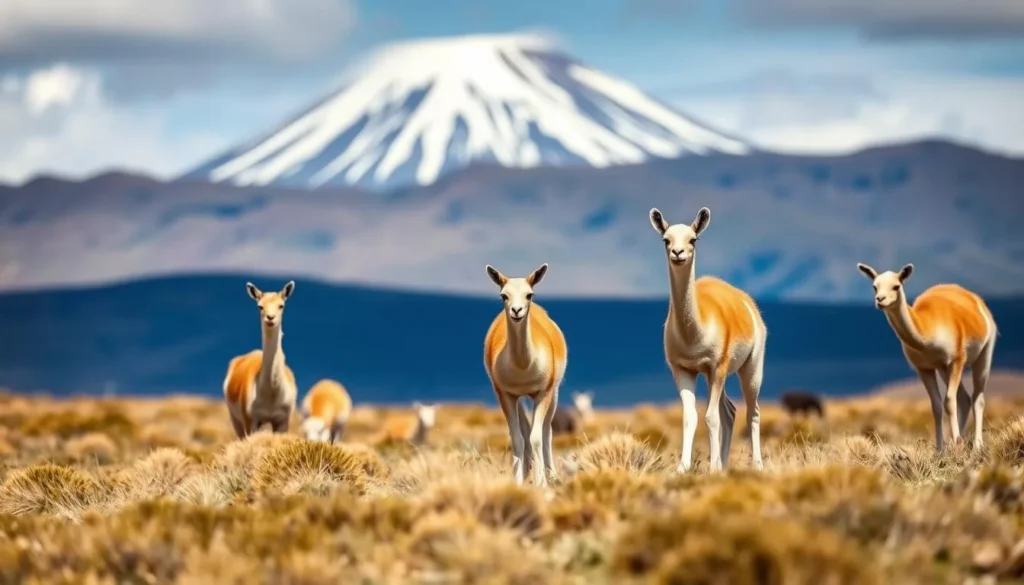
- Vicuñas: Wild relatives of llamas and alpacas, reintroduced to the park in the 1980s.
- Andean condors: With luck, you might spot these magnificent birds soaring above the peaks.
- Andean foxes: Occasionally seen in the early morning or late afternoon.
- Deer and rabbits: Common throughout the lower elevations of the park.
Mountain Biking
Adrenaline seekers can enjoy downhill mountain biking from the refuge to the park entrance, descending through diverse ecosystems and enjoying spectacular views along the way. Several tour operators in Riobamba offer guided biking excursions with equipment rental.
Cultural Experiences & Local Traditions
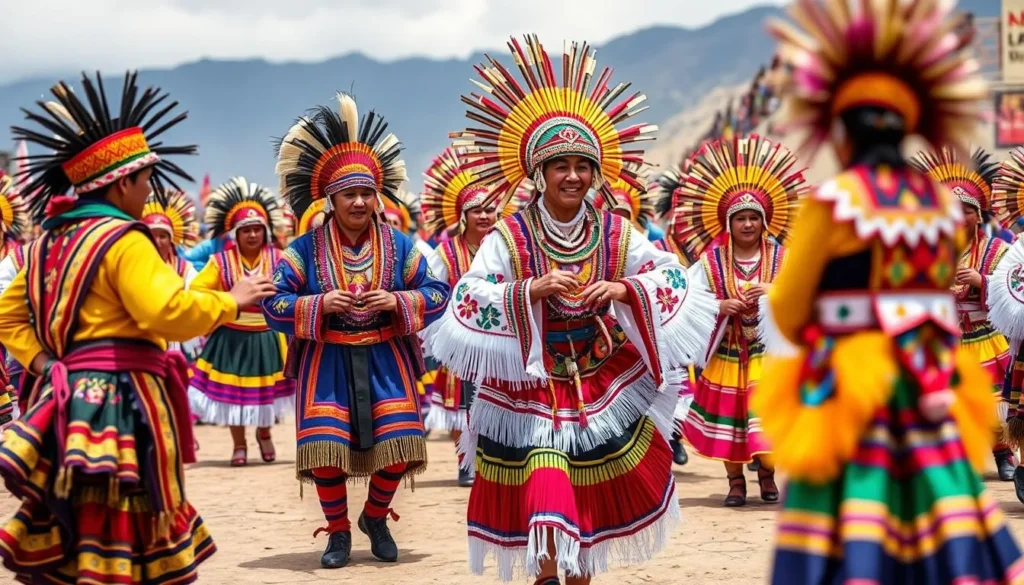
The Chimborazo region is rich in indigenous culture and traditions, offering visitors a glimpse into Ecuador’s diverse heritage:
Indigenous Communities
Several indigenous communities live in the shadow of Chimborazo, maintaining traditional lifestyles and agricultural practices. Some communities welcome visitors for cultural exchanges and demonstrations of traditional crafts, farming, and cooking.
Local Markets
- Guamote Market: One of Ecuador’s most authentic indigenous markets, held every Thursday.
- Riobamba Market: The Saturday market is a colorful affair where you can see the “last iceman of Chimborazo” selling glacier ice from the mountain.
- Salinas de Guaranda: A community-based tourism project famous for its cheeses and chocolates.
Myths and Legends
In indigenous cosmology, Chimborazo is considered a male mountain deity or “Taita” (father). Local legends tell of the mountain’s love affair with the nearby female volcano Tungurahua (“Mama”) and their “child” Guagua Pichincha near Quito. These stories reflect the deep spiritual connection between indigenous communities and the natural landscape.
Practical Travel Tips
Make the most of your visit to Chimborazo National Park with these essential tips:
Altitude Considerations
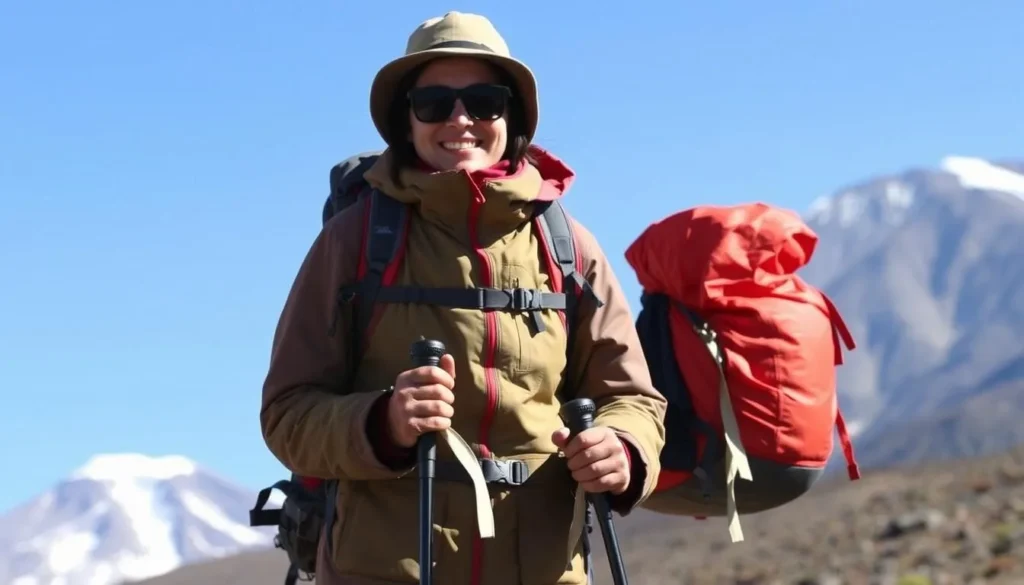
The park entrance sits at approximately 4,000 m (13,123 ft), with activities taking place at even higher elevations. Altitude sickness is a real concern:
- Spend 2-3 days in Quito or Riobamba to acclimatize before visiting.
- Stay hydrated and avoid alcohol.
- Move slowly and listen to your body.
- Consider medication like Acetazolamide (consult your doctor).
- Descend immediately if you experience severe symptoms (intense headache, vomiting, confusion).
What to Pack
- Clothing: Multiple layers, waterproof jacket, warm hat, gloves, sturdy hiking boots.
- Sun protection: High SPF sunscreen, sunglasses, lip balm (UV radiation is intense at high altitudes).
- Other essentials: Water bottle, snacks, basic first aid kit, camera, cash (few places accept cards).
Safety Information
- Register at the park entrance and inform staff of your plans.
- Hire certified guides for climbing or technical treks.
- Check weather forecasts before setting out.
- Never hike alone in remote areas.
- Ensure your travel insurance covers high-altitude activities.
Language Tip: While tourist areas often have English speakers, learning basic Spanish phrases will enhance your experience, especially when interacting with local communities and guides.
Experience the Majesty of Chimborazo
Chimborazo National Park offers a truly unique experience that combines natural wonder, adventure, and cultural richness. Whether you’re standing at the Whymper Refuge gazing up at the ice-capped peak, spotting wild vicuñas against the volcanic landscape, or learning about indigenous traditions in nearby communities, a visit to this extraordinary place will leave you with lasting memories.
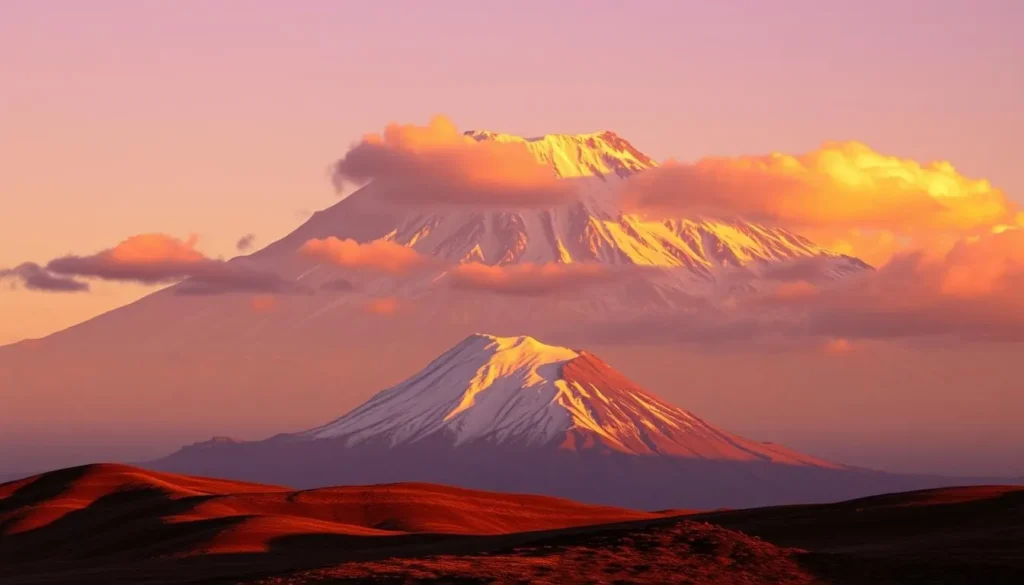
As you stand in the shadow of this magnificent volcano—literally the closest point on Earth to the stars—you’ll understand why Chimborazo has captivated explorers, scientists, and travelers for centuries. From Alexander von Humboldt’s pioneering studies to Edward Whymper’s historic first ascent, this mountain has inspired human achievement and wonder.
Related Posts
Amazon Jungle, Ecuador: Best Things to Do – Top Picks
Ambato, Ecuador: Best Things to Do – Top Picks
Cotopaxi National Park, Ecuador: Best Things to Do – Top Picks
Guayaquil, Ecuador: Best Things to Do – Top Picks

Ibarra, Ecuador: Best Things to Do – Top Picks
Loja, Ecuador: Best Things to Do – Top Picks
Coming Soon: Clickable Maps