
Hotels by Trip.com
Flights by Trip.com
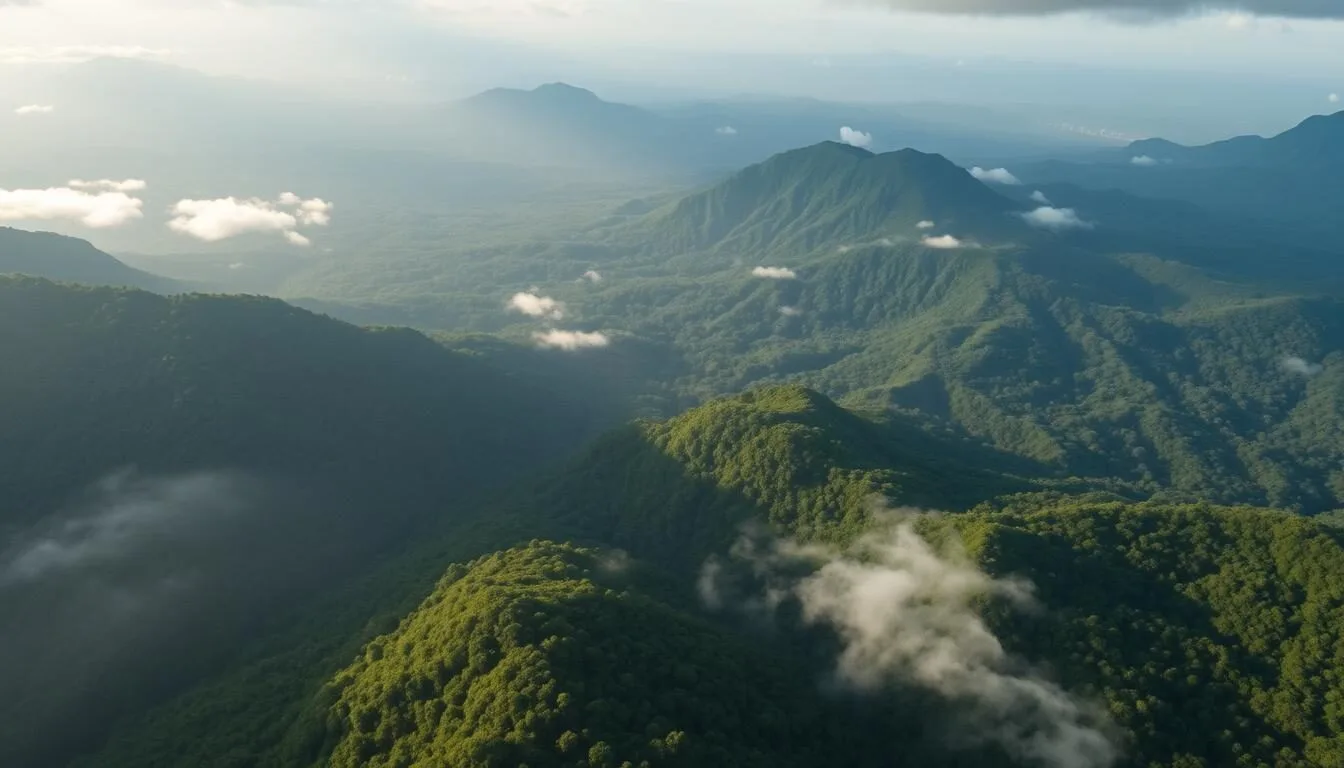
Did you know that the Acarai Mountains in Guyana are home to over 820 species of birds, including the rare and elusive harpy eagle, one of the world’s largest eagle species with wingspans exceeding 1.8m (6ft)? This remote mountain range along the Brazil-Guyana border remains one of South America’s least explored regions, with vast expanses of pristine rainforest that have remained largely untouched by human development.
Getting There & Planning Your Journey
Reaching the Acarai Mountains is an adventure in itself. The closest international gateway is Cheddi Jagan International Airport (GEO) near Georgetown, Guyana’s capital. From there, you’ll need to arrange a domestic flight to Lethem, followed by specialized transportation to access the mountain region.
Due to the remote nature of the Acarai Mountains, most travelers arrange their journey through specialized tour operators who can coordinate all transportation logistics. The journey typically involves:
- International flight to Georgetown, Guyana
- Domestic flight to Lethem (approximately 1 hour)
- Overland travel via 4×4 vehicles to reach the foothills
- Boat transportation along rivers that lead into the mountain region
Planning ahead is essential, as transportation options are limited and often need to be booked months in advance. Most visitors explore the region as part of a guided expedition rather than independent travel due to the logistical challenges.
Best Time to Visit & Weather Tips
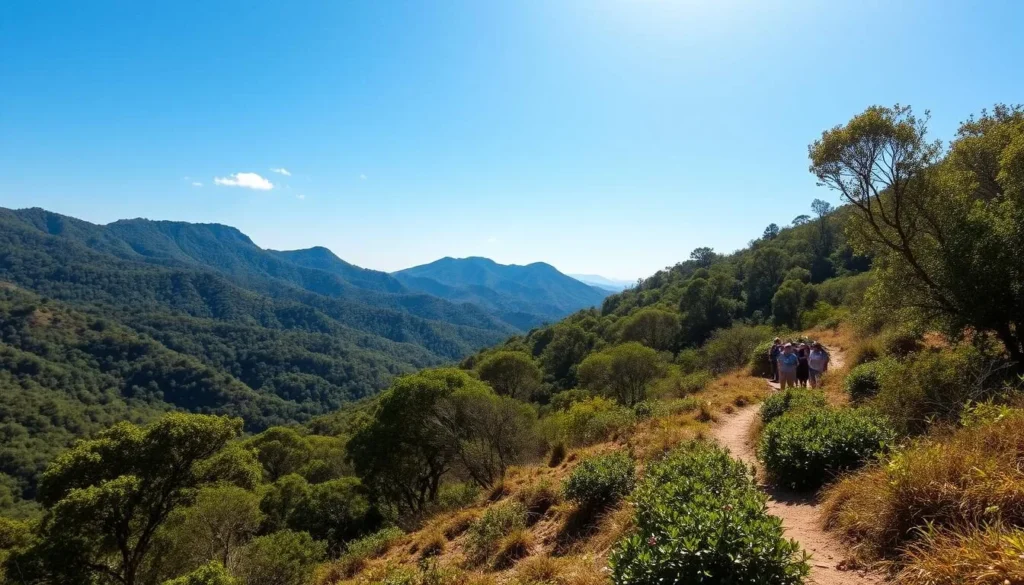
The Acarai Mountains, like much of Guyana, experience a tropical climate with distinct wet and dry seasons that significantly impact travel conditions.
Recommended Months to Visit
Dry Season (Best Time)
- February to April – Primary dry season with minimal rainfall
- September to November – Secondary dry season with moderate precipitation
Months to Avoid
- May to August – Heavy rainfall makes trails impassable
- December to January – Short rainy season with unpredictable weather
During the dry season, temperatures typically range from 24-32°C (75-90°F) during the day and 20-24°C (68-75°F) at night. The humidity remains high year-round, averaging 80-90%, so lightweight, moisture-wicking clothing is essential regardless of when you visit.
Weather Tip: Even during the dry season, be prepared for occasional afternoon showers. Pack quick-dry clothing and waterproof bags for electronics and important documents.
Getting Around Locally
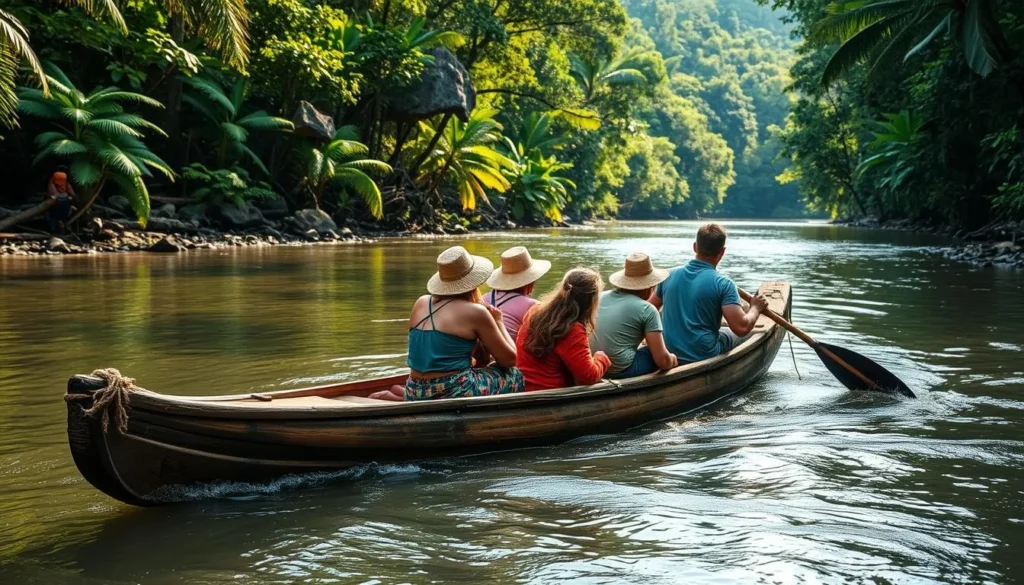
Once you’ve reached the Acarai Mountains region, transportation options are limited to a few traditional methods that have been used by local communities for generations:
Hiking Trails
The primary way to explore the mountains is on foot via hiking trails that connect various points of interest. These range from relatively easy walks to challenging multi-day treks.
Dugout Canoes
Traditional wooden canoes are used to navigate the rivers that flow through the region. Local guides are essential for safely maneuvering through rapids and shallow sections.
Guided Tours
Most visitors explore with experienced guides who know the terrain and can facilitate interactions with indigenous communities.
The lack of formal roads in the Acarai Mountains region means that traditional vehicles are not an option. Instead, visitors must embrace the adventure of traveling as locals do, which is part of the authentic experience of visiting this remote area.
Where to Stay
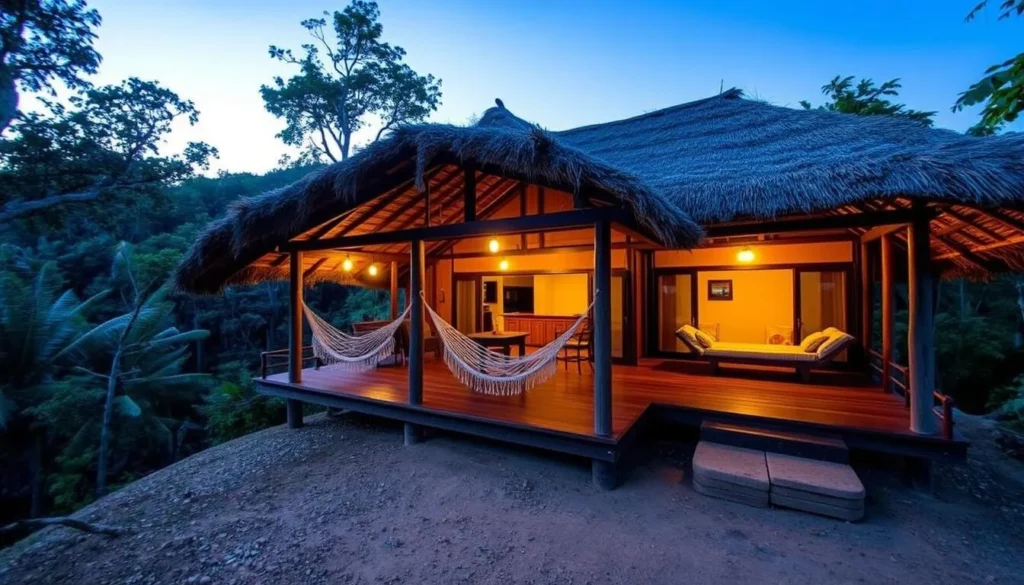
Accommodation options in the Acarai Mountains are limited but provide authentic experiences that connect visitors with the natural environment and local culture:
Check 30,000+ Local Sightseeing Tours Worldwide
✓ Numerous languages and currencies are available
Community-Run Eco-Lodges
Several indigenous communities operate basic eco-lodges that provide comfortable beds, mosquito nets, and locally prepared meals. These lodges are typically constructed using traditional methods and materials, offering an immersive cultural experience.
- Solar-powered lighting (limited hours)
- Shared bathroom facilities with rainwater showers
- Communal dining areas serving local cuisine
Expedition Camping
For more adventurous travelers, guided camping expeditions offer the chance to sleep under the stars in the heart of the mountains. Tour operators provide all necessary equipment, including hammocks with mosquito nets, the traditional sleeping arrangement in the Guyanese rainforest.
- Hammock camping with mosquito protection
- Meals prepared over campfires
- Immersive wilderness experience
Before heading to the mountains, most visitors spend at least one night in Georgetown and another in Lethem to prepare for their expedition. In these locations, you’ll find more conventional hotel accommodations with modern amenities.
Dining & Local Cuisine
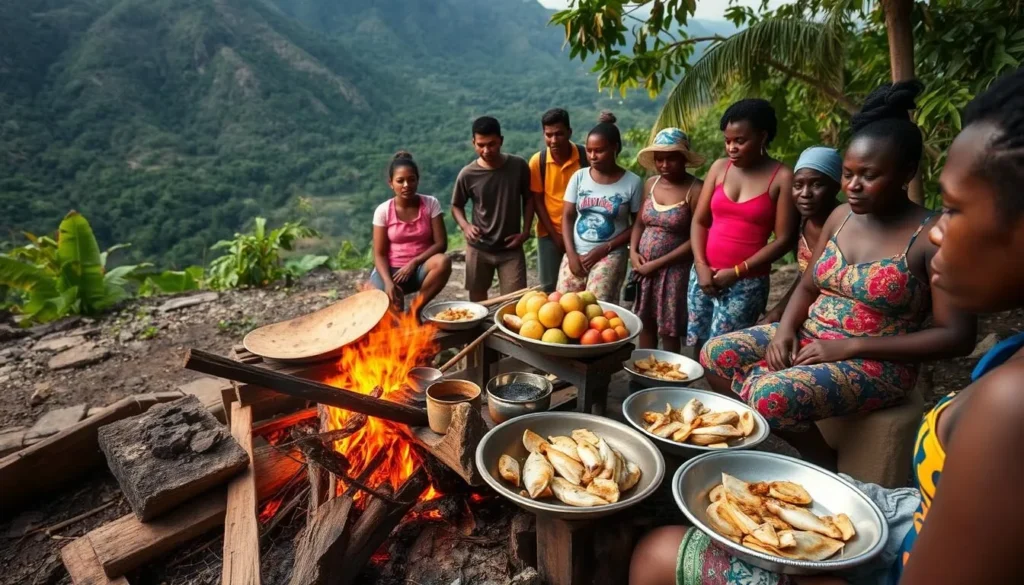
Dining in the Acarai Mountains region is a unique culinary adventure that showcases indigenous ingredients and traditional cooking methods:
Local Specialties
- Cassava Bread – A staple food made from processed cassava root, often served with meals
- Pepperpot – A rich, spicy meat stew made with cassareep (a cassava extract)
- Fresh Fish – Caught daily from local rivers and prepared with simple seasonings
- Bush Meat – Sustainably hunted game prepared according to traditional recipes
- Tropical Fruits – Including many varieties not commonly found elsewhere
“The food in the Acarai region offers a window into indigenous culinary traditions that have remained unchanged for centuries. Every meal tells a story of the relationship between the people and their environment.”
In the remote lodges and camps, meals are typically prepared by community members using locally sourced ingredients. Dining is often a communal experience, with visitors and guides sharing meals together. This provides an opportunity to learn about local food traditions and the cultural significance of various dishes.
Dietary Restrictions: If you have specific dietary requirements, be sure to communicate these when booking your trip. While accommodations can usually be made, the remote nature of the region means options may be limited.
Attractions, Sightseeing & Activities
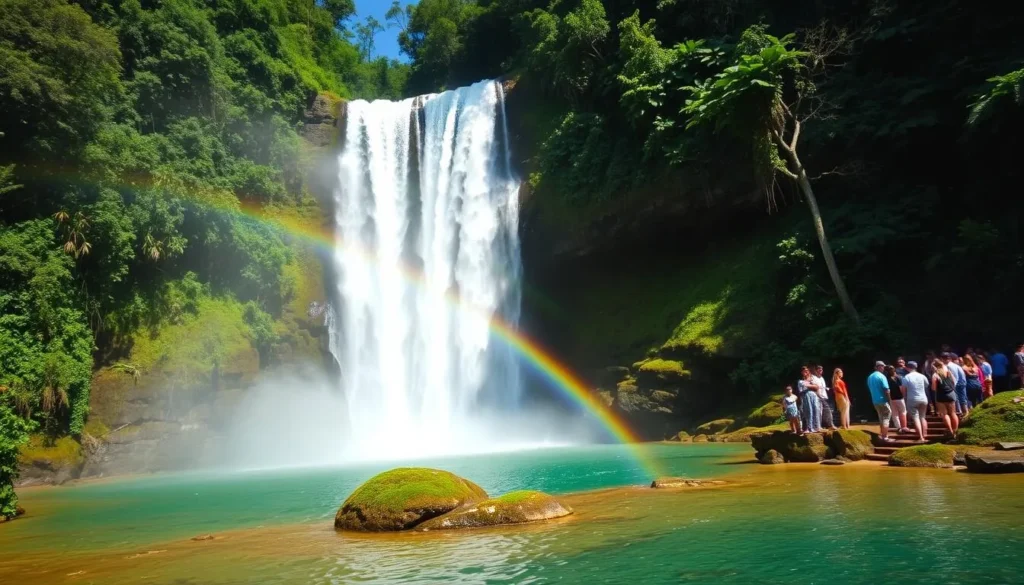
The Acarai Mountains offer a wealth of natural attractions and activities for adventurous travelers:
Natural Wonders
Waterfalls
The mountains are home to numerous waterfalls, many of which remain unnamed and rarely visited by outsiders. These range from gentle cascades to dramatic drops over ancient rock formations.
Mountain Peaks
While not extremely high (reaching about 1,200 m or 3,937 ft), the peaks offer spectacular panoramic views of the surrounding rainforest and savanna landscapes.
Wildlife Spotting
The Acarai region is renowned for its biodiversity, offering opportunities to spot:
- Harpy eagles nesting in the canopy
- Jaguar and puma (though sightings are rare)
- Giant river otters in the waterways
- Countless bird species, including the Guianan cock-of-the-rock
- Various monkey species, including the red howler
River Exploration
The rivers that flow through the Acarai Mountains provide natural highways for exploration. Guided boat trips allow visitors to access remote areas while observing riverside wildlife and vegetation. During the dry season, you might spot giant river otters, black caiman, and numerous bird species along the banks.
Museums, Cultural Spots & Festivals
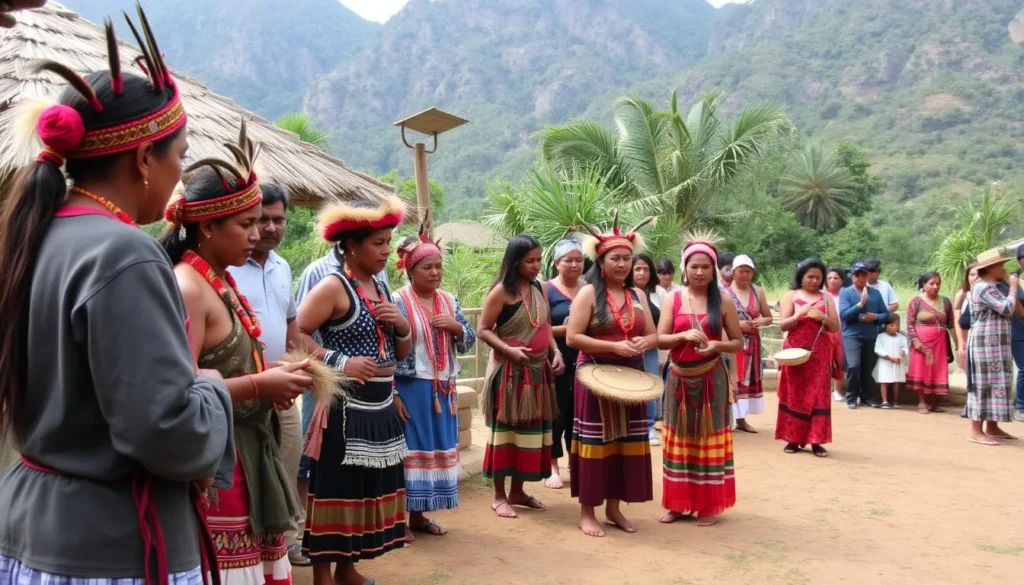
While formal museums are absent in this remote region, the Acarai Mountains offer rich cultural experiences through interactions with indigenous communities:
Indigenous Villages
Several indigenous communities welcome respectful visitors, offering insights into their traditional way of life. These visits are typically arranged through tour operators who have established relationships with the communities.
Cultural Demonstrations
- Traditional craft-making, including basketry and pottery
- Medicinal plant identification and usage
- Hunting and fishing techniques
- Food preparation methods, such as cassava processing
Community Celebrations
If your visit coincides with local celebrations, you may be invited to participate in traditional dances and ceremonies. These events often feature distinctive music played on handmade instruments and provide a glimpse into cultural practices that have been maintained for generations.
While there are no formal museums in the Acarai region, the Georgetown National Museum offers excellent context about Guyana’s indigenous cultures and natural history. Visiting this museum before heading to the mountains can enhance your understanding and appreciation of what you’ll experience.
Sports, Nature & Outdoor Experiences
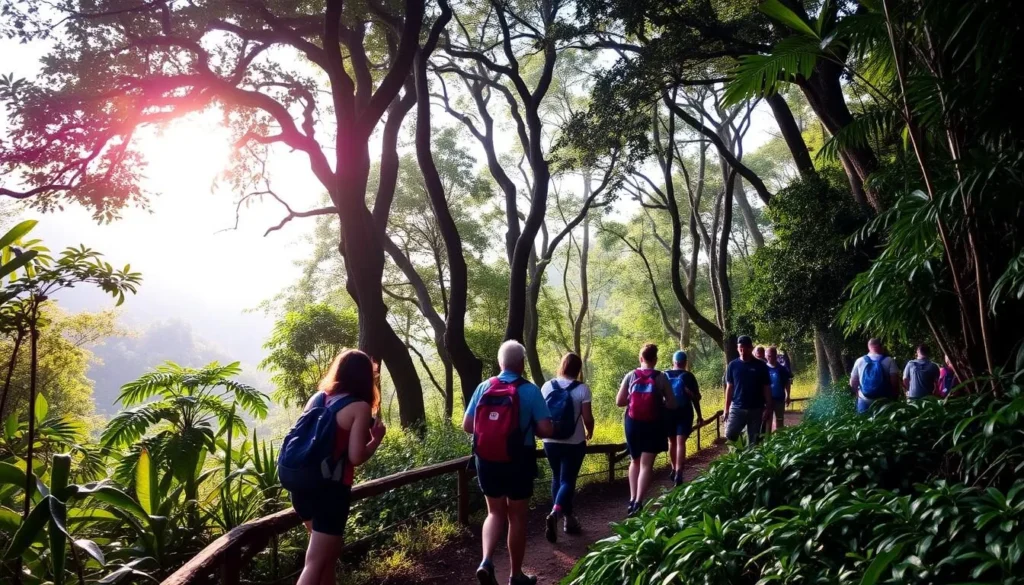
The Acarai Mountains are a paradise for outdoor enthusiasts seeking authentic wilderness experiences:
Hiking & Trekking
The region offers hiking opportunities ranging from day walks to multi-day expeditions. Trails vary in difficulty, but all require a reasonable level of fitness due to the humid conditions and sometimes challenging terrain.
Popular Trek: The journey to Mount Acarai itself is a challenging multi-day expedition that rewards hikers with spectacular views across the rainforest canopy and into neighboring Brazil.
Water Activities
Kayaking & Canoeing
Exploring the rivers by kayak or traditional dugout canoe offers a unique perspective on the landscape and excellent wildlife viewing opportunities. Guided trips can be arranged for various skill levels.
Fishing
The rivers of the Acarai region are home to numerous fish species, including the impressive arapaima, one of the world’s largest freshwater fish. Sustainable catch-and-release fishing can be arranged with local guides.
Wildlife Photography
The biodiversity of the Acarai Mountains makes it an ideal destination for wildlife photography. Guided photography expeditions can help you capture images of rare species in their natural habitat.
Birdwatching
With over 820 bird species in Guyana, many of which can be found in the Acarai region, birdwatching is a particularly rewarding activity. Early morning excursions offer the best opportunities to spot colorful species like toucans, macaws, and the iconic Guianan cock-of-the-rock.
Safety, Etiquette & Local Customs
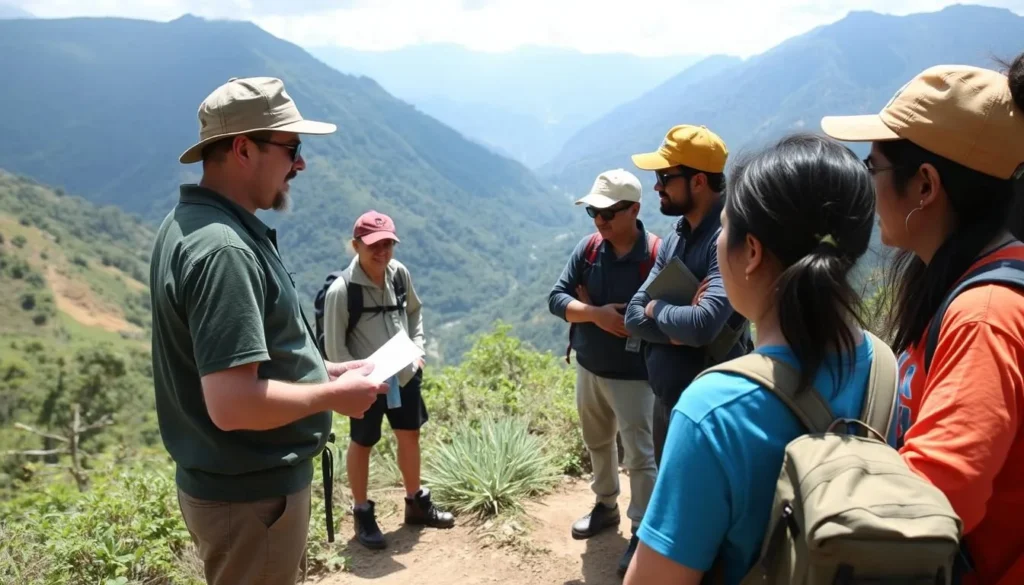
Visiting the remote Acarai Mountains requires careful preparation and respect for local customs:
Health & Safety
- Medical Preparation – Consult a travel doctor at least 8 weeks before your trip for recommended vaccinations and antimalarial medication
- First Aid – Bring a comprehensive first aid kit, as medical facilities are extremely limited
- Hydration – Drink plenty of treated water to prevent dehydration in the humid climate
- Insect Protection – Use effective insect repellent and wear long sleeves and pants, especially at dawn and dusk
Important: Due to the remote nature of the Acarai Mountains, comprehensive travel insurance with emergency evacuation coverage is absolutely essential.
Cultural Etiquette
When interacting with indigenous communities in the Acarai region:
Do’s
- Ask permission before taking photographs of people
- Bring small gifts like fishing hooks or school supplies
- Learn a few basic greeting words in the local language
- Participate respectfully in offered activities
Don’ts
- Enter homes without invitation
- Disturb religious or sacred sites
- Give money directly to children
- Make promises you cannot keep
Remember that you are a guest in these communities. Your guide will help navigate cultural expectations and facilitate meaningful interactions that respect local customs and traditions.
Visitor Comments About Acarai Mountains
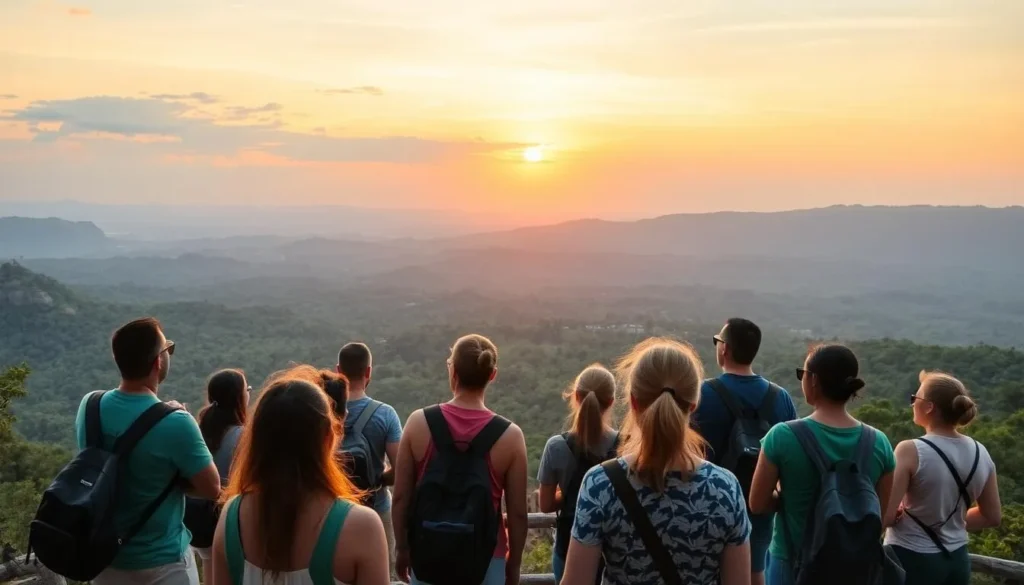
“Our expedition to the Acarai Mountains was truly life-changing. We spotted a harpy eagle nest on our third day, which our guide said was incredibly rare. The indigenous communities welcomed us warmly and taught us about their traditional way of life. It was challenging at times, but absolutely worth every moment.”
“The biodiversity in the Acarai region is astounding. In just one week, we identified over 120 bird species and spotted countless other animals. The highlight was kayaking alongside giant river otters at dawn. The mountains themselves offer breathtaking views that few travelers ever get to experience.”
“What struck me most about the Acarai Mountains was the pristine nature of the environment. There’s a feeling of being in a place that time forgot. Our guide from the local community knew every plant and its uses, every animal track, and shared stories that have been passed down for generations. It’s not an easy journey to get there, but it’s an experience unlike any other.”
Practical Travel Tips
What to Pack
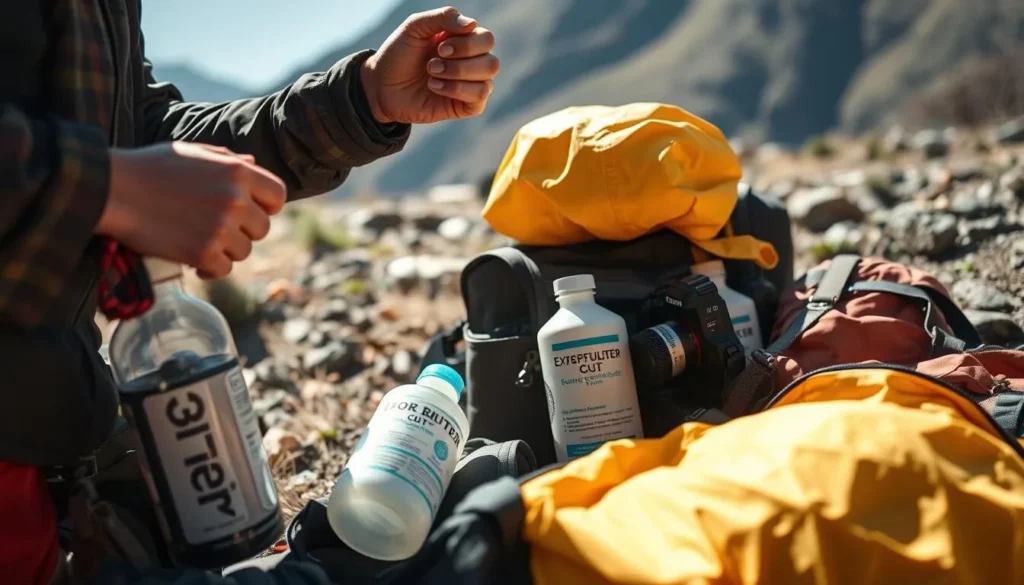
Essential Gear
- Quick-dry, lightweight clothing in neutral colors
- Sturdy hiking boots (well broken in)
- Rain jacket and waterproof bag covers
- Wide-brimmed hat and sunglasses
- Headlamp with extra batteries
- Water purification system
Personal Items
- Biodegradable soap and toiletries
- High SPF sunscreen
- Insect repellent with DEET
- Personal medications and first aid supplies
- Camera with waterproof case
- Binoculars for wildlife viewing
Communication
There is no cellular coverage or internet access in the Acarai Mountains. Satellite phones, carried by some tour guides, provide the only means of emergency communication. Inform family and friends of your itinerary before departing, and don’t expect to be in touch during your expedition.
Money Matters
Once you leave Georgetown, banking facilities are extremely limited. Bring sufficient cash (Guyanese dollars) for your journey, including extra for unexpected expenses or special purchases from indigenous communities. Small denominations are preferred for purchases in remote areas.
Embrace the Untamed Wilderness
The Acarai Mountains represent one of the last truly wild frontiers in South America. A journey here is not merely a vacation but an expedition into a world few will ever experience. From the moment you step into the rainforest until you emerge days later, you’ll be immersed in an environment that operates by nature’s rhythms, far removed from the distractions of modern life. The challenges of reaching this remote destination are amply rewarded with authentic experiences, spectacular natural beauty, and encounters with wildlife that exist nowhere else on Earth. For those willing to venture beyond the ordinary, the Acarai Mountains offer a profound connection to nature that will remain with you long after you return home.
Related Posts
Waukauyengtipu, Guyana: Best Things to Do – Top Picks
Surama Eco-Lodge and Village, Guyana: Best Things to Do – Top Picks

Wakenaam Island (Essequibo River), Guyana: Best Things to Do – Top Picks
Shell Beach Protected Area, Guyana: Best Things to Do – Top Picks

Tiger Island (Essequibo River), Guyana: Best Things to Do – Top Picks
Sloth Island Nature Resort, Guyana: Best Things to Do – Top Picks
Coming Soon: Clickable Maps