Hotels by Trip.com
Flights by Trip.com
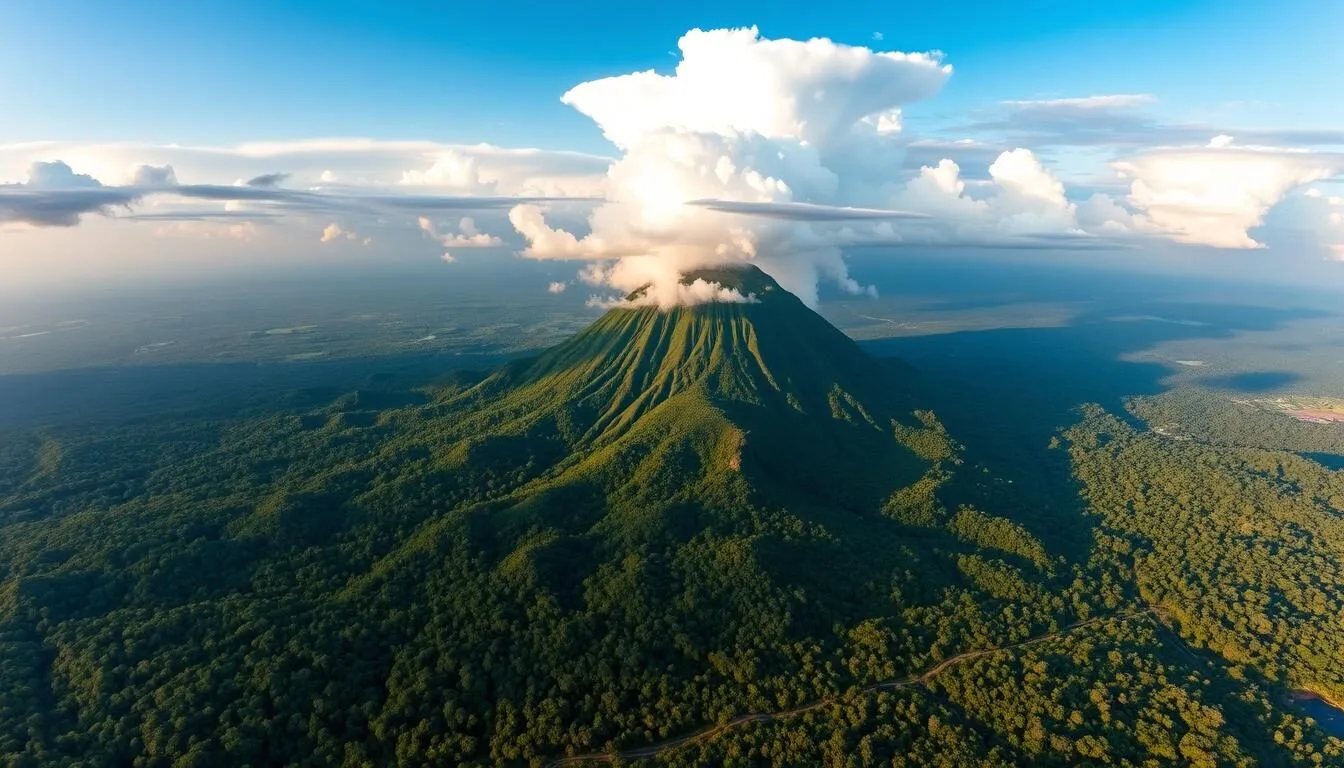
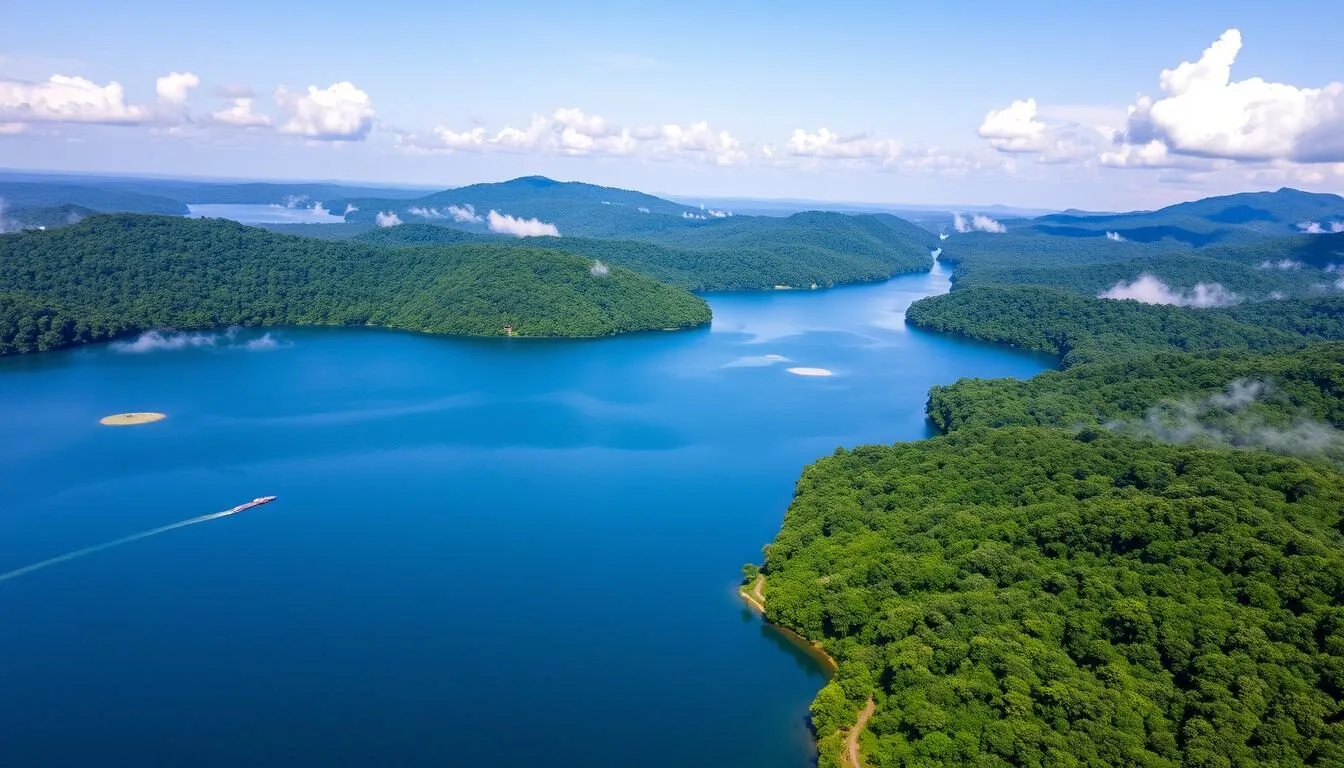
Did you know that Jonestown Lake in Guyana sits within one of the world’s most pristine and least-visited rainforests, where over 90% of the country remains covered in virgin Amazonian jungle? This remote corner of South America offers travelers a rare glimpse into unspoiled nature and complex history that few international visitors ever experience. While once known only for its tragic past, today’s Jonestown Lake area is being rediscovered as an emerging ecotourism destination where adventurous travelers can explore untouched wilderness and authentic local culture far from the typical tourist trail.
Getting There & Planning Your Journey
Reaching Jonestown Lake requires some advance planning due to its remote location in Guyana’s northwestern region. The journey is part of the adventure, taking you through some of South America’s most pristine wilderness.
Closest Airports
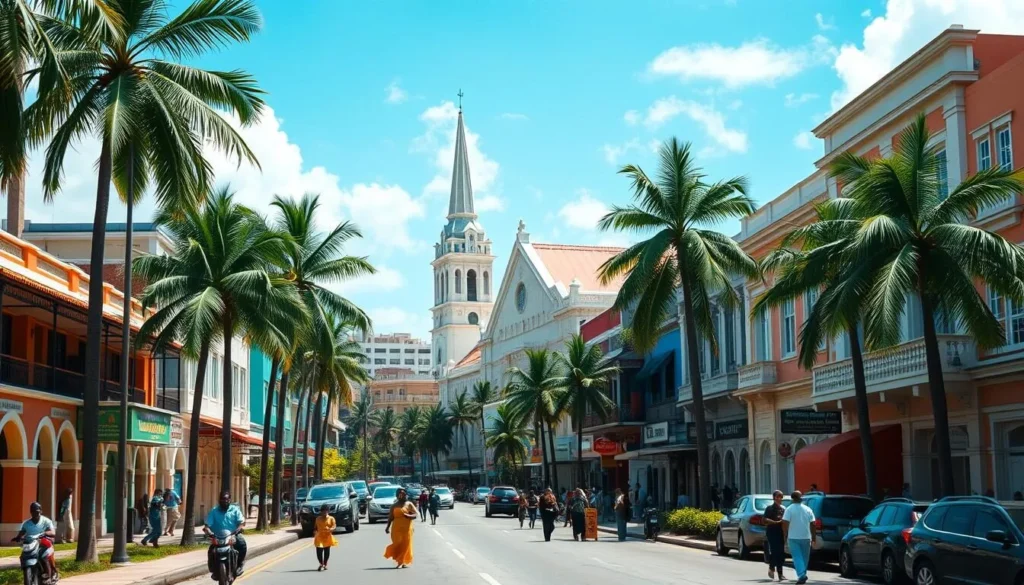
Your international gateway to Guyana is Cheddi Jagan International Airport (GEO), located about 41 km (25 miles) south of Georgetown, the capital city. From North America and Europe, you’ll find connecting flights through Caribbean hubs like Trinidad or Barbados.
From Georgetown to Jonestown Lake
Once in Georgetown, you have two main options to reach the Jonestown Lake area:
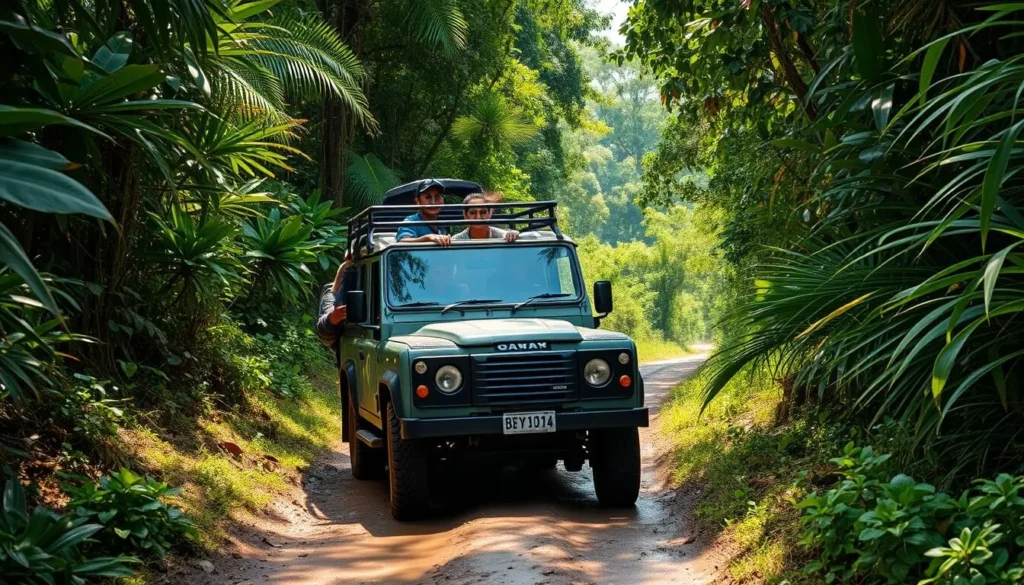
From Port Kaituma, you’ll need to arrange local transportation to Jonestown Lake, typically a 4×4 vehicle journey of about 11 km (7 miles) on unpaved roads. Most tour operators include this transfer in their packages.
Best Time to Visit Jonestown Lake
Guyana has a tropical climate with distinct wet and dry seasons that significantly impact travel conditions, especially in remote areas like Jonestown Lake.
Recommended Months to Visit
| Season | Months | Weather Conditions | Travel Considerations |
| Main Dry Season | February to April | 26-32°C (79-90°F), low rainfall | Ideal travel conditions, easier access to remote areas |
| Main Wet Season | May to August | 25-30°C (77-86°F), heavy rainfall | Difficult road conditions, possible flight delays |
| Secondary Dry Season | September to November | 27-33°C (81-91°F), moderate rainfall | Good alternative with fewer tourists |
| Secondary Wet Season | December to January | 24-29°C (75-84°F), intermittent rainfall | Unpredictable conditions, but possible to visit |
Months to Avoid
The peak of the wet season (May to July) is best avoided for trips to Jonestown Lake. During these months, unpaved roads can become impassable, and domestic flights are more likely to face delays or cancellations. Additionally, the heavy rainfall can make jungle trekking uncomfortable and potentially dangerous.
Local Insight: If you must travel during the wet season, build extra buffer days into your itinerary to account for potential weather-related delays. Pack quick-dry clothing and waterproof bags for electronics.
Getting Around Locally
The Jonestown Lake area has limited transportation infrastructure, reflecting its remote location and undeveloped nature. Planning your local transportation in advance is essential for a smooth experience.
Local Transportation Options
Transportation Tips
The road from Port Kaituma to Jonestown Lake is unpaved and can be challenging, especially after rain. Journey times can vary significantly depending on conditions. What might take 45 minutes in the dry season could extend to 2+ hours during wet periods.
Cell phone coverage is limited or non-existent in the area, so don’t rely on GPS or calling for assistance. Always inform someone of your travel plans and expected return time when venturing into remote areas.
Where to Stay
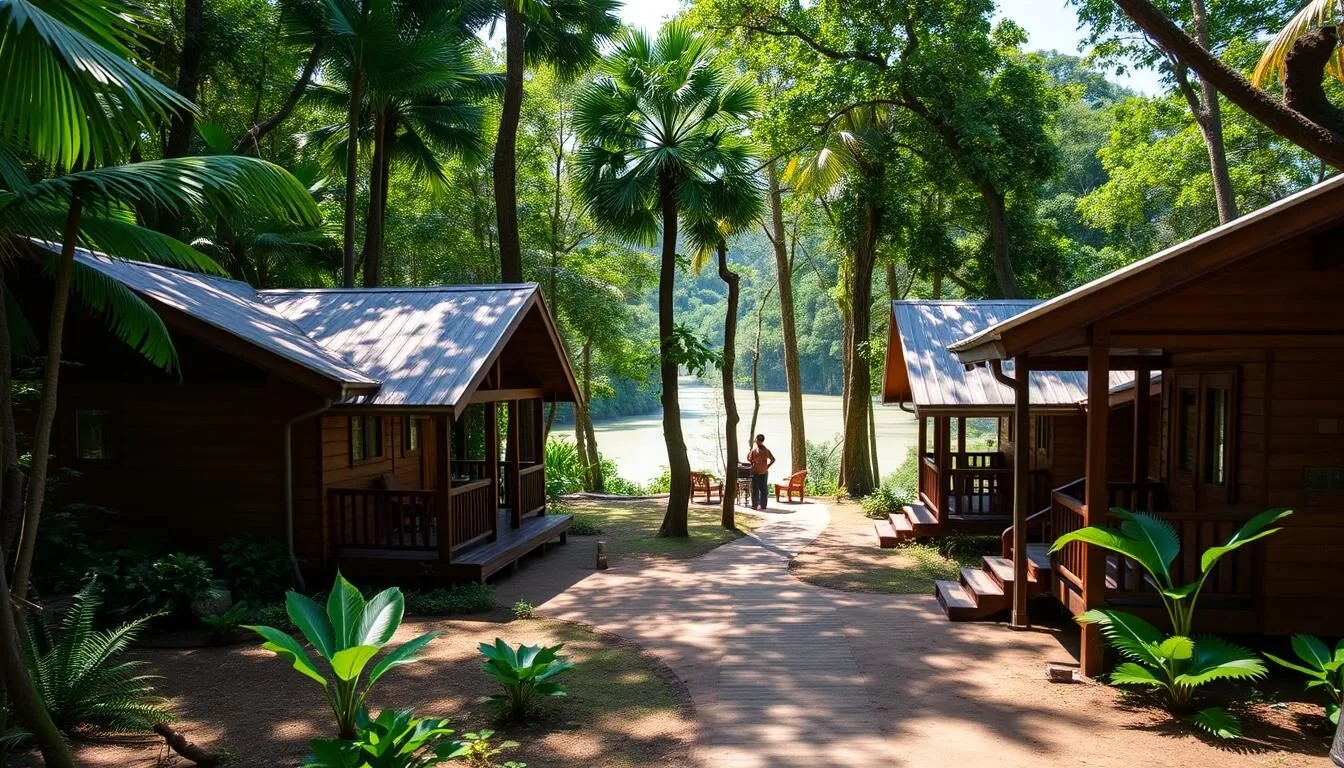
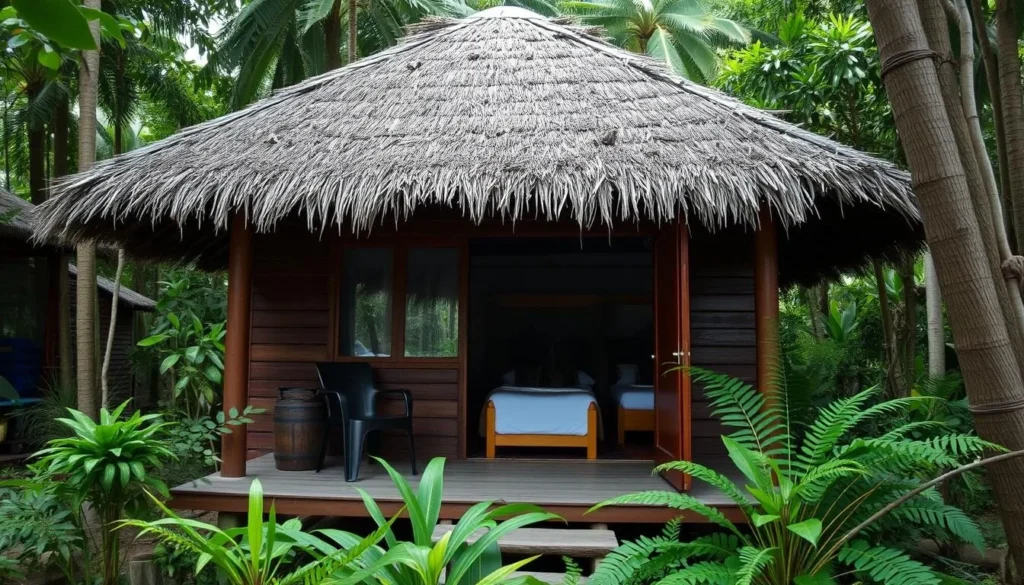
Accommodation options near Jonestown Lake are limited and basic, reflecting the remote nature of the destination. Most visitors choose to stay in Port Kaituma, the nearest settlement with established lodging facilities.
Port Kaituma Accommodations
International Guesthouse
The most established accommodation in Port Kaituma, offering basic but clean rooms with air conditioning, private bathrooms, and security. While simple by international standards, it provides a comfortable base for exploring the area.
Check 30,000+ Local Sightseeing Tours Worldwide
✓ Numerous languages and currencies are available
Price range: $40-60 USD per night
Local Homestays
Several families in Port Kaituma offer homestay experiences, providing a more authentic cultural immersion. These typically include a private room in a family home with shared facilities and home-cooked meals.
Price range: $25-35 USD per night
Jungle Camps
For the adventurous traveler, some tour operators offer overnight camping experiences near Jonestown Lake. These typically feature basic tents or hammocks with mosquito netting and campfire-cooked meals.
Price range: $50-80 USD per night (usually as part of a tour package)
Georgetown Accommodations
Many visitors choose to base themselves in Georgetown for part of their trip, using it as a starting point before heading to Jonestown Lake. The capital offers a wider range of accommodation options:
Important: Accommodations in Port Kaituma should be booked well in advance as options are limited. During busy periods, rooms can be fully booked by mining and lumber industry workers.
Dining & Local Cuisine
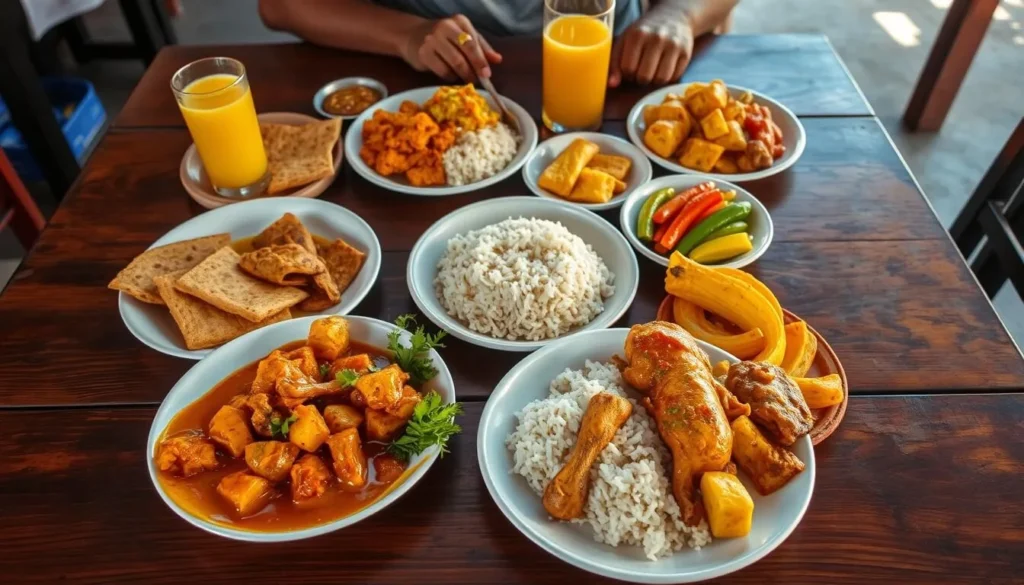
The culinary experience around Jonestown Lake is authentic and straightforward, showcasing Guyanese flavors and locally sourced ingredients. Don’t expect fine dining, but do prepare for hearty, flavorful meals that reflect the country’s diverse cultural influences.
Local Dining Options
In Port Kaituma, you’ll find several small eateries serving local cuisine. Most are simple establishments with a homestyle approach to cooking:
Must-Try Guyanese Dishes
Main Dishes
- Cook-up Rice: A one-pot dish of rice, beans, and meat cooked with coconut milk and herbs.
- Pepperpot: A slow-cooked meat stew with cinnamon, cassareep (cassava extract), and other spices.
- Curry with Roti: Reflecting Guyana’s Indian influence, various curries served with flatbread.
- Cassava Bread: A traditional staple made from grated cassava root.
Beverages
- Mauby: A bitter-sweet drink made from tree bark.
- Sorrel: A bright red drink made from hibiscus flowers.
- Banks Beer: Guyana’s national beer.
- Fresh Fruit Juices: Made from local tropical fruits like soursop and passion fruit.
Dining Tips
Local Insight: Meals in Port Kaituma are typically served on a set schedule. Breakfast is usually available from 6-8 AM, lunch from 12-2 PM, and dinner from 6-8 PM. Outside these hours, options may be limited, so plan accordingly.
Vegetarians should communicate their dietary needs clearly, as meat is a central component of many Guyanese dishes. However, the abundance of fresh vegetables, rice, and beans makes vegetarian adaptations possible at most eateries.
For those planning excursions to Jonestown Lake, packing some non-perishable snacks is advisable as there are no food facilities at the site itself.
Attractions, Sightseeing & Activities
Visiting the Jonestown Lake area offers a unique combination of historical significance and natural beauty. While the site’s tragic past is an important aspect of any visit, the surrounding rainforest and local communities provide additional dimensions to the experience.

Jonestown Historical Site
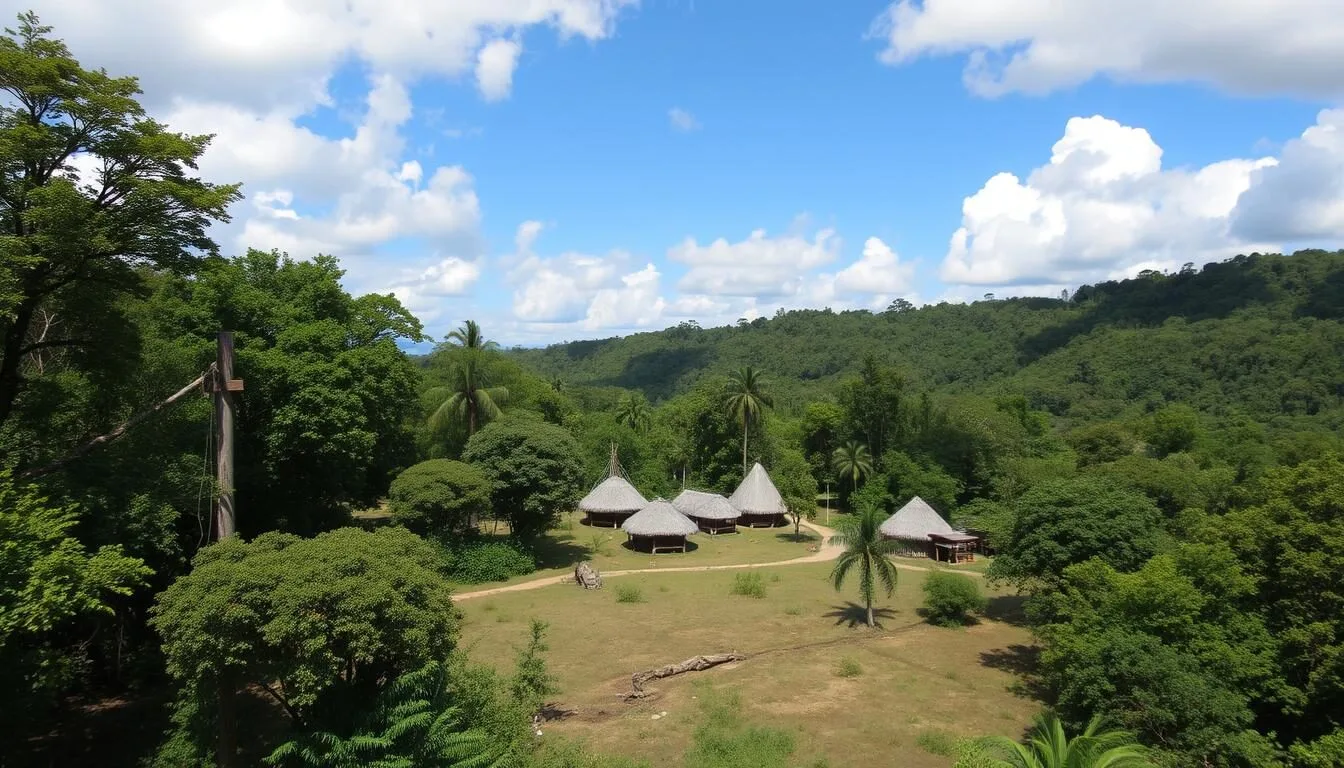
The former Peoples Temple settlement, known as Jonestown, is now primarily reclaimed by jungle with few visible remains. A memorial stone marks the location of the former pavilion where the 1978 tragedy occurred.
Port Kaituma Airstrip
The airstrip at Port Kaituma holds historical significance as the location where Congressman Leo Ryan and several others were killed, precipitating the Jonestown tragedy. Today, it functions as a regular airstrip serving the community.
Kaituma River
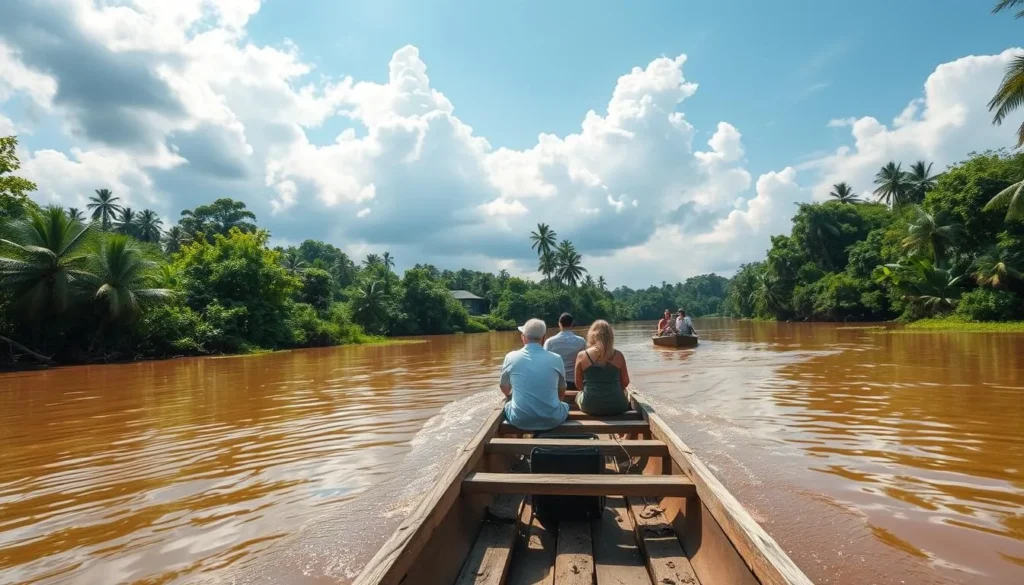
The Kaituma River, which flows near Port Kaituma, offers opportunities for boat trips to observe local wildlife and get a sense of the region’s geography. This waterway was once the main transportation route to Jonestown.
Local Communities
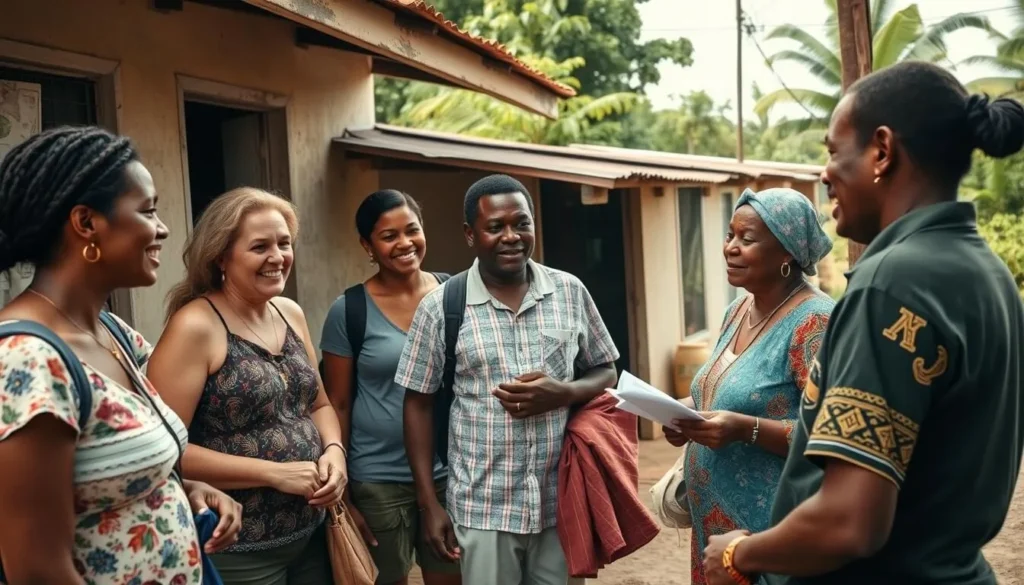
Visiting the communities around Port Kaituma provides insight into contemporary life in Guyana’s interior. Many residents have personal or family connections to the Jonestown era and can share their perspectives.
Museums, Cultural Spots & Festivals
While the immediate Jonestown Lake area has limited formal cultural institutions, expanding your journey to include Georgetown and other parts of Guyana can provide rich cultural experiences that complement your visit to the historical site.
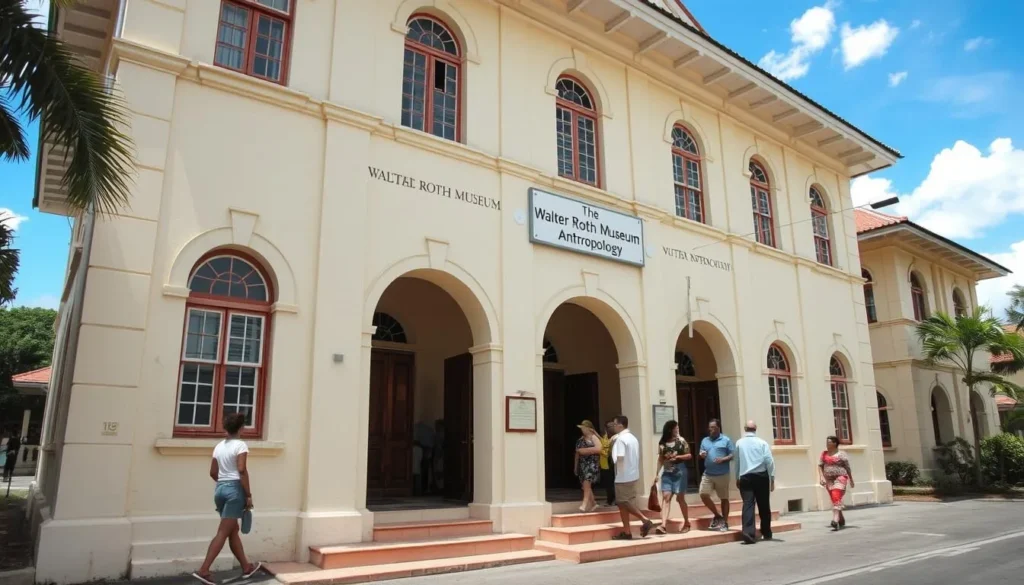
Museums in Georgetown
Cultural Sites
In Georgetown and throughout Guyana, various sites offer insights into the country’s complex cultural tapestry:
Festivals and Events
Guyana’s calendar includes several festivals that celebrate its diverse heritage:
| Festival | Time of Year | Description |
| Mashramani | February 23 | Republic Day celebrations with colorful parades, music, and dance |
| Phagwah (Holi) | March (varies) | Hindu festival of colors celebrating spring |
| Emancipation Day | August 1 | Commemorates the abolition of slavery with cultural performances |
| Diwali | October/November (varies) | Festival of lights celebrated by the Indo-Guyanese community |
Sports, Nature & Outdoor Experiences
The Jonestown Lake area is surrounded by pristine rainforest that offers numerous opportunities for nature enthusiasts and adventure seekers. The region’s biodiversity and undeveloped character make it an excellent destination for eco-tourism activities.
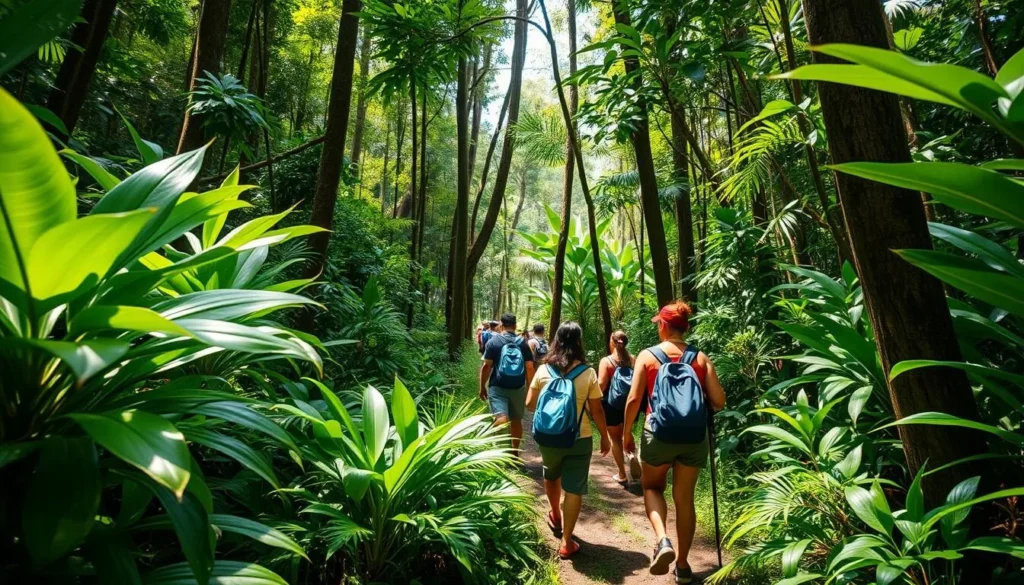
Jungle Trekking
The rainforest surrounding Jonestown Lake offers excellent trekking opportunities for all experience levels:
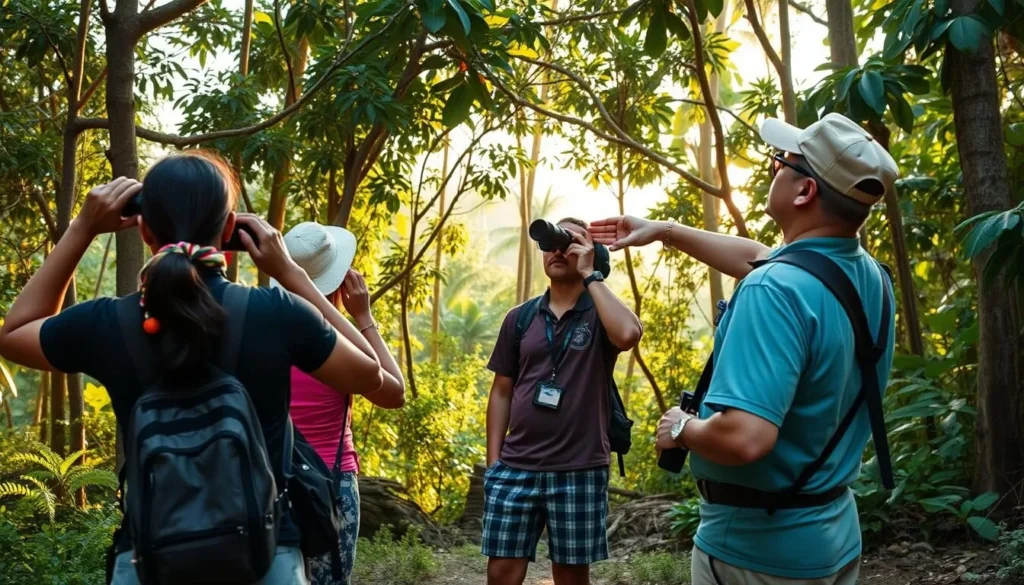
Wildlife Observation
Guyana’s northwestern rainforests host an impressive array of wildlife:
Birds
- Harpy Eagles
- Macaws
- Toucans
- Hummingbirds
- Hoatzins
Mammals
- Howler Monkeys
- Capybaras
- Giant Anteaters
- Jaguars (rarely seen)
- River Otters
Early morning and late afternoon are the best times for wildlife spotting. Guided tours with experienced naturalists significantly increase your chances of meaningful encounters.
River Activities
The Kaituma River and other waterways in the region provide opportunities for various water-based activities:
Safety Note: Never venture into the rainforest without an experienced local guide. The dense jungle can be disorienting, and the region contains various hazards including venomous snakes and insects.
Safety, Etiquette & Local Customs
Traveling to remote areas like Jonestown Lake requires preparation and awareness of both safety considerations and cultural sensitivities. Understanding local customs and expectations will enhance your experience and show respect for the communities you visit.
Health & Safety
Cultural Etiquette
The communities around Jonestown Lake have their own customs and expectations for visitor behavior:
Practical Safety Tips
Communication: Cell phone coverage is limited or non-existent in the Jonestown Lake area. Consider renting a satellite phone for emergency communication if traveling independently.
Register with your country’s embassy or consulate in Georgetown before traveling to remote areas. Leave a detailed itinerary with someone reliable and check in regularly if possible.
While violent crime is rare in remote areas like Port Kaituma, take standard precautions with valuables. Use hotel safes when available and avoid displaying expensive equipment unnecessarily.
Visitor Comments About Jonestown Lake
“Our journey to Jonestown Lake was both sobering and beautiful. The historical significance of the site creates a unique atmosphere, but it’s the untouched rainforest and warm local people that made the biggest impression. Hiring a knowledgeable guide is absolutely essential—ours helped us understand both the tragic history and the natural wonders surrounding us. The journey isn’t easy, but for travelers seeking something truly off the beaten path, it’s unforgettable.”
“As a nature enthusiast, I found the rainforest around Jonestown Lake to be remarkably pristine. We spotted countless bird species and even glimpsed a family of howler monkeys. The accommodations in Port Kaituma are basic but comfortable enough. What surprised me most was how the local community has moved forward while still acknowledging the area’s complex history. I’d recommend at least three days to fully appreciate everything this remote corner of Guyana has to offer.”
“Visiting Jonestown Lake requires effort but rewards you with an experience few travelers ever have. The historical site itself is mostly reclaimed by jungle, which creates a powerful atmosphere of reflection. Our guide shared both historical facts and personal family stories that brought depth to our understanding. Port Kaituma is a fascinating frontier town, and the boat trip along the Kaituma River was a highlight. Just be prepared for basic facilities and bring plenty of insect repellent!”
Practical Travel Tips
These final recommendations will help you prepare for a successful journey to Jonestown Lake and make the most of your experience in this remote destination.
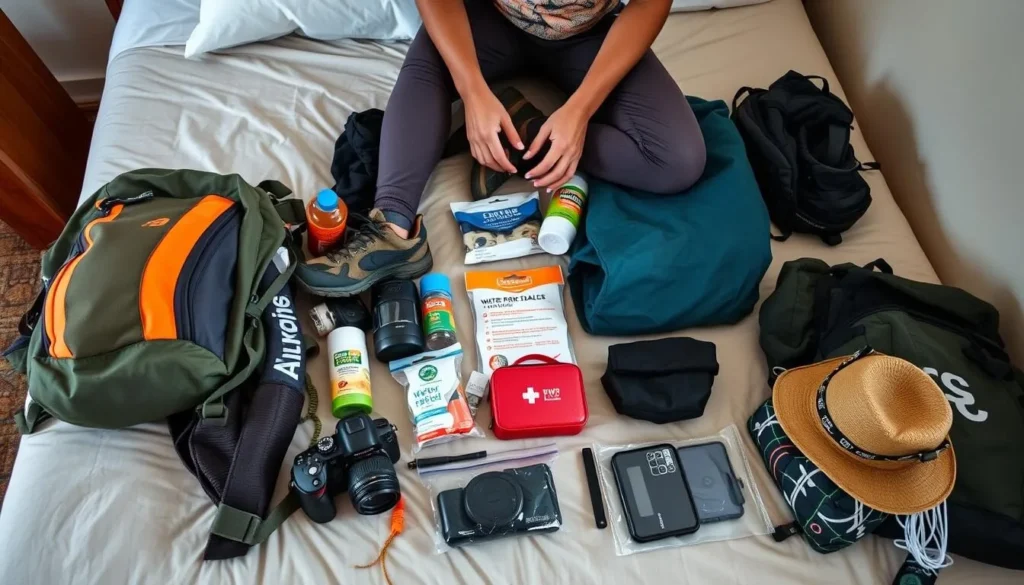
What to Pack
Essential Items
- Lightweight, quick-dry clothing
- Long-sleeved shirts and pants (for sun/insect protection)
- Sturdy hiking boots or trail shoes
- Rain jacket or poncho
- Wide-brimmed hat
- High-SPF sunscreen
- Insect repellent with DEET
- Personal first aid kit
Useful Extras
- Binoculars for wildlife viewing
- Waterproof bag for electronics
- Portable water purification system
- Headlamp or flashlight
- Power bank (electricity can be unreliable)
- Basic medications (pain relievers, anti-diarrheals)
- Small gifts for local communities (school supplies are appreciated)
Money Matters
Planning Timeline
| Time Before Trip | Action Items |
| 3-6 months | Research and book guided tours, arrange domestic flights, check visa requirements, start vaccinations |
| 1-2 months | Book accommodations, purchase travel insurance, complete vaccinations, gather essential gear |
| 2-4 weeks | Confirm all bookings, register with your embassy, arrange airport transfers in Georgetown |
| 1 week | Exchange currency, pack, download offline maps, share itinerary with emergency contacts |
Embracing the Journey: Beyond History to Discovery
Jonestown Lake represents a unique destination where complex history meets natural wonder. While the site’s tragic past is an undeniable part of its identity, today’s visitors discover much more: pristine rainforest teeming with wildlife, warm local communities, and an authentic experience far removed from conventional tourism. The journey itself—whether by small aircraft over endless green canopy or along winding rivers—becomes part of the adventure, offering perspectives few travelers ever witness.
Visiting requires preparation, respect, and an open mind. Those who make the effort are rewarded with profound insights into both human nature and the natural world. As you plan your journey to this remote corner of Guyana, remember that you’re not just visiting a historical site but engaging with living communities and ecosystems that continue to evolve and thrive. The Jonestown Lake experience offers something increasingly rare in our interconnected world: a genuine opportunity for discovery, reflection, and wonder in a place where few have ventured before.