Hotels by Trip.com
Flights by Trip.com
Did you know that the Kanuku Mountains Protected Area houses over 60% of all bird species found in Guyana within just 1.5% of the country’s total land area? This extraordinary biodiversity hotspot remains one of South America’s best-kept secrets, offering adventurous travelers a rare glimpse into pristine ecosystems virtually untouched by mass tourism.
Getting There & Planning Your Journey
Reaching the Kanuku Mountains requires some planning, but the journey is well worth the effort. The closest international gateway is Cheddi Jagan International Airport near Georgetown, Guyana’s capital. From there, you’ll need to take a domestic flight to Lethem, the main access point to the Kanuku Mountains region.
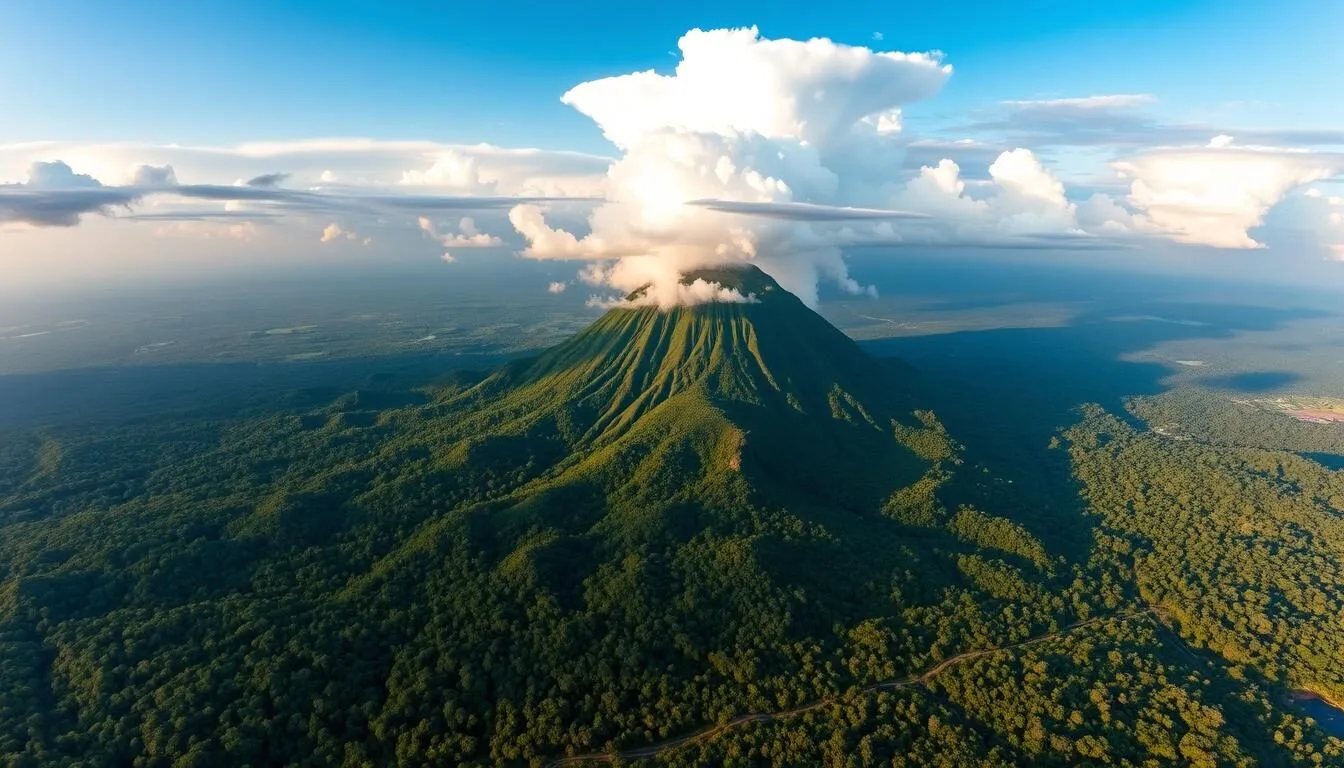
The pristine wilderness of Kanuku Mountains Protected Area spans over 611,000 hectares
Domestic carriers like Trans Guyana Airways and Roraima Airways offer regular flights from Georgetown to Lethem. The flight takes approximately 90 minutes and provides spectacular views of Guyana’s diverse landscapes, including the Kanuku Mountains themselves.
From Lethem, you’ll need to arrange transportation to the various access points around the Kanuku Mountains. This typically involves hiring a 4×4 vehicle or joining an organized tour. The roads can be challenging, especially during the rainy season, so local knowledge is invaluable.
Best Time to Visit & Weather Tips
The Kanuku Mountains experience a tropical climate with distinct wet and dry seasons. Understanding these patterns is crucial for planning a successful trip.
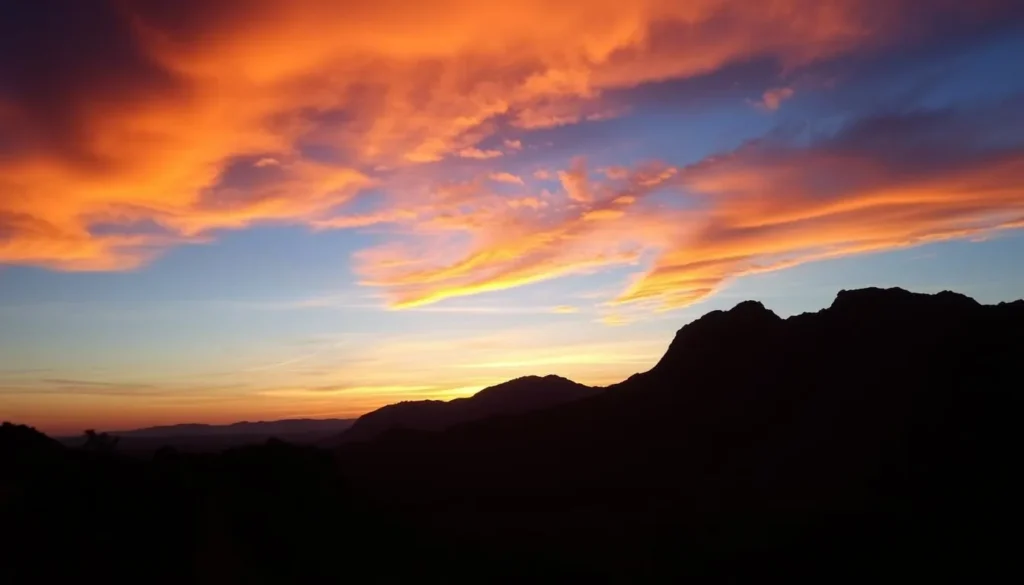
Sunset over the Kanuku Mountains during the dry season offers spectacular photography opportunities
Recommended Months to Visit
Primary Dry Season (Best Time)
- Late February to early April
- Temperatures: 24-32°C (75-90°F)
- Ideal for hiking and wildlife viewing
- Rivers at moderate levels
- Less mosquitoes and insects
Secondary Dry Season
- Late September to early November
- Temperatures: 26-34°C (79-93°F)
- Good for wildlife spotting
- Some trails may still be muddy
- Fewer tourists than primary season
Months to Avoid
- May to August – Heavy rainfall makes trails impassable and rivers dangerous
- December to January – Secondary rainy season with unpredictable weather
Even during the dry season, be prepared for occasional rain showers. The mountains can create their own weather patterns, so pack accordingly with quick-dry clothing, waterproof bags for electronics, and appropriate footwear for muddy conditions.
Getting Around Locally
Navigating the Kanuku Mountains Protected Area requires local expertise and appropriate transportation. The region’s remote nature means visitors should plan their local travel arrangements well in advance.
✓ Check 30,000+ Local Sightseeing Tours Worldwide

Local transportation often involves 4×4 vehicles capable of handling challenging terrain
Transportation Options
Guided Tours
- Most convenient option for first-time visitors
- Includes transportation, accommodation, and meals
- Local guides provide valuable knowledge about wildlife and culture
- Available from operators in Georgetown and Lethem
Independent Travel
- Requires hiring 4×4 vehicles in Lethem
- Local drivers recommended due to challenging roads
- River travel possible with hired boats
- Requires more planning and flexibility
Within the protected area itself, travel is primarily on foot along established trails. Some areas may require boat transportation along rivers, which can be arranged through local communities or tour operators.
Where to Stay
Accommodation options in and around the Kanuku Mountains range from community-owned eco-lodges to basic guesthouses. While facilities are limited compared to mainstream tourist destinations, the authentic experience and connection with nature more than compensate.
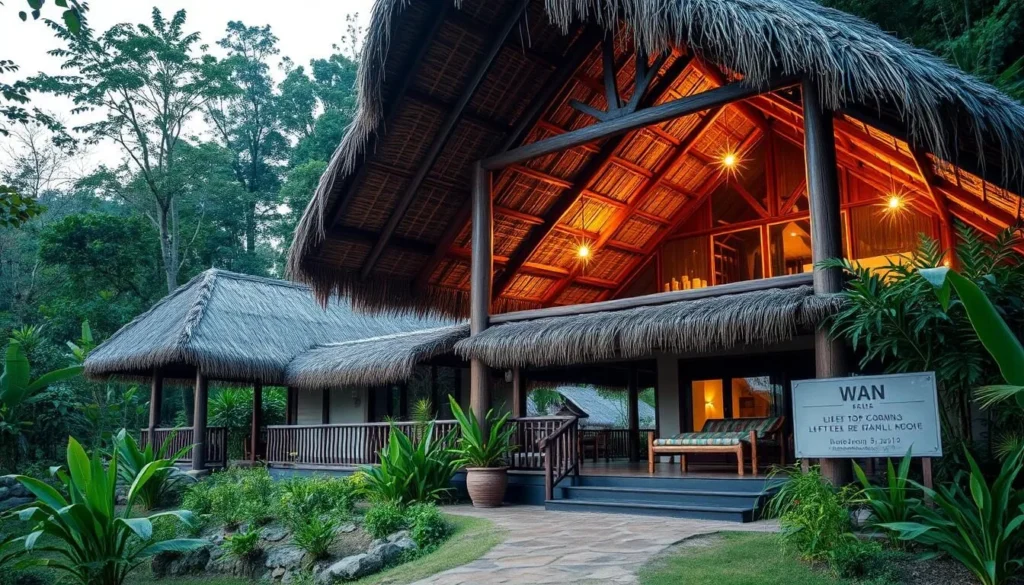
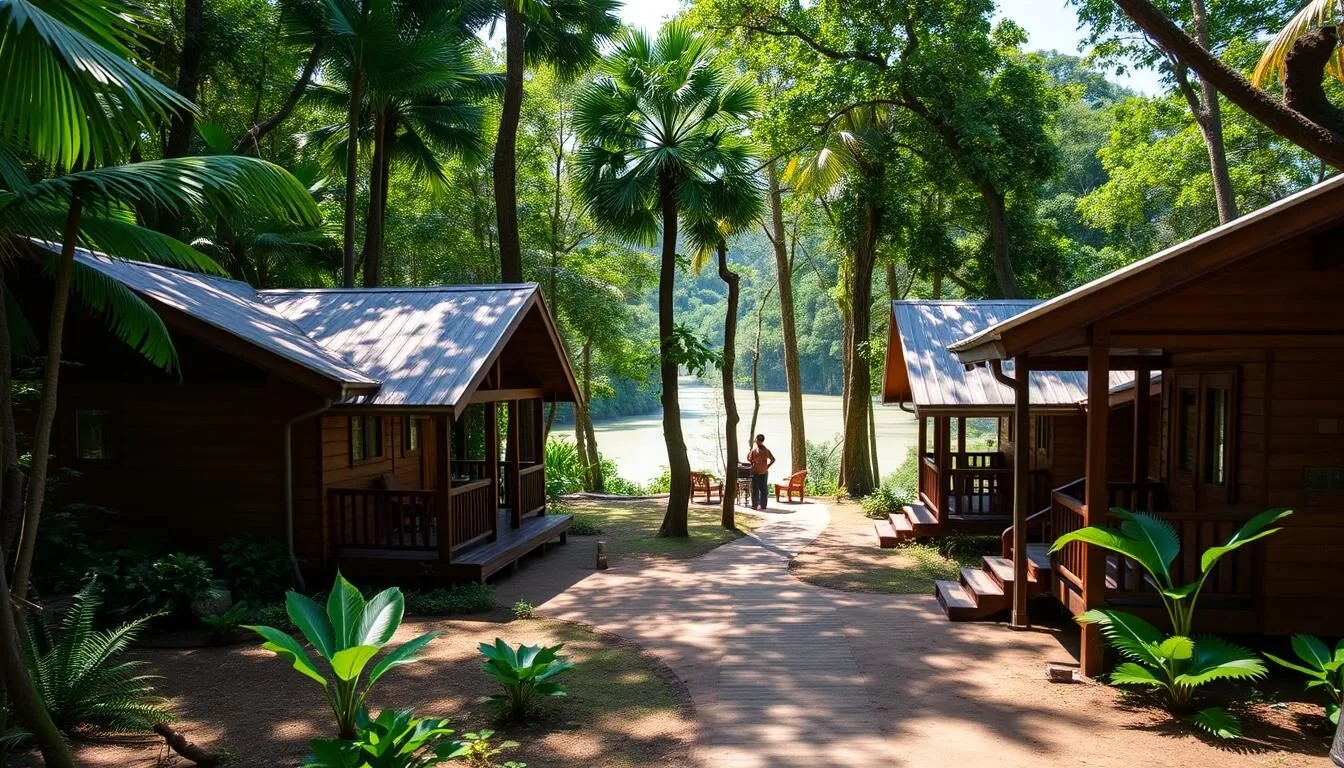
Community-owned eco-lodges offer authentic experiences while supporting local conservation efforts
Recommended Accommodations
Community Eco-Lodges
- Locally owned and operated
- Traditional construction with modern amenities
- Authentic cultural experiences
- Direct contribution to local communities
- Price range: $80-150 USD per night
Lethem Guesthouses
- Basic but comfortable accommodations
- Good base for organizing excursions
- Access to town amenities
- Wi-Fi and electricity available
- Price range: $40-80 USD per night
Camping Options
- Limited to designated areas
- Requires proper equipment and permits
- Must be arranged through local guides
- Immersive wilderness experience
- Price range: $20-40 USD per night
Advance booking is essential, especially during the dry season when visitor numbers increase. Many lodges have limited capacity and may require minimum stays of 2-3 nights. Most accommodations can help arrange transportation and guided excursions into the Kanuku Mountains.
Dining & Local Cuisine
The culinary experience around the Kanuku Mountains reflects Guyana’s diverse cultural heritage, with influences from indigenous, African, East Indian, and Caribbean traditions. Most meals are prepared using fresh, local ingredients, often harvested from the surrounding forests and rivers.
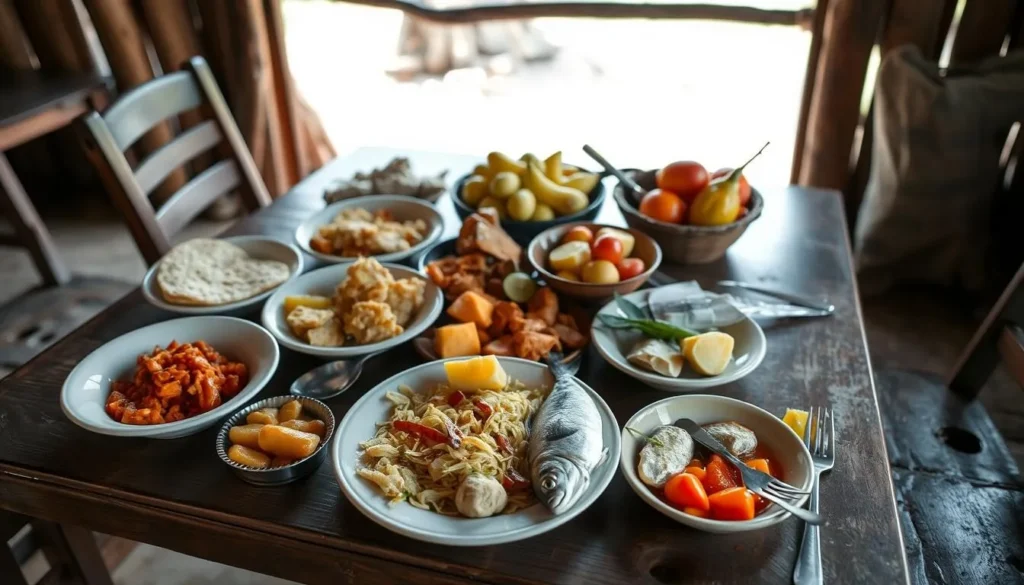
Traditional Guyanese cuisine features fresh local ingredients like cassava, fish, and tropical fruits
What to Expect
- Lodge Meals – Most eco-lodges provide full board with set menus featuring local specialties
- Community Dining – Opportunities to share meals with indigenous communities offer authentic culinary experiences
- Lethem Restaurants – The town offers simple restaurants serving Guyanese and Brazilian-influenced cuisine
- Dietary Restrictions – Advance notice is essential for accommodating special dietary needs
Local Specialties to Try
- Cassava Bread – Traditional flatbread made from cassava root
- Pepperpot – Slow-cooked meat stew with cassareep (cassava extract)
- Fresh Fish – Locally caught and prepared with indigenous techniques
- Farine – Toasted cassava granules, a staple food
- Tuma Pot – Fish and cassava cooked in coconut milk
- Wild Game – Sustainably harvested according to traditional practices
- Fresh Fruit Juices – Made from local tropical fruits
- Cassiri – Traditional fermented cassava drink
Meals in remote areas are often simple but nutritious and flavorful. Visitors should bring any specific snacks or specialty items they might crave, as options are limited once you’re in the protected area.
Attractions, Sightseeing & Activities
The Kanuku Mountains Protected Area offers a wealth of natural attractions and activities for visitors seeking an authentic wilderness experience. From breathtaking vistas to intimate wildlife encounters, the region rewards those willing to venture off the beaten path.
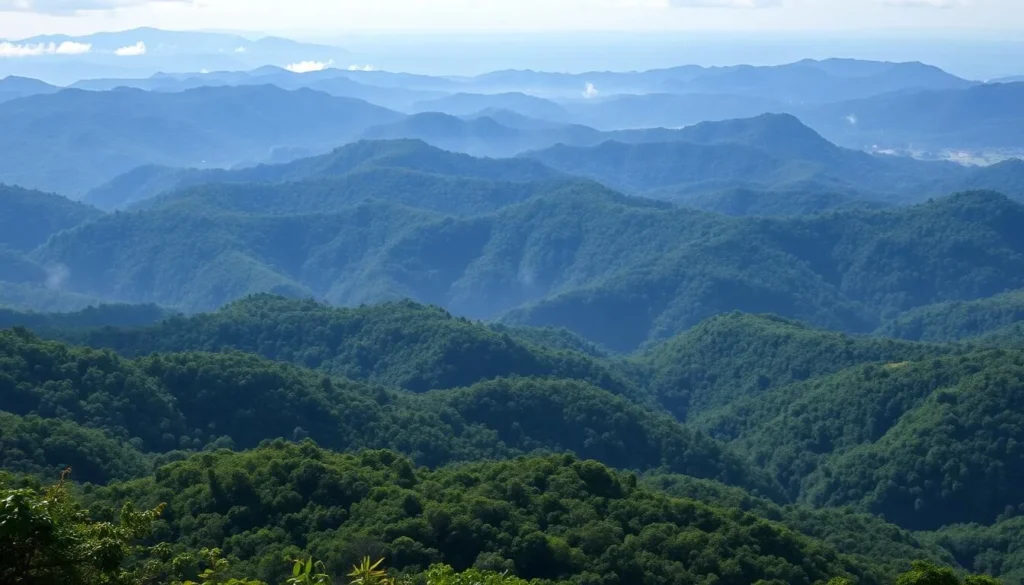
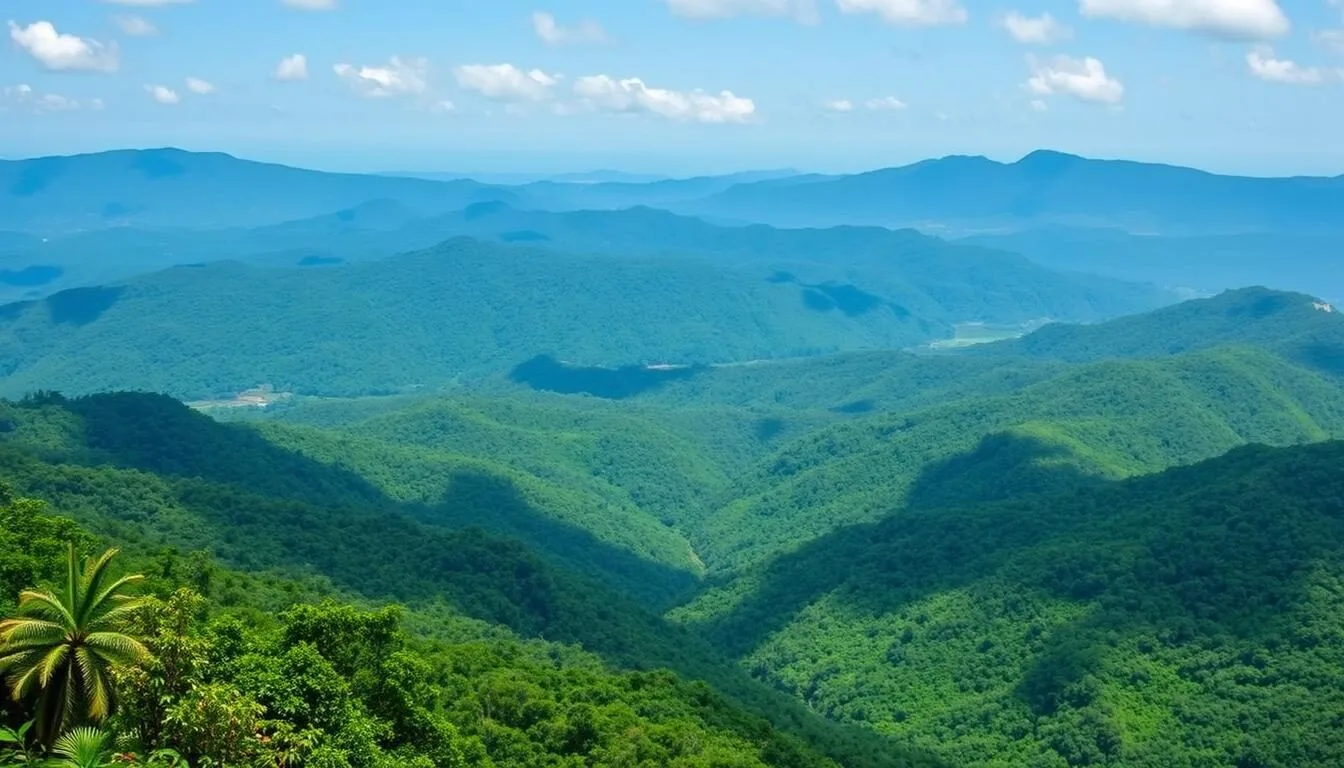
Ridge panoramas in the Kanuku Mountains offer sweeping views where forest meets savannah
Top Natural Attractions
Mountain Ridges
The sandstone ridges of the Kanuku Mountains offer spectacular panoramic views where dense forest drops away to meet the Rupununi savannah. These vantage points are perfect for photography, especially at sunrise and sunset when the light creates dramatic landscapes.
Secluded Waterfalls
Hidden throughout the mountains are numerous small cascades and crystal-clear plunge pools. These natural swimming spots provide refreshing relief after hiking and offer opportunities to observe specialized aquatic wildlife in their natural habitat.
Forest-Savannah Transition
The unique ecological transition zone where forest meets savannah creates a fascinating mosaic of habitats. This area supports an incredible diversity of plant and animal species adapted to these distinct but interconnected ecosystems.
Must-Do Activities
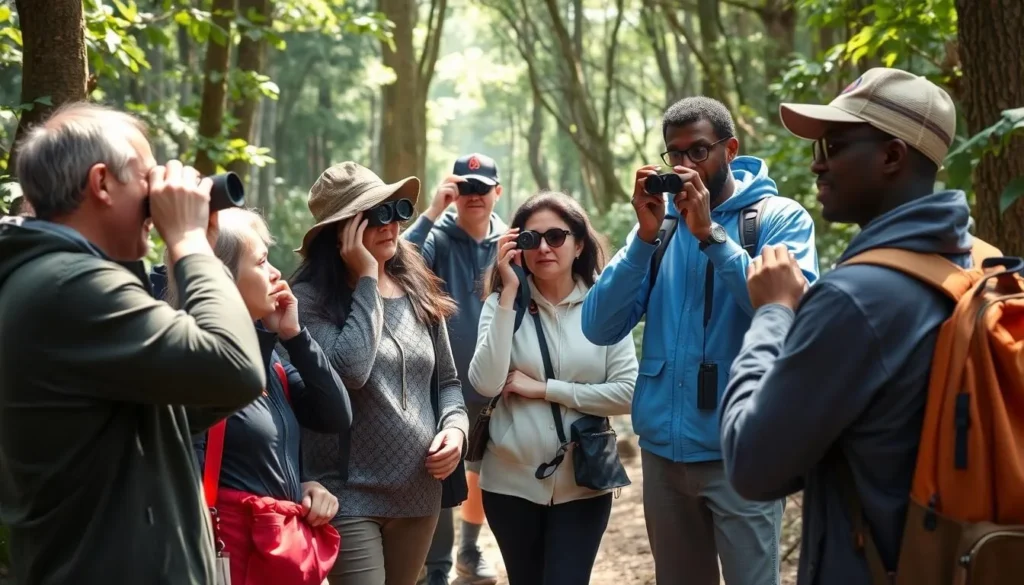
Guided wildlife watching tours offer opportunities to spot rare and endemic species
- Wildlife Watching – Guided excursions to spot jaguars, giant river otters, harpy eagles, and countless other species
- Hiking – Trails ranging from easy walks to challenging multi-day treks through diverse habitats
- Bird Watching – Over 400 bird species inhabit the area, making it a paradise for ornithologists
- Night Walks – Exploring the forest after dark reveals a whole new ecosystem of nocturnal creatures
- River Trips – Boat excursions along waterways provide access to riverside habitats and wildlife
Cultural Experiences & Local Communities
The Kanuku Mountains region is home to several indigenous communities, primarily of the Macushi and Wapishana peoples. These communities maintain strong cultural traditions and play a vital role in conservation efforts within the protected area.
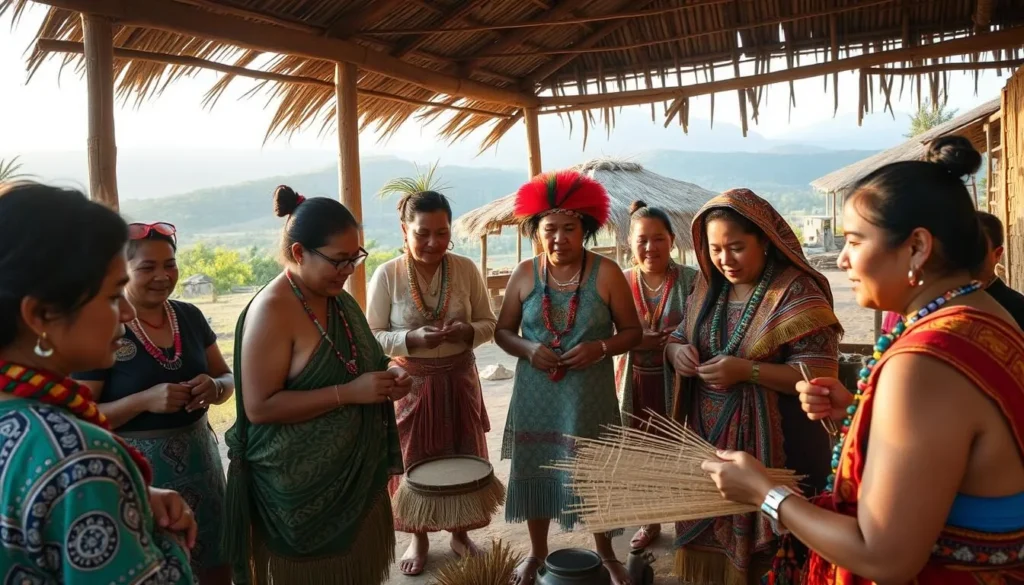
Learning traditional crafts from indigenous communities provides insight into local culture and heritage
Cultural Highlights
- Village Visits – Respectful visits to indigenous communities offer insights into traditional ways of life
- Traditional Crafts – Opportunities to learn about and purchase locally made handicrafts
- Cultural Performances – Some communities share traditional music and dance with visitors
- Indigenous Knowledge – Local guides share ecological knowledge passed down through generations
- Sustainable Practices – Learn about traditional resource management that has preserved the ecosystem
When visiting indigenous communities, it’s important to follow local protocols and show respect for cultural traditions. Most visits should be arranged through established eco-lodges or tour operators who have existing relationships with these communities.
Wildlife & Nature Experiences
The Kanuku Mountains Protected Area is a biodiversity hotspot, hosting an incredible array of plant and animal species. The region’s varied habitats—from montane forests to river systems—support diverse ecosystems that remain largely intact.
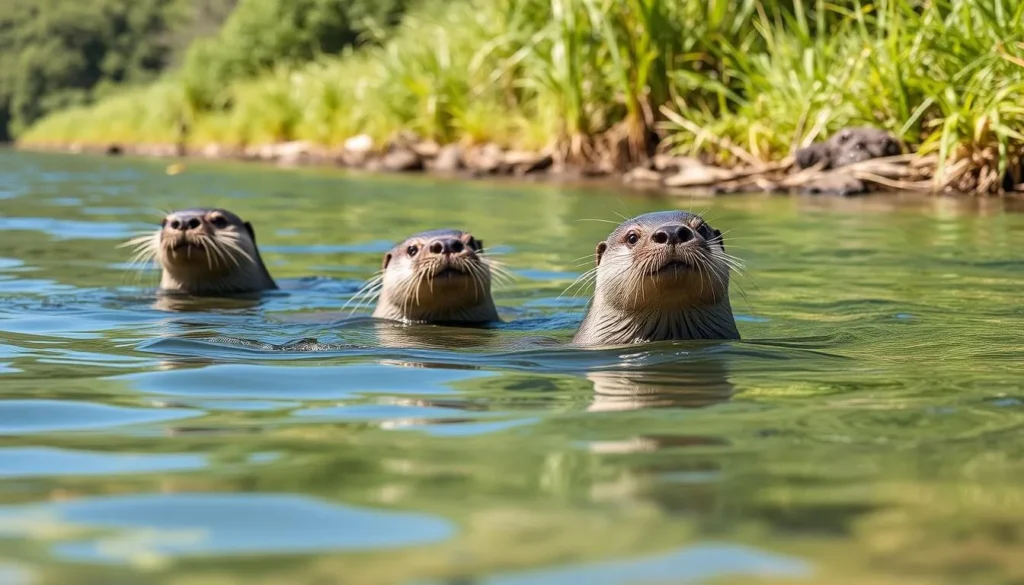
Giant river otters are among the charismatic species that can be spotted in the waterways of the Kanuku Mountains
Iconic Wildlife
Mammals
- Jaguar – The region supports healthy populations of these elusive big cats
- Giant River Otter – Endangered species found in the area’s rivers
- Giant Anteater – Often spotted in savannah areas near the mountains
- Tapir – The largest land mammal in South America
- Eight Monkey Species – Including the rare bearded saki
Birds
- Harpy Eagle – One of the world’s most powerful birds of prey
- Guianan Cock-of-the-Rock – Vibrant orange bird known for elaborate mating displays
- Macaws – Several species including scarlet and red-and-green
- Toucans – Multiple species with their characteristic large bills
- Cotingas – Colorful forest birds with unique calls
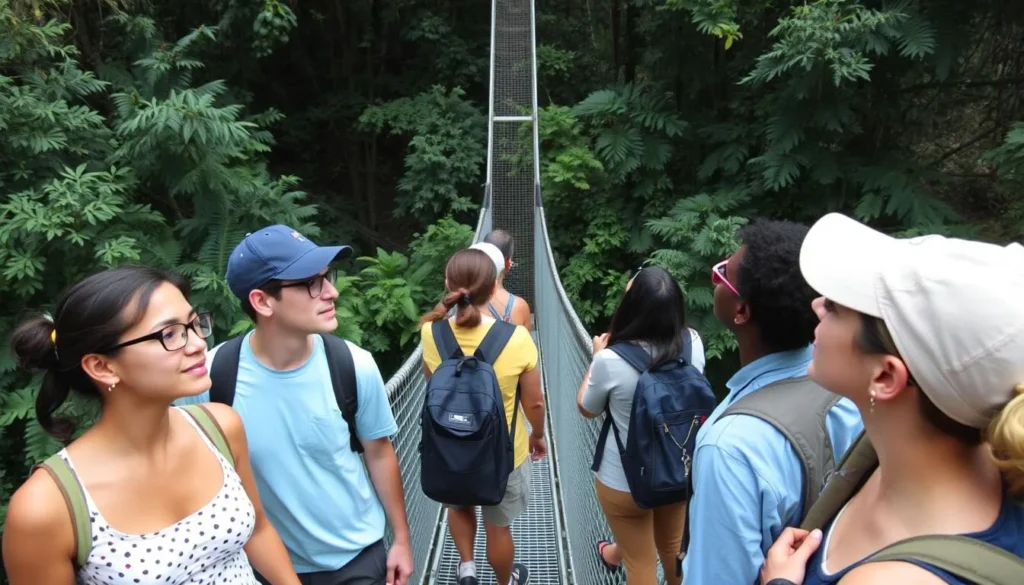
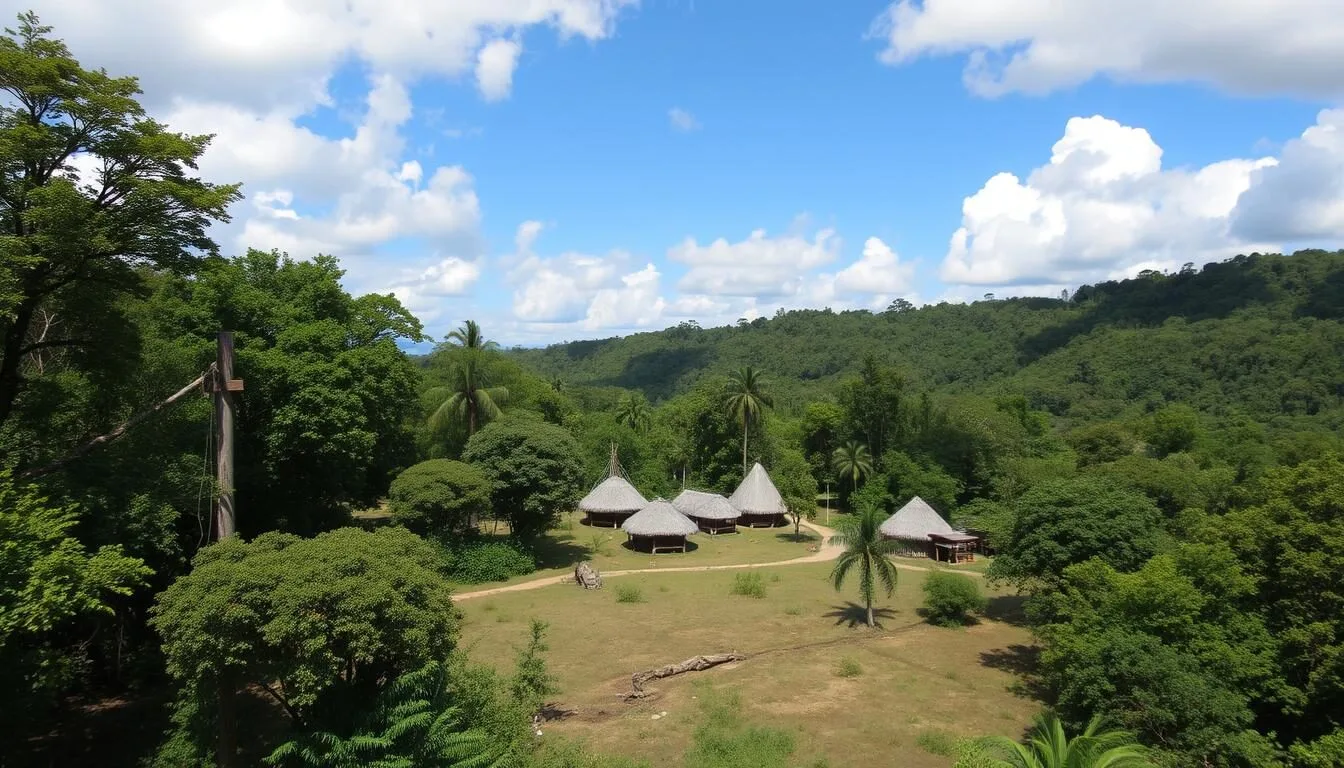
The Iwokrama Canopy Walkway offers a unique perspective for observing birds and other canopy-dwelling species
Best Wildlife Viewing Spots
- River Systems – Ideal for spotting giant river otters, caiman, and numerous bird species
- Forest Trails – Guided walks offer chances to see monkeys, sloths, and forest birds
- Savannah Edges – Good locations for spotting larger mammals like anteaters and deer
- Canopy Observation Points – Perfect for birdwatching and spotting arboreal mammals
- Natural Salt Licks – These areas attract many animals and provide excellent viewing opportunities
Wildlife viewing is best with experienced local guides who know animal behaviors and habitats. Early morning and late afternoon offer the best chances for sightings, as many species are most active during these cooler periods.
Safety, Etiquette & Local Customs
Visiting the Kanuku Mountains requires preparation and respect for both the natural environment and local communities. Following proper protocols ensures a safe, enjoyable experience while minimizing negative impacts.
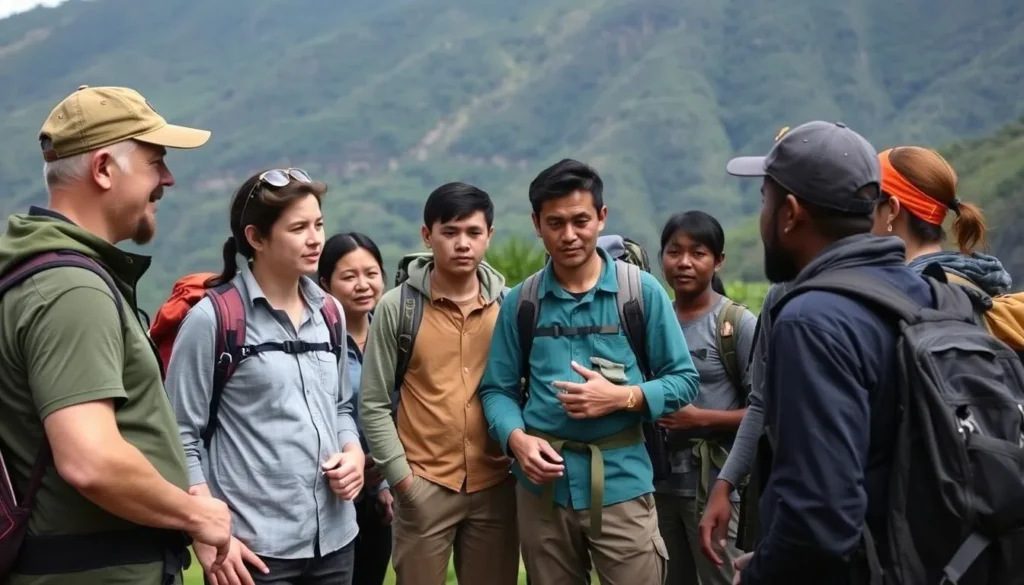
Pre-excursion briefings from experienced guides help ensure safety in the wilderness
Health & Safety
- Medical Preparation – Yellow fever vaccination is required; malaria prophylaxis recommended
- First Aid – Bring a comprehensive kit; medical facilities are limited in remote areas
- Hydration – Carry sufficient water and water purification methods
- Sun Protection – High SPF sunscreen, hat, and lightweight long sleeves recommended
- Insect Protection – DEET-based repellent and permethrin-treated clothing advised
Cultural Etiquette
- Photography – Always ask permission before photographing people or cultural sites
- Dress Code – Modest attire when visiting indigenous communities
- Gifts – Avoid giving candy or money; useful items or school supplies are more appropriate
- Local Guides – Hiring local guides supports communities and enhances your experience
- Respect Privacy – Some areas may be off-limits due to cultural significance
Environmental Responsibility
- Leave No Trace – Pack out all trash and minimize impact on trails
- Wildlife Distance – Maintain safe distances from all wildlife
- Protected Species – Never purchase products made from protected plants or animals
- Fire Safety – Follow all guidelines regarding campfires and cooking
- Water Conservation – Respect this limited resource, especially in community settings
Visitor Comments About Kanuku Mountains
“The Kanuku Mountains exceeded all my expectations. We spent five days exploring with our guide, James, who showed us places I never would have found on my own. The highlight was watching giant river otters play in a secluded stream while macaws flew overhead. It felt like stepping into a nature documentary!”
“As an avid birder, the Kanuku Mountains were paradise. Our community guide could identify birds by the slightest call. We spotted over 120 species in just three days, including the harpy eagle! The eco-lodge was basic but comfortable, and the home-cooked meals were delicious. Worth every bit of effort to get there.”
“The most memorable part of our Guyana trip was spending time with the indigenous communities near the Kanuku Mountains. Learning about their traditional conservation practices and seeing how they’ve protected this land for generations was inspiring. The hiking was challenging but rewarding with breathtaking views from the ridges.”
Practical Travel Tips
Proper preparation can make the difference between a challenging experience and an unforgettable adventure. These practical tips will help you make the most of your visit to the Kanuku Mountains.
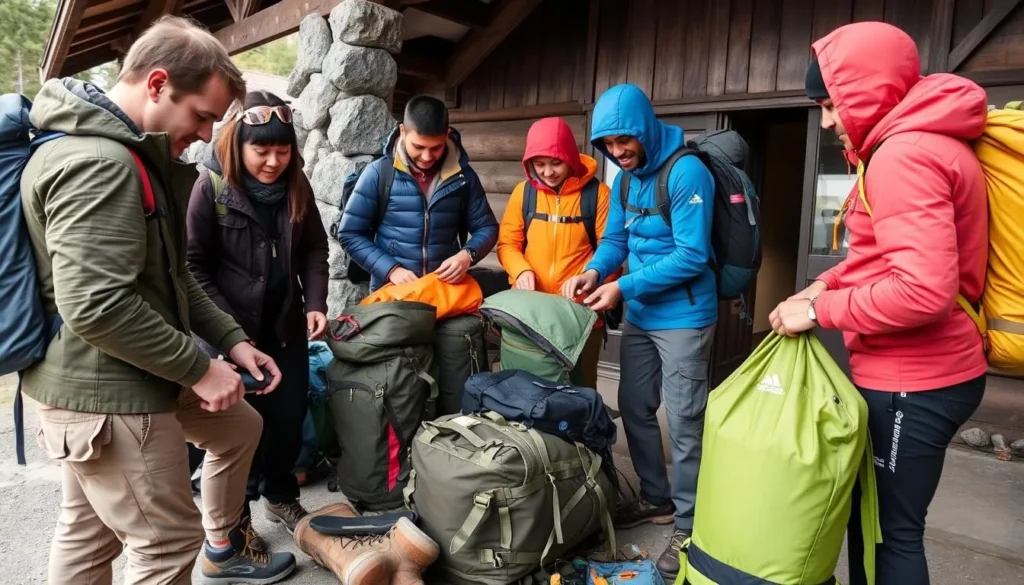
Proper preparation and packing are essential for a successful Kanuku Mountains adventure
What to Pack
Essential Gear
- Lightweight, quick-dry clothing (long sleeves/pants)
- Sturdy hiking boots (broken in before trip)
- Rain jacket and waterproof bag covers
- Wide-brimmed hat and sunglasses
- Headlamp or flashlight with extra batteries
- Binoculars for wildlife viewing
- Refillable water bottles and purification method
Other Useful Items
- Biodegradable soap and toiletries
- High SPF sunscreen and insect repellent
- Basic first aid kit with personal medications
- Moisture-wicking socks (several pairs)
- Lightweight towel and swimwear
- Power bank for charging devices
- Small daypack for excursions
Communication & Money
- Cell Service – Very limited in the Kanuku Mountains; inform others of your itinerary
- Internet – Available in Lethem but unreliable or non-existent in remote areas
- Currency – Guyanese dollars (GYD); bring sufficient cash as ATMs are scarce
- Credit Cards – Accepted at some lodges and in Lethem, but not reliable
- Tipping – 10-15% for guides and service staff is appreciated
Your Gateway to Pristine Wilderness
The Kanuku Mountains Protected Area represents one of the last truly pristine wilderness regions in South America. Its combination of extraordinary biodiversity, stunning landscapes, and authentic cultural experiences offers adventurous travelers rewards that far outweigh the challenges of reaching this remote destination. As you stand on a mountain ridge watching macaws soar over endless forest canopy or share stories with indigenous guides whose ancestors have protected these lands for generations, you’ll understand why the Kanuku Mountains deserve their reputation as Guyana’s hidden gem. This is not just a journey to a destination—it’s an opportunity to connect with nature in its most untamed form and return home with memories that will last a lifetime.