Hotels by Trip.com
Flights by Trip.com
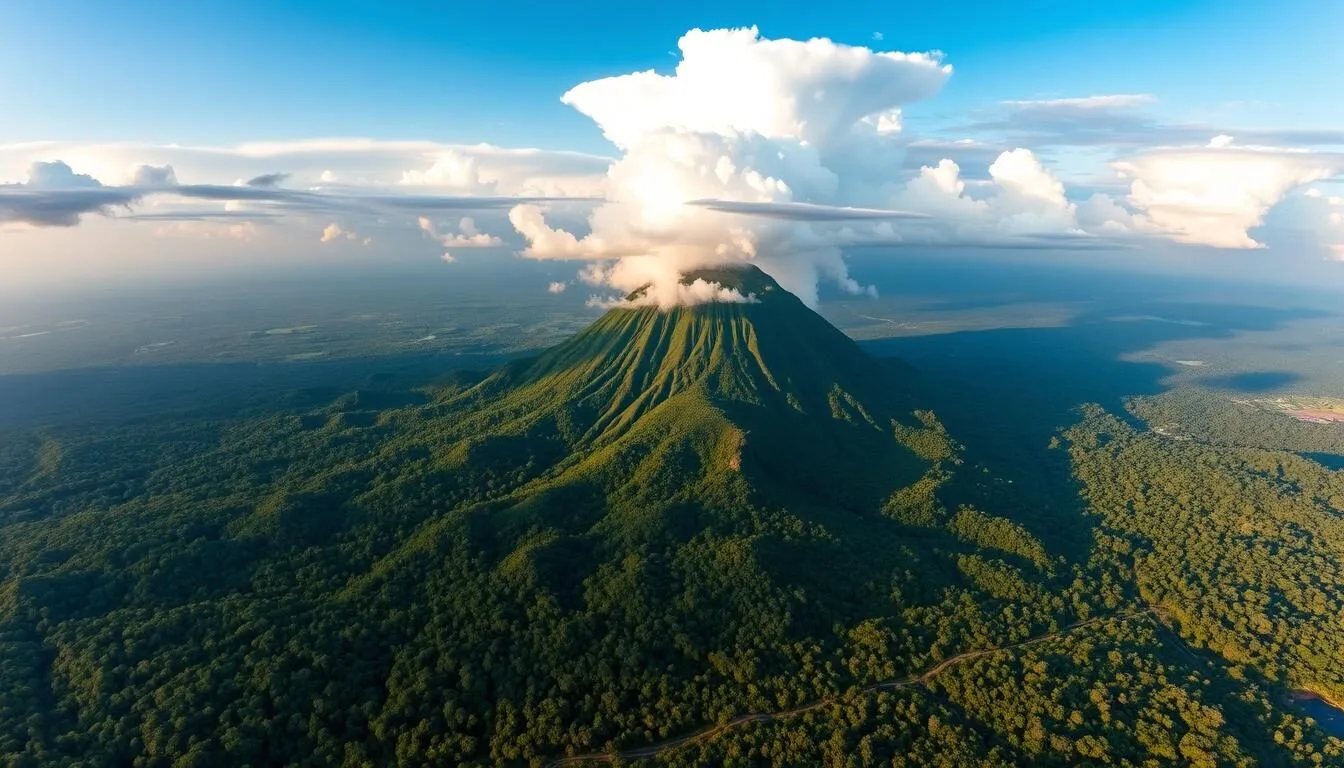
Did you know that Lake Amuku in Guyana sits within one of South America’s most pristine and least-visited ecosystems, where over 80% of the country remains covered in virgin rainforest that’s home to more than 225 mammal species and 815 bird species? This hidden gem offers travelers a rare opportunity to experience untouched nature and authentic indigenous culture that few international visitors ever encounter. While relatively unknown compared to other South American destinations, Lake Amuku is quickly gaining recognition among adventure travelers seeking genuine wilderness experiences without the crowds.
Getting There & Planning Your Journey
Reaching Lake Amuku requires thoughtful planning due to its remote location in Guyana’s interior rainforest region. The journey itself becomes part of the adventure, taking you through some of South America’s most pristine wilderness.
Closest Airports
Your international gateway to Guyana is Cheddi Jagan International Airport (GEO), located about 41 km (25 miles) south of Georgetown, the capital city. From North America and Europe, you’ll find connecting flights through Caribbean hubs like Trinidad or Barbados.
From Georgetown to Lake Amuku
Once in Georgetown, you have two main options to reach the Lake Amuku area:
- Domestic Flight: Small propeller planes operate flights from Georgetown to Annai or Lethem airstrips. The flight takes approximately 1-2 hours and offers spectacular views of the rainforest. These flights have limited capacity, so booking several weeks in advance is essential.
- Overland Journey: For the more adventurous, a multi-day overland journey through the rainforest is possible. While slower (taking 2-3 days), this option provides an authentic experience of Guyana’s diverse landscapes and communities.
From the airstrip, you’ll need to arrange local transportation to Lake Amuku, typically a 4×4 vehicle journey followed by a boat ride. Most tour operators include these transfers in their packages.
Best Time to Visit Lake Amuku
Guyana has a tropical climate with distinct wet and dry seasons that significantly impact travel conditions, especially in remote areas like Lake Amuku.
Recommended Months to Visit
| Season | Months | Weather Conditions | Travel Considerations |
| Main Dry Season | February to April | 26-32°C (79-90°F), low rainfall | Ideal travel conditions, easier access to remote areas |
| Main Wet Season | May to August | 25-30°C (77-86°F), heavy rainfall | Difficult road conditions, possible flight delays |
| Secondary Dry Season | September to November | 27-33°C (81-91°F), moderate rainfall | Good alternative with fewer tourists |
| Secondary Wet Season | December to January | 24-29°C (75-84°F), intermittent rainfall | Unpredictable conditions, but possible to visit |
Months to Avoid
The peak of the wet season (May to July) is best avoided for trips to Lake Amuku. During these months, unpaved roads can become impassable, and domestic flights are more likely to face delays or cancellations. Additionally, the heavy rainfall can make jungle trekking uncomfortable and potentially dangerous.
Local Insight: If you must travel during the wet season, build extra buffer days into your itinerary to account for potential weather-related delays. Pack quick-dry clothing and waterproof bags for electronics.
Getting Around Locally
The Lake Amuku area has limited transportation infrastructure, reflecting its remote location and undeveloped nature. Planning your local transportation in advance is essential for a smooth experience.
Local Transportation Options
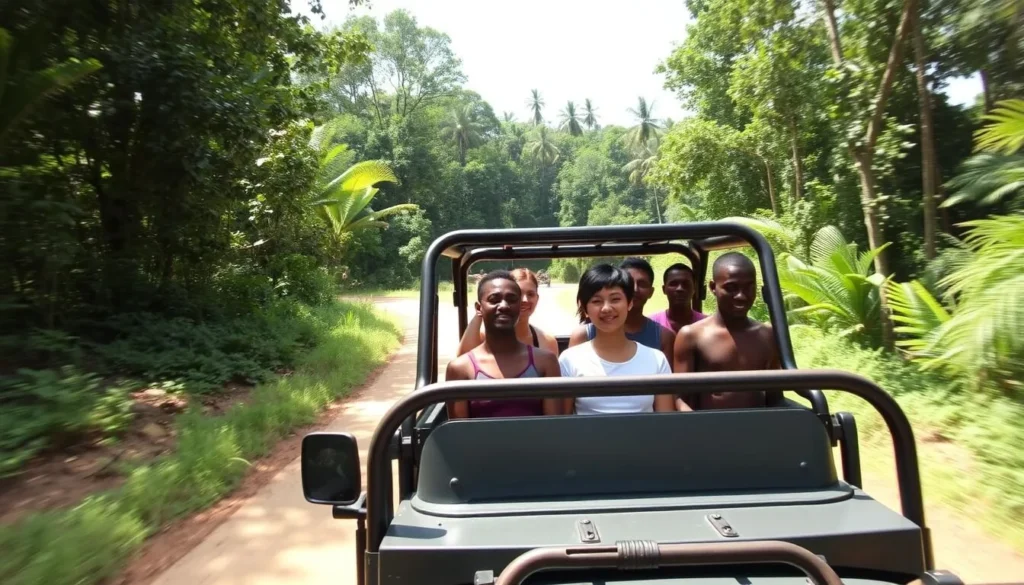
- 4×4 Vehicles: The most reliable way to navigate the unpaved roads in the Lake Amuku region. These can be arranged through tour operators or hired locally with a driver.
- Guided Tours: Most visitors opt for guided tours that include transportation, as navigating independently can be challenging without local knowledge.
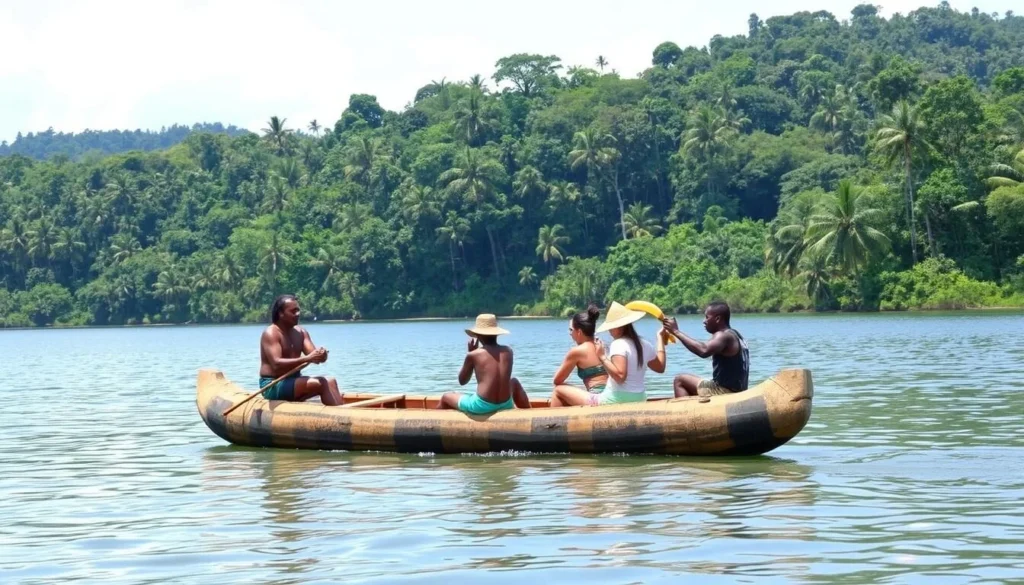
- Boat Transport: Traditional dugout canoes with outboard motors are used to navigate Lake Amuku and connecting waterways. These provide access to remote areas and wildlife viewing opportunities.
- Walking: Many sites around Lake Amuku are accessible by foot via jungle trails. Always use a local guide for these excursions.
Transportation Tips
The roads to Lake Amuku are unpaved and can be challenging, especially after rain. Journey times can vary significantly depending on conditions. What might take 2 hours in the dry season could extend to 4+ hours during wet periods.
Cell phone coverage is limited or non-existent in the area, so don’t rely on GPS or calling for assistance. Always inform someone of your travel plans and expected return time when venturing into remote areas.
Where to Stay
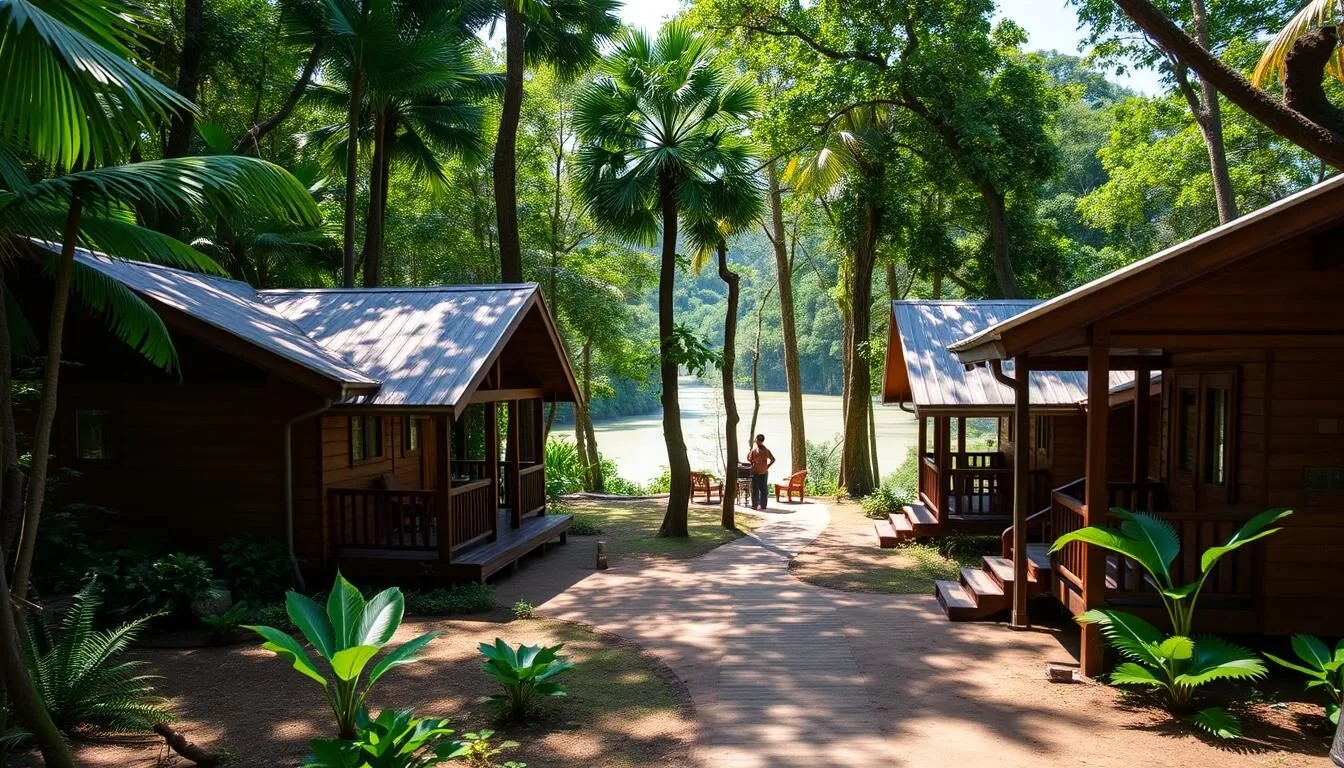
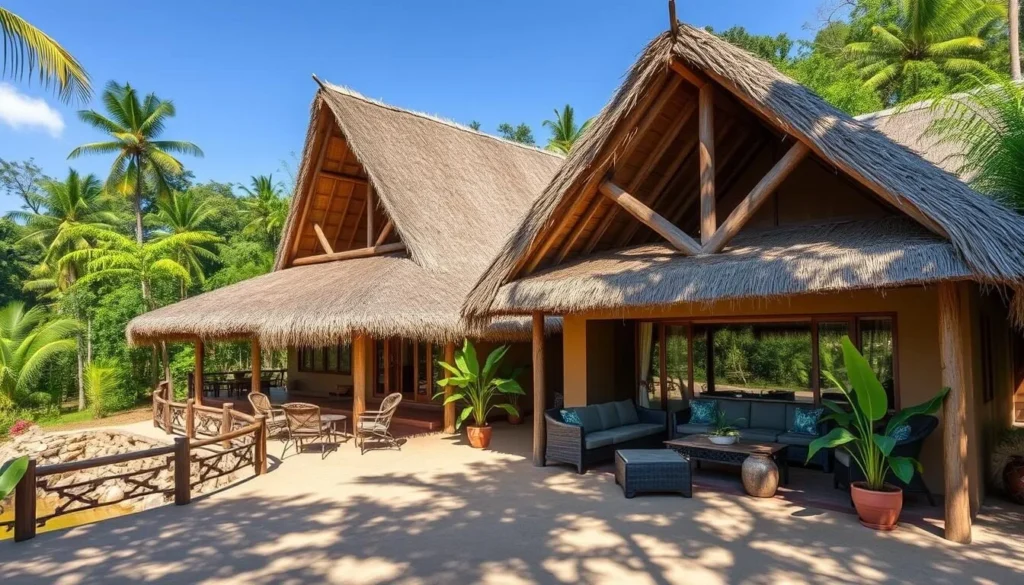
Accommodation options near Lake Amuku are limited and focused on eco-tourism, reflecting the remote nature of the destination. Most lodging is operated by indigenous communities or conservation organizations.
Lake Amuku Accommodations
Community Eco-Lodges
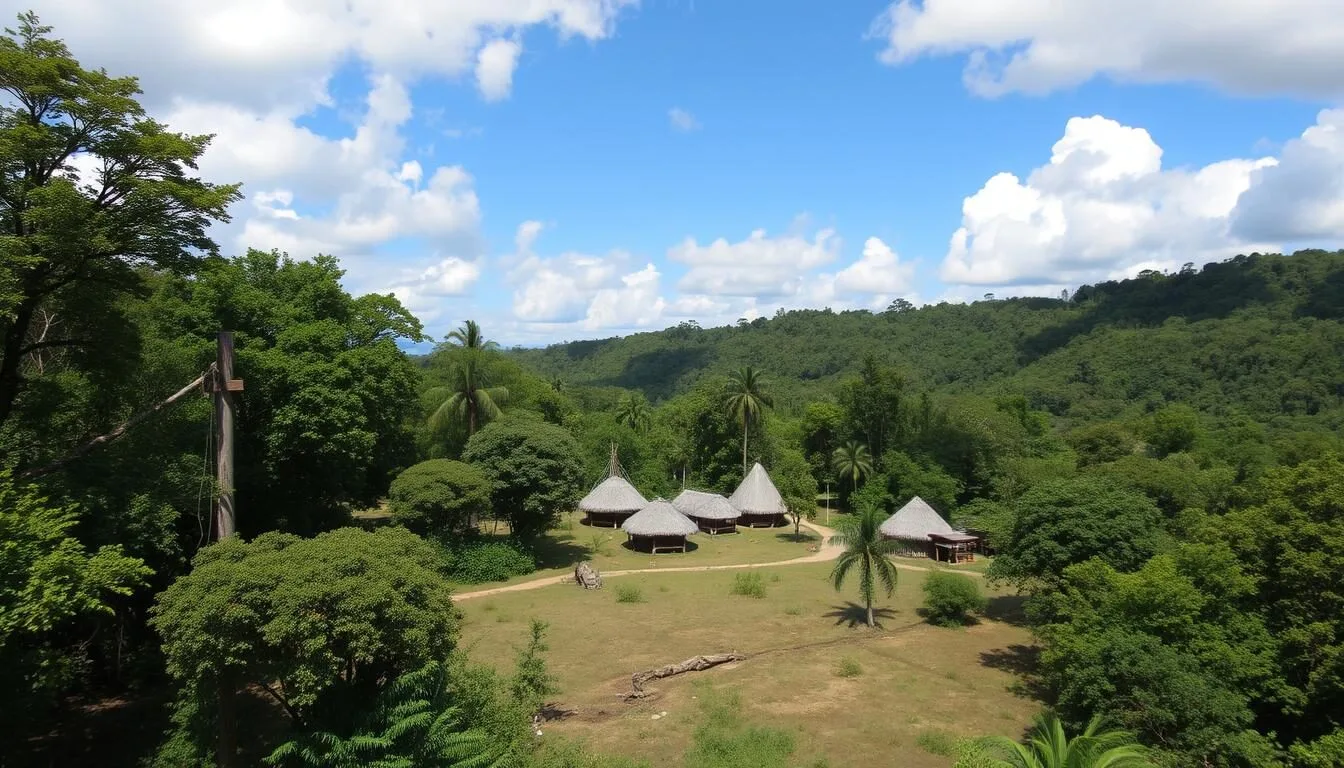
Several indigenous communities operate eco-lodges near Lake Amuku. These typically feature traditional benab-style buildings with thatched roofs, offering basic but comfortable rooms with mosquito netting and shared facilities. Meals feature local ingredients and traditional cooking methods.
✓ Check 30,000+ Local Sightseeing Tours Worldwide
Price range: $40-70 USD per night
Wilderness Camps
For the adventurous traveler, guided camping experiences are available near Lake Amuku. These typically feature canvas tents or hammocks with mosquito netting and basic facilities. Meals are prepared over campfires, and the experience offers unparalleled immersion in nature.
Price range: $50-80 USD per night (usually as part of a tour package)
Research Stations
Some conservation organizations offer basic accommodation at their research stations. While primarily functional rather than luxurious, these provide unique opportunities to learn about ongoing conservation work and interact with researchers.
Price range: $35-60 USD per night
Nearby Ranches and Lodges
For those seeking slightly more comfortable accommodations, several established lodges and ranches in the wider Rupununi region offer access to Lake Amuku as part of their tour packages:
- Surama Eco-Lodge: Community-owned lodge offering comfortable rooms and excellent guided experiences.
- Wichabai Ranch: Working ranch with comfortable accommodations and wildlife viewing opportunities.
- Karanambu Lodge: Historic lodge known for conservation work and comfortable riverside accommodations.
Important: Accommodations near Lake Amuku should be booked well in advance as options are limited. Most lodges include meals and activities in their packages.
Dining & Local Cuisine
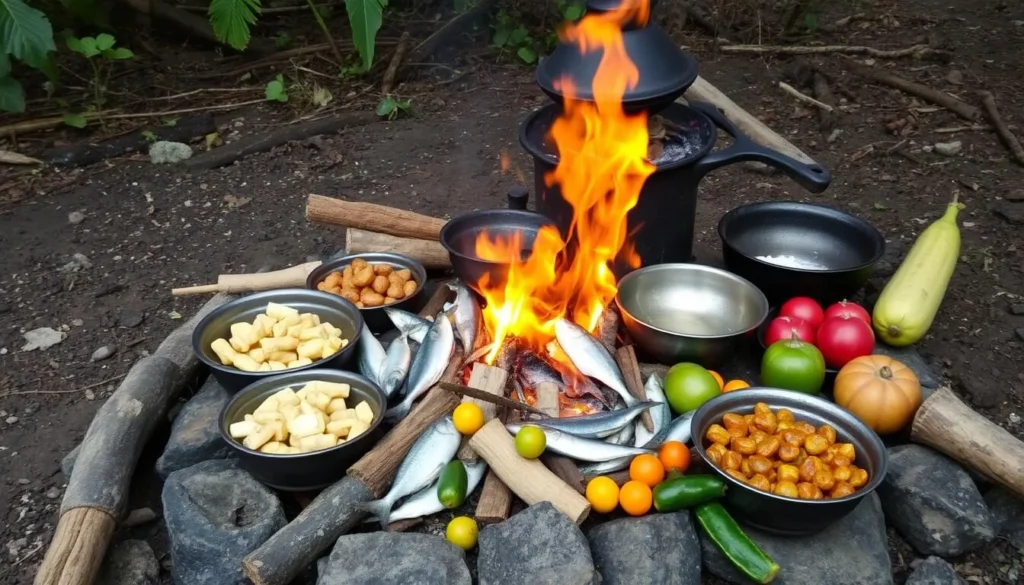
The culinary experience around Lake Amuku is authentic and straightforward, showcasing Guyanese flavors and locally sourced ingredients. Most meals are prepared by your accommodation or tour provider, as there are few independent dining establishments in this remote area.
Dining Experience
Most eco-lodges and camps serve meals family-style, with all guests dining together. This creates a communal atmosphere and opportunities to share experiences with fellow travelers. Meals are typically included in accommodation packages and prepared using fresh, local ingredients.
Must-Try Guyanese Dishes
Main Dishes
- Cook-up Rice: A one-pot dish of rice, beans, and meat cooked with coconut milk and herbs.
- Pepperpot: A slow-cooked meat stew with cinnamon, cassareep (cassava extract), and other spices.
- Fish Curry: Freshly caught fish in a curry sauce with local spices.
- Cassava Bread: A traditional staple made from grated cassava root.
- Tuma Pot: Fish cooked with cassava and herbs in a traditional clay pot.
Beverages
- Mauby: A bitter-sweet drink made from tree bark.
- Sorrel: A bright red drink made from hibiscus flowers.
- Cassiri: Traditional fermented cassava drink.
- Banks Beer: Guyana’s national beer.
- Fresh Fruit Juices: Made from local tropical fruits like soursop and passion fruit.
Dining Tips
Local Insight: Meals in the Lake Amuku region are typically served on a set schedule. Breakfast is usually available from 6-8 AM, lunch from 12-2 PM, and dinner from 6-8 PM. Outside these hours, options may be limited, so plan accordingly.
Vegetarians should communicate their dietary needs clearly when booking, as meat is a central component of many Guyanese dishes. However, the abundance of fresh vegetables, rice, and beans makes vegetarian adaptations possible at most accommodations.
For those planning day excursions to Lake Amuku, packing some non-perishable snacks is advisable as there are no food facilities at the site itself.
Attractions, Sightseeing & Activities
Lake Amuku offers a unique combination of natural beauty, wildlife viewing opportunities, and cultural experiences. The area’s remoteness has preserved both its ecosystems and the traditional ways of life of its indigenous communities.
Wildlife Viewing
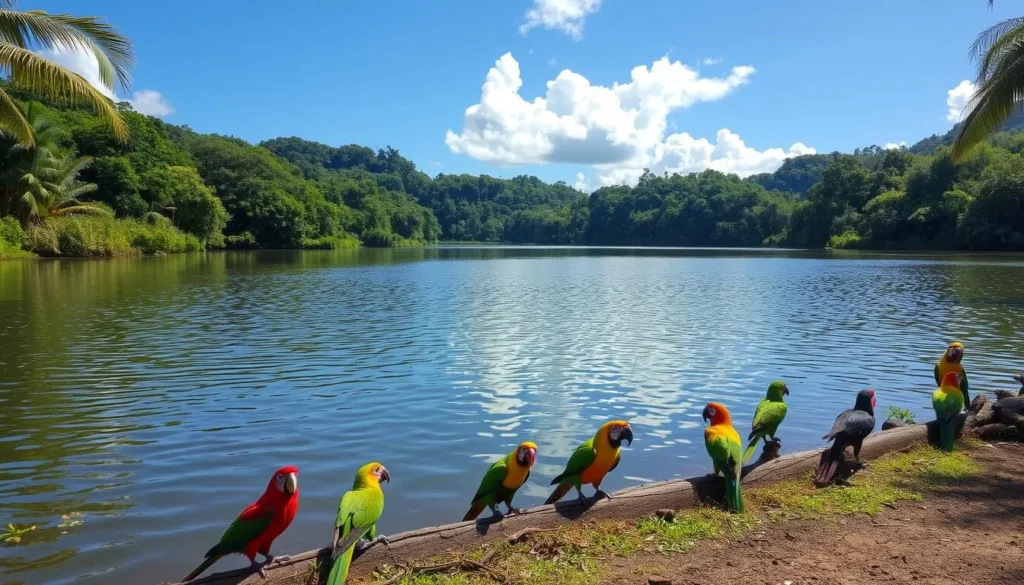
Lake Amuku is renowned for its biodiversity, offering excellent opportunities to observe Guyana’s unique wildlife:
- Bird Watching: The lake and surrounding forests are home to hundreds of bird species, including the Harpy Eagle, Guianan Cock-of-the-rock, and various macaws and toucans.
- River Wildlife: Giant river otters, black caiman, and various fish species inhabit the lake and connecting waterways.
- Mammals: With patience and a good guide, you might spot capybaras, giant anteaters, and several monkey species in the surrounding forest.
Boat Excursions
Traditional dugout canoes provide the perfect vantage point for exploring Lake Amuku and its tributaries:
- Dawn Boat Trips: Early morning excursions offer the best wildlife viewing opportunities as animals are most active.
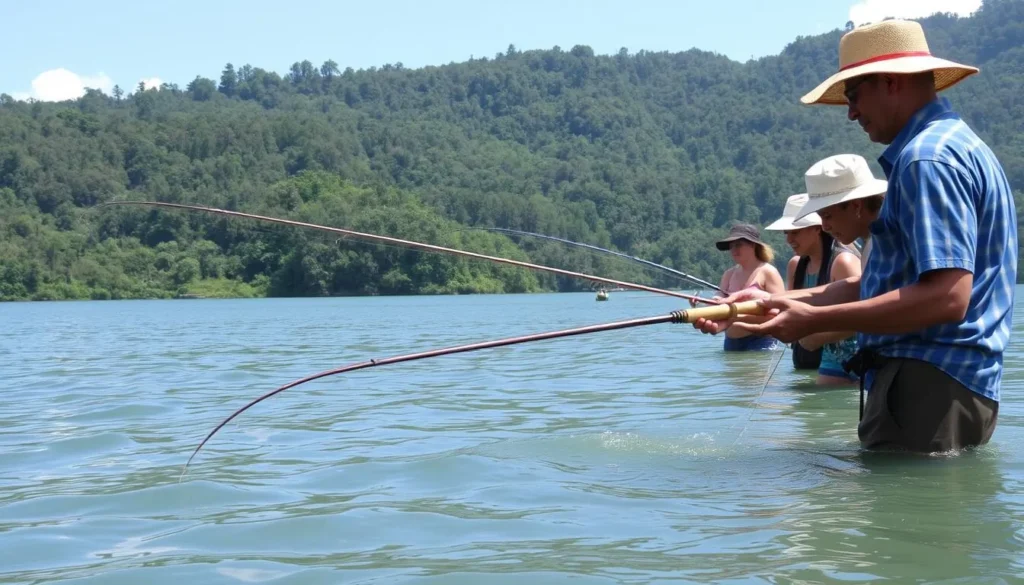
- Fishing Experiences: Try your hand at traditional fishing methods with local guides.
- River Exploration: Navigate the waterways connecting to Lake Amuku, discovering hidden creeks and lagoons.
Hiking Trails
Several trails around Lake Amuku allow visitors to explore the rainforest ecosystem:
- Canopy Walks: Some trails include elevated walkways providing views of the forest canopy.
- Medicinal Plant Trails: Learn about traditional plant uses from knowledgeable indigenous guides.
- Wildlife Observation Paths: Specially designed trails that maximize chances of wildlife encounters.
Museums, Cultural Spots & Festivals
While the immediate Lake Amuku area has limited formal cultural institutions, the region offers rich opportunities to engage with indigenous cultures and traditions.
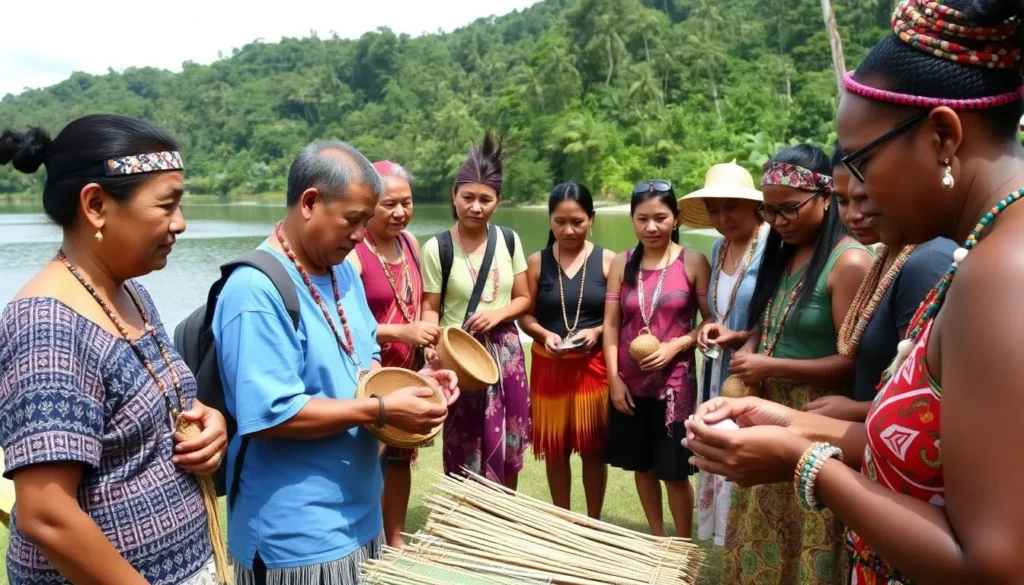
Indigenous Community Visits
Several indigenous communities near Lake Amuku welcome respectful visitors:
- Cultural Demonstrations: Observe and participate in traditional activities like cassava processing, basket weaving, and pottery making.
- Traditional Knowledge: Learn about medicinal plants, hunting techniques, and sustainable forest management from community elders.
- Craft Workshops: Some communities offer hands-on workshops where visitors can learn traditional crafting techniques.
Cultural Sites
The region contains several sites of cultural significance:
- Petroglyphs: Ancient rock carvings can be found at several locations near Lake Amuku, offering glimpses into pre-Columbian cultures.
- Sacred Sites: Some areas hold spiritual significance for local communities and can be visited with appropriate respect and local guidance.
- Traditional Villages: Observe traditional architecture and village layouts that have remained largely unchanged for generations.
Festivals and Events
If your visit coincides with local celebrations, you may have the opportunity to experience traditional festivities:
| Festival | Time of Year | Description |
| Heritage Month | September | Celebrations of indigenous culture with traditional performances, food, and crafts |
| Mashramani | February 23 | Republic Day celebrations with music, dance, and colorful parades |
| Seasonal Harvests | Varies | Community celebrations marking important agricultural cycles |
Sports, Nature & Outdoor Experiences
The pristine natural environment around Lake Amuku provides abundant opportunities for outdoor activities and nature immersion. From gentle nature walks to more adventurous pursuits, there’s something for every level of outdoor enthusiast.
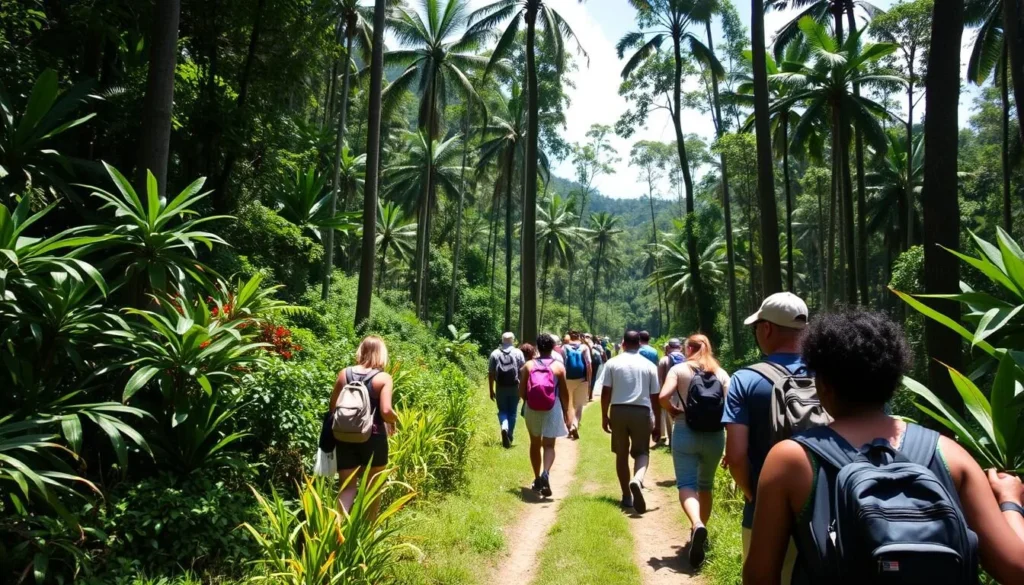
Jungle Trekking
The rainforest surrounding Lake Amuku offers excellent trekking opportunities for all experience levels:
- Guided Nature Walks: Short walks with local guides who can identify flora and fauna and explain their traditional uses.
- Day Hikes: More extensive explorations of the jungle ecosystem, including visits to small waterfalls and streams.
- Multi-day Treks: For serious adventurers, extended journeys through the rainforest can be arranged with proper guides and equipment.
Water Activities
Lake Amuku and its connecting waterways provide opportunities for various water-based activities:
- Canoeing: Traditional dugout canoes offer a peaceful way to explore the lake and spot wildlife.
- Fishing: Try traditional fishing methods with local guides to catch species like peacock bass and piranha.
- Swimming: Some safer sections of the lake offer refreshing swimming opportunities, though always consult locals about current conditions and safety.
Photography
Lake Amuku offers exceptional photography opportunities:
- Wildlife Photography: Patient photographers can capture images of rare and colorful species.
- Landscape Photography: The interplay of water, forest, and sky creates stunning visual compositions.
- Cultural Photography: With appropriate permission, document traditional ways of life and crafts.
Safety Note: Never venture into the rainforest without an experienced local guide. The dense jungle can be disorienting, and the region contains various hazards including venomous snakes and insects.
Safety, Etiquette & Local Customs
Traveling to remote areas like Lake Amuku requires preparation and awareness of both safety considerations and cultural sensitivities. Understanding local customs and expectations will enhance your experience and show respect for the communities you visit.
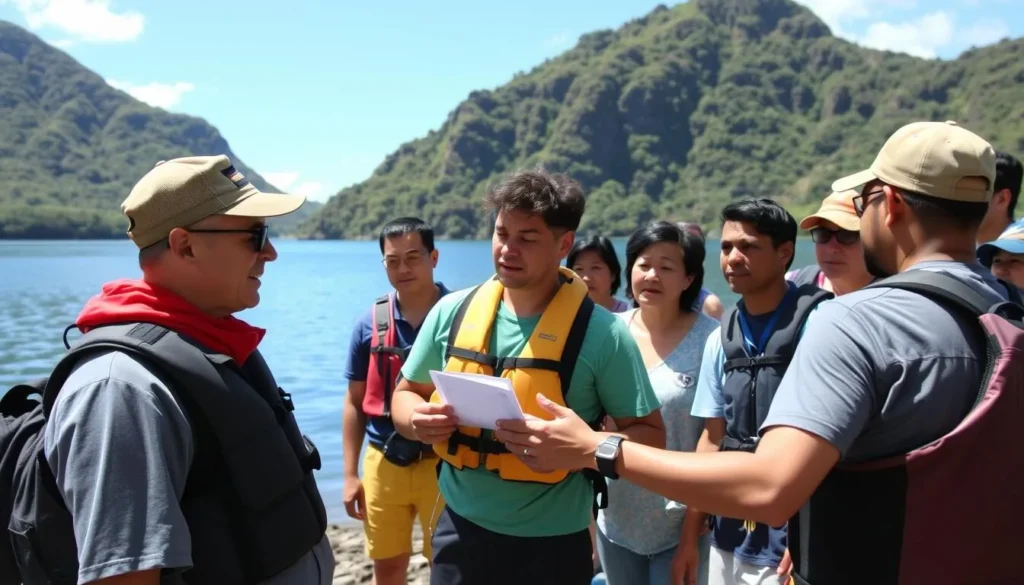
Health & Safety
- Medical Preparation: There are limited medical facilities near Lake Amuku. Bring a comprehensive first aid kit and any necessary medications.
- Vaccinations: Consult your healthcare provider about recommended vaccinations for Guyana, which may include yellow fever, typhoid, and hepatitis A.
- Malaria Prevention: The region is a malaria zone. Take appropriate prophylaxis as recommended by your doctor and use insect repellent containing DEET.
- Water Safety: Drink only bottled or properly purified water. Avoid ice in drinks unless you’re certain it’s made from purified water.
- Jungle Hazards: Be aware of potential hazards including venomous snakes, insects, and plants. Always follow your guide’s instructions.
Cultural Etiquette
The communities around Lake Amuku have their own customs and expectations for visitor behavior:
- Photography: Always ask permission before photographing people, especially in smaller communities.
- Dress Code: While there’s no strict dress code, modest clothing is appreciated, especially when visiting communities.
- Greetings: A handshake is the standard greeting. Addressing people with “Mr.” or “Ms.” followed by their surname is considered respectful until invited to use first names.
- Gift Giving: Small, practical gifts like school supplies for children or fishing hooks are appreciated but not expected.
- Environmental Respect: Follow Leave No Trace principles and respect wildlife by maintaining appropriate distances.
Practical Safety Tips
Communication: Cell phone coverage is limited or non-existent in the Lake Amuku area. Consider renting a satellite phone for emergency communication if traveling independently.
Register with your country’s embassy or consulate in Georgetown before traveling to remote areas. Leave a detailed itinerary with someone reliable and check in regularly if possible.
While violent crime is rare in remote areas like Lake Amuku, take standard precautions with valuables. Use hotel safes when available and avoid displaying expensive equipment unnecessarily.
Visitor Comments About Lake Amuku
“Our journey to Lake Amuku was both humbling and exhilarating. The pristine rainforest and abundance of wildlife created a sense of discovery that’s increasingly rare in today’s world. We spotted giant river otters, countless bird species, and even glimpsed a jaguar at dawn! The indigenous guides shared profound knowledge of the ecosystem that no textbook could match. The accommodations were basic but comfortable, and the food was surprisingly delicious. If you’re seeking an authentic wilderness experience away from tourist crowds, Lake Amuku delivers in every way.”
“Lake Amuku exceeded all my expectations as a wildlife photographer. The diversity of bird species alone was worth the journey, but the overall experience of being in such an untouched ecosystem was transformative. Our community lodge was simple but had everything we needed, and the local hosts made us feel like family. What impressed me most was how the indigenous communities balance conservation with their traditional way of life. The canoe trips at dawn were magical – absolute silence except for the sounds of the forest awakening. Just be prepared for basic facilities and bring plenty of insect repellent!”
“As someone from South America, I thought I knew what to expect from rainforest experiences, but Lake Amuku offered something truly special. The combination of pristine nature and living indigenous culture creates an authentic experience that’s increasingly hard to find. Our guide’s knowledge of medicinal plants was fascinating, and watching giant otters play in the lake was unforgettable. The cassava bread making demonstration in the nearby village gave us insight into daily life that most tourists never see. The journey there is challenging, but that’s what keeps this place so magical and unspoiled.”
Practical Travel Tips
These final recommendations will help you prepare for a successful journey to Lake Amuku and make the most of your experience in this remote destination.
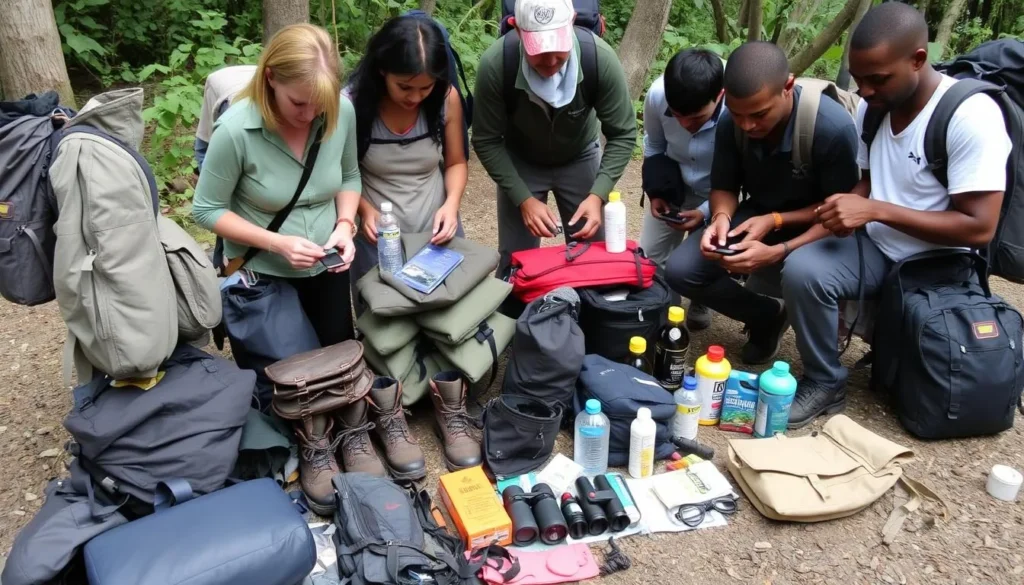
What to Pack
Essential Items
- Lightweight, quick-dry clothing
- Long-sleeved shirts and pants (for sun/insect protection)
- Sturdy hiking boots or trail shoes
- Rain jacket or poncho
- Wide-brimmed hat
- High-SPF sunscreen
- Insect repellent with DEET
- Personal first aid kit
Useful Extras
- Binoculars for wildlife viewing
- Waterproof bag for electronics
- Portable water purification system
- Headlamp or flashlight
- Power bank (electricity can be unreliable)
- Basic medications (pain relievers, anti-diarrheals)
- Small gifts for local communities (school supplies are appreciated)
Money Matters
- Currency: The Guyanese dollar (GYD) is the local currency. US dollars are sometimes accepted in Georgetown but rarely in remote areas.
- Cash: There are no ATMs near Lake Amuku. Bring sufficient cash from Georgetown for your entire stay.
- Costs: Budget approximately $150-200 USD per day for guided tours, basic accommodation, meals, and local transportation.
Planning Timeline
| Time Before Trip | Action Items |
| 3-6 months | Research and book guided tours, arrange domestic flights, check visa requirements, start vaccinations |
| 1-2 months | Book accommodations, purchase travel insurance, complete vaccinations, gather essential gear |
| 2-4 weeks | Confirm all bookings, register with your embassy, arrange airport transfers in Georgetown |
| 1 week | Exchange currency, pack, download offline maps, share itinerary with emergency contacts |
The Untouched Wilderness: A Journey of Discovery
Lake Amuku represents a rare opportunity to experience one of the world’s last truly pristine ecosystems. While the journey requires effort and adaptability, those who make the trip are rewarded with extraordinary wildlife encounters, meaningful cultural exchanges, and the profound sense of discovery that comes from venturing beyond the familiar tourist trail. The combination of virgin rainforest, abundant wildlife, and living indigenous cultures creates an experience that’s increasingly difficult to find in our interconnected world.
As you plan your journey to this remote corner of Guyana, remember that you’re not just visiting a destination but engaging with living ecosystems and communities that have maintained their traditional relationship with the land for generations. The Lake Amuku experience offers something increasingly precious: a genuine opportunity for wonder and discovery in a place where few have ventured before. For travelers seeking authentic wilderness and meaningful cultural connections, Lake Amuku stands as one of South America’s most rewarding hidden treasures.