Hotels by Trip.com
Flights by Trip.com
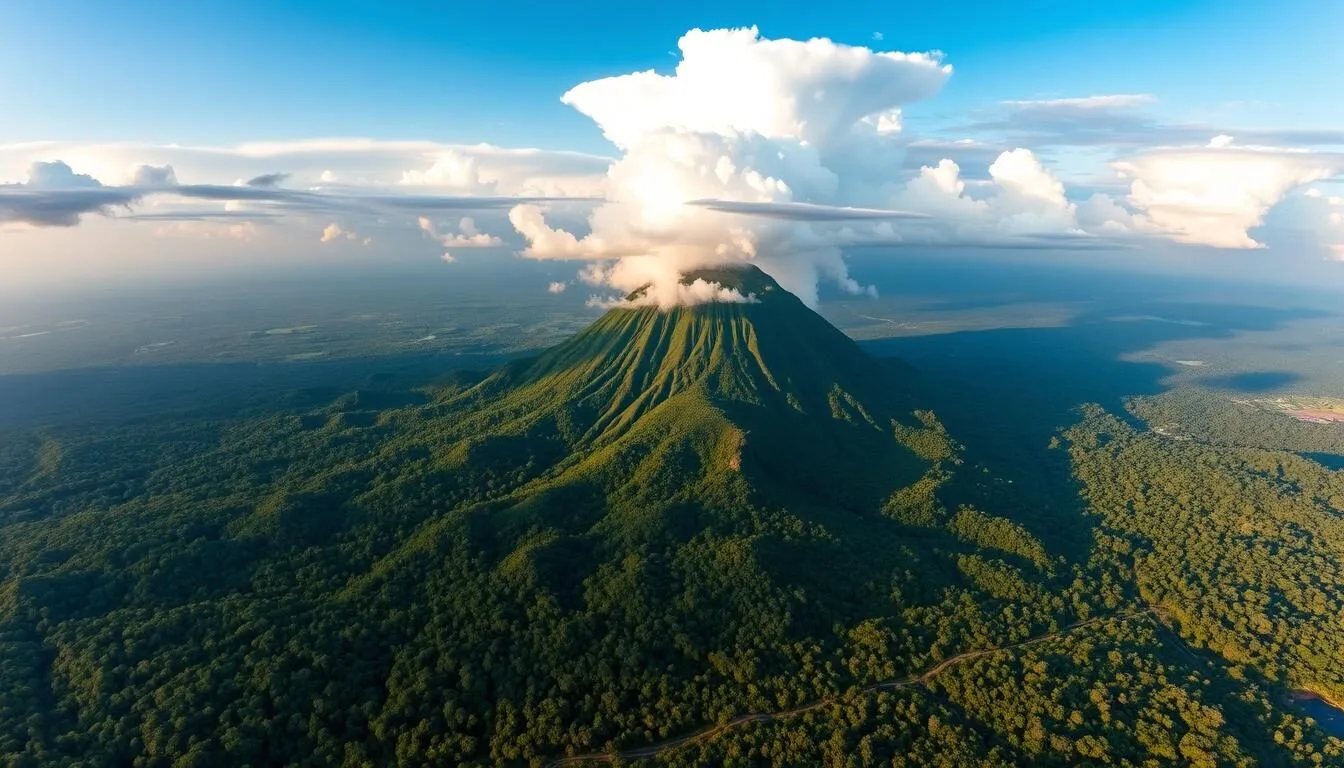
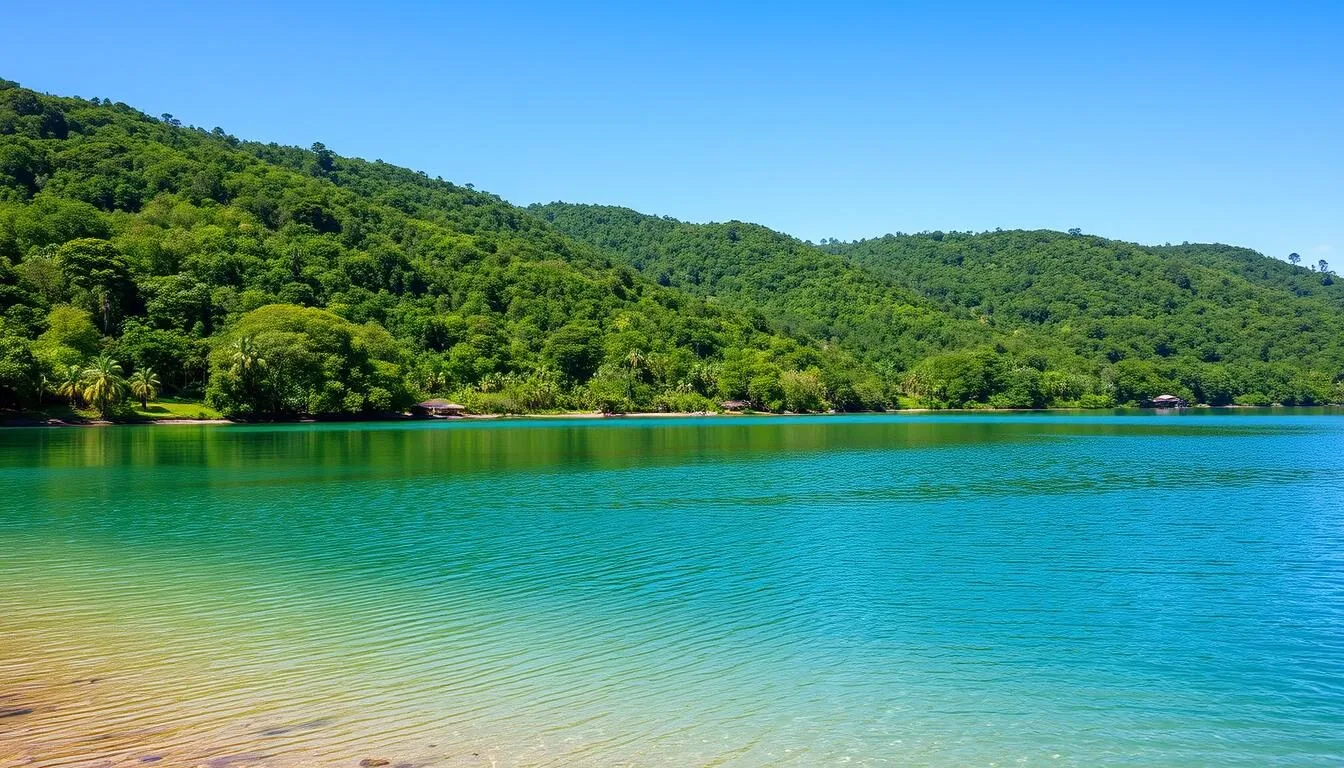
Nestled in the heart of Guyana’s pristine rainforest, Lake Sandvoort remains one of South America’s best-kept secrets, with fewer than 500 visitors annually experiencing its extraordinary biodiversity. This hidden gem in the “Land of Many Waters” offers travelers a rare opportunity to explore untouched nature while supporting indigenous communities committed to sustainable tourism.
Getting There & Planning Your Journey
Reaching Lake Sandvoort requires some planning, but the journey is part of the adventure. Most international travelers arrive at Cheddi Jagan International Airport near Georgetown, Guyana’s capital. From there, you’ll need to arrange transportation to the interior.
Closest Airports
- Cheddi Jagan International Airport (GEO) – 68 km (42 miles) from Georgetown
- Eugene F. Correia International Airport (OGL) – Located in Georgetown, primarily for regional flights
From Georgetown, you’ll need to take a small charter flight to Lethem or Annai, followed by a 4×4 vehicle journey and finally a boat ride to reach Lake Sandvoort. The entire journey from Georgetown typically takes a full day.
Best Time to Visit & Weather Tips
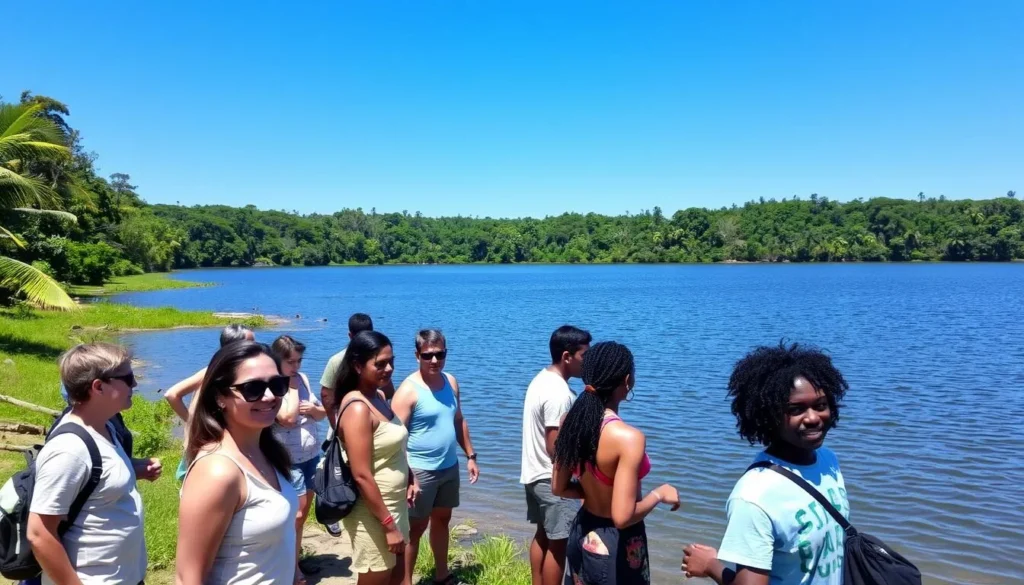
Guyana has two distinct dry seasons and two rainy seasons. For the best experience at Lake Sandvoort, timing your visit is crucial.
Recommended Seasons
- February to April (Main Dry Season) – Ideal for wildlife viewing and hiking, with temperatures averaging 26-32°C (79-90°F)
- August to November (Secondary Dry Season) – Slightly cooler with occasional brief showers, temperatures around 24-30°C (75-86°F)
Seasons to Avoid
- May to July (Main Rainy Season) – Heavy rainfall can make trails muddy and boat access difficult
- December to January (Short Rainy Season) – Unpredictable weather patterns with afternoon downpours
Even during the dry seasons, be prepared for high humidity (typically 80-90%) and occasional rain showers. The jungle microclimate means weather can change quickly, so pack accordingly.
Getting Around Locally
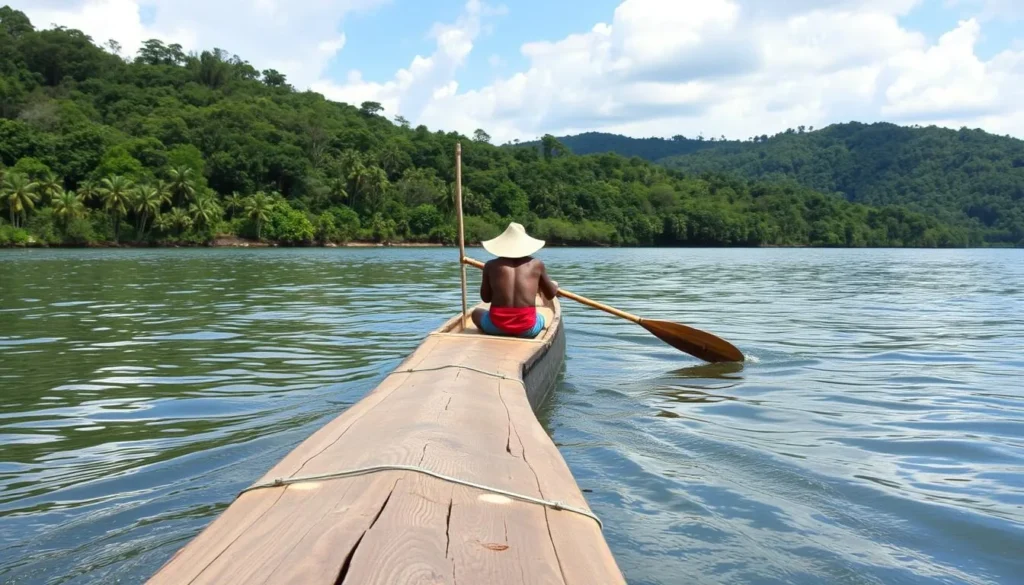
Transportation around Lake Sandvoort is primarily by water and foot. There are no paved roads in this remote region, which is part of its pristine charm.
Local Transportation Options
- Dugout Canoes – Traditional wooden boats used by locals and tourists alike
- Motorized Boats – Available for longer journeys across the lake
- Guided Hiking – The only way to explore the surrounding rainforest
- 4×4 Vehicles – Required for transfers between nearby communities (not around the lake itself)
Most lodges and tour operators arrange all necessary transportation as part of their packages. Independent travelers should arrange boat transportation through their accommodation.
Where to Stay
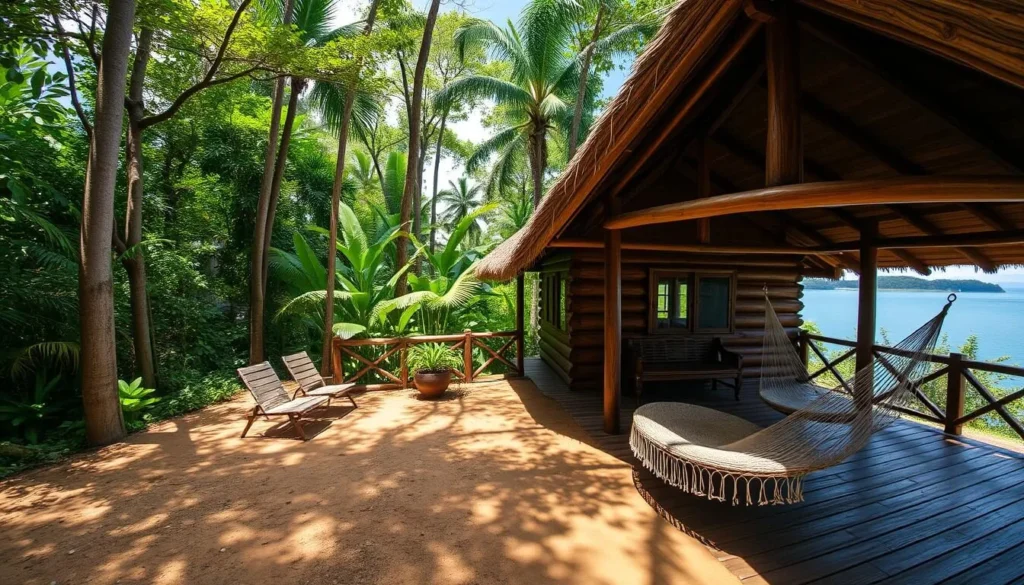
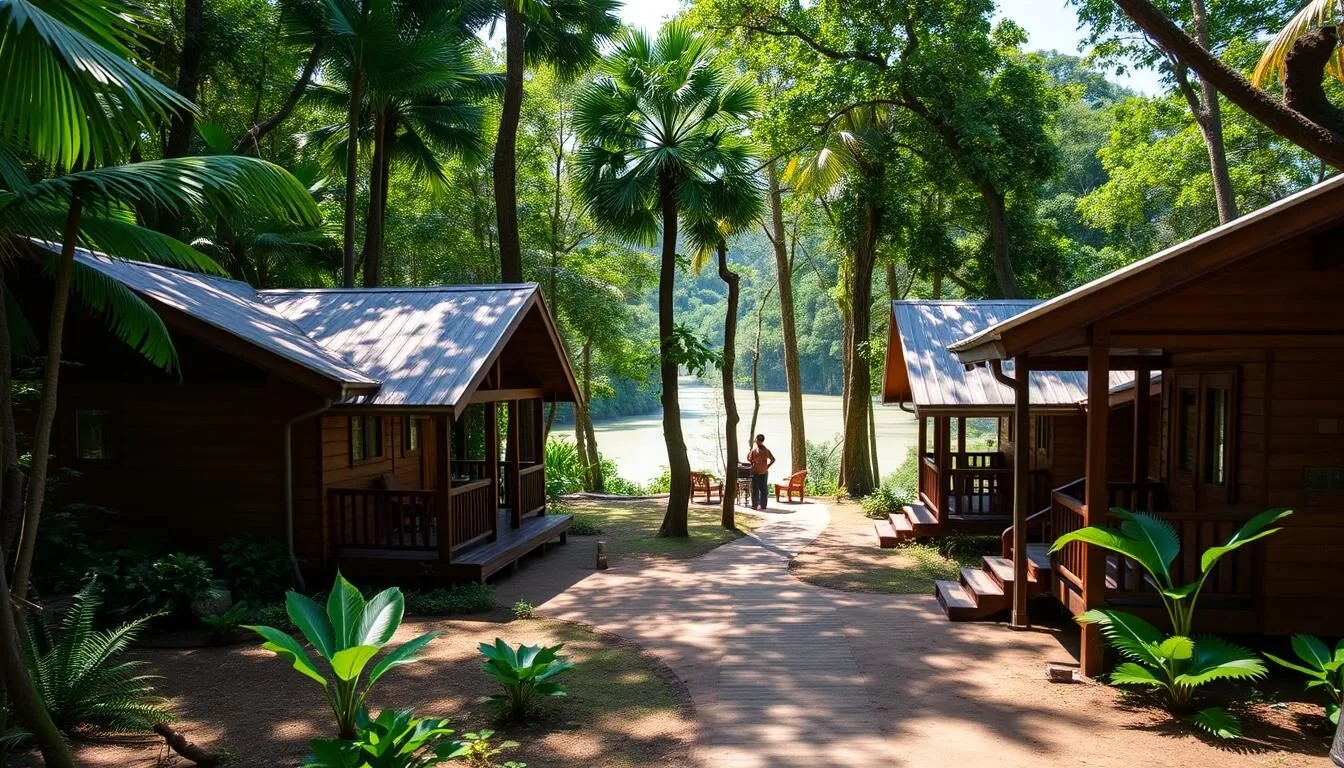
Accommodations around Lake Sandvoort are limited but authentic, focusing on eco-friendly practices and immersive experiences. Most lodges are community-owned and operated, providing direct economic benefits to indigenous populations.
Sandvoort Eco Lodge
The primary accommodation option directly on Lake Sandvoort, offering basic but comfortable rooms with mosquito nets, shared bathrooms with cold-water showers, and three daily meals featuring local cuisine.
Price range: $80-120 USD per night (all-inclusive)
Rupununi River Lodge
Located 30 minutes by boat from Lake Sandvoort, this slightly more upscale option features private cabins with en-suite bathrooms, solar-powered electricity, and guided excursions.
Price range: $150-200 USD per night (all-inclusive)
Community Homestays
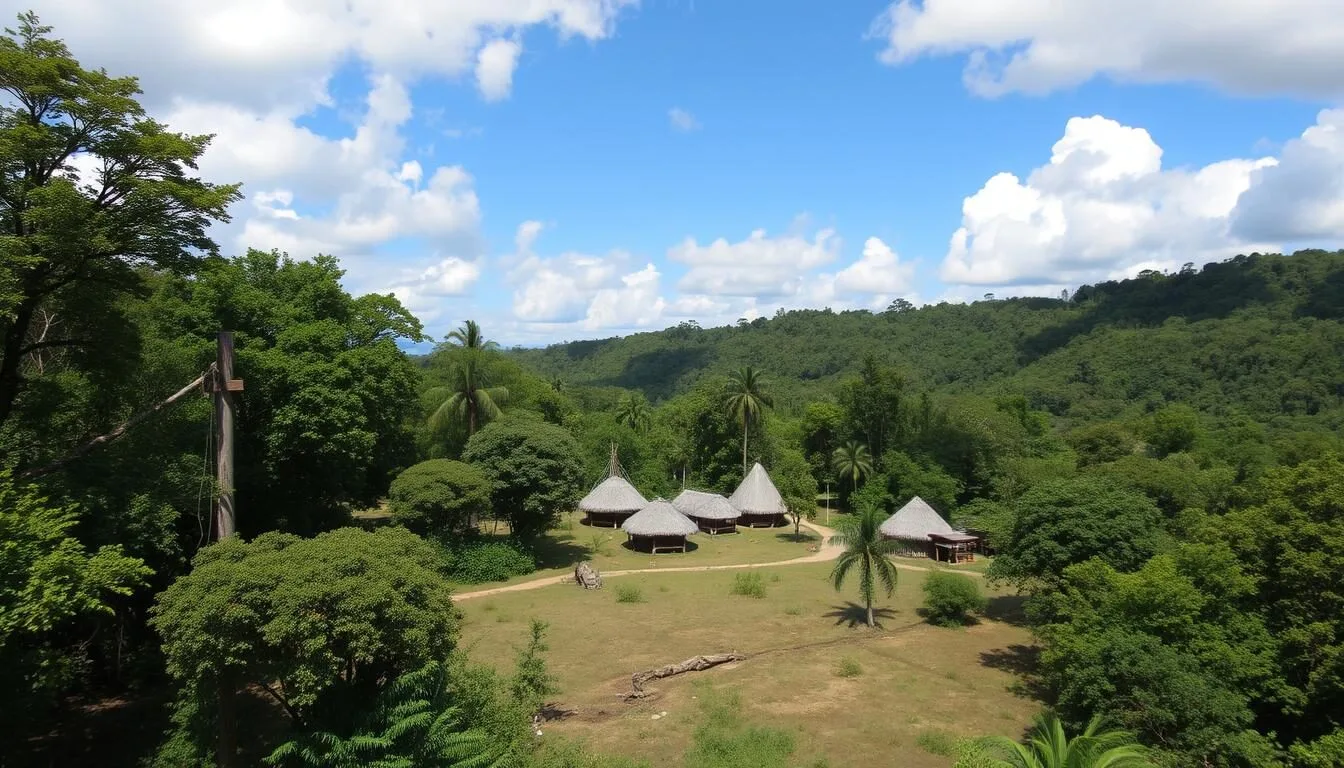
For the most authentic experience, arrange a homestay with a local family in nearby villages. Basic accommodations with shared facilities and home-cooked meals provide cultural immersion.
✓ Check 30,000+ Local Sightseeing Tours Worldwide
Price range: $40-60 USD per night
Most accommodations must be booked in advance through tour operators or directly via email, as online booking systems are limited in this remote region.
Dining & Local Cuisine
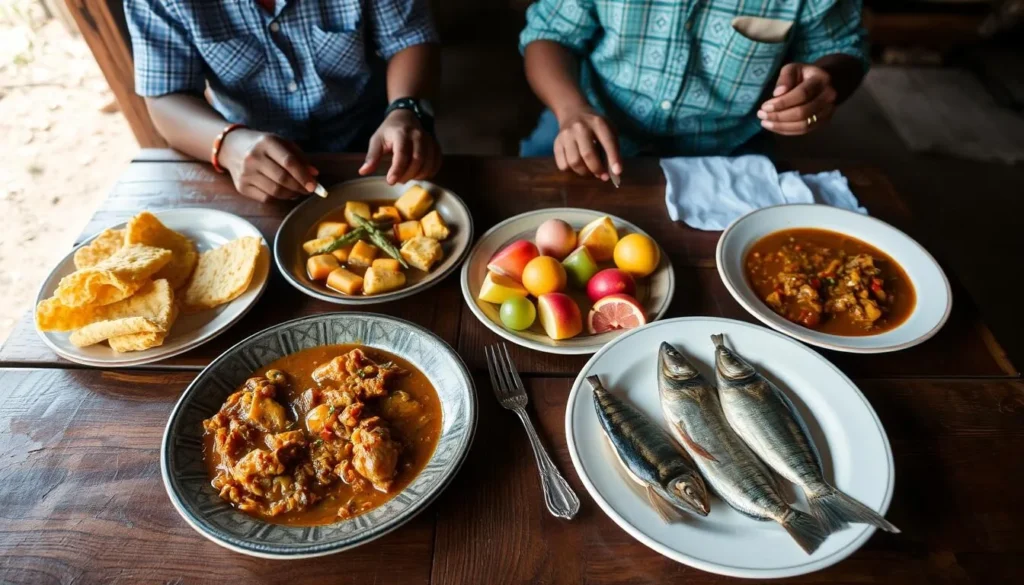
Dining around Lake Sandvoort is a unique culinary adventure, with most meals prepared by local cooks using fresh, locally-sourced ingredients. Most accommodations include all meals in their rates.
Must-Try Local Dishes
- Pepperpot – A rich, spicy meat stew slow-cooked with cassareep (a special sauce made from cassava)
- Cassava Bread – Flatbread made from grated cassava, a staple in indigenous communities
- Fresh Fish – Typically grilled or stewed, caught daily from the lake and rivers
- Cook-up Rice – Rice cooked with beans, coconut milk, and various meats
- Farine – Granular cassava meal often served as a side dish
Dining Options
There are no restaurants in the traditional sense around Lake Sandvoort. Your dining options include:
- Lodge Meals – All lodges provide three meals daily, typically served family-style
- Community Dining – Some villages offer cultural meals for visitors by prior arrangement
- Packed Lunches – Provided by lodges for day excursions
Vegetarian options can be accommodated with advance notice, though choices may be limited. Be sure to try local fruits like soursop, sapodilla, and passion fruit when in season.
Attractions, Sightseeing & Activities
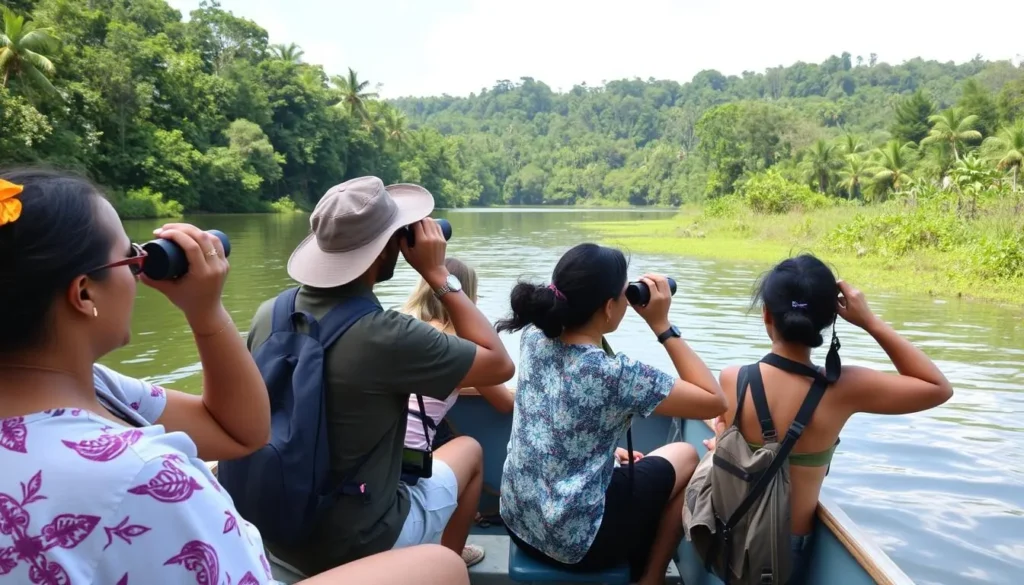
Lake Sandvoort offers a wealth of natural attractions and activities that showcase Guyana’s incredible biodiversity and cultural heritage.
Top Attractions at Lake Sandvoort
Wildlife Spotting Boat Tours
Early morning and late afternoon boat tours provide the best opportunities to spot caiman, giant river otters, capybaras, and countless bird species in their natural habitat.
Duration: 2-3 hours
Best time: 5:30-8:30 AM or 4:00-6:30 PM
Victoria Amazonica Lily Pads
Marvel at the world’s largest water lilies, with pads growing up to 3 meters (10 feet) in diameter. These impressive plants are best viewed during a specialized boat tour.
Duration: 1-2 hours
Best time: Early morning
Sandvoort Waterfall Trail
A guided hike through the rainforest leads to a secluded waterfall where you can swim in the refreshing pool below. The moderate difficulty trail showcases diverse flora and fauna.
Duration: 4-5 hours round trip
Best time: Morning, to avoid afternoon heat
Museums, Cultural Spots & Festivals
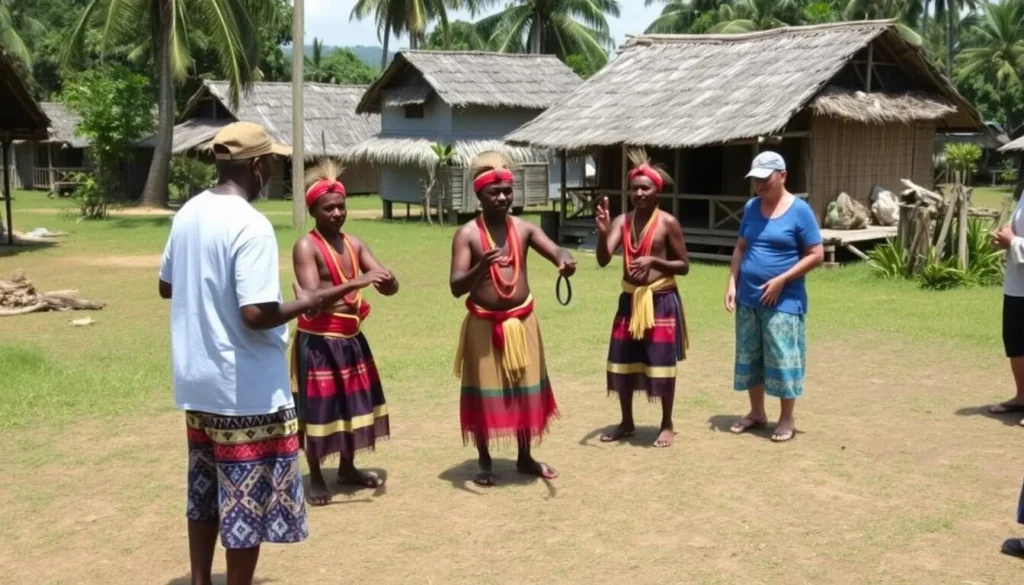
While Lake Sandvoort doesn’t have conventional museums, the area offers rich cultural experiences through interaction with indigenous communities who have inhabited the region for centuries.
Cultural Experiences
- Makushi Village Visits – Learn about traditional ways of life, crafts, and sustainable practices from the Makushi people
- Cassava Processing Demonstrations – Observe the complex process of transforming poisonous raw cassava into safe, edible products
- Traditional Craft Workshops – Learn basket weaving, pottery, or bow making from skilled artisans
- Medicinal Plant Walks – Guided tours focusing on the rainforest’s natural pharmacy and indigenous knowledge
Local Festivals
If your visit coincides with these events, they offer exceptional cultural immersion:
- Amerindian Heritage Month (September) – Celebrations throughout indigenous communities
- Mashramani (February 23) – Guyana’s Republic Day celebrations
- Seasonal Harvest Festivals – Community celebrations tied to agricultural cycles
Always approach cultural experiences with respect. Photography should only be taken with permission, and it’s customary to offer a small donation when participating in community activities.
Sports, Nature & Outdoor Experiences
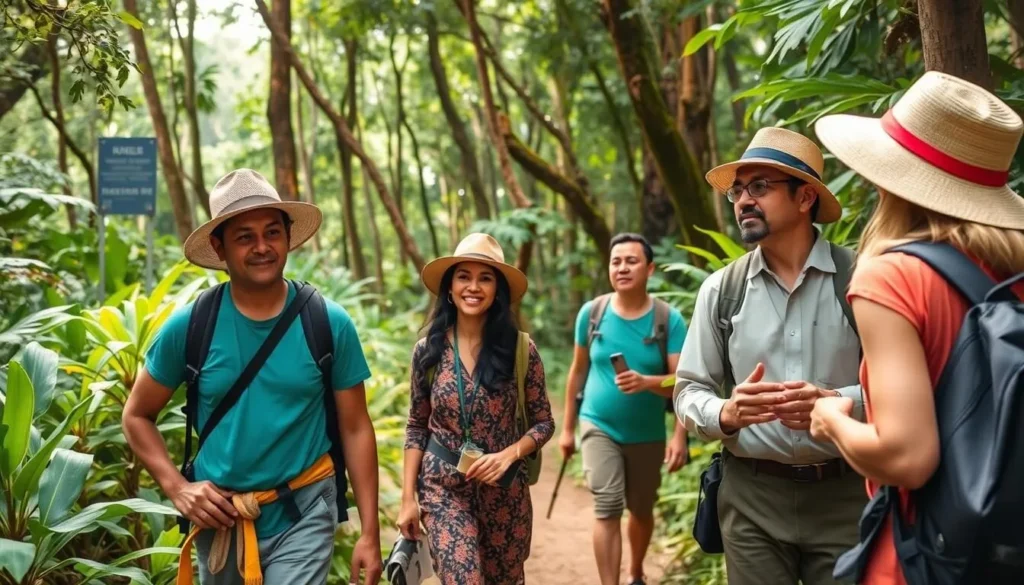
Lake Sandvoort’s pristine natural environment offers numerous opportunities for outdoor adventures and nature experiences.
Top Outdoor Activities
Catch-and-Release Fishing
Try your hand at catching peacock bass, piranha, or even the massive arapaima (one of the world’s largest freshwater fish). Local guides provide equipment and expertise.
Best time: Early morning or late afternoon
Canopy Walkway Experience
Visit the nearby Iwokrama Canopy Walkway, suspended 30 meters (98 feet) above the forest floor, offering a bird’s-eye view of the rainforest and opportunities to spot canopy-dwelling species.
Distance from Lake Sandvoort: 2-hour boat ride plus 1-hour drive
Night Safari
Experience the rainforest after dark when many creatures become active. Spot caimans by their reflective eyes, nocturnal birds, and if you’re extremely lucky, maybe even a jaguar.
Duration: 1-2 hours
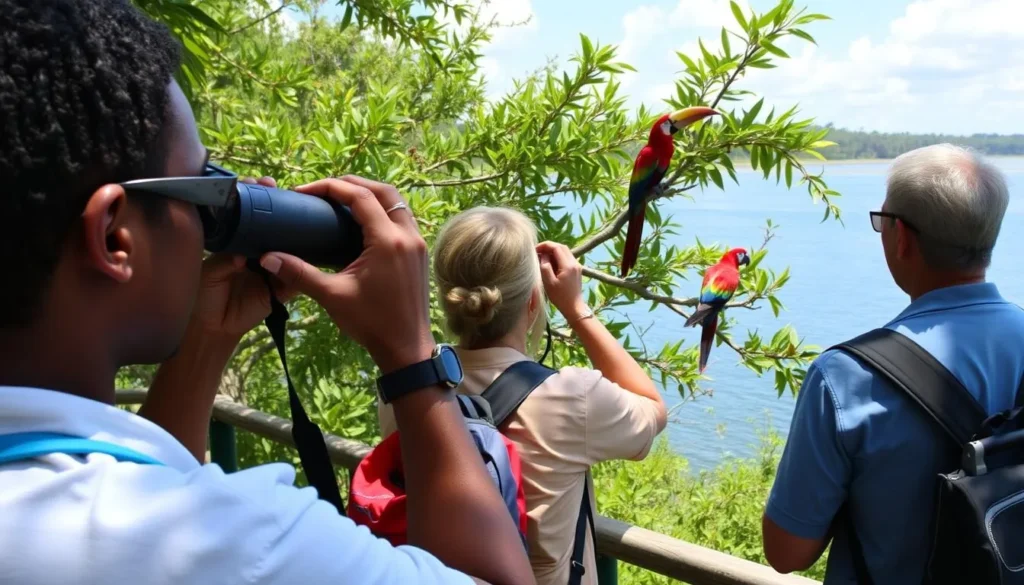
Wildlife Viewing Opportunities
Lake Sandvoort is home to an incredible diversity of wildlife. Keep your eyes peeled for:
- Birds – Over 800 species including harpy eagles, toucans, macaws, and the Guianan cock-of-the-rock
- Mammals – Giant river otters, capybaras, howler monkeys, and if you’re lucky, jaguars or giant anteaters
- Reptiles – Black caiman, anacondas, and various lizard species
- Amphibians – Colorful poison dart frogs and tree frogs
- Insects – Spectacular butterflies, including the electric blue morpho
For the best wildlife viewing, wake early and be patient. Local guides are exceptionally skilled at spotting well-camouflaged creatures that visitors might miss.
Safety, Etiquette & Local Customs
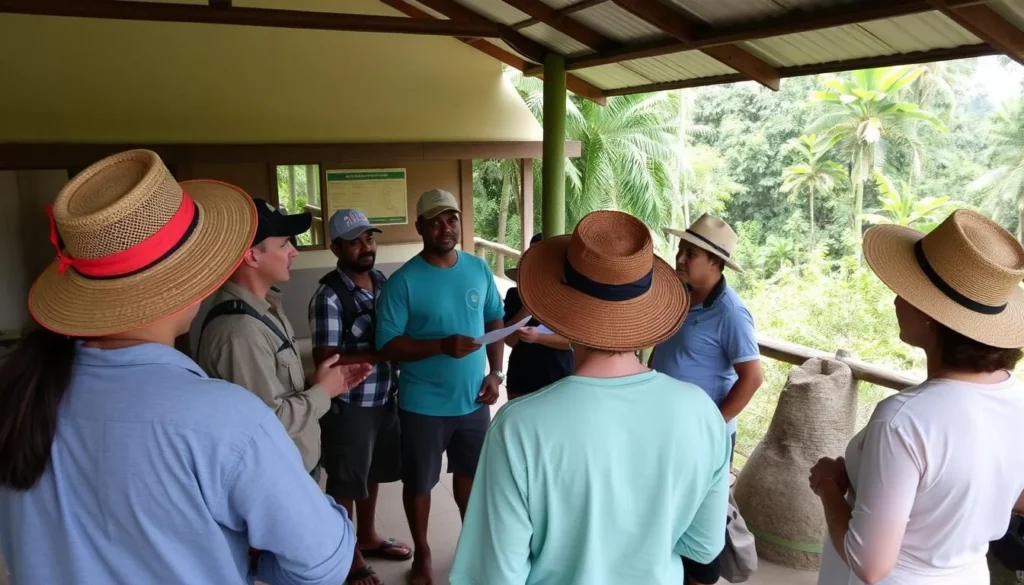
Visiting Lake Sandvoort safely requires preparation and respect for both the natural environment and local communities.
Health & Safety
- Vaccinations – Yellow fever vaccination is required for entry to Guyana. Consult your doctor about malaria prophylaxis and other recommended vaccinations
- Insect Protection – Wear long sleeves and pants, use insect repellent with DEET, and sleep under mosquito nets
- Hydration – Drink plenty of filtered water (provided by lodges) to prevent dehydration in the humid climate
- First Aid – Bring basic medications and first aid supplies as medical facilities are distant
- Guide Accompaniment – Always explore with a local guide who knows the terrain and potential hazards
Cultural Etiquette
- Permission – Always ask before photographing people or entering villages
- Dress – Modest dress is appreciated when visiting communities (cover shoulders and knees)
- Gifts – Small, useful gifts like school supplies are appreciated but not expected
- Language – English is widely spoken, but learning a few words in the local Makushi language shows respect
- Environmental Impact – Follow “leave no trace” principles and respect wildlife viewing guidelines
Remember that you’re a guest in both the natural environment and indigenous territories. Approach your visit with humility and a willingness to learn from local knowledge.
Visitor Comments About Lake Sandvoort
“Lake Sandvoort was the highlight of our South American adventure. We saw giant river otters playing just meters from our boat and spent evenings stargazing without light pollution. The local guides’ knowledge of the rainforest was incredible—they could spot a well-camouflaged snake that we would have walked right past!”
“As an avid birder, Lake Sandvoort exceeded all my expectations. In just three days, I spotted over 120 species including the elusive harpy eagle. The eco-lodge was basic but comfortable, and falling asleep to the sounds of the jungle was magical. Worth every bit of the journey to get there.”
“Our family spent five days at Lake Sandvoort and it was a transformative experience for our teenagers. No internet meant real conversations and connections with nature. The Makushi village visit was eye-opening—learning traditional survival skills and understanding a completely different way of life. Just bring plenty of bug spray!”
Practical Travel Tips
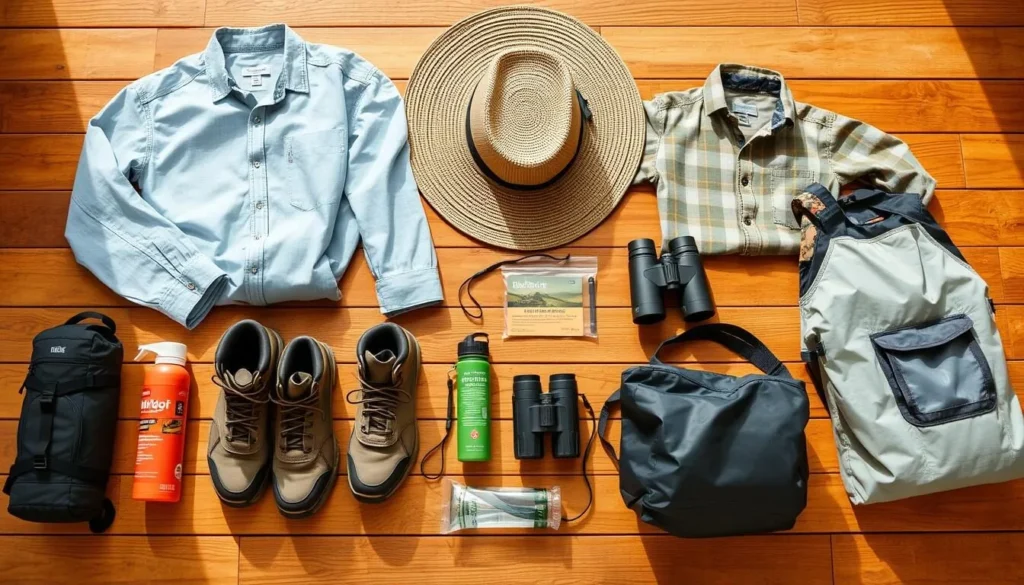
What to Pack
- Clothing – Lightweight, quick-dry, long-sleeved shirts and pants in neutral colors
- Footwear – Waterproof hiking boots and water sandals (like Tevas)
- Protection – Wide-brimmed hat, high-SPF sunscreen, insect repellent with at least 20% DEET
- Equipment – Binoculars, headlamp or flashlight, waterproof bag for electronics
- Medications – Personal prescriptions, anti-diarrheal medication, antihistamines
Communication & Connectivity
There is no cell service or internet at Lake Sandvoort. Some lodges have satellite phones for emergencies only. Inform family and friends that you’ll be unreachable during your stay.
Money Matters
- Bring sufficient cash in US dollars or Guyanese dollars
- No ATMs exist in the Lake Sandvoort region
- Most lodges accept US dollars but may not accept credit cards
- Budget for tips for guides and lodge staff (approximately 10-15%)
Booking & Arrangements
Due to the remote location, most visitors arrange their Lake Sandvoort experience through tour operators who can coordinate all transportation, accommodation, and activities. Book at least 3-4 months in advance, especially during the peak dry season.
Embrace the Untamed Beauty of Guyana
Lake Sandvoort represents Guyana at its most authentic—wild, pristine, and relatively untouched by mass tourism. The journey may be challenging, but those who make the effort are rewarded with extraordinary wildlife encounters, meaningful cultural exchanges, and the rare privilege of experiencing one of the world’s last great wilderness areas. As you plan your visit, remember that your presence supports conservation efforts and sustainable livelihoods for indigenous communities who serve as the rainforest’s guardians. Lake Sandvoort isn’t just a destination; it’s an immersion into a way of life that reminds us of our connection to the natural world.