
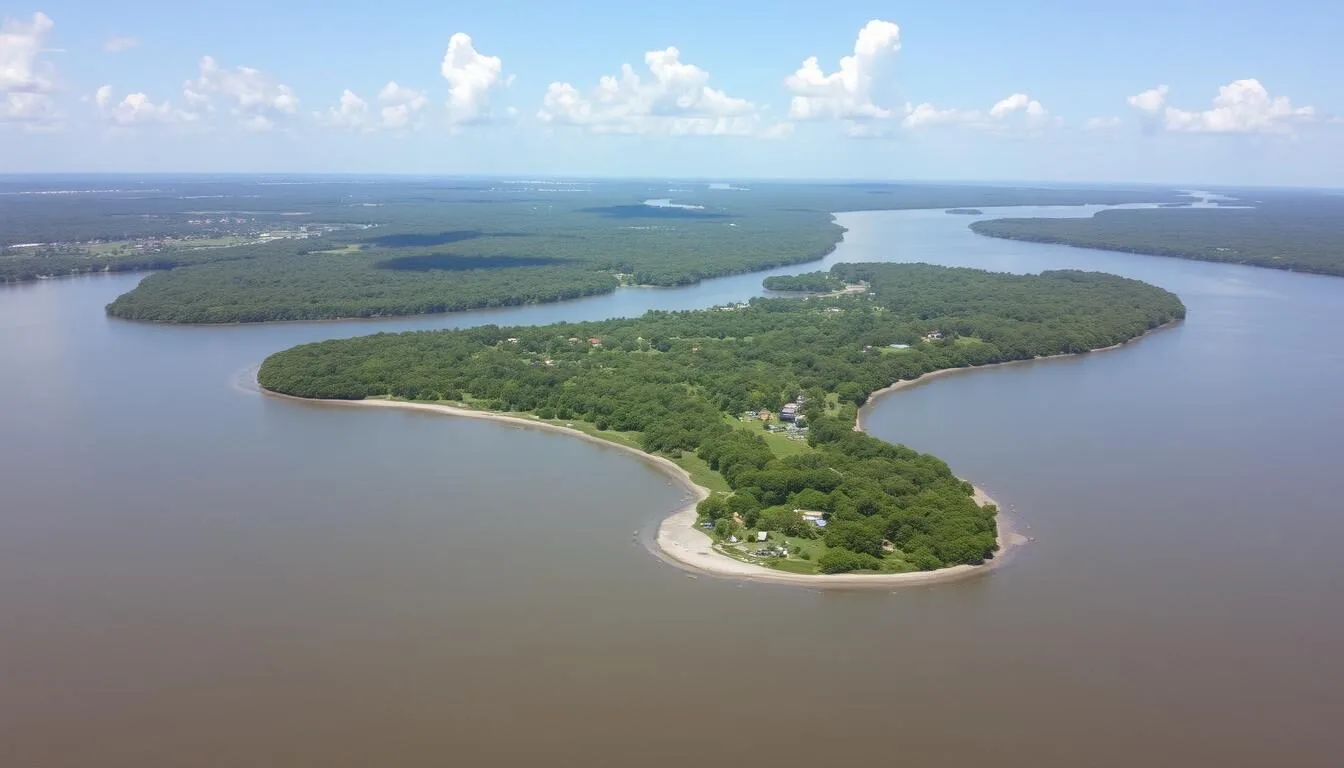
Few travelers realize that Leguan Island, nestled in the mighty Essequibo River, is home to a population of just over 3,000 people yet spans approximately 18 square kilometers (7 square miles) – making it one of Guyana’s largest river islands and a hidden gem waiting to be discovered.
Getting There & Planning Your Journey
Reaching Leguan Island requires some planning, but the journey is part of the adventure. The island sits in the mouth of the Essequibo River, accessible only by boat from mainland Guyana.
International Access
Your journey begins with a flight to Guyana. The country has two main airports:
- Cheddi Jagan International Airport (GEO) – The main international gateway, located about 41 km (25 miles) from Georgetown
- Eugene F. Correia International Airport (OGL) – Handles regional flights, located at Ogle, just east of Georgetown
From Georgetown to Parika
From Georgetown, you’ll need to travel to Parika, the main port town for accessing the Essequibo islands:
- By minibus: Regular minibuses run from Stabroek Market in Georgetown to Parika (approximately 1 hour, 500 GYD/$2.50 USD)
- By taxi: Private taxis are available for a more comfortable journey (approximately 8,000-10,000 GYD/$40-50 USD)
Parika to Leguan Island
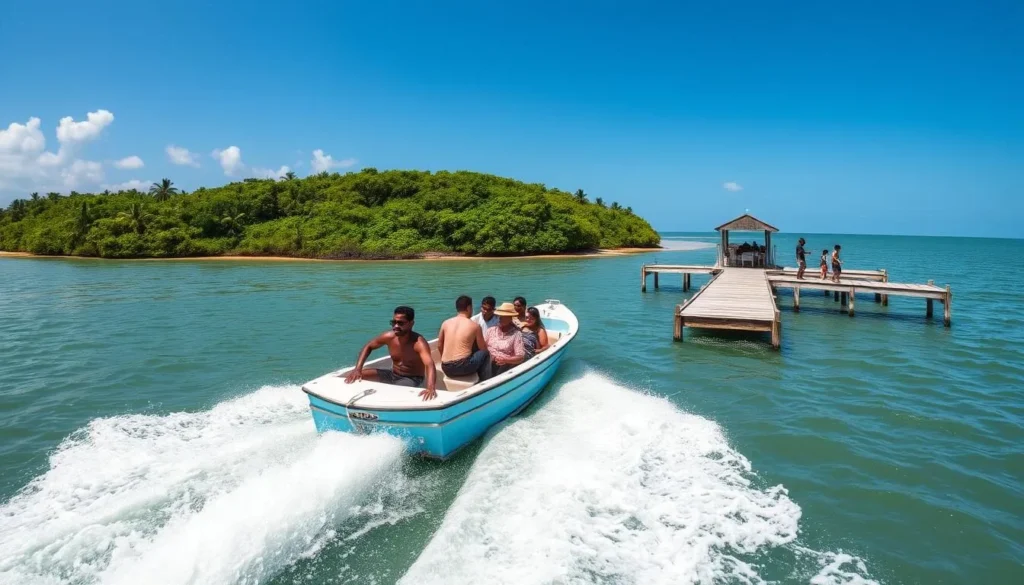
From Parika, speedboats depart regularly to Leguan Island:
- Journey time: Approximately 20 minutes
- Cost: 1,000 GYD (about $5 USD) one-way
- Schedule: Boats typically operate from 6:00 AM until 5:00 PM
- Alternative: The ferry M.V. Malali also services the route, departing Parika at 10:00 AM and returning from Leguan at 3:00 PM
Pro Tip: Speedboats depart when full, so arrive early in the morning for the most reliable service. No boats operate after sunset due to safety regulations.
Best Time to Visit Leguan Island
Leguan Island’s climate is tropical, with distinct wet and dry seasons that significantly impact your travel experience.
Recommended Seasons
- December to April (Primary Dry Season): Ideal time with temperatures averaging 26-30°C (79-86°F), minimal rainfall, and clearer river waters
- August to November (Secondary Dry Season): Another good period with moderate rainfall and temperatures around 27-32°C (81-90°F)
Seasons to Avoid
- May to July (Peak Rainy Season): Heavy rainfall can cause flooding, muddy roads, and disrupted boat schedules
| Season | Months | Temperature | Rainfall | Travel Conditions |
| Primary Dry | December-April | 26-30°C (79-86°F) | Low | Excellent |
| Main Rainy | May-July | 25-29°C (77-84°F) | Very High | Challenging |
| Secondary Dry | August-November | 27-32°C (81-90°F) | Moderate | Good |
Weather Tip: Even during dry seasons, carry a light rain jacket as brief afternoon showers are common in tropical Guyana.
Getting Around Locally
Leguan Island is relatively small but offers several transportation options for exploring its villages and attractions.
Transportation Options
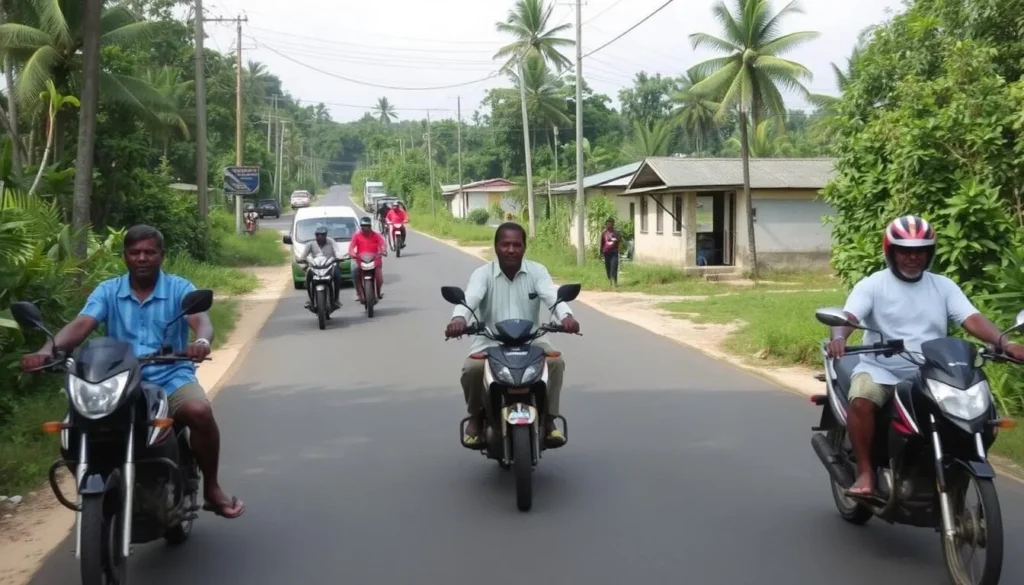
- Motorcycle Taxis: The most common form of transportation, available near the stelling (dock) area
- Car Taxis: Limited but available for island tours, typically charging 3,000-5,000 GYD ($15-25 USD) for a complete island tour
- Bicycles: Some guesthouses offer bicycle rentals, perfect for exploring at your own pace
- Walking: The main settlement is compact and walkable, though exploring the entire island on foot would be challenging
Island Layout: Leguan has one main road that circles the island and several smaller roads connecting villages. The island is shaped roughly like an “H” with roads along the north and south coasts connected by a central road.
Where to Stay
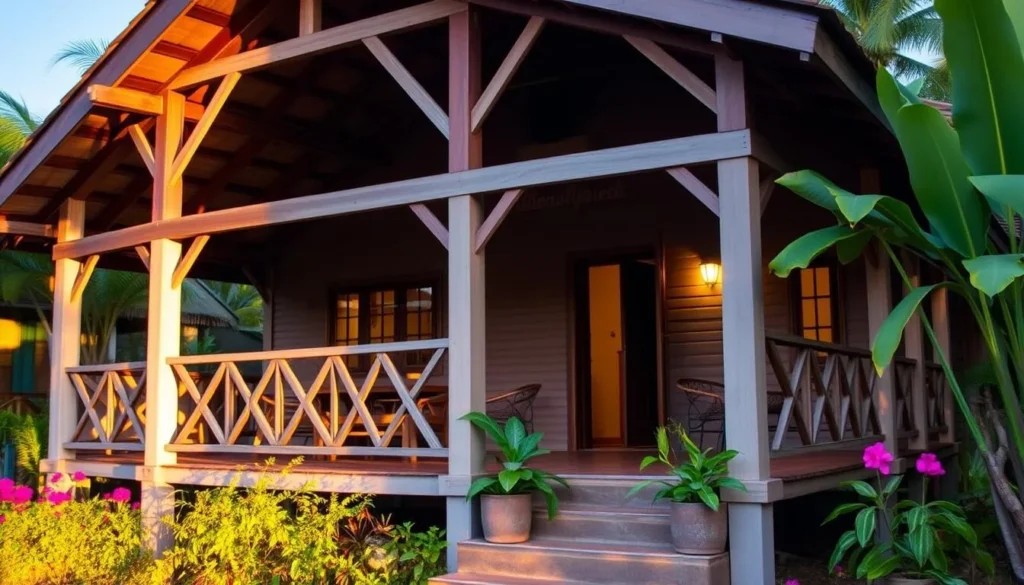
Accommodation options on Leguan Island are limited but authentic, offering a genuine glimpse into local life rather than luxury resorts.
Accommodation Options
Government Guesthouse
Basic but clean rooms in the government-run facility near the stelling. Advance booking recommended through the Regional Democratic Council office.
Price range: 5,000-7,000 GYD ($25-35 USD) per night
Homestays
Several families offer rooms in their homes, providing an authentic cultural experience and often including home-cooked meals.
Price range: 4,000-6,000 GYD ($20-30 USD) per night
Rental Houses
A few complete houses are available for rent, ideal for families or longer stays. These typically need to be arranged in advance.
Price range: 10,000-15,000 GYD ($50-75 USD) per night
Accommodation Tip: There are no online booking platforms specifically for Leguan Island accommodations. Arrangements are typically made through phone calls or local contacts. Consider staying in Georgetown or Parika first and making arrangements from there.
Dining & Local Cuisine
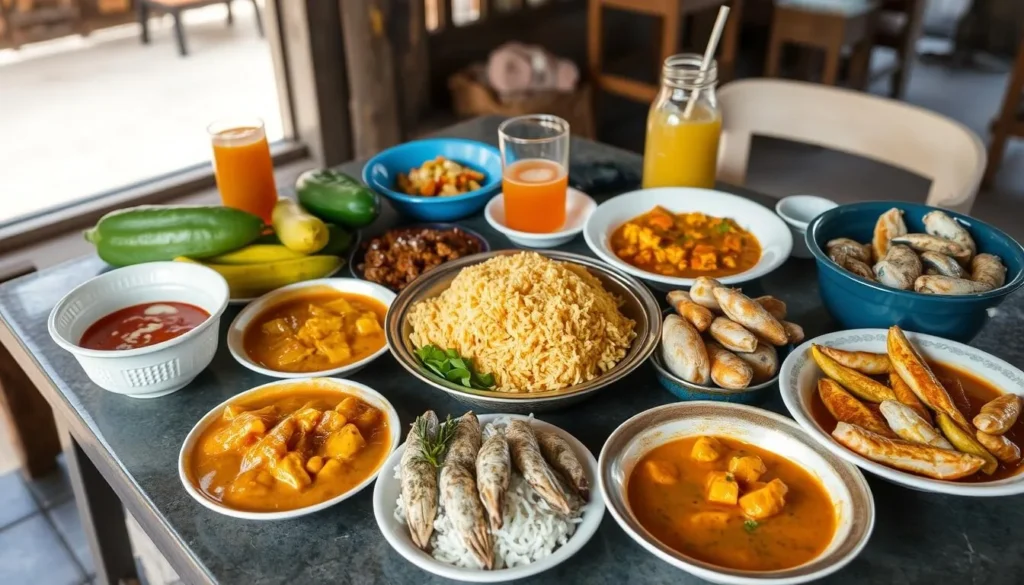
Leguan Island offers authentic Guyanese cuisine with strong influences from Indian, African, and indigenous culinary traditions.
Where to Eat
- Local Snackettes: Small eateries near the stelling area serving quick meals and snacks
- Home-style Restaurants: Family-run establishments offering daily specials based on available ingredients
- Rum Shops: Beyond drinks, many rum shops serve simple but delicious meals
Must-Try Local Dishes
- Cook-up Rice: A one-pot dish with rice, beans, and various meats
- Pepperpot: A spicy meat stew with cassareep (cassava extract)
- Curry and Roti: Influenced by Indian cuisine, often made with local seafood
- Fresh Fish: Prepared in various styles, often using fish caught in the Essequibo River
- Metemgee: A hearty stew with dumplings, cassava, and plantains
- Choka: Roasted vegetables mashed with spices
- Cassava Bread: Traditional flatbread made from cassava flour
- Fresh Tropical Fruits: Locally grown papaya, mango, and coconut
Dining Tip: There are no formal restaurants with fixed menus on Leguan Island. Meals are typically served based on what’s fresh and available that day. Don’t be afraid to ask locals for recommendations!
Attractions, Sightseeing & Activities
While Leguan Island may not have conventional tourist attractions, its charm lies in its authentic rural Caribbean atmosphere, historical sites, and natural beauty.
Historical Sites
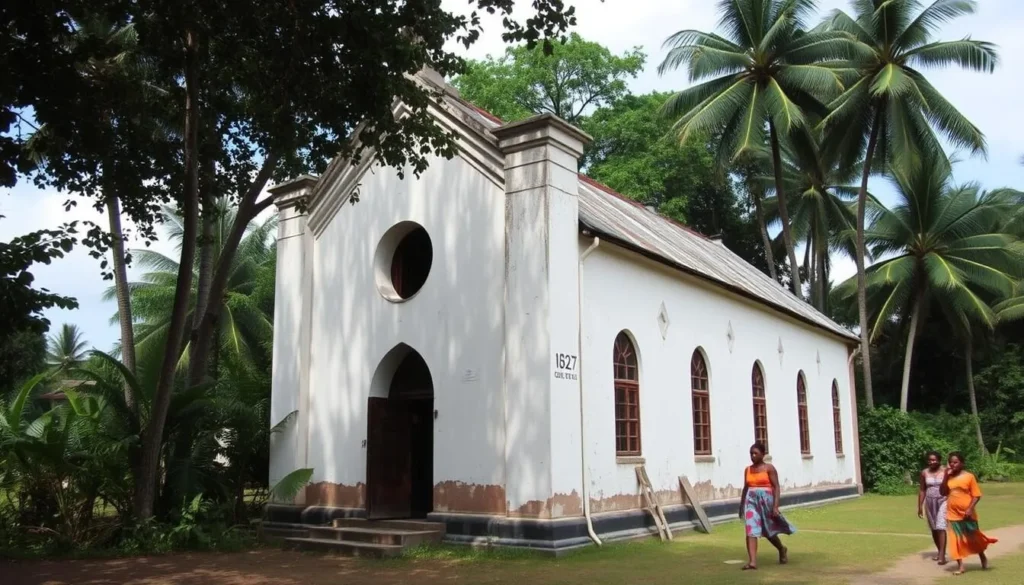
- St. Peter’s Anglican Church: Built in 1827, this historic church represents the island’s colonial past, though it’s now in a state of disrepair
- Dutch Colonial Buildings: Several structures dating back to the Dutch colonial period can be found throughout the island
- Old Sugar Estates: Remnants of the once-thriving sugar industry that shaped the island’s history
Religious Sites
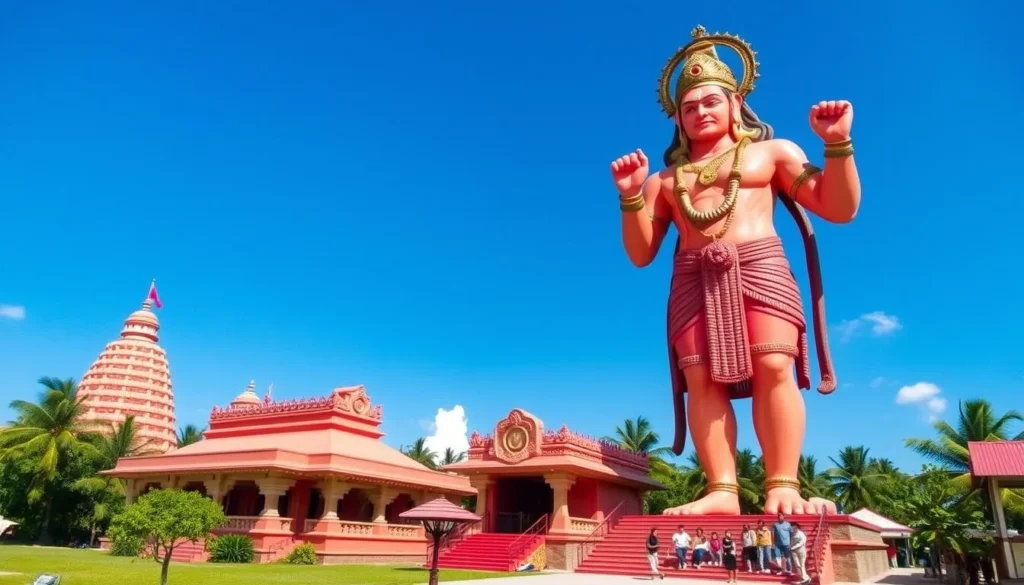
- Lord Hanuman Statue: At 52 feet tall, this is one of the largest Hanuman statues in Guyana and a significant religious landmark
- Hindu Temples (Mandirs): The island has five colorful Hindu temples reflecting the Indo-Guyanese heritage
- Churches and Mosques: Seven churches and three mosques demonstrate the island’s religious diversity

Natural Attractions
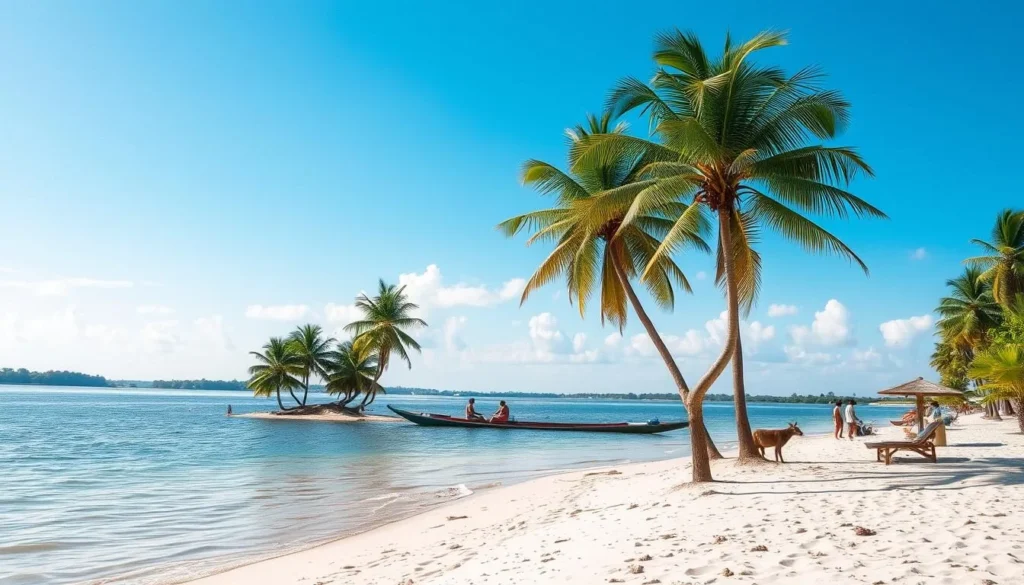
- Essequibo River Beaches: Several stretches of beach along the riverfront offer places to relax and swim
- Sea Wall: The upgraded sea defense area features benches and is perfect for watching sunsets over the river
- Rice Paddies: The emerald-green rice fields create picturesque landscapes throughout the island
- Bird Watching: The island’s diverse habitats attract numerous bird species, making it excellent for bird watching
Cultural Experiences & Local Life
Immersing yourself in the local culture is one of the most rewarding aspects of visiting Leguan Island.
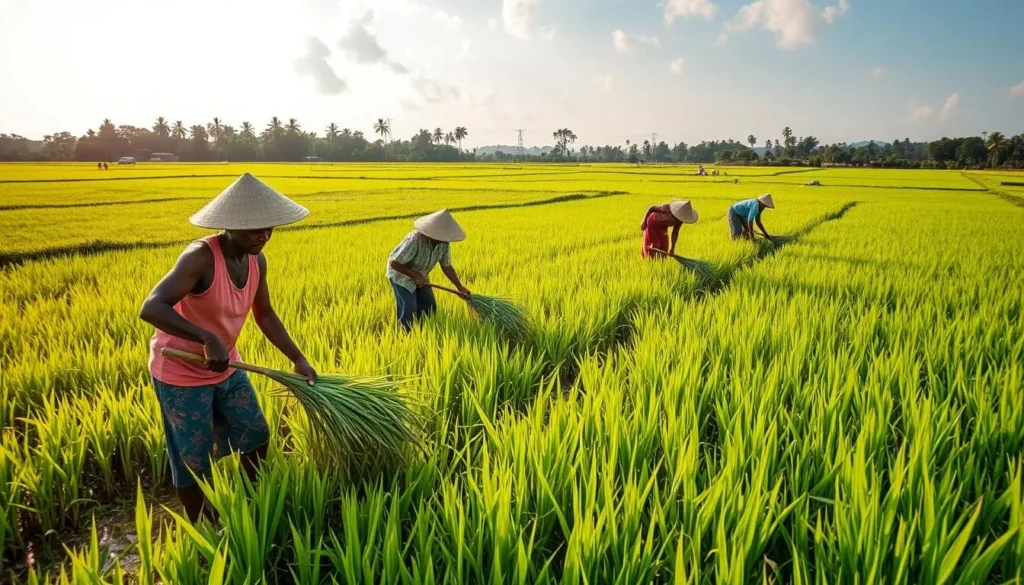
Agricultural Life
Agriculture forms the backbone of Leguan’s economy and culture:
- Rice Farming: Watch local farmers tending to their rice paddies using both traditional and modern methods
- Coconut Cultivation: The island is dotted with coconut palms, and harvesting is a common sight
- Cattle Rearing: Many families raise cattle, which can often be seen grazing freely
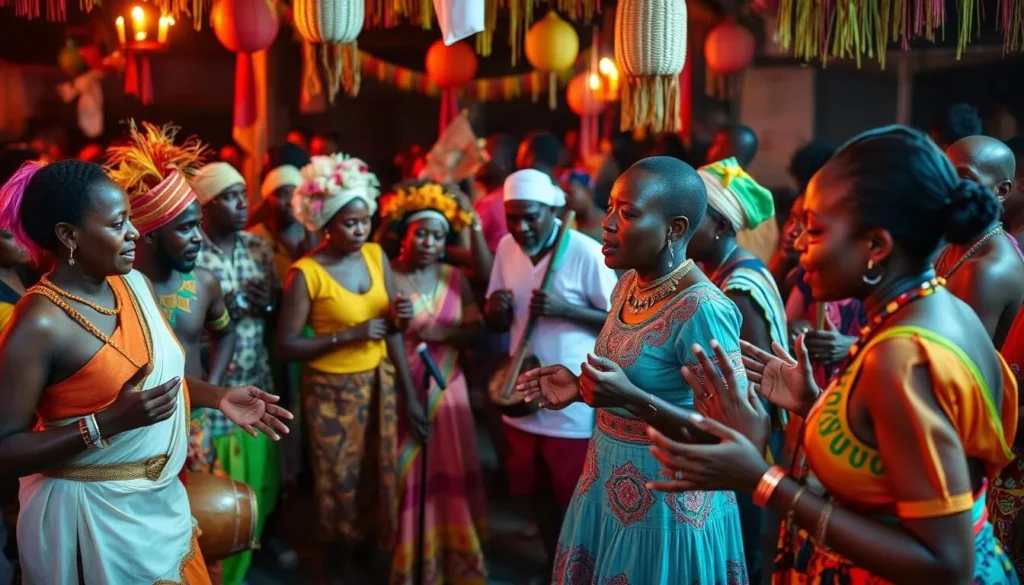
Festivals & Celebrations
If your visit coincides with these events, you’re in for a special experience:
- Phagwah (Holi): Usually in March, this Hindu festival of colors is celebrated enthusiastically
- Diwali: The festival of lights transforms the island with beautiful diyas (oil lamps)
- Mashramani: Guyana’s Republic Day celebrations in February include music and festivities
- Cricket Matches: Local cricket tournaments are major social events that bring communities together
Cultural Tip: Leguan Island residents are known for their hospitality. Don’t be surprised if you’re invited to join a family meal or local celebration—these spontaneous experiences often become the highlight of visitors’ trips!
Outdoor Activities & Nature
Leguan Island’s natural setting provides numerous opportunities for outdoor enthusiasts and nature lovers.

Water Activities
- Swimming: Several beaches along the riverfront are suitable for swimming, though always check with locals about current conditions
- Fishing: Join locals in fishing the rich waters of the Essequibo River
- Kayaking: Some guesthouses can arrange kayak rentals for exploring the shoreline
- River Tours: Boat owners sometimes offer tours around the island for a unique perspective
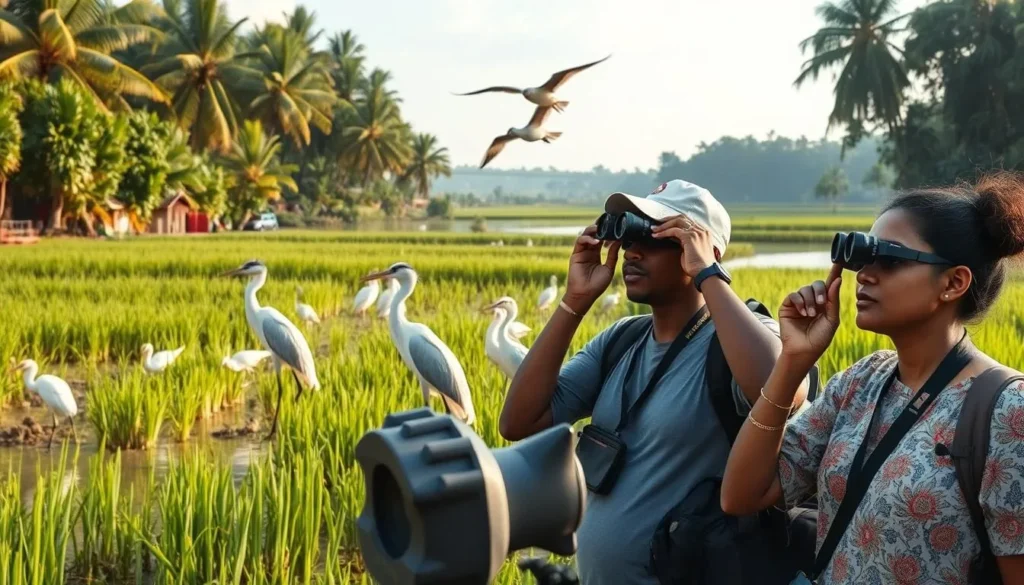
Wildlife Observation
The island’s diverse ecosystems support a variety of wildlife:
- Birdwatching: Spot species like Savannah Hawks, Yellow-headed Blackbirds, Great-tailed Grackles, and Wattled Jacanas
- Butterfly Watching: The island is home to numerous butterfly species, including the Monarch and Isabella’s Long-wing
- Caiman Spotting: The water-filled trenches around rice paddies are home to caimans (similar to alligators)
Walking & Cycling
Exploring the island at a slower pace reveals hidden gems:
- Island Circuit: Walking or cycling the main road that circles the island (approximately 20 km/12 miles)
- Village Exploration: Wander through the 35 small villages to experience local life
- Sunset Walks: The sea wall area is perfect for evening strolls as the sun sets over the Essequibo
Safety, Etiquette & Local Customs
Leguan Island is generally very safe, with minimal crime and friendly locals. However, as with any destination, it’s good to be aware of local customs and safety considerations.

Safety Tips
- Water Safety: Always ask locals about safe swimming areas, as river currents can be unpredictable
- Sun Protection: The equatorial sun is intense; wear sunscreen, a hat, and stay hydrated
- Boat Travel: Always wear life jackets during river crossings (provided on all official boats)
- Medical Facilities: The island has two health centers and a cottage hospital with a resident doctor, but serious medical issues require evacuation to Georgetown
- Insects: Use repellent, especially during dawn and dusk hours
Cultural Etiquette
- Greetings: A friendly “Good morning/afternoon/evening” is customary when passing people
- Dress Code: Modest dress is appreciated, especially when visiting religious sites
- Photography: Always ask permission before photographing people or private property
- Religious Respect: Remove shoes when entering temples and mosques
Local Custom: Guyanese hospitality is legendary. If invited into someone’s home, it’s considered polite to accept at least a drink. Refusing hospitality can sometimes be perceived as rejection of friendship.
Visitor Comments About Leguan Island
“The untouched beauty and friendly locals made this island paradise unforgettable. Watching the sunset over the Essequibo River while chatting with fishermen was a highlight of my South American journey.”
“Perfect escape from city life – the river views and bird watching were spectacular. I spent hours photographing butterflies and birds in the rice fields. The peaceful rhythm of island life was exactly what I needed.”
“Authentic Guyanese culture and the most peaceful beaches I’ve ever experienced. The home-cooked meals at my homestay were incredible, and seeing the massive Hanuman statue was worth the journey alone.”
Practical Travel Tips
These final tips will help you make the most of your Leguan Island adventure.

Essential Items to Pack
- Cash: There are no ATMs or banks on the island; bring sufficient Guyanese dollars
- Medication: Bring any prescription medications plus basics like pain relievers and anti-diarrheal medicine
- Insect Repellent: Essential for comfort, especially in evenings
- Sunscreen & Hat: Protection from the equatorial sun
- Water Bottle: Refillable bottle for staying hydrated
- Light Rain Jacket: For unexpected showers
- Comfortable Walking Shoes: For exploring the island
Communication
- Language: English is the official language of Guyana and widely spoken on Leguan
- Mobile Service: Major Guyanese carriers (GTT, Digicel) have coverage on the island
- Internet: Limited but available through mobile data or at some establishments
Money Matters
- Currency: Guyanese Dollar (GYD)
- Exchange: Change money in Georgetown before traveling to Leguan
- Costs: Leguan is very affordable compared to other Caribbean destinations
Your River Island Adventure Awaits
Leguan Island offers a rare glimpse into an authentic, unspoiled corner of South America where time seems to move at a gentler pace. From the emerald rice paddies to the mighty Essequibo River views, from the towering Hanuman statue to the warm smiles of locals, this hidden gem rewards travelers willing to venture beyond the typical tourist trail.
As you plan your journey to this Essequibo River paradise, remember that the true luxury of Leguan isn’t found in fancy resorts or tourist attractions, but in the genuine connections, peaceful natural beauty, and the rhythm of island life that has remained largely unchanged for generations. Pack your sense of adventure, an open mind, and a willingness to embrace the unexpected – Leguan Island is waiting to share its secrets with you.
The above is subject to change.
Check back often to TRAVEL.COM for the latest travel tips and deals.



0 Comments