
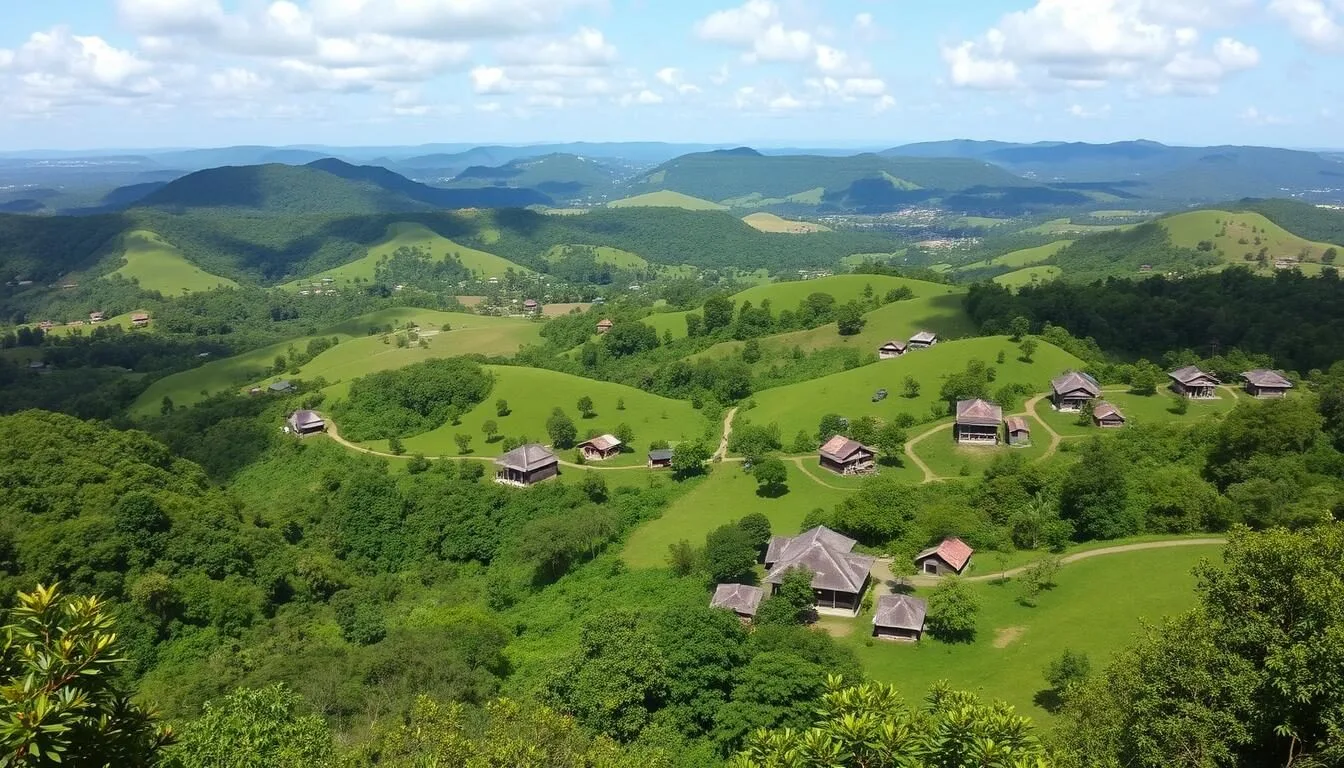
Did you know Mabaruma is one of the few places in South America where you can watch sea turtles lay eggs under a moonlit sky just meters from pristine, untouched beaches? As the administrative capital of Guyana’s Barima-Waini region, this small frontier town offers travelers a rare glimpse into an unspoiled corner of the continent where indigenous culture, lush rainforests, and unique wildlife create an unforgettable experience for adventurous souls.
Getting There & Planning Your Journey
Reaching Mabaruma requires some planning, but the journey itself becomes part of the adventure. The town is accessible by both air and water, with each option offering a unique perspective of Guyana’s stunning landscapes.
By Air
The fastest way to reach Mabaruma is by air. Daily flights operate from Eugene F. Correia International Airport (Ogle) in Georgetown, taking approximately one hour. Trans Guyana Airways offers regular service, with flights providing spectacular views of Guyana’s rainforests and river systems.
By Boat
For travelers with time and a sense of adventure, the MV Kimbia ferry offers a more economical option. This 20-hour journey from Georgetown takes you through the Demerara River, Essequibo River, and into the Atlantic Ocean before reaching Kumaka waterfront. The ferry departs from the T&HD Goods Wharf on Water Street in Georgetown and costs approximately GY$2,000 (USD$10) one-way compared to around GY$20,500 (USD$100) for a plane ticket.
Best Time to Visit & Weather Tips
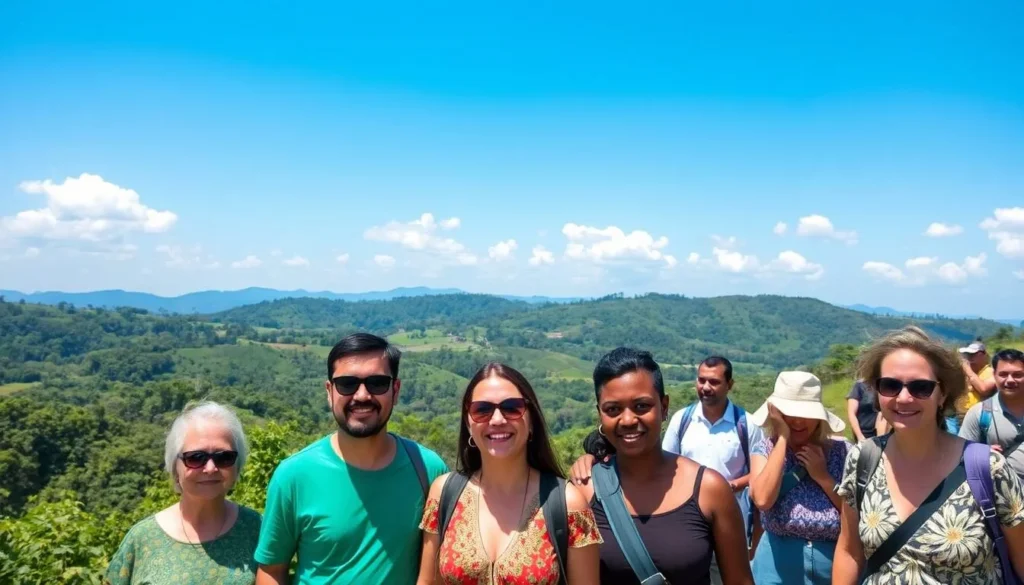
Mabaruma experiences a tropical climate with distinct wet and dry seasons that significantly impact travel conditions and activities.
Best Time to Visit Mabaruma
- Recommended: August to December – The dry season offers more stable weather with temperatures between 24°C to 30°C (75°F to 86°F). This period is ideal for hiking, wildlife viewing, and exploring local villages.
- Avoid if possible: January to May – The wet season brings heavy rainfall, making trails muddy and some areas difficult to access. However, the landscape becomes incredibly lush during this time.
Even during the dry season, be prepared for high humidity and occasional rain showers. Pack lightweight, quick-drying clothing, insect repellent, and sun protection regardless of when you visit.
Getting Around Locally
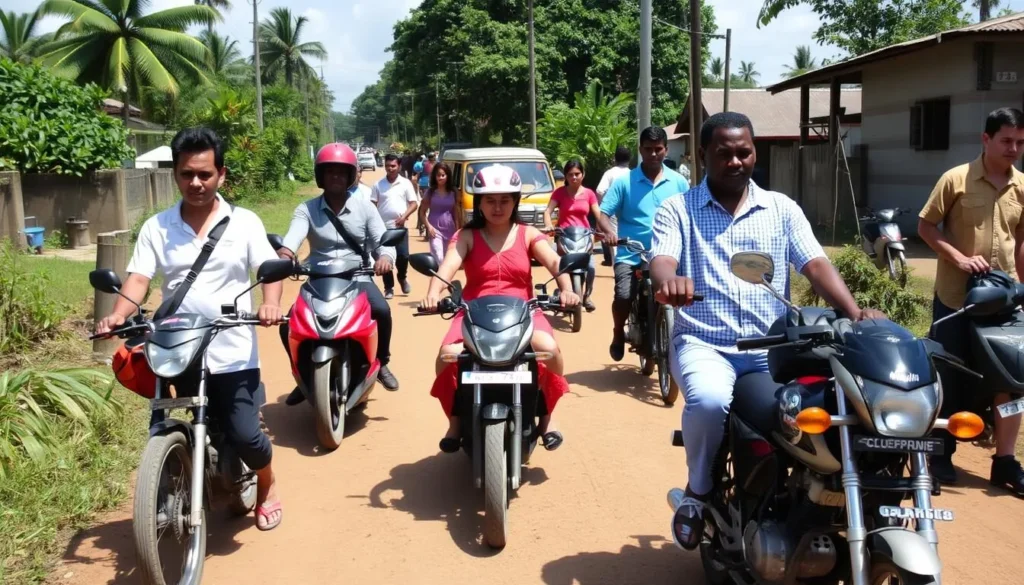
Mabaruma is a small town where most attractions within the central area are accessible on foot. For exploring further afield, you have several options:
- Walking – The town center is compact and walkable, offering a chance to interact with friendly locals.
- Motorcycle Taxis – These are common for short distances, costing between GY$100-600 (USD$0.50-3) depending on the distance.
- Hired Cars – For day trips to surrounding areas, you can arrange a car with a local driver through your accommodation.
- Boats – Essential for visiting riverine communities or Shell Beach, boats can be hired from the Kumaka dock.
For the best experience, consider hiring a local guide who can provide cultural context and help navigate the region’s sometimes challenging terrain.
Where to Stay
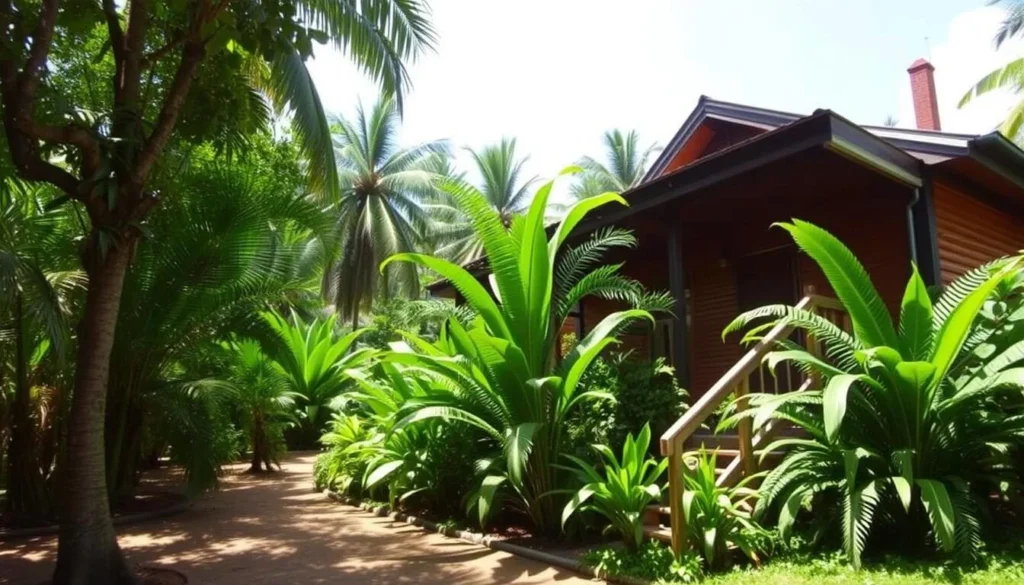
Accommodation options in Mabaruma are limited but authentic, offering a genuine glimpse into local life rather than luxury amenities.
Broomes Guest House
Located about 15 minutes from central Mabaruma on Broomes Hill, this family-run guesthouse is one of the most established options in the area. It offers basic but comfortable rooms, home-cooked meals, and a bar. The hillside location provides beautiful views of the surrounding landscape.
Government Rest House
This simple accommodation option is centrally located and offers basic rooms at affordable rates. While amenities are limited, it provides a convenient base for exploring the town.
Homestays
For a more immersive cultural experience, some local families offer homestay opportunities. These can usually be arranged through tour operators or by asking at the Regional Democratic Council office in Mabaruma.
Dining & Local Cuisine
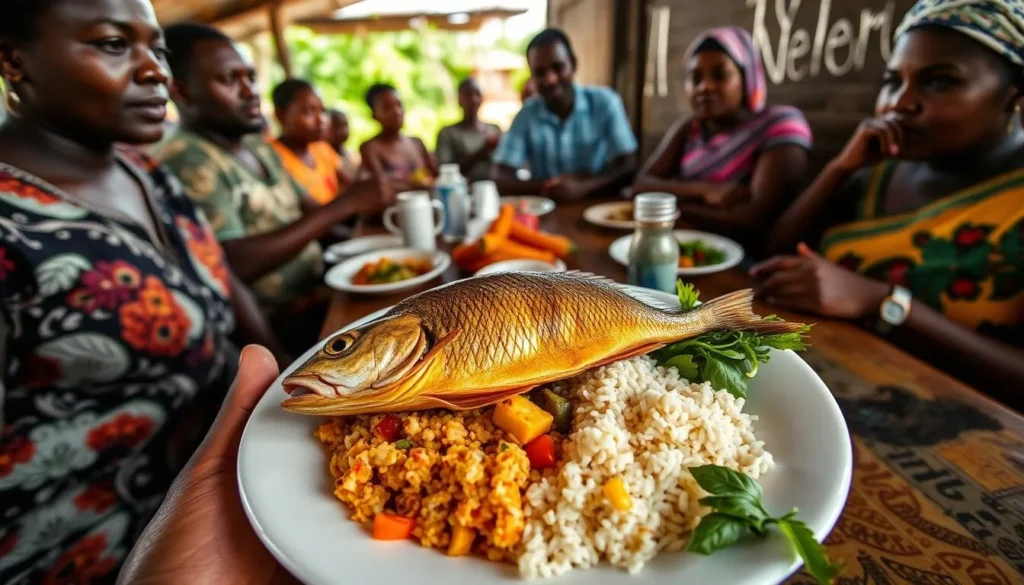
Mabaruma’s cuisine reflects its cultural diversity and proximity to rivers and the ocean. Most meals are prepared with locally sourced ingredients, offering fresh and authentic flavors.
Where to Eat
- Broomes Guest House Restaurant – Offers reliable meals with both local and international options.
- Local Cookshops – Small, family-run establishments serve authentic Guyanese dishes at affordable prices.
- Kumaka Market – On market days, food vendors offer a variety of quick meals and snacks.
Must-Try Local Dishes
- Fresh Fish – Prepared in various ways, often with a spicy garlic sauce.
- Cassava Bread – A staple food made from grated cassava.
- Pepperpot – A rich, spicy meat stew flavored with cinnamon, cassareep, and other spices.
- Homemade Ice Cream – Available in neighboring Kumaka, often featuring local fruit flavors.
Attractions, Sightseeing & Activities
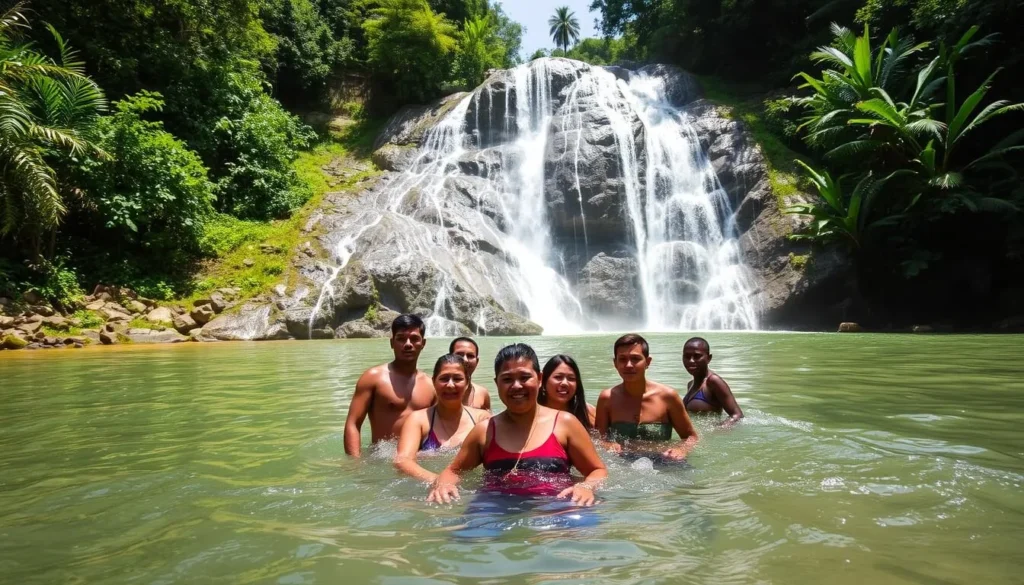
Hosororo Falls
Located on the outskirts of Mabaruma, these picturesque falls provide clean water to local residents and offer a refreshing swimming spot. The falls are surrounded by lush vegetation and are occasionally visited by howler monkeys, adding to the natural ambiance. A short hike is required to reach the falls, making it a perfect half-day excursion.
Shell Beach
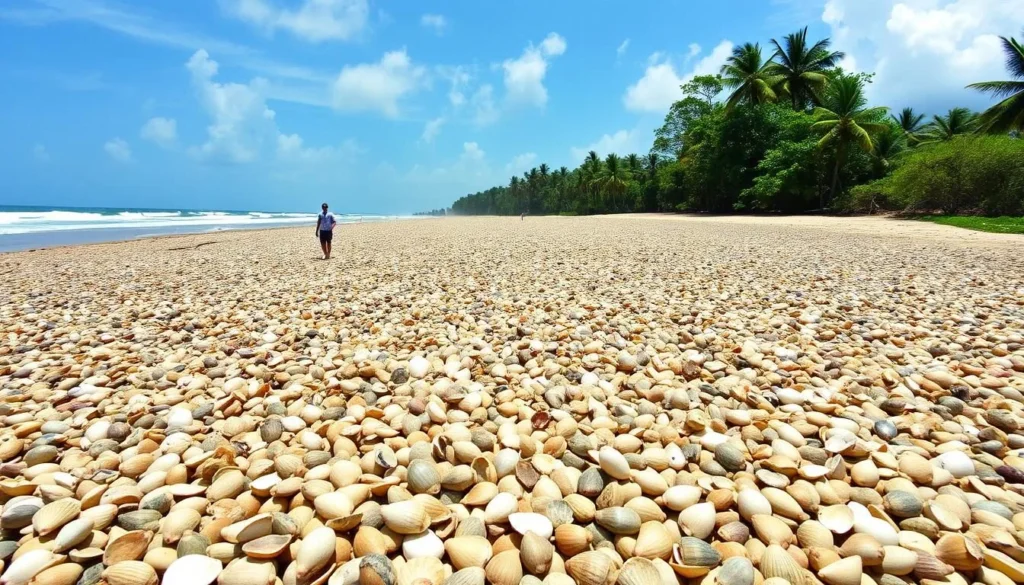
This 90-mile stretch of coastline gets its name from the countless shells that form the beach. Between March and August, four endangered species of sea turtles (Leatherback, Olive Ridley, Hawksbill, and Green) come ashore to lay their eggs. Visiting during nesting season offers a rare opportunity to witness this remarkable natural event. The beach is accessible by boat from Kumaka dock.
Barabina and Bumbury Hills
These hills offer panoramic views of Mabaruma and the surrounding landscape. The hike to the top is relatively easy and rewards visitors with spectacular sunset vistas. Bring water and wear comfortable shoes for the best experience.
Museums, Cultural Spots & Festivals
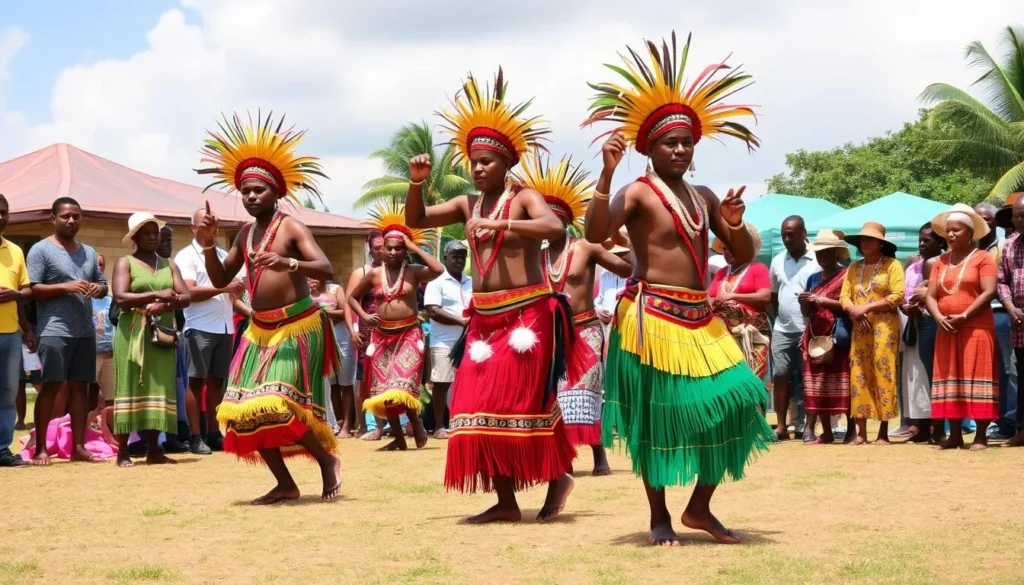
Barima-Waini Heritage Festival
This annual celebration showcases the rich cultural heritage of the region through traditional music, dance, crafts, and food. The festival typically takes place between September and November and offers visitors a unique opportunity to experience indigenous traditions firsthand.
St. John the Baptist Anglican Church
This historic wooden church represents an important piece of Mabaruma’s colonial history and architectural heritage. The structure features traditional craftsmanship and offers a glimpse into the region’s religious practices.
Indigenous Villages
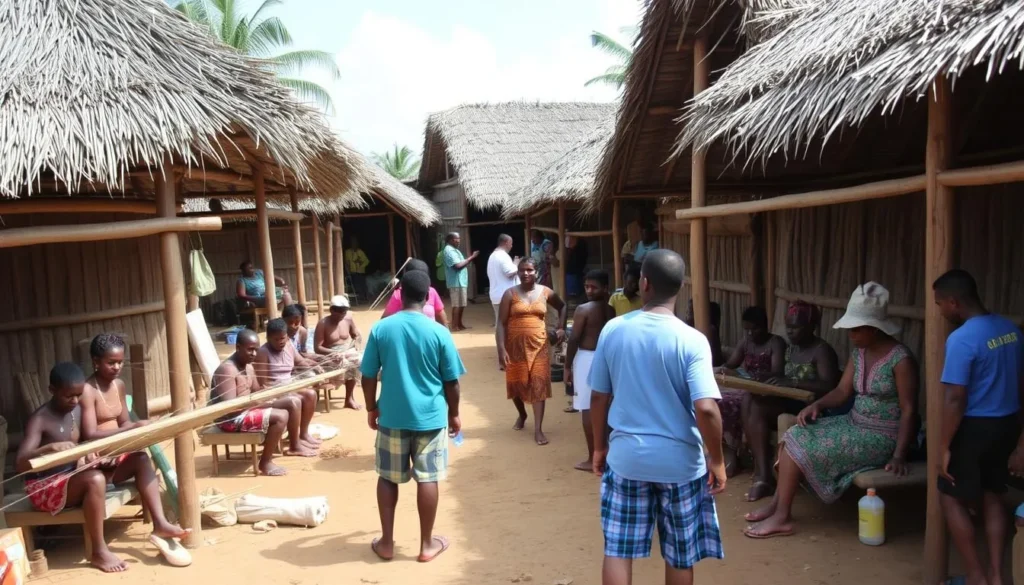
Several indigenous communities surround Mabaruma, including Hosororo Village, Koriabo Village, and Moraikobai Village. Visitors can learn about traditional crafts, farming methods, and cultural practices. Always arrange visits through proper channels and respect local customs and photography guidelines.
Sports, Nature & Outdoor Experiences
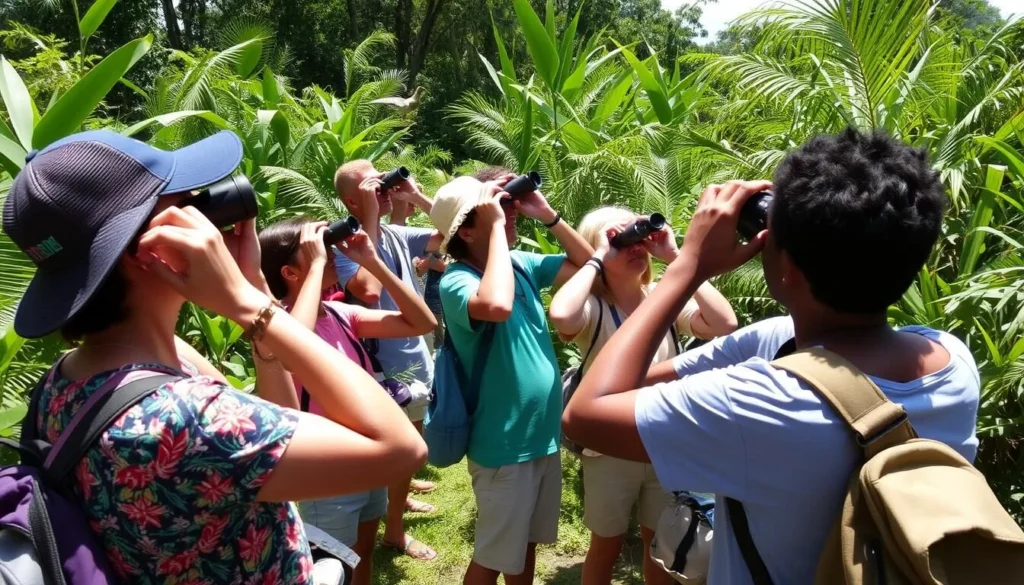
Birdwatching
The Barima-Waini region is a paradise for birdwatchers, with numerous species inhabiting the coastal mangroves, forests, and savannahs. Flycatchers, ibises, egrets, finches, orioles, hawks, and herons are commonly spotted. Bring binoculars and consider hiring a local guide to identify species.
River Excursions
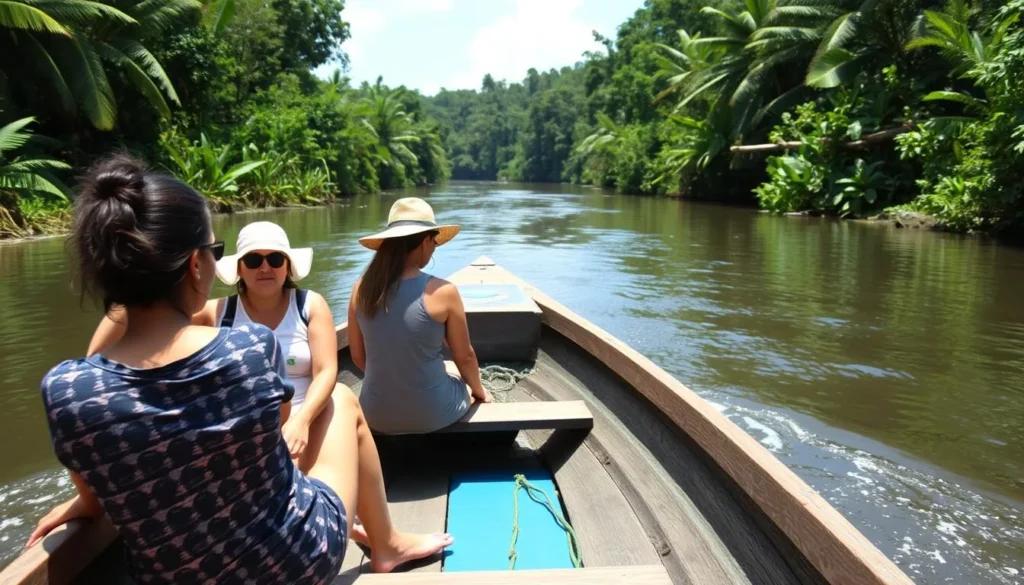
The Aruka and Moruca Rivers offer opportunities for fishing, wildlife spotting, and visiting riverine communities. Boat trips can be arranged through local guides or your accommodation. These excursions provide a unique perspective on the region’s ecology and rural way of life.
Hiking
The area around Mabaruma features several hiking trails of varying difficulty. From short walks to the Hosororo Falls to more challenging treks through the rainforest, there are options for all fitness levels. Always hike with a guide as trails are often unmarked.
Explore Mabaruma’s location and plan your adventures
Safety, Etiquette & Local Customs
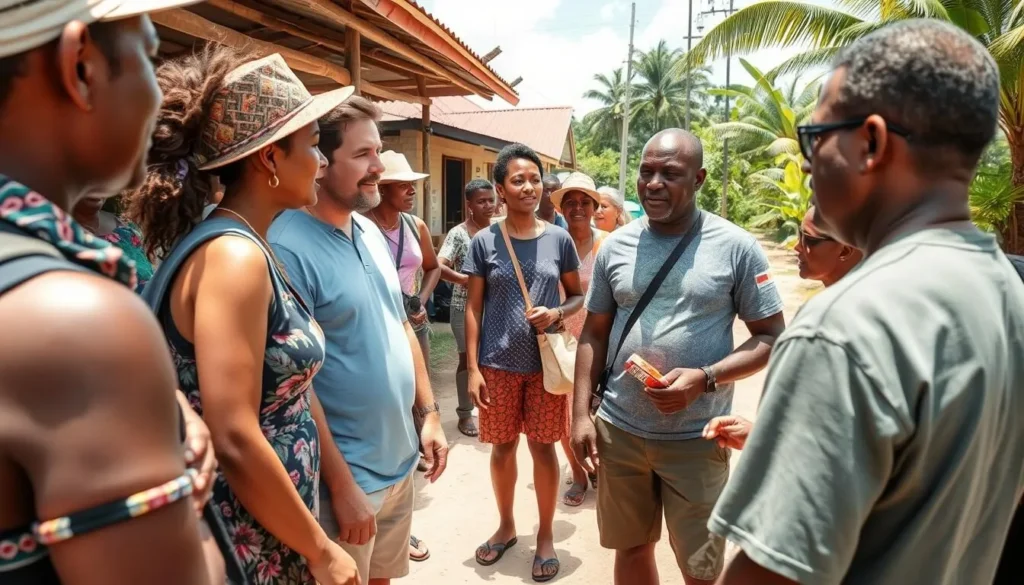
Safety Tips
- Healthcare – Medical facilities in Mabaruma are basic. Bring essential medications and a first-aid kit.
- Insects – Use insect repellent and consider antimalarial medication (consult your doctor before travel).
- Water – Drink bottled or purified water and avoid ice in drinks.
- Navigation – Hire local guides for excursions as trails and waterways can be confusing for visitors.
Cultural Etiquette
- Photography – Always ask permission before photographing people, especially in indigenous communities.
- Dress – Modest clothing is appropriate, especially when visiting communities or religious sites.
- Gifts – When visiting indigenous villages, small gifts like school supplies are appreciated but not expected.
- Environment – Practice responsible tourism by taking all trash with you and minimizing your impact.
Visitor Comments About Mabaruma
“The boat journey to Shell Beach was worth every minute. We saw four leatherback turtles laying eggs under the moonlight—a truly magical experience that my family will never forget. The local guide was incredibly knowledgeable about turtle conservation efforts.”
“Hosororo Falls was the highlight of our trip. The water was refreshing, and we even spotted howler monkeys in the trees. Staying at Broomes Guest House gave us authentic insight into local life, and the home-cooked meals were delicious.”
“As a birdwatcher, Mabaruma exceeded my expectations. I spotted 47 species in just three days, including several I’d never seen before. The local guides know exactly where to look and are passionate about conservation. Don’t forget to bring good binoculars!”
Practical Travel Tips
What to Pack
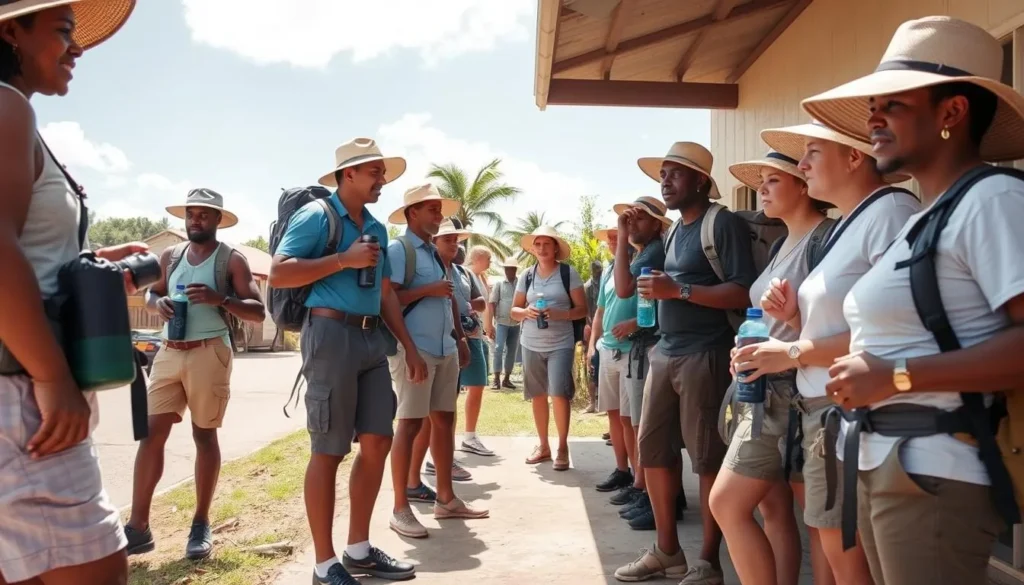
- Clothing – Lightweight, quick-drying clothes, long sleeves and pants for evenings (insect protection), rain jacket, hat
- Footwear – Sturdy walking shoes or hiking boots, sandals for relaxing
- Protection – High SPF sunscreen, insect repellent with DEET, mosquito net
- Health – Personal medications, first-aid kit, water purification tablets
- Electronics – Camera, binoculars, headlamp or flashlight, power bank (electricity can be intermittent)
Money Matters
There are no ATMs in Mabaruma, so bring sufficient Guyanese dollars from Georgetown. Credit cards are rarely accepted, and US dollars may be accepted at some establishments but at unfavorable rates.
Communication
Mobile coverage is limited but improving. GTT and Digicel networks are available in the town center but may not work in outlying areas. Wi-Fi is available at some accommodations but can be slow and unreliable.
Your Gateway to Guyana’s Untamed Northwest
Mabaruma offers a rare opportunity to experience a corner of South America that remains largely untouched by mass tourism. From witnessing endangered sea turtles nesting on Shell Beach to cooling off under the Hosororo Falls, the natural wonders of this region provide memories that will last a lifetime. The warm hospitality of local communities, the rich cultural heritage, and the adventure of simply getting there all combine to make Mabaruma a destination for travelers seeking authentic experiences off the beaten path. As you plan your journey to this remarkable place, remember that flexibility, respect for local customs, and a spirit of adventure will serve you well in discovering all that Mabaruma has to offer.



0 Comments