
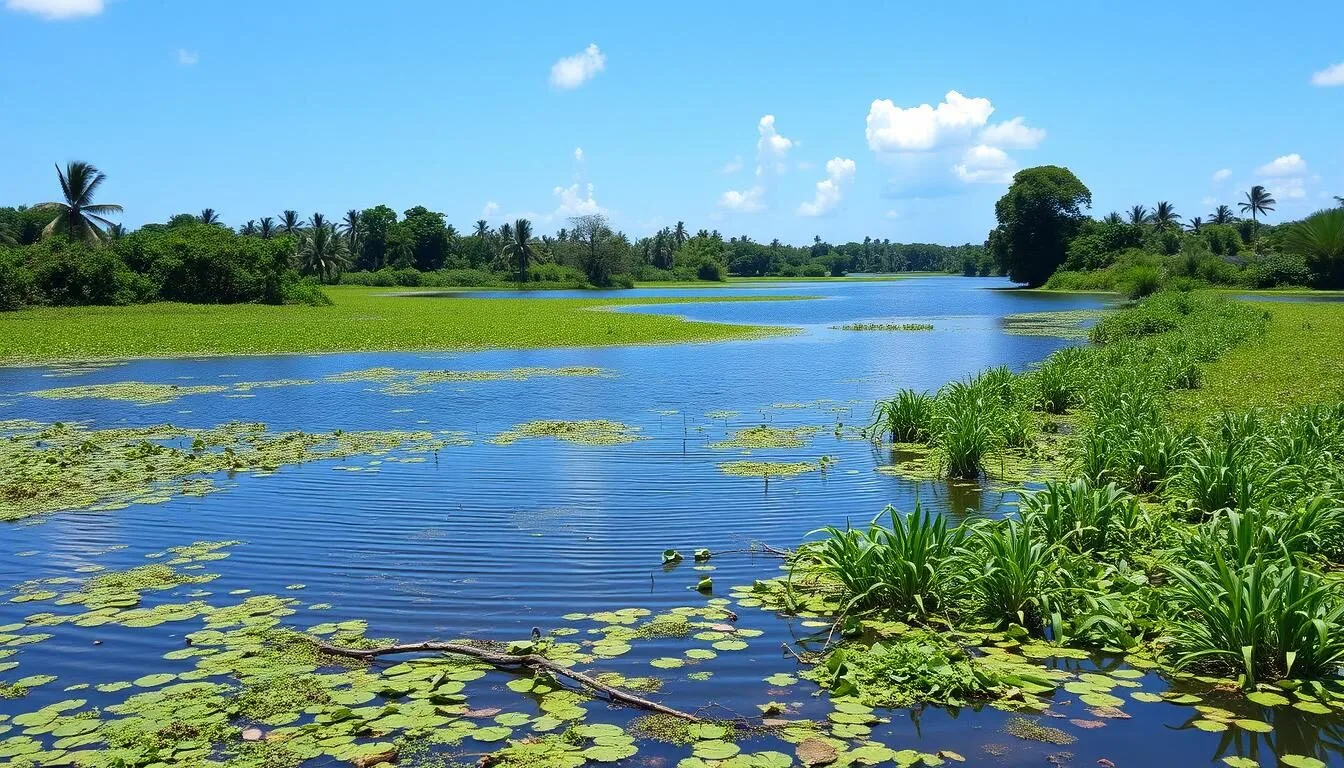
Did you know the Mahaica Lakes Region is home to over 300 species of birds, making it one of Guyana’s most biodiverse wetland ecosystems? This hidden gem in South America offers travelers a rare glimpse into pristine natural habitats where wildlife thrives undisturbed by mass tourism. From spotting rare birds along serene waterways to exploring rich cultural heritage sites, the Mahaica region promises authentic experiences for the adventurous traveler.
Getting There & Planning Your Journey
The gateway to the Mahaica Lakes Region is through Guyana’s capital, Georgetown. International travelers will arrive at Cheddi Jagan International Airport (GEO), located about 41 km (25 miles) south of Georgetown. For regional flights, Eugene F. Correia International Airport (OGL), formerly Ogle Airport, offers connections to Caribbean and other South American destinations.
From Georgetown, the Mahaica region is accessible via a 1-2 hour drive east along the coastal road. While public minibuses run along this route, they can be crowded and make frequent stops. For more flexibility, consider or hiring a local driver who knows the area well.
Best Time to Visit Mahaica Lakes Region
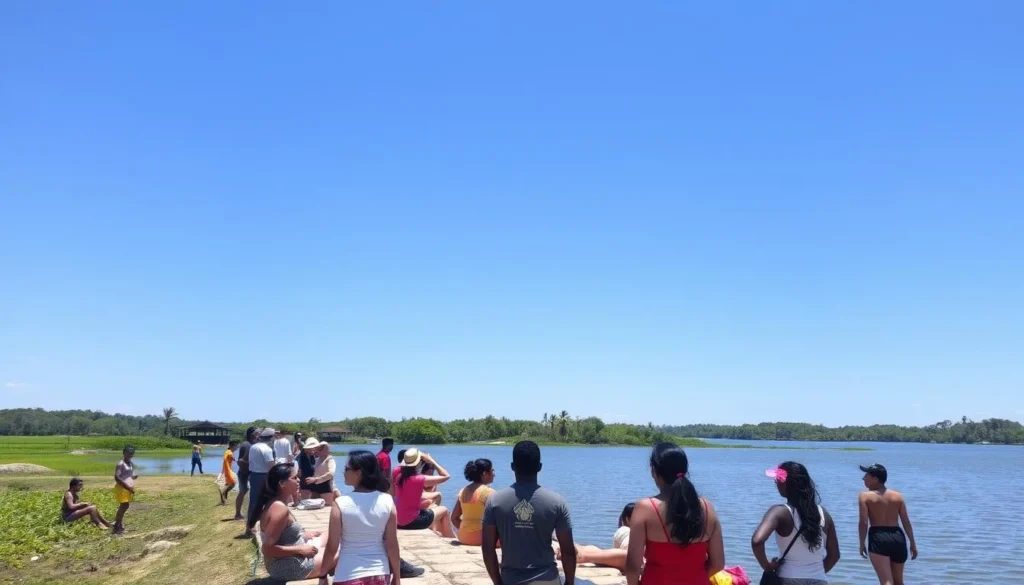
The Mahaica region experiences a tropical climate with two distinct wet seasons and two dry seasons throughout the year. For the most comfortable experience with minimal rainfall and optimal wildlife viewing opportunities, plan your visit during one of the dry seasons.
| Season | Months | Weather | Recommendation |
| Primary Dry Season | February to April | Average 27-32°C (81-90°F), low rainfall | Highly Recommended |
| Primary Wet Season | May to July | Heavy rainfall, humid | Not Recommended |
| Secondary Dry Season | August to November | Average 28-33°C (82-91°F), moderate rainfall | Recommended |
| Secondary Wet Season | December to January | Frequent showers, cooler temperatures | Not Ideal |
The best months to visit are February through April and September through October when you’ll experience less rainfall and more comfortable temperatures for outdoor exploration. During these periods, wildlife is more active and visible, particularly the region’s famous bird species.
Getting Around Locally
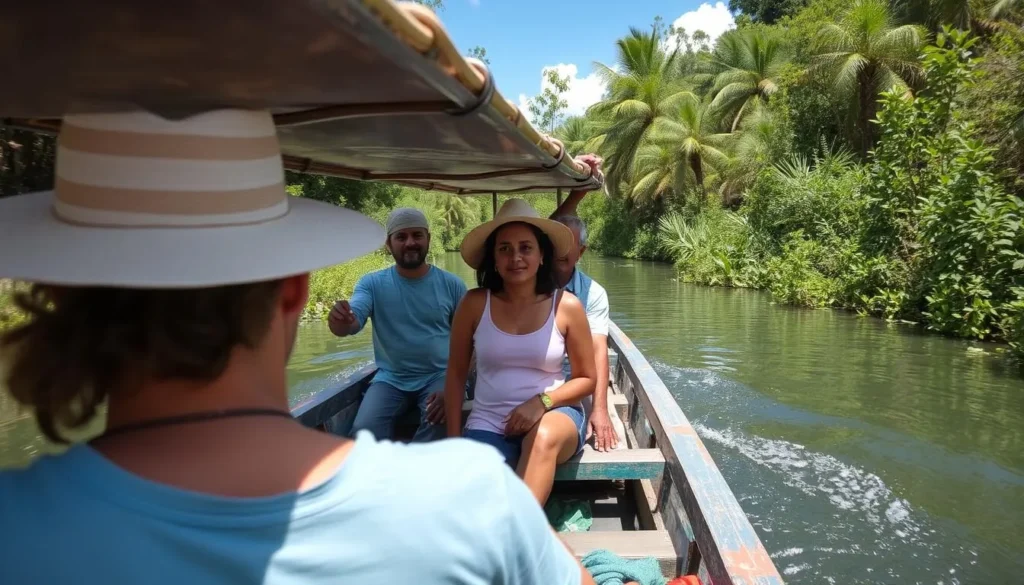
Navigating the Mahaica Lakes Region requires a mix of transportation methods to fully experience its beauty. Here are your best options:
- Boat Tours: The most authentic way to explore the region’s waterways and spot wildlife. Local guides offer tours ranging from 2-hour excursions to full-day adventures.
- Hired Drivers: Many locals offer driving services for day trips around the region. This option provides flexibility and local knowledge.
- Rental Cars: If you’re comfortable driving in rural areas, renting a vehicle gives you independence. Roads can be rough in places, so consider a 4WD vehicle.
- Minibuses: These run along the main coastal road but have limited schedules and don’t reach more remote areas.
- Walking Tours: In villages and conservation areas, guided walking tours offer intimate experiences with local culture and wildlife.
For the best experience, combine transportation methods. Start with a hired driver to reach the region, then take boat tours to explore the waterways where much of the wildlife can be spotted.
Where to Stay
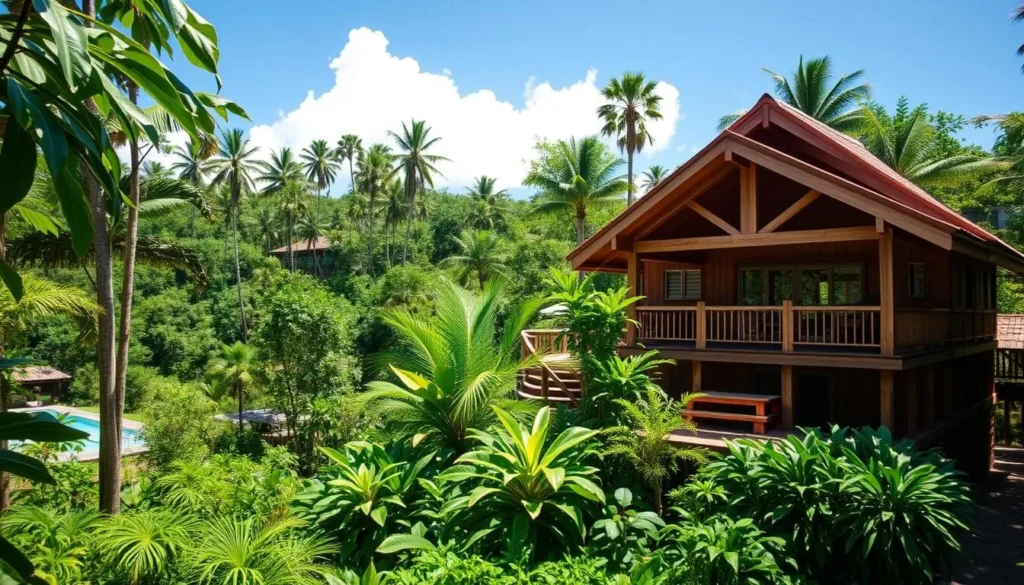
Accommodation options in the Mahaica Lakes Region range from basic guesthouses to eco-lodges that put you in the heart of nature. While luxury options are limited, the authentic experiences more than compensate.
Eco-Lodges
Several eco-lodges have been established along the Mahaica River, offering sustainable accommodation with minimal environmental impact. These lodges typically feature private cabins with basic amenities, communal dining areas, and guided nature activities.
Price range: $80-150 USD per night
Guesthouses
Family-run guesthouses in villages like Mahaica Village and Cane Grove provide an authentic cultural experience. These accommodations are simple but clean, with home-cooked meals often included.
Price range: $30-60 USD per night
Georgetown Stay
Many visitors choose to base themselves in Georgetown and make day trips to the Mahaica region. This offers more accommodation options and amenities while still allowing for exploration of the lakes area.
Price range: $50-200 USD per night
Advance booking is essential, especially during the dry seasons when visitor numbers increase. Most accommodations can arrange transportation and tours of the region, making your stay more convenient.
Dining & Local Cuisine
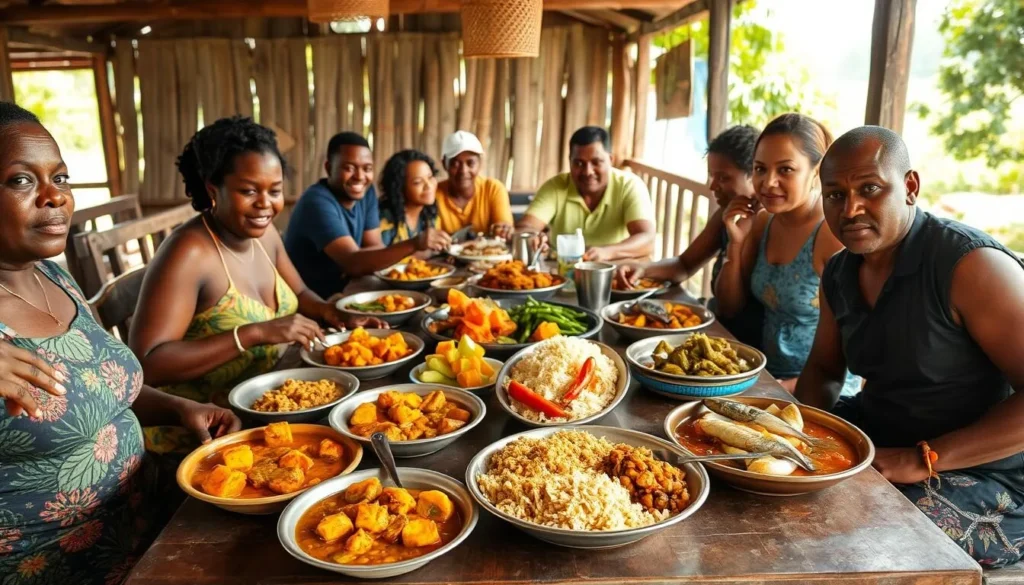
The culinary scene in the Mahaica Lakes Region offers a delicious blend of Caribbean, African, East Indian, and indigenous influences. Most meals are prepared with locally sourced ingredients, creating fresh and flavorful dishes that tell the story of Guyana’s diverse heritage.
Must-Try Local Dishes
- Pepperpot – A rich, spicy meat stew slow-cooked with cassareep (a special sauce made from cassava root)
- Cook-up Rice – A one-pot dish combining rice, beans, and various meats with coconut milk
- Metemgee – A hearty stew of root vegetables, plantains, and dumplings in a coconut broth
- Fresh River Fish – Locally caught fish prepared grilled, fried, or in curry
- Cassava Bread – A traditional flatbread made from grated cassava
- Guyanese Roti – Flatbread served with various curries
Dining establishments range from small family-run eateries in villages to restaurants at eco-lodges. For an authentic experience, don’t miss the opportunity to dine with local families, where meals are often prepared using traditional cooking methods over wood fires.
Most accommodations offer meal packages, which is convenient given the limited number of standalone restaurants in the region. Fresh tropical fruits, locally grown vegetables, and freshly caught fish feature prominently in most meals.
Attractions, Sightseeing & Activities
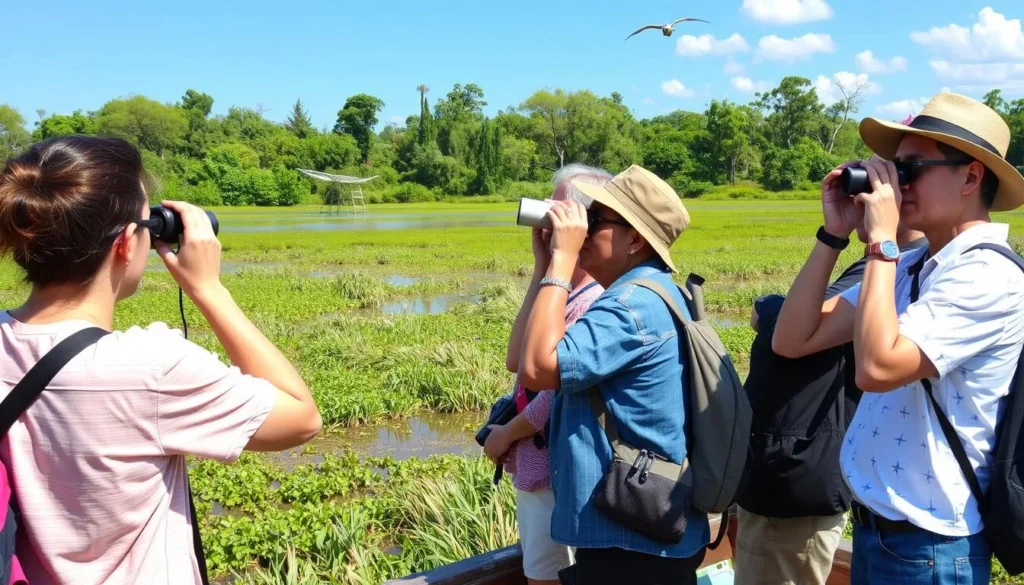
The Mahaica Lakes Region offers a wealth of natural and cultural attractions that showcase Guyana’s biodiversity and heritage. Here are the top experiences you shouldn’t miss:
Top Natural Attractions
Mahaica River Wildlife Tour
The highlight of any visit to the region is a boat tour along the Mahaica River. Early morning tours offer the best opportunity to spot the rare Hoatzin bird (locally known as the “stinkbird” or Canje Pheasant), Guyana’s national bird. You’ll also see monkeys, sloths, caimans, and numerous other bird species in their natural habitat.
Hope Canal Wetlands
This man-made waterway has created a thriving ecosystem that attracts diverse wildlife. Walking trails allow visitors to explore at their own pace, with observation platforms strategically placed for wildlife viewing.
Mahaica Botanical Gardens
While smaller than Georgetown’s famous gardens, this local botanical collection showcases the region’s native plants and provides a peaceful setting for nature walks.
Fishing Expeditions
Join local fishermen for a day on the water to learn traditional fishing techniques and possibly catch species like lukanani (peacock bass) and hassar.
Museums, Cultural Spots & Festivals
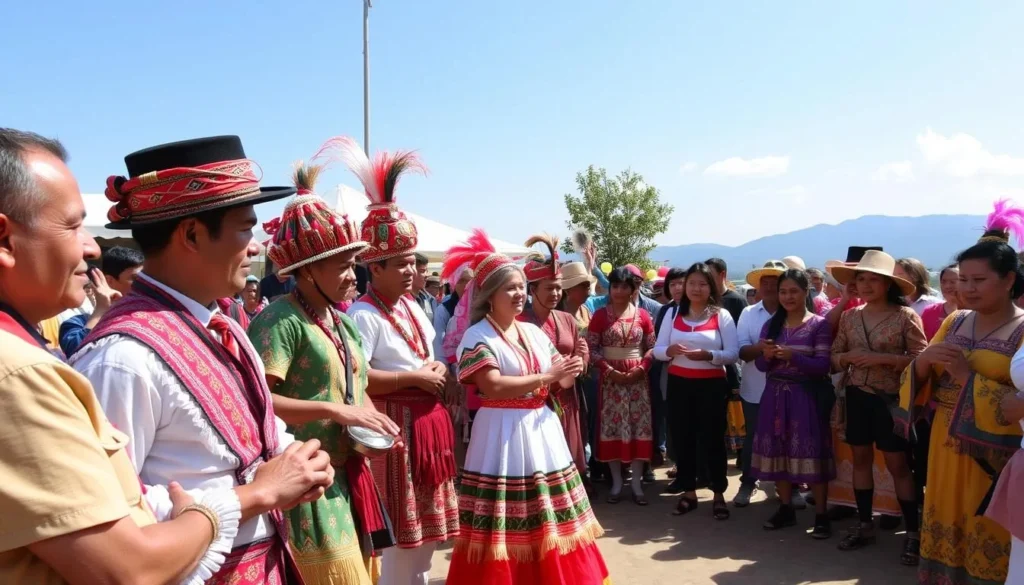
The cultural landscape of the Mahaica Lakes Region reflects Guyana’s diverse heritage, with influences from indigenous peoples, East Indian and African descendants, and colonial history.
Cultural Highlights
- Mahaica Heritage Museum – A small but informative museum showcasing the region’s history, from indigenous settlements to colonial sugar plantations and modern development.
- Local Craft Markets – Villages throughout the region host weekly markets where artisans sell traditional crafts, including woven baskets, pottery, and woodcarvings.
- Sugar Estate Tours – Learn about the region’s sugar production history with tours of former estates that shaped the local economy and culture.
- Hindu Temples and Christian Churches – The region’s religious buildings reflect its diverse population and offer insight into local spiritual practices.
Annual Festivals
Timing your visit to coincide with local festivals adds a rich cultural dimension to your experience:
| Festival | Time of Year | Description |
| Mashramani | February | Republic Day celebrations with colorful parades, music, and dance |
| Phagwah (Holi) | March | Hindu festival of colors celebrating spring |
| Emancipation Day | August 1 | Commemorating the abolition of slavery with cultural performances |
| Diwali | October/November | Festival of lights with beautiful illuminations throughout villages |
Many villages also host their own harvest festivals throughout the year, offering visitors a chance to experience authentic local celebrations with music, dance, and traditional foods.
Sports, Nature & Outdoor Experiences
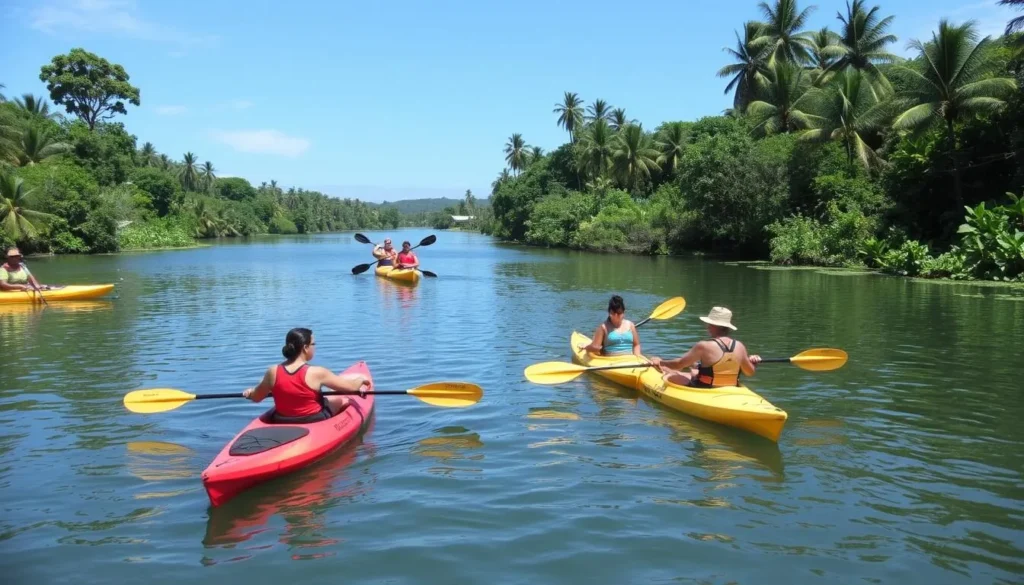
The natural environment of the Mahaica Lakes Region provides the perfect backdrop for outdoor adventures and nature-based activities.
Water Activities
Kayaking & Canoeing
Explore the tranquil waterways at your own pace. Several eco-lodges and tour operators offer kayak and canoe rentals with guides who can lead you to hidden spots perfect for wildlife observation.
Swimming
While swimming in rivers requires caution due to currents and wildlife, some lodges have designated swimming areas that are monitored for safety.
Fishing
Try your hand at catching species unique to Guyana’s waters. Catch-and-release fishing trips can be arranged with local guides who know the best spots.
River Safaris
Motorized boat tours take you deeper into the region’s waterways, with experienced guides pointing out wildlife and explaining the ecosystem.
Land-Based Activities
- Hiking – Nature trails of varying difficulty levels wind through forests and along riverbanks, offering opportunities to spot wildlife and enjoy the scenery.
- Birdwatching – With over 300 species in the region, birdwatching is a major draw. Guided tours help you identify species and find the best observation spots.
- Photography Tours – Specialized tours cater to photography enthusiasts, taking you to scenic locations at optimal times for lighting.
- Cycling – Some lodges offer bicycle rentals for exploring nearby villages and natural areas.
Safety, Etiquette & Local Customs
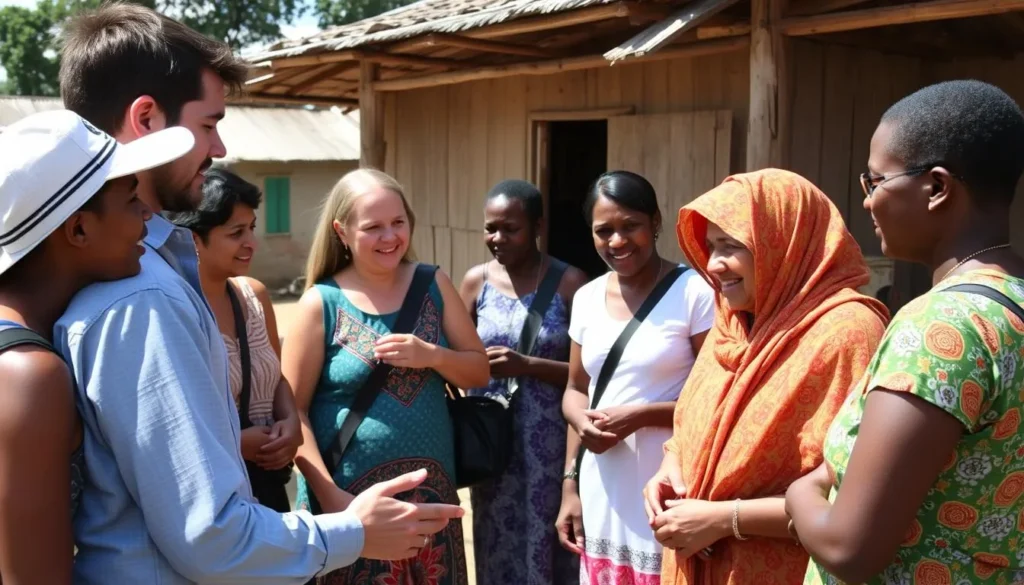
Visiting the Mahaica Lakes Region safely and respectfully enhances your experience and supports local communities. Here are important guidelines to follow:
Safety Tips
- Always travel with a local guide when exploring waterways and forests, as they know the terrain and potential hazards.
- Use insect repellent and wear long sleeves and pants, especially during dawn and dusk when mosquitoes are most active.
- Stay hydrated and protect yourself from the sun with hats, sunglasses, and sunscreen.
- Follow your guide’s instructions regarding wildlife encounters – maintain safe distances and never feed wild animals.
- Carry basic first aid supplies, as medical facilities are limited in rural areas.
- Register your travel plans with your country’s embassy or consulate in Guyana.
Cultural Etiquette
Respecting local customs helps create positive interactions with communities:
Greetings & Interactions
Guyanese people are generally friendly and welcoming. Greet people with a handshake and a smile. In villages, it’s polite to greet elders first as a sign of respect. Ask permission before taking photos of people or their property.
Dress Code
Dress modestly, especially when visiting religious sites or villages. While casual clothing is acceptable for outdoor activities, avoid revealing attire in communities.
Religious Respect
The region has Hindu temples, Christian churches, and Muslim mosques. Remove shoes before entering temples, dress modestly at all religious sites, and follow any specific instructions from local guides.
Environmental Etiquette
Practice “leave no trace” principles by taking all trash with you and minimizing your impact on natural areas. Support eco-friendly tour operators and accommodations.
Visitor Comments About Mahaica Lakes Region
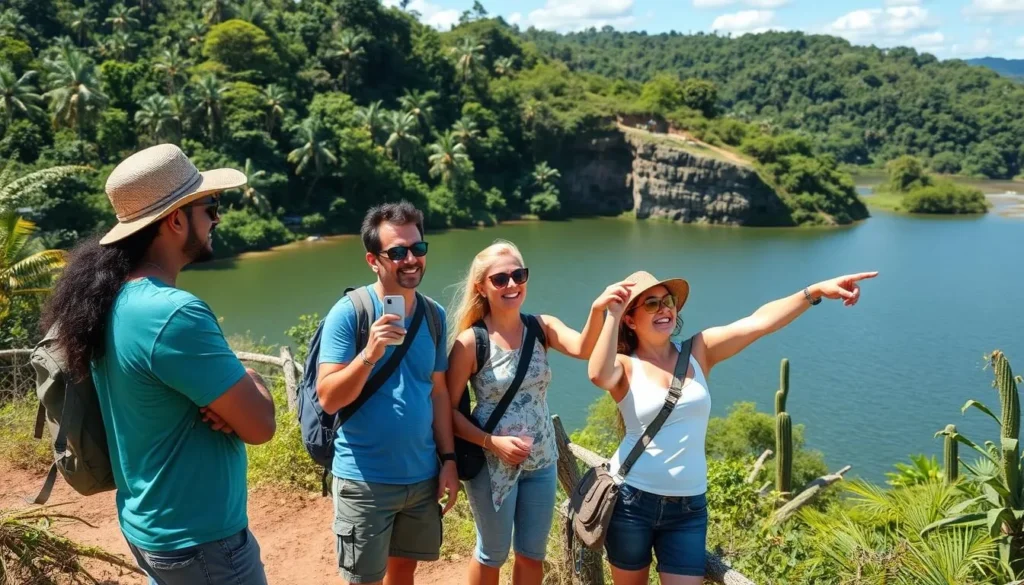
“Our dawn boat tour on the Mahaica River was the highlight of our Guyana trip. We spotted 27 bird species in just three hours, including the elusive Hoatzin. Our guide’s knowledge of local wildlife and culture made the experience truly educational and memorable.”
“I was hesitant about visiting such a remote area, but the Mahaica region exceeded all expectations. The combination of untouched nature and warm local hospitality created an authentic experience that’s increasingly rare in today’s over-touristed world. Don’t miss the local cooking demonstrations!”
“As a photographer, the Mahaica Lakes Region offered endless opportunities to capture unique wildlife and landscapes. The morning mist rising off the water as birds began their day was magical. I recommend staying at least three nights to fully appreciate the region’s natural rhythms.”
Practical Travel Tips
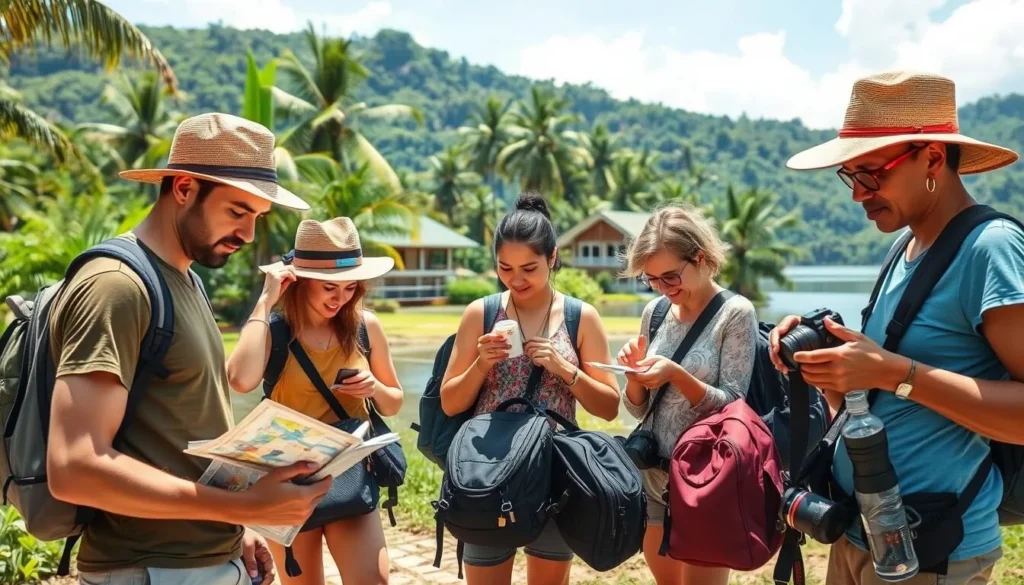
These practical tips will help you prepare for a smooth and enjoyable visit to the Mahaica Lakes Region:
Money & Payments
The Guyanese dollar (GYD) is the local currency. Bring cash, as ATMs and card payment facilities are limited in rural areas. Some eco-lodges and tour operators accept US dollars, but always confirm in advance. Georgetown has more banking facilities, so handle your money needs before heading to Mahaica.
Communication
Mobile coverage can be spotty in remote areas. Major providers like Digicel and GTT offer prepaid SIM cards that you can purchase in Georgetown. Many eco-lodges have Wi-Fi in common areas, though connections may be slow. Consider downloading offline maps and guides before your trip.
What to Pack
Essential items include lightweight, quick-dry clothing, sturdy walking shoes, insect repellent with DEET, sunscreen, a wide-brimmed hat, binoculars for wildlife viewing, a good camera, a reusable water bottle, and any necessary medications. A small dry bag is useful for boat trips to protect electronics.
Health Considerations
- Consult your doctor about malaria prophylaxis and ensure routine vaccinations are up to date.
- Consider vaccinations for hepatitis A and B, typhoid, and yellow fever (which may be required for entry if coming from certain countries).
- Drink only bottled or purified water and be cautious with raw foods.
- Carry a basic first aid kit with treatments for minor injuries, stomach issues, and allergic reactions.
Your Unforgettable Guyana Adventure Awaits
The Mahaica Lakes Region represents Guyana at its most authentic – a place where nature thrives, traditions endure, and visitors can experience a genuine connection to both the environment and local communities. From the thrill of spotting rare birds along misty waterways at dawn to sharing stories with villagers over home-cooked meals, the memories you create here will last a lifetime.
As one of South America’s least-visited destinations, the region offers the increasingly rare opportunity to explore without crowds and experience nature in its pristine state. By traveling responsibly and supporting local businesses, you contribute to sustainable tourism that helps preserve this special place for future generations.
Whether you’re an avid birdwatcher, a nature photographer, or simply a curious traveler seeking authentic experiences off the beaten path, the Mahaica Lakes Region invites you to discover its natural beauty and cultural richness. Your Guyana adventure begins here.



0 Comments