
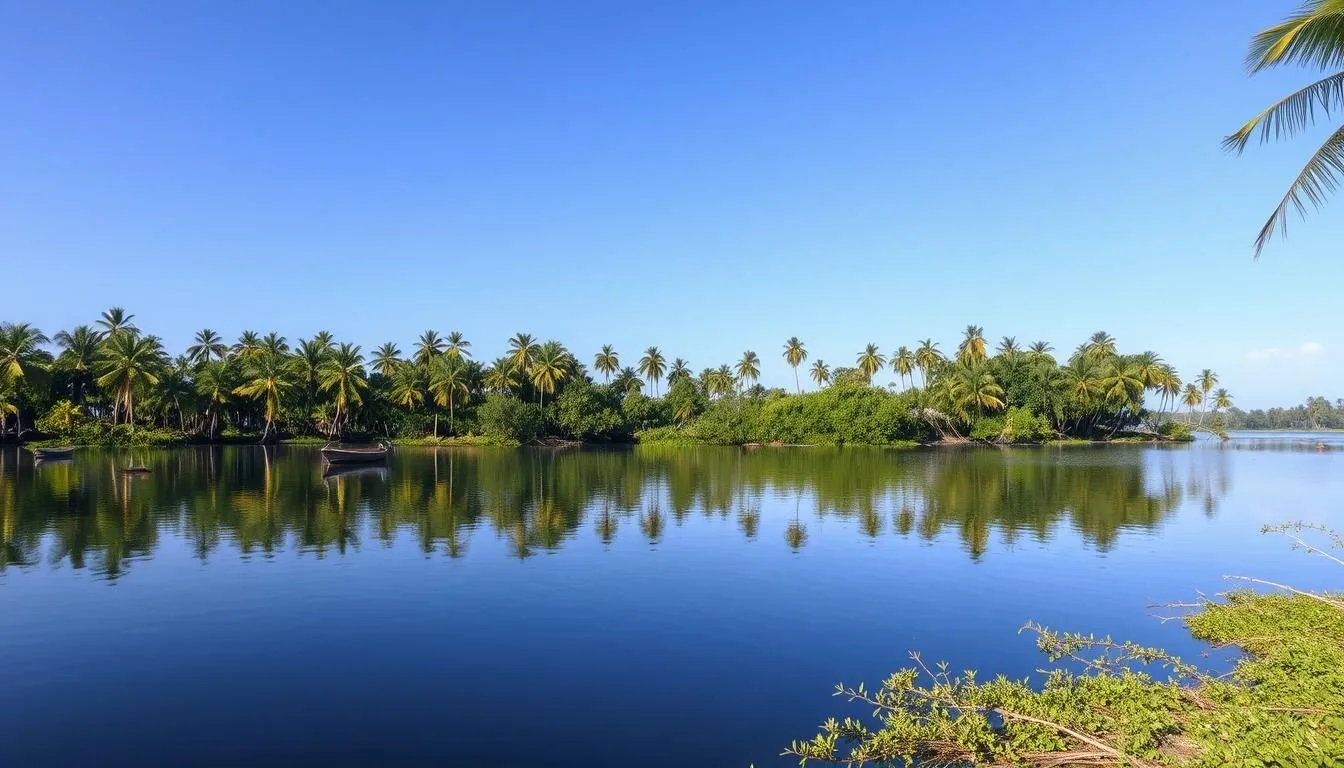
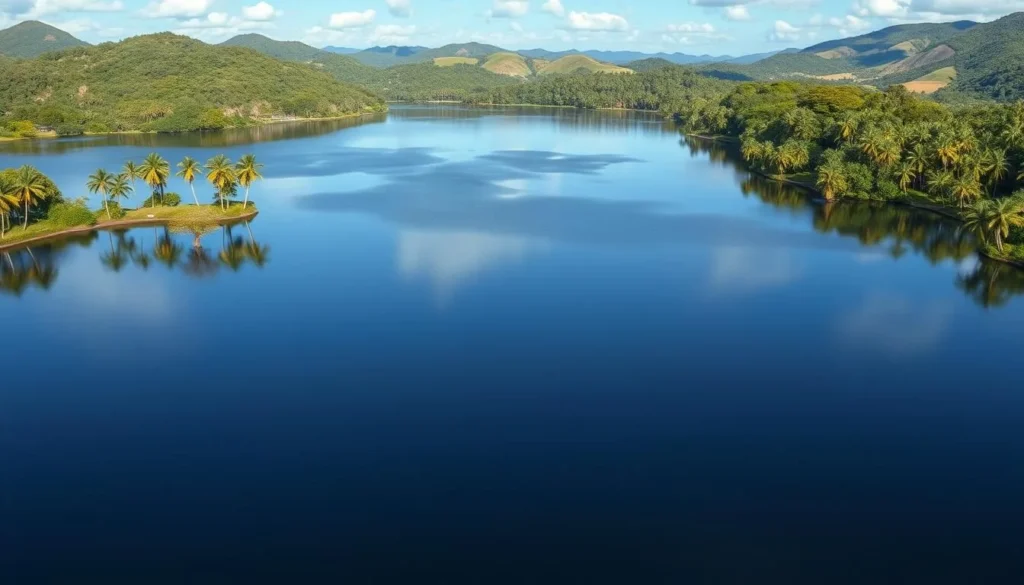
Did you know that Mashabo Lake in Guyana was once a savannah with a small creek until 1983? The creek was intentionally blocked to create what is now the largest lake on Guyana’s Essequibo Coast, transforming the landscape into a breathtaking paradise of black waters surrounded by thousands of ite palm trees. This hidden gem, home to just over 500 residents of primarily Amerindian descent, offers travelers a rare glimpse into authentic indigenous culture while showcasing some of Guyana’s most pristine natural beauty.
Getting There & Planning Your Journey
Reaching Mashabo Lake requires a combination of air, land, and water transportation. First, you’ll need to fly into Cheddi Jagan International Airport near Georgetown, Guyana’s capital. From there, take a domestic flight or bus to Parika, then cross the Essequibo River to reach the Essequibo Coast.
Once on the Essequibo Coast, travel through Huist T’Dieren Village to find the access road to Mashabo Lake. The road journey takes approximately 20 minutes by vehicle until you reach the lake’s edge. At the lakeside, you’ll find a shelter with seating where you can arrange a boat to cross the lake, which takes about 30 minutes with a 15-horsepower engine.
Pro tip: Before heading to Mashabo, gather the phone numbers of local boatmen who can transport you across the lake. These numbers are typically posted at the boat shed by the lakeside, but having them in advance can save you waiting time.
Best Time to Visit Mashabo Lake
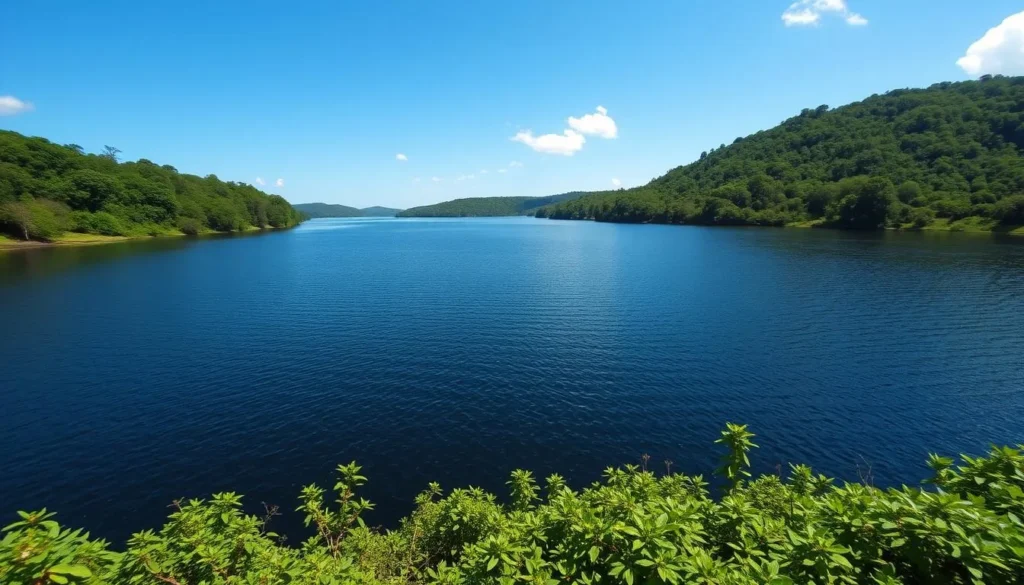
Guyana has two distinct dry seasons and two rainy seasons. For the most comfortable visit to Mashabo Lake, plan your trip during one of the dry periods:
Recommended (Best Times)
- February to April (main dry season)
- August to October (shorter dry season)
- Early December (transition period with less rainfall)
Not Recommended
- May to July (heavy rainfall season)
- November (typically very wet)
- Late December to January (unpredictable weather)
During the dry seasons, temperatures typically range from 24°C to 31°C (75°F to 88°F). The water level in the lake is lower during these periods, making navigation easier and exposing some of the beautiful sandy beaches around the lake’s edge.
Getting Around Locally
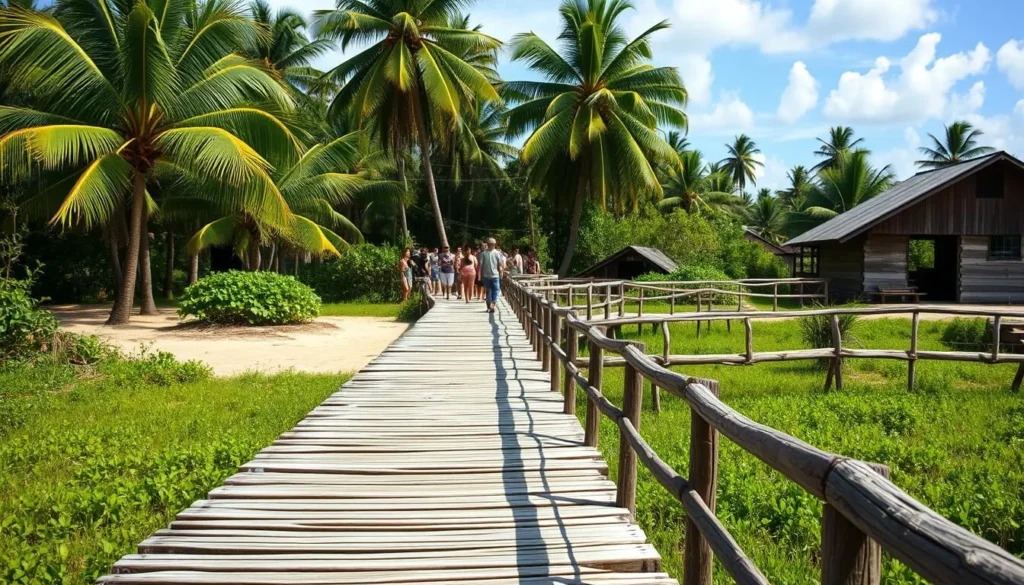
Mashabo Village is divided into four main areas: Mission (the central hub), Waddaduri, High Hill, and Hossanah Housing Scheme. The village features a remarkable 660-foot wooden boardwalk, reportedly the longest in the region, which connects the Mission to Waddaduri section.
Within the village, most locals travel by foot, though some use motorcycles to navigate between the different sections. The terrain varies with hills and lower sections, making comfortable walking shoes essential. Wooden bridges connect the various parts of the community, eliminating the need for boat travel once you’re in the village.
For crossing the lake itself, local boats are the only option. These can be arranged at the lakeside shelter, and the journey takes approximately 30 minutes. The boat ride offers spectacular views of the palm-lined shores and is an experience in itself.
Where to Stay
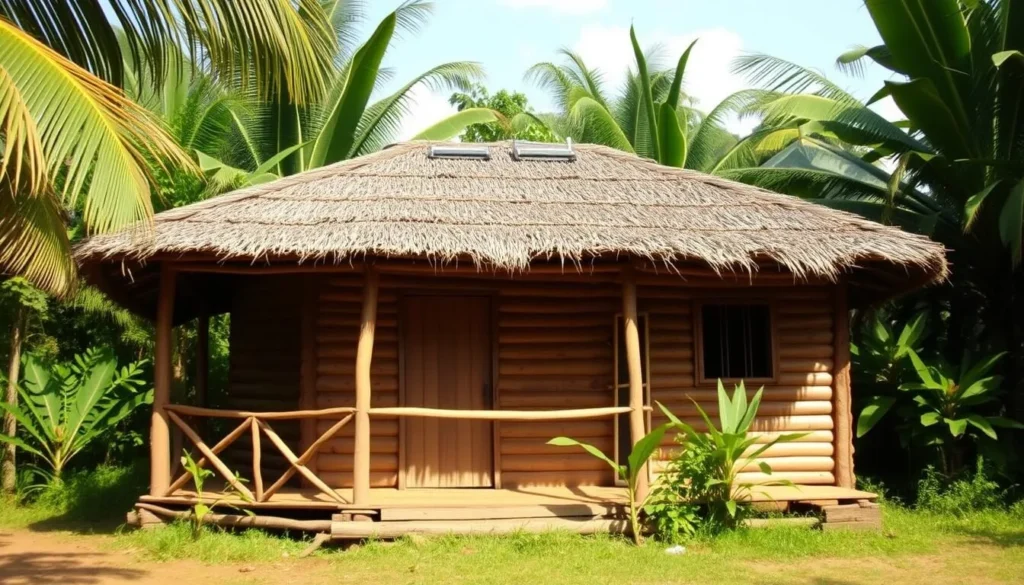
Accommodation options in Mashabo are limited but authentic, offering a genuine glimpse into local life. The village has a small guest house that caters to visitors, though amenities are basic. According to the village Toshao (chief), there are plans to expand these facilities in the future to accommodate more tourists.
Mashabo Guest House
The village’s only dedicated accommodation for visitors. Offers simple rooms with basic amenities and authentic local hospitality.
Homestays
Some families in the village occasionally host visitors, providing an immersive cultural experience and home-cooked meals.
Nearby Options
Lake Mainstay Resort is located near Mashabo and offers more conventional accommodation with modern amenities.
For those seeking more comfort, consider staying in Anna Regina (the nearest township) and arranging day trips to Mashabo. This gives you access to more amenities while still experiencing the beauty of the lake and village.
Dining & Local Cuisine
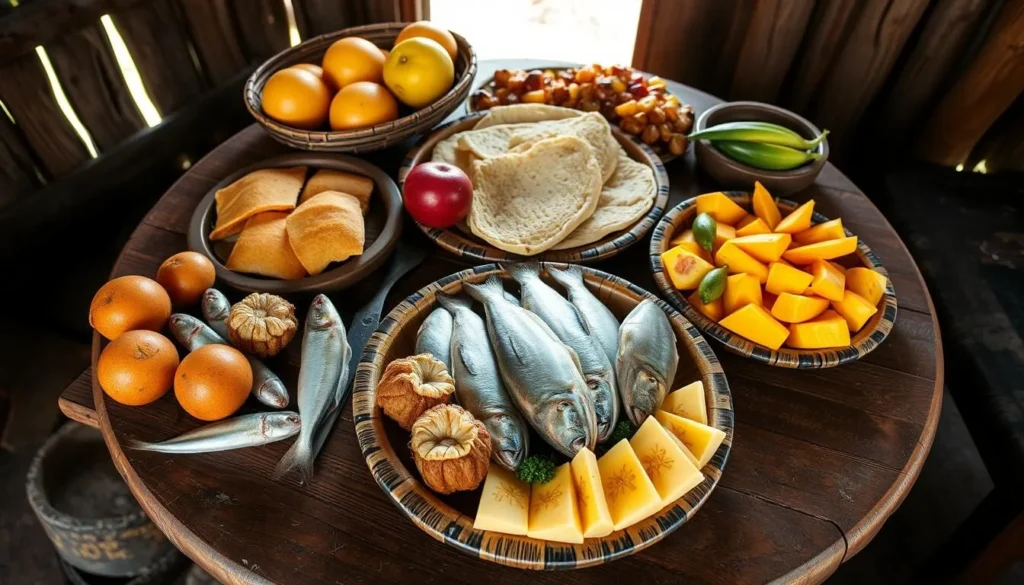
Mashabo offers authentic Amerindian cuisine that showcases the rich culinary traditions of Guyana’s indigenous peoples. The village doesn’t have restaurants, but visitors can experience local food through homestays or community gatherings.
Local specialties include:
- Cassava bread – a staple made from grated cassava root
- Fresh fish from the lake, typically prepared with simple local seasonings
- Wild meat (when available) – a traditional part of the indigenous diet
- Local fruits and vegetables grown in community gardens
- Traditional beverages made from local ingredients
During Amerindian Heritage Month (September), the village often hosts cultural events where visitors can sample a wider variety of traditional foods. These celebrations showcase the community’s culinary heritage and are an excellent opportunity to experience authentic dishes.
If you’re staying with a local family, you might have the chance to participate in food preparation, learning traditional techniques that have been passed down through generations.
Attractions, Sightseeing & Activities
Mashabo Lake and its surrounding village offer several unique attractions that showcase both natural beauty and cultural heritage:
The Lake
The centerpiece of the area, Mashabo Lake is the largest of five lakes in the Essequibo region. Its calm black waters create stunning reflections of the surrounding landscape, making it perfect for photography and peaceful boat rides.
The Boardwalk
The 660-foot wooden boardwalk is an attraction in itself, offering beautiful views of the lake and connecting different parts of the village. Built by community members, it represents local craftsmanship and ingenuity.
High Hill Viewpoint
Located in the Mashabo Housing Scheme section, this elevated area provides panoramic views of the entire region, perfect for sunset watching and photography.
The village itself, with its traditional structures and layout, offers insight into indigenous Guyanese life. Many homes still maintain traditional building techniques, though modern influences are increasingly visible.
Museums, Cultural Spots & Festivals
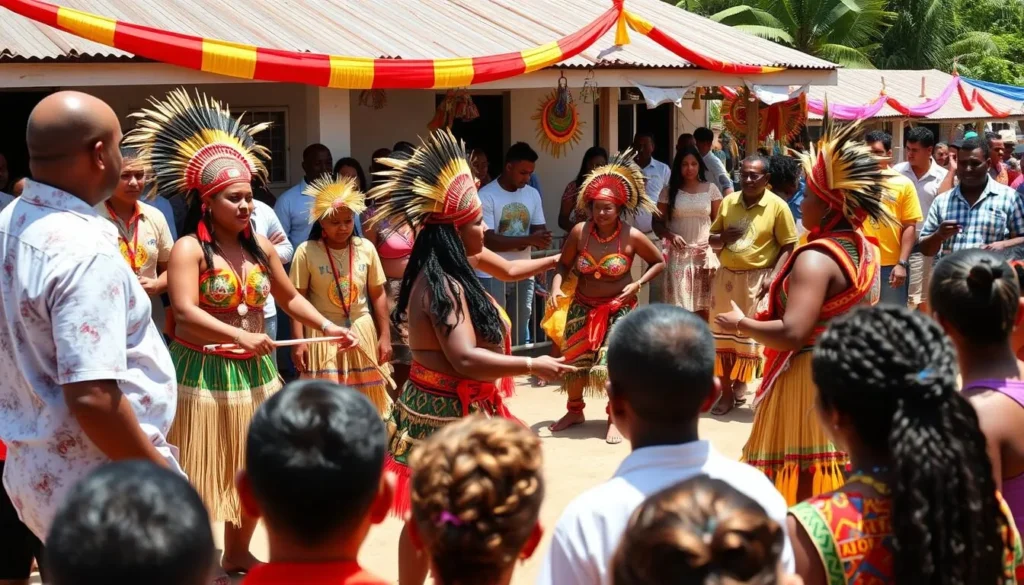
While Mashabo doesn’t have formal museums, the village itself serves as a living cultural exhibit. The community preserves many traditional practices and is eager to share their heritage with visitors.
Amerindian Heritage Month
September is Amerindian Heritage Month in Guyana, and Mashabo celebrates with special events that showcase traditional music, dance, crafts, and food. This is the ideal time to visit if you’re interested in experiencing the rich cultural traditions of the community.
Village Council Building
The central administrative building often displays artifacts and information about the village’s history. The Toshao (village chief) and council members can provide insights into community governance and traditions.
Community Center
This gathering place hosts various cultural events throughout the year and serves as a hub for community activities. Visitors may have the opportunity to observe or participate in traditional crafts and skills.
The village has a fascinating origin story dating back more than a century when an Arawak family from a place called Dawa settled in the area. Many current residents are descendants of this original Williams family, and elders are often willing to share stories about the community’s history.
Sports, Nature & Outdoor Experiences
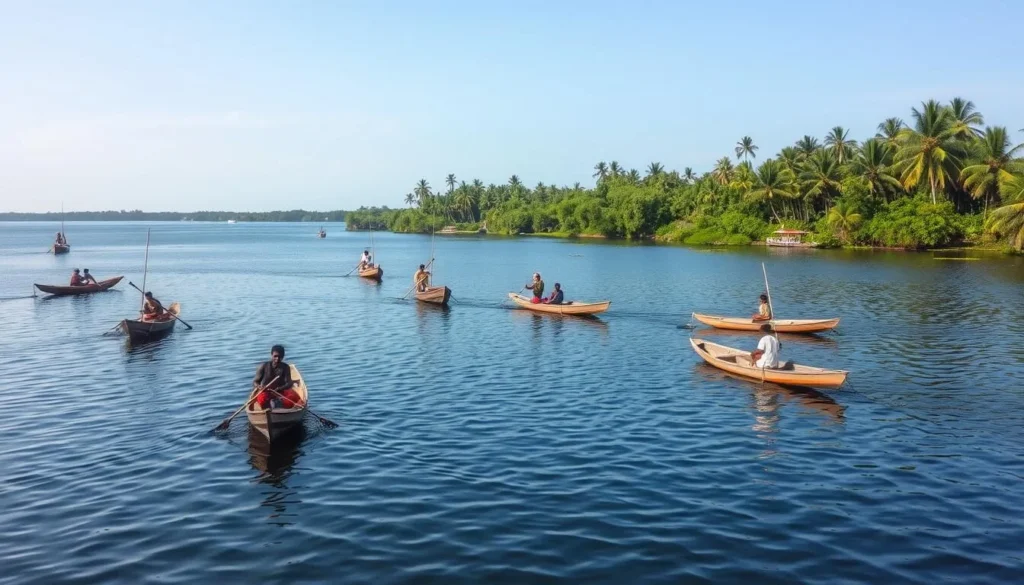
Mashabo’s natural environment offers numerous opportunities for outdoor activities and nature experiences:
Fishing
The lake is rich in fish species, and visitors can arrange fishing excursions with local guides who know the best spots. Learning traditional fishing techniques from community members provides both sustenance and cultural insight.
Boating
Exploring the lake by boat is one of the most rewarding activities in Mashabo. The calm waters and scenic surroundings make for a peaceful experience, especially during sunrise or sunset when the light creates stunning reflections.
Wildlife Observation
The area around Mashabo Lake is home to diverse wildlife, including various bird species, reptiles, and small mammals. Early morning walks with knowledgeable local guides offer the best chances for wildlife spotting.
Community Sports
The village has a ballfield where locals play cricket and other sports. Visitors are often welcome to join in these games, providing a fun way to interact with community members.
Safety, Etiquette & Local Customs
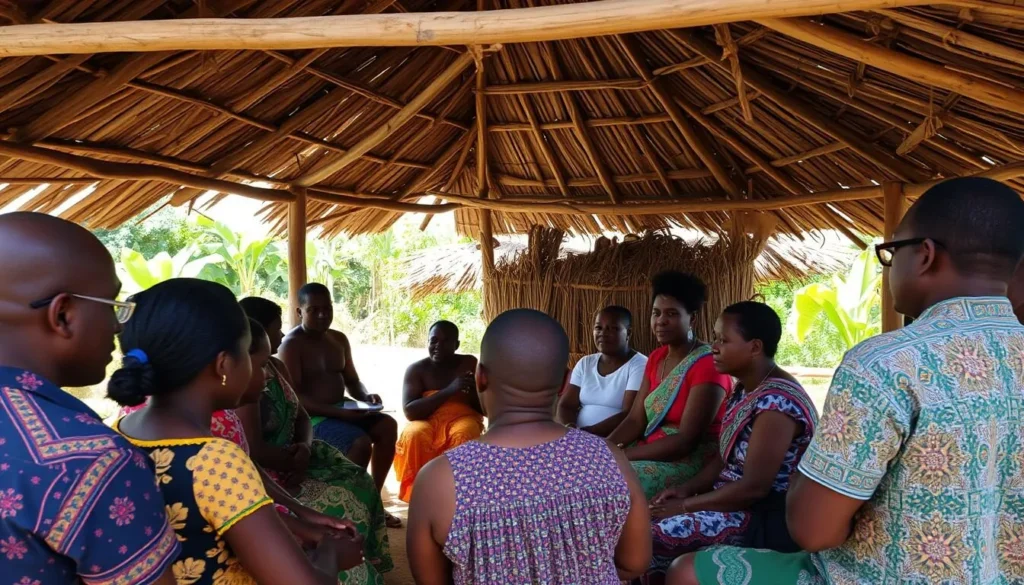
Visiting Mashabo offers a glimpse into authentic indigenous life, but it’s important to approach this experience with respect and awareness:
Respect for Community Leadership
The village is led by a Toshao (chief) and a Village Council. When visiting, it’s customary to introduce yourself to these leaders and explain the purpose of your visit. This shows respect for local governance structures.
Photography Etiquette
Always ask permission before photographing people or private property. While many residents are open to sharing their culture, personal boundaries should be respected.
Health and Safety
Mashabo has a health post with basic medical services, but it’s advisable to bring any necessary medications with you. The nearest hospital is in Anna Regina. Insect repellent is essential, as is sun protection and plenty of drinking water.
The community is generally very peaceful and welcoming to visitors. Crime is rare, but standard travel precautions apply. Be aware that cell phone reception is limited to certain areas of the village (primarily the Mission and Housing Scheme sections), so plan communications accordingly.
Visitor Comments About Mashabo Lake
W.C., Asyut
“Mashabo Lake was the highlight of my Guyana trip. The boat journey across those calm black waters surrounded by palm trees was almost mystical. The locals were incredibly welcoming, sharing their stories and traditions. Don’t miss trying the cassava bread – it’s delicious when fresh!”
S.N., Kihei
“As someone who’s traveled extensively, I found Mashabo to be refreshingly authentic. There’s no pretense here – just genuine people living in harmony with a beautiful natural setting. The wooden boardwalk is an engineering marvel built entirely by the community. Sunset views from High Hill are absolutely worth the climb.”
O.K., Davao City
“I visited during Heritage Month and was fortunate to witness traditional dances and taste amazing indigenous foods. The lake itself is stunning – much larger than I expected. If you’re looking for luxury, this isn’t the place, but if you want an authentic cultural experience in a breathtaking setting, Mashabo delivers.”
Practical Travel Tips
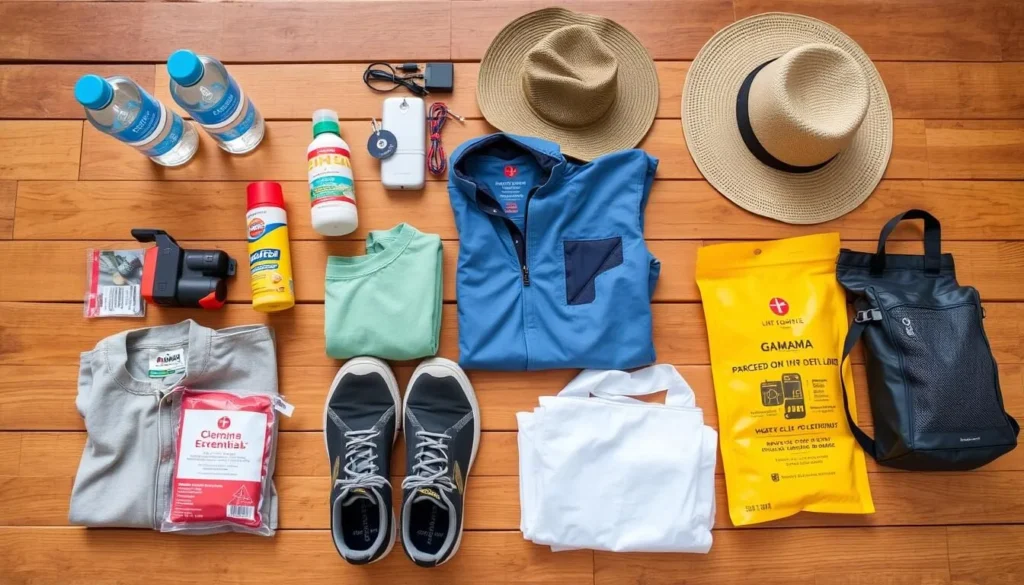
What to Pack
- Lightweight, breathable clothing
- Insect repellent and sunscreen
- Comfortable walking shoes
- Waterproof bag for electronics
- Basic first aid supplies
- Flashlight or headlamp (limited electricity)
- Cash (no ATMs in the village)
Planning Advice
- Arrange transportation in advance
- Book accommodations before arrival
- Bring sufficient cash for your stay
- Consider hiring a local guide
- Respect the community’s pace of life
- Learn a few basic Arawak phrases
- Bring small gifts if staying with locals
Electricity in Mashabo is primarily from solar panels, so charging opportunities may be limited. Water is sourced from wells and is not always readily available in all sections of the village. Pack accordingly and be prepared to adapt to local conditions.
For the most rewarding experience, consider connecting with a tour operator in Georgetown who specializes in indigenous community visits. They can help arrange logistics and provide cultural context for your journey.
Your Mashabo Adventure Awaits
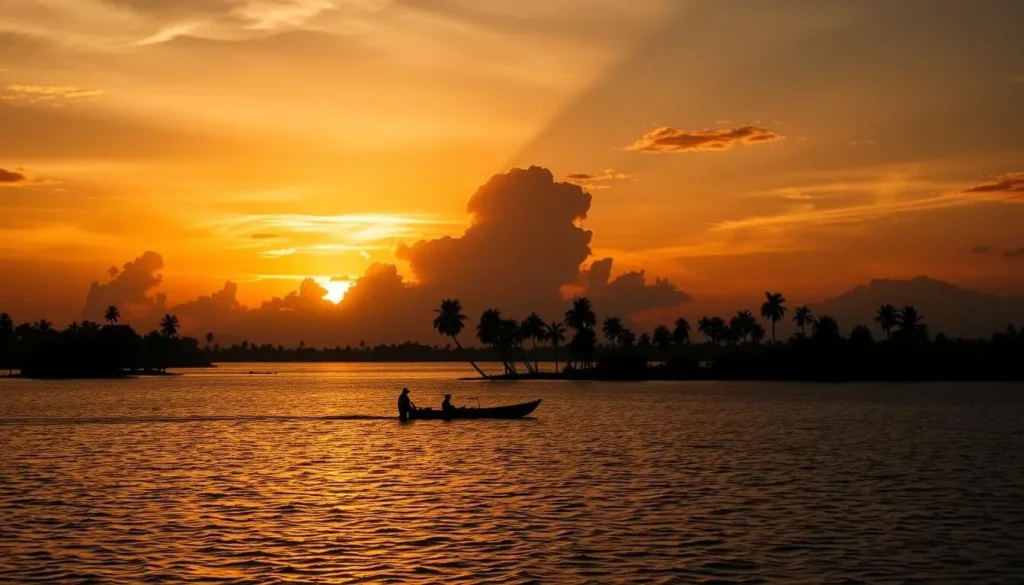
Mashabo Lake represents Guyana at its most authentic – a place where natural beauty and cultural heritage remain largely untouched by mass tourism. The journey may require more effort than conventional destinations, but those who make the trip are rewarded with experiences that few travelers ever encounter. From gliding across the lake’s mirror-like surface to sharing stories with descendants of the original settlers, Mashabo offers connections to both nature and humanity that resonate long after your visit ends. As the village cautiously embraces tourism while preserving its traditions, now is the perfect time to discover this hidden gem before the rest of the world catches on.
The above is subject to change.
Check back often to TRAVEL.COM for the latest travel tips and deals.



0 Comments