

Mount Ayanganna stands as one of the world’s most geologically unique tepuis – a massive sandstone table mountain that rises 2,041 m (6,696 ft) straight up from the jungle floor, completely isolated from other mountain ranges. This ancient formation in Guyana’s Pakaraima Mountains dates back over two billion years, making it one of Earth’s oldest geological features and a paradise for adventurous travelers seeking pristine wilderness experiences.
Getting There & Planning Your Journey
Reaching Mount Ayanganna requires careful planning and a true spirit of adventure. The closest international gateway is Cheddi Jagan International Airport (GEO), located about 41 km (25 miles) from Georgetown, Guyana’s capital. Some regional flights also operate from Eugene F. Correia International Airport (OGL), formerly Ogle Airport, which is closer to Georgetown.
From Georgetown, you’ll need to arrange transportation to Kamarang, a small community in the Pakaraima Mountains region. This typically involves a chartered flight with Trans Guyana Airways or Air Services Limited, as there are no roads connecting these remote areas.
Once in Kamarang, you’ll need to hire local guides and porters for the trek to Mount Ayanganna. This journey typically takes 2-3 days through dense rainforest and requires crossing several rivers. Working with experienced local guides is essential not only for navigation but also for their knowledge of the area’s unique ecosystem.
Best Time to Visit Mount Ayanganna

Guyana experiences two distinct seasons that significantly impact travel conditions, especially for remote destinations like Mount Ayanganna:
Recommended Months (Dry Season)
- February to April: Primary dry season with minimal rainfall and optimal hiking conditions
- August to October: Secondary dry period with moderate precipitation
- January: Transitional month with decreasing rainfall
Months to Avoid (Rainy Season)
- May to July: Heavy rainfall makes trails extremely muddy and river crossings dangerous
- November to December: Secondary rainy season with frequent downpours
The dry season offers clearer views of the mountain’s distinctive tabletop formation and reduces the risk of flash floods during river crossings. Temperatures remain relatively consistent year-round, averaging 24-29°C (75-84°F) during the day and cooling to 18-22°C (64-72°F) at night, especially at higher elevations.
Getting Around Locally
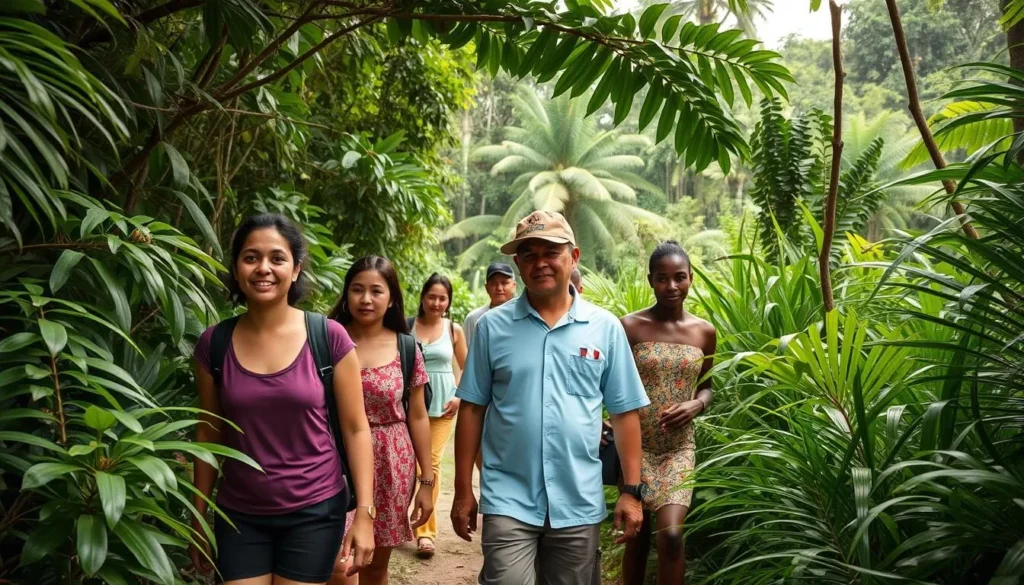
Once you’ve reached the Mount Ayanganna region, transportation options are limited to the most traditional methods:
- On Foot: The primary mode of transportation is hiking. Trails range from moderate to challenging, often requiring river crossings and navigation through dense jungle.
- Local Guides: Always hire experienced local guides from indigenous communities. They provide invaluable knowledge about safe routes, wildlife identification, and cultural context.
- River Travel: Some portions of the journey may involve travel by traditional dugout canoes along the Kamarang and Mazaruni Rivers.
There are no vehicle rental options in this remote region, and all expeditions should be arranged with reputable tour operators who specialize in the Pakaraima Mountains. These operators typically handle all logistics including guides, porters, food, and camping equipment.
Where to Stay

Accommodation options near Mount Ayanganna are limited but authentic, offering a true wilderness experience:
Kamarang Village Homestays
Several families in Kamarang offer basic homestay accommodations that provide an authentic cultural experience. These typically include simple rooms, home-cooked meals featuring local ingredients, and valuable insights into indigenous life.
Price range: $20-40 USD per night
Expedition Camping
Most Mount Ayanganna treks involve camping in designated sites along the trail. Tour operators provide tents, sleeping bags, and cooking equipment. These campsites offer stunning views and immersion in the sounds of the rainforest.
Price range: Included in tour packages
Georgetown Accommodations
Before and after your expedition, Georgetown offers various accommodation options from budget guesthouses to more comfortable hotels like Cara Lodge and Herdmanston Lodge, where you can recover from your adventure.
Price range: $60-150 USD per night
Dining & Local Cuisine
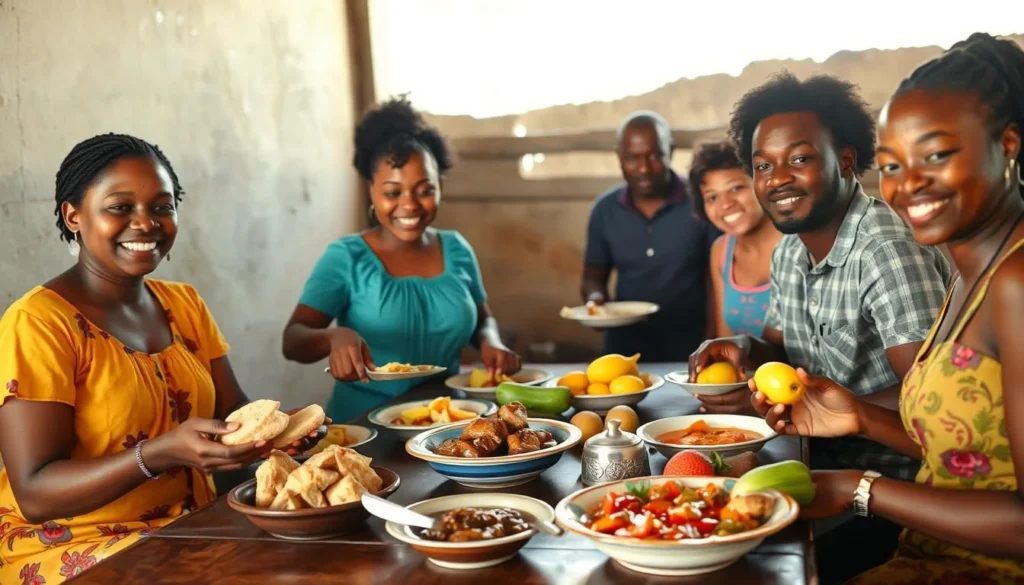
The culinary experience around Mount Ayanganna is centered on traditional Amerindian cuisine and locally sourced ingredients:
Local Specialties
- Cassava Bread: A staple food made from processed cassava root, often served with meals
- Pepperpot: A rich, spicy meat stew slow-cooked with cassareep (a cassava extract)
- Tuma Pot: Fish cooked with local herbs and spices
- Bush Tea: Herbal teas made from local plants with medicinal properties
- Fresh Fruits: Depending on the season, you might enjoy soursop, papaya, and exotic rainforest fruits
During expeditions, meals are typically prepared by your guides using a combination of packed supplies and foraged items. In Kamarang village, small family-run eateries offer authentic local dishes. It’s advisable to bring some supplementary snacks for the trek, focusing on high-energy, non-perishable items.
Attractions, Sightseeing & Activities
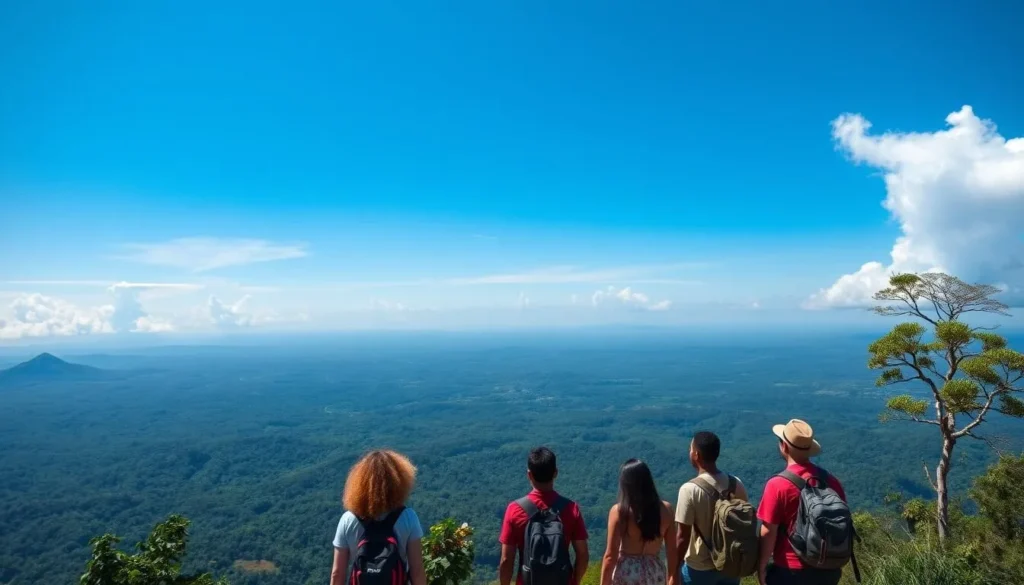
Top Attractions at Mount Ayanganna
Summit Trek
The challenging trek to Mount Ayanganna’s summit rewards adventurers with breathtaking panoramic views of pristine rainforest stretching to the horizon. The final ascent involves navigating steep slopes and unique rock formations.
Tepui Ecosystem
Explore the unique tabletop mountain ecosystem that has evolved in isolation for millions of years. The tepui hosts plant species found nowhere else on Earth, including carnivorous plants and rare orchids.
Waterfalls
Several magnificent waterfalls cascade from Mount Ayanganna’s slopes, creating perfect natural swimming pools. These falls remain unnamed and largely undocumented, offering a true sense of discovery.
Museums, Cultural Spots & Festivals
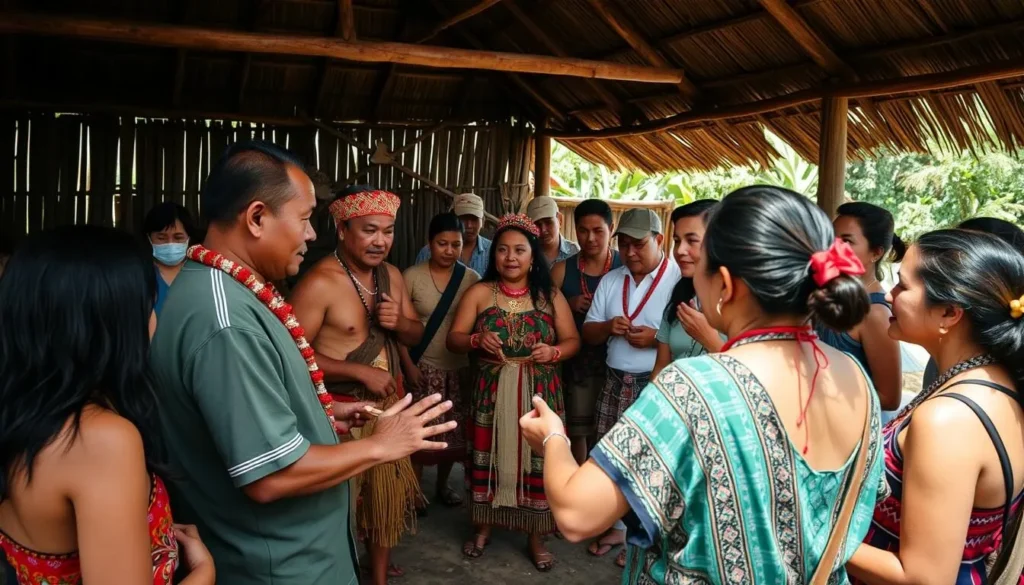
While Mount Ayanganna itself doesn’t have formal museums or cultural institutions, the surrounding region offers rich cultural experiences:
Cultural Experiences
- Amerindian Village Visits: Communities near Mount Ayanganna, primarily of the Akawaio and Patamona peoples, welcome respectful visitors to learn about their traditions and daily life.
- Traditional Craft Demonstrations: Local artisans demonstrate techniques for creating intricate basketry, pottery, and beadwork that have been passed down through generations.
- Storytelling Sessions: Village elders share traditional stories that explain the spiritual significance of Mount Ayanganna and other natural features.
Seasonal Celebrations
If your visit coincides with local celebrations, you might witness traditional ceremonies that mark seasonal changes, harvests, or spiritual observances. These events typically feature traditional music, dance, and specially prepared foods.
Before your trip, visit the Walter Roth Museum of Anthropology in Georgetown to gain context about Guyana’s indigenous cultures and their historical relationship with places like Mount Ayanganna.
Sports, Nature & Outdoor Experiences
Outdoor Activities
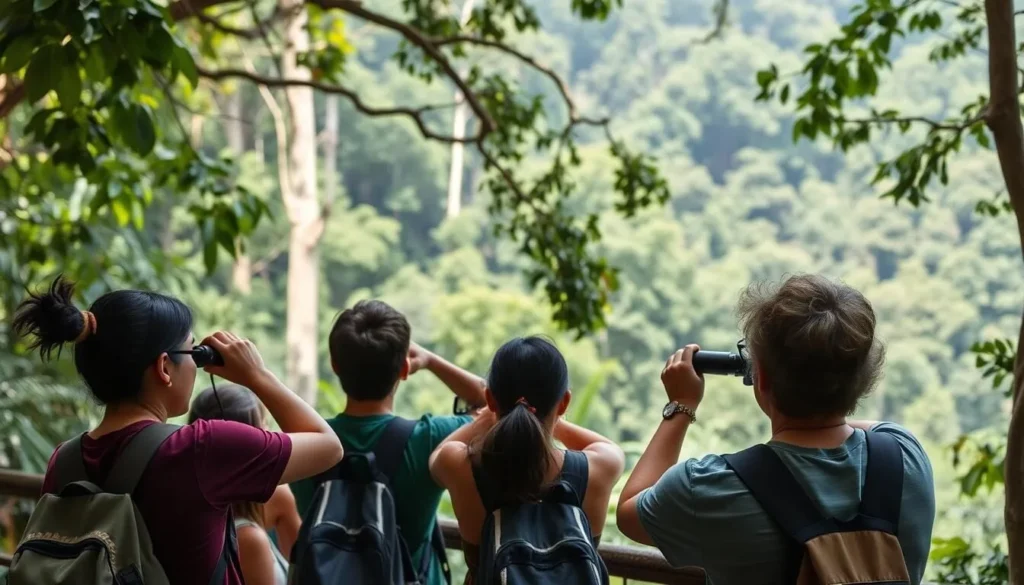
Wildlife Observation
Mount Ayanganna hosts remarkable biodiversity, including:
- Rare birds like the tepui swift and Guianan cock-of-the-rock
- Elusive mammals including jaguars and giant river otters
- Countless butterfly species, including the electric blue morpho
- Unique amphibians that exist only on this tepui
Adventure Activities
For the adventurous traveler:
- Rock climbing on the tepui’s dramatic cliffs (for experienced climbers only)
- River swimming in pristine pools
- Photography expeditions capturing rare ecosystems
- Stargazing with exceptional clarity due to minimal light pollution
Safety, Etiquette & Local Customs
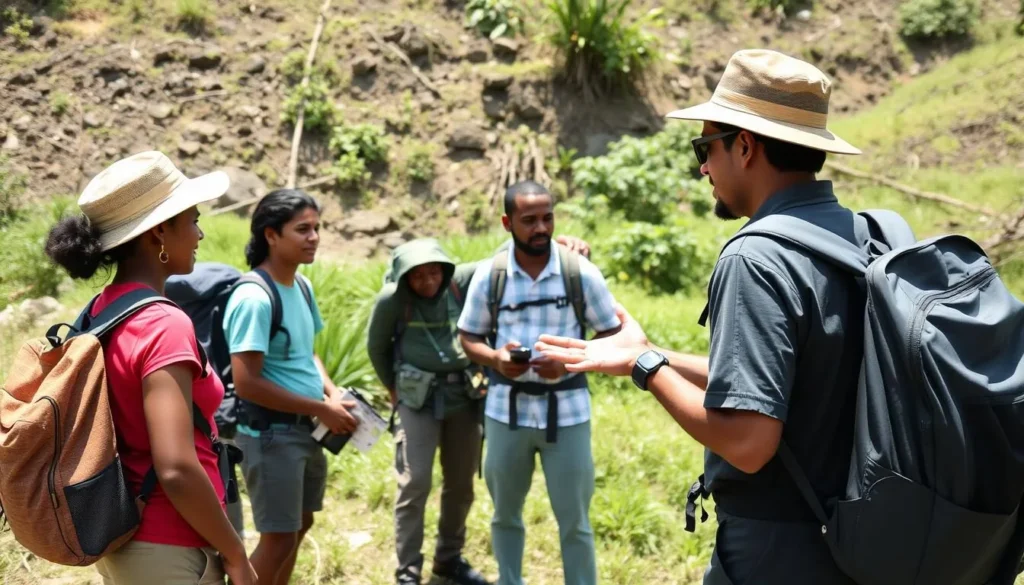
Safety Considerations
- Medical Preparation: Bring comprehensive first aid supplies and any personal medications. The nearest medical facilities are in Georgetown, several hours away by air.
- Vaccinations: Ensure you’re up-to-date on recommended vaccinations including yellow fever (required for entry), typhoid, and hepatitis A.
- Malaria Prevention: Consult your doctor about antimalarial medication and bring high-concentration DEET insect repellent.
- Communication: There is no cell service in the Mount Ayanganna region. Consider renting a satellite phone for emergencies.
Cultural Etiquette
When interacting with indigenous communities:
- Always ask permission before taking photographs of people or cultural sites
- Bring small gifts like fishing hooks or school supplies rather than money
- Dress modestly when visiting villages (shoulders and knees covered)
- Follow your guide’s instructions regarding sacred sites and restricted areas
Visitor Comments About Mount Ayanganna
“Mount Ayanganna exceeded all my expectations. The biodiversity was astounding—we spotted three species of monkeys in a single day! The local guides were incredibly knowledgeable about medicinal plants and wildlife. Physically demanding but absolutely worth every step.”
“The journey to Mount Ayanganna was as rewarding as the destination itself. Crossing rivers, navigating through pristine rainforest, and finally reaching the base of this magnificent tepui was an experience I’ll never forget. Pack light but smart—quick-dry clothing is essential!”
“As a photographer, Mount Ayanganna offered subjects I couldn’t find anywhere else. The endemic plants, especially the carnivorous species, were fascinating. Our guide from the Patamona community shared stories about the mountain that added a spiritual dimension to our trek.”
Practical Travel Tips
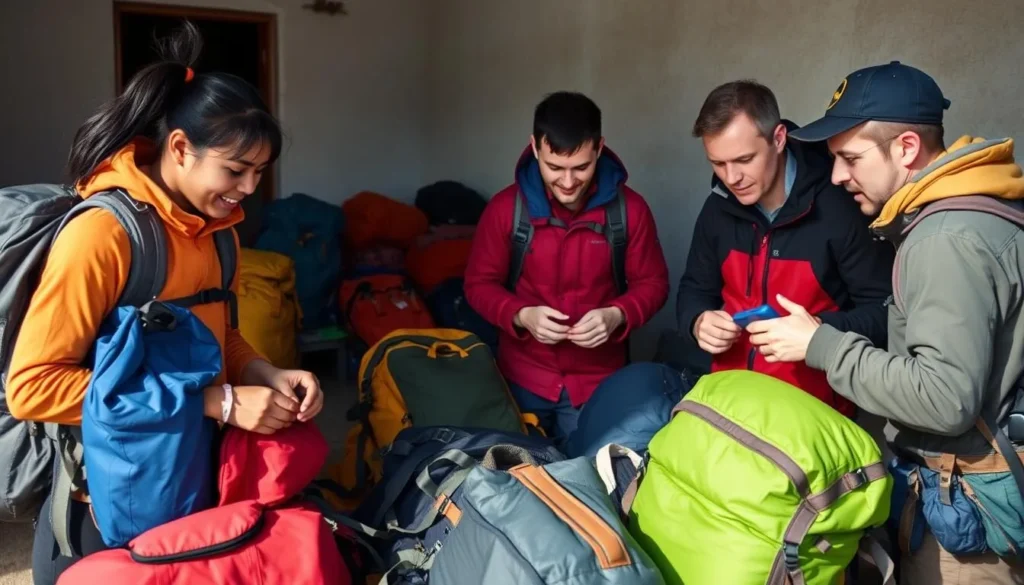
Essential Packing List
- Lightweight, quick-dry clothing (long sleeves and pants for protection)
- Sturdy hiking boots (well broken-in before the trip)
- Water purification system (tablets or filter)
- High-quality rain gear regardless of season
- Headlamp with extra batteries
- Biodegradable soap and toiletries
- Cash in small denominations (USD accepted, no ATMs in remote areas)
Planning Advice
- Book expeditions at least 3-4 months in advance
- Purchase comprehensive travel insurance that covers emergency evacuation
- Allow 7-10 days for the complete Mount Ayanganna experience
- Bring a waterproof camera or protective case
- Learn basic phrases in English (official language) and some Akawaio greetings
Your Adventure Awaits in Guyana’s Lost World
Mount Ayanganna represents one of the last truly pristine wilderness experiences on our planet. From its ancient geological formations to its unique wildlife and the rich cultural heritage of its indigenous guardians, this remarkable tepui offers adventurous travelers rewards that few other destinations can match. The journey requires preparation, respect for the environment, and a spirit of adventure—but those who make the effort will return with memories and experiences that will last a lifetime. As you plan your expedition to this extraordinary corner of Guyana, remember that you’re not just visiting a mountain, but entering a living museum of evolution and biodiversity that has remained largely unchanged for millions of years.



0 Comments