
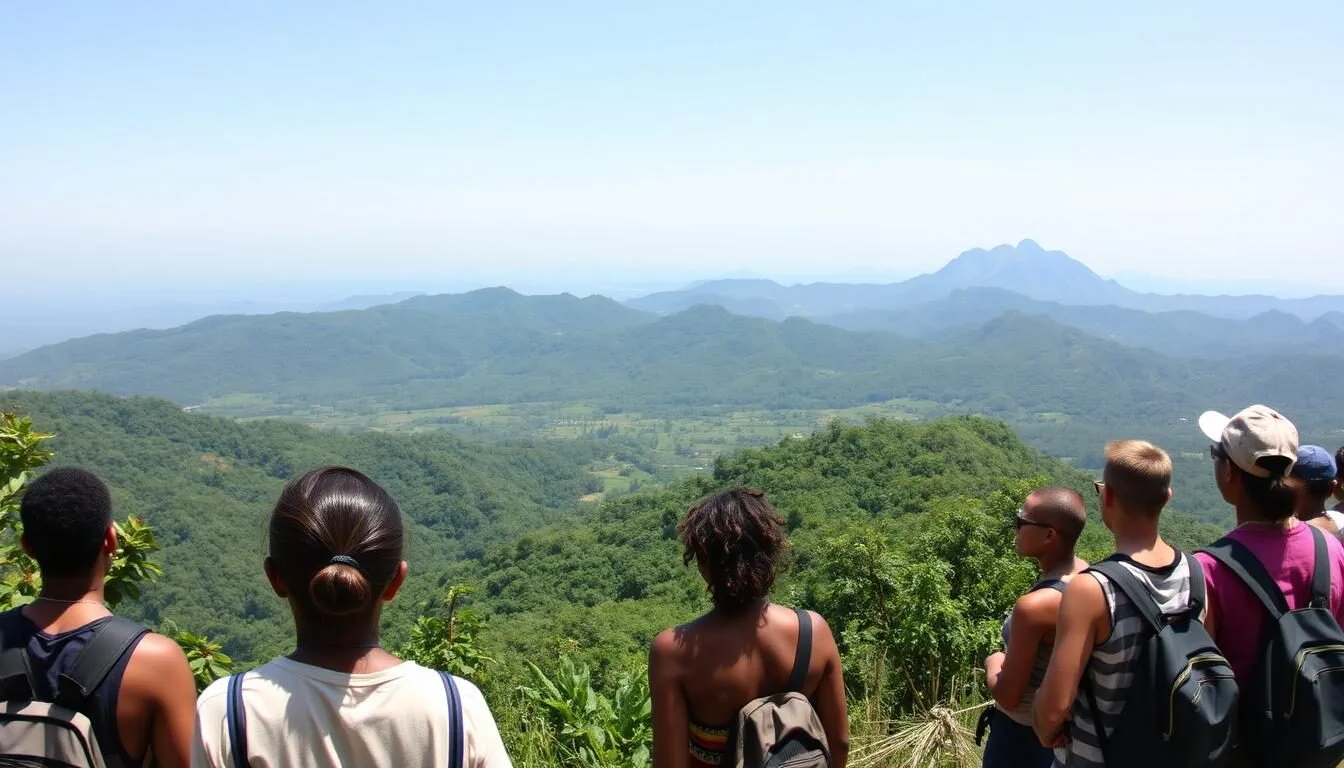
Nestled in Guyana’s Potaro-Siparuni region, Mount Kopinang is home to one of the world’s most spectacular yet least visited waterfall systems. While its neighbor Kaieteur Falls attracts thousands of visitors annually, Kopinang Falls—with its three-tiered cascade system—sees fewer than 200 adventurous travelers each year. This hidden gem offers an authentic wilderness experience that rivals any in South America, with the added benefit of having pristine trails and viewpoints all to yourself.
Getting There & Planning Your Journey
Reaching Mount Kopinang requires some planning, but the journey is part of the adventure. The closest international gateway is Cheddi Jagan International Airport (GEO) near Georgetown, Guyana’s capital. From there, you’ll need to take a domestic flight to Mahdia, followed by another small aircraft to Kopinang Mission airstrip.
The flight path offers breathtaking views of the Pakaraima Mountains and sometimes even passes near Kaieteur Falls. Weather conditions can affect flights, so building flexibility into your schedule is essential. The small grass runway at Kopinang can only accommodate fair weather landings, making the dry season more reliable for travel.
Best Time to Visit & Weather Tips
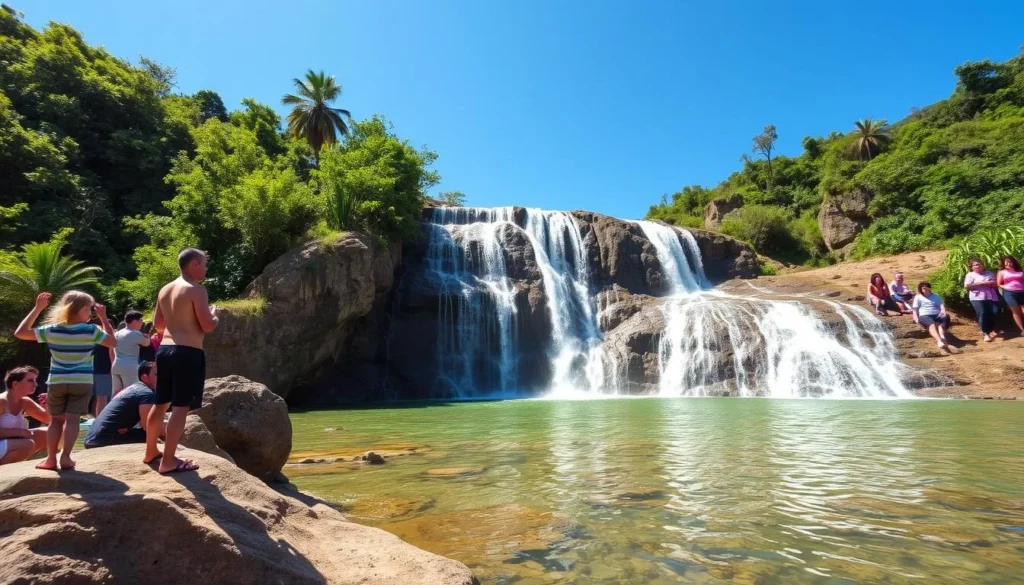
The climate around Mount Kopinang is tropical with distinct wet and dry seasons. Understanding these patterns is crucial for planning a successful trip.
Recommended Months to Visit
- February to April – The primary dry season offers the most reliable weather for flights and hiking. Temperatures average 26°C (79°F) during the day and 18°C (64°F) at night. The falls will have moderate water flow, making swimming possible in certain pools.
- August to October – A secondary dry period with slightly more unpredictable weather but fewer visitors. This period offers a good balance between water volume in the falls and accessibility of trails.
Months to Avoid
- May to July – The main rainy season brings heavy downpours that can make trails dangerously slippery and may cause flight cancellations to Kopinang airstrip.
- November to January – Secondary rainy season with frequent afternoon showers that can disrupt hiking plans.
Pack lightweight, quick-drying clothes, but also bring a warm layer for cool mountain nights when temperatures can drop to 15°C (59°F). The mountain fog can roll in quickly, so waterproof gear is essential regardless of when you visit.
Getting Around Locally
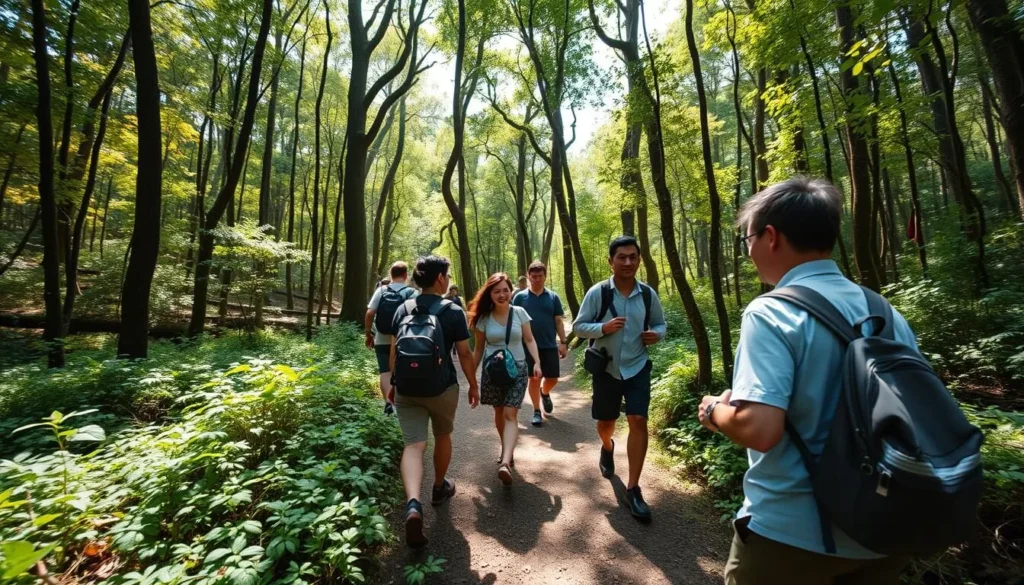
Once you arrive at Kopinang Mission airstrip, transportation is primarily by foot. The village is small and walkable, with most accommodations within 15 minutes of the airstrip. For journeys to the falls and other attractions, you’ll need to:
- Hire local guides – Essential for navigating the trails safely and learning about the area’s natural and cultural significance. Guides can be arranged through your accommodation or the village council.
- Prepare for hiking – Trails to the falls range from moderate to challenging, with some steep sections requiring basic climbing skills. The main Kopinang Falls trek takes approximately 3-4 hours each way.
- Consider overnight camping – For the full experience, many visitors camp near the top of Kopinang Falls, allowing for both sunset and sunrise views.
There are no vehicles for rent in Kopinang itself. If you’re planning an extended stay in Guyana and want to explore other regions before or after your Kopinang adventure, consider renting a 4×4 vehicle in Georgetown.
Where to Stay

Accommodation in Mount Kopinang is basic but authentic, offering a genuine glimpse into local life. Options include:
Kopinang Village Guesthouses
Several families in Kopinang Mission operate small guesthouses with 2-4 rooms. These simple accommodations typically offer:
- Basic rooms with beds and mosquito nets
- Shared bathroom facilities with cold water
- Home-cooked meals featuring local ingredients
- Electricity from generators (usually available 6-10 PM only)
- Rates around 5,000-8,000 Guyanese dollars (approximately $25-40 USD) per night
Community Benab
The village also maintains a traditional communal benab (open-sided thatched structure) where visitors can hang hammocks. This option costs around 2,000 Guyanese dollars per night (approximately $10 USD) and offers a more immersive experience.
Camping
For the adventurous, camping near Kopinang Falls is a magical experience. Local guides can help set up camp at designated sites. You’ll need to bring your own gear or arrange rental through tour operators in Georgetown before departure.
Advance reservations are rarely necessary for village accommodations, but it’s good practice to have your guide or tour operator contact the village council ahead of your arrival to ensure availability.
Dining & Local Cuisine
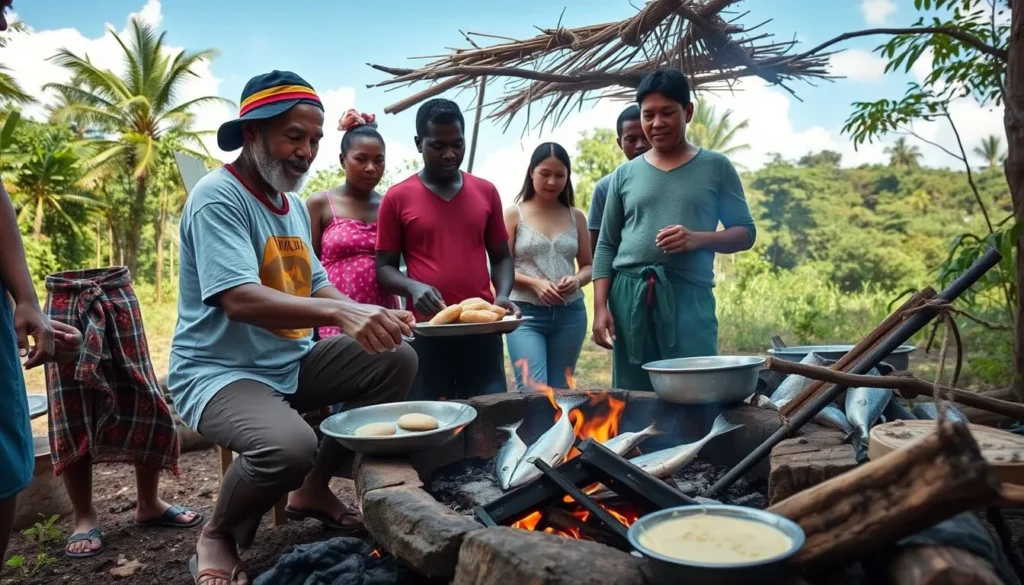
Dining in Mount Kopinang offers a taste of authentic Amerindian cuisine, with most meals prepared by local families using traditional methods and ingredients sourced from surrounding forests and gardens.
What to Expect
- Cassava-based dishes – Cassava bread (a flat, round bread) and farine (toasted cassava grains) are staples.
- Tuma pot – A hearty stew typically made with fish or game meat, cassava, and forest greens.
- Fresh fish – Locally caught from nearby rivers, often prepared by smoking or grilling.
- Fruits – Seasonal tropical fruits like papaya, pineapple, and exotic forest fruits.
- Casiri – A traditional fermented cassava drink (alcoholic version available in some homes).
Most visitors eat meals prepared by their host family or guide. There are no restaurants in the traditional sense, though some families may offer meals to non-guests with advance notice. During treks, guides typically prepare meals over open fires, creating a memorable dining experience in the wilderness.
For dietary restrictions, communicate these clearly when arranging your trip. While options may be limited, locals are generally accommodating and can adjust meals accordingly with advance notice.
Attractions, Sightseeing & Activities
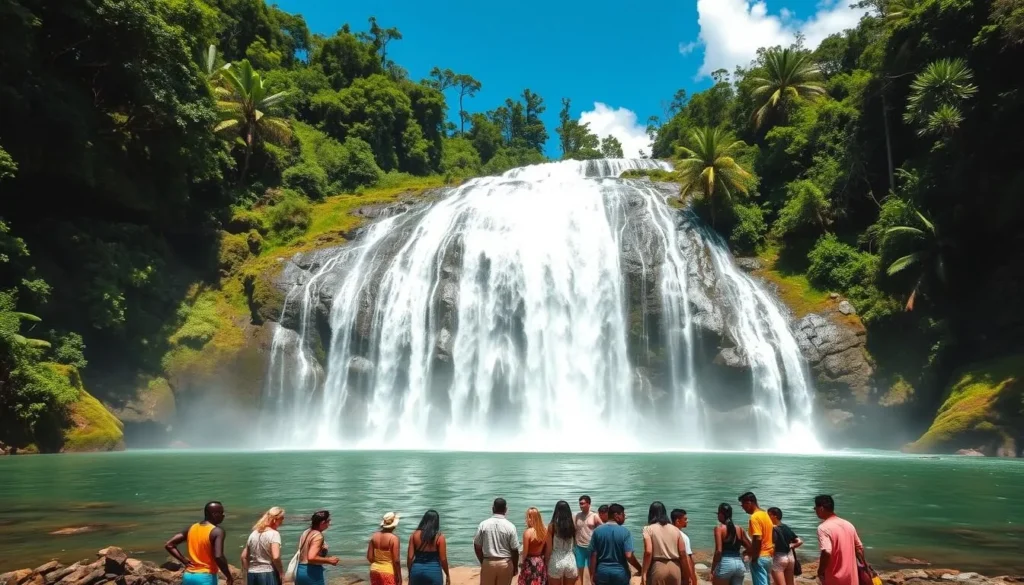
The Three Falls of Kopinang
The crown jewels of Mount Kopinang are its three magnificent waterfalls, each with its own distinct character:
- Wailang Palu – The first waterfall encountered on the trek, featuring a series of cascades over dark sandstone steps surrounded by lush vegetation. Located about 1.5 hours from the village.
- Pelu Palu – A powerful torrent plunging into a rocky pool surrounded by giant sandstone walls. The enclosed setting creates an intimate, cathedral-like atmosphere.
- Kopinang Falls – The main attraction, a spectacular white water curtain draped over a sandstone staircase dropping 741 feet. The challenging hike to reach it makes the experience all the more rewarding.
Village Cultural Experience
Kopinang Mission offers authentic cultural experiences:
- Visit the community center to learn about Patamona traditions and history
- Observe or participate in cassava processing, a fundamental part of local life
- Attend church services (if visiting on Sunday) for a glimpse into the community’s spiritual life
- Visit the local school and interact with students (during weekdays, with permission)
Mountain Viewpoints
Several lookout points around the village offer spectacular views of the Pakaraima Mountains:
- Village Hilltop – A short 20-minute climb from the center of Kopinang Mission
- Kopinang Falls Lookout – A cliff edge viewpoint en route to the main falls
- Tepui Vista – A panoramic view of the table-top mountains, accessible via a guided half-day hike
Museums, Cultural Spots & Festivals
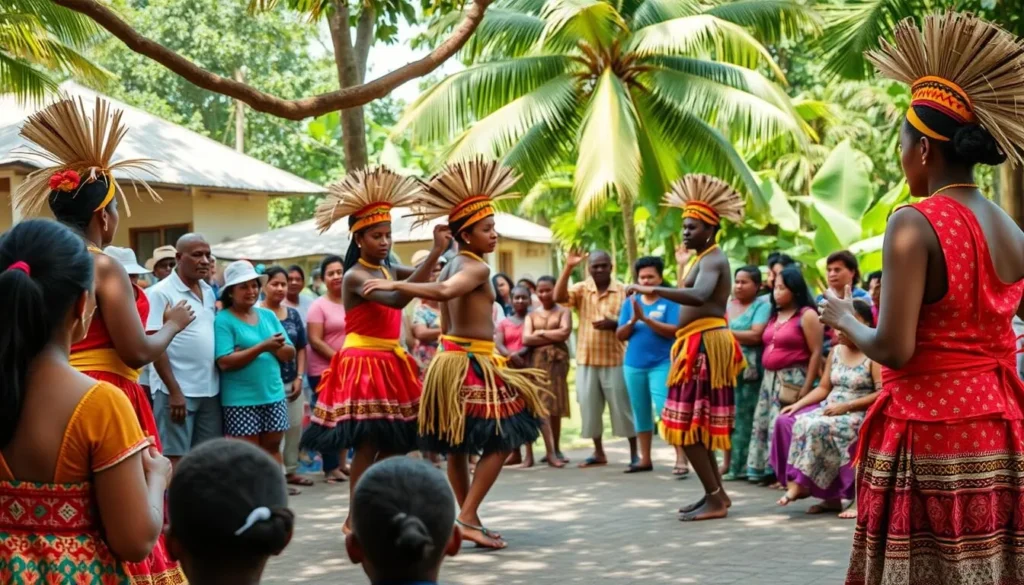
While Mount Kopinang doesn’t have formal museums, the area offers rich cultural experiences that provide insight into Patamona heritage and contemporary life.
Cultural Heritage Sites
- Village Council Building – Often displays traditional crafts and historical photographs
- Community Center – Hosts cultural demonstrations and gatherings
- Local Church – Represents the blending of Christianity with indigenous traditions
- Craft Workshops – Several homes where artisans create traditional items like woven baskets and beaded jewelry
Seasonal Festivals
Timing your visit to coincide with local celebrations can greatly enhance your experience:
- Village Anniversary (August) – Commemorates the founding of Kopinang Mission with music, dance, and feasting
- Harvest Festival (April) – Celebrates the cassava harvest with traditional food preparation demonstrations
- Christmas and Easter – Religious celebrations that blend Christian and indigenous traditions
“The true museum of Kopinang is the living culture of its people—their stories, crafts, and daily practices that have been passed down through generations.”
Visitors interested in deeper cultural immersion can arrange to participate in traditional activities like cassava processing, basket weaving, or medicinal plant walks with knowledgeable community members.
Sports, Nature & Outdoor Experiences
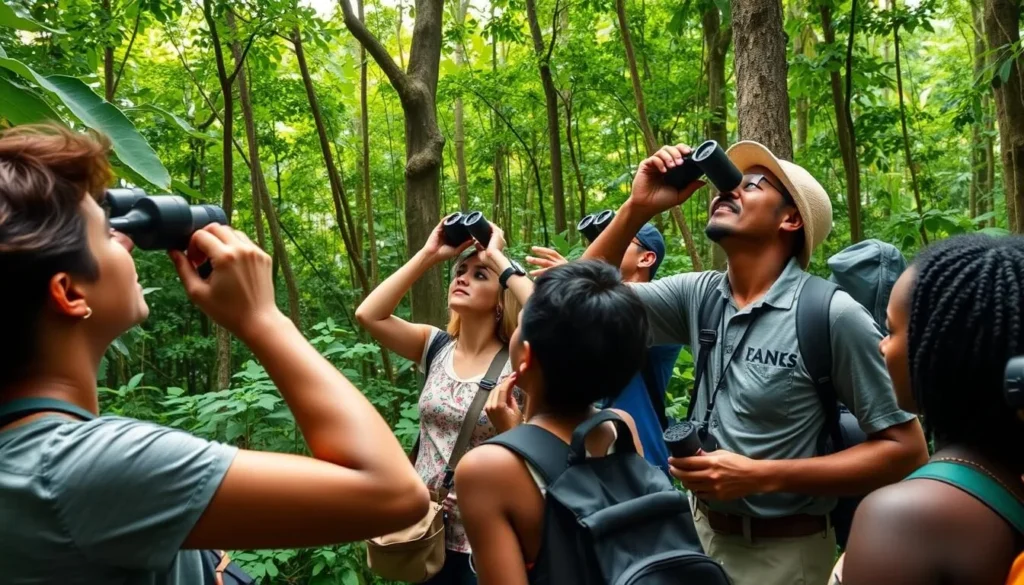
The pristine natural environment around Mount Kopinang offers exceptional opportunities for nature enthusiasts and outdoor adventurers.
Wildlife Watching
The forests surrounding Kopinang are home to diverse wildlife:
- Birdwatching – Over 200 species inhabit the area, including the Guianan Cock-of-the-rock with its brilliant orange plumage, colorful parrots, toucans, and elusive harpy eagles.
- Mammals – Lucky visitors might spot monkeys, tapirs, or even the secretive jaguar (though these are rarely seen).
- Amphibians – The region hosts numerous frog species, many with vibrant colors, best observed on night walks.
Hiking & Trekking
Beyond the falls trails, several hiking options exist:
- Mountain Ridge Trail – A challenging full-day hike offering panoramic views of the Pakaraima range
- Forest Medicine Walk – A gentler option focusing on medicinal plants used by Patamona healers
- River Trail – Follows the Kopinang River through varied ecosystems
Water Activities
The rivers and pools around Kopinang provide refreshing aquatic experiences:
- Swimming – Natural pools at the base of the smaller falls offer safe swimming spots during dry season
- Fishing – Try traditional fishing methods with local guides
- Canoeing – Some sections of the Kopinang River are suitable for traditional dugout canoe excursions (limited availability)
Safety, Etiquette & Local Customs
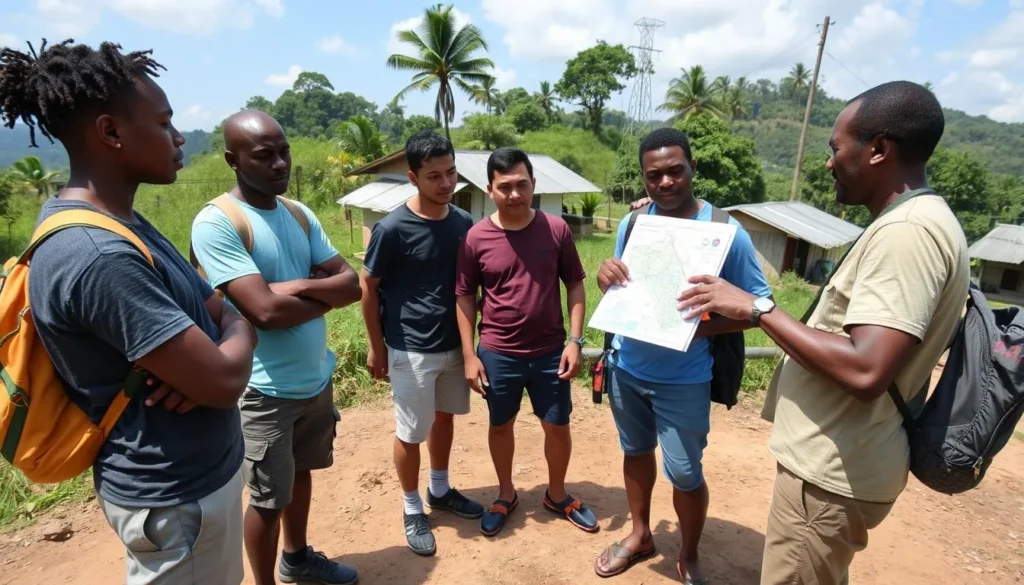
Safety Considerations
- Always hire local guides – The terrain can be challenging and weather conditions change rapidly
- Bring basic first aid supplies – Medical facilities are extremely limited
- Purify all drinking water – Either with purification tablets, filters, or by boiling
- Use insect repellent – Protect against mosquitoes that may carry diseases
- Inform others of your plans – Always let someone know your hiking itinerary
Cultural Etiquette
Respecting local customs will enhance your experience and benefit the community:
- Ask permission before photographing people or entering private spaces
- Dress modestly, especially when visiting the church or attending community events
- Remove shoes when entering someone’s home
- Accept offered food or drink when visiting homes (even if just a small amount)
- Greet elders with particular respect
Sustainable Tourism Practices
- Pack out all trash (there are no waste management facilities)
- Use biodegradable soap and shampoo
- Purchase local crafts and services to support the community economy
- Minimize use of plastic packaging and disposable items
- Respect wildlife by maintaining appropriate distances and not feeding animals
The remoteness of Mount Kopinang means emergency evacuation can be extremely difficult and expensive. Comprehensive travel insurance that covers emergency evacuation is strongly recommended.
Visitor Comments About Mount Kopinang
A Truly Authentic Experience
“Mount Kopinang offered exactly what I was seeking—an unspoiled natural paradise with minimal tourism infrastructure. The three-tiered waterfall system was breathtaking, and camping near the top of the falls was magical. The night sky there is unlike anything I’ve ever seen. The local Patamona people were incredibly welcoming and knowledgeable guides.”
Worth Every Effort
“Getting to Mount Kopinang wasn’t easy, but that’s part of what makes it special. The challenging hike to the main falls tested my limits but standing beneath that massive cascade was one of the most rewarding moments of my life. Our guide shared fascinating stories about the area’s history and pointed out medicinal plants I would have completely missed on my own.”
Hidden Gem of Guyana
“While Kaieteur Falls gets all the attention, I found Mount Kopinang to be equally impressive and far more intimate. Swimming in the natural pools near Wailang Palu was refreshing after the hike. The village stay was basic but comfortable, and the home-cooked meals were delicious. If you want to experience the ‘real’ Guyana away from tourist crowds, this is it.”
Practical Travel Tips
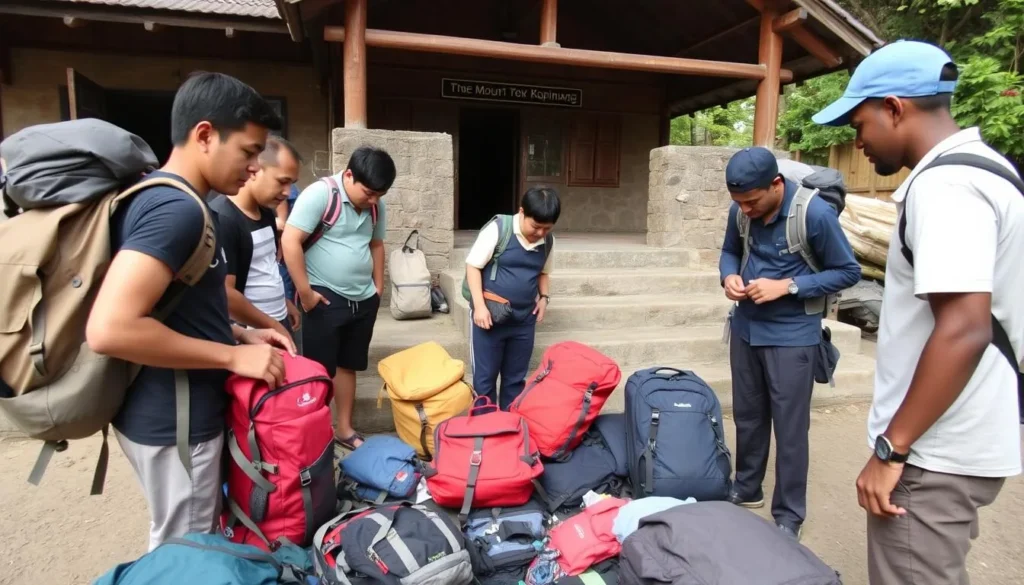
Essential Packing List
- Lightweight, quick-dry clothing (long sleeves/pants recommended)
- Rain jacket or poncho (regardless of season)
- Sturdy hiking boots with good ankle support
- Water sandals for river crossings and swimming
- Headlamp or flashlight with extra batteries
- Water purification method (tablets, filter, or pot for boiling)
- High SPF sunscreen and insect repellent
- Basic first aid kit including anti-diarrheal medication
- Compact towel and biodegradable soap
- Dry bags to protect electronics and documents
- Hammock and mosquito net (if camping)
- Cash in Guyanese dollars (no ATMs in Kopinang)
Communication
Cell phone coverage is extremely limited in Kopinang. The village has a radio communication system for emergencies, but you should plan to be disconnected during your stay. Some visitors bring satellite phones or GPS communicators for emergency use.
Booking & Arrangements
While independent travel to Kopinang is possible, most visitors find it easier to book through a tour operator in Georgetown who can arrange flights, guides, and accommodations as a package. Reputable operators include Wilderness Explorers, Evergreen Adventures, and Rainforest Tours.
How much should I budget for a trip to Mount Kopinang?
A 4-5 day trip typically costs between $800-1,200 USD per person, including domestic flights, accommodation, meals, and guides. The main expense is air transportation, as the small planes to Kopinang are costly to operate.
Is it possible to visit Mount Kopinang as a day trip?
No, due to the remote location and flight schedules, a minimum of 2-3 nights stay is necessary. Additionally, the main attractions require full-day hikes that cannot be completed in a single day trip format.
What permits are required to visit Mount Kopinang?
Visitors need to register with the Village Council upon arrival. Your guide will typically handle this formality. There is a small community tourism fee (approximately $10-15 USD) that supports local development projects.
The Enchantment Awaits
Mount Kopinang represents Guyana at its most authentic—a place where nature’s grandeur remains largely untouched and where traditional ways of life continue to thrive. The journey may require more effort than conventional destinations, but those who make the trip are rewarded with experiences that few travelers will ever know: standing alone beneath a magnificent waterfall, sharing stories around a campfire under stars that seem close enough to touch, and connecting with a way of life that moves to the rhythms of nature rather than technology. In an increasingly homogenized world of tourism, Mount Kopinang offers something increasingly rare—a genuine adventure that will remain etched in your memory long after you’ve returned home.
The above is subject to change.
Check back often to TRAVEL.COM for the latest travel tips and deals.



0 Comments