

Did you know that the Kurupukari Crossing on the Essequibo River serves as the gateway to one of the last four remaining pristine tropical forests in the world? This remote area in central Guyana sits at the threshold of the 3,710 square kilometer (1,430 square mile) Iwokrama Forest, home to over 420 fish species, 90 bat species, and some of the most extraordinary biodiversity on the planet. Welcome to Mount Kurupukari, a hidden gem in South America where adventure and untouched nature await the intrepid traveler.
Getting There & Planning Your Journey
Reaching Mount Kurupukari requires some planning, but the journey is part of the adventure. Most international travelers arrive at Cheddi Jagan International Airport near Georgetown, Guyana’s capital. From there, you have several options to reach this rainforest destination.
Air Travel Options
While there’s no direct flight to Mount Kurupukari itself, you can fly from Georgetown to Annai or Fairview airstrips. Several local airlines operate these routes, including Trans Guyana Airways and Air Services Limited. The 90-minute flight offers spectacular views of unbroken rainforest canopy before you continue your journey to Kurupukari by land.
Overland Adventure
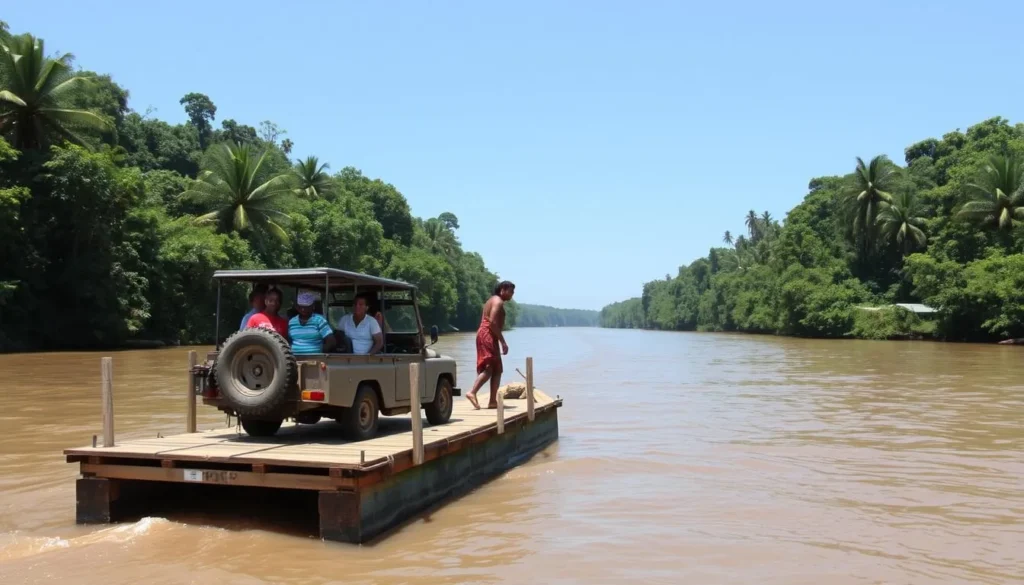
For the more adventurous traveler, reaching Mount Kurupukari by road from Georgetown is a memorable experience. The journey takes approximately 12-14 hours on rough roads through small villages and forest. Most travelers opt for the overnight bus to Kurupukari Ferry crossing, where you’ll cross the mighty Essequibo River on a hand-cranked ferry—a unique experience in itself. While challenging, this option provides an authentic glimpse into rural Guyanese life.
Best Time to Visit & Weather Tips
Guyana has two rainy seasons and two dry seasons, which significantly affects accessibility and wildlife viewing in the Mount Kurupukari region.
Recommended Seasons
- Primary Dry Season (August to November): The ideal time to visit with sunny days, minimal rainfall, and excellent wildlife viewing opportunities. Temperatures average 26-32°C (79-90°F).
- Secondary Dry Season (February to April): Another good option with slightly more unpredictable weather but fewer visitors. Temperatures remain warm at 25-31°C (77-88°F).
Seasons to Avoid
- Primary Rainy Season (May to July): Heavy rainfall can make forest trails muddy and difficult to navigate. Some activities may be canceled due to weather conditions.
- Secondary Rainy Season (December to January): Less intense rainfall but still potentially disruptive to outdoor activities.
Even during the dry season, be prepared for occasional rain showers – this is a rainforest after all! Pack quick-dry clothing, waterproof bags for electronics, and a positive attitude.
Getting Around Locally
Once you’ve arrived at Mount Kurupukari, getting around involves a mix of boat trips, guided walks, and vehicle transfers. The Kurupukari Crossing serves as the main hub for most activities.
River Transportation
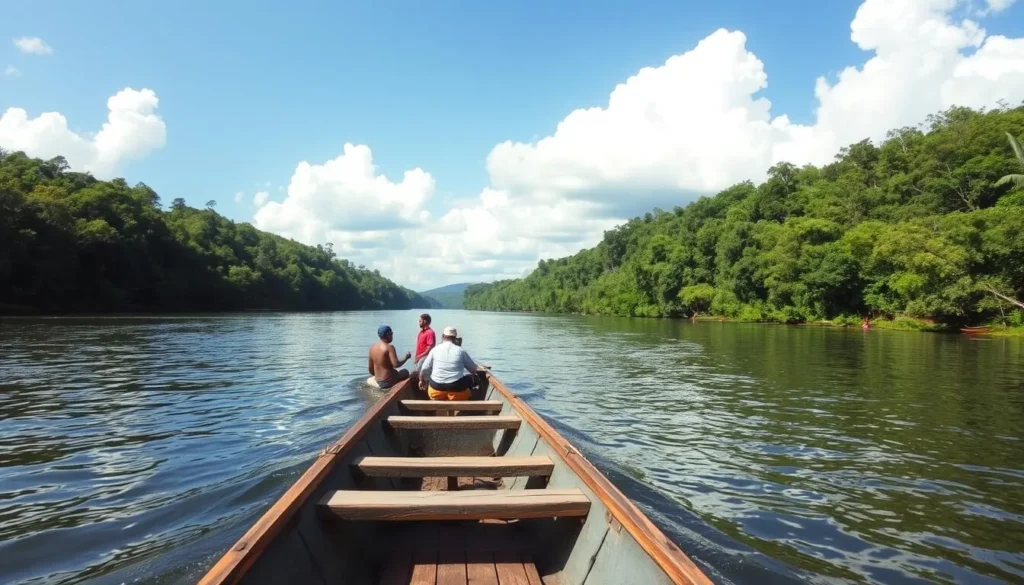
The majestic Essequibo River runs through the heart of the region. Many excursions begin with boat rides, offering excellent opportunities to spot wildlife along the riverbanks, including Black Caiman, Giant River Otters, and numerous bird species. Local guides are skilled at navigating these waters and pointing out wildlife that might otherwise go unnoticed.
Forest Trails
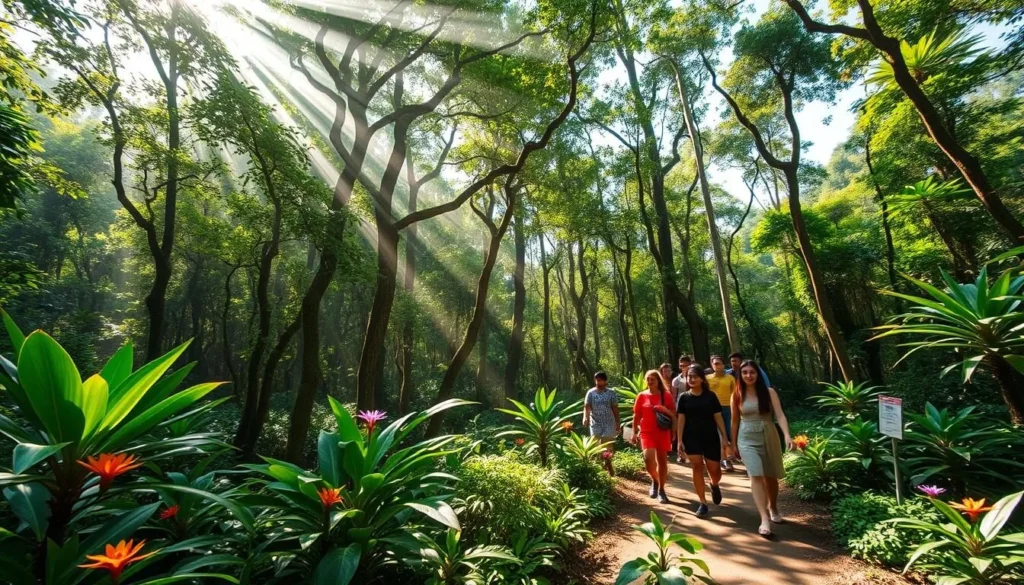
A network of well-maintained trails allows exploration of the rainforest interior. All hikes are accompanied by knowledgeable local guides who help spot wildlife and explain the complex ecosystem. Trails range from easy 1-hour walks to more challenging hikes like the Turtle Mountain trail (approximately 3-4 hours round trip).
Vehicle Transfers
4×4 vehicles are used for longer journeys, such as visits to the nearby Iwokrama Canopy Walkway. These drives often yield wildlife sightings, including the elusive jaguar if you’re extremely fortunate. The rugged terrain requires specialized vehicles and experienced drivers familiar with local conditions.
Where to Stay
Accommodation options around Mount Kurupukari are limited but authentic, offering a true rainforest experience without sacrificing basic comforts.
Iwokrama River Lodge
Located near the Kurupukari Crossing, Iwokrama River Lodge is the primary accommodation option, featuring comfortable cabins along the Essequibo River. Each cabin includes:
- Screened windows to keep wildlife out while allowing natural breezes in
- Comfortable beds with mosquito nets
- Private bathrooms with refreshing cold showers
- Verandas with hammocks overlooking the river – perfect for wildlife watching
- Solar-powered electricity and fans
The main lodge building houses a dining area, bar, and communal spaces where guests gather to share stories of their day’s adventures.
Atta Rainforest Lodge
Located near the famous Iwokrama Canopy Walkway, about 30 minutes from Kurupukari Crossing, Atta Rainforest Lodge offers a more remote experience deeper in the forest. The simple but comfortable rooms put you right in the heart of the jungle, where you’ll fall asleep to a symphony of forest sounds and potentially wake to howler monkeys calling at dawn.

Dining & Local Cuisine
Meals around Mount Kurupukari are a delightful introduction to Guyanese cuisine, featuring fresh local ingredients and traditional cooking methods.
Lodge Dining
All meals are typically included in your stay and served in the main lodge building. Breakfast usually features fresh tropical fruits, eggs, and local breads. Lunch and dinner showcase Guyanese specialties such as:
- Pepperpot – A rich, spiced meat stew made with cassareep (a special sauce derived from cassava)
- Cook-up Rice – A one-pot dish combining rice, beans, and meat
- Cassava Bread – A traditional flatbread made from cassava root
- Fresh Fish – Often caught from the Essequibo River and prepared with local herbs
Dietary Accommodations
The lodges can accommodate vegetarian, vegan, and other dietary requirements with advance notice. Many traditional Guyanese dishes are naturally plant-based, making it relatively easy to cater to various preferences. Due to the remote location, it’s essential to communicate any dietary restrictions when booking your stay.

Attractions, Sightseeing & Activities
Mount Kurupukari offers a wealth of activities that connect visitors with the rainforest’s extraordinary biodiversity and the cultural heritage of the region.
Kurupukari Falls
The namesake falls of the region are a series of rapids and cascades on the Essequibo River. While not as dramatic as some of Guyana’s other waterfalls, they create a beautiful setting and are culturally significant to local indigenous communities. The falls are best viewed during the dry season when water levels are lower and the individual cascades are more defined.
Iwokrama Canopy Walkway
One of the most popular attractions near Mount Kurupukari is the Iwokrama Canopy Walkway, a series of suspension bridges up to 30 meters (98 feet) above the forest floor. This unique vantage point allows visitors to observe life in the canopy, including colorful birds, monkeys, and other arboreal wildlife that rarely descend to ground level.
Wildlife Spotting
Guided wildlife excursions are available both day and night. During the day, you might spot:
- Black Caiman (including resident caiman often seen near the crossing)
- Giant River Otters
- Red Howler Monkeys
- Scarlet Macaws and toucans
- If extremely lucky, jaguars or other wild cats
Night excursions reveal a different cast of characters, including tree boas, various frogs, and nocturnal mammals.

Museums, Cultural Spots & Festivals
While Mount Kurupukari itself is primarily a natural destination, there are several cultural experiences available within and near the area.
Fair View Village
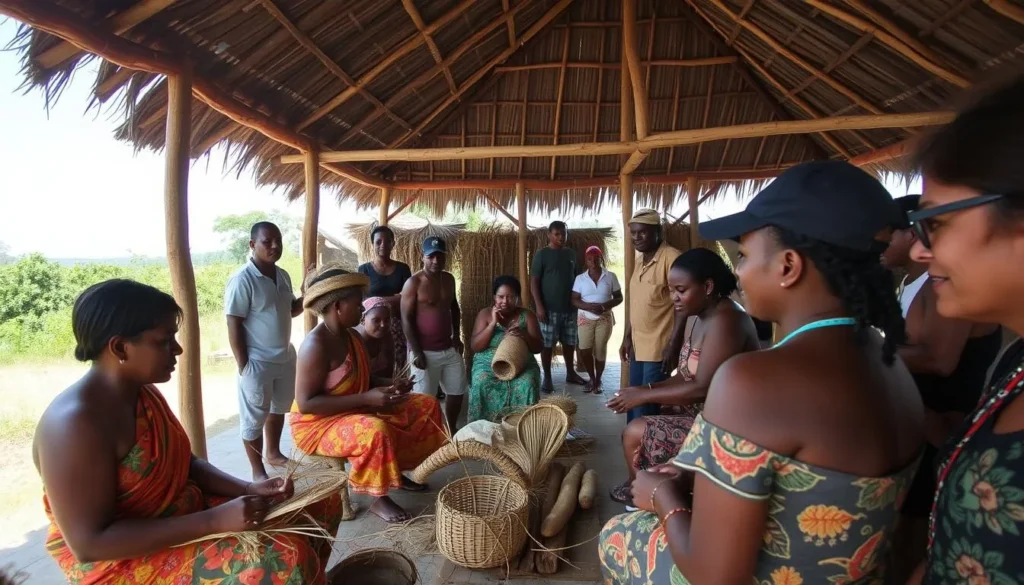
This small indigenous community near the Kurupukari Crossing welcomes visitors interested in learning about traditional Makushi culture. Community members share knowledge about traditional farming practices, medicinal plants, and craft-making. Visits to the village provide insight into how local communities have lived sustainably in the rainforest for generations.
Iwokrama Research Centre
The Iwokrama International Centre for Rainforest Conservation and Development maintains exhibits about the forest’s ecology and ongoing research projects. Visitors can learn about sustainable forestry practices and conservation efforts that make the surrounding forest a model for rainforest management worldwide.
Petroglyphs
Ancient rock carvings can be found on boulders in the Essequibo River near Kurupukari. These petroglyphs, created by indigenous peoples centuries ago, provide a tangible link to the region’s long human history and are best viewed during the dry season when river levels are lower.
Sports, Nature & Outdoor Experiences
Mount Kurupukari and the surrounding Iwokrama Rainforest offer numerous ways to immerse yourself in nature through active outdoor experiences.
Birdwatching
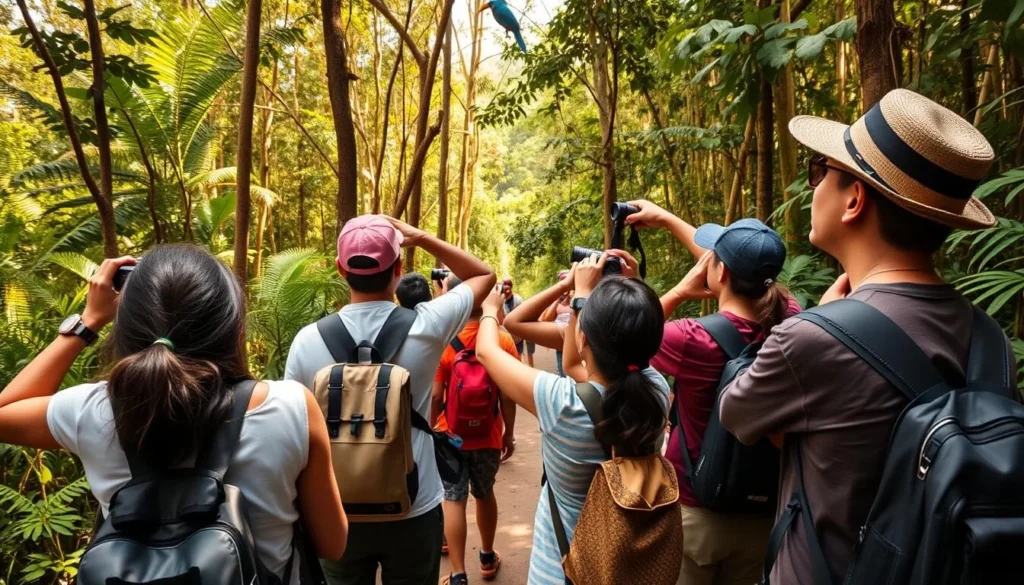
With over 500 bird species recorded in the area, Mount Kurupukari is a paradise for birdwatchers. Early morning excursions offer the best opportunities to spot colorful species such as:
- Guianan Cock-of-the-rock with its brilliant orange plumage
- Harpy Eagles, one of the world’s largest and most powerful eagles
- Crimson Topaz hummingbirds
- Various parrots, toucans, and macaws
River Activities
The Essequibo River provides opportunities for various water-based activities:
- Guided boat tours to spot riverside wildlife
- Fishing for peacock bass and other species (catch and release encouraged)
- Swimming in designated safe areas
Hiking and Trekking
The forests around Mount Kurupukari offer hiking opportunities for all fitness levels. Popular trails include:
- Turtle Mountain Trail – A challenging 3-4 hour round trip hike with panoramic views
- Mori Scrub Trail – An easier walk through unique white sand forest
- Powerline Trail – Good for spotting ground-dwelling birds and mammals
Safety, Etiquette & Local Customs
Visiting Mount Kurupukari safely and respectfully requires awareness of both natural hazards and cultural considerations.
Health & Safety
- Hydration: The tropical climate demands constant hydration. Carry water at all times.
- Sun Protection: Even under the canopy, sun protection is essential. Wear hats, sunscreen, and lightweight long sleeves.
- Insect Protection: Use insect repellent containing DEET or Picaridin. Consider treating clothes with permethrin before your trip.
- Follow Guide Instructions: Always heed the advice of your guides, who understand the forest and its potential hazards.
- Medical Preparation: Bring basic medications and inform your lodge of any medical conditions before arrival.
Cultural Respect
Mount Kurupukari is not only a natural treasure but also the ancestral home of indigenous communities. Show respect by:
- Asking permission before photographing local people
- Learning a few basic greetings in English (the official language) or local languages
- Respecting traditional knowledge and practices
- Supporting local communities by purchasing crafts or participating in community-led activities
Environmental Etiquette
- Stay on designated trails to minimize impact on the forest
- Never feed wildlife, which can alter natural behaviors
- Pack out all trash and consider bringing a reusable water bottle
- Respect quiet hours at the lodge to allow others to enjoy the natural soundscape
Visitor Comments About Mount Kurupukari
“Crossing the Essequibo on the hand-cranked ferry at Kurupukari was an adventure in itself! Our three days in the area were filled with wildlife encounters—we spotted giant river otters, countless birds, and even glimpsed a jaguar crossing the road at dusk. The canopy walkway gave us a completely different perspective of the rainforest. The accommodations were basic but comfortable, and the local guides were incredibly knowledgeable.”
“The Mount Kurupukari region exceeded all my expectations. As an avid birder, I was in heaven with over 120 species spotted in just four days. The Iwokrama Canopy Walkway was the highlight—we saw monkeys, toucans, and macaws at eye level! The lodges were more comfortable than I expected for such a remote location, and the food was excellent. Pack light, quick-dry clothes and embrace the adventure!”
“Our visit to Mount Kurupukari and the surrounding Iwokrama Forest was the highlight of our Guyana trip. The night walks revealed incredible creatures—tree frogs, kinkajous, and even a boa constrictor! The local Makushi guides shared fascinating knowledge about medicinal plants and traditional uses of the forest. Be prepared for basic accommodations, but the authentic experience and untouched wilderness make it absolutely worthwhile.”
Practical Travel Tips
What to Pack
- Lightweight, quick-dry clothing in neutral colors
- Long-sleeved shirts and pants for sun and insect protection
- Sturdy hiking boots or trail shoes
- Rain jacket or poncho, regardless of season
- Binoculars for wildlife viewing
- Headlamp or flashlight for night walks and power outages
- Insect repellent and sunscreen
- Basic first aid supplies
- Waterproof bags for electronics
Communication
Cell service is extremely limited around Mount Kurupukari. The lodges have satellite internet, but it’s slow and sometimes unreliable. Inform family and friends that you’ll have limited connectivity during your stay.
Money Matters
There are no ATMs or credit card facilities in the area. Bring sufficient cash (Guyanese dollars or US dollars) for tips, souvenirs, and any extra activities. Most lodges accept US dollars for payment.

Booking Considerations
- Book accommodations and activities well in advance, especially during peak season
- Consider combining Mount Kurupukari with visits to other Guyanese destinations like Kaieteur Falls or the Rupununi Savannah
- Allow at least 3-4 nights to fully experience the area’s offerings
- Confirm all transfer arrangements before arrival in Guyana
Mount Kurupukari operates on a sustainable tourism model where your visit directly supports conservation efforts and local communities. The slightly higher cost compared to other destinations reflects this commitment to responsible tourism.
Gateway to Guyana’s Pristine Wilderness
Mount Kurupukari offers a rare opportunity to experience one of Earth’s most pristine ecosystems while supporting conservation and sustainable development. From the thrill of crossing the Essequibo on a hand-cranked ferry to the wonder of walking among the treetops on the nearby canopy walkway, every moment in this special place connects you with the extraordinary biodiversity that makes Guyana so special.
As you plan your journey to this remarkable destination, remember that you’re not just a visitor but a participant in preserving one of our planet’s most valuable natural treasures. The memories you create here—waking to howler monkeys at dawn, watching scarlet macaws fly overhead at sunset, or simply sitting in peaceful contemplation of the ancient forest—will remain with you long after you’ve returned home.
The above is subject to change.
Check back often to TRAVEL.COM for the latest travel tips and deals.



0 Comments