
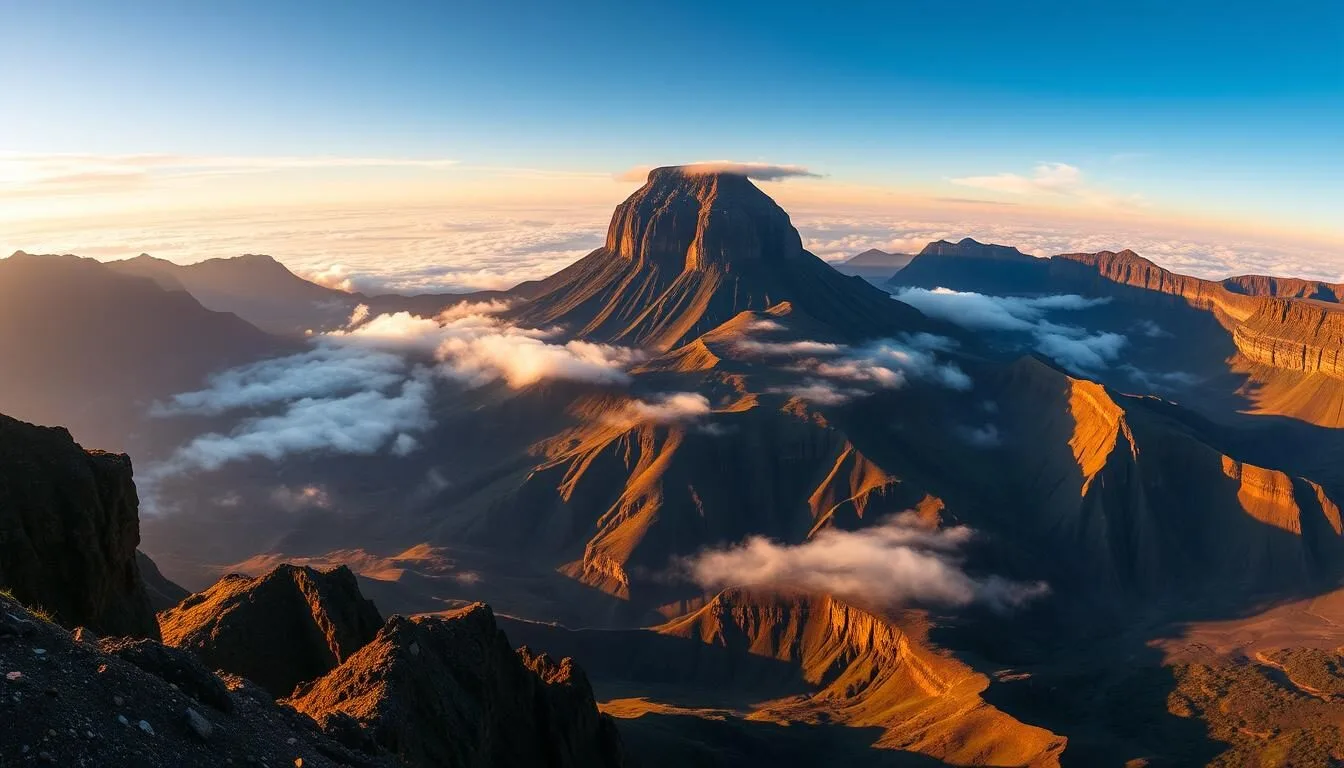
Standing tall for over 2 billion years, Mount Roraima is one of Earth’s oldest geological formations and a surreal “island in the sky” where three countries meet. This ancient tepui (table mountain) at the intersection of Guyana, Venezuela, and Brazil offers adventurers a landscape so unique that it inspired Sir Arthur Conan Doyle’s “The Lost World.” With sheer 400-meter cliffs on all sides, crystal valleys that sparkle in the sunlight, and carnivorous plants found nowhere else on Earth, Mount Roraima isn’t just a hike—it’s a journey to a prehistoric world frozen in time.
Getting There & Planning Your Journey
The journey to Mount Roraima requires some planning, as this remote wonder isn’t easily accessible. Most travelers begin their expedition from one of two main gateways:
From Venezuela (Most Common Route)
The most established route starts in Santa Elena de Uairén, Venezuela. International travelers typically fly into Simón Bolívar International Airport in Caracas, Venezuela, then take a domestic flight to Puerto Ordaz or Ciudad Bolívar, followed by ground transportation to Santa Elena.
From Brazil (Alternative Route)
Alternatively, you can fly into Boa Vista International Airport in Brazil, then travel by road to Santa Elena de Uairén, which sits near the Brazilian border.
From Santa Elena, you’ll need to arrange transportation to Paraitepuy, the small indigenous village that serves as the trailhead for the Mount Roraima trek. The journey to Paraitepuy takes approximately 2 hours by 4WD vehicle.
Important: Independent hiking is not permitted. All visitors must hire an authorized guide and porters for the trek. Most expeditions are organized as all-inclusive packages from Santa Elena.
Best Time to Visit & Weather Tips
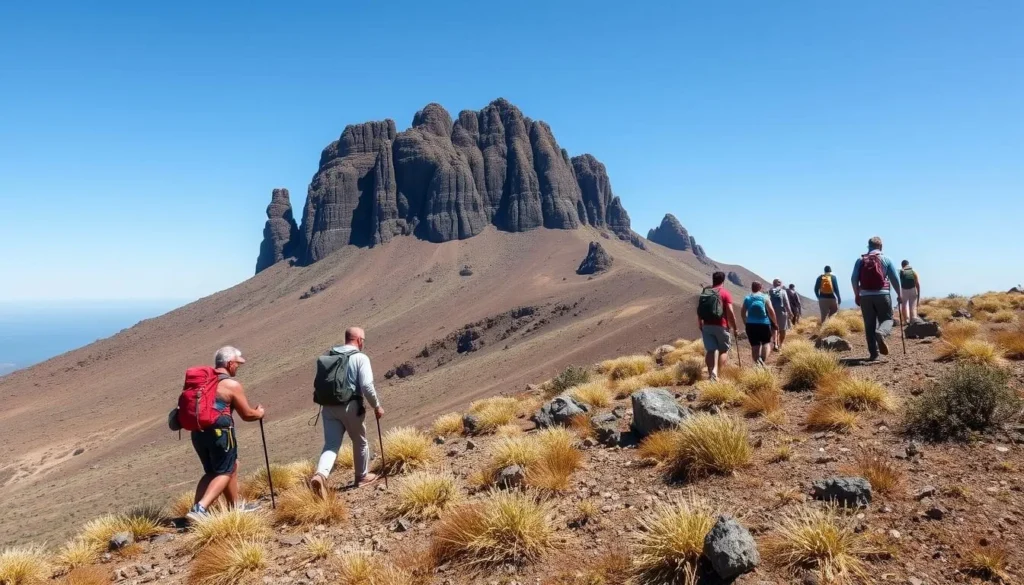
The weather on Mount Roraima is notoriously unpredictable, with frequent rain, fog, and sudden temperature changes possible throughout the year. However, some seasons offer better trekking conditions than others.
Recommended Months (Dry Season)
- January to April offers the best overall conditions
- Clearer trails and better visibility at the summit
- Daytime temperatures range from 20–25°C (68–77°F) at the base
- Summit temperatures of 10–15°C (50–59°F) during the day
- Night temperatures can drop to 5°C (41°F) or even 0°C (32°F)
Months to Avoid (Rainy Season)
- April to September brings heavier rainfall
- Trails become muddier and more challenging
- Increased risk of slippery conditions on the climb
- Limited visibility at the summit due to fog and clouds
Traveler Tip: Even during the dry season, be prepared for afternoon showers and misty conditions at the summit. Pack quick-dry clothing, waterproof gear, and warm layers for the cold nights regardless of when you visit.
Getting Around Locally
Once you arrive in Santa Elena de Uairén, your options for local transportation are limited but sufficient:
To the Trailhead
- 4WD vehicles are the only reliable transportation to Paraitepuy (the trailhead)
- Most tour operators include this transfer in their packages
- If traveling independently, you can hire a jeep in Santa Elena
On the Mountain
The only way to explore Mount Roraima is on foot. The standard trekking route includes:
- Day 1: Paraitepuy to Rio Tek Camp (4 hours hiking)
- Day 2: Rio Tek Camp to Base Camp (3-5 hours)
- Day 3: Base Camp to Summit (3.5-4.5 hours of steep climbing)
- Days 4-5: Exploration of the summit
- Days 6-7: Descent back to Paraitepuy
Where to Stay
Before and After the Trek
Santa Elena de Uairén offers several accommodation options for travelers before and after their Mount Roraima expedition:
Hotel Gran Sabana
A comfortable option with modern rooms, a swimming pool, garden, and restaurant serving excellent local cuisine.
Posada Los Pinos
A cozy inn with free Wi-Fi, swimming pool, and helpful staff who can assist with tour arrangements.
Hotel WaküPata
Located 3km from town center, offering cabins and vacation homes with a focus on integration with the natural environment.
During the Trek
During the Mount Roraima trek, accommodation is primitive but part of the adventure:
- Rio Tek Camp (Day 1): Tent camping near a river with basic facilities
- Base Camp (Day 2): Tent camping at the foot of Mount Roraima
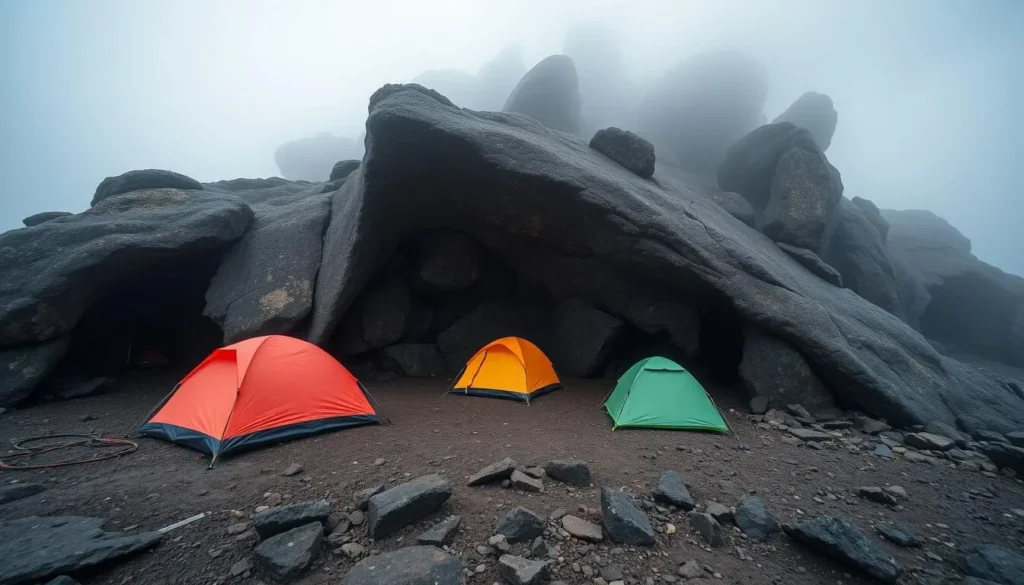
- Summit “Hotels” (Days 3-5): Natural rock shelters where tents are set up, providing protection from the frequent rain
Traveler Tip: Pack a quality sleeping pad and a sleeping bag rated for 0°C (32°F) for comfort during cold nights on the mountain. Tour operators typically provide tents and cooking equipment.
Dining & Local Cuisine
In Santa Elena de Uairén
Before and after your trek, Santa Elena offers several dining options:
- Intimo’s: A highly-rated restaurant with a gourmet concept and attentive service
- Piano Piano: Popular for its Brazilian and South American cuisine at reasonable prices
- La Frontera: A casual spot for quick, affordable meals featuring arepas and other Venezuelan specialties
During the Trek
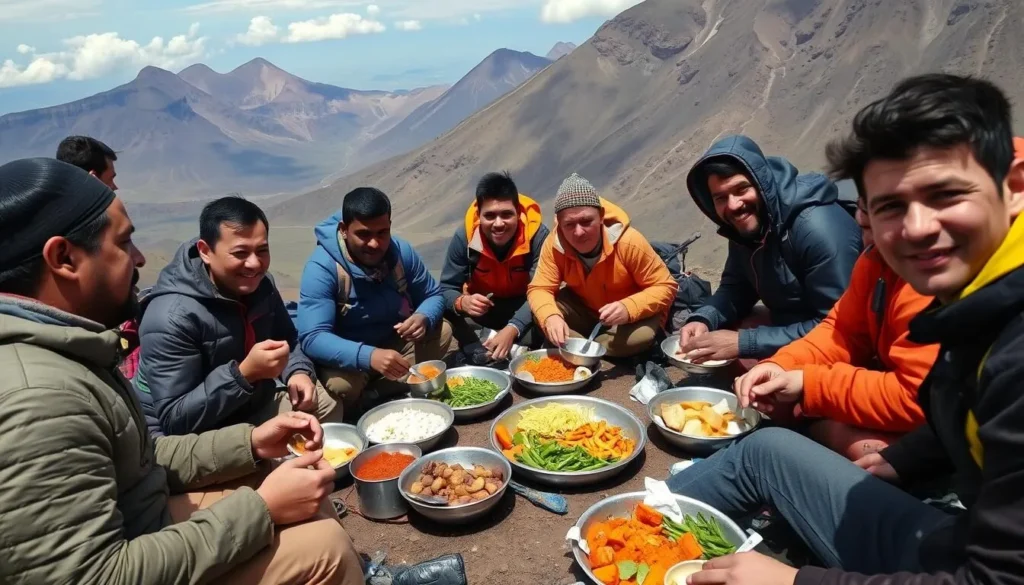
On the Mount Roraima expedition, meals are typically:
- Prepared by porters and guides who carry food supplies
- Nutritious and energy-rich to sustain trekkers
- Consisting of cereals, fruits, nuts, vegetables, and proteins
- Simple but satisfying, with hot meals in the morning and evening
Traveler Tip: While porters provide meals, bringing some personal snacks like energy bars, nuts, and chocolate is recommended for quick energy boosts during the trek.
Attractions, Sightseeing & Activities
Top Attractions on Mount Roraima
The summit of Mount Roraima offers several must-see attractions during your 1-3 day exploration:
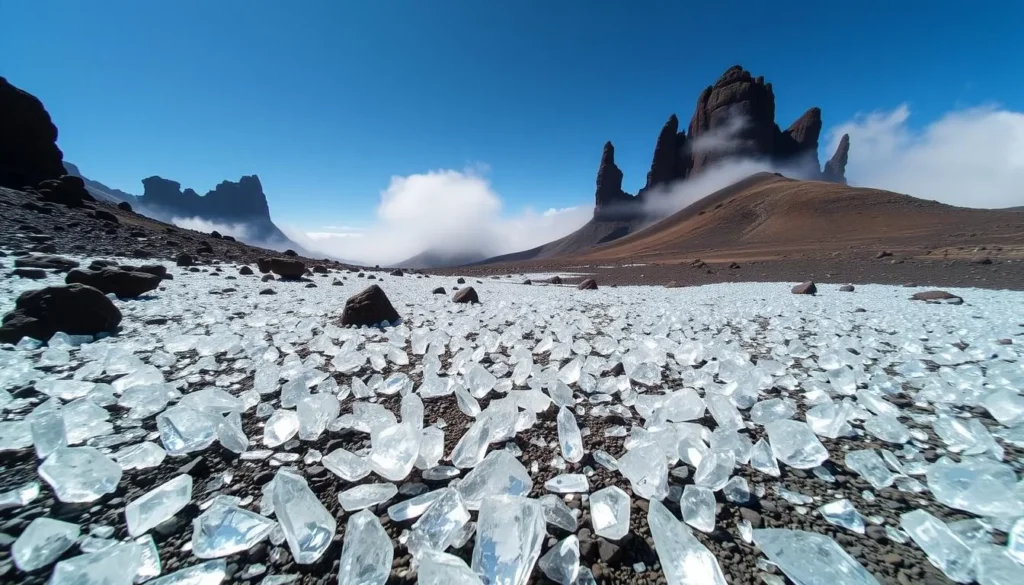
The Valley of Crystals
A surreal landscape where the ground is covered with sparkling quartz crystals that reflect sunlight, creating a magical fairy-tale atmosphere.
La Ventana (The Window)
A spectacular natural viewpoint offering breathtaking panoramas of the Gran Sabana and neighboring tepuis, with clouds rising from the abyss below.
Triple Point
The unique border intersection where Venezuela, Brazil, and Guyana meet, allowing you to stand in three countries simultaneously.
The Jacuzzis
Natural pools formed by rainwater in the rock, offering a refreshing (though chilly) swim after a day of exploration.
The Abyss (El Foso)
An impressive precipice offering dizzying views into the void below—approach with caution as the drop is several hundred meters.
Maverick Rock
The highest point on Mount Roraima at 2,810 meters (9,219 feet), offering spectacular 360-degree views of the entire plateau.
Cultural Significance & Natural Wonders
Indigenous Heritage
Mount Roraima holds deep cultural significance for the indigenous Pemón people who inhabit the Gran Sabana region. According to their mythology, the mountain is the stump of a mighty tree that once held all the fruits and vegetables of the world. When the trickster hero Makunaima chopped it down, a great flood was unleashed.
Unique Ecosystem
The isolation of Mount Roraima’s summit has created an evolutionary laboratory where unique species have developed:
- Approximately 35% of the plants and animals are endemic, found nowhere else on Earth
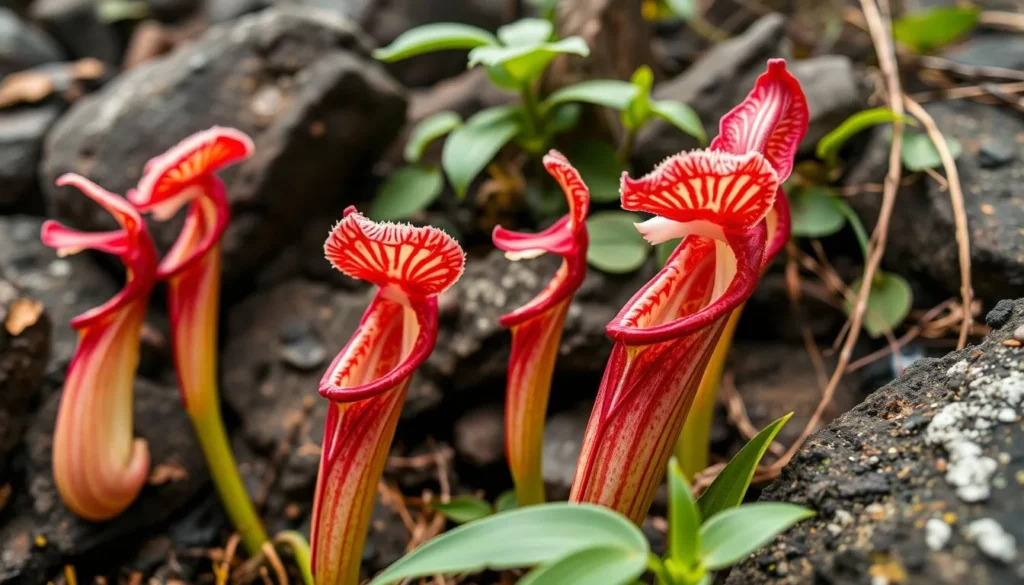
- Several species of carnivorous plants, including the beautiful Marsh Pitcher Plant
- The Roraima Bush Toad, a small black amphibian unique to the tepui
- Diverse orchids, bromeliads, and other specialized plant life
Geological Wonder
At approximately 2 billion years old, Mount Roraima’s sandstone formations are among the oldest exposed rocks on Earth. The mountain offers a glimpse into our planet’s distant past, with unique geological features shaped by millions of years of erosion.
The Mount Roraima Trek Experience
Standard 6-Day Itinerary
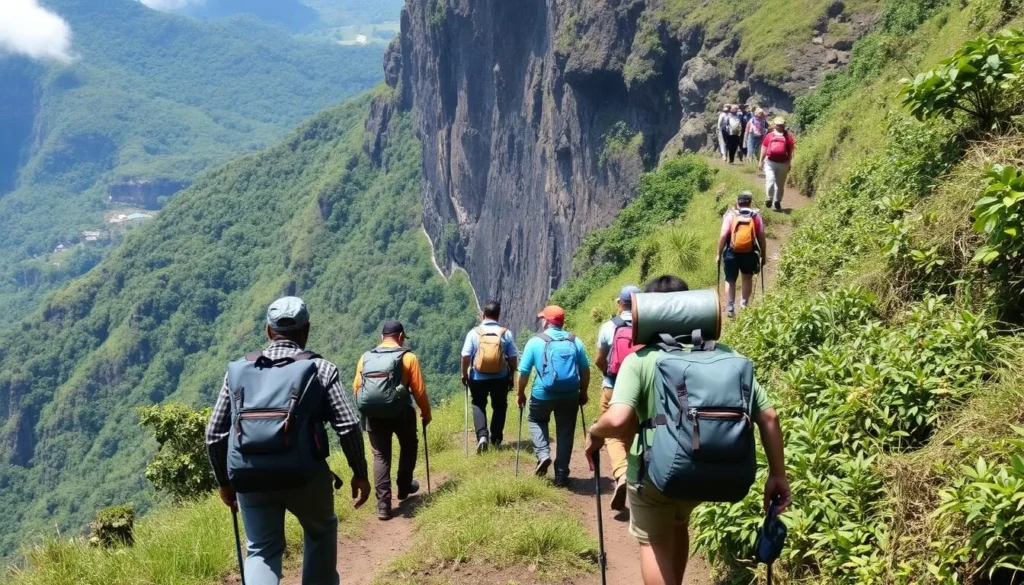
The classic Mount Roraima trek follows this general schedule:
- Day 1: 4WD journey from Santa Elena to Paraitepuy, followed by a 4-hour hike to Rio Tek Camp
- Day 2: 5-hour trek to Base Camp, crossing rivers and gradually gaining elevation
- Day 3: Challenging 5-hour ascent of the Roraima wall to reach the summit camp
- Day 4: Full day exploring the summit’s attractions
- Day 5: Descent to Rio Tek Camp
- Day 6: Return to Paraitepuy and transfer back to Santa Elena
Physical Requirements
The Mount Roraima trek is moderately difficult and requires:
- Good physical fitness and endurance for long hiking days
- Ability to handle steep ascents and descents
- Comfort with basic camping conditions
- Adaptation to varying weather conditions
Traveler Tip: Porters can carry most of your equipment, allowing you to hike with just a daypack containing essentials like water, snacks, camera, and rain gear.
Safety, Etiquette & Local Customs
Safety Considerations
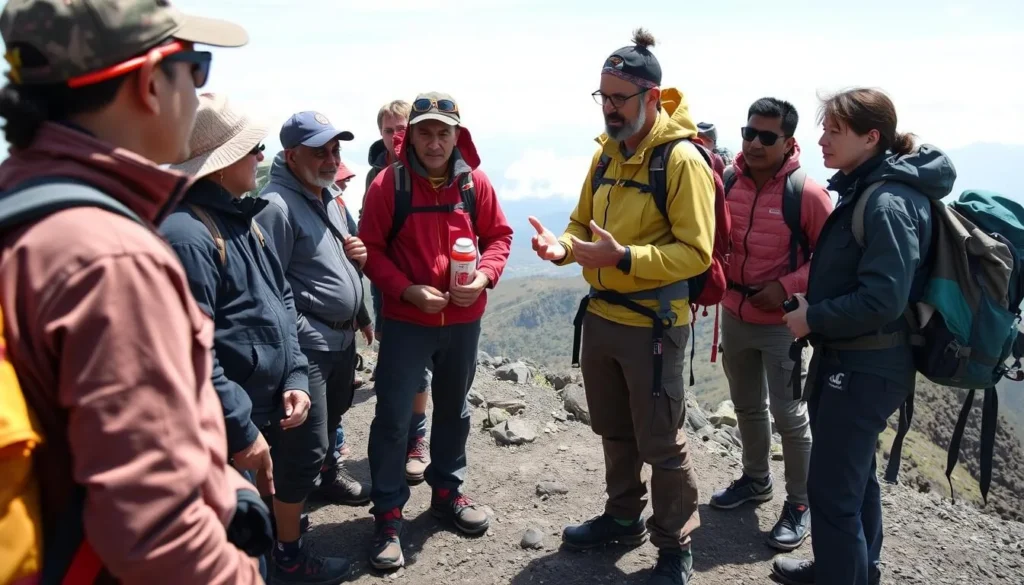
- Always trek with authorized guides who know the terrain and weather patterns
- Be prepared for sudden weather changes with appropriate clothing and gear
- Carry a basic first aid kit for minor injuries
- Stay on established paths to avoid getting lost in the mist
- Exercise extreme caution near cliff edges, especially in foggy conditions
- Purify all drinking water, even from seemingly clear streams
Environmental Etiquette
- Practice “Leave No Trace” principles—pack out all trash
- Do not remove crystals, plants, or any natural items (fines up to $500 may apply)
- Avoid disturbing wildlife or damaging vegetation
- Use biodegradable soap for washing
- Stay within designated camping areas
Cultural Respect
The Gran Sabana region is home to the Pemón indigenous people. When interacting with local communities:
- Ask permission before photographing people
- Respect sacred sites and cultural traditions
- Support local economies by hiring local guides and porters
- Learn a few basic Spanish or Pemón phrases as a courtesy
Visitor Comments About Mount Roraima
“The Valley of Crystals was like walking through a fairy tale—quartz crystals sparkling everywhere in the sunlight. Our guide knew exactly when to visit for the best lighting. The challenging trek was absolutely worth it for the otherworldly landscape at the top.”
“Standing at the Triple Point where three countries meet was a highlight of our South American adventures. The porters were incredible, carrying heavy loads while we enjoyed the trek with just daypacks. Don’t miss La Ventana viewpoint—it’s breathtaking!”
“The carnivorous plants and unique ecosystem made me feel like I was on another planet. Our 8-day trek gave us plenty of time to explore the summit. Bring a good camera with extra batteries—you’ll want to capture everything about this magical place.”
Practical Travel Tips
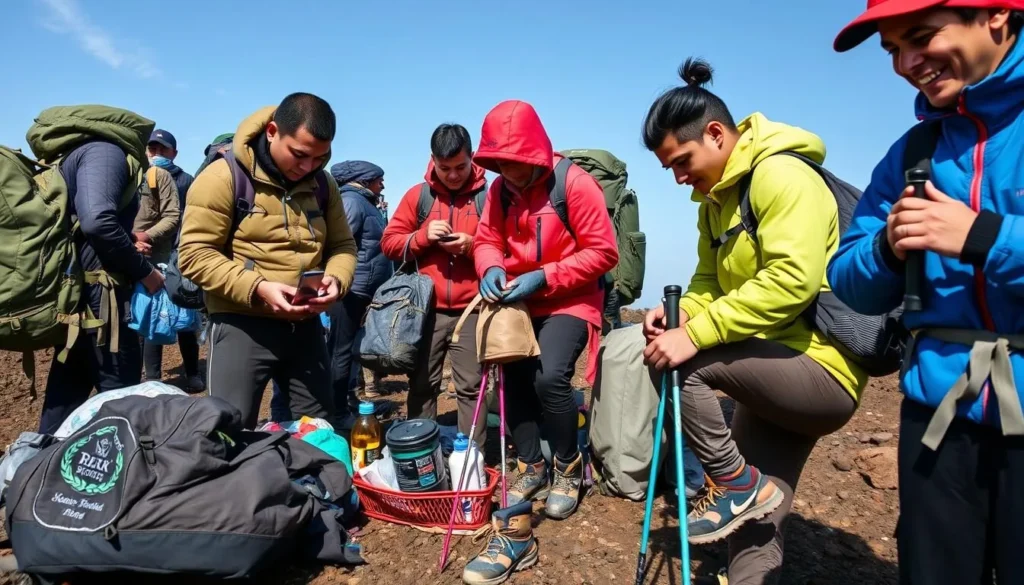
Essential Packing List
Clothing
- Moisture-wicking hiking clothes (layers)
- Waterproof jacket and pants
- Warm fleece or down jacket for cold nights
- Sturdy hiking boots (well broken-in)
- Quick-dry socks (multiple pairs)
- Hat for sun protection
Equipment
- Sleeping bag (rated for 0°C/32°F)
- Comfortable sleeping pad
- Headlamp with extra batteries
- Trekking poles
- Water bottles or hydration system
- Water purification tablets or filter
Documentation & Money
- Passport with appropriate visas (check requirements for Venezuela, Brazil, and Guyana)
- International certificate of vaccination (yellow fever)
- Travel insurance covering high-altitude trekking and emergency evacuation
- Cash in multiple currencies (USD, Brazilian real, Venezuelan bolivar)
Health Considerations
- Consult a travel doctor for recommended vaccinations
- Pack altitude sickness medication if you’re sensitive to elevation
- Bring insect repellent for the lower sections (especially for sand flies)
- Include sunscreen (SPF 50+) for the intense equatorial sun
- Pack personal medications and a basic first aid kit
A Journey to Earth’s Ancient Past
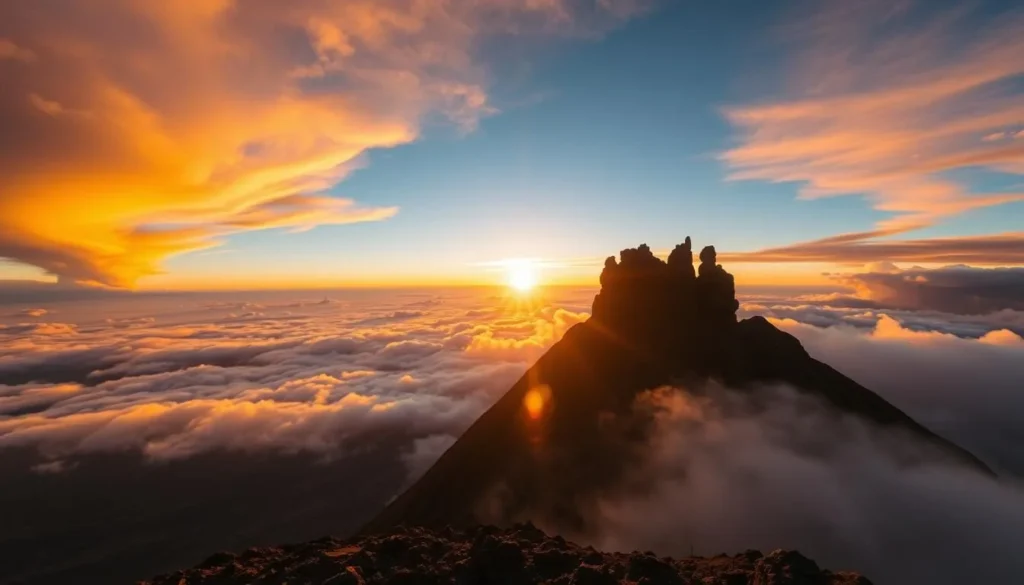
Mount Roraima isn’t merely a destination—it’s a portal to Earth’s distant past. As you stand atop this ancient plateau, surrounded by bizarre rock formations, crystal fields, and species that exist nowhere else on our planet, you’ll understand why this place has captivated explorers and storytellers for centuries. The journey may be challenging, but few adventures offer such a profound connection to our planet’s primordial history. Whether you’re watching clouds swirl around La Ventana, discovering carnivorous plants, or simply marveling at the silence of this isolated world, Mount Roraima promises memories that will last a lifetime—a true journey to the lost world at the roof of South America.
Related Posts
Waukauyengtipu, Guyana: Best Things to Do – Top Picks
Surama Eco-Lodge and Village, Guyana: Best Things to Do – Top Picks
Wakenaam Island (Essequibo River), Guyana: Best Things to Do – Top Picks
Shell Beach Protected Area, Guyana: Best Things to Do – Top Picks

Tiger Island (Essequibo River), Guyana: Best Things to Do – Top Picks
Sloth Island Nature Resort, Guyana: Best Things to Do – Top Picks
Coming Soon: Clickable Maps